
Everyday comfort has become easier to postpone. Across Canada, small upgrades that once felt harmless — a takeout dinner, a salon visit, a weekend away, a premium grocery item — now compete with rent, debt payments, transportation, and food bills. The shift is not necessarily about giving things up forever. It is about moving them into a quieter mental category: enjoyable, but not urgent.
These 20 everyday luxuries show how Canadians are reassessing value in ordinary life. Some are tied to rising prices, while others reflect subscription fatigue, tighter household budgets, or a growing habit of asking whether convenience is still worth the extra charge.
Restaurant Dinners Without a Special Occasion

A restaurant meal used to be one of the easiest ways to mark the end of a long week. Now, many Canadians are treating sit-down dining as something that needs a reason. The bill has become harder to ignore once entrées, drinks, tax, and tip are added together. A casual dinner for two can feel less casual when it lands near the cost of a weekly grocery top-up.
The change is not only about price; it is also about expectations. When households are watching every category, dining out has to feel noticeably better than cooking at home. A family that once ordered appetizers automatically may now skip them, share a main, or save the outing for birthdays. Restaurants still matter, but the habit is shifting from routine comfort to planned treat.
Takeout Coffee Every Morning

The daily coffee run has always carried a small-charge illusion. Four or five dollars does not feel dramatic at the counter, especially during a rushed commute. Over a month, however, the habit can become one of the most visible “leaks” in a household budget. That is why more Canadians are dusting off travel mugs, buying better beans at home, or limiting café stops to office days.
Coffee shops are also facing higher labour, rent, and ingredient costs, which often show up in menu prices. A latte that once felt like a harmless reward can now feel like a subscription with no cancellation button. The ritual has not disappeared, but it is being edited. For many people, the new luxury is not coffee itself — it is paying someone else to make it every day.
Food Delivery App Convenience
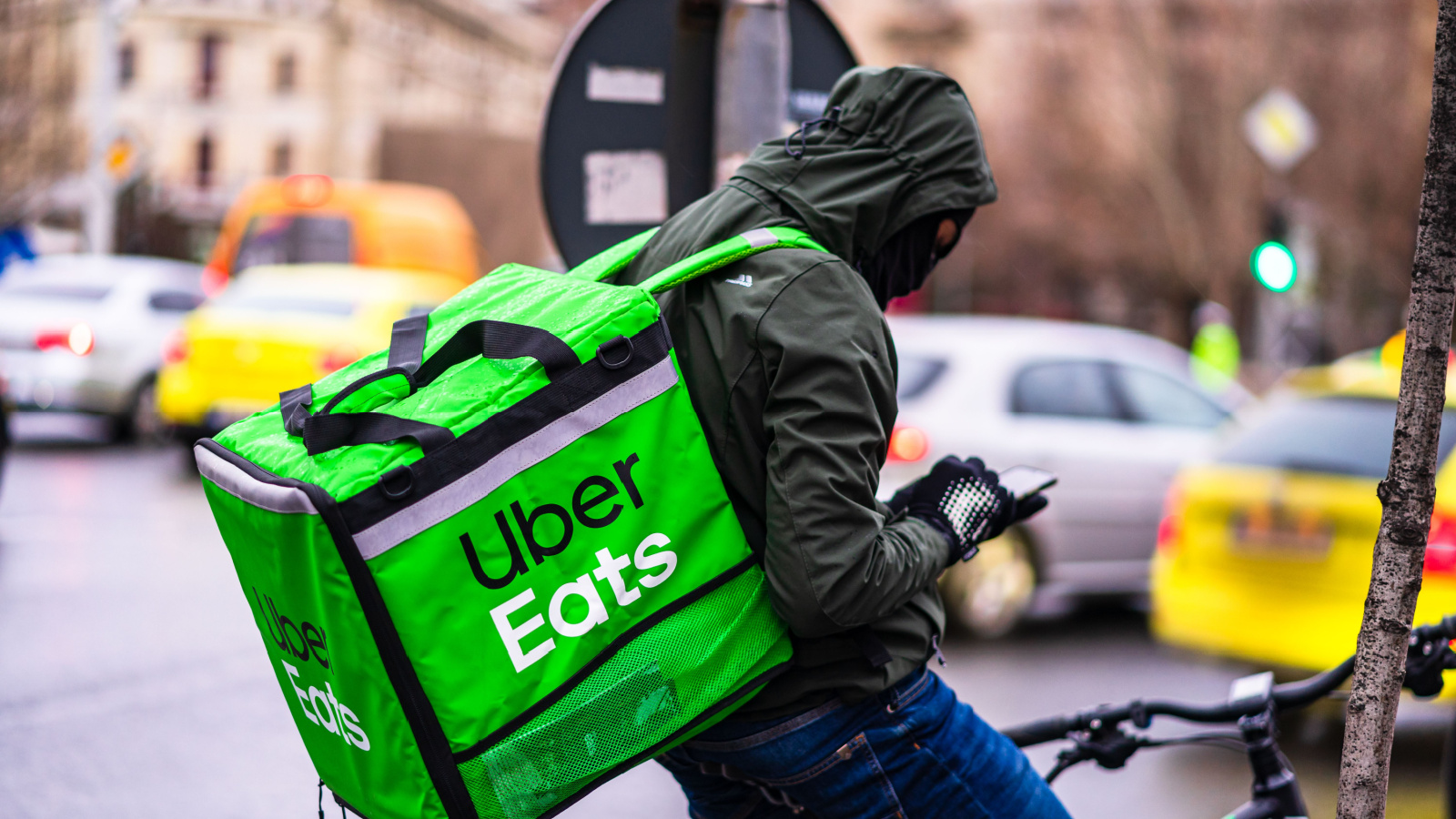
Delivery apps turned restaurant food into an almost frictionless purchase. That convenience is exactly why some Canadians are stepping back. A meal that looks reasonable on the menu can grow quickly once service fees, delivery charges, higher app pricing, and tips appear at checkout. The final total often creates a moment of regret before the food even arrives.
Pickup is becoming the compromise. It preserves the break from cooking without paying quite as much for the last few kilometres. In apartment buildings and suburbs alike, people are also rediscovering freezer meals, batch cooking, or “lazy dinners” assembled from groceries. Delivery still solves real problems on exhausting nights, but it is increasingly reserved for illness, bad weather, late work, or genuine emergencies of energy.
Premium Grocery Brands
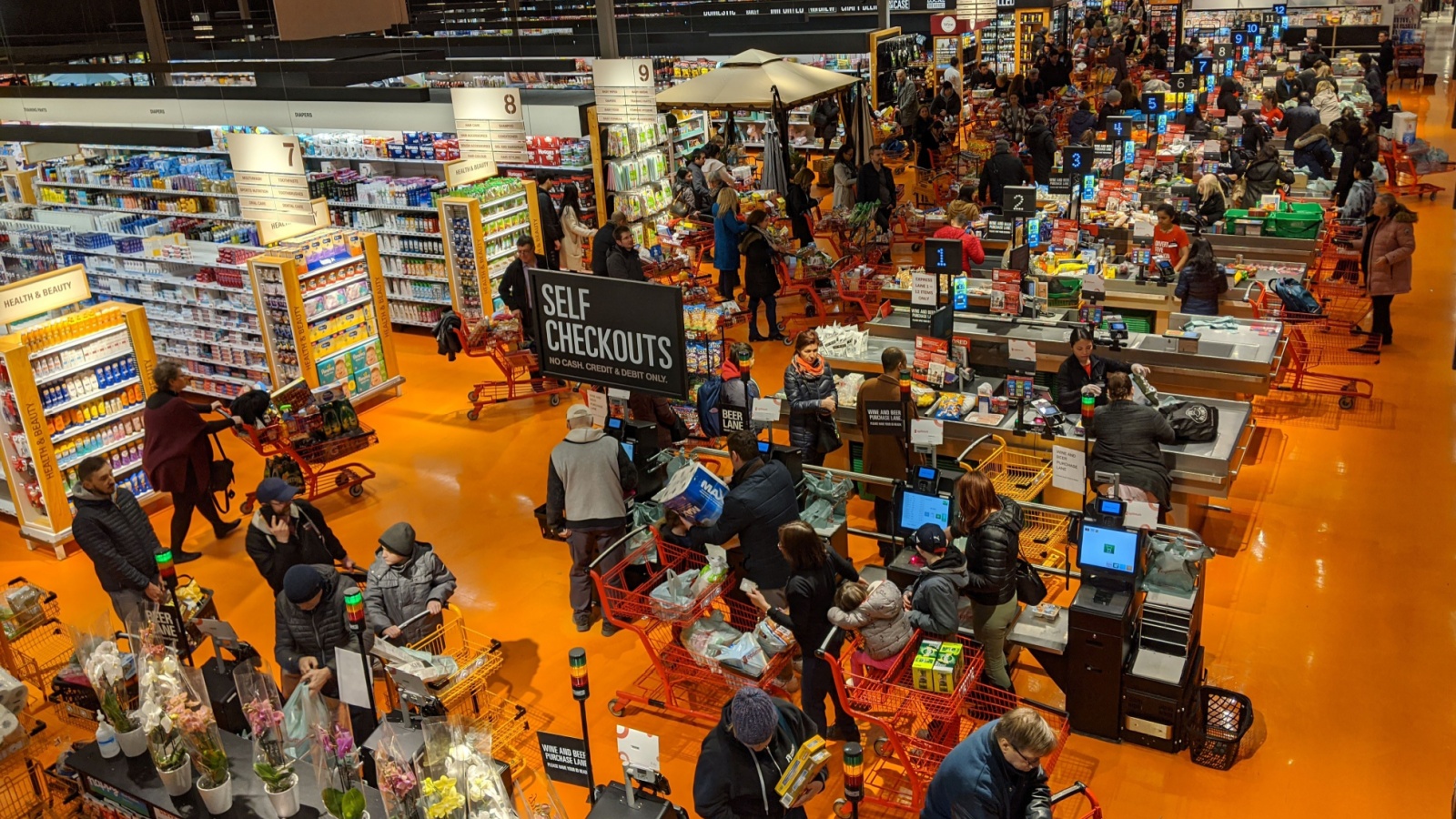
Brand loyalty is becoming harder to defend in the grocery aisle. Many Canadians are trading national labels for private-label products, bulk-bin staples, and whatever is on promotion. The shift is especially visible in categories where the difference feels small: pasta, canned tomatoes, cereal, snacks, frozen vegetables, and pantry basics. When food prices stay elevated, even familiar packaging starts to look negotiable.
Premium groceries still hold appeal when quality is obvious, such as coffee, cheese, meat, olive oil, or bakery items. But households are becoming more selective about where the upgrade matters. A shopper might buy the favourite yogurt but choose a cheaper cereal, or keep better coffee while switching to store-brand cleaning supplies. The “small indulgence” survives, but it has to earn its shelf space.
Salon Hair Colour and Frequent Touch-Ups

Hair appointments have become a line item many households now schedule with more caution. Cuts, colour, highlights, treatments, and tips can turn one visit into a significant expense, especially in larger cities. For people who once booked every six to eight weeks, stretching appointments to ten or twelve weeks can feel like an easy way to reclaim breathing room.
The do-it-yourself market benefits when salon visits become less frequent. Root sprays, glosses, boxed colour, and heatless styling tools have become part of the compromise. The salon is not being abandoned; it is being repositioned. Instead of routine maintenance, it becomes a reset before weddings, vacations, job interviews, or major life moments. The luxury is no longer looking polished all the time — it is choosing when polish is worth paying for.
Manicures, Pedicures, and Nail Art

Nail appointments are another small luxury that can add up quickly. A basic manicure may feel manageable, but gel, extensions, designs, fills, removals, and tips can turn the habit into a recurring beauty bill. In a tighter budget, even a beloved nail technician can become a “maybe later” expense when groceries, utilities, and transit take priority.
Many Canadians are moving toward simpler routines: clear polish, press-ons, at-home kits, or bare nails with better hand care. The aesthetic has shifted as well. Clean, short, low-maintenance nails now carry their own kind of practicality. For some, the change is temporary; for others, it becomes a permanent reassessment. A manicure still feels good, but not every month has room for one.
New Clothes Bought at Full Price

Full-price clothing is losing some of its old pull. Canadians are waiting for sales, shopping second-hand, swapping with friends, or buying fewer pieces with clearer purpose. The shift is especially noticeable for workwear, seasonal basics, and occasion outfits that may only be worn once. A dress for one event or a jacket in a trendy colour now faces a tougher question: how often will it actually be used?
Clothing prices can move unevenly, but household caution changes the psychology of shopping. Browsing for fun becomes less relaxing when every purchase has to justify itself. Many people are also more aware of crowded closets and fast-fashion waste. The new luxury may be a garment that lasts, fits multiple settings, and avoids the regret of buying something simply because it was new.
Streaming Services Stacked on Top of Each Other

Streaming once promised a cheaper alternative to traditional television packages. Now, the math can feel familiar again. A household with several platforms, premium tiers, sports add-ons, music subscriptions, cloud storage, and gaming services may realize the monthly total has quietly grown. The charge is painless only because it is automatic.
Canadians are increasingly rotating subscriptions instead of keeping everything active year-round. One platform stays for a favourite series, another returns during hockey playoffs or award season, and a third gets cancelled after a free trial. This approach turns entertainment into a controlled cycle rather than a permanent drain. The luxury is no longer unlimited choice; it is paying only for what is actually being watched.
Concerts and Big-Ticket Live Events

Live events still draw huge demand, but the cost of attending has changed the decision. Tickets are only the beginning. Fees, parking, transit, food, drinks, merchandise, babysitting, and possibly a hotel can turn one night out into a major budget event. For fans outside Toronto, Vancouver, Montreal, Calgary, or Edmonton, travel can make the total feel even more intimidating.
That does not mean Canadians are losing interest in live entertainment. It means they are becoming more selective. A favourite artist may still be worth it, while a casual show becomes a pass. Smaller venues, community theatre, local festivals, and outdoor concerts can fill the gap. The experience economy remains powerful, but more households are choosing fewer, better nights out instead of saying yes to every event.
Weekend Getaways

A quick weekend away has become less spontaneous. Hotel rates, fuel, restaurant meals, attraction fees, and pet care can make two nights feel surprisingly expensive. Even a short drive to a cottage town, ski village, wine region, or city break can strain a budget once the full itinerary is counted. The result is more planning and fewer impulse bookings.
Some Canadians are replacing getaways with day trips, off-season travel, or visits to friends and family. Others are choosing one meaningful trip rather than several smaller escapes. The emotional need behind the getaway has not changed: people still want rest, novelty, and a change of scenery. What has changed is the threshold. A weekend away now has to compete with debt repayment, savings goals, and the next rent increase.
Domestic Flights for Short Trips

Flying within Canada can feel like a luxury even when the destination is still in the same country. Taxes, airport fees, baggage charges, seat selection, airport transportation, and schedule disruptions can make a short trip expensive and tiring. For families, multiplying those costs across several passengers often pushes the idea into “maybe later” territory.
That has led some households to reconsider what counts as necessary travel. A long weekend flight to see friends might become a video call, a road trip, or a longer visit planned less often. The geography of Canada makes travel important, but also costly. When household budgets tighten, even meaningful domestic trips may need more lead time, more points, or a stronger reason than “it would be nice.”
Rideshares Instead of Transit

Rideshares can be a relief after a late shift, bad weather, or an awkward commute. But using them casually has become harder to justify. Dynamic pricing, tips, airport surcharges, and longer urban travel times can make the final fare feel steep. A ride that once seemed like a harmless convenience may now equal several days of public transit.
The habit often changes quietly. People combine errands, walk part of the route, wait for a bus, or split rides only when timing matters. In suburban areas, rideshares may still fill gaps where transit is limited, but the cost encourages more planning. The luxury is not transportation itself; it is avoiding inconvenience. That avoidance now comes with a number attached.
Gym Memberships That Go Unused

A gym membership can be a worthwhile investment when it is used consistently. The problem is the unused membership: the monthly charge that continues long after motivation fades. In tighter financial conditions, Canadians are less willing to keep paying for aspirational routines. If attendance drops to once or twice a month, the cost per workout becomes difficult to defend.
Home workouts, outdoor running, community centre passes, workplace gyms, and pay-as-you-go classes are becoming more appealing. The change is not anti-fitness. It is anti-waste. Many people still want strength, stress relief, and structure, but they want the expense to match actual behaviour. A premium gym with towel service and boutique lighting may be inspiring, but only if it does not become another silent subscription.
Boutique Fitness Classes

Spin, Pilates, barre, hot yoga, and small-group training can offer community and accountability. They can also cost much more per session than a standard gym membership. When households are trimming discretionary spending, boutique fitness often shifts from weekly ritual to occasional reset. A package of classes may be saved for winter motivation or a specific goal rather than used year-round.
The appeal remains strong because these classes provide more than exercise. They create mood, identity, and routine. Yet the premium model is vulnerable when people start calculating value by the hour. Some Canadians are mixing free online workouts with occasional paid classes, preserving the social boost without carrying the full monthly cost. The “maybe later” label does not reject wellness; it rejects paying premium prices automatically.
Meal Kits and Prepped Grocery Boxes

Meal kits solved a real problem: decision fatigue. They brought recipes, measured ingredients, and variety to busy households. But as grocery budgets tightened, the convenience premium became more visible. A box that prevents waste and reduces takeout can still make sense, yet it may lose its appeal when compared with planning meals from store flyers and pantry staples.
Some Canadians now use meal kits strategically rather than continuously. A box might appear during exam season, after a new baby, during overtime weeks, or when cooking has become boring. The rest of the time, households recreate the same idea more cheaply with saved recipe cards and bulk ingredients. The luxury is not the meal itself; it is outsourcing the thinking. That service is useful, but not always essential.
Specialty Groceries and Gourmet Ingredients

Imported cheeses, craft sauces, premium chocolate, organic berries, small-batch condiments, and specialty bakery items can make ordinary meals feel special. They are also easy to postpone when the grocery bill is already high. Canadians are becoming more deliberate about which upgrades actually improve the week and which ones simply make the cart more expensive.
This does not mean flavour disappears. It often means smarter substitution. A household may buy one excellent ingredient and build around it, rather than filling the cart with several premium extras. A good parmesan, chili crisp, or bakery loaf can still transform simple meals. The difference is restraint. Specialty groceries are moving from casual add-ons to chosen treats, especially when pantry basics already cost more than they used to.
Professional Home Cleaning

A cleaner can buy back time, reduce stress, and keep a busy household functioning. That is why it became a common middle-class upgrade in many cities. But professional cleaning is also one of the easiest expenses to pause when cash flow tightens. Biweekly visits may become monthly, deep cleans may replace regular service, or the task may return fully to the household.
The decision can be emotional. Cleaning help often supports parents, caregivers, shift workers, and people with demanding jobs. Cutting it can feel like losing time, not just a luxury. Still, when budgets are under pressure, services that can technically be done at home face scrutiny. Many Canadians are reserving paid cleaning for move-outs, holidays, hosting, or recovery periods rather than treating it as a standing appointment.
New Furniture and Décor Refreshes

Home décor has become easier to delay. A new sofa, rug, dining set, or bedroom refresh may still be desired, but replacement cycles are stretching. Higher housing costs have already made home feel more financially loaded; adding large discretionary purchases on top can feel risky. Even renters who want to personalize their space may hesitate before buying pieces that might not fit the next place.
Second-hand marketplaces, refinishing projects, slipcovers, and smaller upgrades are filling the gap. A lamp, paint colour, cushion cover, or framed print can create a sense of change without the cost of a full room makeover. The shift is practical rather than joyless. Canadians still care about comfortable homes, but fewer are treating aesthetic refreshes as urgent when the existing furniture still works.
Craft Beer, Cocktails, and Premium Drinks

Premium drinks are increasingly being treated as occasional indulgences. A couple of cocktails at a restaurant can rival the cost of a grocery bag, and craft beer, canned cocktails, and specialty wines can add up quickly at home. Younger adults, in particular, have also shown more interest in lower-alcohol or alcohol-free choices, which changes the social meaning of buying drinks.
Restaurants and bars are adapting with mocktails, happy-hour specials, and smaller menus, but the price sensitivity remains. Many Canadians are choosing one drink instead of two, hosting at home, or skipping alcohol entirely on ordinary nights out. The luxury is less about drinking and more about atmosphere: the nice glass, the music, the sense of occasion. When budgets tighten, that atmosphere has to justify the markup.
Convenience Upgrades That Used to Feel Harmless

Small convenience upgrades are everywhere: grocery delivery, express shipping, premium parking, app subscriptions, airport lounge passes, pre-cut produce, extended warranties, and paid shortcuts inside digital services. Each one seems minor in isolation. Together, they create a lifestyle that charges extra for removing friction from daily life.
Canadians are becoming more alert to this pattern. The question is no longer only “Can this be afforded?” but “Is the saved time worth the premium?” Sometimes the answer is yes, especially for caregivers, people with disabilities, workers with irregular hours, or households under real time pressure. But many convenience charges are being reclassified as optional. The new budget habit is not rejecting comfort; it is deciding which comforts genuinely make life easier.
22 Things Canadians Do to Their Cars in Spring That Mechanics Hate

Spring brings relief to many Canadian drivers after months of snow, freezing temperatures, and icy roads that put serious strain on vehicles. As temperatures rise across the country, drivers begin washing cars, switching tires, and preparing vehicles for warmer weather and upcoming road trips. However, mechanics across Canada notice the same mistakes every spring when drivers attempt to recover from winter damage. Road salt, potholes, and harsh winter driving conditions often leave vehicles with hidden problems that drivers ignore. Some spring habits even create new mechanical issues that could have been avoided with proper maintenance. Here are 22 things Canadians do to their cars in spring that mechanics hate.
