
Canadian city math used to feel simpler: higher prices came with bigger job markets, smaller cities came with cheaper homes, and fast-growing places still had room to stretch. That bargain is being rewritten. Population shifts, rental supply, student enrolment changes, remote work, immigration patterns, and interest-rate pressure are reshaping what “good value” means from coast to coast.
These 18 Canadian cities show how quickly the old equation is changing. Some are becoming more affordable by accident, as vacancies rise or prices cool. Others still look cheaper than the biggest markets but are losing that advantage as newcomers, investors, and infrastructure pressures arrive faster than expected.
Toronto

Toronto’s old value equation was built on a hard truth: paying more bought access to Canada’s largest job market, transit network, universities, and cultural economy. That trade-off has become less automatic. The city still has unmatched career pull, but housing costs have pushed many households to question whether the premium delivers enough everyday comfort. Even small changes in mortgage rates, condo inventory, or rents can quickly change the calculation.
The shift is visible in the rental market. The Greater Toronto Area’s purpose-built rental vacancy rate reached 3.0% in 2025, a level not seen since the pandemic period, while condo rentals added extra competition. That does not make Toronto cheap, especially with two-bedroom condo rents still far above purpose-built averages. It does mean renters and buyers are seeing more negotiation space than they did during the tightest years.
Vancouver
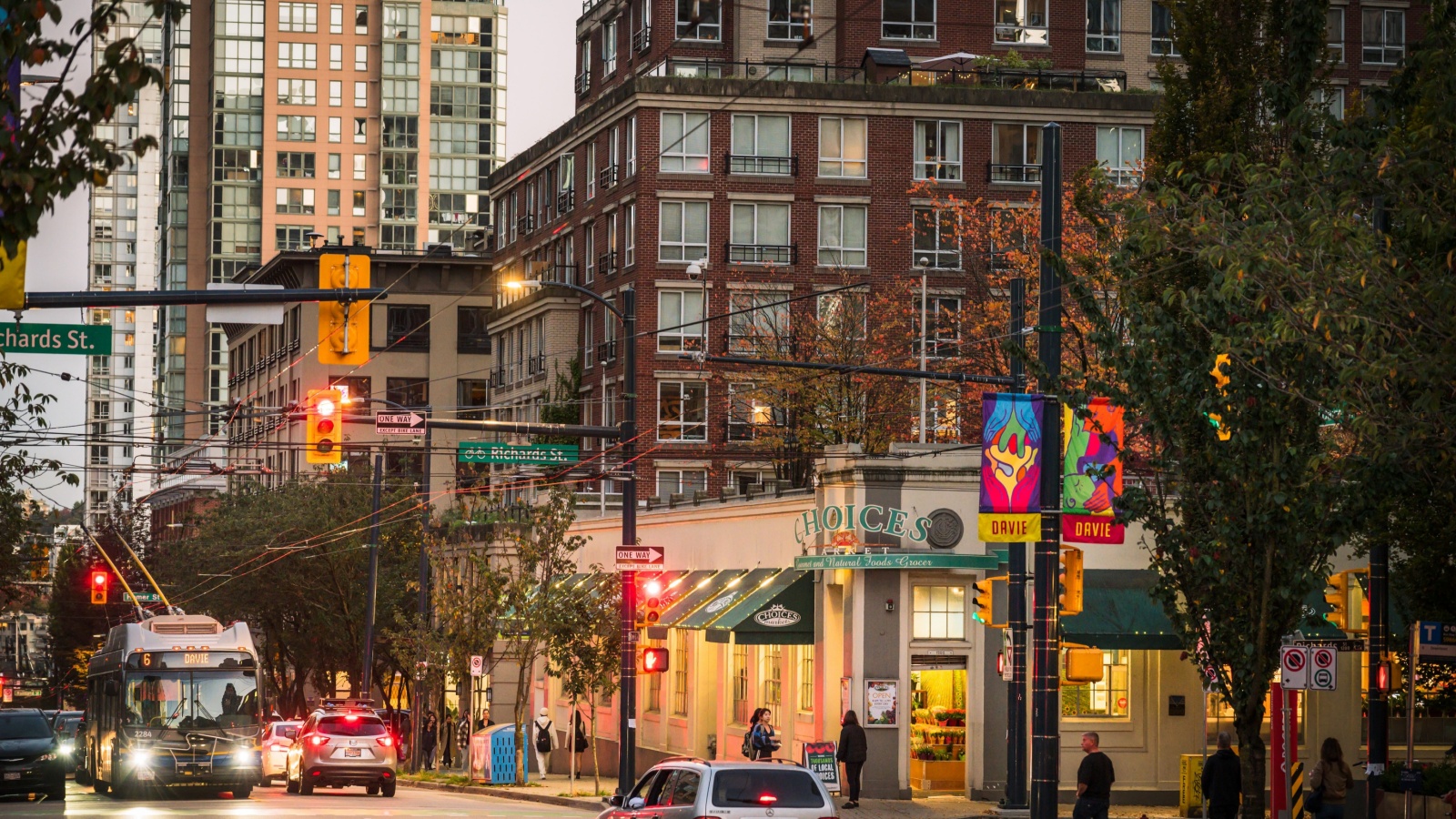
Vancouver has long been framed as Canada’s ultimate lifestyle premium: ocean, mountains, mild winters, and global-city amenities in exchange for some of the country’s highest housing costs. That premium still exists, but the value story is changing as more households compare beauty with practical livability. For families needing space, the math can become difficult quickly.
Metro Vancouver’s benchmark home price remained above $1 million in spring 2026, but prices were down year over year. At the same time, the rental market loosened, with purpose-built vacancies reaching 3.7% in 2025, the highest level since 1988. That combination makes Vancouver unusual: still deeply expensive, yet no longer moving in only one direction. A city once defined by relentless price pressure is now forcing owners, renters, and investors to recheck old assumptions.
Calgary

Calgary used to sell itself as the big-city bargain: strong incomes, lower taxes, more space, and homes that cost far less than Toronto or Vancouver. That reputation brought attention, especially from interprovincial movers. The result is a new tension. Calgary still offers value compared with Canada’s priciest metros, but the gap has narrowed as demand, rents, and construction all surged.
Population growth remains one of the city’s biggest forces. Calgary was among the fastest-growing major Canadian metropolitan areas in the year ending July 2025, and CMHC reported that its purpose-built rental supply grew by 11% in 2025. Vacancy held at 5.0%, suggesting new supply helped absorb demand. The old bargain is not gone, but it is more conditional: neighbourhood, commute, insurance, utilities, and rental incentives now matter more than the headline price.
Edmonton

Edmonton’s appeal has often been straightforward: more affordable housing than Calgary, strong public-sector and energy-linked employment, and enough urban scale to support universities, hospitals, festivals, and a growing food scene. For years, it looked like one of the clearest “more city for the money” choices in Canada. That clarity is fading as growth accelerates.
The Edmonton metropolitan area recorded one of Canada’s strongest population growth rates from July 2024 to July 2025. Its rental market still looks relatively accessible beside larger cities, with a 2025 average two-bedroom purpose-built rent lower than Calgary, Ottawa, Toronto, Vancouver, and Halifax. But the direction matters. Faster growth can bring tighter schools, busier roads, and rising expectations for services. Edmonton’s value story is shifting from “cheap big city” to “growing big city with a closing window.”
Ottawa
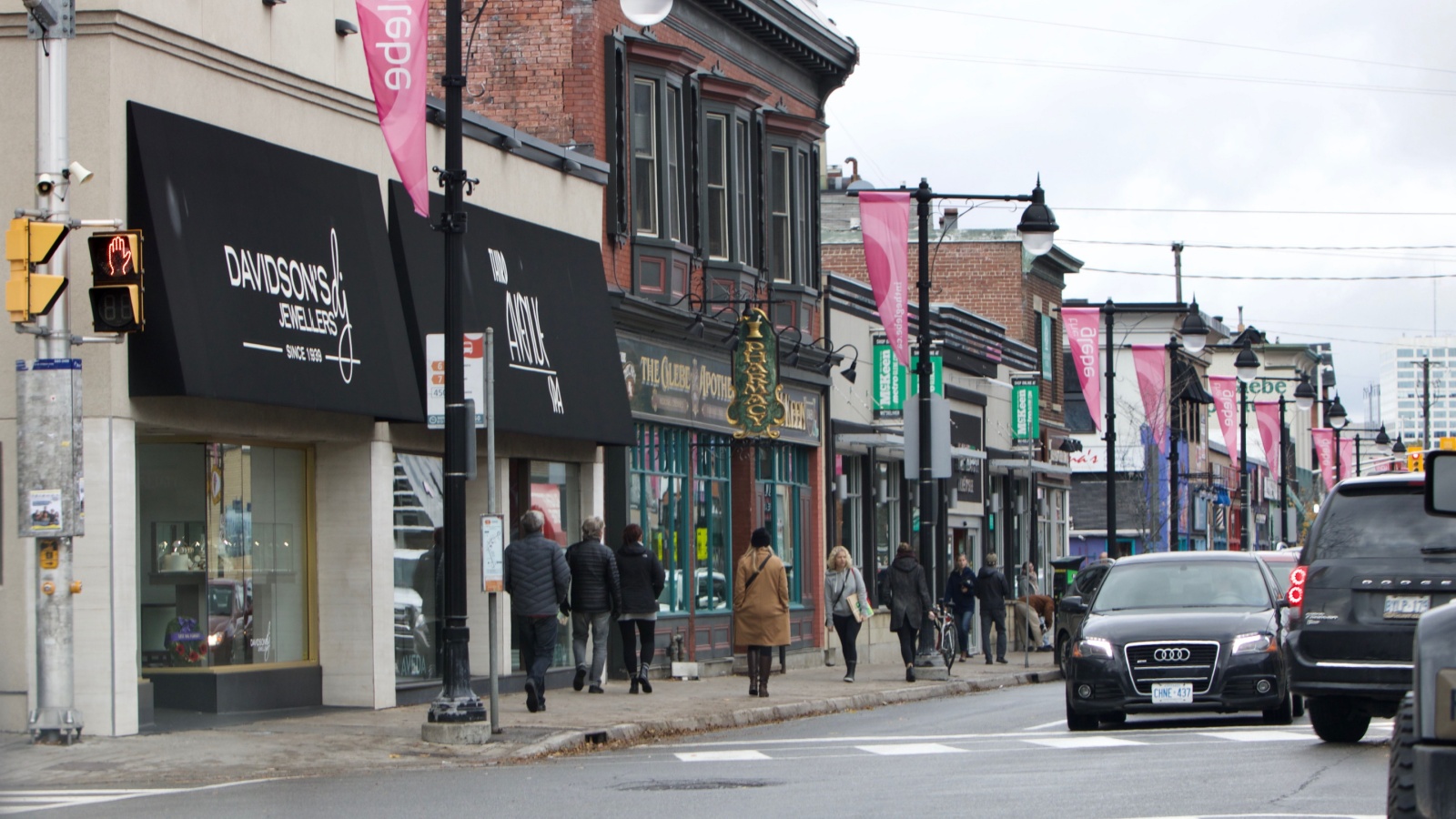
Ottawa used to offer a comfortable compromise: stable government employment, strong schools, manageable commutes, and prices below Toronto’s most intense levels. That reputation remains powerful, but it has become more complicated. Housing has become expensive enough that the stability premium no longer feels like an automatic bargain, especially for younger public servants, students, and newcomers.
The rental market shows the split clearly. Ottawa’s purpose-built vacancy rate rose to 3.0% in 2025, and units built after 2015 had much higher vacancy than the overall market. Yet affordable units remained scarce, with low-rent apartments still showing very tight conditions. That creates a two-track value equation: renters with higher budgets may find more options, while households trying to stay near transit, campuses, or federal workplaces can still feel boxed in.
Montréal

Montréal’s old appeal was unusually strong: big-city culture, universities, transit, restaurants, and creative industries at prices that looked gentle beside Toronto and Vancouver. That gap still matters, but Montréal is no longer the easy affordability story it once was. Rising rents and renewed demand have forced many residents to rethink the city’s famous balance between quality of life and cost.
CMHC reported that Greater Montréal’s purpose-built vacancy rate reached 2.9% in 2025, rising for a second year, yet average two-bedroom rents still increased 7.2%. That combination is important. More available units do not always mean better affordability when older, lower-cost apartments remain scarce and lease renewals climb. Montréal’s value equation is moving from “inexpensive metropolis” toward “still comparatively attractive, but increasingly selective by neighbourhood and income.”
Halifax

Halifax has changed from a relatively overlooked Atlantic city into a national relocation story. Its waterfront, universities, hospitals, public-sector base, and technology growth have attracted newcomers who once might have ignored the East Coast. That attention has improved economic energy but strained the old affordability advantage.
The Halifax rental market softened in 2025, with a 2.7% purpose-built vacancy rate, but the average two-bedroom purpose-built rent rose 6.7%. That is the heart of the new equation: more supply and slower migration can ease pressure, yet the city is still absorbing the effects of years of rapid growth. A household arriving from Toronto may still see value, while a longtime renter comparing wages with rent increases may see a city becoming less forgiving.
Moncton

Moncton’s value pitch used to be quiet but effective: affordable homes, a central location in the Maritimes, bilingual business advantages, and a scale that made daily life manageable. That has changed as more people discovered it. The city’s appeal is no longer hidden, and the housing market has adjusted.
Statistics Canada identified Moncton as one of the fastest-growing census metropolitan areas in Canada for the year ending July 2025. That growth brings restaurants, construction, retail expansion, and a broader labour pool, but it also changes what “affordable” means. A detached home that once looked comfortably within reach can feel less so after several years of demand. Moncton remains more affordable than many larger cities, but its bargain status now depends on wages keeping pace with housing and service pressures.
Charlottetown
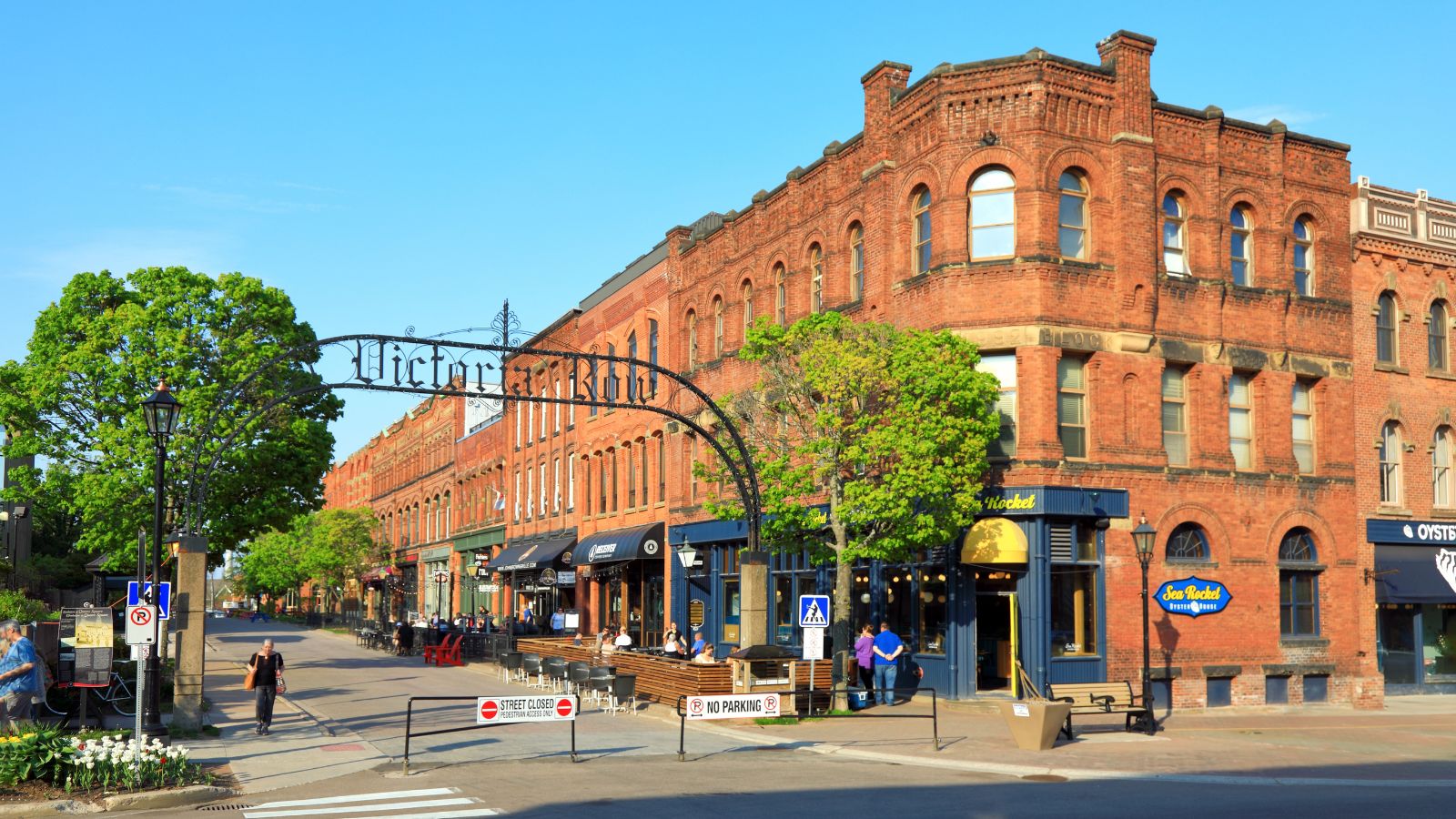
Charlottetown has long been associated with a softer version of urban life: smaller scale, historic streets, government and education jobs, and access to beaches and rural communities nearby. For many Canadians, that sounded like value. The challenge is that small markets can feel pressure quickly when demand grows faster than housing supply.
Prince Edward Island has seen notable population growth in recent years, and Charlottetown carries much of the province’s urban weight. That makes the city’s housing equation more sensitive than larger markets with deeper inventories. A few new developments can help, but limited land, construction capacity, and seasonal demand can keep prices sticky. Charlottetown still offers charm and convenience, but the old assumption that small automatically means inexpensive is less reliable than it used to be.
Kelowna

Kelowna’s value equation was once built around lifestyle arbitrage: Okanagan scenery, lakeside living, vineyards, outdoor recreation, and a smaller-city pace at a lower cost than Vancouver. That bargain has weakened. The city still offers one of Canada’s most desirable settings, but desirability itself has become a cost driver.
The Okanagan market is shaped by retirees, remote workers, investors, students, tourism, and local service workers all competing in the same housing ecosystem. That mix can make affordability difficult even when the city feels less metropolitan than Vancouver or Calgary. Kelowna’s appeal is real, but the trade-off is sharper now: lifestyle value may remain high for equity-rich movers, while renters and first-time buyers can find the local wage-to-housing ratio much harder to justify.
Victoria

Victoria used to be viewed mainly as a retirement and government city with scenic calm and slower rhythms. It still has those qualities, but the housing math has become more dynamic. Younger workers, students, military households, public servants, retirees, and remote professionals all compete in a region where land is physically constrained and lifestyle demand remains strong.
In 2025, Victoria’s purpose-built rental vacancy rate rose to 3.3%, its highest level since 1999, while the average two-bedroom rent still reached $2,120. That creates a mixed signal. More availability may improve choice, especially in areas with new supply, but affordability remains difficult because the baseline is already high. Victoria’s old equation—pay more for beauty and stability—is now being tested by whether local incomes can sustain the premium.
Hamilton
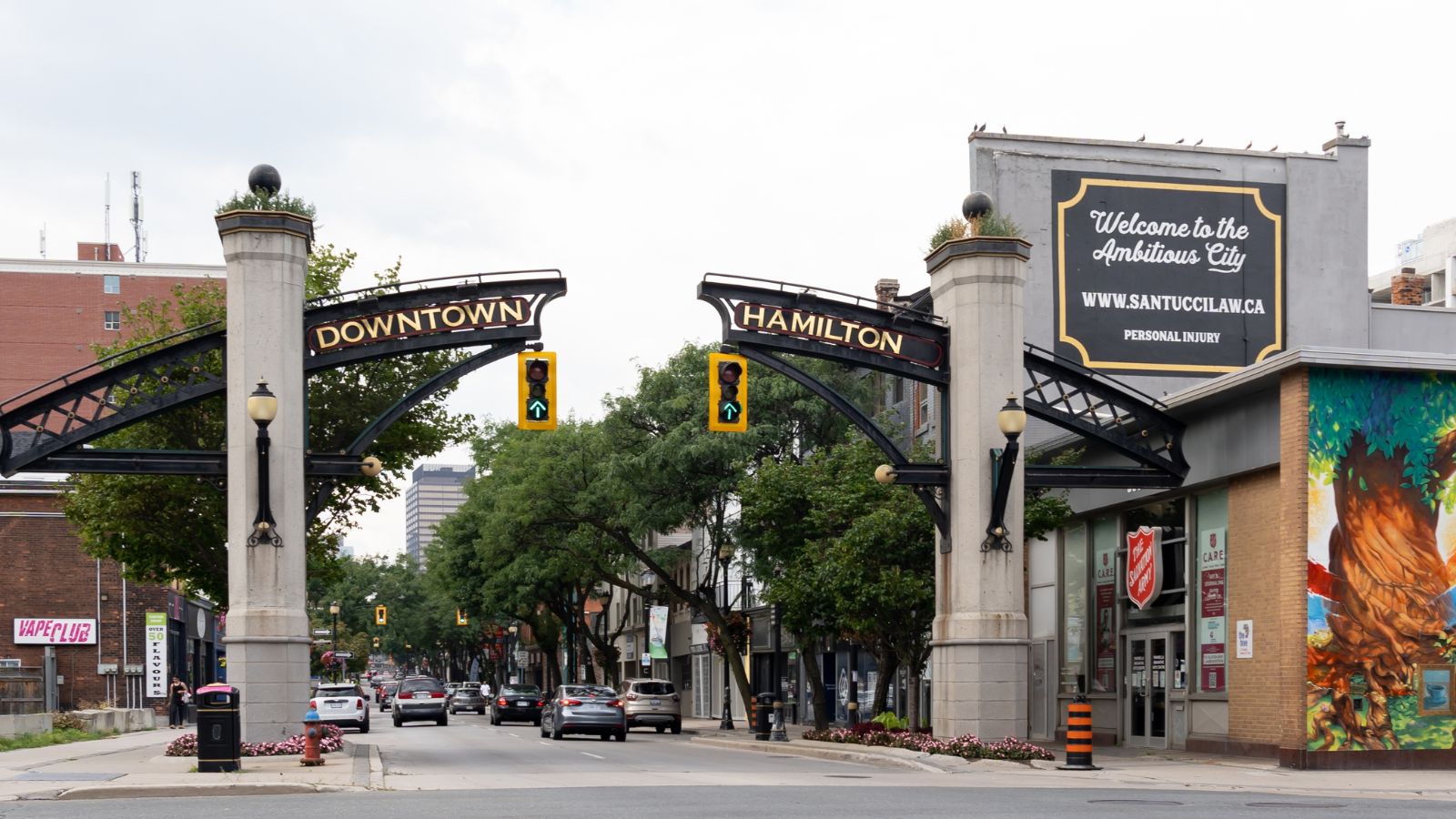
Hamilton was once the classic Toronto alternative: close enough for regional opportunity, cheaper enough to justify the commute, and urban enough to offer its own identity. That story has changed. The city has grown into more than a spillover market, with restaurants, health care, education, arts, and waterfront redevelopment reshaping its appeal.
The rental market shows how quickly the equation can shift. Hamilton’s purpose-built vacancy rate rose to 3.6% in 2025, its highest level since the pandemic, partly because of student outflows and more condo rentals. Yet this easing does not erase years of rising costs. The old bargain depended on a wide Toronto-Hamilton price gap. As Hamilton became more desirable on its own, the question changed from “cheaper than Toronto” to “good value for Hamilton itself.”
Kitchener-Waterloo

Kitchener-Waterloo built its value around education, technology, insurance, manufacturing, and a pipeline of talent from major post-secondary institutions. For years, it looked like a practical alternative to Toronto: ambitious, younger, and still comparatively attainable. That equation is under pressure as housing costs, student-market shifts, and economic uncertainty interact.
CMHC reported that the Kitchener-Cambridge-Waterloo vacancy rate held at 4.1% in 2025, a multi-decade high, while lower-priced units remained scarce. The federal cap on international study permits also affected areas near the University of Waterloo and Wilfrid Laurier University. That makes the city’s value story uneven. Tech workers with strong salaries may see opportunity, while students, service workers, and renters looking for older affordable units may find fewer real bargains than the headline vacancy rate suggests.
London

London’s old pitch was balance: a mid-sized city with hospitals, universities, manufacturing, parks, and housing that looked manageable compared with Toronto. That balance has been disrupted by student-market changes, new supply, and a softer economy. The city still has strong institutions, but the housing equation is no longer as predictable.
The rental market shifted sharply in 2025. CMHC reported that London’s purpose-built vacancy rate rose to 4.0%, the highest level since 2010, while rental completions reached another record. International student demand had supported the market for years, and weaker enrolment around Western University and Fanshawe College changed conditions in nearby areas. For renters with flexibility, London may offer more choice. For owners and investors, the old assumption of endlessly tightening demand now deserves more caution.
Winnipeg
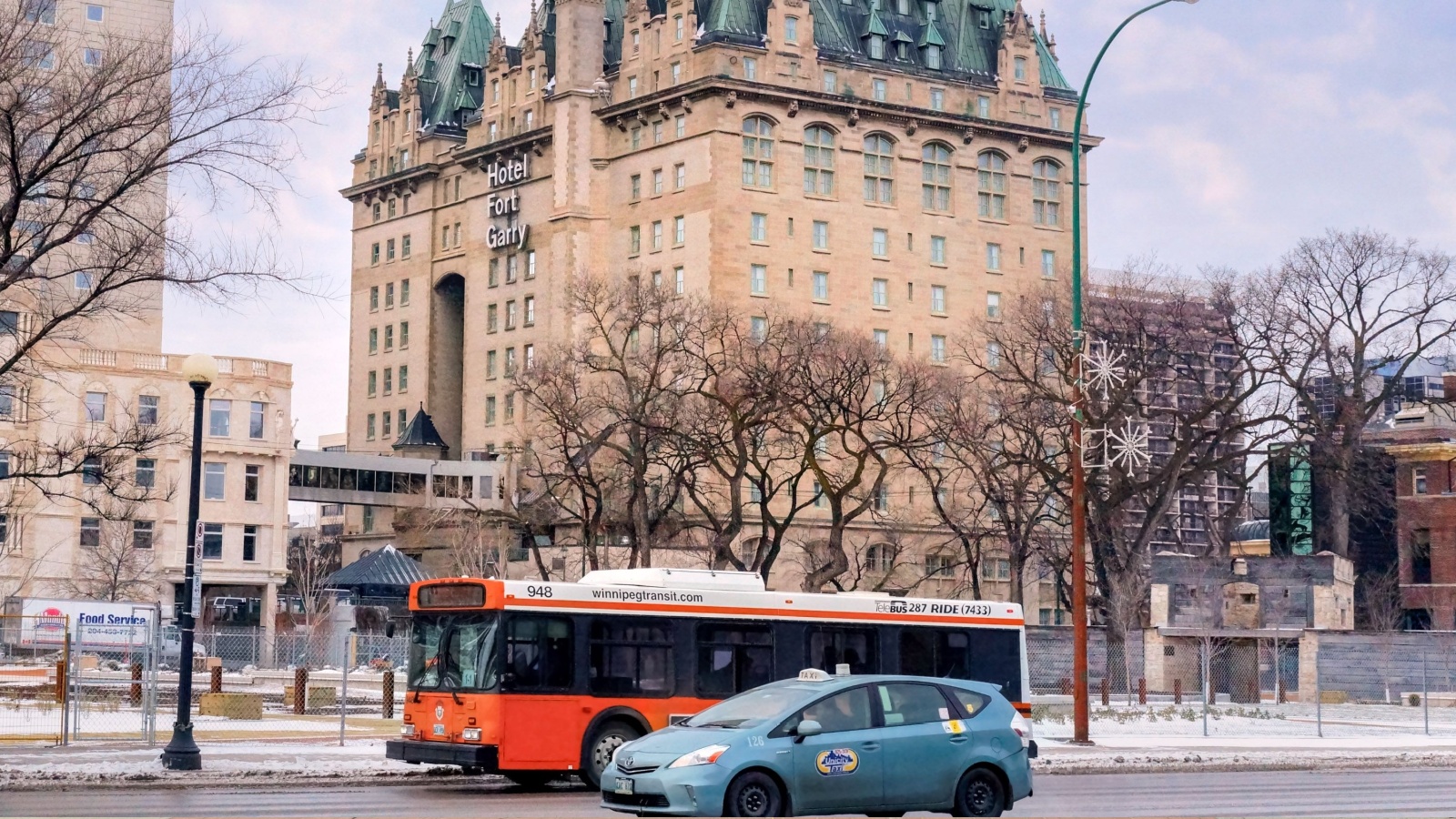
Winnipeg has often been one of Canada’s most durable value cities: relatively affordable homes, a diversified economy, major universities, strong cultural institutions, and enough urban scale without the price shock of larger metros. That reputation still has weight, but it is evolving as population growth, construction, and affordability pressures move unevenly across neighbourhoods.
CMHC reported that Winnipeg’s purpose-built vacancy rate rose to 2.8% in 2025, with the average two-bedroom rent at $1,571. Supply growth outpaced weaker demand in some suburban areas, while core neighbourhoods remained tighter. That split matters. Winnipeg still compares favourably with many Canadian cities, but value now depends more on location, building age, transit access, and heating costs. The broad label “affordable” no longer tells the whole story.
Saskatoon

Saskatoon has long offered a compelling prairie equation: universities, mining and agriculture links, health care, riverfront neighbourhoods, and housing that looked reasonable beside Calgary, Toronto, or Vancouver. Growth is changing that. Saskatchewan’s urban centres have been expanding, and Saskatoon is increasingly seen as a city with national rather than purely regional appeal.
In 2025, Saskatoon’s purpose-built rental vacancy rate rose to 3.3%, up from 2.0% the year before, as new supply helped ease conditions. Yet CMHC noted that demand for affordable housing remained strong, with lower-priced segments tighter than higher-priced ones. That is a familiar Canadian pattern in smaller form. Saskatoon may still offer value, but the best value is not evenly distributed across the market. Newer supply improves choice while older affordable units remain fiercely important.
Regina

Regina’s value has traditionally rested on government employment, resource-linked industries, manageable traffic, and home prices below many larger Canadian cities. It has often appealed to households looking for stability more than spectacle. That can still be true, but the rental and ownership markets show signs of a more competitive family-housing environment.
CMHC reported that Regina’s purpose-built vacancy rate stayed at 2.7% in 2025, below its 10-year average, while vacancies for three-bedroom and larger units fell sharply. That detail matters because value is not only about average rent. Families need space, and space can become scarce even in cities considered affordable. Regina’s equation is changing from “easy affordability” to “still accessible, but tighter for the homes many households actually need.”
St. John’s
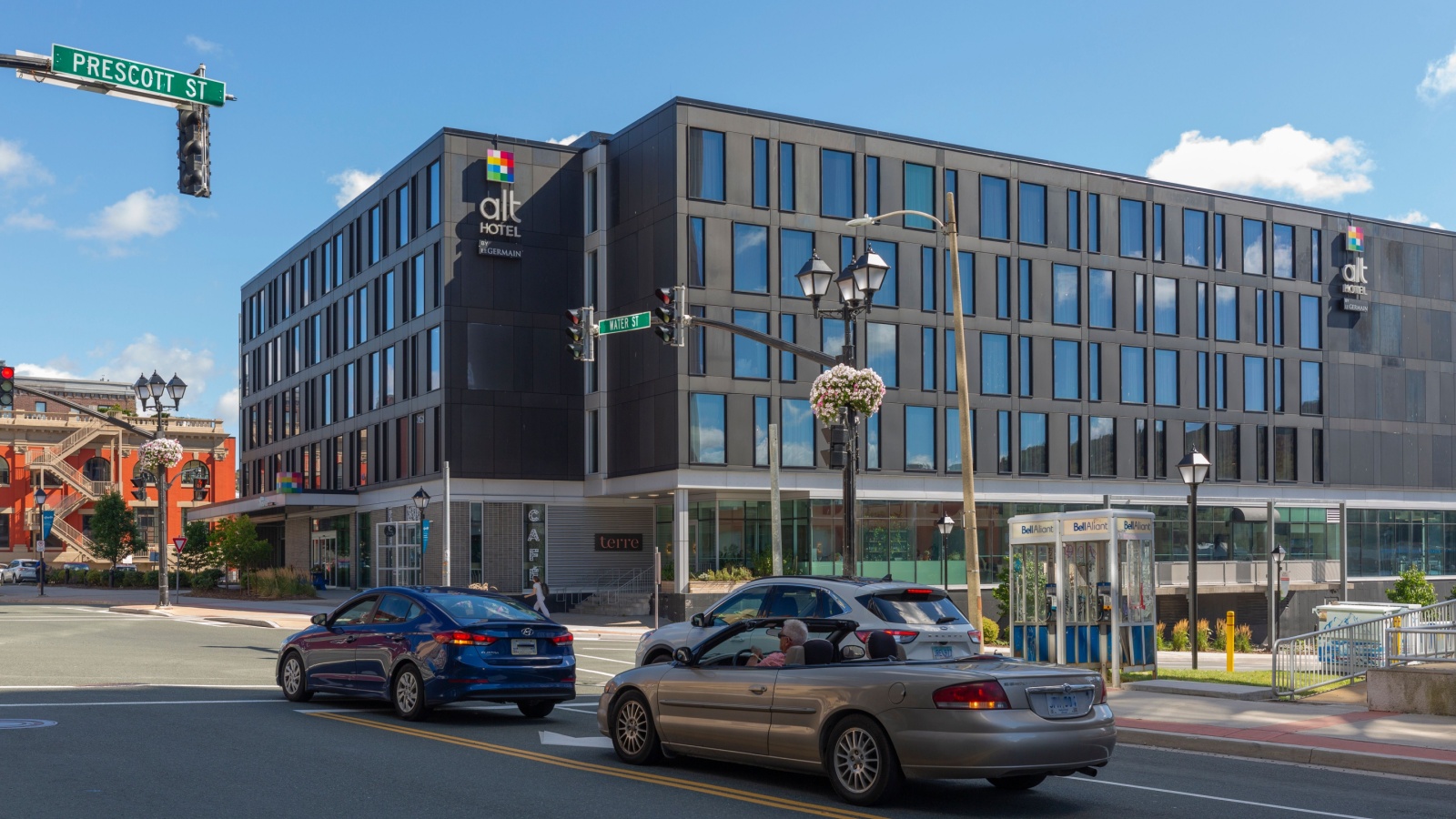
St. John’s has often stood apart from mainland housing narratives. It offers coastal character, a strong identity, public-sector and energy-linked employment, and home prices that historically looked low compared with much of urban Canada. That relative value is drawing renewed attention, but the market is no longer static.
CREA data for April 2026 showed the St. John’s composite benchmark home price rising 10% year over year. That is a notable shift in a country where some larger markets were cooling. The city may still look affordable to buyers arriving from Ontario or British Columbia, but local wages and household budgets tell a different story. St. John’s value equation is moving quickly because a lower starting price can still feel expensive when it rises faster than incomes.
19 Things Canadians Don’t Realize the CRA Can See About Their Online Income

Earning money online feels simple and informal for many Canadians. Freelancing, selling products, and digital services often start as side projects. The problem appears at tax time. Many people underestimate how much information the CRA can access. Online platforms, banks, and payment processors create detailed records automatically. These records do not disappear once money hits an account. Small gaps in reporting add up quickly.
Here are 19 things Canadians don’t realize the CRA can see about their online income.
