
Winter used to make the case for snowbird life almost by itself: cold mornings, icy sidewalks, and months of grey skies made a warm-weather escape feel practical, even earned. For many Canadians, that calculation is changing. The appeal remains real, but the financial, health, insurance, tax, travel, and climate pressures surrounding long stays in the southern United States have become harder to ignore.
These 18 pressures show why the traditional snowbird dream now requires more planning, more paperwork, and a much sharper budget than it once did.
A Weaker Canadian Dollar Makes Every U.S. Bill Feel Bigger

A sunny rental that looks manageable in U.S. dollars can feel very different once converted into Canadian funds. When the exchange rate moves against the loonie, rent, groceries, restaurant meals, gas, golf fees, and prescriptions all become more expensive at once. A couple budgeting for a modest winter stay may find that the currency spread alone adds hundreds or even thousands of dollars over several months.
The challenge is that snowbird spending is rarely one large purchase. It is a steady drip of everyday costs. A $90 dinner, a $60 tank of gas, or a $1,600 monthly condo fee can seem familiar until the conversion appears on a credit card statement. That psychological gap has made some Canadians shorten trips, switch destinations, or stay closer to home.
Travel Medical Insurance Has Become Harder to Treat as a Side Cost
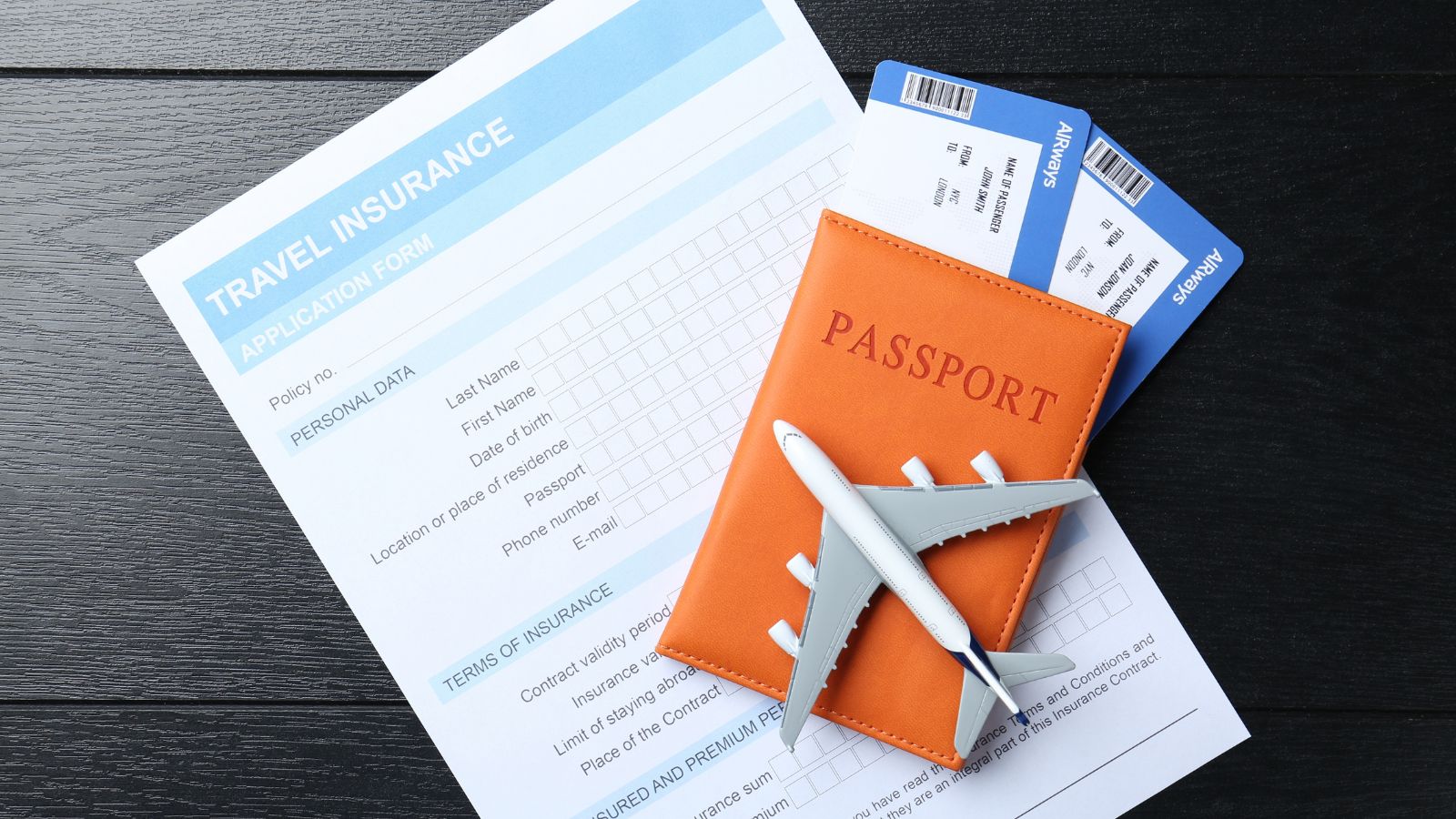
For older Canadians, travel medical insurance is not a small add-on. It can be one of the deciding costs of the entire winter. Age, trip length, medication use, recent diagnoses, and pre-existing conditions can all affect premiums or eligibility. A snowbird who once bought coverage quickly may now face longer questionnaires, medical stability clauses, or higher deductibles.
The problem is magnified by the destination. U.S. medical care is widely available, but it is also expensive, and visitors without proper coverage can be billed directly. A minor fall, chest pain scare, or emergency room visit can turn a warm-weather break into a financial shock. That risk makes insurance less optional and more like a second rent payment.
U.S. Health-Care Costs Raise the Stakes of Every Decision

Many Canadians are used to showing a health card and thinking about treatment first, billing later. The U.S. system works differently for visitors. Even emergency care that must be provided can generate large bills afterward. That reality changes the feel of a long stay, especially for retirees managing heart conditions, diabetes, mobility issues, or other chronic health concerns.
The anxiety is not only about catastrophic illness. It can also involve routine complications: a prescription that runs out, a sudden infection, a dental emergency, or a specialist visit that insurance may not fully cover. For some snowbirds, the stress of wondering whether a symptom is “worth” a clinic visit undermines the freedom the trip was supposed to provide.
Longer Stays Create Tax and Residency Headaches

The old snowbird rhythm often revolved around staying as long as possible without crossing an invisible line. That line is not as simple as many people assume. U.S. tax residency rules include a substantial presence calculation that looks at days spent in the country over more than one year. Some Canadians may also need to file a closer connection form to avoid being treated as U.S. residents for tax purposes.
At the same time, Canadian tax residency depends on residential ties, not just a travel calendar. A home, spouse, dependants, bank accounts, driver’s licence, health coverage, and social connections can all matter. The result is a lifestyle that may look relaxed from the outside but can involve careful day-counting, record-keeping, and professional advice.
Provincial Health Coverage Rules Limit How Long People Can Be Away

Snowbirds cannot always assume provincial health coverage continues unchanged during a long absence. Provinces and territories set their own residency rules, and some require residents to be physically present for a minimum number of days to maintain coverage. Losing eligibility can also affect private travel insurance, since many policies require valid government health coverage.
This creates an uncomfortable balancing act. A retiree may want a five- or six-month stay to justify rental and travel costs, but that plan has to fit provincial rules, insurance requirements, and personal health needs. A few extra weeks in the sun can become risky if it creates confusion about medical coverage back home.
U.S. Housing Costs Have Changed the Snowbird Math

For decades, owning or renting in Florida, Arizona, Texas, or California could feel like a clever extension of retirement planning. That is harder now. Popular warm-weather markets have seen rising rents, higher condo fees, steeper maintenance costs, and more competition from remote workers, short-term renters, and domestic retirees. The “cheap winter escape” is no longer guaranteed.
Even owners can feel squeezed. Property taxes, association fees, insurance, utilities, repairs, and special assessments can continue whether the unit is occupied or not. A condo that once felt like a reliable winter base can start to resemble a second household with all the responsibility of the first, but without the same emotional connection to home.
Home Insurance Back in Canada Can Get Complicated

Leaving a Canadian home empty for months can create insurance obligations that many people underestimate. Insurers may distinguish between a vacant home and an unoccupied home, and some policies require regular inspections, heat maintenance, water shutoff procedures, or special endorsements. A burst pipe in January can become more complicated if the owner cannot prove the home was checked properly.
This turns a simple winter departure into a logistics project. Snowbirds may need a neighbour, relative, property manager, or paid service to visit the home on schedule. The cost is one issue; trust is another. Many retirees are not comfortable handing keys to someone else, yet failing to follow policy conditions can put a claim at risk.
Insurance Costs in Southern States Are Climbing Too

The insurance pressure does not stop at the Canadian border. In hurricane- and storm-prone states, property insurance has become a major financial issue. Florida, in particular, has faced years of strain from storm losses, litigation, insurer exits, and rising premiums. Condo owners may also feel the effect through association insurance and special assessments.
For Canadian snowbirds, this can be jarring. A property bought years ago for predictable winter use may now carry annual insurance costs that rival or exceed other major expenses. Renters are affected too, because landlords often pass higher carrying costs into seasonal rents. The result is a warmer winter that feels less carefree and more exposed to climate-driven pricing.
Hurricane and Extreme Weather Risk Feels More Personal
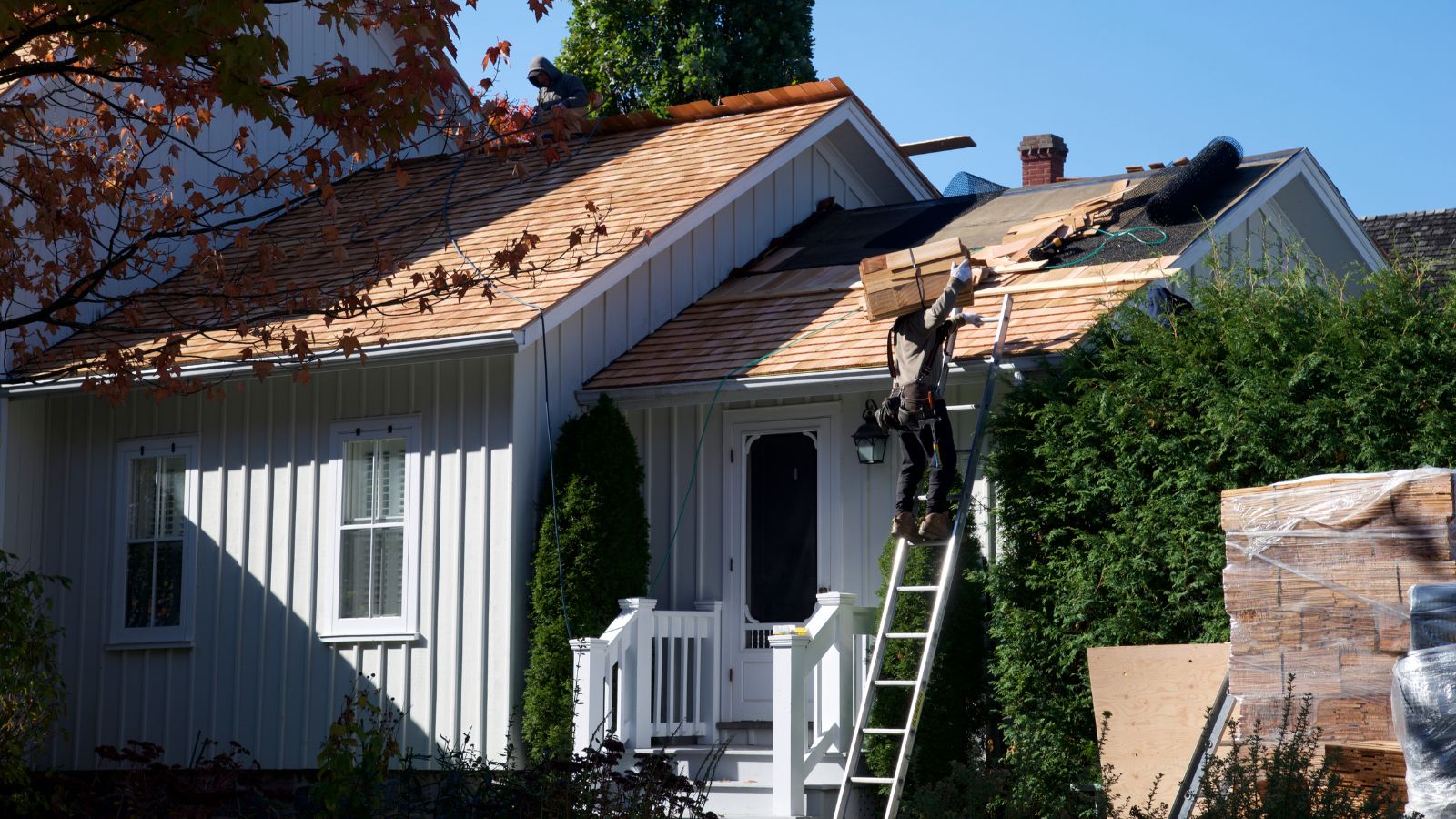
Snowbirds often think of hurricanes as a summer and fall concern, but the broader climate risk now affects insurance, repairs, infrastructure, and peace of mind year-round. Storm damage can leave buildings under repair for months. Elevators, roofs, parking areas, seawalls, and pools may still be affected long after the news cycle has moved on.
There is also the practical issue of distance. A Canadian owner may be hundreds or thousands of kilometres away when a storm hits, relying on building managers, neighbours, or photos to understand what happened. Even when the unit survives, rising deductibles, delayed repairs, and special assessments can make the property feel less like a refuge and more like a liability.
Cross-Border Travel Has Become More Expensive and Less Predictable
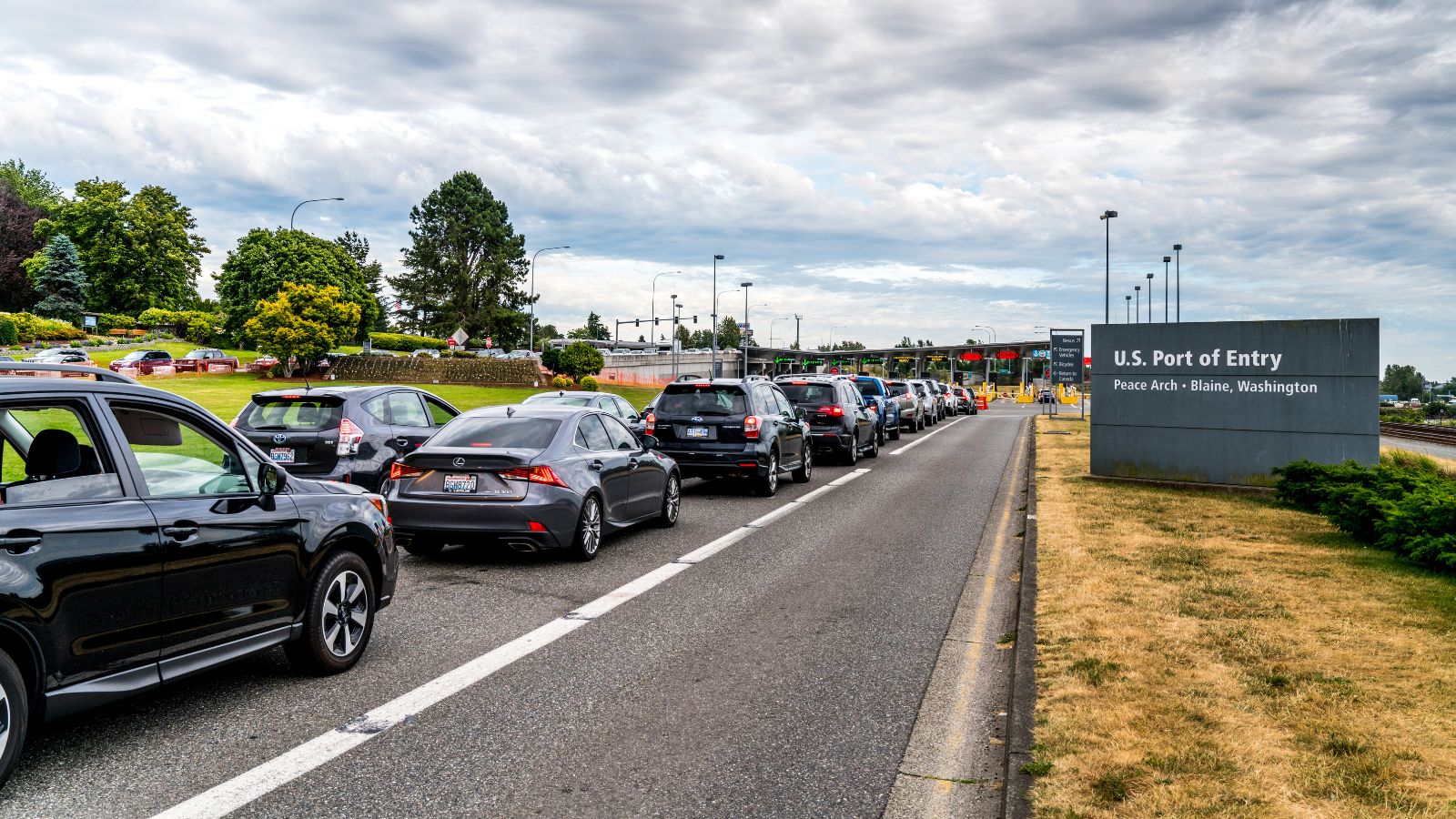
Driving south once felt like the budget-friendly alternative to flying. Fuel, hotels, meals, tolls, vehicle wear, and exchange rates can now make the road trip surprisingly expensive. Flying is not always simpler. Airfares, baggage fees, seat selection charges, airport parking, and seasonal demand can turn a round trip into a major budget line.
Weather delays and airline schedule changes add another layer. A retiree managing medications, mobility limitations, or a pet cannot always absorb a cancelled connection easily. The more moving parts involved, the less spontaneous snowbird life becomes. What once felt like an annual migration may now feel like a costly transportation puzzle.
Vehicle Rules, Insurance, and Maintenance Add More Friction

Many snowbirds depend on a vehicle while away, but the car question can be awkward. Driving a Canadian-plated vehicle in the U.S. for months may require careful attention to insurance coverage, registration, maintenance, and local rules. Some owners leave a vehicle in the U.S., which creates storage, insurance, battery, tire, and security issues when it sits unused.
Aging also changes the calculation. Long highway drives, unfamiliar interstates, night driving, and heavy traffic around major snowbird communities can become tiring. A couple who once enjoyed the road trip may start pricing flights, car shipping, rentals, or ride-hailing. Each option solves one problem while creating another cost.
Pet Travel Rules Can Turn a Simple Trip Into Paperwork
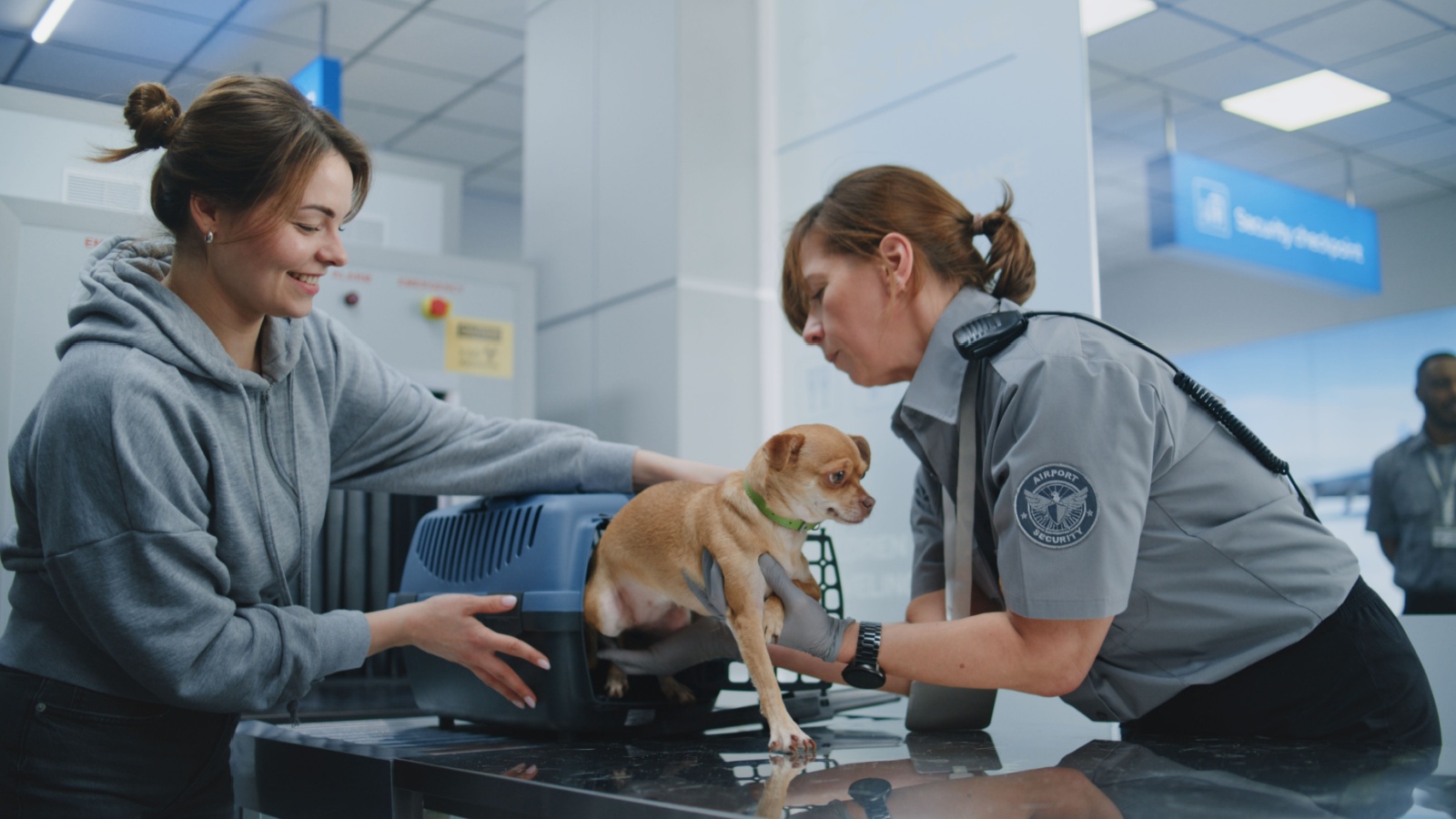
Pets are part of many snowbird households, and taking them south can make a long stay feel more comfortable. But cross-border pet travel has become more paperwork-driven, especially for dogs. Updated U.S. dog import rules require owners to pay closer attention to forms, age, health, microchip status, and travel history.
For older travellers, this can be more than an inconvenience. A missed form, unclear vaccination record, or last-minute airline rule can disrupt the entire trip. Boarding a pet for months is expensive and emotionally difficult, while leaving a pet with family is not always possible. The family dog or cat can quietly become a major factor in whether snowbird life still works.
Political and Social Tension Can Change the Feeling of Being Away

Snowbird life depends on feeling welcome and settled. Even when legal entry is straightforward, broader political tension, border rhetoric, gun violence concerns, health-care debates, and local cultural differences can affect comfort. Some Canadians still enjoy their winter communities, but others describe a subtle shift from escape to alertness.
This is not always about one dramatic incident. It can be a collection of small moments: a tense conversation at a clubhouse, worry after a local news alert, or discomfort navigating unfamiliar rules. For retirees who want calm, predictability, and community, the emotional cost of being away can matter as much as the financial one.
Family Responsibilities Make Long Absences Harder

Snowbird life was easier to justify when family obligations were lighter. Many retirees now help adult children with childcare, elder care, housing stress, or money. Grandparents may be important parts of weekly routines, school pickups, medical appointments, or emotional support. A four-month absence can leave a real gap.
There is also the pull of aging siblings, friends, and spouses with changing needs. A snowbird may enjoy the weather but feel guilty missing milestones, emergencies, or everyday family life. Video calls help, but they do not replace showing up. For some Canadians, the warmer climate is no longer enough to offset the feeling of being needed at home.
Retirement Budgets Have Less Room for Luxuries

Many retirees are facing higher costs for groceries, utilities, property taxes, rent, insurance, dental care, and home maintenance in Canada. That makes a second winter household harder to defend. Even when pensions and savings are stable, the margin for discretionary spending may be thinner than it looked a few years ago.
Snowbird life can also hide costs because they arrive in different currencies and categories. There is the Canadian home, the U.S. rental or property, travel insurance, transportation, communications, entertainment, and emergency reserves. A lifestyle once framed as a reward can begin competing with long-term care savings, home repairs, or financial help for family.
Technology and Banking Friction Still Creates Annoyances

Cross-border living sounds easier in a digital world, but banking, phone plans, two-factor authentication, app access, and fraud controls can still cause headaches. A Canadian bank may flag U.S. transactions. A phone plan may charge roaming fees. A verification code may go to a device that is not working. A credit card replacement may be mailed to the wrong country.
These issues are small until they happen during a bill payment, medical claim, rental dispute, or travel delay. Seniors who are comfortable with technology can still find cross-border administration draining. Those who are less confident may depend on adult children or bank staff, which undercuts the independence snowbird life is supposed to support.
Border Rules Reward Careful Record-Keeping
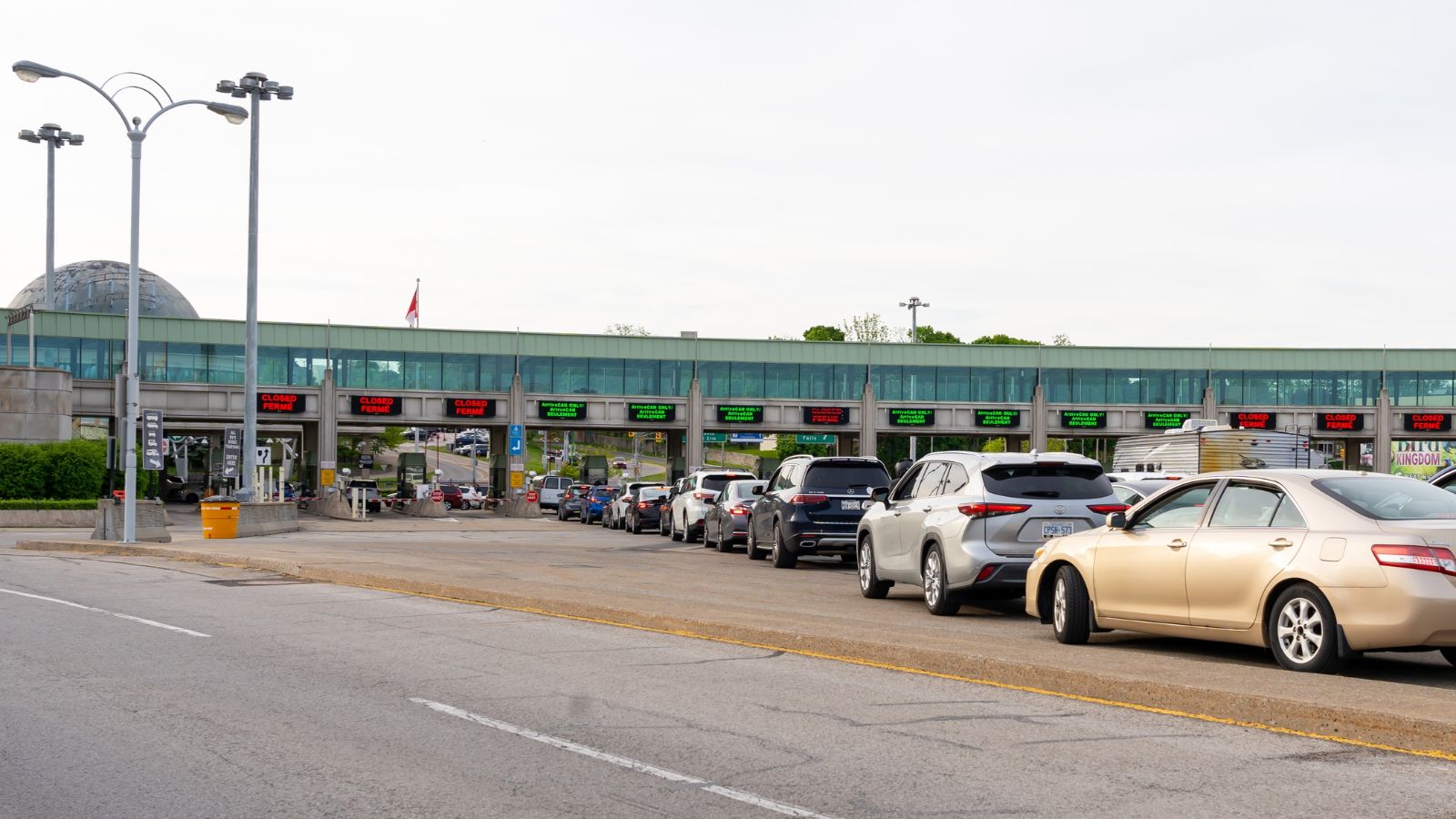
Crossing into the U.S. for the winter is common, but it is still an international border crossing. Travellers may be asked about trip length, funds, ties to Canada, vehicle contents, or past visits. Staying within visitor limits, tracking days, and keeping records becomes especially important for people who return often or spend long periods away.
The record-keeping can feel tedious, but mistakes matter. Miscounted days can affect tax filings, insurance eligibility, or future border questions. Carrying large amounts of cash also has reporting rules. The more snowbird life depends on routine crossings, the more administrative discipline it requires.
The Emotional Payoff Is No Longer Automatic

The strongest argument for snowbird life has always been quality of life: easier mornings, outdoor walks, social clubs, warm evenings, and relief from winter isolation. For many Canadians, that still matters deeply. But when the trip is shadowed by currency pressure, insurance worries, family obligations, health concerns, and property costs, the emotional return can shrink.
Some former snowbirds are not abandoning winter travel altogether. They are adapting. Shorter stays, domestic rentals, one-month escapes, cruises, Mexico, Portugal, or simply better winter routines at home may offer enough relief without the same commitment. The dream is not disappearing, but it is becoming less automatic, more selective, and much harder to justify without a clear-eyed plan.
19 Things Canadians Don’t Realize the CRA Can See About Their Online Income

Earning money online feels simple and informal for many Canadians. Freelancing, selling products, and digital services often start as side projects. The problem appears at tax time. Many people underestimate how much information the CRA can access. Online platforms, banks, and payment processors create detailed records automatically. These records do not disappear once money hits an account. Small gaps in reporting add up quickly.
Here are 19 things Canadians don’t realize the CRA can see about their online income.
