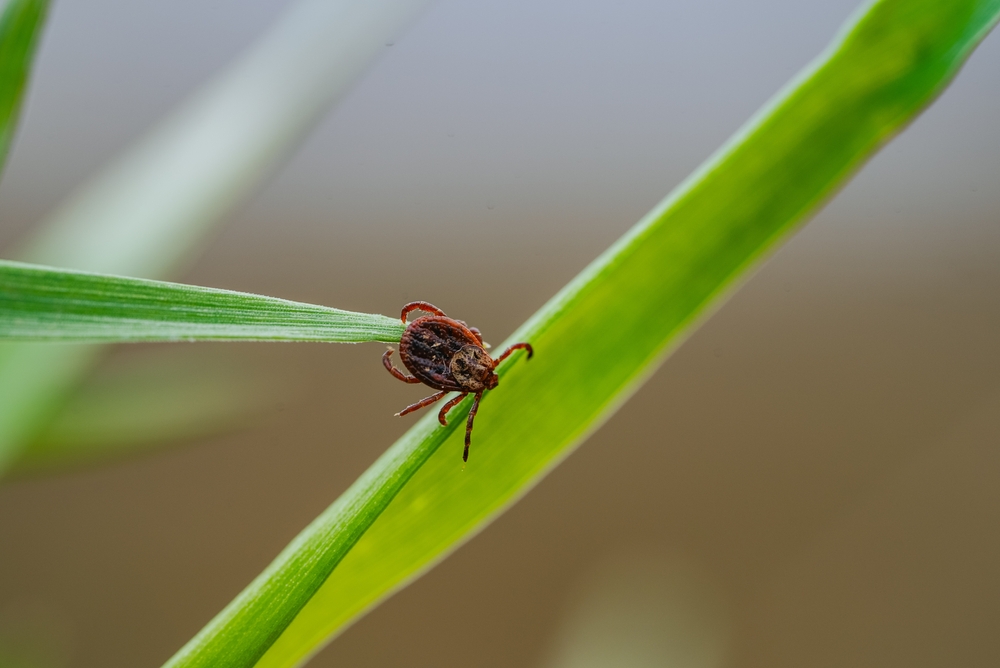
For years, public warnings about ticks in Canada have largely centred on Lyme disease. A new CMAJ case report is widening that focus. It describes an eastern Ontario man whose unexplained fever and weakness were traced to anaplasmosis, a bacterial infection carried by the same blacklegged ticks—and complicated by inflammation of the heart muscle. The warning arrives as Canadian surveillance shows a steep rise in both tick-borne illness and the geographic reach of the ticks that transmit it.
Lyme disease remains the most commonly reported tick-borne infection in Canada, but anaplasmosis, babesiosis and Powassan virus disease are now part of the public-health picture. The practical message is not to fear the outdoors. It is to recognize that a tiny, painless bite can produce more than one kind of illness, often without the classic rash many people expect.
A Routine Summer Illness Became a Heart Case
The CMAJ report centres on a 79-year-old man from rural eastern Ontario who arrived at a community hospital with fever, fatigue, chills and generalized weakness severe enough to cause a fall. He regularly worked in wooded areas but did not remember a tick bite. That detail mattered: blacklegged ticks can be extremely small, their bites are usually painless, and many patients never realize they were exposed. The man also had an autoimmune condition and was taking immunosuppressive medication, placing him at greater risk of severe illness.
His condition soon looked more serious than an ordinary summer virus. Blood tests showed reduced blood-cell counts, while he developed shortness of breath, mild kidney injury and myocarditis—an inflammation of the heart muscle. Doctors began antibiotics, including doxycycline, before laboratory confirmation arrived. A PCR test later identified anaplasmosis. He completed 14 days of doxycycline, left hospital after eight days and, four months later, had no symptoms and normal heart function. The authors noted that myocarditis is an exceptionally rare reported complication of anaplasmosis, making the case a warning about what delayed recognition can miss.
Why Anaplasmosis Is Easy to Miss
Anaplasmosis is caused by Anaplasma phagocytophilum, a bacterium carried mainly by blacklegged ticks in eastern and central Canada and western blacklegged ticks in British Columbia. The organism infects granulocytes, a type of white blood cell. Symptoms generally begin five to 21 days after exposure and often resemble influenza: fever, chills, headache, muscle aches, fatigue and a broad feeling of being unwell. Some patients also develop nausea, vomiting, diarrhea, abdominal pain or loss of appetite.
That nonspecific presentation is one reason the infection can slip past both patients and clinicians. Unlike early Lyme disease, anaplasmosis usually does not produce an expanding “bull’s-eye” rash. Laboratory clues can be more useful, including low white-blood-cell counts, low platelets, anemia and elevated liver enzymes. Even then, a diagnosis may require PCR testing, paired antibody tests or microscopic examination of a blood smear. A missing tick bite should not rule it out. The federal case definition explicitly notes that many patients have no recollection of being bitten, especially when exposure occurred days or weeks before symptoms began.
Canada’s Numbers Are Rising Fast
The emerging threat is still much smaller than Lyme disease, but recent Canadian numbers show why doctors are paying closer attention. Federal surveillance recorded 673 cases of anaplasmosis in 2024, compared with 5,809 reported Lyme disease cases. More than 93 per cent of those anaplasmosis reports came from Nova Scotia and Ontario, with the largest share in Nova Scotia. The same surveillance found that cases were reported more often among men and adults aged 60 to 79.
Ontario’s experience shows how quickly the picture can change. The province recorded 40 confirmed or probable anaplasmosis cases in 2023, the first year the infection became reportable there. Public-health updates later counted 160 cases in 2024. Part of that rise may reflect better testing, awareness and mandatory reporting rather than transmission alone, but the trend aligns with expanding blacklegged-tick populations and greater detection of the bacterium. Lyme disease is also climbing: Canada reported 144 cases in 2009, 5,809 in 2024 and a preliminary 7,105 in 2025. The broader lesson is that surveillance systems are now finding a more complicated tick-borne disease landscape than they did a decade ago.
The Same Tick Can Carry Multiple Pathogens
A blacklegged tick is not tied to a single disease. The same species can transmit the bacteria that cause Lyme disease and anaplasmosis, the parasite that causes babesiosis and the virus that causes Powassan disease. A single tick may carry more than one pathogen, so co-infections are possible. That is why public-health guidance urges clinicians to consider multiple tick-borne illnesses when symptoms overlap or when a patient does not improve as expected.
The diseases behave differently. Babesiosis can range from no symptoms to a flu-like illness and, in vulnerable patients, severe complications. Powassan virus disease is rarer, but severe cases can involve meningitis or encephalitis, and federal guidance says infected ticks may transmit the virus in as little as 15 minutes. Anaplasmosis, by contrast, is bacterial and usually responds well to early antibiotic treatment. These differences matter because one medication does not cover every possibility: doxycycline treats anaplasmosis and is also widely used for Lyme disease, but it does not treat babesiosis. The old mental shortcut—tick bite equals Lyme disease—can therefore delay the right testing or therapy.
A Warming Climate Is Redrawing Risk Maps
Canada’s changing tick map is not the result of one factor, but warmer conditions are helping create more suitable habitat. Federal and provincial reviews link rising temperatures, longer activity seasons and milder winters with the northward and geographic expansion of blacklegged ticks. Land-use change, fragmented forests, animal hosts and human outdoor activity also influence where ticks establish and how often people encounter them. Climate is part of the explanation, not the only explanation.
The practical effect is that areas once considered low risk may no longer stay that way. Public-health officials have documented growing blacklegged-tick prevalence from Manitoba eastward, especially in Ontario, Quebec and Nova Scotia. Ticks can also remain active outside the traditional summer window whenever temperatures stay above freezing and the ground is not snow-covered. That means a mild late-autumn hike, early spring yard cleanup or winter walk during a warm spell can still bring exposure. Risk remains uneven and local, but old assumptions about season and geography are becoming less reliable as established tick populations continue to expand.
Older and Immunocompromised Adults Face Higher Stakes
Most anaplasmosis infections are mild or moderate, and death is rare, but the burden is not evenly distributed. Older adults, people with weakened immune systems and those with underlying health conditions face a greater chance of severe disease. Delayed treatment can also raise the risk of complications such as respiratory distress, kidney failure, bleeding, neurological illness, sepsis and cardiac problems. The eastern Ontario patient described in CMAJ had several of those risk factors, including advanced age and immunosuppressive treatment.
Ontario’s first full-year summary illustrates the stakes. Of 40 reported anaplasmosis cases in 2023, 73 per cent involved adults aged 60 or older and 17 patients—42.5 per cent—were hospitalized. No deaths were recorded in that group, but the hospitalization rate shows that “rare” does not mean trivial for the people affected. A fever and weakness after gardening, hiking, hunting, camping or working around brush may look like a routine infection at first. For an older parent or an immunocompromised family member, mentioning recent outdoor exposure to a clinician can materially change the diagnostic workup.
Treatment Works Best Before Confirmation Arrives
Anaplasmosis is a disease in which clinical judgment often has to move faster than the laboratory. The Public Health Agency of Canada advises clinicians not to delay treatment while waiting for confirmation when the presentation strongly suggests anaplasmosis or another rickettsial infection. Doxycycline is the most commonly recommended antibiotic for symptomatic adults and children, while other options may be considered in specific circumstances. Early treatment is associated with a high likelihood of recovery.
Testing still matters, especially because symptoms overlap with other infections. PCR can detect bacterial DNA during the acute illness, blood smears may reveal characteristic inclusions inside granulocytes, and paired antibody tests can help confirm recent infection. Timing affects the usefulness of each method. The CMAJ patient improved after doxycycline was started before his PCR result returned, illustrating why doctors may treat empirically in a high-risk setting. At the same time, treatment should not become guesswork: babesiosis requires a different drug regimen, and serious symptoms may require hospital care. Anyone who becomes ill after possible tick exposure should seek medical assessment rather than relying on the presence or absence of a rash.
Prevention Still Comes Down to Small Habits
The wider list of tick-borne diseases does not require abandoning parks, trails or backyards. It does make routine prevention more valuable. Canadian guidance recommends covering exposed skin, using insect repellent containing DEET or icaridin as directed, staying alert in wooded or brushy areas and performing a full-body tick check after time outdoors. Children, pets and hard-to-see areas of the body deserve particular attention because attached ticks can be tiny.
When a tick is found, prompt removal reduces the chance of infection. Use clean, fine-point tweezers to grasp it as close to the skin as possible, then pull slowly and straight out without twisting or squeezing. Wash the bite area with soap and water or an alcohol-based sanitizer. A clear photo can be submitted to eTick, a Canadian identification and surveillance platform, and the date and likely exposure location should be recorded. Medical advice is warranted if fever, chills, unusual fatigue, headache, gastrointestinal symptoms, breathing trouble, confusion or other concerning symptoms develop afterward. Waiting for a bull’s-eye rash is no longer a safe way to judge whether a tick bite matters.
