
For generations, Canada’s middle-class promise rested on a recognizable bargain: steady work could support a comfortable home, a family, modest savings and occasional enjoyment without constant financial calculation. That bargain has not disappeared entirely, but it has become harder to recognize.
Even where inflation has moderated or certain costs have eased, prices generally remain far above their pre-pandemic levels. Housing wealth increasingly separates owners from renters, while access to services such as health care and child care can depend as much on availability as income. These 21 signs show why many middle-class Canadians feel that the country’s familiar economic milestones now require more money, more family assistance and considerably more luck.
The Starter Home Has Become a Luxury Calculation

The phrase “starter home” once suggested a modest property that a working household could purchase before moving up later. In much of Canada, even that first step now demands an income, down payment and tolerance for debt that would have seemed exceptional in earlier decades. RBC’s national affordability measure indicated that ownership costs still consumed more than half of a typical household’s pre-tax income in late 2025, despite improvements from the record strain reached in 2023.
That national figure also hides much harsher conditions in Toronto and Vancouver, particularly for detached homes. A teacher and a skilled tradesperson earning respectable salaries may still find that qualification rules, property taxes, insurance and monthly payments leave little margin for children or emergencies. Homeownership has not vanished, but the middle-class path toward it has shifted from gradual saving to high-income borrowing, parental assistance or relocation.
Renting No Longer Feels Like a Temporary Stage

Renting traditionally served as a bridge between leaving home and purchasing a first property. Today, many households remain renters through their thirties, forties and beyond—not necessarily by choice, but because the cost of moving into ownership remains prohibitive. National rent prices increased by more than 30% between April 2021 and April 2026, even as the pace of annual rent inflation began to slow.
Vacancy rates have recently improved in several major markets as new supply arrived and population growth cooled. However, easing conditions do not return rents to their old levels. A household paying $2,200 a month does not experience meaningful relief simply because the next increase is smaller. Moving can also trigger a sharp jump from an older, protected rent to the current market rate. Consequently, renters may feel financially trapped in apartments that no longer suit their family size, workplace or long-term plans.
Mortgage Renewal Has Become a Major Household Event

Mortgage renewal was once treated as routine paperwork. For many borrowers, it now resembles a second affordability test. The Bank of Canada estimated that roughly 60% of mortgage holders renewing in 2025 and 2026 would face higher payments. Borrowers renewing in 2025 were expected to see average monthly payments about 10% above their December 2024 level, while the estimated increase for 2026 renewals was approximately 6%.
The effect is significant because mortgages are renewed alongside other rising costs. A family that carefully managed its original payment may suddenly need several hundred additional dollars each month without receiving a larger home or better service. Most borrowers have continued to make their payments, and widespread mortgage defaults have not materialized. Still, managing the increase may involve reducing retirement contributions, delaying renovations, cancelling activities or carrying more credit-card debt. Renewal dates have therefore become financial milestones requiring months of preparation.
Debt Influences Nearly Every Major Decision

Canadians have long carried high levels of household debt, but the scale now shapes decisions far beyond housing. In the first quarter of 2026, household credit-market debt was approximately 180% of disposable income. Mortgages account for most of that amount, although lines of credit, vehicle loans and other consumer borrowing add further pressure. Total household credit-market debt exceeded $3.1 trillion during 2025.
A high debt ratio does not mean every household is in immediate trouble. Older owners may hold substantial home equity, while high earners may comfortably service large mortgages. The vulnerability appears when income falls, interest costs rise or an unexpected expense arrives. A job change, parental leave or vehicle repair becomes more complicated when payments already claim much of the monthly budget. For many middle-class families, the question is no longer whether they can technically make a purchase, but whether adding another obligation would leave any room for normal life.
Grocery Shopping Requires Constant Strategy

The grocery store has become one of the clearest reminders that lower inflation does not mean lower prices. Statistics Canada reported that grocery prices in February 2026 were 30.1% higher than in February 2021. Meat, coffee, fruit and other staples experienced especially sharp increases at different points. Canada’s Food Price Report projected that a family of four could spend approximately $17,572 on food during 2026.
That figure assumes disciplined household purchasing rather than frequent restaurant meals or premium products. Middle-class shoppers increasingly compare digital flyers, collect loyalty points, switch stores and plan meals around whichever protein is discounted. A cart that once included convenience items and a few treats may now require substitutions before reaching the checkout. These habits were historically associated with periods of unemployment or low income. Their normalization among households with two steady paycheques is one reason the country can feel economically unfamiliar even when headline inflation appears manageable.
Insurance Has Become a Fast-Growing Household Bill

Home and vehicle insurance once changed gradually enough to remain in the background of household budgeting. That is becoming less common. Statistics Canada found that homeowners’ insurance premiums rose 45% between December 2019 and December 2025, while passenger-vehicle insurance increased 23.9%. Both increases exceeded the 21% rise in the overall Consumer Price Index during that period.
The causes include higher repair and rebuilding costs, more expensive vehicle technology, theft, severe-weather losses and changing risk assessments. Yet the household experiences the result as another mandatory bill that cannot easily be eliminated. Shopping for a lower premium may help, but switching providers, raising deductibles or reducing coverage transfers more risk to the customer. A suburban family with two cars and a mortgaged home can face increases on several policies simultaneously. Insurance therefore consumes money without creating any visible improvement in daily living, making the financial squeeze feel particularly frustrating.
A Reliable Car Is Harder to Treat as Ordinary

Outside the largest urban centres, vehicle ownership is often a practical requirement rather than a lifestyle choice. Statistics Canada found that average household transportation spending reached $12,090 in 2023, almost 20% higher than in 2021. That total includes vehicle purchases, fuel, maintenance, insurance and public transportation. Transportation prices were also 7.6% higher year over year in April 2026, partly because of a sharp increase in gasoline prices.
Modern vehicles tend to be safer and more efficient, but they are also expensive to purchase and repair. Sensors embedded in windshields, bumpers and mirrors can turn minor damage into a substantial insurance claim. Families may keep older vehicles longer, yet aging cars eventually require brakes, tires, suspension work or major mechanical repairs. The traditional middle-class expectation of owning a dependable family car remains achievable, but it increasingly demands longer financing terms, a larger emergency fund or acceptance of an older vehicle with greater maintenance risk.
Raises Do Not Necessarily Restore Breathing Room

Canadian wages have made real gains over the longer term, and average hourly earnings have increased since the pandemic. However, average figures do not reveal whether a household has more money left after paying for housing, food, insurance and transportation. In the third quarter of 2025, disposable income for households in the middle income quintile rose only 0.7% from a year earlier, while their consumption spending increased 4.2%.
As a result, net saving deteriorated more sharply for that group than for other income categories. This helps explain why a worker can receive a raise and still feel financially behind. The additional income may be absorbed by rent, a mortgage renewal, groceries or an insurance increase before it reaches savings. Promotions once created visible improvements—a vacation, a renovated kitchen or faster debt repayment. For many households, a raise now functions mainly as protection against losing ground, rather than a clear step toward greater comfort.
Easily Making Ends Meet Has Become Uncommon

One of the strongest signs of changing financial conditions comes directly from how Canadians describe their own households. In the spring of 2025, only 24.1% reported that meeting their financial needs was easy or very easy. In the summer of 2021, the comparable proportion was 47.7%. That represents a dramatic decline in perceived financial comfort over a relatively short period.
The measure includes transportation, housing, food, clothing and other necessary expenses, so it captures more than temporary frustration with a single bill. It reflects the combined weight of everyday obligations. Middle-class households may still pay everything on time, maintain good credit and appear stable from the outside. Internally, however, every pay period may require transfers, delayed purchases and careful timing. Financial distress is not limited to insolvency. The disappearance of ease—the ability to pay bills without repeatedly checking an account balance—is itself a meaningful change in middle-class life.
Affordable Child Care Still Depends on Finding a Space

Canada’s child-care reforms have delivered substantial savings for many families. By the end of 2025, the Consumer Price Index for child-care services had declined more than 31% from 2021, even as the overall CPI increased nearly 16%. Several provinces and territories reached average regulated fees of $10 a day or less, while fees fell substantially in other jurisdictions.
Affordability, however, matters only when a family can obtain a regulated space. The federal program has pursued the creation of hundreds of thousands of additional spaces, but demand, staffing and regional access remain persistent challenges. A parent who cannot find participating care may rely on an unsubsidized provider, reduce working hours or delay returning to work. Two families living in the same city can therefore face dramatically different costs based on availability rather than income. The program represents genuine progress, yet the uneven experience illustrates how a middle-class benefit can exist nationally without feeling dependable at the household level.
Having a Family Doctor Is No Longer Assumed

Universal health coverage remains central to Canadian identity, but access to primary care has weakened. In 2023, approximately 17% of Canadian adults—about 5.4 million people—reported that they did not have regular access to a health-care provider. Younger adults were less likely than seniors to have one. International comparisons have also placed Canada near the bottom of peer countries for access to a regular primary-care provider.
For a middle-class household, the consequences are practical as well as medical. Routine prescription renewals, referrals and minor health concerns may require a walk-in clinic, virtual appointment or emergency-department visit. Parents can spend hours calling clinics that are not accepting patients. Workers without flexible schedules may postpone care because attending an uncertain walk-in queue means losing income or using vacation time. Canadians are not generally billed for medically necessary physician services, but the growing cost in time, stress and delayed attention changes how secure the system feels.
Universal Health Care Can Still Mean Long Waits

Coverage does not always guarantee timely treatment. Canadian Institute for Health Information data show that many patients continue to wait beyond recommended benchmarks for joint replacements and cataract surgery. In 2024, 68% of hip replacements, 61% of knee replacements and 69% of cataract surgeries were completed within their respective benchmark periods. Performance for hip and knee replacements remained below pre-pandemic levels.
Emergency departments present another visible pressure point. During 2024–2025, one in 10 emergency patients spent more than 14 hours in the department, a larger proportion than before the pandemic. These waits can affect families that appear financially secure but cannot purchase a faster route through the public system. A prolonged health issue may reduce working hours, disrupt caregiving and force relatives to use paid leave. The middle-class promise included confidence that essential public services would be there when needed. Long and unpredictable waits weaken that confidence even when the care eventually provided is excellent.
Higher Education Carries a Longer Financial Tail

Postsecondary education remains one of the most reliable routes to higher lifetime earnings, but the initial investment can shape a graduate’s finances for years. Average undergraduate tuition for Canadian students reached $7,734 in the 2025–2026 academic year, with major differences among provinces and programs. Tuition is only part of the bill; rent, food, transportation, technology and textbooks can exceed it.
Federal student loans are interest-free, and grants reduce costs for many students. Nevertheless, 649,000 students received Canada Student Loans during the 2023–2024 academic year, reflecting the scale of borrowing required. Government evaluations have found that more than one-quarter of college and university graduates who left school with government debt experienced repayment difficulty. A new graduate may therefore begin working life while servicing education debt and paying market rent. Saving for a home, wedding, child or retirement starts later, extending adolescence-like financial dependence well into adulthood.
Stable Employment Feels Less Guaranteed

Canada’s labour market remains capable of creating jobs, but the experience is uneven. The national unemployment rate was 6.5% in June 2026, while youth unemployment stood at 12.7%. Job vacancies totalled about 506,700 in the first quarter, far below the extraordinary peak recorded in 2022. Statistics Canada also reported roughly three unemployed people for every vacant position in March 2026.
Those numbers do not indicate a labour-market collapse. They do suggest that workers have less bargaining power than during the post-pandemic hiring surge. Younger people may cycle through contracts, part-time work or prolonged searches before finding stable positions. Even permanent employees can feel cautious when layoffs affect technology, manufacturing, media or professional services. Paid benefits are also uneven: employees with less than one year of tenure are considerably less likely to have vacation leave. The older middle-class model assumed that education and effort would lead to predictable career progression. That sequence now feels less automatic.
Retirement Security Depends Heavily on the Employer

A dependable workplace pension was once a defining feature of many middle-class careers. Today, most paid workers are not covered by a registered pension plan. Statistics Canada reported a pension coverage rate of 37.7% in 2023. Coverage was higher among women than men, partly reflecting women’s representation in public-sector occupations where defined-benefit plans remain more common.
Workers without an employer pension must rely more heavily on the Canada Pension Plan, Old Age Security, personal savings, home equity and individual investments. That task becomes difficult when current housing and family costs consume the money that could have gone into an RRSP or tax-free savings account. Middle-aged Canadians may also carry mortgages closer to retirement, especially if they purchased late or refinanced. Retirement has not become impossible, but responsibility has shifted toward the individual. A comfortable old age increasingly depends on investment knowledge, consistent contributions and favourable market returns rather than long service alone.
Adult Children Are Remaining Home Longer

Living with parents can reflect culture, caregiving or a positive family choice. The scale of the trend, however, also reveals how difficult independent household formation has become. In 2021, 35.1% of Canadians aged 20 to 34 lived with at least one parent. Among those aged 20 to 24, the proportion reached 57%.
For some households, co-residence offers an efficient solution: adult children contribute to groceries, save money and assist relatives. For others, it creates crowding, reduced privacy and delayed plans. Parents may postpone downsizing because their children cannot afford local rent. Young adults may delay relationships or careers that require relocation. The traditional expectation that a full-time job would soon support a basic apartment no longer holds in many cities. Remaining home is not evidence of personal failure, but its prevalence shows that housing and wage conditions have altered the timetable of adulthood for a large portion of the middle class.
Family Wealth Shapes Who Gets to Buy
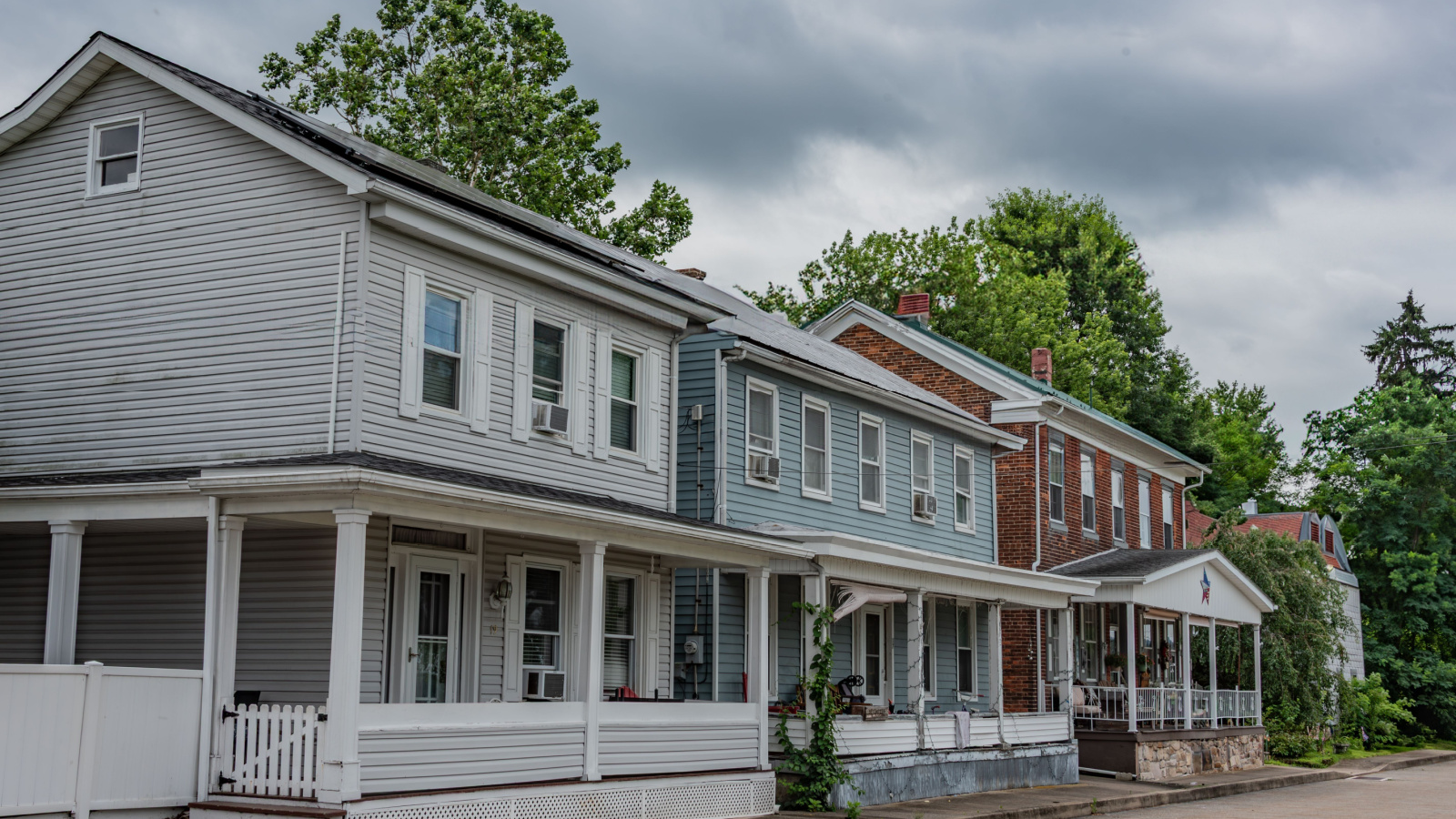
Income still matters in the housing market, but parental property ownership has become an increasingly important divider. Statistics Canada found that adult children born in the 1990s whose parents owned homes were more than twice as likely to own property as those whose parents did not. Children of parents who owned multiple properties were nearly three times as likely to become homeowners.
The connection extends beyond the first purchase. In expensive cities including Toronto, Vancouver, Victoria and Kelowna, homeowners with the wealthiest property-owning parents held homes worth substantially more than those owned by people whose parents had little housing wealth. Assistance may take the form of a down payment, co-signature, shared ownership or an early inheritance. This creates two different middle-class experiences: one in which employment income builds on family assets, and another in which the same income must cover rent while creating a down payment from nothing. Economic mobility consequently depends more heavily on the household a person was born into.
Moving Provinces Has Become an Affordability Strategy

Canadians have always moved for jobs, family and lifestyle. In recent years, the search for affordable housing has become a more prominent part of that decision. Alberta recorded exceptionally strong net interprovincial migration in 2023 and continued gaining residents from other provinces afterward. Ontario and Quebec both recorded net interprovincial losses in the fourth quarter of 2025, while Alberta posted the largest gain.
Migration patterns have many causes, including employment opportunities, taxes, family connections and housing supply. Still, the price difference between a Toronto-area home and one in Edmonton or smaller Prairie cities can reshape a household’s future. Families that once expected to remain near relatives may conclude that ownership requires moving thousands of kilometres. The strategy can work, but it carries costs: rebuilding professional networks, arranging child care and accepting distance from aging parents. Affordability has therefore begun influencing not only what middle-class Canadians buy, but where they can realistically live.
The Wealth Gap Is More Visible in Everyday Life

Canada’s overall household wealth has continued to rise, yet the gains are distributed unevenly. In the third quarter of 2025, the wealthiest 20% of households held 65.5% of the country’s net worth. The least wealthy 40% held only 3.1%. Financial-market gains disproportionately benefited households already holding substantial investments, while many younger and less wealthy households increased mortgage debt.
This divide is visible even among neighbours with similar salaries. A long-time homeowner may have hundreds of thousands of dollars in equity and a modest mortgage. A recent buyer may pay several times as much each month for a comparable property. A renter may have no housing asset at all despite earning the same income. The result is a society where wages alone reveal less about financial security than they once did. Timing, inheritance and asset ownership can matter as much as occupation, creating sharply different futures within what is commonly described as the middle class.
Two Incomes No Longer Guarantee Financial Ease

The two-income household became the modern foundation of middle-class stability. Yet even couples with children increasingly report difficulty meeting ordinary expenses. In October 2025, 32.4% of core-aged Canadians living as couples with children were in households experiencing difficulty meeting their financial needs. Couples without children reported a lower, but still notable, rate of 25.3%.
Children introduce expenses that do not move neatly with income: larger housing, food, clothing, activities, transportation and periods of reduced earnings. A second income can also generate child-care and commuting costs, reducing the amount it contributes to the household. Parents may appear prosperous based on gross earnings while operating with little disposable cash. The pressure becomes especially clear when one child needs dental work, tutoring or specialized care. Two salaries still provide protection, but they no longer guarantee the relaxed financial confidence once associated with a dual-income professional household.
A Small Emergency Can Disrupt the Entire Month

Middle-class financial stress often appears not as permanent poverty, but as a lack of margin. Statistics Canada found that self-reported financial difficulty increased steadily between 2021 and 2025. The increase was associated with declining life satisfaction and lower hopefulness about the future. These findings help explain why a household can meet its regular obligations yet feel vulnerable.
A $1,200 vehicle repair, broken furnace or emergency flight can force a family to use a credit card, pause retirement contributions or postpone another necessary purchase. The problem is not always insufficient annual income; it is the collision of high fixed costs with irregular expenses. When shelter, groceries, transportation and insurance already consume most take-home pay, rebuilding an emergency fund becomes difficult. Financial resilience once meant having several months of expenses available. For many households, it now means reaching the next payday without adding to a line of credit.
Ordinary Leisure Has Become a Deliberate Luxury

Middle-class life was never defined solely by paying for necessities. It also included room for restaurant meals, children’s activities, weekend trips and an occasional family vacation. Average household spending on shelter, food and transportation rose sharply between 2021 and 2023, increasing the competition for money that could otherwise support recreation. By 2025, the Consumer Price Index basket showed a smaller spending share for travel tours, alongside fewer trips abroad by Canadian residents.
Canadians still travel and participate in recreation, and domestic tourism has remained active. The change lies in how carefully these experiences must be planned. A concert may require cutting spending elsewhere. Hockey registration can compete with an insurance renewal. A vacation may be financed over several months or replaced with a shorter trip closer to home. When ordinary enjoyment repeatedly feels irresponsible, the middle class experiences more than a cost-of-living problem. It experiences a narrowing definition of what a comfortable Canadian life includes.
19 Things Canadians Don’t Realize the CRA Can See About Their Online Income

Earning money online feels simple and informal for many Canadians. Freelancing, selling products, and digital services often start as side projects. The problem appears at tax time. Many people underestimate how much information the CRA can access. Online platforms, banks, and payment processors create detailed records automatically. These records do not disappear once money hits an account. Small gaps in reporting add up quickly.
Here are 19 things Canadians don’t realize the CRA can see about their online income.
