
For generations, Canadian success has been associated with a familiar set of expectations: a comfortable home, dependable work, accessible health care, an affordable education and enough financial security to enjoy retirement. None of these aspirations has disappeared, but the path toward them often involves more trade-offs, paperwork and uncertainty than it once did.
These 19 Canadian dreams remain achievable for many households, yet each now comes with complications shaped by housing pressures, changing labour markets, uneven access to services, household debt and climate risks. The result is not necessarily the end of the Canadian dream. Instead, it is a more demanding version—one that increasingly requires careful timing, family support, geographic flexibility and a willingness to revise what success is supposed to look like.
Owning a First Home

Homeownership remains one of Canada’s most recognizable milestones, but the meaning of a “starter home” has changed. Statistics Canada reported that the national homeownership rate fell from 69.0% in 2011 to 66.5% in 2021. The shift was especially visible among adults aged 25 to 29: only 36.5% owned a home in 2021, compared with 44.1% a decade earlier.
The traditional story involved renting briefly, saving a down payment and buying a modest property before starting a family. Today, that sequence may require a longer savings period, help from relatives, a smaller condominium or a move far beyond a preferred neighbourhood. A couple working in Toronto or Vancouver, for example, may be able to qualify only by purchasing several hours from the office. Homeownership has not vanished, but it can now determine where people work, how often they commute and when other life plans begin.
Renting Without Feeling Stuck

Renting was once commonly viewed as a temporary stage between leaving home and purchasing property. For a growing number of Canadians, it has become a long-term housing arrangement. Canada’s purpose-built rental vacancy rate rose from 2.2% in 2024 to 3.1% in 2025, according to the Canada Mortgage and Housing Corporation, offering renters somewhat more choice after an exceptionally tight period.
More availability, however, does not automatically make a unit affordable. A household may find several apartments but still discover that the most suitable options consume too much income to allow meaningful savings. Moving can also expose tenants to current asking rents that are substantially different from what long-term occupants pay. The dream is no longer simply finding a clean apartment near work. It is securing stable housing while preserving enough financial room for emergencies, retirement contributions and perhaps a future down payment. That balance can make even an ordinary lease feel like a major financial commitment.
Landing a Stable Career Early

The classic career path promised that education and persistence would eventually lead to permanent work, predictable raises and a clear route upward. Younger Canadians are entering a labour market that can feel less orderly. In June 2026, unemployment among people aged 15 to 24 stood at 12.7%, remaining above the 10.8% average recorded between 2017 and 2019.
A graduate may now move through internships, contracts, freelance assignments and unrelated service jobs before finding a role that matches their training. Even when the work is meaningful, uncertainty can complicate apartment applications, car financing and long-term planning. Consider a young communications graduate handling social media for three clients: the workload may resemble a full-time position, but the income can fluctuate and benefits may not exist. The dream of a rewarding career remains powerful. What has become less certain is when that career officially begins and whether it arrives with the stability earlier generations associated with adulthood.
Supporting a Household on One Income

The idea that one dependable salary could support a modest household still influences how many Canadians imagine family life. In practice, a single income must now absorb housing, groceries, transportation, insurance, utilities and child-related expenses that rarely move in the same direction. In spring 2024, 45% of Canadians said rising prices were greatly affecting their ability to meet daily expenses. Among households with children, the proportion reached 55%.
That pressure changes ordinary family decisions. A parent who would prefer to stay home with a baby may return to work earlier than planned. Another household may decide that two vehicles, organized activities or an annual trip are no longer realistic. This does not mean single-income families have disappeared, particularly in lower-cost communities or households with a high earner. It means the arrangement often requires a smaller home, stricter budgeting or substantial savings established beforehand. What once looked like a standard lifestyle can now resemble a carefully managed financial strategy.
Finding a Regular Family Doctor

Universal health coverage remains central to Canadian identity, yet possessing a health card does not guarantee an ongoing relationship with a primary-care provider. The Canadian Institute for Health Information estimated that 5.7 million Canadian adults did not have a regular health-care provider in 2024. Approximately 83% reported having access to one, leaving a significant minority relying on walk-in clinics, virtual services or emergency departments.
The difficulty becomes clear when care must be continuous rather than occasional. A patient managing diabetes, recurring migraines or several prescriptions benefits from a provider who understands the full medical history. Without one, test results and treatment decisions may be scattered across different clinics. Families moving to a new province or rapidly growing community can spend months joining wait-lists and calling practices. The dream is not elaborate: it is having one trusted professional who recognizes a patient’s name and notices when something has changed. For millions of adults, securing that basic continuity has become a project of its own.
Getting Treatment Without a Long Wait

Canadians may receive medically necessary hospital and physician services without paying at the point of care, but timely access remains uneven. In 2024, 68% of hip replacements, 61% of knee replacements and 69% of cataract surgeries were completed within nationally recommended time frames. The results represented progress in some areas, although hip and knee performance remained below pre-pandemic levels.
For the patient, the difference between “covered” and “available soon” can be enormous. A warehouse worker awaiting knee surgery may be unable to perform regular duties, while an older adult waiting for cataract treatment may stop driving after dark. Families frequently reorganize work, caregiving and transportation around uncertain dates. Urgent cases are prioritized, but procedures classified as non-emergency can still shape a person’s independence and income. The Canadian dream of receiving care based on need remains intact as a principle. The complication lies in maintaining daily life while waiting for the system to provide it.
Securing Affordable Child Care

Affordable child care has moved closer to reality in many parts of Canada, but obtaining a space can be as important as the posted fee. By late 2025, eight provinces and territories were providing regulated care at an average of $10 a day or less, while all jurisdictions had reduced fees by at least 50%. Approximately 900,000 children were benefiting from the national initiative.
For parents, however, an affordable space helps only when it exists in the right community and matches the family’s schedule. A nurse beginning work before sunrise, a retail employee working weekends or a parent living in a fast-growing suburb may have few practical options. Some families join wait-lists before a child is born, coordinate care among relatives or reduce working hours until a licensed space opens. Lower fees can transform a household budget, particularly for families with two young children. The modern complication is that child care has become both a cost question and a capacity question, with employment decisions sometimes determined by whichever provider calls first.
Graduating Without Heavy Student Debt

Postsecondary education remains one of the strongest routes into many Canadian professions, but the cost of reaching the starting line can influence life for years afterward. Average undergraduate tuition for Canadian students reached an estimated $7,734 in the 2025–2026 academic year. The figure excludes many major expenses, including housing, transportation, textbooks, equipment and lost earnings while studying.
Statistics Canada’s National Graduates Survey found that roughly half of 2015 postsecondary graduates finished with education-related debt. More recent data for the 2020 graduating class placed average debt from all sources at $25,200 among graduates who owed money. A nursing student completing mandatory placements or an engineering student carrying a demanding course load may have limited time for paid employment. After graduation, loan payments compete with rent and retirement savings precisely when salaries are lowest. Education can still expand opportunity, but the dream of earning a credential without postponing every other milestone has become harder to preserve.
Starting a Small Business

Opening a café, construction company, repair shop or independent consultancy still represents independence for many Canadians. It also requires navigating leases, equipment prices, financing, taxes, insurance and payroll before the owner receives a reliable income. Under the Canada Small Business Financing Program, 6,409 loans worth nearly $1.9 billion were made during the 2024–2025 fiscal year, the highest total value in the program’s history.
Those numbers demonstrate both entrepreneurial demand and the amount of capital modern businesses may require. A neighbourhood bakery needs more than good recipes; it may need commercial ovens, refrigeration, renovations, permits and enough cash to survive slow opening months. A self-employed tradesperson must purchase tools and a vehicle while setting aside money for tax and periods without contracts. Digital tools have made it easier to reach customers, but they have not removed basic operating costs. The dream of becoming one’s own boss remains alive, although it often begins with a lender, a detailed forecast and considerably more financial risk than outsiders see.
Retiring on Schedule

Retirement was once pictured as a predictable transition reached after several decades with the same employer. Modern retirement depends on a more complicated mixture of workplace pensions, personal savings, home equity, government benefits, investment performance and health. Statistics Canada found that financial considerations were the most commonly reported reason influencing retirement timing in 2025, ahead of health or disability affecting the worker or a spouse.
The difference between households can be dramatic. In 2023, families whose main earner was aged 55 to 64 had a median net worth of about $1.4 million when they owned their home and had an employer-sponsored pension. Renters without an employer pension had median wealth of only $11,900. Those are very different starting points for the same stage of life. Some Canadians can still retire comfortably at a planned age, while others continue working, downsize or help adult children at the expense of their own savings. Retirement increasingly resembles a financial condition rather than a birthday.
Aging at Home

Remaining in a familiar home is deeply appealing. It preserves routines, neighbours, independence and memories that cannot easily be recreated elsewhere. Yet successful aging in place may require renovations, reliable transportation, home-care workers and relatives who live close enough to help. Among Canadians aged 80 or older, 51.9% reported using home adaptations such as grab bars or handrails, according to research based on the Canadian Health Survey on Seniors.
Support needs often grow gradually. A widower may initially require only snow removal and grocery delivery, then later need help with medication, bathing or meal preparation. Statistics Canada estimated that 46,000 community-dwelling Canadians aged 85 or older had unmet home-care needs in 2019–2020. Families may fill the gap, but unpaid caregiving can affect employment and health. Aging at home remains possible for many people, especially when planning begins early. The complication is that a private residence can quietly become a small care facility—without the staffing, accessibility or funding of an actual one.
Owning a Dependable Car

A reliable vehicle has long represented mobility and independence, especially outside major urban centres. It allows workers to accept distant jobs, parents to manage school schedules and rural residents to reach medical appointments. By the end of 2025, however, the average advertised price of a used vehicle in Canada was approximately $35,201, according to AutoTrader’s national price index.
The purchase price is only the opening expense. Drivers must also account for financing, insurance, maintenance, registration, fuel, seasonal tires and unexpected repairs. A family may choose an older vehicle to reduce monthly payments, only to inherit worn brakes, a failing transmission or corrosion from years of winter driving. Newer models can offer better safety and efficiency but may come with longer loan terms and higher replacement-part costs. The dream has therefore shifted from simply owning a car to owning one that does not destabilize the household budget. In many communities, walking away from vehicle ownership is not a realistic alternative.
Buying a Cottage or Cabin
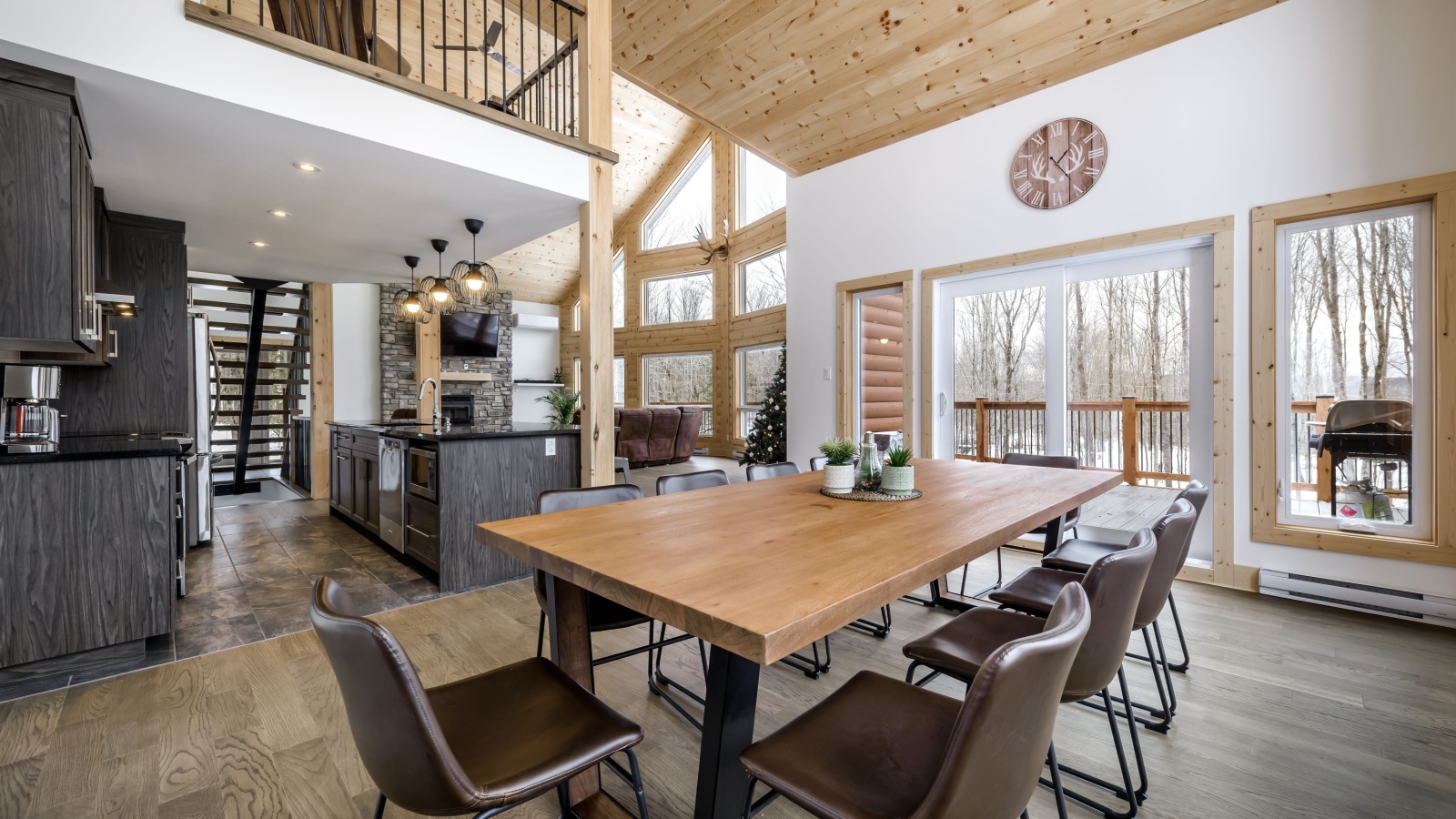
The cottage dream occupies a special place in Canadian culture: mornings by the lake, weathered docks, card games during rainstorms and generations gathering under one roof. Recreational property has also become a substantial real-estate category. In 2025, the weighted median price of a single-family home in Canadian recreational regions rose 4.3% to $581,300. Waterfront properties had a weighted median price of $717,600.
Purchase prices tell only part of the story. A seasonal property may require septic maintenance, dock repairs, insurance, road fees, winterization and several hours of travel each weekend. Municipal rules and wildfire or flood exposure can further affect what can be built and how the property is insured. Some families respond by purchasing with siblings, renting for several weeks or choosing a small trailer rather than a second house. The desire for a quiet place in nature has not faded. It has simply moved from an attainable middle-class symbol toward a purchase that often requires shared ownership, inherited property or considerable existing wealth.
Building a Life in a Smaller Community

Leaving a major city for a smaller community can promise affordable space, quieter streets and a stronger connection to nature. Remote work has made the idea more plausible for employees who no longer need to be in an office every day. Yet the success of that move may depend on broadband, health care, transportation and access to essential services that urban residents often take for granted.
More than 95% of Canadian households had access to Internet service meeting the national 50 Mbps download and 10 Mbps upload objective by 2024, but rural and First Nations communities remained below the national average. Broadband projects are still being funded to reach underserved locations. A graphic designer may discover that a beautiful rural property cannot support reliable video calls, while a family may face long drives for specialist appointments or organized activities. Smaller-community living can still deliver a remarkable quality of life. The complication is that lower housing costs may be exchanged for longer distances, fewer providers and infrastructure that varies from one road to the next.
Turning Foreign Credentials Into a Canadian Career

For newcomers, the Canadian dream often begins with the expectation that education and professional experience will translate into opportunity. Many eventually build successful careers, businesses and communities. The transition, however, can involve credential assessments, licensing requirements, demands for Canadian experience and employment below a person’s qualification level.
Statistics Canada found that recent immigrants with postsecondary education were more likely than Canadian-born workers to report being overqualified for their jobs in 2024 and 2025. Among workers with graduate degrees above the bachelor’s level, the overqualification rate was 33.8% for recent immigrants and 19.9% for people born in Canada. Behind those percentages are engineers driving delivery vehicles, accountants restarting certification and health professionals completing additional exams while supporting families. The dream is not simply moving to Canada. It is regaining the professional identity established before arrival. When that process takes years, settlement becomes as much about rebuilding a career as beginning a new life.
Becoming Completely Debt-Free

A mortgage-free house, paid-off vehicle and credit card balance of zero once formed a straightforward picture of financial success. Today, many households manage several forms of borrowing simultaneously, including mortgages, vehicle loans, student debt and lines of credit. At the end of 2025, Canadian household credit-market debt exceeded $3.2 trillion, equivalent to about $1.77 for every dollar of disposable income.
Debt is not automatically evidence of financial trouble. Mortgages can help households acquire appreciating assets, while education and business loans may increase future income. The difficulty emerges when debt payments reduce a family’s ability to respond to job loss, repairs or higher renewal rates. A household can appear comfortable—two incomes, a renovated home and newer vehicles—while having little flexibility after monthly payments leave the bank account. Becoming debt-free remains possible, but it may require delaying purchases, keeping vehicles longer and ignoring lifestyle expectations visible in the neighbourhood. The modern achievement is often not eliminating debt immediately, but preventing it from controlling every major decision.
Moving Up the Wealth Ladder

The promise of economic mobility is that education, work and careful saving will allow each generation to build a more secure life. That path becomes more difficult when existing assets grow faster than wages. At the end of 2025, the wealthiest 20% of Canadian households held 65.7% of the country’s total net worth, averaging approximately $3.5 million per household.
Home equity, investments and inheritances can compound over time, giving asset-owning families advantages that income alone cannot reproduce. Parents may help with tuition or a down payment, allowing an adult child to avoid debt and enter the housing market earlier. Another worker earning a similar salary may spend years saving while rent rises. This does not make upward mobility impossible, nor does it mean every wealthy household began with an advantage. It does mean Canadians starting without assets may have to run faster simply to remain in the same relative position. The dream of getting ahead increasingly depends on what a household owns, not only what it earns.
Taking a Real Annual Vacation

The annual vacation once represented the reward for a year of work: a road trip, a week at the beach or a visit to relatives across the country. Canadians still travel in large numbers, but transportation, accommodation, meals and attraction fees can turn a modest break into a major budget category. Passenger air-transport spending rose 7.4% in 2024 and was the largest contributor to annual tourism-spending growth.
Families adapt in familiar ways. They travel during school shoulder seasons when possible, use loyalty points, stay with relatives or replace flights with regional road trips. Yet a road trip brings its own expenses, including fuel, hotels, restaurant meals and vehicle wear. Paid vacation time can also be difficult to coordinate when two adults work for different employers or hold contract positions. The dream is not necessarily a luxury resort. It is the ability to leave routine behind without returning to a credit card balance that lasts longer than the memories. Rest has become another goal that often requires months of advance planning.
Living in a Climate-Secure Home

A safe home has always required protection from winter cold, storms and seasonal flooding. Climate-related risks are making that responsibility more complicated. Severe weather produced approximately $8.5 billion in insured damage across Canada in 2024, then the highest annual total recorded. Major losses came from wildfires, hail, flooding, a western deep freeze and the remnants of Hurricane Debby.
The effects reach beyond households directly struck by disaster. Insurance availability, deductibles, drainage requirements and property values can change as risks become better understood. A basement apartment that once seemed like a practical source of income may look different after repeated urban flooding. A wooded rural home may need defensible space, evacuation planning and backup power. Canadians increasingly have to consider flood maps, wildfire exposure and extreme heat alongside school districts and commute times. The enduring dream is a home that feels permanent and protective. The complication is that past weather patterns no longer offer the same confidence about what a property will face during a 25-year mortgage.
19 Things Canadians Don’t Realize the CRA Can See About Their Online Income

Earning money online feels simple and informal for many Canadians. Freelancing, selling products, and digital services often start as side projects. The problem appears at tax time. Many people underestimate how much information the CRA can access. Online platforms, banks, and payment processors create detailed records automatically. These records do not disappear once money hits an account. Small gaps in reporting add up quickly.
Here are 19 things Canadians don’t realize the CRA can see about their online income.
