
Canada’s affordability map has been redrawn. Communities once promoted as practical alternatives to Toronto, Vancouver, or other expensive centres have watched home prices and rents climb, sometimes dramatically, even as several markets have cooled from their pandemic-era peaks. A softer market, after all, is not necessarily an inexpensive one. Higher borrowing costs, rising rents, population growth, limited lower-cost housing, and years of price appreciation have changed what a modest Canadian housing budget can buy. In some cities, buyers now need well over half a million dollars for an average home; in others, rental costs have become the bigger shock. These 21 Canadian places illustrate how quickly a reputation for affordability can outlive the numbers behind it.
Halifax, Nova Scotia

Halifax spent years occupying a comfortable middle ground: a provincial capital with major universities, hospitals, government employment, and ocean access, yet housing costs that seemed modest beside Toronto or Vancouver. That image has become much harder to defend. In July 2026, average asking rent in Halifax was about $2,365, placing the city among Canada’s more expensive large rental markets. CMHC’s 2025 rental data put the average two-bedroom purpose-built apartment at $1,826, up 6.7% in a year, while the vacancy rate stood at 2.7%.
The tougher surprise often arrives when a tenant has to move. CMHC found that two-bedroom units changing tenants were repriced dramatically higher, with turnover creating a sizable rent premium. Buying is hardly an easy escape: Halifax-Dartmouth home prices remained in the mid-$500,000 range in summer 2026. Those numbers may look moderate beside the GTA, but Halifax’s old advantage was never simply that it cost less than Toronto. It was that ordinary housing felt attainable without Toronto-sized finances. That distinction has faded.
Dartmouth, Nova Scotia
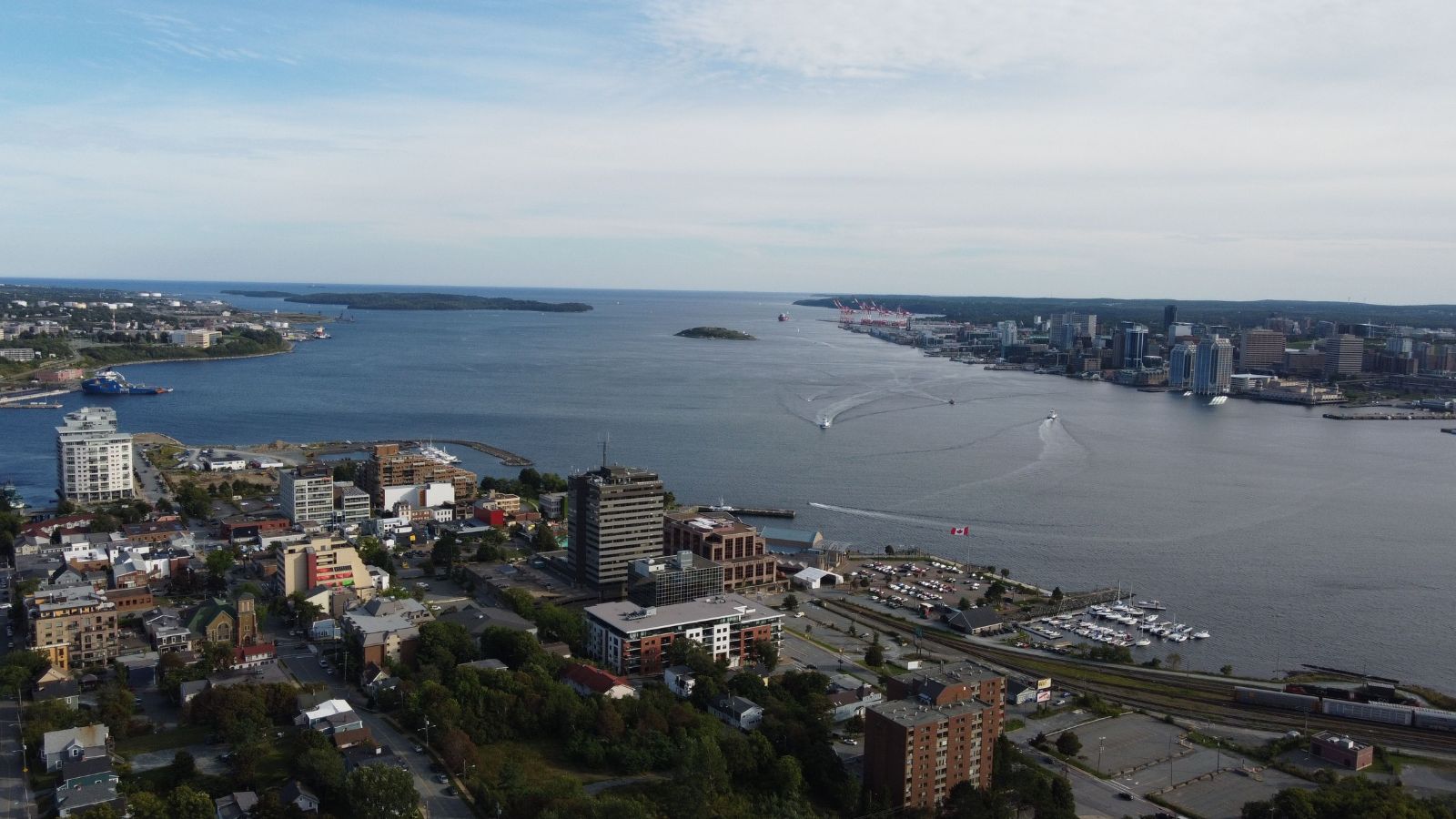
Across the harbour, Dartmouth once offered something especially attractive to households priced out of central Halifax: proximity to the same employment region without quite the same housing bill. The ferry connection, established neighbourhoods, lakes, and increasing redevelopment eventually made Dartmouth more desirable in its own right. Housing costs followed. By July 2026, average asking rent tracked by Rentals.ca reached roughly $2,376, actually edging above Halifax’s figure and rising about 13% from a year earlier.
That does not mean every Dartmouth apartment costs more than every Halifax apartment, but it does reveal how thoroughly the old bargain narrative has changed. Halifax Partnership data also showed rents in the Dartmouth area rising strongly during 2025. A household relocating from a pricier province might still perceive value, particularly when comparing home sizes or commuting distances. For long-time residents, however, the relevant comparison is often with Dartmouth itself five or ten years earlier. When a place once chosen specifically to save money begins producing rents in the $2,000-plus range, “affordable alternative” becomes increasingly relative.
Moncton, New Brunswick

Moncton became one of Atlantic Canada’s most visible affordability stories during the pandemic. Buyers arriving from Ontario and other higher-priced provinces discovered detached homes at prices that seemed almost implausibly low by big-city standards. The market has since become far more balanced, with substantially more inventory than during the buying frenzy, but that correction has not restored the old price structure. In March 2026, the average Greater Moncton residential sale price was approximately $367,115; by April, the average was around $375,140.
Those figures still make Moncton less expensive than many Ontario or British Columbia markets, yet the comparison can obscure what changed locally. A home approaching $400,000 occupies a very different financial category from the inexpensive houses that originally built Moncton’s reputation. Province-wide, New Brunswick’s residential benchmark price was about $344,000 in July 2026, up 6.7% from a year earlier. Moncton now demonstrates an important Canadian affordability lesson: a city can remain relatively inexpensive nationally while becoming considerably less affordable to the people whose wages and savings were built around its previous price level.
Fredericton, New Brunswick
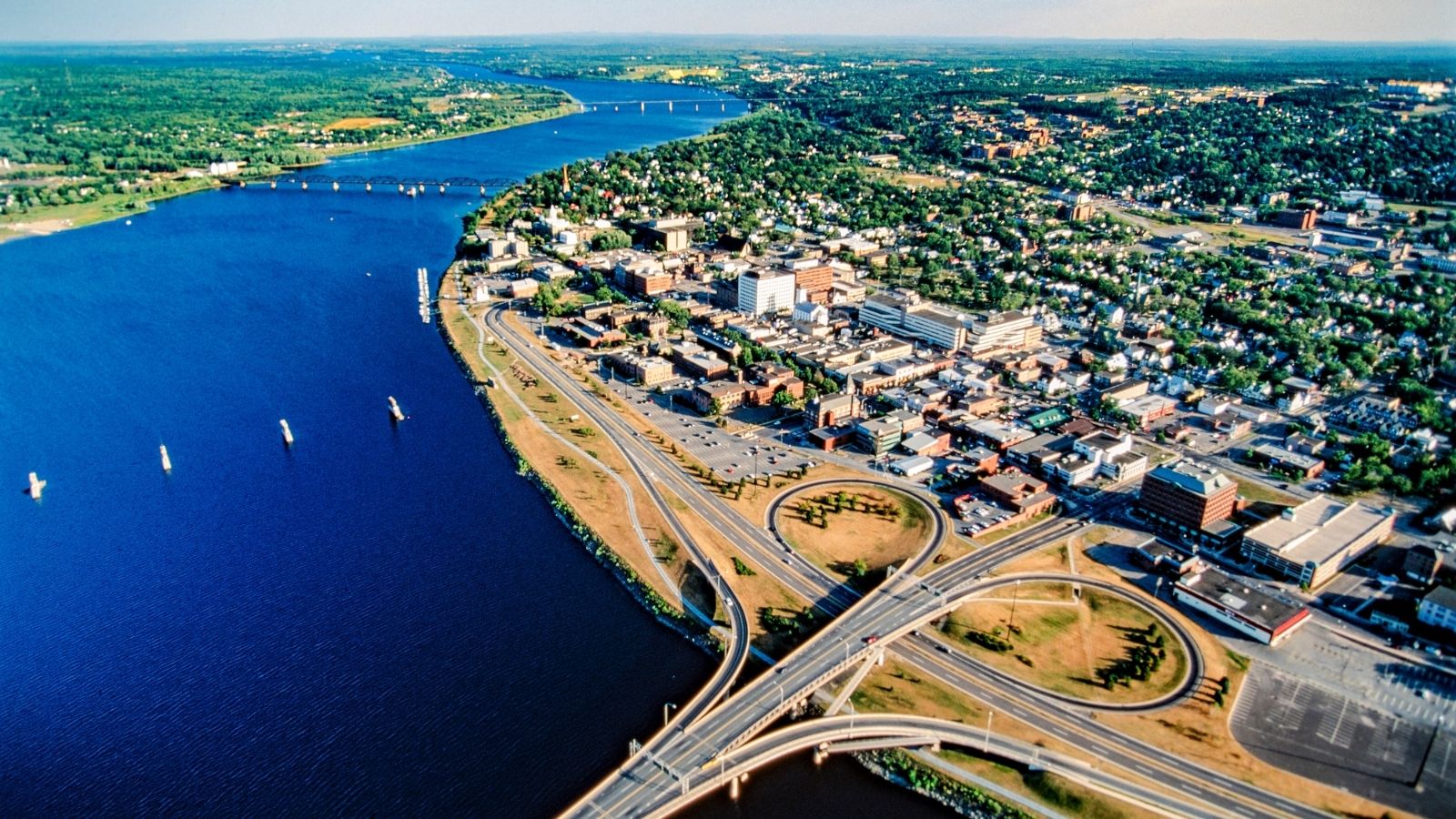
Fredericton has traditionally appealed to buyers seeking a smaller capital city with universities, public-sector employment, short commutes, and housing that did not demand a major-market income. The city still offers many of those lifestyle advantages, but the price side of the equation has shifted. In July 2026, the average sale price for a single-family home in the Fredericton area was about $377,124, while the median was approximately $370,000. Both measures were above their year-earlier levels.
The numbers look particularly different when placed beside Fredericton’s long-standing reputation as a low-cost market. During 2025, the average residential sale price was already approaching $370,000, demonstrating that the increase was not simply a one-month anomaly. Renters have felt similar pressure, with current listings for conventional one- and two-bedroom units frequently landing well above the levels newcomers once associated with New Brunswick. Fredericton remains cheaper than Canada’s largest metropolitan areas, but affordability depends on local incomes, not Toronto comparisons. A $370,000 home can still require a substantial mortgage, down payment, property-tax bill, and maintenance budget for a household earning Fredericton wages.
Charlottetown, Prince Edward Island
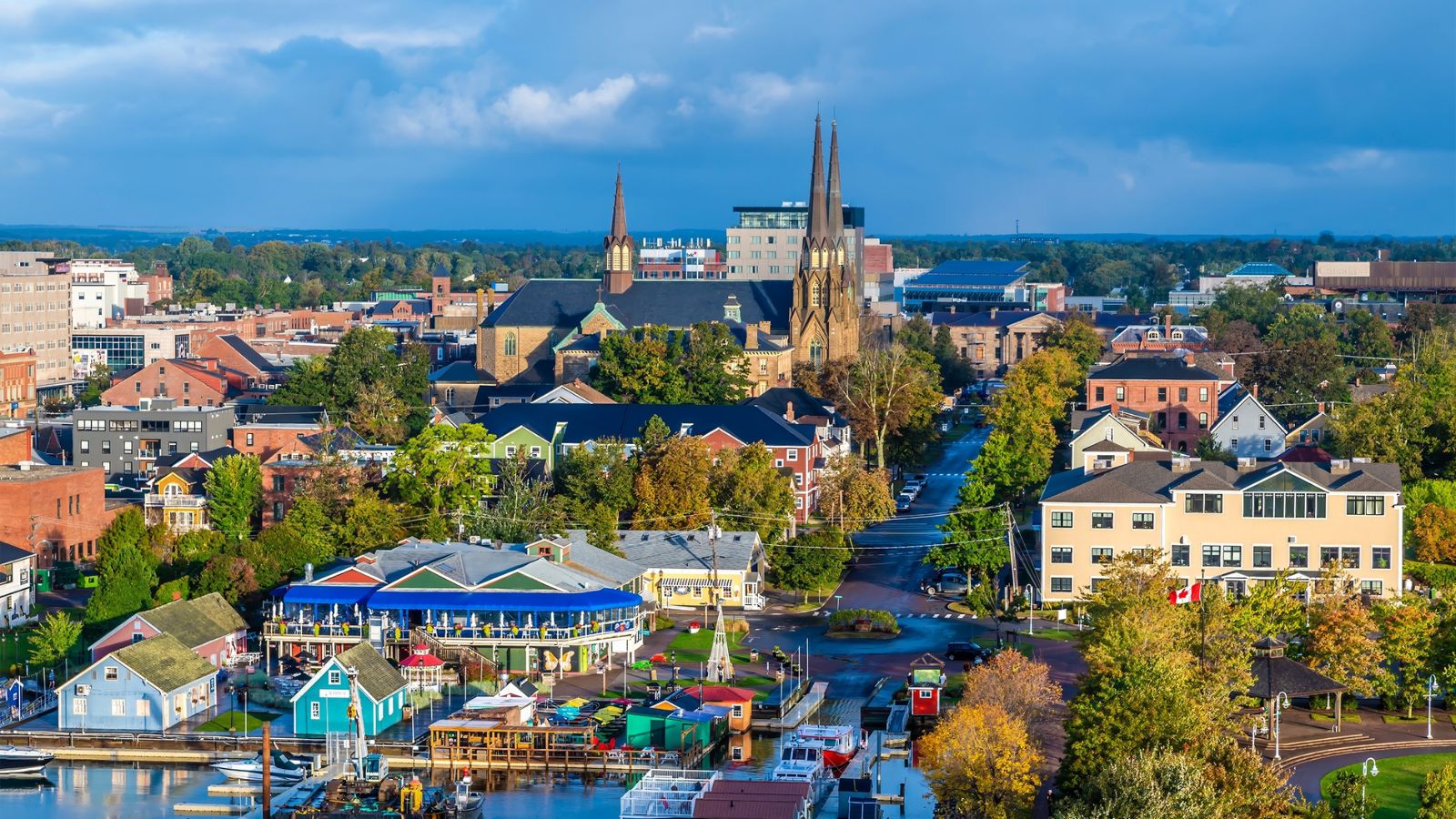
Charlottetown once embodied a particular kind of small-city affordability: a compact provincial capital where home ownership could seem achievable without a large metropolitan salary. Prince Edward Island’s housing market no longer supports that assumption so easily. In July 2026, the province’s single-family benchmark price stood at roughly $388,400, while the average price of homes sold was about $402,099. The average was 5.6% higher than a year earlier, underscoring how a market can keep getting more expensive even after the extraordinary pandemic years have passed.
Charlottetown also operates within an unusually constrained housing geography. As the province’s main employment, education, health-care, and service centre, it attracts demand from students, workers, retirees, newcomers, and residents of smaller communities. The result is that “PEI is cheap” is no longer a particularly useful housing strategy. A roughly $400,000 provincial purchase price may remain below many Canadian urban averages, but it represents a substantial commitment for local households. Charlottetown’s appeal remains strong; what has changed is the assumption that affordability automatically comes with it.
St. John’s, Newfoundland and Labrador

St. John’s spent years being cited as proof that a Canadian provincial capital could still offer detached homes at prices far below those in southern Ontario or coastal British Columbia. That gap still exists, but St. John’s itself has moved sharply upward. In July 2026, the city’s composite benchmark home price reached about $427,800, up 10.1% from a year earlier. The single-family benchmark was even higher at approximately $447,800, while townhouse prices were up almost 16% year over year.
The longer comparison is more revealing. Newfoundland and Labrador’s real estate association reported that the St. John’s single-family benchmark moved from roughly $276,000 in January 2020 to $411,000 by May 2025, an increase of nearly 49%. Over approximately the same period, provincial wage growth was considerably smaller. That gap helps explain why the city can still look inexpensive to an incoming buyer from Toronto while feeling substantially less affordable to a resident who watched a once-$275,000 housing market become a $400,000-plus one within a few years.
London, Ontario
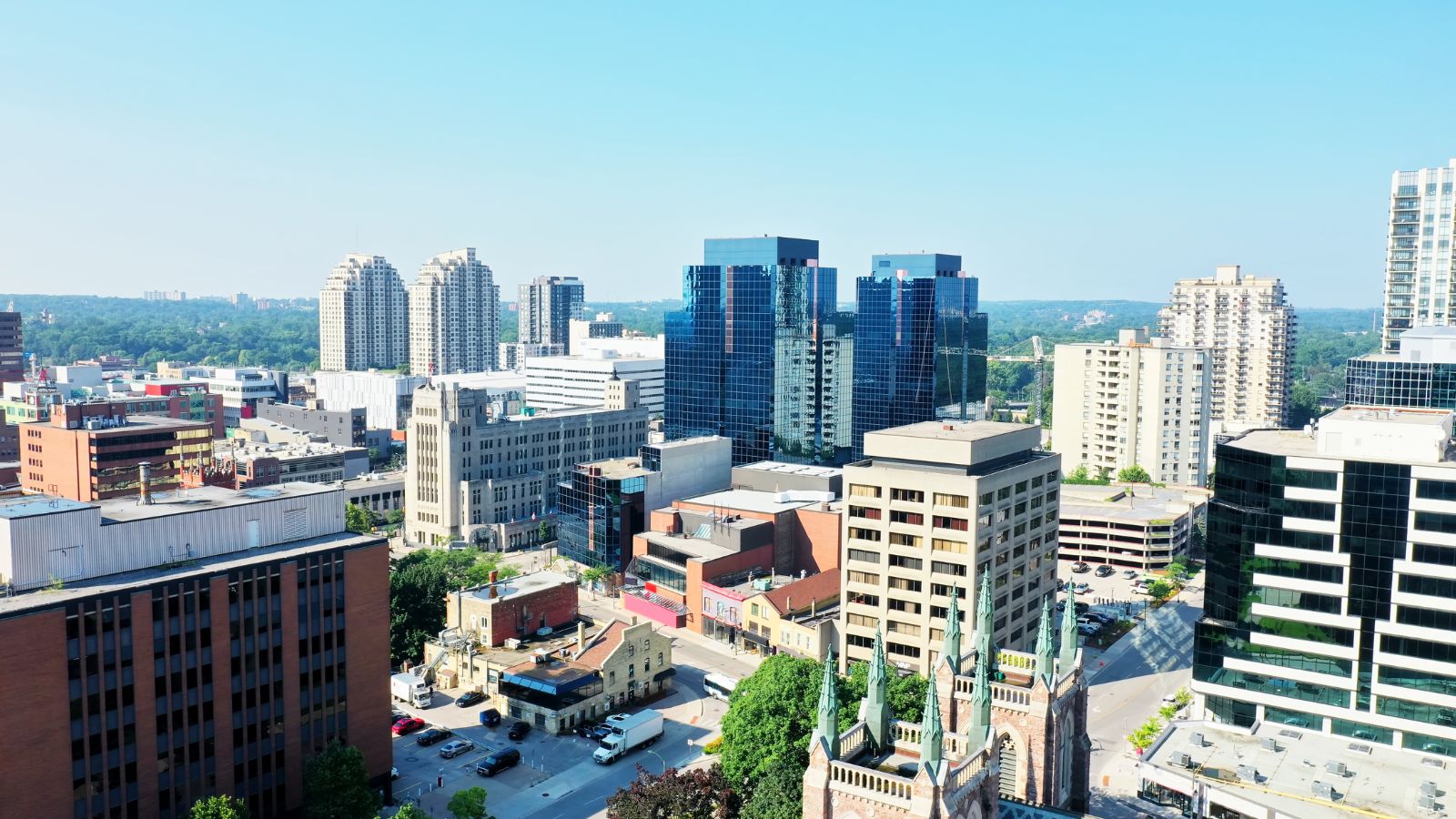
For decades, London was one of southwestern Ontario’s obvious alternatives for people who wanted a substantial city without GTA prices. It had major hospitals, Western University, manufacturing, government services, and neighbourhoods where detached ownership seemed accessible to middle-income households. The market has cooled considerably from its pandemic-era intensity, but the reset has not brought old London back. In July 2026, the average home price was still roughly $603,000, with a benchmark price near $557,000, even after both measures declined from the previous year.
Renters have not necessarily benefited from the same degree of relief. CMHC reported a 4% purpose-built rental vacancy rate in 2025, London’s highest in roughly 15 years, as new apartment construction added supply. Yet the average two-bedroom rent still climbed to about $1,651, up 4.1%. That combination is telling. London now has more buyer negotiating power and greater rental availability than during the hottest years, but a market can become less competitive without becoming cheap. The entry price itself has permanently shifted upward.
Windsor, Ontario
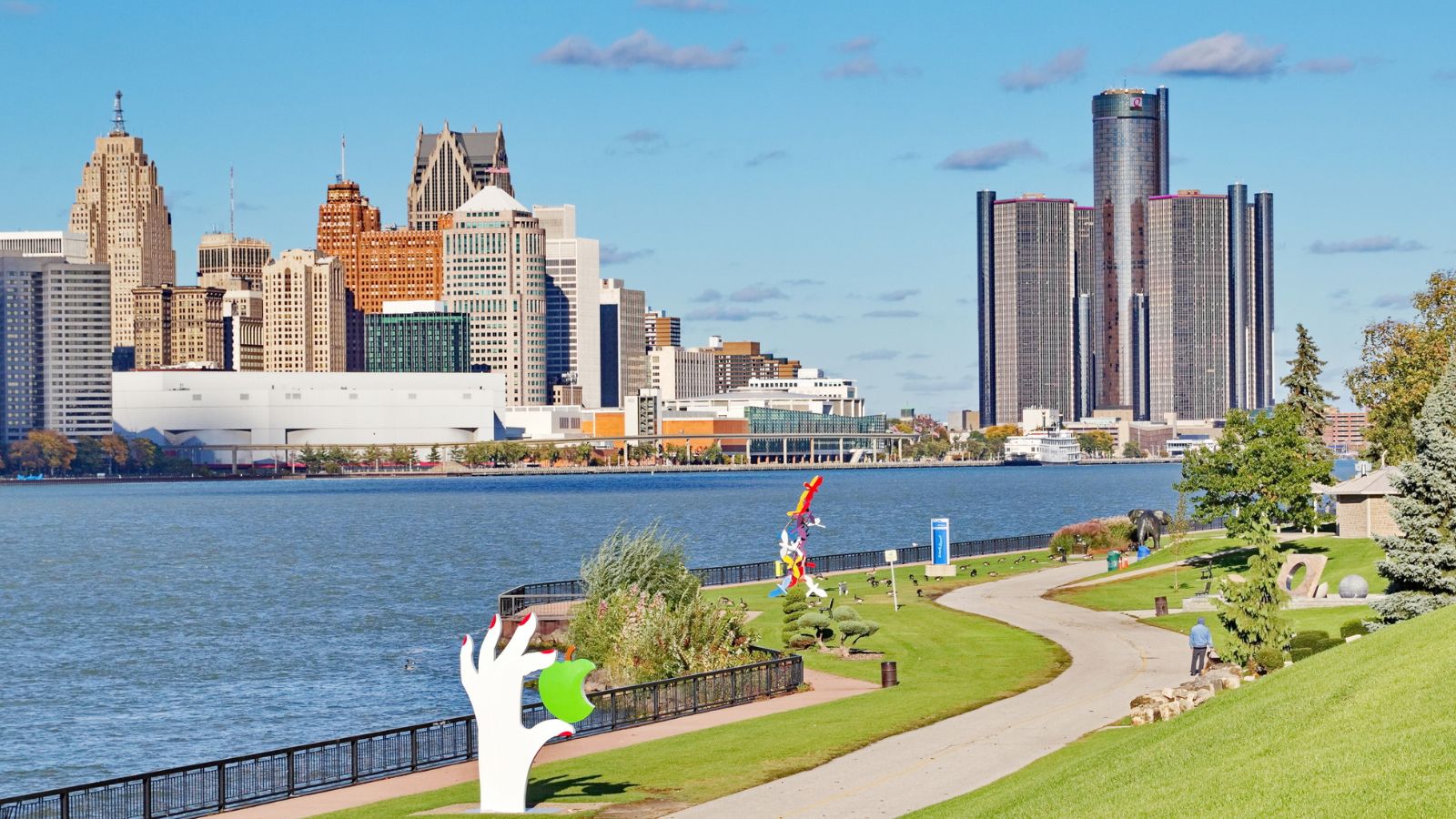
Windsor long occupied a special niche in Ontario’s housing conversation. It was a major urban area with manufacturing jobs, a university, a U.S. border crossing, and homes that cost a fraction of comparable properties farther east. Even after a noticeable market correction, the numbers now look very different. In July 2026, the Windsor-Essex average home price was about $546,739, despite being nearly 7% lower than a year earlier. That is an improvement for buyers compared with peak conditions, but it still means an average purchase sits above half a million dollars.
Rental conditions reinforce the point. CMHC reported a 2025 vacancy rate of 3.7% and an average two-bedroom purpose-built rent of approximately $1,454, up 3.6%. This occurred even as Windsor dealt with unusually soft labour-market conditions, including elevated unemployment. That combination—housing costs remaining high while economic conditions weaken—is precisely why price declines do not automatically restore affordability. Windsor can still undercut many southern Ontario markets, yet households choosing it purely because they expect genuinely inexpensive housing may find the old reputation increasingly disconnected from current reality.
Hamilton, Ontario
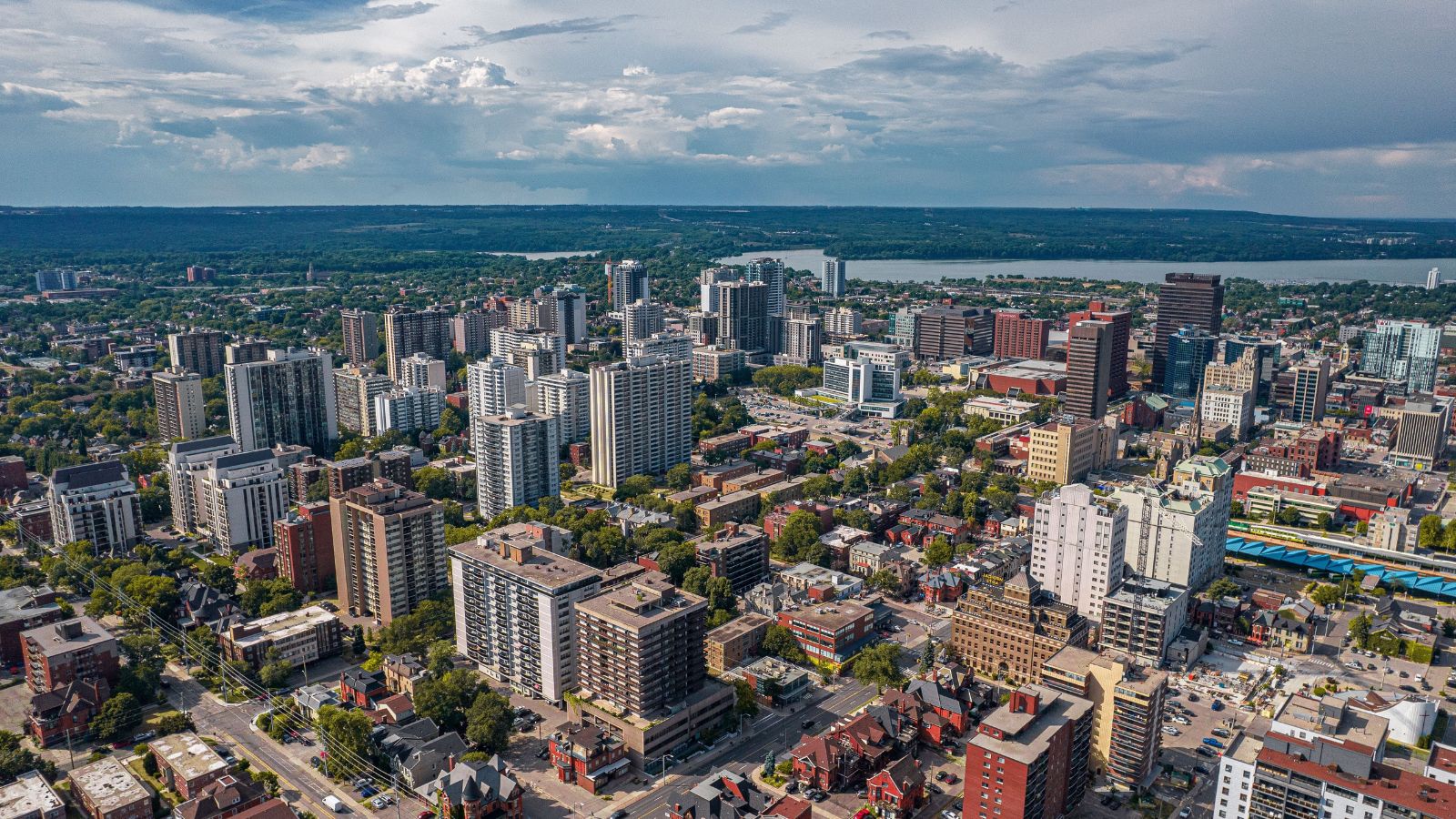
Hamilton was once the classic answer for buyers who wanted access to the Greater Toronto economy but could not justify Toronto prices. Its industrial roots, older housing stock, and distance from downtown Toronto created a meaningful discount. Over time, that discount narrowed dramatically. Even after the market cooled, Hamilton’s residential benchmark price was still roughly $729,800 in July 2026, while the average sale price was about $741,172. Both were lower than a year earlier, but three-quarters of a million dollars is difficult to describe as bargain territory.
The scale of the earlier reset helps explain why. During the pandemic-era boom, Hamilton’s repeat-sales home-price index recorded annual growth of roughly 30% in July 2021. Recent declines therefore represent a partial retreat from an extraordinarily high base rather than a return to pre-boom affordability. Renters face their own pressure: CMHC put the average two-bedroom purpose-built rent at about $1,656 in 2025. Hamilton still offers advantages over Toronto, particularly in space and certain neighbourhoods, but “cheaper than Toronto” and “affordable” are no longer interchangeable descriptions.
Kitchener-Waterloo, Ontario
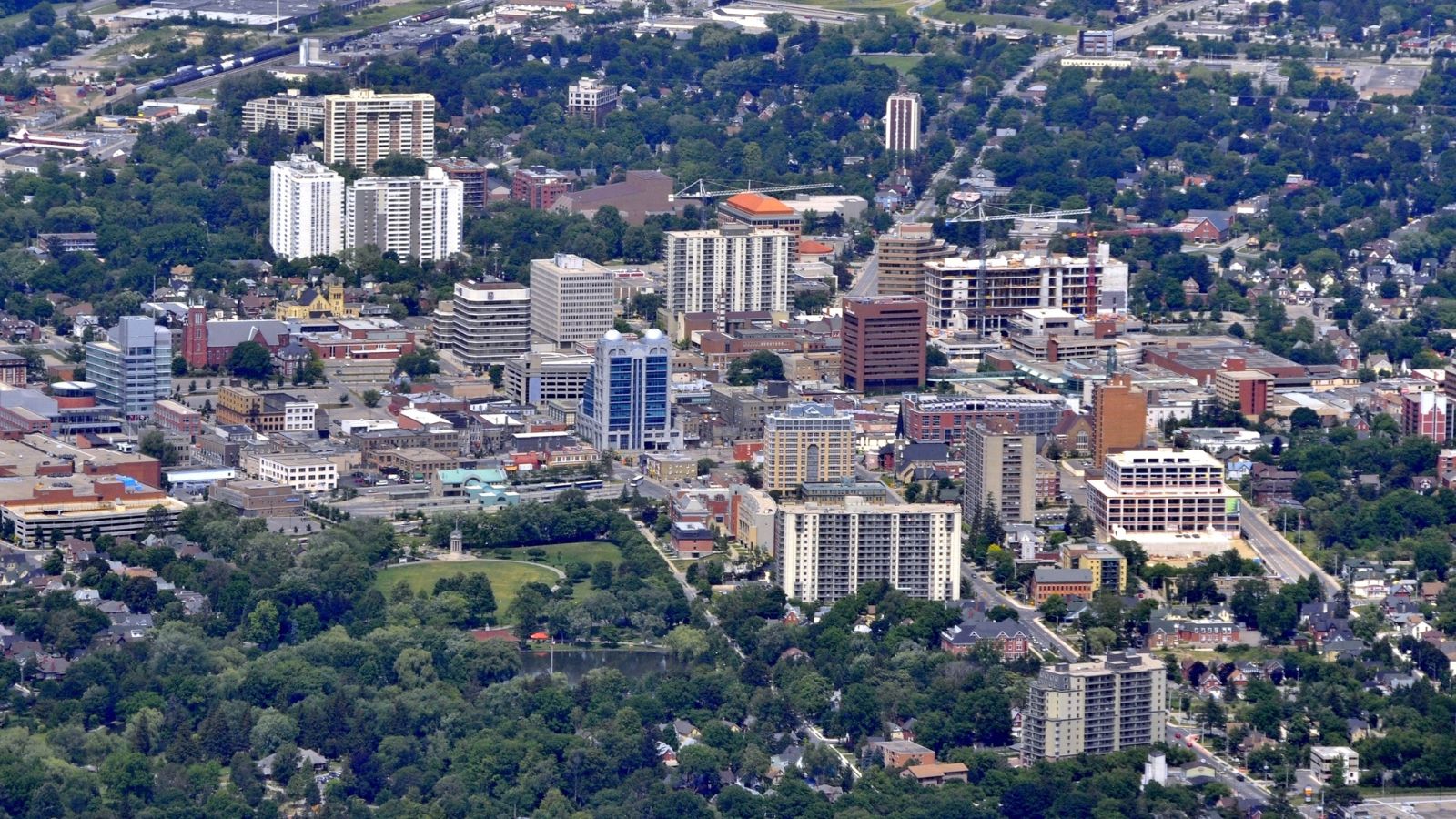
Kitchener-Waterloo used to combine a strong regional economy with housing prices that seemed remarkably reasonable compared with Toronto. Its universities and technology sector brought high-skilled employment, while families could still imagine buying a detached home without a seven-figure budget. By July 2026, the Kitchener-Waterloo MLS benchmark remained around $633,300, even after falling approximately 5.5% year over year. Broader Waterloo Region average sale prices were still hovering around the $700,000 mark.
Rental supply has improved substantially, but affordability remains uneven. CMHC reported a 4.1% vacancy rate in 2025, described as a multi-decade high, after a wave of apartment construction. Nevertheless, the average two-bedroom purpose-built rent reached roughly $1,832, up 3.3%. Importantly, CMHC found that vacancy was much tighter among the least expensive units, showing that added supply does not benefit every renter equally. Kitchener-Waterloo is a clear example of a market becoming more balanced without becoming inexpensive. Buyers have more negotiating power, yet the financial threshold for entering the market remains far above its old reputation.
Guelph, Ontario
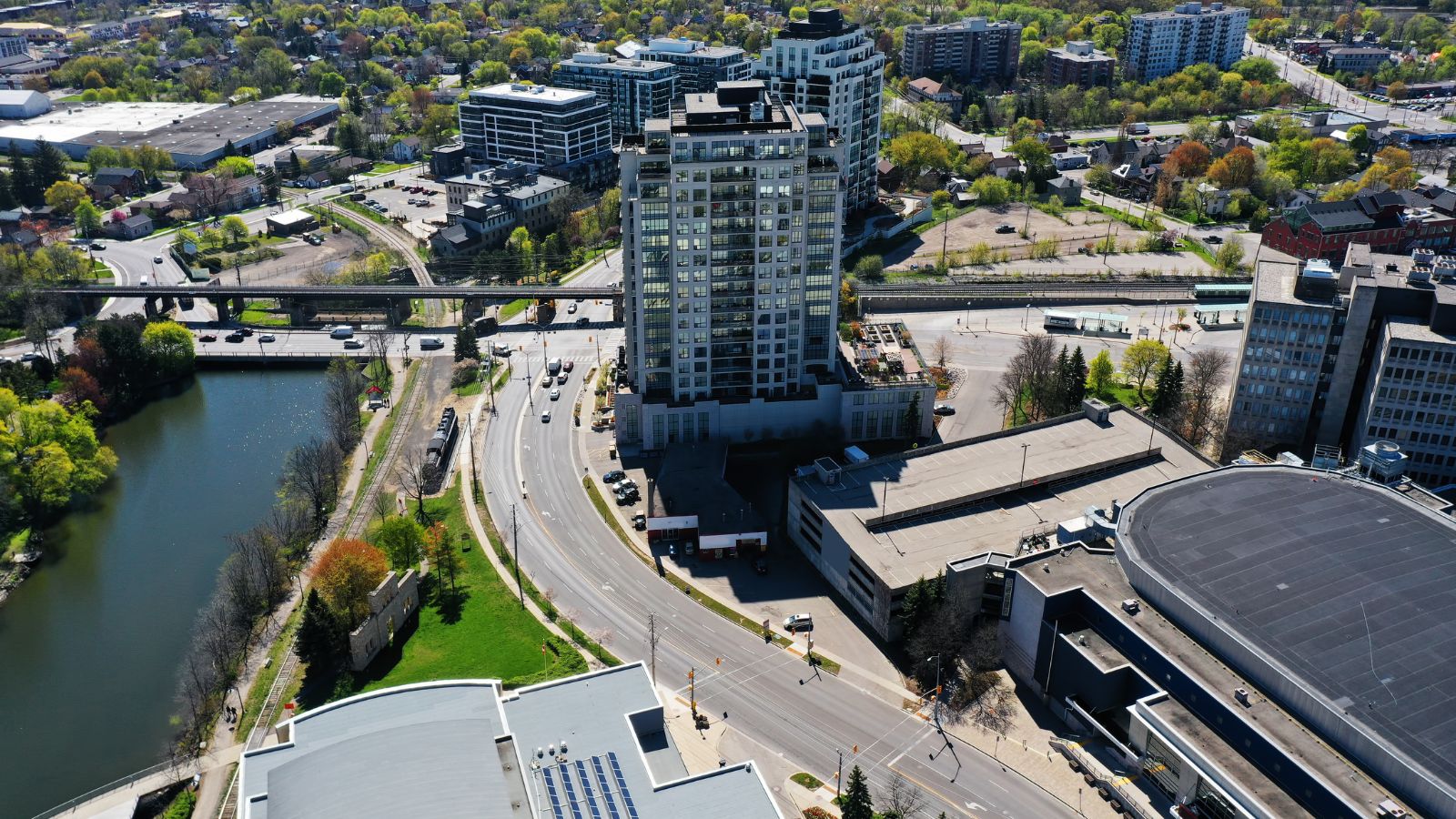
Guelph’s appeal has always been easy to understand. It offers a university, established employment base, walkable older neighbourhoods, quick access to Highway 401, and proximity to the GTA without being fully absorbed into it. For years, that made the city feel like a sensible compromise for buyers seeking more space for less money. By summer 2026, however, Guelph looked increasingly like an expensive market in its own right. July’s average residential sale price was approximately $756,427, while detached homes averaged around $865,000.
The market itself was not especially frantic. Active listings had expanded and sales volumes were softer than a year earlier, giving buyers more time and more negotiating leverage. That distinction matters because affordability and market conditions are not the same thing. A purchaser can negotiate thousands of dollars off a home and still be taking on a mortgage that would have seemed enormous in Guelph a decade earlier. The city remains less expensive than many Toronto-area communities, but a detached average approaching $900,000 makes the old “affordable university city” description increasingly difficult to sustain.
Barrie, Ontario
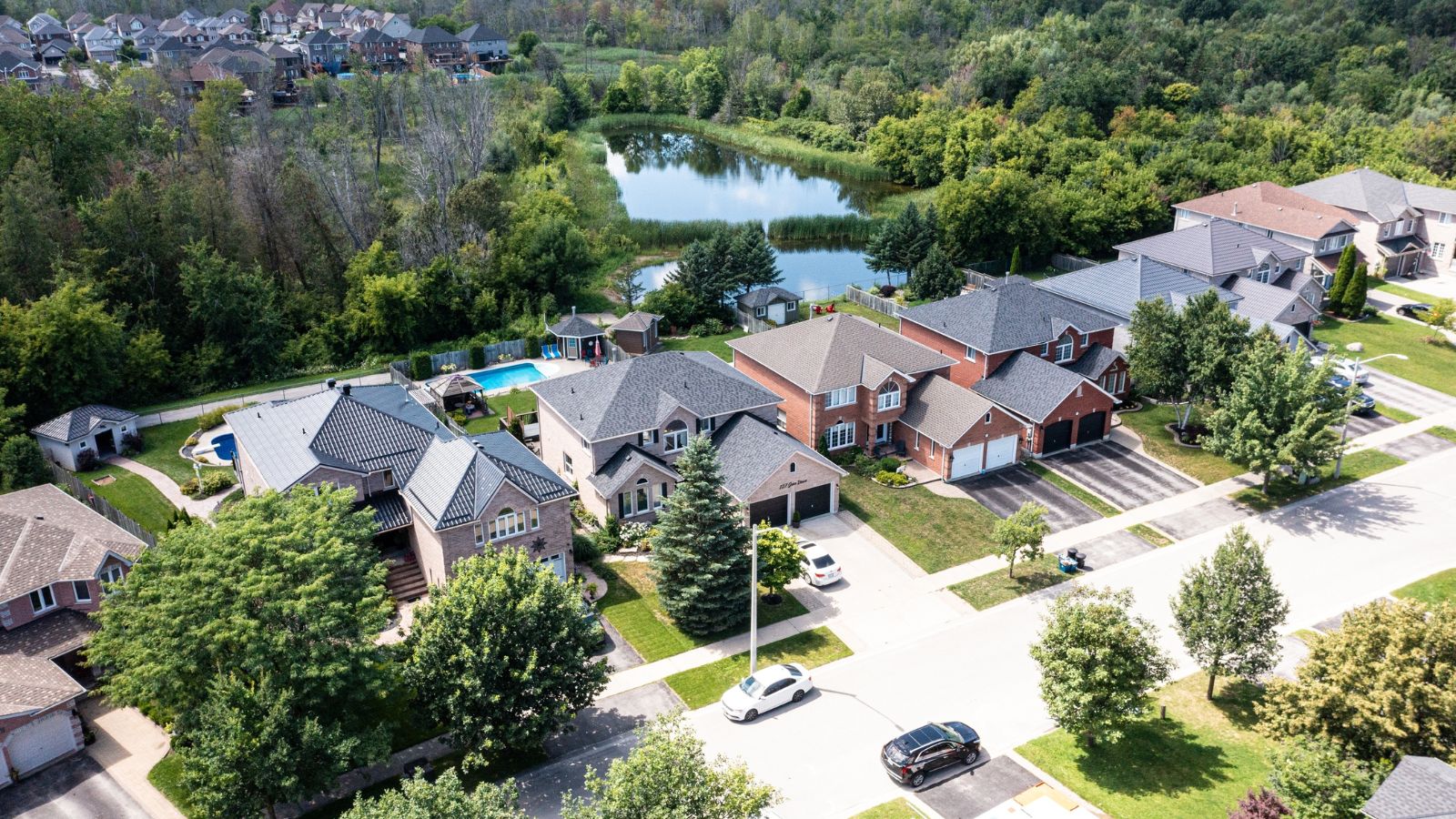
Barrie built much of its modern housing reputation on being far enough from Toronto to offer value while remaining connected to the Greater Golden Horseshoe. GO service, Highway 400, Lake Simcoe, and a substantial local economy helped turn it from a smaller regional centre into a serious commuter and relocation market. That transformation also changed housing costs. In July 2026, Barrie’s average sale price was about $668,083, leaving an ordinary transaction well into the mid-$600,000 range.
Conditions were calmer than during the pandemic surge, and buyers had more choice than when listings disappeared almost immediately. Yet Barrie’s current price level illustrates why comparing everything with Toronto can be misleading. A $668,000 home may seem reasonable beside a million-dollar GTA property, but it still requires a large down payment, substantial mortgage qualification, and years of household income. For families who remember when moving north was supposed to dramatically reduce housing costs, the calculation is much tighter. Barrie can still offer more property for the money, but the “escape to affordability” premium has been heavily eroded.
Kingston, Ontario
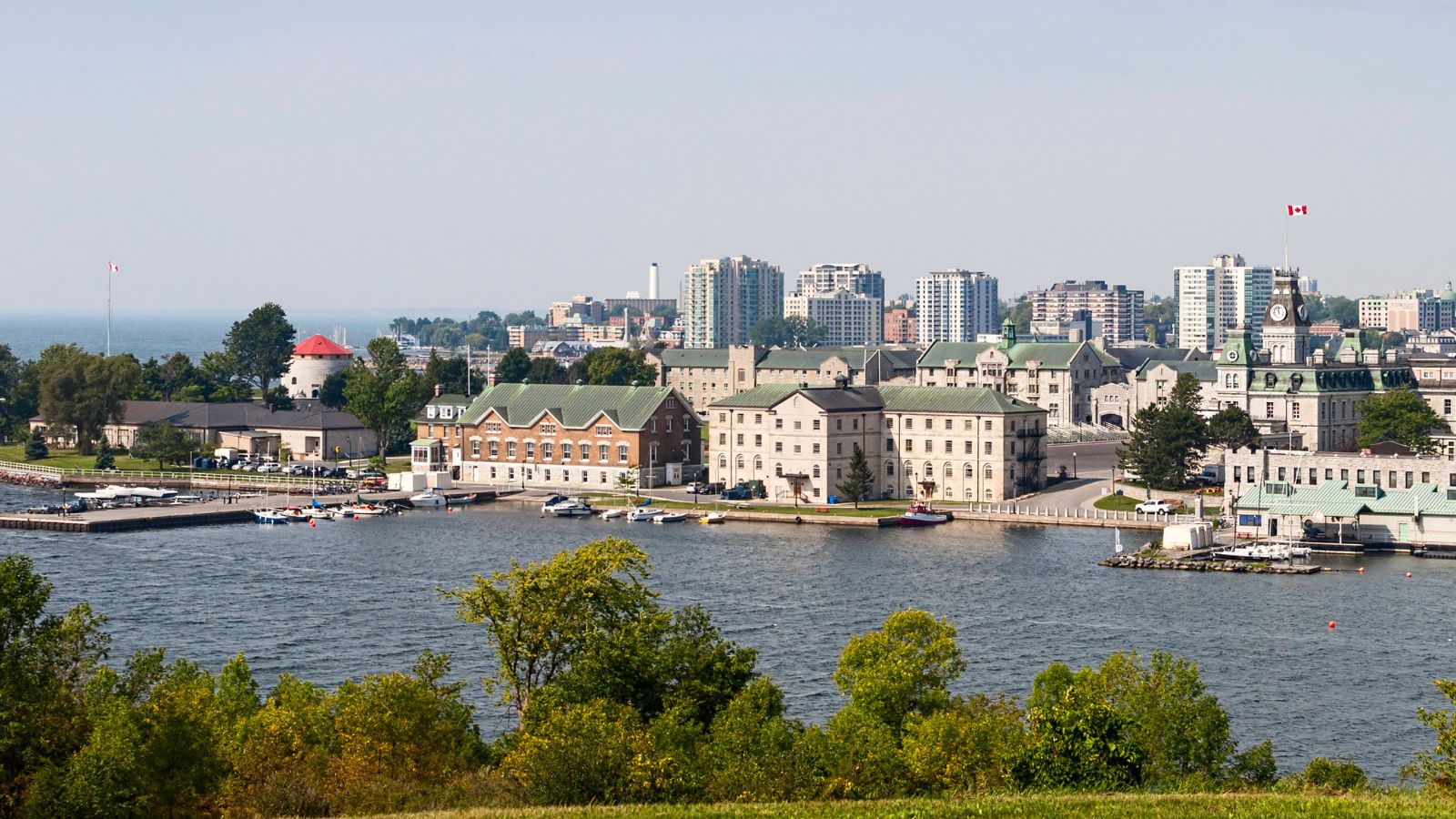
Kingston has several qualities that tend to support housing demand regardless of economic cycles: Queen’s University, military employment, hospitals, government services, a large student population, and a desirable waterfront location between Toronto, Ottawa, and Montreal. Historically, those features existed alongside relatively modest home prices. In July 2026, however, the average residential sale price in the Kingston area reached approximately $658,437, up 7.4% from the previous year. The single-family benchmark stood near $577,000.
That puts Kingston in an awkward affordability category. It remains less expensive than the most costly parts of southern Ontario, yet it is no longer inexpensive enough for households to treat relocation there as an automatic financial solution. The city’s diverse demand base also means affordability pressure is not limited to one type of resident. Students compete for rentals, military households arrive on postings, retirees seek smaller-city living, and permanent residents shop the same constrained market. Kingston still offers many qualities associated with a manageable smaller city, but housing is increasingly priced as though everyone else has discovered them too.
Oshawa, Ontario
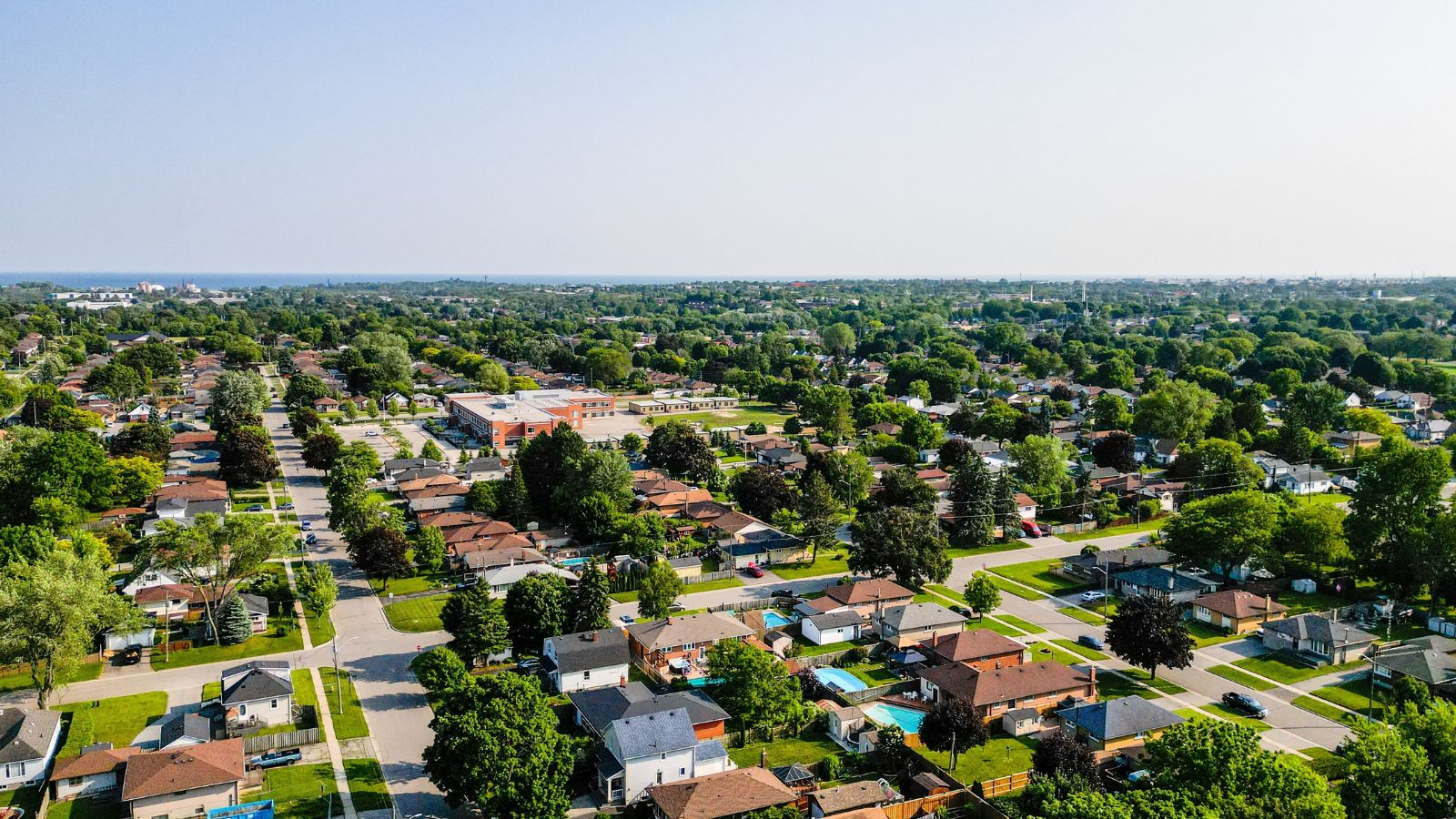
Oshawa was once among the clearest examples of the GTA’s affordability gradient: move east, accept a longer commute, and the price of a home could fall dramatically. That model helped generations of buyers get into detached houses while retaining access to Toronto-region employment. Oshawa is still less expensive than many communities closer to Toronto, but the gap no longer produces the same sense of bargain. Summer 2026 data placed typical selling prices broadly in the mid-$600,000 to low-$700,000 range, depending on the measure and reporting period.
Longer-term data make the change clearer. HouseSigma’s July figures showed the city’s median sold price at roughly $650,000, about 60% above its level a decade earlier, despite recent declines. That is the key contradiction in Oshawa’s current market: prices can be falling year over year while remaining dramatically higher over a household’s actual home-buying timeline. Buyers may now negotiate conditions, inspect properties carefully, and avoid bidding wars, yet the mortgage required to enter the market is still nothing like the one that established Oshawa’s affordable reputation.
Calgary, Alberta

Calgary was never Canada’s cheapest city, but for years it offered a compelling big-city equation: relatively high incomes, abundant detached housing, no provincial sales tax, and home prices well below Toronto or Vancouver. Rapid population growth and strong interprovincial migration changed that calculation. By July 2026, Calgary’s residential benchmark price was about $569,200, while the average sale price was roughly $629,855. Prices had softened from recent highs, but the city’s affordability threshold had already moved substantially upward.
Rental history tells the same story. CMHC data show the average rent for a turnover two-bedroom unit rising from roughly $1,486 in 2022 to $1,836 in 2025. Asking rents have since cooled, providing some welcome relief, yet falling from a newly elevated level is not the same as returning to the old one. Calgary can still look attractive to a household comparing it with Toronto or Vancouver, especially when salaries and taxes are considered. For residents who remember the pre-surge market, however, “Alberta affordability” now comes with significantly larger housing costs.
Edmonton, Alberta

Edmonton has retained more of its affordability advantage than many cities on this list, which is precisely why its recent changes stand out. For years, the provincial capital was one of the few major Canadian metros where a middle-income household could realistically target a detached home without approaching a million-dollar budget. In July 2026, the average residential sale price was approximately $475,079, while the benchmark was around $429,100. Detached properties averaged closer to $585,700.
Those figures remain appealing in a national context, but local affordability has also been squeezed by rising rents and several years of population growth. CMHC reported that Edmonton’s average two-bedroom purpose-built rent reached about $1,603 in 2025, with a vacancy rate of 3.8%. Turnover-unit rents also climbed significantly from 2022 levels. Edmonton therefore shows how the definition of “not a bargain anymore” can be relative. It has not become another Toronto, but households arriving with memories of $300,000 detached homes and inexpensive rents are encountering a noticeably different financial landscape.
Saskatoon, Saskatchewan

Saskatoon has long benefited from a national perception that Prairie housing offers more space for substantially less money. That remains partly true, but the city’s own price trajectory has been moving quickly. In July 2026, Saskatoon’s residential benchmark price reached approximately $447,600, up about 4% from a year earlier and only slightly below the record set the previous month. July sales were also roughly 18% above the city’s 10-year average, showing that demand remained strong rather than collapsing under higher prices.
Renters have faced their own reset. CMHC reported an average two-bedroom purpose-built rent of roughly $1,548 in 2025, up 5.2% in a year, while Saskatchewan apartment and condominium asking rents have recorded some of the strongest multi-year growth in Canada. For an incoming household comparing Saskatoon with Vancouver, the city still looks inexpensive. For a local renter who watched a modest apartment become hundreds of dollars more expensive or a first-time buyer confronting a benchmark near $450,000, the experience feels very different.
Regina, Saskatchewan

Regina remains one of the lower-priced provincial capitals in Canada, but its affordability cushion is thinner than its reputation suggests. The city’s residential benchmark reached a record around $356,400 in June 2026 before easing to approximately $349,800 in July, still about 3% higher than a year earlier. July sales remained well above the 10-year seasonal average, while available inventory was lower than a year before. In other words, Regina has not experienced the same buyer-friendly oversupply visible in some Ontario markets.
Rental costs make the shift even more noticeable for households that are not ready to buy. CMHC reported an average two-bedroom purpose-built rent of about $1,473 in 2025, up 4.2%, with the vacancy rate at 2.7%. Regina therefore demonstrates why a low national ranking does not guarantee easy affordability. A $350,000 benchmark is undeniably lower than one in Calgary or Hamilton, but local wages and household budgets also operate on a different scale. What once felt comfortably inexpensive can now require considerably more financial planning.
Winnipeg, Manitoba

Winnipeg has been one of Canada’s most durable affordability holdouts. It is a large metropolitan area with universities, major employers, cultural institutions, established neighbourhoods, and comparatively low home prices. The city remains cheaper than most similarly sized Canadian metros, but the cost floor has moved upward. In July 2026, the average detached-home sale price was roughly $454,264, about 2% higher than a year earlier and approximately 6% above its five-year average. Condominium prices remained lower, averaging around $290,500.
Renters are also paying more for Winnipeg’s traditional value proposition. CMHC reported a 2025 vacancy rate of 2.8% and an average two-bedroom purpose-built rent of roughly $1,571. Provincial asking-rent data continued to edge higher in 2026 even while rents were falling in some more expensive Canadian markets. Winnipeg can still be a comparatively attainable large city, especially for condo buyers. The shift is that affordability now depends increasingly on housing type, neighbourhood, and income rather than being an assumption that applies to the entire city.
Kelowna, British Columbia

Kelowna may be the clearest example of a place whose “bargain” status was always relative. For Vancouver-area households, the Okanagan once offered sunshine, recreation, vineyards, and detached homes at a substantial discount to the Lower Mainland. Years of migration, investment, retirement demand, and limited geography changed the equation. In July 2026, the Central Okanagan benchmark price for a single-family home was approximately $1.07 million. Even the benchmark townhouse was about $709,500, while an apartment benchmark approached $491,000.
Those numbers leave little room for the old assumption that moving inland automatically solves a British Columbia housing problem. A condominium around half a million dollars can still require a substantial down payment and mortgage, while a detached house has crossed firmly into seven-figure territory. Kelowna remains less expensive than many comparable properties in Vancouver, particularly at the luxury end, but relative discounts do not pay monthly housing bills. The city’s lifestyle appeal is intact; what has disappeared is the expectation that it comes bundled with genuinely inexpensive real estate.
Nanaimo, British Columbia
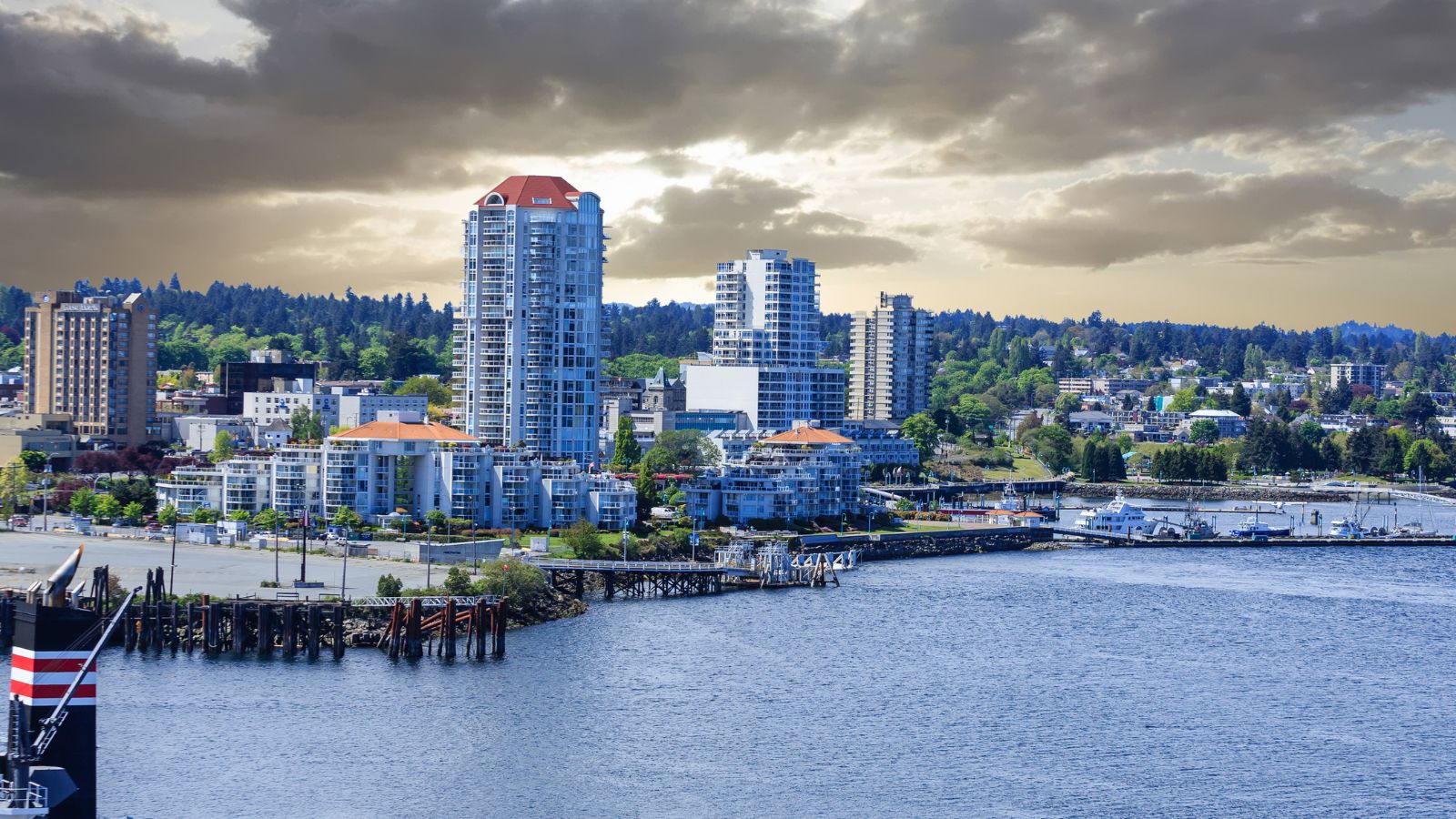
Nanaimo once served as one of Vancouver Island’s most practical affordability valves. Buyers who found Victoria too expensive could look north and still get a coastal community, ferry connections to the Lower Mainland, employment, shopping, and detached housing at a much lower price. By June 2026, Nanaimo’s single-family benchmark price was approximately $816,400, even after declining about 2% from a year earlier. Earlier in 2026, the benchmark had already been running above $800,000.
That price is still below the cost of many detached houses in Victoria or Metro Vancouver, but the difference illustrates the problem with defining affordability only through comparison. An $816,000 purchase typically means a significant down payment, a large mortgage, and meaningful exposure to interest-rate changes. Retirees arriving with equity from a more expensive market may continue to see value, while younger local households face an entirely different calculation. Nanaimo has not lost its geographic or lifestyle appeal. Instead, demand for those qualities has helped turn what was once Vancouver Island’s obvious lower-cost alternative into a market where detached ownership itself can feel increasingly premium.
19 Things Canadians Don’t Realize the CRA Can See About Their Online Income

Earning money online feels simple and informal for many Canadians. Freelancing, selling products, and digital services often start as side projects. The problem appears at tax time. Many people underestimate how much information the CRA can access. Online platforms, banks, and payment processors create detailed records automatically. These records do not disappear once money hits an account. Small gaps in reporting add up quickly.
Here are 19 things Canadians don’t realize the CRA can see about their online income.
