
The cost of raising children rarely arrives as one dramatic bill. It builds quietly: a larger grocery run, another pair of winter boots, registration for an activity, a bigger home, extra transportation and a summer schedule that does not match a parent’s work calendar. Canada offers families important supports, from public education to child-care subsidies and parental benefits, yet those programs sit alongside many expenses that remain partly or entirely household responsibilities. Geography, income, children’s ages and family structure can also change the numbers considerably. These 18 reasons raising kids in Canada feels more expensive than expected show why the financial reality often looks different from the budget families imagined before children arrived.
Groceries Multiply Faster Than Expected

A child does not simply add one smaller plate to the dinner table. Grocery spending expands through breakfasts, packed lunches, snacks, milk, fruit and the seemingly constant need to restock foods that disappear faster as children grow. Statistics Canada reported that grocery prices increased by an annual average of 3.5% in 2025, after rising 2.2% in 2024. By June 2026, national average retail prices included roughly $5.50 for two litres of milk, $4.88 for a dozen eggs and $6.33 per kilogram of apples. None is an extraordinary purchase by itself, but families buy staples repeatedly.
Children also change how groceries are purchased. A household may suddenly need portable school snacks, lunch-box ingredients and enough food to cover evenings when sports or activities make meal preparation difficult. Older children can eat adult-sized portions long before parents mentally adjust the grocery budget. Statistics Canada’s research on expenditures on children identifies food as one of the major components of raising a child, particularly for one-parent families. The surprise is often not one expensive shopping trip, but the relentless frequency of ordinary ones.
A Child Can Turn Housing Into a Bigger Expense
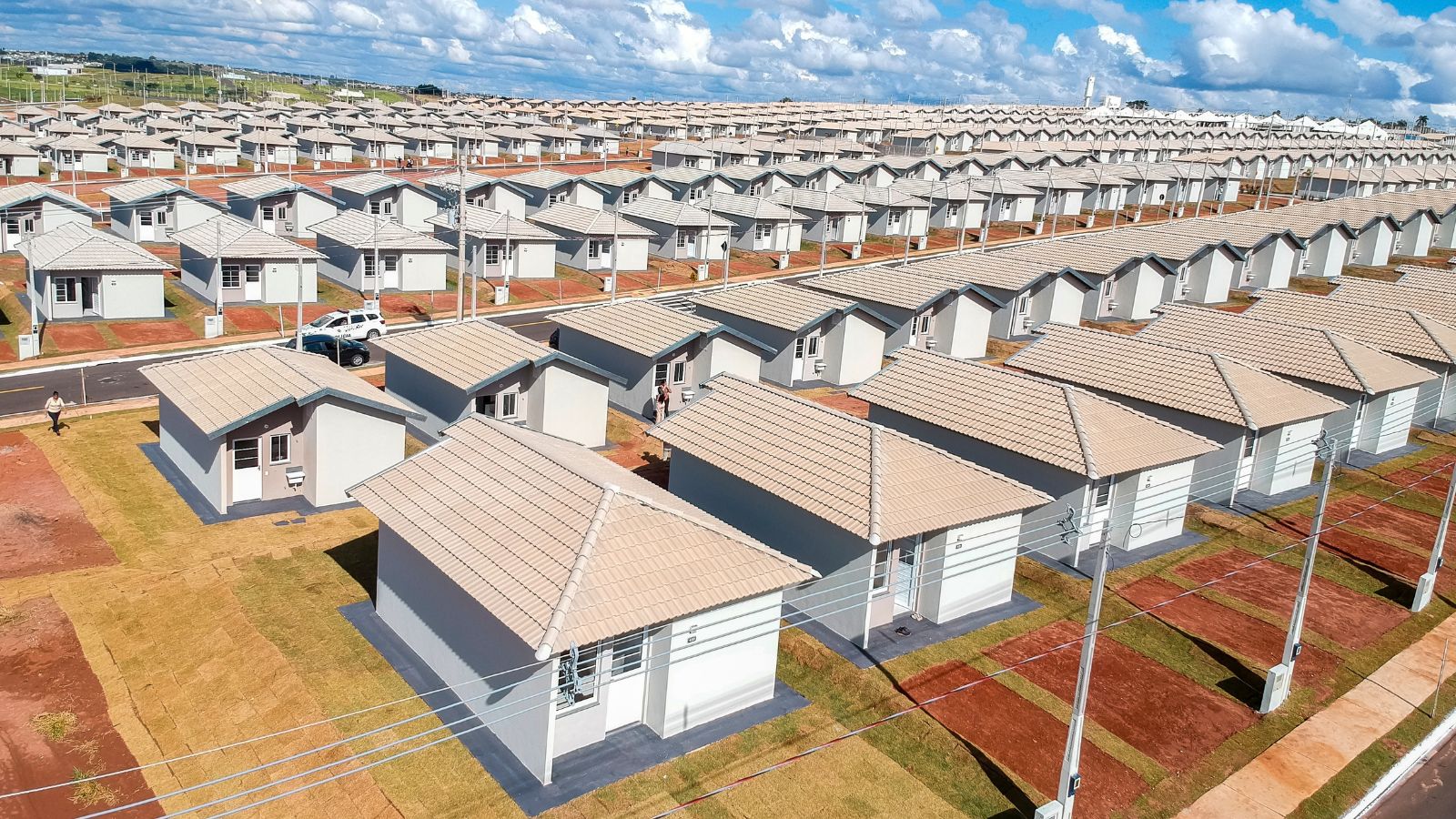
Housing costs are easy to underestimate because parents may think of them as expenses they already had before children arrived. The calculation changes when a one-bedroom apartment no longer works, another bedroom becomes necessary or a family starts prioritizing proximity to schools, parks and child care. Statistics Canada’s estimates of spending on children found that shelter was the largest single expense associated with raising children, accounting for roughly one-quarter to one-third of spending per child depending on family type and income.
The broader housing numbers help explain why that matters. Canadian households devoted 32.1% of their consumption spending to shelter in 2023. Homeowners spent an average of $27,831 on shelter that year, while homeowners with mortgages averaged $38,718. Parents do not necessarily write a cheque labelled “child’s share of mortgage,” but the need for more space can increase rent, mortgage payments, property taxes, utilities or commuting costs. A family may therefore feel the financial impact of children every month without seeing the expense categorized as something specifically purchased for them.
Lower Child-Care Fees Do Not Eliminate Child-Care Costs
Canada’s expansion of lower-fee regulated child care has produced meaningful savings for many households. By February 2025, eight provinces and territories were delivering regulated early learning and child care for an average of $10 a day or less, while other jurisdictions had reduced participating fees by at least 50%. Statistics Canada subsequently found substantial reductions in average centre-based expenses compared with earlier years. That is significant relief, especially for families that previously faced four-figure monthly bills.
Yet “lower-cost child care” is not the same thing as universally available care at an identical price. Fees vary by jurisdiction, type of provider and whether a space participates in the subsidized system. Statistics Canada reported that full-time home-based child care averaged $534 per month in 2025, while average centre-based expenses differed considerably across provinces and territories. School-age children create another wrinkle: affordable cost and operating hours were among parents’ most commonly reported considerations when choosing care in 2025. Families may save thousands under newer programs and still face babysitting, extended-hours care, school-break coverage or an unavailable subsidized space.
Kids Outgrow Clothing Before It Feels Worn Out

Children’s clothing is a peculiar household expense because perfectly usable items can become useless almost overnight. A winter coat bought in October may barely fit the next autumn. Shoes can require replacement because feet have grown rather than because the soles have worn through. Add snow pants, boots, rain gear, sports clothing, school clothes and seasonal layers, and a Canadian wardrobe can involve far more pieces than parents initially picture when estimating a clothing budget.
Statistics Canada reported that Canadian households spent an average of $2,739 on clothing and accessories in 2023, an increase of 18.9% from 2021. Broader household spending on clothing and footwear reached $60.3 billion nationally in 2023. Those figures cover adults as well as children, but they illustrate the scale of a category families repeatedly encounter. Hand-me-downs, resale platforms and end-of-season shopping can soften the impact, particularly with multiple children. Even so, growth creates a replacement cycle adults rarely experience themselves: children can need a new size while the item being replaced is still in excellent condition.
“Free” Public School Still Comes With a Shopping List

Public elementary and secondary education is publicly funded in Canada, but attending school does not make every related household expense disappear. Families routinely encounter notebooks, stationery, backpacks, lunch containers, indoor shoes and clothing suitable for changing seasons. Depending on the school and activity, there can also be optional trips, fundraising requests, extracurricular expenses or specialized supplies. The result is a familiar late-summer experience: individually modest purchases turn into a surprisingly large receipt when several categories are bought at once.
Statistics Canada has specifically noted that families generally face out-of-pocket spending for school supplies and school-related activities even though public education itself is available without tuition. Price data offer an illustration of how quickly those details can change. In July 2023, prices for school textbooks and supplies were 2.8% higher than a year earlier, while stationery supplies were up 12.9%. Families with several school-aged children feel the multiplication effect most clearly. A $20 requirement is manageable in isolation; repeating similar purchases across two or three children, several times during the year, makes “back to school” a genuine household budget category.
Sports and Lessons Can Become a Second Monthly Bill

Registration is often only the opening price of a child’s activity. Hockey can require skates, protective equipment and travel. Dance may involve shoes, costumes and recital fees. Music brings instruments or rentals, while competitive programs can add tournaments, coaching and accommodation. Even relatively inexpensive activities become substantial when several children each choose something different. Parents often discover that an activity budget behaves less like an occasional treat and more like another recurring household bill.
Affordability is recognized as a significant barrier to participation in Canadian sport. The federal Future of Sport in Canada Commission highlighted registration, equipment, training and related financial barriers in its work. The scale of assistance programs underscores the issue: KidSport and its Canadian chapters distributed more than $15 million toward registration fees in 2024 and assisted 48,145 children, with individual grants generally ranging from $250 to $500. Families value activities for fitness, friendships and skill development, which can make simply dropping them difficult. The financial pressure comes from wanting children to participate without allowing one season’s schedule to overwhelm the family budget.
Transportation Grows With the Family Schedule
Children turn transportation into something more complicated than commuting to work. There are daycare drop-offs, school runs, medical appointments, weekend games, birthday parties and evening lessons, often in different directions. In communities with limited public transit, that schedule may make a second vehicle feel less optional. Even households that already own a car can encounter higher fuel use, parking, maintenance and vehicle-size considerations once car seats, strollers, sports bags or several children have to fit inside.
Statistics Canada reported average household transportation spending of $12,090 in 2023, up 19.7% from 2021. Research specifically estimating expenditures on children found transportation represented about 18% to 20% of child-related spending for two-parent families with two children, making it the second-largest component after housing for that family type. Much of this spending does not look child-specific at the point of purchase. Gasoline goes into the family vehicle and insurance covers the car. Yet a large portion of the kilometres may exist because family life now involves moving children between places several times a day.
Health Costs Still Spill Outside the Public System

Canada’s publicly financed health systems protect families from many of the largest medical bills, but “public health care” can be mistaken for “every health-related expense is publicly covered.” Families may still encounter dental care, prescription drugs, vision care, insurance premiums or services whose coverage depends on the province, territory, workplace plan and household eligibility. A child who needs frequent dental work, glasses or specialized services can therefore create expenses that were not prominent in a pre-parenthood budget.
The distinction between public and private spending is visible in national health accounts. The Canadian Institute for Health Information projected that governments and other public sources would cover about 71% of Canada’s health expenditure in 2025. The remaining portion came from private sources, principally households and private insurance. Statistics Canada’s research on raising children also treats health care as a distinct category of family expenditure, although it represents less than 10% of estimated spending on children overall. For many households, the difficulty is unpredictability: a routine year may cost little, while a sequence of appointments, prescriptions or treatments can produce several unplanned bills.
The Baby Stage Has Its Own Consumables
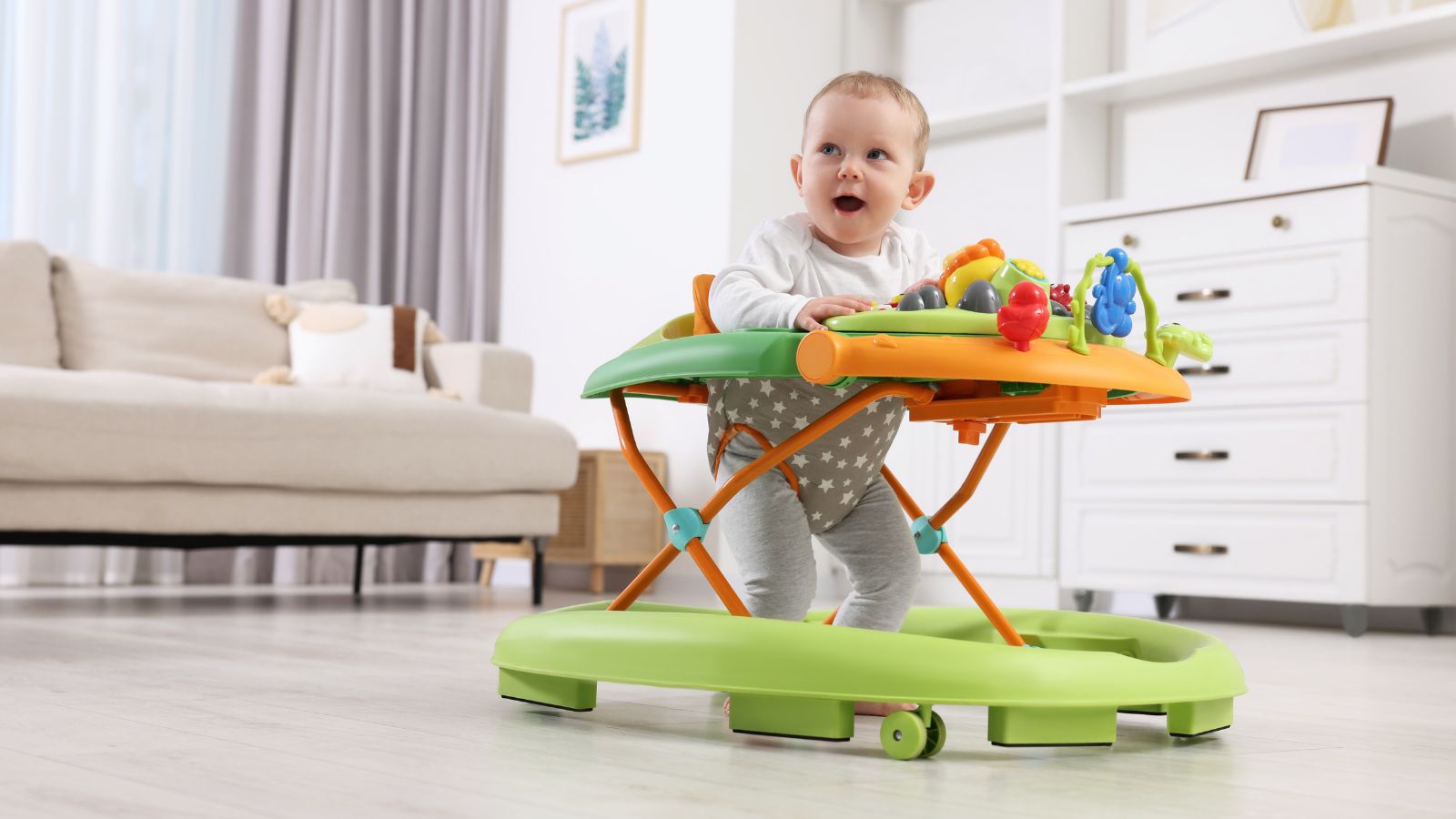
New parents often budget for the obvious one-time purchases: a crib, stroller, car seat and perhaps a baby monitor. The less dramatic expenses are the products that repeatedly disappear. Diapers, wipes, formula when used, baby food, bottle supplies and replacement clothing create a steady stream of purchases during a period when household income may also be temporarily lower. Unlike a stroller that can last for years or be reused by another child, consumables have to be bought again and again.
Statistics Canada’s consumer-price system specifically tracks infant formula, baby food and other infant products because they are recurring household purchases. Its monthly retail-price table has recently placed a 900-gram container of infant formula at roughly $50, illustrating how one ordinary baby product can represent a meaningful expense when purchased frequently. Statistics Canada’s household expenditure classifications also separately recognize disposable diapers and infant-care products such as strollers and car seats. Some families reduce costs through breastfeeding, reusable items, second-hand equipment or bulk buying, but those options are not equally practical for everyone. The baby years can therefore feel expensive because needs are both highly specific and unusually frequent.
A Family Home Has More Costs Than Rent or Mortgage
Parents searching for enough bedrooms understandably focus on the monthly rent or mortgage. Yet the cost of occupying a home extends well beyond that headline figure. Statistics Canada’s household spending framework separately tracks home insurance, condominium or strata fees, property and school taxes, water and sewage charges, electricity, heating fuel, parking, repairs and maintenance. Moving into a larger or different type of home can therefore change several budget lines at the same time.
That matters because housing is already the largest component in Statistics Canada’s estimates of expenditures associated with children. A family that stretches its budget to obtain another bedroom may also find itself heating more space, furnishing another room or paying more for insurance and upkeep. Homeowners can encounter repairs that renters may not face directly, while renters may pay separately for parking, insurance or utilities. None of these expenses is necessarily “for the kids,” yet the decision to occupy that particular home may have been driven by family size. Parents can consequently underestimate housing by comparing mortgage or rent alone rather than the complete cost of maintaining a child-friendly household.
Phones, Internet and Devices Become Household Basics

Technology spending tends to change gradually as children grow. A toddler may use a parent’s tablet occasionally; a school-aged child may need reliable home internet; a teenager may eventually have a phone and other digital equipment. The transition is easy to overlook because each addition happens at a different stage. By the time several people in one household rely on connected devices for school, work and communication, what once looked like one internet bill can become a collection of service plans, devices, accessories and replacements.
Statistics Canada reported that households across all income groups spent about $125 per month on cellular and pager services in 2023, equal to roughly 1.8% of average after-tax household expenditures. The agency’s Market Basket Measure research also recognizes basic cellphone and broadband internet services as important contemporary household needs. Prices for some telecommunications services have fallen over time, but families can still add costs simply by adding users. A broken phone, damaged laptop or additional data plan can arrive suddenly, particularly once children become more independent and schools increasingly rely on digital communication and online resources.
School Breaks Create a Child-Care Puzzle
The school calendar and the adult work calendar do not line up neatly. Summer vacation, professional-development days, winter break and spring break can leave parents needing supervision for children even after full-time daycare years are over. Grandparents, flexible work arrangements and alternating parental vacation days can cover part of the gap, but not every household has those options. Camps and short-term programs can therefore become less of a recreational luxury and more of a practical way to keep a family schedule functioning.
Statistics Canada treats children’s camps as a separate household expense in its national spending data, explicitly including day camps and summer camps alongside other child-care questions. That classification reflects a basic reality: school-age care does not necessarily disappear just because a child is old enough for kindergarten or elementary school. Parents may also need before-school or after-school programs during the academic year. The unexpected part is timing. These expenses arrive in blocks rather than evenly every month, so several weeks of summer coverage can produce a large seasonal bill even when a household’s normal school-year child-care costs seem manageable.
Parental Leave Can Mean a Real Income Drop

The first major cost of parenthood can arrive before the household buys anything new. Taking time away from work may reduce income, particularly when an employer does not provide a substantial top-up. For eligible workers outside Quebec’s separate system, Employment Insurance maternity and standard parental benefits generally replace 55% of average insurable weekly earnings, subject to a maximum. That creates financial protection, but it does not guarantee that a household will continue receiving its previous take-home pay.
For claims in 2026, the maximum EI maternity and standard parental benefit is $729 per week. Extended parental benefits replace 33% of eligible earnings, with a 2026 maximum of $437 per week. Families with savings or generous employer top-ups may absorb the difference comfortably; others can find themselves simultaneously dealing with reduced income and new baby expenses. Mortgage payments, rent and debt obligations do not shrink simply because a parent is on leave. That combination helps explain why early parenthood can feel financially intense even before child care, sports and school expenses enter the picture. The expense is partly what a family spends and partly what temporarily stops arriving.
Saving for Post-Secondary Competes With Today’s Bills

Post-secondary education may be more than a decade away when a child is born, yet many parents start thinking about it immediately. That adds an unusual category to the family budget: money being set aside for a future expense while current expenses are already growing. A regular Registered Education Savings Plan contribution can be financially sensible, but from a monthly cash-flow perspective it still competes with groceries, housing, child care and retirement savings.
The federal Canada Education Savings Grant provides a strong incentive. For an eligible child, the basic grant contributes 20% on the first $2,500 placed in an RESP each year, which can produce a $500 annual grant. Additional grant amounts are available to eligible middle- and lower-income families, and the combined lifetime CESG maximum is $7,200 per beneficiary. The benefit makes saving more attractive, but receiving the basic annual maximum normally requires a family to contribute $2,500 itself. That is roughly $208 a month when spread evenly across a year. Parents therefore face a classic tension: reserving money for a child’s future can make the present-day household budget feel tighter.
Family Travel and Recreation Scale With Headcount

Many pre-child expenses do not rise neatly when children arrive, but recreation and travel often do. One hotel room may eventually need to become a larger room or two rooms. Airfare is charged by seat. Restaurant meals multiply with the number of people at the table. Attractions, ski passes and other activities frequently charge admission for children once they pass certain age thresholds. A trip that felt routine for two adults can therefore require considerably more planning when it becomes a trip for four.
Statistics Canada reported that Canadian households spent an average of $5,231 on recreation in 2023. Its household spending framework separately records accommodation away from home, including hotels, motels, vacation rentals and campgrounds. Those are national household figures rather than a prescribed amount that parents should spend, but they show that recreation and travel represent real budget categories beyond basic necessities. Families can reduce costs by camping, visiting relatives, travelling locally or choosing free activities, yet even inexpensive outings can involve fuel, food and equipment. Children do not need elaborate vacations, but adding people inevitably changes the arithmetic of shared experiences.
One-Parent Households Have Less Room for Error

The cost of raising children is not experienced in the same way by every household. A two-income family can potentially spread fixed housing and transportation costs across two earners. A one-parent household may have only one employment income available while many child-related necessities remain. Child care can also be particularly important because there may be no second parent in the household available to alternate school pickups, sick days or schedule changes.
Statistics Canada estimated that one-parent families with two children and average annual family income below $83,013 in its study period spent about $231,260 per child from birth through age 17. That was lower in absolute terms than spending by many two-parent families, demonstrating that families adjust expenditures to available resources rather than facing one universal “price of a child.” The pressure, however, can still be substantial relative to income. Census-based analysis also found that more than four in five one-parent families with young children in 2021 were headed by mothers. A surprise repair, camp fee or grocery increase can therefore matter greatly when one household income must absorb nearly every financial shock.
Geography Changes the Price of the Same Childhood

There is no single Canadian cost of childhood. Housing, food, transportation and even the clothing required for local weather vary between cities, provinces, territories and remote communities. A family with inexpensive housing may require two vehicles, while another family may pay much higher rent but rely on public transit. The trade-offs can be especially pronounced in northern and isolated communities, where transportation and supply chains operate very differently from those in large southern cities.
Statistics Canada’s research on expenditures on children includes regional estimates rather than assuming that costs are identical across the country. Its work developing northern Market Basket Measures goes even further, adjusting the basket of necessities for regional realities. The northern methodology accounts for colder-climate clothing needs and different transportation patterns; for some fly-in communities in the Northwest Territories, transportation calculations have included the costs associated with an all-terrain vehicle and snowmobile. These examples show why national averages need context. Families can make similar choices for their children and still encounter very different price tags simply because those choices are being made in different parts of Canada.
The Cost Clock Often Keeps Running Past 18

Many family budgets quietly assume that the expensive phase ends around a child’s eighteenth birthday. Modern household life does not always work that way. Young adults may remain at home while studying, starting careers or trying to build enough savings to move out. Food, utilities, transportation and housing costs therefore continue, while post-secondary education can introduce new expenses at precisely the stage parents expected their financial responsibility to ease.
Statistics Canada found a striking difference when it expanded its child-expenditure analysis beyond age 17. Including young adults aged 18 to 22 who continued living with their parent or parents increased estimated expenditures by about 29% for both one-parent and two-parent families. For a middle-income two-parent family with two children, the agency estimated approximately $293,000 per child from birth through age 17 in its study, expressed using the study’s historical-dollar framework and spending patterns. These figures are estimates rather than a bill every parent will face, but they capture the larger lesson: raising children is a long sequence of evolving costs, and financial dependence does not necessarily disappear when childhood legally ends.
16 Costco Canada Habits That Could Be Costing Shoppers More Than They Save

The Executive Membership can feel like an obvious upgrade because the 2% annual reward sounds straightforward. For households that spend heavily at Costco Canada, the extra fee may be easy to justify. But the habit becomes costly when shoppers upgrade first and calculate later. A Gold Star Membership costs less, while Executive costs more and only pays off if eligible annual spending is high enough to offset the difference.
16 Costco Canada Habits That Could Be Costing Shoppers More Than They Save
