Canadian drivers can go months without thinking seriously about snow, ice or freezing rain, which makes the first difficult drives of winter especially unforgiving. Familiar routines that work perfectly well on a dry September afternoon can become poor habits once temperatures fall, daylight shrinks and pavement conditions start changing from one kilometre to the next.
Preparing for that shift involves more than installing winter tires. These 17 driving habits Canadians should rethink before winter returns cover speed, following distance, visibility, vehicle preparation, distraction, black ice, snowplows and the point at which continuing a trip simply stops making sense.
Stop Waiting for the First Snow to Think About Winter Tires
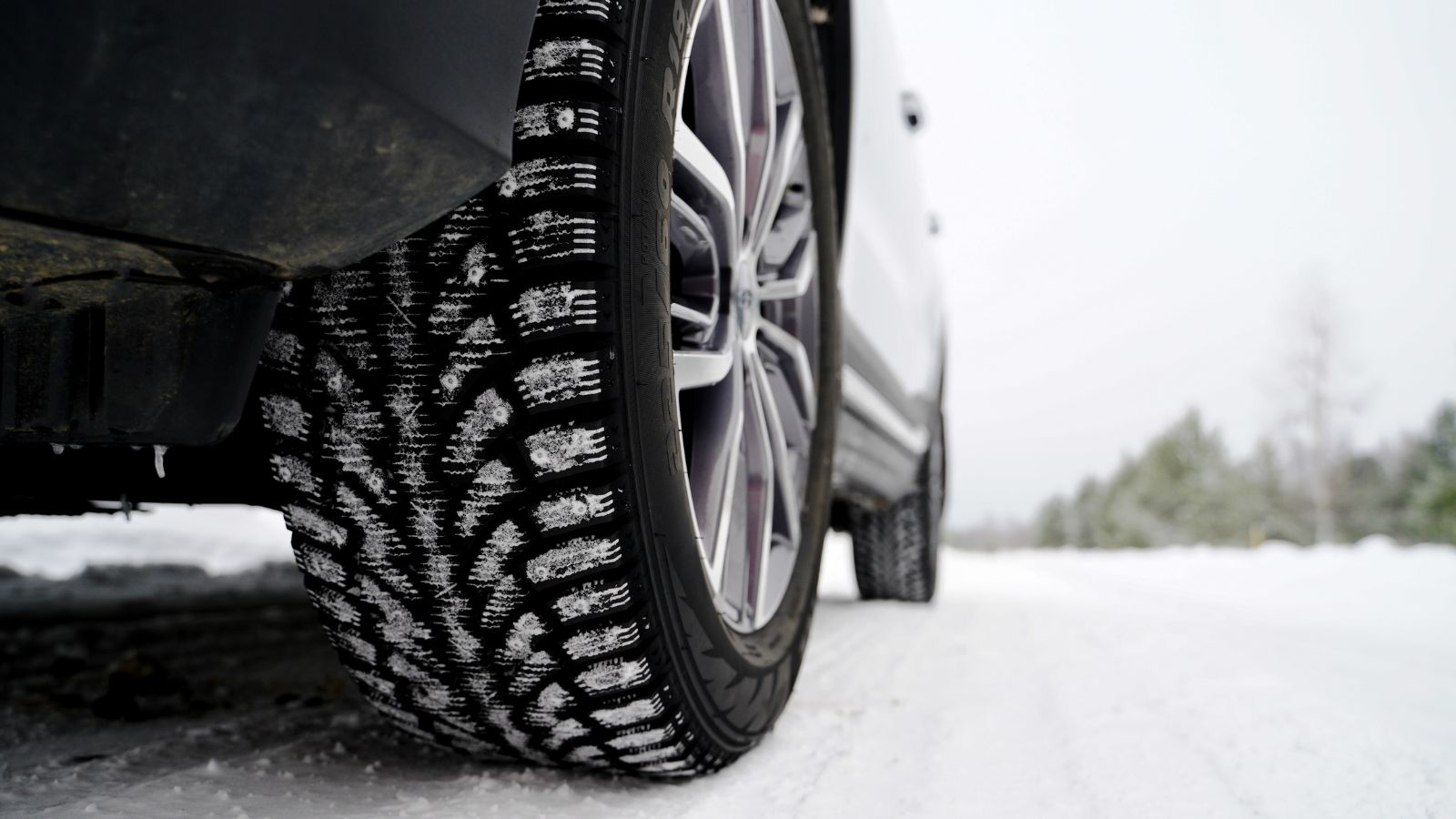
Winter tires are often treated as something to install after the first meaningful snowfall. That habit misses an important part of how winter tires work. Transport Canada says all-season and summer tires begin losing elasticity at temperatures below 7°C, reducing traction, while winter tires are designed to remain flexible at considerably lower temperatures. That means a cold, dry November morning can already favour winter rubber even when there is no snowbank in sight.
The condition of those tires matters just as much as the label. Transport Canada recommends four winter tires rather than mixing tire types and advises against using winter tires with less than 4 millimetres of tread depth for snow-covered driving. Waiting until a storm warning sends half the neighbourhood to the tire shop also creates unnecessary pressure. A more useful seasonal habit is to watch sustained temperatures, inspect tread depth early and arrange installation before winter weather becomes an immediate problem.
Clear the Entire Vehicle Before Pulling Away
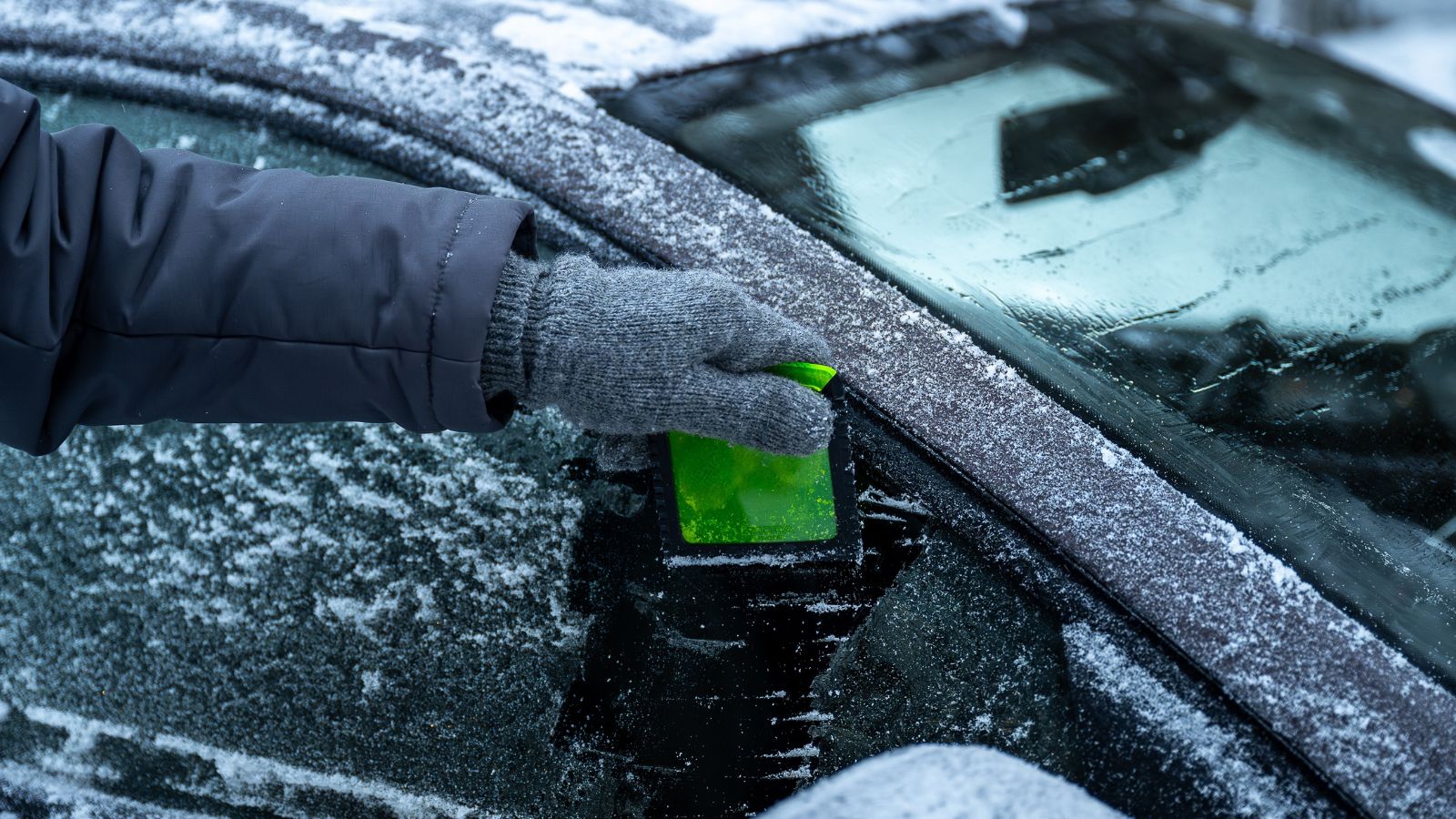
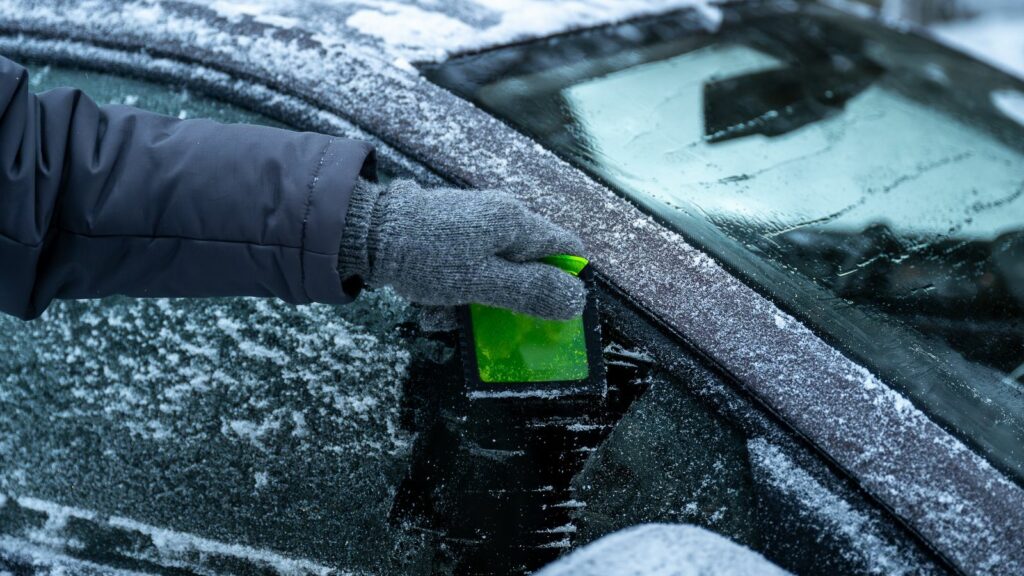
Scraping a driver-sized opening in the windshield may save a few minutes on a rushed morning, but it leaves several winter hazards untouched. RCMP guidance recommends removing snow and ice from the windows, hood, roof and lights before driving. A clear windshield does little good if side windows limit intersection visibility or headlights remain coated with packed snow and road grime.
Snow left on the roof can also become someone else’s problem once a vehicle reaches road speed. Even without a dramatic sheet of ice sliding loose, blowing snow can reduce visibility for motorists behind. The better routine is decidedly less convenient: brush from the roof downward, clear every window and mirror, uncover the front and rear lights, and make sure windshield washer nozzles are usable. Five extra minutes in a driveway can produce a much better field of view before a vehicle enters traffic, when there is far less room to correct an overlooked visibility problem.
Stop Treating the Posted Limit as a Winter Target
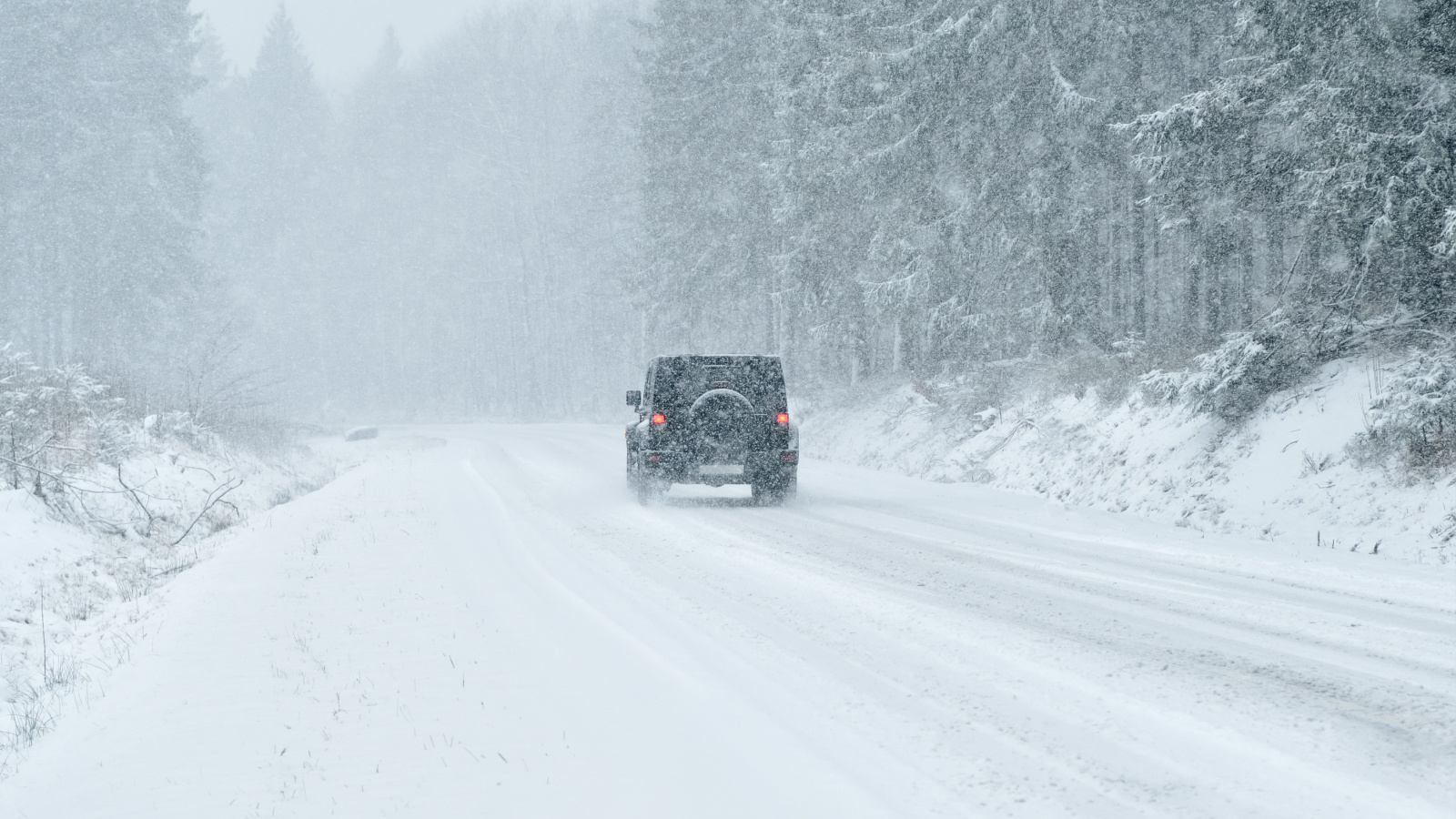
A speed-limit sign does not promise that the road ahead has enough traction to make that speed appropriate. Ontario’s winter-driving guidance notes that many winter collisions occur because motorists travel too fast for road conditions. Snow, ice, slush, freezing rain and poor visibility can all require substantially slower speeds than drivers would choose on dry pavement.
The adjustment can feel surprisingly large during the first storms of the season. A familiar 80-km/h rural road may still look almost normal, yet shaded sections, drifting snow or a thin layer of ice can radically change how the vehicle responds. Reducing speed earlier gives tires more opportunity to maintain grip and gives the driver more time to recognize trouble ahead. It also makes steering and braking corrections less abrupt. Winter driving is therefore less about finding one universally “safe” reduced speed than continuously matching speed to visibility, traction, traffic and the distance available to stop.
Leave More Space Than Feels Necessary

Tailgating is uncomfortable in summer and considerably more consequential once stopping distances increase. Ontario’s Ministry of Transportation advises motorists to increase their following distance in poor winter conditions because slippery roads require additional braking space. The gap that seems excessive on a clear highway can disappear remarkably quickly when traffic suddenly encounters ice, blowing snow or a stopped vehicle.
Extra space provides another benefit: it reduces the pressure to copy every movement made by the vehicle ahead. When a lead driver brakes sharply, someone following closely has little choice but to react sharply too. With a larger cushion, the second driver can often ease off the accelerator earlier and brake progressively. That smoother response is exactly what low-traction driving demands. Drivers accustomed to dense urban commuting may have to resist the instinct to close every gap another motorist could enter. In winter, preserving a usable escape and braking zone matters more than defending a few car lengths of road.
Turn Off Cruise Control When the Road Gets Slippery

Cruise control makes long highway drives less tiring, which can make switching it off feel unnecessary when only patches of snow or moisture appear. Ontario specifically advises against using cruise control on wet, snowy or icy pavement, noting that it can reduce reaction time and vehicle control.
The problem is not that cruise control automatically causes a skid. Rather, slippery conditions demand constant judgement about speed, traction and what the tires are doing. A driver may need to ease off gradually when approaching a questionable patch of pavement instead of allowing the vehicle to maintain a preset speed. Modern adaptive systems may feel more sophisticated, but they still cannot repeal the physics between rubber and an icy surface. When winter conditions become inconsistent, direct control of the accelerator helps keep the driver engaged with changing grip. Cruise control can return when conditions are genuinely suitable instead of remaining active simply because the highway portion of a trip has begun.
Replace Sudden Inputs With Smooth Ones

Drivers sometimes discover winter traction only after asking too much of it. Ontario warns that hard braking, rapid acceleration and sudden gear changes can produce skids on slippery roads, while its driver guidance also emphasizes gentle steering. Those behaviours share a common problem: they demand a large amount of tire grip very quickly.
Winter rewards the opposite style. Accelerating progressively from a light, leaving extra room to brake and beginning turns without jerking the steering wheel all reduce abrupt transfers of weight and traction. Consider a routine right turn on packed snow. Entering too quickly, braking late and then turning sharply forces the tires to handle multiple demands almost simultaneously. Approaching more slowly allows braking to happen earlier and steering to remain measured. The change may seem almost exaggerated to someone accustomed to dry pavement, but deliberately smooth control is one of the easiest habits to practise before the most difficult weather arrives.
Stop Treating All-Wheel Drive as a Winter Exemption
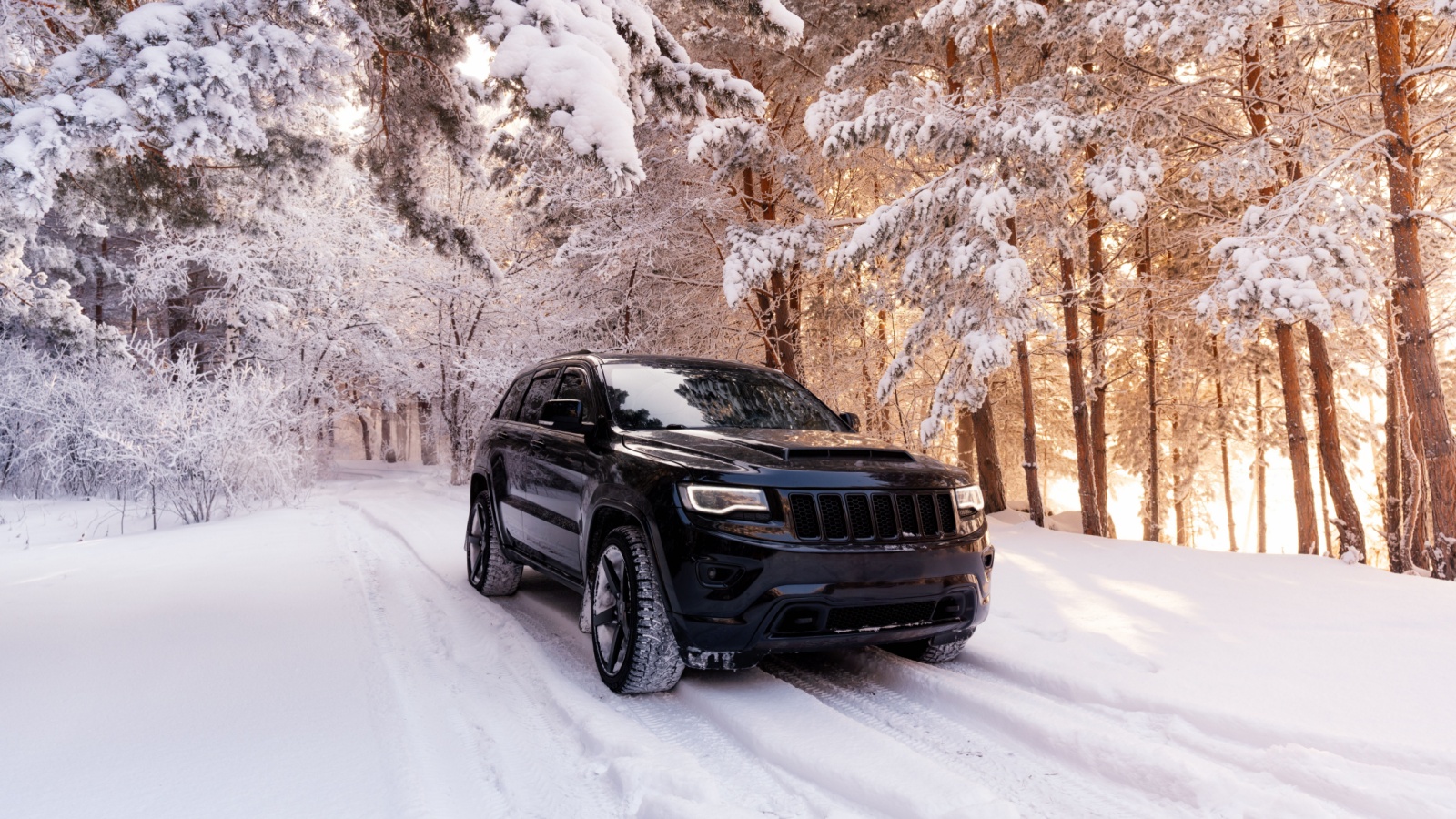
All-wheel drive can make pulling away on a snowy street feel impressively easy, and that successful acceleration can create more confidence than conditions warrant. Tire manufacturers including Michelin emphasize an important limitation: AWD can help distribute power for acceleration, but it does not create extra tire grip for braking or cornering.
That distinction becomes important when an AWD crossover reaches an icy intersection at the same speed as a front-wheel-drive car. Both still rely on four relatively small contact patches between their tires and the road to slow down and turn. Transport Canada consequently recommends winter tires on all four wheels regardless of drivetrain. Drivers who have moved from a two-wheel-drive vehicle to AWD may need to rethink how they judge traction. Getting moving without wheelspin does not prove there is enough grip to stop quickly. Winter confidence should come from appropriate tires, speed and spacing rather than from the badge attached to the rear hatch.
Check Tire Pressure Before the Dashboard Complains
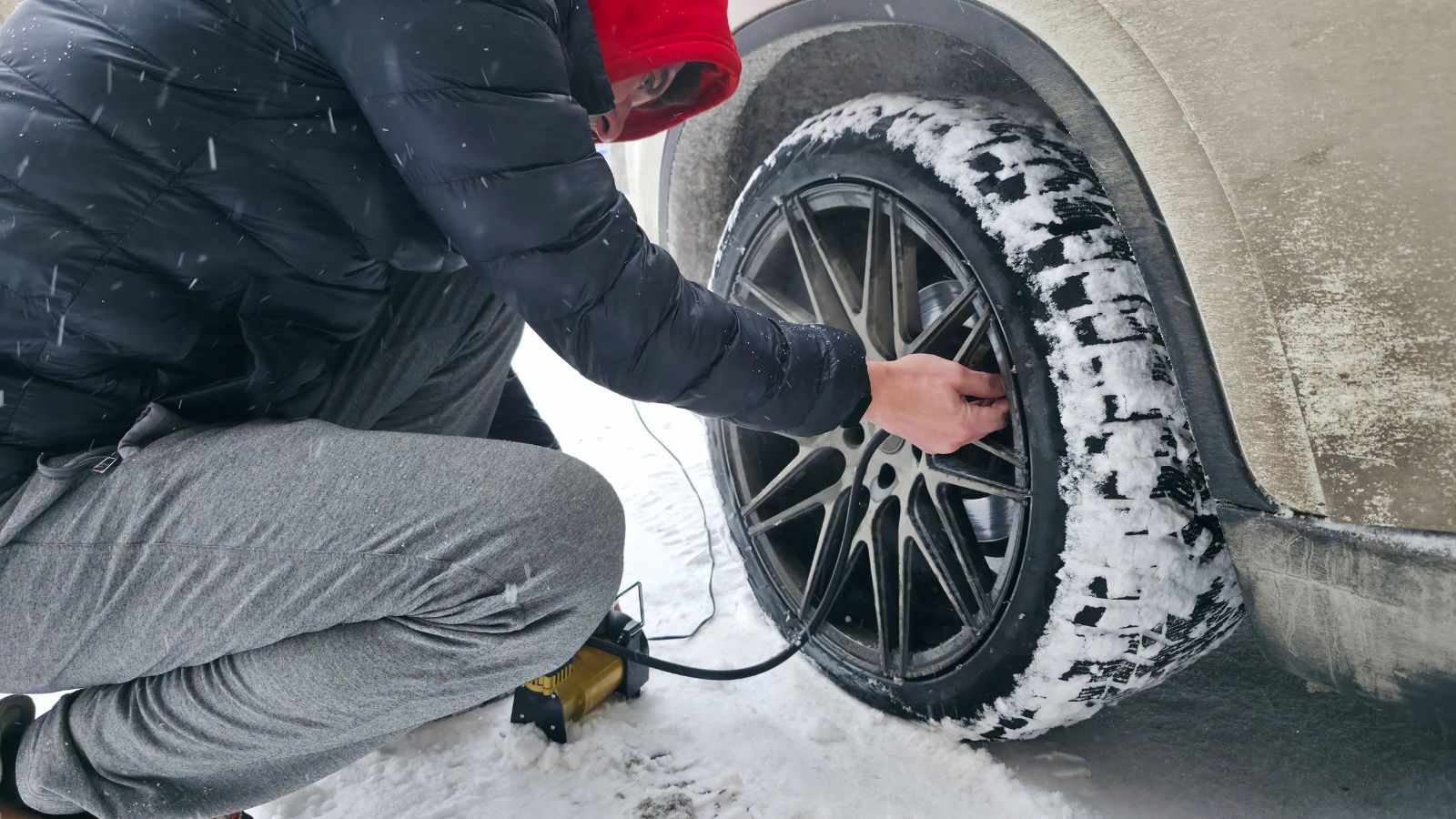
Tire pressure can become an “only when the warning light appears” maintenance item. Winter makes that approach less reliable. Transport Canada says tire pressure decreases as temperatures fall—roughly 1 psi for every 5°C drop—and recommends checking pressure when tires are cold.
That creates a familiar Canadian scenario. A vehicle that had properly inflated tires during a warm spell in October can enter a sharp November cold snap with noticeably lower pressure despite having no puncture. Transport Canada also points out that visual inspection alone cannot reliably determine whether a tire is correctly inflated. A small pressure gauge therefore becomes a useful winter tool rather than garage clutter. The correct target should come from the vehicle’s tire-information label or manufacturer guidance, not a guess based on how firm the sidewall looks. Checking the spare is worthwhile too. Discovering an underinflated spare during a roadside tire change in freezing weather is a particularly avoidable winter surprise.
Stop Treating Wipers and Washer Fluid as Minor Maintenance
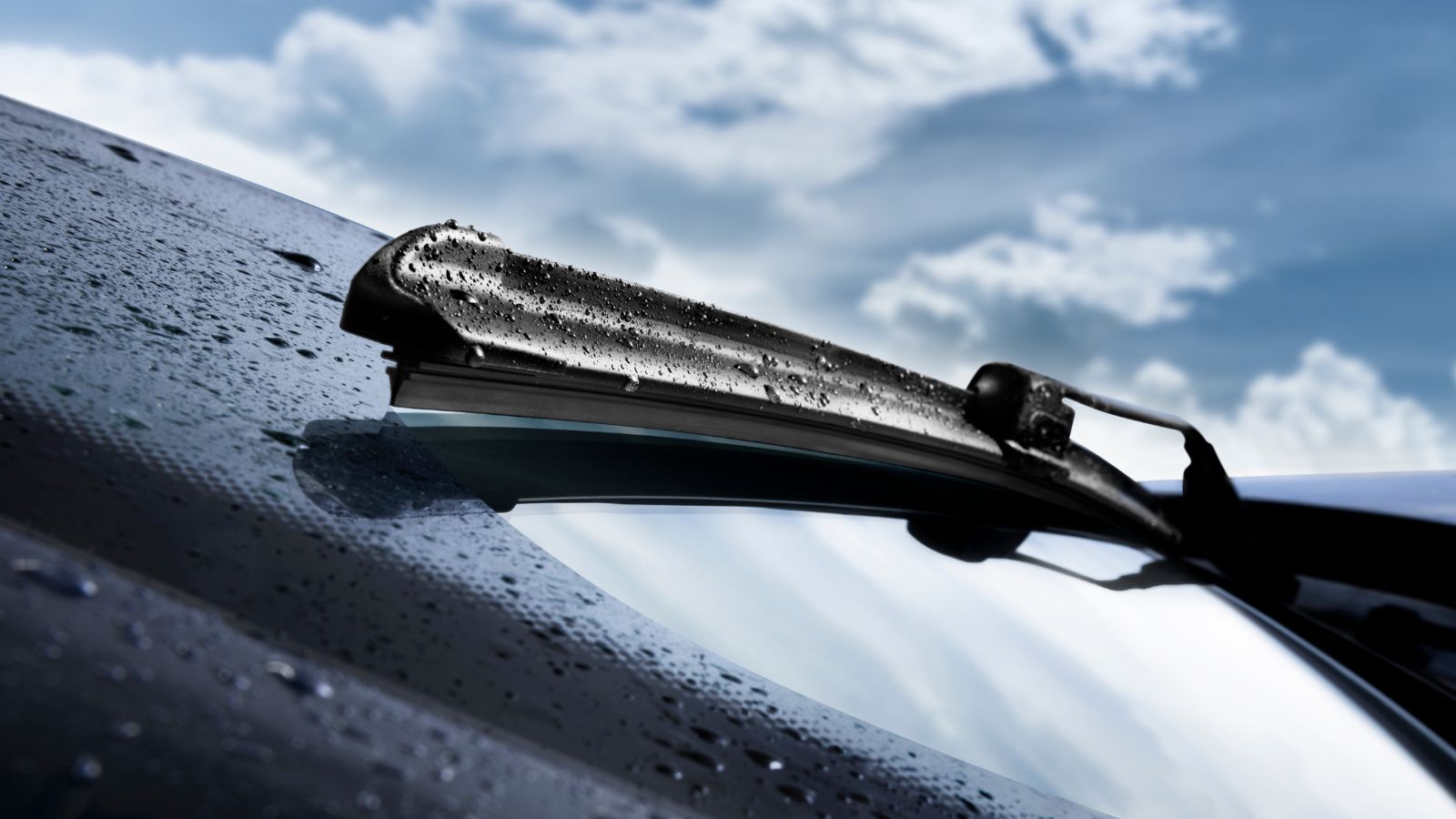
Visibility problems often build gradually enough to seem normal. Wiper blades start leaving narrow streaks. Washer fluid gets used more quickly as road salt and slush coat the windshield. Then one dirty highway drive turns a minor maintenance issue into a serious distraction. Transport Canada recommends replacing wipers that streak and using winter washer fluid rated around -40°C, while also suggesting carrying an extra container.
That recommendation reflects how aggressively Canadian winter roads can dirty glass. A windshield may be cleaned repeatedly during a single trip as spray from trucks and melting snow dries into an opaque film. Drivers who postpone filling the reservoir until it is almost empty can discover that the warning arrived at precisely the wrong moment. Winter preparation should therefore include testing the wipers, filling the reservoir completely and keeping extra fluid in the vehicle. It is inexpensive preparation, yet it directly affects how quickly a driver can identify pedestrians, lane markings, brake lights and changing road surfaces.
Stop Reaching for High Beams in Heavy Snow
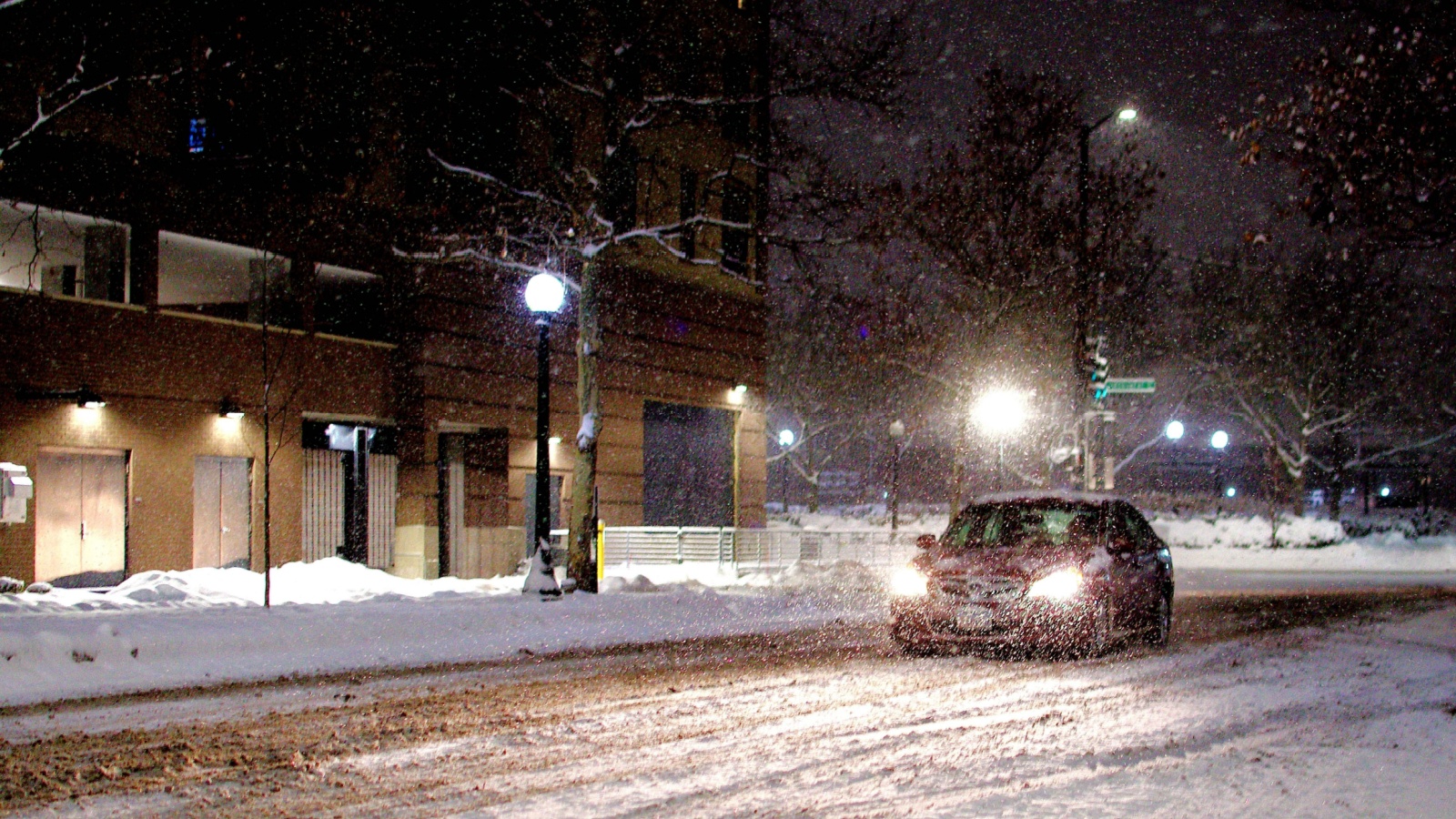
When visibility shrinks at night, switching to high beams can seem like the obvious response. In falling snow or fog, it may do the opposite of what the driver intended. Transport Canada advises switching upper beams off in fog, rain or snow because the stronger light can reflect back and make the road and obstacles more difficult to see.
The effect is familiar to anyone who has driven through large snowflakes at night: instead of illuminating farther down the road, high beams can create a bright moving wall directly ahead. Low beams usually produce less reflected glare, while appropriate fog lights can help illuminate the road closer to the vehicle if equipped and used correctly. Lighting also needs to be clean; winter grime can quickly dull both headlamps and tail lamps. The better habit is to think of visibility as a combination of suitable lights, clean lenses and reduced speed rather than trying to overcome poor conditions simply by selecting the brightest available beam.
Stop Assuming Shiny Pavement Is Only Wet
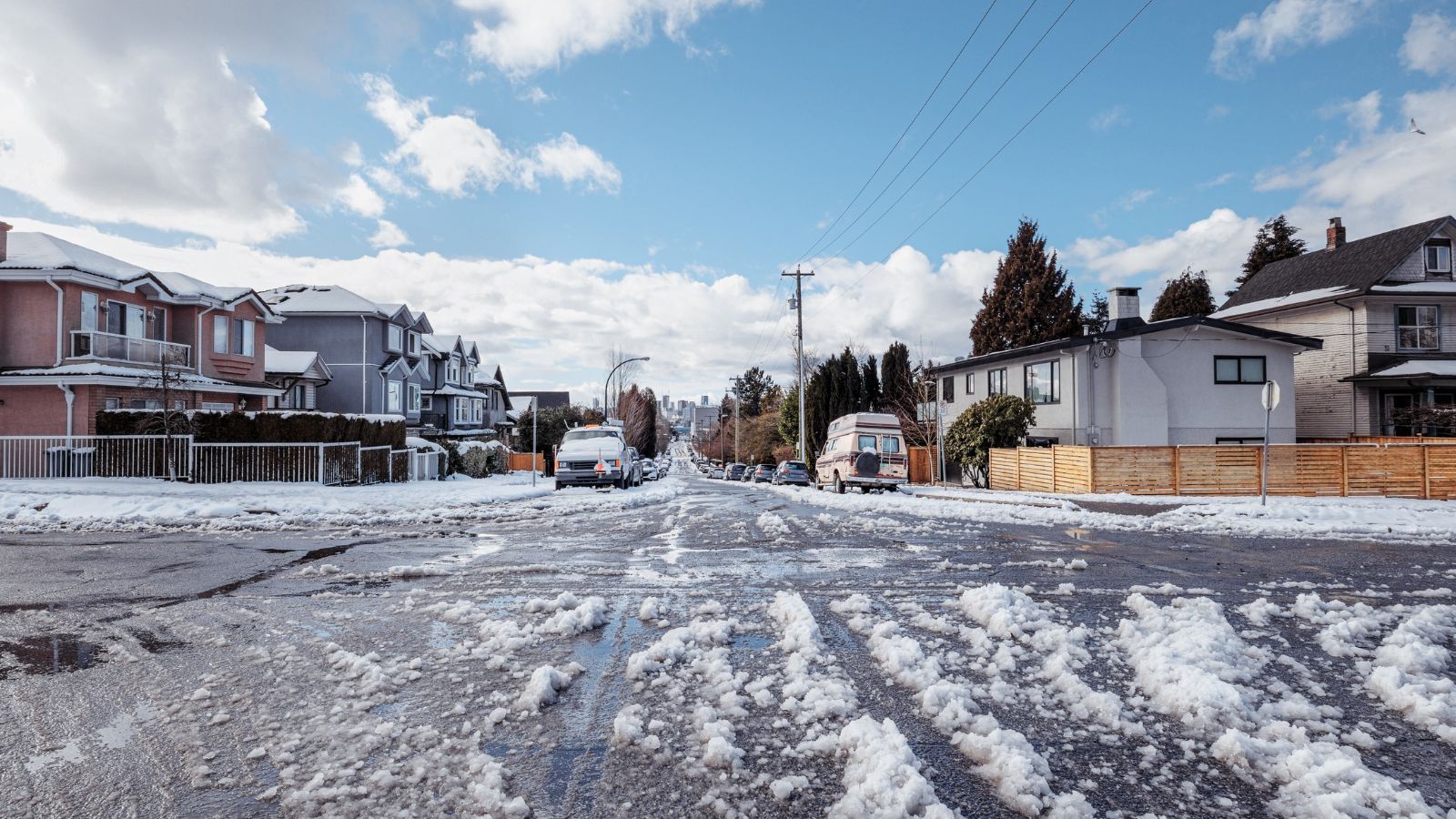
Black ice earns its reputation because drivers may have little visual warning before traction disappears. RCMP winter guidance notes that black ice can occur when temperatures are roughly between 4°C and -4°C and highlights bridges and overpasses as locations requiring particular caution. Elevated road surfaces can freeze differently from adjacent pavement because they are exposed to cold air from above and below.
That means the danger is not confined to bitterly cold January nights. A damp-looking road during a near-freezing morning or evening can deserve extra suspicion, particularly after melting snow, freezing drizzle or changing temperatures. Drivers can adapt by slowing before bridges and shaded areas rather than braking once already on them. Steering and accelerator inputs should also remain gentle through questionable patches. One of the most useful winter mindset changes is abandoning the assumption that pavement offering no obvious snow cover must therefore offer normal grip. Sometimes the least dramatic-looking winter road surface is the one requiring the most restraint.
Give Working Snowplows the Room to Do Their Job
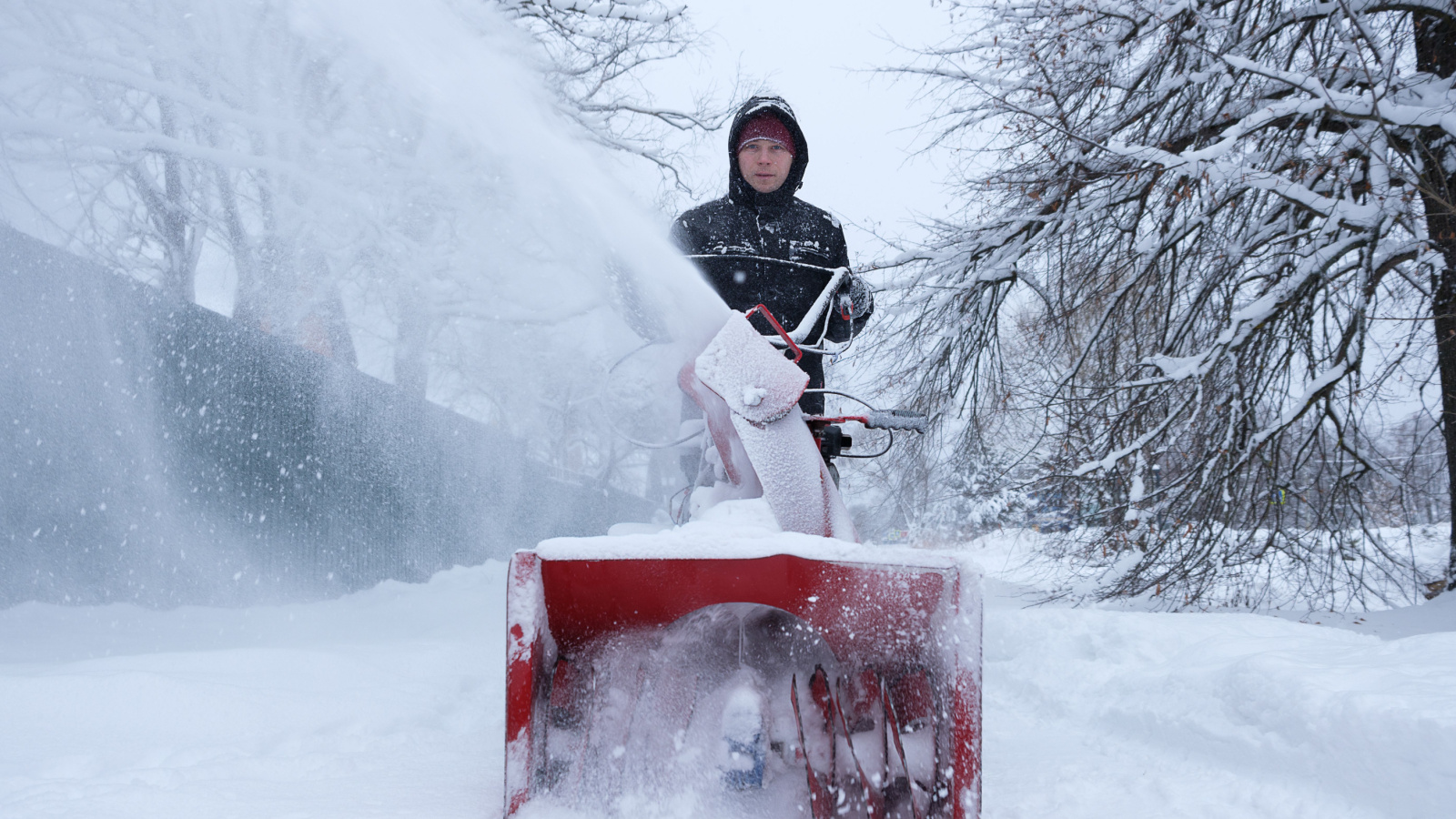
A snowplow moving below normal highway speed can create an immediate urge to pass, particularly when a driver is already late. Ontario’s winter-driving guidance is unequivocal: motorists should not pass a working snowplow. The province also advises leaving plenty of space behind winter-maintenance equipment.
There are practical reasons patience matters. Plows can create clouds of snow that sharply reduce visibility, and their blades may extend beyond the dimensions drivers expect from an ordinary truck. The pavement ahead of the plow may also be less travelled or less thoroughly cleared than the lane behind it. Passing therefore trades a temporary delay for a potentially worse road surface and reduced visibility. A better habit is to accept that winter-maintenance equipment changes the pace of the trip. Building more time into the journey makes that easier psychologically; the plow stops feeling like an obstacle that must be defeated and starts looking like the reason the road is becoming safer.
Check Conditions Before the Car Is Already Moving
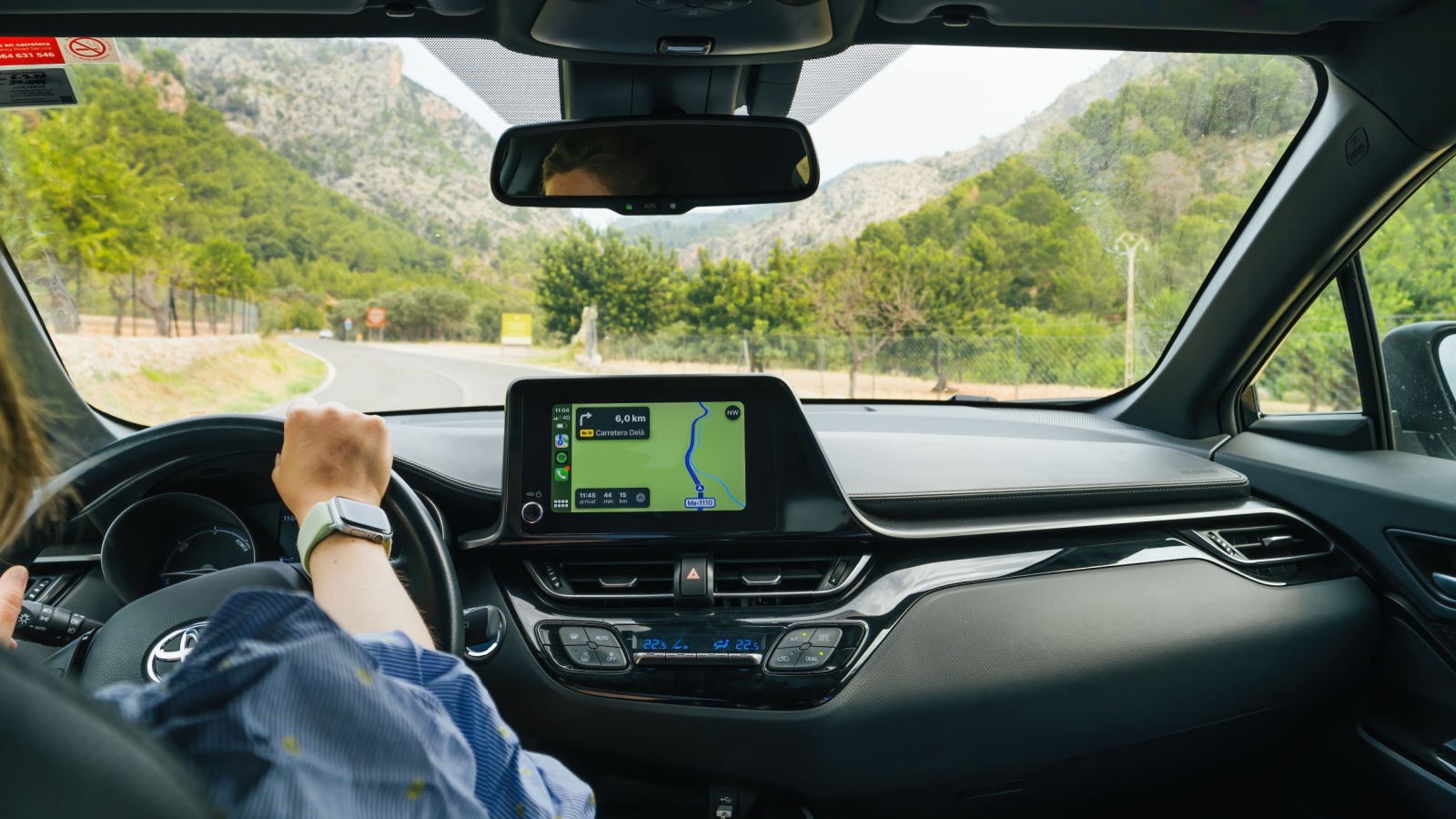
Many drivers check navigation for traffic but treat weather and road conditions as information to deal with after departure. Transport Canada recommends checking forecasts before winter travel and notes that provinces and territories provide traveller-information services such as 511 systems for road conditions and maintenance information.
That habit becomes more valuable on trips crossing regions or elevations. Conditions outside one home can provide a poor preview of what is happening 100 kilometres away. Transport Canada also recommends giving someone the route and expected arrival time for longer winter travel. The important behavioural change is to make trip planning part of driving rather than something separate from it. A warning for freezing rain, a closed highway or rapidly deteriorating visibility may justify leaving later, taking another route or not travelling at all. Ten minutes spent gathering information before departure can prevent a driver from discovering the most important part of the forecast through the windshield.
Stop Starting Winter Trips on an Almost-Empty Tank or Battery
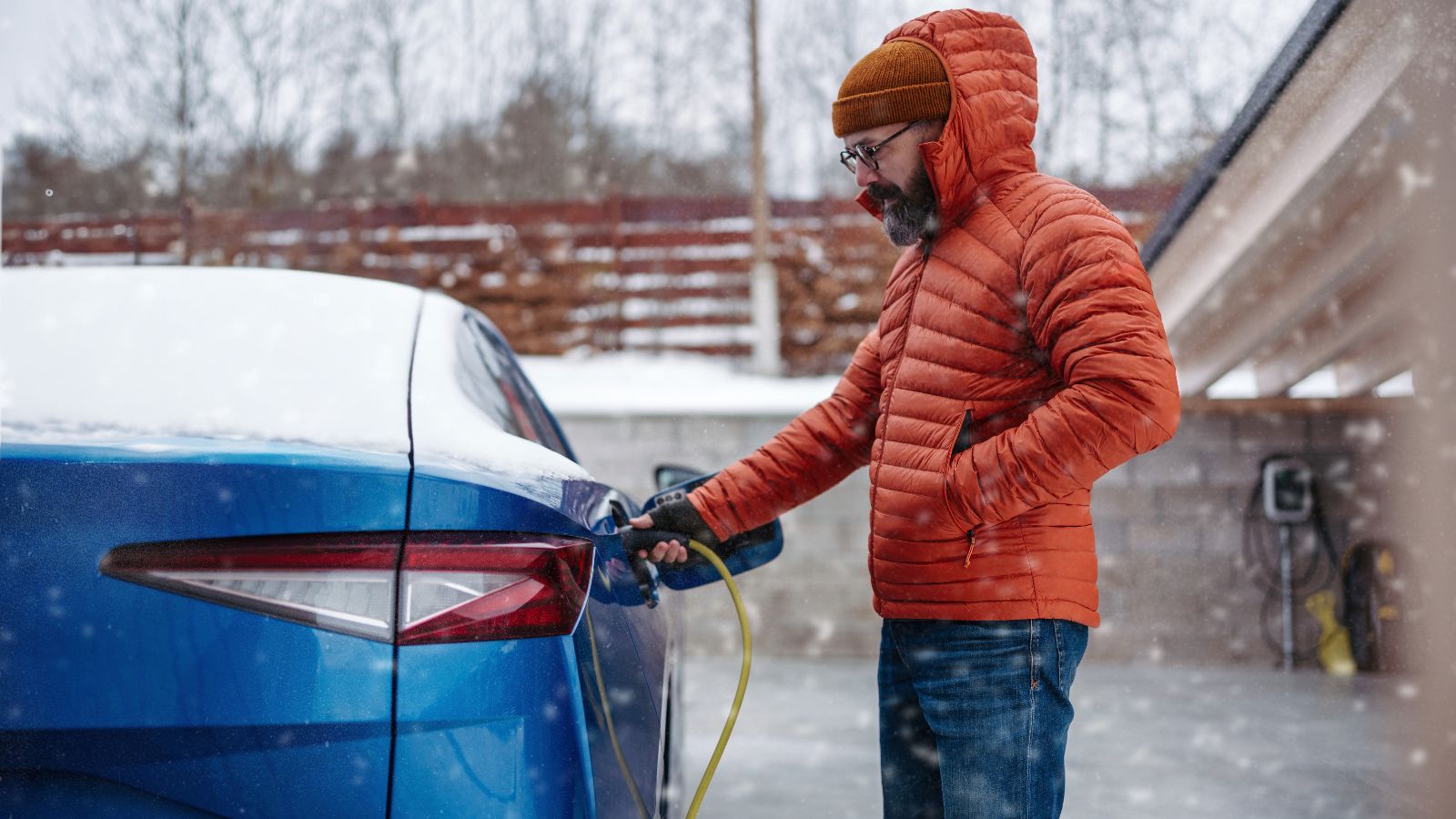
Running close to empty may be manageable during routine warm-weather commuting, but winter adds delays that cannot always be predicted. Transport Canada recommends keeping a fuel tank at least half full during winter travel. For electric vehicles, it advises ensuring sufficient range for unplanned events because cold temperatures can reduce available driving range.
A highway collision ahead, an unexpected detour or several hours spent waiting for a road to reopen can turn a comfortable energy margin into a source of anxiety. The same principle applies to a phone: Transport Canada recommends starting longer trips with it fully charged and carrying a charging cable or battery pack. None of those precautions requires dramatic “survivalist” preparation. They simply recognize that winter disrupts normal travel assumptions. Leaving home with additional fuel, charge and phone power gives a driver options. Running everything to the minimum may save a stop today, but it leaves much less flexibility when the weather decides the schedule instead.
Put the Phone Away Before Winter Demands Full Attention
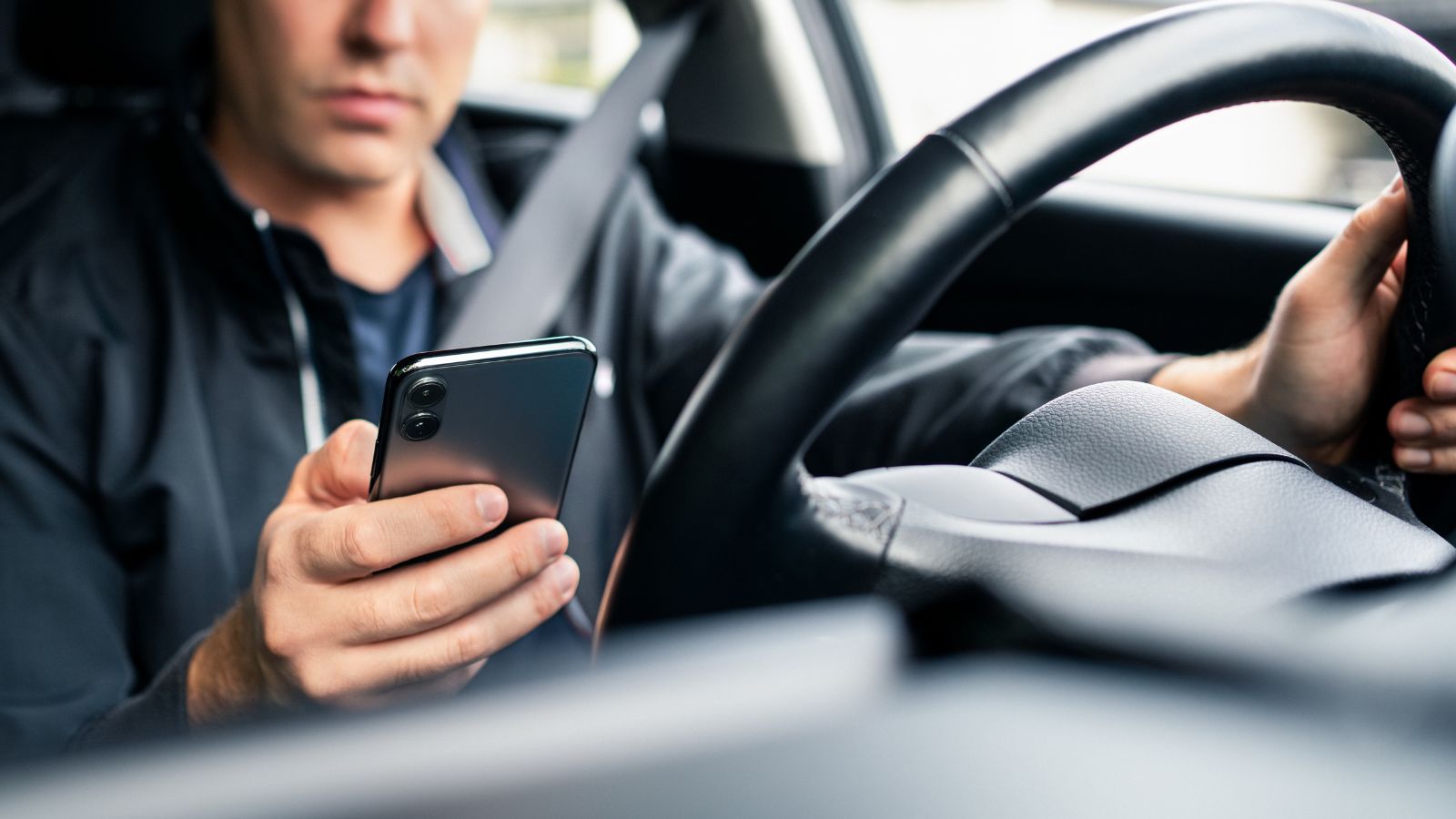
A quick glance at a notification is risky in any season. Winter reduces the margin for recovering from that lost attention because hazards can develop faster than expected. Transport Canada reported that distracted driving contributed to an estimated 22.5% of fatal collisions and 25.5% of serious-injury collisions in 2021. Its definition extends beyond texting to activities such as eating, talking to passengers and changing navigation or entertainment settings.
Snow-covered lane markings, pedestrians in dark clothing, sudden brake lights and patches of ice all compete for a driver’s attention. A useful winter routine is therefore to set navigation, climate controls and audio before moving and place the phone somewhere that does not invite habitual checking. Passengers can handle directions or messages when available. The goal is not merely to avoid a ticket. It is to preserve attention for the constant stream of small decisions winter roads require, particularly when visibility and traction are already reducing the driver’s safety margin.
Stop Treating Fatigue as Something Coffee Automatically Fixes
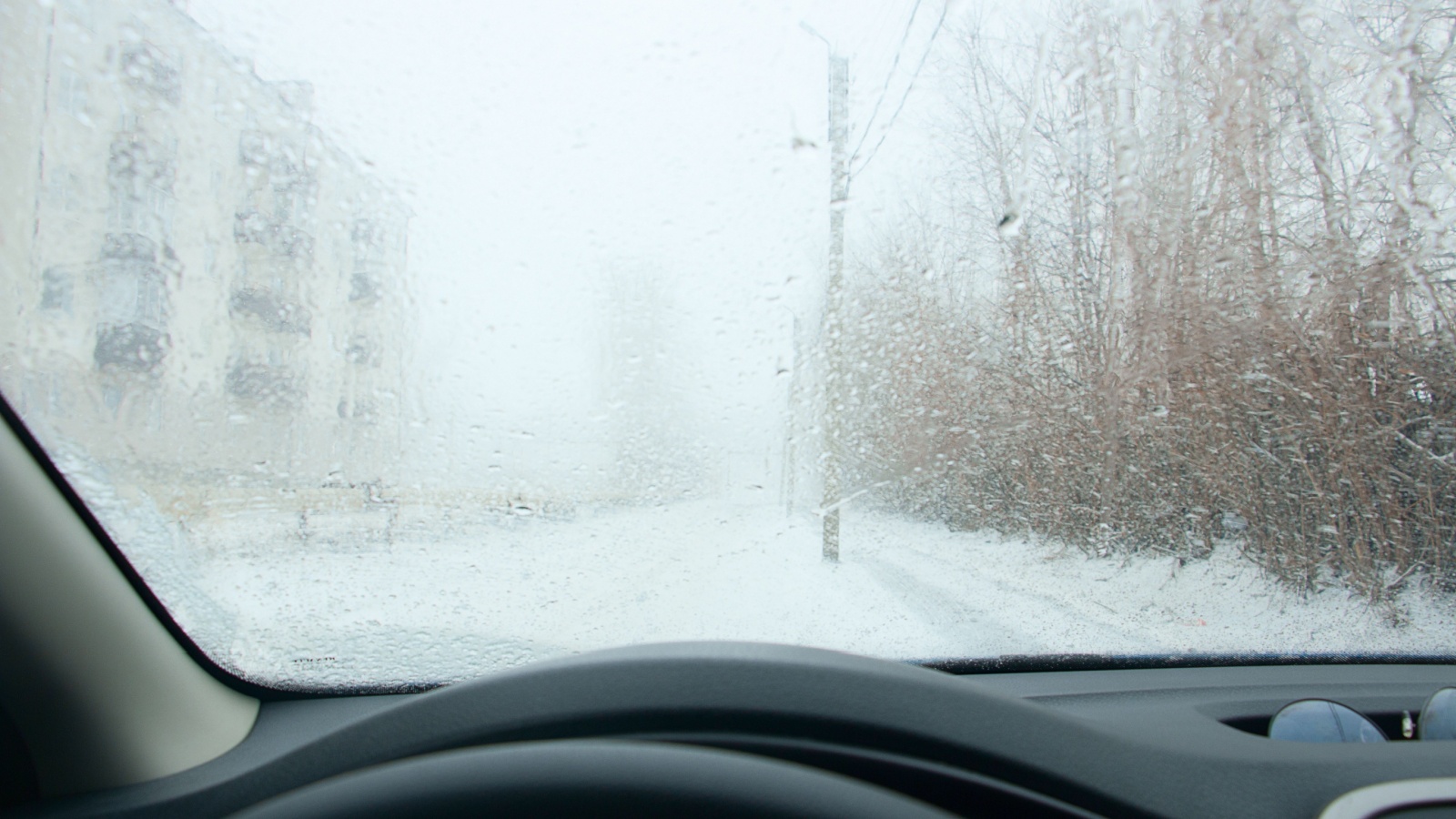
Early darkness, long holiday drives and difficult weather can make winter travel mentally exhausting even when the kilometres are familiar. Transport Canada’s national collision statistics continue to identify fatigue as a contributing human factor in fatal crashes. In its 2023 data, fatigue was reported as a factor in a measurable share of fatal collisions rather than disappearing as a marginal concern.
Winter can make tired driving more demanding because a motorist may spend extended periods watching for faint lane edges, blowing snow and changing pavement conditions. The danger is easy to rationalize away when home is “only another hour” down the road. A better habit is to treat declining alertness as a reason to change the trip rather than a challenge to overcome. Proper rest before departure, planned stops on long drives and a willingness to stop somewhere safe when concentration fades are more dependable than relying on loud music, open windows or another caffeinated drink to restore full driving performance.
Know When Continuing the Trip Is the Wrong Decision
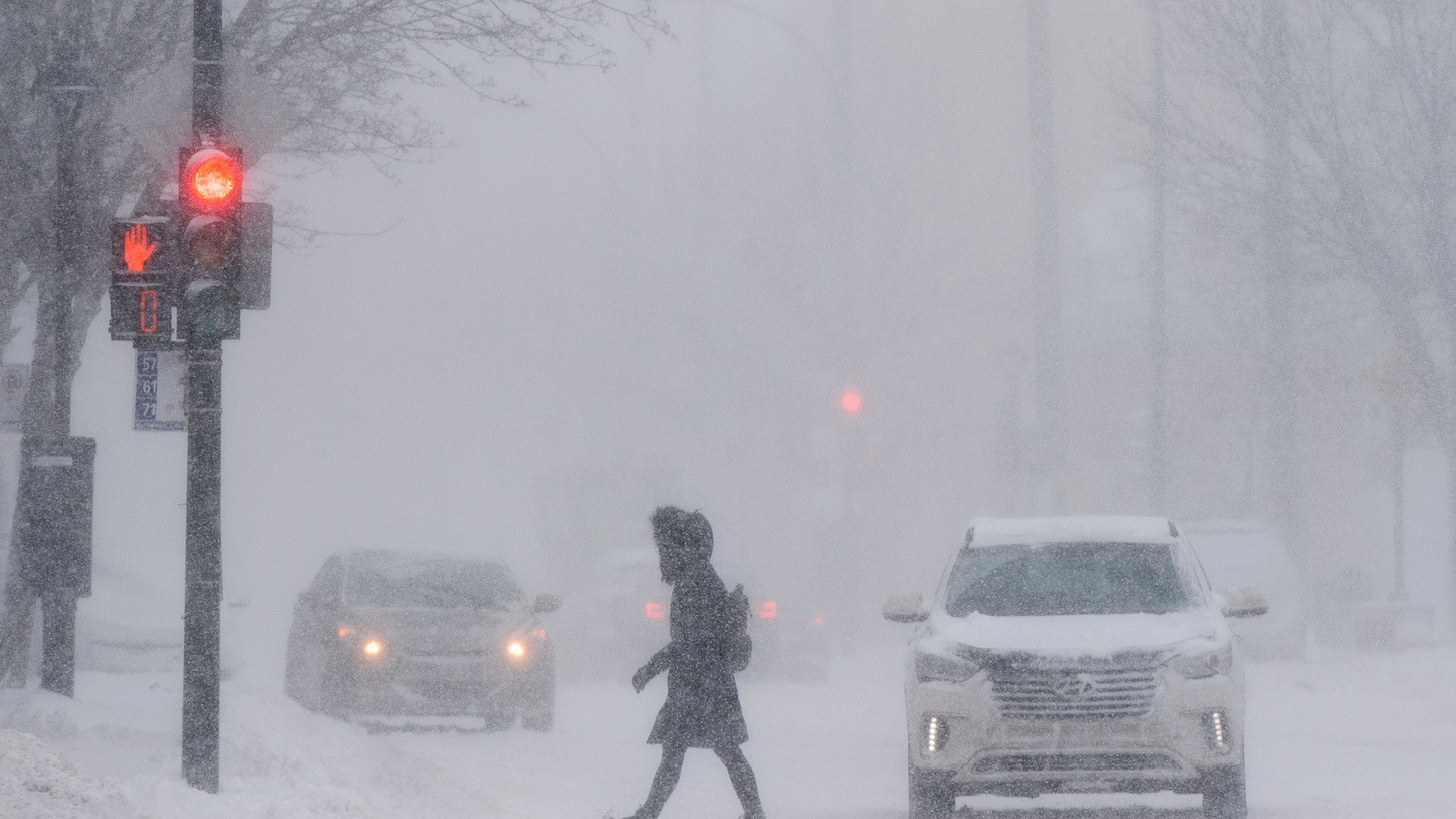
Persistence is usually admired, but it is a poor guiding principle in a whiteout. Ontario advises motorists to drive only when necessary if blowing snow is forecast and says that when conditions become dangerous, drivers should pull over safely and wait for improvement. Environment and Climate Change Canada defines blowing-snow warnings around conditions capable of reducing visibility toward whiteout levels.
The hardest part is often recognizing that turning back or stopping is not an overreaction. Drivers may keep moving because they have already travelled most of the distance, because others are still on the road or because an appointment seems too important to miss. None of those factors improves visibility. If the road edge, nearby vehicles and safe stopping distance become difficult to judge, the trip has fundamentally changed. Winter driving requires knowing not only how to control a vehicle in bad conditions, but when conditions have removed enough information that responsible control is no longer realistic.
16 Costco Canada Habits That Could Be Costing Shoppers More Than They Save

The Executive Membership can feel like an obvious upgrade because the 2% annual reward sounds straightforward. For households that spend heavily at Costco Canada, the extra fee may be easy to justify. But the habit becomes costly when shoppers upgrade first and calculate later. A Gold Star Membership costs less, while Executive costs more and only pays off if eligible annual spending is high enough to offset the difference.
16 Costco Canada Habits That Could Be Costing Shoppers More Than They Save
