A car rarely goes from perfectly healthy to catastrophically broken without offering a few clues first. More often, the warning arrives as a faint hum, a dashboard light, a small fluid spot, a steering wheel that suddenly sits slightly crooked, or a battery that cranks a little slower on a cold morning. Canadian driving conditions can make those minor symptoms particularly important, with road salt, potholes, temperature swings and long winters placing extra demands on vehicles.
The trouble is that many early symptoms do not immediately stop a vehicle from moving. That makes postponing the repair tempting, especially when household budgets are already stretched. These 19 car problems Canadians are more likely to ignore until they get expensive show why a relatively small inspection or maintenance job can sometimes prevent a far more complicated repair later.
The Check-Engine Light That Seems Harmless
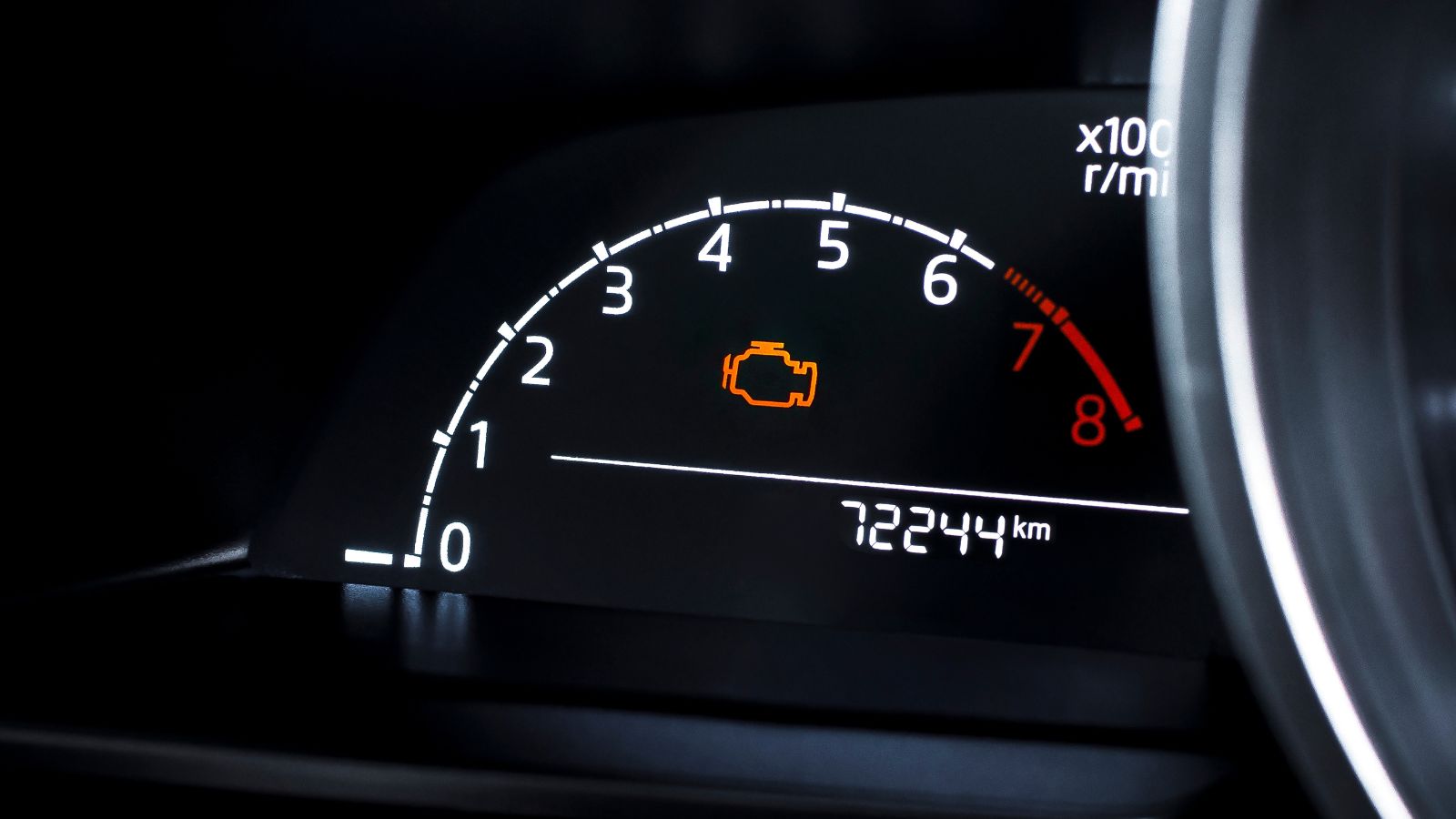
Few automotive warnings are easier to postpone than a steady check-engine light. The vehicle may start normally, accelerate reasonably well and show no obvious signs of trouble. That creates a powerful temptation to keep driving and promise to have the code scanned “eventually.” Yet a check-engine warning can represent anything from a relatively minor emissions-system issue to a problem that deserves prompt diagnosis.
The key distinction is that the light identifies a symptom, not a specific repair. Throwing parts at the vehicle without diagnosing the stored trouble code can waste money, while continuing to drive indefinitely can allow certain faults to worsen. CAA notes that the warning can be triggered by something as simple as a loose gas cap or something considerably more serious. A flashing light generally deserves even greater urgency. For a driver facing an uncertain repair bill, paying for diagnosis can feel inconvenient, but uncertainty tends to become more expensive when mechanical problems are allowed to develop unchecked.
The Small Oil Leak on the Driveway
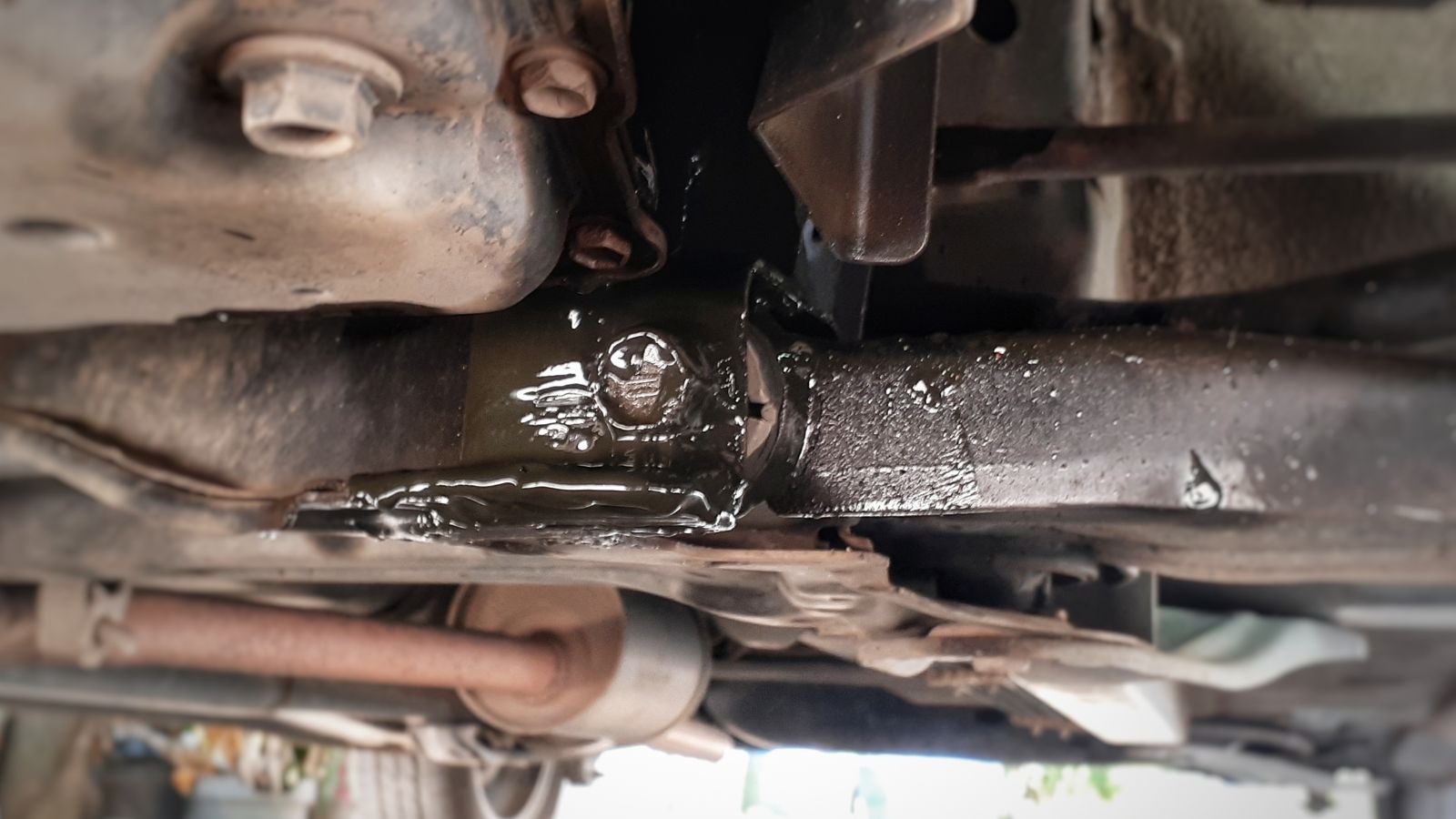
A few drops of oil under an older vehicle can quickly become part of the scenery. Drivers may tell themselves that the engine is simply “using a little oil,” particularly if the dipstick still shows an acceptable level. The problem is that leaking fluids are recognized warning signs of an engine that may need attention, and lubrication is fundamental to controlling friction, heat and wear inside an engine.
Oil problems also have a way of escalating quietly. A minor gasket or seal leak may initially require little more than monitoring and repair, while chronically low oil can leave internal components inadequately lubricated. CAA specifically warns that neglecting engine-oil replacement can contribute to poor engine performance, increased fuel consumption and severe engine damage. Toyota Canada similarly describes the oil, pump and filter as part of the system protecting an engine from friction-related wear and overheating. That makes the little dark spot underneath a parking space less cosmetic than it appears. Checking the level and identifying the source early can be far cheaper than discovering the problem after lubrication has already been compromised.
Coolant That Keeps Disappearing
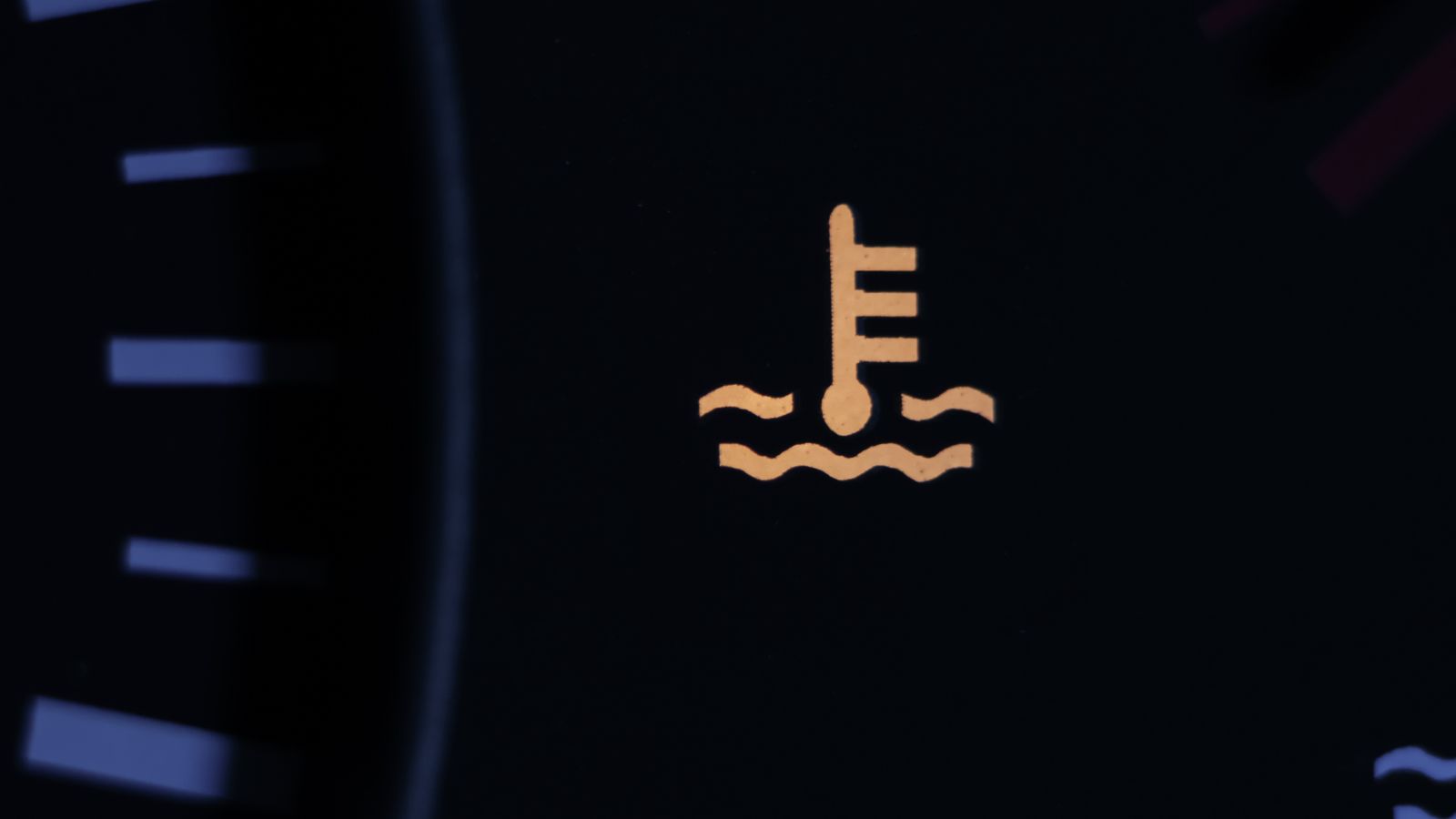
Some drivers become accustomed to topping up coolant every few weeks without asking why the reservoir keeps dropping. That approach treats the symptom while leaving the cause unresolved. Cooling systems rely on components including the radiator, thermostat, water pump and hoses to remove engine heat and maintain the appropriate operating temperature. A persistent loss of coolant deserves investigation rather than an endless supply of replacement fluid.
The expensive scenario arrives when the engine starts overheating. CAA advises drivers to take an engine-temperature warning seriously because overheating can cause major damage or even engine failure. A slow leak can originate from a hose or connection, but cooling-system problems can also involve the radiator, water pump, thermostat or other components. Canadian temperature extremes make proper coolant particularly important because the system must perform through both summer heat and winter cold. If the temperature gauge climbs unusually high, a warning appears or coolant repeatedly disappears, the economical strategy is usually to find the fault while it is still a cooling-system repair rather than waiting until excess heat creates engine damage.
Brake Squeals That Become Grinding
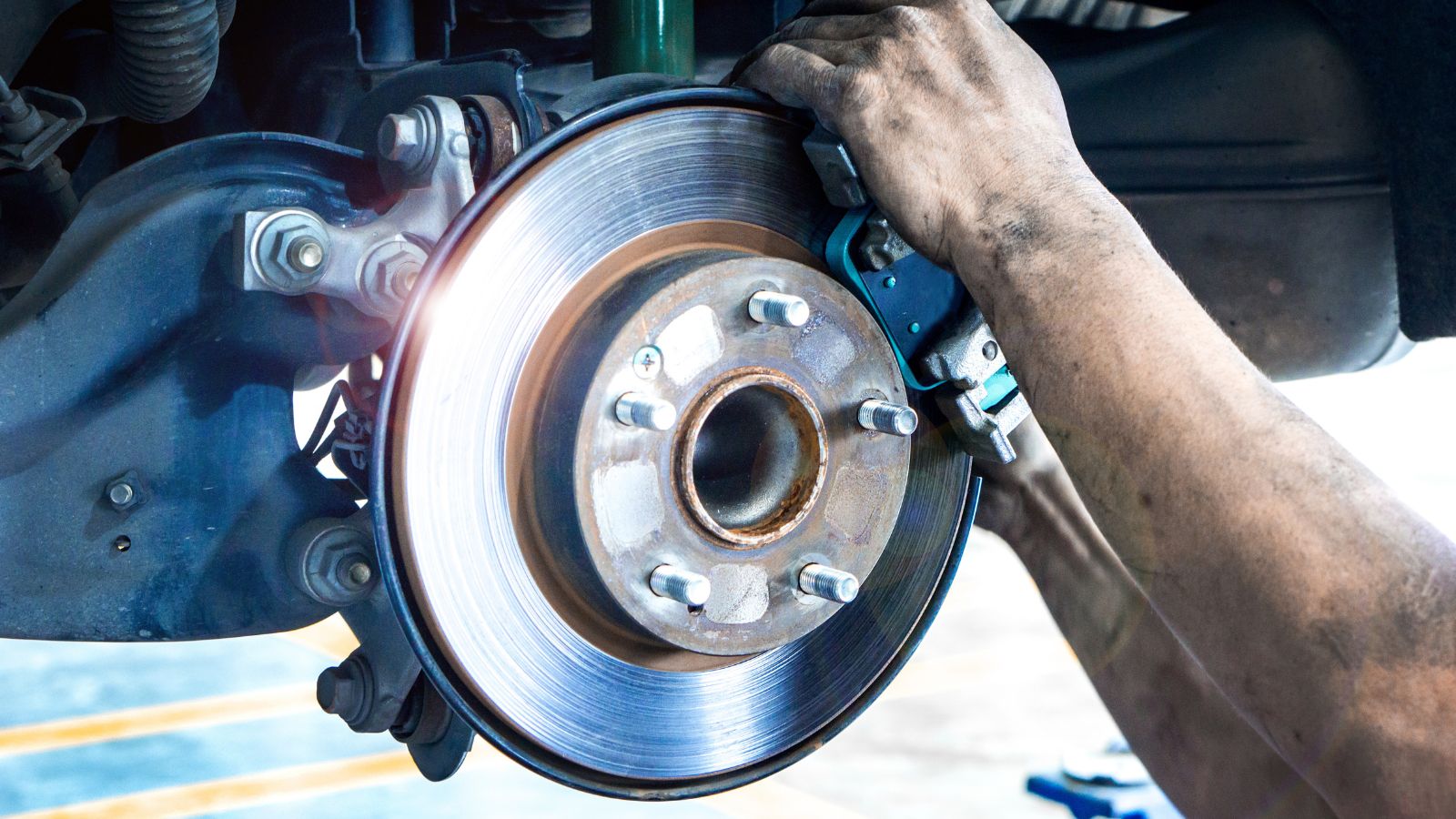
Brake noise often begins gradually. A light squeal appears during the morning commute, disappears for a few stops, then returns strongly enough that passengers start noticing it. Because the car still stops, it can be easy to push brake service into another month. CAA advises having brakes inspected when their feel changes or when squealing or grinding develops, particularly because braking performance becomes especially important on slippery Canadian roads.
Waiting until a grinding noise appears can change the economics of the repair. Brake systems are designed with friction components that wear and require replacement. Continuing to operate severely worn components can allow damage to spread beyond the parts that were intended to be replaced periodically. There are also warning signs beyond noise: pulling, unusual pedal feel or a brake warning lamp can indicate that attention is needed. Surface corrosion can develop on brake rotors when vehicles sit, too, with CAA noting that it can appear after only several days of inactivity. A brake inspection may be inconvenient, but treating braking noises as background music is an unusually poor place to economize.
Tire Pressure That Is Always “A Little Low”
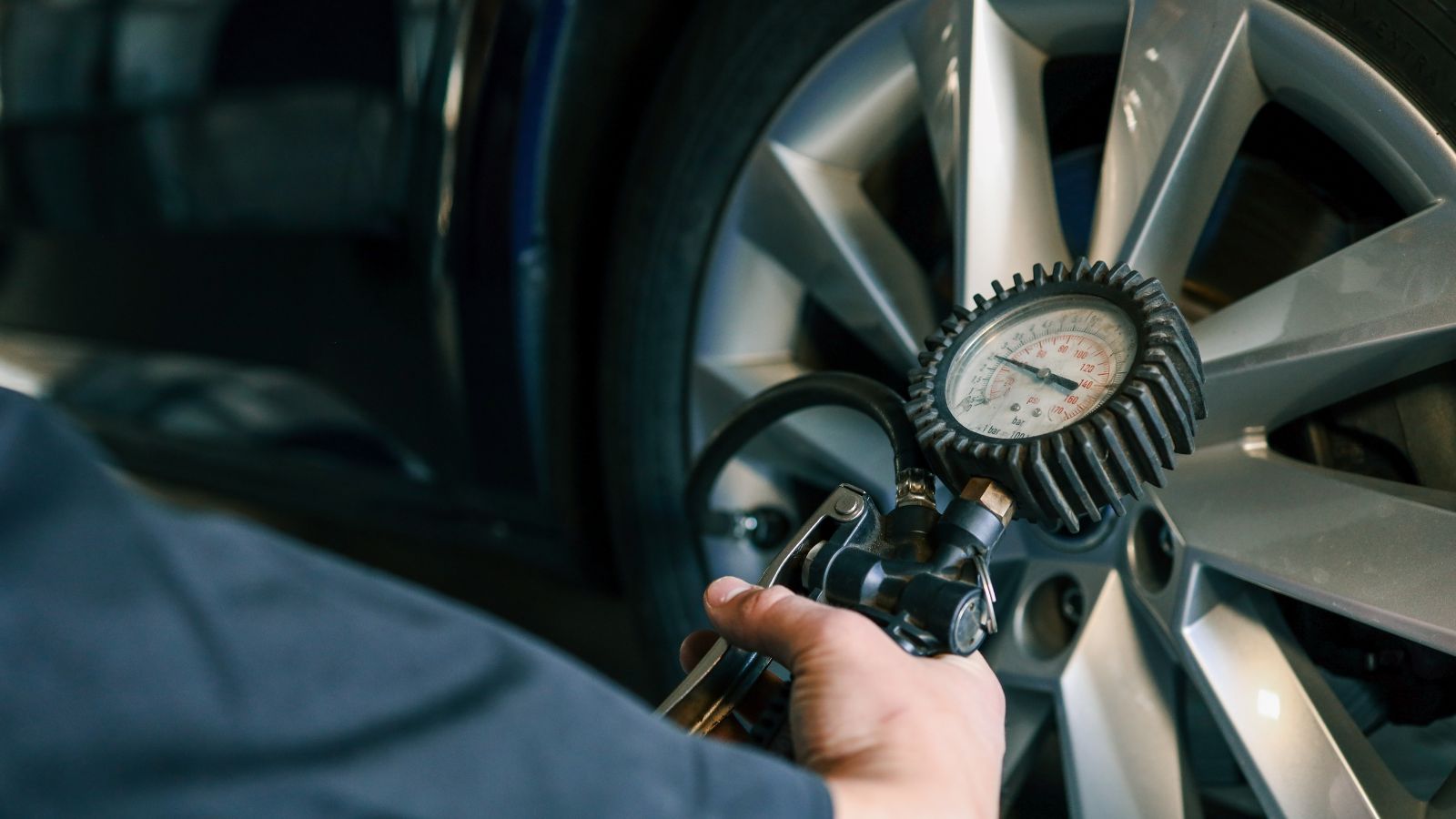
A tire that needs occasional air can seem like a minor nuisance, especially when temperature changes are involved. Transport Canada advises checking pressure when tires are cold and using the vehicle manufacturer’s specified pressure. Canadian winters make this particularly relevant because tire pressure falls as temperatures drop, meaning a tire that appeared adequately inflated in a warm garage may be low once the vehicle spends time outside.
The cost of neglect is not limited to the possibility of a flat. Incorrect inflation affects how tires wear and perform, while under-inflation increases rolling resistance. Natural Resources Canada has estimated that fuel consumption rises by roughly 2% for every 28 kilopascals, or 4 psi, of under-inflation. A tire that repeatedly loses pressure could also have a puncture, valve problem, wheel issue or another source of leakage that deserves attention. Checking all four tires—and the spare where applicable—takes only minutes. Repeatedly adding air without investigating a persistent loss, however, can eventually turn an inexpensive repair into premature tire replacement or leave the driver stranded.
Winter Tires That Are Technically Not Bald Yet

A winter tire does not have to be completely bald to become a concern. Drivers sometimes look at visible tread, decide there is “still plenty left,” and attempt to squeeze another snow season out of an aging set. Transport Canada takes a more cautious position for winter use, advising against using tires worn close to 4 millimetres of tread depth on snow-covered roads because traction diminishes as tread wears.
That figure matters in Canada because the legal or physical minimum at which a tire becomes unusable is not necessarily the sensible point for severe winter conditions. Tread grooves need room to deal with snow, slush and water. Transport Canada also recommends putting the tires with the deepest tread on the rear axle when tread depths differ, helping maintain directional control. Extending tire life by a few additional months can appear financially sensible when four replacements represent a substantial purchase. The calculation changes, however, when deteriorating winter performance is considered. Measuring tread with an inexpensive gauge before the season begins provides a more useful answer than judging tires from several metres away in the driveway.
The Steering Wheel That Suddenly Sits Crooked
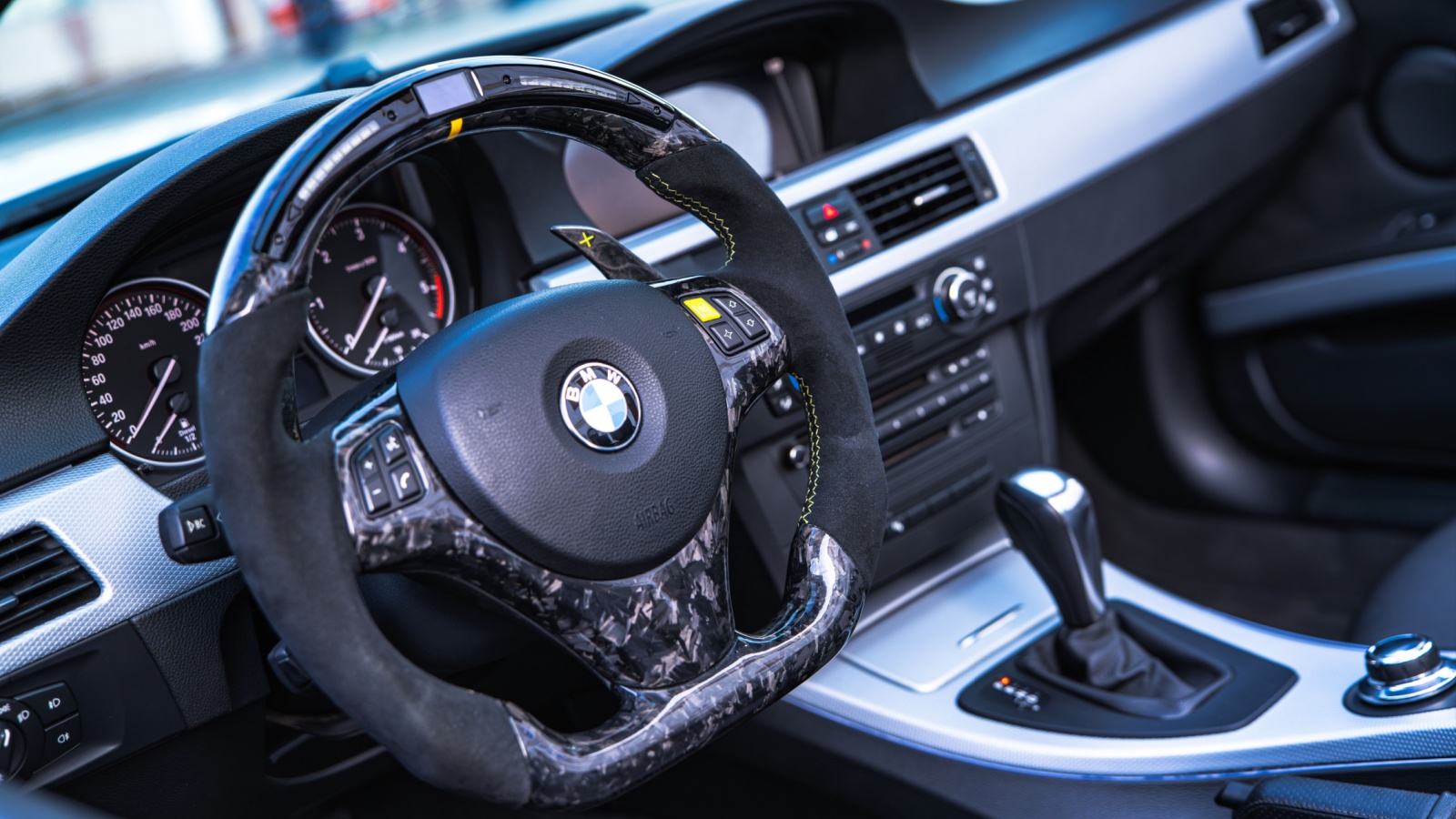
After a hard pothole strike, a car may continue driving normally enough that the incident is soon forgotten. Then the steering wheel appears slightly off-centre, the vehicle begins drifting on a flat road or one tire starts wearing differently. These are classic reasons to have wheel alignment and related steering components inspected rather than assuming the car simply “likes pulling to the right.”
Potholes give this problem a distinctly Canadian flavour. CAA-Quebec notes that strong impacts can damage control arms or tie rods and can knock wheel alignment out of specification. Its published repair estimates illustrate why an early inspection can matter: alignment alone may be relatively modest compared with replacing damaged steering or suspension hardware and prematurely worn tires. Alignment problems can also compound themselves because tires no longer meet the road at their intended angles. A driver who spends months correcting a constant steering pull may eventually discover that the price is not merely an alignment—it is an alignment plus tires and whatever worn or bent component caused the geometry to move in the first place.
Suspension Clunks After Pothole Season
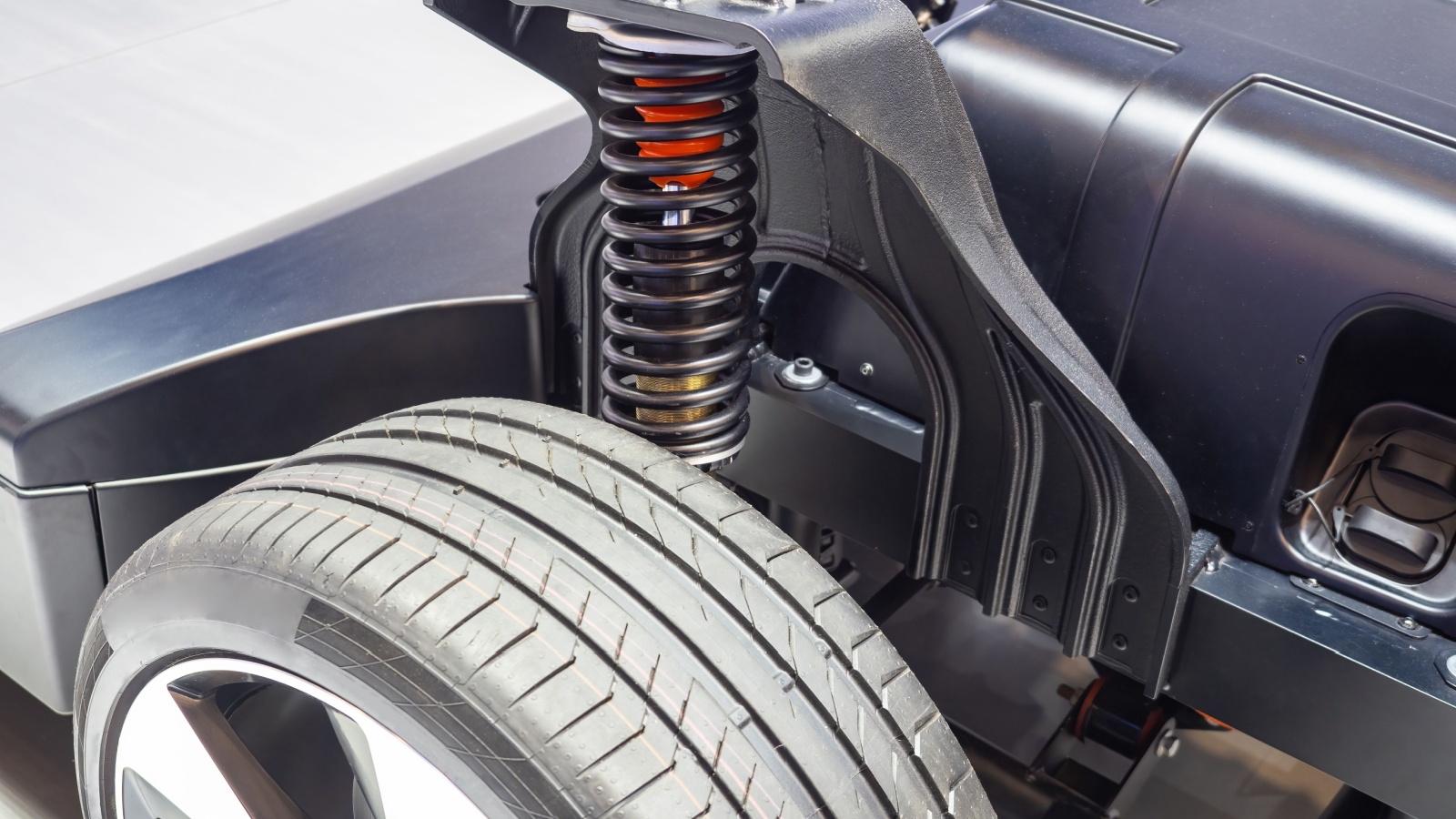
A dull clunk from beneath the vehicle is remarkably easy to normalize. On rough spring streets, there is always another excuse: a loose item in the trunk, bad pavement or the winter tires. But suspension components absorb the forces created by uneven roads, and a pothole impact can weaken or damage parts even when nothing immediately breaks. CAA-Quebec specifically identifies shocks, control arms and tie rods among components that can suffer pothole-related damage.
Drivers should pay attention when the vehicle begins bouncing more than it used to, feels unsettled through turns or produces new knocks over bumps. B.C.’s vehicle regulations, for example, require shock-absorbing devices to be present and operative and specify standards for steering and suspension components. That reflects their importance to predictable vehicle control rather than simple ride comfort. The costly part of ignoring suspension wear is that the effects do not necessarily remain isolated. Poorly controlled wheel movement and altered alignment can contribute to irregular tire wear, while loose steering components can progress further. A new clunk deserves curiosity before it becomes the permanent soundtrack of the commute.
The Battery That Needs “Just One More Boost”
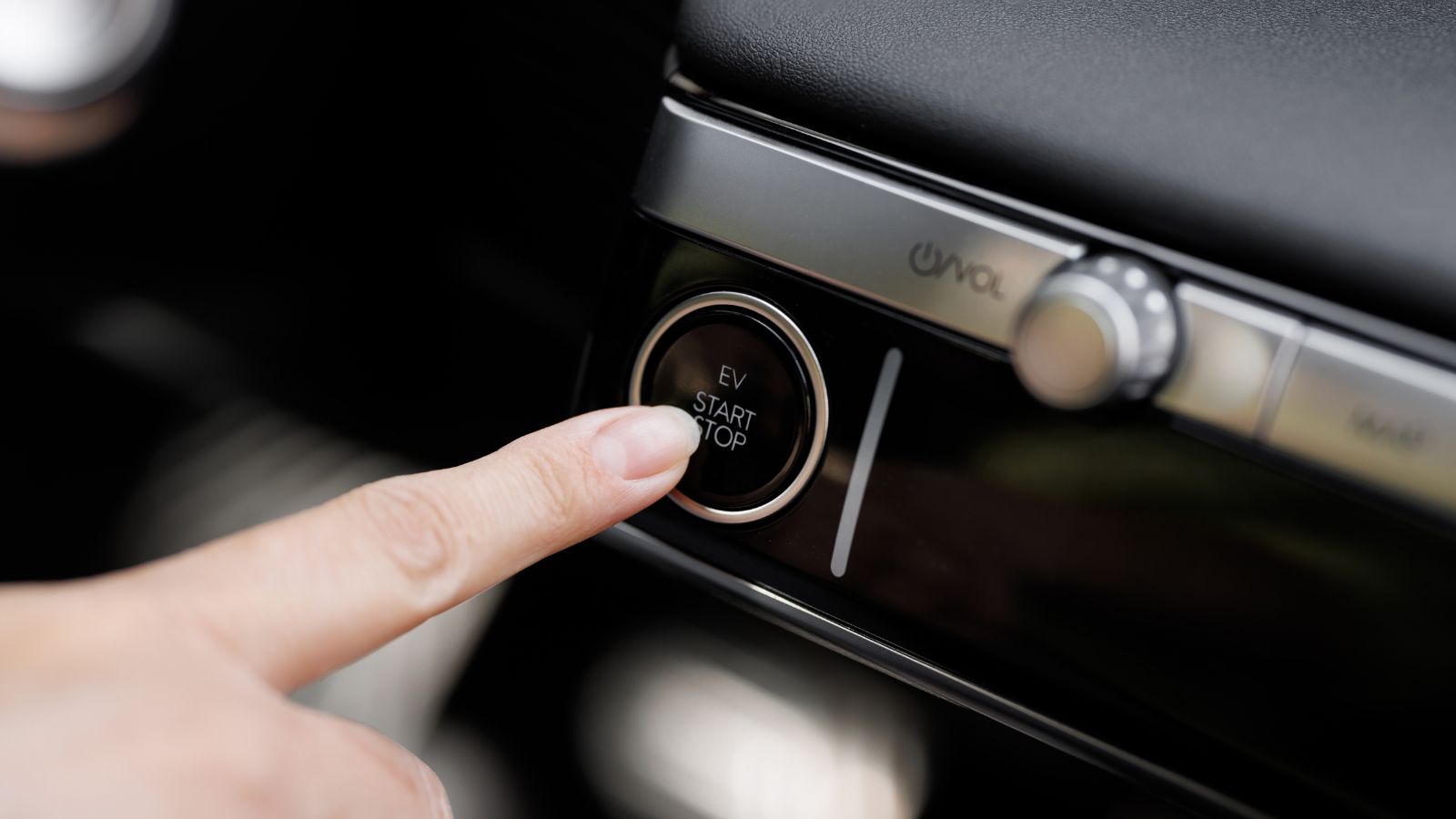
The first slow start on a freezing morning often gets blamed on the weather. The second gets a boost. By the third, jumper cables have become part of the morning routine. Cold temperatures do make starting harder, but repeatedly reviving a weak battery does not restore its underlying health. CAA says automotive batteries work harder in cold temperatures and notes that batteries in roughly the three-to-five-year range may be approaching failure.
Battery deterioration can also appear through corrosion around terminals, visible swelling or unreliable cranking. Short trips and prolonged periods of inactivity can make matters worse because the battery may not regain enough charge between starts. CAA has advised drivers of seldom-used vehicles to consider a battery maintainer and notes that batteries gradually discharge when cars remain parked. The economical time to test a questionable battery is before the vehicle refuses to start in a parking lot during a cold snap. A planned battery replacement is predictable. An emergency boost, tow or missed workday caused by squeezing one final winter out of a failing unit can make the same maintenance item considerably more disruptive.
The Battery Light That Is Not Really About the Battery
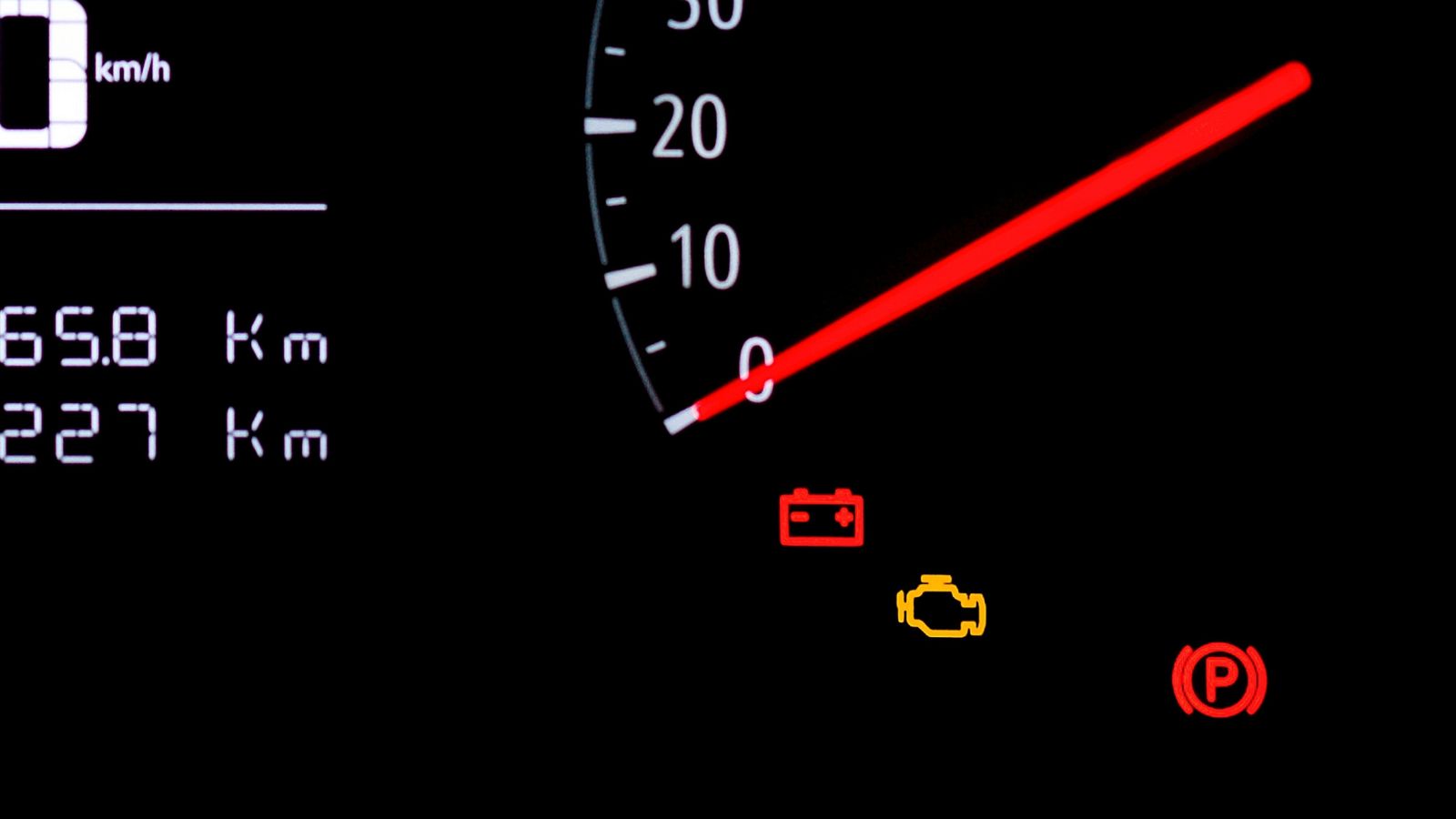
Drivers often see a battery-shaped dashboard symbol and conclude that the battery itself needs replacement. The charging system is more complicated. In a conventional gasoline vehicle, the battery provides the power needed to start the engine, while the alternator supplies electrical power once the vehicle is running and replenishes the battery. A charging-system fault can therefore leave a perfectly serviceable battery slowly running out of energy.
CAA’s dashboard guidance says a battery warning lamp can indicate a problem with either the battery or the charging system. That distinction matters because installing a new battery without testing the system may only produce another dead battery later. Symptoms can include dimming lights, electrical oddities, hard starting or a warning that appears while driving, but vehicle-specific behaviour varies. Once the charging system stops maintaining adequate voltage, the vehicle may eventually shut down as stored battery energy is depleted. A professional charging-system test can separate battery failure from alternator, belt, wiring or connection problems. Diagnosing the actual fault beats repeatedly replacing whichever component happens to be easiest to blame.
Transmission Fluid That Never Gets Checked
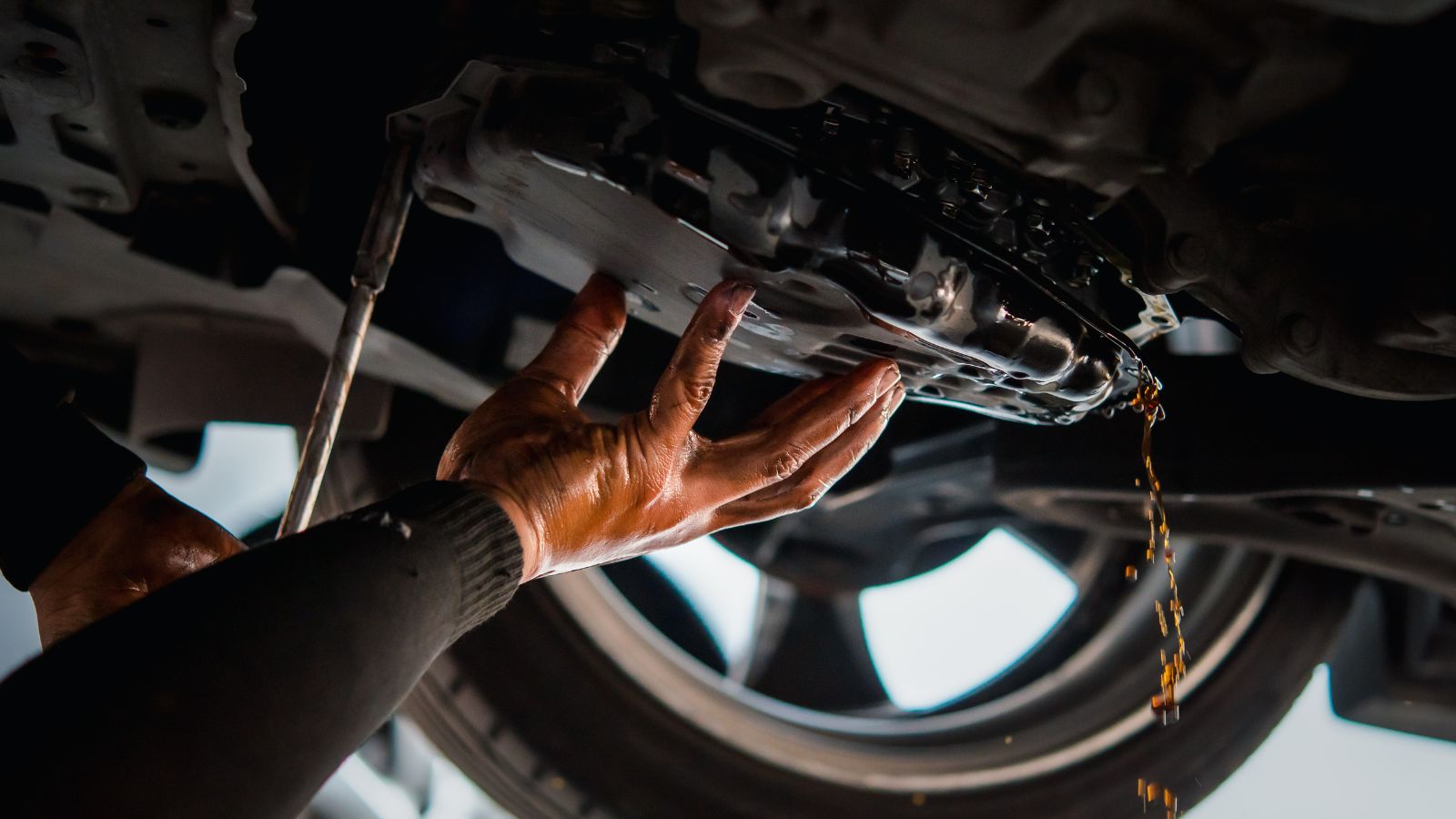
Modern transmissions can create the impression that their fluid is something owners never need to think about. There may be no convenient dipstick, and service intervals vary significantly among vehicles. Yet CAA includes transmission fluid among the fluids that may require attention, while automakers publish vehicle-specific maintenance schedules covering drivetrain fluids and inspections.
The warning signs should not be dismissed merely because the vehicle still moves. A fluid leak under the car, new hesitation, rough shifting or a change in transmission behaviour warrants diagnosis. Ford Canada, for example, lists leaking fluids among key signs that an engine or powertrain may need service, while Toyota explains that transmission and differential systems rely on fluids that should be checked or replaced according to the prescribed schedule. This is one area where generic rules can be misleading: the correct fluid, procedure and interval depend on the vehicle. Owners are better served by the maintenance schedule than by the belief that transmission fluid lasts forever. A fluid service is maintenance; repairing significant internal transmission damage is an entirely different financial category.
The Hum That Changes With Road Speed

A humming or growling noise can spend months hiding behind winter tires, coarse pavement and ordinary road noise. When the sound rises and falls with vehicle speed, however, wheel and hub components deserve attention. Wheel bearings allow the wheel assembly to rotate while supporting substantial loads, and Canadian inspection standards specifically treat bearing condition as a safety-related maintenance concern.
B.C.’s Motor Vehicle Act Regulations state that wheel bearings must not be broken or improperly adjusted. Ontario’s passenger-vehicle inspection material similarly directs technicians to rotate wheel and hub assemblies and check for bearing roughness or binding. Pothole impacts can also contribute to wheel, hub and bearing damage. The important point for drivers is not to diagnose a bearing solely by sound—tires and other rotating parts can produce similar noises—but to have a new persistent hum investigated. A bearing problem identified early may be limited to a hub or bearing assembly. Continuing until excessive play, vibration or major deterioration develops risks damaging surrounding components and can turn an irritating sound into a much more urgent repair.
Rust Underneath, Not Just on the Body
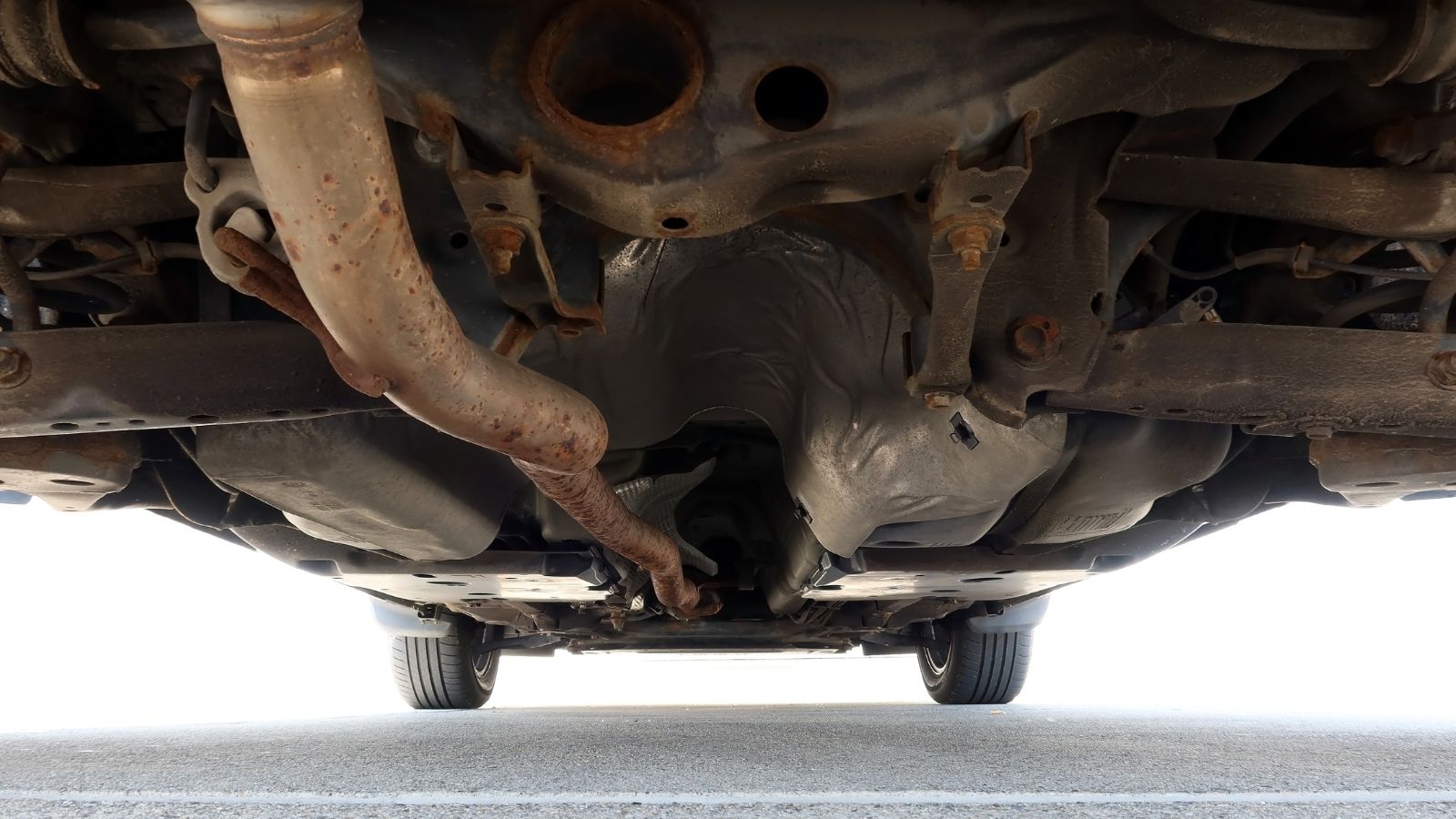
A rust spot on a fender looks cosmetic. Corrosion underneath the car can be something else entirely. Canadian vehicles face regular exposure to moisture, road grime, salt and brine, particularly in regions where de-icing materials are heavily used. CAA recommends cleaning winter salt and debris from the vehicle and undercarriage and lists underbody washing and rust protection among measures that can help combat corrosion.
The areas that deserve attention extend beyond visible body panels. Brake lines, mounting points, exhaust components and structural areas all live underneath the vehicle. Ontario inspection standards distinguish ordinary surface rust from corrosion severe enough to affect components, and brake tubing is specifically inspected for leaks and deterioration. A driver who ignores a bubbling wheel arch may eventually have a cosmetic repair to consider; ignoring heavy corrosion on a brake line has a very different consequence. Periodic underbody inspection is especially worthwhile on older vehicles because corrosion can develop where owners rarely look. The inexpensive stage is cleaning, protection and dealing with localized deterioration. The expensive stage begins when rusty components have to be cut out or replaced.
The Windshield Chip Waiting for Spring
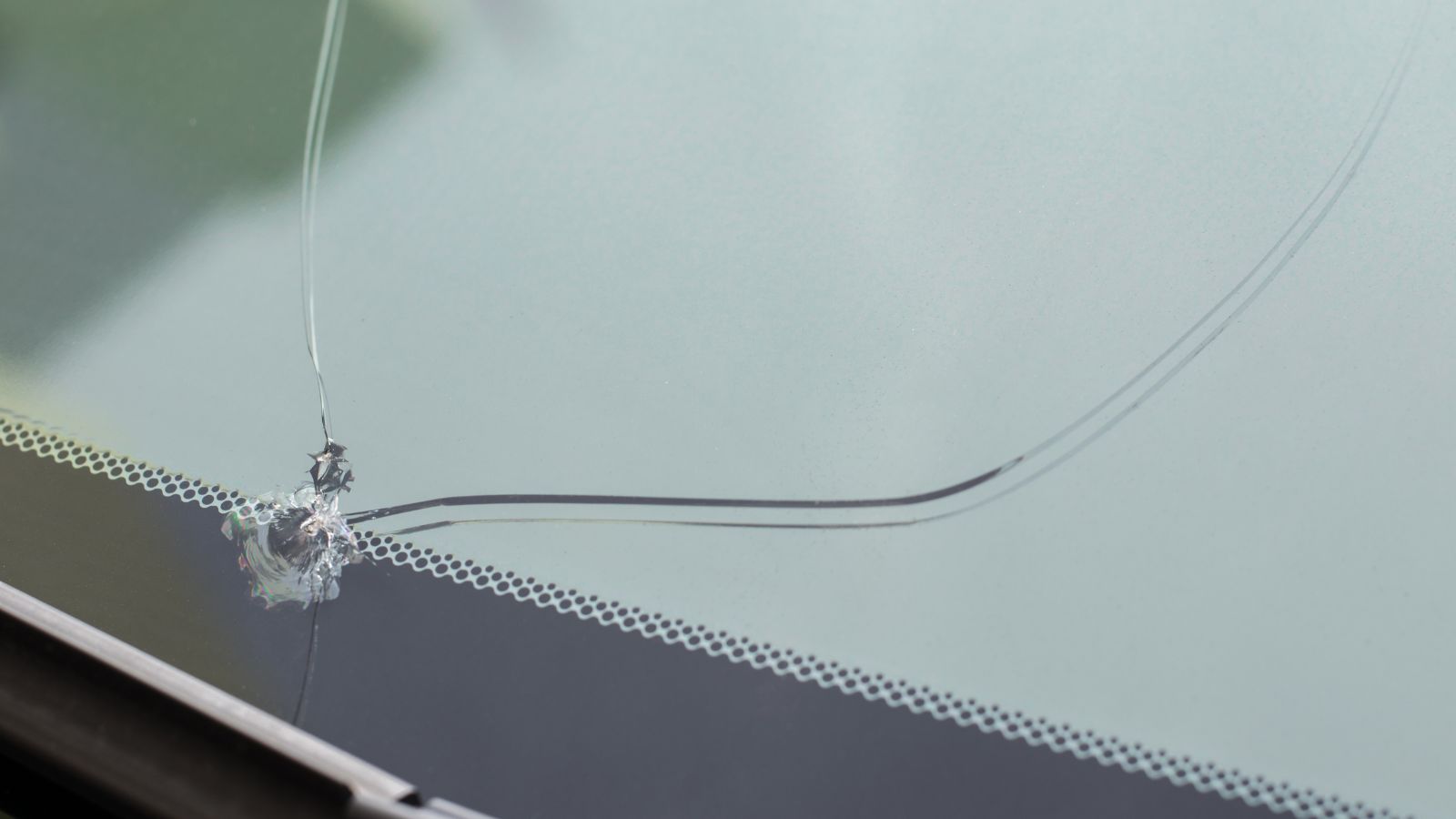
A tiny stone chip often feels too insignificant to schedule a repair around. Then the temperature drops overnight, the defroster heats the glass in the morning, and a short mark becomes a crack stretching across the windshield. CAA-Quebec advises owners not to delay because an unrepaired chip can spread until the windshield requires replacement, which costs more than repairing suitable minor damage.
Repairability depends on the size, location and nature of the damage. ICBC, for example, allows qualifying chip repairs under its Glass Repair Program when certain conditions are met, including limits involving the chip’s size and position. A long crack or damage affecting the driver’s field of vision is much less likely to remain a straightforward chip repair. Visibility also matters legally and practically: B.C. rules prohibit operating a vehicle when windshield condition impairs the driver’s vision. For Canadians dealing with gravel, highway debris and dramatic temperature swings, early chip repair is one of those rare maintenance decisions where the cheaper option can disappear simply because the owner waited too long to use it.
The Exhaust Noise That Gets Gradually Louder
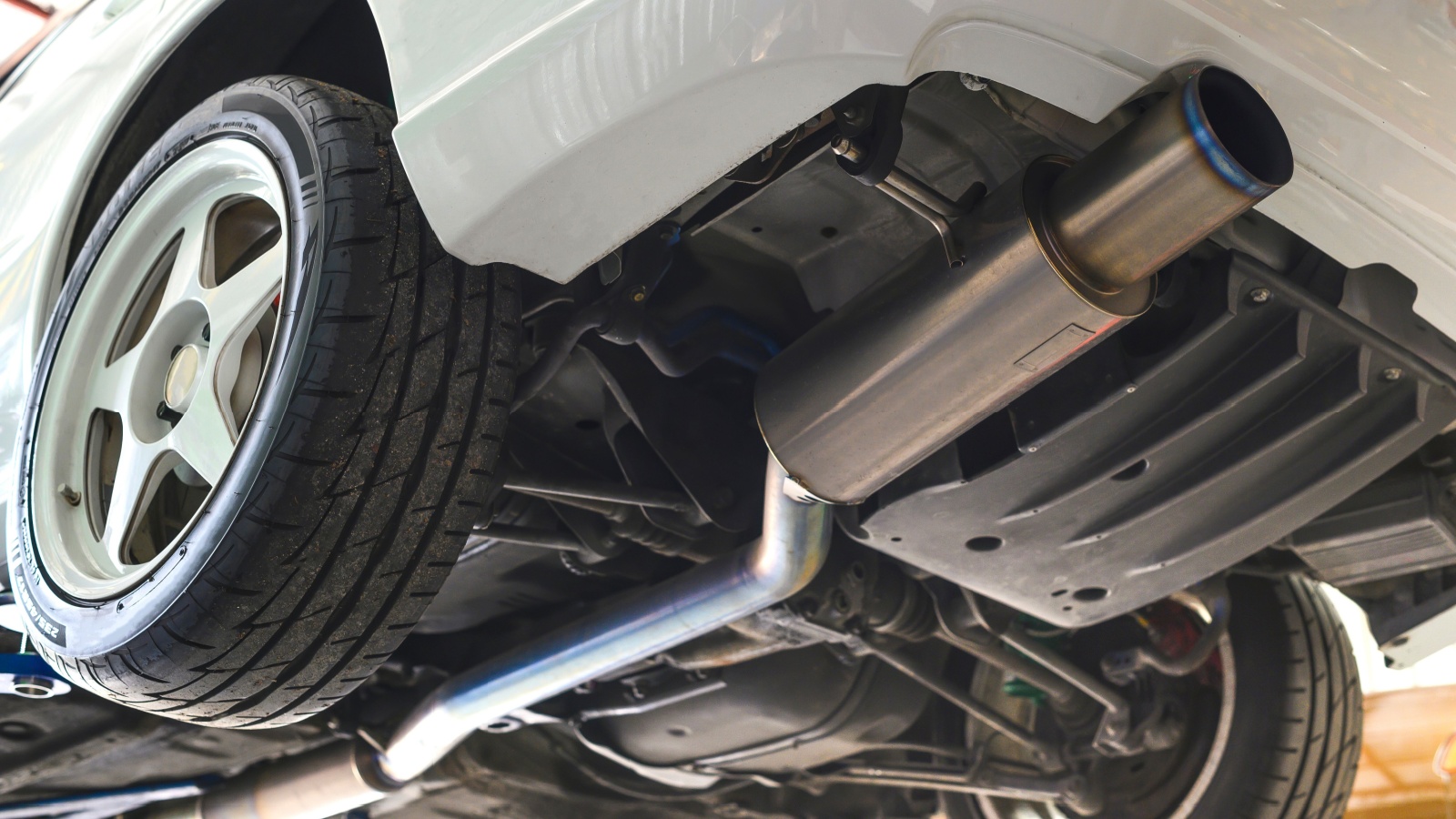
An exhaust leak often announces itself gradually. The car becomes slightly louder, a metallic rattle appears underneath or an unfamiliar exhaust smell occasionally reaches the cabin. Because the engine may continue running normally, drivers can postpone inspection for months. CAA’s winter-vehicle guidance specifically recommends checking the exhaust system for leaks because exhaust gases can allow deadly carbon monoxide to enter the passenger compartment.
Corrosion makes this particularly relevant to Canadian vehicles. Mufflers, pipes, flanges and heat shields live beneath the car where they face moisture, salt and road debris. B.C. regulations require internal-combustion vehicles to have an exhaust muffler and prohibit operating with the muffler disconnected from the engine. A minor exhaust problem might involve a clamp, gasket or localized section, while advanced corrosion can require replacement of much larger portions of the system. The safest approach is to treat a new exhaust sound or smell as something to diagnose rather than a personality trait acquired with age. No repair bill is worth gambling with fumes entering an enclosed cabin, especially during winter when windows are usually closed.
Cracked Hoses and Worn Drive Belts
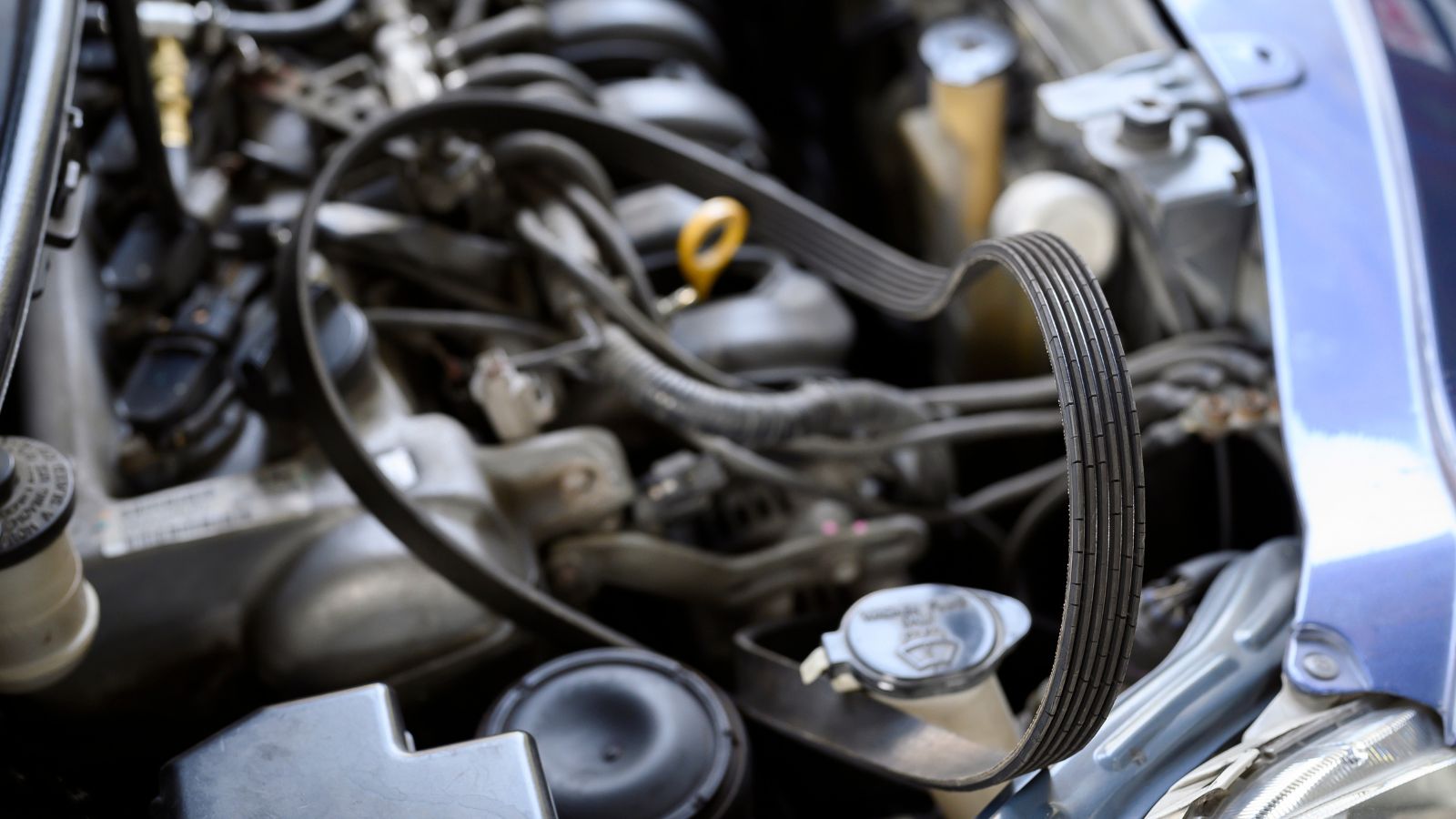
Belts and hoses are classic examples of components that receive little attention until one breaks. They spend most of their lives out of sight, and minor surface cracking does not necessarily affect how the vehicle feels during the daily commute. Yet belts drive important accessories on many vehicles, while cooling-system hoses have to contain hot, pressurized coolant through repeated heating and cooling cycles.
CAA recommends checking radiator hoses and drive belts for cracks and leaks as part of winter preparation. It also advises verifying the condition of the radiator cap, water pump and thermostat and testing coolant strength and level. The details vary considerably by engine design—some vehicles use different belt layouts and maintenance strategies—so the owner’s manual remains the proper guide. What should not vary is the reaction to obvious deterioration. A leaking hose can become a major coolant loss, and a failed accessory belt may disable systems the vehicle needs to continue operating safely. Replacing aging rubber components during scheduled maintenance is far easier than discovering their condition after steam appears from under the hood.
Worn Spark Plugs and Ignition Problems
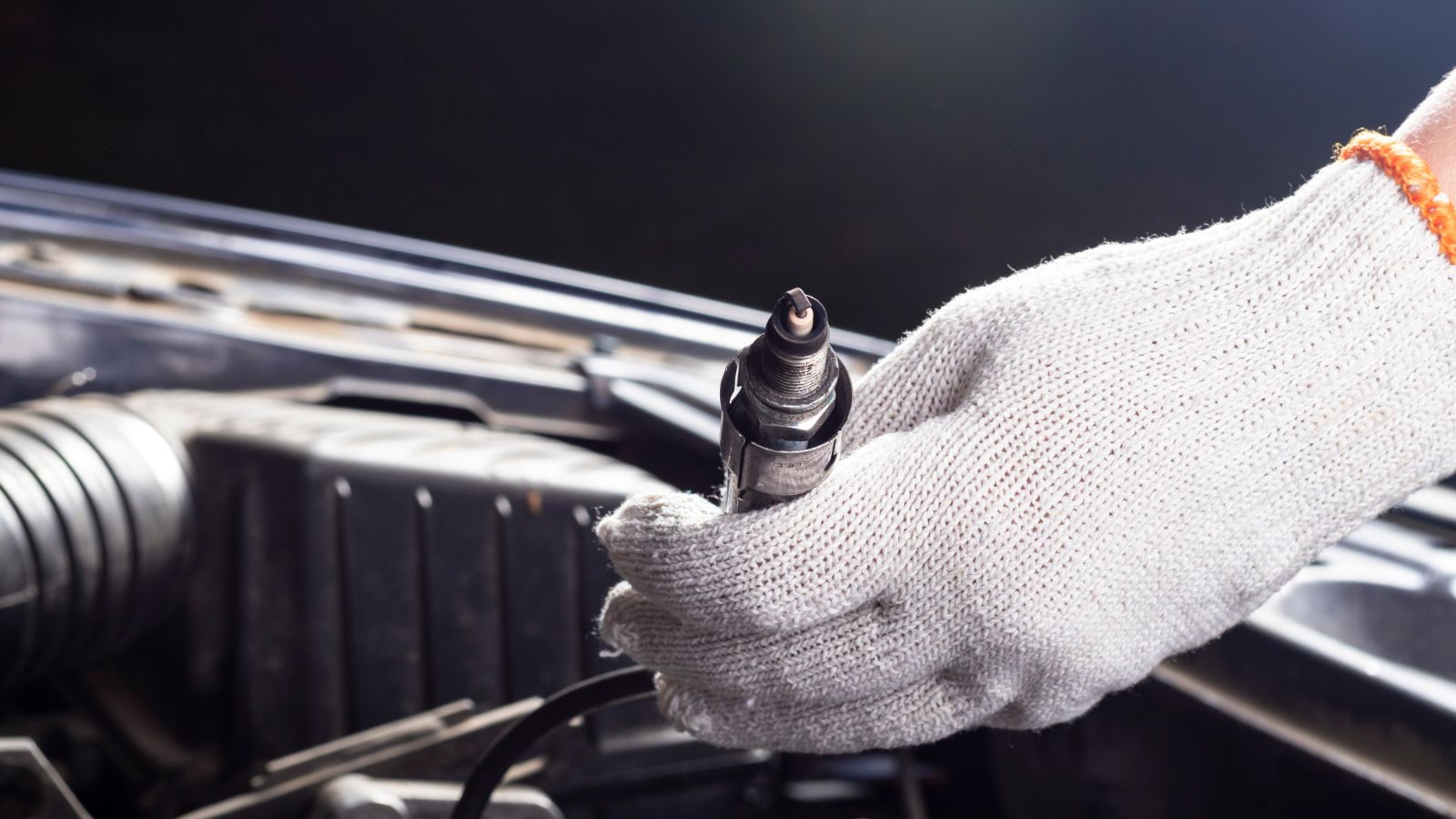
A slight stumble at idle or occasional hard start is easy to blame on cold weather or questionable fuel. Ignition components deserve consideration, especially when symptoms become repetitive. CAA’s winter-care guidance recommends checking spark plugs and related ignition components because faults can make starting difficult and can eventually contribute to breakdowns.
Spark plugs are consumable maintenance items, although replacement intervals differ widely among engines and plug types. CAA has also noted that aging or misfiring plugs can hurt engine performance and fuel efficiency. The driver may initially notice nothing more dramatic than roughness, reduced power or increased fuel use. Ignoring a persistent misfire is particularly unwise because the underlying cause may not actually be the plug; coils, injectors, wiring or engine problems can produce similar symptoms. That is why diagnosis matters more than simply installing a set of plugs whenever the engine runs poorly. Following the manufacturer’s maintenance interval and investigating persistent misfires early can keep a routine ignition-service issue from becoming a broader drivability or emissions-system repair.
The Engine Air Filter Nobody Remembers
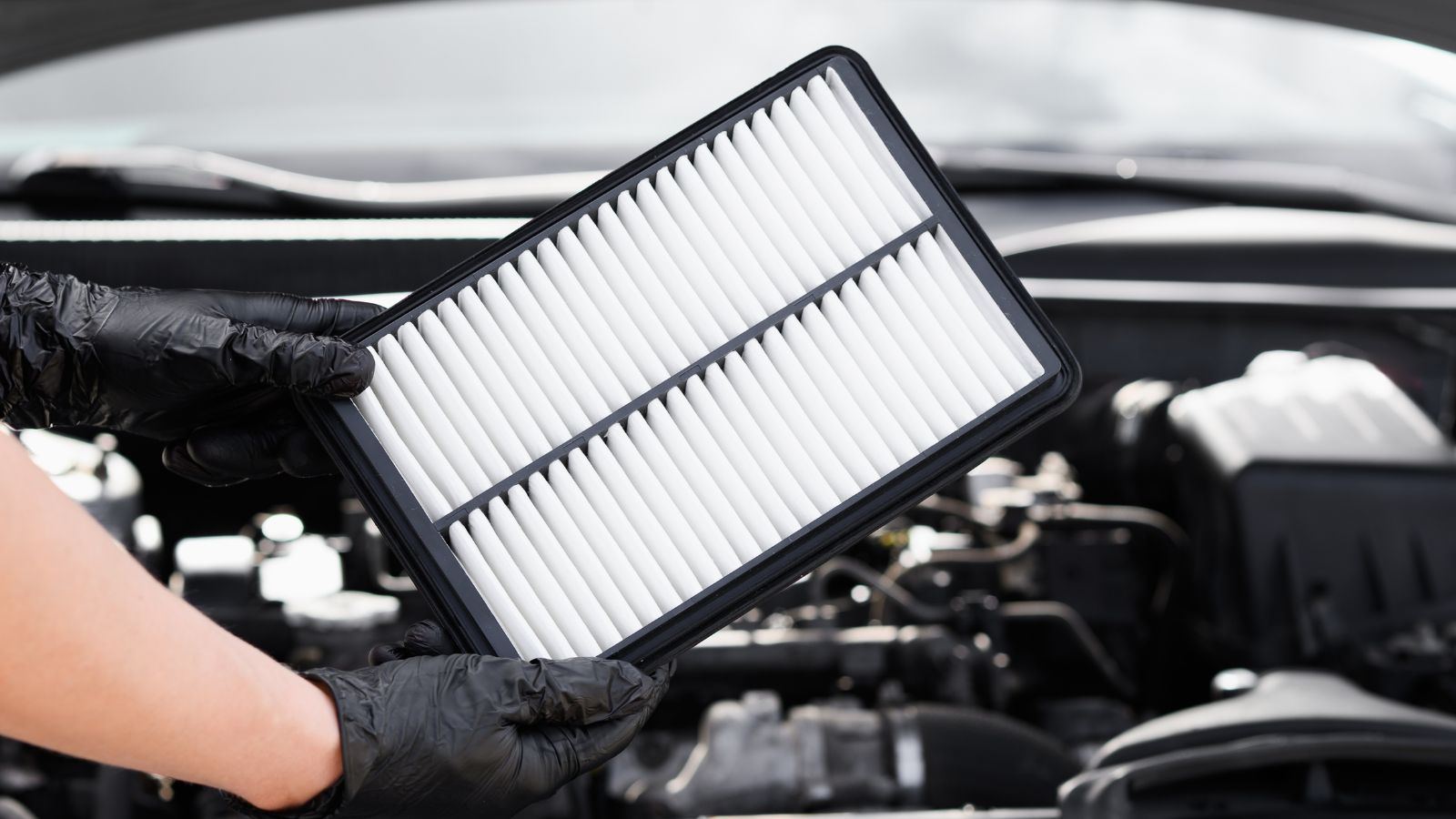
Engine air filters rarely generate dramatic warning signs. There is no puddle on the driveway and usually no loud mechanical noise. They simply collect dirt as intended until airflow becomes increasingly restricted. Because the decline can be gradual, drivers may adapt to reduced performance without realizing anything has changed. CAA includes air-filter replacement among routine vehicle maintenance costs and has advised checking dirty filters as part of keeping a vehicle operating efficiently.
Replacement intervals depend on the vehicle and operating environment, so mileage rules should come from the manufacturer’s schedule rather than a universal number. Driving regularly on dusty gravel roads, for example, can create very different conditions from commuting primarily on paved highways. Automakers such as Toyota include filter inspection or replacement within scheduled service programs. The air filter is also a good example of why small maintenance expenses are easier to tolerate than deferred-maintenance chains. An inspection takes little effort and replacement is generally straightforward. Letting routine servicing repeatedly slide can leave several inexpensive items overdue at once, turning what should have been predictable maintenance into a surprisingly large visit to the repair shop.
The Recall Notice Buried in an Email

Not every expensive or dangerous vehicle problem announces itself through a noise or warning light. Sometimes the warning arrives as a recall notice that is read, mentally filed away and forgotten. Transport Canada maintains a national database of safety recalls and allows Canadians to check recall information, including through vehicle identification numbers where supported.
A recall means a safety-related defect or non-compliance has been identified and corrective action has been announced. Owners should follow the manufacturer’s instructions and arrange the prescribed remedy rather than assuming that the absence of symptoms means the vehicle is unaffected. Used vehicles deserve particular attention because notices may have gone to a previous owner. Transport Canada specifically advises checking recalls when purchasing a used vehicle and provides records extending back decades. Many recall repairs are performed by manufacturers without charging the owner, depending on the campaign. That makes ignoring an open recall especially difficult to justify: the driver may be postponing a safety repair that does not carry the normal financial downside of elective maintenance. Checking a VIN periodically takes only a few minutes.
16 Costco Canada Habits That Could Be Costing Shoppers More Than They Save
The Executive Membership can feel like an obvious upgrade because the 2% annual reward sounds straightforward. For households that spend heavily at Costco Canada, the extra fee may be easy to justify. But the habit becomes costly when shoppers upgrade first and calculate later. A Gold Star Membership costs less, while Executive costs more and only pays off if eligible annual spending is high enough to offset the difference.
16 Costco Canada Habits That Could Be Costing Shoppers More Than They Save
