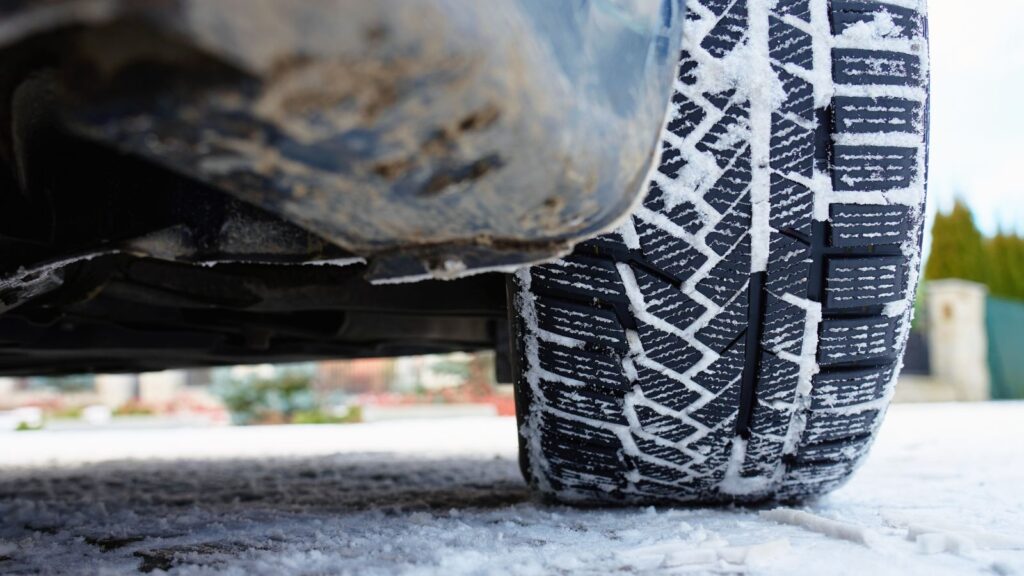
A winter road trip in Canada can cross more than one climate zone—and more than one set of tire rules. A setup that is legal in Alberta may not satisfy Québec’s winter-tire mandate, while a tire accepted on a signed British Columbia mountain route may not meet Québec’s definition of a compliant winter tire. Studded-tire seasons also shift by province, sometimes by several weeks, and Newfoundland and Labrador can extend its normal deadline when weather refuses to cooperate.
These 16 rules show how quickly the legal picture changes across Canada, from fixed calendar mandates and route-specific requirements to tread-depth standards, visitor exemptions and stud restrictions. For drivers moving between provinces, the safest assumption is not that one set of tires works everywhere, but that each jurisdiction—and sometimes each highway—needs to be checked before winter travel.
Québec Has a Fixed Winter-Tire Window
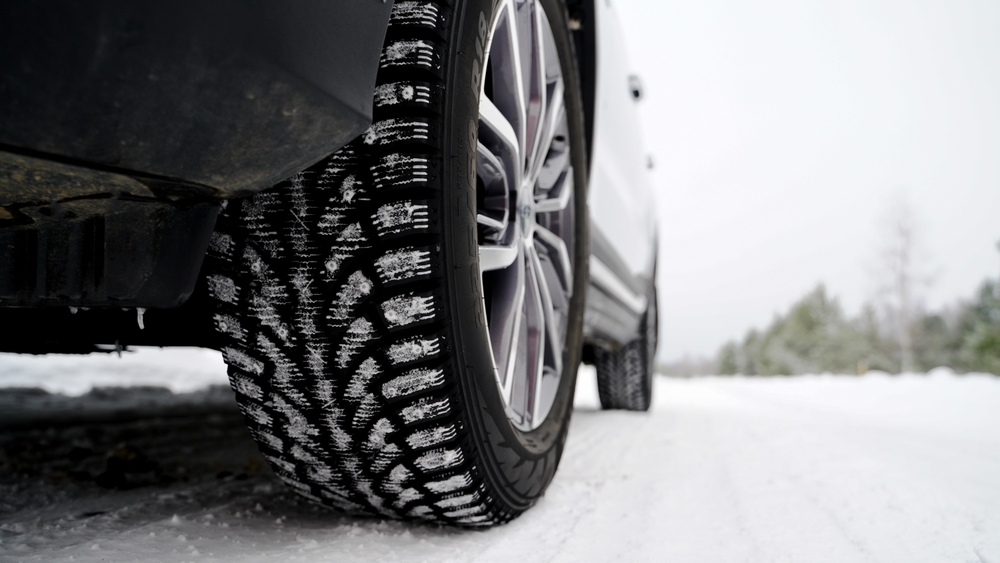
Québec has Canada’s clearest province-wide passenger-vehicle winter-tire calendar. Motor vehicles registered in the province generally must be fitted with compliant winter tires from December 1 through March 15. The rule includes rental vehicles registered in Québec, and drivers who ignore it can face a fine of $200 to $300. That makes the date on the calendar legally important even if Montréal is having a mild December or southern Québec sees an early spring.
The practical lesson is that weather alone does not decide when a Québec-registered car needs winter tires. A driver leaving Gatineau for a dry highway on December 2 is still inside the mandatory period, just as someone driving through a warm spell in early March remains covered by the requirement. Québec also recommends keeping winter tires on for a few weeks beyond March 15 because spring conditions can change quickly. The legal season has an end date, but the province’s safety advice recognizes that winter often does not.
Out-of-Province Plates Change the Québec Rule

Québec’s mandatory winter-tire law is tied to vehicle registration, not simply to crossing the provincial boundary. The province states that vehicles registered outside Québec are not subject to the December 1-to-March 15 winter-tire requirement. That distinction matters for a driver arriving from Ontario, New Brunswick or the United States: the vehicle is travelling on Québec roads, but it is not automatically pulled into the same equipment mandate that applies to a Québec-plated passenger car.
That exemption should not be mistaken for proof that all-season tires are a good choice for a January trip to Québec City or the Laurentians. It is a legal distinction, not a weather forecast. Snow, freezing rain and very low temperatures do not care where a licence plate was issued. For travellers, the rule is a useful reminder that Canadian winter-tire law can depend on both location and registration status. Two cars parked beside each other in Québec can therefore face different legal obligations even though they are driving through identical road conditions.
Québec Allows Narrow Seven-Day Exemptions

Québec’s winter-tire mandate has carefully defined exceptions rather than a broad “grace period.” The province lists situations involving newly acquired dealer vehicles, the final days of certain long-term leases, temporary registrations and several classes of vehicles that are not covered by the ordinary rule. The Société de l’assurance automobile du Québec can also issue a winter-tire exemption certificate that is valid for seven days in qualifying circumstances.
That can be useful when a vehicle must be moved for a reason that fits the exemption system, but it is not a general permission to delay installing winter tires. A driver who simply missed an appointment cannot assume that a week without compliant tires is automatically allowed. The details matter because Québec’s system is designed around documented exceptions. Motor homes are among the vehicles specifically excluded from the standard requirement, while ordinary Québec-registered passenger vehicles remain covered. This is the kind of rule that can surprise someone who remembers only the December 1 deadline but not the exceptions attached to it.
Québec Requires More Than an Ordinary M+S Mark

A tire that looks winter-oriented is not necessarily legally compliant in Québec. During the mandatory period, a tire designed for winter driving must carry the recognized three-peak mountain-and-snowflake pictogram or be studded. That is a crucial difference from British Columbia, where an M+S marking can meet the minimum legal winter-tire definition on designated routes. A conventional all-season tire marked only M+S may therefore be acceptable under one province’s winter-road rule but not under Québec’s.
For cross-country travellers, this is one of the most important examples of why the words “winter tire” can mean different things in law. A driver heading from Vancouver toward Montréal could have tires that satisfy a signed B.C. highway requirement yet fall short once the vehicle becomes subject to Québec’s registration-based mandate. Québec also says winter-tire grooves must not be below 1.6 millimetres and recommends at least 4.8 millimetres for winter use. The sidewall symbol and the tire’s remaining condition both matter when snow gets deep.
Québec Gives Studded Tires Their Own Calendar
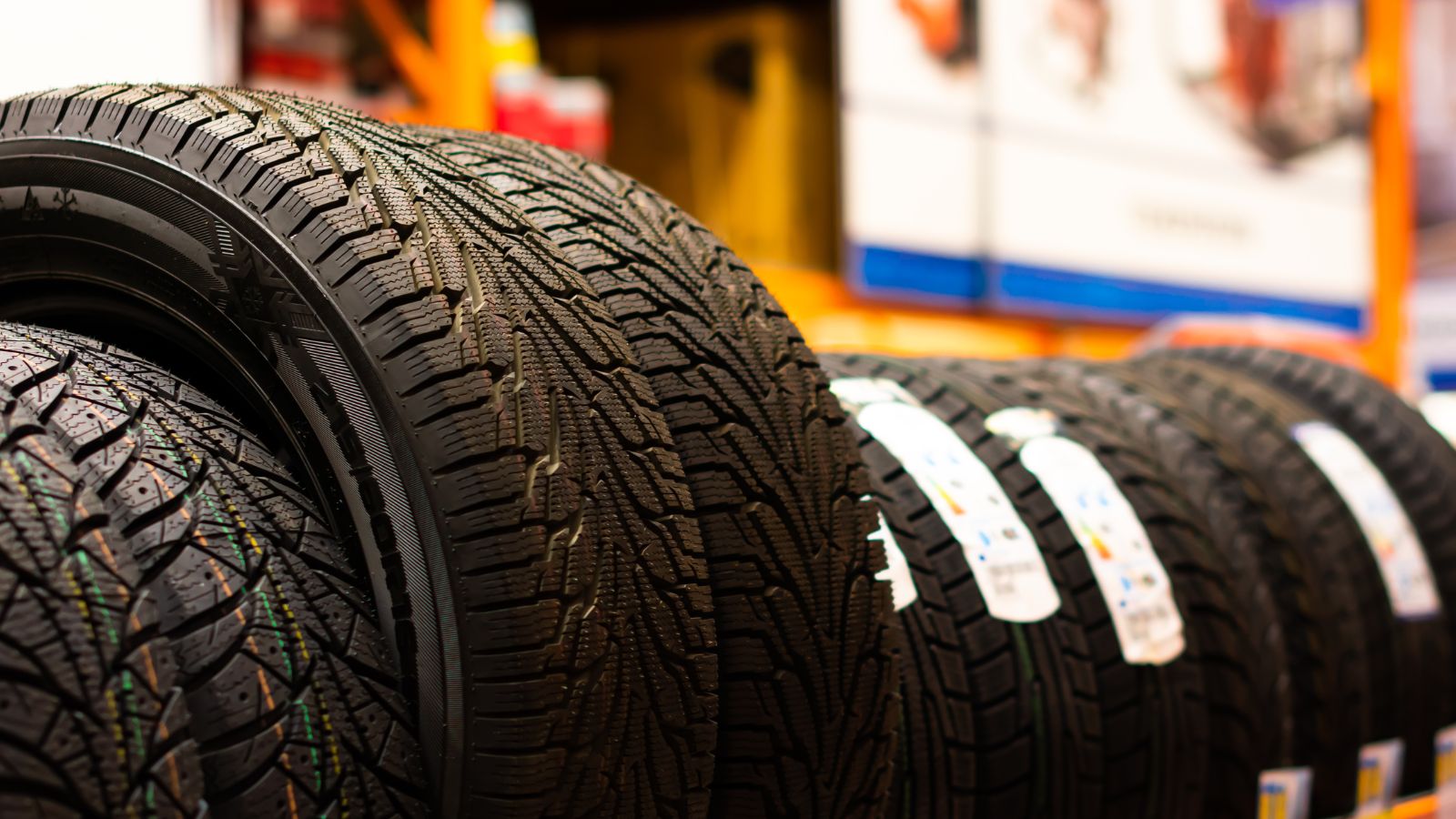
Studded tires follow a different Québec calendar from the province’s mandatory winter-tire season. Québec permits studs from October 15 to May 1 on passenger vehicles, taxis and certain commercial vehicles with a loaded mass not exceeding 3,000 kilograms. That means the legal stud window begins well before the December 1 winter-tire mandate and stretches beyond the March 15 end of that mandate.
The extra time can make sense in a province where icy mornings can arrive early and linger into spring, but the distinction is easy to miss. A driver may legally reach the end of the mandatory winter-tire period after March 15, while studded tires remain permitted for weeks afterward. Conversely, studs are not an all-year solution. Someone who leaves studded tires on deep into May risks moving outside the authorized period even though the same tires were legal only days earlier. Québec’s rules show why “winter tires” and “studded tires” should not be treated as interchangeable legal categories; each has its own dates and conditions.
B.C. Uses Signed Routes Instead of One Province-Wide Passenger Rule

British Columbia approaches winter equipment differently from Québec. Rather than imposing the same calendar rule on every passenger vehicle everywhere in the province, B.C. uses designated winter tire and chain routes. Most of those routes require winter equipment from October 1 to April 30, and regulatory signs identify where the rule applies. These are especially important on highways that cross mountain passes or areas with significant winter conditions.
That route-based system creates a practical trap for drivers who spend most of their time in a mild coastal city. A vehicle can feel perfectly adequate for local urban driving and then become non-compliant once it heads onto a signed highway toward the Interior. Enforcement officials can turn non-compliant motorists away and issue fines. The legal question is therefore not only “What province am I in?” but also “What road am I on?” In B.C., checking the route before a winter trip can be just as important as checking the forecast.
Some B.C. Winter Routes End March 31, Others April 30
Even within British Columbia, the winter-tire calendar is not completely uniform. The province says most designated routes carry winter tire or chain requirements from October 1 through April 30, but selected highways that are not through mountain passes or high-snowfall areas end their seasonal requirement on March 31. Provincial maps distinguish routes by the applicable end date.
That means two spring road trips in B.C. can be governed differently on the same day. A driver travelling on April 10 may be beyond the legal winter-equipment period on one signed route but still inside it on another. This matters most when a trip crosses regions rather than staying in one urban area. It also explains why relying on a remembered province-wide date can be risky. B.C. explicitly reserves the ability to restrict travel at other times when conditions require it, so posted signs and current road information remain the final check. Geography, elevation and snowfall exposure all shape the rule.
B.C. Accepts M+S—But Sets a 3.5-mm Tread Minimum
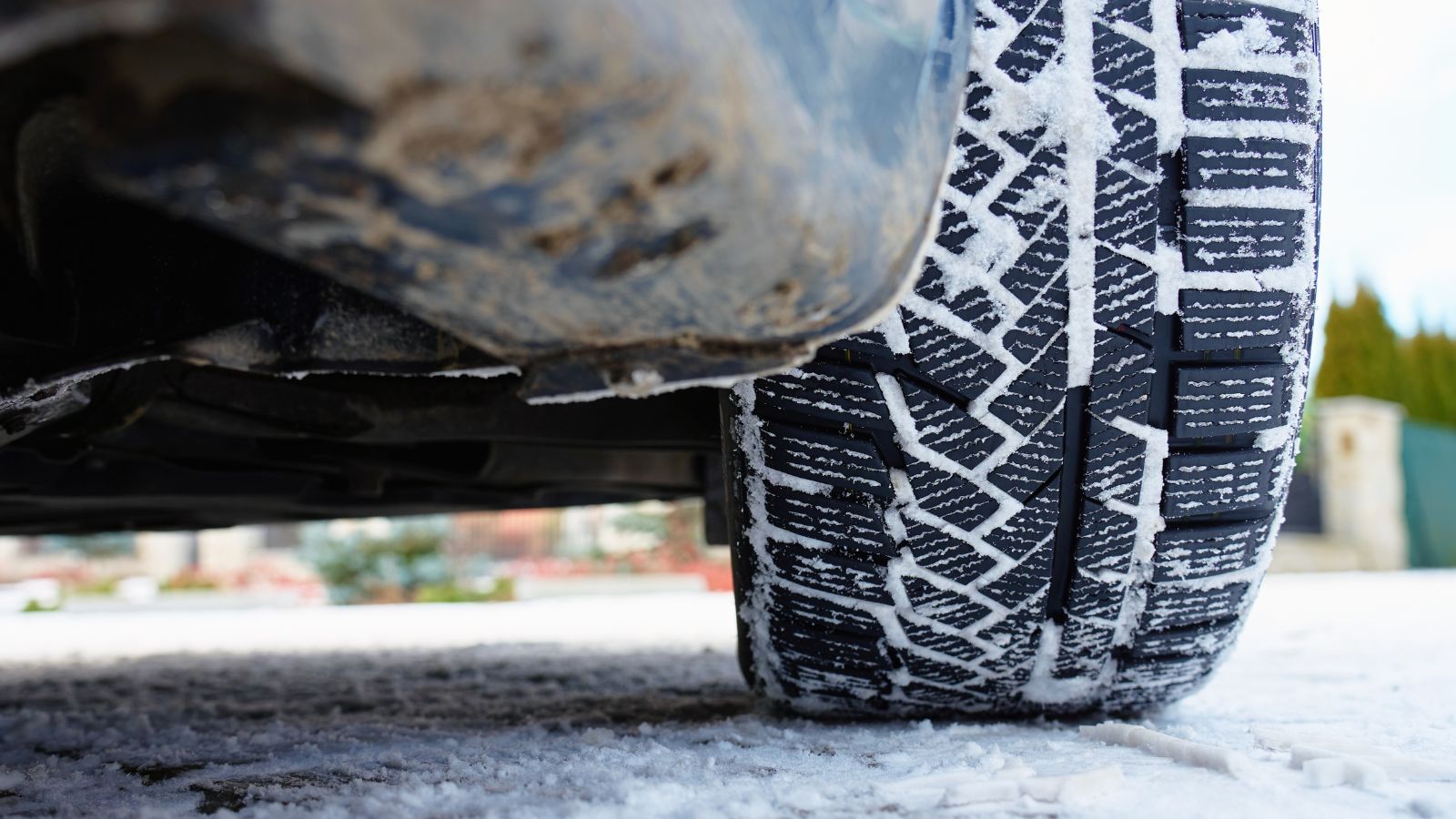
On B.C.’s designated winter routes, the minimum legal winter-tire definition is broader than many drivers expect. A passenger-vehicle tire can qualify if it carries either the M+S marking or the three-peak mountain-and-snowflake symbol. The province nevertheless says mountain-snowflake tires provide better traction on snow and ice and recommends them for cold-weather driving. Legal minimum and best winter performance are not presented as the same thing.
B.C. also adds a specific tread-depth rule: a legal winter tire must have at least 3.5 millimetres of tread. That is more than simply checking whether a sidewall carries the right letters. A heavily worn M+S tire can lose its legal status for a designated route even though the marking is still visible. The province recommends four evenly matched winter tires, while requiring at least two matching winter tires on the primary drive axle. For a driver preparing for a mountain trip, the tread gauge can therefore be as important as the sidewall symbol.
Chains Cannot Turn Summer Tires Into Legal B.C. Winter Tires

Chains are valuable traction equipment, but B.C. makes an important distinction for ordinary passenger vehicles on signed winter routes: putting chains on summer tires does not make those summer tires a legal substitute for required winter tires. The province explicitly states that summer tires are not permitted during the designated winter period and that chains on summer tires are not an acceptable workaround.
That matters because winter-route information can refer to both tires and chains, potentially creating confusion without the passenger-vehicle details. For a typical car, chains are best viewed as additional traction equipment used with compliant tires when conditions become severe. B.C. says steel-link chains on the primary drive axle can provide strong traction in snow and ice, while cable chains can provide adequate traction with different handling characteristics. A driver heading toward a steep pass should therefore distinguish between equipment that helps the vehicle move and equipment that satisfies the legal tire requirement in the first place.
Ontario Restricts Studded Tires by Geography and Residency
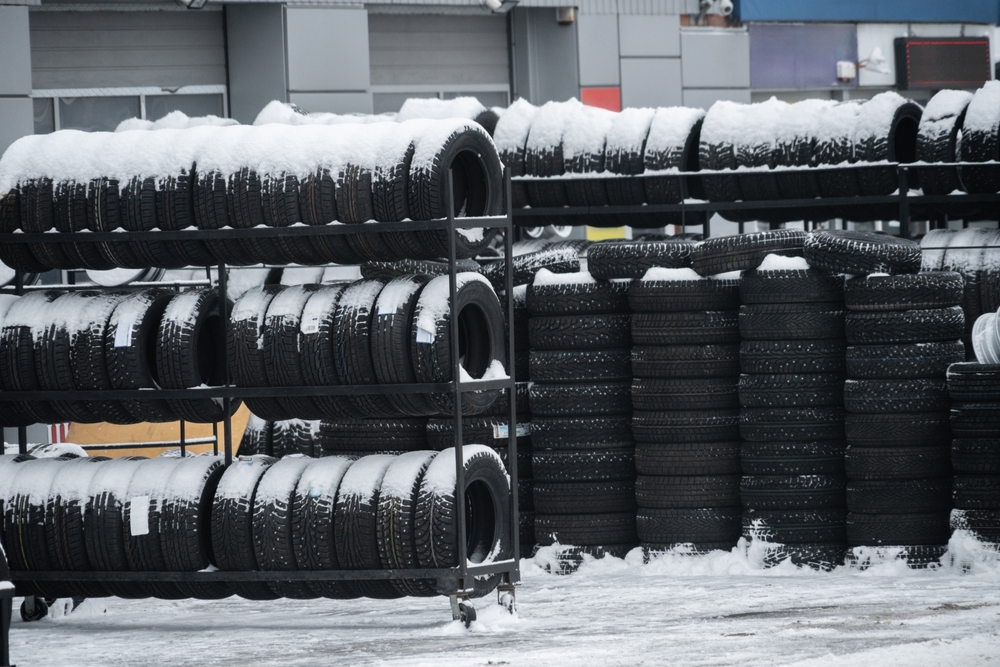
Ontario’s studded-tire rule is not simply a province-wide seasonal yes or no. Studded tires may be used from October 1 through April 30, but eligibility is tied to Northern Ontario or to certain visiting vehicles. The regulation allows them for vehicles whose permit holders qualify as Northern Ontario residents or specified northern organizations, along with non-Ontario residents whose vehicles are in the province for no more than 30 days.
For passenger vehicles with a gross vehicle weight rating of 3,500 kilograms or less, the regulation also requires studded tires on all wheels when studs are being used under the rule. Ontario defines Northern Ontario through a list of territorial districts, including places such as Algoma, Cochrane, Kenora, Sudbury and Thunder Bay. The result can surprise a driver who assumes that a legal setup in Thunder Bay is automatically legal for a Southern Ontario resident in Toronto. In Ontario, stud legality depends on who owns the vehicle, where that permit holder is based and when the vehicle is travelling.
Manitoba Allows Studs From October Through April
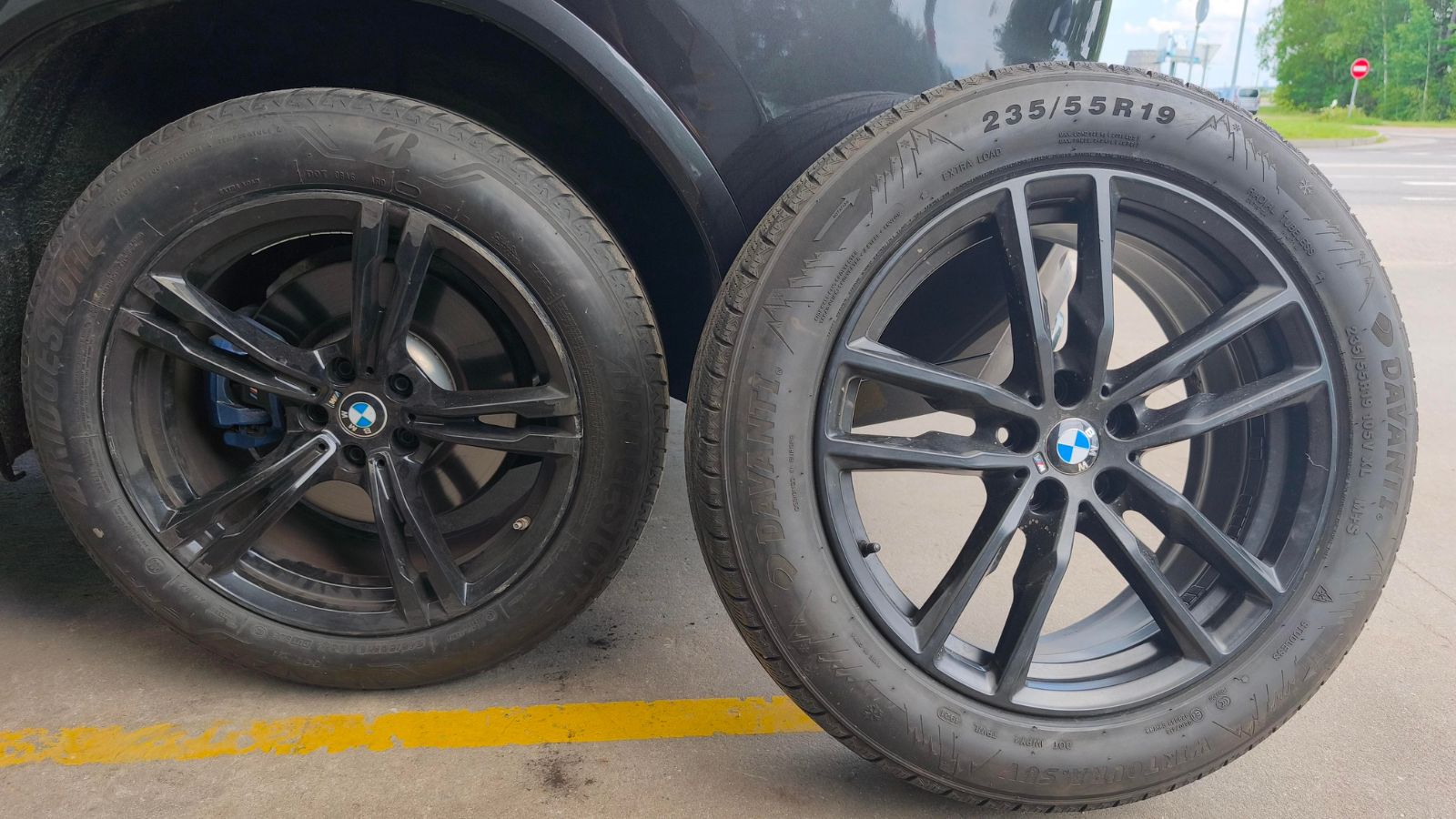
Manitoba permits studded tires from October 1 through April 30. The current vehicle-equipment regulation describes the permitted safety studs in technical terms, allowing metal studs with an exposed central core of tungsten carbide or studs made from ceramic material during that period. Outside the authorized season, the regulation generally prohibits tire projections made from material other than rubber.
The rule is straightforward on dates but still creates a cross-border difference. A Manitoba driver can legally put studs on weeks before they become permitted in Québec, New Brunswick or Nova Scotia. The spring deadline also arrives earlier than Prince Edward Island’s May 31 cutoff. That matters for drivers who travel between Prairie and Atlantic provinces with one vehicle and assume the home-province calendar follows them. A set of studded tires can move from legal to illegal simply by changing the date or jurisdiction. What works for a Winnipeg winter trip cannot automatically be carried into another province without checking that province’s stud calendar.
Alberta Recommends Winter Tires but Does Not Mandate Them

Alberta’s provincial guidance explicitly says winter tires have not been mandated for vehicles during the winter months. Instead, Alberta Transportation recommends four winter or all-weather tires for better traction and control in severe winter conditions. That makes the province legally different from Québec and from B.C.’s signed-route system, even though Alberta regularly experiences snow, ice and extreme cold.
The absence of a general mandate is not the same as saying tire choice does not matter. Alberta’s own guidance explains that winter tires are designed for low temperatures and snowy or icy conditions, and that modern winter compounds remain more flexible as temperatures fall. For someone driving from Calgary into British Columbia, the legal picture can change at the provincial boundary and then change again depending on the B.C. highway. A tire setup that is lawful for normal Alberta passenger driving may not satisfy a signed B.C. route. The road trip, not just the home address, should shape winter preparation.
New Brunswick Opens Its Studded-Tire Season in Mid-October
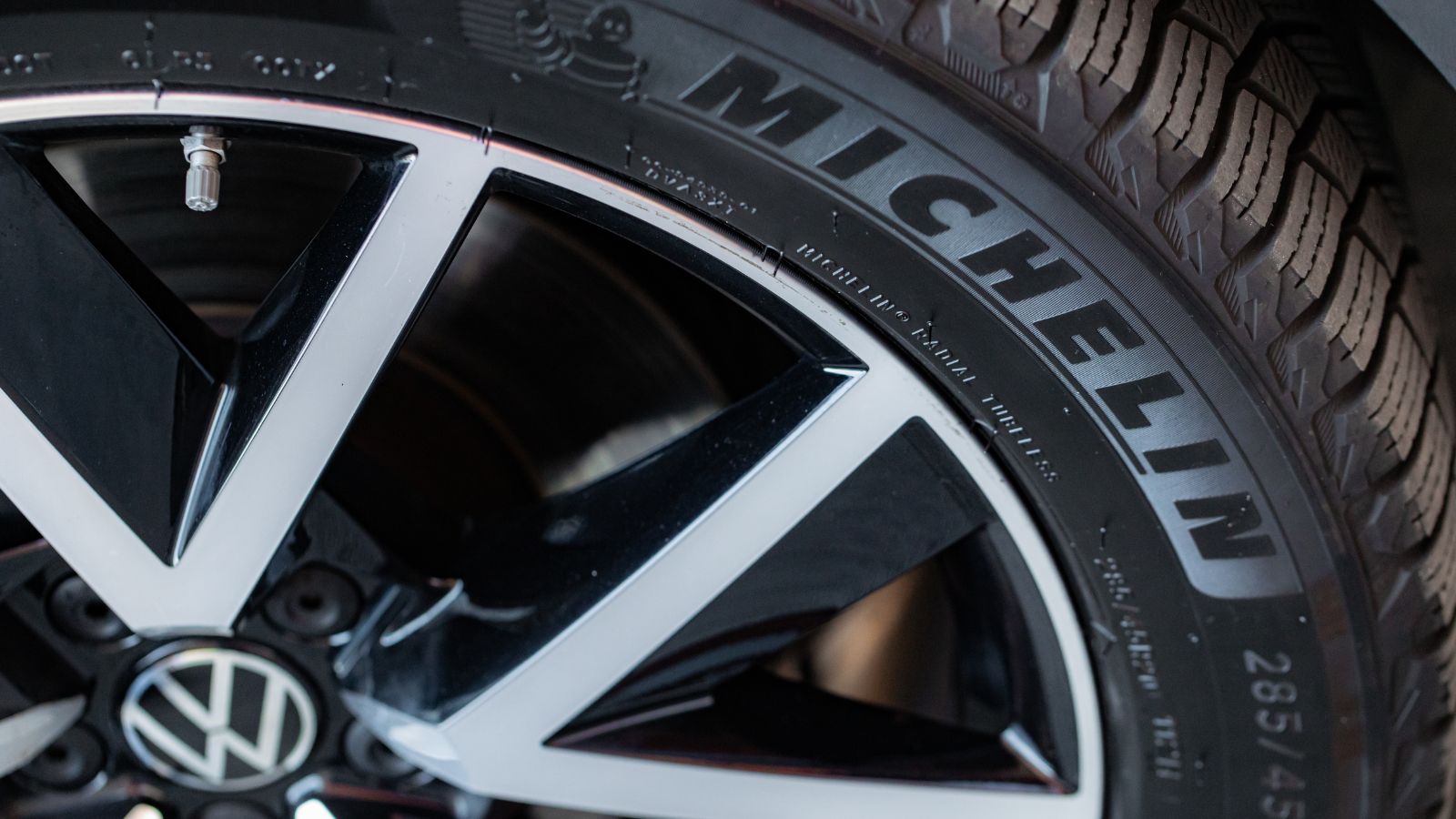
New Brunswick allows studded tires beginning October 15 and requires them off when the permitted season ends at the start of May. The province’s winter-driving guidance also urges motorists to install four snow tires rather than relying on all-season tires, emphasizing vehicle control and stability in slippery conditions. The stud rule, however, is a seasonal permission rather than a blanket requirement to use studs.
The dates place New Brunswick between several neighbouring approaches. Its opening comes two weeks after Prince Edward Island’s October 1 start, matches Québec’s October 15 opening, and precedes Newfoundland and Labrador’s normal November 1 start. For a driver doing a late-October Atlantic Canada loop, that difference is more than trivia. A studded setup legal in Charlottetown or Fredericton may still be too early for St. John’s under Newfoundland and Labrador’s normal calendar. New Brunswick law also permits tire chains, showing that studs are only one tool within the province’s winter-equipment framework.
Nova Scotia Ends Its Studded-Tire Season on April 30

Nova Scotia permits studded tires from October 15 through April 30. The province’s driver handbook pairs that rule with broader tire-safety guidance, including a minimum tread depth of at least 1.5 millimetres for tires and advice to use snow or all-season tires on all four wheels for winter traction. Studs are therefore legal for a defined season, but they are not treated as the only winter-driving option.
The April 30 deadline matters because nearby Prince Edward Island allows studs for another month, until May 31. A driver using studded tires could cross the Confederation Bridge in May and move between two different legal regimes within a short trip. The dates also differ from Newfoundland and Labrador when that province uses its normal April 30 deadline—and can diverge further if Newfoundland and Labrador grants a weather-related extension. For Atlantic drivers, “spring” is not one regulatory season. The calendar on each side of a provincial border can determine whether the same tires remain lawful.
Prince Edward Island Keeps Studs Legal Until May 31
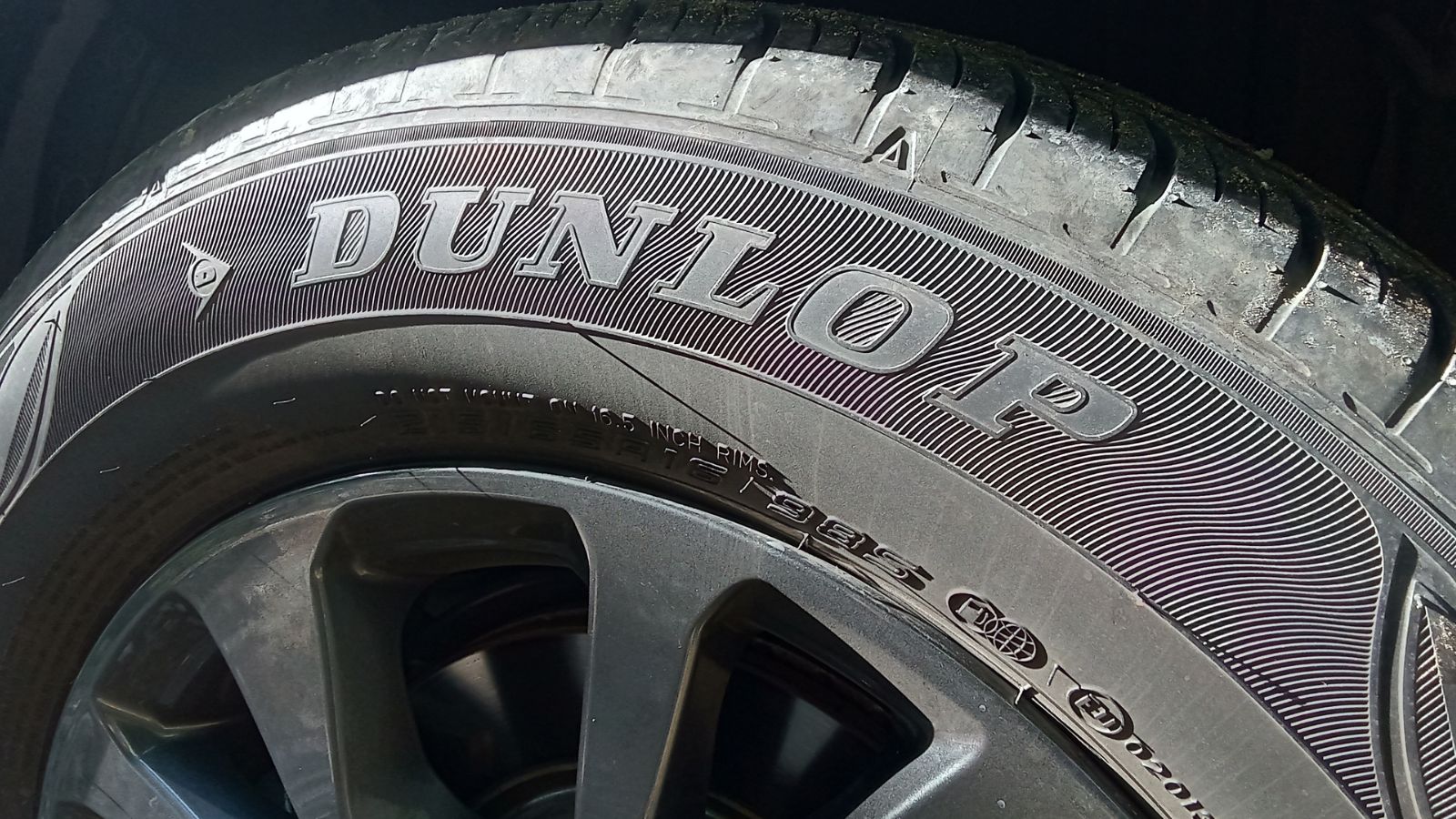
Prince Edward Island has one of the longest clearly stated studded-tire seasons among the provinces covered here. Studded tires are permitted from October 1 through May 31. In an April 2026 reminder, the province said drivers could face fines starting at $150 for using studs outside the permitted season and noted that studs can create extra road wear when they are used unnecessarily on dry pavement.
P.E.I. separately recommends installing four matching winter tires between November and April, illustrating the difference between a legal stud window and broader safety advice. A motorist could therefore be within the period when studs are allowed without being in the core months when the province specifically urges winter-tire use. The long May allowance also stands out beside Nova Scotia and Manitoba, where studded-tire seasons end April 30. For travellers moving among Maritime provinces, this is a classic example of why removing studs based only on the home province’s deadline can create a problem after crossing a border.
Newfoundland and Labrador Can Extend the Stud Deadline
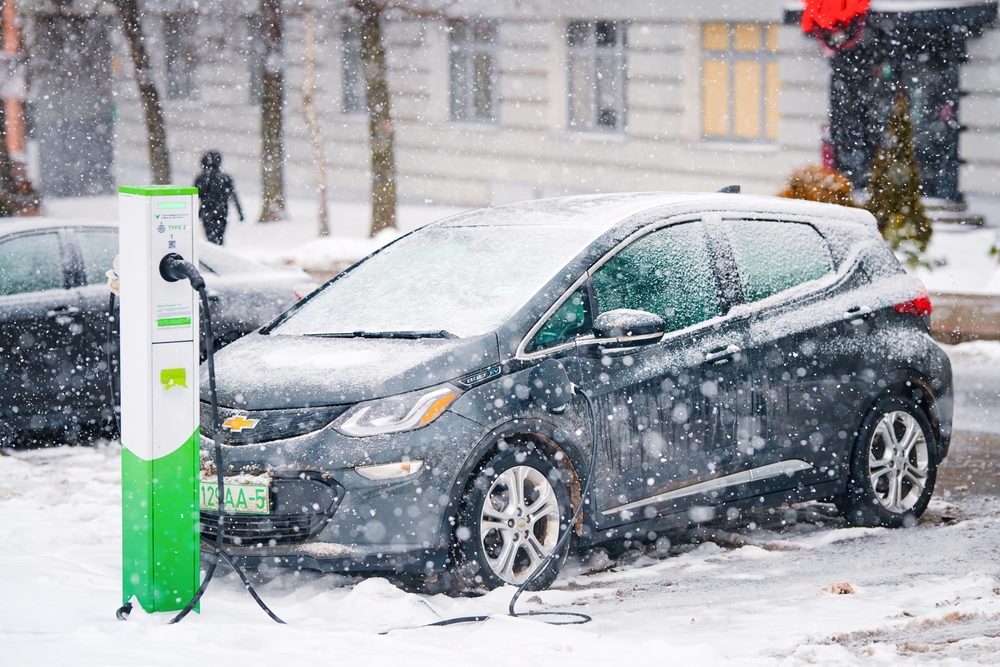
Newfoundland and Labrador normally permits studded tires from November 1 through April 30 under its Highway Traffic Act framework. Unlike a rigid calendar with no flexibility, the province says the responsible minister can adjust the deadline when weather makes an extension prudent. That authority became very real in 2026, when the government extended the spring removal deadline to May 15 because of the long-term weather forecast.
The extension shows why drivers should check current government notices rather than relying only on a date remembered from previous years. Someone who removed studs on April 30 would still have been compliant, but a driver who kept them on into early May received temporary legal breathing room that did not exist under the normal schedule. The same trip could also create a cross-border mismatch: Nova Scotia’s standard stud season had already ended April 30, while P.E.I. still allowed studs through May 31. In Atlantic Canada, spring tire legality can change by province—and occasionally by the year’s weather.
16 Costco Canada Habits That Could Be Costing Shoppers More Than They Save

The Executive Membership can feel like an obvious upgrade because the 2% annual reward sounds straightforward. For households that spend heavily at Costco Canada, the extra fee may be easy to justify. But the habit becomes costly when shoppers upgrade first and calculate later. A Gold Star Membership costs less, while Executive costs more and only pays off if eligible annual spending is high enough to offset the difference.
16 Costco Canada Habits That Could Be Costing Shoppers More Than They Save
