A traffic stop in Canada can stay routine or spiral fast depending on what happens in the first few minutes. Across the country, police have broad authority to stop drivers, but the details of roadside procedure and penalties can vary by province. What does not change is how quickly small decisions can raise tension, add charges, or make a simple warning much more expensive. These 15 mistakes show where drivers most often make things worse, from the moment the lights appear in the mirror to the moment the stop is actually over.
1. Ignoring the lights for too long
The first mistake happens before a single word is spoken. When police activate their lights, waiting too long to acknowledge the stop can make the interaction feel more serious right away. Even if the driver plans to pull over eventually, a delayed response can look like hesitation, distraction, or an attempt to avoid the stop. That changes the tone before the officer even reaches the window.
A much better move is to show clear compliance early by slowing down, signaling, and pulling over as soon as it is safe. In Canada, police are allowed to stop vehicles for broad roadside checks, including impairment and document verification, so acting surprised that a stop happened rarely helps. On busy roads, that first response matters even more. Transport Canada reported roughly 2,000 motor vehicle fatalities in 2023, underlining why predictable roadside behaviour is treated seriously.
2. Stopping abruptly or choosing a terrible spot
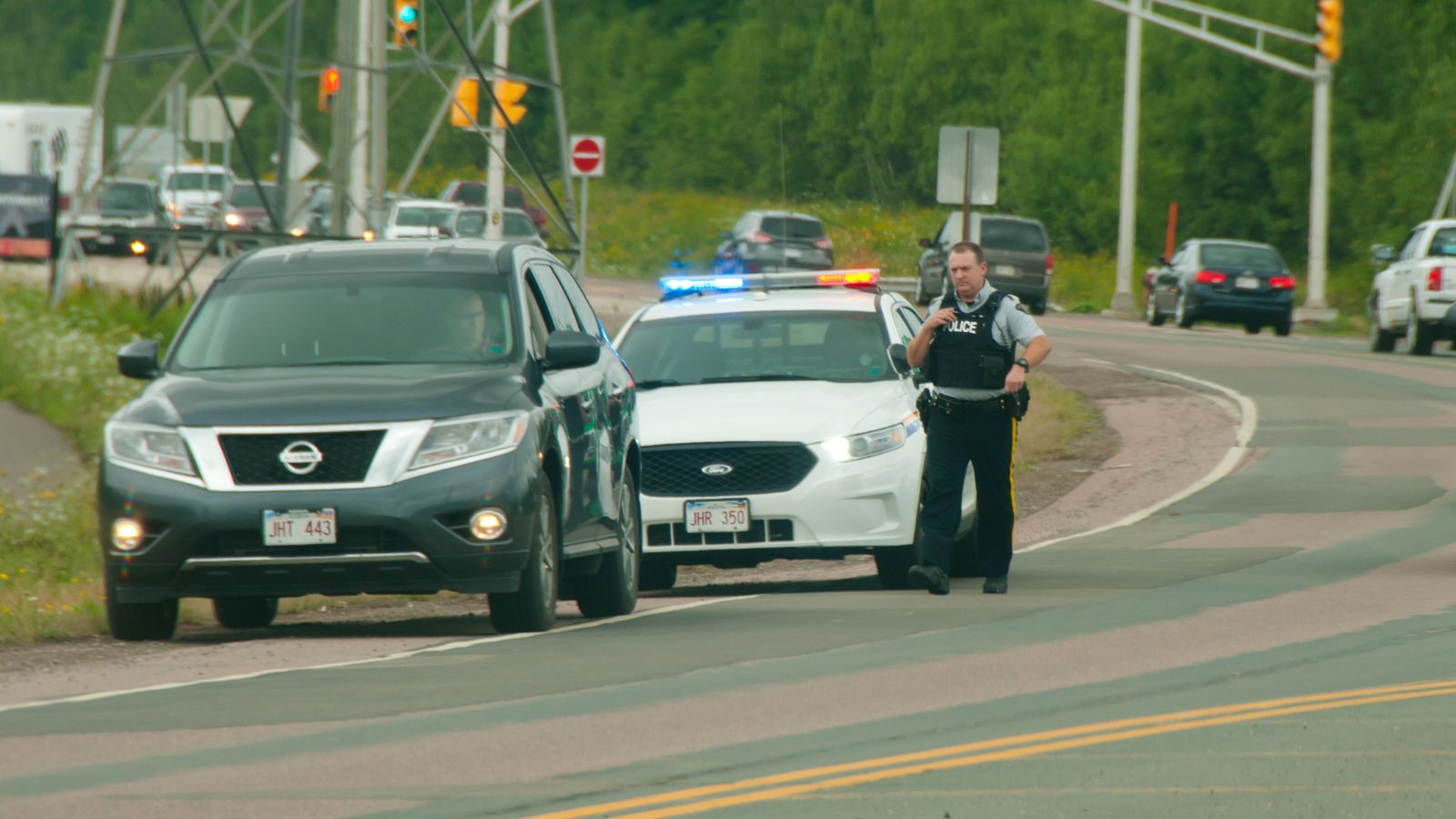
Not every shoulder or curb lane is equally safe. Some drivers slam on the brakes the second they see flashing lights, while others drift to an awkward location with poor visibility, a narrow shoulder, or fast-moving traffic inches away. That can make the stop more dangerous for everyone, including the officer walking up beside the vehicle.
The goal is not to stop instantly at any cost. The goal is to stop safely and clearly. A driver who slows down, signals, and chooses the nearest reasonable spot usually communicates cooperation better than someone who brakes sharply in panic. That distinction matters on multilane roads and at night. A stop handled safely looks controlled; a stop handled badly can look suspicious, careless, or impaired. Even if the original issue was minor, a risky pull-over can make the officer pay closer attention to everything else.
3. Digging for documents before the officer gets to the window
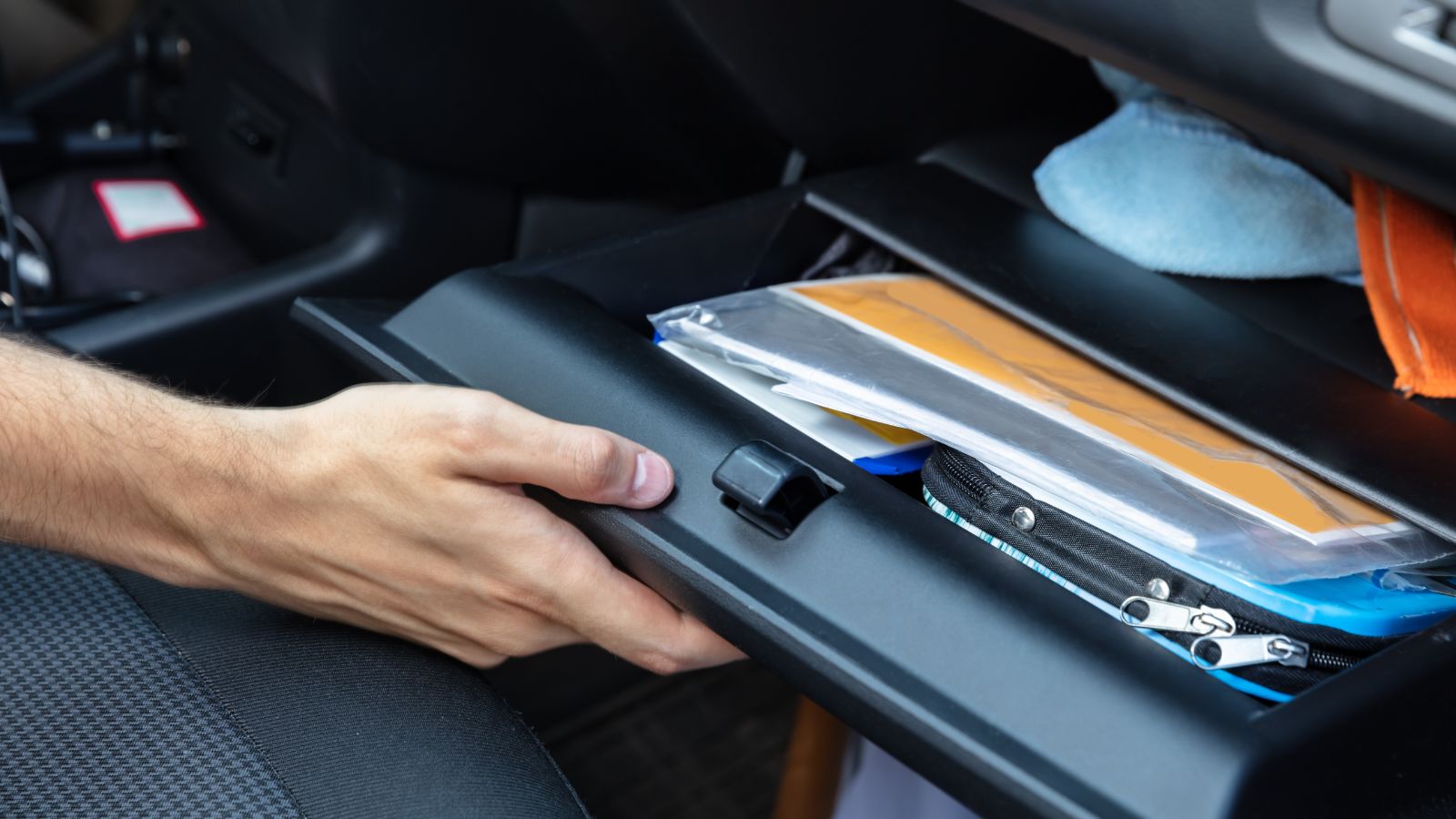
This is one of the most common unforced errors. A driver sees the cruiser stop behind them and immediately starts leaning into the glove box, center console, door pocket, or back seat. From the driver’s perspective, it feels helpful. From the officer’s perspective, it can look unpredictable, rushed, and potentially dangerous.
Toronto Police specifically advises drivers to wait and communicate before reaching into other parts of the vehicle. That is because sudden movement is one of the fastest ways to raise an officer’s alert level. A routine stop becomes more tense when the officer approaches and sees someone twisting around, rummaging, or disappearing below the dash. A simple sentence such as “My insurance is in the glove box” is usually far better than silent scrambling. Good stops look boring. The more sudden and unexplained the motion, the less boring the stop becomes.
4. Keeping hands hidden or making sudden movements

When an officer approaches a stopped car, visibility matters. Hands tucked into pockets, buried under a seat, or moving quickly around the cabin can instantly make the stop feel less safe. That is why police services consistently tell drivers to keep their hands where they can be seen and to minimize unnecessary movement.
This is not just about manners. It is about reducing uncertainty in a situation that already carries risk. Peel Regional Police tells people to keep their hands visible and stay still, while the RCMP advises drivers to roll down the window and keep hands in view. Those are simple directions, but they have a major effect on tone. An officer who can clearly see what is happening is more likely to keep the stop calm and procedural. A driver who looks nervous and fidgety may invite extra questions, extra caution, and a much longer roadside conversation.
5. Getting out of the vehicle without being told
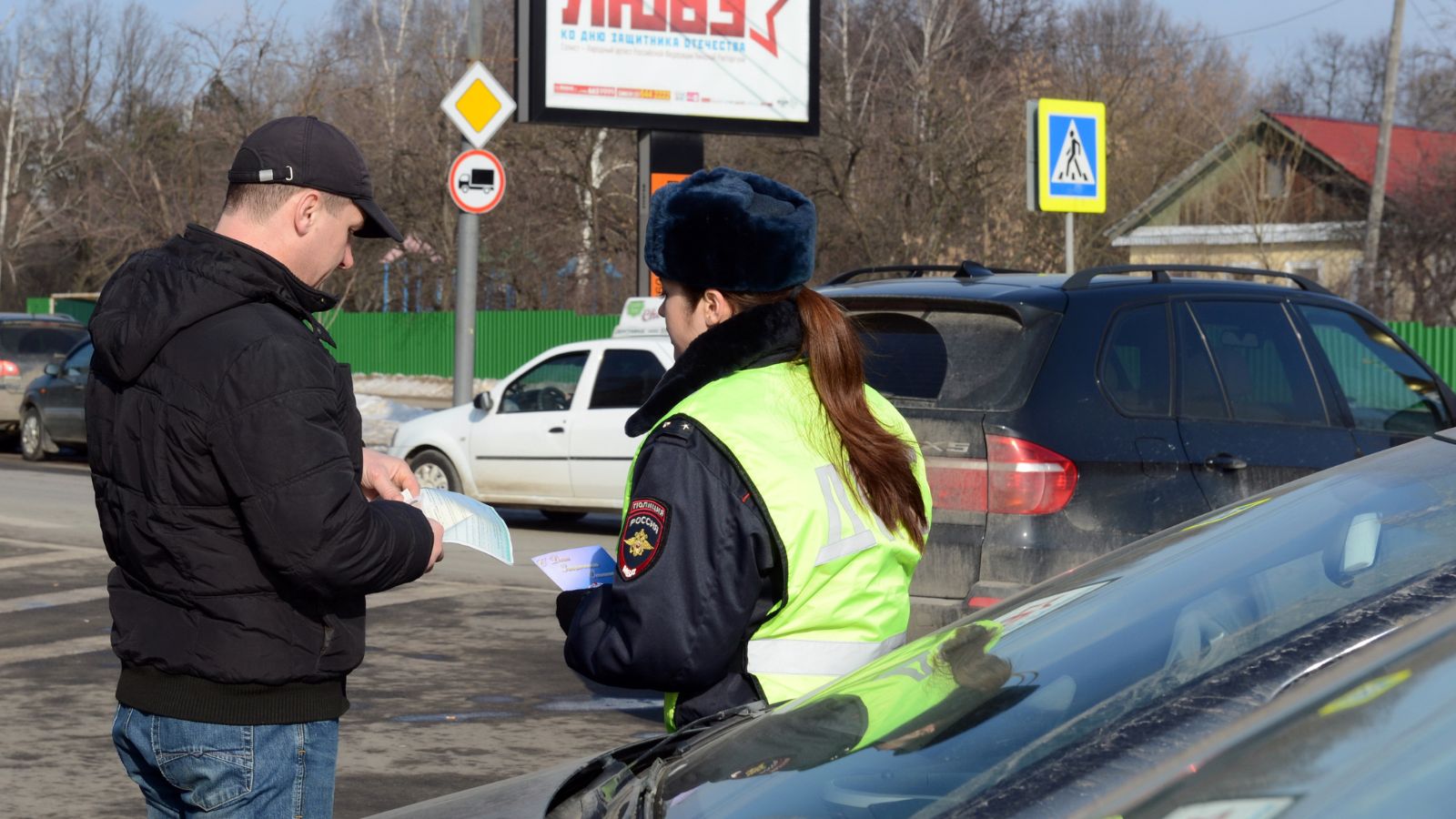
Some drivers still think stepping out quickly looks respectful or proactive. In reality, it often does the opposite. Unless the officer tells the driver to exit, getting out of the vehicle can be seen as a safety issue and an immediate escalation. Most police guidance in Canada says the same thing: stay in the vehicle unless directed otherwise.
That matters because roadside stops are built around predictability. The officer expects the driver to remain seated, visible, and still. When that pattern changes without warning, the stop can get tense fast. Toronto Police says drivers should remain in the vehicle and inform the officer before exiting if it becomes necessary. The RCMP gives the same basic guidance. Something as simple as stepping out to explain a point or grab a paper can turn a routine window conversation into a command-based interaction, and that usually means the stop is no longer going in the driver’s favour.
6. Not having licence, permit, and insurance ready
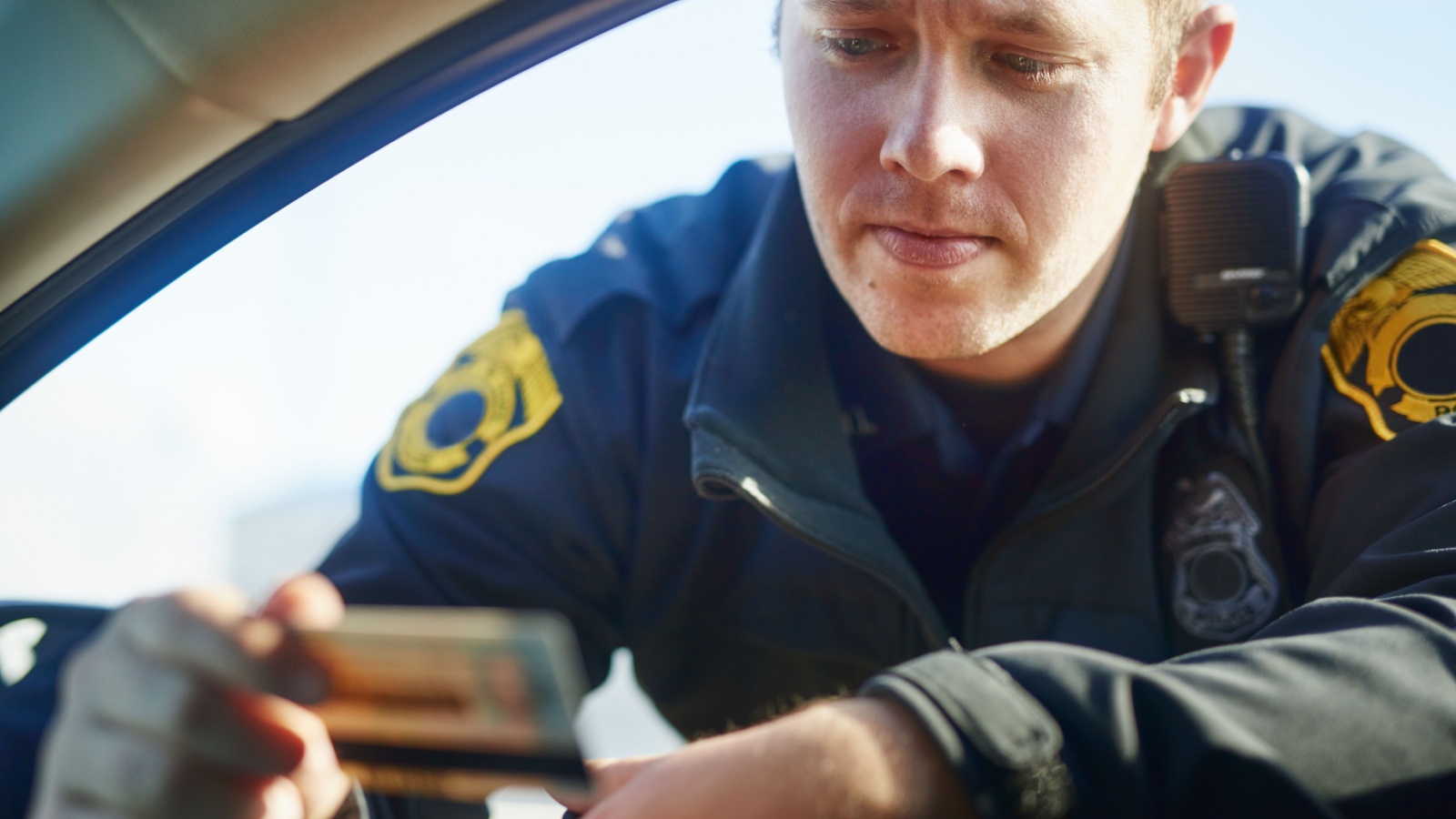
A surprising number of roadside problems begin with paperwork, not speed or impairment. In many Canadian traffic stops, drivers are legally required to produce core documents on request. In Ontario, that typically means a driver’s licence, vehicle permit or ownership, and proof of insurance. Failure to produce them can turn a minor stop into separate provincial offences.
This mistake is especially frustrating because it is so preventable. Ontario drivers are still required to show proof of insurance when asked, but digital insurance cards are allowed. That gives drivers more flexibility, but it also means they need a phone that is charged, accessible, and handled carefully. A stop for a burned-out light can become much more expensive once missing paperwork enters the picture. Even when officers can confirm some details electronically, not having the required documents ready signals disorganization and often buys extra scrutiny.
7. Handing over false, expired, or borrowed documents
A traffic stop is a bad time to improvise. Giving police old paperwork, someone else’s insurance card, a suspended licence, or false information about identity does not usually “smooth things over.” It tends to do the opposite by damaging credibility at the exact moment the officer is deciding how much of a problem this stop really is.
Canadian civil liberties and public legal information guides both make the same basic point: do not lie or provide false documents. Even where a stop begins with something minor, misleading police can quickly change the character of the encounter. It may trigger more detailed checks, more questions, or additional allegations that were never part of the original reason for the stop. A driver who cannot immediately find a document is already in a weak spot. A driver who tries to fake their way through that weakness often ends up making a simple roadside issue look intentional.
8. Turning the stop into a roadside argument
A traffic stop is not the place to win a debate about radar, lane position, or whether the officer “really saw anything.” Drivers sometimes talk themselves into bigger trouble by treating the window like a courtroom. That approach usually does not erase the ticket, but it can make the interaction longer, sharper, and less flexible.
Police guidance is blunt on this point: stay calm, cooperate, and deal with complaints later through the proper channels. Peel Regional Police explicitly notes that if someone disagrees with an officer’s behaviour, a complaint can be made afterward. That is a much smarter outlet than arguing on the shoulder. There is a practical reason for this. Communication and tone influence discretion. An officer dealing with someone who is hostile, sarcastic, or combative is less likely to keep the encounter brief. A respectful roadside manner does not guarantee leniency, but an argumentative one often eliminates it.
9. Saying far more than necessary
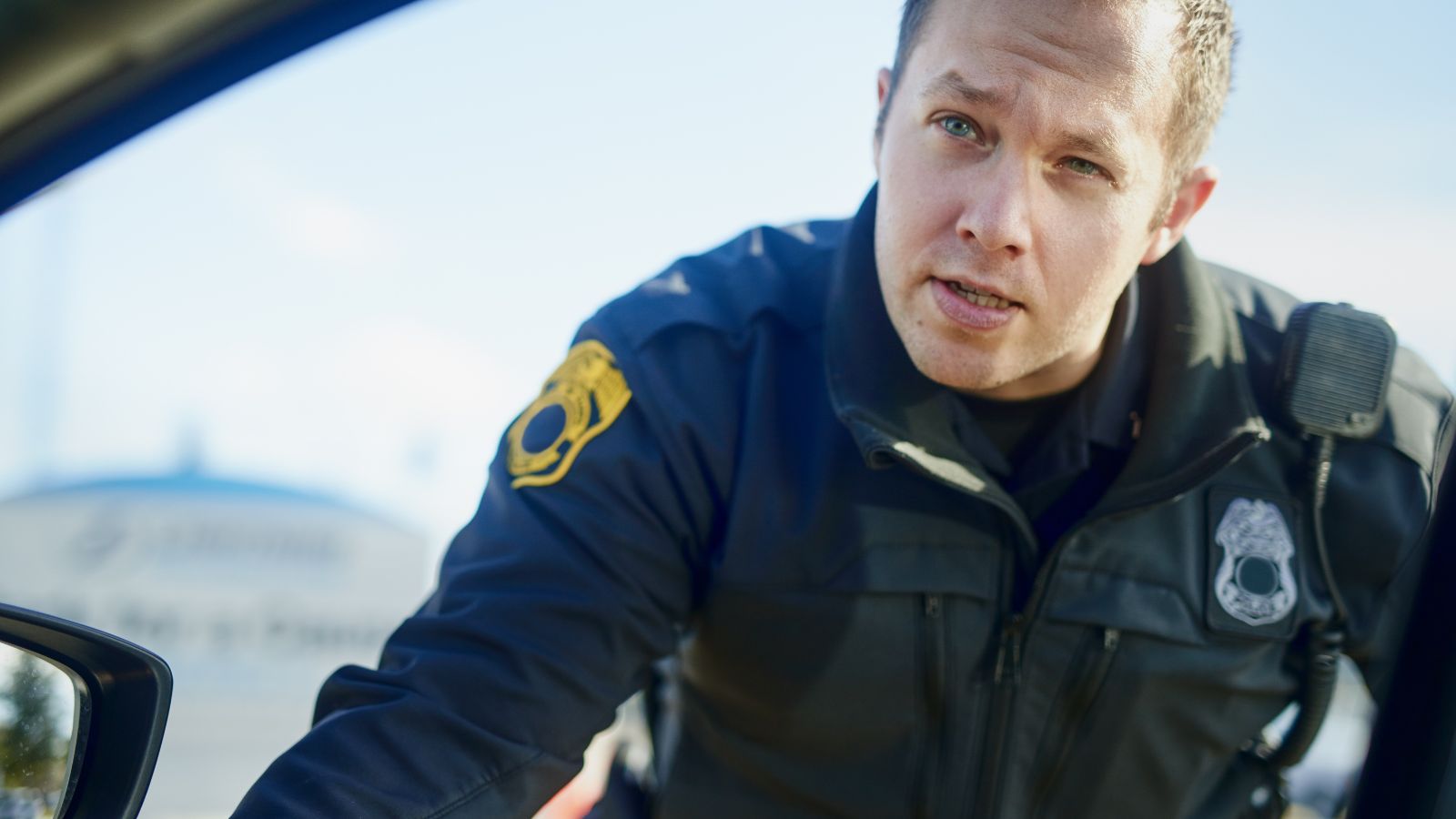
Some drivers make the mistake of believing silence always looks guilty, so they start filling every gap with explanations. They guess their speed, volunteer where they were, mention drinks from dinner, or talk through facts the officer never asked for. That kind of rambling can create confusion or evidence, especially if the stop starts shifting toward impairment.
In Canada, roadside rights are more technical than many people assume. A detained person has Charter rights, including the right to counsel, but courts have long recognized limits at roadside during preliminary sobriety steps. That means drivers do not improve their position by oversharing early. Public legal information sources repeatedly warn that what is said to police can later be used as evidence. Basic compliance is required. Storytelling is not. The more a driver speculates, jokes, or explains without thinking, the more likely it is that a routine stop starts producing details the officer did not have a minute earlier.
10. Assuming police need prior suspicion before roadside screening
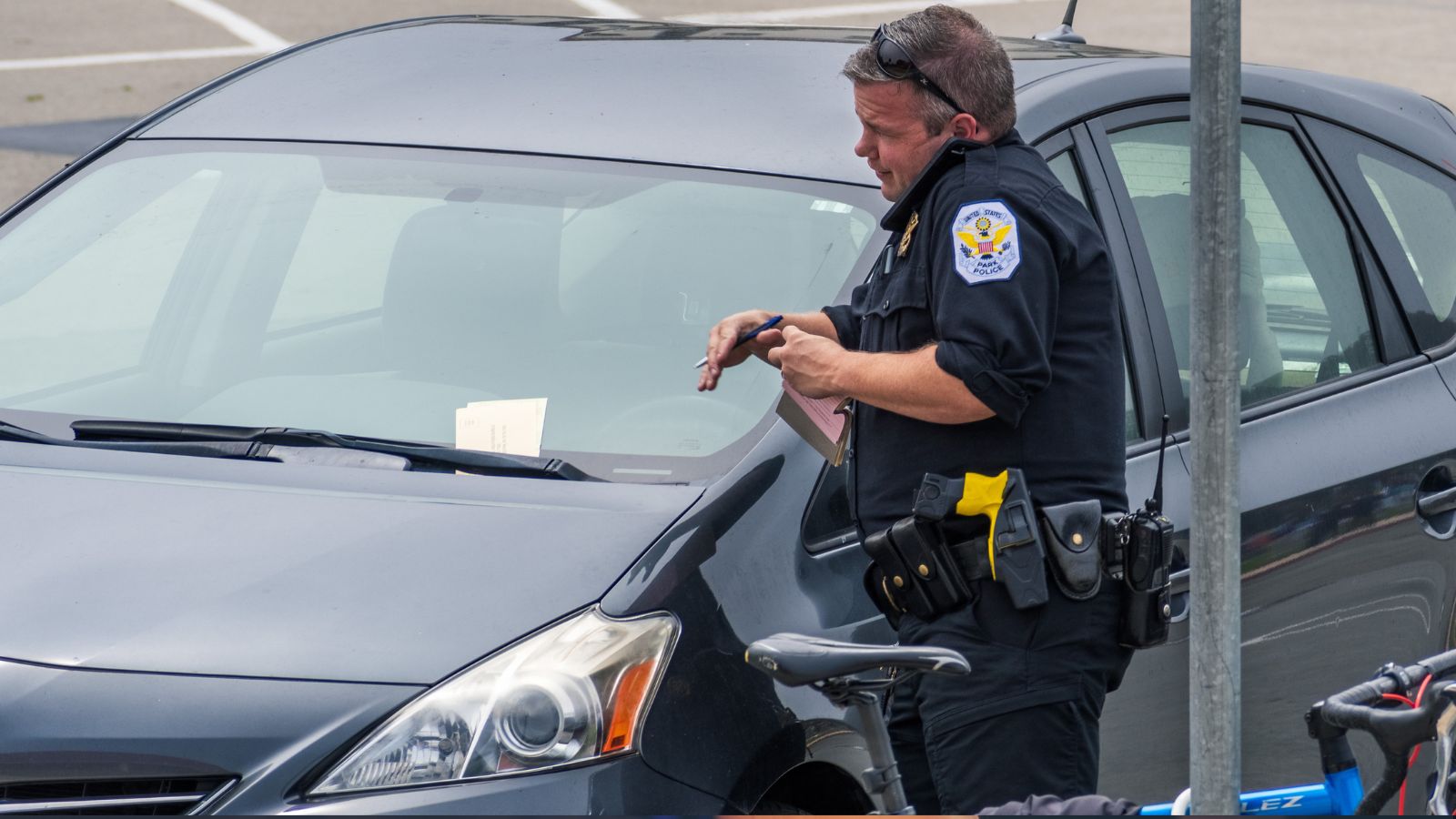
Many Canadians still think an officer must first see erratic driving or smell alcohol before roadside screening can happen. That is outdated. Police already have broad authority to stop vehicles lawfully, and federal law now allows mandatory alcohol screening for any lawfully stopped driver when the officer has an approved screening device.
That change matters because it catches people off guard. A driver may think, “They cannot ask for a sample; I was driving fine.” In reality, lawful stop first, roadside demand second is often enough. The Department of Justice has been explicit that any lawfully stopped driver can be required to provide a preliminary breath sample. Courts have also recognized that random vehicle stops are part of Canadian roadside enforcement. In practical terms, disbelief is not a defence at the window. Treating a lawful screening demand like a personal overreach usually just makes the stop feel more confrontational.
11. Refusing a lawful breath, oral fluid, or sobriety demand
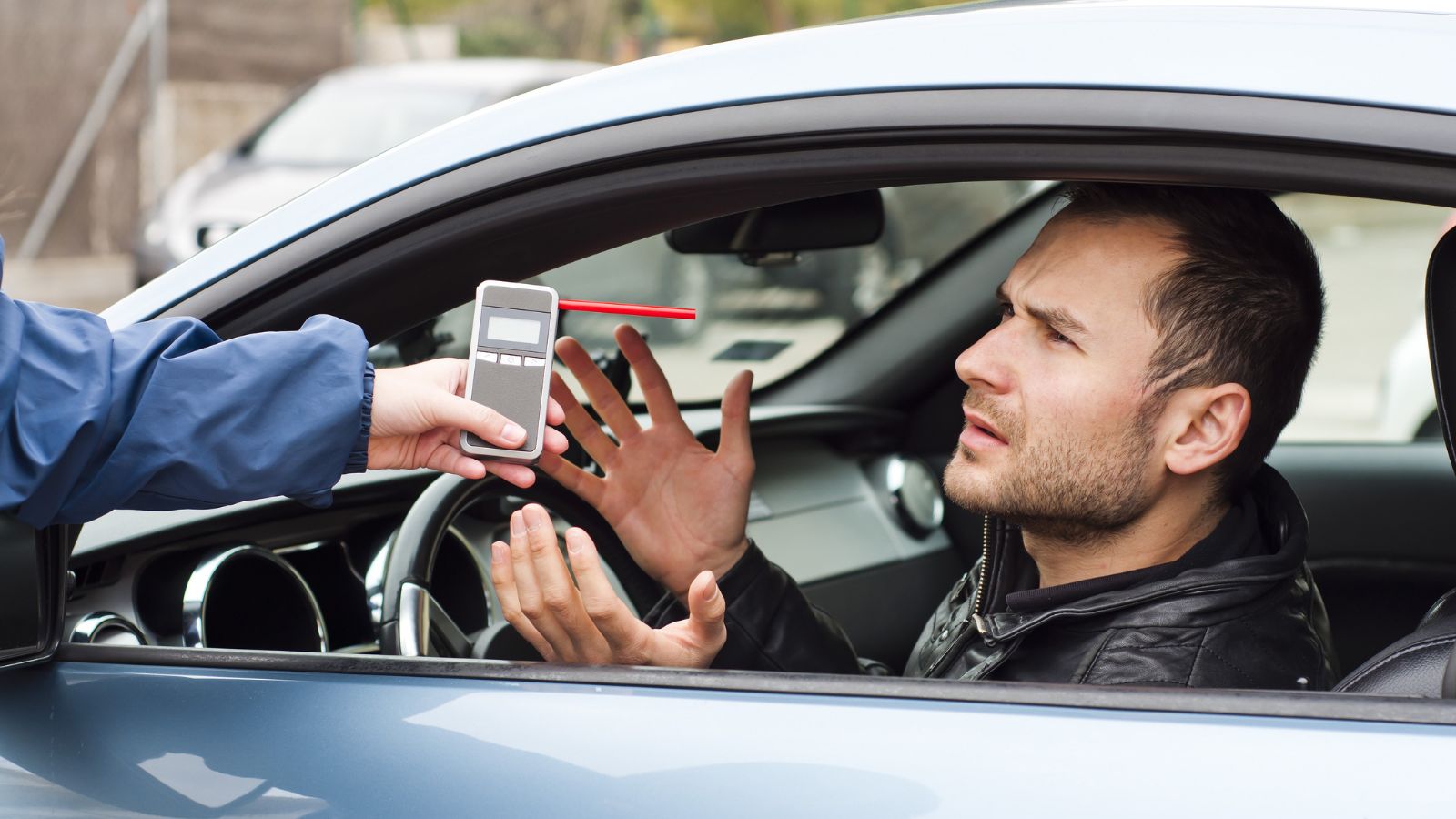
Few mistakes escalate a stop faster than refusal. Some drivers still believe refusing a roadside test is a clever way to avoid giving police evidence. Under Canadian law, that can be its own offence. Federal impaired-driving rules specifically criminalize failing or refusing to comply with lawful demands for samples or tests without a reasonable excuse.
The consequences are serious. The Department of Justice says a first offender who refuses a lawful demand can face a mandatory minimum fine of $2,000. Provincial roadside penalties can hit even before the court process begins. In Ontario, drivers who fail or refuse testing can face an immediate 90-day licence suspension, a seven-day vehicle impoundment, education or treatment requirements, and reinstatement costs. A person who refuses because they assume that “no sample means no case” may end up worse off than if they had complied. Refusal is not a loophole. It is often a shortcut to a much bigger problem.
12. Thinking cannabis, prescription drugs, or “just a little” do not count

Alcohol is not the only issue that can transform a stop. Cannabis, prescription medication, over-the-counter drugs, and combinations of substances all matter. Ontario’s impaired-driving guidance is clear that impairment can come from alcohol, cannabis, prescription drugs, illegal substances, or any mix of them. Health Canada also warns that cannabis affects reaction time, attention, judgment, and distance assessment.
This mistake often comes from false confidence. Someone may feel calm, not drunk, and therefore assume they are fine to drive. But feeling normal is not the same as driving unimpaired. Health Canada notes that cannabis-related impairment can last more than 24 hours after use, and national campaigns continue to describe impaired driving as the leading criminal cause of death and injury in Canada. That makes casual admissions especially risky. Saying “It was only a gummy last night” or “It is prescribed” does not automatically make the issue disappear. At roadside, those details can invite a very different kind of investigation.
13. Grabbing the phone without thinking
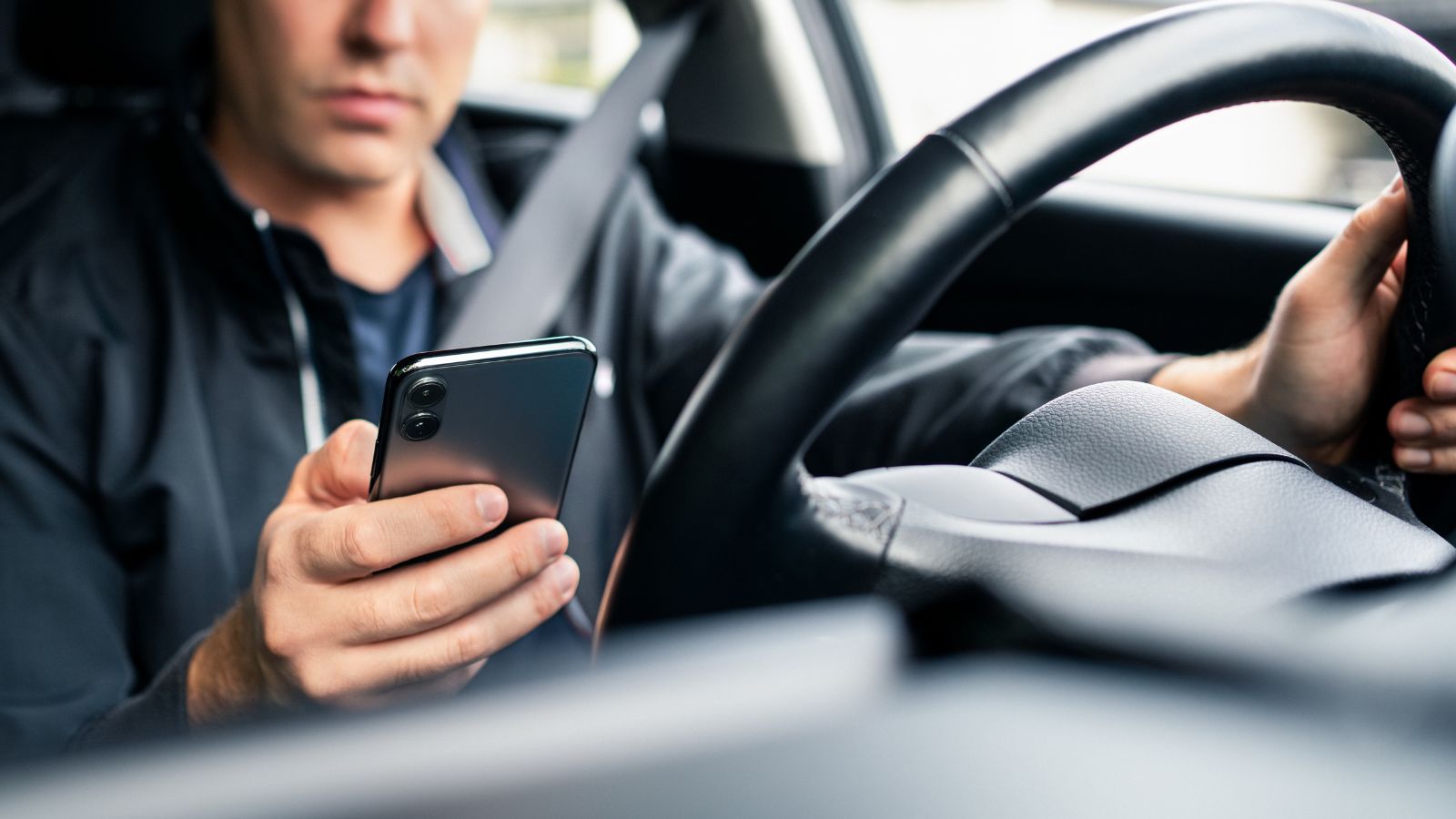
Phones create two separate risks during a stop. The first is practical: reaching suddenly for a device can look exactly like the kind of unexplained movement police warn drivers to avoid. The second is legal: many traffic stops already begin because of hand-held phone use, and continuing to handle a device carelessly can make a bad interaction worse.
There is a difference between calmly telling the officer that documents are on the phone and immediately lunging for it, unlocking it, or waving it around. There is also a difference between discreetly recording and actively obstructing. Canadian civil liberties guidance says people generally have the right to film police as long as they are not obstructing them, but that right does not erase the need to act safely. In Ontario, distracted driving penalties are steep, with a set fine of $615 and higher exposure in court. A phone that seems harmless can quickly become the center of the stop.
14. Forgetting about seatbelts, child restraints, and other obvious add-ons

A driver may think the stop is only about speed or a rolling stop, but police often notice more than one issue once the vehicle is stationary. Unbelted passengers, poorly secured children, missing child seats, and similar visible problems can turn a single-ticket situation into several. Toronto Police notes that drivers are responsible for seatbelt violations involving passengers under 16.
Those extra issues matter because they are not minor in safety terms. Transport Canada reported that 32.6% of driver fatalities in 2023 involved drivers who were not wearing seatbelts. Ontario’s seatbelt penalties also carry fines and demerit points. That makes roadside visibility important. If a back-seat child is not properly secured, or if a passenger is visibly unbelted, the stop has already expanded. Many drivers focus so heavily on the original reason for being pulled over that they forget the officer now has a front-row view of every other problem inside the vehicle.
15. Driving away before the stop is actually over
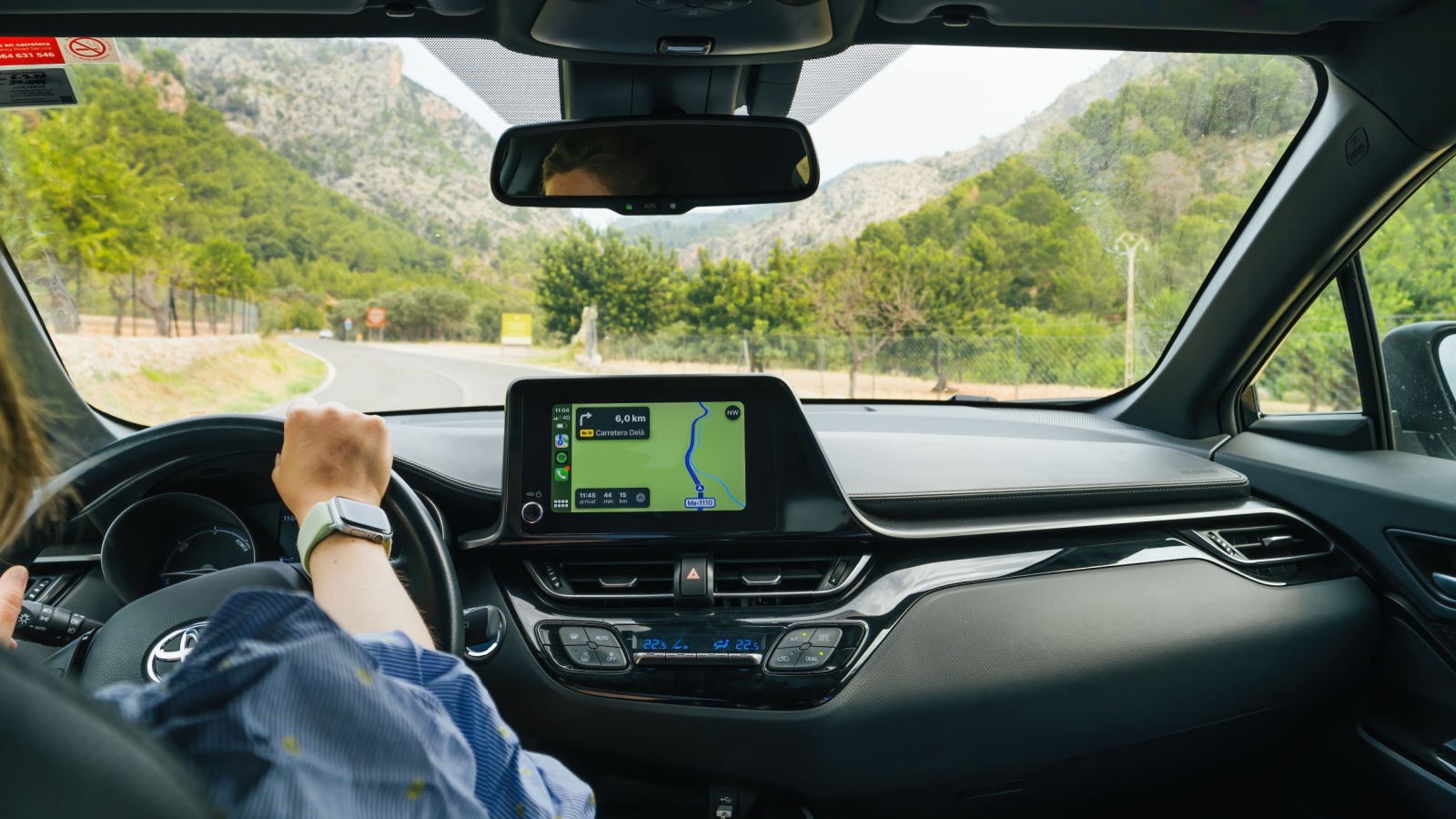
The final mistake happens at the end. Some drivers are so relieved to be done that they move too soon, interrupt instructions, or start rolling away before the officer has clearly finished. On a quiet suburban street that may feel harmless. On a real stop, it can look like non-compliance.
This is where patience matters again. Wait until the officer has returned the documents, completed the explanation, and made it clear the stop is over. If the officer gives follow-up directions, such as where to pull ahead or how to re-enter traffic, follow them exactly. Ontario’s demerit-point rules treat failing to stop when signaled by police as a serious offence. That tells drivers how the law views roadside disobedience. The safest ending is the least dramatic one: stay still, listen carefully, and leave only when it is obvious that the interaction has fully ended.
19 Things Canadians Don’t Realize the CRA Can See About Their Online Income

Earning money online feels simple and informal for many Canadians. Freelancing, selling products, and digital services often start as side projects. The problem appears at tax time. Many people underestimate how much information the CRA can access. Online platforms, banks, and payment processors create detailed records automatically. These records do not disappear once money hits an account. Small gaps in reporting add up quickly.
Here are 19 things Canadians don’t realize the CRA can see about their online income.
