Air travel in Canada has become increasingly expensive, not just because of base fares but also due to the growing number of additional airline charges. Many of these fees are not clearly visible during the initial booking process, which makes tickets appear cheaper than they actually are. From baggage to seat selection and onboard services, these costs can quickly add up. For Canadian travellers planning summer trips, understanding these charges is essential. Here are 17 airline charges Canadians hate the most.
Checked Baggage Fees

Checked baggage fees are one of the most common frustrations for Canadian travellers, especially as airlines increasingly exclude luggage from base fares. Many passengers assume that at least one checked bag is included, only to discover additional charges during booking or at the airport. These fees often vary depending on when they are paid, with higher costs applied at check-in counters. For longer trips or family travel, expenses can add up quickly, significantly increasing the total cost of flying. One effective way to avoid this charge is to travel with carry-on luggage only, ensuring it meets airline size and weight requirements. Some credit cards and airline loyalty programs also provide free checked bags, which can help offset these costs. Another option is to compare fare classes, as slightly higher-priced tickets sometimes include baggage and may offer better overall value. Canadians should always review airline baggage policies before booking, as rules differ widely between carriers.
Carry-On Bag Fees
Carry-on bag fees have become increasingly common, particularly among low-cost airlines operating in Canada. While travellers often expect a small suitcase to be included with their ticket, some airlines now charge for anything beyond a personal item. This can make a low-advertised fare much more expensive once additional fees are added. These charges are often higher if paid at the airport, catching unprepared passengers off guard. Canadians can avoid this fee by carefully reviewing fare details before booking and choosing options that include carry-on allowances. Packing efficiently and using a compact bag that fits under the seat is another effective strategy. It is important to follow size and weight limits closely, as airlines enforce these rules strictly and may charge penalties for non-compliance. Many travellers also benefit from using backpacks or smaller travel bags that qualify as personal items.
Seat Selection Fees
Seat selection fees have become a standard part of airline pricing, often frustrating Canadian travellers who want to choose where they sit. Many airlines now charge passengers to select seats in advance, even on regular economy tickets. Without paying, travellers are typically assigned seats at check-in, which may separate families or groups. The cost of choosing seats varies depending on location, with window and aisle seats usually priced higher. For longer flights, this can add a noticeable expense to the overall trip. Canadians can avoid these fees by checking in as early as possible, as some airlines release better seat options closer to departure. Travellers who are flexible about seating may find that random assignments are acceptable, especially for shorter flights.
Change and Cancellation Fees

Change and cancellation fees are among the most expensive airline charges Canadians face, especially when booking lower-priced tickets. Basic fares often come with strict conditions that include high penalties for modifying travel plans. In some cases, these fees can be equal to or even greater than the original ticket cost, making changes impractical. Travellers frequently overlook these rules during booking, focusing only on the initial price. To avoid these charges, Canadians should consider booking flexible tickets that allow changes without penalties. Travel insurance is another option, particularly for trips where plans may be uncertain. Some airlines offer a limited window after booking where changes can be made without fees, which can be useful if plans change quickly.
Priority Boarding Fees
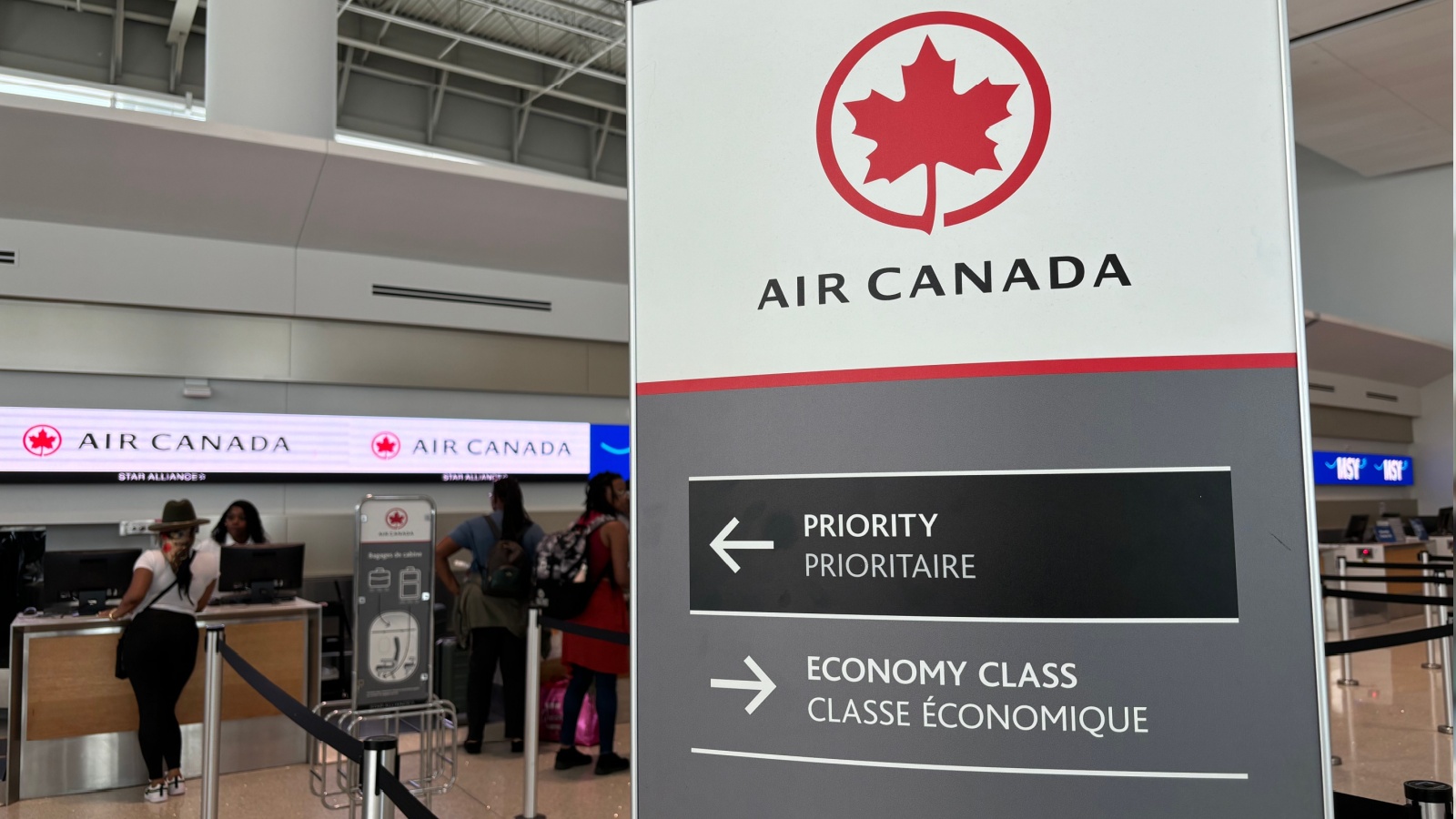
Priority boarding fees are marketed as a way to improve the travel experience, but for many Canadians, they provide limited real value. Airlines promote this option as a way to board early, secure overhead bin space, and settle into seats comfortably. However, for travellers without carry-on luggage or those seated toward the back of the aircraft, the advantage is often minimal. The cost of priority boarding can add up, especially when travelling with family members. Canadians can avoid this fee by boarding with their assigned group, as standard boarding procedures are usually efficient enough. Packing light and minimizing carry-on items can also reduce the need for early boarding. In many cases, the difference in experience is not significant enough to justify the added expense.
In-Flight Food and Beverage Charges

In-flight food and beverage charges have become increasingly common as airlines reduce complimentary services. Canadian travellers may find that even basic snacks and drinks are no longer included on many domestic and short-haul flights. Prices onboard are often higher than those at airports or retail stores, making these purchases less economical. This can be especially frustrating for longer journeys where food becomes necessary. One of the simplest ways to avoid these charges is to bring snacks from home or purchase food at the airport before boarding. Travellers should ensure that items comply with security regulations, particularly for liquids. Checking what is included in the ticket is also helpful, as some fare classes or routes may still offer complimentary options.
Overweight Baggage Fees
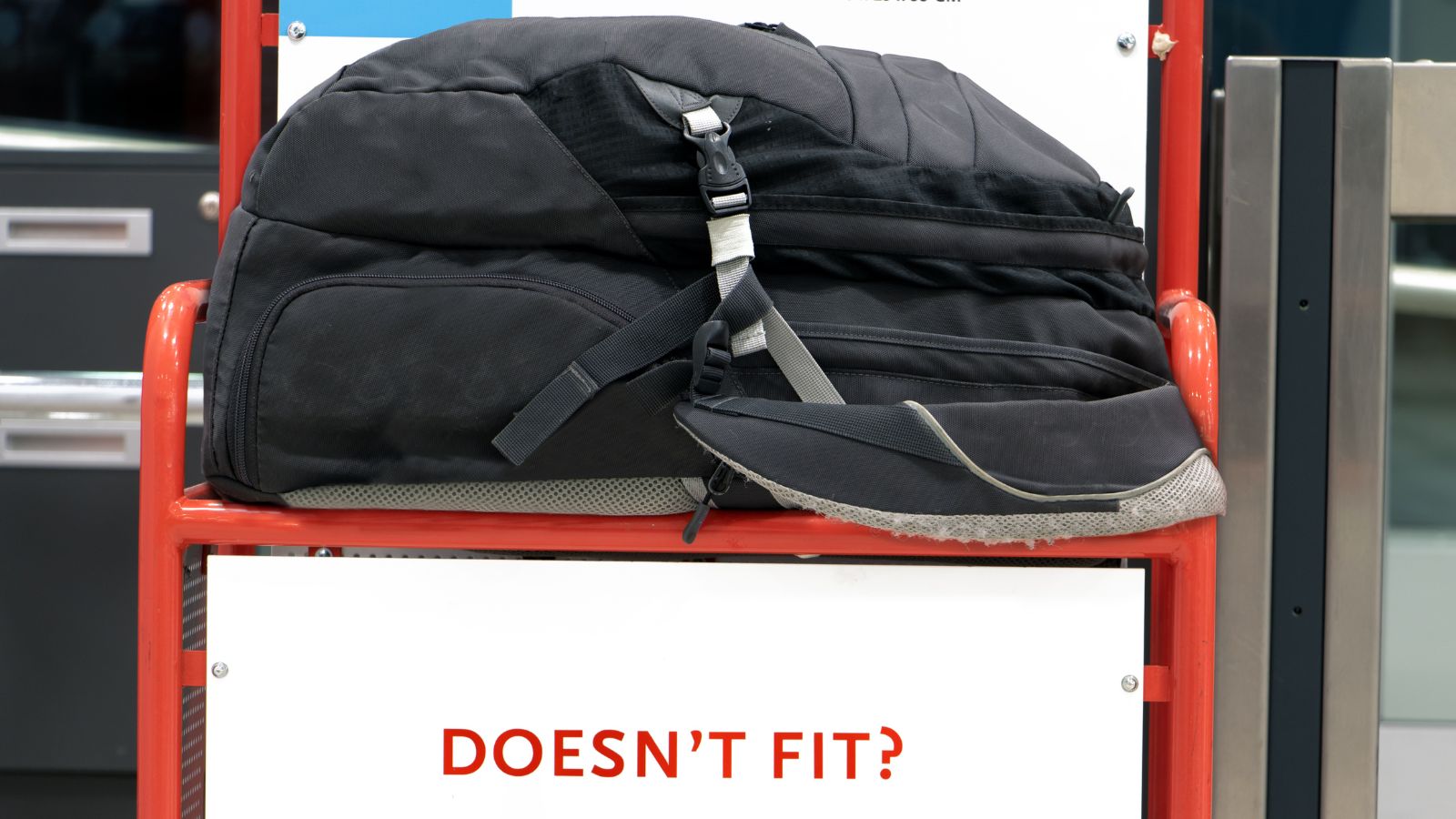
Overweight baggage fees can quickly become one of the most expensive surprises at the airport for Canadian travellers. Airlines enforce strict weight limits for checked luggage, and exceeding these limits results in additional charges that can be quite high. Many passengers underestimate the weight of their bags, especially when packing for longer trips or colder climates that require bulkier clothing. These fees are often charged per bag, which means costs can increase rapidly if multiple items exceed limits. To avoid this charge, travellers should weigh their luggage at home using a portable scale or a household scale. Packing strategically, such as distributing items evenly across multiple bags, can help stay within weight restrictions. Choosing lightweight luggage can also make a noticeable difference.
Airport Check-In Fees
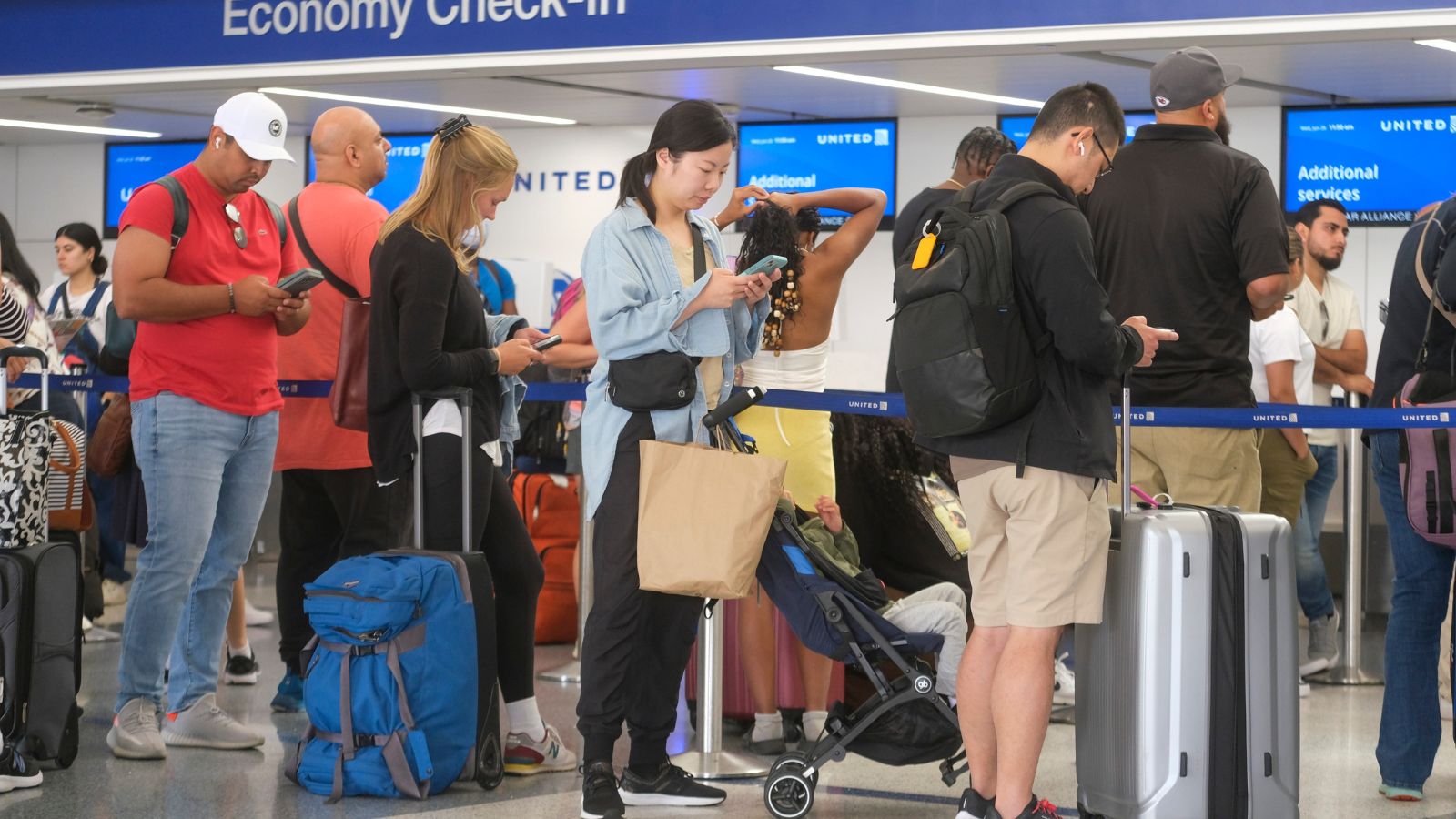
Airport check-in fees are becoming more common as airlines encourage passengers to use online and mobile check-in options. Canadians who are unfamiliar with this policy may be surprised to encounter charges for a service that was once standard. These fees are typically applied when passengers choose to check in at the airport counter instead of completing the process digitally. Airlines use this approach to reduce staffing costs and improve efficiency. To avoid this fee, travellers should check in online as soon as it becomes available, usually twenty-four hours before departure. Mobile boarding passes provide a convenient and widely accepted alternative to printed tickets. For those who prefer a physical copy, printing the boarding pass at home is another simple solution.
Third-Party Booking Fees
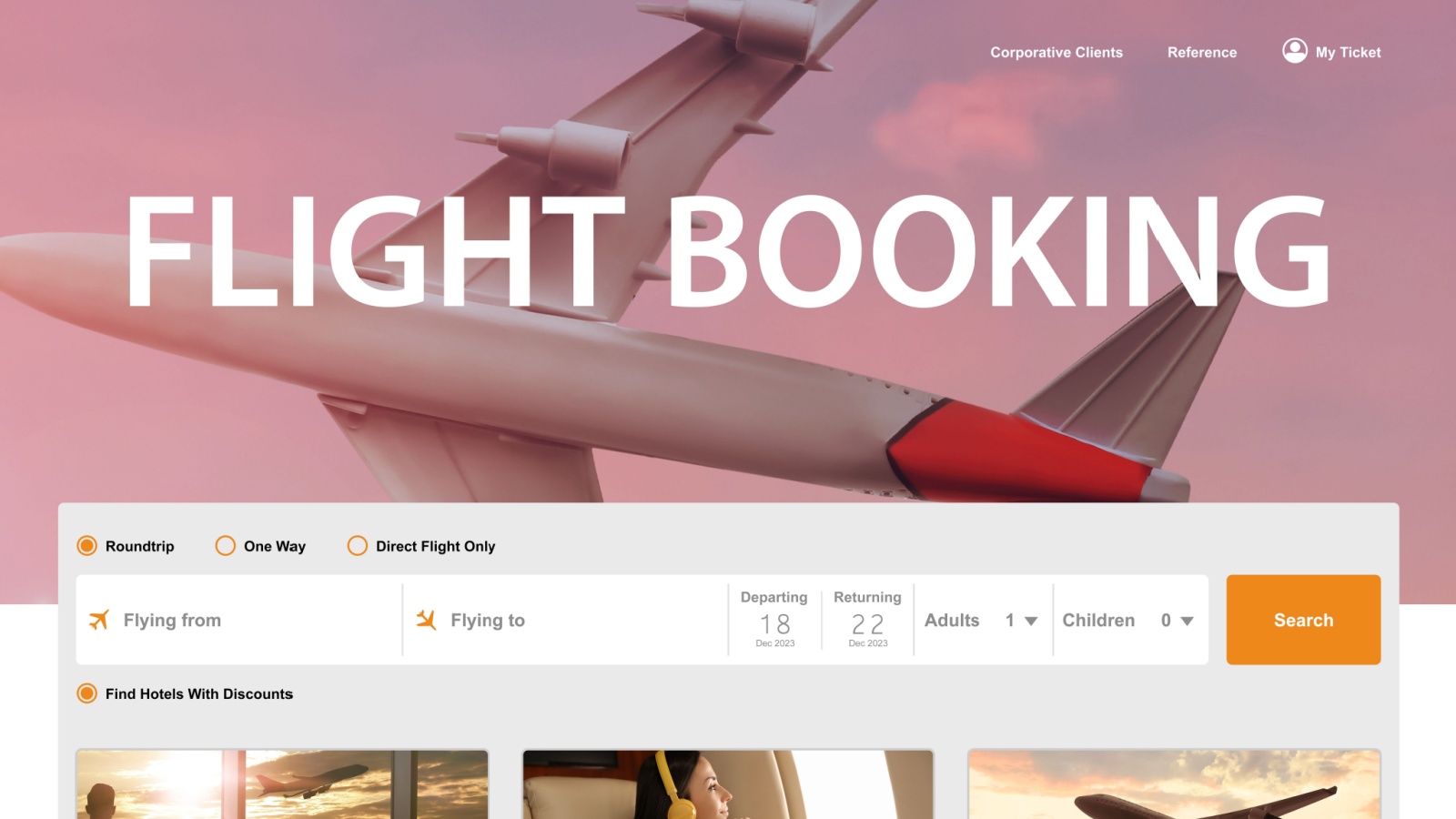
Third-party booking platforms often attract Canadians with lower advertised fares, but additional service fees can make the final price higher than expected. These charges are usually added at checkout, which can make it difficult to compare true costs across platforms. Travellers may also face extra fees for changes, cancellations, or customer support when booking through these services. While these platforms are useful for comparing options, they are not always the most cost-effective way to book flights. Canadians can avoid these fees by booking directly through airline websites after using comparison tools to identify the best routes. Direct bookings also provide better access to customer service and make it easier to manage reservations.
Seat Upgrade Fees
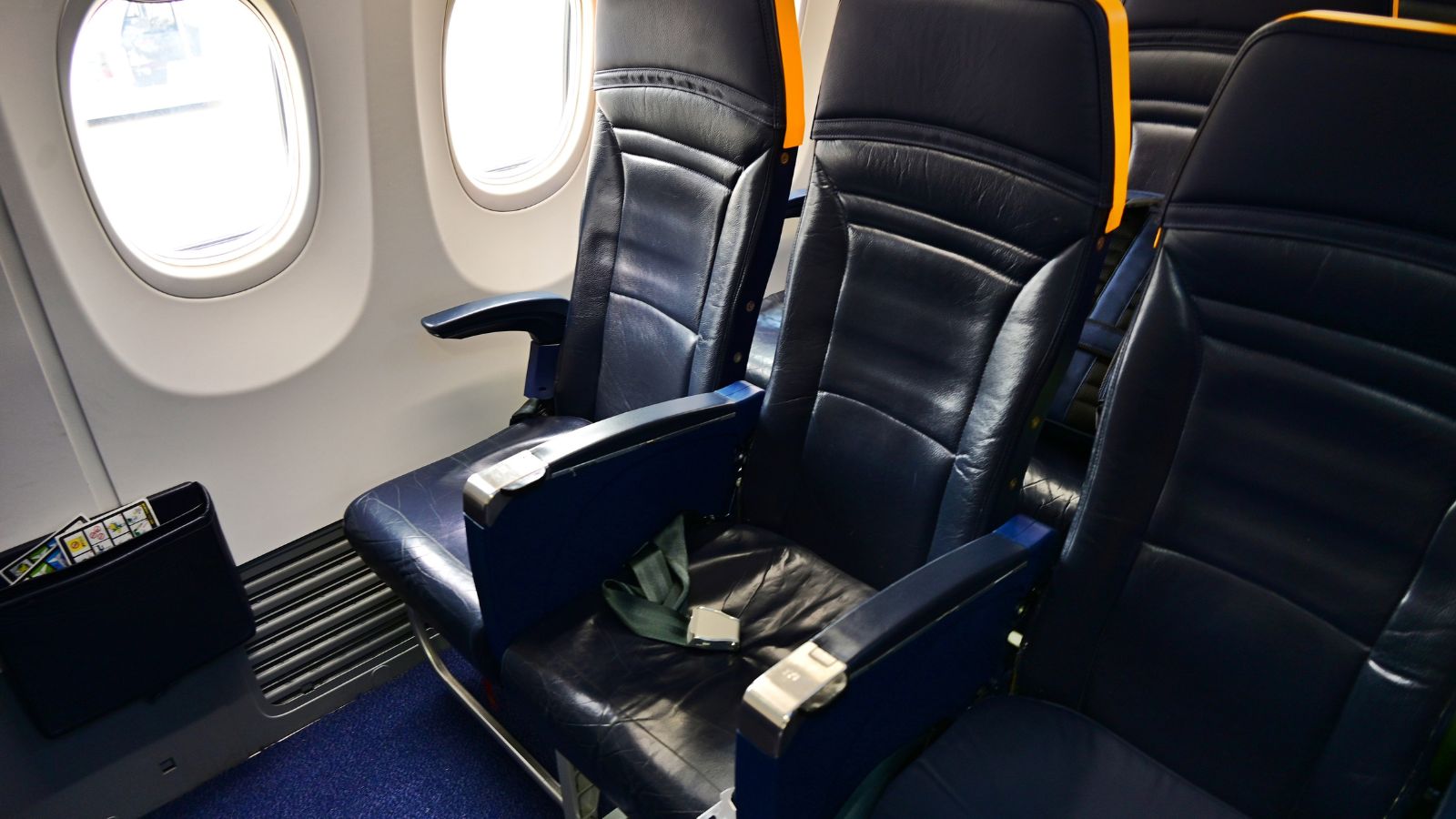
Seat upgrade fees are commonly offered during booking, encouraging travellers to pay extra for additional comfort or preferred seating areas. While upgrades such as extra legroom or premium economy can seem appealing, the added cost is not always justified for many Canadians. On shorter flights, the difference in comfort may be minimal, making the upgrade unnecessary. Airlines often use dynamic pricing for these upgrades, which means costs can increase as the departure date approaches. Travellers may feel pressure to upgrade early to secure better seats, even when standard seating is sufficient. Canadians can avoid these fees by selecting standard seats and checking in early to access better options that may become available without additional charges.
Travel Insurance Add-Ons
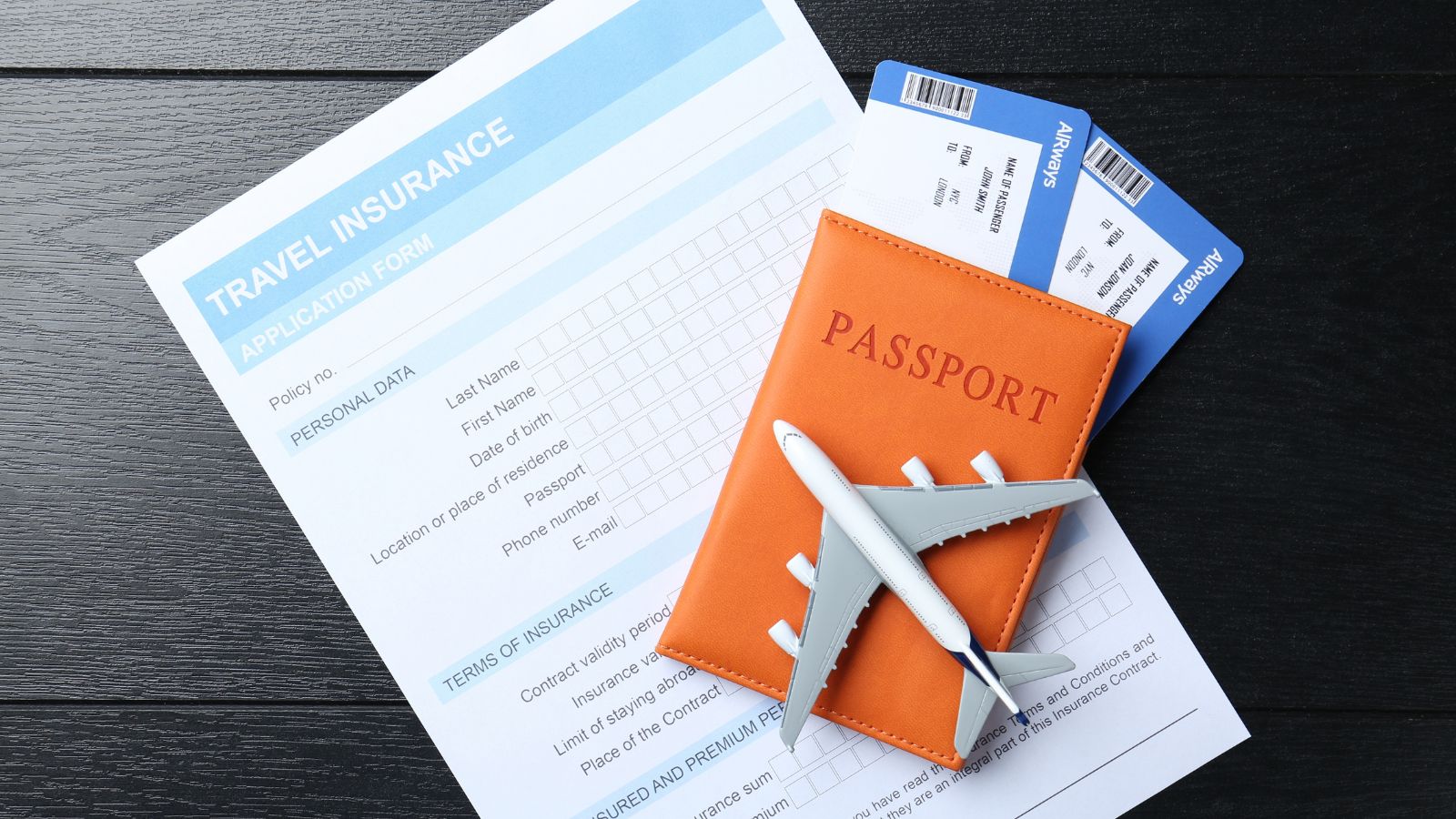
Travel insurance offered during airline booking can be convenient, but it is often more expensive than independent options available to Canadians. Many travellers accept this add-on without comparing coverage or price, assuming it is the simplest choice. However, airline provided insurance may have limitations or exclusions that are not immediately clear. Canadians often already have travel insurance through credit cards or workplace benefits, which makes purchasing additional coverage unnecessary. To avoid overpaying, travellers should review existing coverage before selecting insurance during booking. Comparing policies from third party providers can also help identify better value options.
Early Boarding Zone Fees
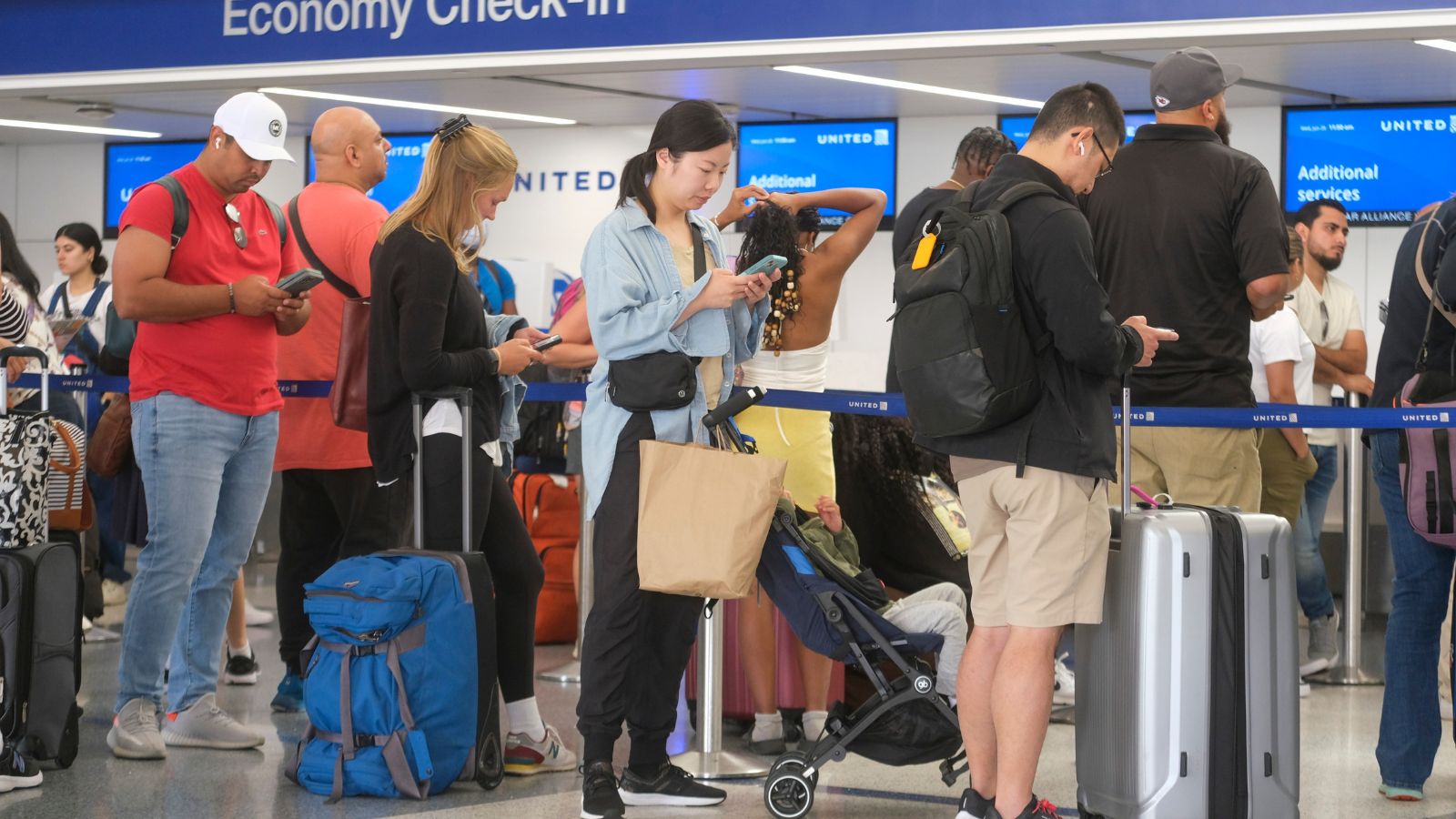
Early boarding zone fees are marketed as a convenience, allowing passengers to board the aircraft ahead of others. While this may seem beneficial, the actual advantage is limited for many Canadian travellers. The primary benefit is access to overhead storage space, which may not be necessary for those travelling with minimal luggage. For passengers seated toward the back of the plane, boarding early does not significantly improve the experience. These fees can add up quickly, especially for families or group travel. Canadians can avoid this charge by boarding during their assigned group and packing efficiently to reduce reliance on overhead bins.
Printing Boarding Pass Fees

Some airlines charge fees for printing boarding passes at the airport, which can be surprising for Canadians who expect this service to be included. This fee is part of a broader effort by airlines to encourage digital check-in and reduce operational costs. Travellers who arrive at the airport without checking in online may be required to pay for assistance at the counter. To avoid this charge, Canadians should check in online before arrival and use mobile boarding passes. These digital options are widely accepted and easy to access. Printing the boarding pass at home is another simple alternative that eliminates the need for airport services. Being prepared in advance not only saves money but also reduces time spent waiting in lines.
Currency Conversion Fees
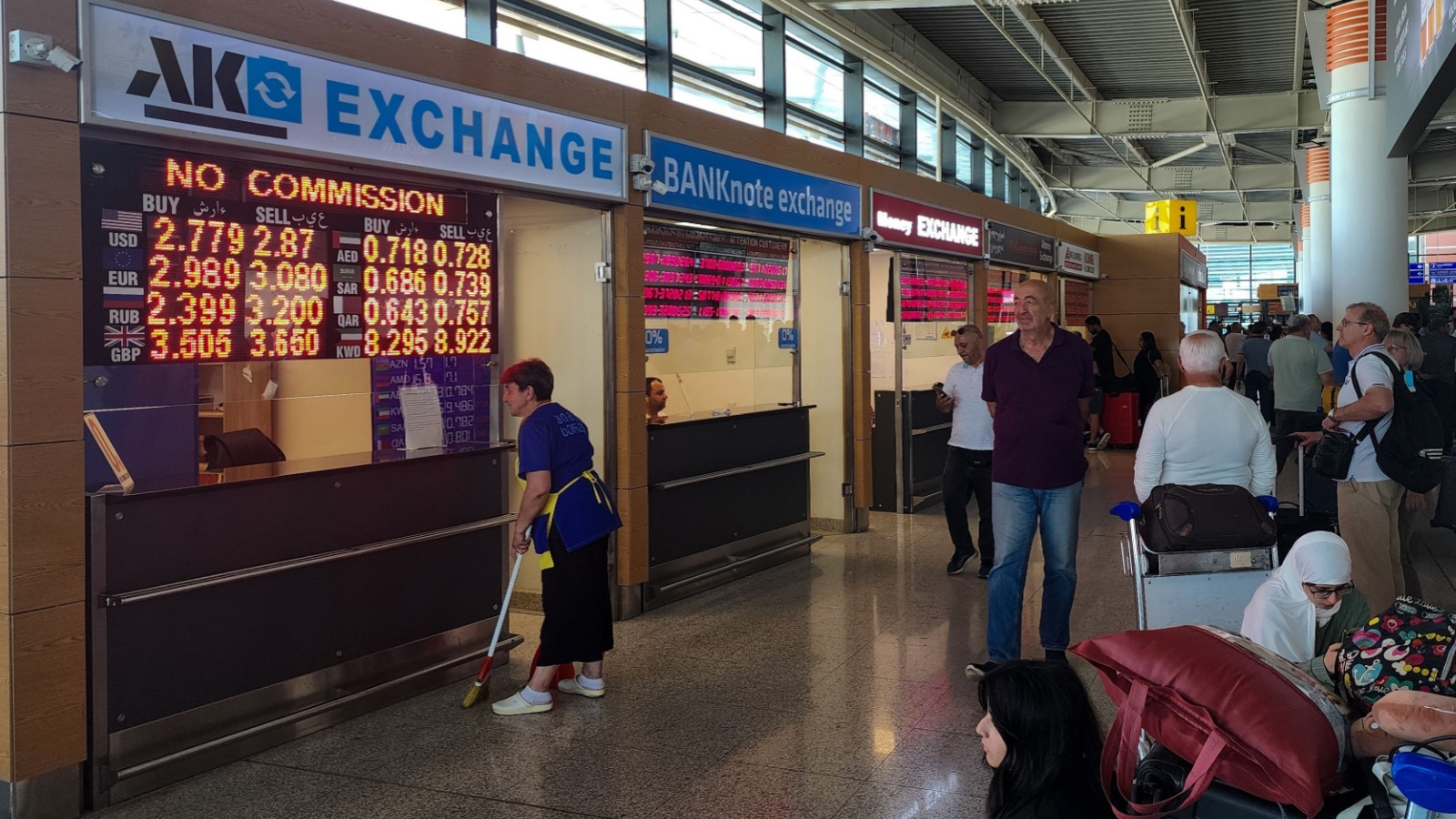
Currency conversion fees can add unexpected costs when Canadians book flights or make purchases in foreign currencies. These charges often occur when transactions are processed in a different currency, leading to additional fees from credit card providers. Travellers may not immediately notice these costs, as they appear later on billing statements. To avoid these fees, Canadians can use credit cards that do not charge foreign transaction fees. Paying in the local currency rather than converting at checkout can also help reduce costs. Understanding how currency exchange works is important when booking flights or purchasing add-ons. Small fees may seem insignificant individually, but they can accumulate over multiple transactions.
Extra Legroom Seat Fees

Extra legroom seats are often promoted as a way to improve comfort, particularly on longer flights. While additional space can be beneficial, the cost of these seats is often high relative to the improvement they provide. For many Canadians, especially on short or medium-haul flights, the difference may not justify the added expense. Airlines price these seats based on demand, which can make them significantly more expensive closer to departure. Travellers can avoid these fees by selecting standard seats and checking in early to secure better options within the regular cabin. Choosing airlines with more generous seat spacing can also reduce the need for upgrades.
Name Change Fees
Name change fees can be one of the most frustrating airline charges, especially when minor errors are involved. Airlines often charge significant fees to correct small spelling mistakes on tickets. Canadians may assume that simple corrections are free, but policies can be strict depending on the airline and fare type. To avoid these fees, travellers should carefully review all booking details before completing their purchase. Using official identification as a reference can help ensure accuracy. Some airlines allow minor corrections within a limited time after booking, which can be helpful if errors are caught early. Understanding airline policies regarding name changes is essential, as discrepancies can also cause issues during check-in or boarding.
Pet Travel Fees
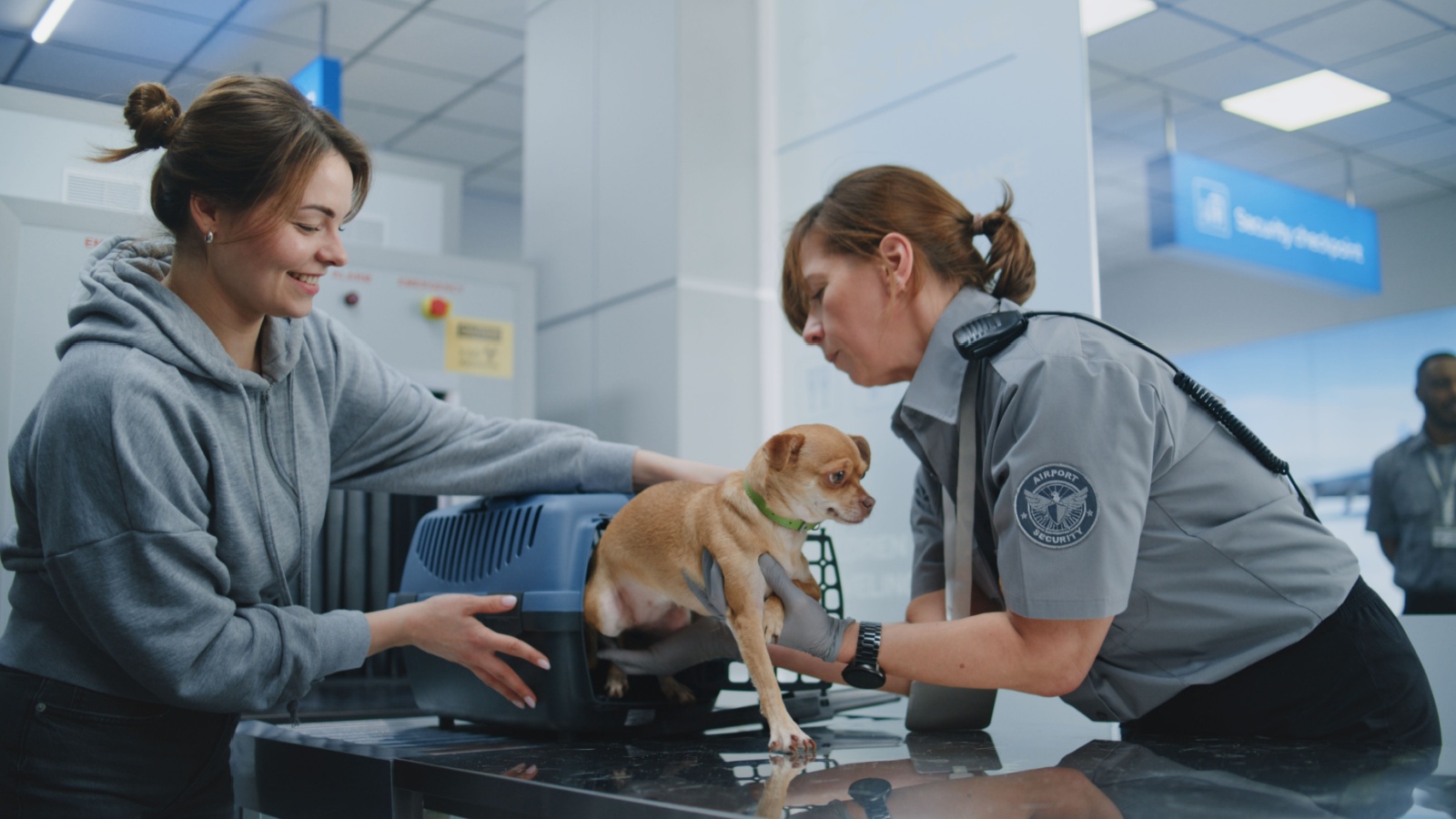
Pet travel fees can be unexpectedly high for Canadians travelling with animals, whether they are carried in the cabin or transported as cargo. Airlines charge these fees to cover handling, safety requirements, and additional procedures. Costs can vary significantly depending on the airline, route, and size of the pet. Travellers may not realize how expensive this can be until they begin the booking process. In addition to airline fees, there may be costs for documentation, carriers, and veterinary requirements. To avoid excessive charges, Canadians should compare airline policies and fees before booking.
19 Things Canadians Don’t Realize the CRA Can See About Their Online Income

Earning money online feels simple and informal for many Canadians. Freelancing, selling products, and digital services often start as side projects. The problem appears at tax time. Many people underestimate how much information the CRA can access. Online platforms, banks, and payment processors create detailed records automatically. These records do not disappear once money hits an account. Small gaps in reporting add up quickly.
Here are 19 things Canadians don’t realize the CRA can see about their online income.
