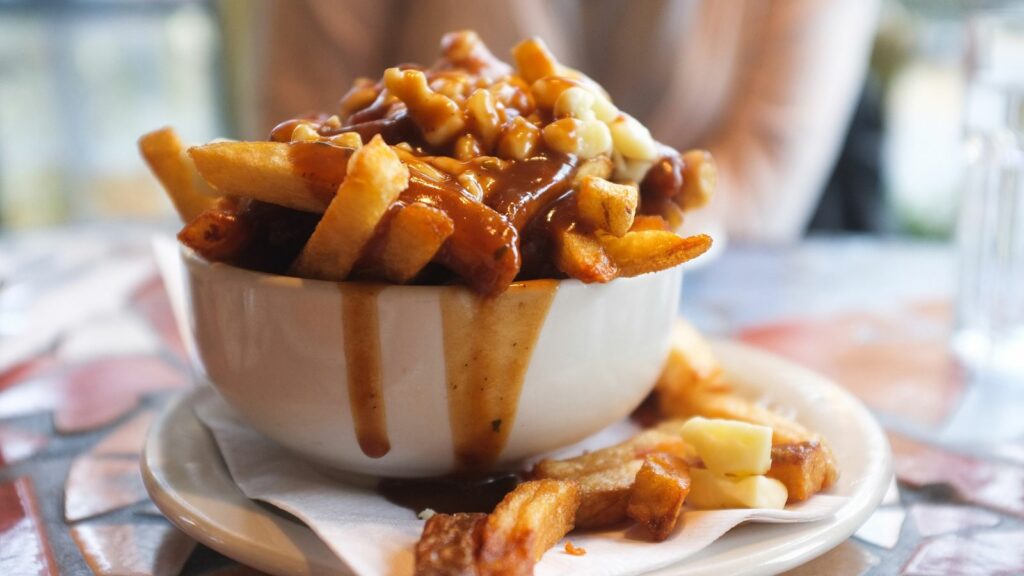
Fast food menus in Canada have changed more than most people realize. Over the years, many popular items have quietly disappeared due to shifting demand, operational changes, or cost pressures. Unlike major discontinuities that get public attention, these items often fade out gradually, leaving customers wondering when they last saw them. For Canadians, these menu changes are especially noticeable because certain items were uniquely adapted to local tastes. Here are 22 fast food items Canadians still miss, even though they quietly disappeared.
McDonald’s Pizza

McDonald’s Pizza was once a surprising addition to the menu in Canada, offering a fast-food take on a classic favourite. Unlike traditional pizzas, it was designed for quick preparation, with a thicker crust and simple toppings. Many Canadians remember ordering it as a novelty, especially in locations that heavily promoted it. However, the item was eventually phased out as it slowed down kitchen operations and did not align with McDonald’s focus on speed and efficiency. Despite this, it developed a strong nostalgic following. For many, it represented a time when fast food chains experimented more freely with menu variety.
Tim Hortons Grilled Cheese Panini
The grilled cheese panini at Tim Hortons offered a simple but satisfying option that appealed to a wide range of customers. It featured melted cheese pressed between toasted bread, creating a warm and familiar comfort food. Many Canadians appreciated it as a quick alternative to heavier menu items, especially during colder months. However, the item was quietly removed as the chain streamlined its menu and focused on faster service items. The preparation process required additional equipment and time, which likely contributed to its removal. Despite being basic, it filled a unique niche that is not fully replaced by current offerings.
Burger King
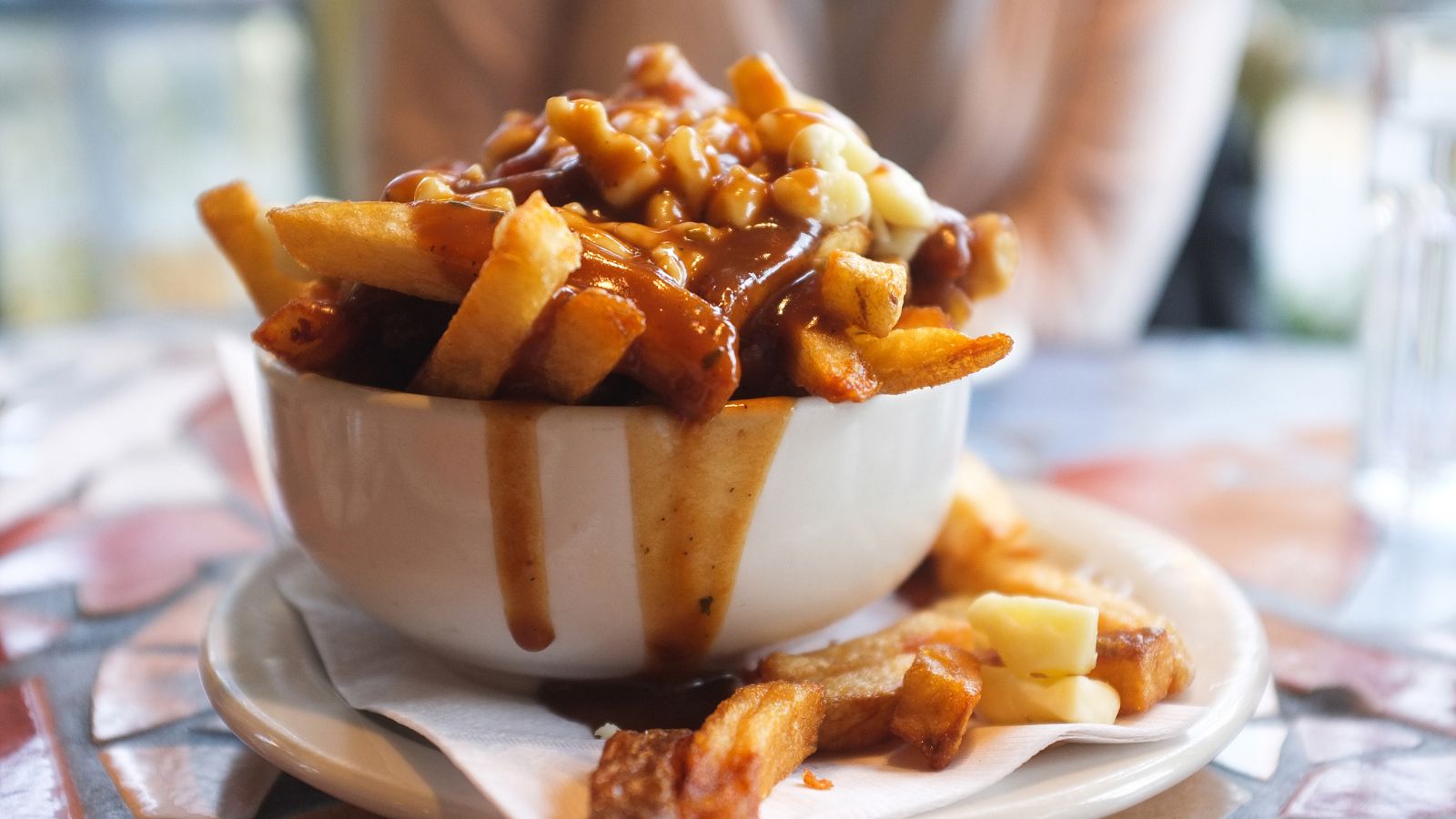
Burger King’s version of poutine was a convenient option for Canadians looking for a quick take on a national favourite. It combined fries, gravy, and cheese curds in a format that was easy to order alongside burgers. While it was never considered the best version of poutine, it was accessible and widely available. Over time, however, the item disappeared from many locations as menus became more streamlined. The removal may have been influenced by challenges with consistency and operational complexity. Despite this, many customers appreciated having a fast-food option for poutine without having to visit a specialty restaurant. Its disappearance reflects how even culturally relevant items can struggle to remain on menus if they do not align with broader business strategies.
A&W Sweet Potato Fries

A&W’s sweet potato fries were a popular alternative to traditional fries, offering a slightly different flavour and texture. They were often seen as a healthier or more interesting option, which helped them stand out on the menu. Many Canadians appreciated the variety, especially those looking for something different from standard fast-food sides. However, the item was eventually removed from many locations, likely due to supply costs and preparation challenges. Sweet potatoes can be more expensive and less consistent than regular potatoes, which affects profitability. Despite this, the fries had a loyal following and are still missed by customers who enjoyed the option.
Subway Oven Roasted Chicken Breast
Subway’s oven-roasted chicken breast was once a staple for customers looking for a leaner sandwich option. It was marketed as a healthier choice, which made it popular among those trying to avoid processed meats. Over time, however, the item was replaced or reformulated, and many customers noticed a decline in quality or its complete disappearance in some locations. The change was likely driven by cost considerations and supply consistency. Despite newer options being introduced, many Canadians still prefer the original version for its simplicity and taste. Its removal reflects how menu changes can impact customer perception, especially when a trusted item is altered or removed.
KFC Double Down
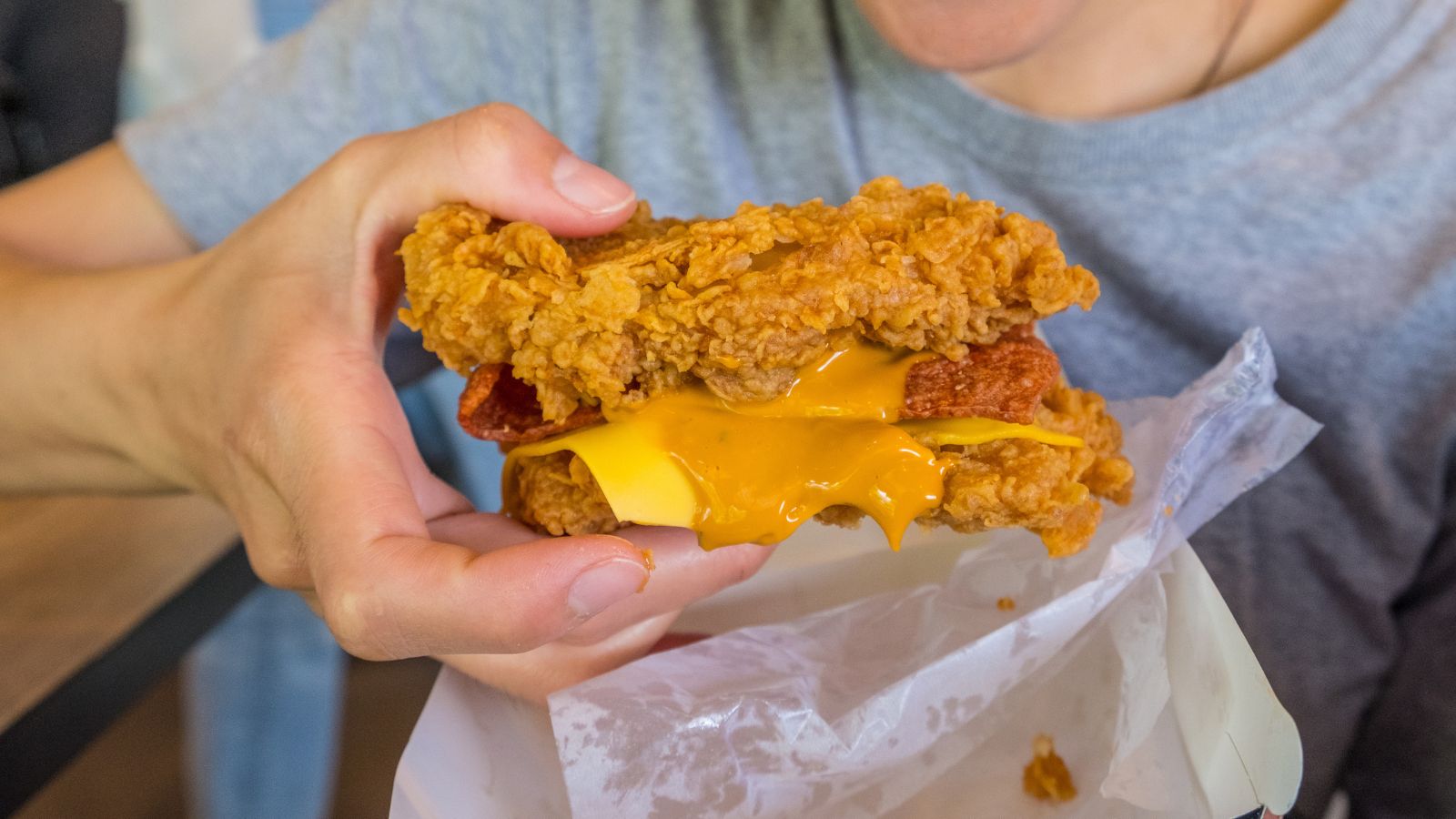
The KFC Double Down was one of the most unconventional fast food items ever introduced, replacing bread with two pieces of fried chicken surrounding fillings like cheese and bacon. While it generated significant attention when launched, it was always intended as a limited-time item. Despite its extreme concept, it developed a strong following in Canada. Many customers appreciated it as a bold and indulgent option. However, due to its niche appeal and health concerns, it was not kept on the permanent menu. Its occasional reappearances only increased its cult status. The Double Down remains one of the most memorable discontinued items, highlighting how novelty can drive popularity even if it is not sustainable long term.
McDonald’s Snack Wraps
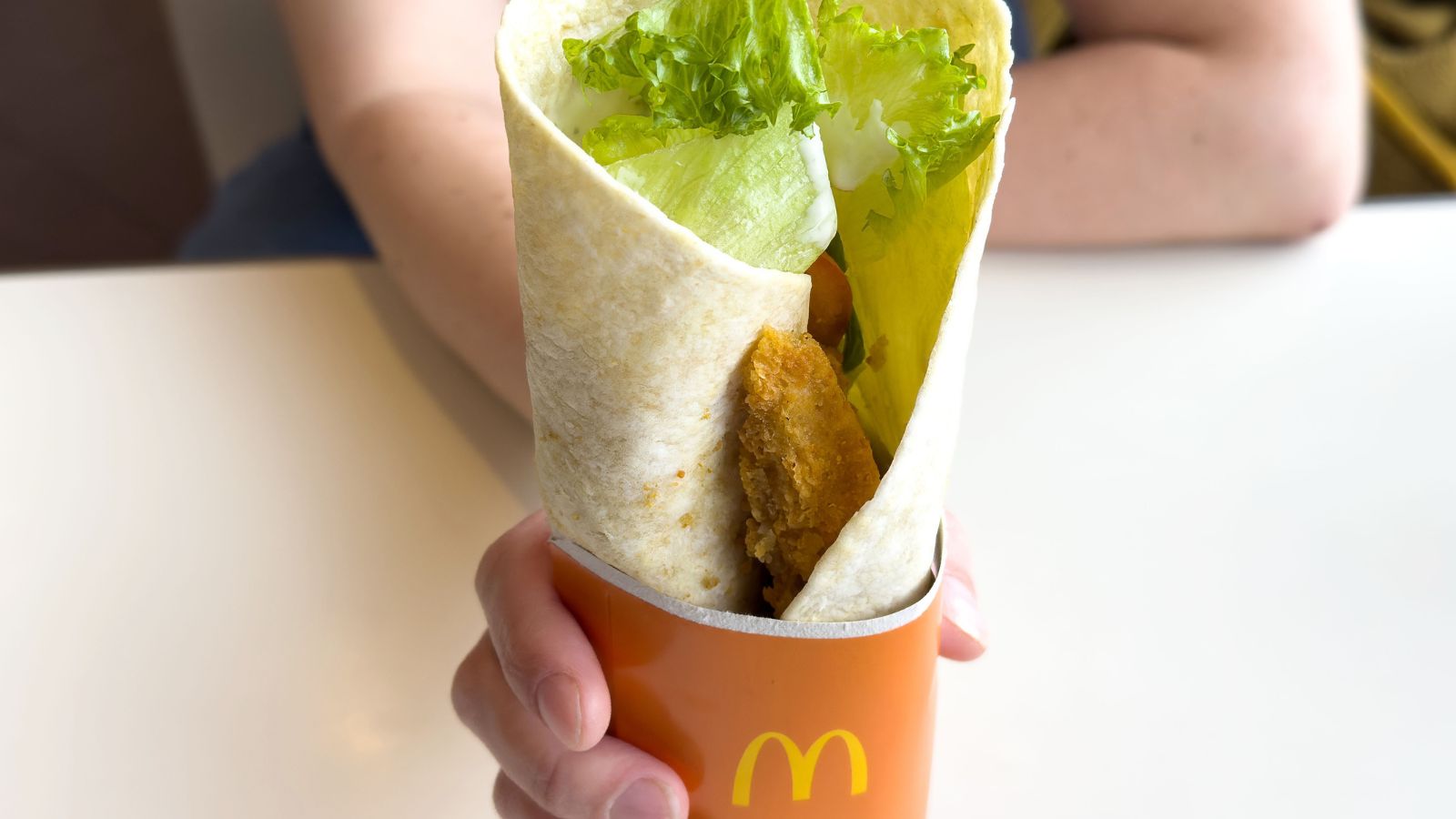
McDonald’s Snack Wraps were a convenient and portable option that combined chicken, lettuce, and sauce in a soft tortilla. They were especially popular among customers looking for a lighter or smaller meal. However, the item was gradually phased out in Canada as McDonald’s simplified its menu. Preparation complexity and slower service times were likely factors in its removal. Despite this, many Canadians still remember Snack Wraps as one of the most practical fast food options. Their absence is often mentioned in discussions about discontinued items that should return. The popularity of similar items elsewhere suggests that demand still exists, making their disappearance more noticeable.
Tim Hortons Dutchie Donut
The Dutchie donut was once one of Tim Hortons’ most iconic menu items, known for its simple combination of raisins and glaze. It had a distinct flavour that appealed to longtime customers and became closely associated with the brand. Over time, however, it was removed from regular menus as consumer preferences shifted toward newer and more indulgent options. Despite this, it continues to hold nostalgic value for many Canadians. Occasional limited returns have shown that demand still exists, but it has not been reinstated permanently. Its disappearance highlights how traditional items can be replaced as brands evolve to attract new audiences.
Wendy’s Frescata Sandwiches
Wendy’s Frescata sandwiches were introduced as a fresher, deli-style option to compete with sandwich-focused chains. They featured ingredients such as sliced meats, cheese, and vegetables on artisan-style bread. While the concept was well-received, the preparation time was longer than that of typical fast-food items, creating operational challenges. As a result, the sandwiches were discontinued despite positive customer feedback. Canadians who tried them often remember them as a higher-quality alternative to standard fast food offerings. Their removal reflects how even well-liked items can struggle if they do not meet fast-service expectations.
Harvey’s Buffalo Chicken Burger
Harvey’s Buffalo Chicken Burger offered a spicier alternative to traditional chicken sandwiches, featuring bold flavours that appealed to many customers. It stood out on the menu as a more adventurous option compared to standard offerings. However, the item was eventually removed as menus were adjusted to focus on core items. Spicy products can have more limited appeal, which may have influenced the decision. Despite this, many Canadians still remember the burger for its distinctive taste. Its disappearance shows how unique items can be phased out even when they have a dedicated following.
Dairy Queen Treatzza Pizza
The Dairy Queen Treatzza Pizza combined dessert with a pizza format, featuring a cookie base topped with ice cream and various sweet toppings. It was a creative product that appealed to families and younger customers. However, its preparation was more complex than standard menu items, which likely contributed to its removal. Despite this, it remains a memorable part of Dairy Queen’s menu history in Canada. Many customers recall it as a fun and unique dessert option. Its disappearance reflects how novelty items can struggle to remain viable in fast-paced service environments.
McDonald’s Arch Deluxe
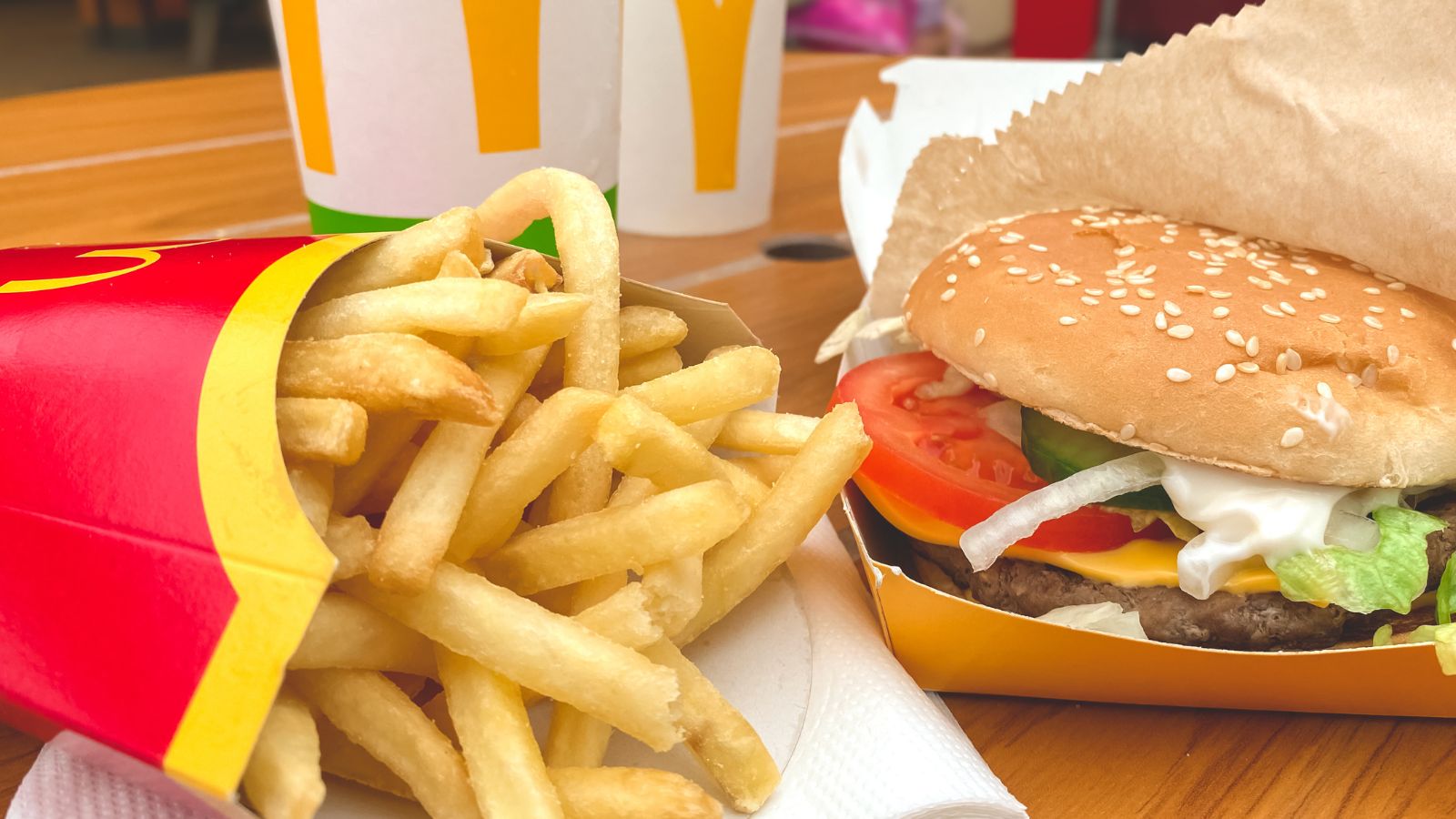
The McDonald’s Arch Deluxe was introduced as a more sophisticated burger aimed at adult customers, featuring a unique sauce and higher-quality ingredients. While it gained attention at launch, it never fully resonated with the broader fast food audience in Canada. Many customers appreciated its distinct flavour and slightly more premium feel compared to standard menu options. However, its positioning made it difficult to sustain, as fast food is typically associated with simplicity and value. Over time, the item was quietly removed as McDonald’s refocused on core offerings. Despite its limited success, it developed a niche following among those who enjoyed its more refined taste. Canadians who remember the Arch Deluxe often describe it as ahead of its time, offering something different from the usual lineup.
Tim Hortons English Toffee Cappuccino
The English Toffee Cappuccino at Tim Hortons was a popular flavoured beverage, offering a rich, slightly sweet alternative to regular coffee. It became especially popular during colder months, when customers looked for warm and comforting drinks. The flavour stood out among other options, giving it a loyal following. However, as Tim Hortons streamlined its menu and adjusted its beverage lineup, the item gradually disappeared. Changes in ingredient sourcing and in the complexity of preparation may have contributed to its removal. Despite this, many Canadians still remember it as one of the brand’s more distinctive drink options.
Burger King BK Broiler
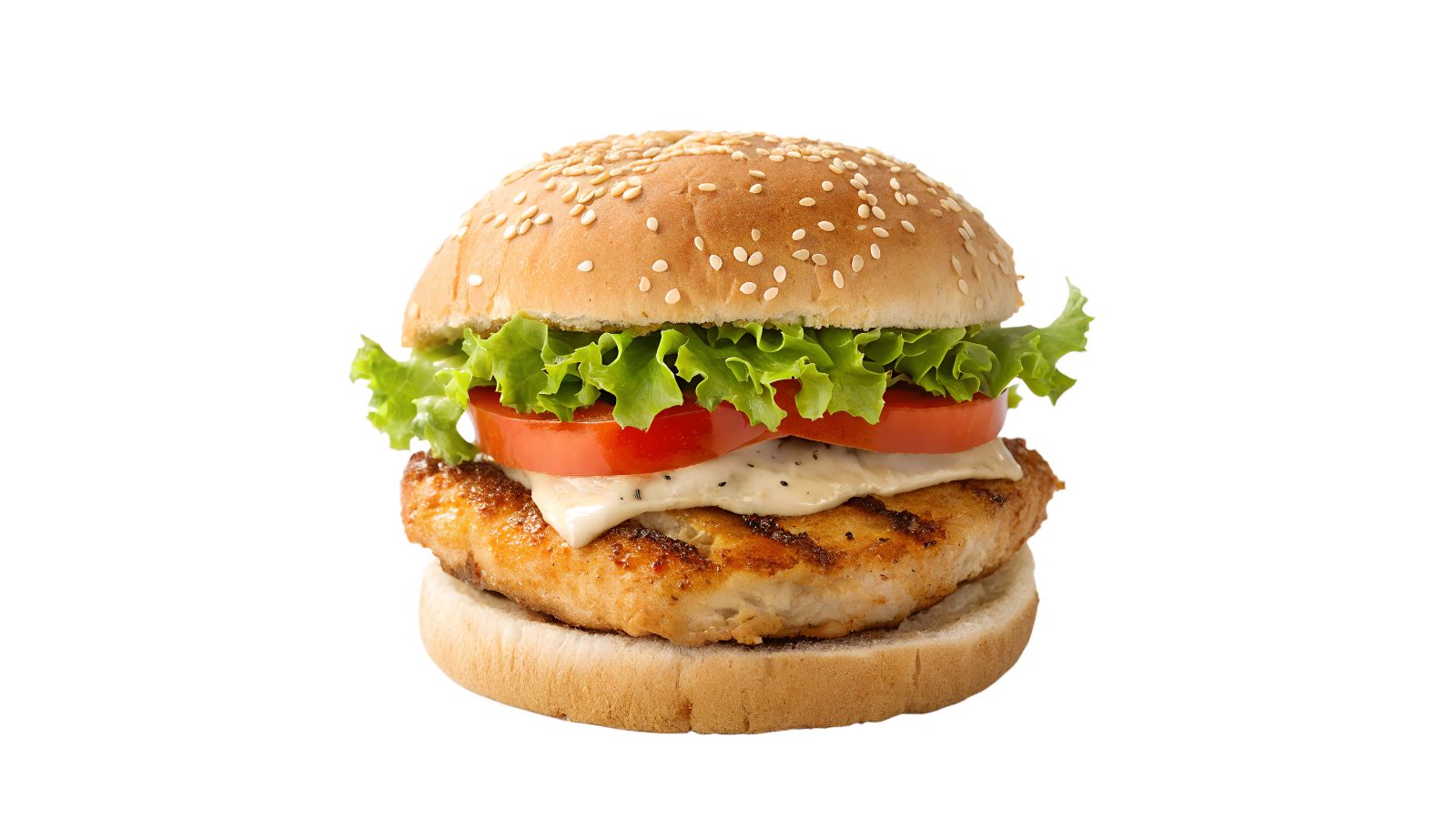
The BK Broiler was Burger King’s earlier attempt at offering a grilled chicken sandwich, positioned as a healthier alternative to fried options. It gained popularity among customers seeking lighter menu options without sacrificing flavour. In Canada, it became a recognizable option for those seeking variety beyond traditional burgers. However, as Burger King updated its menu and introduced newer chicken sandwiches, the BK Broiler was eventually phased out. While replacements were introduced, many customers felt they did not fully replicate the original’s taste and texture. The item’s disappearance reflects how menu evolution can replace familiar options with newer concepts.
McDonald’s McDLT

The McDLT was a unique McDonald’s burger that kept hot and cold ingredients separate in a specially designed container. This allowed customers to assemble the burger themselves, maintaining freshness and texture. While the concept was innovative, it required special packaging that became impractical over time. Environmental concerns and operational complexity contributed to its discontinuation. Despite this, many Canadians remember the McDLT for its distinct presentation and experience. It stood out from standard burgers and offered a different level of customization. Its disappearance reflects how packaging and environmental considerations can influence menu decisions.
KFC Popcorn Chicken (Original Version)
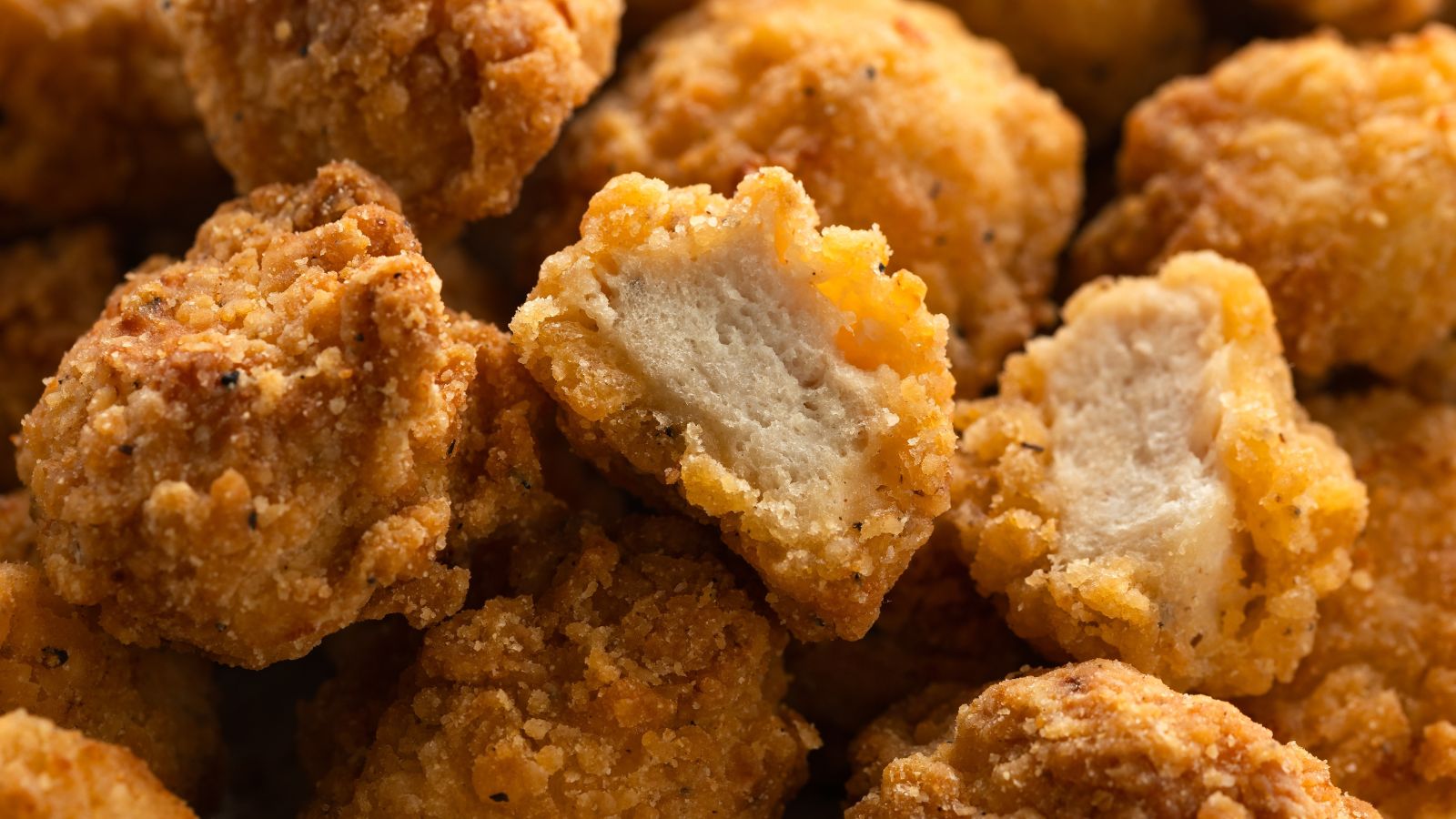
KFC Popcorn Chicken has appeared in different forms over the years, but many Canadians remember the original version as superior in taste and texture. It offered bite-sized pieces of chicken that were easy to share and convenient to eat. The original version developed a strong following, especially among younger customers. However, changes in recipe, portion size, or preparation methods altered the product over time. In some cases, it disappeared entirely from menus before being reintroduced in a different form. Many customers feel that the original version has never been fully replicated.
Tim Hortons Strawberry Tarts

Tim Hortons Strawberry Tarts were a popular dessert item known for their simple combination of pastry, filling, and glaze. They were especially appreciated during warmer months as a lighter alternative to heavier baked goods. Over time, however, the item was removed as the brand shifted toward a different dessert lineup. Changing consumer preferences and menu simplification likely contributed to its disappearance. Despite this, many Canadians still remember the tart as a classic option that balanced sweetness and freshness. Its removal highlights how traditional items can be replaced by trend-driven products.
Subway Seafood Sensation
The Subway Seafood Sensation sandwich offered a unique alternative to meat-based options, featuring a seafood-style filling that appealed to a specific customer group. It became a recognizable item for those looking for variety in the menu. However, concerns around ingredient sourcing, quality perception, and demand likely contributed to its removal. In Canada, where seafood is widely available, expectations for quality may have been higher, which made the product more difficult to maintain. Despite this, it had a loyal following among customers who appreciated its distinct flavour.
A&W Whistle Dog
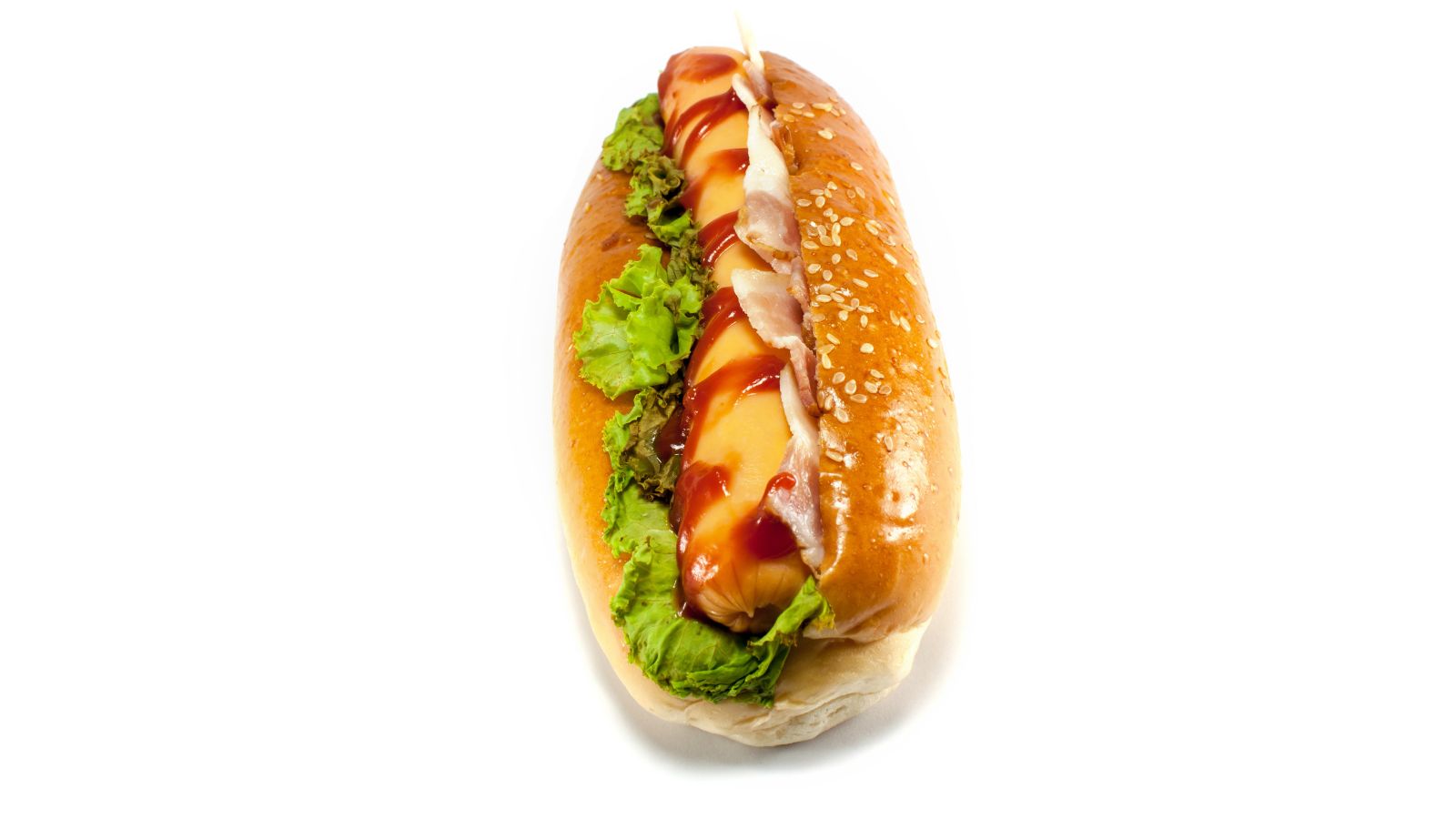
The A&W Whistle Dog was a hot dog topped with bacon, cheese, and other additions, offering a more indulgent take on a classic item. It stood out on the menu as something different from burgers, attracting customers looking for variety. Over time, however, it became less common or disappeared from regular offerings. Changes in menu focus and operational efficiency likely influenced its removal. Despite this, many Canadians still remember it as a unique and satisfying option. Its disappearance highlights how fewer common items can be phased out in favour of more standardized offerings. The Whistle Dog remains a nostalgic favourite for those who enjoyed its distinctive flavour combination.
Wendy’s Superbar
Wendy’s Superbar was an all-you-can-eat buffet-style offering that included items such as pasta, salads, and tacos. It offered a distinct fast-food experience that appealed to families and groups. However, the concept was difficult to maintain due to operational complexity and cost. Over time, it was removed as Wendy’s returned to a more traditional service model. Canadians who experienced the Superbar often remember it as a unique and flexible dining option. Its disappearance reflects that certain concepts may not fit within fast-food efficiency models, even if they are popular with customers.
McDonald’s Bagel Breakfast Sandwiches
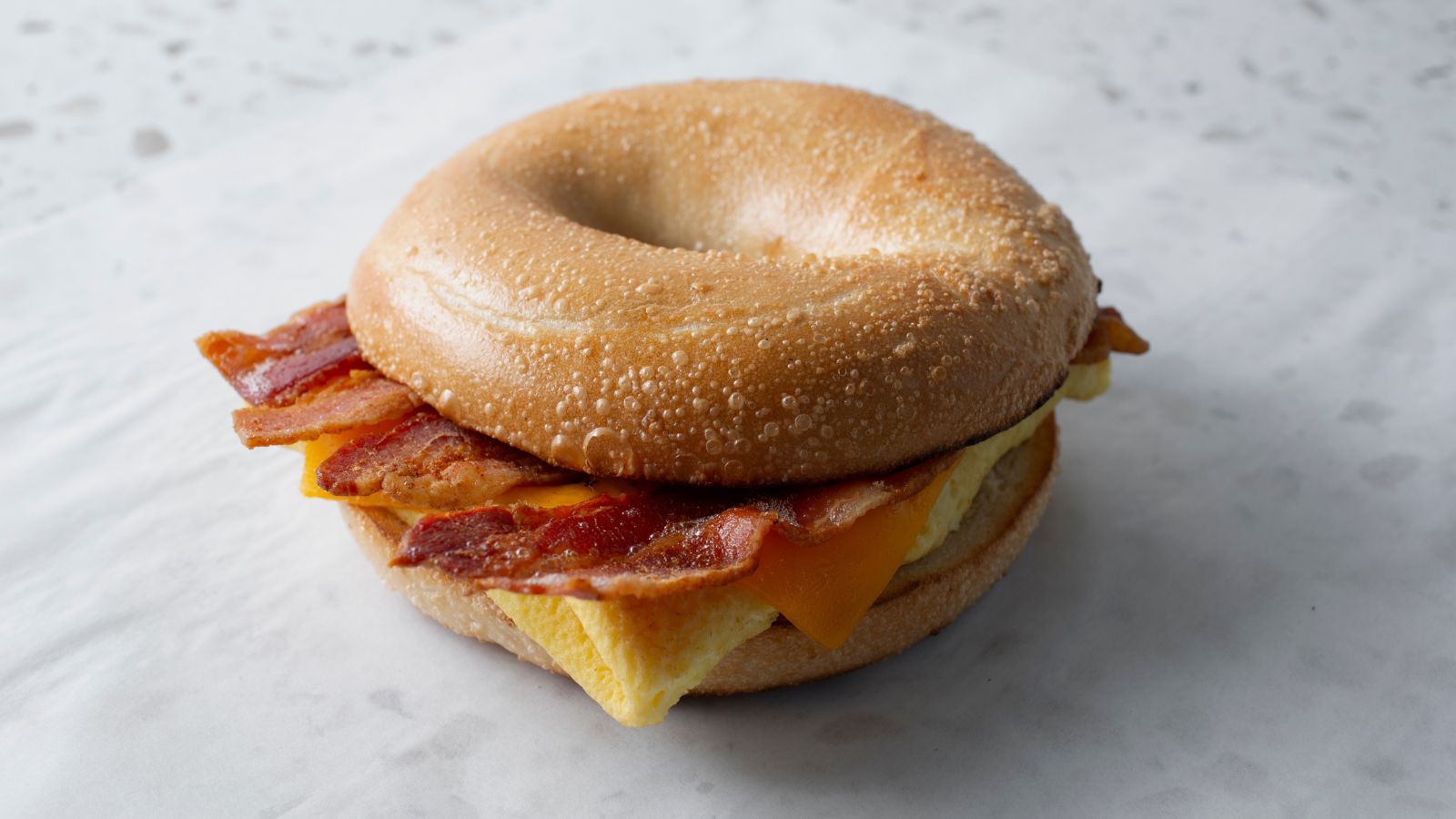
McDonald’s bagel breakfast sandwiches were a popular alternative to traditional breakfast items, offering a denser and more filling option. They featured ingredients such as eggs, cheese, and meat on a toasted bagel, which appealed to customers looking for variety. However, the item was gradually removed from menus as McDonald’s simplified its breakfast offerings. Preparation time and consistency may have contributed to the decision. Despite this, many Canadians still remember the bagel sandwiches as one of the more satisfying breakfast options. Their absence highlights how menu streamlining can remove even well-liked items.
Pizza Hut Lunch Buffet
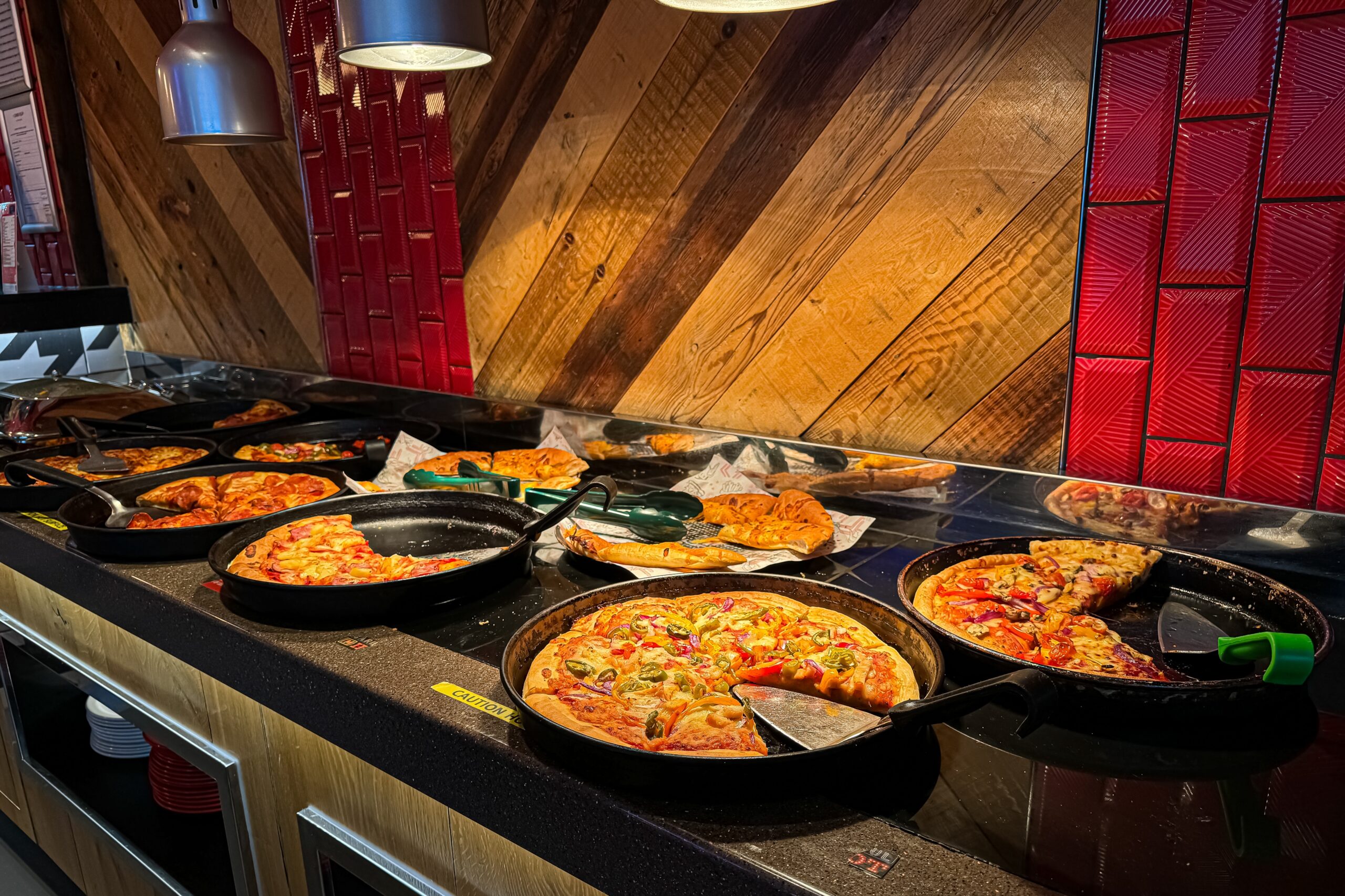
Pizza Hut’s lunch buffet was a popular dining option that offered unlimited pizza, pasta, and sides. It was especially appealing for families and office workers looking for value and variety. However, the buffet model became less practical due to changing dining habits and operational challenges. Many locations phased it out in favour of standard ordering systems. Canadians who experienced the buffet often remember it as a social and affordable option. Its disappearance reflects broader changes in how fast food and casual dining operate today.
19 Things Canadians Don’t Realize the CRA Can See About Their Online Income

Earning money online feels simple and informal for many Canadians. Freelancing, selling products, and digital services often start as side projects. The problem appears at tax time. Many people underestimate how much information the CRA can access. Online platforms, banks, and payment processors create detailed records automatically. These records do not disappear once money hits an account. Small gaps in reporting add up quickly.
Here are 19 things Canadians don’t realize the CRA can see about their online income.
