Canadian grocery aisles have started to feel oddly nostalgic. Foods that once sat comfortably in lunch bags, pantry cupboards, road-trip coolers, and weekend snack bowls now carry a sharper price tag, a smaller package, or a sense that they belong to an easier grocery era.
These 17 Canadian snacks and staples are not disappearing in a literal sense, but many are beginning to feel less automatic. Inflation, shrinkflation, weather pressure, commodity swings, and changing household budgets have turned familiar favourites into more deliberate purchases.
Ketchup Chips
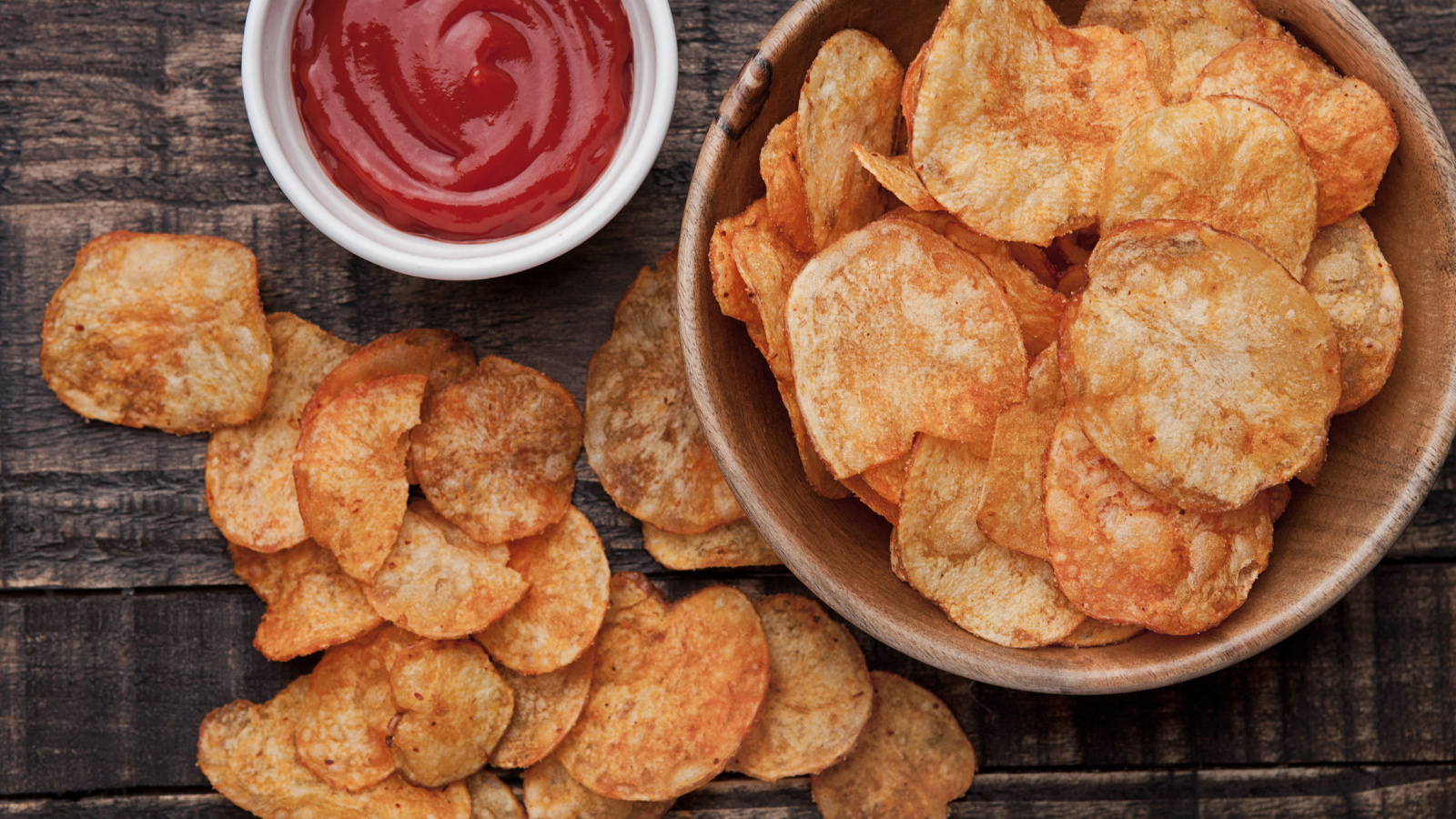
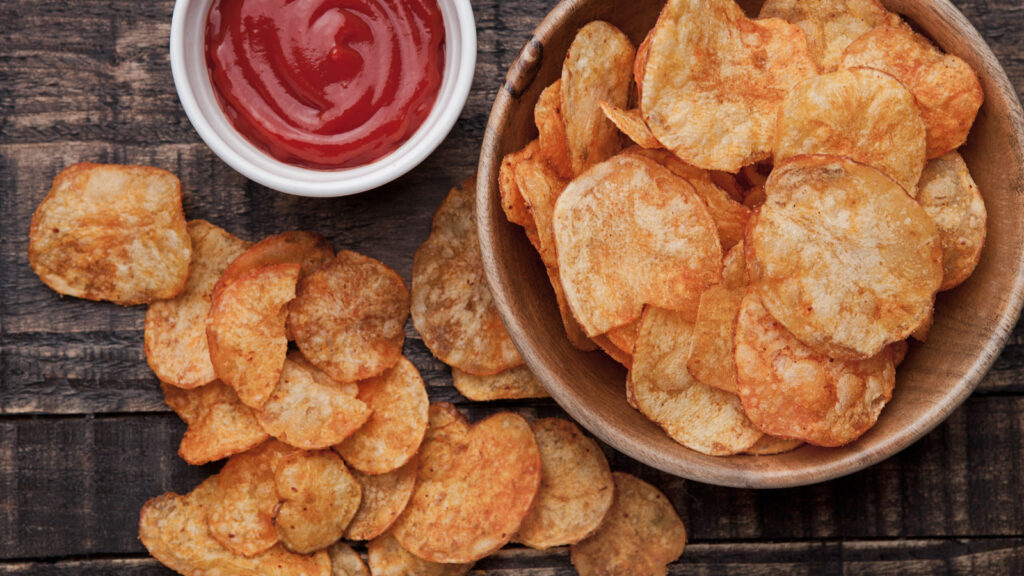
Ketchup chips have long occupied a special corner of Canadian snack culture: bright red fingertips, school lunches, cottage weekends, and a flavour that still confuses many visitors. They are still widely available, but the old feeling of tossing a family-size bag into the cart without thinking has faded for many households. Snack prices have become harder to ignore, especially when the bag looks large but feels lighter once opened.
The pressure is not only emotional. Savoury snacks are a major packaged-food category in Canada, and the broader packaged-food market has grown sharply in dollar terms. At the same time, shrinkflation has made snack packaging a frequent source of consumer frustration. Ketchup chips remain a Canadian staple, but for some shoppers, they have shifted from casual pantry filler to sale-only treat.
All-Dressed Chips

All-dressed chips once felt like the ultimate Canadian compromise: barbecue, sour cream, salt, vinegar, and a little mystery all in one bag. They showed up at hockey nights, basement birthday parties, and long drives where the snack stop mattered almost as much as the destination. The flavour is still there, but the price-to-portion calculation has changed the mood.
Many shoppers now notice that a bag of chips can vanish quickly while costing more than expected. Potato supply also matters more than people realize. Canada remains a significant potato producer and exporter, but regional drought conditions have affected harvests in some years, including declines in parts of Eastern Canada. When potatoes, oil, packaging, and freight all become more expensive, even a familiar bag of all-dressed chips starts to feel less carefree.
Kraft Dinner
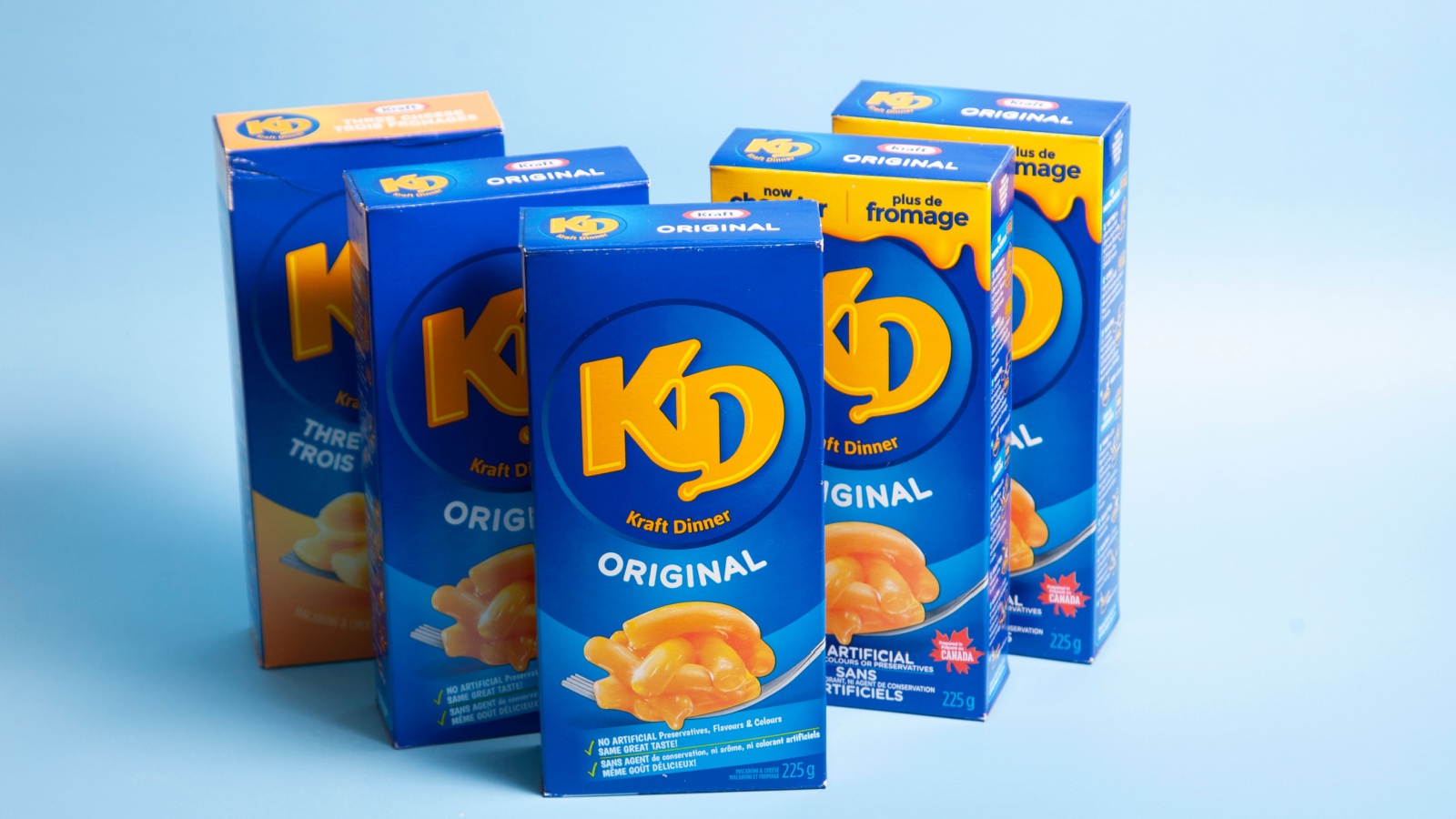
Kraft Dinner is one of the country’s most recognizable pantry shortcuts. For generations, it has stood in for student survival, quick family dinners, late-night comfort, and the kind of meal that required almost no planning. Its power came from being cheap, fast, and familiar. That combination is harder to preserve when grocery bills keep climbing.
The emotional shift is noticeable because boxed macaroni and cheese used to feel nearly inflation-proof. But dry grocery items are not immune to higher costs for wheat, dairy ingredients, packaging, manufacturing, and retail margins. Shrinkflation has also affected some boxed and packaged foods in Canada. Kraft Dinner still carries nostalgia, but the days when it felt like the unquestioned budget rescue meal are beginning to feel more distant.
Butter Tarts
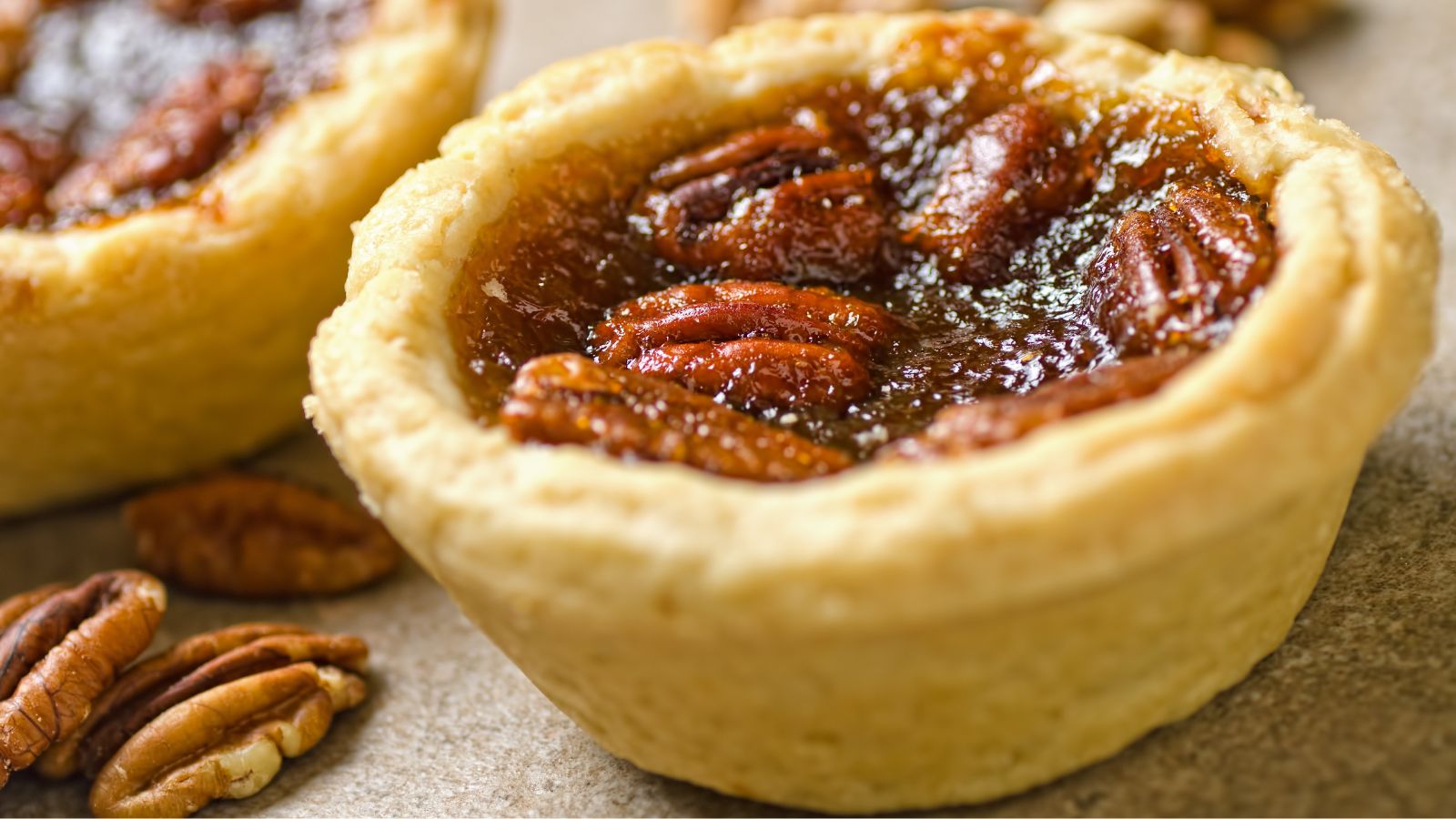
Butter tarts are not just a dessert in Canada; they are a regional argument, a bakery case ritual, and a point of pride from Ontario markets to prairie bake sales. Raisins or no raisins, runny or firm, homemade or store-bought, the butter tart has always carried a sense of affordable indulgence. That affordability is less guaranteed now.
Bakery items sit inside a grocery category affected by labour, flour, butter, sugar, energy, and transportation costs. Even small bakeries have had to price more carefully as ingredient bills rise. For shoppers, that can turn a half-dozen butter tarts from an easy weekend purchase into a small luxury. The treat still tastes like home, but the price can make it feel more like a special occasion than an everyday bakery stop.
Nanaimo Bars
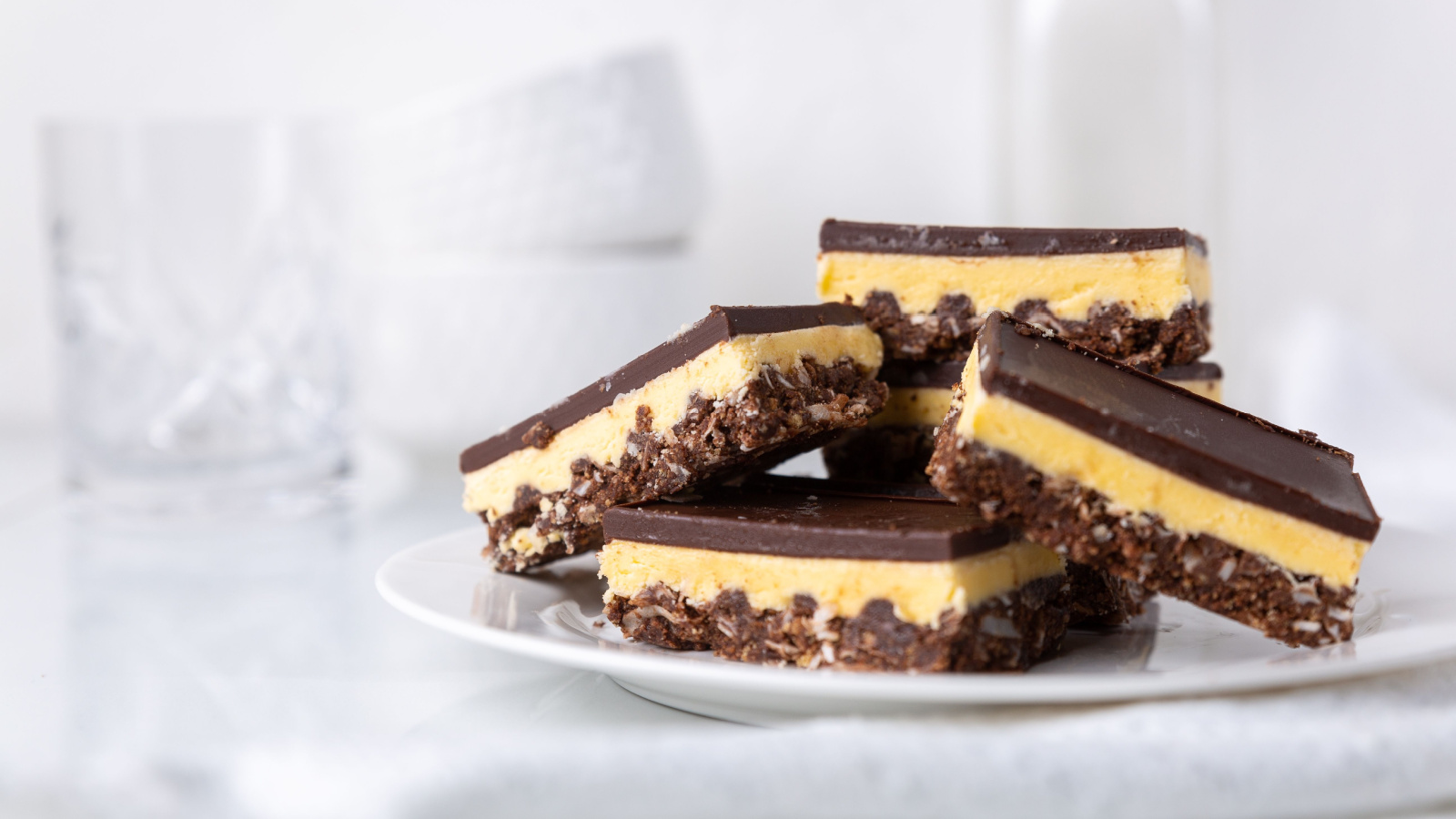
Nanaimo bars have a rare status: a dessert so tied to place that the city name became part of the food itself. The layered square of crumb base, custard-style filling, and chocolate top is still a fixture at bakeries, holiday trays, and grocery dessert counters. Yet the ingredients behind that little square have become more expensive and volatile.
Chocolate is a major reason. Cocoa prices have gone through dramatic swings, driven by difficult growing conditions and supply concerns in West Africa. Retail chocolate prices often lag commodity declines, meaning relief on global markets does not instantly show up in dessert cases. Add butter, sugar, coconut, nuts, packaging, and labour, and Nanaimo bars start to feel less like a casual tray filler and more like a carefully chosen sweet.
Maple Syrup

Maple syrup is one of Canada’s most symbolic foods, but its everyday role has changed. A bottle on the breakfast table once felt like a proud staple, especially in households that used it for pancakes, oatmeal, baking, marinades, or coffee. Now, many families treat real maple syrup more carefully, using smaller pours or saving it for weekend breakfasts.
The price reflects both value and vulnerability. Canada is a dominant global maple producer, with Quebec accounting for the overwhelming share of national production. Weather affects sap flow, and annual production can rise or fall sharply. Because pure maple syrup is labour-intensive and highly tied to seasonal conditions, it has never been the same as ordinary sweetener. Still, recent grocery pressure has made that distinction more obvious at checkout.
Peanut Butter
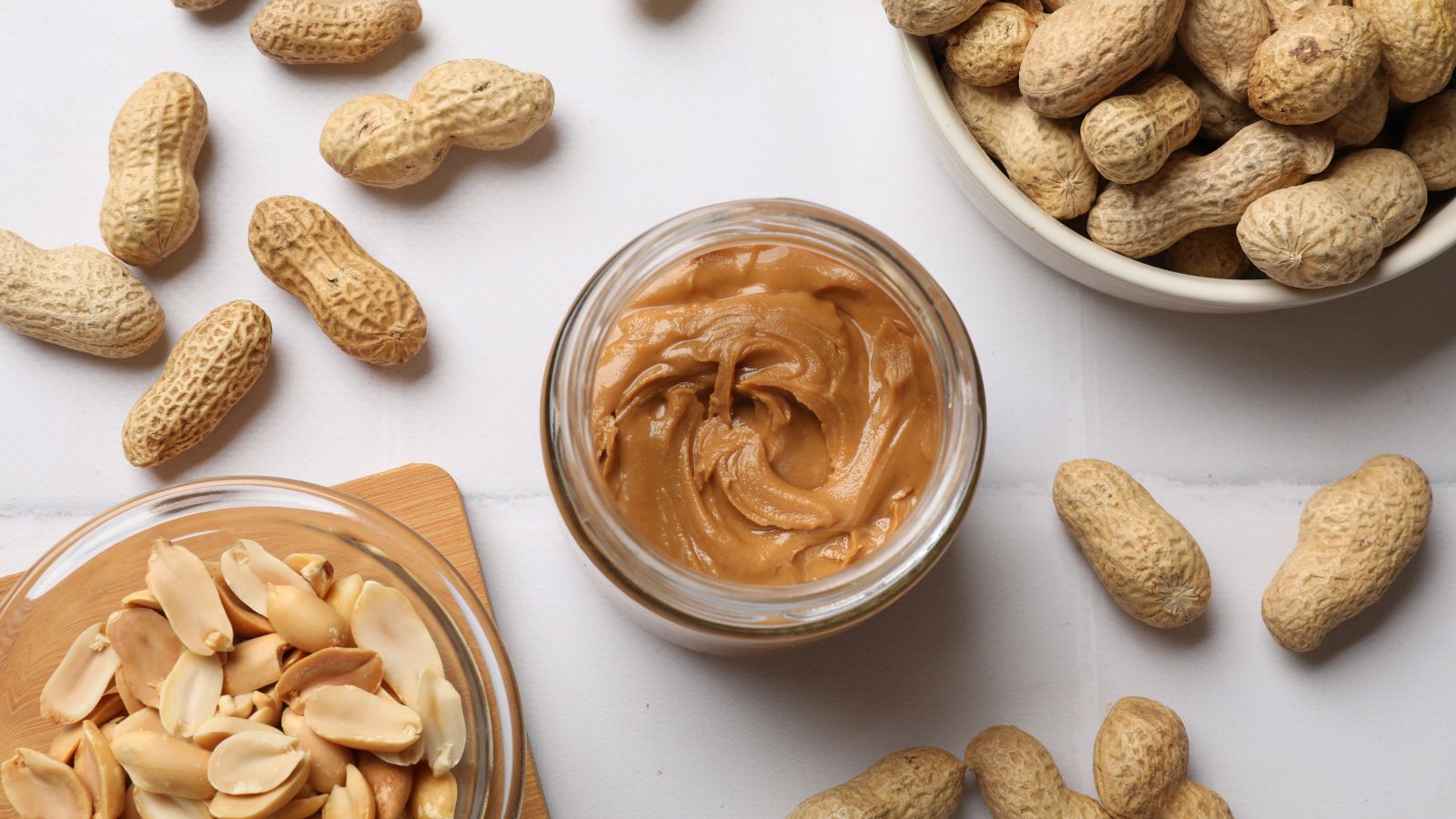
Peanut butter has long been one of Canada’s quiet pantry anchors. It works for toast, sandwiches, baking, smoothies, apples, celery, and emergency dinners when nobody has the energy to cook. Its reputation is built on reliability: one jar, many uses, long shelf life. That is exactly why price increases feel so noticeable.
For households watching grocery totals, peanut butter is no longer just a spread; it is a protein source competing with eggs, meat, cheese, and yogurt. When food inflation pushes families toward pantry staples, demand for versatile items stays strong. But jars can also be affected by packaging, oil prices, transport, exchange rates, and crop conditions outside Canada. A spoonful still tastes familiar, but the shelf price makes the old “cheap staple” label feel less automatic.
Breakfast Cereal
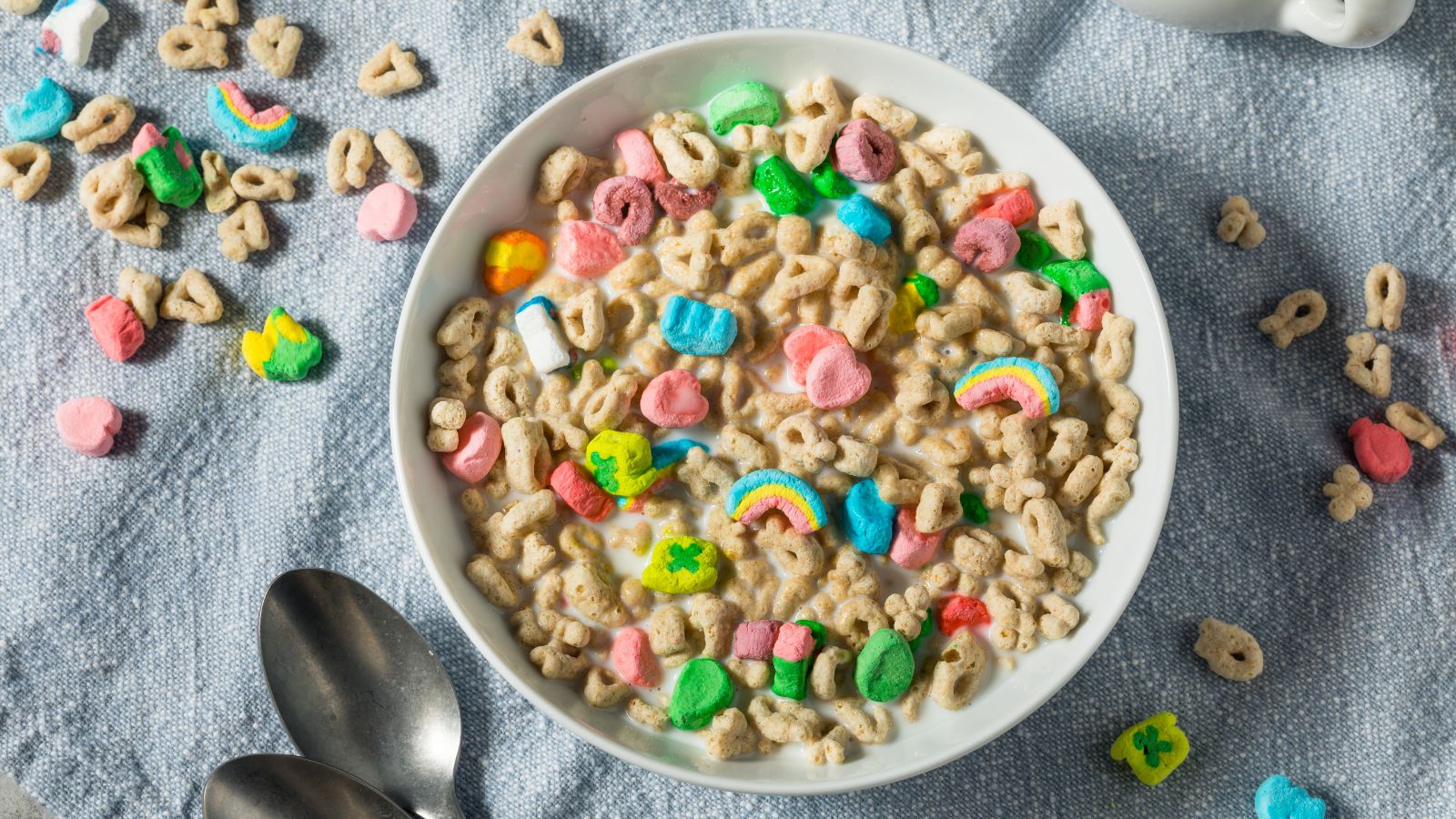
Breakfast cereal used to be one of the easiest grocery decisions: pick the familiar box, pour it before school, repeat all week. It was part meal, part snack, and part childhood advertising memory. Today, cereal aisles can feel more like a math exercise, with shoppers comparing box sizes, sale stickers, unit prices, and store brands.
Shrinkflation has made cereal especially vulnerable to suspicion because the box can look substantial while the contents feel reduced. Grain, sugar, packaging, transportation, and promotional pricing all shape what lands on the shelf. For families with children, a box can disappear quickly, making the cost more obvious. Cereal has not vanished from Canadian kitchens, but the relaxed feeling around buying it has weakened.
Crackers

Crackers once played a simple role in Canadian homes: soup companion, lunch-box filler, cheese-board base, sick-day food, and quick snack when dinner was late. They were rarely glamorous, but they were dependable. Now, that dependable role has become more complicated as boxes cost more and sometimes feel thinner than remembered.
Packaged baked goods and snack products have been part of the broader shrinkflation conversation in Canada. Crackers are especially easy for shoppers to notice because the box size, sleeve count, and weight can shift while the product still looks familiar on the shelf. For households trying to stretch groceries, crackers now compete with bread, rice cakes, tortillas, and bulk snacks. The humble cracker remains useful, but it no longer feels quite as invisible in the budget.
Chocolate Bars
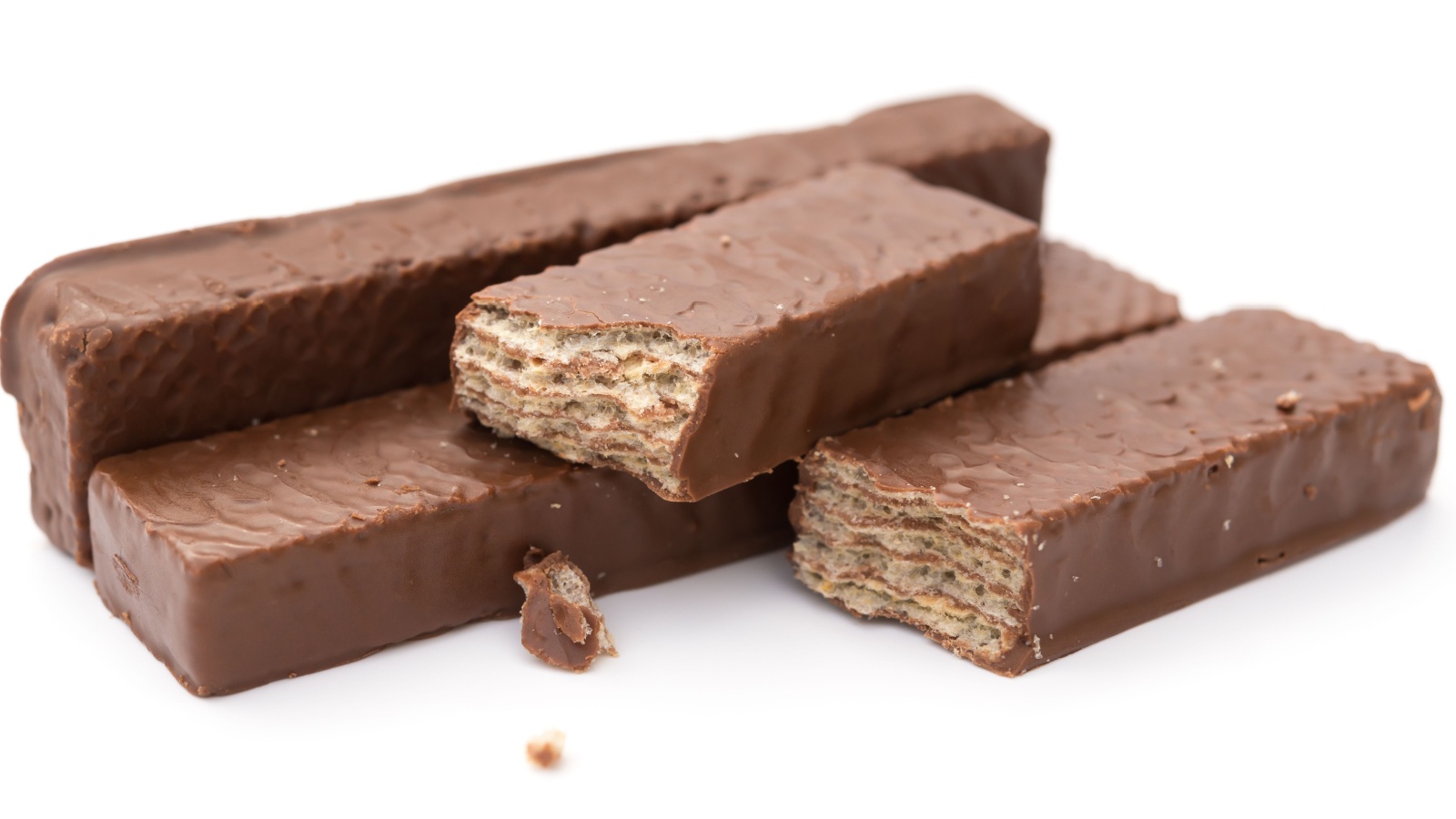
The single chocolate bar used to be the classic checkout reward: small, familiar, and cheap enough to barely register. That psychology has changed. Many shoppers now pause before grabbing one, especially when the bar looks smaller, the multipack costs more, or premium chocolate has moved into near-gift territory.
Cocoa has been one of the most volatile food commodities in recent years. Weather, disease, aging trees, and supply pressure in major producing regions have pushed costs higher, and manufacturers often adjust through price increases, smaller sizes, or reformulated offerings. Even when cocoa markets cool, retail prices can remain sticky. The chocolate bar still offers a quick hit of nostalgia, but it increasingly feels like a treat with a real grocery consequence.
Orange Juice

Orange juice once carried a wholesome morning image: breakfast tables, school mornings, hotel buffets, and cartons tucked beside milk in the fridge. In many households, it has become less routine. A carton that used to feel like a standard weekly purchase now often feels optional, especially as families prioritize milk, coffee, fresh fruit, or cheaper beverages.
The price pressure is tied to global supply. Orange crops have faced disease, weather problems, and production challenges in key growing regions, which has affected juice markets. In Canada, imported produce and beverages can be exposed to currency, freight, and climate-related costs. For shoppers, the result is simple: orange juice feels less like an everyday staple and more like a brunch item, a sale purchase, or a nostalgic comfort from a less expensive breakfast routine.
Coffee

Coffee is both a staple and a ritual. It fuels commutes, kitchen-table mornings, office breaks, and the quiet minutes before a long day begins. Canadians still buy it in large quantities, but the price of ground coffee, pods, instant coffee, and café cups has made the habit feel less invisible. Even home brewing no longer feels like the bargain it once did.
Global coffee prices have been affected by weather, crop conditions, and supply concerns in major producing countries. Non-alcoholic beverages have also been flagged as a category facing elevated price pressure. For households that drink several cups a day, small increases add up quickly. Coffee is not going anywhere, but the carefree refill has taken on a sharper financial edge.
Cheese Curds
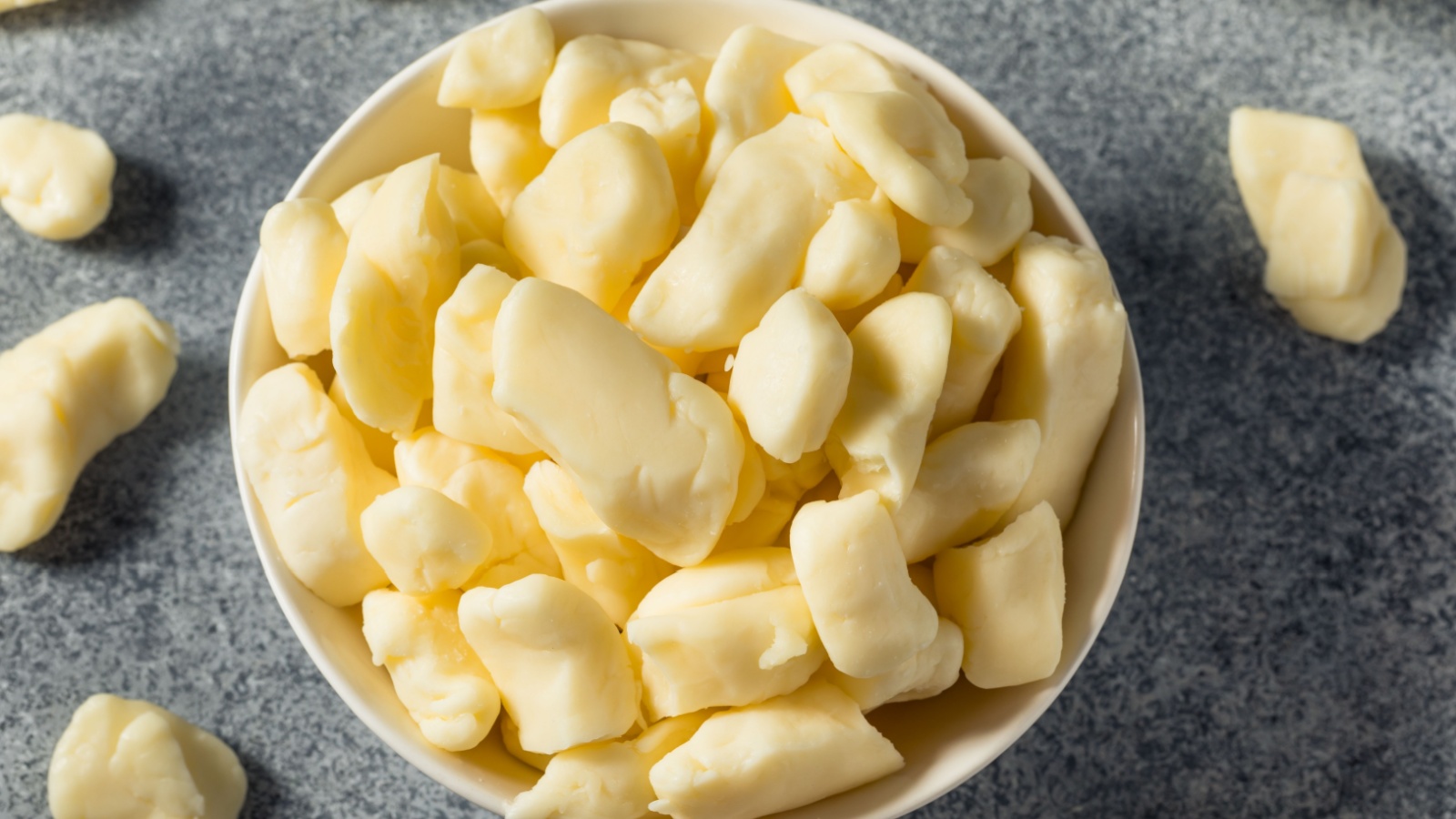
Cheese curds occupy a special place in Canadian food culture because of poutine, farmers’ markets, chip trucks, and Quebec dairy tradition. Fresh curds are best when they squeak, which makes them more local and time-sensitive than many other dairy products. That freshness also makes them feel vulnerable to higher costs.
Dairy products are affected by production, processing, refrigeration, transportation, and retail pricing. In poutine, the curds are only one part of the cost; potatoes, oil, gravy, labour, rent, and packaging all matter too. The result is that a casual poutine can feel more expensive than the comfort-food image suggests. Cheese curds still carry joy, but they increasingly belong to a treat economy rather than an everyday snack.
Bacon and Peameal Bacon
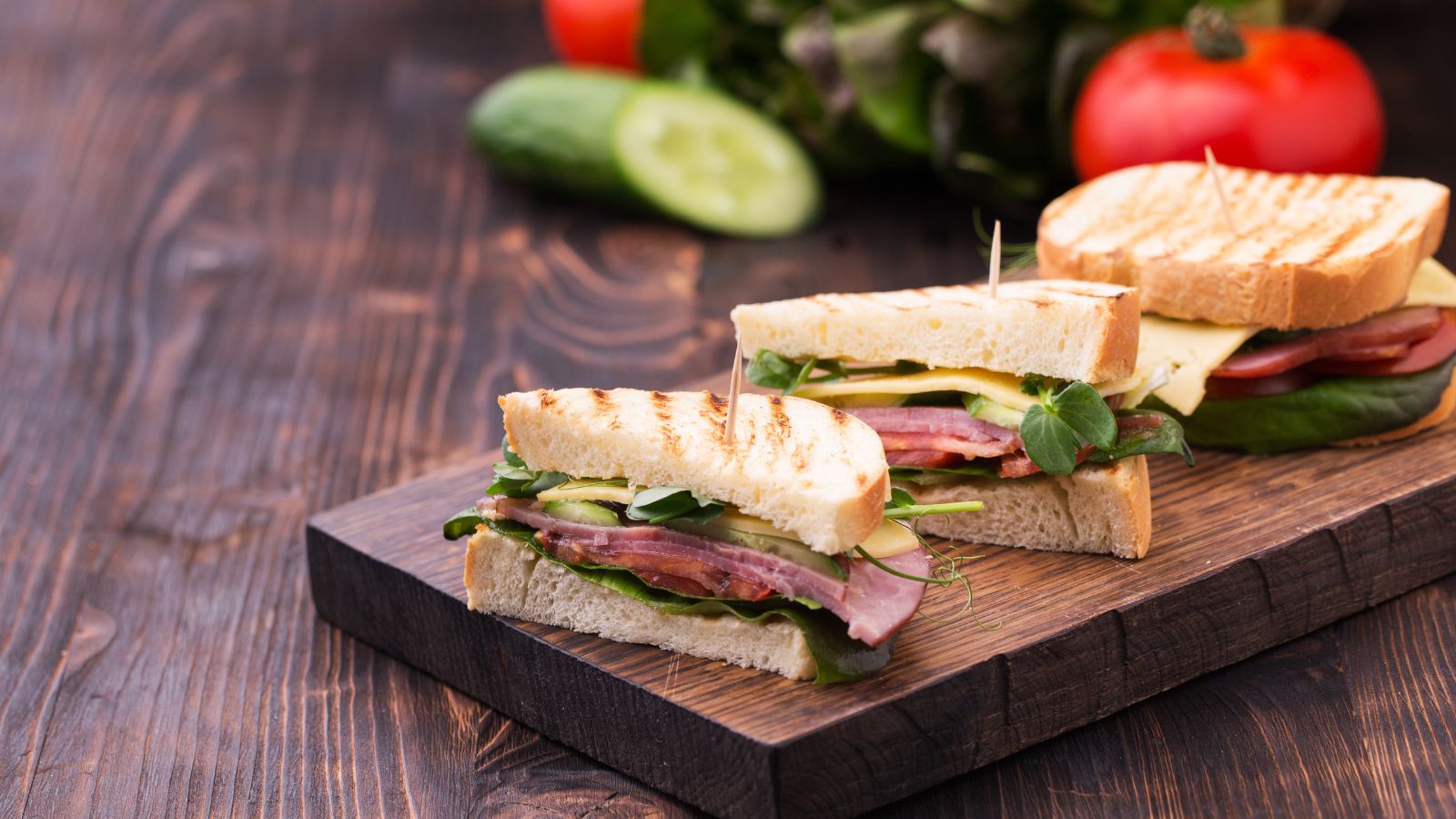
Bacon has always had a complicated grocery identity: everyday breakfast food for some, weekend splurge for others. Peameal bacon adds a specifically Canadian angle, tied to deli counters, breakfast sandwiches, and Toronto food lore. Both still feel familiar, but meat prices have made shoppers more strategic about when and how much to buy.
Meat has been one of the more sensitive grocery categories, with price pressure linked to livestock supply, feed, processing, labour, and transportation. Reports on Canadian food prices have pointed to meat rising faster than expected in recent periods. That matters because bacon is rarely bought alone; it is part of a breakfast basket that may also include eggs, bread, butter, fruit, and coffee. The full meal feels less casual than it once did.
Canned Soup
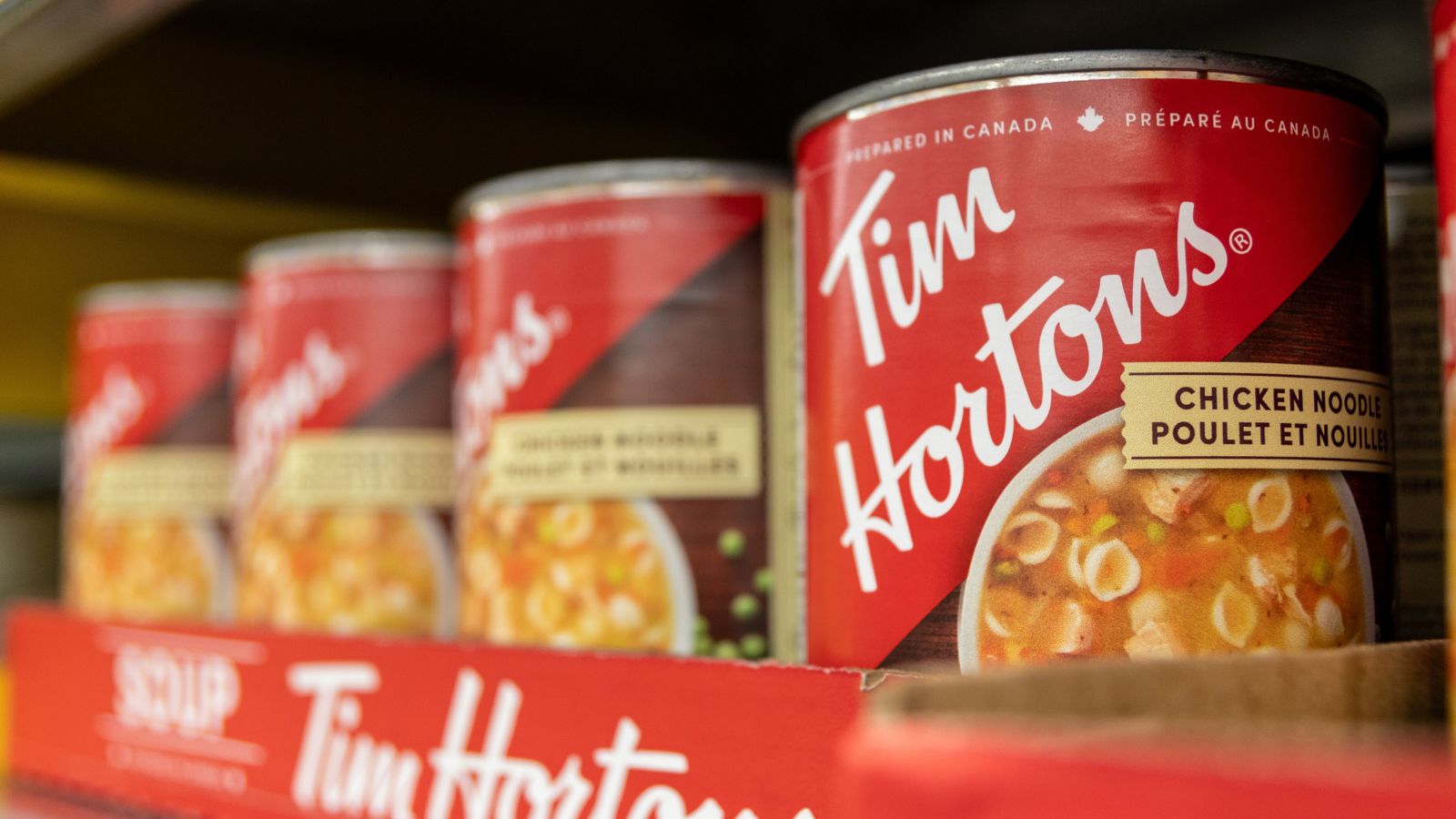
Canned soup used to symbolize pantry security. A few tins meant quick lunches, sick-day meals, casseroles, and emergency dinners during snowstorms or busy weeks. It still serves that purpose, but the old bargain image has been weakened by higher prices and smaller-feeling grocery hauls.
Soup is affected by many quiet costs: vegetables, meat, dairy ingredients, salt, cans, labels, shipping, and energy. Prepared meals and soups remain a major packaged-food category in Canada, which shows how important convenience remains. But convenience is no longer assumed to be cheap. Many shoppers now compare canned soup with frozen meals, leftovers, homemade batches, or store-brand alternatives. The tin in the cupboard still comforts, but it feels less like a guaranteed low-cost safety net.
Frozen Pizza
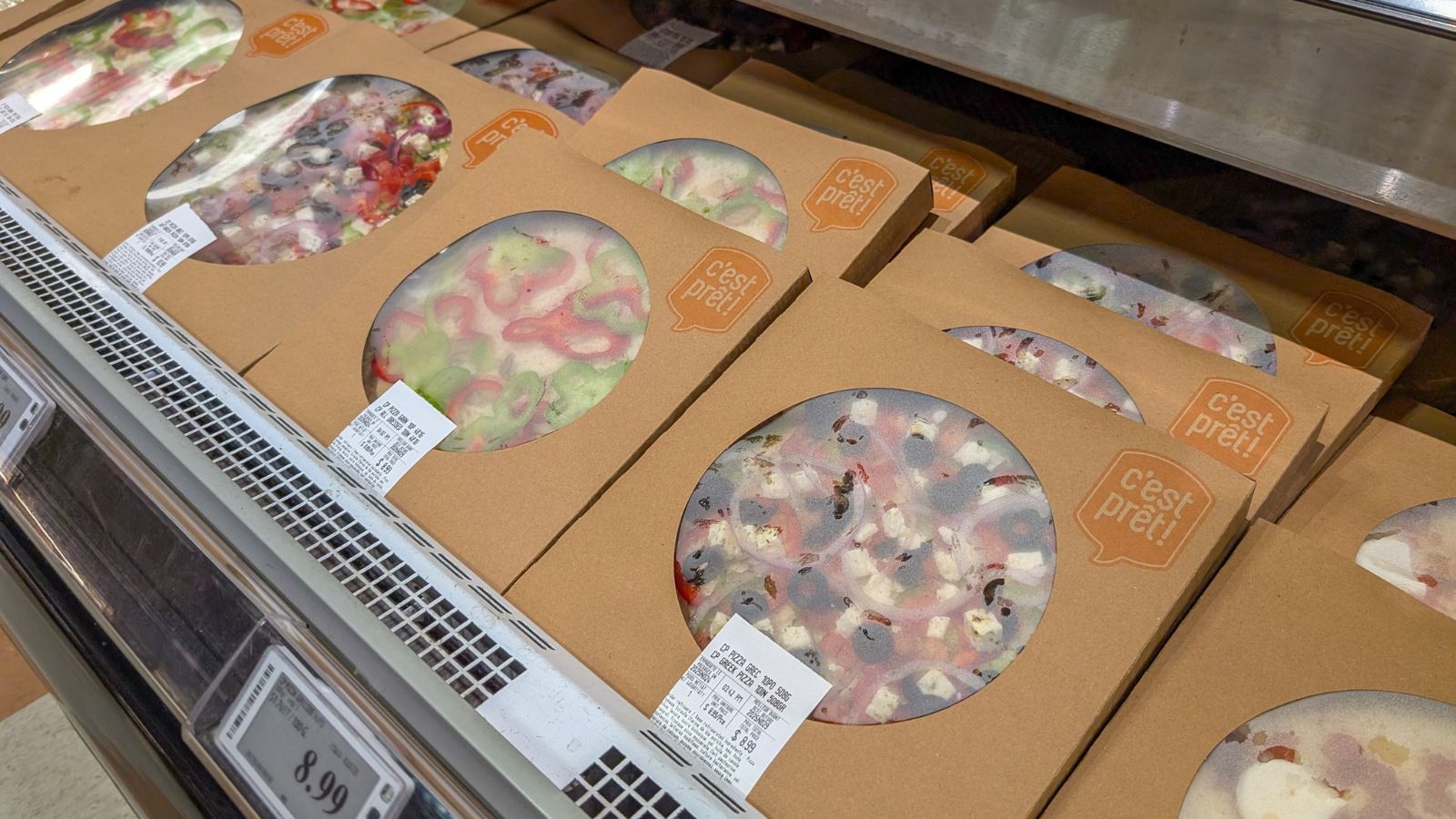
Frozen pizza became a Canadian freezer essential because it solved a familiar problem: dinner was needed quickly, and nobody wanted to cook. It worked for teenagers, late shifts, babysitters, hockey nights, and budget-conscious households. Today, the freezer aisle still offers plenty of options, but the price gap between “cheap backup meal” and “almost takeout” can feel narrower.
Costs pile up inside a frozen pizza: wheat, cheese, tomato products, meat toppings, cardboard, refrigeration, transport, and retailer freezer space. Cheese and bakery-related categories are both exposed to broader food inflation. For families, one pizza may no longer stretch as far as it once did, especially with teenagers at the table. The frozen pizza remains convenient, but its old reputation as a low-stress bargain is fading.
Jam
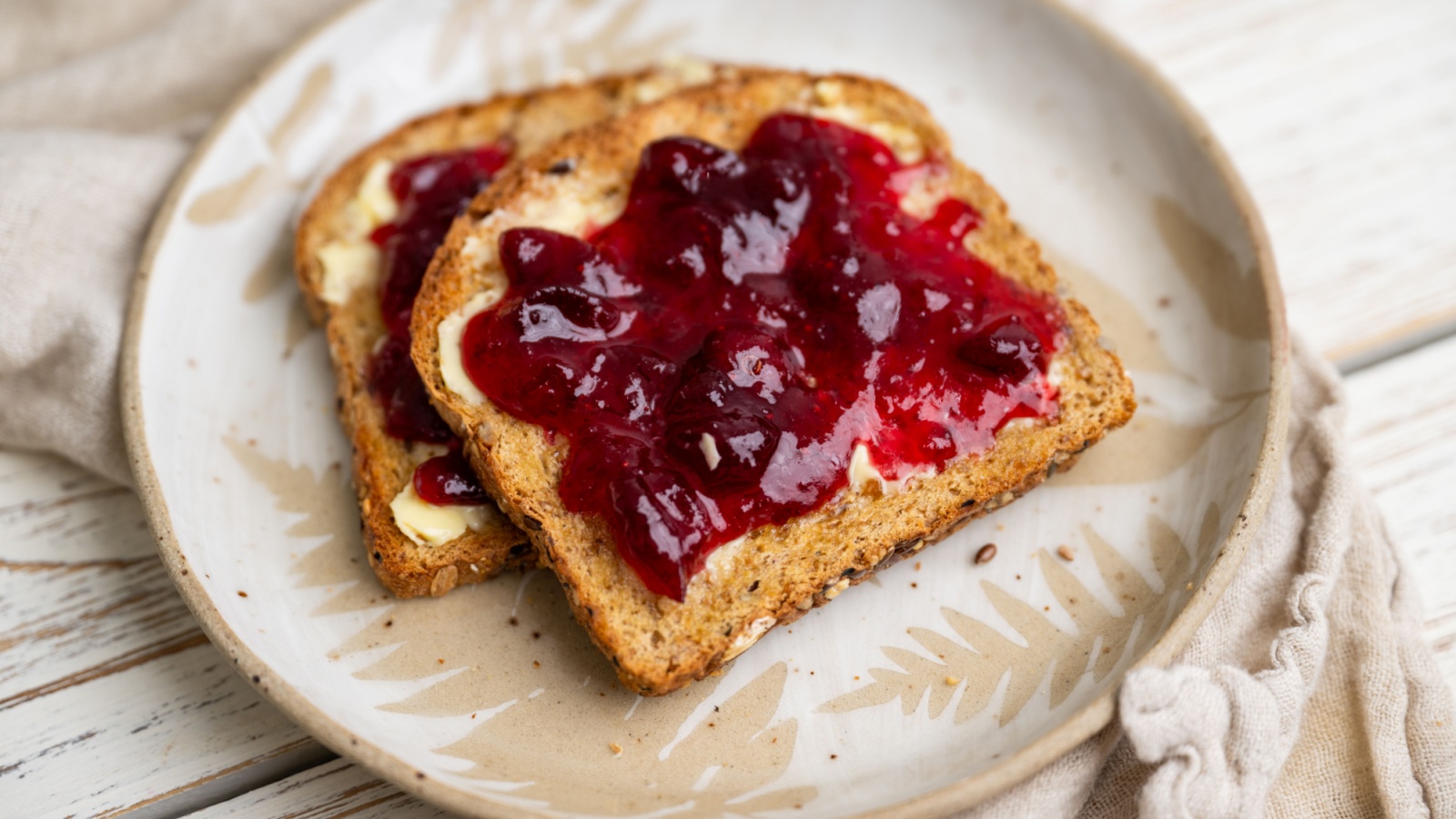
Jam carries a softer kind of nostalgia: toast before school, peanut-butter sandwiches, summer berries preserved for winter, and jars from roadside stands. It is still common, but many shoppers have noticed that fruit-based spreads can feel surprisingly expensive, especially when buying name-brand or small-batch versions.
Fruit prices are exposed to weather, growing conditions, labour, imports, sugar, glass, lids, and transport. In Canada, many berries are seasonal, and imported fruit can be vulnerable to exchange rates and supply disruptions. Jam also competes with honey, maple syrup, chocolate spreads, and lower-cost store brands. It remains a comforting staple, but the days when a jar felt like a minor pantry top-up are starting to feel further away.
Ice Cream

Ice cream once felt like the easy family dessert: a tub in the freezer, cones in the cupboard, and enough servings to calm a hot evening. It still plays that role, especially in summer, but the value equation has changed. Premium tubs cost more, budget tubs can feel less satisfying, and smaller formats make shoppers check labels more carefully.
The cost behind ice cream includes dairy, sugar, cocoa or fruit flavourings, stabilizers, packaging, freezer storage, and transportation. Dairy and sweets have both faced price pressure in recent years, while shrinkflation has made consumers more alert to package size. A summer bowl of ice cream still feels deeply familiar, but it increasingly belongs to the category of small luxuries Canadians notice at checkout.
19 Things Canadians Don’t Realize the CRA Can See About Their Online Income

Earning money online feels simple and informal for many Canadians. Freelancing, selling products, and digital services often start as side projects. The problem appears at tax time. Many people underestimate how much information the CRA can access. Online platforms, banks, and payment processors create detailed records automatically. These records do not disappear once money hits an account. Small gaps in reporting add up quickly.
Here are 19 things Canadians don’t realize the CRA can see about their online income.
