Canadian shoppers have become expert shelf detectives, scanning unit prices, package sizes, loyalty offers, and ingredient lists before deciding what still feels worth buying. Store brands are no longer just the cheaper box on the bottom shelf. They now stretch across budget staples, premium treats, wellness products, beauty items, household essentials, and bulk-value formats.
These 17 Canadian store brands show how retailers are quietly changing what shoppers get for the money. Some are leaning harder into low prices, while others are making private labels feel closer to national brands. The shift is subtle but significant: value is no longer only about paying less, but about whether a product delivers enough quality, quantity, convenience, or trust to justify its spot in the cart.
No Name
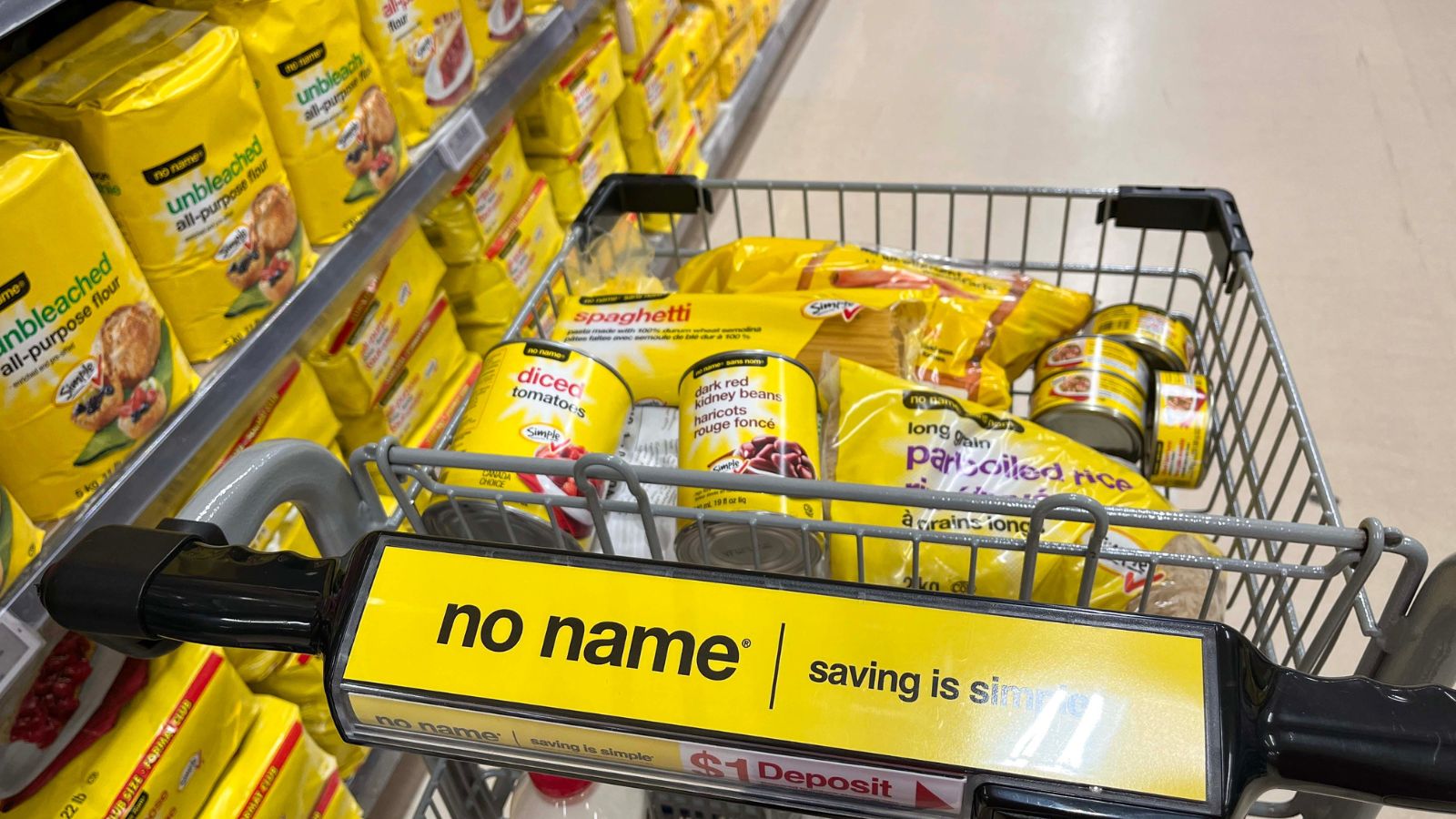
No Name has long been the plainest symbol of grocery value in Canada, but its role has become more complicated as food prices have stayed elevated. The yellow-and-black packaging still signals budget discipline, yet shoppers now examine whether the savings are enough to offset changes in pack size, ingredients, or category availability. In a household buying pasta, canned tomatoes, flour, and frozen vegetables every week, even a small price gap can matter.
What has changed is how visible the brand has become in inflation-era shopping. No Name moved from being a backup choice to a main basket-builder for many families trying to control routine grocery bills. Its value is strongest in basic pantry categories where branding matters less and comparison is easier. The quiet trade-off is that shoppers must pay close attention to unit prices, because the lowest shelf price is not always the lowest cost per gram or serving.
President’s Choice
President’s Choice occupies a different lane from basic store brands. It often tries to give shoppers something that feels distinctive rather than merely cheaper, from seasonal desserts to prepared foods and specialty condiments. That strategy changes the value equation because shoppers are not always comparing PC products directly with bargain labels. They may be comparing them with restaurant takeout, imported specialty items, or premium national brands.
The brand’s appeal comes from making small indulgences feel accessible. A family may skip a restaurant dessert but still buy a limited-time frozen cake or sauce that makes a weeknight meal feel less ordinary. The risk is that “store brand” can sound cheaper than the price actually is. President’s Choice quietly asks shoppers to think of value as novelty, convenience, and taste, not only savings. That can be worthwhile, but only when the product truly replaces a more expensive option.
PC Blue Menu
PC Blue Menu shows how private labels have moved into the health-conscious aisle. Instead of competing only on price, it competes on claims such as better-for-you choices, lower sugar, added fibre, or simpler meal planning. For shoppers trying to balance cost and nutrition, that can make the brand feel practical: a frozen entrée, snack, or cereal may appear to solve two problems at once.
The quiet change is that healthier positioning can blur the meaning of value. A product may cost more than a basic store-brand equivalent while still costing less than a specialty wellness brand. That makes label reading essential. Shoppers who compare sodium, protein, fibre, serving size, and price per portion often get a clearer picture than those relying on the front of the package. Blue Menu can offer useful middle-ground value, but the strongest buys are usually the items where nutrition improvements are measurable.
PC Black Label
PC Black Label represents the premium end of the store-brand world. It is designed for shoppers willing to pay more for specialty flavours, imported-style ingredients, and products that feel closer to gourmet retail than budget grocery. This changes what “for the money” means. Instead of asking whether it beats a national brand on price, shoppers may ask whether it prevents a pricier trip to a specialty shop.
That premium framing can be useful for entertaining or small upgrades. A jarred sauce, preserve, cracker, or finishing ingredient may stretch across several meals and make a simple dinner feel more polished. Still, the value depends heavily on usage. A rarely used pantry splurge can become waste, while a well-chosen item can replace a much more expensive restaurant or deli purchase. PC Black Label quietly turns store-brand shopping into a selective upgrade strategy rather than a pure savings tactic.
Compliments
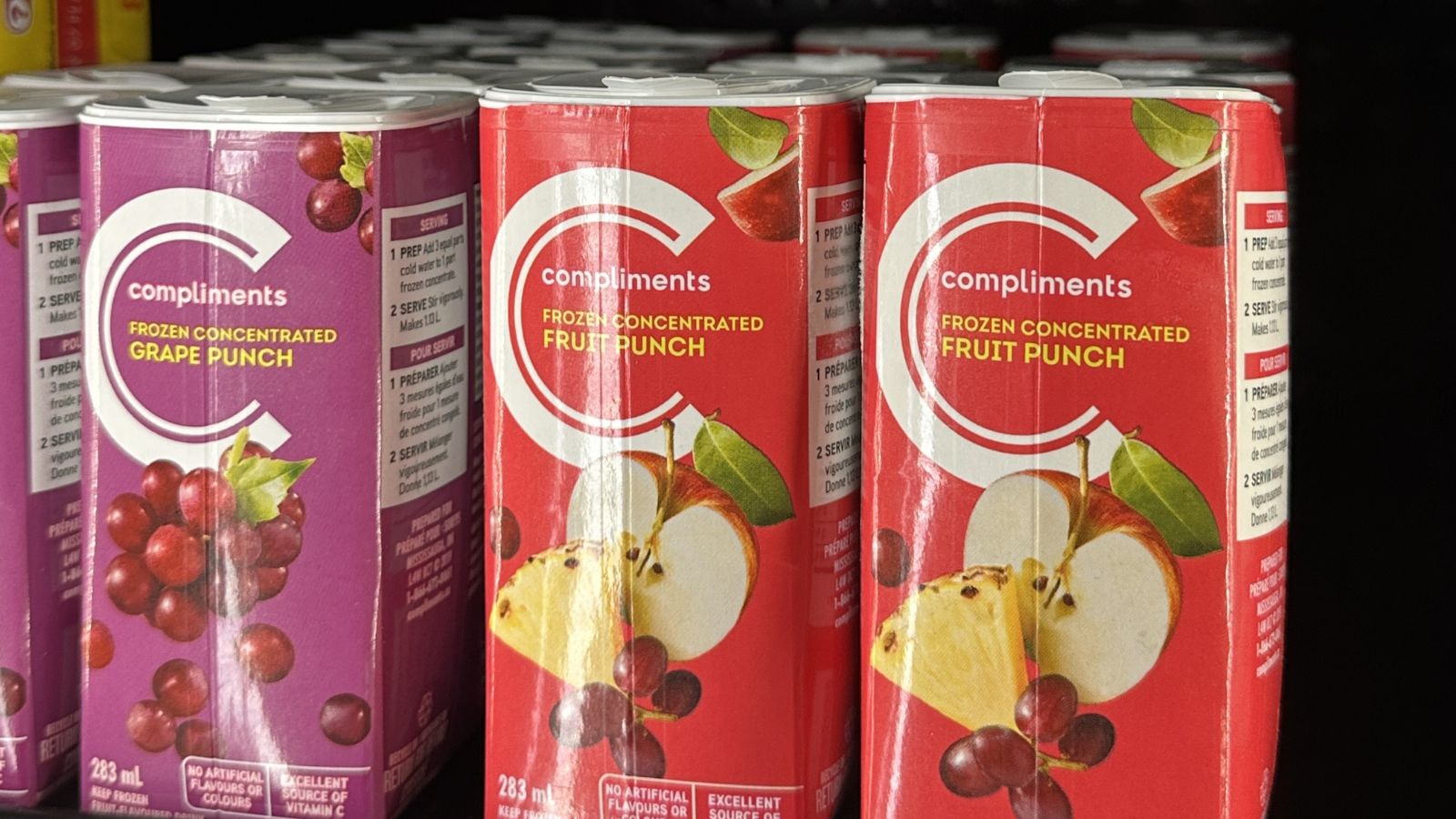
Compliments has become one of the most important everyday private labels for Sobeys-related banners, offering products across grocery, frozen, prepared foods, and household staples. Its value pitch is built around making store-brand buying feel normal rather than like a compromise. For many shoppers, the brand sits in the middle ground: not always the absolute cheapest, but often priced to feel safer and more familiar than a hard-discount option.
That middle position matters in real carts. A parent choosing school snacks, frozen vegetables, shredded cheese, or canned goods may want predictable quality more than the lowest possible price. Compliments quietly changes the store-brand decision by reducing the perceived risk of switching from national labels. The savings may look modest item by item, but repeated across a basket, the effect can be meaningful. The best value usually appears in frequently purchased categories where consistency matters.
Panache

Panache is Sobeys’ more premium private-label tier, aimed at shoppers who want a bit of polish without stepping fully into specialty-store pricing. It often appears in categories where presentation and flavour matter, such as appetizers, sauces, bakery-style items, and entertaining foods. That makes it especially relevant for households trying to host without letting one grocery run turn into a major bill.
The quiet shift is that Panache gives a mainstream grocer a way to compete for “occasion” spending. Instead of buying a national gourmet brand or visiting a separate shop, shoppers may find a store-brand option that feels elevated enough for guests. But premium private labels require discipline. A product that looks affordable beside a specialty brand may still be expensive compared with basic ingredients. Panache offers the most value when it replaces takeout, catering, or high-priced deli purchases rather than adding extra spending.
Selection
Selection is Metro’s more value-oriented private label, built around everyday staples and national-brand equivalents. Its role has become more important as shoppers compare baskets across banners and look for predictable savings in routine categories. A private-label pasta sauce, canned vegetable, paper product, or baking staple may not feel exciting, but those are exactly the purchases where steady price differences can accumulate.
The brand quietly changes value by making switching easier. When the product is a basic input rather than the star of the meal, shoppers often care most about reliability and price per unit. Selection tends to work best in categories where ingredients are straightforward and personal preference is less intense. The smartest approach is not blind loyalty, but comparison. If the Selection version is close in quality and clearly cheaper per gram, it can turn a routine grocery list into a more controlled budget tool.
Irresistibles

Irresistibles sits above Selection in Metro’s private-label structure, offering products that often aim for stronger flavour, better presentation, or a more premium feel. The brand has become more visible as grocers invest in private labels that can compete beyond price. Frozen desserts, prepared appetizers, specialty snacks, and higher-end meal components are the kinds of categories where shoppers may notice the difference.
The value proposition is less about being the cheapest and more about replacing a pricier choice. A family planning a Friday night meal may choose an Irresistibles frozen pizza, dessert, or appetizer instead of ordering out. That can still save money, even if the item costs more than a basic store brand. The caution is that premium private labels can encourage impulse buying. Irresistibles offers its best value when it fills a planned role in the meal, not when attractive packaging turns into extra cart add-ons.
Life Smart
Life Smart reflects another private-label direction: wellness and lifestyle positioning. Metro uses it for products that speak to shoppers looking for health-oriented choices, which may include organic, gluten-free, plant-based, or nutrition-focused options depending on the category. This matters because wellness products often carry higher prices, and store brands can make those categories feel more reachable.
The quiet change is that the store brand becomes a gateway into products that once seemed niche. A shopper who hesitates over a high-priced specialty snack or pantry item may be more willing to try a private-label version. However, value still depends on the details. Claims on the front of a package should be weighed against ingredients, serving size, and nutritional information. Life Smart can stretch budgets in wellness categories, but only when shoppers treat it as a comparison tool rather than an automatic health shortcut.
Kirkland Signature
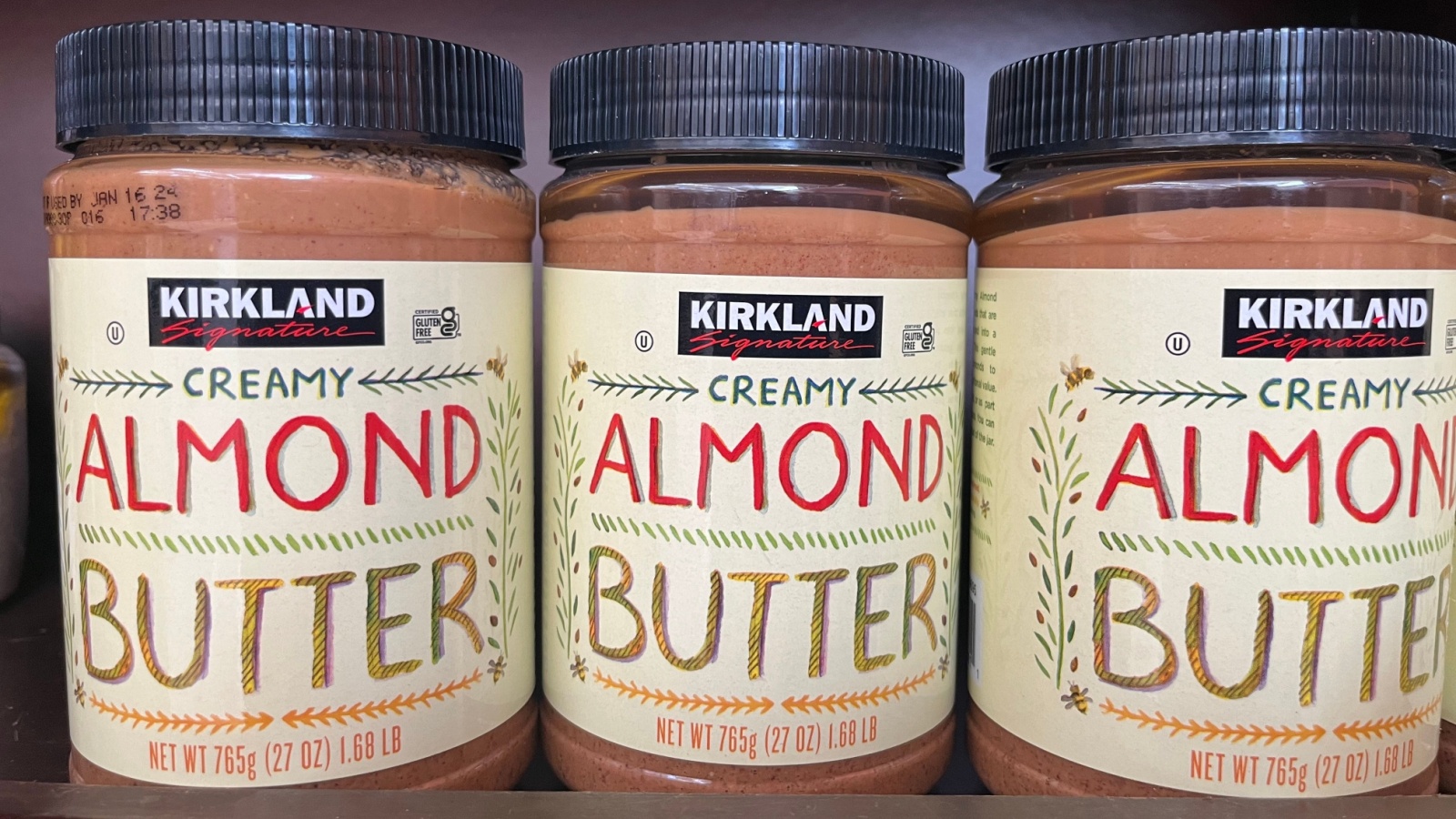
Kirkland Signature has changed how many Canadians think about store brands. At Costco, the private label is not hidden; it is one of the main reasons people pay for a membership. The brand often emphasizes bulk quantity, strong quality expectations, and fewer choices per category. That can make shopping simpler, especially for households that know they will use large packs before they expire.
The value can be significant, but it comes with conditions. A large pack of coffee, olive oil, laundry detergent, or snacks may offer a strong unit price, while a bulk package of perishable food may become expensive if part of it is wasted. Kirkland quietly shifts the shopper’s job from comparing shelf prices to managing storage, consumption, and membership value. The best buys are products used consistently, with a long shelf life or a reliable place in the household routine.
Great Value
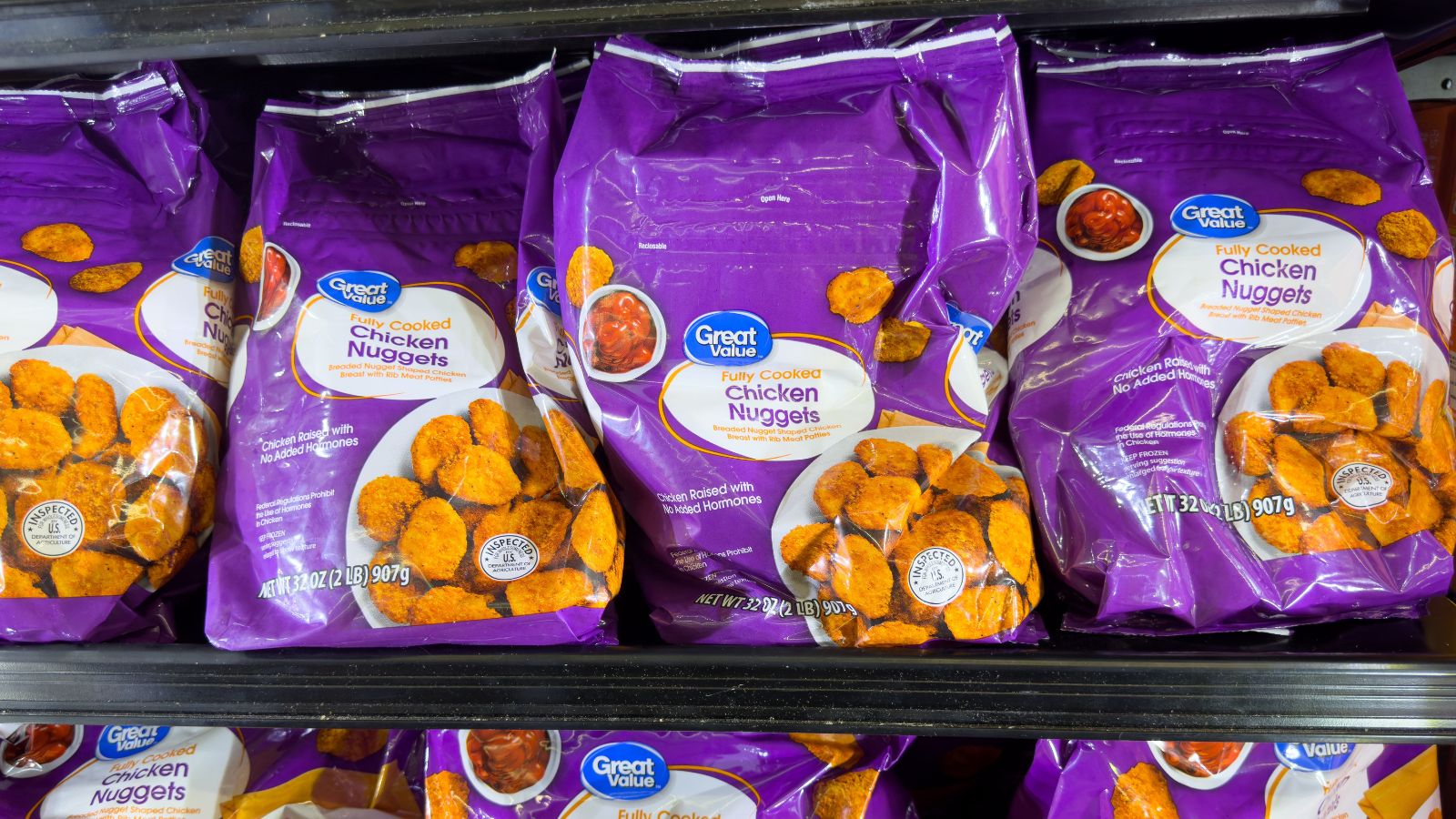
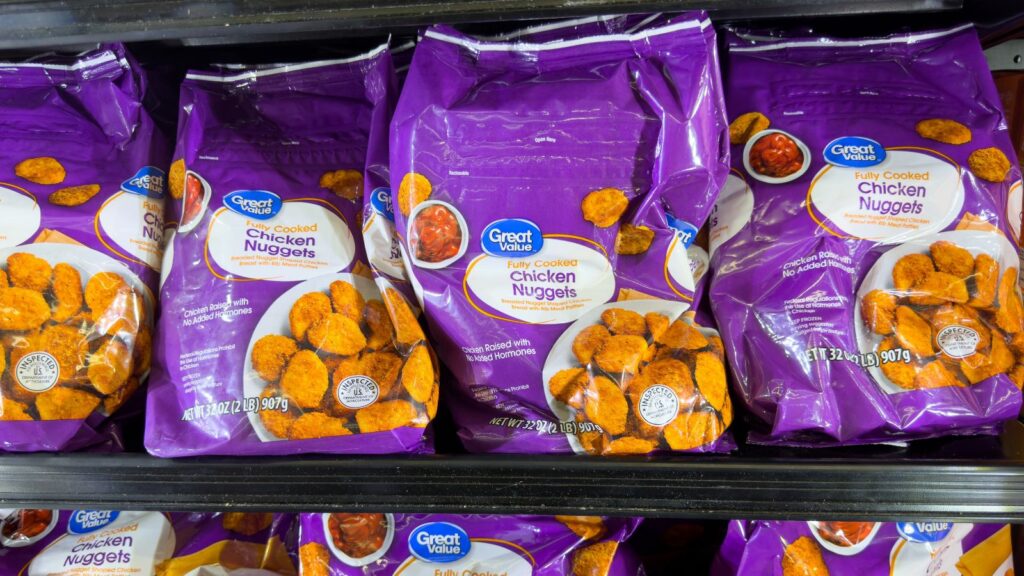
Great Value is Walmart’s major grocery and household private label, and its strength is straightforward: broad availability, low pricing, and a focus on everyday categories. In Canada, it competes directly with discount grocery brands as well as national labels. For shoppers building a basket around basics, Great Value often shows up in categories such as bread, dairy, frozen foods, canned goods, baking supplies, snacks, and cleaning products.
The quiet change is scale. Because Walmart sells groceries alongside household goods, apparel, pharmacy items, and general merchandise, a shopper may compare value across a much wider trip than at a conventional supermarket. A lower-priced pantry item can be part of a larger budget strategy that includes school supplies, toiletries, and cleaning products. The trade-off is that quality can vary by category. Great Value works best when shoppers test gradually and keep buying the items that perform well.
Our Finest
Our Finest gives Walmart a more premium private-label lane, showing how even price-focused retailers are using store brands to reach shoppers who want affordable upgrades. The brand tends to appear in categories where taste, packaging, and presentation matter more than basic utility. That could include desserts, specialty snacks, sauces, frozen foods, and items suited to entertaining or quick meals.
This changes the value story because shoppers are not simply buying the cheapest Walmart option. They are choosing whether a slightly higher-priced store brand can replace a national premium product or a more expensive prepared-food purchase. The savings may come from avoiding takeout, not from beating a basic item on unit price. Our Finest is most useful when it adds variety to planned meals. It is less useful when the premium cue encourages extra spending that was not part of the original grocery plan.
Equate

Equate is Walmart’s health, wellness, and personal-care private label, covering categories where national brands often carry strong recognition and higher prices. Shoppers may see Equate versions of pain relief, skincare, hygiene, first-aid, and everyday pharmacy items positioned near brand-name alternatives. In these categories, value depends on trust as much as price, because buyers want products that perform reliably.
The quiet shift is that private labels are moving deeper into personal care, not just pantry staples. A shopper comparing moisturizer, cotton swabs, or basic over-the-counter-style products may find meaningful savings if the ingredients, size, and use case align. But personal-care value requires careful comparison. Active ingredients, concentration, scent, skin sensitivity, and package count all matter. Equate can help reduce recurring household costs, especially for routine items, but the best savings come from comparing the label rather than assuming every substitute is identical.
Life Brand
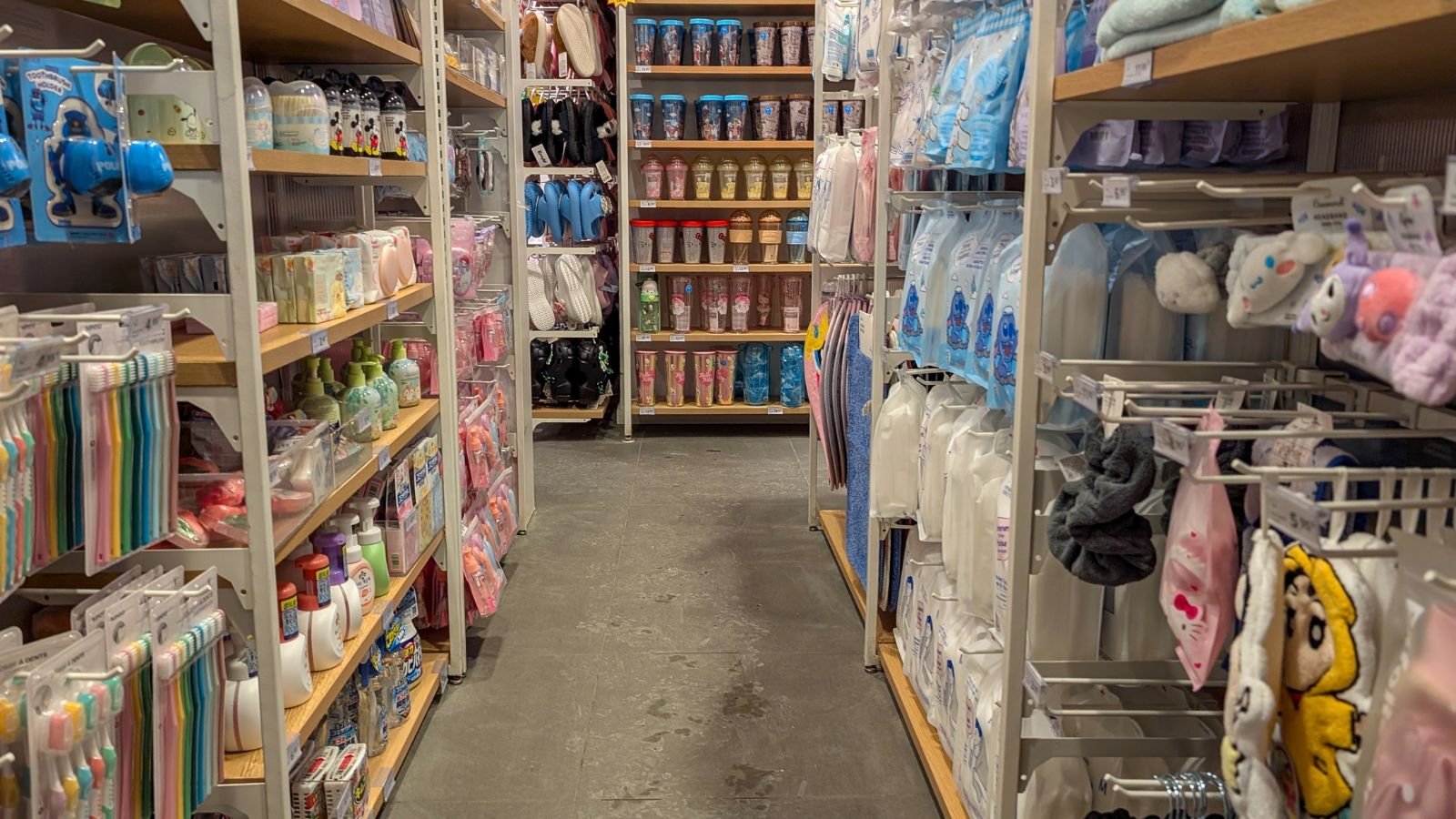
Life Brand at Shoppers Drug Mart has a long-standing role in Canadian medicine cabinets, covering pharmacy, personal-care, baby, and household health products. It benefits from being sold in a setting where shoppers are already thinking about health, convenience, and professional trust. That gives the brand a different kind of value than a grocery private label, especially for urgent purchases like bandages, cough drops, or basic personal-care supplies.
The quiet change is convenience pricing. A product may feel affordable compared with a national pharmacy brand, but still cost more than a similar item at a big-box store or warehouse club. For shoppers, the real value depends on timing. If a household needs something immediately, Life Brand can offer a lower-cost alternative in the same aisle. For planned purchases, comparing package count and unit price across retailers may reveal whether the convenience premium is worth paying.
Quo Beauty

Quo Beauty shows how store brands have entered the beauty aisle with more ambition. Shoppers Drug Mart positions Quo as a modern cosmetics and beauty-accessory line, with a broad assortment across makeup and tools. This matters because beauty products can be highly trend-driven, and national or prestige brands often carry steep prices for colours, formats, and packaging that change quickly.
The quiet value shift is experimentation. A shopper who wants to try a bold lipstick shade, a new brush, or a seasonal look may not want to spend prestige-brand money. Quo can make that experimentation cheaper, especially when combined with loyalty offers. But beauty value is personal: texture, wear time, shade range, and skin compatibility matter. The best use of Quo is selective trial, where a lower price reduces the risk of testing a product that may not become a daily favourite.
Be Better

Be Better is Rexall’s private-label brand aimed at health-conscious and wellness-oriented shoppers. It reflects a broader retail trend: pharmacy store brands are no longer limited to basic generics. They now move into products that emphasize ingredients, lifestyle fit, environmental cues, or specialty needs. That can include personal care, wellness, snacks, supplements, and household categories depending on availability.
The value proposition is nuanced. A shopper may not be looking for the cheapest possible product, but for a more affordable version of a wellness item that would otherwise cost more from a national or specialty brand. The trade-off is that wellness language can make products feel more valuable than they are. Ingredient lists, certifications, dosage information, and package size should still guide the decision. Be Better can make wellness purchases more accessible, but shoppers get the most value when they compare claims carefully.
Giant Value
Giant Value is tied to Giant Tiger’s discount-focused retail model, offering everyday basics across food and household categories. Its appeal is direct: familiar staples at lower prices in stores that often serve neighbourhoods where budget sensitivity is high. For shoppers who use Giant Tiger for fill-in trips, the brand can help reduce costs on pantry items, snacks, condiments, and household essentials.
The quiet change is that value is being built around smaller, more practical trips rather than only large weekly grocery runs. A shopper may stop for one or two missing items and leave with enough affordable basics to delay a more expensive supermarket visit. That can be useful, especially when transportation, time, or flyer timing matters. As with all discount private labels, the strongest buys are repeat-use products that prove themselves over time. Giant Value works best when shoppers compare unit prices and avoid assuming every low shelf price is automatically the best deal.
19 Things Canadians Don’t Realize the CRA Can See About Their Online Income

Earning money online feels simple and informal for many Canadians. Freelancing, selling products, and digital services often start as side projects. The problem appears at tax time. Many people underestimate how much information the CRA can access. Online platforms, banks, and payment processors create detailed records automatically. These records do not disappear once money hits an account. Small gaps in reporting add up quickly.
Here are 19 things Canadians don’t realize the CRA can see about their online income.
