Winter has a way of exposing small driving habits that barely matter on a dry July afternoon. A little too much speed, a neglected tire-pressure check or an impatient pass can become far more consequential once pavement disappears beneath snow, slush and ice. Canadian road-safety agencies repeatedly emphasize that winter driving requires changes not only to the vehicle, but also to speed, spacing, visibility and trip planning.
These 18 winter driving mistakes Canadians still make every year range from tire errors and misplaced confidence in vehicle technology to rushing through storms and underestimating black ice. Many are familiar, yet they remain easy to repeat when a commute feels routine or winter conditions appear manageable.
Waiting Until Winter Is Already Bad to Think About Winter Tires
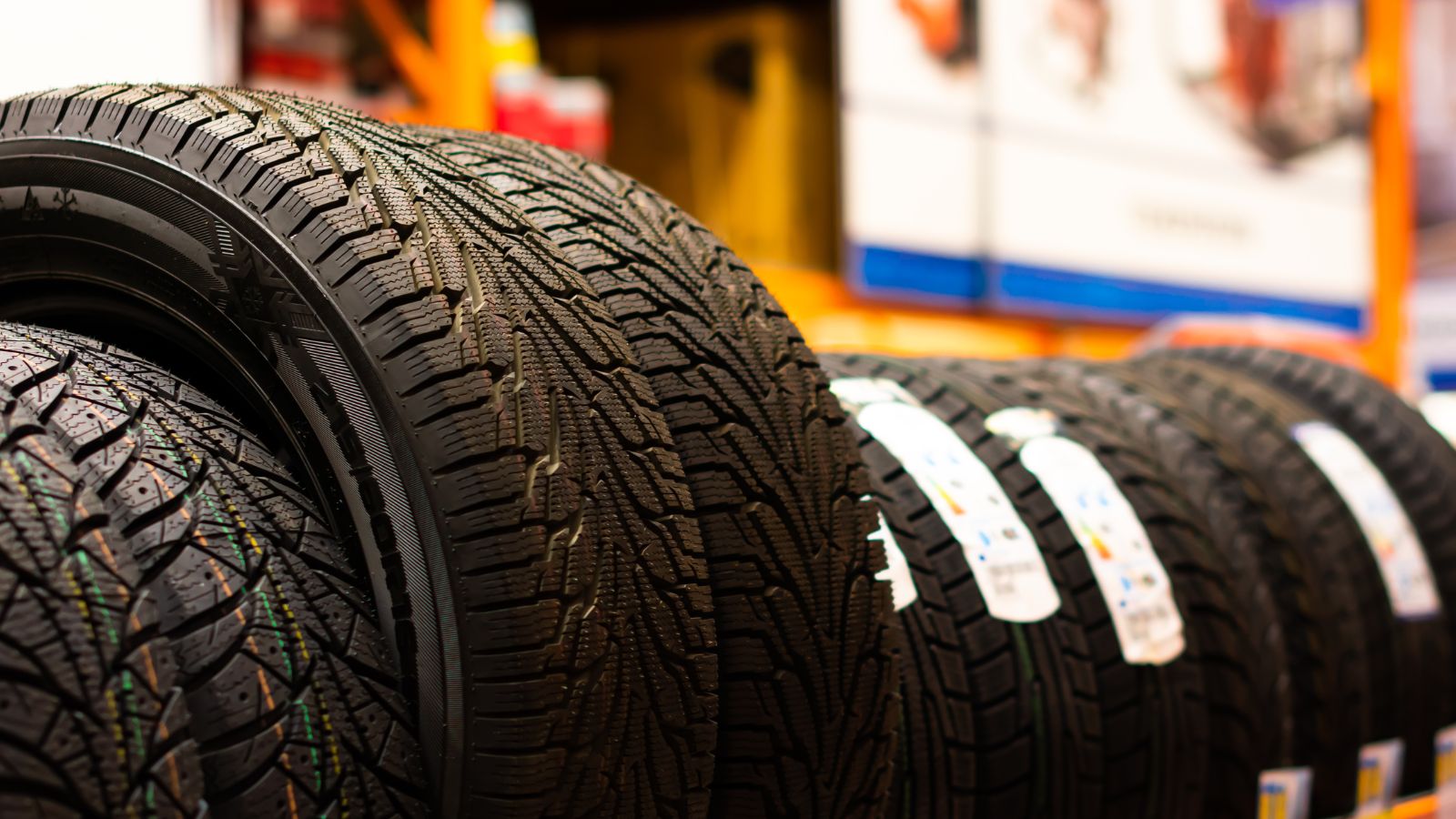
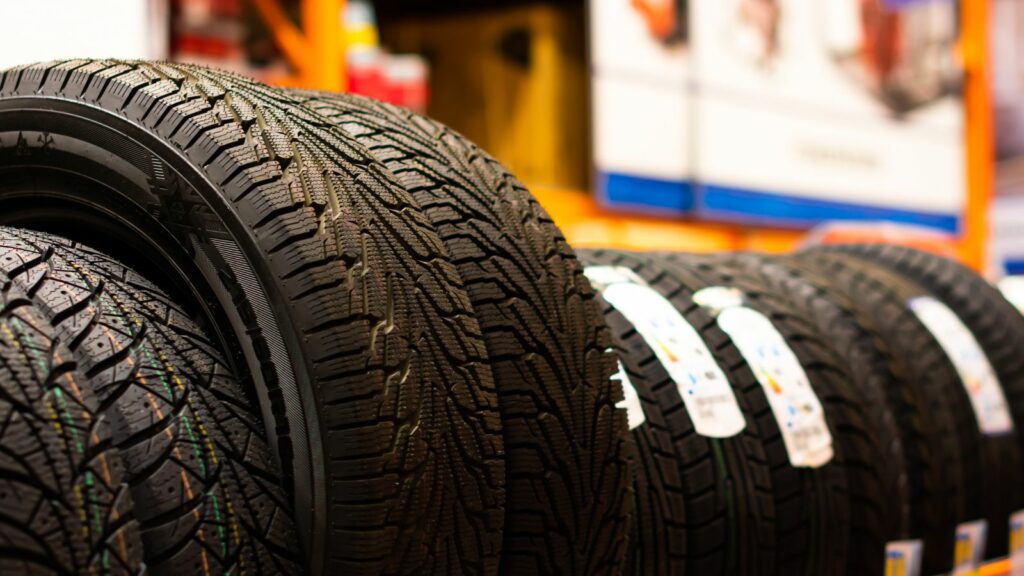
The first major snowfall often produces the same scene at tire shops: appointment calendars fill just as roads become difficult. Waiting for snow to accumulate misses the larger point of winter tires. Transport Canada recommends winter tires on all wheels when driving in cold, snowy or icy conditions because their rubber compounds and tread designs are intended to provide better traction than conventional all-season tires. Ontario also says winter tires can shorten braking distances by as much as 25% in snow and icy conditions.
Timing matters for legal reasons in parts of Canada as well. Quebec requires winter tires on most registered passenger vehicles from December 1 through March 15. British Columbia requires qualifying winter tires or chains on many designated highways beginning October 1, with requirements continuing until March 31 or April 30 depending on the route. Preparing before the first serious storm avoids discovering that the car is poorly equipped on the morning traction is needed most.
Keeping Worn or Mismatched Tires Because They Still Look Usable
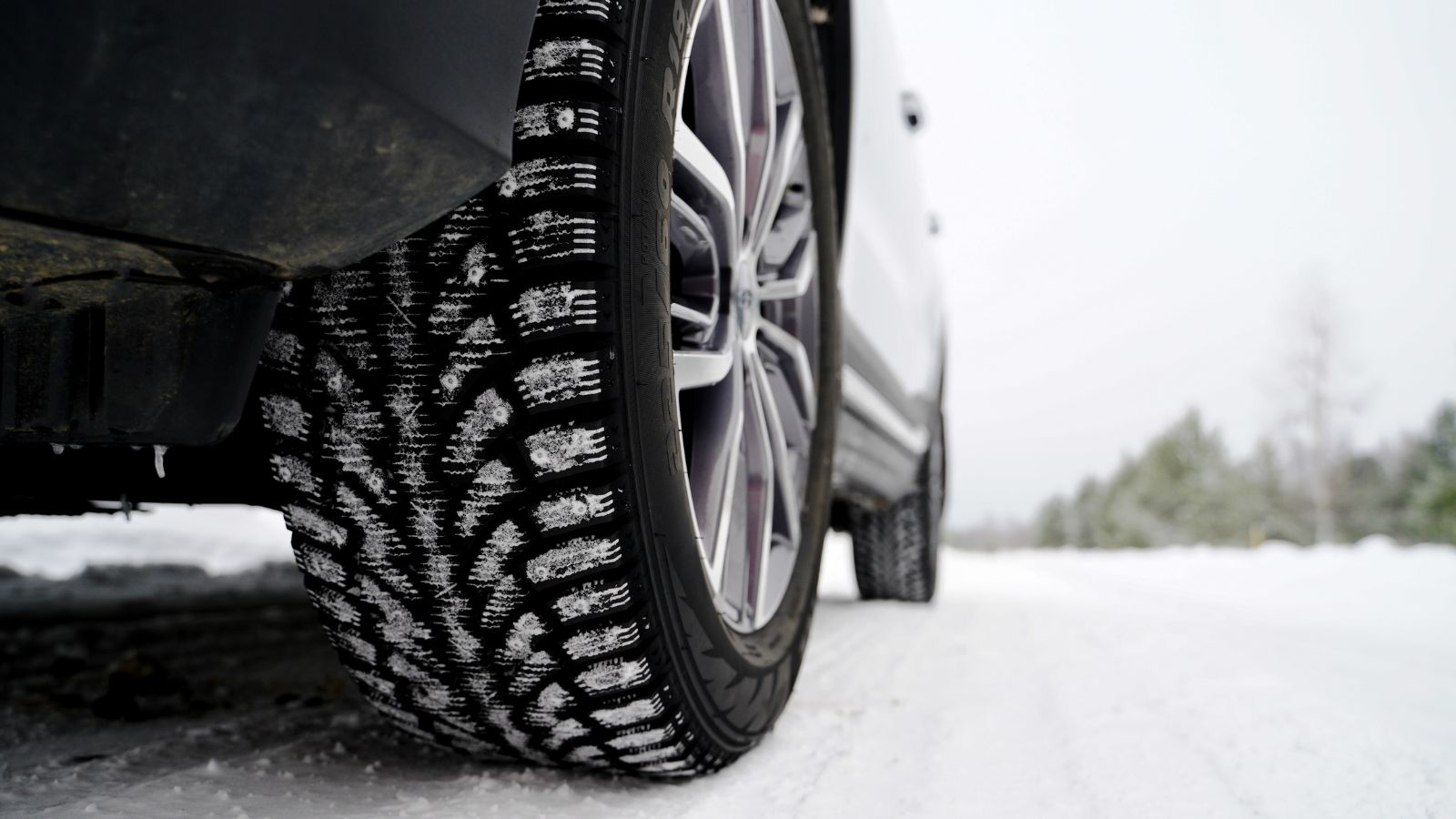
Winter tires can remain visually respectable while losing much of the tread depth that makes them useful in snow. Transport Canada cautions against using tires worn close to 4 millimetres, or 5/32 of an inch, of tread depth on snow-covered roads because traction declines as tires wear. British Columbia’s regulatory minimum for qualifying winter tires on designated routes is 3.5 millimetres, illustrating how little margin can remain when an aging tire approaches the legal limit.
Mixing tire types is another tempting shortcut, particularly when replacing only two tires appears cheaper. ICBC recommends maintaining the same type of tire on all four wheels and specifically notes the importance for all-wheel-drive, four-wheel-drive and SUV applications. Acceleration, braking and cornering depend on all four tires working together. A vehicle with considerably better grip at one axle than the other can behave unpredictably when traction disappears, turning a seemingly economical tire decision into a much more expensive winter problem.
Forgetting That Cold Weather Changes Tire Pressure
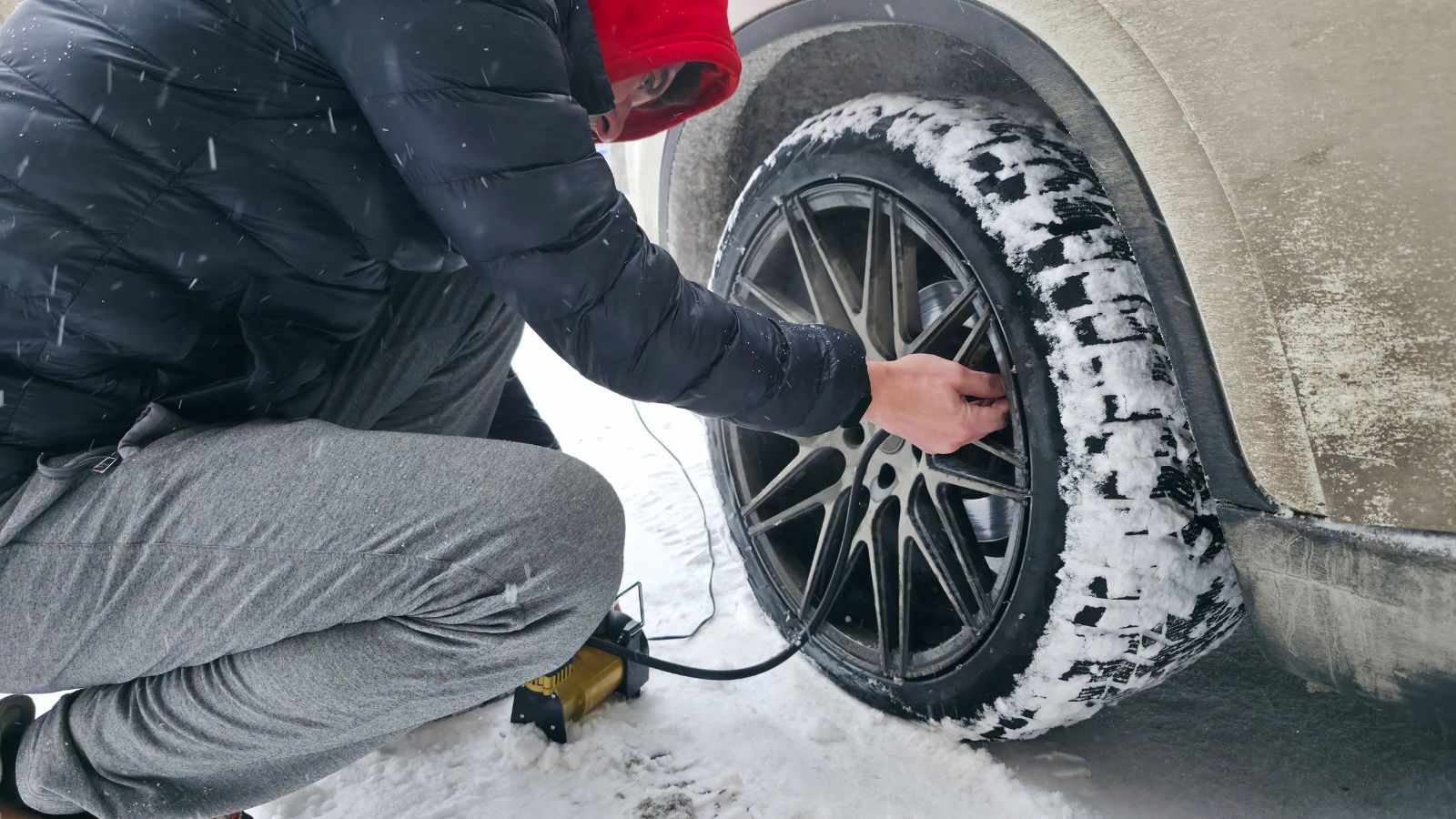
A tire that was properly inflated during a mild autumn afternoon may not remain that way after temperatures fall. British Columbia’s winter-driving guidance specifically reminds motorists that tire pressure decreases as temperatures drop and recommends checking pressure at least monthly when tires are cold. Transport Canada likewise advises measuring cold-tire pressure against the vehicle manufacturer’s specification rather than relying on the maximum figure printed on the tire’s sidewall.
Underinflation is not only a winter-handling concern. Transport Canada has reported that operating a vehicle with a tire underinflated by 56 kPa, or 8 psi, can increase fuel consumption by about 4% and reduce that tire’s life by roughly 15,000 kilometres. In winter, there is an additional concern: an improperly inflated tire may provide poorer handling and traction precisely when grip is already limited. A pressure gauge tucked into the glove compartment can therefore prevent both unnecessary operating costs and an avoidable loss of winter performance.
Clearing Just Enough Snow to See Through the Windshield
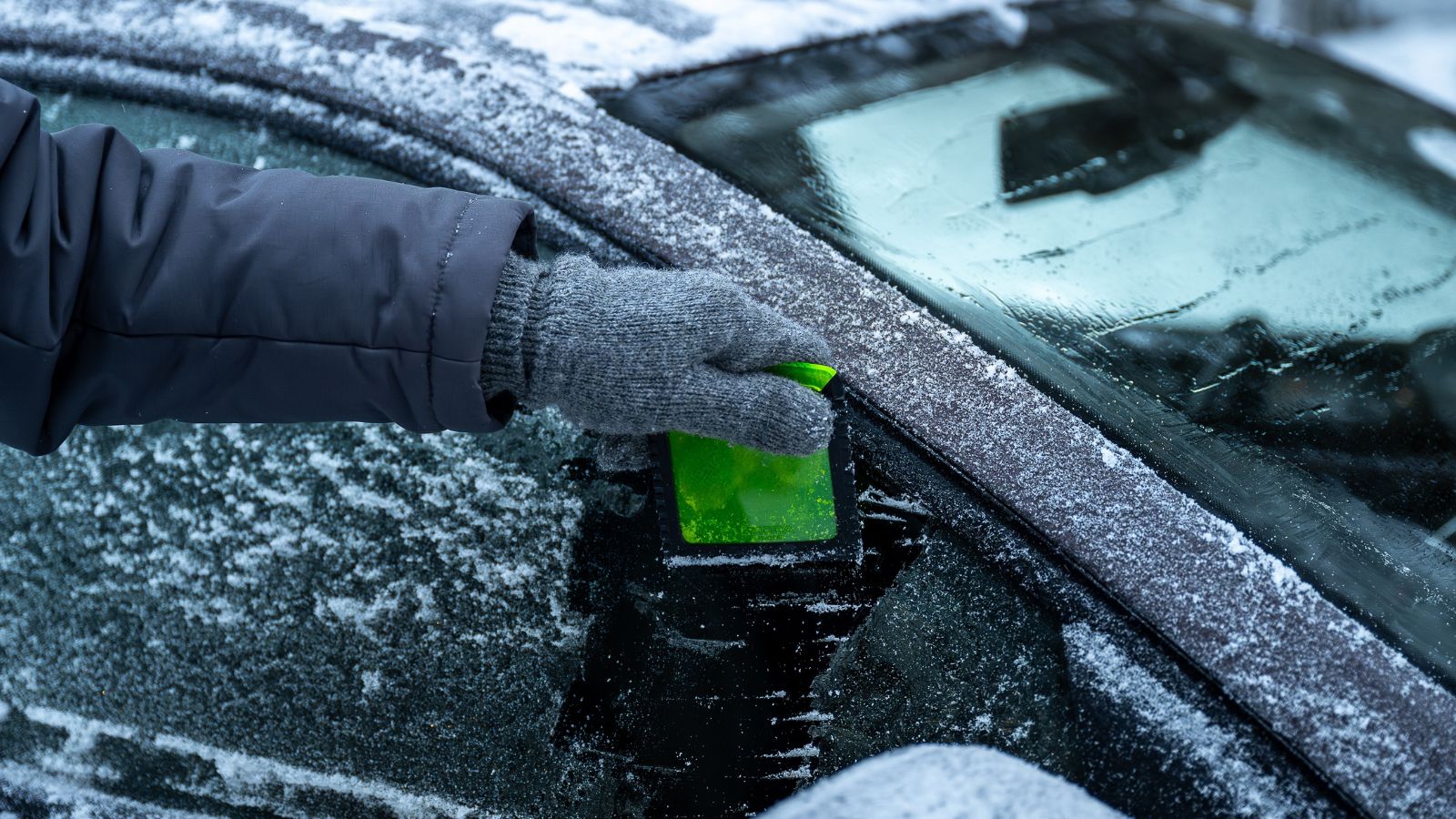
The hurried morning routine is familiar: scrape a viewing slot in the windshield, brush off part of the driver’s window and leave. That may get a vehicle moving faster, but it leaves visibility compromised from the beginning. Alberta’s winter guidance tells drivers to remove snow and ice from windows, side mirrors, headlights, taillights and licence plates before driving. CAA similarly recommends clearing all exterior windows and mirrors instead of treating the windshield as the only surface that matters.
Modern vehicles add another reason to be thorough. ICBC advises removing snow from external sensors used by collision-warning systems as well as from headlights and wheel wells. Transport Canada research has also shown that snow and ice covering vehicle sensors can significantly affect the performance of some forward-collision-warning systems. A five-minute cleanup can therefore affect much more than the driver’s own line of sight. In a Canadian winter, cameras, radar areas, lamps and mirrors may all need attention before the vehicle is truly ready to move.
Treating the Posted Speed Limit as a Winter Target
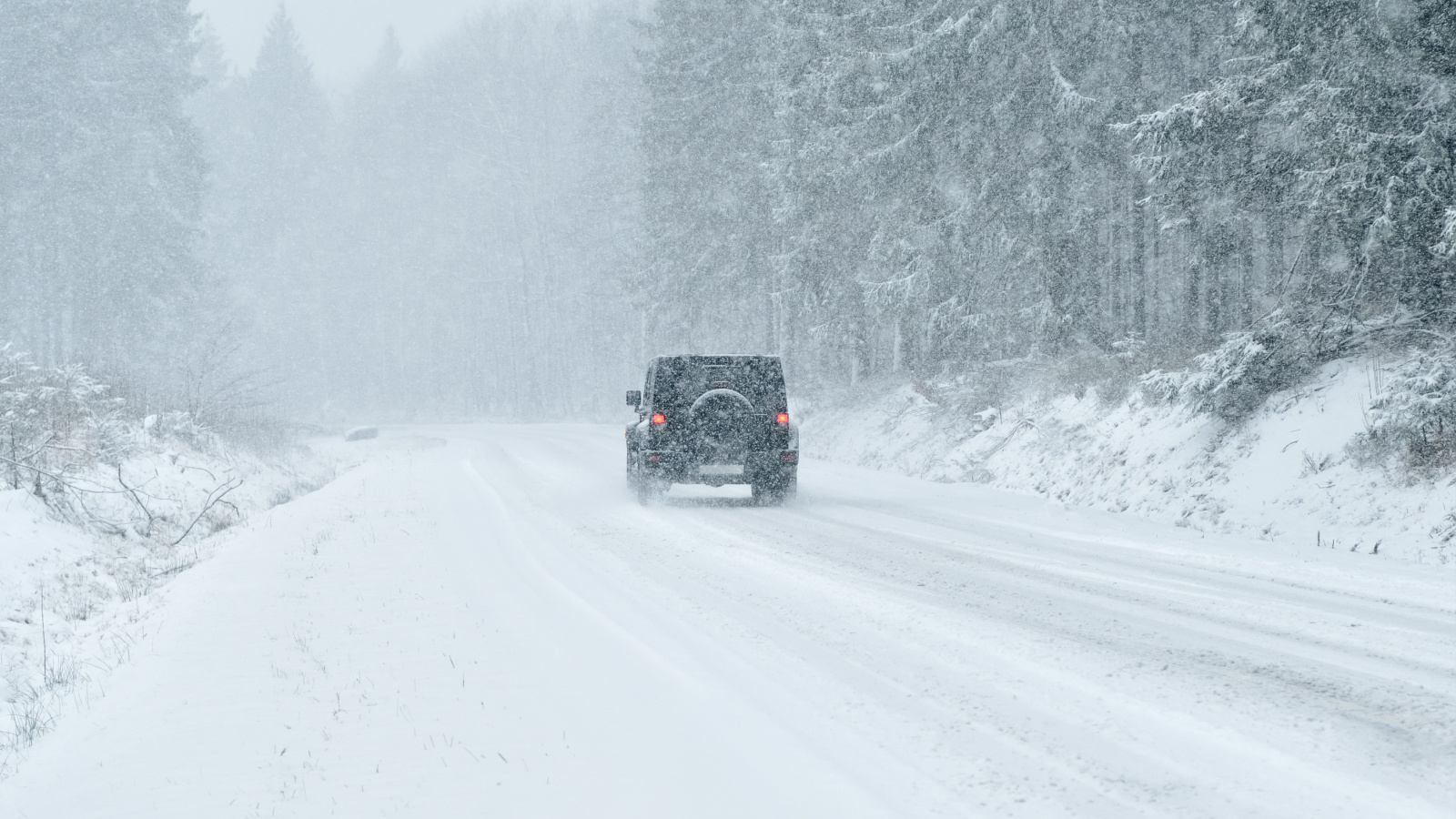
A sign showing 100 or 110 km/h does not promise that the road can safely support that speed during freezing rain or blowing snow. Alberta’s transportation guidance explicitly notes that posted speed limits are intended for ideal road conditions and tells motorists to slow down on icy or snow-covered roads. The province also reminds drivers that they are legally expected to drive according to actual conditions, not simply according to the maximum number printed on the sign.
The problem is that winter risk does not always look dramatic. A highway can appear mostly clear while shaded sections, ramps or exposed stretches contain ice. At higher speeds, the distance travelled during the driver’s reaction time increases before braking even begins. Reducing speed creates more time to identify changing surfaces and allows steering or braking inputs to be gentler. Arriving several minutes later is rarely memorable; discovering too late that the pavement provides far less grip than expected usually is.
Leaving the Same Following Distance Used in Summer

Dry-pavement habits can make traffic spacing feel instinctive. Winter requires those instincts to change. Alberta advises drivers on wet or slick surfaces to allow at least three times the normal distance behind another vehicle. Saskatchewan’s driver guidance similarly calls for a gap longer than three seconds when conditions are slippery because reduced traction limits how quickly a vehicle can slow or change direction.
This matters even when the driver believes the vehicle has excellent winter tires. The car ahead may stop abruptly, encounter an icy patch or react to something hidden by blowing snow. Heavy vehicles also create visibility problems when followed too closely because they block the view of hazards farther ahead. Extra space provides room for gradual braking rather than panic braking. It also gives another driver who loses control somewhere ahead a larger buffer in which the situation can develop without immediately involving every car behind. Winter spacing is less about courtesy than creating usable reaction time.
Making Sudden Steering, Braking or Acceleration Inputs
Many winter skids begin with an ordinary manoeuvre performed too aggressively. Alberta warns that abrupt direction changes or slamming on the brakes can cause a vehicle to spin out of control. Saskatchewan’s winter-driving handbook describes the preferred approach as gentle acceleration, gentle braking and small, smooth steering movements. ICBC gives much the same advice: accelerate gently, steer gradually and brake slowly and early when roads are snowy or icy.
The principle is simple. A tire has only a limited amount of available grip, and winter surfaces reduce that reserve dramatically. Asking the tires to brake hard while simultaneously turning can exceed what the surface can provide. The same is true of suddenly accelerating while exiting a corner. Experienced winter drivers often appear unusually calm because they begin manoeuvres sooner and use smaller inputs. The goal is not merely slower driving. It is reducing abrupt demands on the tires so the vehicle remains balanced while traction is limited.
Leaving Cruise Control Engaged on Slippery Roads

Cruise control makes long highway drives easier, which is precisely why it can become an automatic habit. Winter is the wrong time to use it automatically. CAA advises against cruise control on slippery roads, while Alberta’s winter-driving guidance says not to use it in winter conditions. Saskatchewan’s driver handbook also specifically warns against cruise control on icy or slippery roads, especially when black ice may be present.
The concern is maintaining direct control over power delivery as grip changes. A driver’s foot can immediately ease off the accelerator when the vehicle begins to feel light or unstable. Cruise control is designed to maintain a selected speed, not to interpret every subtle change in road friction the way an attentive driver can. On mixed winter pavement—bare asphalt one moment, packed snow the next—conditions can change within metres. Keeping manual control of the accelerator encourages closer attention and permits quicker, smoother adjustments before a loss of traction develops into a skid.
Pumping the Brakes on a Vehicle Equipped With ABS
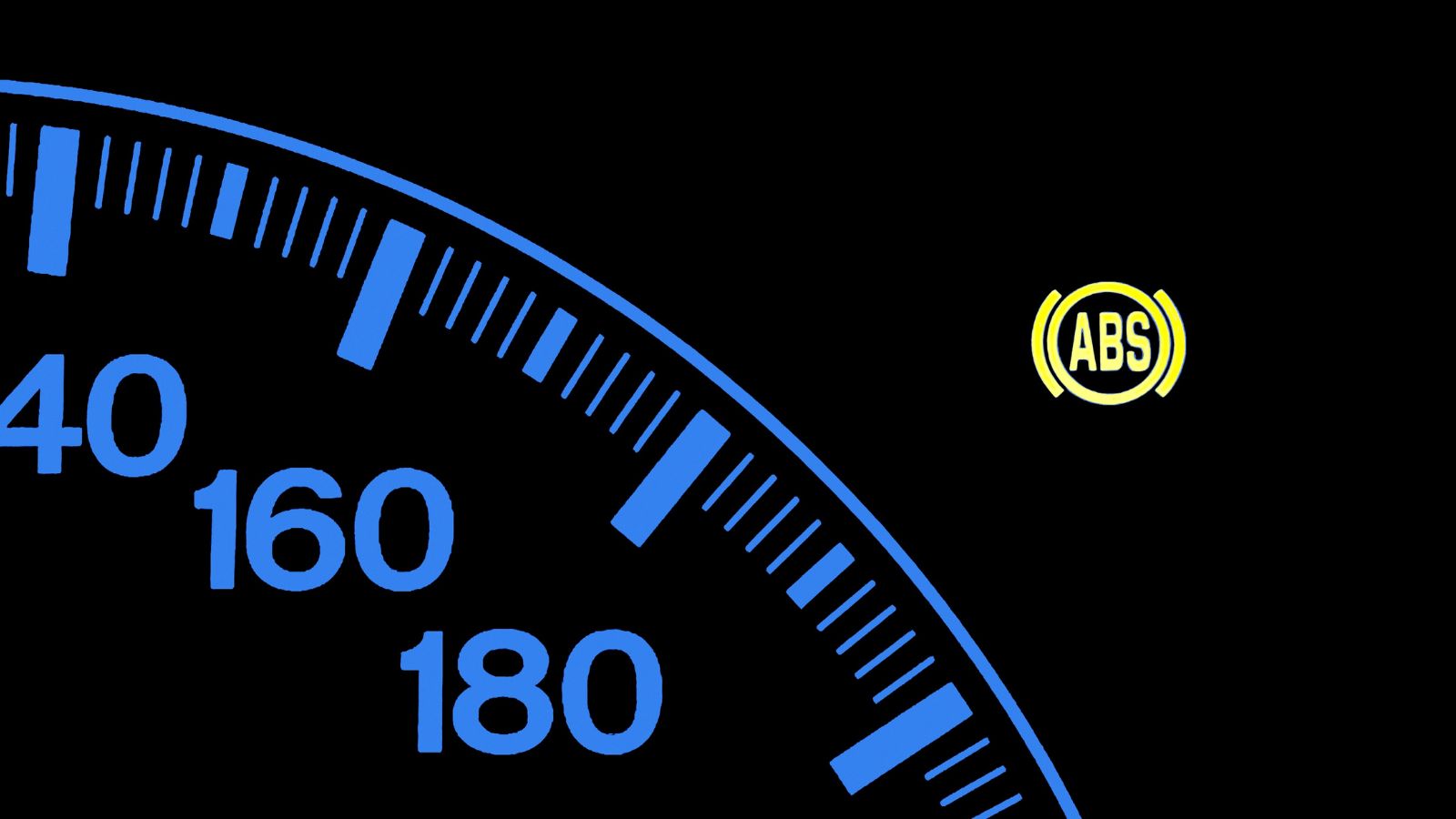
Older generations of drivers were commonly taught to pump conventional brakes to avoid wheel lock. Applying that habit to a modern anti-lock braking system can work against the technology. Saskatchewan Government Insurance explains that during hard braking with ABS, the driver should press the brake firmly and keep it applied until the vehicle stops. The system automatically modulates braking pressure, so repeatedly pumping the pedal is unnecessary.
ABS activation can also surprise drivers who have never experienced it. SGI notes that the pedal may pulsate and the vehicle may shudder or make noises while the system operates. Those sensations are normal, yet an startled driver may lift off the brake just when maximum controlled braking is needed. ABS primarily helps preserve steering control by preventing wheel lock; it does not guarantee miraculous stopping distances. SGI additionally cautions that stopping distances with ABS can actually be longer on loose surfaces such as gravel, slush or snow. Knowing the system before an emergency prevents the technology itself from becoming a distraction.
Assuming AWD or 4WD Makes Winter Tires Less Important
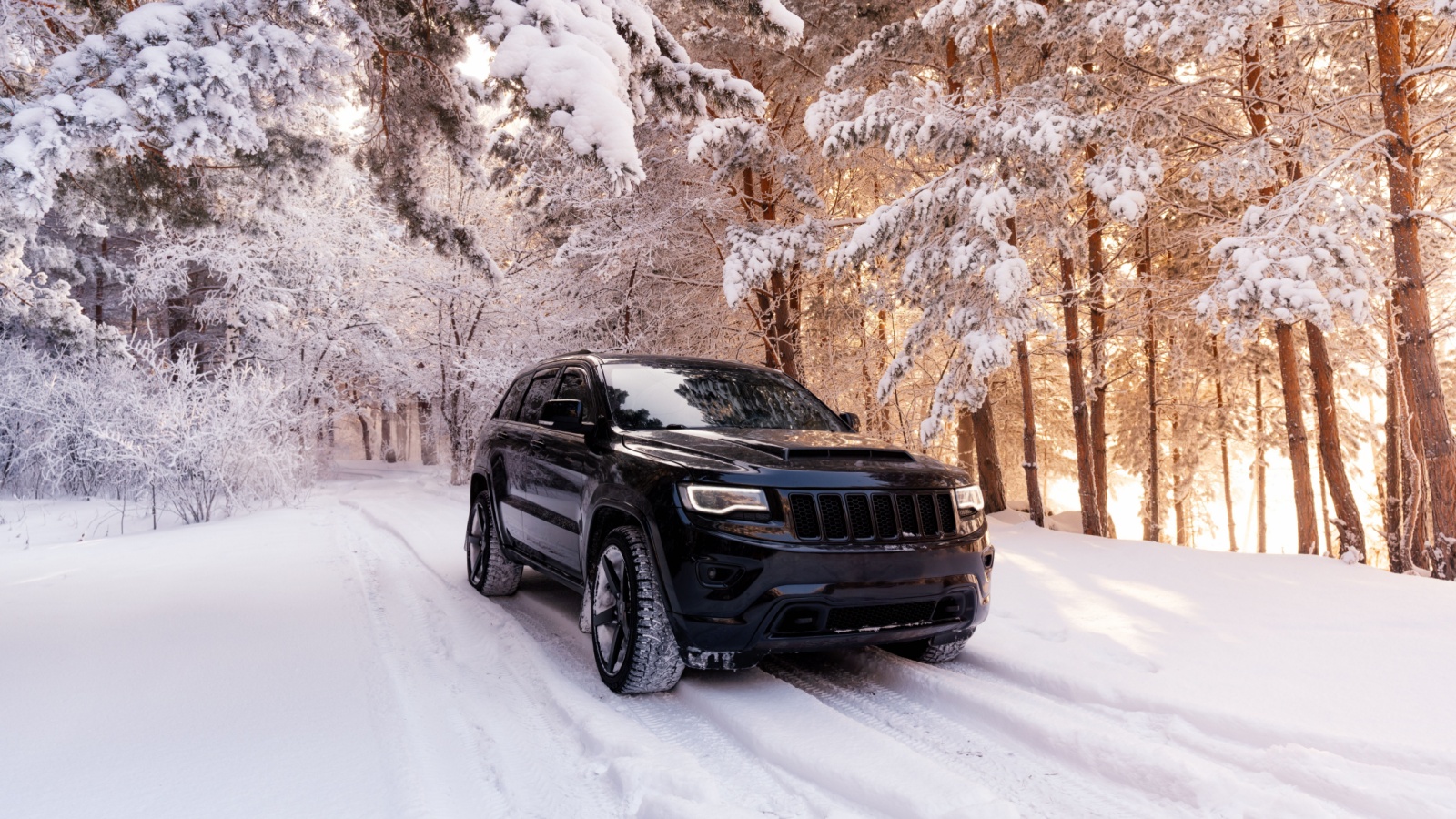
All-wheel drive can make a snow-covered driveway feel remarkably easy. That improvement in acceleration sometimes creates more confidence than the vehicle can justify once it needs to stop. Michelin Canada’s winter guidance notes that AWD can help a vehicle accelerate in snow but does not provide the same advantage for braking or turning. Consumer Reports has reached a similar conclusion in winter testing, finding that all-wheel drive does not solve braking limitations on snow.
The explanation comes back to tires. AWD determines how engine power is distributed; it does not create extra friction between rubber and the road. Braking depends on the available grip at the four contact patches regardless of how many wheels receive engine torque. ICBC therefore recommends matching tires on all four wheels, including AWD and 4WD vehicles. A crossover that launches confidently from a snowy intersection may still require substantial room to stop. The easiest acceleration in the parking lot should never be mistaken for evidence that the highway has suddenly gained traction.
Using High Beams When Heavy Snow Makes Visibility Worse
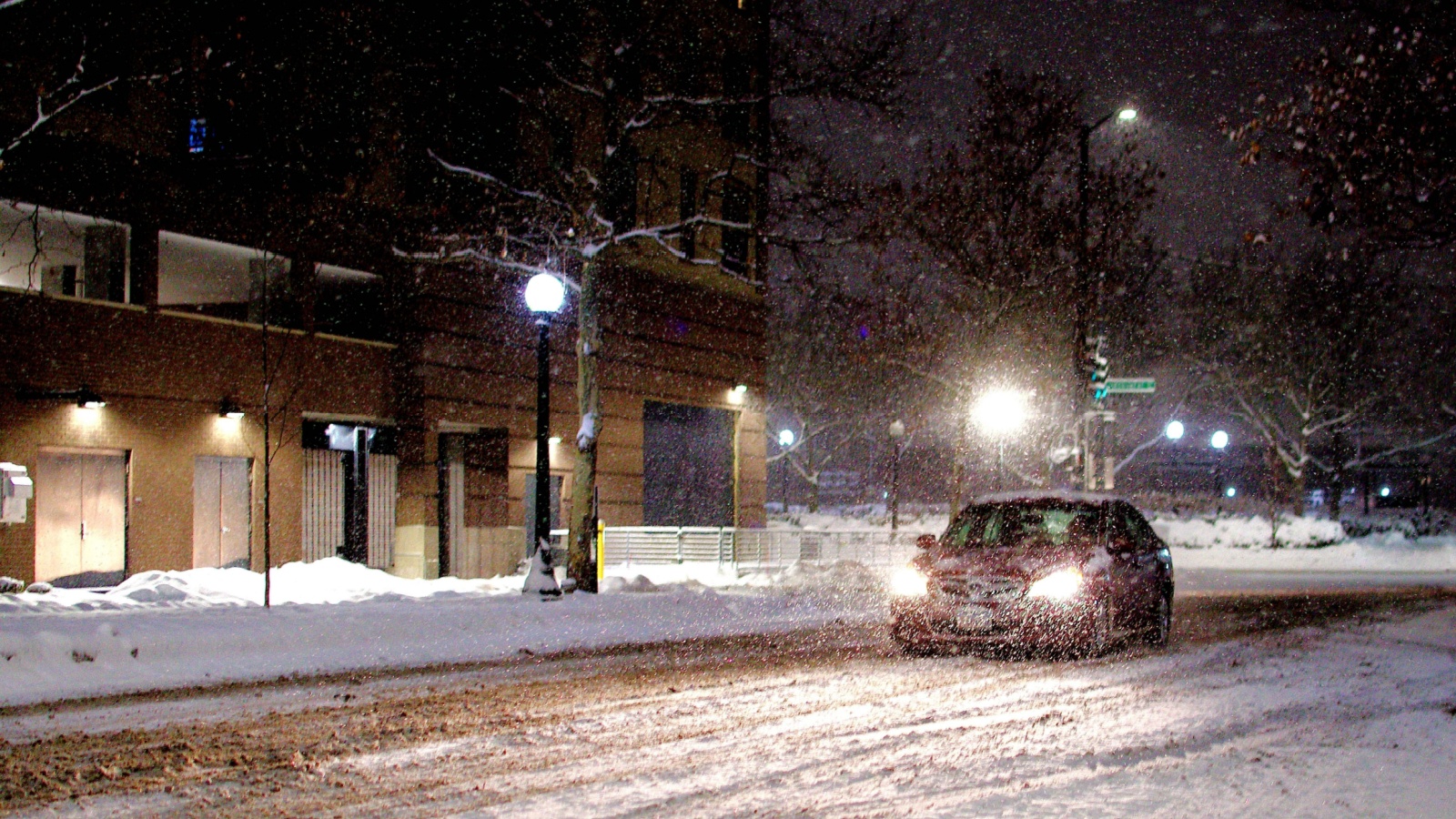
Turning on more light seems like the obvious reaction when visibility disappears, but more intense illumination can sometimes make the view worse. Ontario’s Ministry of Transportation advises using low-beam headlights during snowstorms because high beams can reflect from snow and ice particles back toward the driver, making the road more difficult to see. Alberta similarly says low beams are more effective than high beams in fog or heavy snow.
Another mistake is relying entirely on daytime running lights. Alberta recommends turning on the vehicle’s headlights so that rear lights are illuminated as well. CAA has also warned drivers about becoming a “phantom vehicle” when the front appears lit but the vehicle remains difficult to see from behind. During blowing snow, dusk or rapidly changing visibility, being visible to other motorists matters as much as illuminating the road ahead. Knowing the difference between daytime running lights, automatic headlights and fully activated exterior lighting can become surprisingly important during a dark Canadian commute.
Neglecting Wipers, Washer Fluid and the Defroster Until They Fail
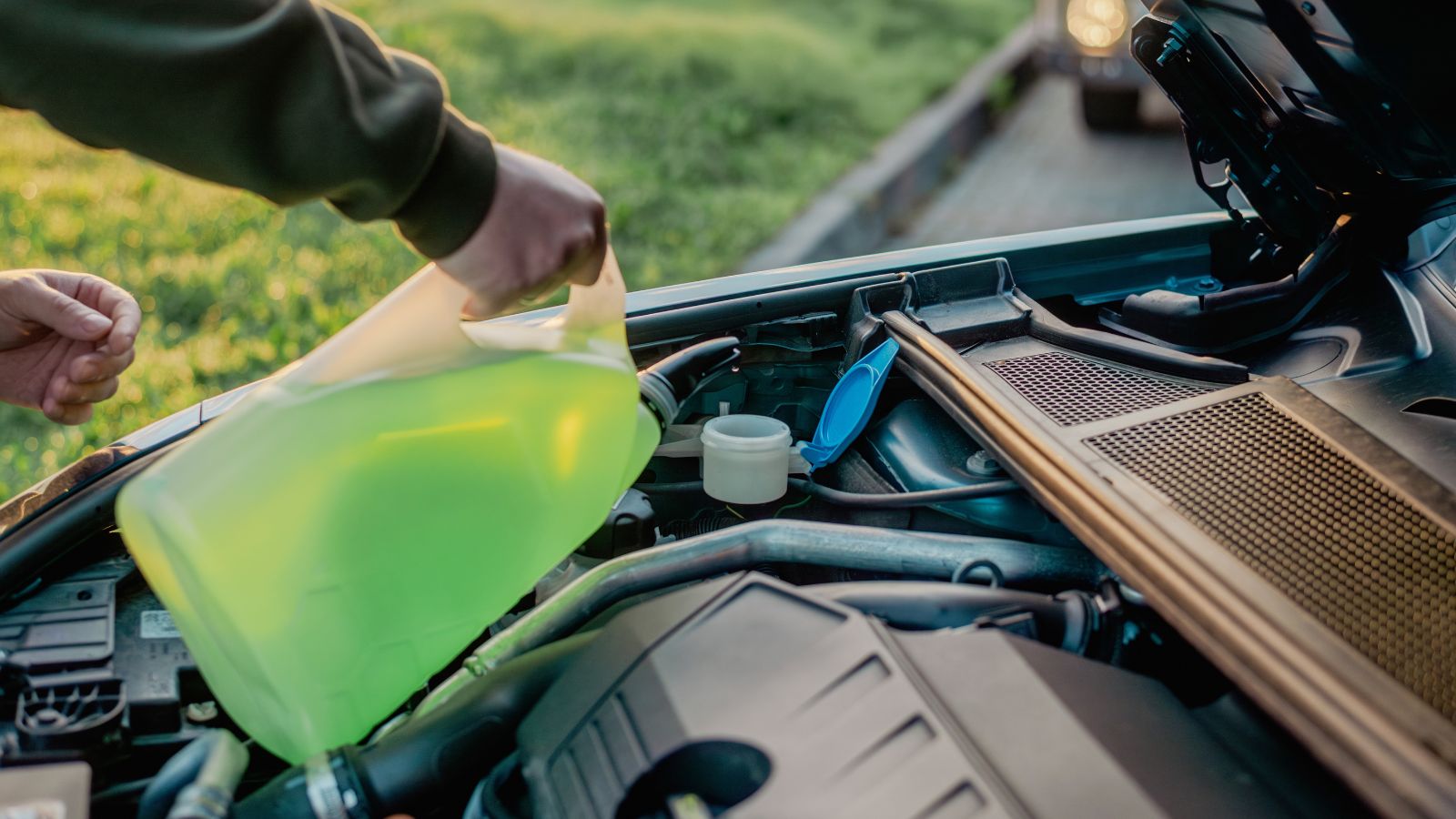
Winter visibility problems often begin with equipment that seemed perfectly adequate in September. Quebec’s winter-vehicle preparation guidance recommends checking the heating and defrosting system, windshield-washer fluid and wipers before the season. Alberta likewise includes the heater, defroster and windshield wipers among the vehicle components motorists should inspect when preparing for winter driving.
The consequences become obvious during the first messy highway trip. Road salt and dirty slush can coat a windshield within minutes, and weak washer performance may leave a smeared film directly in the driver’s line of sight. Worn blades can make matters worse by creating streaks instead of clearing them. Meanwhile, a poorly functioning defroster allows interior condensation or ice to reduce visibility even when the outside of the windshield has been scraped clean. These components are inexpensive compared with most vehicle repairs, yet drivers often discover their condition only after they are already driving through snow, freezing spray or darkness.
Starting the Trip Without Checking Road and Weather Conditions
A familiar route can change dramatically between breakfast and the afternoon commute. Quebec recommends checking road conditions through Québec 511 before winter travel, including information about closures, accidents and winter conditions. Ontario’s 511 system likewise provides current highway information, and its road-condition reports are supplied by maintenance contractors at least five times a day during the winter season.
That information becomes particularly useful for longer drives between communities, where conditions can differ sharply from what is visible outside the home. Ontario 511 also incorporates traffic information, closures, weather-related information and highway cameras; provincial materials say the service includes images from more than 900 cameras. Checking conditions before departure can reveal that the usual route is deteriorating while an alternative remains manageable. It can also support the most sensible decision of all: delaying the trip. Winter preparation is not limited to what sits in the trunk. Sometimes the most important safety equipment is timely information obtained before the engine starts.
Treating a Whiteout as Something to Simply Drive Through

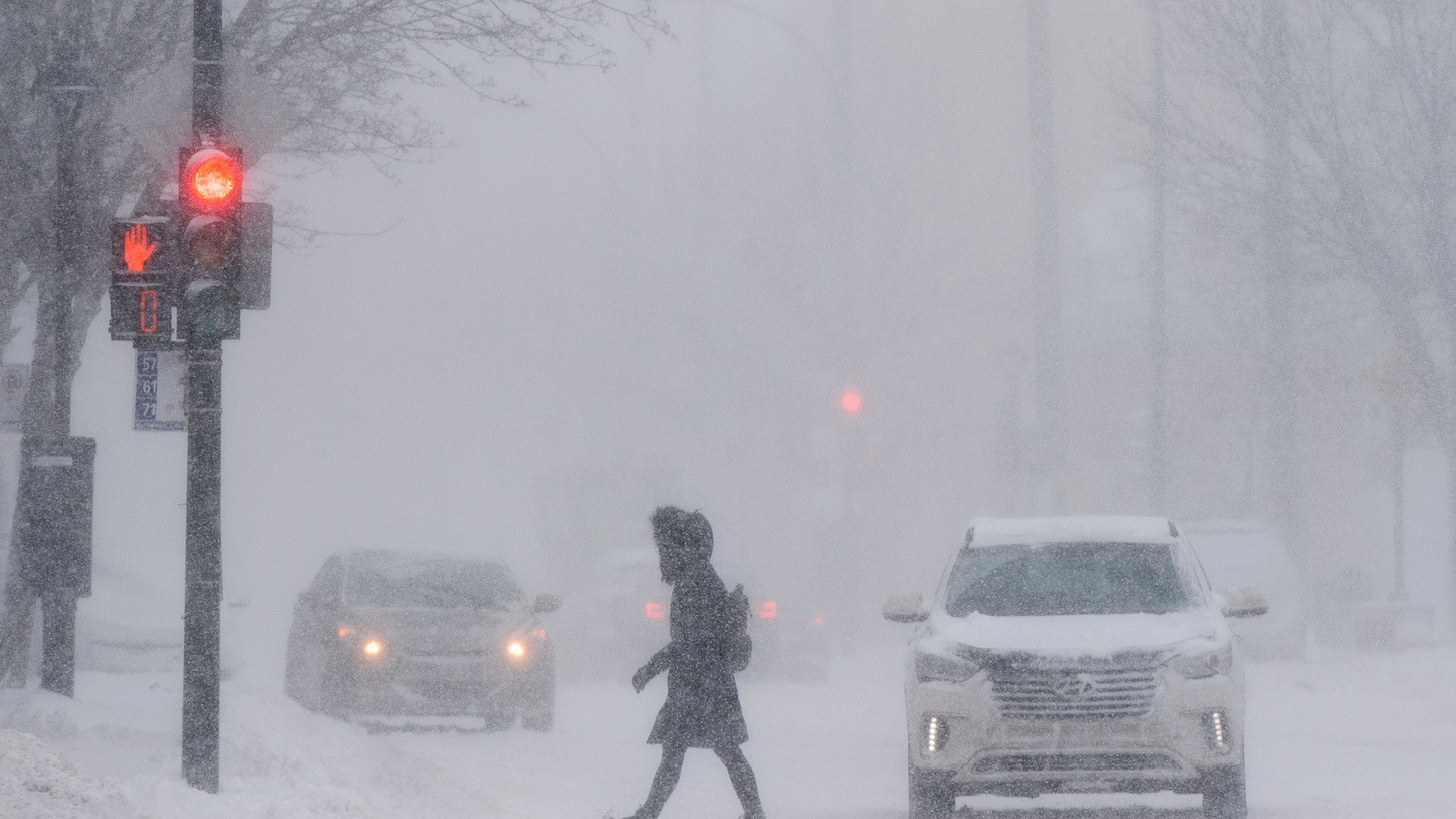
Blowing snow can turn an ordinary highway into a featureless field with astonishing speed. Ontario describes whiteout conditions as situations where blowing snow can completely block the driver’s view of the road and advises travelling only when necessary when such conditions are forecast. Alberta similarly recommends staying off the road during winter storms unless travel is necessary and says motorists should not travel at all when roads are closed.
The temptation to continue often comes from familiarity: home may be only 15 kilometres away, or the road may have been visible moments earlier. But once lane markings, shoulders and vehicles ahead disappear, even experienced drivers lose much of the visual information needed to judge position and speed. A routine commute can become an exercise in guessing where the pavement is. Delaying a non-essential journey can feel inconvenient, particularly when work or family plans are involved, but severe winter weather is one situation in which persistence should not automatically be treated as good driving.
Crowding or Trying to Pass Snowplows
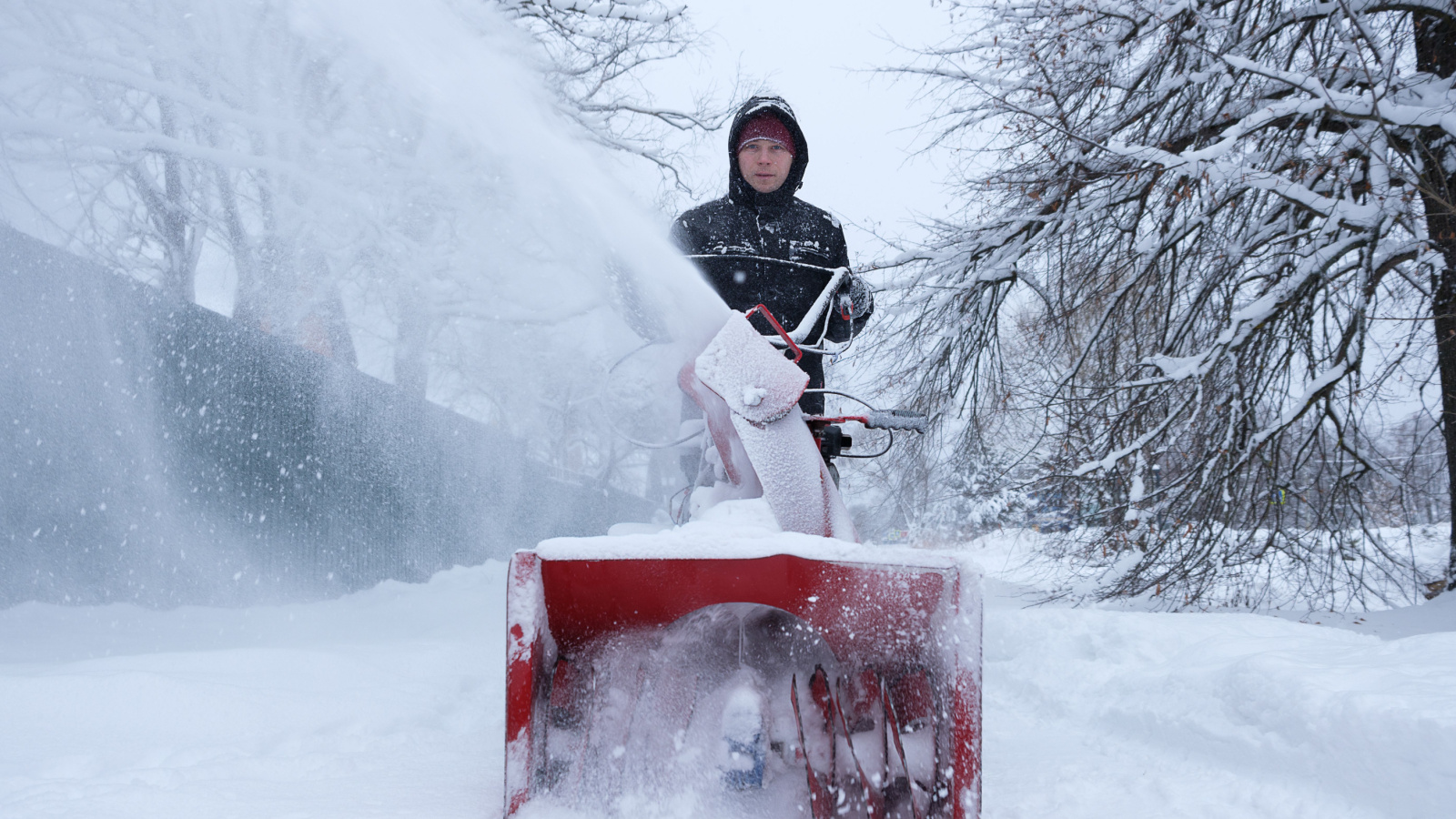
Snowplows can feel frustratingly slow from the driver’s seat of a passenger vehicle, yet the road behind the plow is often considerably better than the surface ahead of it. Alberta tells motorists to stay back from snowplows and wait until operators allow safe passing. Quebec specifically warns against passing snowplows travelling in close formation and discourages motorists from inserting themselves into snow-removal convoys.
Visibility is another issue. ICBC warns against passing snowplows because some are equipped with wing blades extending from the side, which may be difficult to see through the snow being thrown by the equipment. A driver attempting to squeeze around a plow may therefore be moving toward an uncleared section of roadway while visibility is compromised by snow spray. Giving crews room is not merely about politeness toward road workers. Plows, salt trucks and graders are actively improving the surface everyone else depends on. A few minutes behind one can be a much safer bargain than reaching untreated pavement first.
Letting the Fuel Tank Run Nearly Empty During Winter
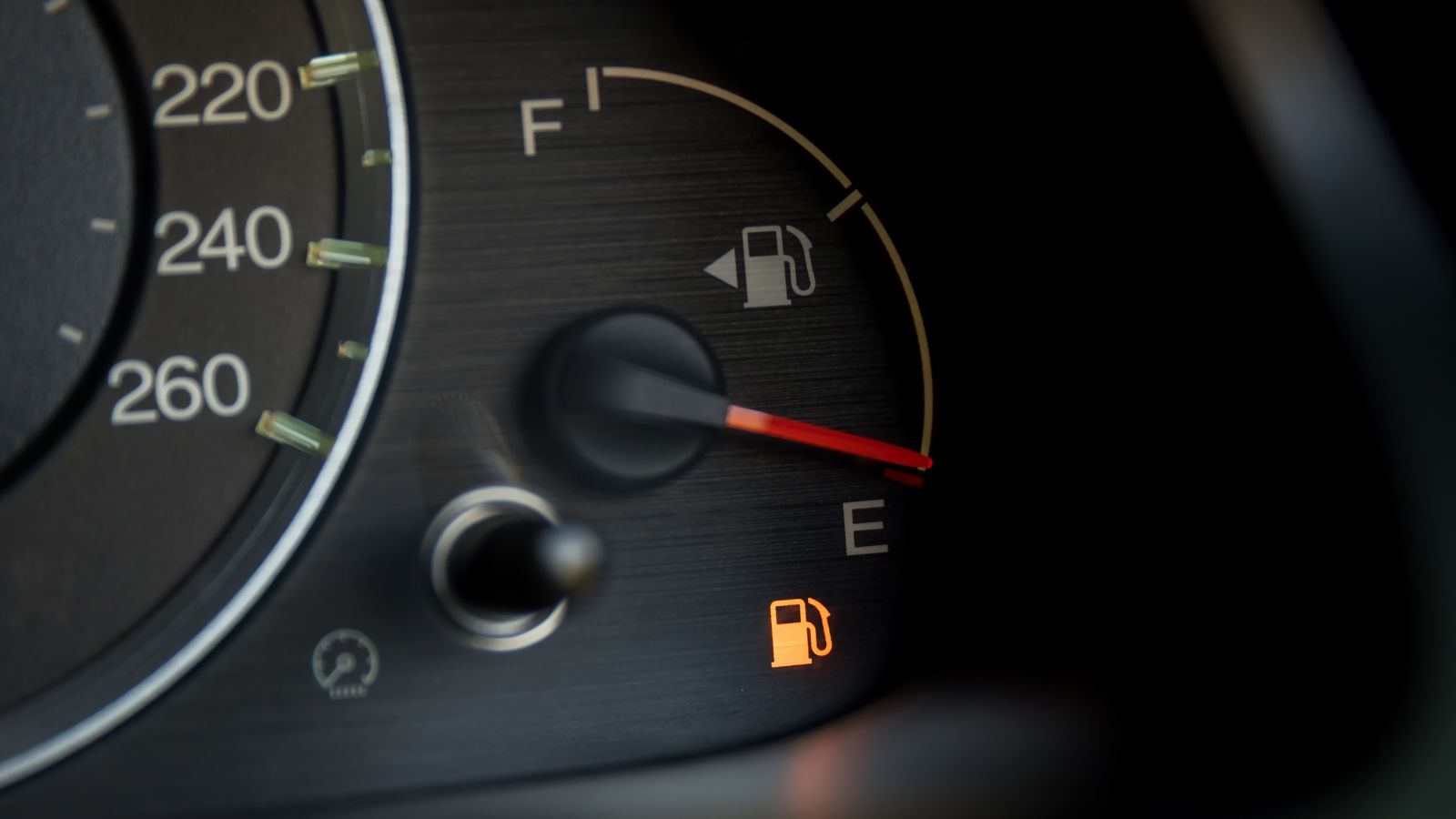
Running a vehicle close to empty is inconvenient in summer and potentially much more serious in winter. CAA recommends keeping at least half a tank of fuel, noting that a driver stranded during an emergency may need to run the vehicle for short periods to stay warm. Alberta likewise recommends keeping the tank more than half full and highlights the usefulness of having fuel available if the vehicle becomes stranded.
Winter disruptions are not limited to mechanical breakdowns. Highway closures, collisions ahead, sudden storms or vehicles stuck in deep snow can leave traffic stationary far longer than expected. A driver who planned to refuel 20 kilometres later may discover that the next 20 kilometres will not be travelled for hours. Keeping a substantial fuel reserve provides flexibility when conditions interrupt the original plan. For drivers of battery-electric vehicles, the broader lesson is similar: cold-weather range and unexpected delays deserve consideration before departure rather than after the available energy becomes uncomfortable.
Driving Without a Proper Winter Emergency Kit
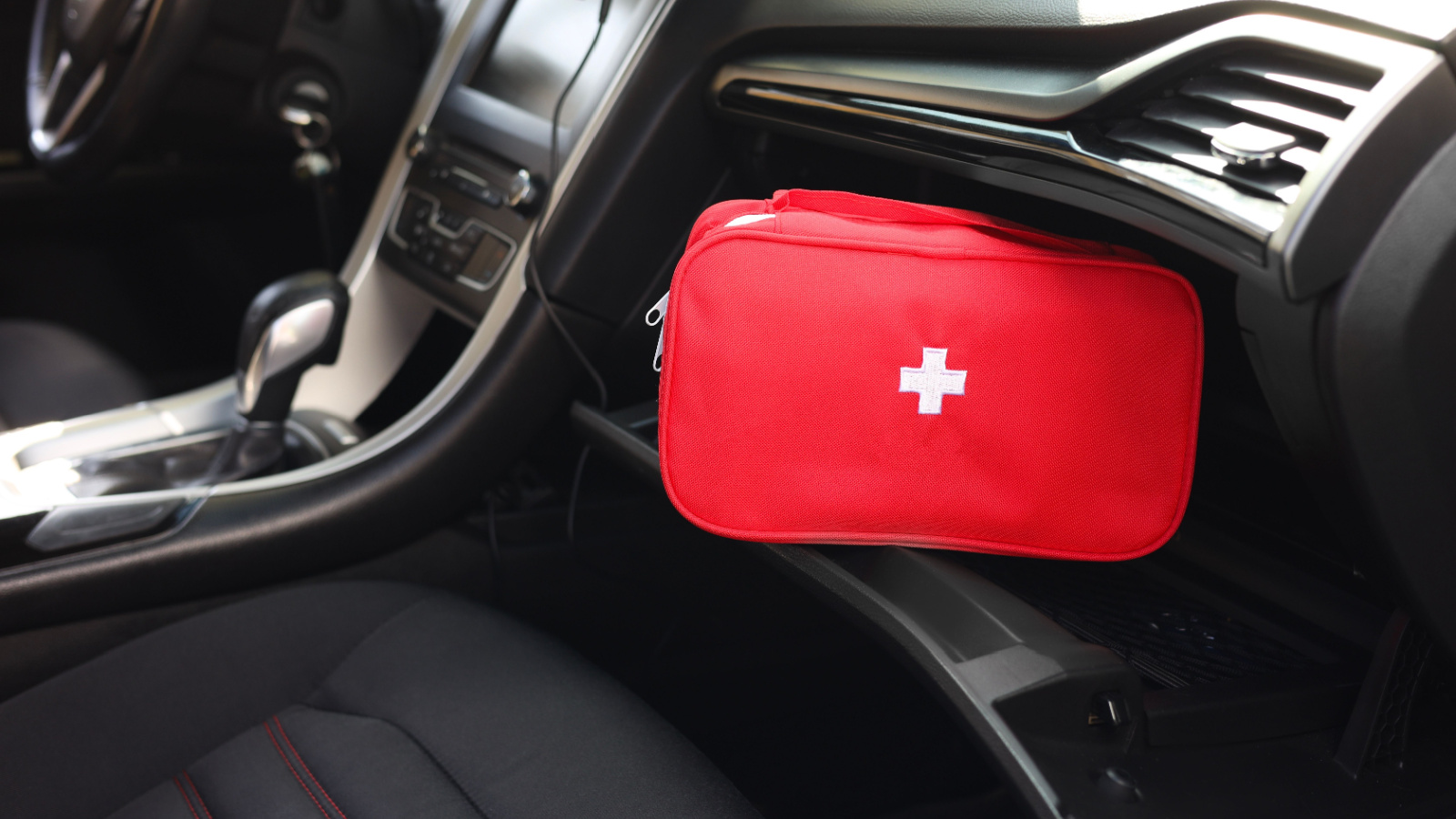
Most winter trips end exactly as planned, which makes an emergency kit easy to neglect. The problem is that the kit is designed for the trip that does not. CAA recommends carrying items such as warm clothing, a blanket, first-aid supplies, booster cables, a shovel and flashlight. Alberta’s winter guidance provides an extensive list that also includes extra clothing and footwear, emergency food, an ice scraper, batteries and traction materials such as sand or non-clumping litter.
The value of these items becomes obvious once a vehicle is immobilized away from immediate assistance. A small shovel can free packed snow from around a wheel. A blanket and additional clothing can preserve warmth while roadside assistance is delayed. Booster cables may turn a dead battery from a long wait into a short inconvenience. None of the individual items is particularly sophisticated, which is why the kit is so easy to postpone assembling. Winter preparedness is often less about buying expensive technology than having several inexpensive tools available at the exact moment ordinary plans stop working.
Assuming a Clear-Looking Road Cannot Be Covered in Black Ice
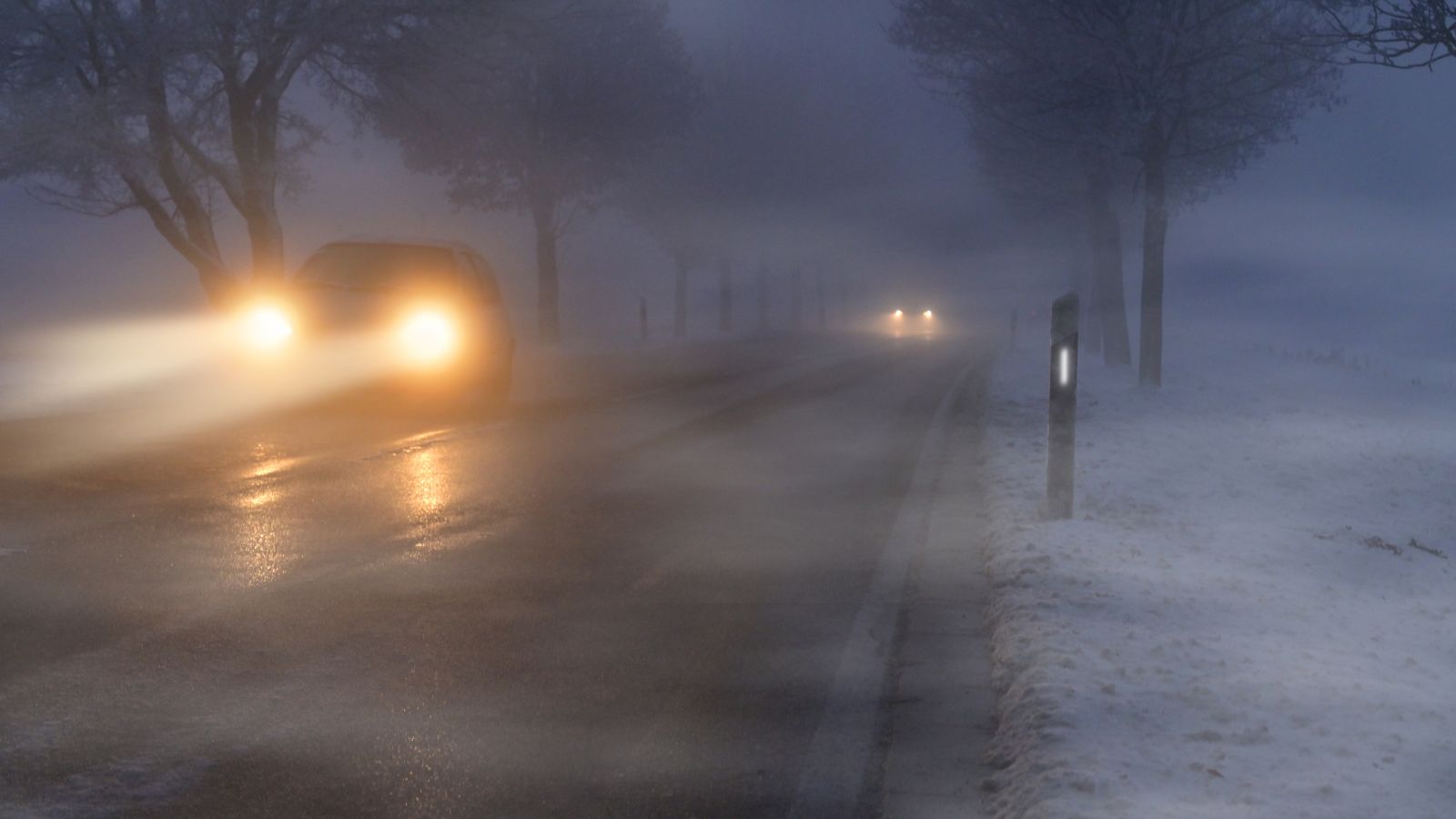
Black ice earns its reputation because it may barely look like ice at all. Alberta’s 2026 driver’s guide describes it as moisture frozen on the road surface and notes that drivers often cannot see it. ICBC warns that black ice is commonly found in shaded areas, on bridges and overpasses, and at intersections, especially when temperatures are near freezing.
Bridge decks deserve particular attention. Alberta’s winter-driving guidance says they can be slicker than other highway surfaces because they experience greater temperature fluctuations. A driver travelling comfortably on apparently bare pavement can therefore encounter a sudden change in grip while crossing a bridge or approaching an intersection. The safest response is anticipation rather than an abrupt reaction after traction disappears: reduce speed before higher-risk areas, increase space around other vehicles and avoid sharp steering or braking. The absence of obvious snow is never proof of dry pavement, and some of winter’s most dangerous conditions are precisely the ones that barely look dangerous.
16 Costco Canada Habits That Could Be Costing Shoppers More Than They Save

The Executive Membership can feel like an obvious upgrade because the 2% annual reward sounds straightforward. For households that spend heavily at Costco Canada, the extra fee may be easy to justify. But the habit becomes costly when shoppers upgrade first and calculate later. A Gold Star Membership costs less, while Executive costs more and only pays off if eligible annual spending is high enough to offset the difference.
16 Costco Canada Habits That Could Be Costing Shoppers More Than They Save
