
Prices in Canada often feel higher than expected, especially when compared to other countries like the United States or even global online markets. From groceries to electronics, many everyday items carry noticeable markups due to import costs, smaller market size, and limited competition. Despite this, Canadians continue to buy these products out of habit or convenience. In many cases, alternatives exist that are significantly cheaper elsewhere. Here are 25 things Canadians keep buying that are cheaper anywhere else.
Avocados

Avocados are one of the clearest examples of price differences between Canada and other countries, particularly the United States. Since Canada relies heavily on imports, prices fluctuate more and tend to remain higher overall. In U.S. markets, larger supply chains and closer proximity to Mexico allow for lower and more stable pricing. Canadians often pay significantly more for the same fruit, even during peak seasons. Despite this, avocados remain a popular staple due to their health benefits and versatility. Many shoppers continue purchasing them regularly without considering how much cheaper they are just across the border.
Almond Milk

Almond milk is widely consumed in Canada, but it often costs more compared to U.S. grocery stores. Since almonds are primarily grown in California, American producers benefit from lower sourcing and transportation costs. Canadian retailers must import either the raw almonds or the finished products, which adds to the price. Even store brands tend to command a premium over similar options in the United States. Despite these differences, Canadians continue to buy almond milk due to dietary preferences and the demand for dairy alternatives. Over time, this results in consistently higher spending on a product that is significantly cheaper elsewhere.
Running Shoes

Running shoes are frequently more expensive in Canada than in other markets, particularly the United States. Many global brands price their products differently across regions, often resulting in higher retail costs for Canadian consumers. Currency differences, import duties, and distribution costs all contribute to this gap. Canadians may also face fewer discount opportunities compared to larger markets. Despite this, running shoes remain a necessity for many, especially for fitness enthusiasts. Shoppers often purchase locally for convenience, even though ordering from international retailers or shopping across the border can offer noticeable savings on the same models.
Smartphones

Smartphones tend to be more expensive in Canada due to pricing strategies, carrier structures, and taxes. While the same devices are sold globally, Canadian consumers often pay more upfront or through long-term contracts. Limited competition among carriers can also affect pricing. In contrast, other countries may offer more competitive deals or lower retail prices. Despite these differences, Canadians continue upgrading devices regularly due to technological demand and lifestyle integration. The convenience of buying locally often outweighs the cost savings available elsewhere, leading to higher overall smartphone spending than in other regions.
Protein Powder

Protein powder is a popular supplement in Canada, but it often costs more than in the United States or online international markets. Many brands are produced in the U.S., which gives American consumers easier access and lower pricing. Import costs, currency exchange, and retailer markups increase prices for Canadian buyers. Even bulk purchases do not always provide the same level of savings. Despite this, demand remains strong due to fitness trends and dietary habits. Canadians continue buying protein powder locally, even though more affordable options are widely available through cross-border shopping or international retailers.
Jeans

Jeans from popular global brands are often priced higher in Canada than in other countries. Retail pricing strategies, import duties, and competition from smaller markets all contribute to this difference. Canadian consumers may notice that the same brand and style costs less in the United States or through international retailers. Despite this, many shoppers continue to buy locally for convenience and immediate availability. Seasonal sales may offer some relief, but regular pricing remains elevated. Over time, this results in Canadians paying more for everyday clothing items that are widely available at lower prices elsewhere.
Fresh Berries

Fresh berries are significantly more expensive in Canada, especially outside local growing seasons. Since these fruits are highly perishable, they rely heavily on imports during colder months. Transportation and storage costs increase prices compared to regions with year-round production. In the United States, larger domestic supply chains help keep prices more stable. Canadians often pay a premium for strawberries, blueberries, and raspberries, even though they are widely consumed. Despite the higher cost, demand remains strong due to their nutritional value, making them a frequent but expensive purchase.
Car Tires

Car tires are often cheaper in the United States than in Canada, even for identical brands and models. Pricing differences are influenced by market competition, distribution networks, and promotional strategies. Canadian consumers may also face higher installation and service costs. Despite this, many drivers purchase tires locally for convenience and immediate availability. Cross-border shopping or ordering from international retailers can offer savings, but not all consumers take advantage of these options. As a result, Canadians continue paying higher prices for a necessary product that is often more affordable elsewhere.
Coffee Beans

Coffee beans are widely consumed in Canada, but they are often priced higher than in other countries, including the United States. Import costs and smaller market scale contribute to this difference. Even globally recognized brands may cost more in Canadian stores. Despite this, Canadians continue purchasing coffee regularly due to strong demand and daily consumption habits. Specialty and premium options further increase spending. While cheaper alternatives exist through online retailers or cross-border purchases, many consumers prioritize convenience over cost, leading to consistently higher prices for coffee products.
Video Games

Video games are often more expensive in Canada due to currency conversion and regional pricing strategies. Even digital versions may cost more compared to U.S. pricing. Limited competition and standardized pricing models contribute to this difference. Canadians continue purchasing new releases at full price, especially during launch periods. While sales and discounts provide some relief, the base cost remains higher. Over time, this results in increased spending for gamers, even though identical products are available at lower prices in other markets.
Sunscreen

Sunscreen is an essential product, but it is often more expensive in Canada than in other countries. Regulatory differences and import costs contribute to higher prices. Even common brands may carry a noticeable markup. Canadians continue to purchase sunscreen because of its importance for skin protection, especially during the summer months. Despite the higher cost, demand remains steady. Many consumers do not realize that the same products are available at lower prices elsewhere, making sunscreen another everyday item that Canadians consistently overpay for.
Olive Oil

Olive oil is a pantry staple in many Canadian households, but it is often priced higher than in countries closer to its production regions, such as Europe or even the United States. Since Canada imports most of its olive oil, transportation, storage, and distribution costs contribute to higher retail pricing. In contrast, countries with direct access to producers or larger import volumes benefit from more competitive pricing. Canadians continue buying olive oil regularly due to its health benefits and versatility in cooking. However, many do not realize how much cheaper the same brands can be elsewhere. Over time, this results in consistently higher spending on a product that is widely available at lower prices globally.
Laptops

Laptops in Canada are often more expensive than in the United States due to regional pricing strategies, import costs, and currency differences. Even when the same models are available internationally, Canadian consumers frequently pay a premium. Retail competition is also more limited, which affects pricing flexibility. Despite these differences, laptops remain essential for work, education, and entertainment, leading Canadians to purchase them locally for convenience. Sales events may offer temporary discounts, but base prices tend to remain higher. Many consumers are unaware that ordering from international retailers or purchasing across the border can result in significant savings. This makes laptops a common example of a necessary item that Canadians consistently buy at higher prices.
Cheese

Cheese is noticeably more expensive in Canada due to supply management systems that regulate production and pricing. While this system supports domestic farmers, it also limits competition and keeps prices elevated compared to other countries. In regions with more open markets, cheese is often more affordable and available in greater variety. Canadians continue purchasing cheese regularly as a dietary staple, despite the higher cost. Imported options can be even more expensive due to tariffs and restrictions. Over time, this results in consistently higher spending on dairy products. The pricing difference highlights how domestic policy influences everyday grocery costs in Canada.
Vitamins and Supplements

Vitamins and supplements are widely used in Canada, but they are often priced higher than in the United States and other international markets. Many products are manufactured abroad, which adds import and distribution costs. Canadian regulations and a smaller market size can also influence pricing. Despite this, demand remains strong due to increasing health awareness. Canadians frequently purchase supplements without comparing international prices, even though the same products can be significantly cheaper abroad. Online retailers sometimes offer better deals, but not all consumers take advantage of these options. As a result, vitamins and supplements remain a category where Canadians consistently pay more than necessary.
Winter Jackets
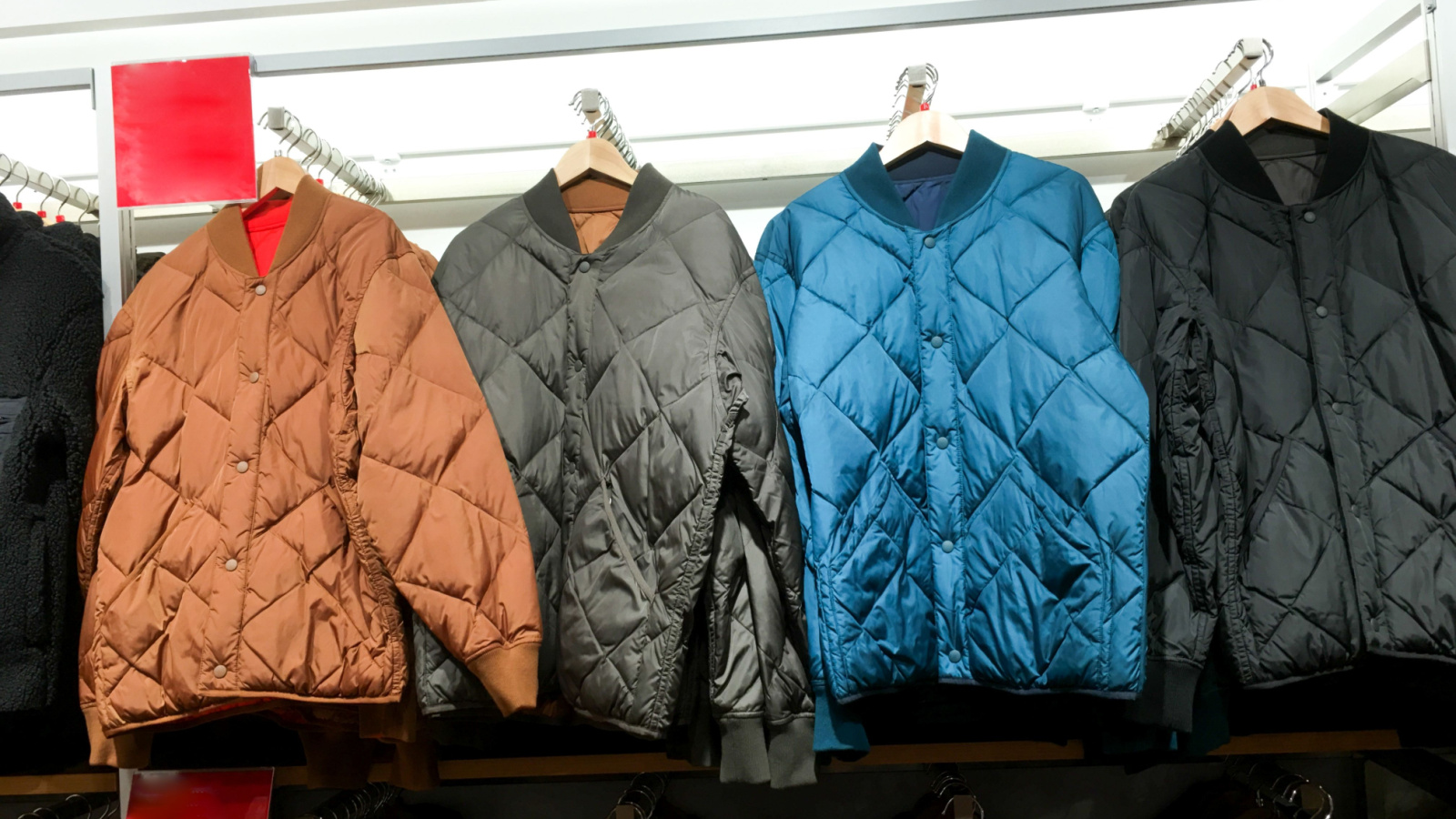
Winter jackets are essential in Canada, but they are often priced higher than similar products in other countries. Global brands frequently apply regional pricing strategies that result in higher costs for Canadian consumers. While quality and durability are important, the same jackets can sometimes be found at lower prices in international markets. Canadians continue to purchase locally due to immediate needs and seasonal demand. Sales events may temporarily reduce prices, but overall costs remain elevated. This makes winter jackets a necessary but expensive purchase, often cheaper elsewhere.
Headphones

Headphones are another product category where Canadians often pay more compared to other markets. Pricing differences are influenced by import costs, currency exchange, and limited competition. Even major global brands tend to have higher retail prices in Canada. Canadians continue purchasing headphones due to demand for personal audio devices, especially with remote work and travel. While online shopping offers alternatives, many consumers still buy locally for convenience. This results in consistently higher spending on a product that is widely available at lower prices elsewhere.
Laundry Detergent

Laundry detergent is a household essential, but it is often more expensive in Canada than in the United States. Differences in manufacturing, distribution, and market competition contribute to higher prices. Canadians purchase detergent regularly, making the price difference more noticeable over time. Bulk buying can reduce costs slightly, but overall pricing remains higher. Despite this, consumers continue purchasing familiar brands without exploring cheaper alternatives. This makes laundry detergent a recurring expense where Canadians often pay more than necessary.
Chocolate

Chocolate is widely consumed in Canada, but it is often priced higher compared to other countries, particularly those closer to production sources. Import costs and distribution expenses contribute to the price difference. Even global brands may be more affordable elsewhere. Canadians continue buying chocolate as a regular treat, especially during holidays and seasonal events. Despite the higher cost, demand remains strong. Over time, this results in increased spending on a product that is widely available at lower prices internationally.
Furniture

Furniture is often more expensive in Canada due to transportation costs, import duties, and limited domestic production. Large items require significant shipping expenses, which are reflected in retail pricing. Canadians frequently purchase furniture locally due to convenience and availability of delivery. However, similar products can sometimes be found at lower prices in international markets. Despite this, many consumers prioritize convenience over cost savings. This results in higher overall spending on furniture compared to other regions.
Baby Formula

Baby formula is an essential product, but it is often more expensive in Canada than in other countries. Import regulations, production costs, and limited competition contribute to higher pricing. Parents continue purchasing formula regardless of cost due to necessity. While some cross-border shopping options exist, not all consumers have access to them. This makes baby formula a critical item in which Canadians consistently pay more than in other markets.
Skincare Products

Skincare products are widely used in Canada, but they often come with higher price tags compared to international markets. Import costs, branding strategies, and retailer markups contribute to this difference. Canadians continue purchasing skincare products due to strong demand and brand loyalty. While online shopping can offer better deals, many consumers still buy locally for convenience. This results in consistently higher spending on skincare compared to other countries.
Cookware

Cookware is another category where Canadians often pay more due to import costs and limited competition in the domestic market. Even global brands may be priced higher compared to other regions. Canadians continue purchasing cookware locally for convenience and availability. While sales events can offer some savings, base prices remain elevated. This makes cookware a common purchase where Canadians may be overpaying compared to international markets.
Gym Memberships

Gym memberships in Canada can be more expensive than in other countries due to operational costs and market structure. Canadians continue paying for memberships despite price differences, especially during peak fitness seasons. While alternatives such as home workouts exist, many consumers prefer traditional gyms. This results in higher recurring expenses than those of similar services elsewhere.
Bottled Water

Bottled water is often priced higher in Canada compared to other countries, despite being a basic product. Transportation, packaging, and retail costs contribute to the difference. Canadians continue to purchase bottled water for convenience, especially while travelling or at events. Despite the availability of tap water, demand remains steady. This makes bottled water a simple but frequent purchase, with Canadians often paying more than necessary.
19 Things Canadians Don’t Realize the CRA Can See About Their Online Income

Earning money online feels simple and informal for many Canadians. Freelancing, selling products, and digital services often start as side projects. The problem appears at tax time. Many people underestimate how much information the CRA can access. Online platforms, banks, and payment processors create detailed records automatically. These records do not disappear once money hits an account. Small gaps in reporting add up quickly.
Here are 19 things Canadians don’t realize the CRA can see about their online income.
