A quick drive across the border can still feel simple, but the rules are no longer something travellers can afford to treat casually. Between document requirements, longer-stay registration issues, dog paperwork, food declarations, and stricter scrutiny around cannabis and electronic devices, even a routine spring trip can turn stressful when one detail is missed.
These 17 rules capture the border points that matter most for Canadians heading into the United States by car this season. Some are old standards that still trip people up, while others have become more important in the past year. Taken together, they offer a clearer picture of what can smooth out a crossing, what can slow one down, and what can cause a trip to unravel before it really begins.
1. A passport is still the safest answer, even when other documents can work
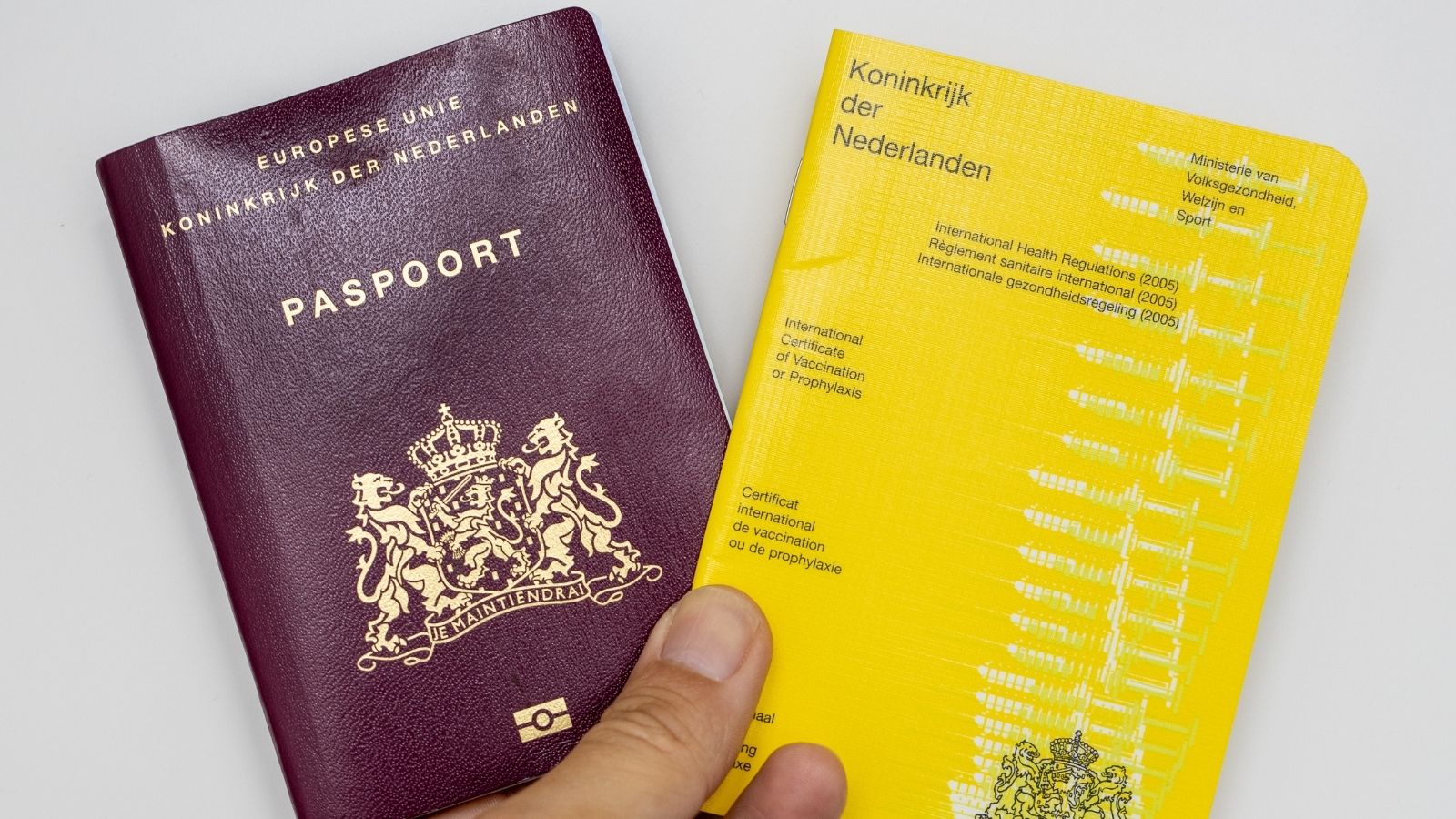
Many Canadians still assume a driver’s licence and a confident smile will be enough at a land crossing, but the U.S. still applies Western Hemisphere Travel Initiative rules at the border. For travellers 16 and older arriving by land or water, acceptable documents generally include a valid passport, a Trusted Traveler card such as NEXUS, certain enhanced driver’s licences or enhanced identification cards, and in some cases a Secure Certificate of Indian Status. That means alternatives do exist, but they are narrower than many casual drivers think.
In real life, a passport remains the cleanest option because it is the most widely recognized travel document on both sides of the border. It also avoids the confusion that can happen when an officer, a family member, or a less-frequent traveller assumes another document will be enough. One detail that surprises many Canadians: U.S. guidance says Canadian passports generally do not need six extra months of validity beyond the trip. They simply need to be valid for the period of stay, which helps travellers whose passport is nearing expiry but is still current for the trip.
2. Children do not follow the same document rules as adults

Family road trips often get delayed because parents prepare their own documents carefully but make assumptions about what children need. At a land or water crossing, Canadian children aged 15 and under can generally use a passport, an original or copy of a birth certificate, or an original Canadian citizenship certificate. That is a meaningful difference from adult travellers, who need a WHTI-compliant document. It is one of the rare border rules that actually becomes a little more flexible for families.
That flexibility should not be mistaken for looseness. A border officer still needs to be satisfied that the child is entitled to travel and that the group makes sense. A spring weekend shopping run to Buffalo or a family baseball trip can quickly get awkward if the adults have passports and the kids’ paperwork is buried in a drawer at home. Families are usually best served by over-preparing rather than leaning on the bare minimum. Even when a birth certificate is technically acceptable, many experienced travellers still prefer passports for children because they reduce explanation, speed up inspection, and create fewer headaches on the return to Canada.
3. A consent letter matters whenever a child is not travelling with every parent or guardian

One of the most common border misconceptions is that a consent letter is only for dramatic custody situations. In practice, it is recommended much more broadly. If a child is travelling with only one parent, with grandparents, with friends, or with a school, sports, musical, or religious group, Canadian authorities recommend carrying a signed consent letter from the absent parent or legal guardian. Border officers watch for signs of child abduction and trafficking, so missing paperwork can trigger extra questions even on a perfectly ordinary trip.
A strong consent letter is not complicated, but it should be useful. It should identify the parent or guardian giving permission and include contact details such as full name, address, and telephone number. If custody arrangements exist, copies of the relevant legal documents can help. Notarization is not legally required in every case, but it is recommended because it adds credibility if questions arise. In practical terms, this is the kind of document most families never need to present in a long, dramatic exchange. Its real value is often simpler: it can shorten the conversation before it ever turns into one.
4. Canadians usually do not need a visa for a normal visit, but officers still decide whether the trip makes sense

A frequent mistake is confusing “visa-free” with “automatic entry.” Canadian citizens generally do not need a visitor visa for ordinary tourism, business visits, or transit from Canada into the United States, and they can usually stay for up to six months. That makes cross-border travel feel informal compared with many other international trips. But the legal reality is that admission is still decided at the port of entry by U.S. officials, not by the traveller’s expectations.
That is why officers may ask questions that feel simple but matter a lot: where the traveller is staying, how long the visit will last, how it will be paid for, and what ties still anchor that person to Canada. A driver headed to a spring concert, outlet mall, or family visit is unlikely to face trouble if the story is straightforward and supported by the facts. Trouble tends to start when the purpose sounds vague, the stay sounds open-ended, or the traveller cannot clearly explain work, school, residence, or finances back home. Even routine crossings still work best when the trip is short, coherent, and easy to verify.
5. Trips longer than 30 days now deserve extra attention because of U.S. registration rules

This is one of the newer issues many Canadians still have not fully absorbed. The Government of Canada now warns that Canadians and other foreign nationals visiting the United States for longer than 30 days must be registered with the U.S. government. In some cases, that registration may already happen automatically through the entry process, which is why travellers are told to check their I-94 record. In other situations, additional steps may be required through U.S. Citizenship and Immigration Services.
That matters most for snowbirds, extended family visits, and long remote-work-style stays that start with a car packed for more than a weekend. The mistake is assuming that because Canadians often cross without a visa, nothing formal happens after arrival. The current guidance says failure to comply can lead to penalties, fines, and misdemeanor prosecution. For a two-night shopping and dining trip, this is irrelevant. For a six-week spring stay in Florida or Arizona, it becomes one of the first rules worth checking before leaving the driveway, not after crossing and hoping everything sorts itself out later.
6. NEXUS only saves time if everyone in the vehicle qualifies to use it
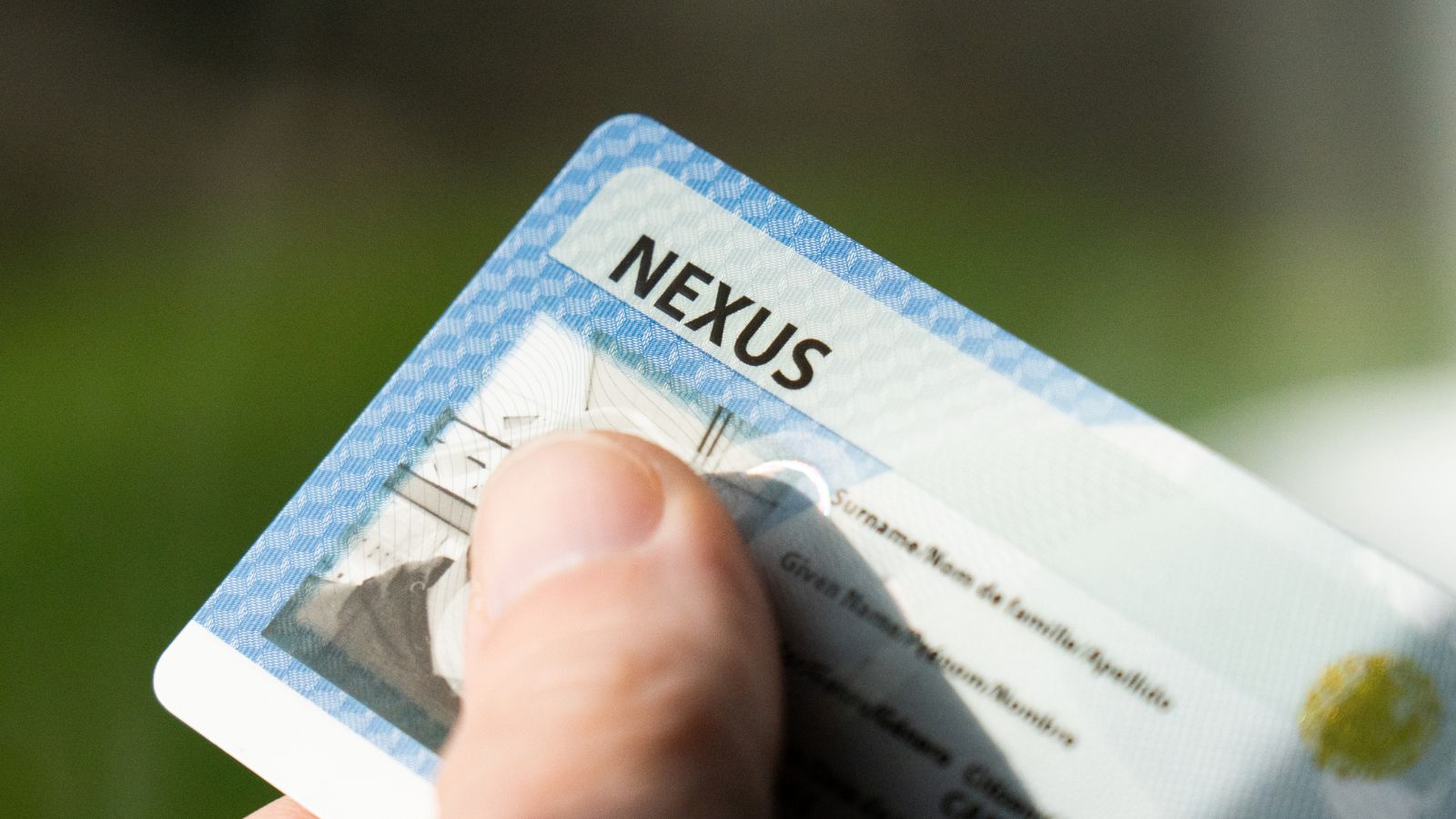
NEXUS remains one of the most useful border tools for frequent crossers, but it is also one of the easiest to misuse. The program is built for low-risk, pre-approved travellers and can speed up entry into both Canada and the United States. Membership currently runs for five years, and the card can be used in dedicated NEXUS lanes, certain airport kiosks, and marine reporting processes. For drivers who cross regularly for shopping, business, sports, or family visits, it can reduce a lot of repetitive friction.
The catch is simple and unforgiving: if one person in the vehicle is not a NEXUS member, the dedicated NEXUS lane cannot be used. That rule applies regardless of age. A family with three approved members and one child without active membership is not “almost eligible”; it is ineligible for the NEXUS lane that day. That detail catches people more often than expected, especially when a card has expired or a child’s application was never finished. NEXUS works brilliantly when the whole car is properly set up. When it is not, using the wrong lane can create the very delay the program is meant to avoid.
7. A valid Canadian licence is enough to drive in the U.S., but proof of insurance is just as important
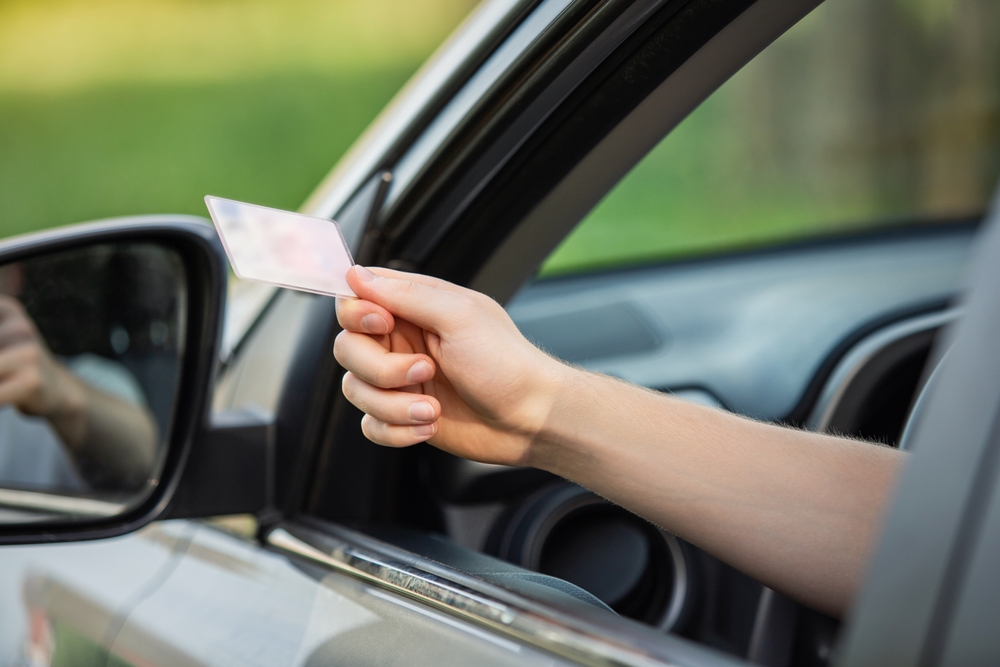
The driving part of a cross-border road trip is often less complicated than the border part. Canada’s travel guidance says a valid Canadian driver’s licence is enough to drive in the United States, which is good news for travellers who do not want another document to think about. But that does not mean the rules are identical once the car is south of the border. Traffic laws, enforcement style, and insurance requirements vary by state, and roadside stops can become more stressful when basic proof is missing.
Insurance is where many people get sloppy. Canadian guidance notes that many U.S. states require motorists to carry appropriate proof of insurance. That means the glove box should contain more than registration and old receipts. A driver headed to Michigan, New York, or another nearby state may never be asked to show the paperwork, but if a collision or routine stop happens, the absence of clear proof turns a bad moment into a much worse one. The smartest version of this rule is simple: before leaving, confirm the policy is active, the card is current, and the border bag contains the same level of organization as an airport carry-on.
8. Rental cars and borrowed vehicles need written permission, not just verbal approval

Crossing into another country in a vehicle that is not clearly yours is one of those small details border officers notice quickly. U.S. Customs and Border Protection says a rental vehicle generally needs written authorization from the rental company to be taken into another country. CBP also notes that an officer may ask for documents showing that the driver entering or leaving the United States is the owner or an authorized driver of the vehicle. That turns casual borrowing into a paperwork issue, not just a family favour.
This matters most during spring travel because that is when more Canadians make quick, informal runs in leased SUVs, company cars, or relatives’ vehicles. A driver who says, “It’s my brother’s car, but he said it was fine,” is offering a story, not proof. The smoother approach is to carry the registration, the rental agreement if applicable, and a signed authorization letter when the vehicle is not plainly in the driver’s name. Border decisions often come down to whether a situation looks clean and documented. A vehicle mismatch without backup papers does not automatically end a trip, but it gives officers a reason to slow everything down.
9. The car, the luggage, and even the phone can all be inspected at the border

Many travellers still treat a land crossing as if it were just a roadside question-and-answer session. It is more than that. U.S. border authorities have broad inspection powers, and both the Government of Canada and CBP warn travellers to expect scrutiny at ports of entry. Vehicles, baggage, and goods can be inspected. Canada’s advisory also states that U.S. border agents are entitled to search electronic devices such as phones, computers, and tablets when someone is entering the country.
That is why “travelling clean” now means more than not carrying prohibited items. It also means understanding what is on the device, what open apps might reveal, and whether messages, work files, or cloud-linked material could create unnecessary complications. Canada’s advisory notes that officers do not need to provide a reason when requesting a password, and refusal can lead to seizure of the device, delay, or denial of entry for non-U.S. citizens. For most ordinary travellers, this never becomes dramatic. Still, a border crossing is not the place to discover that a phone full of confusing work documents, cannabis photos, or undeclared business activity creates questions no one planned to answer.
10. Food rules are stricter than most spring road-trippers expect

Travellers often spend more time planning outlet stops than planning what is in the cooler. That is a mistake. U.S. rules require travellers to declare meats, fruits, vegetables, plants, seeds, soil, animals, and many plant and animal products. CBP says all agricultural items must be declared and are subject to inspection. Some can enter, some cannot, and the answer often depends on the item, the country of origin, and the current disease or pest concerns. That uncertainty is exactly why declaration matters.
A family may think a few apples, sandwiches, eggs, homemade snacks, or garden seedlings are too minor to mention. Border rules do not see them that way. The safer logic is blunt: if it grows, came from an animal, or looks like food from home, say so. CBP guidance repeatedly stresses that declared items can be inspected and, if necessary, surrendered without the same consequences as hidden items. Undeclared agricultural goods can trigger fines and delays, while honest declaration usually keeps the issue manageable. At the border, guessing wrong about produce is less costly than staying silent and hoping no one asks about the trunk.
11. Cannabis is still a border problem no matter how normal it feels in Canada

This is the rule that catches people because everyday life in Canada has changed faster than border law has. Cannabis may be legal in Canada and in many U.S. states, but U.S. federal law still controls the border. CBP has said marijuana remains illegal under federal law, and the Government of Canada warns that previous cannabis use, or involvement in the cannabis industry, could mean denial of entry. That makes the issue bigger than whether a traveller is carrying a visible product in the centre console.
The practical lesson is that border officers may care about possession, purpose, and sometimes even the answers given in conversation. Products labelled as CBD are not necessarily safe territory either, because some can contain THC and attract scrutiny. For spring travellers used to treating cannabis like wine or over-the-counter sleep aids, that mismatch in legal culture can be expensive. A quick shopping or sports trip is not worth arguing federalism at a checkpoint. The safest approach is the simplest one: do not bring cannabis, do not assume a legal state changes border law, and do not treat past or current cannabis-related activity as a trivial topic if an officer asks.
12. Firearms and some other weapons can turn a routine crossing into a serious legal problem
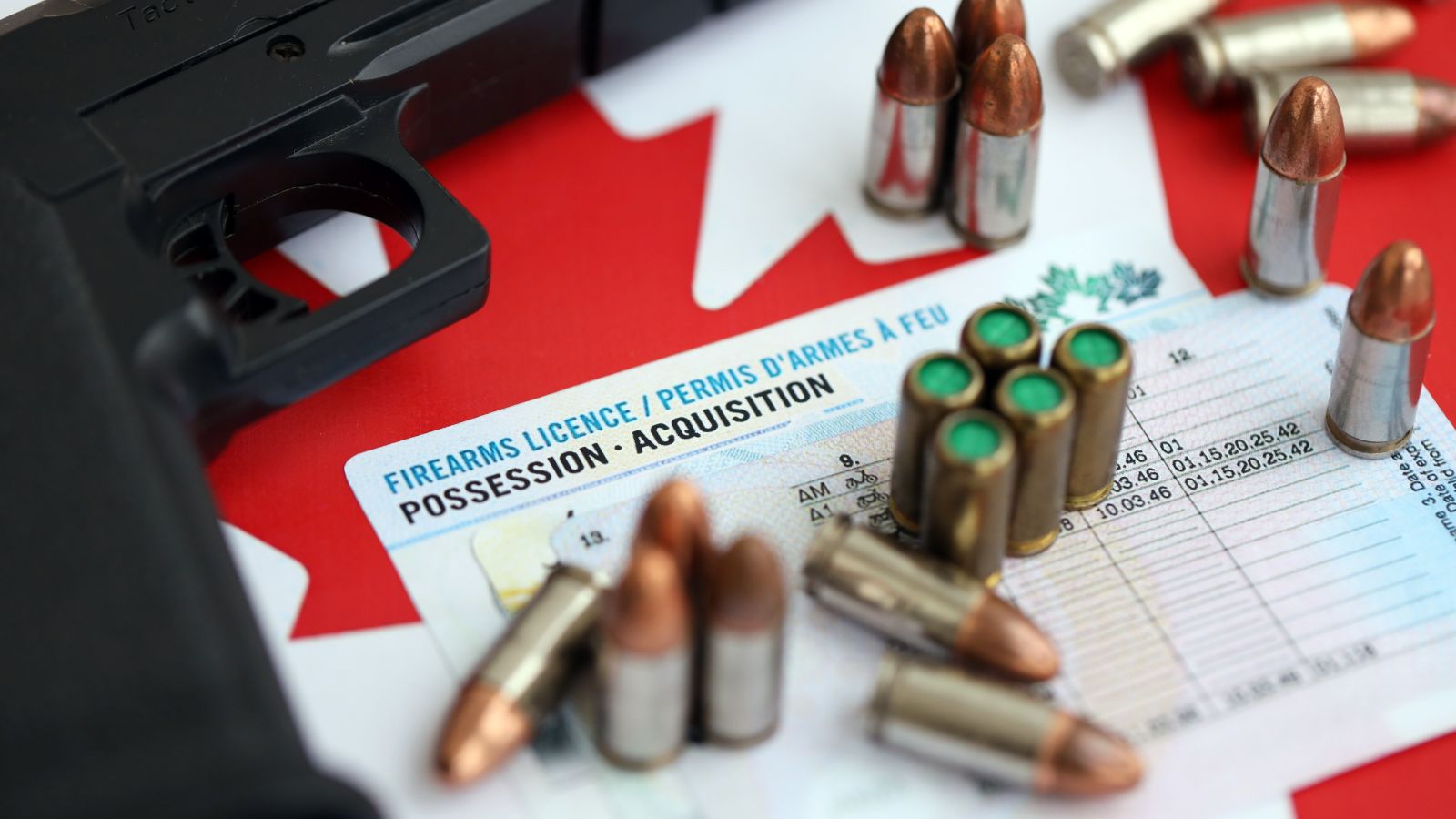
Weapons are one of the fastest ways for a border interaction to stop feeling routine. CBP classifies firearms among restricted items, and some firearms imported into the United States for the first time must go through a registered dealer or other formal requirements. On the Canadian side, CBSA reminds travellers to declare all firearms and weapons and warns that failure to do so can lead to seizure and criminal charges. It also notes that many weapons are prohibited from entering Canada, including some knives, tasers, and pepper spray.
That matters because cross-border drivers often think in everyday terms rather than border terms. A camping knife, bear spray, or a firearm stored for hunting season may feel ordinary in a vehicle at home, but border law treats them very differently. The same goes for ammunition forgotten in a storage compartment. A spring road trip to shop, eat, see family, or watch sports is not the kind of trip that benefits from borderline judgment. When travellers are not fully certain a weapon or related item is legal, declared, and properly documented for both countries, the far better decision is usually to leave it at home.
13. Prescription medication should travel like paperwork, not like loose personal gear

Medication problems at the border are rarely about dramatic narcotics cases. More often, they start with messy packaging, unclear labels, or a traveller carrying more than seems reasonable for the trip. Government of Canada guidance says some medications legal in Canada may be restricted elsewhere, and the U.S.-specific advisory says medicines should be kept in original packaging with the dispensary label intact. Travellers are also advised to carry a duplicate prescription and, where helpful, a doctor’s note explaining the medical condition and treatment.
U.S. guidance adds another useful rule of thumb: travel with personal-use quantities, commonly framed as up to a 90-day supply, and with medication prescribed to the person carrying it. That matters for spring road trips because people often toss pills into organizers, travel packs, or unmarked containers to save space. That might be convenient at home, but it makes border questions harder to answer. It is also important to remember that medical authorization for cannabis in Canada does not make cannabis legal to carry across the border. At a crossing, neat labels and matching names reduce suspicion in ways that travellers only notice when they do not have them.
14. Pet rules are no longer a minor afterthought, especially for dogs

Travelling with a pet used to feel like a small add-on to the trip. For dogs, it is now a true border-prep item. The CDC says all dogs entering or returning to the United States must have a CDC Dog Import Form receipt. For dogs coming only from dog-rabies-free or low-risk countries such as Canada, that does not mean a huge stack of paperwork, but it still means the dog must appear healthy, be at least six months old, and have a microchip. The CDC also says frequent Canada-U.S. travellers can use the same receipt for multiple entries for six months if the country of departure does not change.
That is a meaningful shift for Canadians who are used to tossing the family dog in the back seat for a long weekend away. Dogs with more complicated travel histories face stricter rules, especially if they have been in high-risk countries. Cats are simpler federally, since U.S. guidance says proof of rabies vaccination is not generally required for cat entry, though some states may have their own rules. The larger lesson is that “it’s just a pet” is no longer a workable border mindset. Pet travel now rewards the same habit as human travel: do the paperwork before the wheels start moving.
15. A criminal record can still derail entry, even if the issue is old

Nothing surprises some Canadians more than learning that a past conviction can matter years later on what feels like a harmless drive south. Canada’s travel advisory for the United States warns that a criminal record, no matter the severity or date of the offence, may lead to refusal of entry. It also states clearly that a Canadian pardon is not recognized under U.S. law for entry purposes. That means the mental category of “that was dealt with years ago” does not necessarily match what border officers see in their systems.
There is important nuance here. CBP guidance says a single DUI conviction is not, by itself, automatic grounds for denial of entry to the United States. But it can still be a factor in a broader admissibility decision, and other convictions or prior immigration issues can make things worse. Canada also warns that travellers who have crossed successfully in the past can still face problems later because computerized records are widely accessible. A spring trip for shopping, sports, or visiting family is not the right moment to test whether an old record still matters. Anyone with a history that might raise questions should check first, not improvise at the booth.
16. Carrying more than US$10,000 is legal, but failing to declare it is not

Large sums of money create needless trouble mainly when travellers misunderstand the rule. The issue is not that cash over US$10,000 is banned. It is that international travellers entering or leaving the United States must report currency or monetary instruments over that amount. Canada’s U.S. travel advisory also warns that failure to comply can result in civil and criminal penalties, including seizure of the money. That means the mistake is usually silence, not possession.
This catches more people than it should because the rule applies to combined amounts and different forms of money, not just a single thick envelope of cash. A family carrying cash, bank drafts, money orders, traveller’s cheques, or other convertible assets can cross the threshold without feeling wealthy or suspicious. The same can happen when parents pool money for a big purchase or a college trip. The clean way to think about it is that large sums are a reporting issue, not a hiding issue. At the border, declaration is what turns a stressful amount of money into a lawful amount of money.
17. The return to Canada has its own rules, and spring shoppers often forget them

For many Canadians, the most expensive border mistake happens on the way home, not on the way into the United States. CBSA rules say same-day cross-border shoppers do not get a personal exemption. After more than 24 hours away, travellers can generally claim goods worth up to CAN$200. After 48 hours, the exemption rises to CAN$800, and after seven days it remains CAN$800, with some additional flexibility for certain goods following separately. Gifts can also qualify for relief in some cases if each is under CAN$60, though alcohol and tobacco do not get that treatment.
The numbers matter, but honest declaration matters more. CBSA repeatedly tells travellers to declare all purchases, gifts, food, plant and animal products, weapons, and large amounts of currency. Receipts should be easy to reach, not buried under shopping bags and stroller gear. It also warns that false declarations can lead to seized goods, and in some cases vehicles used to smuggle goods can be seized as well. That is why a spring shopping run that feels casual in the parking lot should feel organized at the booth. Border officers do not expect perfection. They do expect a full, accurate accounting of what came back with the car.
19 Things Canadians Don’t Realize the CRA Can See About Their Online Income

Earning money online feels simple and informal for many Canadians. Freelancing, selling products, and digital services often start as side projects. The problem appears at tax time. Many people underestimate how much information the CRA can access. Online platforms, banks, and payment processors create detailed records automatically. These records do not disappear once money hits an account. Small gaps in reporting add up quickly.
Here are 19 things Canadians don’t realize the CRA can see about their online income.
