Spring driving looks easier than winter driving, which is exactly why costly habits tend to slip through. Roads are clearer, days are longer, and many drivers stop thinking about their vehicles until a warning light flashes or a repair bill lands.
That false sense of ease can be expensive. In Canada, road deaths and serious injuries remain stubbornly high, while speeding, distraction, worn tires, potholes, and neglected maintenance continue to turn ordinary trips into avoidable losses. These 21 habits show where spring drivers often get caught in 2026: at the gas pump, at the repair shop, on insurance renewals, and sometimes in far worse ways.
1. Leaving Winter Tires on Too Long
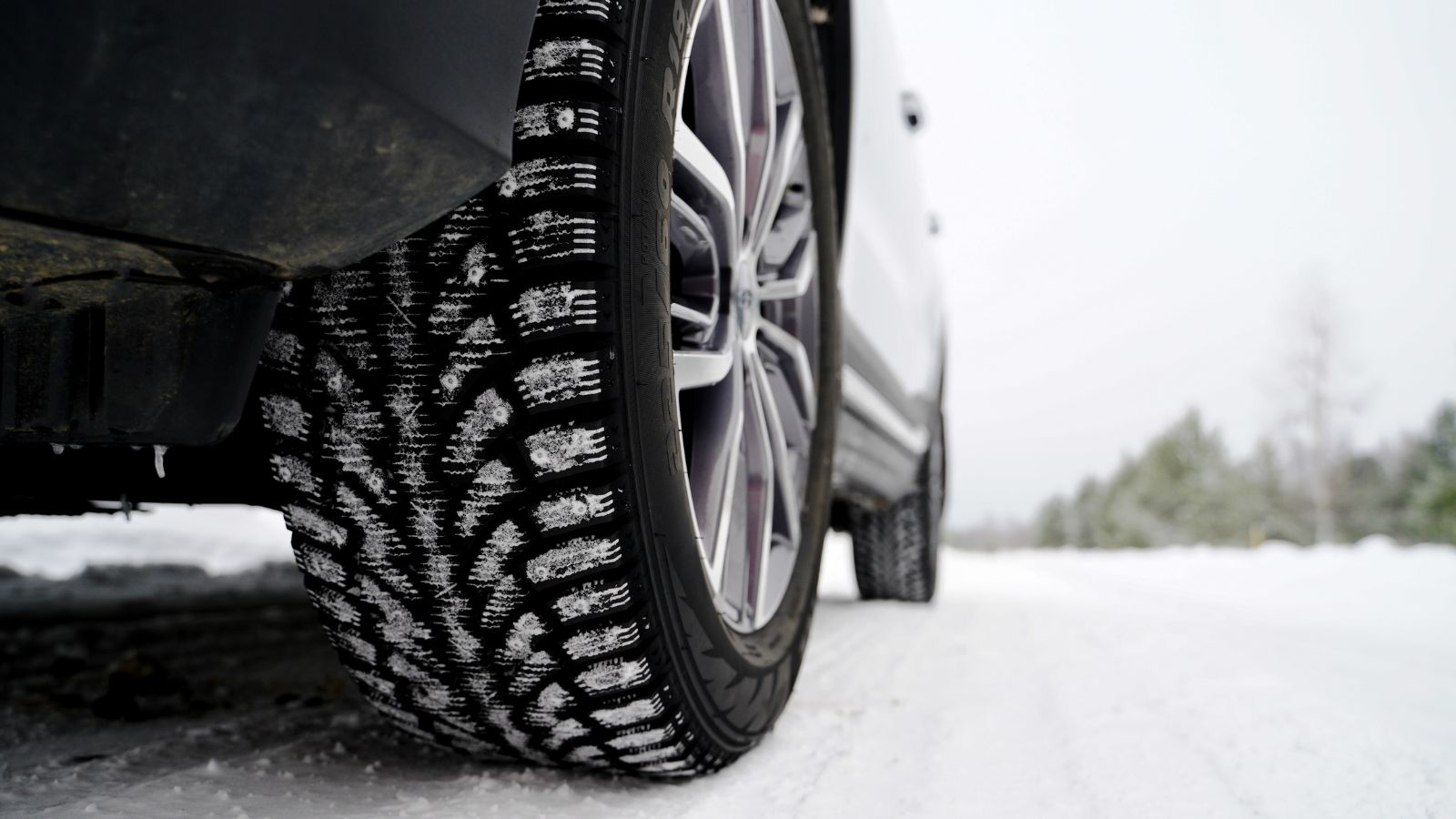
A lot of Canadians wait too long to swap winter tires once spring settles in. It feels harmless at first, especially when mornings are still cool, but winter tires are built for cold pavement, not warm, wet asphalt. As temperatures stay higher, the softer rubber wears faster, steering can feel less precise, and the vehicle can become less confident in emergency braking or quick lane changes.
That habit gets expensive in two directions. First, the winter tires wear down sooner than they should, which shortens the life of a set that was never cheap to begin with. Second, spring rain can expose their weakness. A driver who puts off the changeover until May may not notice much on dry roads, then suddenly feel the car go vague and unsettled during a fast stop in a rainstorm. What looked like thrift can end up as a tire bill, a near miss, or both.
2. Skipping Tire-Pressure Checks After Temperature Swings
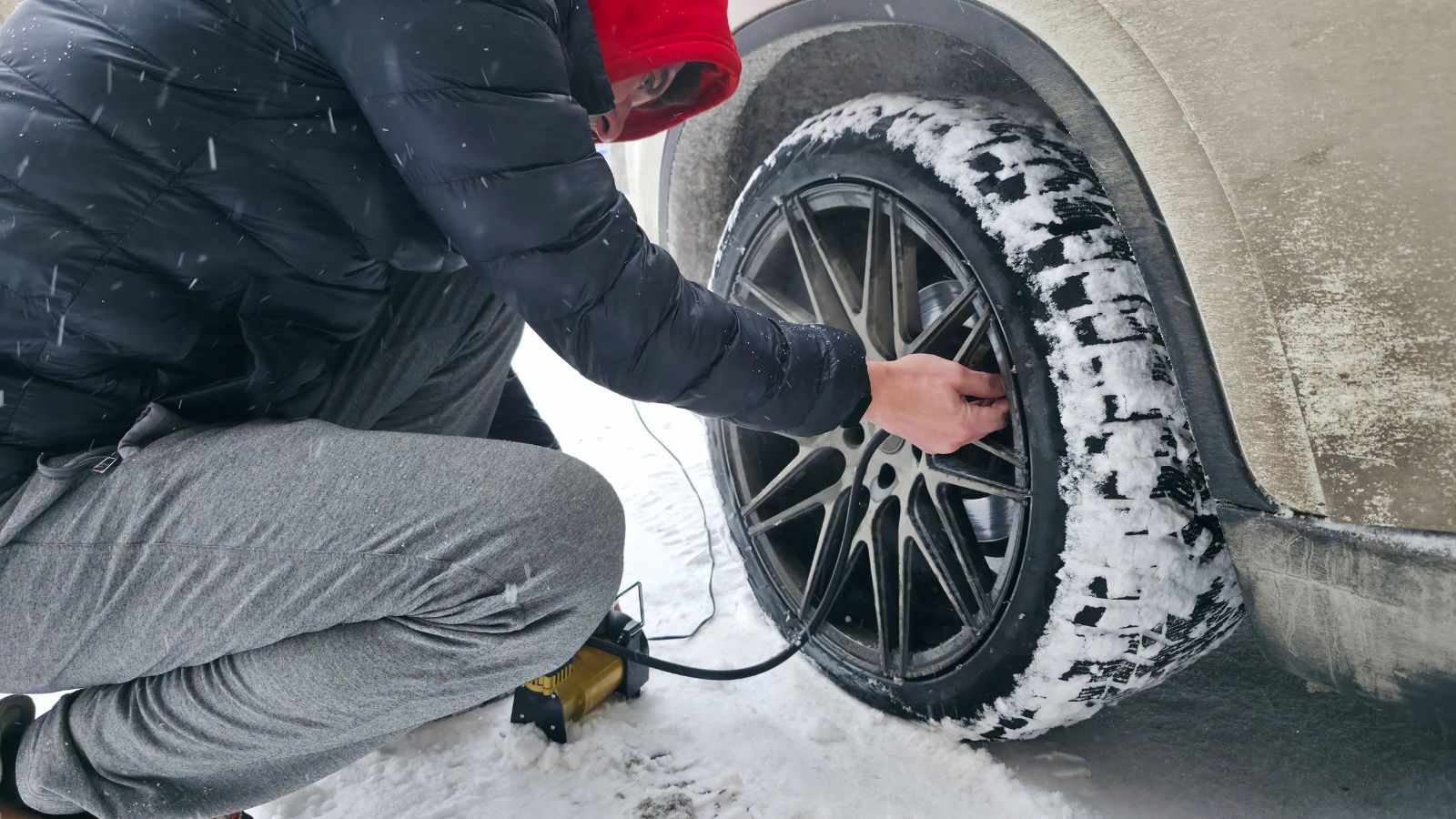
Spring weather in Canada loves extremes. A warm afternoon can be followed by a near-freezing night, and those swings quietly affect tire pressure. Many drivers assume the tires are fine if nothing looks visibly low, but tires can be underinflated long before the problem is obvious from a glance in the driveway.
That matters because low pressure costs money in several ways at once. It increases rolling resistance, which means more fuel burned, and it also accelerates wear. One underinflated tire can quietly chip away at tread life while making the vehicle less stable and more vulnerable to damage, especially at highway speeds. A lot of people notice the issue only after a warning light appears or after a tire seems to wear unevenly. By then, the real cost is not just air. It is wasted fuel, shortened tire life, and a higher chance of a roadside problem.
3. Driving Into Rainy Season With Worn Tread
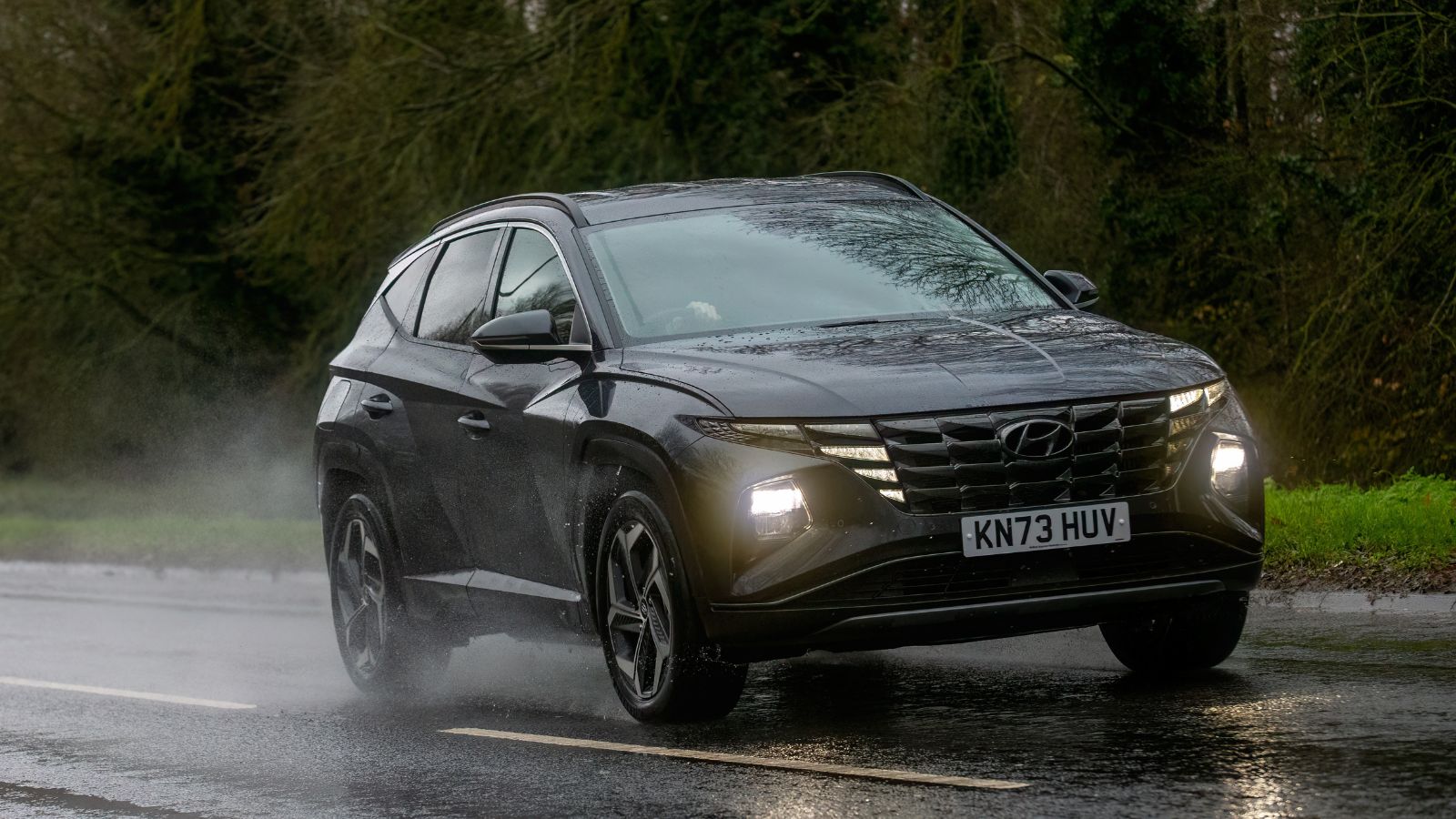
Many drivers focus on tread in winter and then stop thinking about it once the snow disappears. That is a mistake. Spring brings standing water, slush left over from shoulder-season storms, and sudden downpours. Tires that seem acceptable in dry weather can become far less reassuring when the road turns shiny and slick.
Worn tread is one of those problems that rarely feels urgent until it suddenly does. A driver can go weeks without noticing anything unusual, then hit pooled water on a highway ramp and feel the car lose confidence at exactly the wrong moment. People often tell themselves a set of tires has “one more season left,” but spring is when that gamble often gets exposed. Even before a tire reaches the point of obvious failure, reduced tread can mean poorer grip, longer stops, and a greater chance of sliding when braking or steering hard.
4. Treating Potholes Like Harmless Bumps
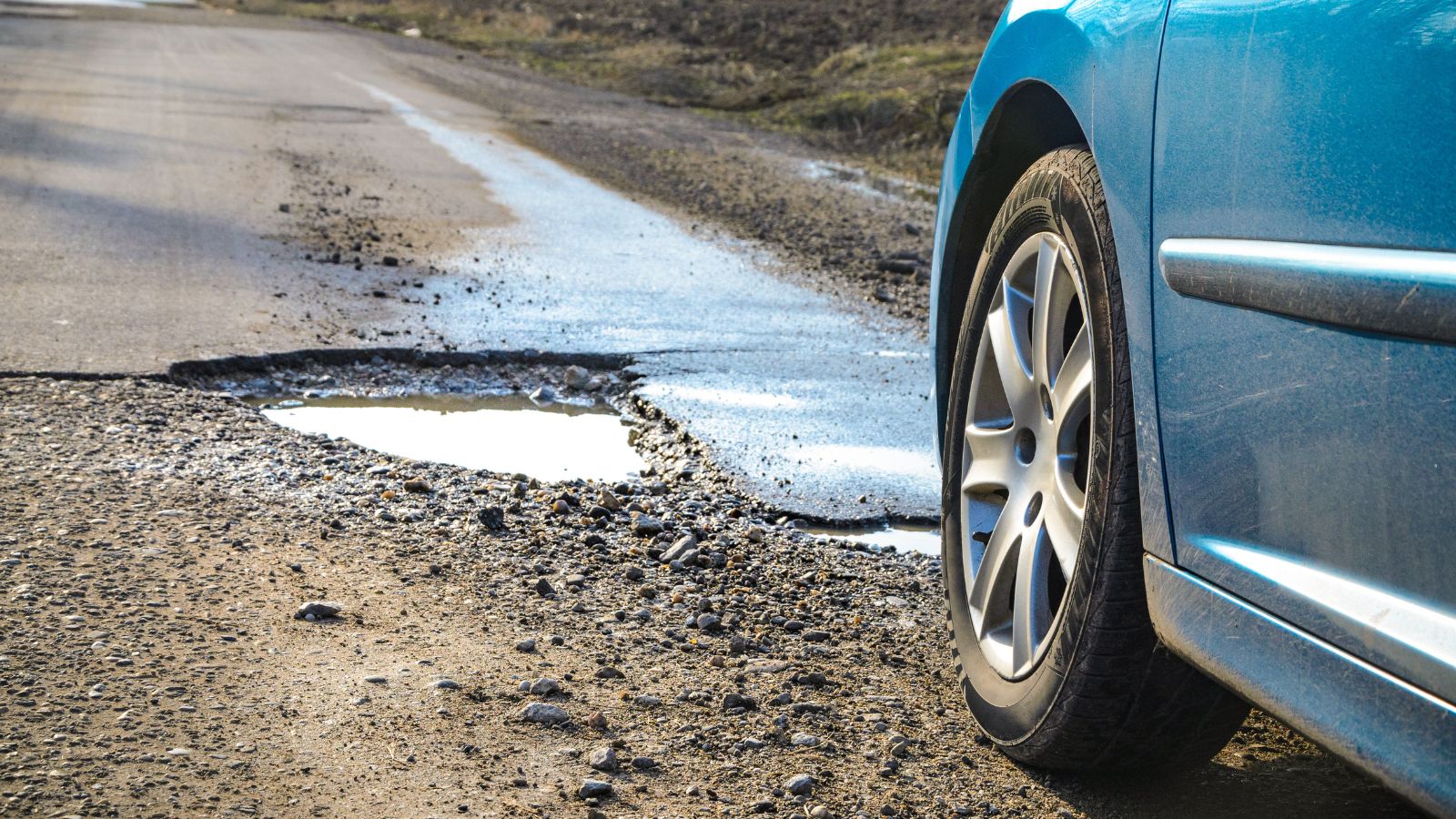
Spring potholes are not just annoyances. They are one of the fastest ways to turn an ordinary commute into a repair appointment. Freeze-thaw cycles break pavement apart, and drivers who hit rough roads every day often underestimate how much punishment their vehicles are absorbing until the steering wheel shakes, the car starts pulling, or a tire sidewall gives up.
The cost can snowball quickly. What feels like a single thud can lead to alignment issues, bent rims, damaged suspension pieces, or tire problems that show up later. Older vehicles tend to feel it first, but newer ones are not immune. A commuter who shrugs off a few hard hits in March can be paying for alignment, suspension work, or premature tire replacement by April. The painful part is that the damage often feels delayed, which makes it easy to miss the connection between one rough stretch of road and the bill that shows up weeks later.
5. Splashing Through Puddles Without Slowing Down
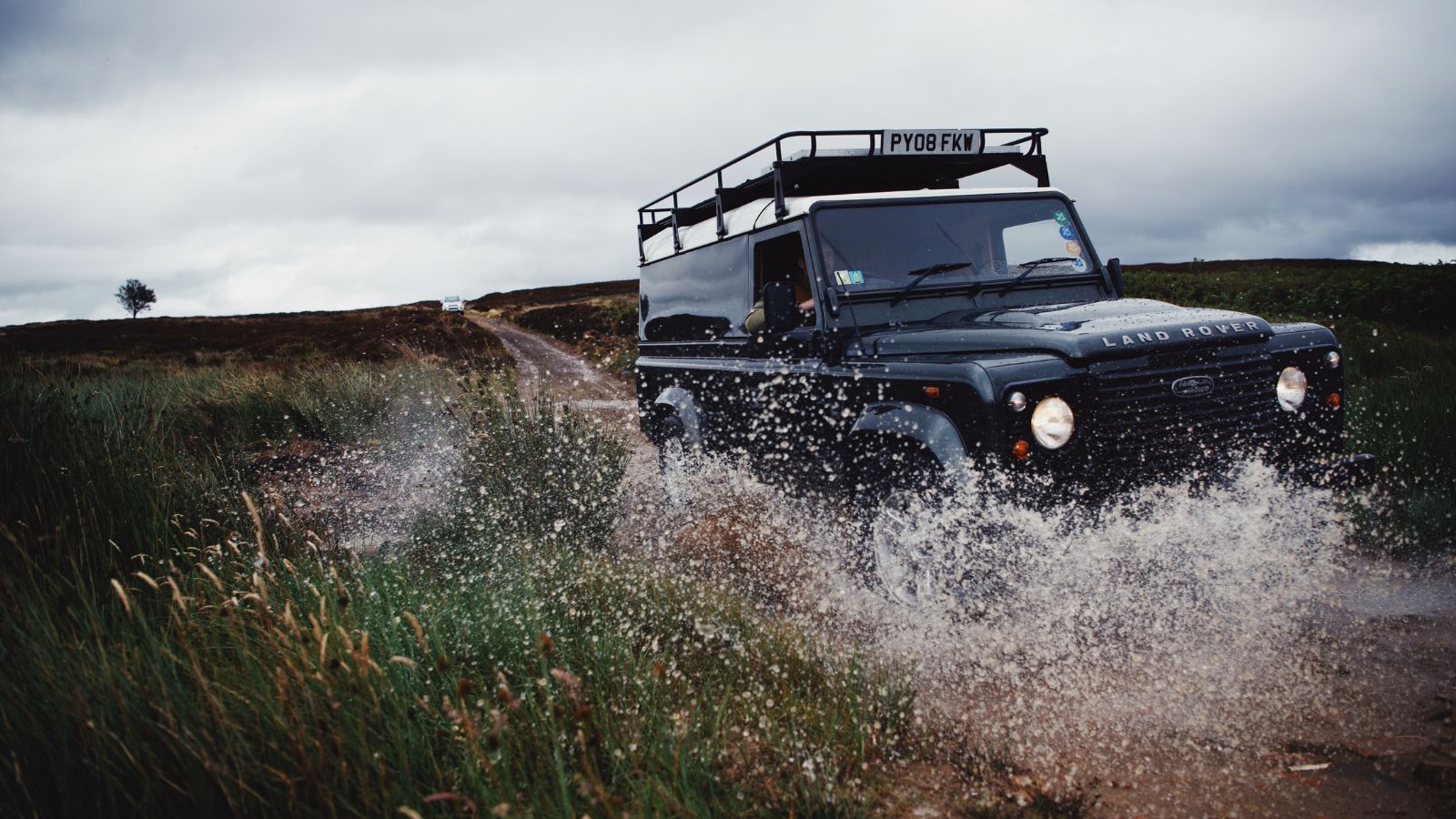
Puddles look minor, but spring puddles are often disguises. They can conceal potholes, broken pavement, or sharp edges that are impossible to judge from behind the wheel. They also throw spray into the air, which can temporarily block visibility for nearby drivers, cyclists, and pedestrians.
This is one of those habits that feels routine until the wrong puddle is deeper than expected. A driver hurries through a curb lane after a thaw, hears a violent bang, and suddenly the wheel feels off or the tire starts losing air. Even when there is no impact damage, standing water can still upset control if the vehicle hits it too fast. Spring roads reward patience more than bravado. Backing off the speed for a second or two is a lot cheaper than replacing a tire, fixing suspension damage, or discovering that a splash blinded someone else at the worst possible time.
6. Delaying a Brake Check After Winter
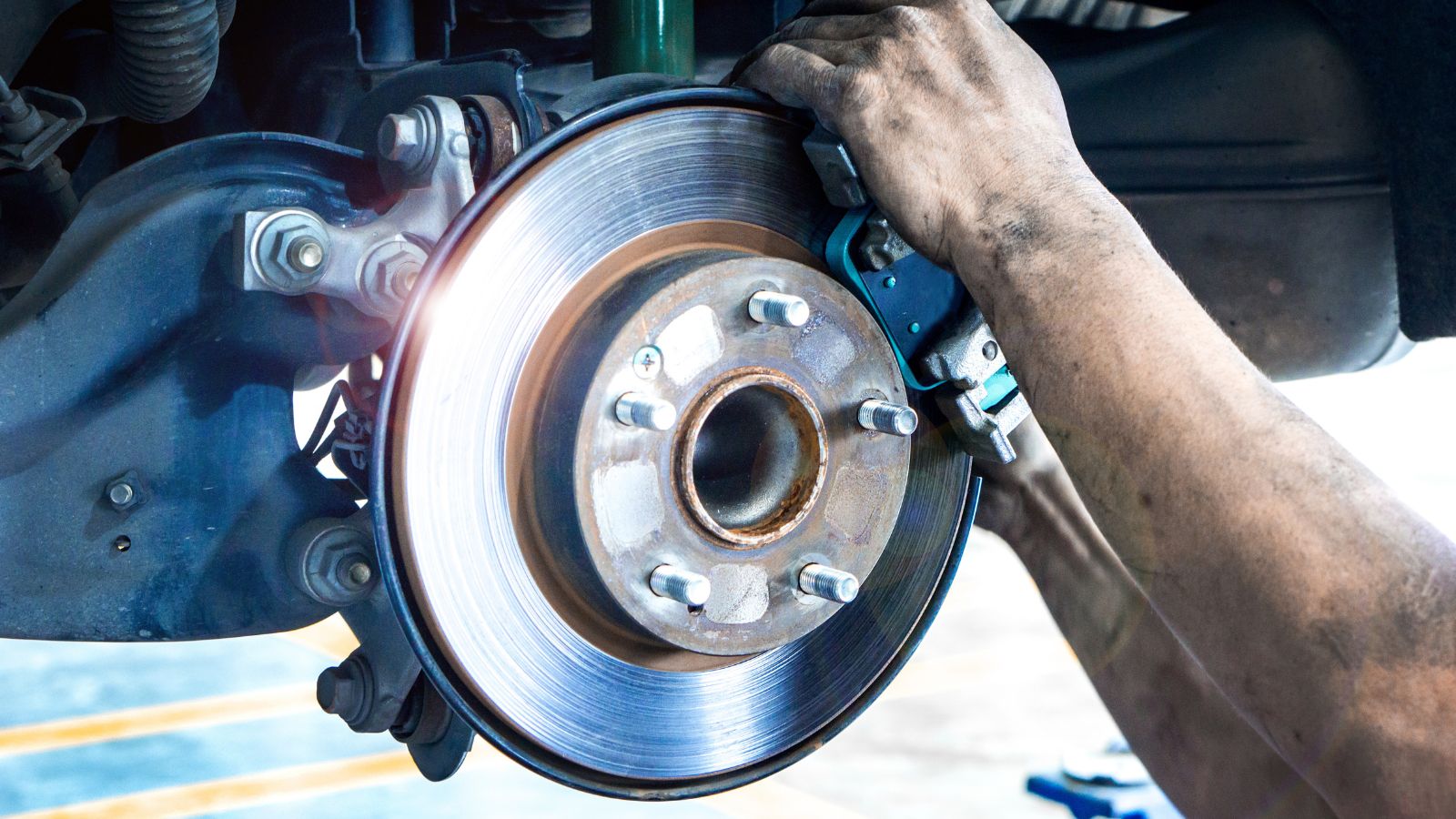
After a Canadian winter, brakes have already done plenty of work through salt, grime, slush, and constant moisture. Spring is when some drivers finally notice that the pedal feels a bit softer, the stopping feels less sharp, or there is an odd sound that was easy to ignore when the roads were still messy and noisy.
Putting that inspection off can get expensive fast. Brake components rely on clean, properly functioning parts, and winter buildup does them no favours. A small issue caught during a spring tire change might stay small. The same issue left untouched can mean more wear, more parts, and a bigger invoice later. It is a classic false economy: drivers wait because the car is still technically stopping, then find out that “still stopping” and “stopping properly” were not the same thing. Spring road trips, rainy commutes, and sudden traffic slowdowns are exactly when neglected brakes stop being a background issue.
7. Letting Road Salt Sit on the Undercarriage
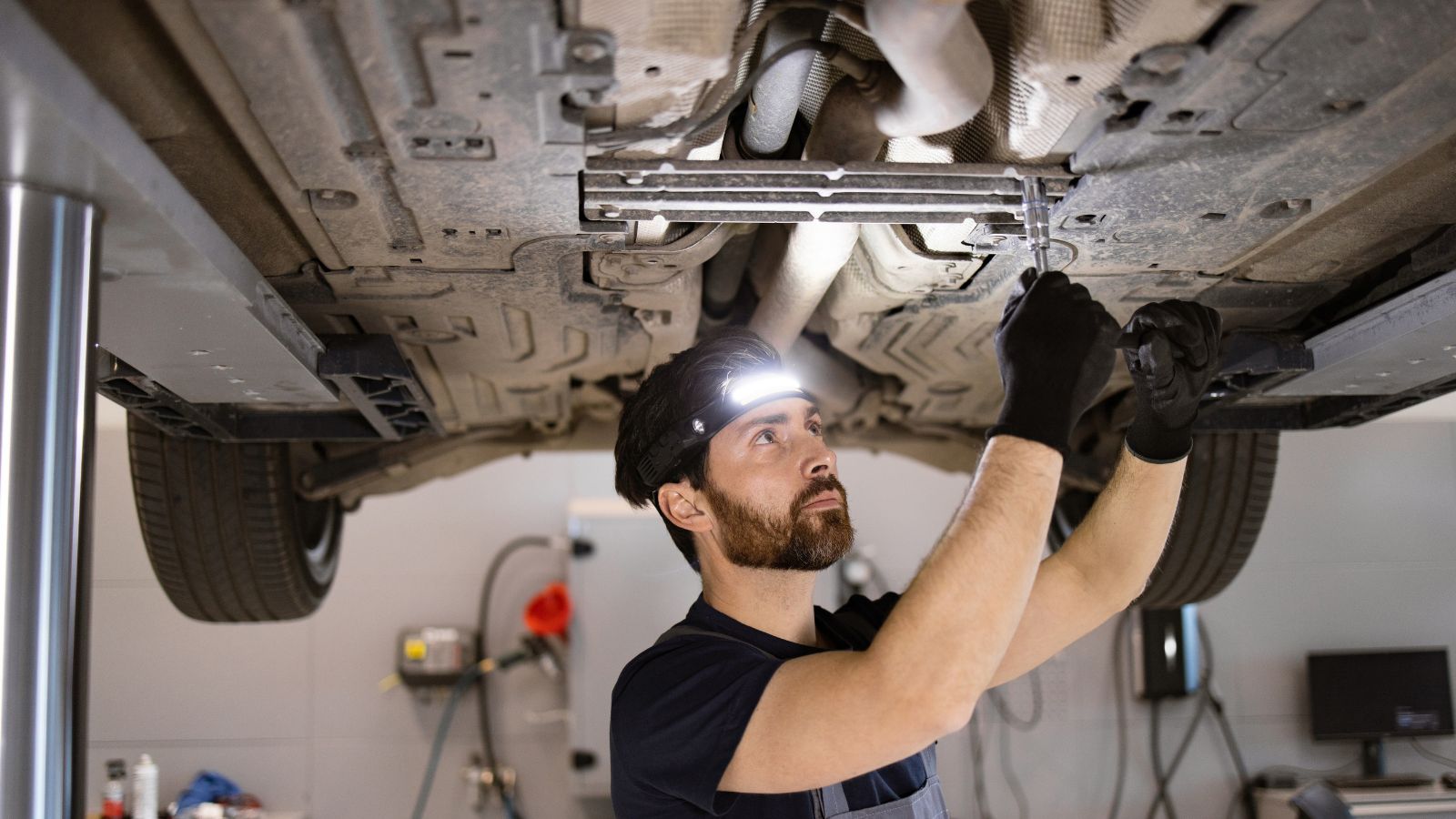
A clean-looking car can still be quietly deteriorating underneath. By spring, many vehicles still carry weeks of dried salt and grime in the underbody, wheel wells, and seams where moisture likes to linger. That buildup may be out of sight, but it is not harmless. Salt and moisture are a brutal combination for metal parts.
This habit is costly because corrosion does not stay cosmetic forever. Left alone, it can shorten a vehicle’s lifespan, undermine structural integrity, and contribute to damage in components that are expensive to replace. Many drivers delay a thorough wash because the weather is still inconsistent or because the vehicle already looks “clean enough” from the outside. Then rust starts creeping where nobody checks. The better habit is boring but effective: wash off winter residue early, and do not ignore the underside. In a Canadian climate, that is maintenance, not vanity.
8. Trusting Wiper Blades That Barely Survived Winter
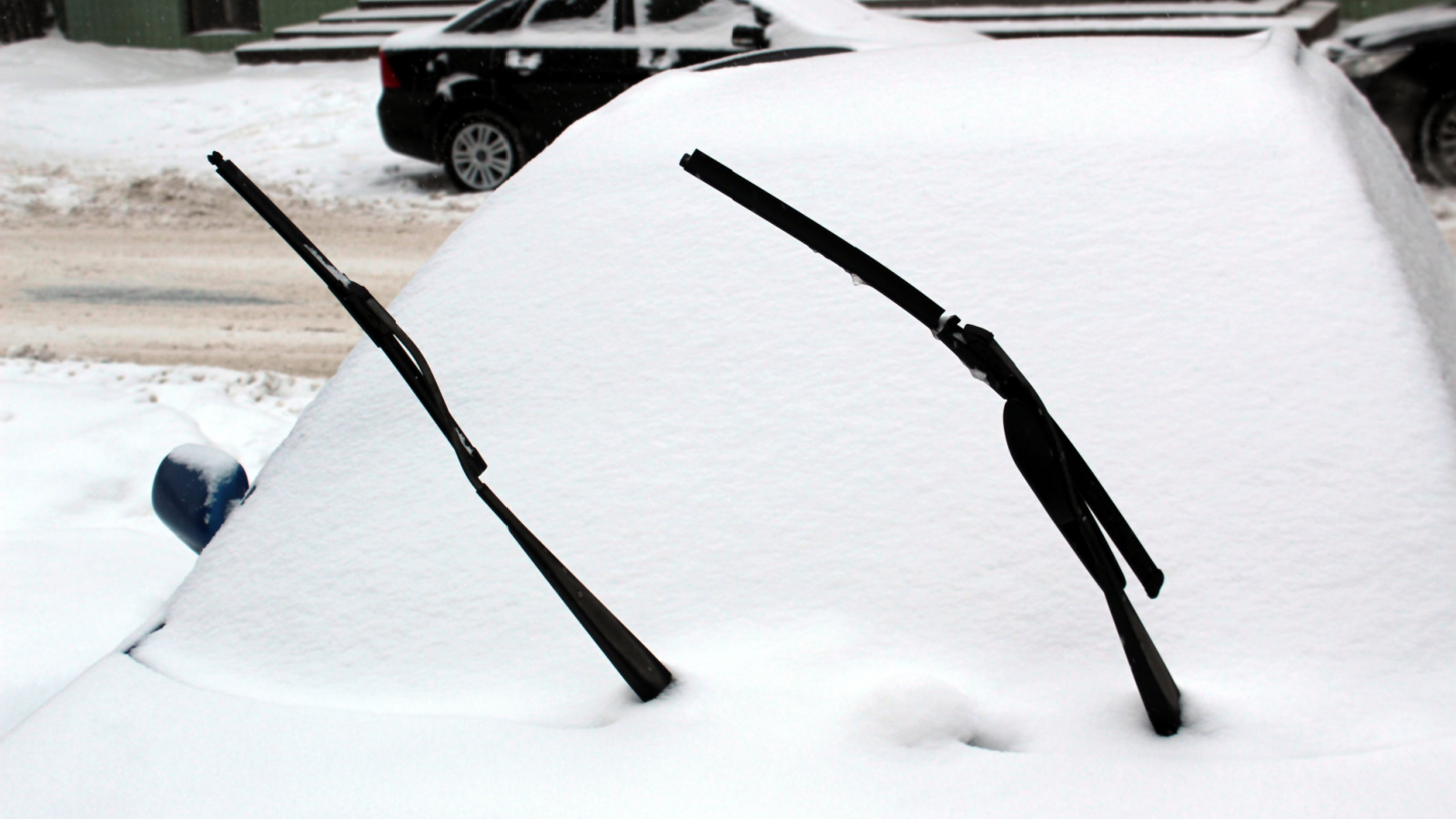
Winter is hard on wipers, and spring is when that wear becomes obvious. A blade that was merely annoying during snow and road spray can become a serious visibility problem in spring rain, especially at dusk or in traffic glare. Many drivers wait far too long to replace them because it feels like such a small item.
But cheap parts can create expensive moments. Wipers that streak, skip, chatter, or leave missed patches make it harder to spot brake lights, lane markings, cyclists, and pedestrians. It is the kind of habit that invites a low-speed crash or a panicked stop that should never have happened. A surprising number of spring driving problems start with visibility rather than speed. When the windshield is smeared and the rain is constant, the driver is already behind before anything else goes wrong. New blades cost little compared with even the mildest collision damage.
9. Ignoring a Small Windshield Chip

A tiny windshield chip is easy to rationalize away. It is small, the glass still seems solid, and the car is still drivable. Spring makes that procrastination risky because shifting temperatures, vibration, and rough roads all give that tiny flaw a chance to spread into something much larger.
Once the chip grows, the repair options shrink. What could have been a quick fix can become a full replacement, along with more downtime and a bigger bill. There is also the visibility issue. A crack that creeps into the driver’s sightline is not just annoying; it is distracting at the exact moment spring sunlight and rain already make vision harder. Drivers often regret waiting only when the damage stretches overnight or after one nasty pothole hit. Windshield damage is one of the clearest examples of how delay turns a manageable problem into a more expensive one.
10. Assuming the Battery Is Fine Because the Car Starts Today

A battery that survived winter is not automatically a healthy battery. Cold weather is hard on batteries, and spring often becomes the season when that wear finally shows up: a slow crank in a parking lot, weak electronics, or a no-start at the most inconvenient possible time.
This catches people because the problem can hide for weeks. A battery near the end of its life may still start the vehicle nine times out of ten, which creates false confidence. Then a cool morning, a short trip pattern, or extra accessory use pushes it over the edge. Many Canadians also underestimate how short modern battery life can feel once several winters are involved. When a driver suddenly needs a boost in a grocery lot or outside a daycare, the real cost is not just the battery. It is the interruption, the tow or service call, and the lost time attached to something that was quietly warning for months.
11. Stretching Oil Changes and Fluid Checks Into “Later”
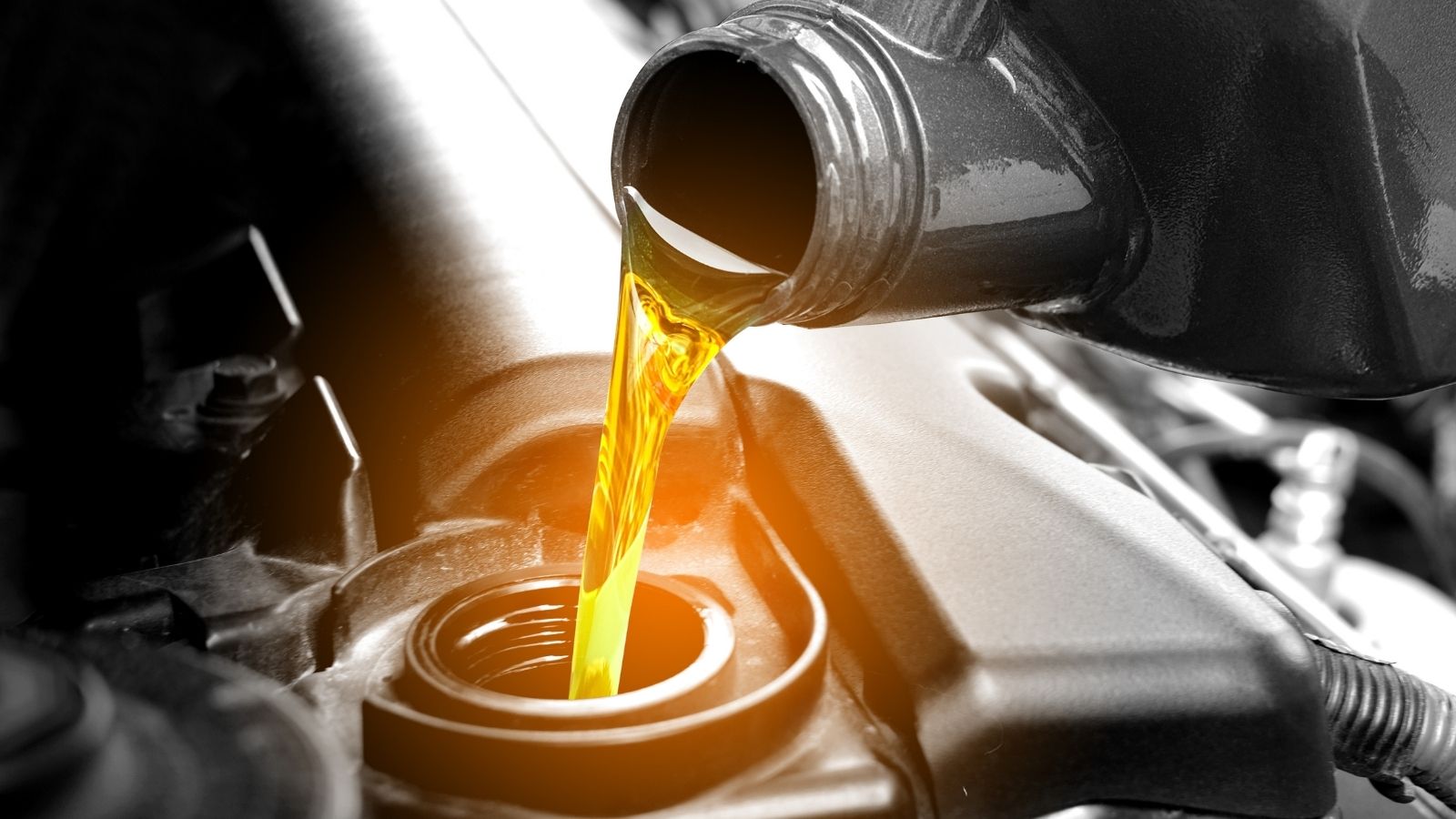
Spring is when a lot of drivers promise themselves they will book maintenance “soon.” Oil still looks acceptable, washer fluid is probably okay, coolant seems fine, and the car is running normally enough. That delay feels small, but routine fluids are part of what keeps small issues from becoming expensive ones.
The problem is that spring often means more driving, not less. Weekend trips return, highway mileage climbs, and long commutes feel easier in better weather. That is a bad time to be behind on basic service. Regular oil changes help preserve engine life, and fluid checks catch the kinds of small shortages that lead to bigger trouble later. It is rarely one dramatic failure that costs drivers money here. It is the cumulative effect of postponement. A vehicle that seems “good enough” in April can become the one that throws a warning light or overheats at the edge of a May long-weekend traffic jam.
12. Brushing Off Warning Lights Because the Vehicle Still Feels Normal
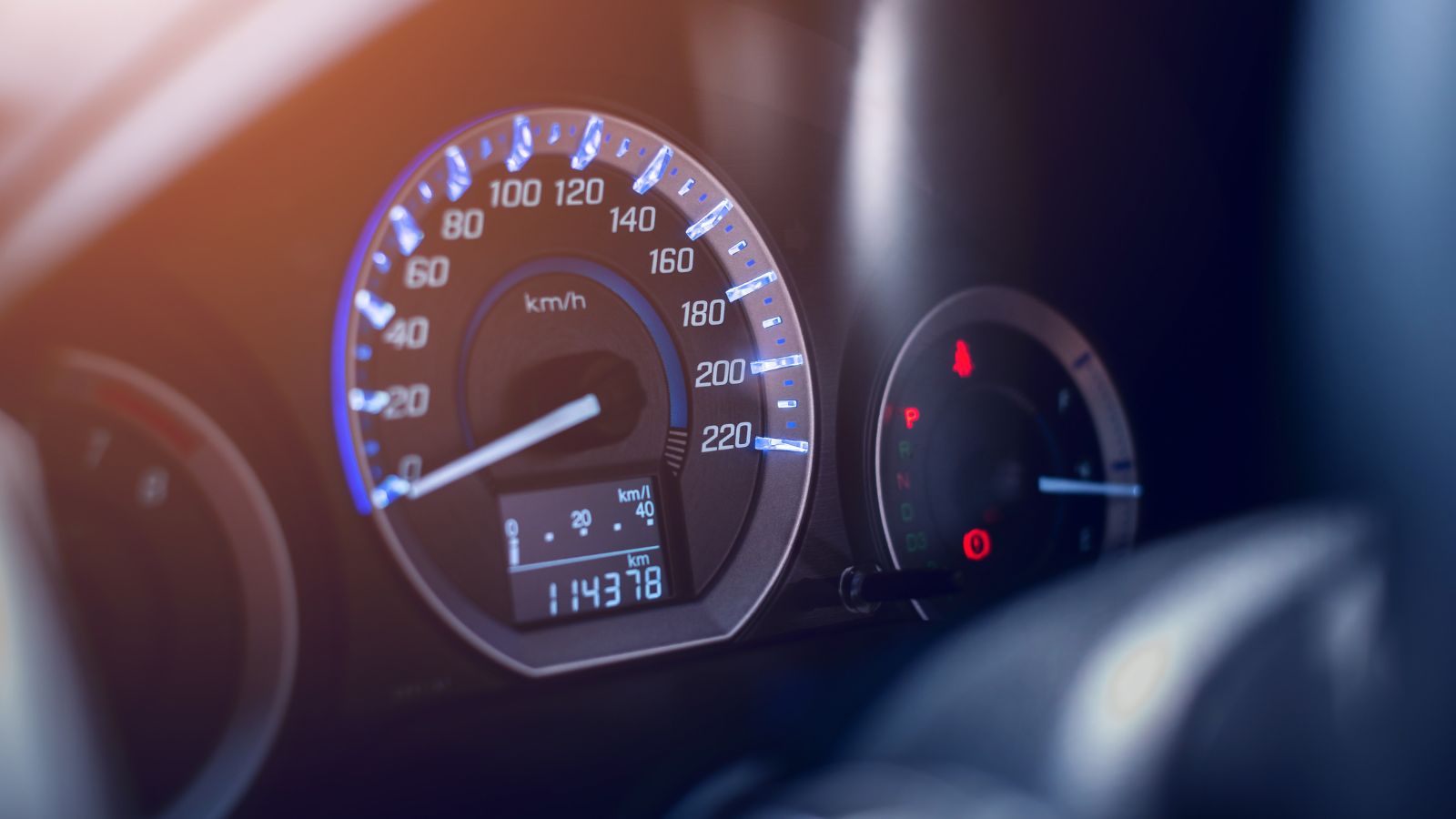
Some of the most expensive driving habits start with denial. The check engine light comes on, the tire-pressure light flickers, or another warning appears, and the driver keeps going because the vehicle still seems to drive more or less normally. That reaction is common, especially when the issue does not feel urgent.
But warning lights exist because modern vehicles are telling on themselves early. Responding quickly can prevent relatively contained problems from turning into larger mechanical bills. The longer a driver waits, the less likely the repair stays simple. Even beyond repairs, there is the bigger picture of vehicle life. Cars can last a very long time when problems are dealt with early and maintenance is consistent. The drivers who get punished most are often not the reckless ones. They are the ones who let a manageable alert become a chain reaction because the car seemed “fine enough” for another week.
13. Idling Too Long on Cool Spring Mornings
A lot of drivers carry winter habits into spring and let the vehicle idle while packing bags, checking messages, or waiting for the cabin to feel perfect. In real terms, that is one of the easiest ways to waste fuel without going anywhere at all.
The cost adds up faster than most people think. Modern guidance has long pushed back against the old belief that extended warmups are necessary for everyday driving. Spring idling is especially wasteful because many drivers are doing it out of routine rather than necessity. A few unnecessary minutes each day does not feel like much, but across a year it becomes real money. This is one of those habits that is invisible because there is no invoice attached in the moment. The money simply disappears at the pump. For a country full of daily drivers, that kind of slow leak matters more than it looks.
14. Launching Hard From Every Light
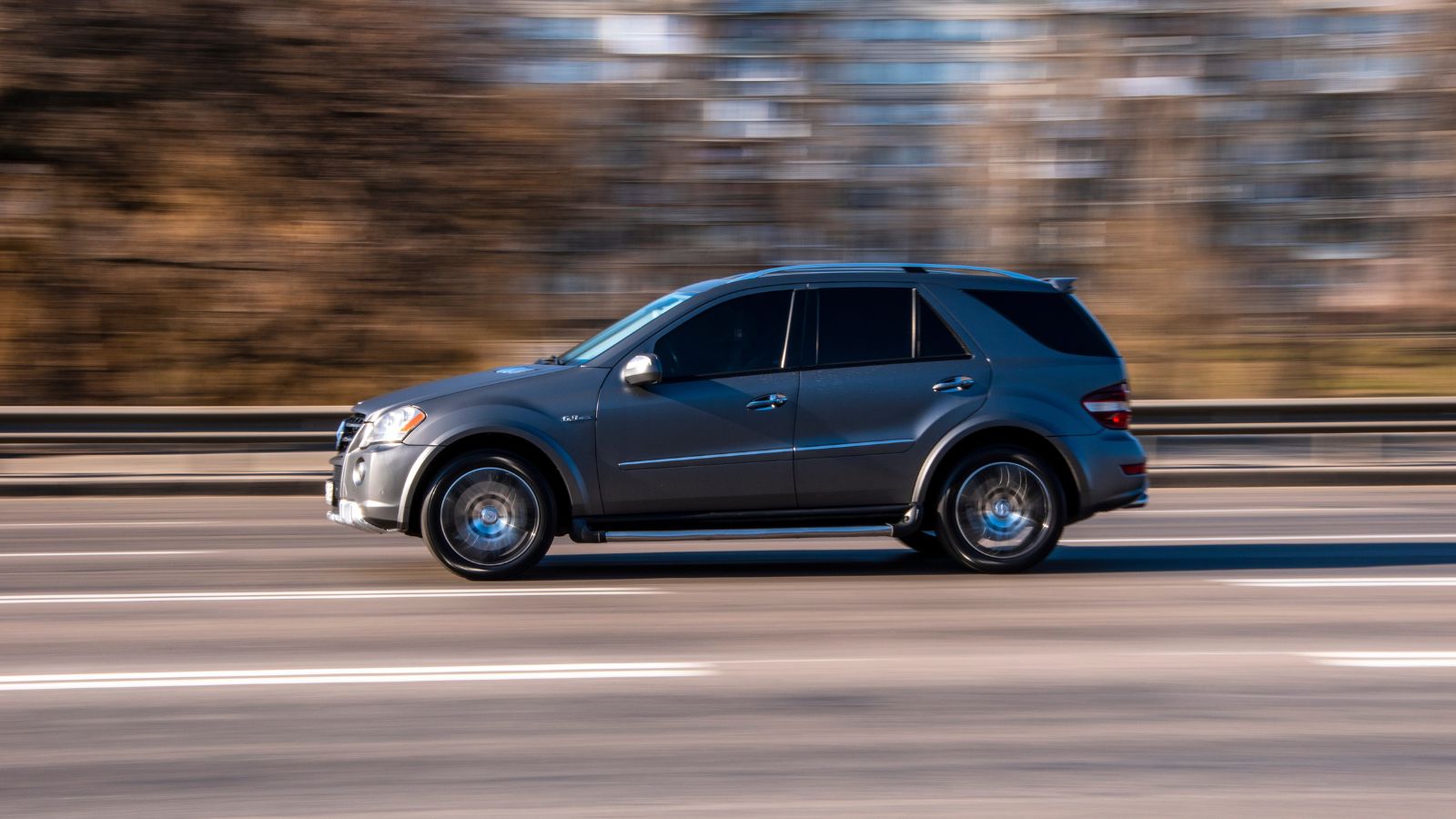
Spring roads feel open after winter, and that can tempt drivers into harder starts, sharper lane changes, and a more impatient rhythm between traffic lights. It feels quick, energetic, even harmless. In reality, aggressive driving is one of the easiest ways to multiply fuel waste, tire wear, brake wear, and collision risk all at once.
The bigger issue is that aggressive habits tend to stack. A driver who launches hard also tends to brake late, tailgate more, and accept smaller margins in traffic. That is where ordinary driving starts turning expensive. Tickets, insurance consequences, and collision risk are the dramatic outcomes, but even without those, the vehicle pays for it through faster wear. People often imagine “bad driving” as something extreme. In practice, it can be as ordinary as treating every green light like a challenge. Spring rewards smoother driving far more than it rewards hurry.
15. Leaving the Roof Rack or Cargo Box On for No Reason
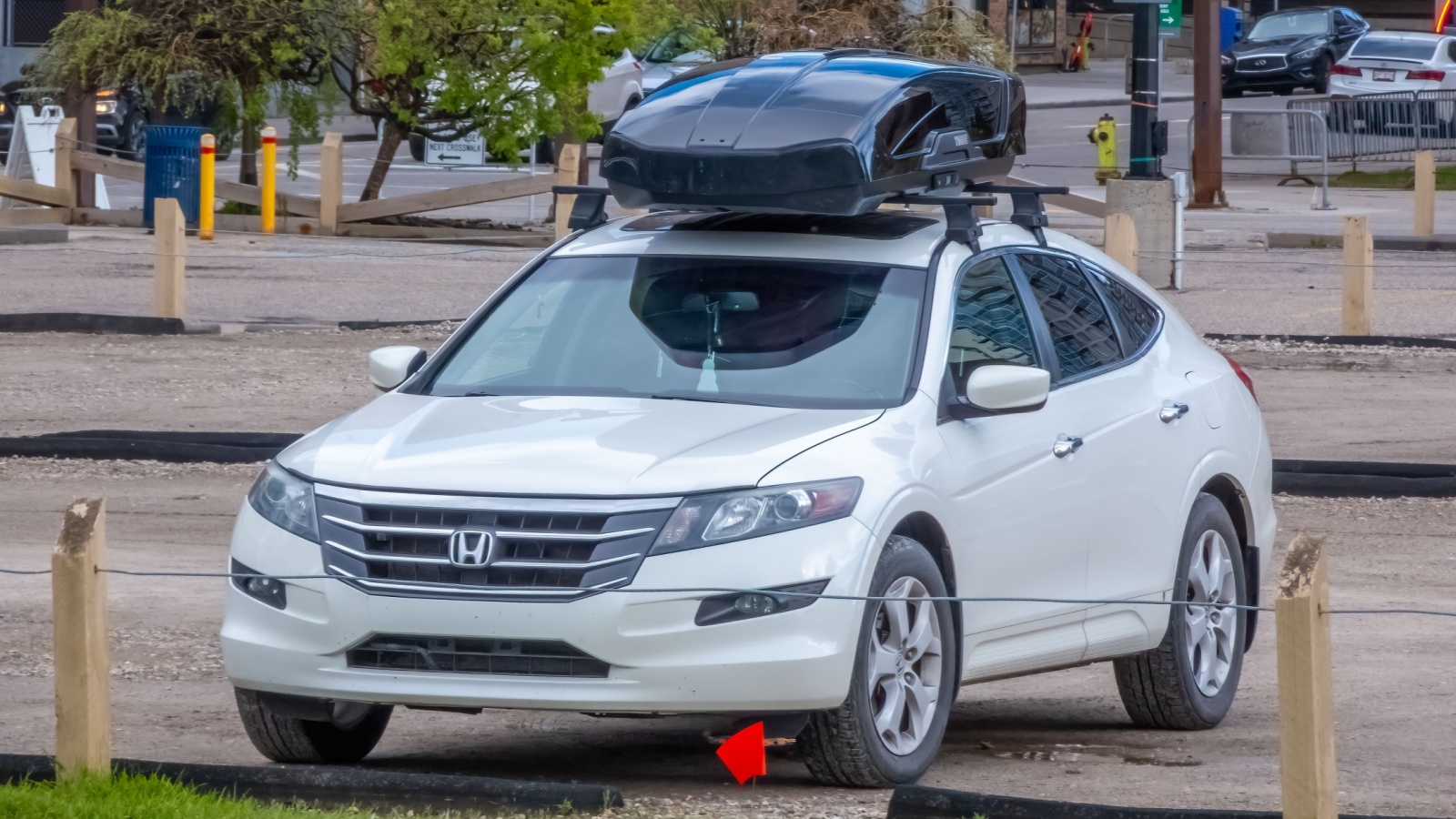
Some drivers finish ski season and never remove the hardware. Others keep roof bars or a cargo box mounted because it is convenient or because they assume it makes little difference. It does make a difference. Extra drag on the roof quietly raises fuel use, and roof cargo can also affect stability and handling.
This is the kind of expense people rarely calculate because it is spread out over weeks of commuting. An empty rack still creates aerodynamic drag, and a heavily loaded roof setup can make a vehicle feel less settled in quick manoeuvres. It is an easy habit to overlook because nothing feels obviously broken. But when fuel costs are already high, paying extra to push unused equipment through the air is a pure waste. The fix is simple: if the rack or box is not being used, take it off. Spring is exactly when a lot of drivers forget to do that.
16. Using the Phone at Red Lights or in Slow Traffic

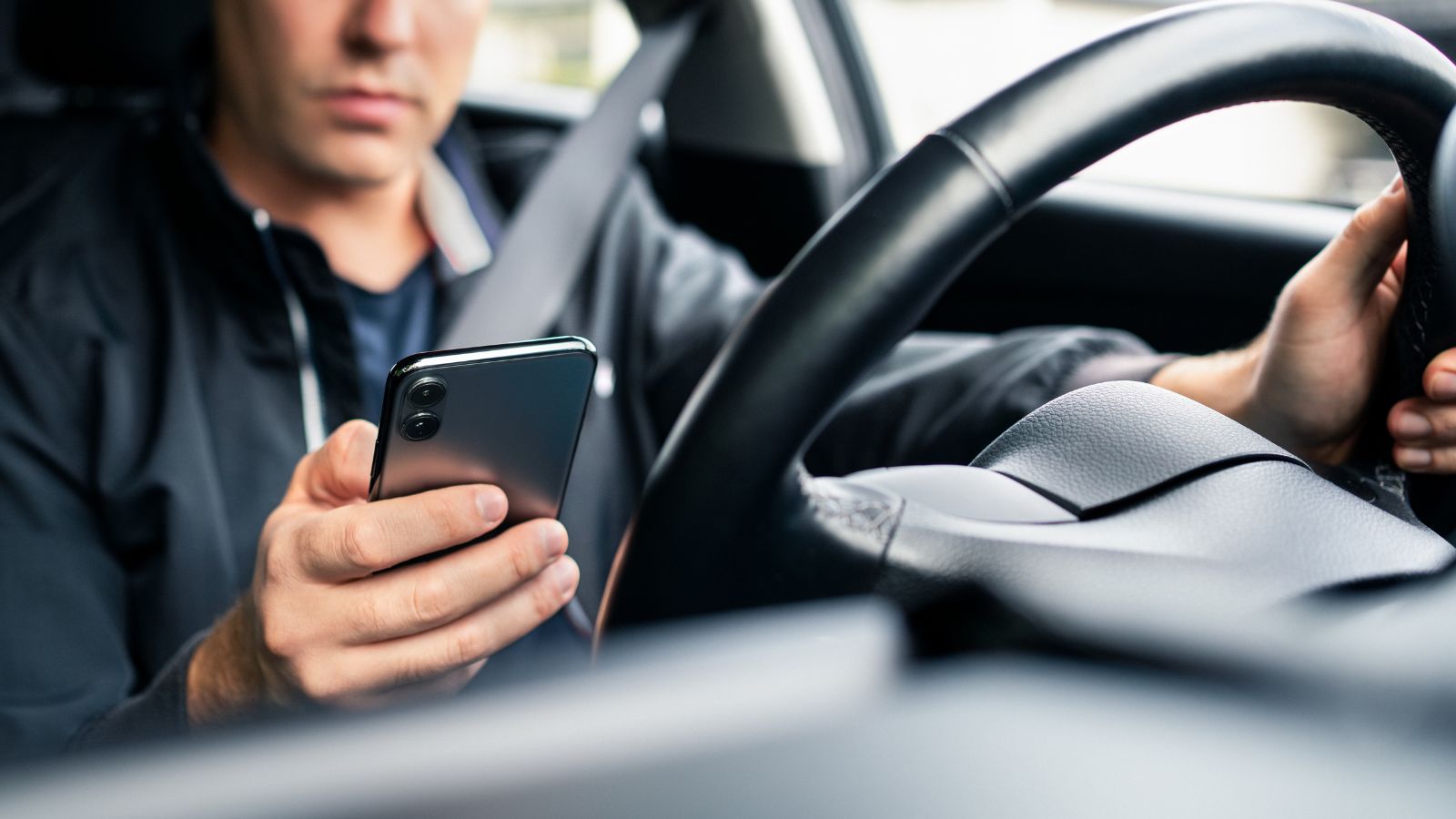
Many drivers still convince themselves that phone use is acceptable if the vehicle is stopped, crawling, or “basically not moving.” That is a dangerous story people tell themselves. Distraction does not begin only at highway speed, and attention does not snap back to full strength the instant traffic moves again.
This habit can cost drivers legally, financially, and physically. A quick glance at a phone can mean missing a turning pedestrian, a light change, or the vehicle braking ahead. It can also mean an expensive ticket in jurisdictions that take it seriously. The deeper problem is that distraction is not just about hands. It is about mental attention. When a driver is reading, replying, or checking something “for two seconds,” the road is no longer getting full priority. That is a costly trade in any season, but especially in spring when traffic patterns, cyclists, roadwork, and pedestrians all become busier.
17. Following Too Closely on Wet Spring Roads

Tailgating is bad in any season, but spring makes it more deceptive. Roads often look merely damp when they are actually slick, and light rain, grime, and standing water all reduce the margin a driver really has. Many people still use dry-road spacing in wet conditions, which leaves very little room when traffic suddenly compresses.
The expensive part is that these crashes are often small enough to seem “not serious” and large enough to cost plenty anyway. A low-speed rear-end collision can still mean bumper work, sensors, paint, rental-car time, and an insurance headache. The trap is familiarity. Drivers follow the same route every day and forget that the two-second rule is only a minimum in ideal conditions. Spring conditions are often not ideal. The right gap feels slightly conservative until the car ahead brakes harder than expected. Then it feels like the cheapest decision made all day.
18. Speeding Through Construction Zones
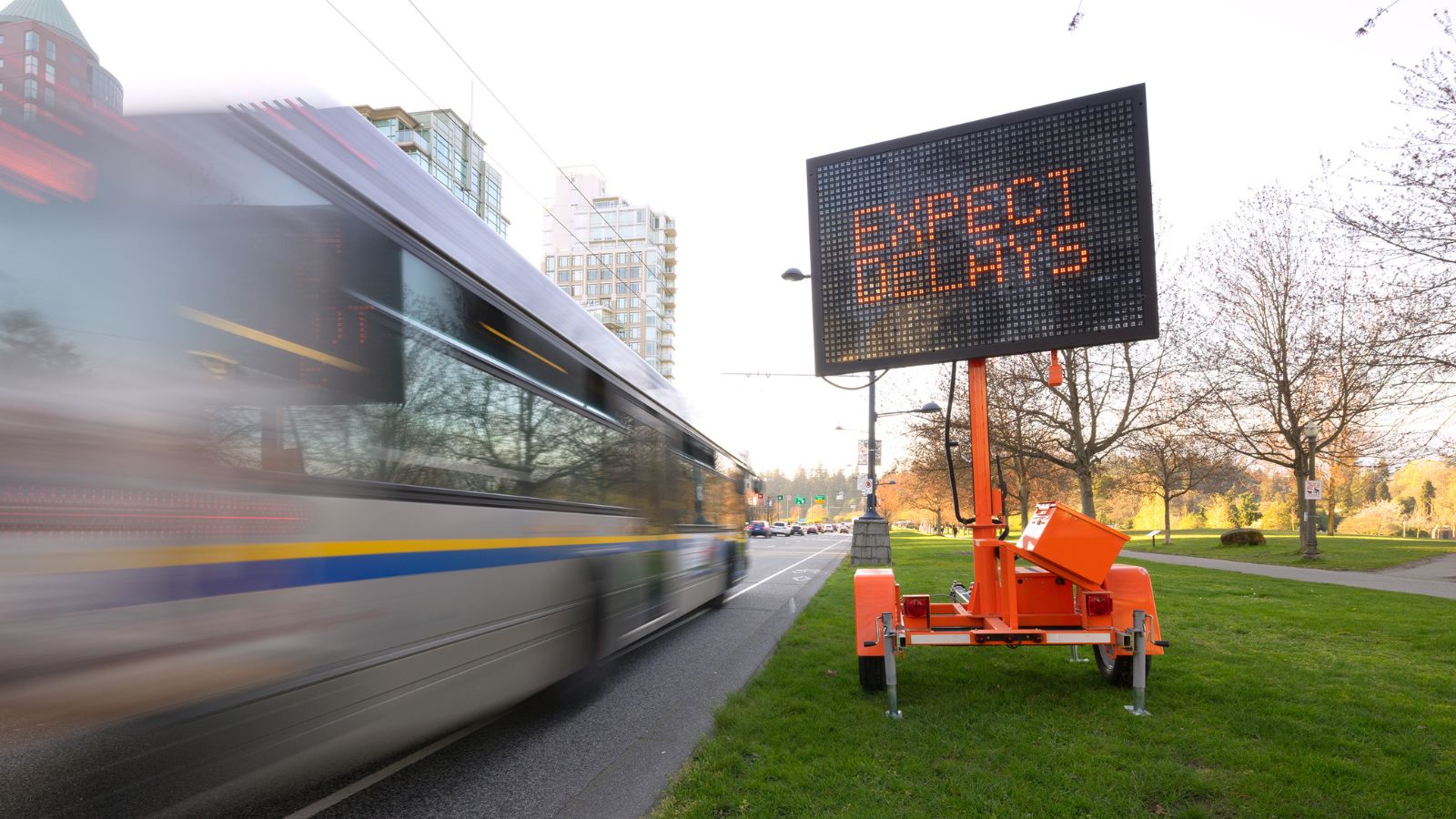
Spring in Canada means roadwork comes roaring back. Cones appear, lanes shift, pavement changes height, and workers return to sites that were quiet through winter. Drivers who fail to adjust often do it out of habit rather than malice. They know the road, assume the old rhythm still applies, and keep pushing through.
That can get expensive very quickly. Construction zones are packed with conditions that punish overconfidence: uneven surfaces, sudden slowdowns, unclear lane markings, and workers close to live traffic. Add enforcement, and the cost goes beyond safety. In Ontario, for example, speeding penalties can escalate sharply in roadwork settings, including doubled fines in construction zones when workers are present. Spring roadwork is one of the clearest reminders that seasonal driving is not just about weather. It is also about changing road conditions, and drivers who ignore that usually pay for it somewhere.
19. Using Cruise Control in the Rain

Cruise control feels efficient and effortless, which is why some drivers leave it on when spring rain starts falling. That is a poor habit on wet roads. When pavement is slippery or water is pooling, the vehicle can lose traction at a moment when the driver needs fully active control.
The problem is not that cruise control is always unsafe. It is that spring weather can change too fast for lazy inputs. A stretch of highway can go from lightly wet to seriously waterlogged in minutes, especially around ruts and low spots. If the vehicle starts to hydroplane, the driver needs quick, deliberate responses, not a system trying to maintain speed. This is one of those habits that often comes from convenience rather than ignorance. People use cruise because it works well most of the time. Wet spring highways are one of the times when “most of the time” is not good enough.
20. Skipping the Seat Belt on Short Local Trips
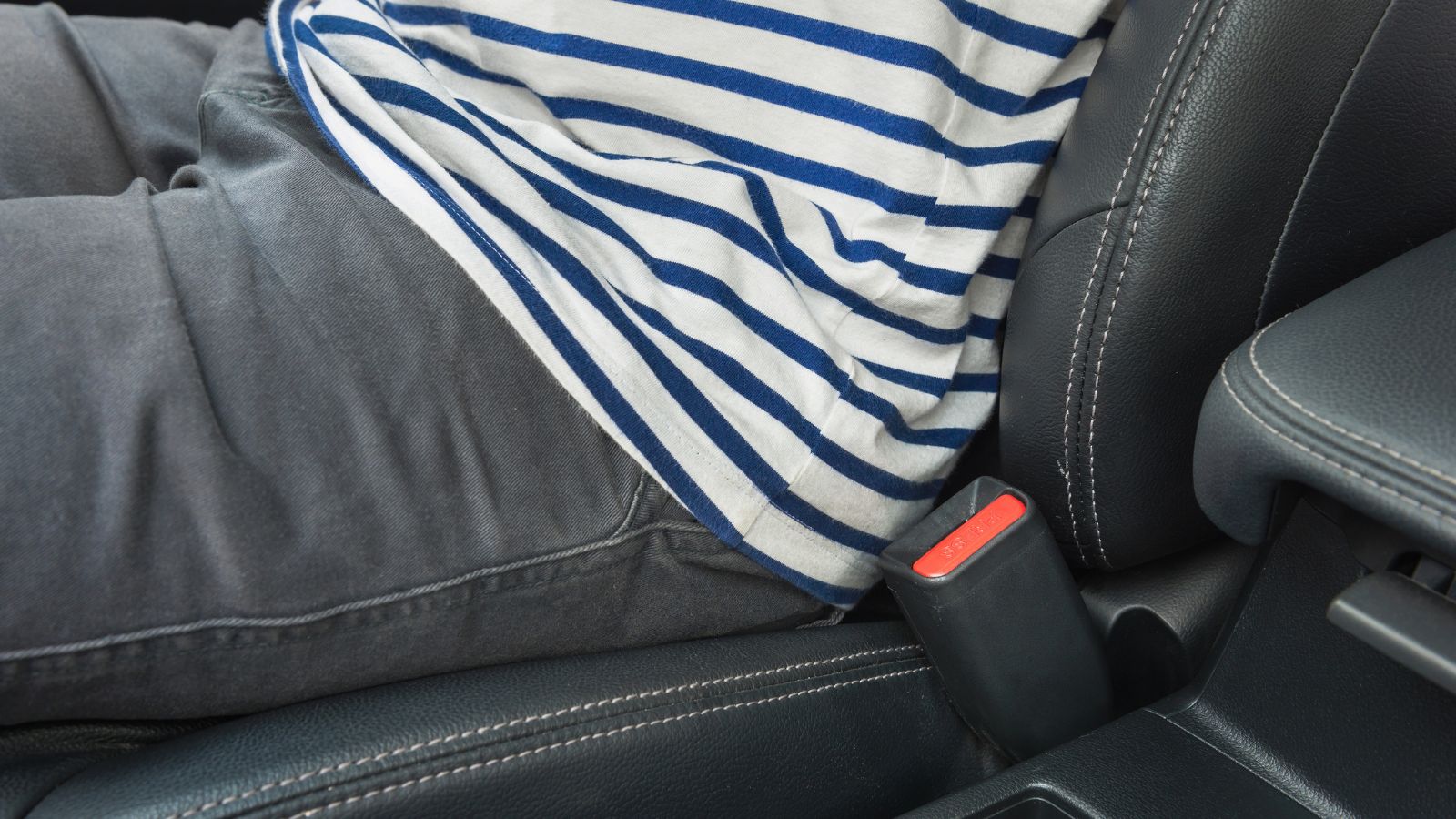
The shortest trips are often where seat belt habits get sloppy. A run to grab coffee, a school pickup, a quick stop across town, a familiar neighbourhood route. That familiarity creates a false sense of safety, as though distance somehow changes physics.
It does not. If anything, routine trips are where complacency shows up most. Seat belts are not a dramatic topic until a collision happens, and then they become one of the only things that mattered. Recent Canadian fatality data still show a troubling share of driver deaths involving people who were not buckled up. The financial cost of a seat belt habit is hard to separate from the human one because the consequences can be so severe so quickly. Few driving habits offer a worse trade: almost no effort saved, and an enormous downside waiting if the unexpected happens.
21. Turning One Errand Into Three Separate Drives
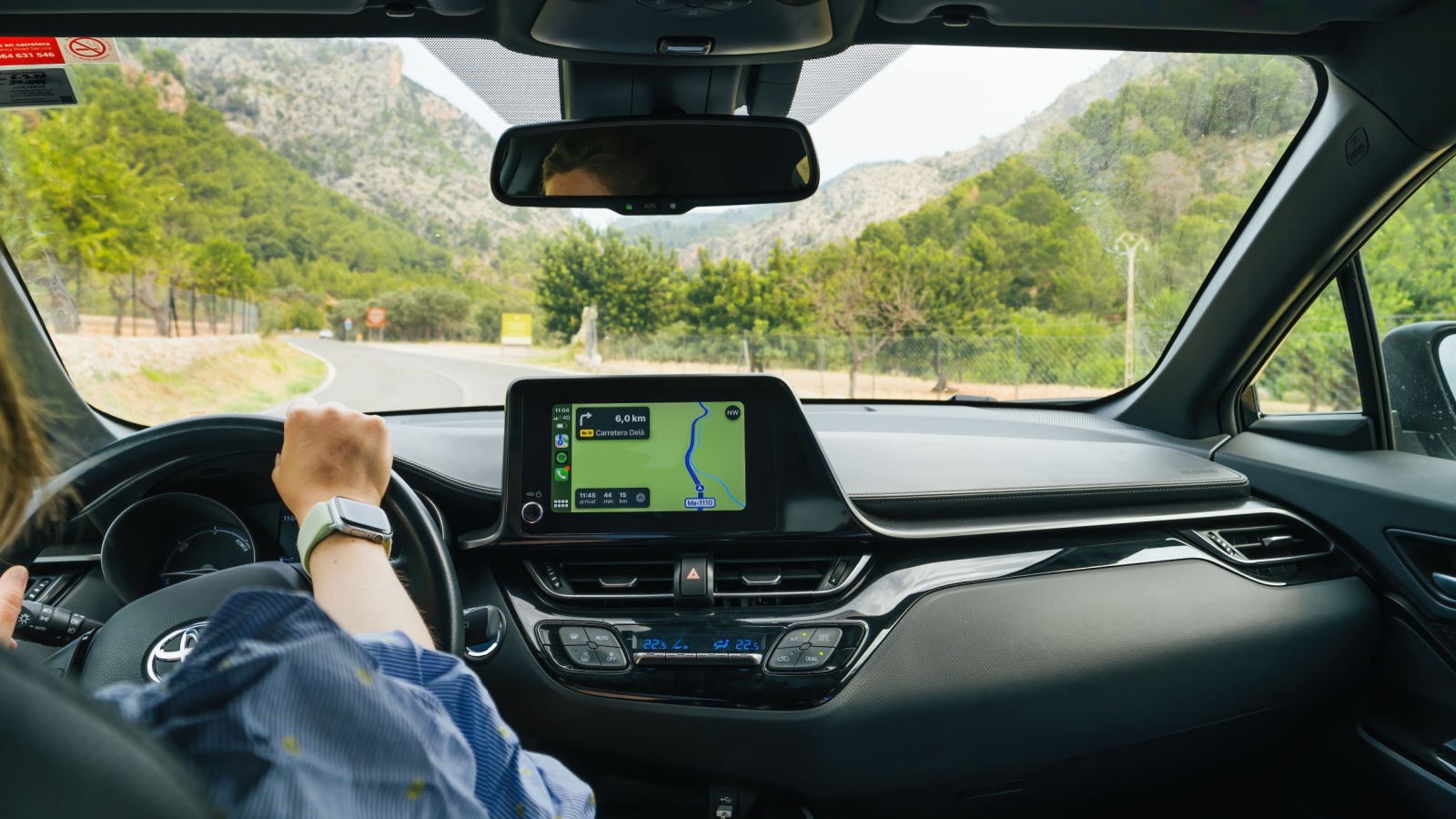
Not every costly spring driving habit is about safety. Some are just about inefficiency. A lot of drivers make multiple short trips in a day because the weather is nicer and leaving the house feels easier. One stop becomes three separate drives, each with its own parking hunt, idling, traffic delay, and fuel burn.
This is the quiet kind of expensive. No ticket arrives. No mechanic points to it on an invoice. The money simply disappears in extra fuel use and unnecessary wear. Combining errands is one of the simplest fuel-saving habits available, but it is also one of the easiest to ignore because the waste arrives in tiny pieces. Spring encourages casual driving: pop out for this, swing by there, come back later for something else. Over time, that relaxed pattern can cost more than people expect. Convenience is real, but so is the bill attached to repeated starts and needless short trips.
19 Things Canadians Don’t Realize the CRA Can See About Their Online Income

Earning money online feels simple and informal for many Canadians. Freelancing, selling products, and digital services often start as side projects. The problem appears at tax time. Many people underestimate how much information the CRA can access. Online platforms, banks, and payment processors create detailed records automatically. These records do not disappear once money hits an account. Small gaps in reporting add up quickly.
Here are 19 things Canadians don’t realize the CRA can see about their online income.
