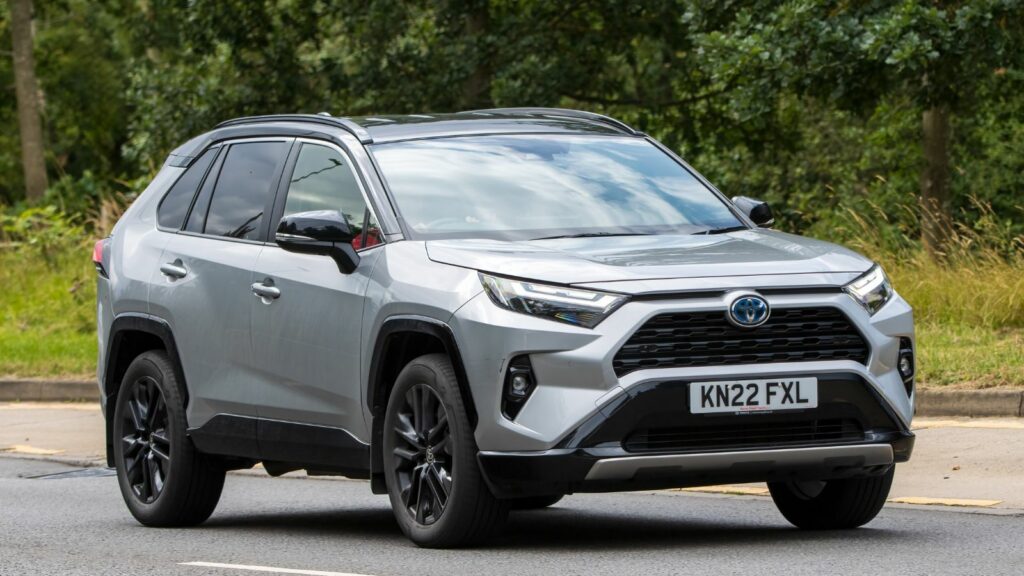
A thief’s wish list in Canada is not built at random. It usually follows value, demand, familiarity, and whatever can move quickly through illegal resale channels, chop-shop networks, or export pipelines. Recent Canadian theft data shows the problem has cooled from peak crisis levels, but it is still severe: more than 57,000 private passenger vehicles were stolen in 2024, and about 40% were still unrecovered. This list highlights 19 vehicles that thieves still chase hard across the country. The first 10 are the national leaders by theft count, while the rest are provincial hot-list regulars or high-frequency standouts that show where criminal attention is shifting next.
1. Toyota RAV4
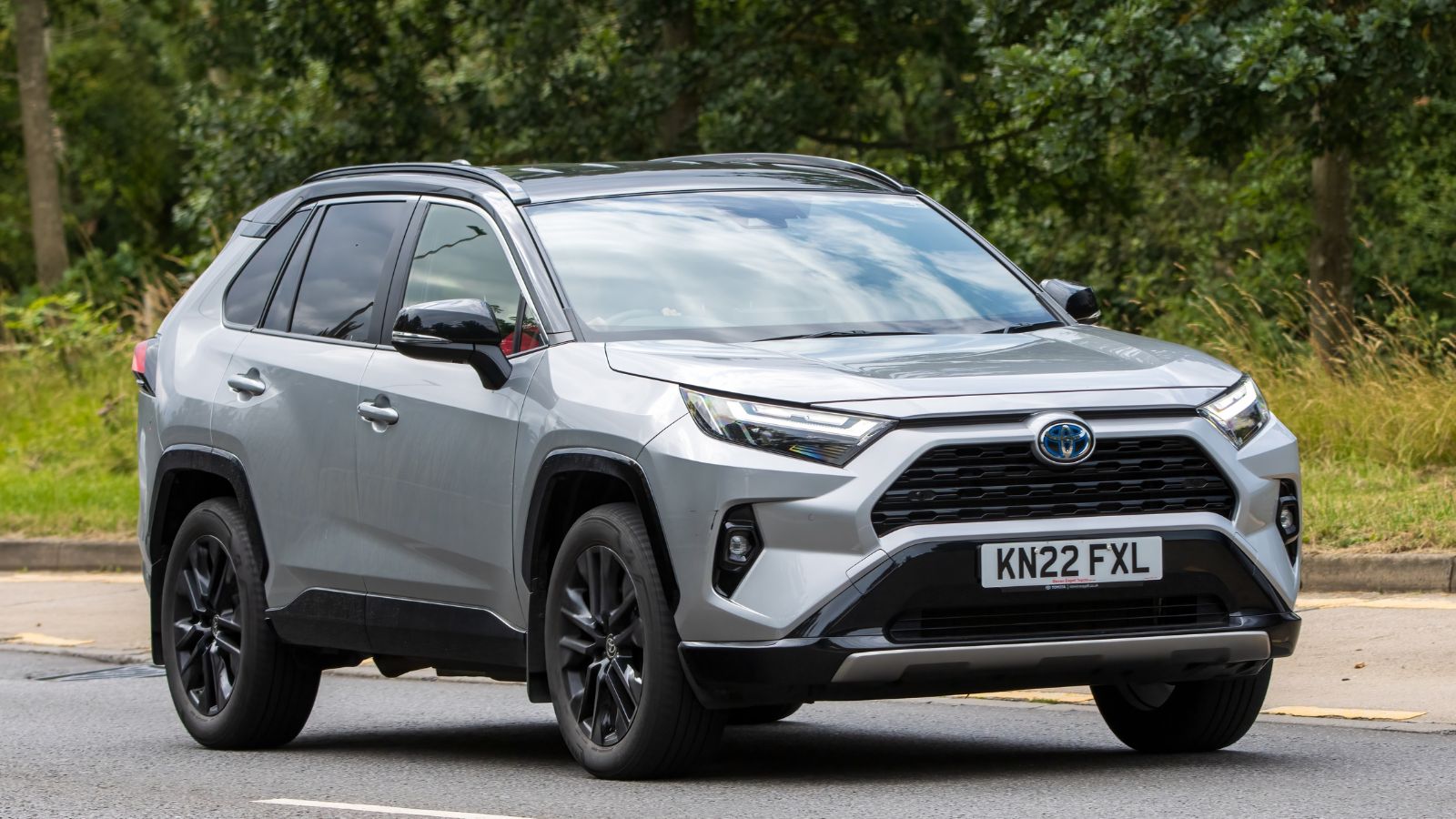
The Toyota RAV4 has climbed to the top of Canada’s stolen-vehicle ladder, which says a lot about how theft patterns keep changing. It is not an exotic machine or a niche toy. It is one of the most ordinary sights on Canadian roads, and that ordinariness is part of the appeal. In the latest national data, the RAV4 led the country with 2,080 thefts, edging out several pickups and other SUVs that had dominated recent years. Its strong resale value, wide parts compatibility, and global popularity make it especially attractive in illegal markets.
There is also a practical criminal logic behind the RAV4’s rise. It blends into suburban streets, condo parking lots, and commuter traffic without drawing much attention. A family crossover that looks harmless in daylight can be highly profitable by night. For many owners, the story begins the same way: a driveway that looked normal before bed and empty before breakfast. That simple, unnerving scenario is part of why the RAV4 now sits at the center of Canada’s theft conversation.
2. Dodge Ram 1500 Series
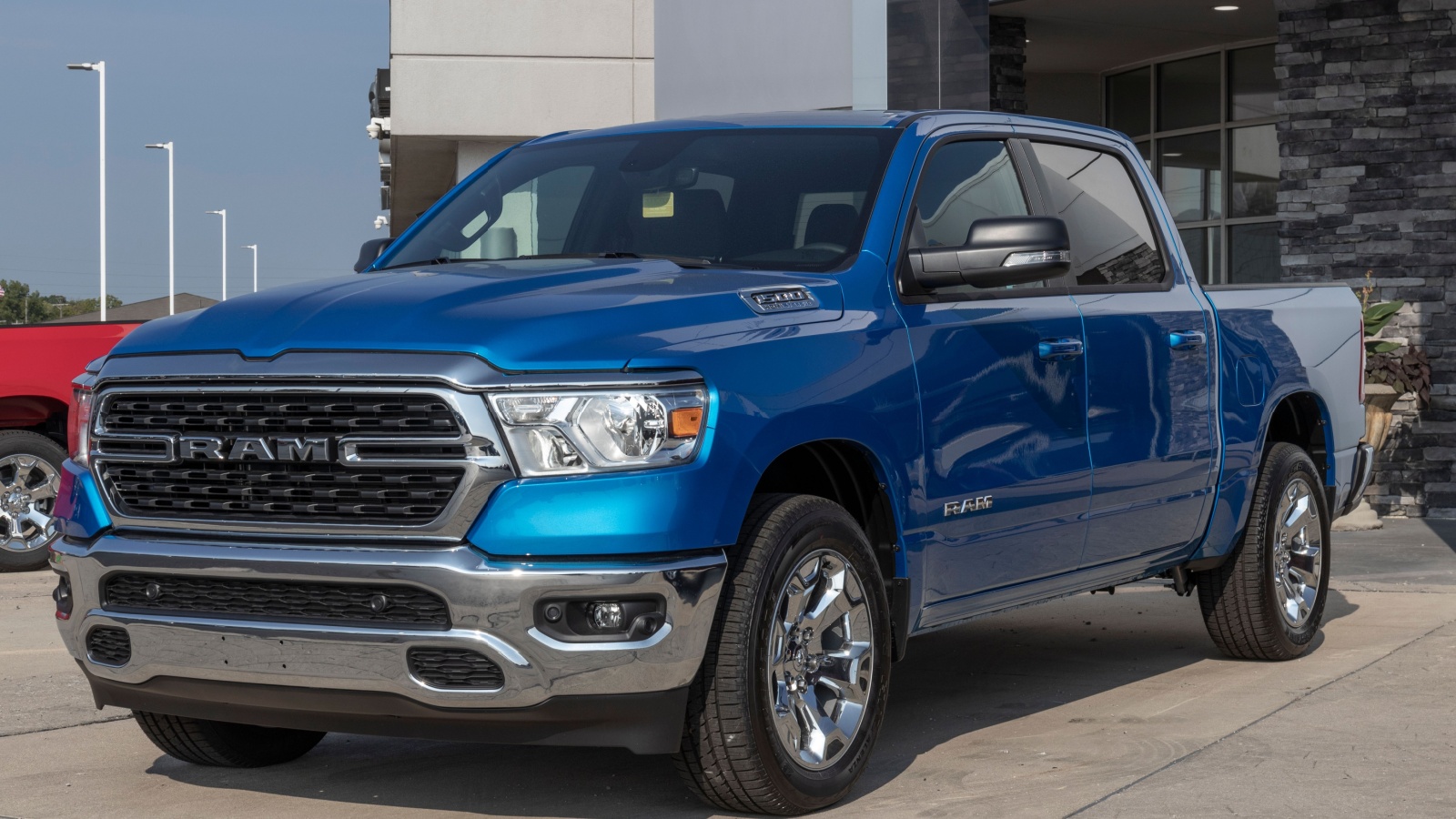
The Ram 1500 remains a favourite because thieves are not only chasing luxury anymore; they are also chasing utility. Nationally, the Ram 1500 Series ranked second in 2024 with 2,018 thefts, and it also stayed near the top in Ontario and Quebec. That matters because trucks occupy a special place in the Canadian market. They are common, expensive, useful for work, and often easier to fold into legitimate-looking traffic patterns than a flashy exotic. A stolen pickup does not scream for attention the way a supercar does.
What makes the Ram especially notable is its broad appeal across regions. It works as a family vehicle, a contractor’s truck, and a rural daily driver, which means it holds value in multiple resale channels. That flexibility is gold for thieves. A stolen Ram can be appealing as a complete vehicle, as a source of parts, or as an asset that disappears into commercial-looking settings. When one model can serve three criminal purposes at once, it rarely leaves the hot list for long.
3. Honda CR-V
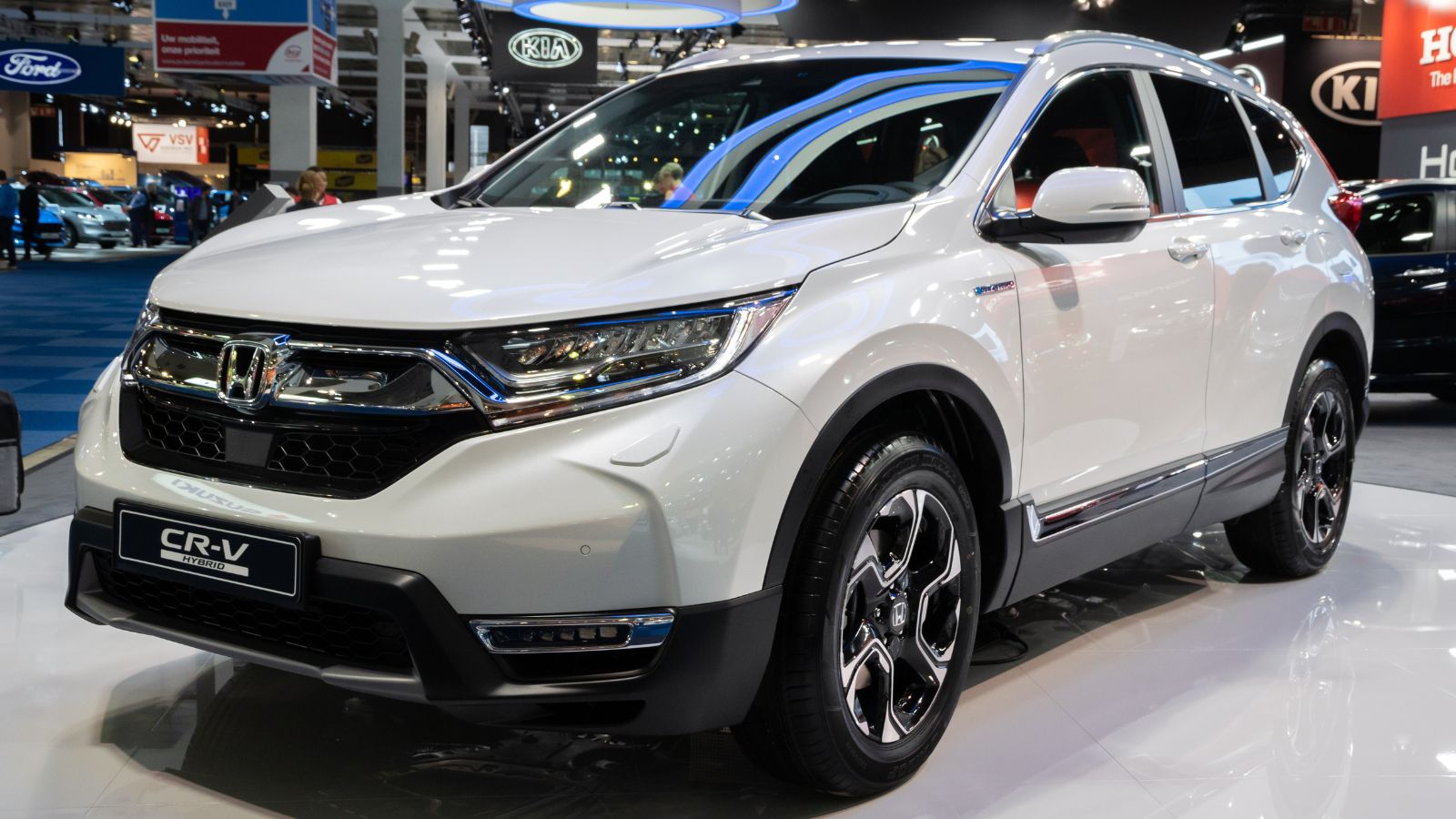
The Honda CR-V is one of the clearest examples of how a familiar, everyday vehicle can become a repeated theft magnet. It ranked third nationally in 2024 with 1,911 thefts, first in Ontario, and second in Quebec. Few vehicles are as deeply woven into Canadian daily life. The CR-V is the kind of crossover seen at hockey arenas, school lots, grocery stores, and commuter stations, which helps it disappear in plain sight. That familiarity gives thieves cover that rarer vehicles do not have.
Its popularity also creates a strong parts and resale ecosystem. There are simply many CR-Vs on the road, and high-volume vehicles tend to generate steady demand for used components and export opportunities. The CR-V has become the sort of vehicle that makes owners uneasy precisely because it does not feel special. That is the trap. Thieves do not always want the rarest badge in the parking garage. Sometimes they want the one nobody notices until it is already gone.
4. Ford F-150 Series
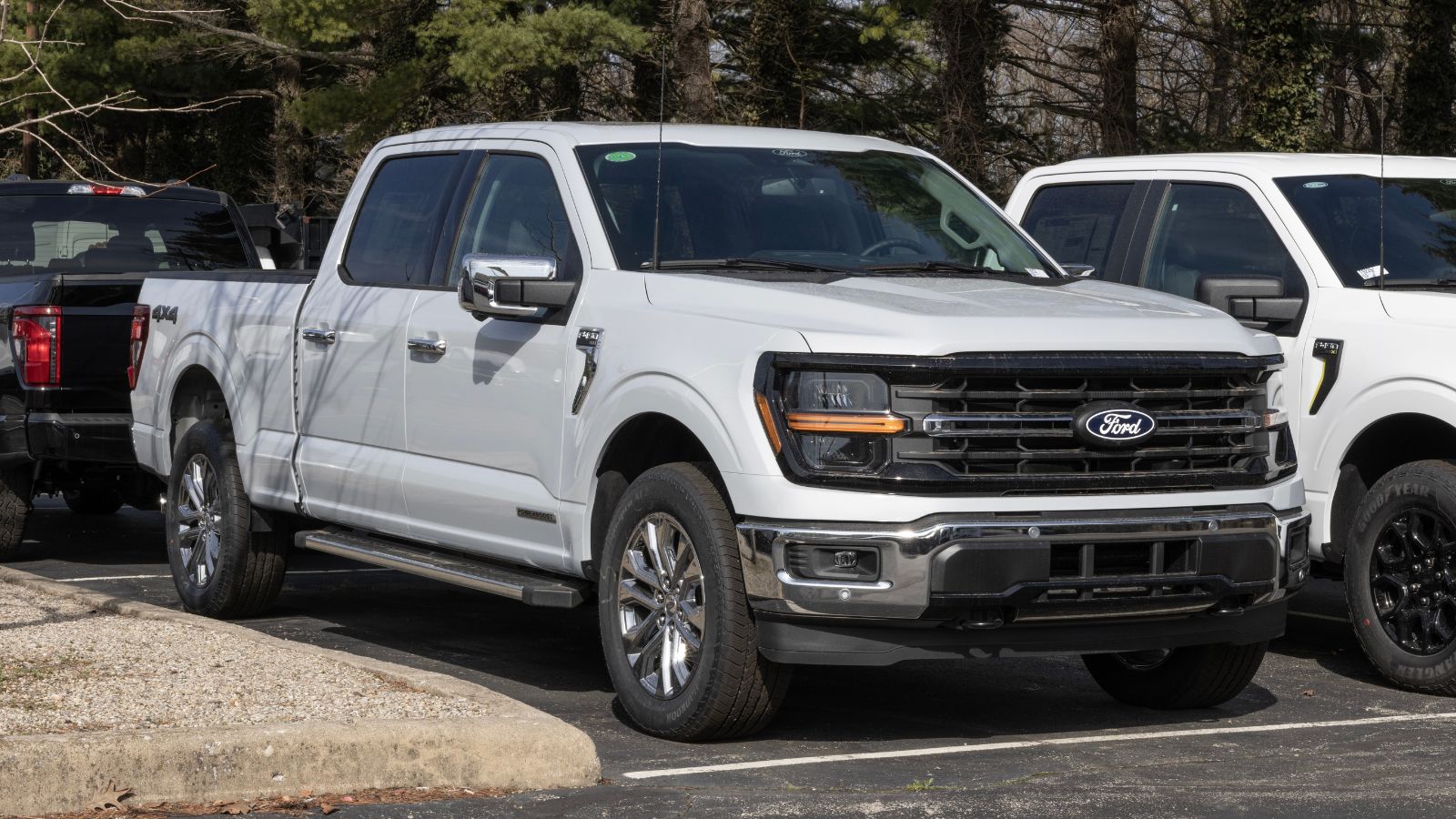
The Ford F-150 stays on these lists for the same reason it stays near the top of Canadian sales charts: it is everywhere. In 2024, it ranked fourth nationally with 1,833 thefts and fifth in Ontario. The truck’s sheer volume on the road gives thieves an enormous supply base, and its price point keeps the payoff meaningful. A stolen F-150 can move through several kinds of criminal channels, from resale to parts stripping to short-term local use, depending on region and opportunity.
There is also a cultural factor. The F-150 is woven into Canadian work life, especially in construction, trades, and resource-heavy regions. A truck parked outside a jobsite or in a suburban driveway does not look suspicious. That normality helps it slip under the radar. For victims, the loss is often bigger than the vehicle itself. When a work truck disappears, it can take tools, schedules, and income with it. That broader disruption helps explain why F-150 theft hits harder than a simple tally can show.
5. Honda Civic
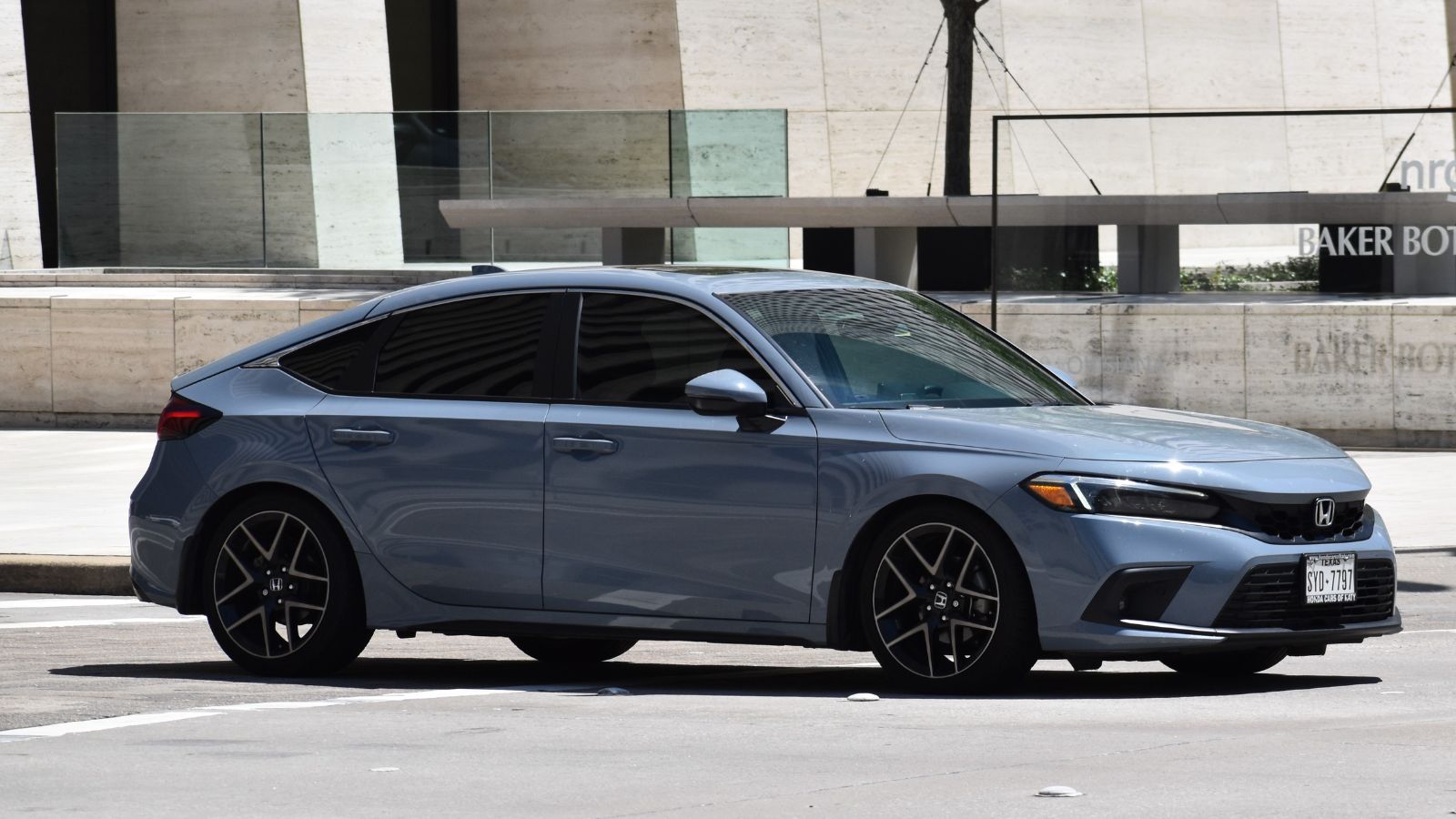
The Honda Civic proves that sedans are not off the radar even in an SUV-heavy era. It ranked fifth nationally in 2024 with 1,797 thefts, third in Ontario, and third in Quebec. The Civic’s staying power on theft lists comes from a mix of ubiquity, durability, and broad demand. It is one of the most recognizable compact cars in Canada, and its long-running popularity means there is a large installed base of owners, buyers, mechanics, and parts demand around it.
That gives the Civic a kind of criminal versatility. It can be attractive as a full vehicle, but it also has enduring value in pieces. It is easy to picture why it remains vulnerable: the car sits unnoticed at apartment buildings, shopping plazas, and GO lots because it looks like it belongs everywhere. The Civic does not need to be glamorous to be useful to thieves. In many ways, its biggest weakness is that it has become one of Canada’s most trusted daily drivers.
6. Jeep Wrangler
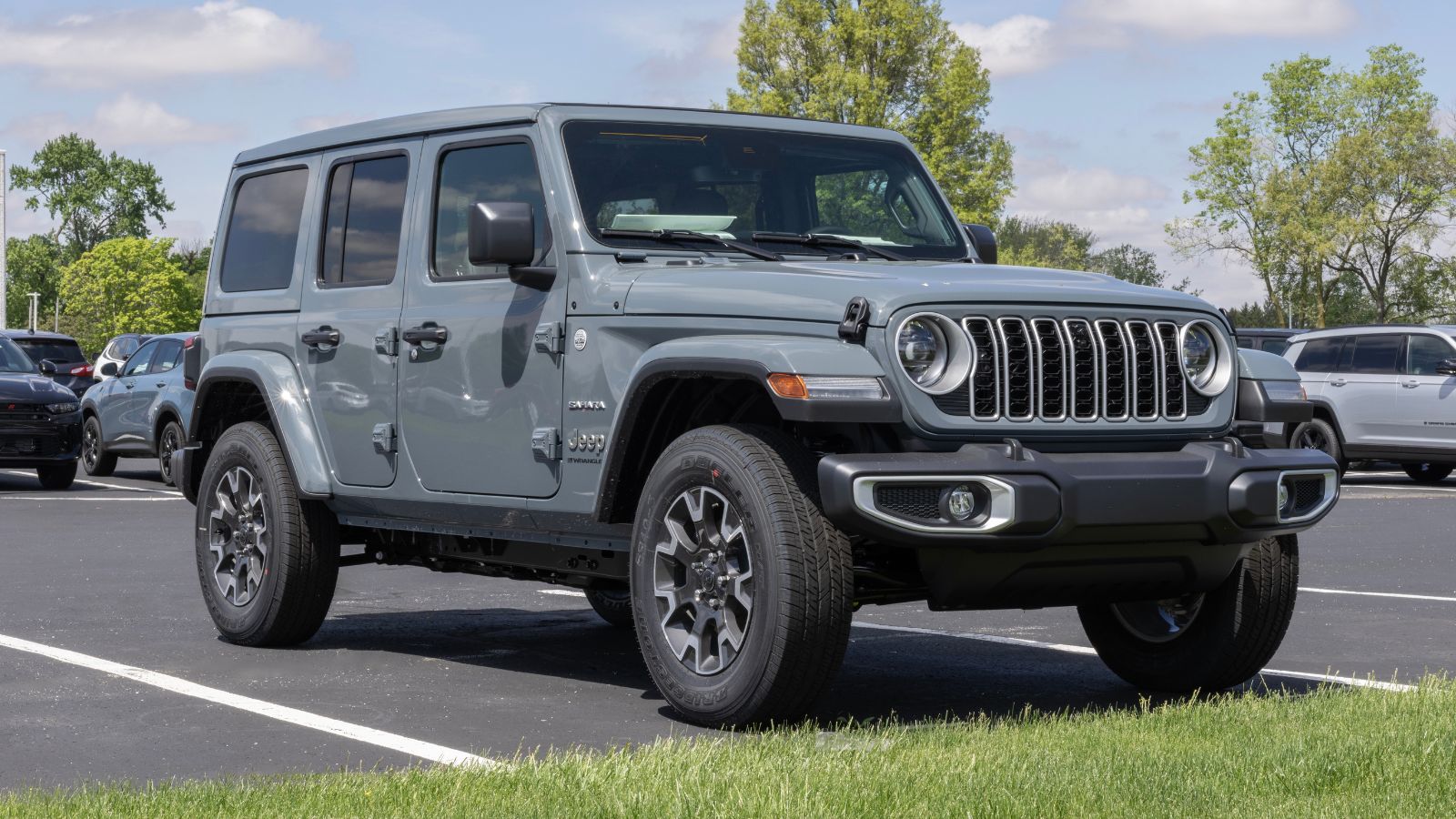
The Jeep Wrangler stands out because it is both distinctive and heavily targeted. Nationally, it ranked sixth in 2024 with 1,491 thefts, and it was also high on Ontario and Quebec lists. Its national theft frequency of just over 1% is also notable, showing it is not only being stolen in raw numbers but at a meaningful rate relative to how many are insured. That makes the Wrangler more than a lifestyle icon. It is a serious theft-risk vehicle in current Canadian data.
Part of the attraction is obvious: the Wrangler has a loyal following, strong resale value, and a brand image that holds up well in used markets. It is not just transportation; it is a vehicle people actively seek out. That helps stolen units and desirable parts retain value. The irony is hard to miss. A vehicle built around adventure and freedom has also become one of the models most likely to vanish from a driveway while the owner is asleep.
7. Chevrolet/GMC Silverado/Sierra 1500 Series
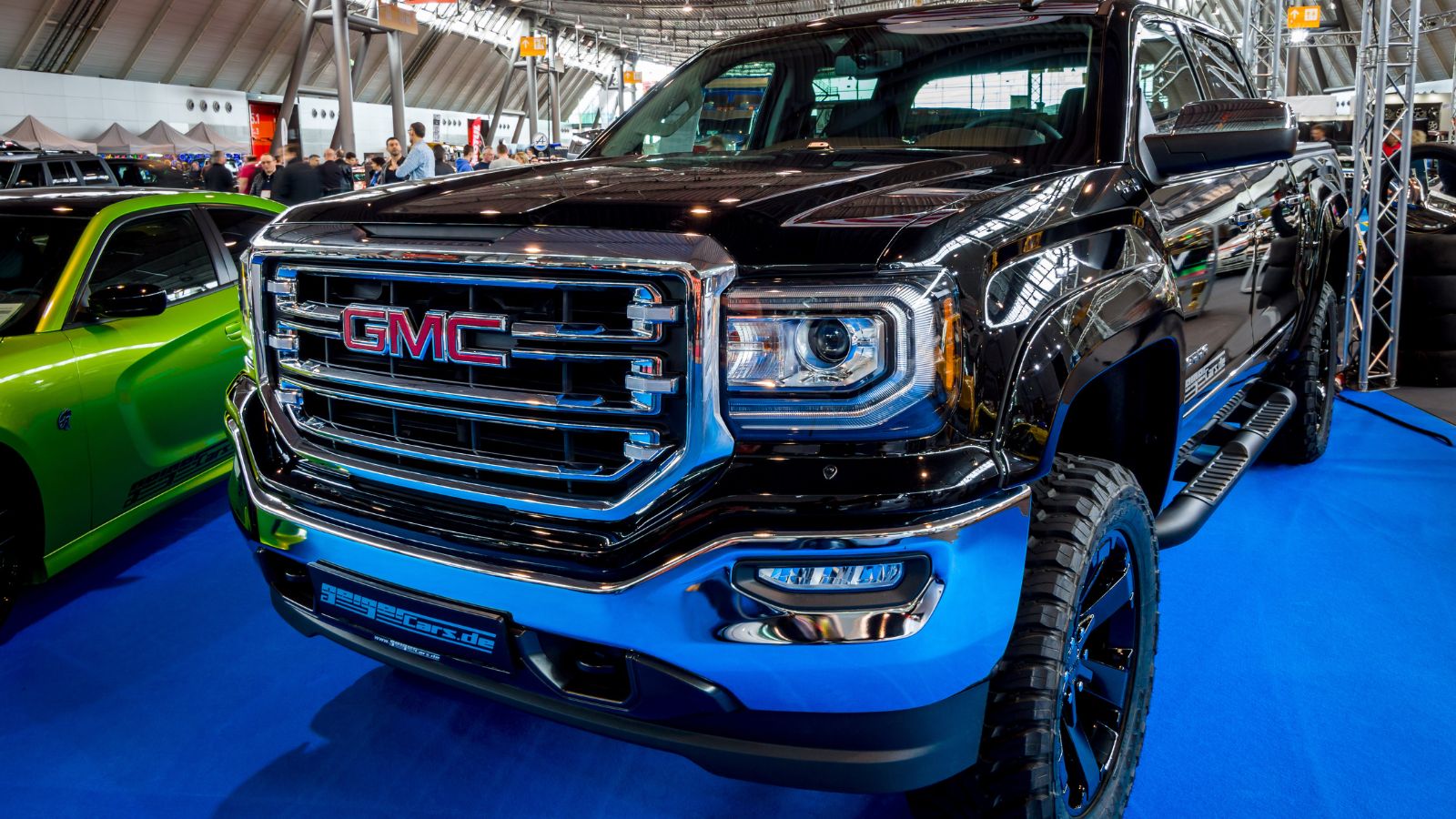
The Chevrolet and GMC half-ton truck family continues to be a major target, landing seventh nationally in 2024 with 1,192 thefts. What makes this group especially interesting is that older model years still show up prominently in theft data, which suggests not all stolen vehicles are headed for overseas export or premium resale. Some are valuable because they are common, mechanically familiar, and useful. In truck-heavy markets, an older Silverado or Sierra can still be an attractive criminal tool or source of parts.
These trucks also show how theft trends differ by region. In some provinces, thieves focus on newer SUVs with keyless vulnerabilities. In others, older pickups remain highly exposed because they are easier to use locally, strip, or abandon after other crimes. The Silverado/Sierra line sits right at that intersection. It is a national-volume vehicle with enough age spread, brand recognition, and parts demand to stay relevant across different theft styles. That broad usefulness keeps it stubbornly hard to dislodge.
8. Toyota Highlander
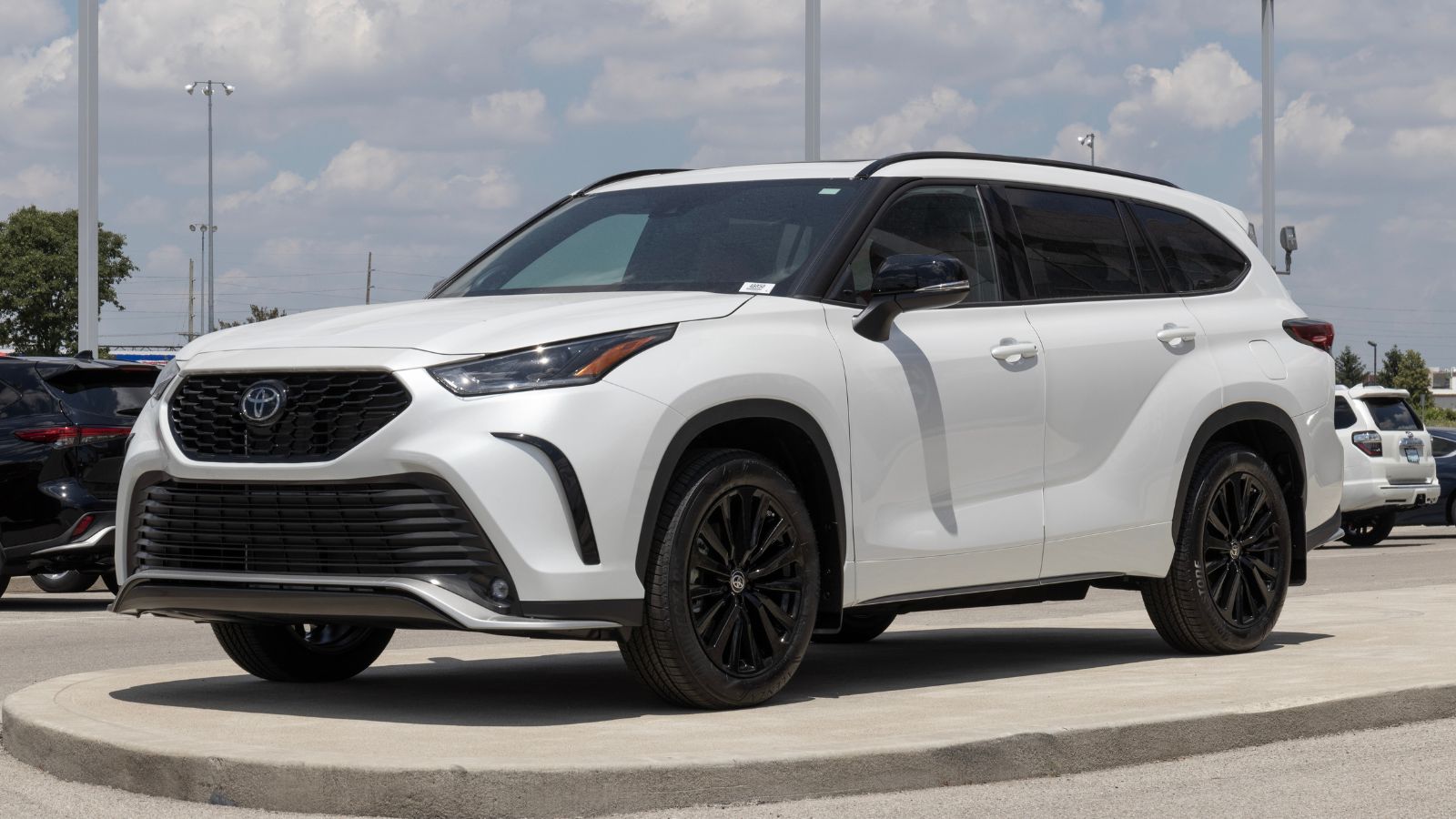
The Toyota Highlander may have slipped from the very top, but it is still very much on the radar. In 2024, it ranked eighth nationally with 1,141 thefts, after having been the previous year’s national leader. It also remained high on Ontario and Quebec lists. That staying power matters. One-year spikes can happen, but models that remain attractive across multiple reporting periods usually have deeper structural appeal. In the Highlander’s case, that means strong resale value, mainstream family-SUV demand, and a profile that fits easily into normal Canadian neighbourhoods.
There is something especially unsettling about a vehicle like the Highlander being so desirable to thieves. It is not bought for flash. It is bought for practicality, family hauling, and reliability. Yet those same qualities make it easy to move and easy to justify in other markets. When a model keeps appearing in national and provincial rankings year after year, it becomes clear that thieves are not guessing. They know exactly which vehicles offer steady demand and low visual risk.
9. Toyota Tundra
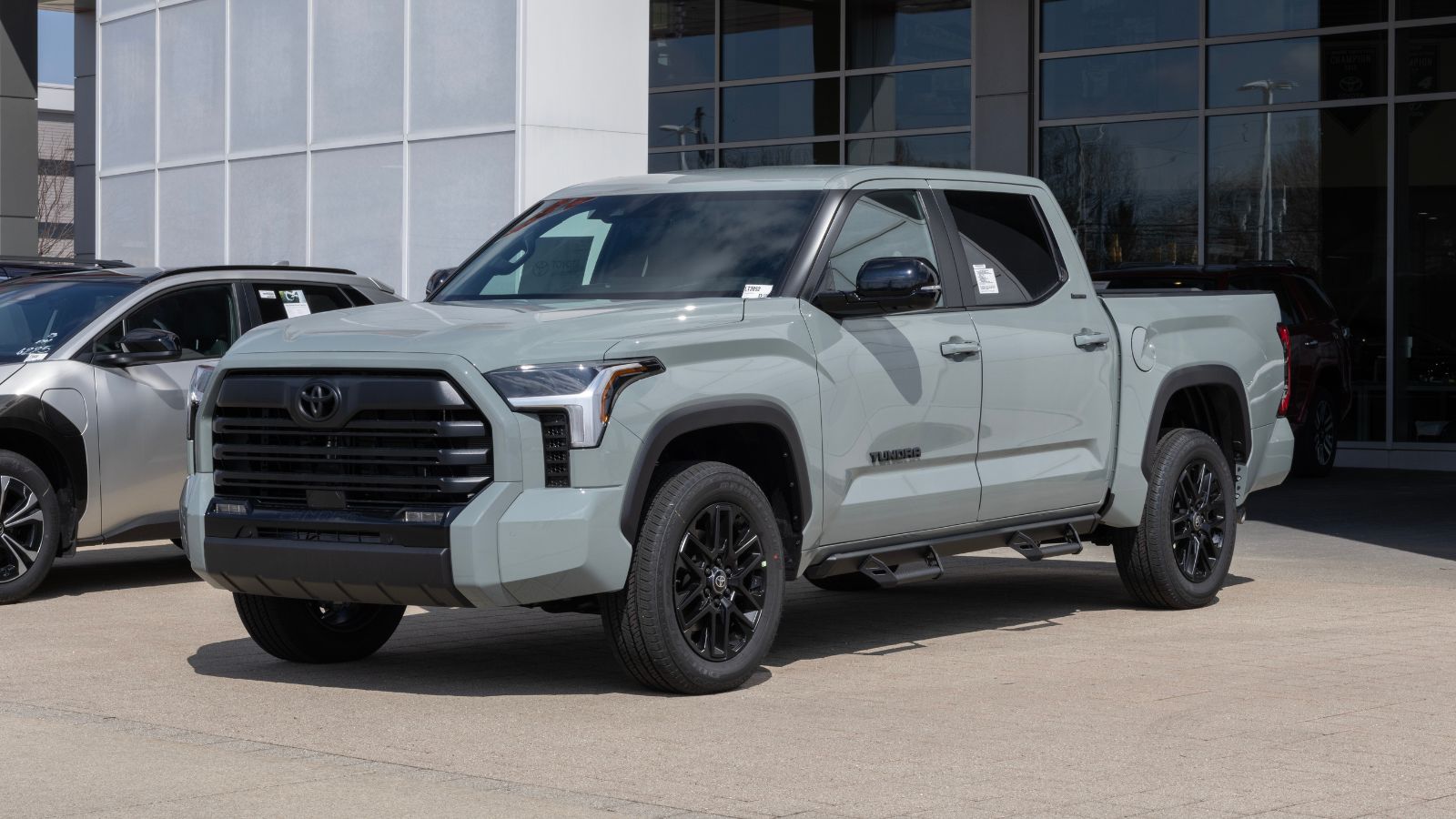
The Toyota Tundra has become one of the more striking names in recent data. It ranked ninth nationally in 2024 with 1,129 thefts, and in Ontario it placed sixth by total thefts while posting a theft frequency of 3.64%, one of the most eye-catching figures on the list. That combination matters. It means the Tundra is not only getting hit in absolute numbers, but also at a rate that suggests concentrated attention from thieves. When both measures light up, insurers and owners take notice.
For criminals, the Tundra checks multiple boxes: it is valuable, highly usable, and less saturated on the road than some domestic pickup rivals, which can make it feel more premium in resale settings. For ordinary owners, that risk can feel counterintuitive. A truck bought for durability and long-term ownership is suddenly being treated like a hot commodity. The Tundra’s rise is a reminder that theft markets follow profit, not stereotypes. If a vehicle brings enough value, attention follows quickly.
10. Lexus RX Series
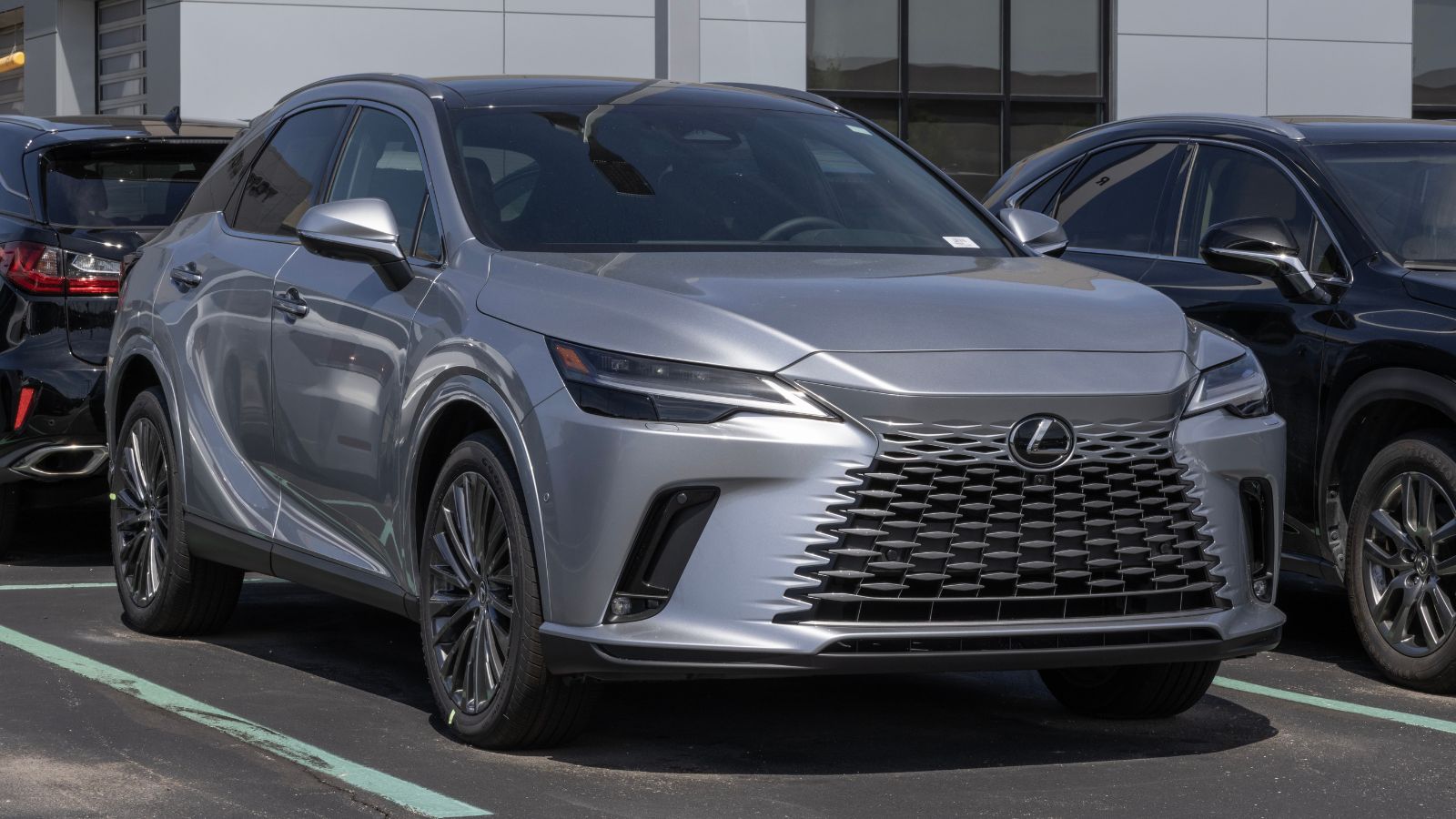
The Lexus RX remains one of the clearest examples of how luxury and familiarity can collide. It ranked tenth nationally in 2024 with 1,124 thefts and seventh in Ontario, but its history is even more telling. Earlier national and provincial lists showed the RX near the very top, and high theft-frequency data has repeatedly flagged it as a favourite target. That combination of premium badge, crossover practicality, and strong market demand makes it unusually attractive compared with many other luxury vehicles.
Unlike some six-figure status machines, the RX is common enough to blend in. That is part of the problem. It has luxury value without always attracting the instant attention that more flamboyant models do. In a condo garage or upscale suburban driveway, it looks perfectly at home. That makes it a profitable but relatively discreet target. When a vehicle offers brand prestige, everyday usability, and a long record of theft demand, it tends to stay in criminal circulation longer than people expect.
11. Land Rover / Range Rover Series
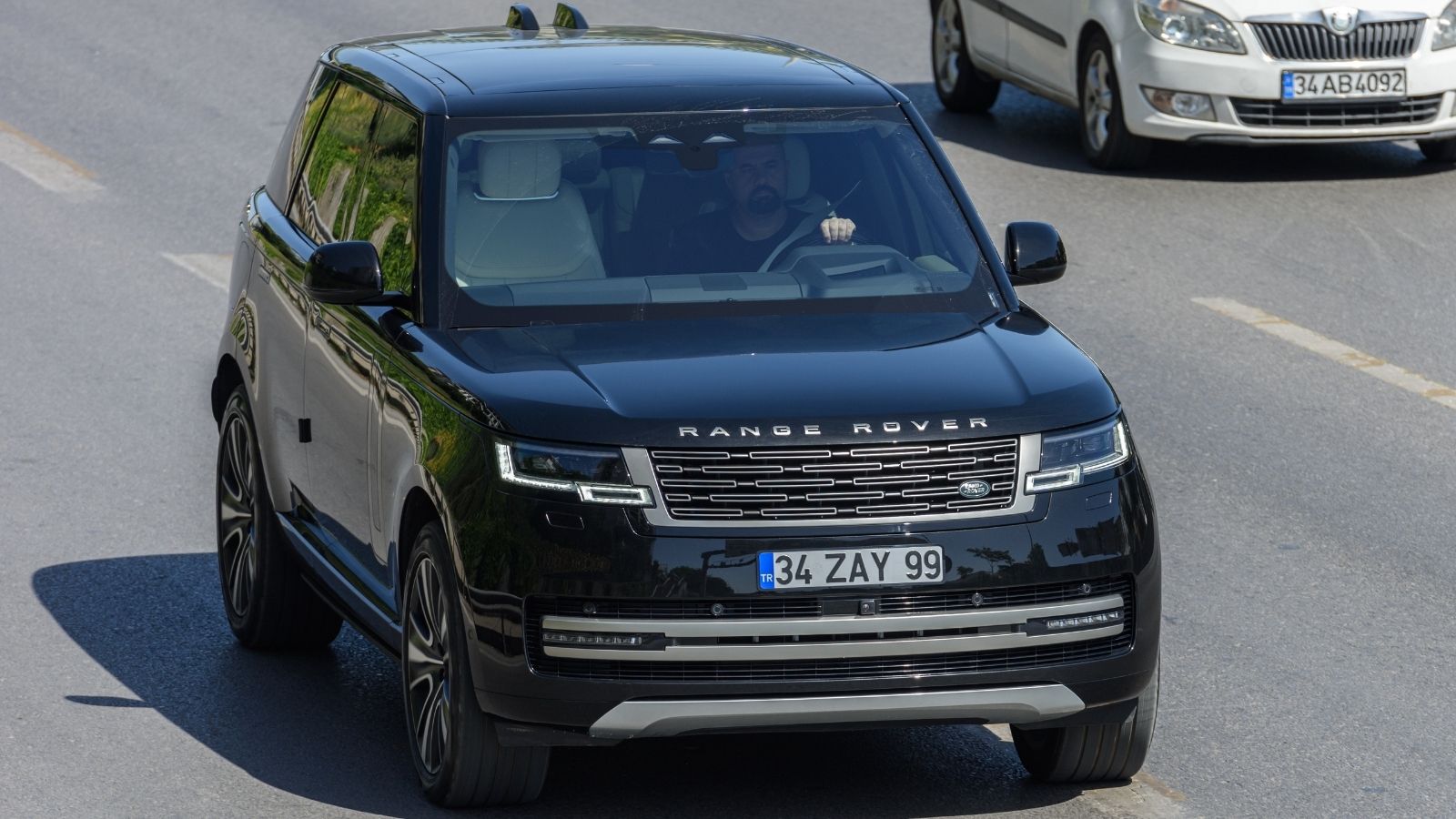
Land Rover and Range Rover models continue to carry a high-risk aura in Canadian theft data, especially in Ontario. In 2024, the Land Rover / Range Rover Series ranked tenth in Ontario by number of thefts, and its theft frequency was far more alarming than its rank alone suggests. That is the sort of profile that points to targeted interest rather than random opportunism. These are expensive vehicles with strong cachet, which can make each successful theft worth far more than a mainstream crossover or sedan.
The luxury angle matters even more because Équité has warned about a sharp spike in thefts involving very high-value vehicles. That helps explain why premium SUVs remain under pressure even when overall theft totals cool. A Range Rover is not just a vehicle; it is a high-dollar asset on wheels. For owners, that means risk is tied as much to desirability as to popularity. A quieter year nationally does not necessarily bring much comfort when thieves are still chasing the biggest payouts.
12. Hyundai Tucson
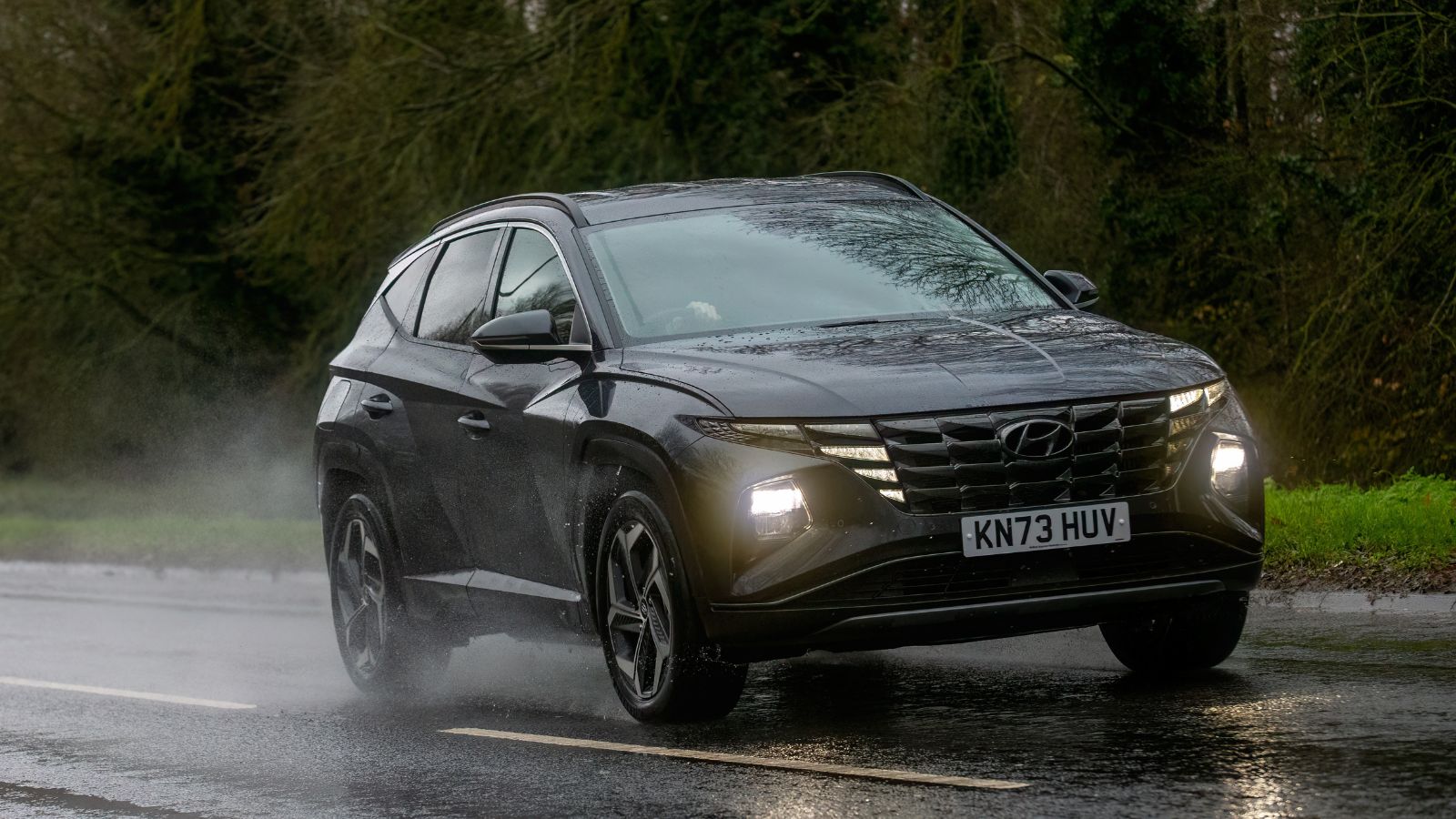
The Hyundai Tucson shows that mid-market compact SUVs are still squarely in play. In Quebec’s 2024 data, it ranked seventh with 390 thefts, placing it ahead of several vehicles with far more luxury appeal. That is a useful reality check. Theft in Canada is not only about prestige badges or giant trucks. It is also about volume, familiarity, and how easily a vehicle fits into the everyday traffic mix. The Tucson is common enough that it does not need to stand out to become valuable.
That makes the Tucson especially frustrating for ordinary households. It is often purchased as a sensible family crossover, not a status vehicle. Yet that mainstream role can work in a thief’s favour. A model that is broadly distributed, broadly recognized, and easy to pass off as normal becomes easier to move unnoticed. Quebec’s list reinforces the point: even when public attention is focused on luxury SUVs, thieves are still willing to go after practical compact crossovers with dependable market demand.
13. Acura RDX
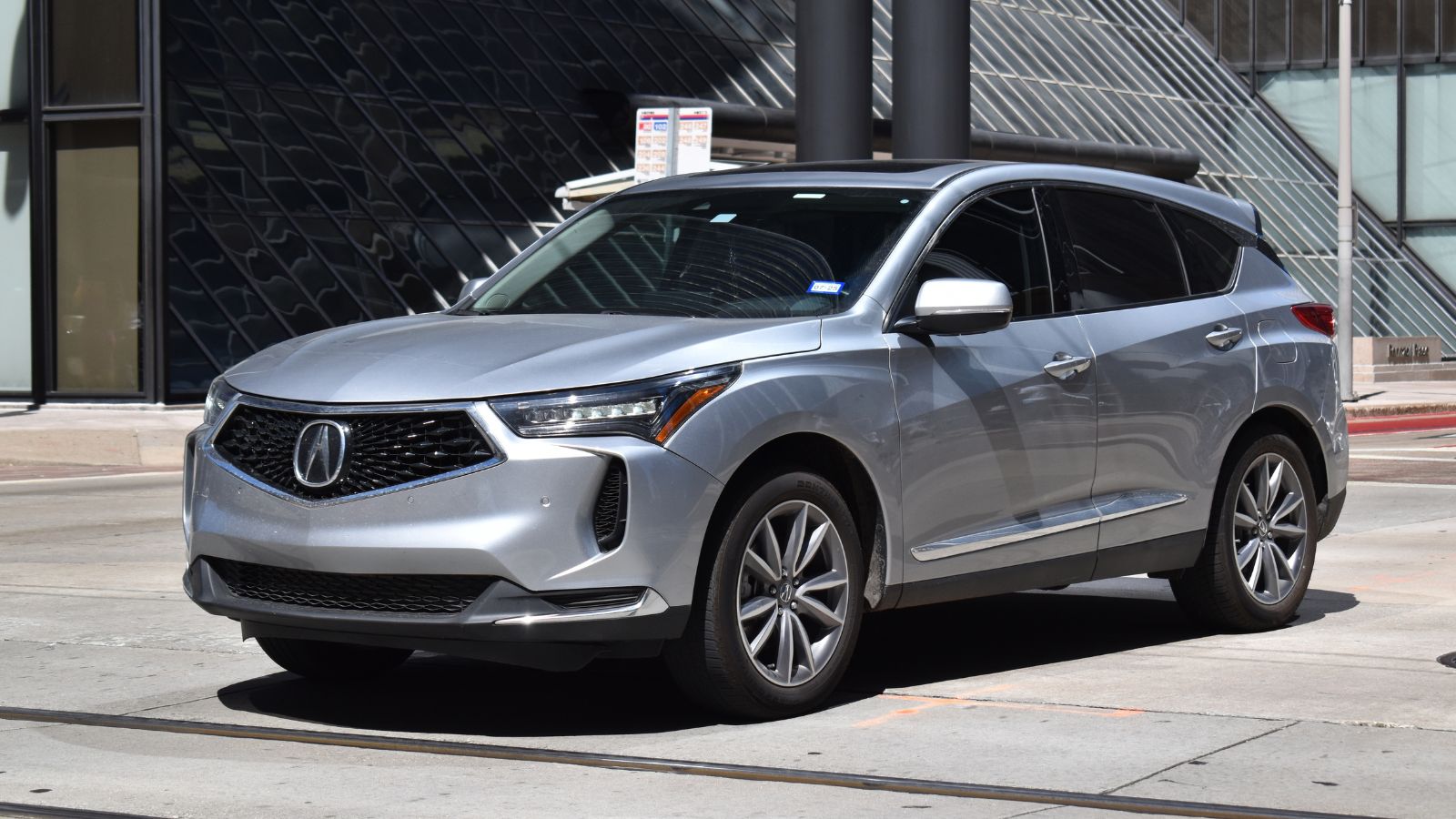
The Acura RDX sits in a particularly interesting part of the market. It is premium, but not ostentatious; upscale, but still close in shape and purpose to mass-market compact SUVs. In Quebec’s 2024 data, it ranked eighth with 336 thefts and carried a theft frequency above 2%, which is a serious number. That kind of profile often makes a vehicle attractive because it combines better resale value than a mainstream brand with enough day-to-day normalcy to avoid constant scrutiny.
For owners, the RDX can feel like a careful compromise between luxury and practicality. Unfortunately, that same balance may help explain its theft appeal. It offers a premium badge and solid value while still blending into the same parking environments as CR-Vs, Tucsons, and RAV4s. A thief does not always need the loudest vehicle in the lot. Sometimes the best target is the one that looks respectable, moves easily, and still promises a better payout than the average crossover beside it.
14. Chevrolet/GMC Suburban/Yukon/Tahoe Series
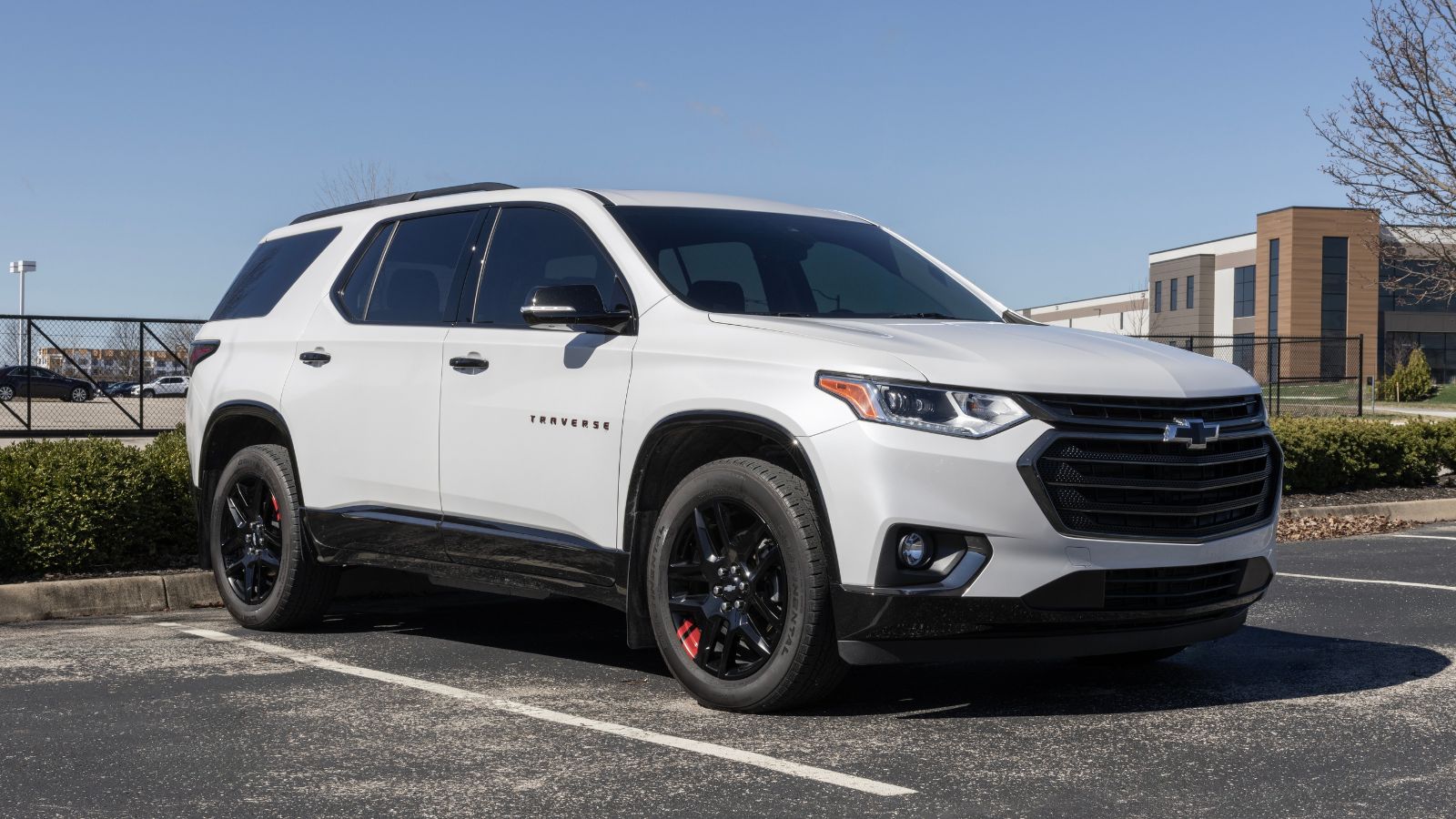
Full-size GM SUVs remain highly attractive where large vehicles command big money. In Quebec’s 2024 figures, the Chevrolet/GMC Suburban/Yukon/Tahoe family ranked ninth with 214 thefts, but the more revealing number was its theft frequency, just over 4%. That is high enough to show these are not merely incidental thefts. These large SUVs carry serious value, broad parts demand, and strong recognition, making them appealing whether thieves are chasing resale margins or premium components.
There is also a visibility paradox here. A Yukon or Tahoe is physically huge, yet in the right neighbourhood it still looks normal. In affluent suburbs, school pickup lines, hotel valet zones, and airport lots, these vehicles are common enough to disappear into the landscape. That combination of size, price, and familiarity is powerful. Owners may view them as family haulers or executive transport, but theft data suggests criminals increasingly view them as rolling inventory with unusually strong upside.
15. Kia Sportage
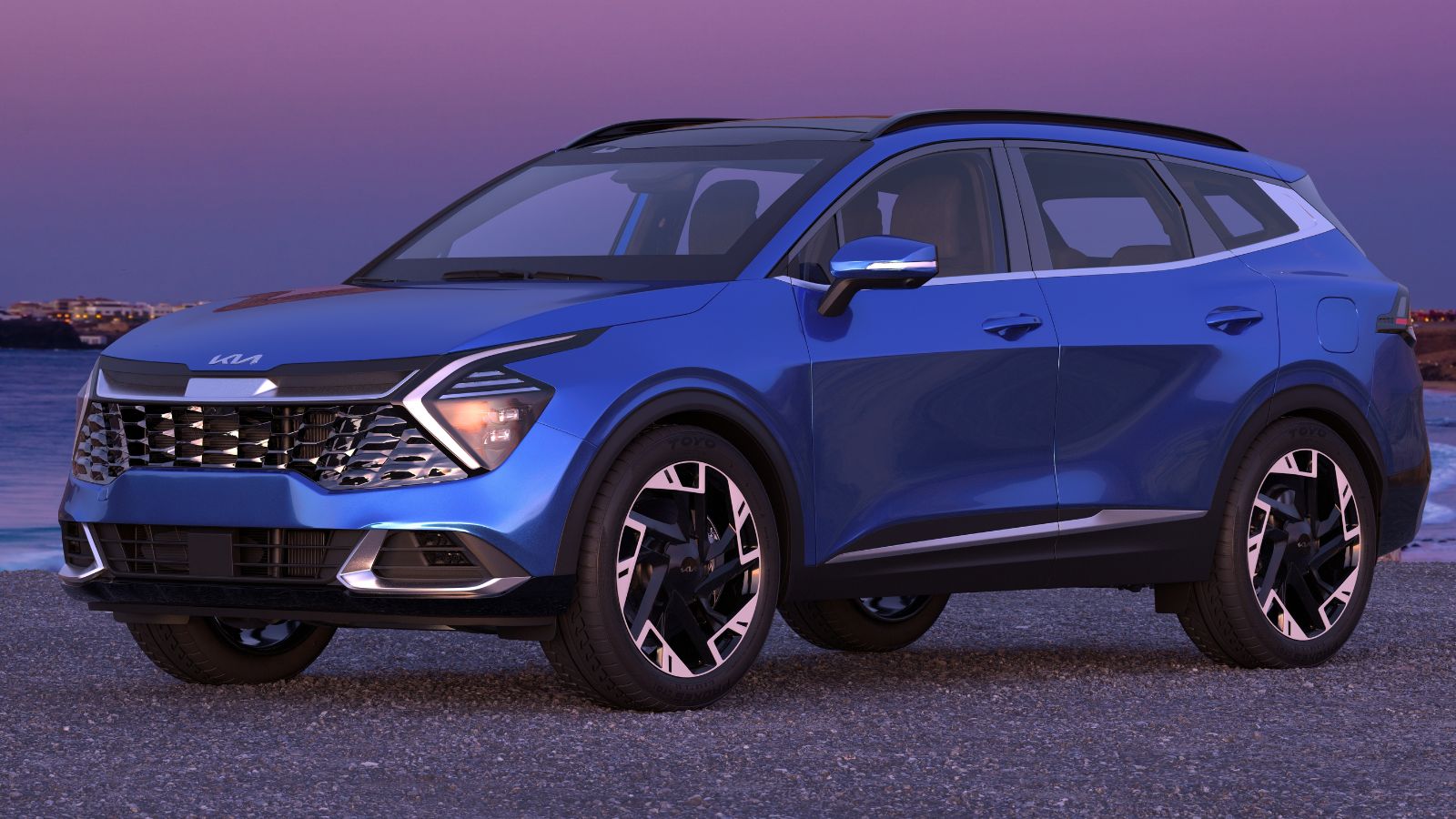
The Kia Sportage rounds out Quebec’s 2024 top 10 with 167 thefts, and its appearance is a reminder that thieves do not exclusively hunt expensive nameplates. Compact crossovers continue to dominate Canadian streets, and that volume matters. A model like the Sportage can benefit from simple arithmetic: when many are sold, there are more to steal, more parts in circulation, and more opportunities to hide one in plain sight. It may not attract the headlines that luxury SUVs do, but it still earns a place on a serious theft list.
That should not be dismissed as a footnote. The Sportage represents the broad middle of the market, where thousands of households buy vehicles for commuting, errands, and family use. When models like this show up in provincial rankings, it signals that theft remains a wide consumer problem, not just a luxury-vehicle problem. For many families, the most sobering lesson is that a sensible purchase decision does not automatically translate into a lower theft profile.
16. Lexus TX Series
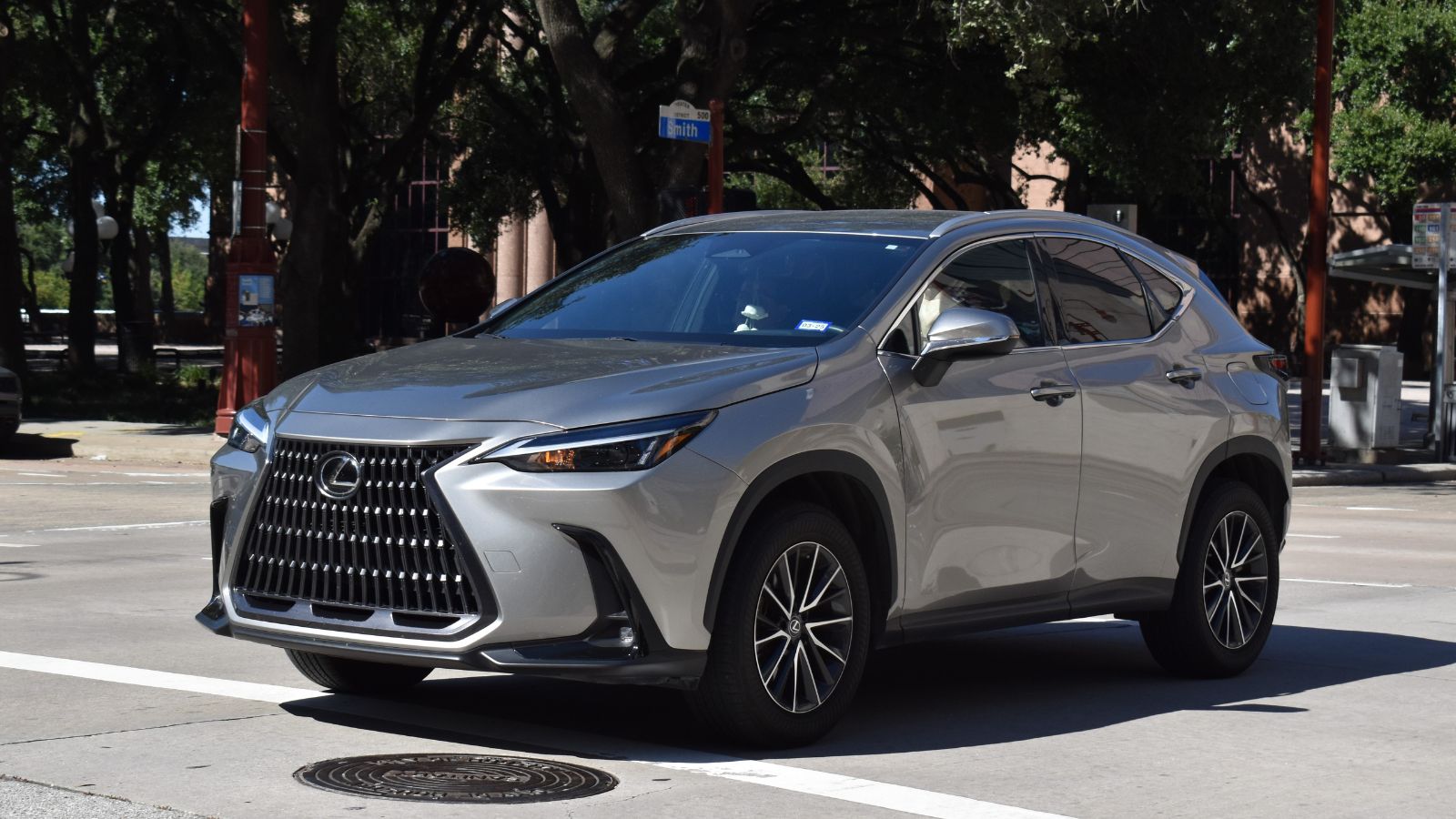
The Lexus TX is the kind of vehicle that makes insurers and investigators stop and look twice. In Ontario’s 2024 theft-frequency ranking, it sat at the top with an astonishing 23.75% rate, based on 142 thefts out of just 598 insured vehicles. The caveat is important: this is a smaller insured pool than mainstream models carry, so the percentage can move fast. Even so, a figure that high is impossible to ignore. It suggests a very sharp, very deliberate level of interest.
Why would a new luxury three-row SUV attract that kind of heat? Because it sits in a sweet spot for criminal profit: large, desirable, expensive, and fresh enough to carry strong resale appeal. It is not a mass-market target in the way the CR-V is, but it may be an even more focused one. The TX shows how quickly thieves can pivot. A newer model can move from showroom buzz to theft-risk conversation in remarkably little time.
17. Toyota Grand Highlander
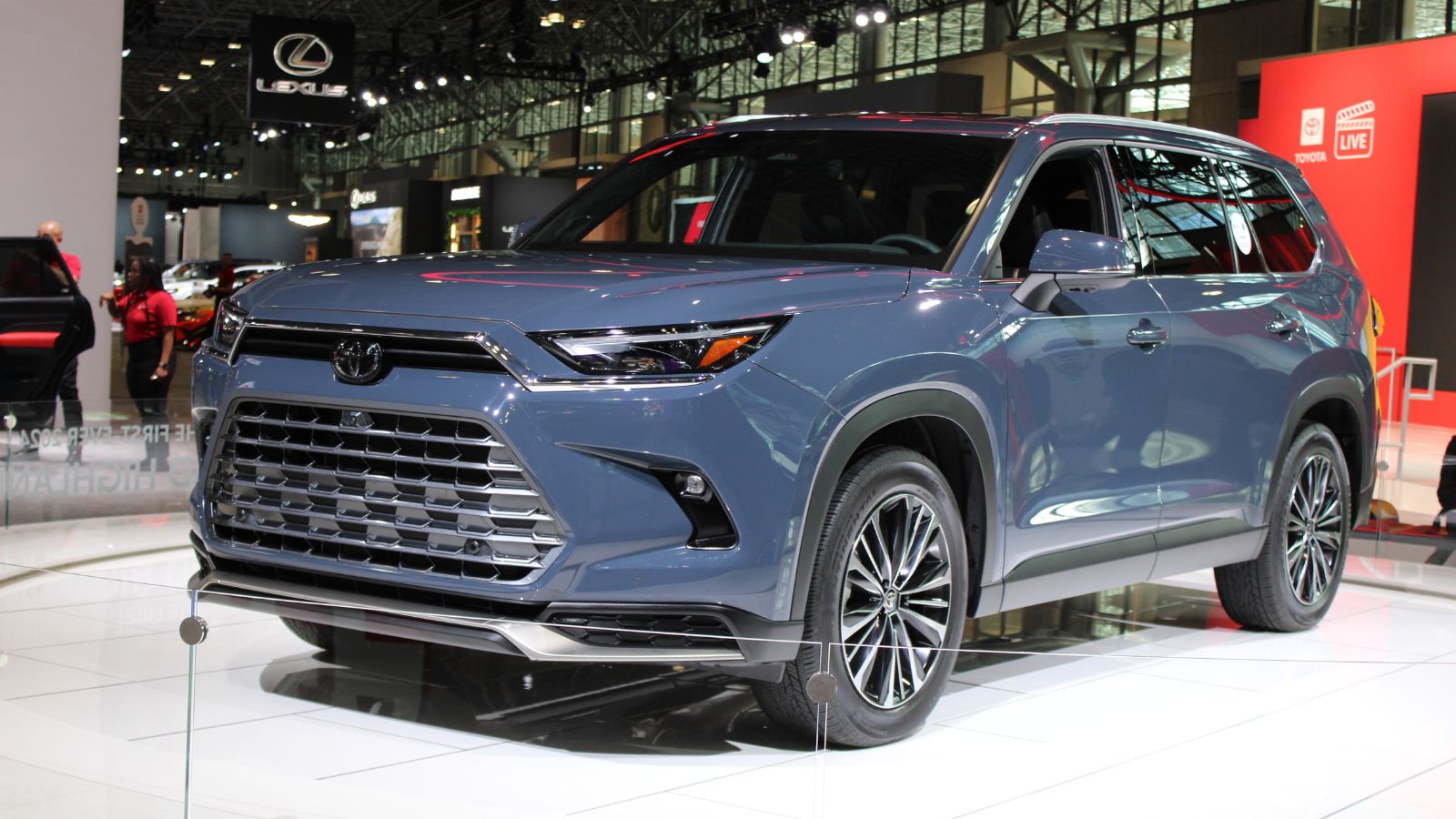
The Toyota Grand Highlander has emerged as another striking high-frequency risk in Ontario. In 2024, it ranked second by theft frequency at 7.69%, with 225 thefts out of 2,927 insured vehicles. That percentage is far above what most owners would expect from a relatively new family-focused SUV. The model combines several qualities that theft networks appear to like: strong demand, high sticker prices, a practical body style, and a brand reputation for long-term usefulness. In other words, it carries both family appeal and black-market value.
That makes the Grand Highlander feel like a symbol of the modern theft problem. It is not an old-school hot car. It is a clean, roomy, respectable household vehicle. Yet that very normalcy may help it. In the right setting, it does not look like a risky asset. It looks like school pickup, weekend errands, and cottage season. Current theft data suggests criminals see something else entirely: a fresh, profitable SUV that can be monetized quickly.
18. Land Rover Defender Series
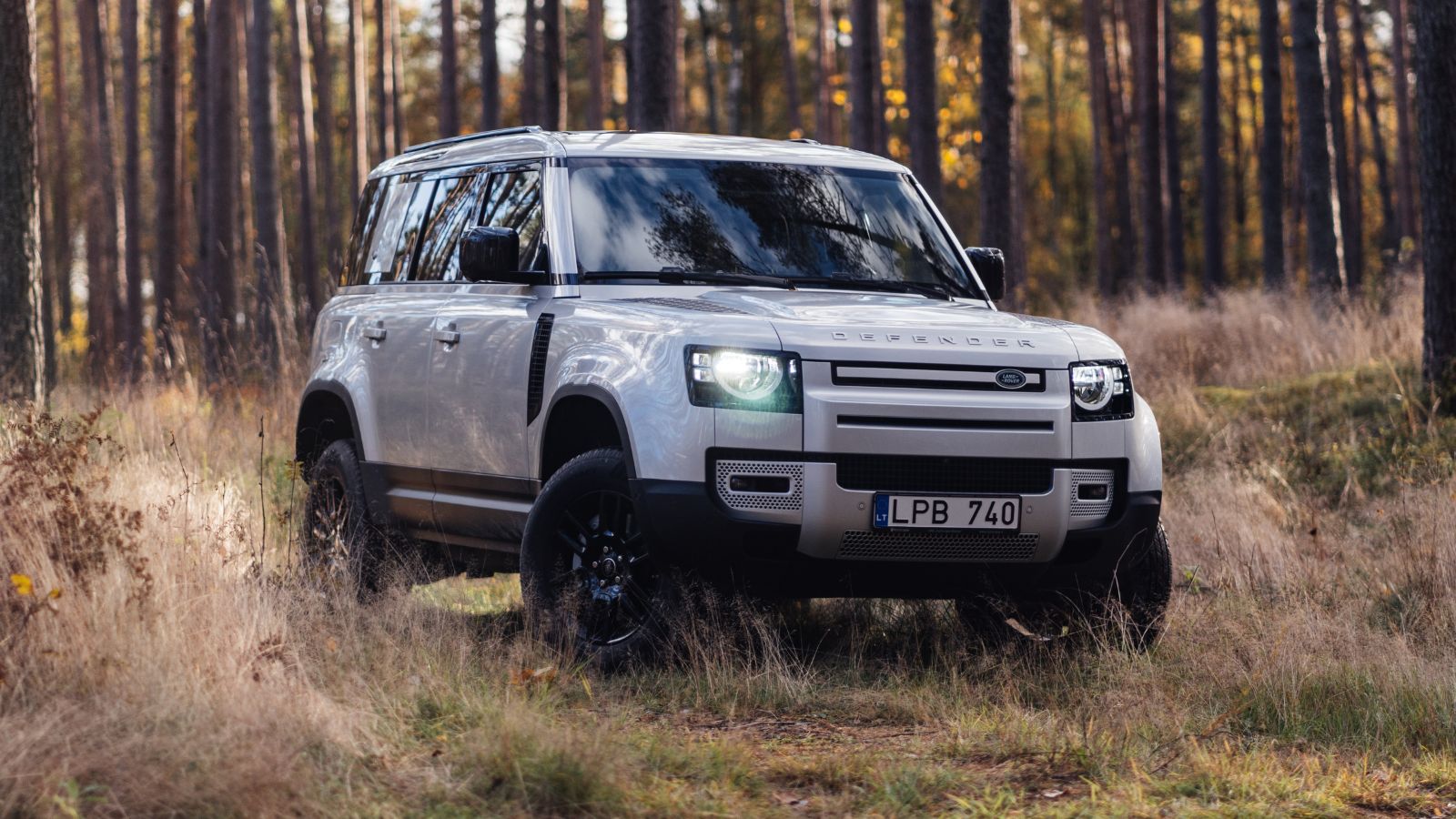
The Land Rover Defender brings a different flavour of risk. In Ontario’s 2024 theft-frequency data, it ranked third at 4.39%, with 108 thefts among 2,459 insured vehicles. Those are not mass-market numbers, but they are strong enough to show focused attention. The Defender’s appeal is easy to understand. It has a premium image, a rugged reputation, and a buyer base willing to pay serious money for it. That combination can create strong resale or export interest compared with more ordinary SUVs.
There is also something symbolic about the Defender’s presence here. It reflects a luxury-theft market that values recognizable status without necessarily needing supercar flash. The Defender has cachet, but it still functions as an everyday premium SUV. That balance may make it easier to steal, move, or disguise in upscale settings. For owners, it is a reminder that theft risk increasingly follows desirability within a very specific slice of the market: expensive vehicles that still pass as practical.
19. Mercedes-Benz G-Class

The Mercedes-Benz G-Class remains one of the most instantly recognizable luxury SUVs on the road, and Ontario’s 2024 theft-frequency data shows thieves notice that too. It ranked fourth by frequency at 3.99%, with 89 thefts out of 2,232 insured vehicles. Those are not huge raw numbers compared with CR-Vs or F-150s, but that is not the point. The G-Class sits in a rarefied value bracket, and each successful theft can represent an unusually rich payoff. In that sense, one G-Wagen can matter as much as several ordinary vehicles.
Its inclusion also fits with Équité’s warning that thefts of very high-value luxury vehicles have jumped sharply. The G-Class is the textbook example of a model whose price, prestige, and visibility make it irresistible to targeted criminals. It is not subtle, but it does not need to be. When a vehicle carries this much status and value, thieves do not need volume to care. They only need enough opportunity to make a few successful hits worth the effort.
22 Things Canadians Do to Their Cars in Spring That Mechanics Hate

Spring brings relief to many Canadian drivers after months of snow, freezing temperatures, and icy roads that put serious strain on vehicles. As temperatures rise across the country, drivers begin washing cars, switching tires, and preparing vehicles for warmer weather and upcoming road trips. However, mechanics across Canada notice the same mistakes every spring when drivers attempt to recover from winter damage. Road salt, potholes, and harsh winter driving conditions often leave vehicles with hidden problems that drivers ignore. Some spring habits even create new mechanical issues that could have been avoided with proper maintenance. Here are 22 things Canadians do to their cars in spring that mechanics hate.
