
The “buy Canadian” mood has moved well beyond a slogan. Over the past year, trade friction, shifting prices, and a sharper focus on product origin have pushed more households to look twice at labels that once felt interchangeable. That change has been especially noticeable in groceries, alcohol, household staples, and even big-ticket purchases like vehicles.
In 2026, that mindset could spread across 17 product categories where American goods have long been deeply embedded in Canadian shopping habits. Some swaps may happen because prices rise. Others may come from policy changes, stronger domestic supply, or simple fatigue with relying so heavily on one market. Either way, replacement is becoming easier to imagine—and in some aisles, it has already begun.
California Wine

Wine may be one of the clearest examples of how quickly habits can change when politics and retail policy collide. For years, California bottles had an easy path into Canadian carts, especially in Ontario. But once U.S. alcohol started disappearing from major shelves, many shoppers were pushed to rethink familiar picks. That opened the door for a broader rediscovery of local wine regions, especially Ontario and British Columbia, where producers were already building stronger quality reputations before trade tensions became part of the conversation.
That matters because wine is one of the easiest categories to replace without much sacrifice. A dinner guest who once grabbed a Napa cabernet may now leave with a Niagara red blend or an Okanagan white instead. The switch also feels emotionally easier than giving up a household staple. In 2026, California wine could keep losing ground not only because of policy shocks, but because many Canadians may realize domestic options are better than they remembered.
American Whiskey and Bourbon
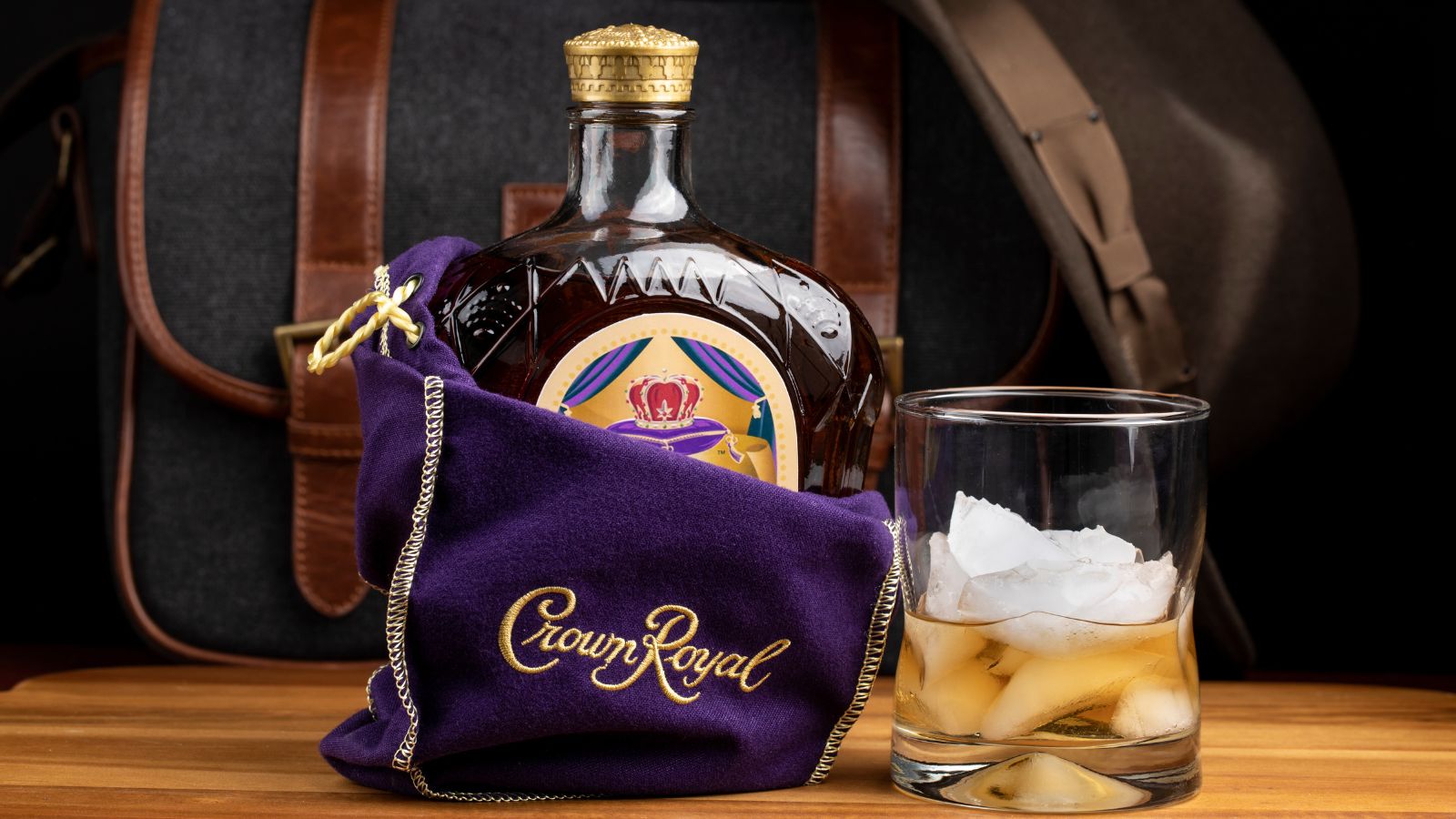
American whiskey has long held a certain cultural pull in Canada. Bourbon, Tennessee whiskey, and big-name U.S. labels built loyalty through decades of restaurant menus, gift purchases, and bar shelves. But when American spirits became harder to find in some channels, it gave Canadian distillers an unusually visible opening. That shift may prove stickier than many expected, because spirits buyers often like discovering a new bottle once the old default is out of reach.
Canada also has a built-in advantage here: rye already feels native to the national drinking story. That makes replacement easier than it might be in a category with no strong domestic identity. In practice, a shopper walking in for a familiar Kentucky bottle may now walk out with an Ontario rye, a prairie distillery release, or even a Canadian-made whisky they had ignored for years. In 2026, U.S. whiskey may face a market where curiosity, scarcity, and local pride start working against old brand loyalty.
American Beer and Ready-to-Drink Coolers
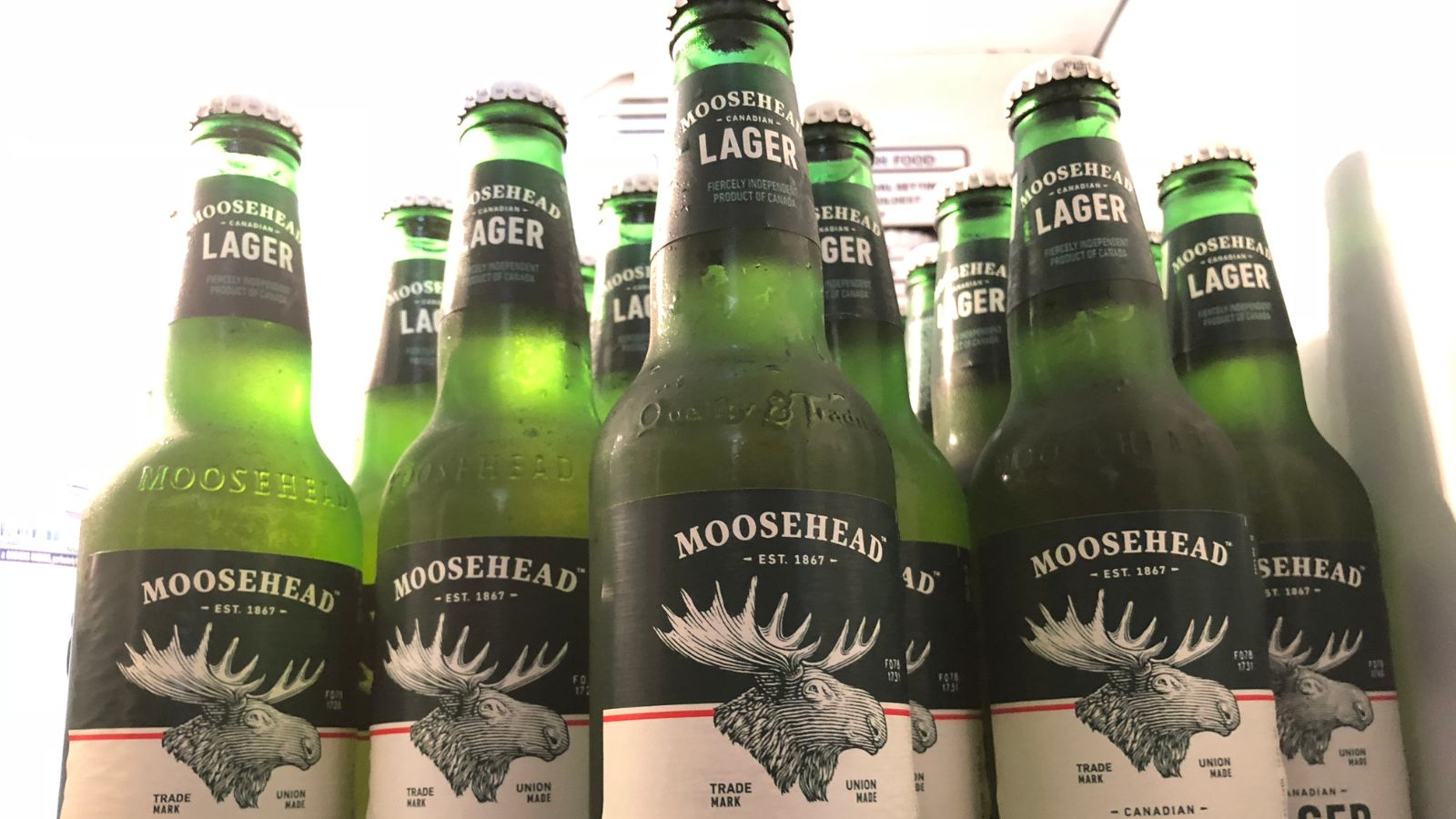
Beer and ready-to-drink coolers could be another category where American products quietly lose momentum. These purchases are often habitual rather than deeply considered, which makes them vulnerable when store selection changes or pricing shifts. Someone who used to grab an American light lager or canned cocktail for a cottage weekend may not go searching very hard for it if a local alternative is sitting nearby. Convenience matters, and domestic producers benefit when the easy option becomes the Canadian one.
The other reason this category may change faster than expected is variety. Canada’s beer market is no longer defined only by a handful of national brands. Small breweries, local lagers, fruit-forward coolers, and craft-style canned drinks have multiplied across the country. That creates a replacement environment built on novelty rather than compromise. In 2026, American beer and coolers may still sell, but they could start feeling less essential in a country where local shelves are fuller and shoppers are more willing to experiment.
Orange Juice
Orange juice sounds like a small thing until a morning routine runs straight into trade policy. It is one of those pantry staples people rarely think about until the price moves or the label changes. Because Canada does not produce oranges at scale, this is not a straightforward “buy local” category. But that does not mean American orange juice is irreplaceable. It simply means the replacement may come from a different foreign source, a blended product, or a switch in brand preference rather than a Canadian orchard.
That distinction matters in 2026. If shoppers start paying closer attention to country of origin, orange juice becomes a category where Brazil and other suppliers can benefit. A carton that once felt automatically American may now be scrutinized the way wine and produce labels already are. Even small pricing differences can change behaviour in a household that buys juice every week. In other words, orange juice may become one of the clearest cases where “replacing U.S. products” does not mean going domestic—it means breaking a default.
Lettuce and Bagged Salad Greens
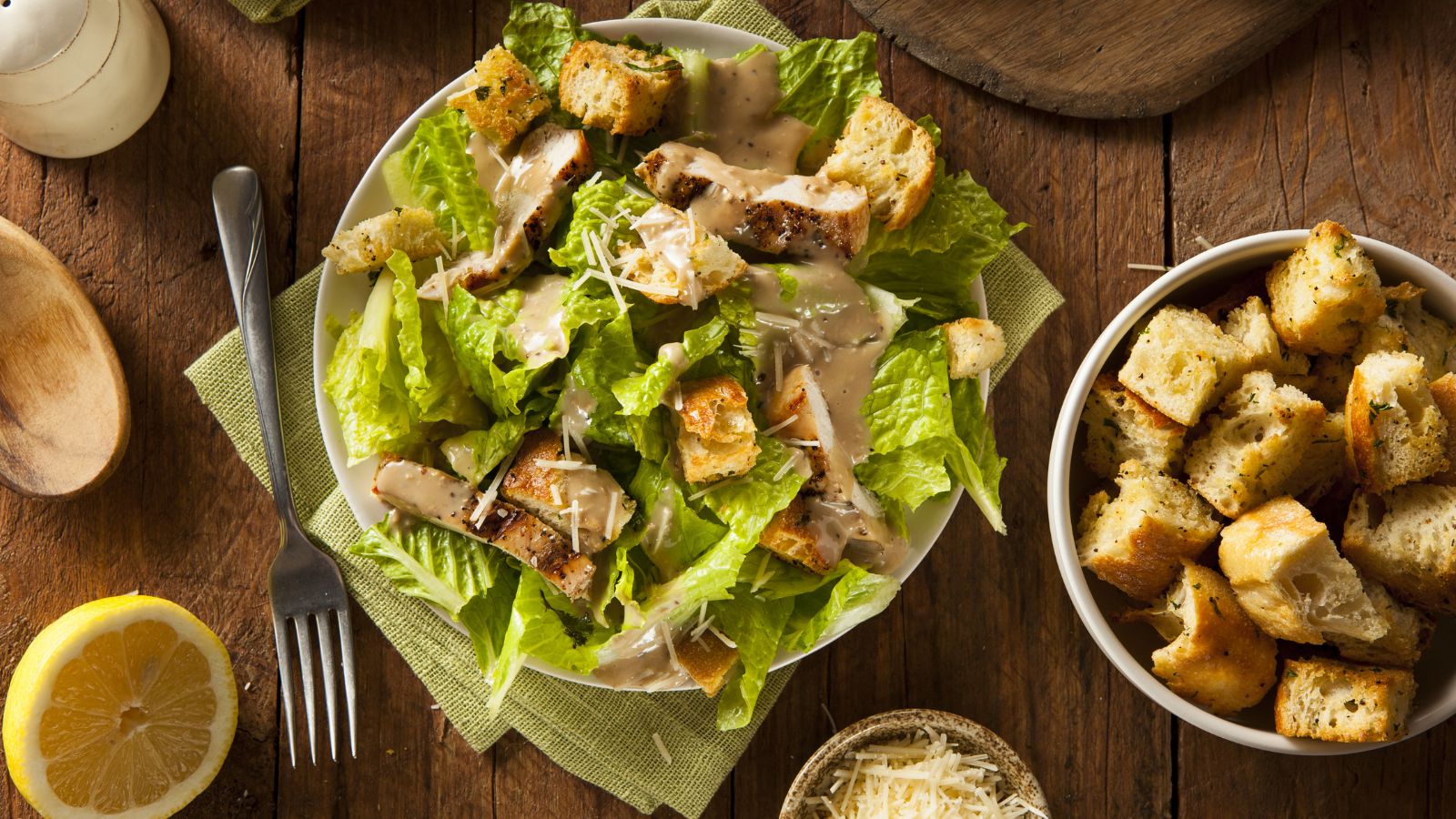
Lettuce and salad greens could become one of the most visible grocery swaps because shoppers buy them so often and notice quality changes immediately. For years, many Canadians accepted that winter and shoulder-season greens would come from the U.S., especially from California and Arizona. But greenhouse growth and broader sourcing are starting to chip away at that reflex. When bagged greens or lettuce heads become more expensive, or simply feel less dependable, people are much more open to trying a greenhouse-grown Canadian option.
This is also a category where replacement feels practical rather than ideological. Families do not need a speech to switch salad greens; they need freshness, reasonable pricing, and availability. Canadian greenhouse growers are in a better position than they were a decade ago to compete for that routine purchase. In 2026, Americans may still dominate part of the leafy-greens pipeline, but Canadian and non-U.S. suppliers could keep gaining ground. For shoppers, it may show up as a smaller change than switching cars or alcohol, but a more frequent one.
Strawberries and Other Berries
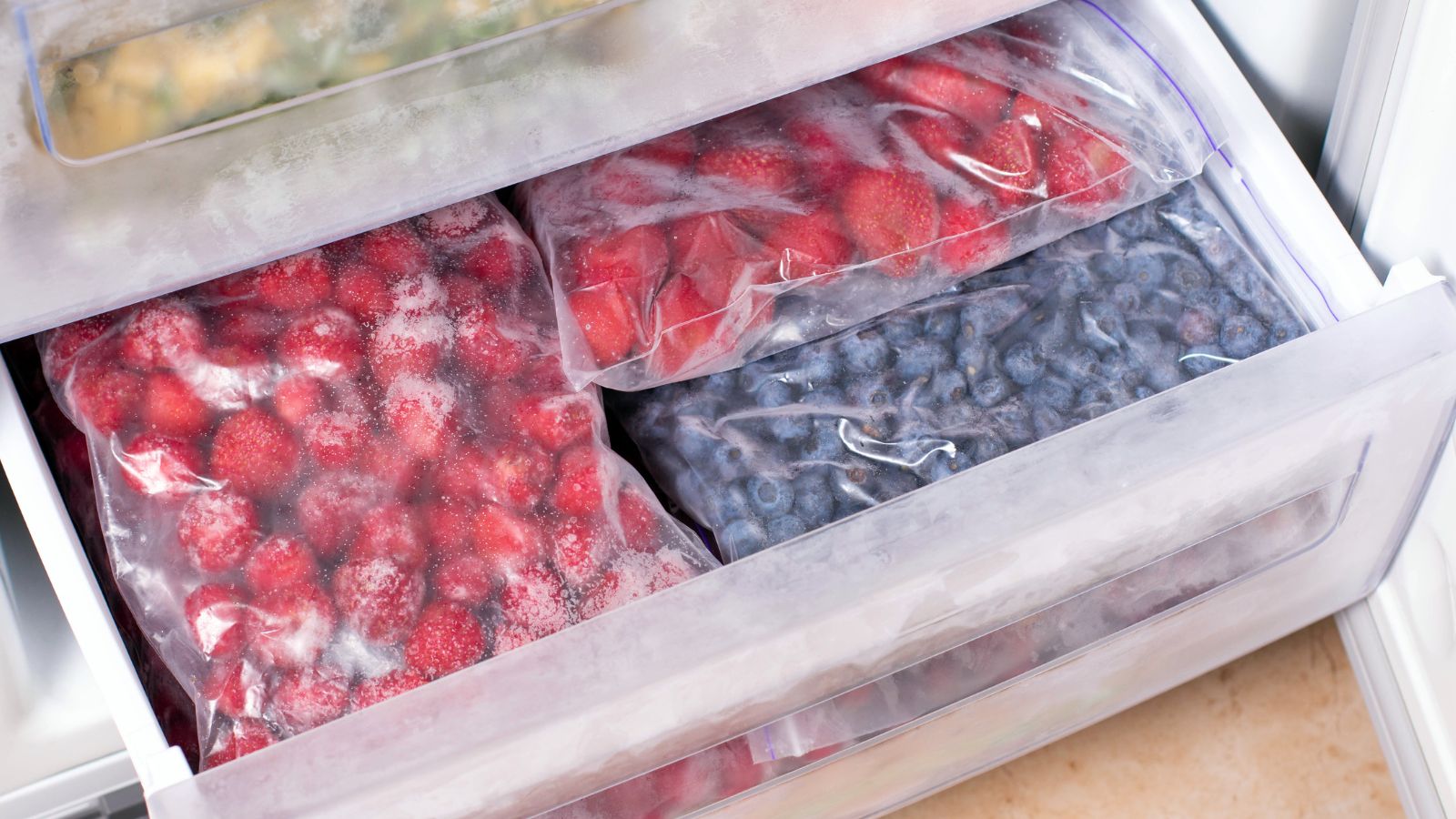
Berries are emotional purchases. They signal summer, lunchboxes, desserts, and healthy snacking, which makes origin matter more when people start paying attention. U.S. strawberries have long filled Canadian stores outside the peak local season, but berries are also one of the first places where shoppers happily pivot once domestic supply improves. A basket labeled from Ontario or British Columbia tends to carry a freshness story that imported berries struggle to match, especially when appearance and taste do not always line up.
In 2026, that could translate into more deliberate switching. Canadians may not replace American berries all year, but they may become quicker to do it whenever local harvests arrive or when imported fruit looks tired and overpriced. Blueberries and greenhouse-grown berries add to that flexibility. The end result is not a total rejection of U.S. produce, but a weaker grip on a category that once felt automatic. When a parent reaches for berries and pauses at the label, that tiny moment can reshape demand across an entire season.
Tomatoes, Peppers, and Cucumbers
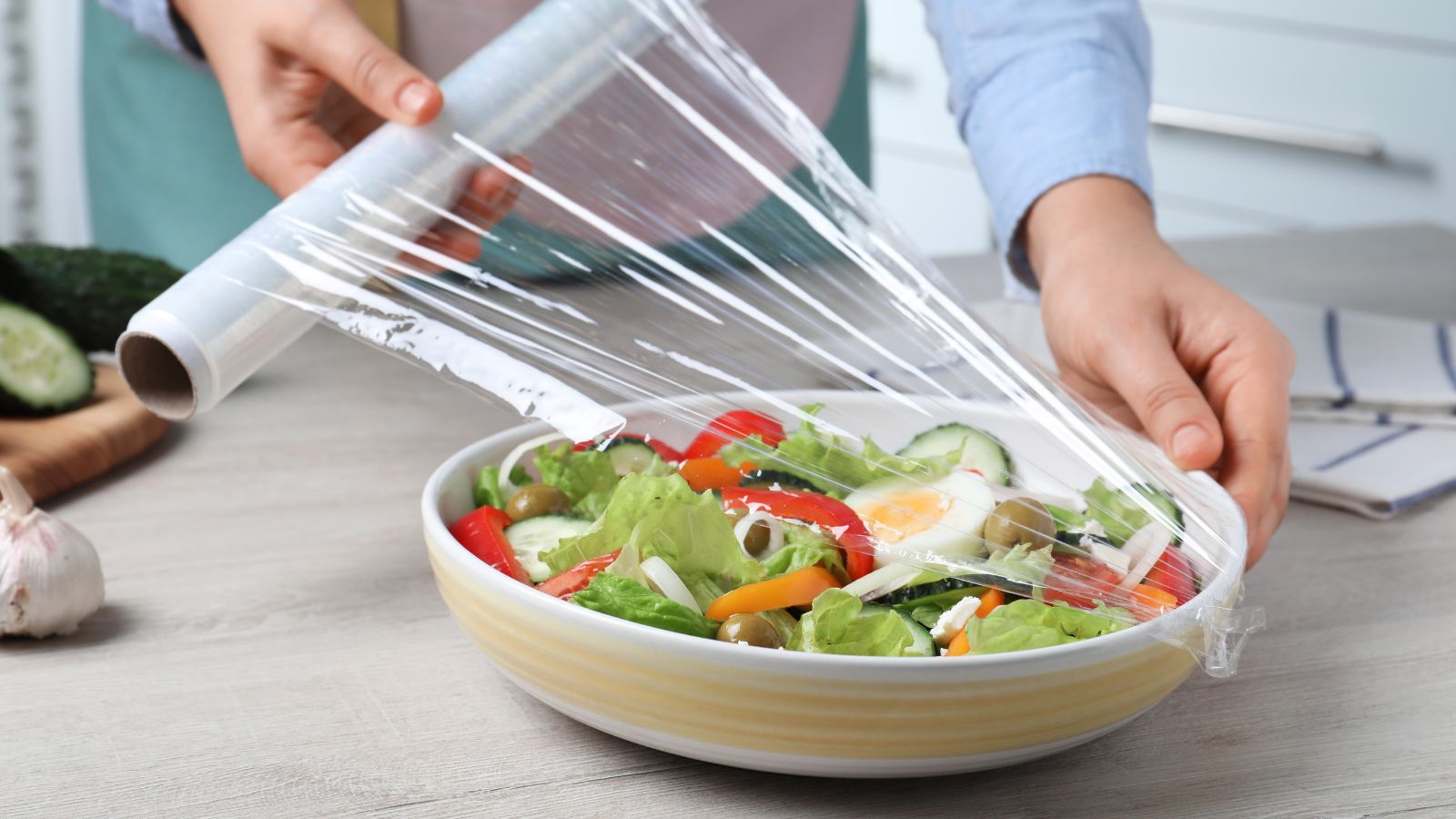
If there is a produce category where Canada has a serious domestic counterpunch, it is greenhouse vegetables. Tomatoes, peppers, and cucumbers are already deeply tied to Canadian greenhouse production, especially in Ontario. That does not eliminate imports, but it changes the balance. Shoppers have become more familiar with locally grown greenhouse vegetables as year-round staples rather than seasonal treats. Once that mindset takes hold, American produce has to compete not only on price, but on freshness and perceived reliability.
This is why 2026 could bring more substitution in this aisle. A shopper comparing two packs of tomatoes may not think in terms of trade strategy, but they may still favour the option that feels closer, fresher, or politically easier to justify. Retailers notice those choices quickly because these products move every day. When domestic greenhouse output is strong, imported U.S. vegetables can start to feel less necessary. Among grocery categories, this may be one of the most realistic and scalable examples of American products gradually being pushed aside.
Breakfast Cereal
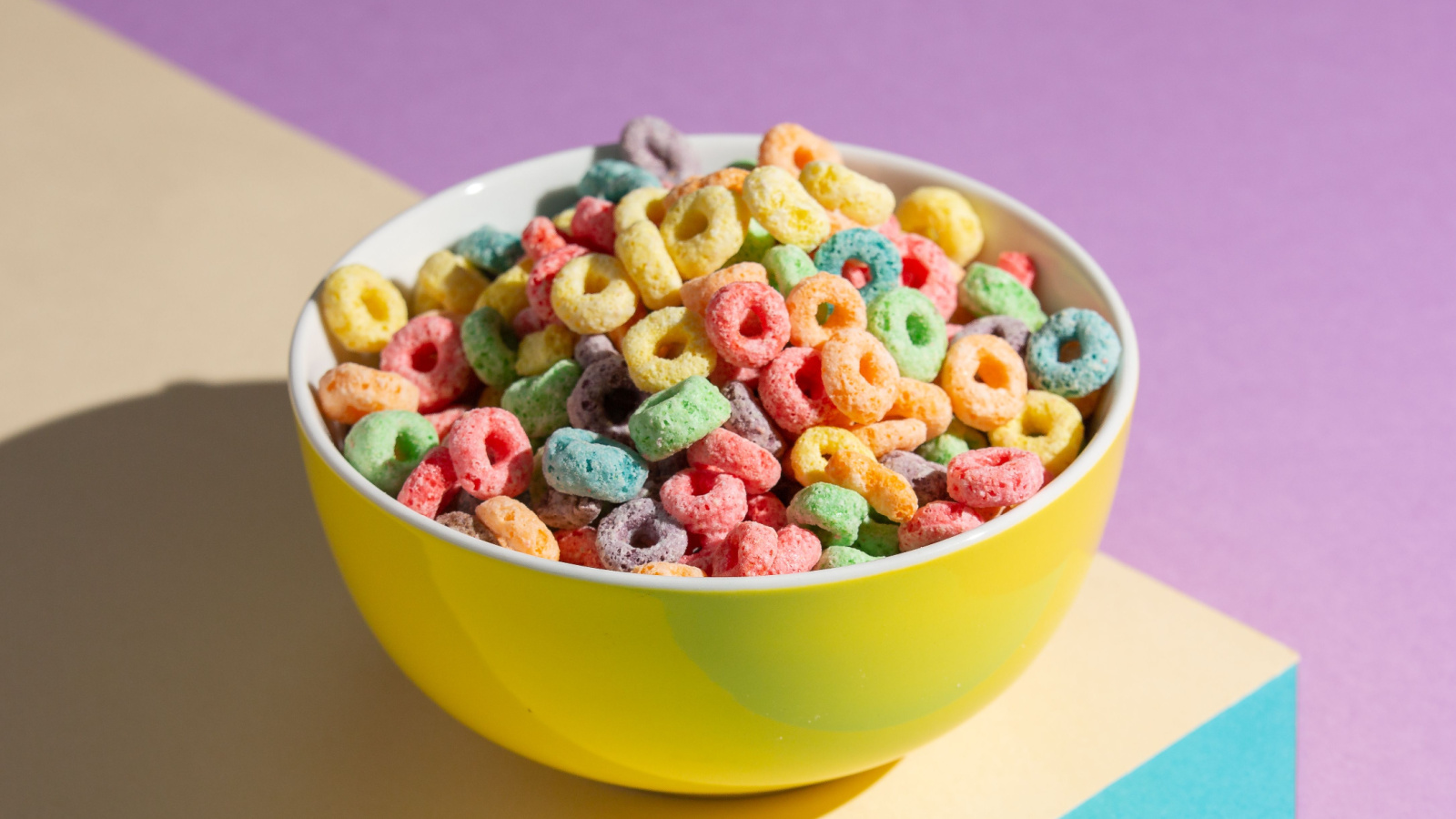
Breakfast cereal is one of those quietly massive categories where brand loyalty can look stronger than it really is. Many households buy the same boxes for years simply because the habit is easy. But cereal is also easy to substitute when prices climb or shoppers begin paying more attention to origin. Private labels, Canadian-made cereals, granola, oats, and less processed breakfast options all compete in the same morning routine. Once the default gets disrupted, it does not take much to change the basket.
That makes cereal vulnerable in 2026. A parent looking at a higher price tag on a familiar U.S. brand may decide that a Canadian option, a store brand, or a simpler breakfast does the job just as well. The category is also emotionally low-risk. Switching cereal does not feel like switching a car or changing pet food. It is a modest experiment, and modest experiments are where broader consumer shifts often begin. In a year defined by closer label-reading, cereal may become one of the easiest American staples to lose share.
Packaged Snacks
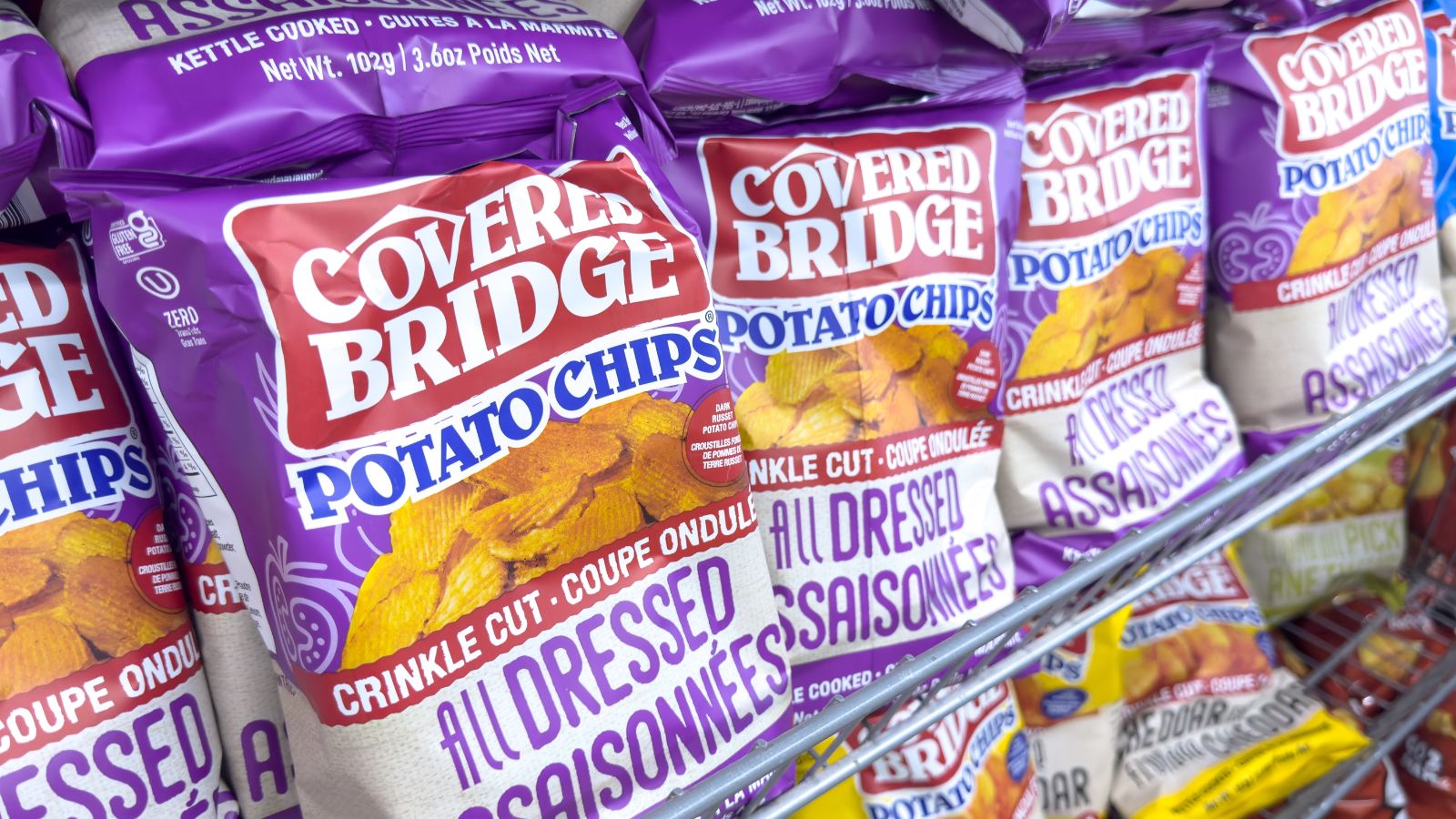
Packaged snacks may be among the easiest U.S. products for Canadians to replace because they sit at the intersection of impulse buying and weak loyalty. People often think they are loyal to a specific chip, cracker, or cookie, but many are really loyal to a craving, a format, or a flavour profile. If the American brand feels pricier or politically less appealing, the shopper often does not need much persuading to try a Canadian label, a private brand, or a non-U.S. alternative sitting right beside it.
That is why this category could shift without much drama. A family movie night does not collapse because one snack brand gets swapped out. In fact, these experiments often feel fun rather than sacrificial. Retailers also tend to have more flexibility here, using promotions and shelf placement to guide trial. In 2026, American snack makers may find that consumers who once bought by brand name are buying more by value and origin. When that happens, even a tiny hesitation in the snack aisle can become costly.
Condiments and Sauces

Condiments are deceptively important because they live in the fridge for weeks and become part of a household’s identity. Ketchup, barbecue sauce, hot sauce, mustard, and salad dressing all create repeat purchases, but they are also categories where country of origin is often less obvious than branding. That may start changing. Once shoppers begin checking where a sauce is actually made, some assumptions fall apart. A label that feels American may be produced in Canada, while another may not be.
That creates a more nuanced replacement story in 2026. For some households, “replacing a U.S. product” may mean switching brands outright. For others, it may simply mean keeping the same type of product but choosing one made domestically. Condiments are perfect for that kind of quiet recalibration because they are affordable, visible, and easy to compare. A barbecue host scanning the bottle before a summer cookout would have seemed unusual a few years ago. Now it feels increasingly normal, and that shift in attention could reshape the sauce aisle.
Toilet Paper and Paper Towels

Toilet paper and paper towels may not be exciting, but they are exactly the kind of basic household products where replacement can scale fast. These are repeat purchases with limited emotional attachment. When shoppers learn that Canada already has major domestic tissue manufacturing capacity, the logic of switching becomes much stronger. Unlike categories where replacement requires taste changes or performance risk, paper products feel simple. If the rolls are available, priced reasonably, and trusted, the origin label starts to matter more.
That could make 2026 a meaningful turning point for tissue products. A household that once grabbed whatever was on sale may increasingly choose the brand that feels more local or less exposed to cross-border tension. Because these goods are bulky, routine, and highly visible on store shelves, even small sourcing shifts show up quickly. There is also a psychological factor: replacing toilet paper is a low-effort way for a shopper to feel consistent with a broader “buy Canadian” mindset. Low-effort decisions are often the ones that stick.
Laundry Detergent
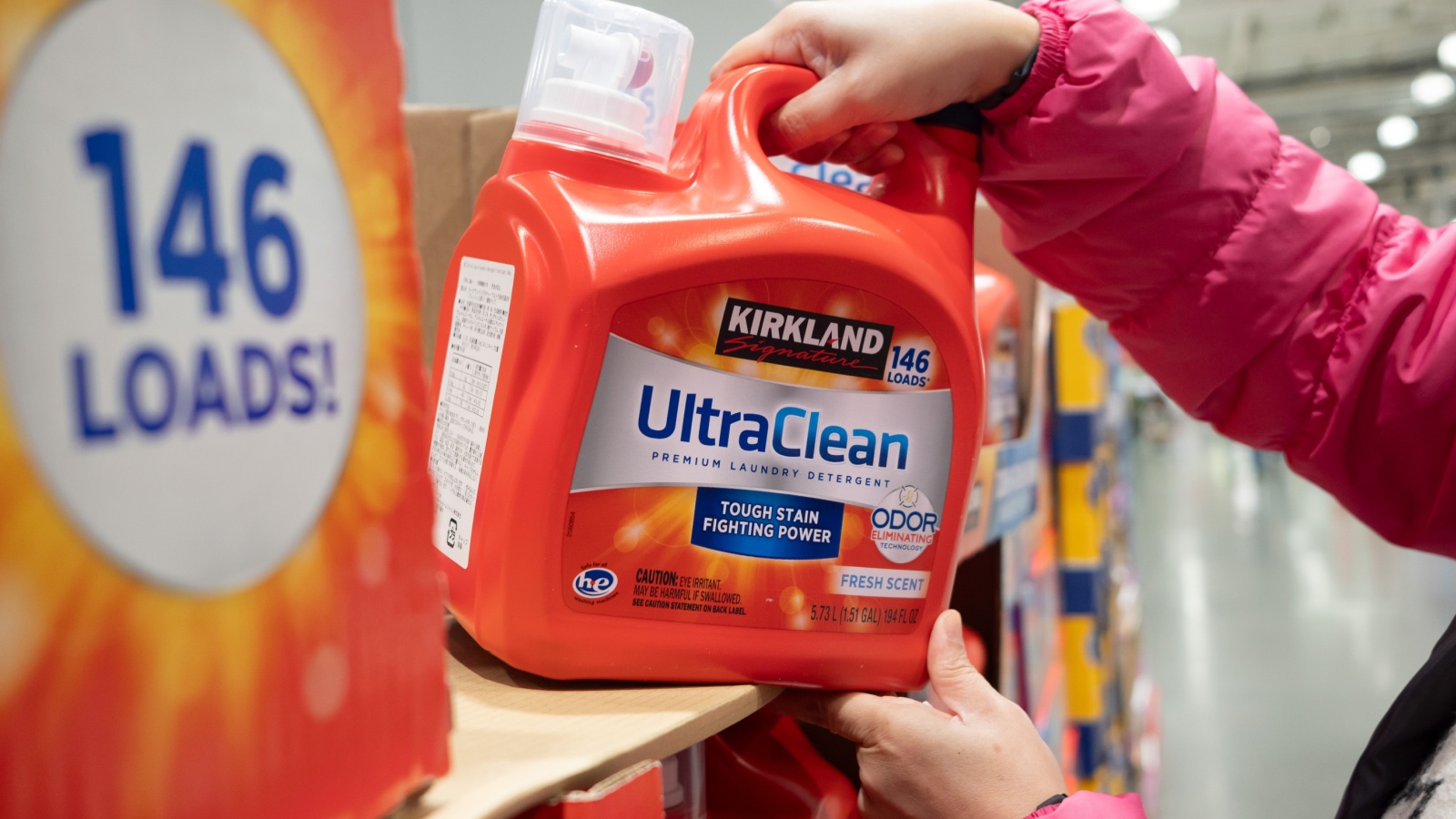
Laundry detergent is another category where brand habit can hide how replaceable the product really is. People often stick with one detergent because it smells familiar or seems safest for family laundry, not because they have compared every option closely. That means the category can change when consumers start reassessing costs or product origin. A higher price, a promotional push from a competing brand, or a stronger preference for Canadian-made goods can break routines that looked permanent from the outside.
In 2026, detergent may become one of those subtle but important household shifts. Shoppers who once reached automatically for a U.S.-linked brand may begin testing store labels, Canadian-made formulas, or non-U.S. imports. That does not mean every household will abandon its favourite detergent overnight. But routine products are where behavioural change becomes durable because they are purchased again and again. A single trial can turn into a year-long switch. For American brands, that kind of quiet attrition can be more damaging than a headline-grabbing boycott.
Soaps and Household Cleaners

Soaps and household cleaners sit in a broad category where the U.S. has long held a strong supply position, but these products are also highly substitutable. Hand soap, all-purpose cleaners, dish liquids, and bathroom sprays are rarely treated as sacred purchases. They are judged on practicality: smell, price, perceived effectiveness, and availability. That makes them vulnerable when shoppers begin caring more about country of origin or when retailers start spotlighting domestic alternatives more aggressively.
This category may also shift because consumers increasingly see the label as part of the purchase, not just the formula. A bottle under the sink once seemed anonymous; now it can feel like another small vote in a wider economic mood. That may sound symbolic, but symbolic purchases matter when they are repeated across millions of households. In 2026, U.S. soaps and cleaners may still be everywhere, yet they could face more erosion than expected because they live in an aisle where experimentation is cheap and loyalty is often overstated.
Pet Food and Treats
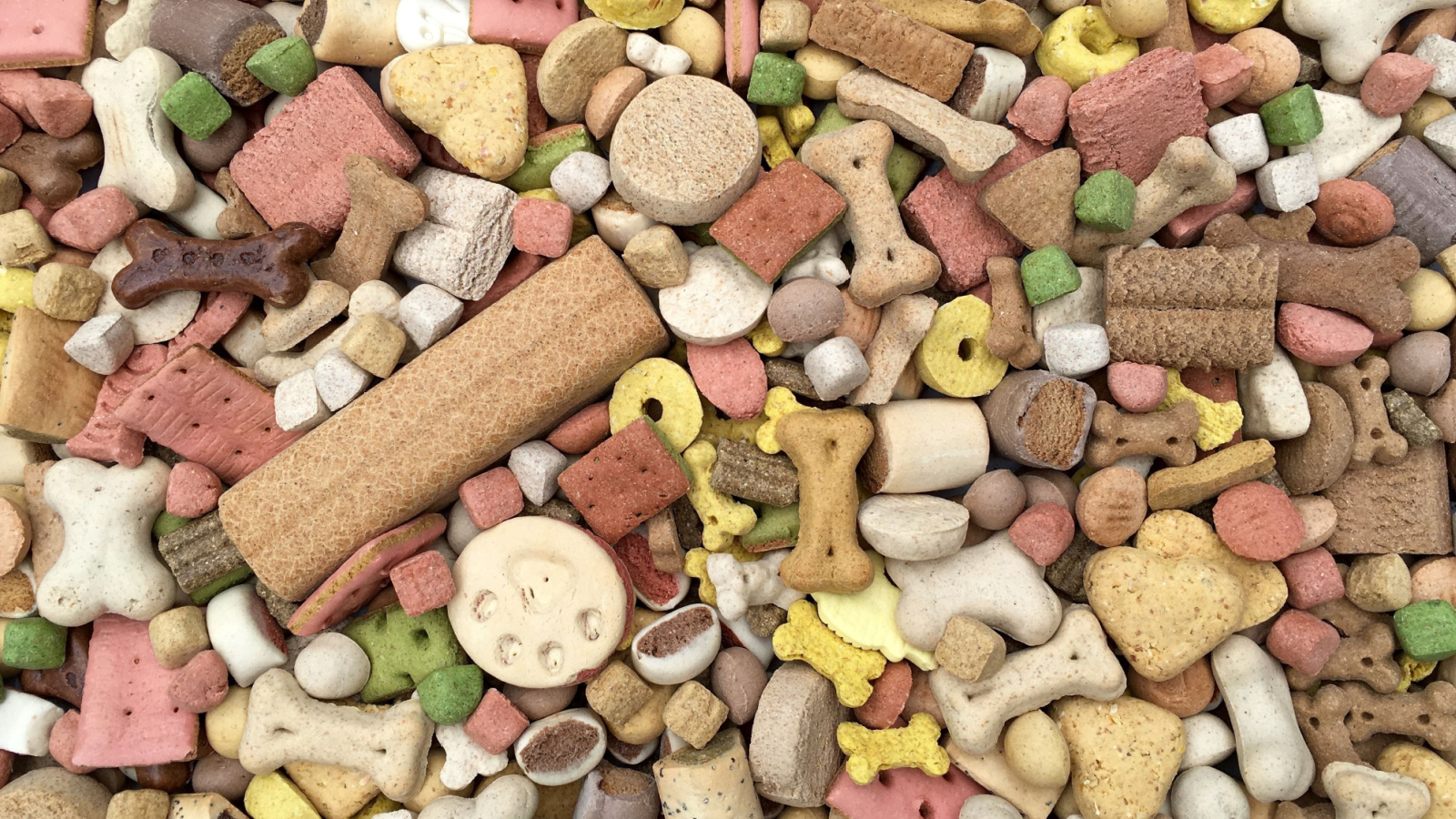
Pet food is one of the hardest categories to change, which is exactly why it matters. Canadian households spend heavily on dogs and cats, and most owners are cautious about altering diets that seem to work. Yet this is also a category where Canada has been highly dependent on imported U.S. supply. That dependence becomes more noticeable when origin and resilience enter the conversation. For many pet owners, the question in 2026 may no longer be whether they want to switch, but whether trustworthy alternatives are becoming easier to find.
If that happens, the replacement path could be gradual rather than dramatic. Owners may start with treats, toppers, or backup food rather than immediately changing a main diet. Over time, that can expand into broader trial. The emotional stakes are high here, so this is unlikely to be the fastest-moving swap on the list. But it may be one of the most important. When a category this dependent on U.S. imports starts opening up to domestic or non-U.S. options, it signals a deeper change in how consumers think about supply and choice.
Pickup Trucks

Pickup trucks are not impulse purchases, but they could still become part of the replacement story in 2026. Many Canadians have traditionally bought U.S.-built trucks without giving assembly location much thought. That changes when tariffs, pricing pressure, and supply-chain politics start affecting what lands on the lot and what it costs to finance. Suddenly, country of assembly matters in a way it did not during quieter trade periods. For truck buyers, even a modest increase in price can alter the shortlist.
This does not mean Canadians are about to stop buying pickups. It means some may begin replacing U.S.-built versions with alternatives assembled in Canada, Mexico, or elsewhere within a brand lineup. Others may hold onto older trucks longer, waiting for better clarity. The work-truck buyer and the suburban family buyer do not behave exactly the same, but both notice payment shock. In 2026, the replacement may not be emotional at all. It may simply be arithmetic, with U.S.-built trucks losing out when trade friction starts showing up in monthly costs.
Full-Size SUVs

Full-size SUVs may face a similar dynamic, though for a slightly different buyer. These vehicles often serve larger families, road-trip households, or buyers who want towing capacity without stepping fully into pickup-truck territory. They are already expensive purchases, which makes them especially sensitive to added cost. When prices rise in a high-payment category, shoppers become more flexible than expected. Loyalty weakens quickly once a monthly payment crosses into uncomfortable territory.
That is why 2026 could bring more substitution in this part of the market. Some buyers may shift toward non-U.S.-built SUVs, while others may size down or stretch the life of an existing vehicle. In practical terms, replacing a U.S. full-size SUV does not always mean abandoning the segment; it may mean rethinking where the vehicle is built and whether the premium still feels worth it. These are big, visible products, and big visible products become symbols fast. In a more origin-conscious market, that symbolism can affect showroom decisions.
U.S.-Made Electric Vehicles

Electric vehicles add another layer to the replacement story because incentives, politics, and brand perception all matter at once. For a while, some U.S.-made EVs carried a kind of technological prestige that made them feel like the obvious future-facing choice. But the EV market has become more crowded, more price-sensitive, and more policy-dependent. Once tariffs and affordability programs enter the picture, shoppers stop buying only on image. They begin comparing assembly origin, rebate eligibility, charging fit, and total monthly cost more closely.
That creates real pressure in 2026. A buyer who might once have defaulted to an American-made EV may now look harder at Korean, European, or non-U.S.-built alternatives. Even within the same budget, the value equation has changed. EV shoppers are often informed shoppers, and informed shoppers react quickly when policy changes affect the math. In that sense, U.S.-made EVs may become one of the most exposed categories on this list: still desirable to many, but no longer protected by novelty, hype, or automatic first-mover advantage.
19 Things Canadians Don’t Realize the CRA Can See About Their Online Income

Earning money online feels simple and informal for many Canadians. Freelancing, selling products, and digital services often start as side projects. The problem appears at tax time. Many people underestimate how much information the CRA can access. Online platforms, banks, and payment processors create detailed records automatically. These records do not disappear once money hits an account. Small gaps in reporting add up quickly.
Here are 19 things Canadians don’t realize the CRA can see about their online income.
