Fraud has not become more effective simply because there is more of it. It has become more convincing because scam messages now borrow the tone, timing, and design cues of everyday digital life. A fake alert can look like a routine bank text. A bogus store can feel like a normal social ad. Even a stranger can sound familiar when voice cloning and polished scripts enter the picture.
That is what makes these 16 online scams especially dangerous in 2026. They do not rely on obvious spelling mistakes or crude threats as often as they once did. Instead, they copy trusted brands, real workflows, and ordinary habits, turning quick reactions into expensive mistakes.
Voice-Cloned Family Emergencies
One of the most unsettling scams now begins with a voice that sounds real enough to silence doubt. Instead of a generic caller claiming a loved one is in trouble, scammers can now use voice-cloning tools to mimic a relative, coworker, or manager well enough to trigger panic before reason catches up. The emotional structure is always the same: there is an accident, an arrest, a hospital problem, or a missed flight, and money has to move immediately. What makes the scam more convincing in 2026 is not only the synthetic audio itself, but how easily it can be paired with spoofed caller ID and personal details lifted from social media.
The danger is not just technical sophistication; it is emotional precision. A scammer no longer needs a perfect fake. A few believable seconds, delivered at the right moment, can do the work. That is why these calls often push secrecy, urgency, and unusual payment methods. Once fear takes over, people stop asking the questions they would normally ask. The call feels personal, which is exactly the point. The scam succeeds by collapsing the small pause that used to protect people from acting too fast.
Bank Fraud Alerts That Lead to “Safe Account” Transfers
Many people have learned to watch for suspicious charges, which is exactly why fake fraud alerts work so well. A text arrives about a purchase that never happened, or a caller claiming to be from the bank offers help with a “frozen” card, a risky wire, or a login attempt from another state. In 2026, these scams feel more believable because they imitate the real rhythm of fraud prevention: brief alerts, yes-or-no prompts, verification steps, and escalation to a “specialist.” What looks like protection is really social engineering designed to get the victim talking, confirming details, or moving money.
The most costly version often comes after the first warning. Once contact is made, the scammer explains that funds must be transferred to a safer account, converted to cash, or moved through a Bitcoin ATM to stop theft. That instruction sounds absurd in hindsight, but in the moment it is delivered as a temporary security procedure. The language of “protection” is what makes it effective. Real fraud departments do ask questions and do lock accounts, so the scam piggybacks on familiar behavior. It turns sensible caution into cooperation, which is why so many people still get pulled in.
Package Delivery Texts and Redelivery Fee Pages
Package scams thrive because they hide inside ordinary inconvenience. A text says there is a delivery problem, an address issue, or a missed drop-off. The fee requested is usually tiny, which lowers suspicion: a dollar here, a few dollars there, just enough to feel routine. That small amount is not the real goal. The real prize is card data, identity details, or login information collected through a site that mimics a major shipping brand closely enough to pass a quick glance. When shopping volumes are high, these messages blend into the background of legitimate order updates.
What makes the scam more convincing in 2026 is how well it matches modern buying habits. People now expect multiple delivery texts for a single order, especially around holidays or big sale periods. A fake notice no longer feels unusual; it feels annoying, which is much more dangerous. Many victims click simply to clear the problem and get on with the day. That low-friction mindset gives scammers an advantage. A fake USPS-style page with polished branding and a plausible delay notice can feel more like a customer-service nuisance than an attack, and that is exactly why it works.
Unpaid Toll and Traffic Ticket Smishing
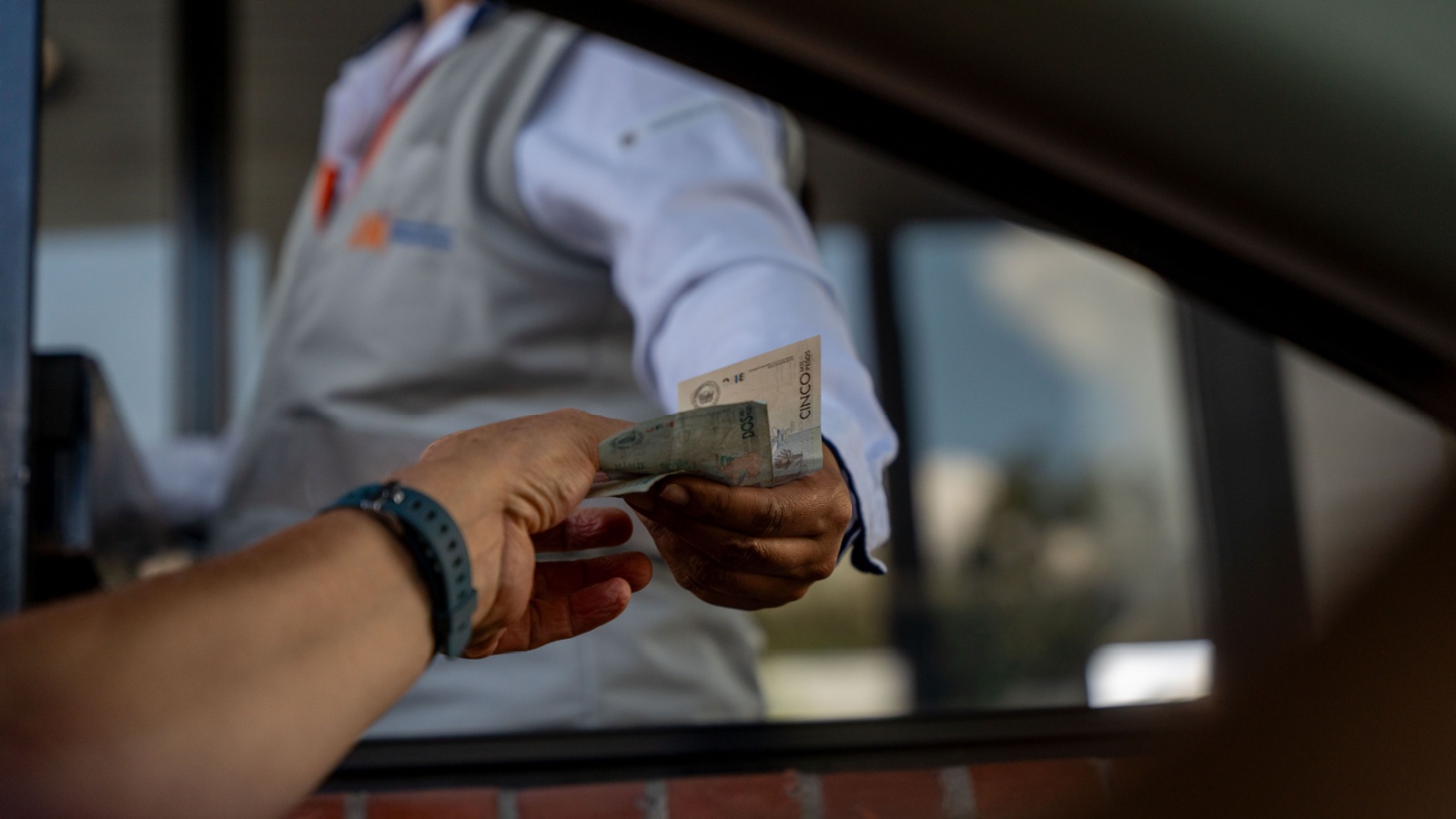
Few scams have benefited more from digital convenience than fake toll and traffic notices. They arrive as a text that claims a small balance is overdue and warns that penalties, registration holds, or license issues will follow if payment is not made immediately. In 2026, the message often looks like a standard civic notice rather than a crude scam. It may include an agency-style name, a realistic deadline, or a link built to resemble a transportation portal. Because the amount demanded is usually modest, the instinct is often to pay first and double-check later.
The scam’s strength lies in how well it exploits modern road systems and mobile billing habits. Many drivers genuinely do pay tolls online and may not remember every route, fee, or camera zone they passed. That uncertainty gives the scam room to breathe. Recent versions have also expanded beyond tolls into fake traffic hearing notices and overdue ticket warnings, which add a legal tone that can rattle even cautious people. The text is not trying to tell a big story. It is trying to create a tiny moment of compliance, and sometimes that is all it needs.
Random Job Offer Texts From “Recruiters”

Unexpected job offers used to feel suspicious on arrival. Now they are often dressed in the language of recruiting culture: flexible schedule, remote role, fast onboarding, immediate openings, and a recognizable company name. A message may claim to come from a recruiter who found a profile online or wants to move quickly before a role closes. In a shaky labor market, that pitch does not sound absurd. It sounds plausible. That is what makes recruiter-text scams more persuasive in 2026. They borrow the tone of legitimate hiring while leaning on speed and convenience to bypass scrutiny.
The contact usually nudges the target toward a link, a reply, or a request for personal information before any real screening happens. That is the giveaway, but it often appears only after the scam has already built credibility. The message may reference part-time work, hybrid tasks, or salary ranges high enough to feel exciting but not impossible. That middle ground is important. A scam that sounds too good to be true is easy to dismiss; one that sounds just good enough is harder to shake. The result is a fraud format that feels less like spam and more like an opportunity someone would hate to miss.
Task Scams That Mimic Gamified Remote Work

Task scams are some of the clearest examples of how fraud now borrows from app design. The “job” usually involves repetitive online actions such as rating products, liking content, clicking through items, or boosting app visibility. A dashboard shows commissions adding up, levels unlocking, and bonuses appearing at exactly the right moments to keep the target engaged. That is why the scam feels so convincing in 2026: it does not just promise money, it simulates progress. The victim is not told to believe in a fantasy all at once. The system gradually trains belief through fake earnings and small early payouts.
The trap closes when the platform claims more money must be deposited to finish a task set or release accumulated earnings. By then, the scam no longer feels like a stranger’s proposition. It feels like a nearly completed process. That is a powerful psychological shift. Many victims describe wanting to recover what they think is already theirs, which is why they keep paying. Group chats, fake success stories, and “customer support” inside the platform add even more pressure. It is a scam wrapped in the logic of gaming, productivity apps, and performance dashboards, which makes it feel unnervingly current.
Romance Scams With Carefully Built Personas

Romance scams have become more convincing not because the underlying script changed, but because the presentation did. Profiles are cleaner, chats are more patient, and the emotional pacing is often more believable than it used to be. Instead of rushing too quickly into declarations of love, many scammers now mirror real online intimacy: frequent check-ins, selective vulnerability, and long conversations that make the connection feel earned. By 2026, that patience can make a fake persona harder to spot than a clumsy profile packed with obvious red flags.
The money ask also arrives in more polished ways. Some scammers still invent a medical crisis, travel emergency, or family problem. Others pivot into investment talk after trust is built, presenting financial advice as care rather than pressure. That blend of affection and opportunity is especially effective because it flatters the victim twice: once emotionally and once financially. The person on the other end does not sound like a hustler; they sound attentive, ambitious, and supportive. The scam survives because it is built around human hope, and hope is much harder to fact-check than a suspicious URL.
“Wrong Number” Chats That Drift Into Fake Investments

The wrong-number scam is deceptively simple. A stranger texts something meant for someone else, then apologizes and keeps chatting. The opening feels accidental, almost charming, which is why it slips past defenses that would reject a direct sales pitch. What makes it more convincing in 2026 is the casualness. There is no urgent threat, no bold demand, no official-looking warning. The relationship develops sideways. The scammer builds familiarity before introducing wealth, routine success, or an investment platform that supposedly changed their life.
That slow shift is what catches people off guard. The target does not feel marketed to at first; the conversation seems spontaneous. But once the social bond is in place, the scammer begins offering advice, screenshots of fake returns, or a chance to “learn” instead of simply invest. That framing matters. Teaching sounds safer than selling. By the time money moves, the victim may believe the interaction grew naturally from a mistaken text into a friendship. In reality, the wrong number was often the whole strategy. The scam works because it hides the beginning of the pitch inside a moment most people would never classify as fraud.
Celebrity-Endorsed Money-Making Ads and Deepfake Testimonials
Celebrity scams used to rely on crude impersonation. Now they often arrive as polished ads featuring familiar faces, clean editing, and testimonials that appear lifted from mainstream marketing. A well-known name, influencer, or public figure is shown endorsing a product, investment program, or side-income scheme. In some cases, the audio and video have been altered enough to feel authentic at scrolling speed, which is all a scam needs. By 2026, deepfake-style promotion does not have to be perfect; it only has to survive a few distracted seconds in a feed.
This format is especially effective because it hijacks borrowed trust. People do not investigate every ad with the same rigor they would apply to a bank email. If the page looks modern and the face is recognizable, suspicion drops. Money-making offers are particularly vulnerable because they are designed to trigger aspiration as much as caution. A fake endorsement attached to cookware or supplements can be costly, but a fake endorsement attached to an investment or coaching scheme can be devastating. The scam combines platform aesthetics, influencer culture, and synthetic media into something that feels far more native to the internet than old-school fraud ever did.
Social Media Storefronts and Fake Brand Discount Sites
Online shopping scams now look less like suspicious corners of the web and more like ordinary retail. The hook is usually a targeted ad, a viral clip, or a promoted post offering a steep discount on something familiar: clothing, electronics, cosmetics, hobby gear, even pet supplies. In 2026, the fake store no longer has to look amateurish. It can load quickly, use clean product photography, show fake reviews, and mimic the layout of legitimate direct-to-consumer brands. A shopper may feel only mild uncertainty, not alarm, which is often enough for the scam to win.
The social ad environment makes that easier. People have grown used to buying from brands they first discover in feeds, so novelty itself no longer feels suspicious. That is why fake sale pages tied to known brands can perform so well. A closing sale, warehouse clear-out, or “today only” event creates urgency while keeping the story grounded in something shoppers have seen before. Many victims do not realize anything is wrong until a receipt shows a strange merchant name or a package never appears. The scam feels convincing because it speaks the internet’s native language: limited-time deals, frictionless checkout, and impulse buying.
Rental Listings Copied From Real Homes
Rental scams have become sharper because they often start with something real. A legitimate home listing is copied, the contact information is changed, and the fake version is reposted elsewhere with an attractive rent or a friendly backstory. In some cases, the home is actually for sale, not for rent, which makes the photos and details look credible while the offer itself is fictional. In 2026, that borrowed realism gives the scam a major advantage. The listing is not obviously fake because large parts of it are genuine.
The pressure comes next. The supposed landlord says demand is high, asks for a deposit to hold the place, or requests sensitive information before a proper viewing ever happens. Some scams even use self-tour instructions or lockbox access copied from real property workflows, which adds another layer of believability. For renters in competitive markets, especially younger adults searching through Facebook groups or marketplace-style platforms, that urgency can feel normal. The scam succeeds by impersonating scarcity as much as authority. It does not just promise housing; it recreates the stress of real housing hunts, where acting quickly can seem like the only way to win.
Fake Customer Support Numbers Hidden in Search Results
Search engines trained people to believe that official help is only a query away. Scammers understand that instinct and use it by planting fake customer support numbers where frustrated users are likely to click first. Someone locked out of an account, dealing with a refund issue, or trying to cancel a service may search in a hurry and land on fraudulent contact information that looks completely routine. In 2026, this scam feels especially convincing because the victim is already in problem-solving mode. The question is not whether help exists, but how fast it can be reached.
Once the call begins, the scammer often sounds more prepared than a real support agent. They know the brand being impersonated, understand common complaints, and move confidently through a script built to sound procedural. Then comes the trap: wire money, send gift cards, share personal information, or hand over remote access. The fake representative is not trying to create drama. They are trying to convert frustration into obedience. That is why this scam remains so effective. It appears precisely when someone is searching for a trusted authority and least likely to notice that the authority was manufactured.
Security Pop-Ups and Phony Subscription Renewal Notices
A loud security warning on a screen can still trigger instant panic, especially when it looks like it came from Microsoft, Apple, or another familiar brand. Fake pop-ups warn of malware, account compromise, or device failure, then display a phone number to call immediately. Subscription renewal scams use a similar playbook in email form, claiming that a service the recipient never purchased is about to auto-renew for hundreds of dollars. In both cases, the goal is the same: make the target feel there is a technical or billing emergency that must be fixed right now.
What makes these scams more believable in 2026 is how closely they mimic real software language and support behavior. The message may use the right logos, a plausible invoice amount, and a support tone that sounds oddly normal. Once the target makes contact, the scammer pushes for remote access or stages a fake refund error that supposedly has to be corrected. That allows the fraud to move from digital warning to live manipulation. It is not just a fake notice anymore; it becomes a guided performance. The scam works because it takes familiar consumer anxieties and turns them into a scripted transaction.
QR Codes That Route to Spoofed Payment or Login Pages
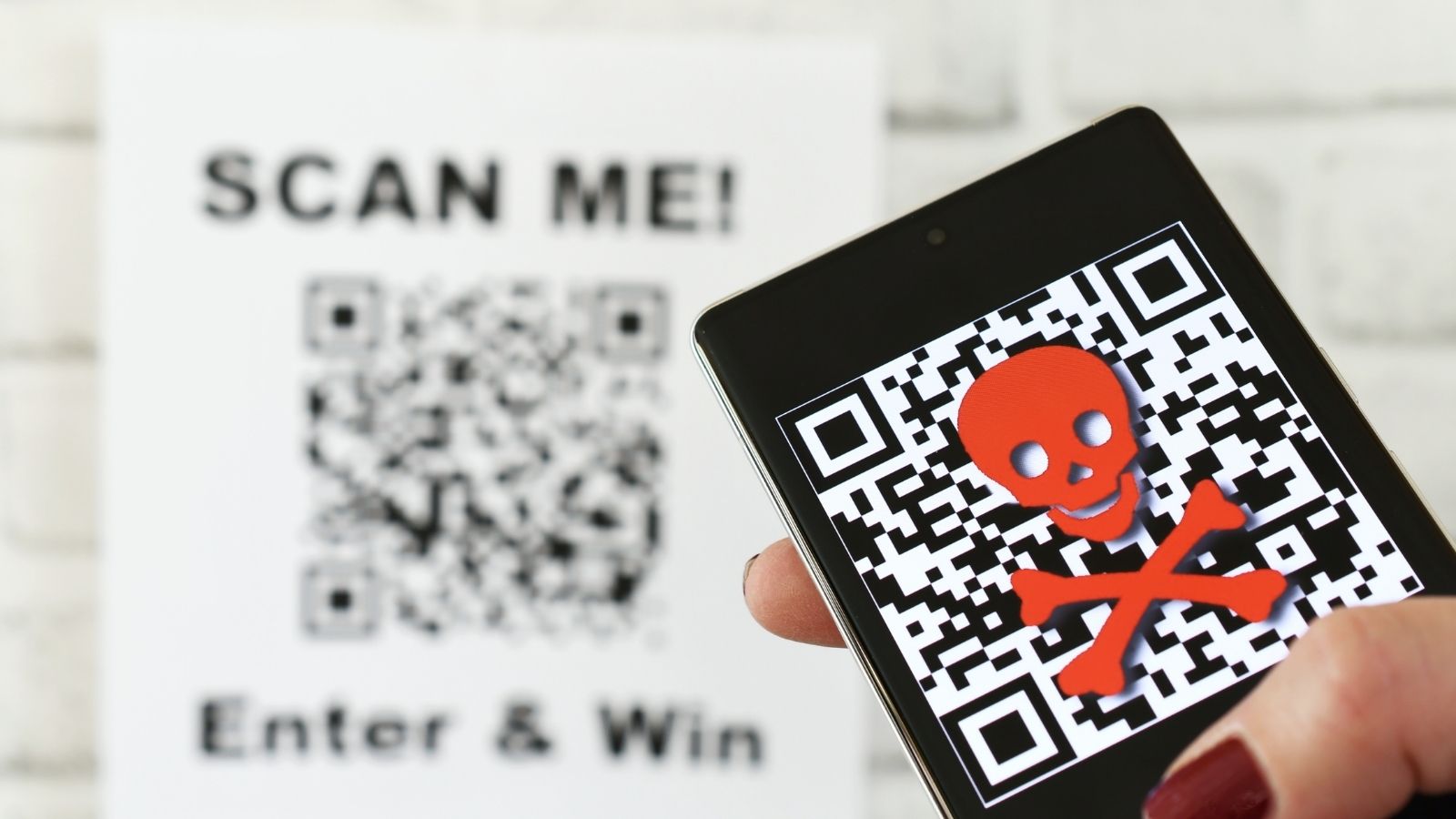
QR codes gained trust by becoming ordinary. They open menus, board flights, confirm tickets, start payments, and connect devices. That widespread use is exactly why QR scams feel more convincing in 2026. A malicious code no longer looks inherently suspicious because scanning has become muscle memory. The attack might arrive in a printed notice, a parking sign, an email, or a text that suggests a quick scan is the easiest way to resolve a billing issue. That convenience is the lure. The code feels like a shortcut, not a risk.
Once scanned, the victim may land on a spoofed site that looks real enough to capture card details, login credentials, or account information. In some cases, the scan can also trigger malicious downloads or route the user into a payment workflow that is difficult to unwind. The real trick is that the visual simplicity of a QR code hides the destination. People can inspect a suspicious link when they see it, but they cannot read a square of pixels at a glance. That makes QR-based fraud especially suited to a fast, mobile world where trust is often granted before a URL ever appears.
Bitcoin ATM and Crypto “Protection” Scams

Crypto scams have matured into a broader fraud ecosystem, and one of the clearest examples is the Bitcoin ATM trap. A scammer claims money is at risk, a government issue must be resolved, or a security procedure has to be completed. Then the victim is told to withdraw cash and deposit it into a Bitcoin ATM using a QR code. In 2026, this still works because the machine itself looks tangible and official. It creates the illusion of a legitimate financial process even when the underlying story is absurd.
A second layer often follows: recovery scams targeting people who already lost money. Someone claiming to be a specialist, investigator, or fund-recovery service promises to trace the crypto or unlock frozen proceeds for an upfront fee. That promise can be irresistible to a victim who wants a way back. But it is often just another theft built on desperation. The wider pattern is clear: crypto scams succeed when they look procedural rather than speculative. Once the language shifts from “investment opportunity” to “security step” or “recovery service,” many people lower their guard instead of raising it.
Tax Refund Phishing and IRS Impersonation
Tax scams work because they arrive during a season when official-looking messages are expected. A text or email about a refund, verification issue, or tax account problem lands in an atmosphere already filled with deadlines, notices, and financial anxiety. In 2026, these scams look more convincing because they often use the visual style of government communication and may lean on QR codes, social media impersonation, or spoofed email language that feels administratively dull rather than dramatic. That bureaucratic tone can be surprisingly persuasive.
The most effective versions do not always demand money immediately. Some ask for login credentials, Social Security numbers, or account verification details under the pretense of releasing a refund faster or solving a filing problem. That makes the request feel procedural instead of predatory. The IRS has repeatedly warned that it generally initiates contact by mail first and does not send unexpected texts, emails, or social media direct messages asking people to click links or claim refunds. But scammers know that tax season lowers resistance to official language. A message that feels routine can do more damage than one that feels threatening.
19 Things Canadians Don’t Realize the CRA Can See About Their Online Income

Earning money online feels simple and informal for many Canadians. Freelancing, selling products, and digital services often start as side projects. The problem appears at tax time. Many people underestimate how much information the CRA can access. Online platforms, banks, and payment processors create detailed records automatically. These records do not disappear once money hits an account. Small gaps in reporting add up quickly.
Here are 19 things Canadians don’t realize the CRA can see about their online income.
