A logo, a tracking number, a warning banner, and a deadline can make almost any message feel legitimate. That is exactly why impersonation scams have become so effective: the most believable fakes now borrow the tone, formatting, and routine friction of real institutions. A bank really does send fraud alerts. A tax agency really does mail notices. A streaming service really does flag payment problems. The line between normal and dangerous has become thinner.
These 15 message types stand out because they mimic everyday communication people already expect to receive. Some lean on panic, others on convenience, and many on the simple fact that modern inboxes and text threads are already crowded with automated notices. The result is a category of scams that no longer has to look sloppy to work.
Package Delivery Problem Texts

Package scams work because they blend into modern life almost perfectly. Most households order often enough that a text about a missed delivery feels plausible before it even feels suspicious. The fake message usually claims there is a minor issue — an incomplete address, a small redelivery fee, a customs hold, or a request to confirm a ZIP code. That tiny inconvenience is the genius of it. A huge threat would raise eyebrows, but a routine delivery hiccup feels like the kind of thing people fix in ten seconds between meetings or while standing in line at a store.
What makes these messages especially dangerous is how well they imitate the rhythm of legitimate shipping updates. They often arrive at the right time of day, use familiar carrier names, and sound like automated systems instead of obvious con artists. In many cases, the link leads to a page designed to look like a real postal or courier site, complete with tracking language and branded colors. A scam that once looked clumsy now looks like customer service, which is exactly why delivery texts remain one of the easiest “official” messages for criminals to copy.
Bank Fraud Alerts
Few messages trigger faster reactions than a bank warning that a charge looks suspicious. That sense of urgency is powerful because the real versions are meant to provoke immediate attention. A legitimate fraud alert can save an account from damage, so people are trained to respond quickly. Scammers exploit that conditioning by sending polished texts or emails that ask for a tap, a reply, or a quick phone call to “verify activity.” The wording is often concise and corporate, the kind of language customers have seen from financial institutions for years.
The emotional pressure is what makes this category so effective. No one wants to ignore possible fraud, and scammers know that fear can outrun caution. Some fake alerts mention a purchase in another state, while others say a debit card has been locked or that an account will be frozen pending confirmation. The message often creates a false choice: act now, or risk losing access to money. Because real banks do use automated security messaging, the scam does not have to invent a strange scenario. It only has to look familiar enough to borrow the trust that banks spent years building.
Unpaid Toll Notices
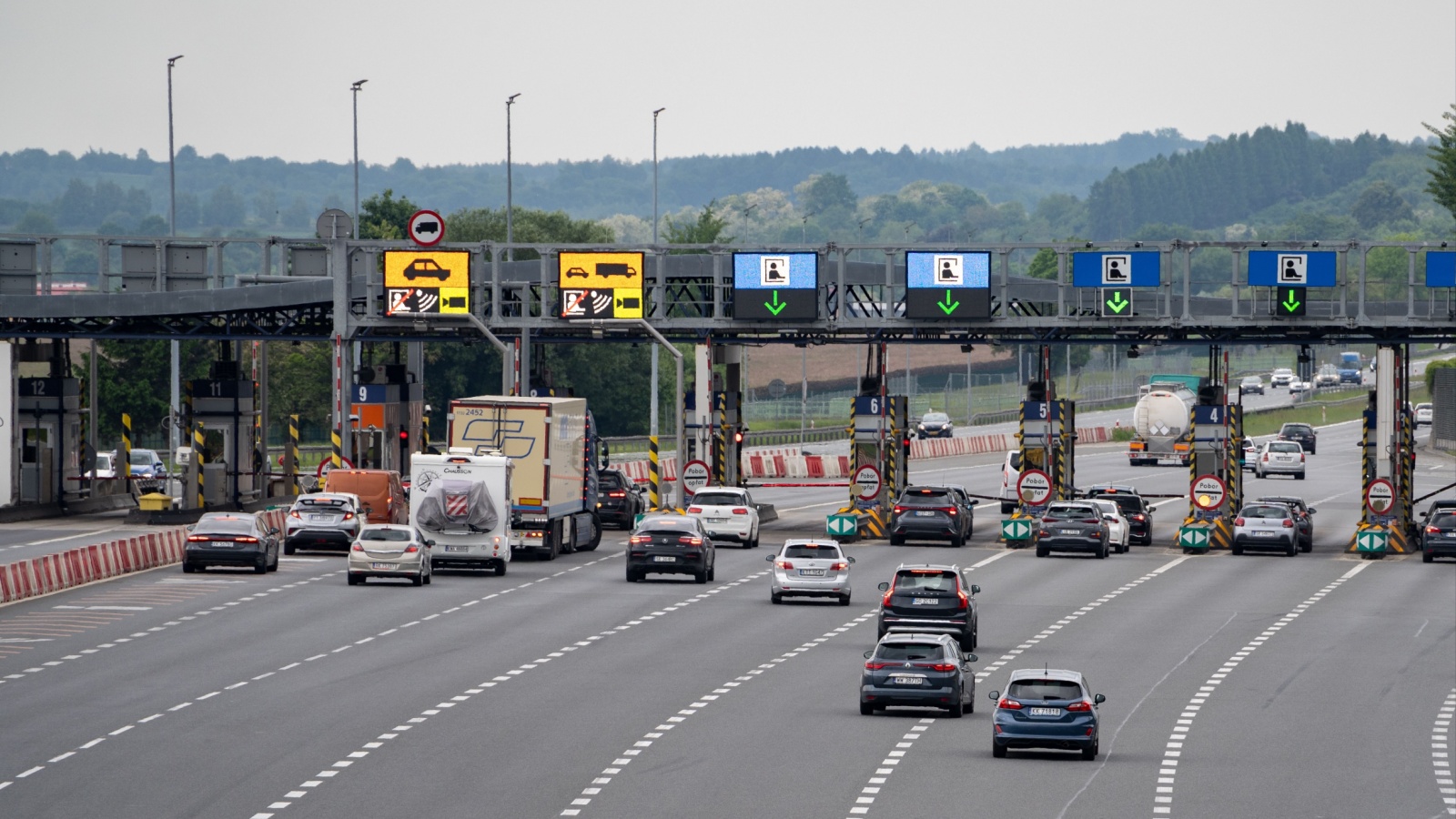
Toll scams have become unusually convincing because they imitate a very mundane kind of debt. A small unpaid toll feels believable, forgettable, and just annoying enough to settle quickly. That is why these texts often demand only a modest amount, then tack on warnings about penalties, late fees, or administrative costs. The low dollar figure lowers defenses. Many people do not remember every toll road, lane, bridge, or rental car charge they have encountered, so a notice about an overdue amount can feel plausible even when it lands out of the blue.
These messages also succeed because they have become geographically smarter. They use the names of real tolling systems, borrow agency-style language, and threaten consequences that sound bureaucratic rather than theatrical. Instead of shouting, they posture like paperwork. The recipient is told to avoid a fee escalation, protect registration status, or resolve the matter before enforcement action begins. That tone matters. It sounds less like a scammer asking for money and more like a routine back-office collection notice. In the smartphone era, that sort of institutional dryness can be more persuasive than any dramatic pitch.
DMV or Traffic Ticket Warnings

A fake traffic ticket message lands with the force of instant stress because it suggests consequences that are both expensive and inconvenient. License suspension, registration problems, added fees, court action, and credit damage are all credible fears. Scammers package those fears into messages that look administrative rather than aggressive. Some even reference databases, hearing notices, or violation records, which gives the impression that the recipient is already inside a formal system. That bureaucratic texture is often enough to make people wonder whether a forgotten parking infraction or camera ticket finally caught up with them.
The newer versions are especially effective because they build on the success of toll scams and push the script one step further. Instead of a simple unpaid amount, they frame the issue as a compliance problem with a government agency. That sounds more official and more urgent. The message may include a deadline only hours away, a payment link, and a warning that failure to act will trigger suspension or prosecution. It is a powerful combination: small enough to pay quickly, serious enough to scare, and polished enough to resemble a state notice. That is how a fake DMV text turns panic into a click.
IRS Tax Notices
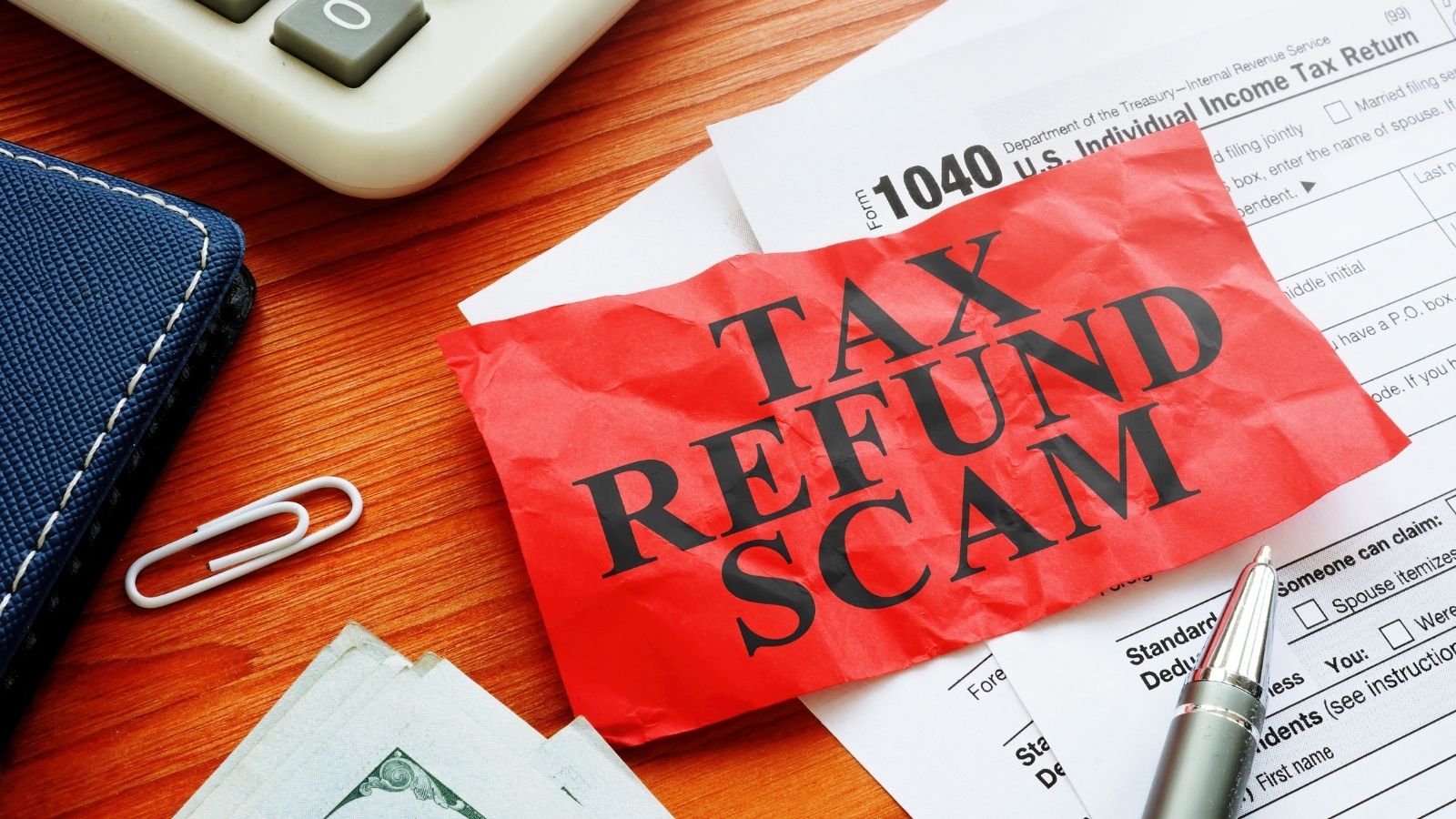
Tax scams are effective for the same reason tax season is stressful: most people assume the rules are complicated and the consequences of getting something wrong are serious. A message that appears to come from the IRS can exploit both of those anxieties at once. It may mention a refund issue, a filing discrepancy, a payment deadline, or a request to review a document. Some versions lean on fear by suggesting penalties. Others lean on hope by promising money back. Either path can push someone into acting before slowing down to verify whether the message fits how the IRS actually contacts taxpayers.
What makes these messages easier to copy now is that real tax communication is already formal, impersonal, and document-heavy. Scammers do not need to sound warm or persuasive. They just need to sound procedural. A subject line that looks dry and official can do much of the work. Once the target clicks, the fake portal or form often asks for the same information people expect to associate with taxes anyway: identifying data, banking details, or account credentials. The scam succeeds by mimicking the emotional atmosphere of dealing with taxes itself — confusion, urgency, and the feeling that ignoring a notice could turn a small issue into a bigger one.
Social Security Alerts
Social Security messages have long been useful to scammers, but they have become more believable as more people use online benefit tools and expect digital account communication. A fake note about an account problem, a statement update, or a benefits issue no longer feels unusual on its face. That normality is what makes it dangerous. The message may imply that a record needs to be reviewed, that suspicious activity has been detected, or that some action is needed to protect benefits. It can feel less like a threat and more like routine maintenance tied to a deeply important source of income.
The emotional leverage here is especially strong because Social Security is tied to identity, retirement, disability, and survival. A person does not have to be gullible to feel rattled by a message suggesting that something is wrong. Recent warnings have shown that scammers are not relying only on crude scripts anymore. They may use real employee names, realistic formatting, fake badges, or statement-style language that looks almost administrative. That shift matters. The old version of this scam shouted. The newer version imitates official process, which is far more effective because it feels like something that should be handled carefully rather than dismissed immediately.
Medicare Card or Coverage Messages
Medicare scams remain powerful because they often arrive under the cover of helpfulness. The message may claim that a card needs to be replaced, that coverage must be updated, or that a new version is being issued. It may even frame the request as protective, saying the recipient should confirm details to avoid interruption or fraud. That approach is effective because it sounds like a service notice rather than a threat. The language is often gentle, practical, and administrative, which lowers suspicion and makes the request feel like a routine piece of healthcare housekeeping.
This category works so well because healthcare communication is already complicated, seasonal, and full of enrollment language that many people do not want to decode. When a text or call claims to simplify the process, it can feel like a relief rather than a risk. Scammers also know that older adults are often targeted with messages that sound patient, courteous, and official. The danger is not only the request for money. It is also the request for a Medicare number, a Social Security number, or other identifying details that can be reused elsewhere. A fake card message can look harmless on the surface while opening the door to much bigger fraud.
Utility Shutoff Warnings
Utility scams are effective because they threaten disruption to daily life, not just finances. A power shutoff, water stoppage, or gas interruption sounds immediate, inconvenient, and humiliating all at once. That pressure is especially strong for households with children, older relatives, medical equipment, or a business running on a tight margin. Scammers know that a person faced with the possibility of losing electricity in the next hour may not pause to inspect a message carefully. The demand for immediate payment is part of the script, but the real weapon is the fear of a household being thrown into chaos.
The strongest versions sound less like extortion and more like customer operations. They may reference account balances, reconnection procedures, or service windows, which makes them sound annoyingly plausible. Some rely on caller ID spoofing, while others use texts that imitate utility reminders. The message often creates a compressed timeline so verification feels like a luxury. That is the point. Real billing systems can be confusing enough that a fake notice does not need to be perfect to pass. It only needs to arrive when someone is distracted, tired, or unsure whether a missed payment or billing error might actually be possible.
Jury Duty Notices
Jury duty scams thrive on the fact that court obligations are serious, unfamiliar, and intimidating. Most people do not know every step of how summonses, penalties, and follow-ups are handled, which gives scammers room to improvise. A fake message may say a summons was missed, a fine is due, or an arrest could follow unless payment is made immediately. Even if the recipient never remembers getting jury paperwork, the fear of having overlooked an official notice can create just enough self-doubt to keep the scam alive for another minute or two.
That minute matters because the fraud depends on panic outrunning procedure. Courts feel formal and distant, and many people assume it would be difficult to fix a misunderstanding once it starts. Scammers lean into that imbalance by invoking U.S. Marshals, local police, or court personnel, then demanding payment or personal details under pressure. What makes the scam believable is not legal sophistication. It is psychological accuracy. The message sounds like a hassle no one wants, and it borrows the weight of institutions most people instinctively take seriously. A fake jury duty notice does not need to look friendly. It only needs to look unavoidable.
Law Enforcement or Warrant Messages
A message that appears to come from police, the FBI, or another law enforcement office carries a different kind of force. It bypasses ordinary skepticism by making the recipient feel that ignoring it could be dangerous. These scams often claim there is a warrant, an investigation, a missed appearance, or a settlement that must be handled immediately to avoid arrest. The details may be vague on purpose. Precision invites scrutiny, while pressure invites compliance. The target is meant to react emotionally, not analytically, and even a person who suspects something is off may hesitate because the stakes seem too high to dismiss casually.
Recent warnings suggest these scams are becoming more polished in exactly the ways that matter. Criminals may spoof caller IDs, send images of badges, attach official-looking documents, or use names that sound verifiable. In some cases, they rely on AI-enhanced voice or message presentation to make the contact feel more convincing. That evolution is important because it changes the scam from a random threat into something that resembles paperwork and chain-of-command authority. A fake warrant message used to sound like a bully. Now it can sound like a file already exists somewhere, waiting for the recipient to make one wrong decision under pressure.
Employer Payroll or Direct Deposit Messages

Workplace scams are especially persuasive because they arrive inside environments built on routine trust. An employee may receive a message that appears to come from HR, payroll, or a benefits system and assume it is just one more administrative task. Sometimes the message asks the employee to confirm details after a “security review.” Other times it looks like a direct-deposit update, a tax-document notice, or a request to log in because payroll access has changed. None of those scenarios sounds extraordinary, which is exactly why they can slip past defenses more easily than louder, more obviously suspicious scams.
These messages also benefit from the speed of modern work. People respond to payroll issues quickly because missed pay is not an abstract problem. It is rent, groceries, and bills. Criminals exploit that urgency by sending requests that look ordinary enough to be handled between other tasks. In many organizations, payroll changes really do happen through email prompts or portal notices, so the scam gains credibility from normal process. The most effective versions do not demand much. They ask for a login, a confirmation, or a banking update. In a busy workday, that can look less like fraud and more like maintenance, which is precisely what makes it dangerous.
College Tuition or Financial Aid Notices

Messages about tuition balances or financial aid problems are potent because they target moments when students and families are already under pressure. A fake note from a bursar’s office, financial aid department, or payment processor can feel urgent, embarrassing, and entirely believable. The message may say a payment failed, a hold has been placed, or a deadline is about to trigger penalties. In some versions, the scam even offers a supposed shortcut or discount, which can be tempting in a process that often feels expensive and administratively overwhelming to begin with.
What makes these scams convincing is that higher education communication is already fragmented. There are separate portals, third-party payment systems, aid offices, IT notices, and account reminders. A recipient may not know which office handles what, only that colleges do send frequent official-looking messages. Scammers take advantage of that institutional clutter. They use school names, office titles, and payment language that sound authentic enough to keep someone moving forward. For students who are juggling deadlines, work, and classes, or for parents managing multiple accounts, the fake message does not have to be perfect. It only has to arrive when no one has time to question whether the sender is real.
Student Loan Forgiveness or Servicer Messages
Student loan scams are persuasive because they attach themselves to a system that is already full of changing rules, acronyms, servicers, deadlines, and emotionally loaded promises. A message about forgiveness, repayment changes, account review, or borrower relief can feel plausible even to careful people because the policy landscape has been genuinely confusing. Scammers use that confusion as cover. They may claim affiliation with a servicer, a federal program, or the Department of Education itself. The goal is to make the recipient feel that a time-sensitive opportunity is on the table and that delay could mean missing out.
The most effective versions sound like customer support crossed with government process. They promise help, but only after the borrower clicks, logs in, or pays a fee for assistance that should never cost money in the first place. The fake message succeeds because it borrows the language of real relief programs while hiding behind complexity. Many borrowers are not sure what communications are normal, which servicer currently holds their account, or which repayment changes are real. That uncertainty creates perfect conditions for imitation. In a category where people are primed for both hope and confusion, a polished fake can look dangerously close to the real thing.
Account Security Alerts from Big Tech
Security alerts from major tech platforms are among the easiest messages for scammers to copy because the real versions are already dramatic by design. A warning about an unusual sign-in, a blocked login, or suspicious account activity is supposed to grab attention immediately. That makes it fertile ground for imitation. A fake alert only has to resemble the format people have seen before: a recognizable logo, a device name, a location, and a prompt to secure the account. Because real companies do send automated warnings, the message feels credible before the recipient has even checked the sender carefully.
This category has become more dangerous as phishing campaigns have grown more polished and as more parts of life are tied to a single email account. A fake Google, Microsoft, or Apple-style alert is not just about one password. It can imply risk to documents, photos, subscriptions, saved payment methods, and work access. That emotional load encourages snap decisions. The best phishing messages no longer rely on sloppy grammar or strange formatting. They imitate the calm, neutral voice of a security system. That is why these alerts are so effective: they do not look like persuasion. They look like infrastructure asking to be acknowledged.
Streaming Service Payment Failure Emails
A streaming-service email about a failed payment seems almost too ordinary to question. Cards expire, banks decline charges, subscriptions lapse, and people cycle through multiple services with overlapping billing dates. Scammers exploit that background noise by sending clean, branded notices that say an account is about to be suspended unless billing details are updated. It is a highly effective setup because it asks the recipient to solve a small, familiar inconvenience rather than confront a dramatic emergency. That makes the message feel less like danger and more like everyday digital maintenance.
The newer versions are especially convincing because they mirror the look of legitimate billing communication so closely. They may include polished layout, familiar color schemes, account prompts, and even attachments or buttons that mimic real account flows. A person who has recently changed cards or had a legitimate charge decline is even more vulnerable because the message fits recent experience. That is what makes this scam so deceptively strong. It rides on a routine problem people know can happen. When the fake arrives at the right time, the instinct is often to fix the billing issue first and inspect the sender later — exactly the order scammers want.
19 Things Canadians Don’t Realize the CRA Can See About Their Online Income

Earning money online feels simple and informal for many Canadians. Freelancing, selling products, and digital services often start as side projects. The problem appears at tax time. Many people underestimate how much information the CRA can access. Online platforms, banks, and payment processors create detailed records automatically. These records do not disappear once money hits an account. Small gaps in reporting add up quickly.
Here are 19 things Canadians don’t realize the CRA can see about their online income.
