
Privacy rarely disappears in one dramatic moment. More often, it gets traded away in tiny, frictionless decisions that feel harmless at the time: a faster login, a more useful app, a smarter device, a discount at checkout. The exchange is so routine that the real cost can stay invisible until a breach, a creepy ad, a denied claim, or an unsettling realization makes it obvious.
These 16 trade-offs show how convenience, personalization, and savings often come bundled with much more data collection than people expect. Some involve tools that seem indispensable, others come wrapped in entertainment or routine errands, but all of them reveal the same modern pattern: comfort first, consequences later.
Clicking “Agree” to Everything

The modern internet is built around urgency. A pop-up appears, a site wants to load, an app needs to open, and the fastest path is always the same blue button. In that moment, privacy becomes less of a principle and more of a speed bump. Most people are not thoughtfully consenting to data practices; they are simply trying to get to the recipe, the coupon, the boarding pass, or the livestream before the page times out or the moment passes.
That habit matters because the “agree” button often unlocks far more than a one-time visit. It can mean permission to track browsing, combine activity across services, or retain information for vague future uses. The cost is not just that companies collect data, but that consent becomes automatic even when the terms are hard to understand. What looks like a quick tap to save time can quietly become permission for years of profiling, sharing, and inference.
Choosing Personalization Over Anonymity

Personalization feels flattering because it mimics attention. A store remembers a size, a travel site seems to know preferred routes, a food app learns favorite orders, and a homepage appears custom-built for one person alone. It feels helpful, even efficient. But personalization rarely works without surveillance. The more a platform knows, the more precisely it can predict habits, shape choices, and decide what version of an offer, result, or price someone is most likely to accept.
That is where convenience turns into a real privacy trade-off. A service that “gets” the user may also be building a detailed behavioral file from clicks, pauses, purchases, and location patterns. In some cases, the same data can be used not just to recommend products, but to tailor offers or prices. The hidden cost is that anonymity disappears long before the benefits do. What seems like a better user experience can also mean becoming more legible, more sortable, and more profitable to systems built around constant observation.
Leaving Location Services Running
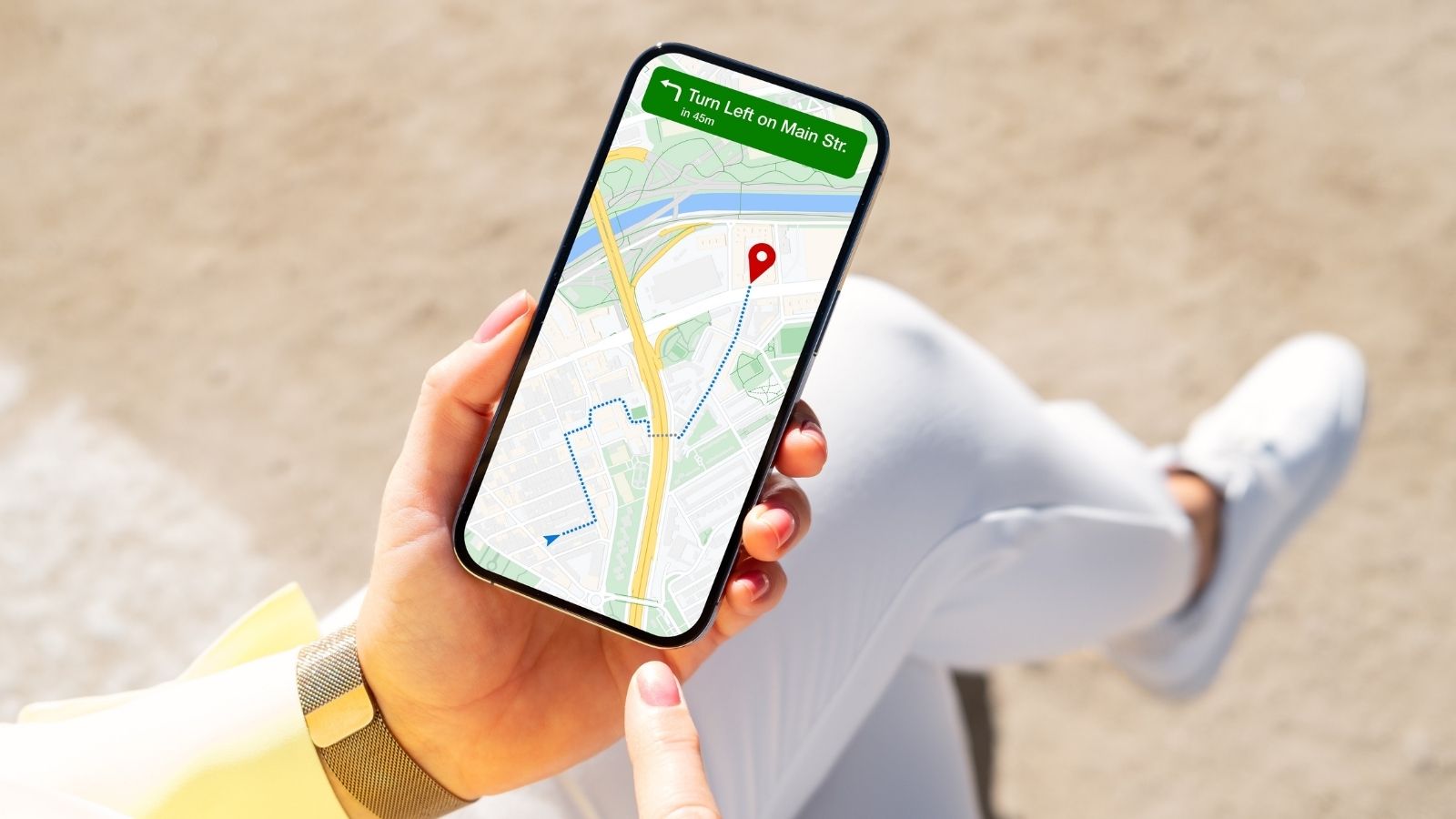
Location sharing is one of the easiest permissions to justify. Maps need it, weather apps use it, ride-hailing depends on it, and camera rolls can sort memories by place. Because the feature often improves an app instantly, people leave it on and stop thinking about it. Yet precise location is not just another data point. Over time, it can reveal where someone sleeps, works, worships, shops, seeks medical care, and spends vulnerable moments that were never meant to become a commercial record.
That is why location data keeps showing up in major privacy enforcement cases. The problem is not only that phones know where people are, but that an ecosystem of apps, brokers, and intermediaries can turn those movements into products. A quick choice made for navigation or convenience can become a trail detailed enough to expose routines and sensitive visits. When that happens, the trade-off is no longer “useful app for location access.” It is everyday mobility exchanged for a persistent map of a person’s private life.
Uploading Contacts to “Find Friends”

“Find friends” sounds harmless because it is framed as a social shortcut. One tap, and an app can identify who else is already there, suggest connections, populate messaging lists, or make a new account feel instantly alive. The convenience is real, especially on platforms that feel empty without familiar faces. But the hidden compromise is that the app may receive far more than one person’s data. Contact uploads can include names, numbers, email addresses, notes, and relationships belonging to people who never consented at all.
That turns a private address book into a data-sharing event. Even when platforms later introduce limited-access tools, contact pickers, or tighter permission controls, those changes acknowledge the same truth: broad contact access is sensitive because it exposes social networks, not just individual users. In practice, people are not only trading their own privacy for convenience. They may also be handing over pieces of other people’s lives. The cost of frictionless connection is that one tap can reveal an entire map of who matters to whom.
Posting Photos That Reveal More Than Intended

A photo feels like a simple form of sharing because the visible image seems to be the whole story. A birthday table, a pet on the porch, a quick vacation view, a snapshot after a late workout. But photos can reveal much more than what is obvious on the screen. Street signs, school logos, house numbers, landmarks, reflections, and recognizable routines all add clues. In some cases, the image file itself can carry location metadata that makes the exposure even more precise than the background details do.
That is what makes casual posting such a common privacy trade-off. The reward is immediacy and connection; the cost is that strangers, platforms, or data-hungry systems can learn far more than intended. A single image can help pinpoint where someone lives, where children go to school, or when a home is empty. It can also expose other people who never agreed to be part of the post. What feels like ordinary sharing often becomes inadvertent disclosure, not because people want to reveal everything, but because modern images are far richer than they appear.
Letting Photo Apps Learn Faces Forever

Photo apps promise a kind of digital order that feels magical. Faces are grouped automatically, duplicates disappear, old memories surface on cue, and years of images become searchable in seconds. That convenience can be genuinely useful, especially for people managing huge libraries. But those features often depend on facial analysis, biometric inference, or long-term retention practices that most users never think about once the app starts working well.
The real privacy cost emerges when convenience outlives consent. A service may keep training systems on user photos, retain data after an account is deactivated, or build models from images people assumed were private storage rather than raw material. Once faces become machine-readable, a personal archive stops being just a collection of memories and starts becoming structured biometric data. That changes the stakes. The trade-off is no longer simply “better search in a photo app.” It becomes a decision about whether deeply personal images can be analyzed, stored, and repurposed in ways users may never fully see.
Bringing Voice Assistants Into Private Rooms
Voice assistants sell a seductive idea: technology that waits quietly until spoken to, then handles chores without a screen, a keyboard, or a pause in daily life. Timers, playlists, shopping lists, recipes, weather checks, and smart-home commands all become frictionless. That ease is exactly why these devices settle into kitchens, bedrooms, and living rooms so quickly. They feel less like gadgets and more like ambient helpers, which can make the privacy implications easier to ignore.
But the trade-off is unusually intimate. A device designed to hear commands must listen for cues, process audio, and in many systems route information through the cloud. Even when companies describe review practices as limited or anonymized, the very possibility of recordings, transcripts, or human review changes what privacy means inside the home. The issue is not just accidental activation; it is the normalization of always-near listening in spaces once considered deeply private. Convenience becomes ambient surveillance risk, even when the product is marketed as nothing more than household help.
Filling Homes With Connected Cameras
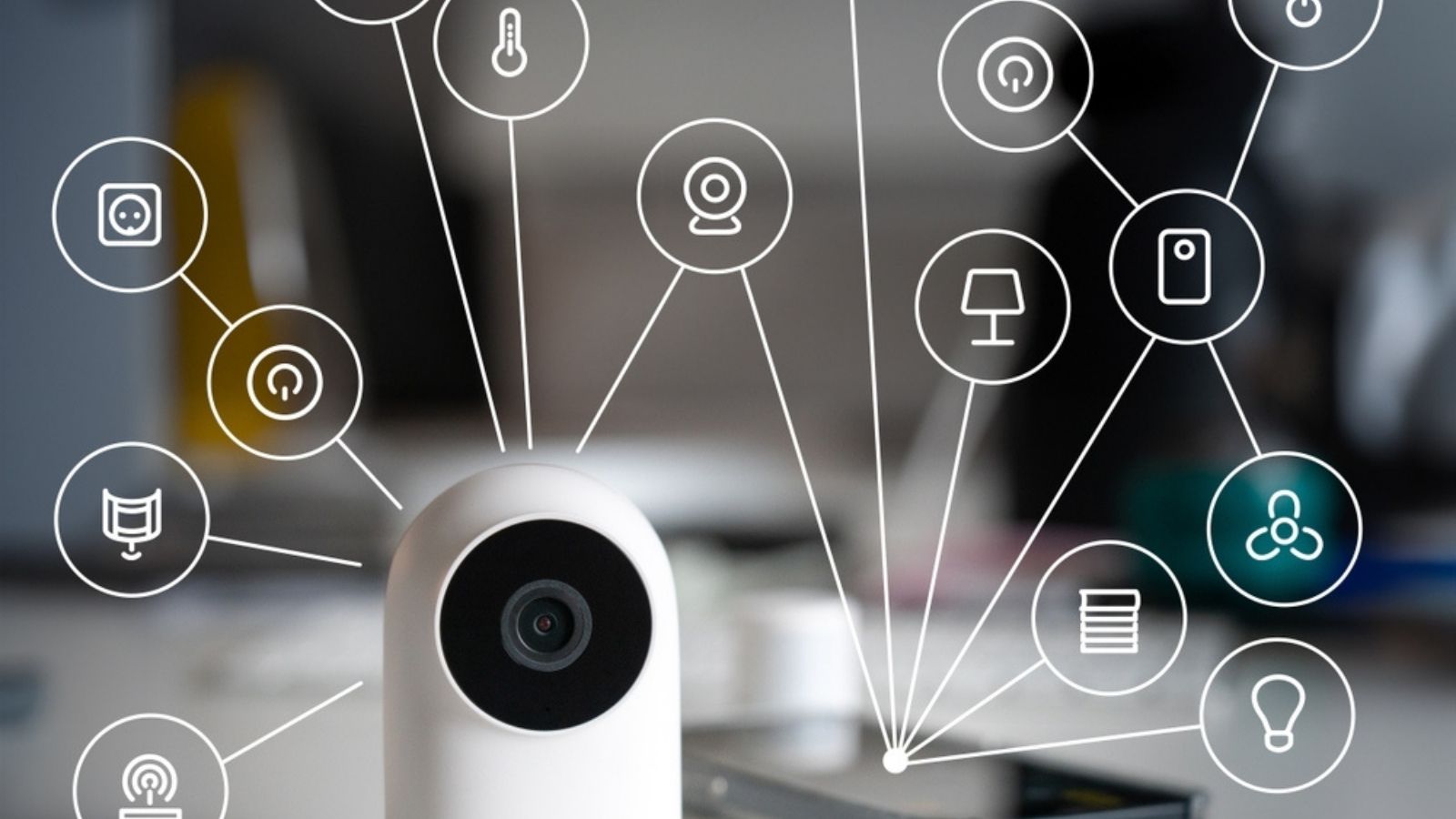
Home cameras and video doorbells are often installed for reassuring reasons: safety, package theft, elderly relatives, a barking dog, a front gate, a nursery. The emotional logic is powerful because the devices promise watchfulness when no one is home. Yet the more cameras become normal, the more people begin exchanging privacy for peace of mind without fully measuring the cost. A home that feels more secure can also become a place where footage is constantly stored, shared, or made accessible beyond the family circle.
That cost becomes sharper when the weak point is not the camera hardware but the system around it: account security, employee access, contractor access, vendor policies, or law-enforcement requests. Once indoor spaces are turned into networked feeds, the private home is no longer private in the old sense. Bedrooms, hallways, and daily routines can become searchable records. The trade-off is emotionally understandable, which is why it is so common. But the price of remote reassurance may be a permanent surveillance layer inside the very space people most want to protect.
Treating Smart TVs Like Ordinary TVs

A smart TV still looks like a television, which is part of why people underestimate it. It sits in the same place, plays shows, and fades into the furniture. But unlike older TVs, connected models can observe viewing habits, tie them to devices on the same network, and feed recommendation or advertising systems. Because none of that feels visible in the living room, many households treat these screens as passive appliances when they are closer to data-collecting platforms with a large display attached.
That misunderstanding creates a quiet privacy trade-off. People accept streaming convenience, voice search, tailored recommendations, and app ecosystems without realizing how much behavioral data can come with them. A person may think they are just watching a drama after work, while the system is building a profile of household interests, timing, and media patterns. The living room has become another analytics environment. What feels like harmless entertainment can also be a form of persistent monitoring, especially when consent screens are vague and settings are buried where almost no one bothers to look.
Driving Connected Cars on Default Settings

Cars used to reveal very little beyond where they were parked. Connected vehicles are different. They can log trips, speeds, braking patterns, infotainment activity, and location history while offering conveniences that sound unquestionably modern: navigation help, safety features, app integration, remote diagnostics, better insurance feedback, and subscription services. The trade-off often happens silently because the data collection is wrapped into onboarding screens, dealership setup, or features presented as standard parts of the driving experience.
That matters because driving data can become more than internal vehicle telemetry. It can influence who sees certain offers, how a driver is evaluated, and in some cases whether outside entities gain access to details that feel intensely personal. A car is one of the clearest examples of privacy erosion hiding inside convenience. People agree to smarter systems because they want easier ownership, not because they want routine movements and behavior translated into shareable data. The cost is that a private trip can stop being private long before the driver realizes anyone else is watching.
Confiding in Health and Therapy Apps

Health apps often enter people’s lives during vulnerable moments. Someone is anxious, trying to conceive, tracking symptoms, managing medications, working through depression, or searching for answers that feel too urgent to delay. The promise is immediate support without the friction of appointments, paperwork, or waiting rooms. That makes these tools feel compassionate and practical. But it also means deeply sensitive information can be handed over in moments when convenience and emotional need overpower healthy skepticism.
The privacy trade-off here is especially severe because health data carries consequences beyond embarrassment. It can shape advertising, expose reproductive or mental-health patterns, and leave users feeling betrayed in the very space where they sought discretion. Unlike a playlist or shopping history, health details speak to bodily realities, fears, hopes, and diagnoses. When services treat that information as another monetizable stream, the harm lands differently. The convenience of digital support can be real, but the cost is that some of the most personal facts a person can share may travel much farther than expected.
Wearing Sensors All Day
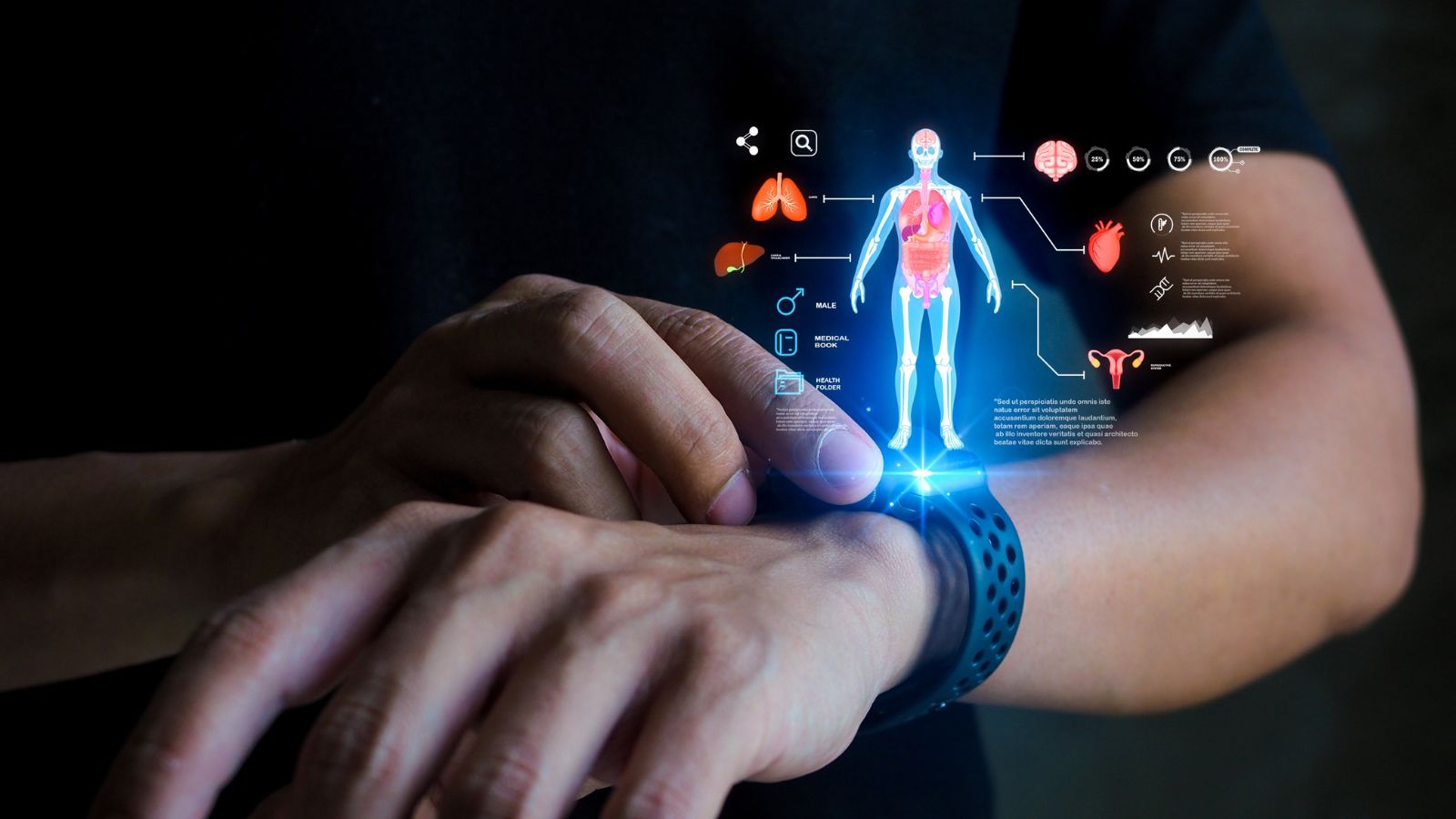
Wearables are easy to love because they convert vague feelings into visible numbers. Steps, sleep scores, stress levels, heart patterns, workouts, cycles, recovery, oxygen readings, and movement trends all appear in neat dashboards that promise self-knowledge. For many people, that feedback is motivating and genuinely useful. The device feels like a coach, a nudge, or a health diary on the wrist. But the same intimacy that makes wearable data valuable to users also makes it valuable to companies, partners, and anyone else interested in highly granular behavior.
The trade-off is constant collection in exchange for constant insight. A wearable can reveal not just fitness habits, but routine, discipline, travel, work rhythms, and physical condition over time. That turns one person’s daily life into a stream of sensitive signals. The issue is not that tracking is inherently bad; it is that many users assume data this personal must be tightly protected, when legal coverage and company practices vary much more than they realize. Convenience here feels empowering, yet the long-term cost may be a record far more revealing than most medical charts.
Handing Dating Apps Intimate Metadata
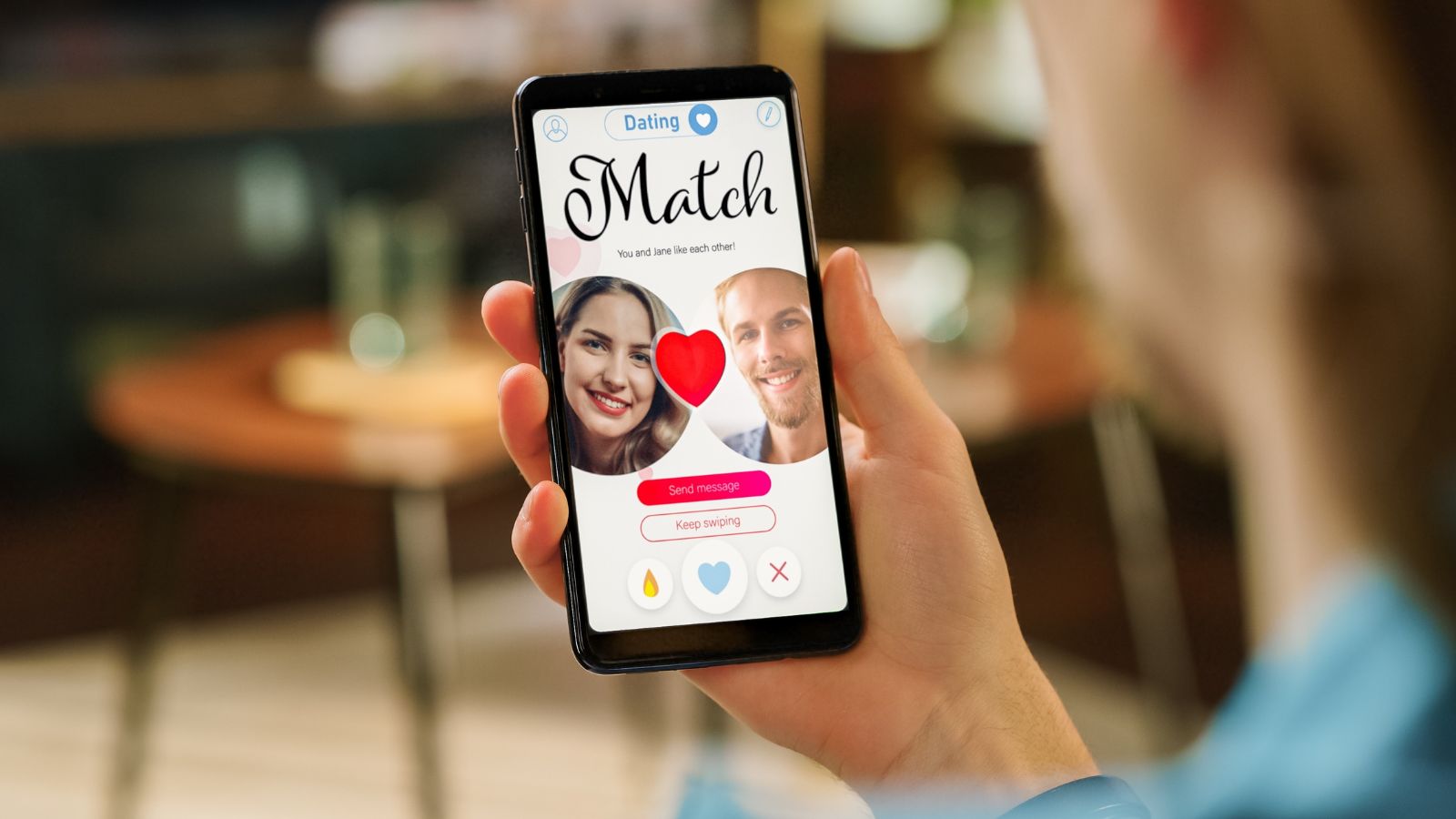
Dating apps are built on disclosure. Photos, age, location, preferences, interests, and conversation patterns all need to be visible enough for the system to work. That makes privacy trade-offs feel unavoidable, even normal. People often accept them because the goal is emotionally important: connection, chemistry, companionship, hope. In that setting, small concessions feel worthwhile. A more detailed profile might mean better matches. Sharing location may speed up relevance. Uploading more photos may improve responses.
But intimacy data carries a special weight because it blends identity, desire, vulnerability, and social exposure. When a platform mishandles that information, the harm can feel more personal than an ordinary tech failure. A dating profile is not just another account; it is often a curated version of someone’s emotional life. The hidden cost of convenience is that photos, preferences, and associated metadata can become assets inside systems users barely understand. A space designed for private possibility can, under the wrong practices, turn into a repository of extremely revealing data.
Trading Loyalty Points for Detailed Profiles

Loyalty programs feel practical, not invasive. They sit inside ordinary routines: buying groceries, earning points, clipping digital coupons, scanning a phone number at checkout, saving a few dollars on gas. Because the rewards are so tangible, the exchange seems obvious and fair. People see the discount, not the infrastructure behind it. Yet loyalty systems can be among the most powerful profiling tools in daily life because they connect purchases, frequency, product choices, household patterns, and sometimes online behavior into one coherent consumer identity.
That makes the privacy cost larger than the coupon itself suggests. A store does not just learn that someone bought cereal once; it may learn when they shop, what brands they switch to, what promotions trigger purchases, and how price-sensitive they appear over time. In an era of surveillance pricing, that information can shape future offers, not just record past ones. The result is a trade-off many people barely register: modest savings today in exchange for being understood, segmented, and potentially priced in increasingly personalized ways tomorrow.
Trusting Privacy-Branded Software Too Much
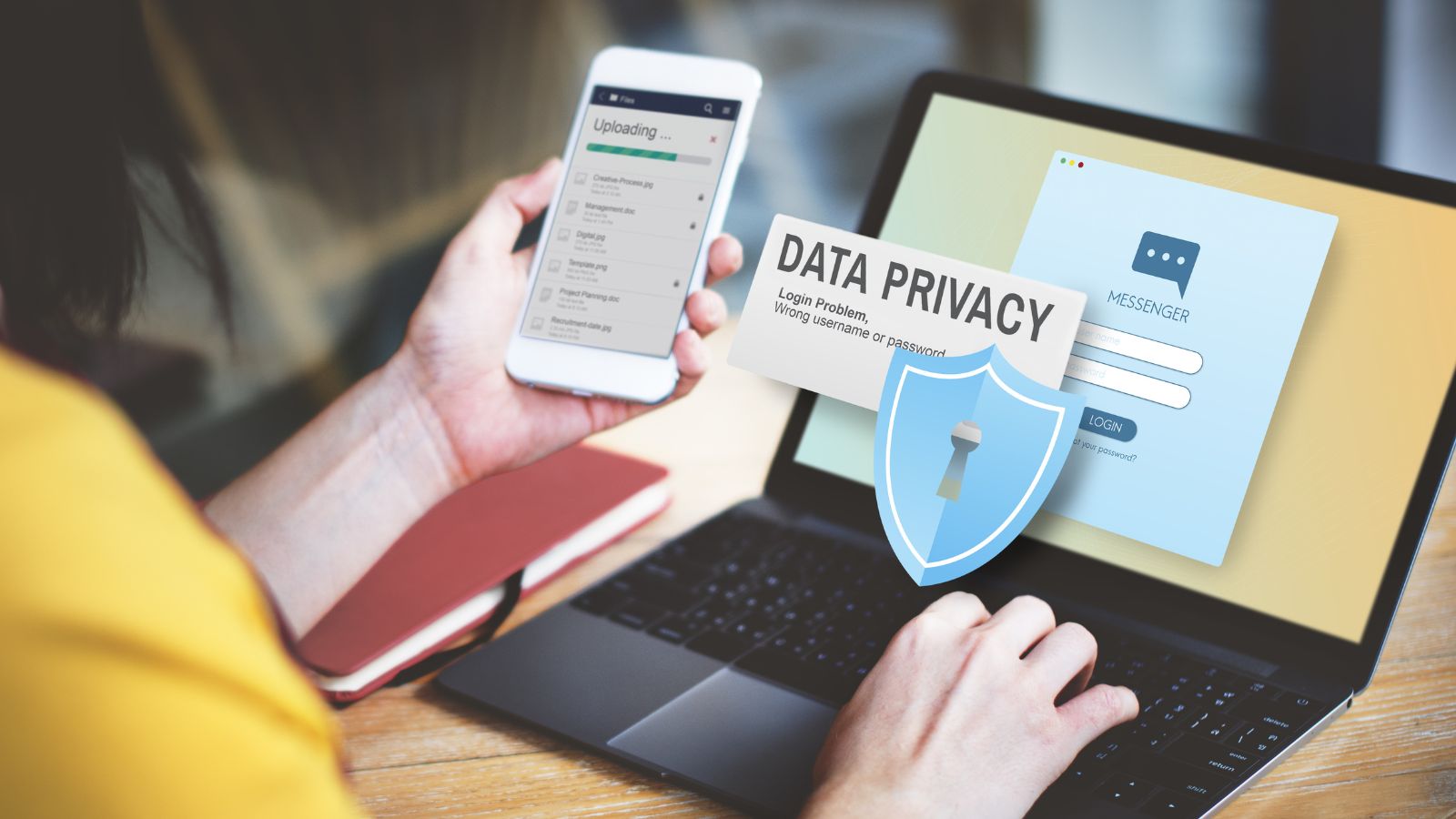
People often install security or privacy software precisely because they want less tracking, less exposure, and more control. That makes these tools unusually trusted. A browser extension that promises protection, an antivirus program that advertises privacy, or a “cleaner” app that claims to shield browsing activity can feel like defensive gear against an intrusive internet. The emotional logic is simple: if something is marketed as protection, it must be on the user’s side.
That is why the betrayal cuts deeper when those products collect and sell data themselves. The trade-off is no longer accidental; it becomes a reversal of expectations. A person may hand broad permissions to a tool meant to reduce surveillance, only to discover that the tool’s business model depends on monetizing exactly the behavior it promised to protect. Privacy theater is especially costly because it lowers suspicion. The user relaxes, assumes the problem has been handled, and stops looking closely, while their browsing history may remain just as valuable to the data economy as ever.
Mailing Away Genetic Data

Consumer DNA testing is sold as discovery. People want family stories, ancestral links, health insights, or a better sense of where they come from. The appeal is deeply human. Unlike many apps, these services are not built around fleeting entertainment; they trade in identity itself. That can make the privacy exchange feel meaningful enough to accept. A tube of saliva seems like a small price to pay for answers about lineage or inherited traits.
But genetic data is not ordinary personal information. It is durable, uniquely identifying, and connected to relatives as well as the individual who mailed the sample. When a company holding that kind of data suffers a breach, financial crisis, or ownership change, the privacy stakes become much larger than those of a typical account compromise. The hidden cost is permanence. A password can be changed; a genome cannot. What feels like a one-time curiosity purchase can create long-term exposure involving family ties, health indicators, and some of the most sensitive information a person can ever hand over.
19 Things Canadians Don’t Realize the CRA Can See About Their Online Income

Earning money online feels simple and informal for many Canadians. Freelancing, selling products, and digital services often start as side projects. The problem appears at tax time. Many people underestimate how much information the CRA can access. Online platforms, banks, and payment processors create detailed records automatically. These records do not disappear once money hits an account. Small gaps in reporting add up quickly.
Here are 19 things Canadians don’t realize the CRA can see about their online income.
