The idea behind smart technology once felt almost irresistible: devices that could learn habits, anticipate needs, save time, and quietly improve everyday life. But as connected products have spread from phones and speakers to locks, cars, cameras, thermostats, appliances, and even children’s gadgets, public enthusiasm has become more complicated. Convenience is still appealing, yet convenience alone no longer settles the question of whether a product is worth trusting.
That shift helps explain why skepticism is growing. People are not rejecting innovation outright; they are reacting to the tradeoffs that have become harder to ignore. Across 17 distinct pressure points, concerns now center on privacy, security, reliability, manipulation, cost, repair, safety, and basic control. The smart future still attracts attention, but it increasingly comes with an asterisk.
Convenience Keeps Asking for More Data
One of the biggest reasons people are pulling back from “smart” technology is that convenience almost always seems to come bundled with more data collection than expected. A speaker learns voices, a TV tracks viewing behavior, a car logs driving patterns, and a thermostat maps routines inside the home. The sales pitch is ease. The real transaction often involves surrendering a detailed stream of behavioral information that many buyers never fully realized they were giving away.
That exchange feels less abstract now than it once did. Over the past several years, research groups and regulators have shown that large shares of adults worry about how their personal data is used, and smart-device controversies have made those fears concrete. For many households, the question is no longer whether smart technology can be helpful. It is whether the help is worth turning ordinary habits into a product that can be stored, analyzed, shared, and monetized long after the moment has passed.
Listening Devices Changed the Mood at Home
Voice assistants helped make smart technology feel friendly. They answered trivia, set timers, controlled lights, and played music with a single command. But microphones in kitchens, bedrooms, and family rooms also changed the emotional meaning of the home. Even when devices are not constantly recording in the dramatic sense that people fear, the awareness that a branded listening device is always waiting for a wake word has made many users newly cautious.
That discomfort grows when real enforcement actions enter the picture. Cases involving voice recordings, deletion requests, and the retention of children’s data have reinforced the idea that the line between helpful assistant and invasive collector can be thinner than advertised. A smart speaker may still be convenient, but it no longer feels like a neutral appliance. For many buyers, it feels more like a permanent data relationship wearing the costume of a household gadget.
Every Connected Gadget Is Another Security Weak Point
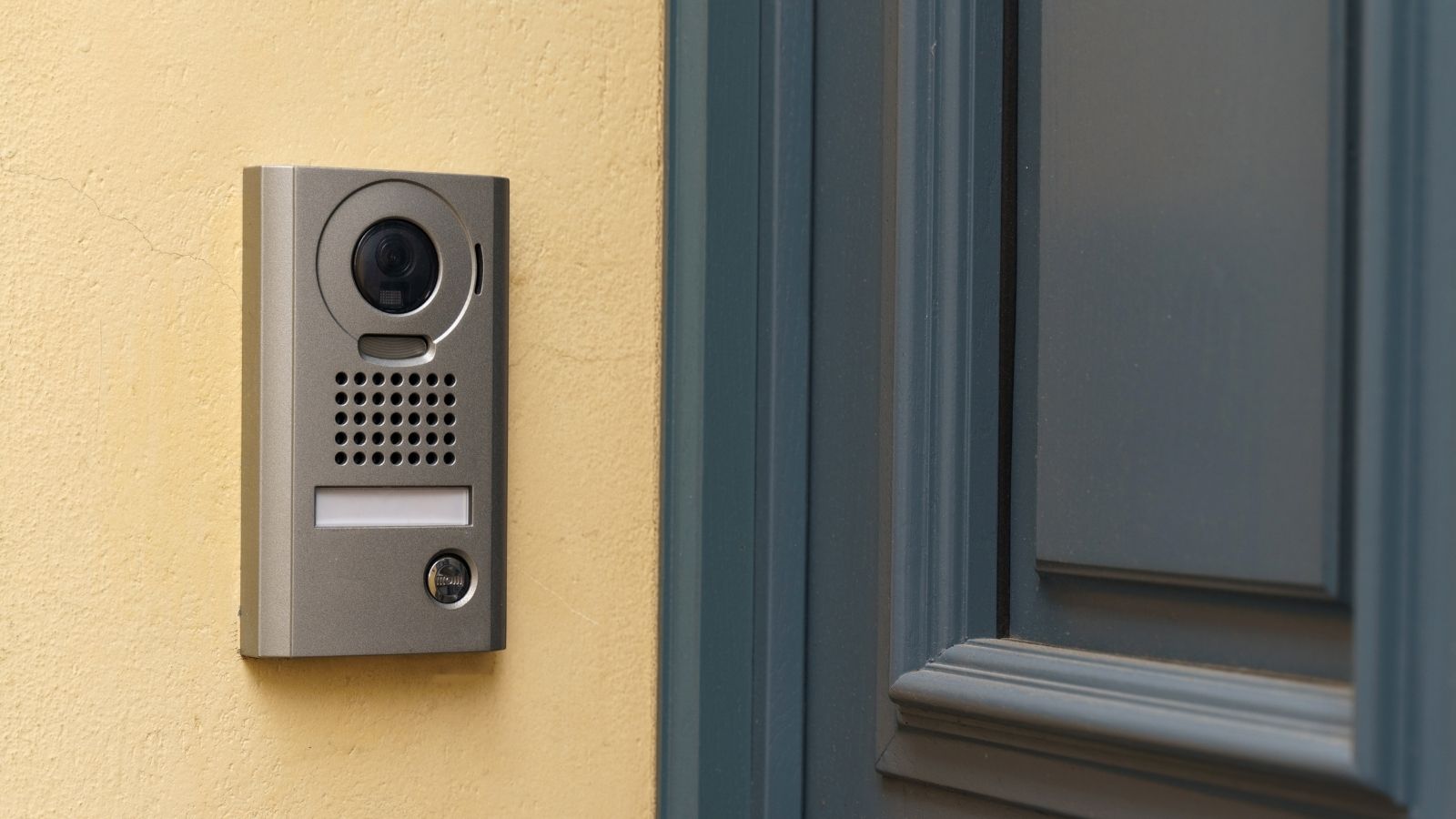
Smart technology often arrives in the home as a series of small, useful upgrades. A connected camera here, a video doorbell there, a few bulbs, a speaker, maybe a robot vacuum. But each device adds another entry point that has to be secured, updated, and managed. What looks like a cleaner, more automated lifestyle can quietly become a larger attack surface, especially when products ship with weak defaults, confusing settings, or inconsistent support.
That matters because smart devices do not just expose accounts or entertainment habits. In some cases, they can touch physical safety, home access, or intimate family routines. Security experts have warned for years that internet-connected devices can be exploited when companies cut corners or users are left without clear guidance. As a result, skepticism has become practical rather than theoretical. People are starting to look at a “smart” feature and ask not only what it does, but what new risk it introduces the moment it connects to the network.
“Smart” Systems Fail in Very Unsmart Ways
A traditional light switch usually fails in one straightforward way: it stops working. A smart system can fail in ten. The app may freeze, the cloud service may hiccup, the firmware may glitch, the password may expire, the hub may disconnect, the automation may misfire, or the internet may go down. When that happens, a product designed to feel seamless suddenly reveals how many invisible layers were required to make a basic task feel modern.
That fragility is one of the clearest drivers of distrust. People can tolerate complexity when the payoff is obvious, but they become skeptical when ordinary household functions turn into troubleshooting exercises. Stories about locks that fail, cameras that drop offline, or homes that become difficult to operate during outages resonate because they expose a core weakness: many smart systems are not simplifying life so much as relocating the work. The labor moves from doing the task manually to maintaining the digital machinery around it.
Automation Makes Confident Mistakes

Another source of skepticism is the particular way smart systems fail: they often fail with confidence. Recommendation engines misread intent, assistants misunderstand speech, cameras misclassify motion, and generative systems produce plausible nonsense in polished language. People have learned that machine confidence and machine accuracy are not the same thing. That lesson is especially powerful because these systems often present their outputs with the calm certainty of a product that expects to be trusted.
This matters far beyond annoyance. When automation gets routine details wrong, users start doubting the whole promise of intelligence. The issue is not only error; it is opacity. A system might make a bad call without clearly showing how it reached that decision or how to correct it. Over time, that erodes confidence faster than visible human error does. A fallible tool can still be useful. A fallible tool that acts authoritative while obscuring its limits tends to produce suspicion instead of loyalty.
Bias Hides Behind Neutral-Looking Interfaces

People are also becoming more skeptical because smart technology often presents itself as objective even when its outcomes are uneven. A hiring tool, face-recognition system, age estimator, or recommendation engine may look mathematically neutral on the surface, but official studies and civil-rights guidance have repeatedly raised concerns about discriminatory impacts. The clean interface can make the technology seem fairer than the underlying results actually are.
That gap between appearance and reality has been hard to ignore. When a system is framed as data-driven, many users assume bias has been engineered out. In practice, automated tools can absorb old patterns, replicate skewed training data, or perform differently across demographic groups. The result is a broader public realization that “smart” does not automatically mean impartial. In fact, the smarter and more complex the system sounds, the more some people now suspect that hidden assumptions may be buried inside it, protected by technical language ordinary users cannot easily challenge.
Car Tech Has Been Marketed Ahead of Its Limits
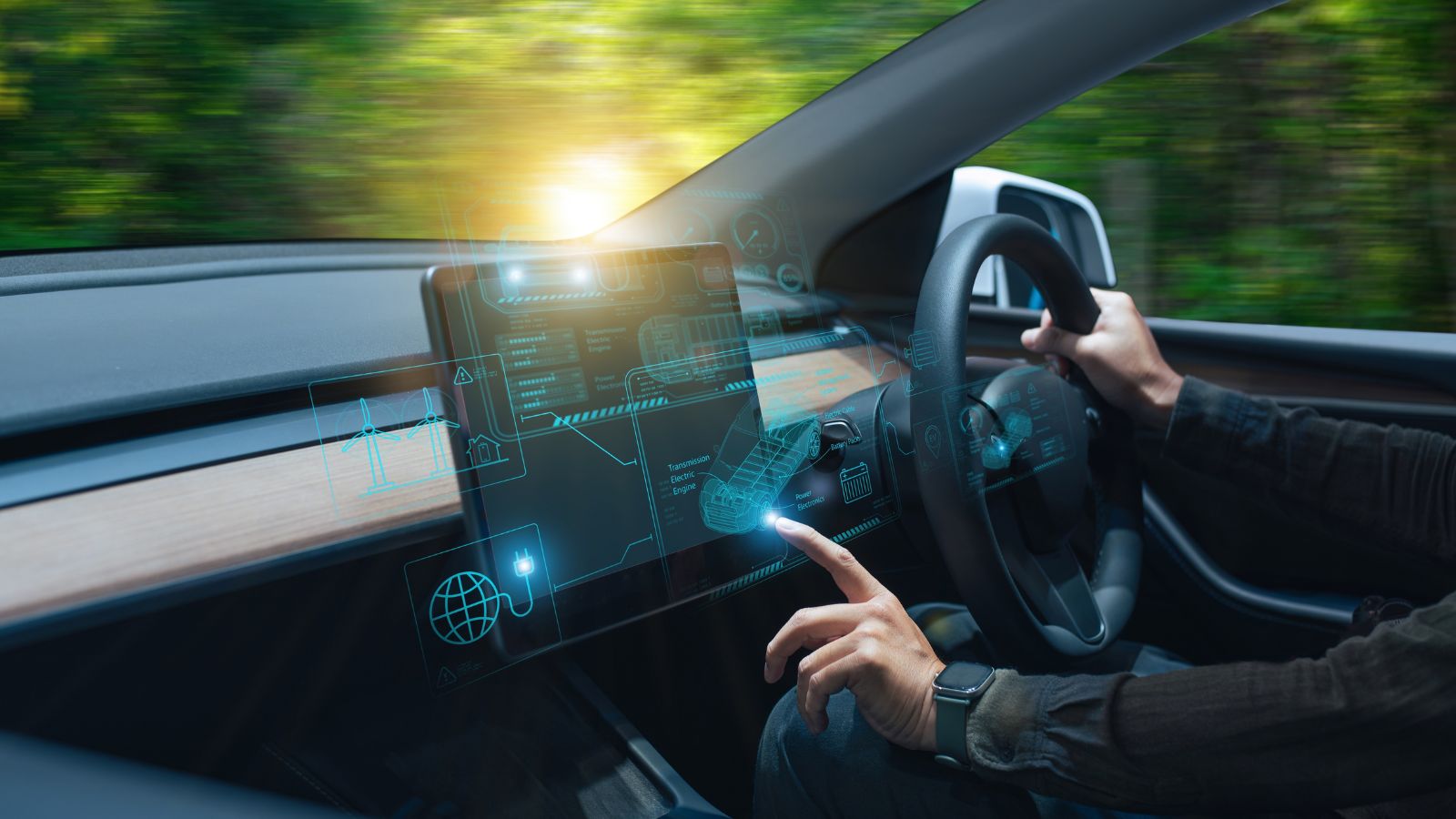
Few categories show the skepticism gap more clearly than cars. Advanced driver assistance can genuinely reduce certain kinds of crashes, and safety technology has real value. But the branding around partial automation has often run ahead of what the systems can safely do. Drivers hear terms that imply capability, then discover that the technology still demands constant attention, fast intervention, and a clear understanding of narrow operating limits.
That mismatch has had consequences. Investigations and safety research have shown that some drivers treat partially automated systems as if they were much closer to self-driving than they really are. When a technology is sold with futuristic language but depends on near-perfect human supervision, trust becomes unstable. People either overtrust it or reject it. Both reactions reflect the same deeper problem: intelligence has been marketed as a feeling long before it has been delivered as a dependable reality.
Personalization Often Feels More Manipulative Than Helpful
Smart technology was supposed to personalize life in useful ways. In practice, personalization often feels like steering. Interfaces recommend, nudge, rank, prioritize, and reorder choices in ways that may serve commercial goals more than user interests. The result is a subtle but growing suspicion that “smart” often means optimized for conversion, engagement, or retention rather than for genuine benefit.
That suspicion has been reinforced by regulators examining dark patterns and online choice architecture. People have learned that design can be used to make a path look natural even when it is carefully engineered to extract a purchase, consent, or continued subscription. Once users notice that dynamic, the magic tends to vanish. The product no longer feels like a helpful assistant. It feels like a skilled negotiator that never stops bargaining. Skepticism grows quickly when convenience starts to resemble pressure wearing a friendlier face.
The Fine Print Around Subscriptions Keeps Growing
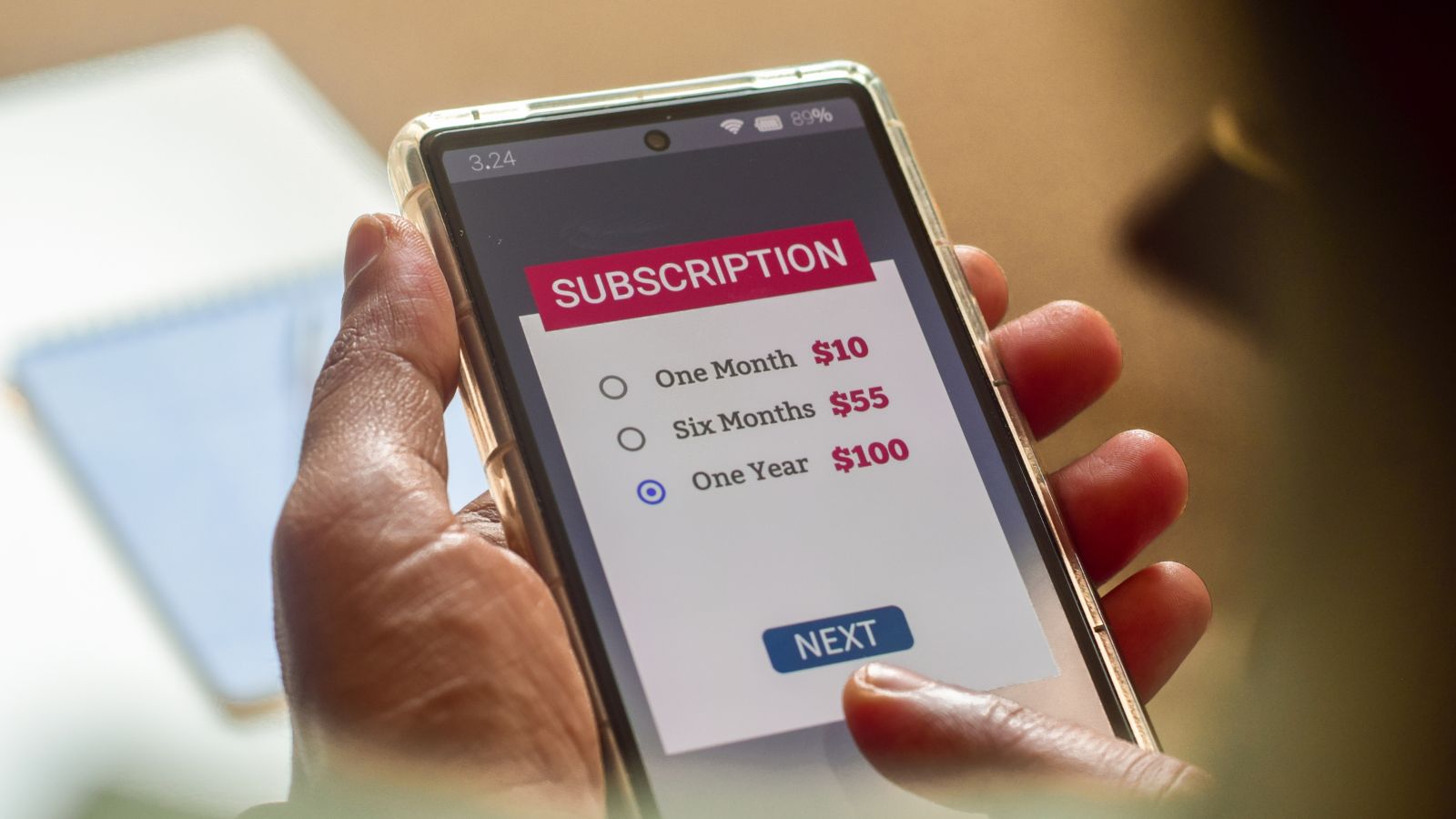
Consumers are also growing wary because smart technology increasingly extends the payment relationship long after the hardware is purchased. A smart device may technically belong to the buyer, yet key features can be gated behind subscriptions, premium storage, monitoring packages, AI add-ons, or bundled service tiers. That changes the emotional meaning of ownership. Instead of buying a product, people feel as though they are renting access to its full personality.
Once recurring fees enter the picture, skepticism deepens. Regulators in multiple jurisdictions have warned about subscription traps, difficult cancellation paths, and recurring charges consumers do not actively want. The public mood has shifted because many buyers can now recognize the pattern: the device is marketed as innovative on the shelf, but its long-term business model depends on quietly extending the meter. Smart technology stops looking generous when every useful feature seems to be waiting for one more payment to unlock it.
Ownership No Longer Feels Like Ownership
Smart products have introduced a strange contradiction into consumer life. People can spend hundreds or thousands of dollars on devices that are physically in their homes, yet still feel only partially in control of them. Accounts can be locked, services can be sunset, compatibility can change, and manufacturers can remotely alter features, access rules, or support expectations. That leaves buyers with an unsettling sense that possession is no longer the same as authority.
This is a major reason skepticism has moved from niche complaint to mainstream reaction. Traditional ownership came with assumptions: the product worked as purchased, and what happened next was mostly up to the owner. Smart technology complicates that bargain. Now the manufacturer, the platform, the cloud layer, and the app ecosystem all remain present after the sale. Buyers increasingly understand that they are not just purchasing an object. They are entering an ongoing arrangement, and many do not like how little control that arrangement seems to leave them.
Repairs Are Harder Than They Should Be
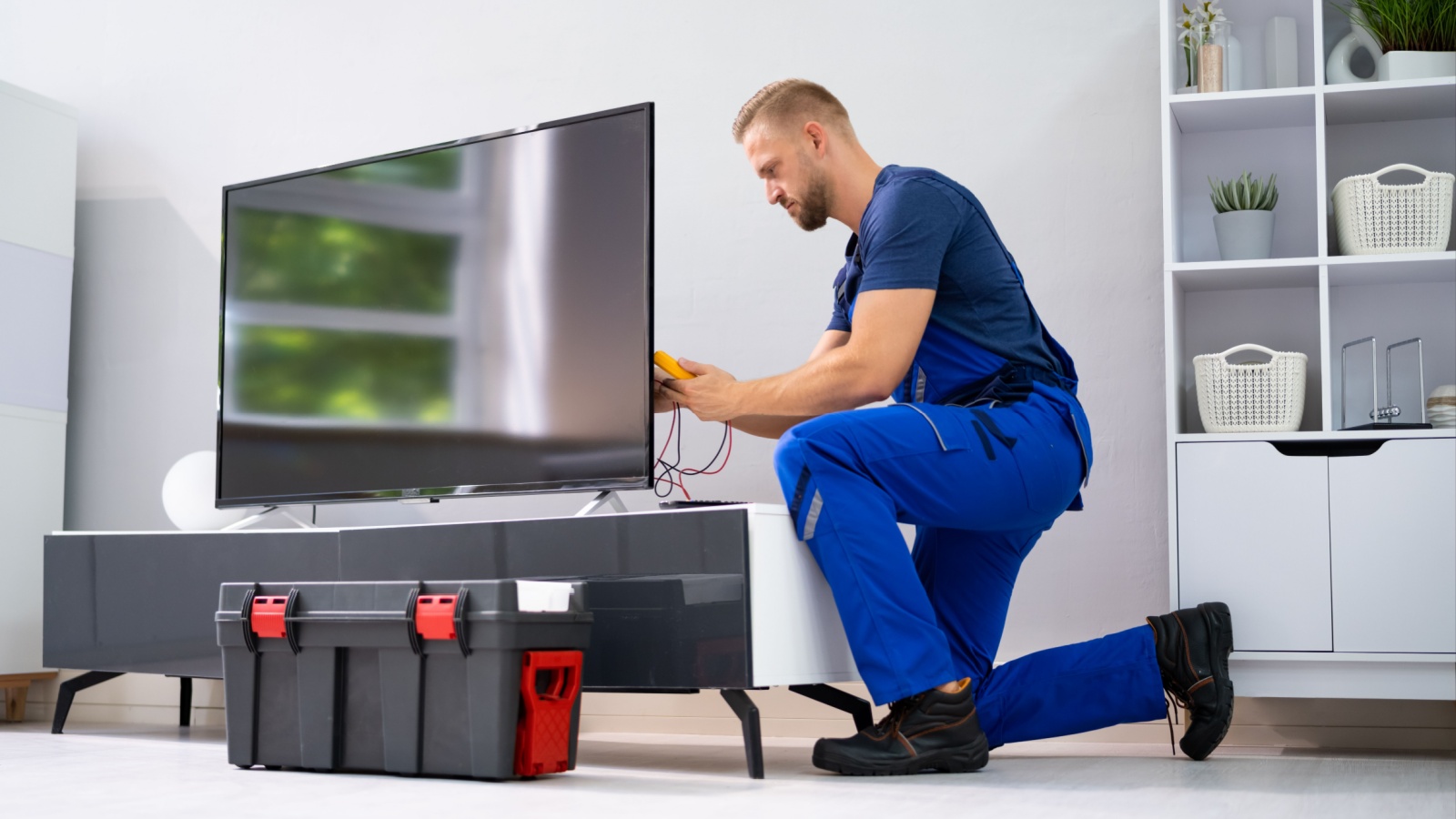
A great many people become skeptical of “smart” technology the first time it breaks. Repair can be expensive, restricted, delayed, or routed through narrow authorized channels, while parts, manuals, or diagnostic tools remain difficult to access. Features that sound futuristic during a product launch can become infuriating when a modest defect turns into a costly ordeal because the product was never designed to be straightforward to fix.
That frustration now has broad policy visibility. Consumer-protection officials have argued that repair restrictions can raise costs and limit practical options for buyers. The issue matters especially for smart products because software, sensors, batteries, and proprietary components make them harder to service than simpler predecessors. When a device is pitched as intelligent but behaves like a sealed black box the moment something goes wrong, the intelligence begins to look suspiciously like dependency. The more advanced the product sounds, the more some consumers worry they are buying a future repair problem.
Updates Can Improve Devices—Or Quietly Make Them Worse
Software updates are one of the central promises of smart technology. Unlike old appliances, connected products can improve after purchase. Bugs can be fixed, security holes can be patched, and features can be added. In theory, that makes smart devices more resilient over time. In practice, many consumers have learned that updates can also disrupt interfaces, remove capabilities, change permissions, reset settings, or introduce new friction into routines that previously worked well.
That creates a different kind of skepticism: uncertainty about stability. A product may not remain the product that was originally bought. Even when changes are framed as improvements, users can feel that basic control has slipped away because the terms of the experience keep shifting. Smart technology asks people to trust not just the object in front of them, but the future decisions of the company behind it. That is a much bigger ask, and recent years have taught many consumers to make that leap more cautiously.
Ecosystems Are Still Fragmented and Confusing
The smart world still promises seamless integration, but many people experience the opposite. Devices work with one assistant and not another. A feature behaves differently across platforms. Setup requires juggling multiple apps, accounts, permissions, and hubs. Even in a market pushing standards and interoperability, the actual experience can remain patchy enough to make ordinary buyers feel like reluctant system administrators.
That friction matters because smart technology is often purchased for convenience, not as a hobby. Consumers may tolerate complexity in professional tools or enthusiast gear, but they have little patience for it in doorbells, thermostats, bulbs, or kitchen appliances. Research on smart-home users has repeatedly shown gaps in transparency and understanding, which means confusion is not simply a matter of laziness or resistance. Many products are still poorly explained. Skepticism grows when the burden of making the system coherent falls on the household rather than on the companies that promised simplicity.
Children and Families Are Swept Into the Data Stream
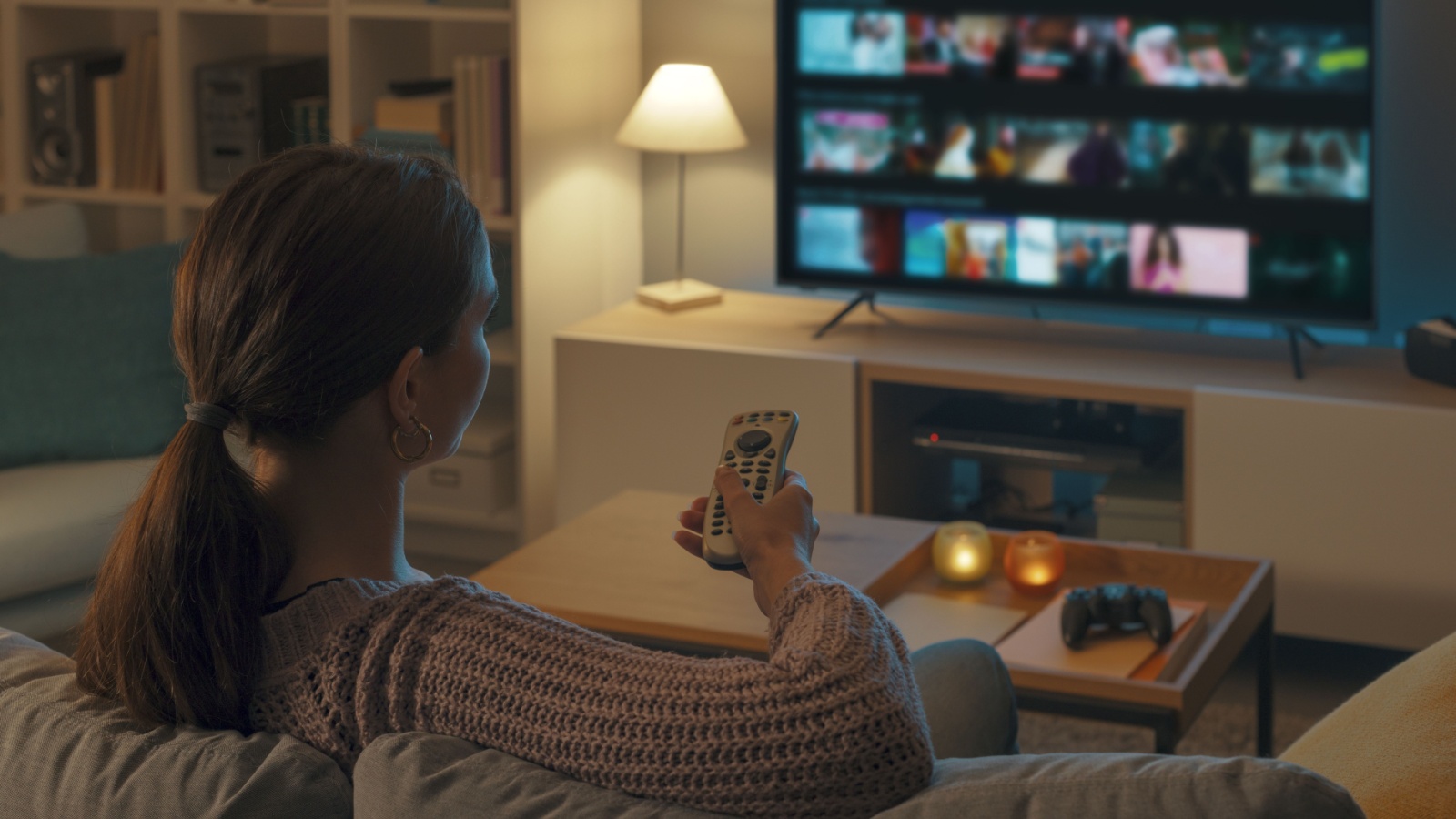
Smart technology rarely affects only the person who bought it. A speaker in the kitchen hears everyone nearby. A camera at the door captures family members, neighbors, delivery workers, and visitors. A smart TV or shared tablet turns entertainment into a data event for the whole household. That broader reach has made many people more skeptical because smart technology often collects information about bystanders, minors, or people who never actively agreed to the arrangement.
Families feel this especially sharply. When a product touches children’s voices, faces, routines, or locations, the abstract language of innovation loses some of its charm. Enforcement actions involving voice assistants and home cameras have made it easier for parents to imagine worst-case scenarios in everyday settings. As a result, skepticism is no longer confined to the person who manages the app. It spreads through the household. Once a technology starts raising questions about what it means for everyone in the room, trust becomes much harder to maintain.
The Environmental Cost Is Harder to Ignore
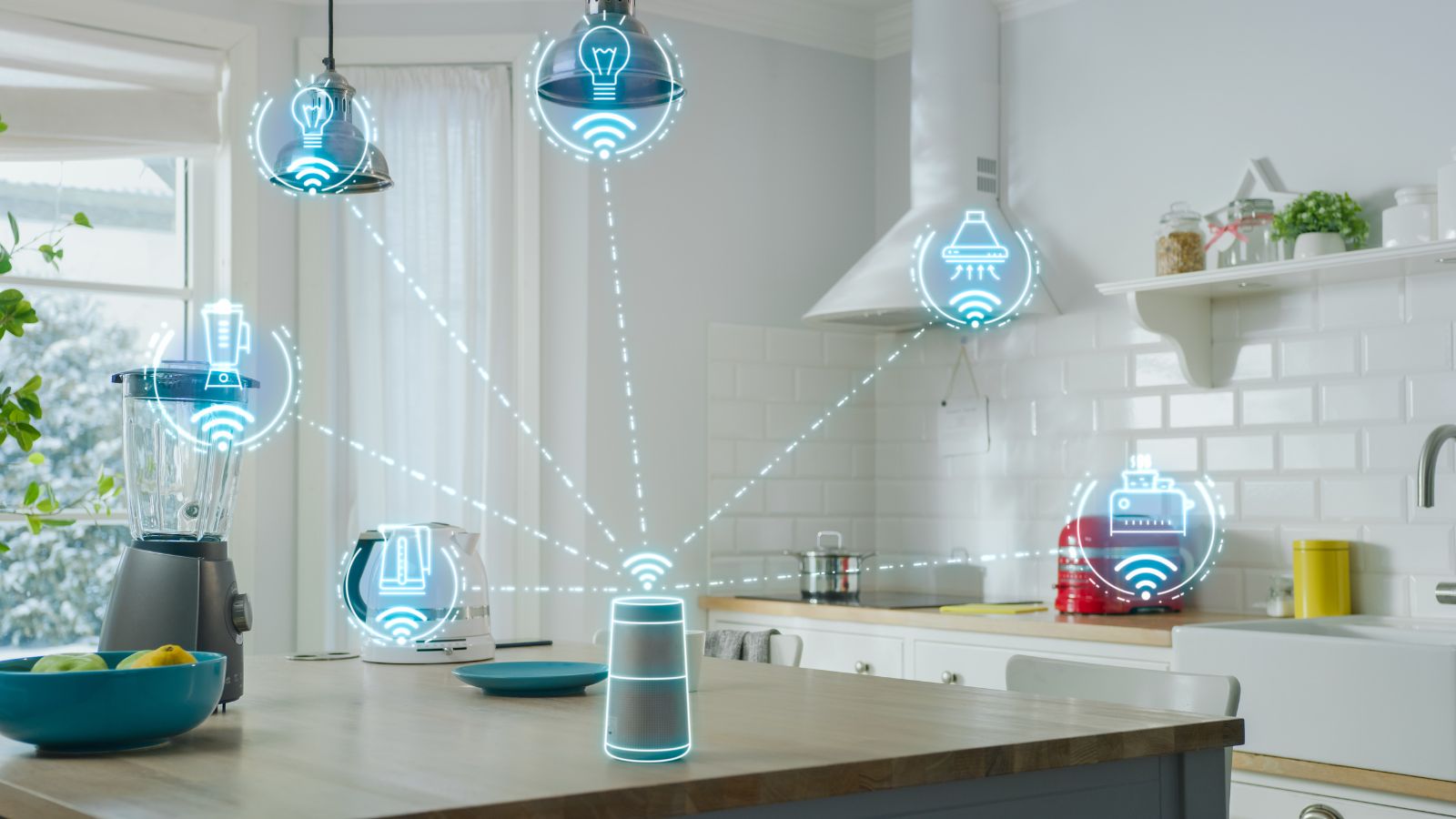
For years, smart technology was framed mostly in terms of convenience and efficiency. More recently, consumers have become more alert to the material side of the story: batteries that wear down, devices that are hard to repair, accessories that become obsolete, and upgrade cycles that leave behind a trail of discarded electronics. The sleekness of smart products can obscure how quickly they can turn into waste when support ends or repair is impractical.
Environmental concern is fueling skepticism because it changes the moral framing of the purchase. A connected gadget no longer looks like just a fun or useful object; it can also look like part of a disposable system. Governments and policy bodies are now pushing repairability, durability, and clearer consumer information precisely because the existing pattern has become harder to defend. Buyers increasingly ask whether a device is truly advanced if its lifespan is short, its battery is difficult to replace, and its afterlife is someone else’s problem.
People Have Seen Too Many Promises Outrun Reality

Public attitudes have also shifted because the tech industry has spent years making expansive claims about intelligence, personalization, safety, and efficiency. Some of those claims have been real. Many have been partial. Others have collapsed under scrutiny. Each overstatement leaves residue. A smart product no longer enters the market with a clean slate; it arrives in a culture that has already seen enough disappointments to treat grand language as a warning sign rather than a mark of excellence.
This accumulated fatigue matters. Consumers remember gadgets that never matured, assistants that plateaued, platforms that were abandoned, and features that sounded transformative but became forgettable novelties. They have also watched regulators step in when claims about privacy, deletion, protection, or transparency failed to match reality. Skepticism, in that sense, is not anti-technology. It is learned caution. It reflects a population that has heard the promises, lived with the products, and decided that intelligence should be judged by outcomes rather than by branding.
Simpler Tools Often Feel More Trustworthy

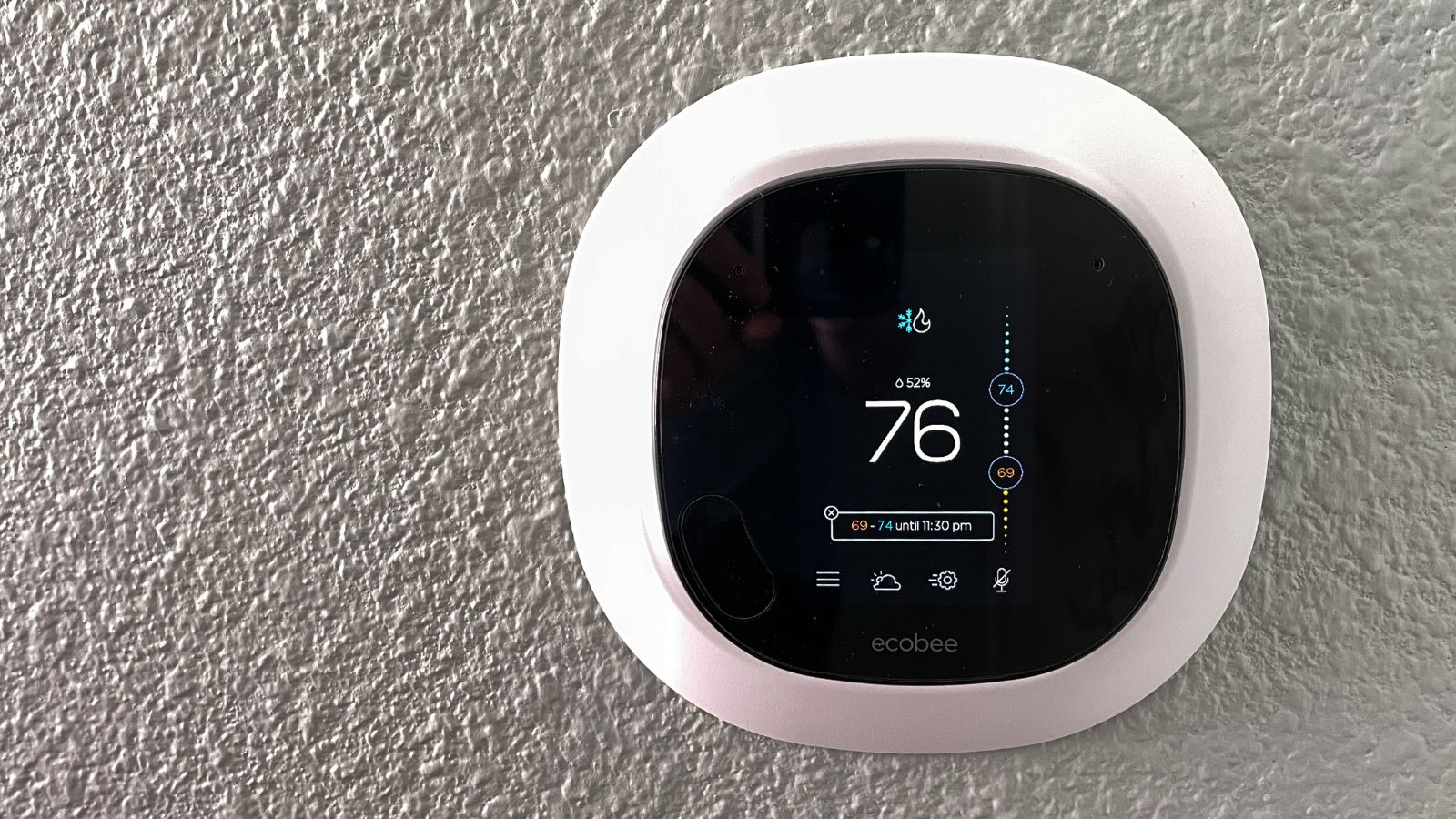
In the end, one of the strongest reasons for skepticism is emotional rather than technical: simple products often inspire more trust. A key works without an app. A thermostat with physical controls feels legible. A basic appliance may be less impressive, but it rarely pretends to understand the household better than the household understands itself. That kind of clarity has become more attractive as digital systems have grown more layered, more opaque, and more dependent on remote infrastructure.
This does not mean people want to abandon connected technology altogether. In many cases they still like selective automation, especially when it solves a real problem cleanly. What they increasingly resist is compulsory smartness: the idea that every object should be networked, data-hungry, update-dependent, and monetized. The skepticism now surfacing is a demand for restraint. People still appreciate useful technology. They are simply less willing to confuse added complexity with genuine progress.
19 Things Canadians Don’t Realize the CRA Can See About Their Online Income

Earning money online feels simple and informal for many Canadians. Freelancing, selling products, and digital services often start as side projects. The problem appears at tax time. Many people underestimate how much information the CRA can access. Online platforms, banks, and payment processors create detailed records automatically. These records do not disappear once money hits an account. Small gaps in reporting add up quickly.
Here are 19 things Canadians don’t realize the CRA can see about their online income.
