
Work has entered an era where efficiency is sold as empowerment, even when it often feels like tighter control. The modern office is packed with dashboards, alerts, AI assistants, productivity scores, and collaboration platforms that promise to remove friction. Yet many of those same tools also redraw the boundaries of the job, stretch the workday, and turn everyday effort into measurable data.
These 16 shifts capture how large technology companies are influencing what work looks like now: how people are monitored, how performance is judged, how quickly they are expected to respond, and how much of the day gets absorbed by systems designed in the name of output. The language is usually optimistic. The lived experience is often more complicated.
Work Is Increasingly Measured Instead of Merely Managed

One of the clearest changes in modern work is the shift from supervision by people to supervision by systems. Software can now log activity, track task completion, score performance, and flag exceptions in real time. On paper, that sounds like a cleaner way to manage large organizations. In practice, it can make employees feel less like professionals and more like constantly observed inputs in a machine.
That change matters because measurement does not stay neutral for long. Once an organization can count clicks, response times, login habits, or completed tickets, those numbers start shaping behavior. Workers learn what the system rewards, and often adapt around the metric rather than the mission. A team may appear more efficient while actually becoming narrower, more anxious, and less willing to take thoughtful risks that are harder to quantify.
Surveillance Software Turns Trust Into a Technical Setting

The rise of remote and hybrid work opened the door to a new class of “bossware” tools that monitor screens, keystrokes, browser activity, active time, and sometimes even video presence. These tools are usually framed as security or accountability measures. But for many workers, they signal that trust is no longer assumed; it has to be proven through a stream of visible digital behavior.
That has a cultural cost. When people feel watched, they often perform work in ways that look busy rather than ways that are genuinely useful. Someone may keep chat windows active, move faster through shallow tasks, or avoid breaks that would actually improve concentration. Instead of creating confidence, intensive monitoring can produce a brittle workplace where appearance matters almost as much as achievement and where morale quietly erodes under constant digital inspection.
The Workday No Longer Ends When the Laptop Closes
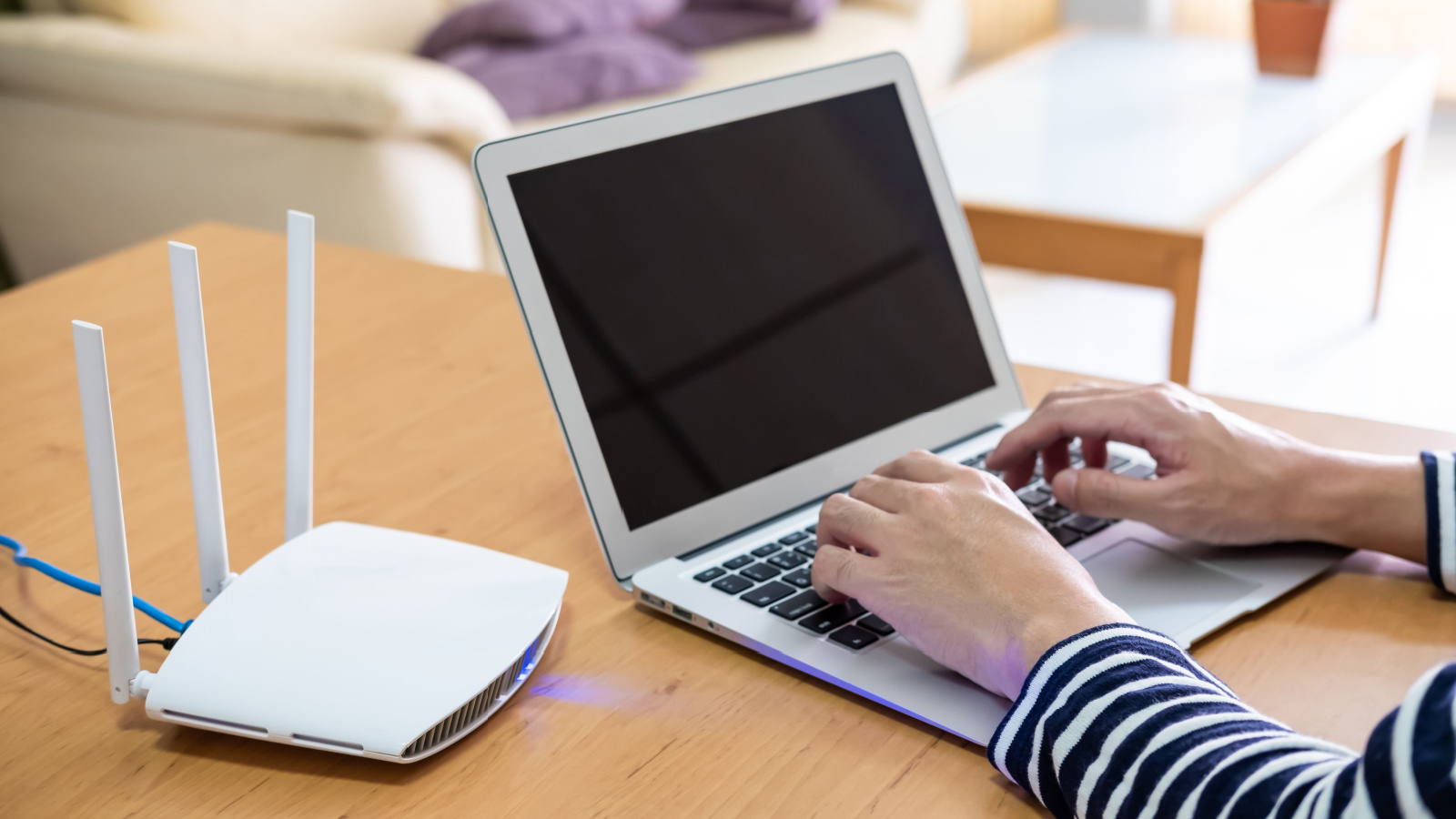
Big Tech’s collaboration platforms made work more mobile, but they also made it easier for the job to leak into every corner of the day. Email before sunrise, meetings late into the evening, and weekend message checks have become normal for many knowledge workers. The promise was flexibility. The reality, in many cases, is a workday that has no clean edges.
This matters because always-on work does not automatically translate into better outcomes. It often produces fatigue, fragmented attention, and a sense that rest itself has become negotiable. A worker who answers messages at night may look dedicated, yet long-term productivity can fall when recovery time disappears. The technology creates the capacity for continuous connection, and workplace culture often turns that capacity into an unspoken expectation.
Meetings Expand Because Technology Makes Them Easy
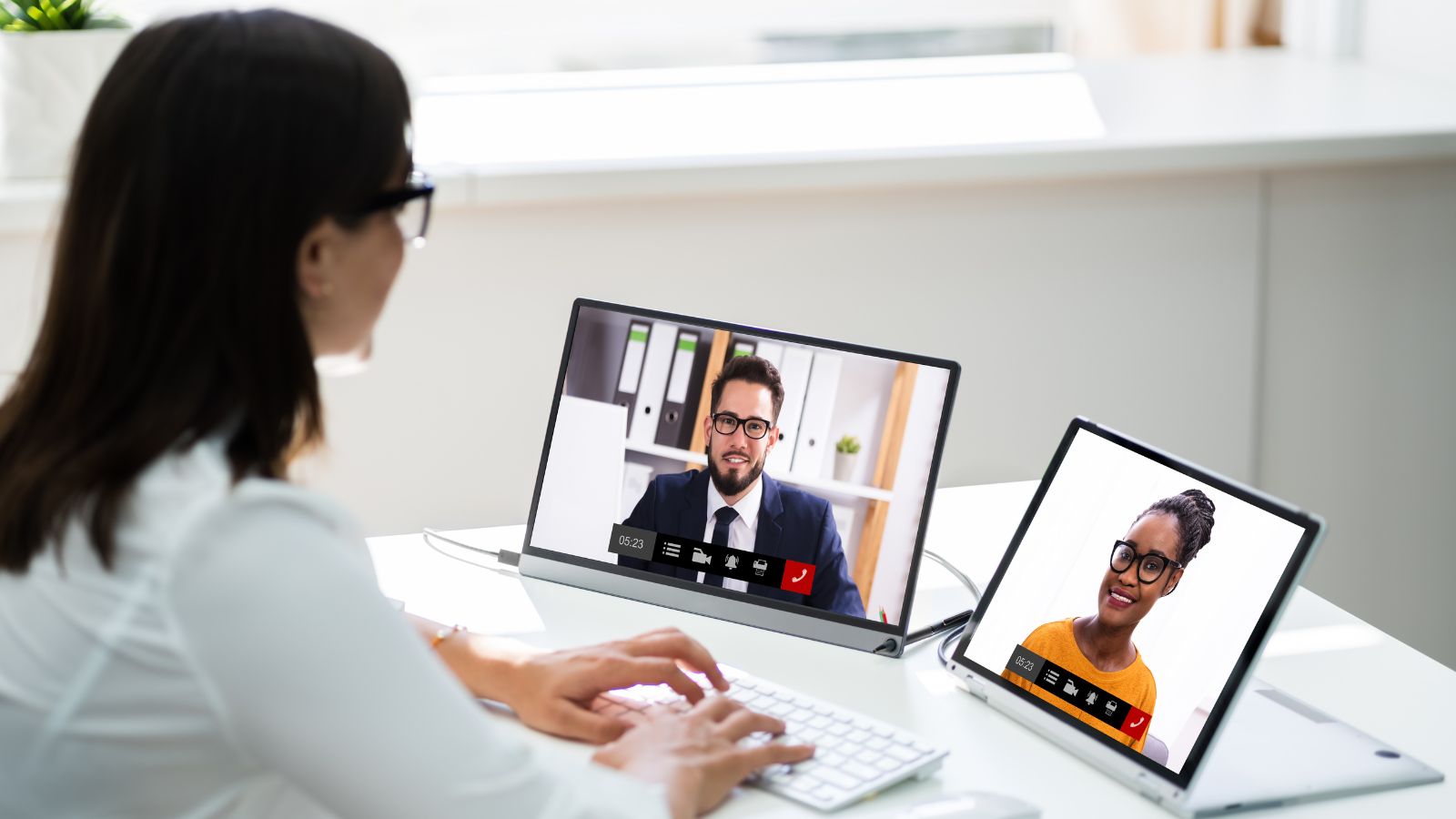
Calendar tools, instant video links, and shared digital workspaces have made it simpler than ever to assemble people quickly. The result has been an explosion of meetings, many of them scheduled because they are convenient rather than necessary. Collaboration software reduces the logistical cost of gathering, but that convenience can quietly inflate how much time gets consumed by alignment, updates, and status checks.
The irony is that meetings are often justified as productivity tools even when they crowd out the work they are meant to support. A day filled with back-to-back calls can leave little room for deep thinking, writing, designing, or solving difficult problems. In many offices, people now spend energy preparing for meetings, attending meetings, and summarizing meetings, while the actual task that prompted the meeting gets pushed into the margins of the day.
Chat Platforms Reward Speed More Than Substance

Internal messaging tools were supposed to reduce bottlenecks and make teams more connected. They do help work move faster, especially across time zones and departments. But they also create a culture in which responsiveness becomes its own form of performance. A quick reply can be read as engagement, while silence, even when it reflects concentration, can be interpreted as disengagement.
Over time, this changes what good work looks like. Employees may interrupt themselves repeatedly just to keep up with message flow, even when the interruption damages the quality of what they are producing. The work becomes more reactive, more fragmented, and more public. Instead of protecting attention, many organizations now treat attention as permanently available, and communication tools become engines of low-grade urgency dressed up as collaboration.
Productivity Dashboards Push People Toward the Metric

Dashboards and analytics promise managers a clearer window into what teams are doing. They can show output, throughput, completion rates, resolution times, and dozens of related indicators. Used well, that data can identify bottlenecks and support better planning. Used carelessly, it turns work into a race to satisfy whatever the system is measuring most visibly.
This is where productivity language can become misleading. Employees may be praised for high activity while doing work of modest value, because the dashboard favors quantity, speed, or visible completion. Jobs that depend on judgment, mentoring, creativity, or careful problem-solving can suffer because those contributions are less legible. Once the score becomes central, workers often organize themselves around what is easiest to count, not necessarily what matters most to customers or the business.
AI Assistants Raise Expectations as Much as They Save Time
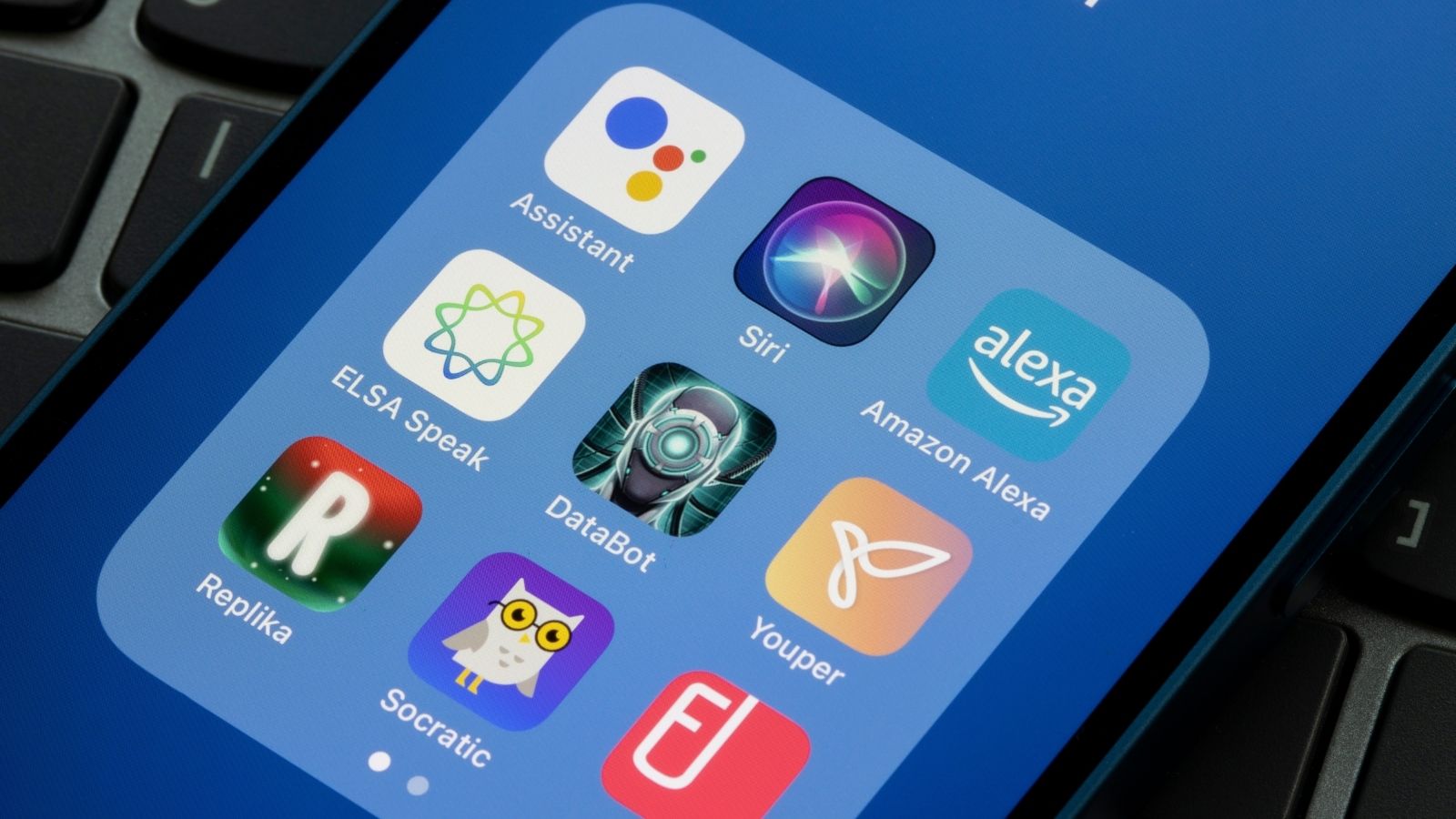
Generative AI has entered the workplace with a familiar promise: faster drafting, quicker summaries, lighter administrative work, and more output per person. In many cases, those benefits are real. But when a tool makes part of the job faster, organizations rarely stop at giving workers their time back. More often, they raise the baseline and expect more deliverables, more speed, and more availability from the same headcount.
That is why AI can feel less like relief and more like intensification. A worker who once wrote two reports may now be asked for four because the first draft is easier. Teams may be told to absorb new responsibilities because summarizing, note-taking, or formatting has been automated. The official story is enhanced productivity. The lived result can be that employees inherit a new pace of work without gaining more control over it.
Employees Are Bringing AI to Work Before Companies Are Ready
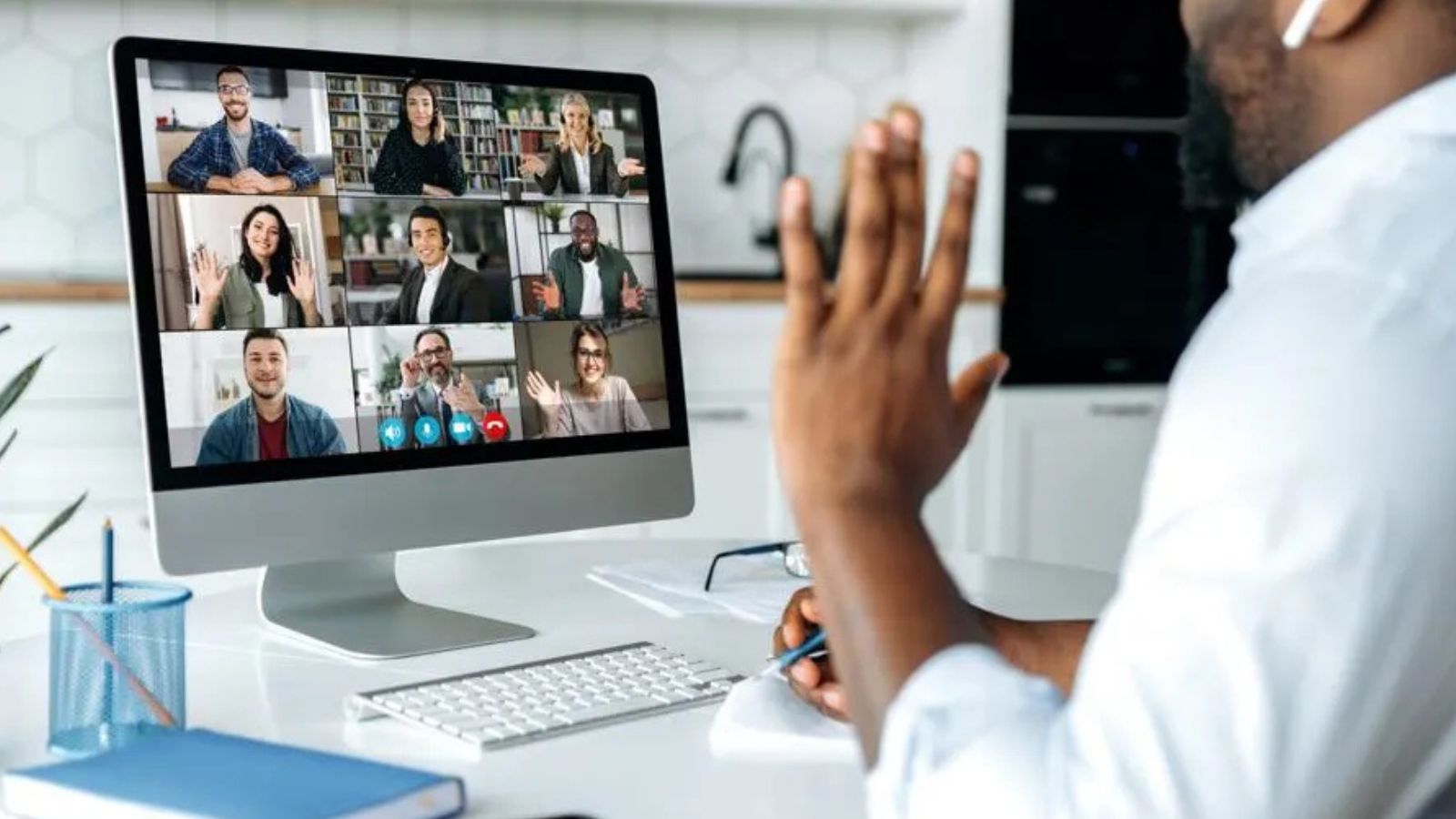
A striking feature of the AI boom is how often workers adopt tools on their own. When company systems move slowly, employees start using public chatbots, transcription apps, and writing assistants to keep up with pressure. This bottom-up adoption is often described as initiative, but it also reveals something else: many workers feel they cannot wait for formal policy if they want to stay competitive.
That creates a new kind of workplace tension. Employees may save time, but they can also expose confidential data, rely on inaccurate outputs, or create uneven standards across teams. Big Tech positions these tools as universal productivity upgrades, yet in many workplaces they arrive before governance, training, or shared expectations do. The result is not a smooth transformation but a patchwork of unofficial tool use, hidden risks, and quietly rising pressure to keep pace.
Office Attendance Is Being Reduced to Data Points

Return-to-office policies have increasingly been paired with the same logic that shapes digital productivity tools: if something can be counted, it can be managed. Badge swipes, desk bookings, access logs, and occupancy analytics are now used to track physical presence in ways that mirror software-based monitoring. Attendance becomes another performance signal, not just a logistical matter.
That changes the meaning of being in the office. Presence is no longer simply about collaboration, mentoring, or culture; it can become a visible compliance metric tied to evaluations and advancement. Employees may show up to satisfy the system rather than because the work genuinely benefits from being done in person. What is presented as a productivity policy often functions as a measurement policy, where presence itself becomes a form of evidence.
Scheduling Is Becoming More Algorithmic and Less Human
In sectors beyond white-collar offices, technology has increasingly taken over decisions about hours, shifts, routes, and task allocation. Workers in logistics, retail, delivery, and platform-based labor often encounter schedules shaped by algorithms that optimize efficiency, forecast demand, and distribute work with minimal human discretion. From the company perspective, this can look like precision. From the worker perspective, it can feel unpredictable and impersonal.
The problem is not only automation itself, but the asymmetry it creates. Workers may be judged by systems they do not understand and cannot meaningfully challenge. Hours can fluctuate, assignments can change abruptly, and performance rankings can influence future opportunities. It is management without much conversation. The language of efficiency makes it sound rational, yet the experience on the ground can be instability packaged as smart coordination.
Hiring Is Shaped Earlier by Software Than Many Applicants Realize
Big Tech’s influence on work begins before someone is hired. Screening tools, résumé parsers, automated assessments, and AI-assisted interview systems increasingly shape who gets noticed, who advances, and who disappears from the pipeline. Employers adopt them because they promise consistency and speed. But these systems also move crucial judgments into technical processes that applicants rarely see.
That raises important concerns about transparency and fairness. A hiring tool can inherit biased assumptions from the data or criteria behind it, even when the company using it believes the process is objective. Candidates may never know why they were filtered out, and recruiters may lean too heavily on outputs that appear scientific. What gets called productivity in recruiting can become a way of scaling decisions without scaling accountability.
Wellness Tech Can Blur Into Workplace Surveillance
Wearables, health platforms, fatigue monitoring, and biometric tools are sometimes introduced as ways to protect workers or improve well-being. In certain settings, they can support safety and identify serious risks. But once a workplace begins collecting bodily or health-adjacent data, the line between care and control becomes delicate. A system framed as support can also become a source of intrusive oversight.
This is especially sensitive because physical signals are not just workflow indicators; they can reveal conditions, limitations, or patterns with legal and ethical consequences. Employees may reasonably ask who sees the data, how it is interpreted, and whether it could affect promotion, assignment, or discipline. Big Tech often markets these systems as intelligent workplace solutions, yet workers may experience them as another way the job reaches beyond performance and into the body itself.
Knowledge Work Is Being Repackaged as Search and Retrieval

A growing amount of office time now goes to finding the right document, conversation, decision, or owner across a maze of tools. Big Tech’s answer is usually another layer of search, summarization, or knowledge management. Those tools can help. But they also reveal how digital work has become structurally fragmented, with information scattered across chats, cloud drives, project boards, inboxes, and video recordings.
That fragmentation creates a hidden tax on labor. Workers spend valuable time locating context before they can do the actual task. When executives call new search and AI tools productivity breakthroughs, they are often solving a problem created by the very ecosystem of tools modern work already depends on. The gain is real, but so is the underlying complication: people increasingly need software just to navigate the software-mediated workplace.
Self-Service Tools Quietly Push Administrative Work Downward

Many digital systems are sold as empowering because they let employees book travel, manage expenses, update HR details, check benefits, submit approvals, generate reports, and troubleshoot problems without waiting for support staff. The tradeoff is that work once handled by dedicated specialists is increasingly redistributed to everyone else in the organization.
That shift is easy to miss because each task looks minor on its own. But taken together, self-service systems create a substantial layer of invisible administrative labor. Workers become part employee, part operator of the company’s internal platforms. The burden is often justified as streamlined productivity, yet it can consume hours that do not show up clearly in output metrics. Efficiency for the organization can mean more low-value procedural work for individuals.
Continuous Upskilling Is Becoming a Permanent Job Requirement

Technology firms and major employers increasingly talk about learning as part of daily work rather than a periodic event. That sounds constructive, and in some respects it is. As AI, automation, and digital systems spread, skills do need to evolve. But the new expectation can also shift risk onto workers, who are told to remain perpetually adaptable in order to stay relevant.
This changes the emotional contract of employment. Instead of mastering a role and growing steadily within it, employees are asked to keep reinventing themselves around the needs of new tools and business models. Training becomes less of a benefit and more of a survival strategy. What is marketed as empowerment can feel like permanent probation, where the burden of adjusting to technological change sits heavily on the individual.
Work Is Becoming More Legible to Systems Than to People

Perhaps the biggest shift of all is that work is now designed to be interpreted by platforms. Actions become data, data becomes a signal, and signals influence future decisions about staffing, scheduling, evaluation, pay, and promotion. The organization gains a richer technical picture of labor, but not always a richer human understanding of what workers actually do and why it matters.
That imbalance helps explain why so many modern productivity tools feel double-edged. They make work visible, searchable, traceable, and optimizable. Yet they can also flatten context, hide judgment, and reward compliance with the system over contribution to the mission. Big Tech’s deepest impact may not be any one app or dashboard, but the broader idea that the best workplace is the one most fully rendered into data.
19 Things Canadians Don’t Realize the CRA Can See About Their Online Income

Earning money online feels simple and informal for many Canadians. Freelancing, selling products, and digital services often start as side projects. The problem appears at tax time. Many people underestimate how much information the CRA can access. Online platforms, banks, and payment processors create detailed records automatically. These records do not disappear once money hits an account. Small gaps in reporting add up quickly.
Here are 19 things Canadians don’t realize the CRA can see about their online income.
