Summer getaways often begin long before the first beach day, cottage week, cruise, resort check-in, or family visit. For Canadian travellers, the airport can be the place where a carefully planned escape starts smoothly—or begins to unravel. Crowded terminals, tight connections, passport rules, weather disruptions, baggage delays, and misunderstood passenger rights can turn a simple flight into a stressful chain reaction.
These 10 summer flight mistakes highlight the small decisions that can create major problems before a Canadian getaway even gets off the ground. The goal is not to make travel feel intimidating, but to show where preparation matters most when airports are busy, flights are full, and one missed detail can affect an entire trip.
Arriving Too Late for a Peak-Season Airport
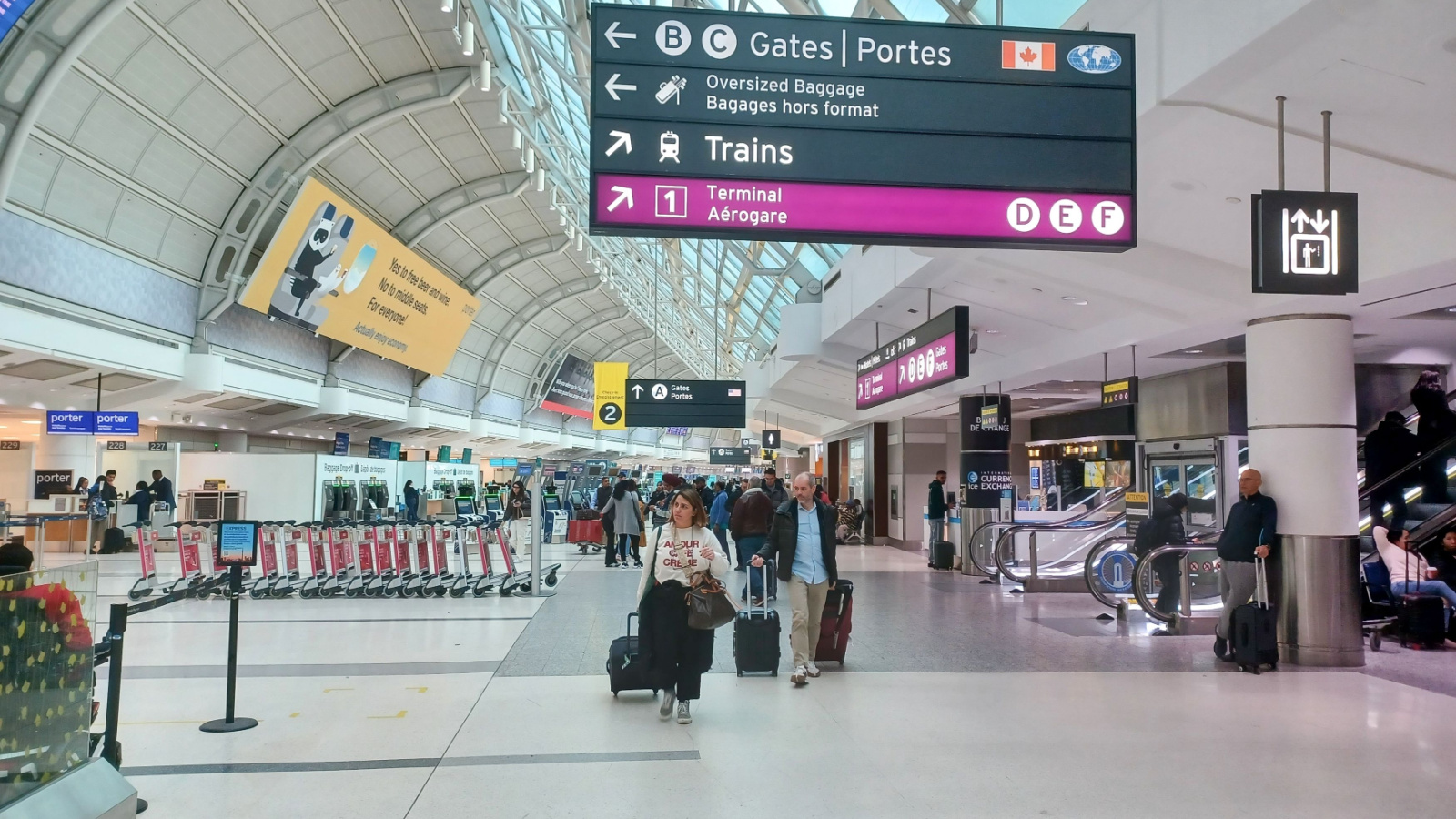
One of the easiest ways to damage a trip before departure is treating a summer airport like an ordinary weekday errand. Canadian airports can become especially crowded during school breaks, long weekends, early-morning departure banks, and Friday afternoons. Vancouver International Airport advises travellers to arrive at least two hours before domestic flights and three hours before U.S. or international departures. That guidance exists because check-in, bag drop, security screening, and boarding all have separate pressure points.
The mistake often begins with optimism. A family leaving for Kelowna may assume online check-in means the airport will be quick, only to find a slow bag-drop line and a crowded security checkpoint. A traveller flying to the U.S. may forget that customs preclearance happens before boarding at many Canadian airports. During summer, leaving “just enough time” can become not enough time at all, especially when parking, rideshare delays, or a closed lane at departures eats into the schedule.
Forgetting Passport Validity and Entry Rules
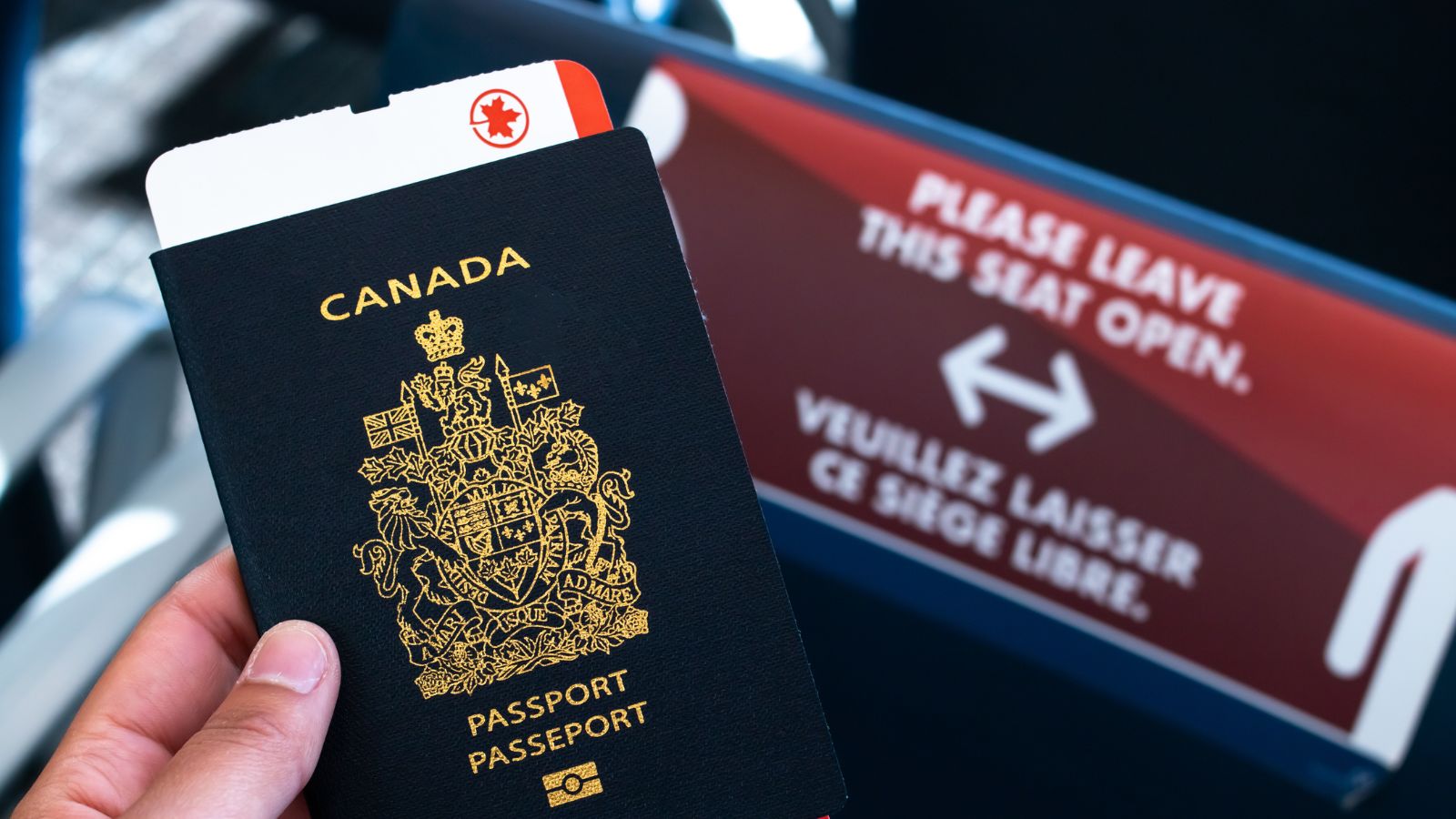
A passport that has not expired can still create trouble. Many destinations require a passport to remain valid for several months beyond the planned return date, and some also require visas, electronic travel authorizations, proof of onward travel, or specific entry documents. The Government of Canada advises travellers to check passport validity requirements and destination entry rules before leaving. Waiting until the night before departure to notice a six-month validity rule can turn a paid vacation into a denied boarding situation.
This mistake feels especially harsh because it is avoidable. A traveller may have booked flights months earlier, paid for hotels, and arranged time off, only to discover at check-in that the destination’s rules are stricter than expected. Families face extra document issues when children travel with one parent, relatives, or another guardian. A consent letter may be recommended for children travelling abroad without one or both parents. Summer travel rewards early document checks, not last-minute hope.
Skipping Online Check-In and Bag-Drop Deadlines
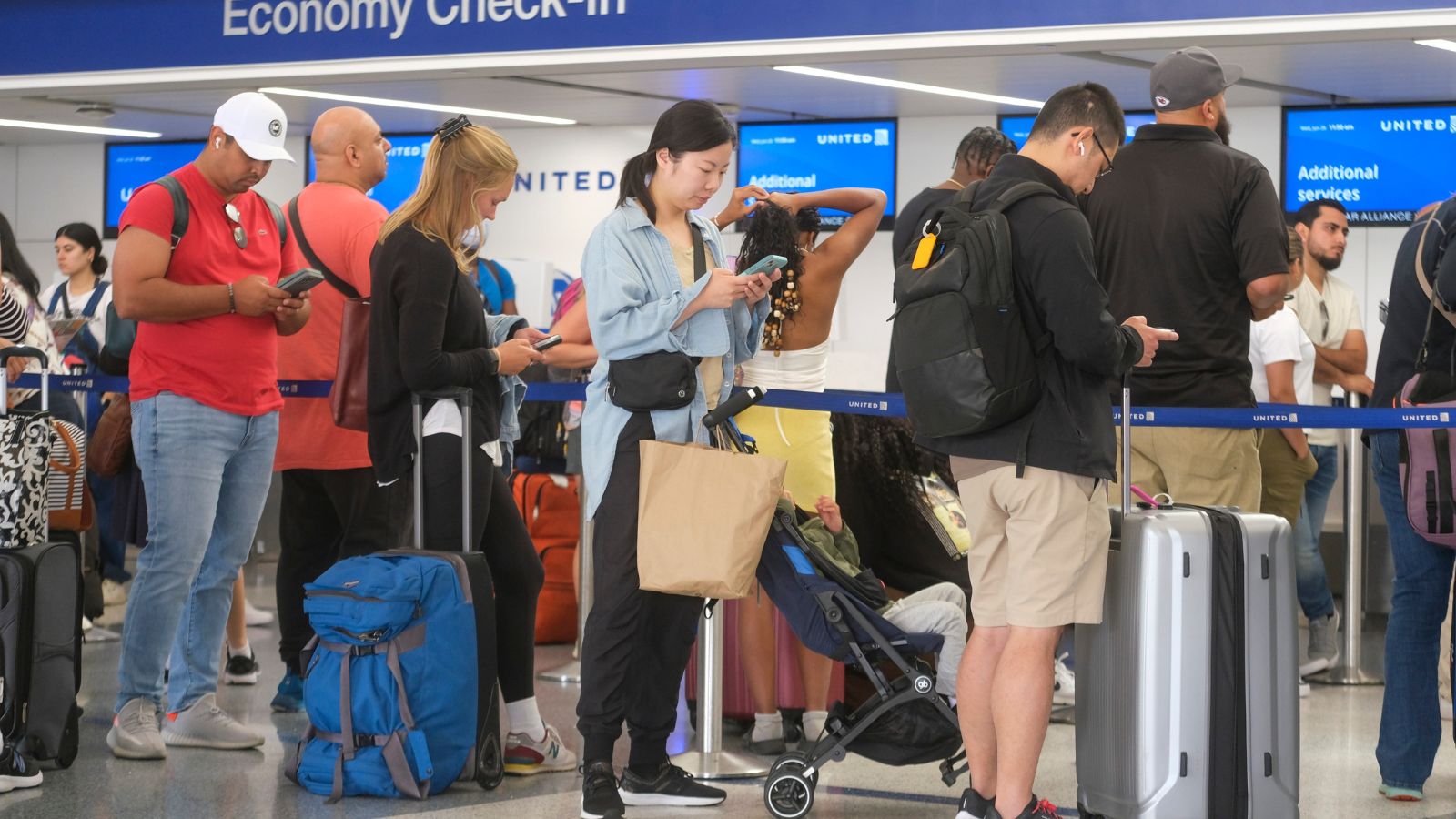
Online check-in is not just a convenience; it can be the first warning system for a trip. It may reveal seat changes, document requirements, schedule adjustments, baggage prompts, or boarding-pass issues before a traveller reaches the airport. Air Canada, for example, allows online check-in up to 24 hours before departure, while baggage and check-in cutoffs vary by route. Missing those cutoffs can leave a traveller standing at the airport with a valid ticket but no realistic way onto the plane.
The common trap is assuming a boarding pass solves everything. A passenger may check in online but still need to tag and drop a bag, show travel documents, or clear U.S. preclearance. Another may arrive with carry-on only but discover the boarding gate closes before the departure time printed on the itinerary. Summer flights are often full, and late arrivals have fewer chances for flexible handling. A small delay at the curb can become a missed flight at the counter.
Packing Carry-On Liquids Like It Is Still a Road Trip

Summer packing creates plenty of carry-on problems: sunscreen, bug spray, shampoo, hair products, aloe gel, drinks, jams, sauces, and large toiletries. CATSA’s rules restrict liquids, aerosols, and gels in carry-on bags to containers of 100 millilitres or less, placed in a clear one-litre bag. Food is not automatically exempt just because it seems harmless; non-solid items can still fall under liquid restrictions. A full-size sunscreen bottle can become an expensive donation at security.
The delay matters as much as the loss. A traveller heading to a resort wedding may pack cosmetics, liquid medication, and skin-care products in a disorganized carry-on, then hold up the screening line while items are inspected. CATSA notes that some essentials, such as liquid medication over 100 millilitres, can be allowed when declared to a screening officer. The mistake is not bringing useful items; it is packing them without knowing how screening rules apply. A few minutes of preparation can prevent a messy repack at the checkpoint.
Booking Connections That Are Too Tight for Summer Reality

A legal connection is not always a comfortable connection. Airlines publish minimum connection times, but those numbers often represent the lowest acceptable threshold under normal conditions. Air Canada lists different minimum connection times depending on airport and route type, including longer times for some Canada-to-U.S. connections through major hubs such as Toronto and Vancouver. Summer crowds, gate changes, late inbound aircraft, and customs steps can make a short connection feel much riskier than it looked during booking.
This becomes especially stressful when the first flight is a short domestic hop feeding a major international departure. A traveller from Victoria connecting through Vancouver to San Francisco may discover that a small delay on the first segment leaves almost no margin. Families, older travellers, passengers with mobility needs, and anyone with checked bags should be even more cautious. A connection that looks efficient on a search engine can become the most fragile part of the entire getaway.
Checking the Bag That Contains the Trip

Checked baggage is sometimes necessary, but packing as though the bag is guaranteed to arrive is a summer mistake. The Canadian Transportation Agency advises travellers to take a photo of their baggage, keep a list of contents, attach contact information inside and outside the bag, and consider using a luggage tracker. Those steps matter because delayed baggage can disrupt the first days of a trip, especially when the bag contains medication, swimwear, formal clothing, chargers, or travel documents.
The better approach is to treat a carry-on as a survival kit. One change of clothes, essential medication, important documents, a charger, glasses, basic toiletries that meet screening rules, and anything needed for the first 24 hours should stay close. Baggage compensation rules exist, and airlines may have liability for lost, damaged, or delayed bags, but reimbursement does not instantly replace a child’s prescription, a wedding outfit, or hiking gear. Summer itineraries often move quickly, so a delayed bag can chase the traveller from city to city.
Ignoring Weather, Wildfires, and Travel Advisories

Summer weather can look harmless on a calendar and chaotic on an airport operations board. Thunderstorms can bring turbulence, lightning, icing, reduced visibility, and heavy rain that affects flight operations. Wildfires and smoke can also complicate travel, especially in western and northern regions or on routes affected by poor visibility and air quality. Government travel advisories and airport status tools are not just for international crises; they can help travellers see problems forming before they reach the terminal.
The mistake is assuming that a sunny departure city means the route is fine. A flight from Toronto to Calgary may depend on aircraft arriving from another city. A connection through Vancouver can be affected by weather, crew timing, or delays elsewhere in the network. A traveller who checks only the weather at the resort may miss wildfire conditions near a connecting airport or a thunderstorm line affecting the inbound aircraft. Summer flight planning works best when status checks begin the day before departure and continue until boarding.
Saving Money With Separate Tickets Without Understanding the Risk

Separate tickets can look like a clever travel hack. A traveller might book a low-cost domestic flight to Toronto, then a separate international flight to Europe, the Caribbean, or the United States. The price may be lower, but the protection can be weaker. If the first flight is delayed and the second ticket is with another airline or itinerary, the second carrier may treat the traveller as a no-show rather than a protected connection. That can mean new fares, lost hotel nights, and a long line at customer service.
This mistake becomes more dangerous in summer because flights are fuller and same-day alternatives can be expensive. A missed separately booked connection may not be easily fixed, especially on routes that operate only once daily. Baggage can also become complicated if it must be claimed and rechecked between tickets. Separate bookings are not always wrong, but they require a larger buffer, a clear baggage plan, and realistic expectations. The cheapest itinerary can become the most expensive one when one delay breaks the chain.
Misunderstanding Canadian Passenger Rights
Many travellers know they have rights when flights are delayed, cancelled, or overbooked, but fewer understand how those rights depend on the reason for the disruption. Canada’s Air Passenger Protection Regulations apply to flights to, from, and within Canada, including connecting flights. Airline obligations can differ depending on whether the disruption is within the airline’s control, within the airline’s control but required for safety, or outside the airline’s control. That distinction affects compensation, rebooking, refunds, and care obligations.
The mistake is waiting until anger takes over at the gate. A traveller who knows the basic categories can ask better questions, save documentation, and file a stronger claim later. Screenshots of delay notices, boarding passes, receipts for meals or hotels, baggage tags, and airline messages can all matter. Passenger rights do not guarantee that every disruption produces cash compensation, but they do create obligations airlines must follow. A calm, documented approach often works better than relying on memory after the vacation.
Leaving Without the Right Insurance Cushion
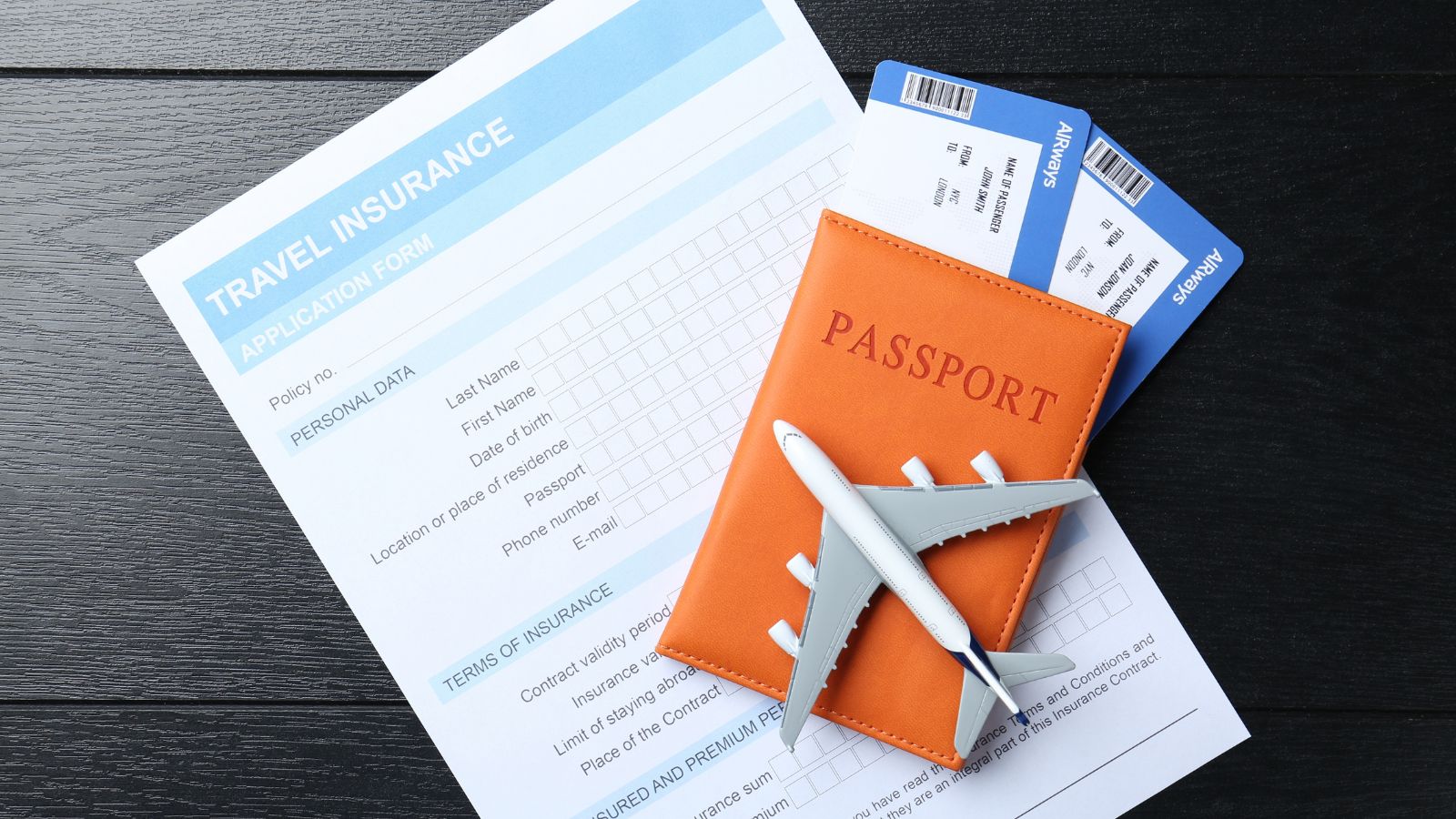
Travel insurance can feel optional until a medical emergency, family illness, baggage delay, missed connection, or trip interruption happens. The Government of Canada warns that provincial or territorial health plans may cover little or none of the cost of medical care abroad and that the federal government will not pay medical bills. Travel insurance can also be relevant for cancellations, interruptions, medical evacuation, lost or stolen luggage, and pre-existing condition coverage, depending on the policy.
The mistake is assuming a credit card, workplace benefit, or provincial health card automatically covers every situation. Some policies exclude certain activities, destinations, pre-existing conditions, long trips, or travel booked with only part of the card. A summer getaway involving hiking, boating, festivals, cruises, or multiple countries can create coverage gaps. Insurance is not glamorous, but neither is arguing with a foreign clinic, replacing delayed essentials out of pocket, or losing prepaid bookings after a disruption. The best time to read the policy is before the boarding pass appears.
19 Things Canadians Don’t Realize the CRA Can See About Their Online Income

Earning money online feels simple and informal for many Canadians. Freelancing, selling products, and digital services often start as side projects. The problem appears at tax time. Many people underestimate how much information the CRA can access. Online platforms, banks, and payment processors create detailed records automatically. These records do not disappear once money hits an account. Small gaps in reporting add up quickly.
Here are 19 things Canadians don’t realize the CRA can see about their online income.
