Canada’s “escape plan” no longer points only to remote cabins or far-off retirement towns. In 2026, the more realistic version often looks like a smaller community with reliable services, enough culture to avoid isolation, outdoor access close by, and housing that still feels less punishing than the biggest urban markets.
These 14 Canadian towns stand out because they combine livability signals with a stronger sense of place: university energy, tourism economies, regional health care, food scenes, trails, lakes, coastlines, or commuter-friendly access to larger centres. None are hidden from locals, but each is drawing a different kind of attention from Canadians rethinking where daily life might feel more manageable.
Squamish, British Columbia
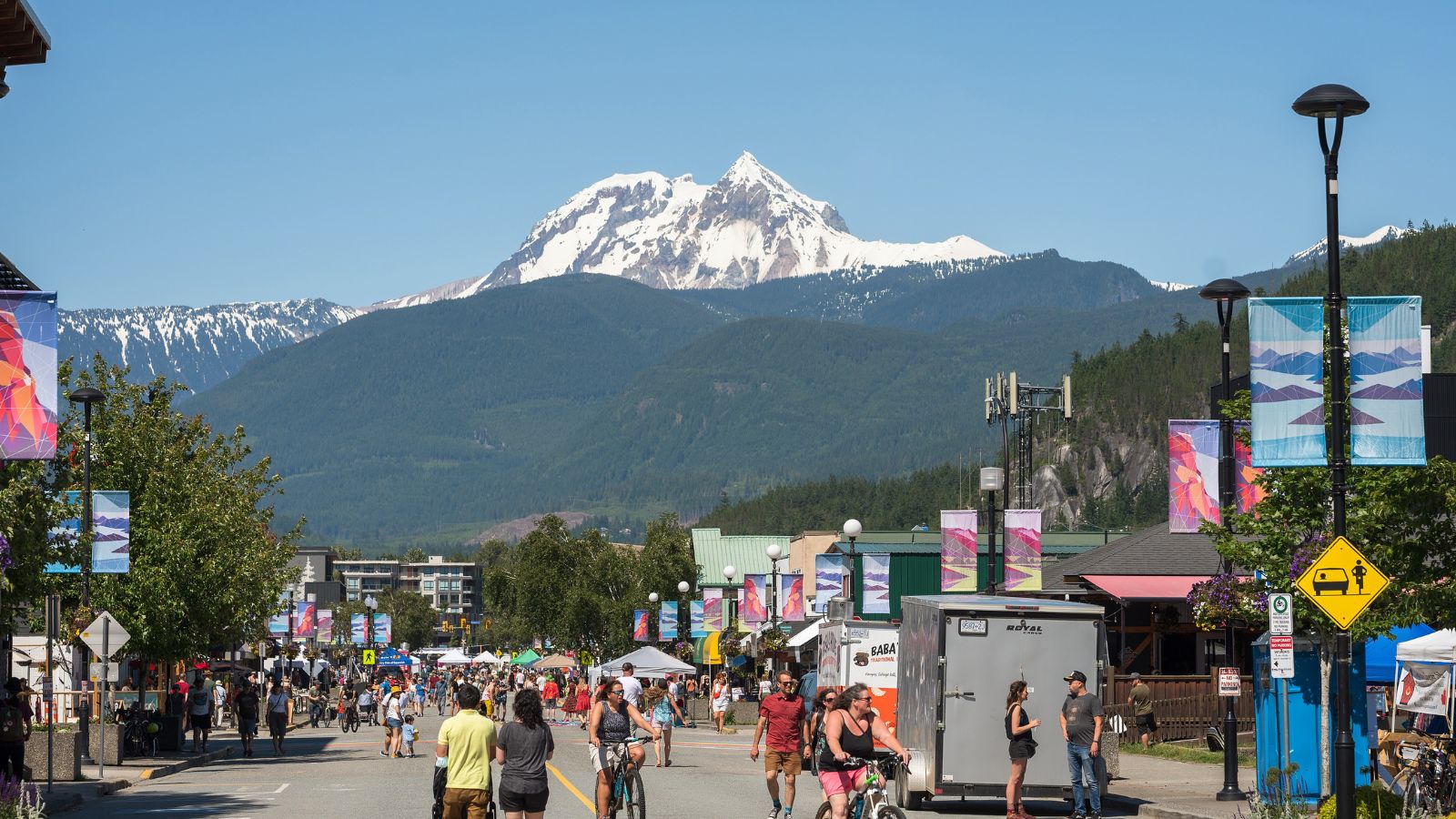
Squamish has become one of Canada’s clearest examples of a former resource town turning into a lifestyle magnet. Sitting between Vancouver and Whistler on the Sea-to-Sky corridor, it offers the rare mix of mountain access, ocean views, and proximity to major employers. Its population has grown significantly since the previous census cycle, and federal economic profiling points to professional services, construction, and retail as major local job sectors. That matters because Squamish is no longer just a weekend base for climbers and mountain bikers; it is increasingly a place where households try to build regular lives.
The appeal is easy to understand on a Saturday morning: trailheads fill early, cafés hum with laptop workers, and families move between the waterfront, schools, and grocery runs. The trade-off is cost. Squamish is not a cheap escape, especially compared with smaller interior towns. But for Canadians leaving Vancouver’s intensity without wanting to lose coastal access, it has become a practical compromise rather than a fantasy retreat.
Canmore, Alberta
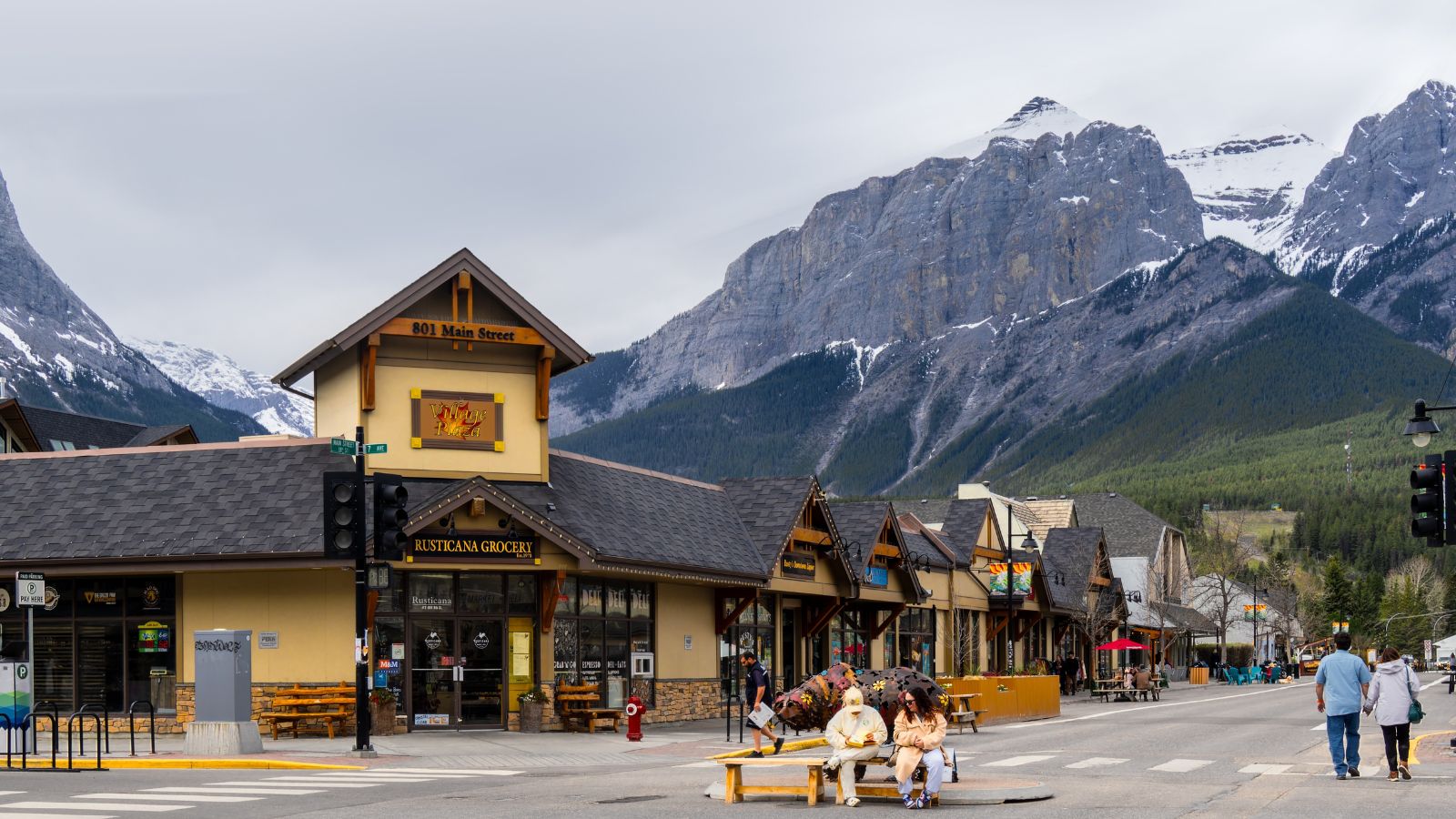
Canmore is not exactly undiscovered, but its role in 2026 feels different. For years, it was treated as Banff’s livable neighbour: beautiful, outdoorsy, and slightly more practical. Today, it is becoming an escape plan for people who want Rocky Mountain living without fully disconnecting from urban Alberta. Municipal and provincial data show a permanent population in the mid-teens of thousands, while the broader Bow Valley continues to wrestle with full-time housing shortages. That tension is part of the story: demand remains strong because the setting is unusually compelling.
The town’s everyday life revolves around mountains in a way few Canadian places can match. A resident can finish errands downtown and still see peaks rising behind the grocery store. Remote workers, retirees, tourism employees, and outdoor professionals all compete for the same limited housing stock. Canmore’s appeal is powerful, but it is not effortless. It suits people who value trail access, scenery, and community infrastructure enough to accept higher housing pressure.
Okotoks, Alberta
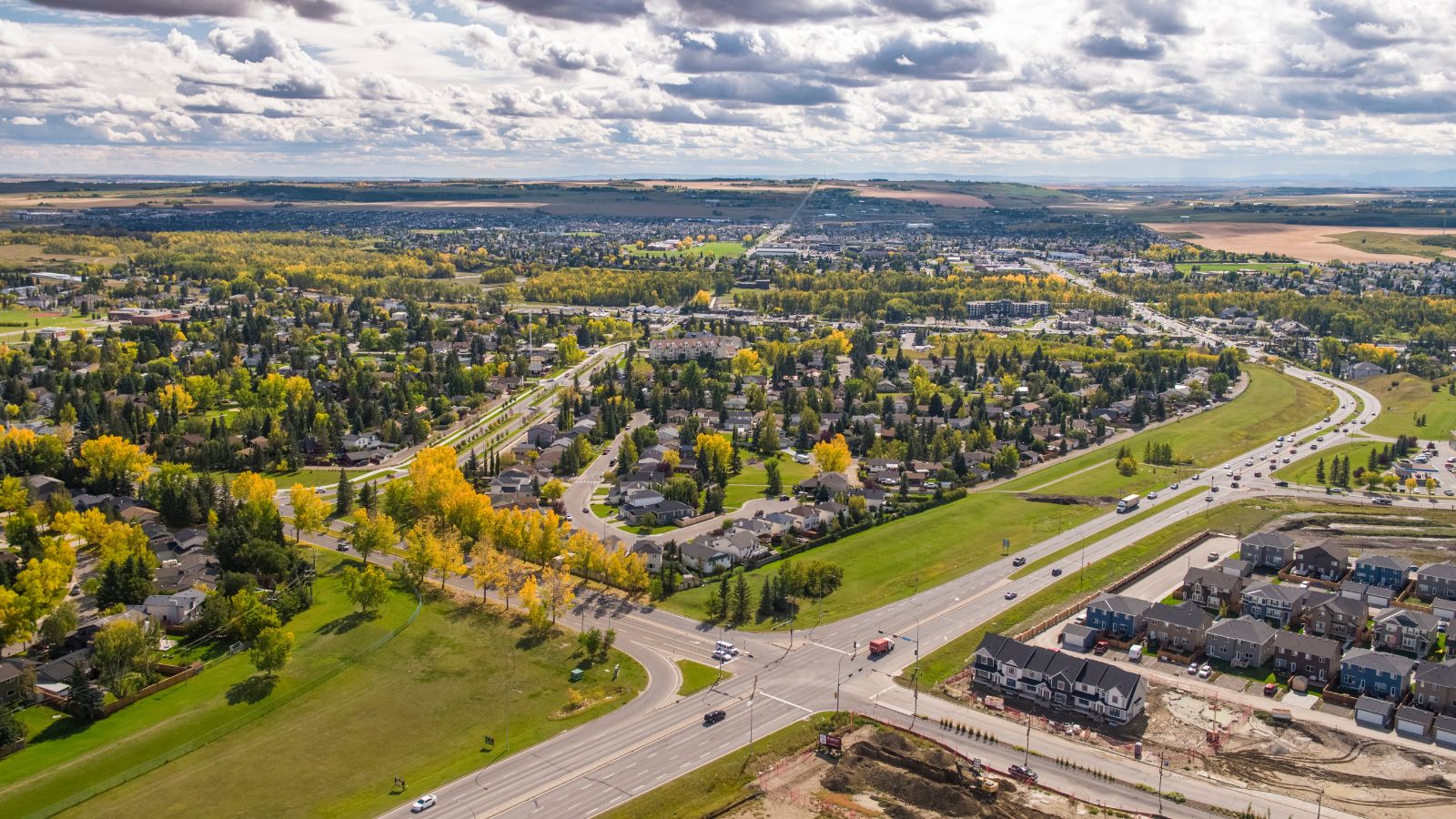
Okotoks has quietly become a Southern Alberta pressure-release valve. It sits close enough to Calgary for commuting, shopping, airport access, and specialized services, yet it maintains a distinct town identity along the Sheep River. Alberta’s regional data estimated Okotoks at more than 33,000 residents in 2025, making it one of the province’s larger towns. Its growth over the past five years reflects a familiar pattern: Canadians want space, but not isolation; affordability, but not a complete break from metropolitan opportunity.
What makes Okotoks especially practical is its everyday functionality. It has schools, recreation facilities, local businesses, and established neighbourhoods rather than a purely seasonal economy. For families priced out of larger detached-home markets, it can feel like a workable middle ground. The town still faces growth-management questions, from traffic to infrastructure to housing diversity. Yet compared with more dramatic “move-to-the-mountains” choices, Okotoks is an escape plan built around normal routines: school drop-offs, grocery runs, weekend trails, and Calgary within reach.
Nelson, British Columbia
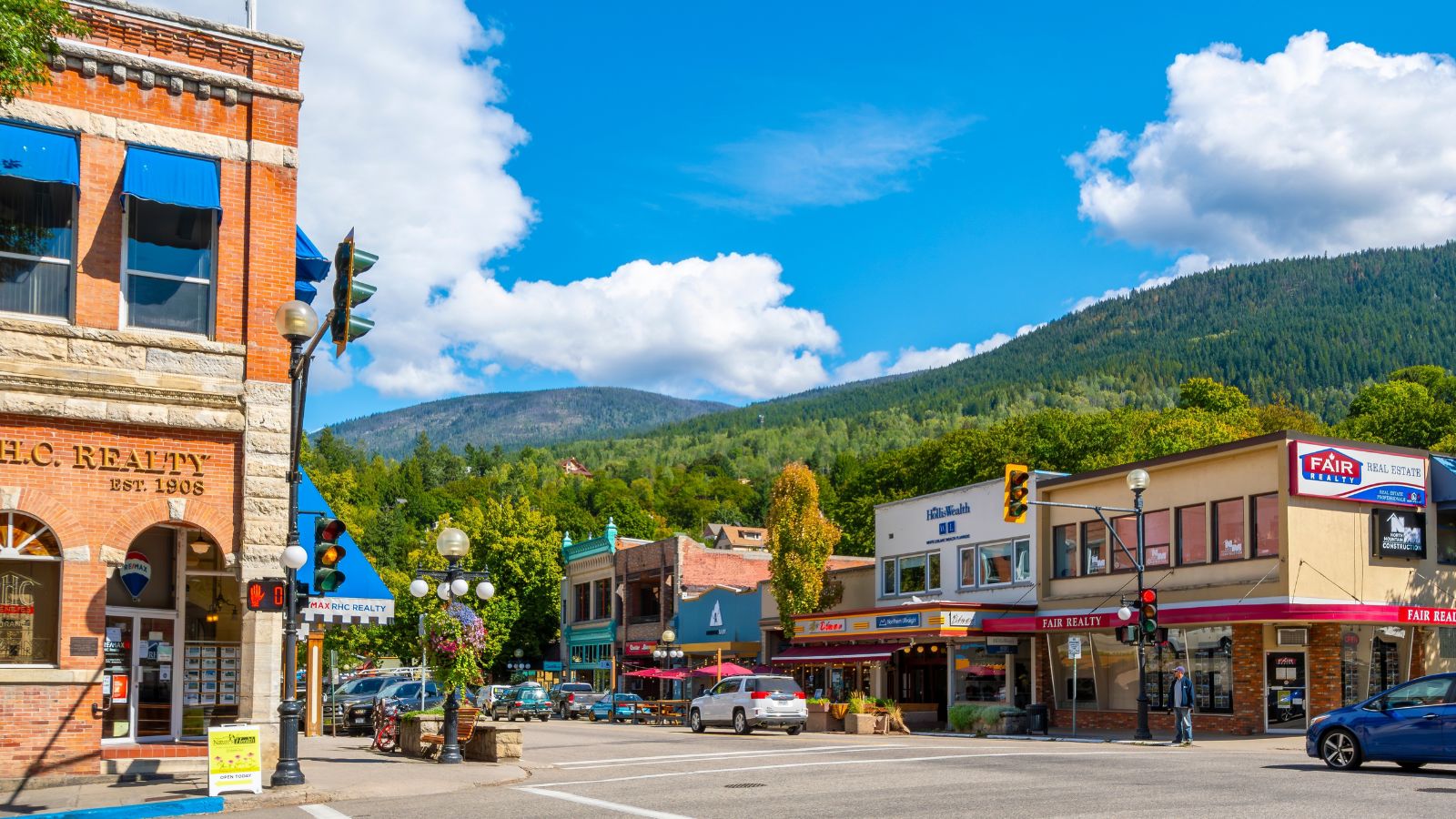
Nelson has long had a reputation as a creative Kootenay town, but in 2026 that reputation feels newly relevant. With a population of just over 11,000 in the 2021 census, it offers a compact scale while still supporting a lively downtown, arts culture, heritage buildings, and year-round recreation. Its official community materials highlight everything from lake access and biking to skiing, yoga, dance, and mountain activities. That breadth gives Nelson an advantage over small towns that feel lovely for a weekend but thin after a month.
The human appeal is visible on Baker Street, where restored storefronts, independent shops, and mountain-town informality create a sense of local texture. People do not usually choose Nelson for maximum convenience; they choose it for atmosphere. The challenge is that charm can be costly, especially when limited housing meets lifestyle demand. Still, for Canadians seeking a more rooted, creative, outdoors-focused life, Nelson feels like a town with depth rather than a postcard backdrop.
Courtenay, British Columbia
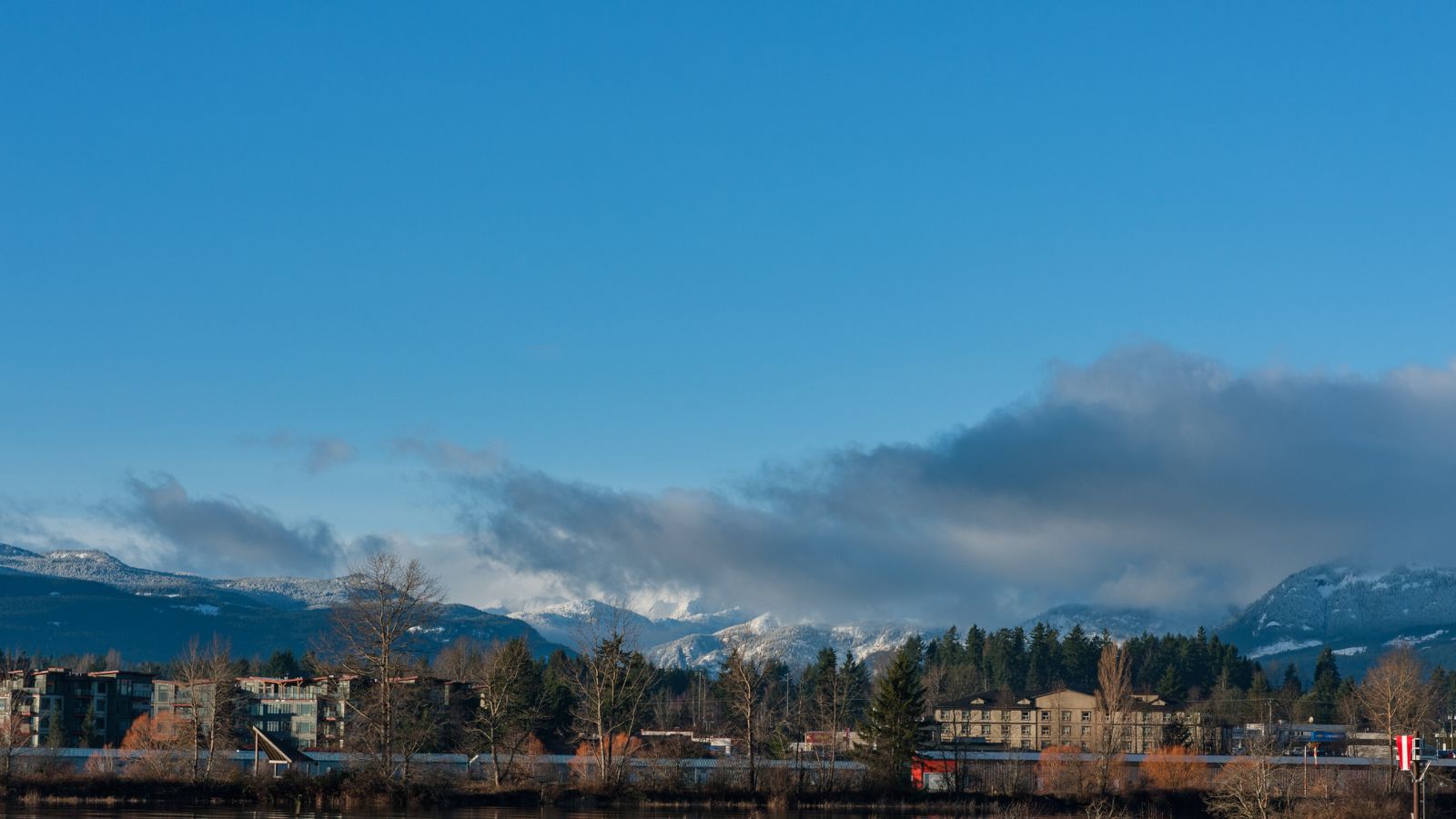
Courtenay is increasingly attractive because it offers Vancouver Island living without the same intensity as Victoria or Nanaimo. Located in the Comox Valley, it grew by more than 10% between 2016 and 2021, according to regional population statistics. The surrounding area benefits from a mix of retirees, military families connected to nearby CFB Comox, tourism, health services, and outdoor recreation. That mix gives Courtenay a broader economic base than many small coastal communities that rely too heavily on seasonal visitors.
Life there can feel balanced in a distinctly Island way. A resident might shop downtown in the morning, walk near the river, and be within reach of beaches, farms, or Mount Washington depending on the season. It is not immune to housing pressure, especially as Vancouver Island continues to draw interprovincial and urban migrants. But Courtenay’s appeal lies in its range: it feels scenic without being remote, relaxed without being sleepy, and small enough to feel personal while still offering real services.
Stratford, Ontario
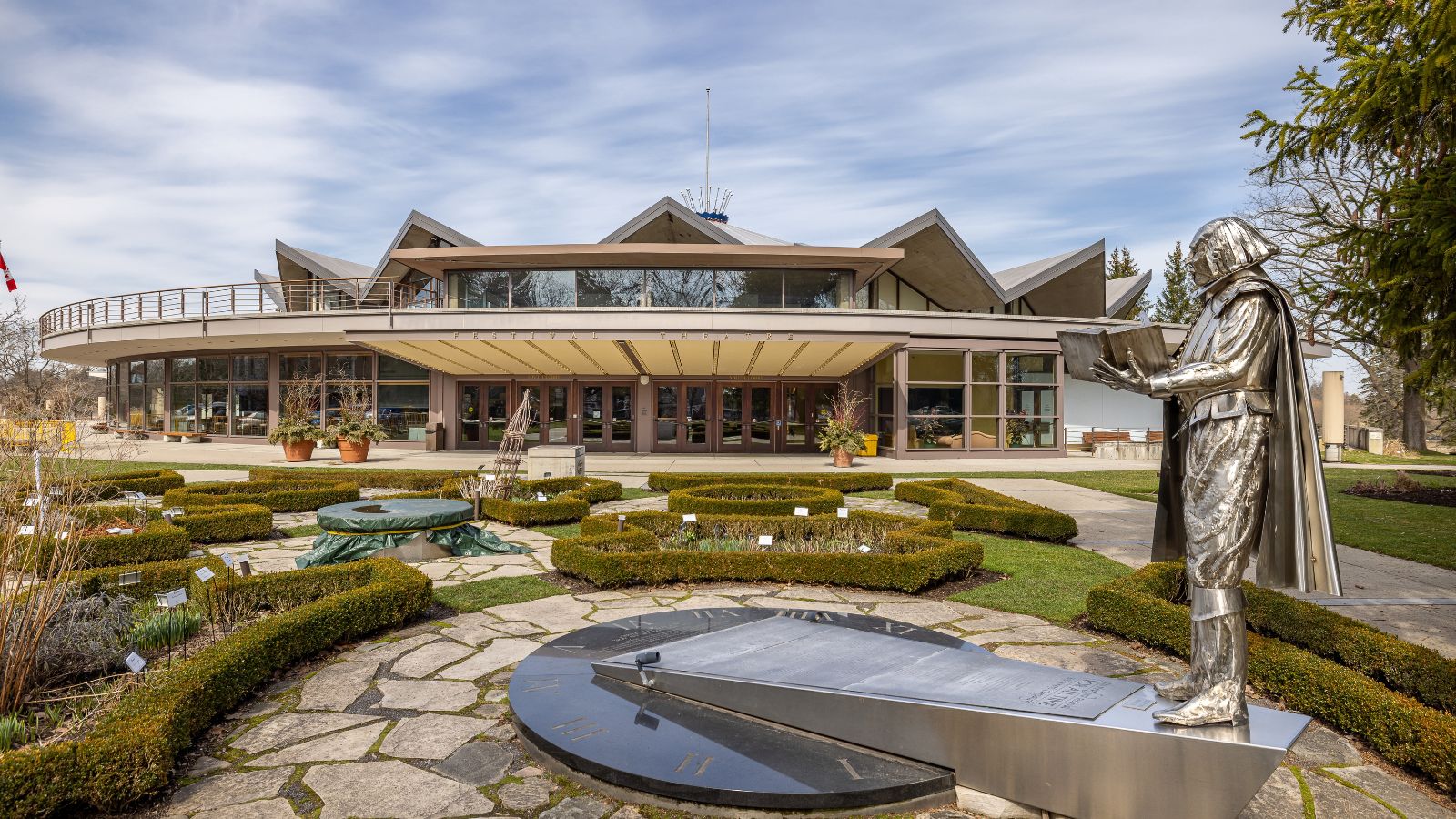
Stratford has a rare advantage among smaller Ontario cities: it has cultural gravity. Known nationally for the Stratford Festival, it attracts visitors, performers, restaurant traffic, and arts attention far beyond what its population might suggest. The 2021 census placed Stratford above 33,000 residents, giving it enough scale to support amenities without feeling like a major urban centre. In a province where many households are reconsidering life outside the Greater Toronto Area, that combination is increasingly valuable.
The town’s appeal is not just theatre. Stratford has historic streets, a walkable core, the Avon River, independent cafés, and a pace that can feel calmer than Kitchener-Waterloo or Toronto. At the same time, it remains connected to southwestern Ontario’s broader employment and education networks. For people who want culture without congestion, Stratford can feel like a credible Plan B. Its challenge is popularity: the more its livability becomes obvious, the more pressure builds on housing and short-term accommodation debates.
Collingwood, Ontario
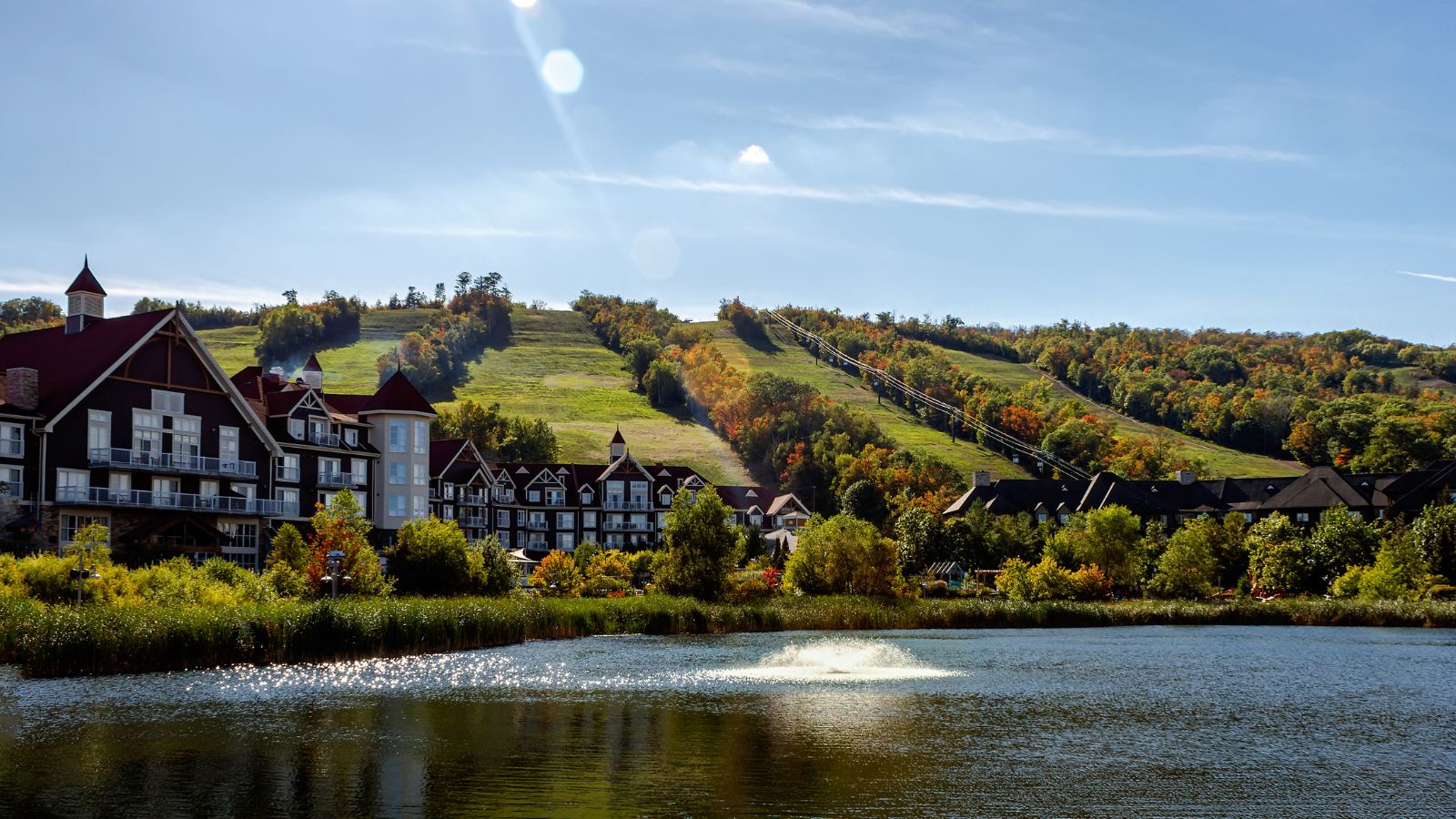
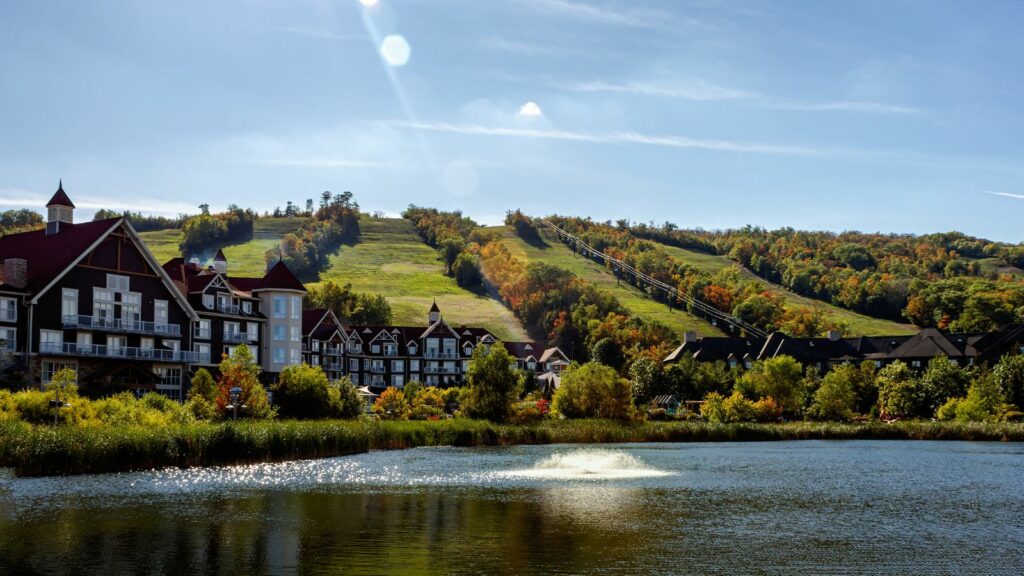
Collingwood is becoming a year-round escape plan rather than just a winter ski-adjacent destination. Its population grew strongly between 2016 and 2021, and local coverage of census data showed nearby Blue Mountains among Canada’s fastest-growing municipalities during that period. Collingwood benefits from Georgian Bay, the Niagara Escarpment, trail networks, ski access, and a downtown that has become more polished over time. That makes it attractive to retirees, remote workers, young families, and weekenders who slowly become permanent residents.
The town’s shift is visible in its rhythms. Summer brings cyclists, boaters, and patio crowds; winter brings skiers and chalet traffic; shoulder seasons increasingly belong to locals trying to enjoy the quieter version of town. Collingwood’s challenge is managing the very lifestyle that draws people in. More demand can mean higher prices, busier roads, and pressure on health care and infrastructure. Still, for Canadians leaving the GTA but wanting outdoor access and a developed service base, it remains highly compelling.
Prince Edward County, Ontario
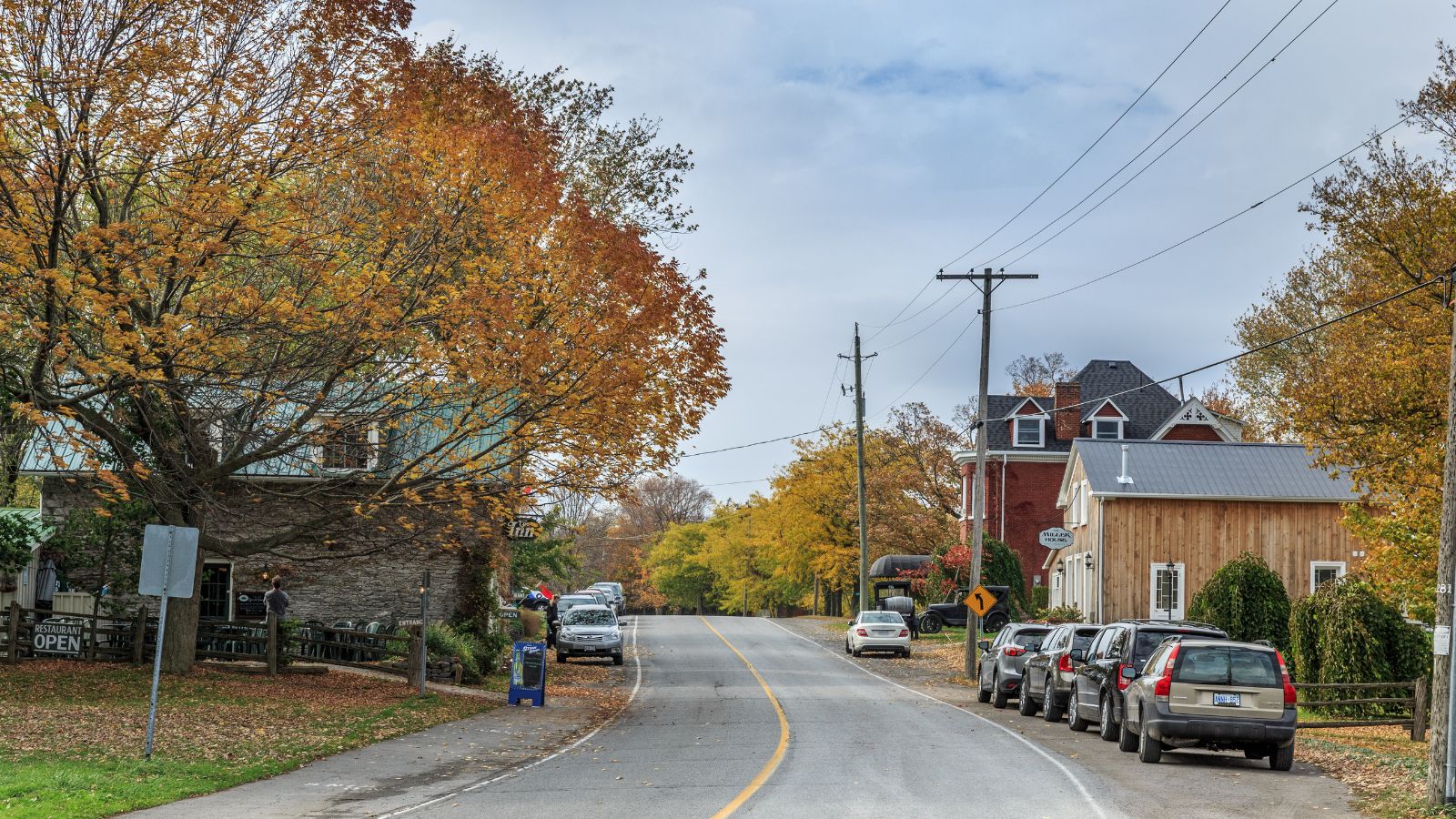
Prince Edward County has moved from quiet rural escape to one of Ontario’s most discussed lifestyle destinations. Centred around communities such as Picton, Bloomfield, and Wellington, the county blends farms, wineries, beaches, restaurants, galleries, and Lake Ontario scenery. Local economic reporting points to population growth after decades of stagnation, while travel coverage has increasingly recognized the county’s food and wine scene. That combination gives it a strong identity: rural, creative, culinary, and close enough to Toronto, Ottawa, and Montreal to stay connected.
The county’s everyday charm can feel almost cinematic: roadside farm stands, converted barns, limestone buildings, and long drives toward Sandbanks. But it is not just a vacation story. More people are trying to live there full time, which brings concerns about housing affordability, seasonal work, and infrastructure. Prince Edward County remains appealing precisely because it still feels human-scaled. The question in 2026 is whether it can keep that feeling while absorbing continued attention.
Huntsville, Ontario
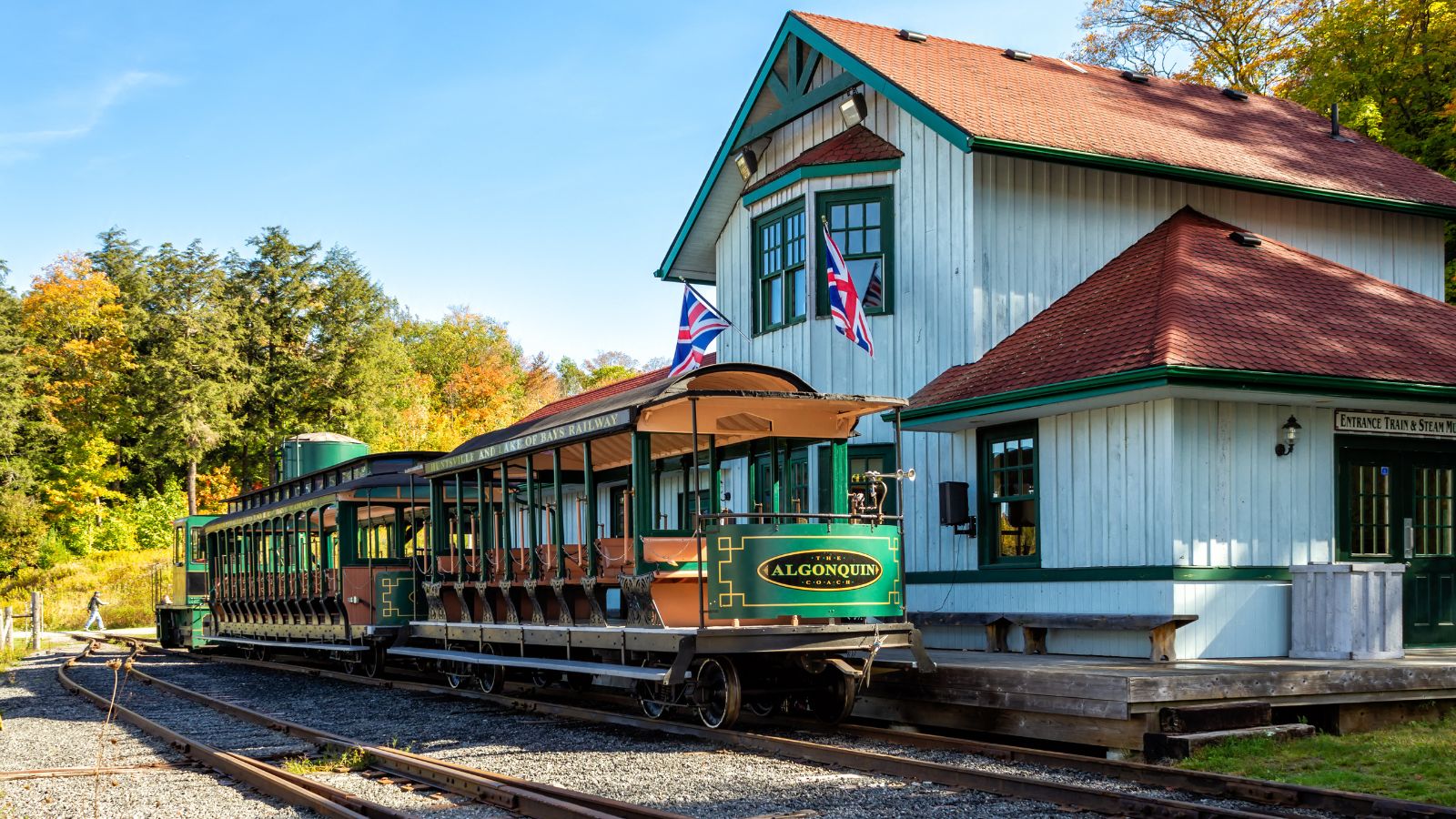
Huntsville stands out because it offers the Muskoka dream with more town infrastructure than many cottage-country communities. The 2021 census put its population above 21,000, making it the largest of Muskoka’s major towns. It is also a western gateway to Algonquin Provincial Park, with lakes, rivers, forests, resorts, and a service economy shaped by both tourists and permanent residents. That makes Huntsville more than a summer address; it functions as a regional hub.
For Canadians imagining a move north of the GTA, Huntsville has an emotional pull. It suggests morning fog over lakes, winter snowshoeing, local shops, and a slower pace without total remoteness. The catch is seasonality. Tourism brings money and energy, but also traffic, staffing challenges, and housing pressure. Still, compared with smaller cottage settlements, Huntsville offers a stronger year-round base. It is especially attractive for people who want nature close by without giving up hospitals, schools, and a recognizable downtown.
Wolfville, Nova Scotia
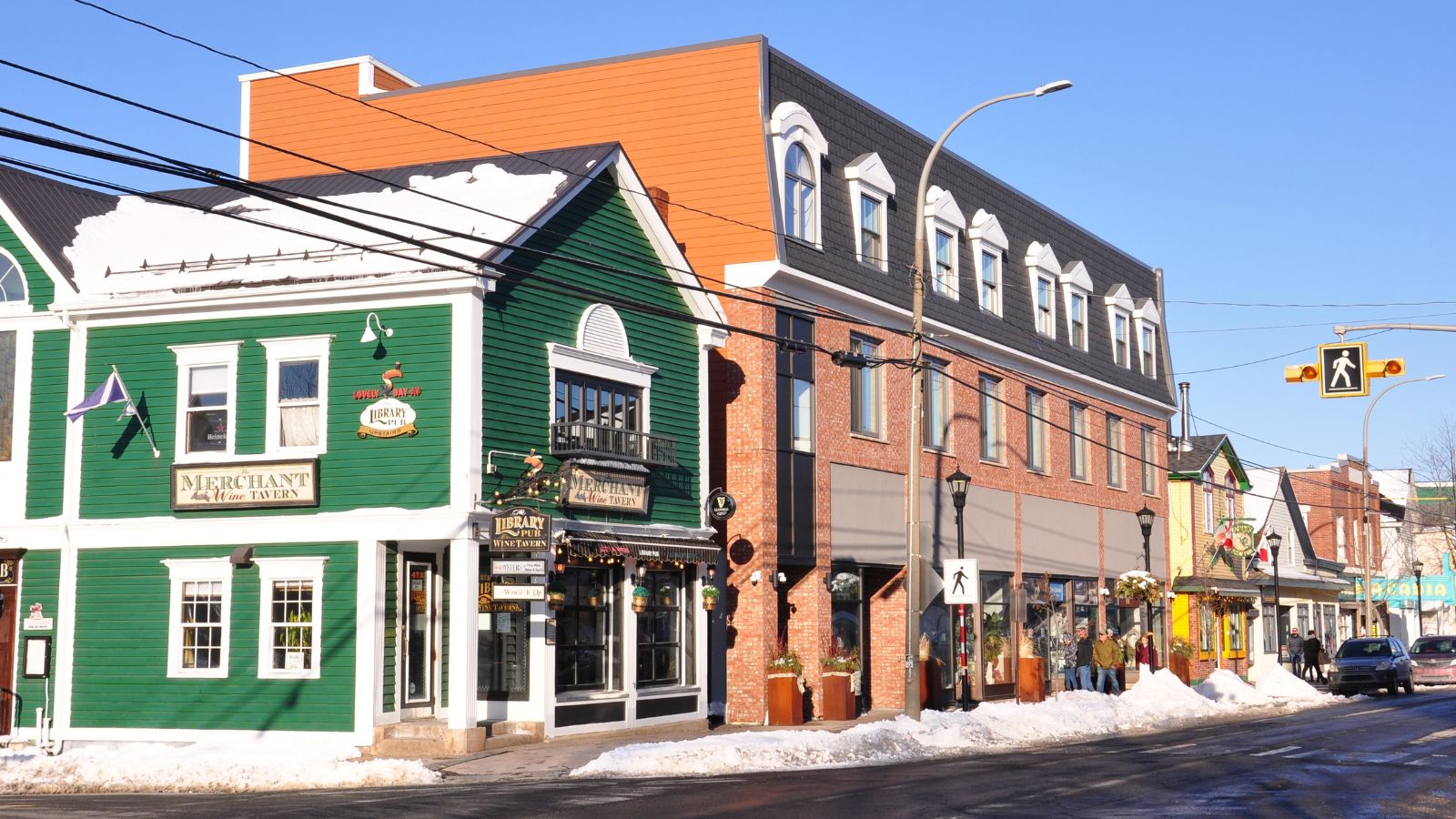
Wolfville is one of Atlantic Canada’s most distinctive small-town escape options. Located in the Annapolis Valley, it had just over 5,000 residents in the 2021 census and grew sharply from 2016 to 2021. Its scale is small, but Acadia University changes the energy of the place, bringing students, lectures, performances, cafés, and a more cosmopolitan feel than the population number suggests. Nearby wineries and views toward the Bay of Fundy add another layer of appeal.
What makes Wolfville work is the blend of intellectual and rural life. A resident can buy local produce, attend a campus event, walk a compact downtown, and still feel surrounded by farms and tidal landscapes. It is not a bargain-basement escape, especially as Nova Scotia’s desirable towns attract more out-of-province interest. But Wolfville offers something many small towns struggle to create: a sense of movement. The university, wine region, and visitor economy keep it feeling active without overwhelming its size.
Sackville, New Brunswick
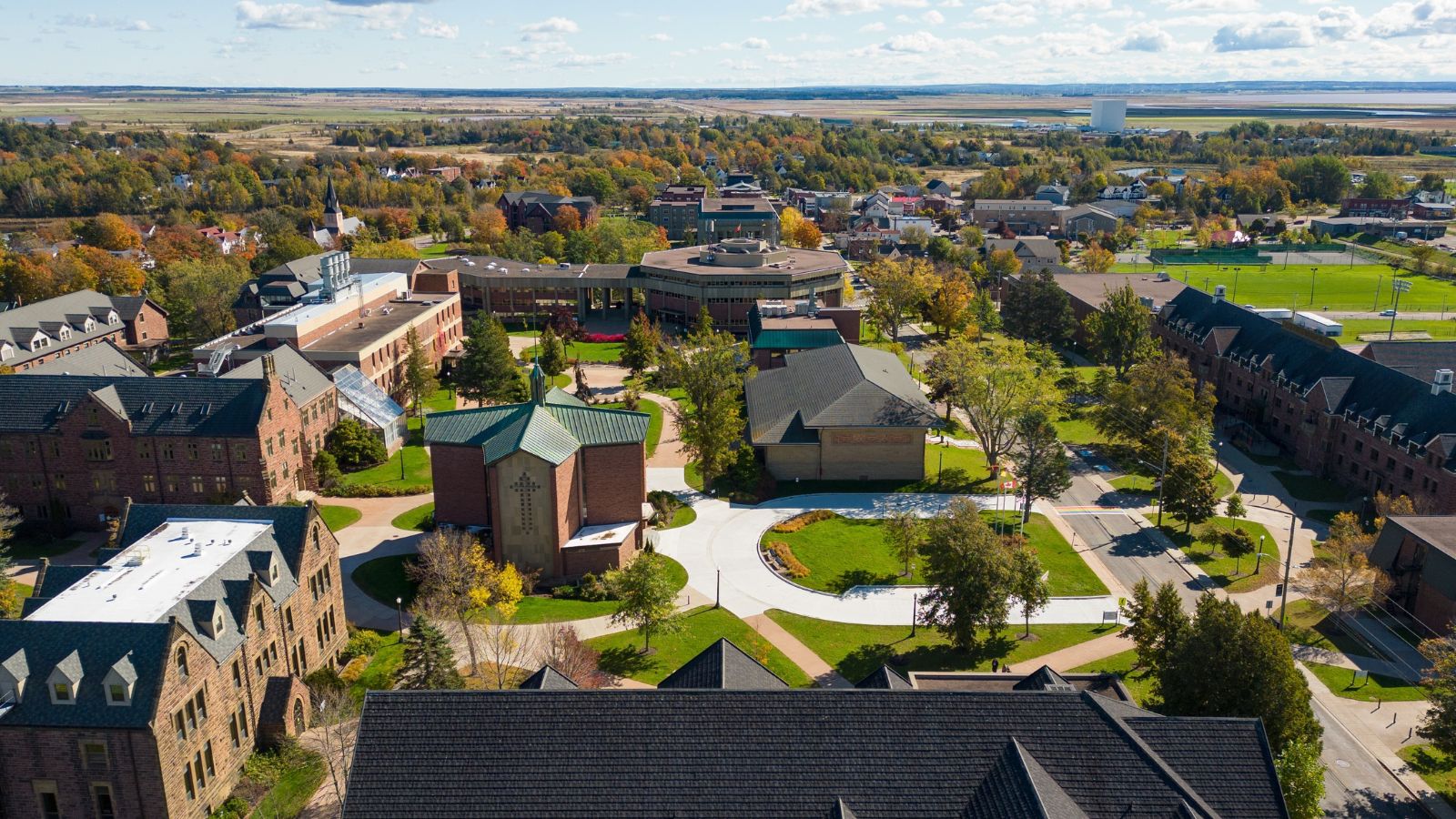
Sackville, now part of the municipality of Tantramar, remains one of New Brunswick’s most appealing small-town communities for people who want character, education, and affordability signals in the same place. The 2021 census recorded Sackville at just over 6,000 residents, while local reporting notes that Mount Allison University adds thousands more during the academic year. That student presence gives the town a cultural and economic pulse that is unusual for its size.
The setting also matters. Sackville sits near the Tantramar Marshes and close to the Nova Scotia border, giving it a distinct landscape and a convenient regional position. It has bookish energy, heritage homes, independent shops, and a slower rhythm than larger Maritime centres. The appeal is strongest for people who like small communities but fear isolation. Sackville’s limitations are real: fewer specialized services, a smaller job market, and winter weather that demands adjustment. Even so, it offers a grounded escape plan rather than a luxury one.
Summerside, Prince Edward Island
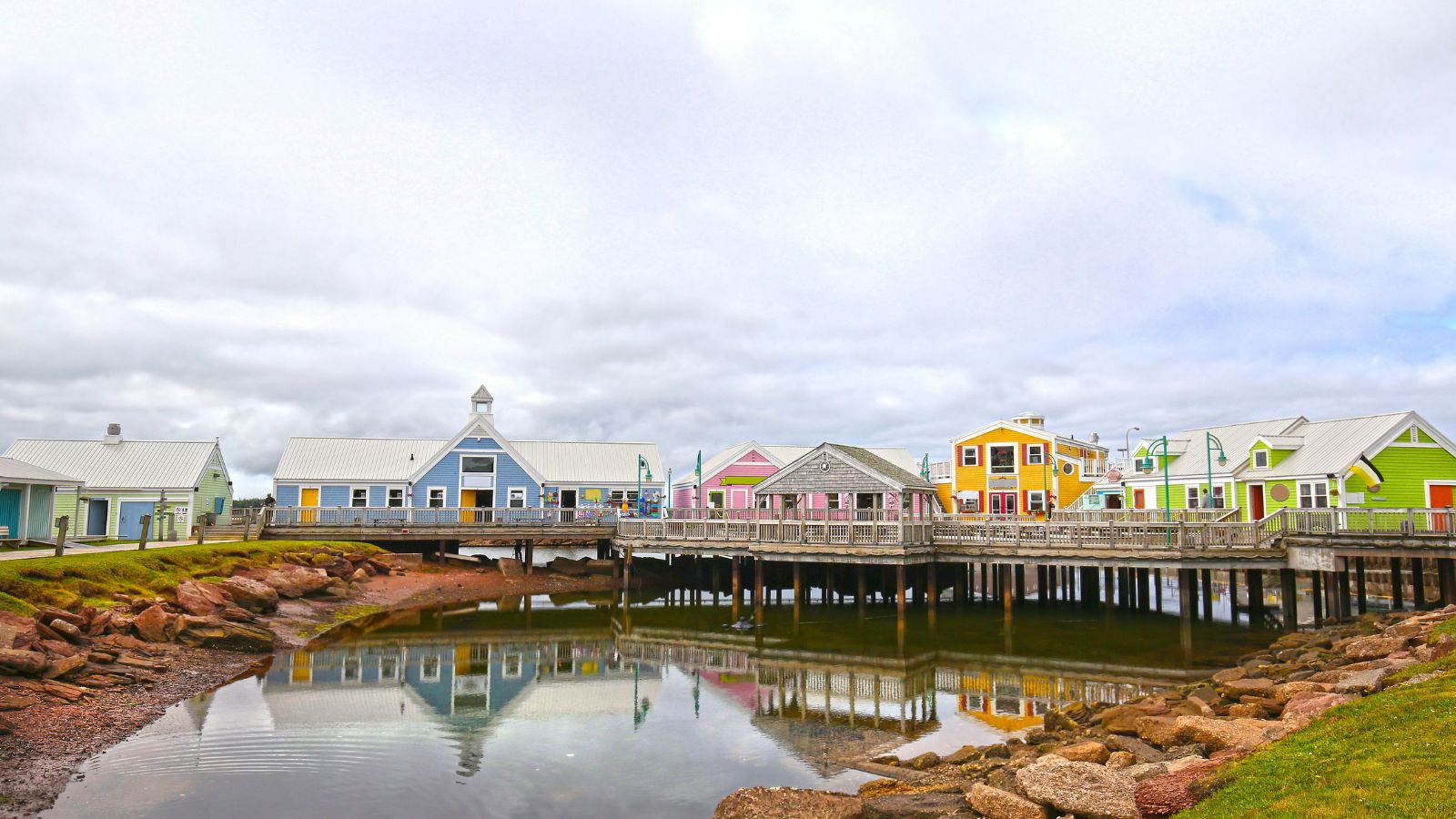
Summerside is becoming more relevant because Prince Edward Island itself keeps drawing attention from Canadians seeking a smaller, coastal lifestyle. Provincial population estimates showed PEI continued to grow year over year into early 2026, even as national population trends slowed. Summerside, the province’s second-largest city, offers a more manageable alternative to Charlottetown while still providing shops, services, waterfront access, and regional employment. It is small enough to feel personal, but large enough to avoid the fragility of a tiny village.
The town’s appeal is practical as much as scenic. A household can find beaches and farmland nearby, but also schools, health services, recreation facilities, and daily conveniences. Summerside has also worked to define itself through energy, business development, and waterfront renewal rather than relying only on nostalgia. Housing pressure has risen across PEI, and newcomers need realistic expectations about wages, rentals, and winter conditions. Still, Summerside offers a compelling Atlantic option for people who want coastal life with structure.
Rimouski, Quebec
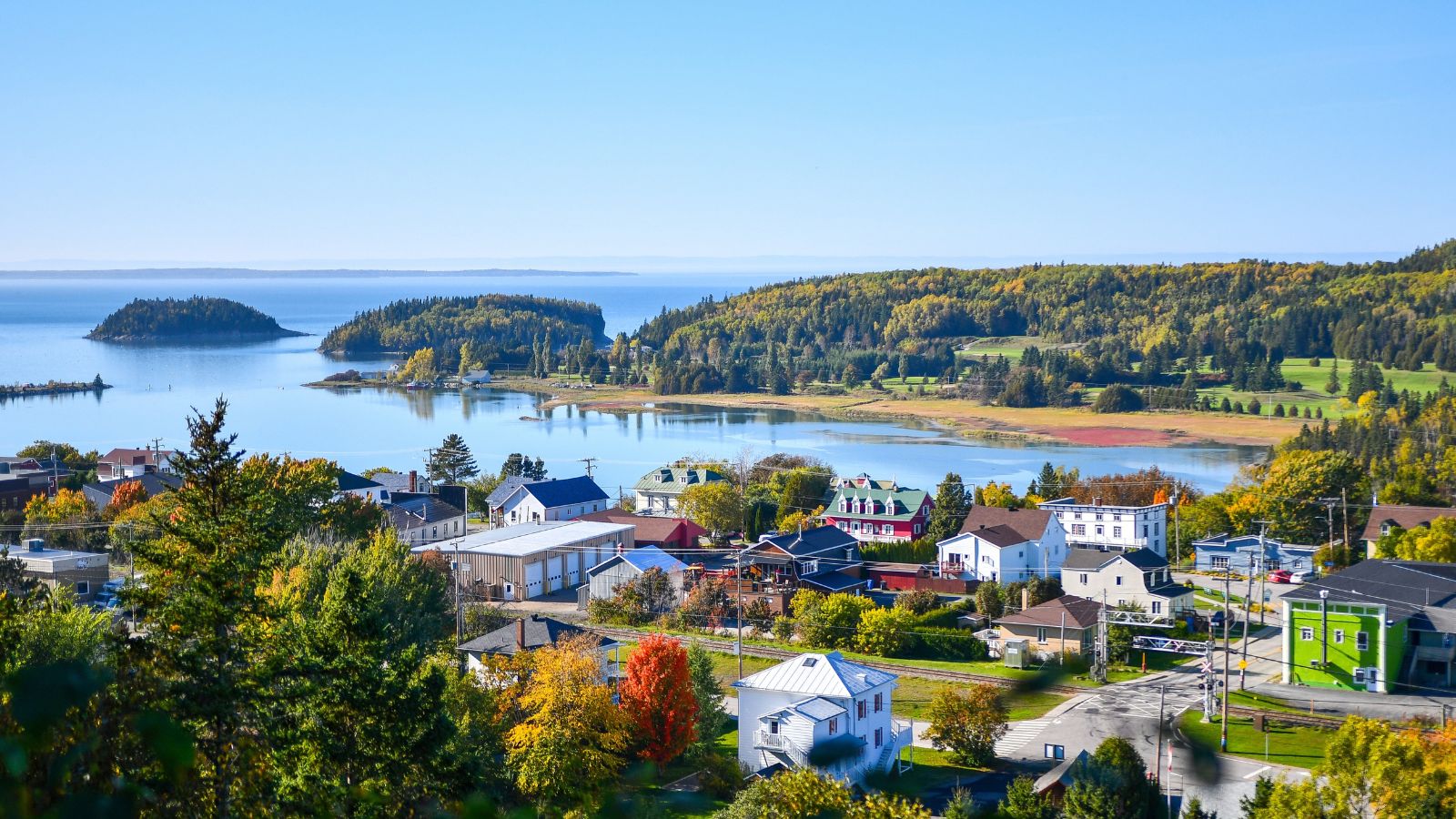
Rimouski is one of Quebec’s strongest small-city escape candidates because it combines the St. Lawrence waterfront with education, research, and regional services. The 2021 census recorded a population just under 49,000, and the city is home to Université du Québec à Rimouski, Cégep de Rimouski, and maritime research institutions. That gives Rimouski a more diversified identity than many scenic towns: it is coastal, academic, administrative, and culturally active.
The atmosphere is distinctly Bas-Saint-Laurent. There are river views, maritime heritage sites, nearby national parks, and enough urban structure to make daily life workable. For francophone Canadians, bilingual households comfortable in French, or people seeking a more affordable alternative to Quebec’s largest cities, Rimouski can feel unusually balanced. It is not a hidden hamlet, and winter is part of the bargain. But the escape-plan logic is strong: a slower pace, a real regional economy, and a landscape that makes ordinary days feel less boxed in.
Baie-Saint-Paul, Quebec
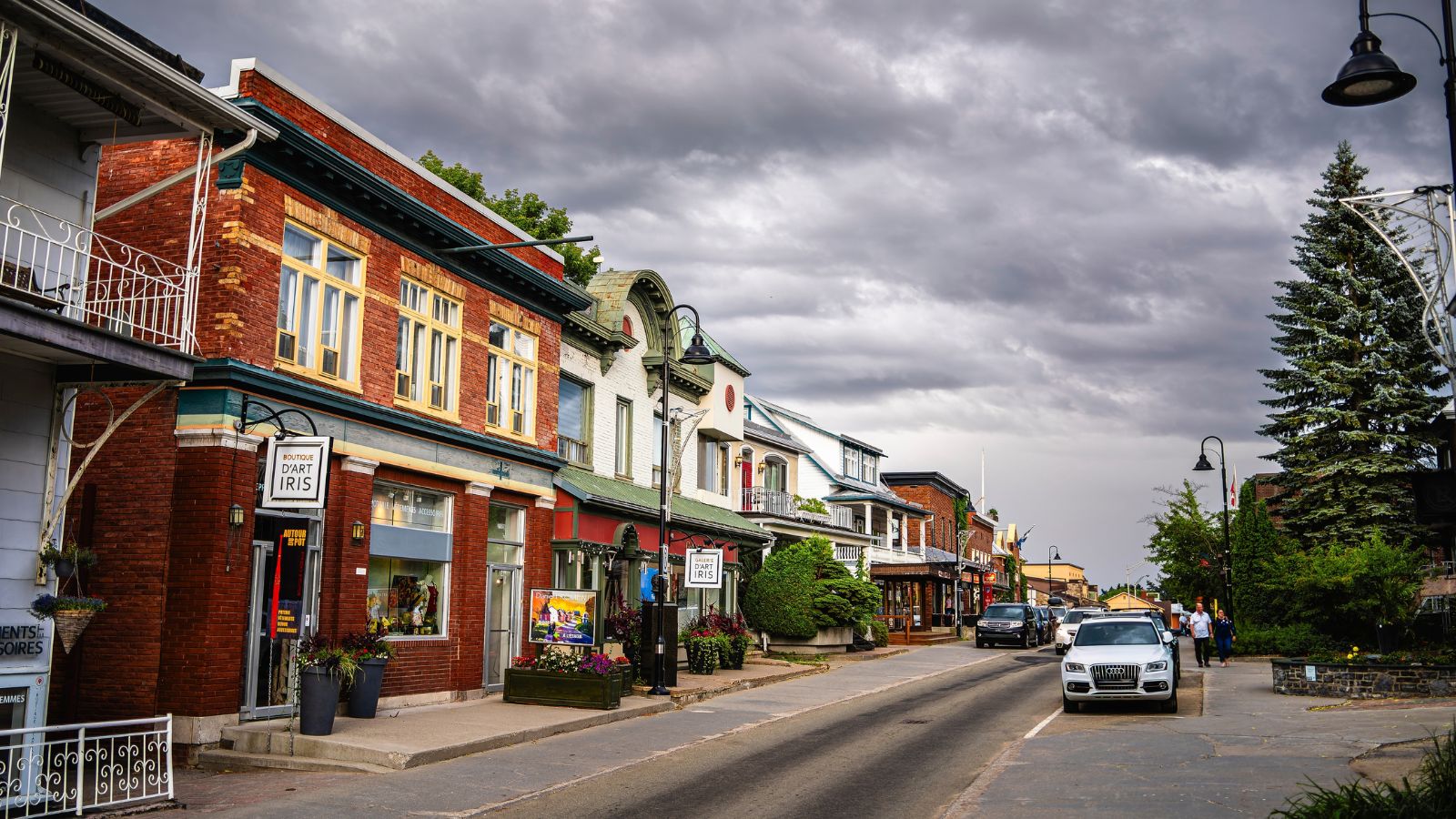
Baie-Saint-Paul has the kind of beauty that makes people stop mid-conversation. Set in Charlevoix on the north shore of the St. Lawrence, it had a 2021 population of just over 7,000 and is known for arts, tourism, mountain views, and a historic connection to Cirque du Soleil’s early beginnings. The town’s geography does much of the selling: river, valley, hills, galleries, inns, and a downtown built for wandering rather than rushing.
In 2026, Baie-Saint-Paul appeals to Canadians who want a smaller life with a strong aesthetic identity. It is not trying to feel like a suburb. Its economy leans heavily on visitors, hospitality, culture, and regional charm, which can be both an advantage and a vulnerability. Seasonal demand can complicate housing and work stability. Yet for artists, semi-retirees, hospitality entrepreneurs, and remote workers comfortable in a French-speaking environment, Baie-Saint-Paul offers something rare: a town where escape feels woven into the landscape itself.
19 Things Canadians Don’t Realize the CRA Can See About Their Online Income

Earning money online feels simple and informal for many Canadians. Freelancing, selling products, and digital services often start as side projects. The problem appears at tax time. Many people underestimate how much information the CRA can access. Online platforms, banks, and payment processors create detailed records automatically. These records do not disappear once money hits an account. Small gaps in reporting add up quickly.
Here are 19 things Canadians don’t realize the CRA can see about their online income.
