
Canadian family travel can look affordable at first glance, especially when a sale fare or discounted hotel rate appears at the right moment. The harder part is the total cost after taxes, baggage rules, airport charges, accommodation levies, rental-car add-ons, roaming, tolls, and booking fees are layered onto the original price.
In 2026, families planning trips within Canada, across the border, or overseas may need to pay closer attention to 19 travel fees that can quietly change the final bill. Some are mandatory government or airport charges, while others depend on fare class, booking platform, destination, or timing. Together, they can turn a carefully planned getaway into a more expensive commitment than expected.
Airport Improvement Fees Built Into Airfares

Airport improvement fees can surprise families because they are usually folded into the airline ticket rather than paid at a counter. A parent comparing a low base fare from two airports may not immediately notice that the final total includes different local airport charges. At Toronto Pearson, departing passengers pay a $40 airport improvement fee plus applicable taxes, while connecting passengers pay $10 plus tax. Calgary and Ottawa also moved to $40 for most departing passengers in 2026.
For a family of four, this can mean a noticeable difference before bags, seats, or meals enter the budget. The fee is not a voluntary upgrade; airports use it to fund capital projects, infrastructure, and passenger facilities. The catch is that families often judge flights by the headline fare, especially during school-break searches. A $79 fare can look dramatically cheaper than it feels once airport charges are added at checkout.
Air Travellers Security Charge

The Air Travellers Security Charge is another mandatory cost that tends to hide in plain sight. It funds aviation security screening and is charged when eligible air transportation is purchased. The rate depends on whether the trip is domestic, transborder, or international. For travel acquired in Canada, domestic trips can carry a charge of $9.46 or $9.94 per chargeable enplanement, depending on tax treatment, up to a maximum per itinerary.
The family impact comes from multiplication. A couple may barely notice the fee, but two adults and two children on a round trip can see it stack quickly. International trips are especially sensitive because the charge for “other international” travel is a flat $34.42. Since it appears with other taxes and surcharges, it may not feel like a separate travel decision. Still, it is part of the real cost of every eligible itinerary.
Checked Baggage Charges

Checked baggage is one of the most familiar travel fees, but 2026 fare structures make it easier for families to underestimate. WestJet’s listed fees for tickets purchased on or after April 23, 2026, show that domestic and U.S. first-bag charges vary by fare and payment method, with airport check-in costing more than prepaying. Air Canada also updated checked-bag rules in 2026 for several Economy fare types on Canada, U.S., Mexico, Caribbean, and Central America routes.
The family problem is practical rather than theoretical. A weekend away with two children can mean winter coats, sports gear, swim items, snacks, and extra shoes, even when everyone tries to pack light. One checked bag becomes two, and a second bag may cost substantially more than the first on some routes. Families booking basic fares because the base price looks low may later discover that baggage changes the entire value calculation.
Carry-On Restrictions on Basic Fares

Carry-on fees and restrictions can catch families because “no checked bag” no longer always means “no baggage cost.” Air Canada notes that Economy Basic fares do not include a standard carry-on bag on affected routes, though personal items and certain exemptions still apply. WestJet’s UltraBasic fare similarly introduced no-frills conditions, including limits around carry-on baggage and boarding.
This matters most when families book quickly during a fare sale. A small roller bag that would have fit in the overhead bin on a different fare may require a paid checked bag or a higher airport fee if handled late. Parents travelling with children may still have specific allowances for items such as diaper bags or strollers, but the adult luggage strategy can fall apart at the airport. The uncomfortable moment comes when a “cheap” fare becomes a bag-fee conversation at check-in.
Advance Seat Selection Fees
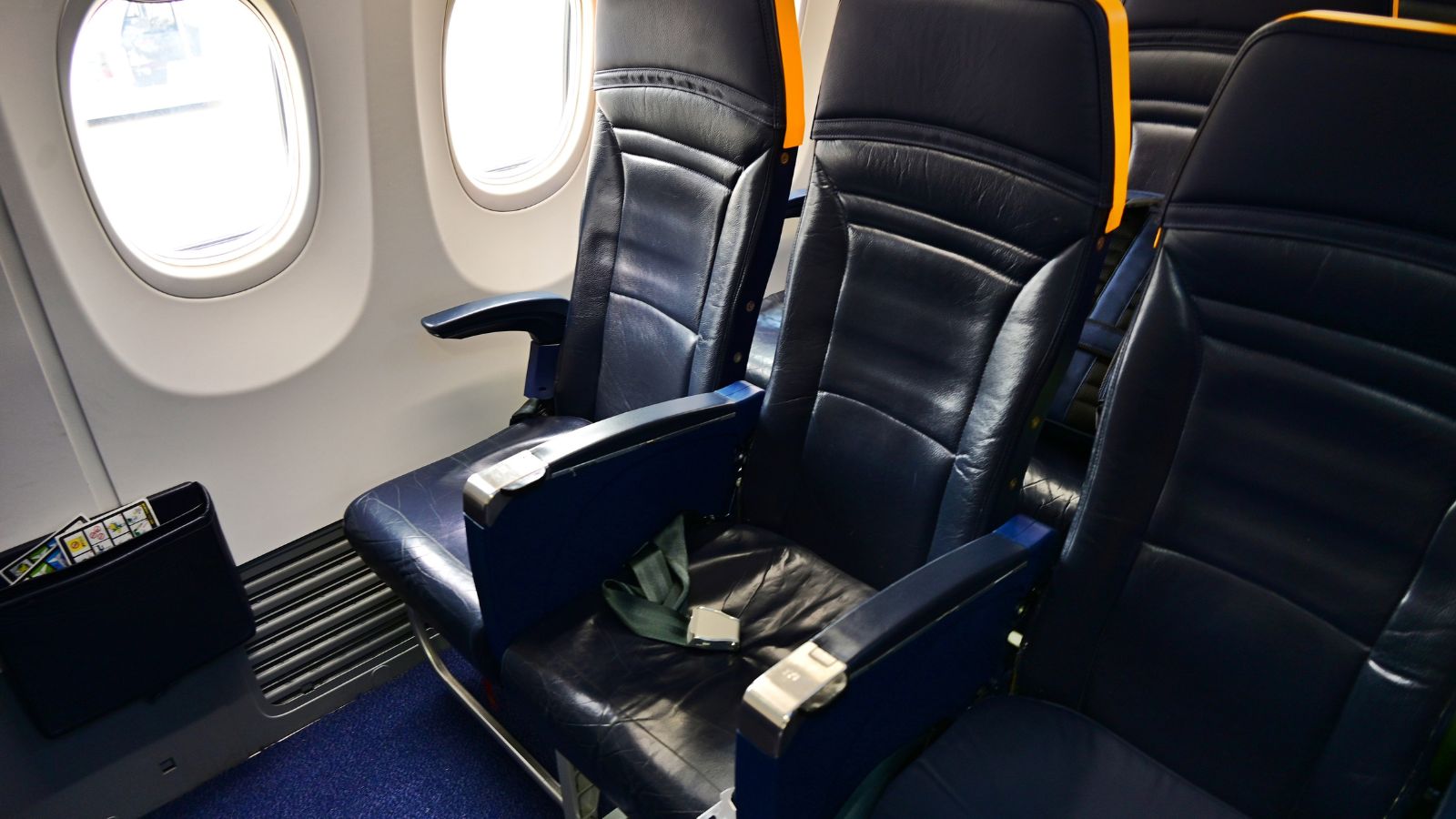
Seat selection fees often feel optional until children are involved. Airlines may assign seats at check-in, but families frequently pay in advance to reduce the risk of being separated. WestJet says standard seat selection is included with some fare types, while Econo and UltraBasic guests may pay fees to choose or change certain seats. Air Canada’s passenger guidance also directs travellers to review tariffs for seat selection and other fare conditions.
For families, the emotional cost can be as real as the financial one. A parent may accept a middle seat to sit beside a nervous child, or pay extra so siblings are not scattered across the cabin. On full flights during March break, summer holidays, or Christmas travel, free seat options can disappear quickly. The fee becomes less about comfort and more about control, especially when travelling with young children, grandparents, or anyone needing assistance.
Change and Cancellation Penalties
Change and cancellation penalties are easy to overlook because they only matter when plans shift. Families, however, are especially exposed to shifting plans: a child gets sick, a tournament schedule changes, a grandparent needs help, or winter weather disrupts the first leg of a trip. The Canadian Transportation Agency advises passengers to read airline tariffs carefully, including penalties and conditions tied to tickets, reservations, baggage, and fare rules.
A low fare can become costly if it is non-refundable or carries a steep change fee plus a fare difference. Even when an airline offers credits, families may be left with expiry dates, route limitations, or vouchers that do not match school calendars. The most frustrating cases happen when four tickets need to be changed at once. A fee that seems manageable for one traveller can become a household-sized penalty when multiplied across the whole booking.
Oversized and Overweight Bag Fees
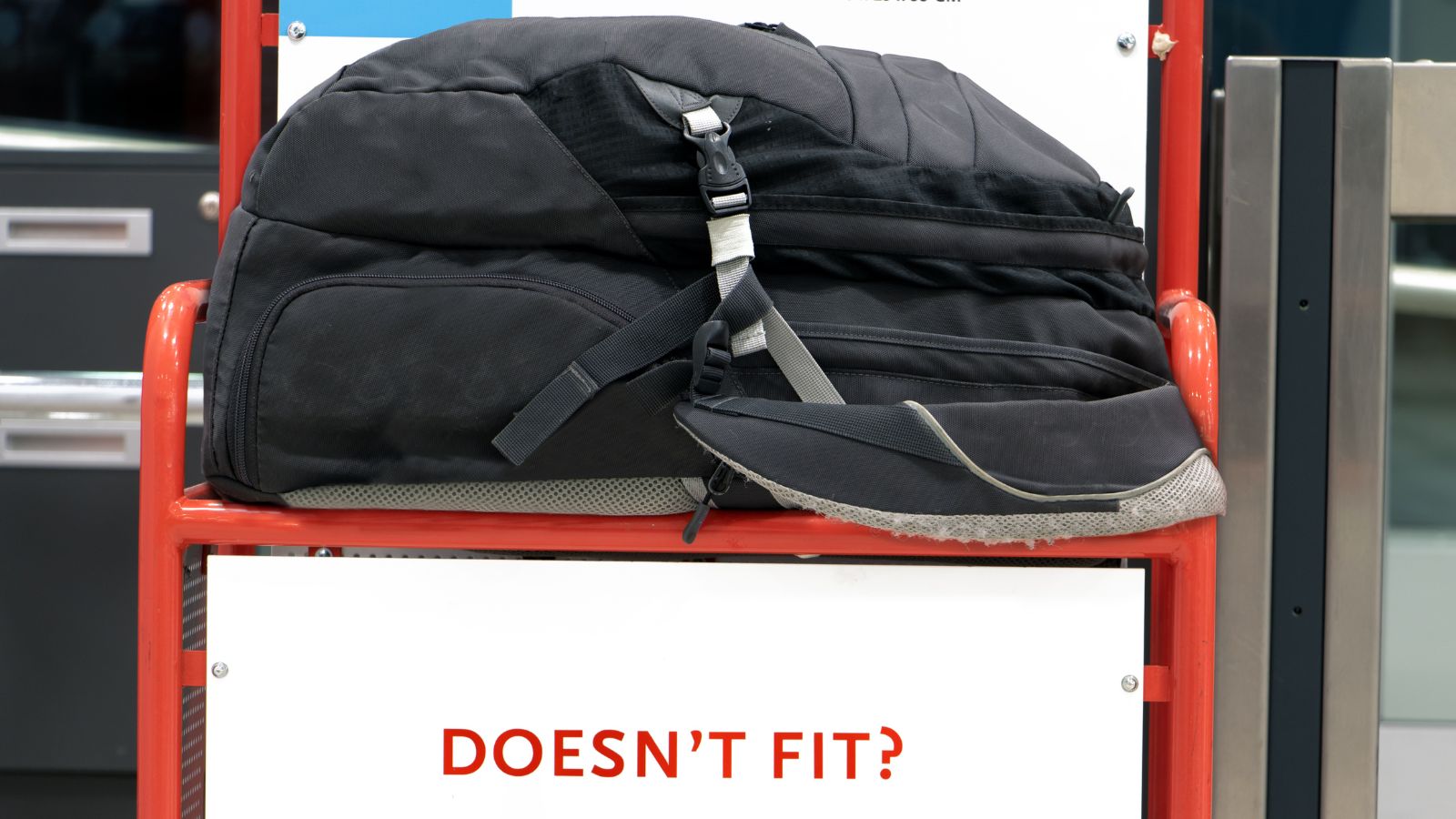
Oversized and overweight baggage fees often appear when families pack for the kind of trip that already costs more: skiing, hockey tournaments, camping, cruises, or longer visits overseas. Airline baggage pages generally separate ordinary checked-bag fees from charges for bags that exceed size or weight limits. Air Canada’s checked-bag rules reference standard limits and additional fees for bags beyond normal allowances, while WestJet lists higher charges for extra bags and route-specific baggage categories.
The issue is that families may not weigh every suitcase before leaving home. A shared family bag can creep over the limit with shoes, toiletries, jackets, and souvenirs. Sports equipment can also trigger special handling rules, depending on airline and route. The airport scale then becomes the moment of truth. Repacking on the terminal floor is inconvenient; paying the fee is faster, but it can erase the savings from booking the cheaper fare.
Passport Renewal and Rush Service Fees
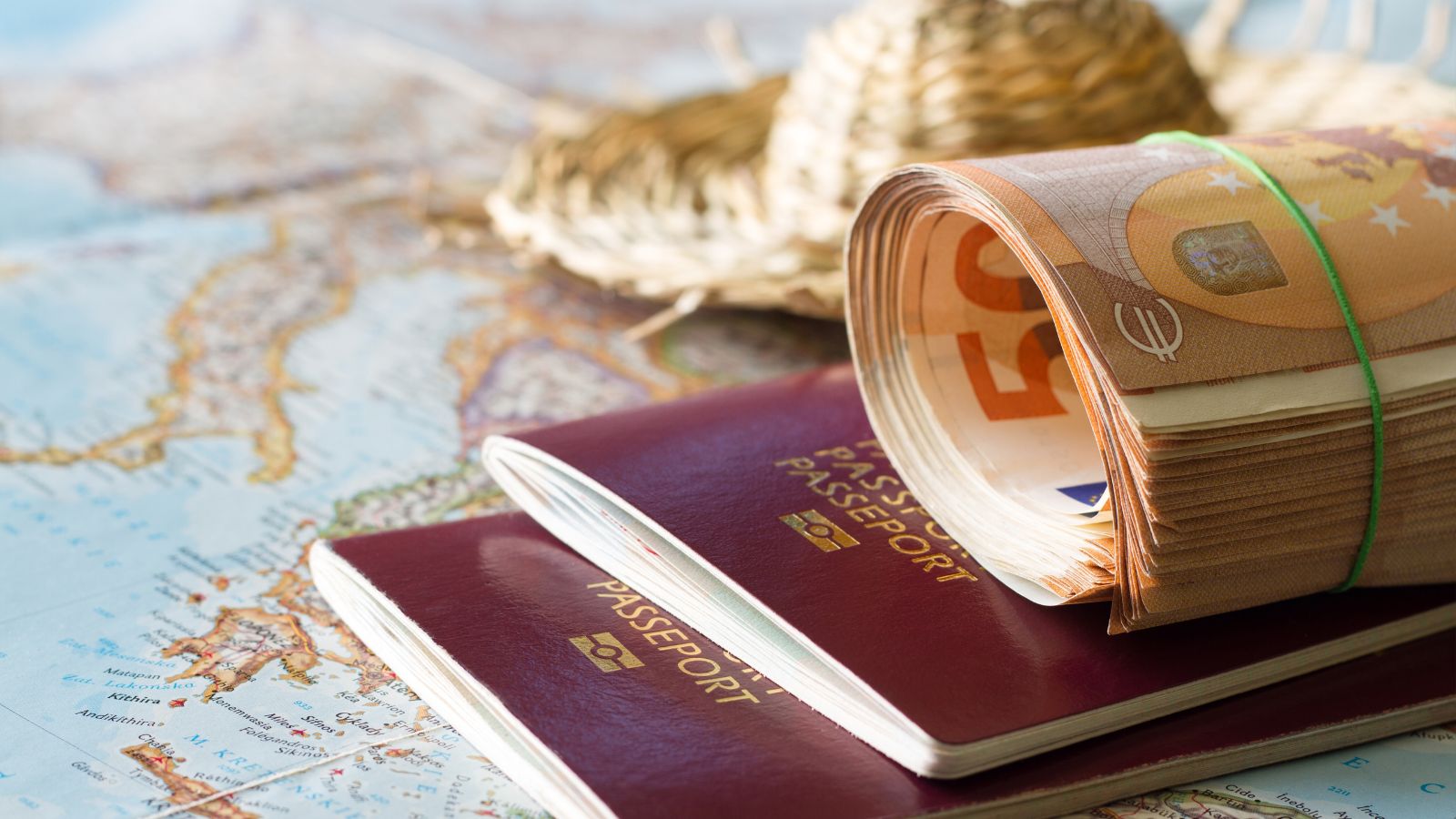
Passport costs are not usually part of the vacation quote, yet they can become a major pre-trip expense. Canadian passport fees increased on March 31, 2026. The 10-year adult passport fee for Canadians applying in Canada rose to $163.50, while the five-year adult passport rose to $122.50. The five-year child passport fee also increased to $58.50. Expedited pickup services carry separate additional fees.
Families often feel this cost when several documents expire close together. A parent may check passports only after flights are booked, then realize one adult passport and two child passports need renewal before departure. If travel is near, urgent or express service may be needed, raising the total further. The fee is predictable, but the timing is what catches households. Passport planning belongs in the earliest stage of budgeting, not the final week before packing.
eTA, Visa, and Entry Document Costs

Entry document costs can be modest individually but awkward when multiplied across a family. Canada’s electronic travel authorization costs CAN$7 for eligible visa-exempt foreign nationals flying to or transiting through a Canadian airport. Canadians travelling abroad may also face destination-specific visa, entry authorization, or tourist-card costs depending on the country. These charges may not appear in flight or hotel totals.
The surprise comes when extended family travel involves different passports or citizenship statuses. One household may include Canadian citizens, permanent residents, and relatives visiting from another country, each with different document rules. A stopover can also trigger a transit requirement. Even a small fee can cause stress if an application is submitted through the wrong website or too close to departure. Families should treat entry documents as part of the fare, not as an afterthought.
NEXUS Application Fees
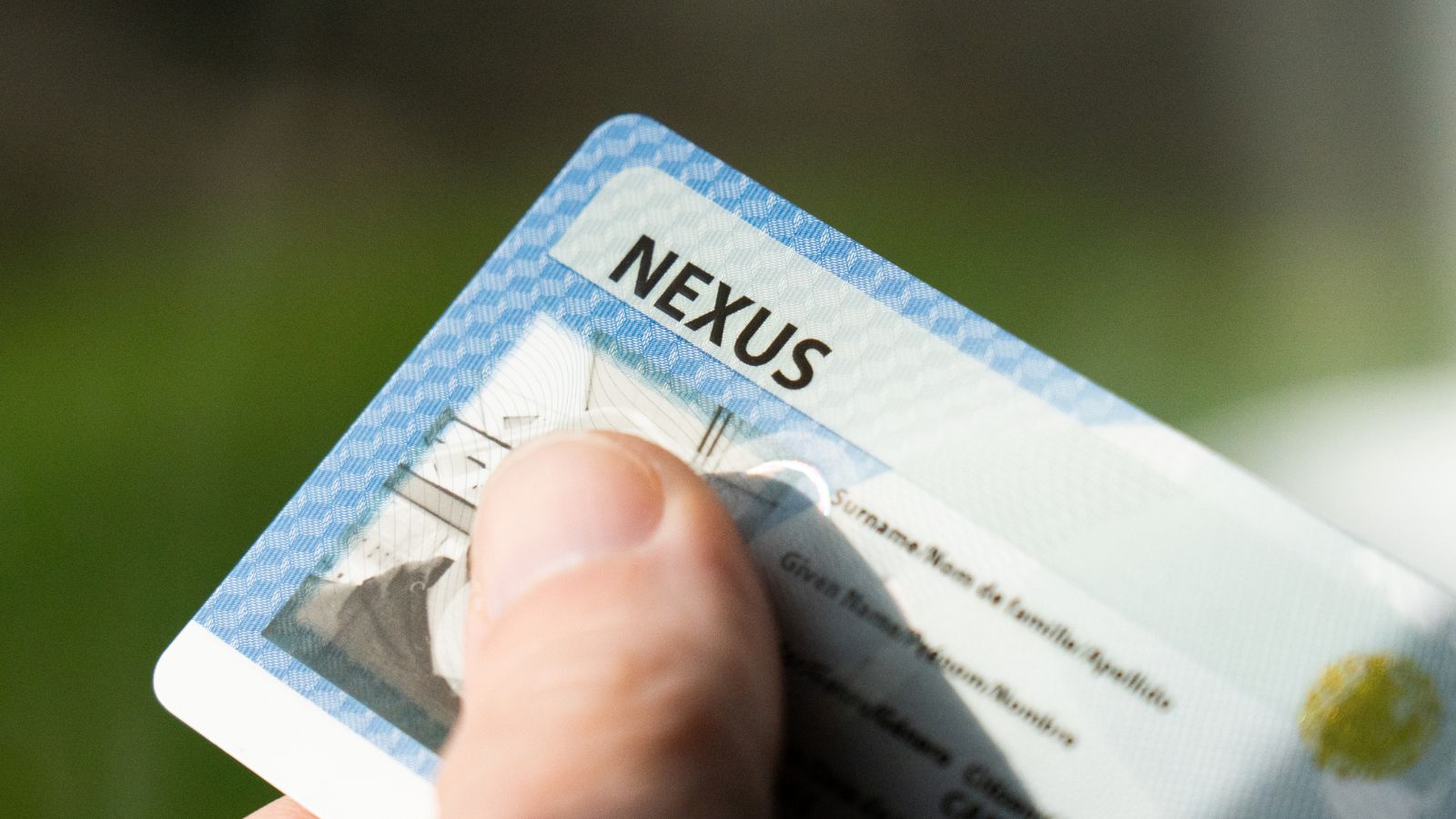
NEXUS can save time at airports and land borders, but the application fee is significant for adults. The Canada Border Services Agency lists a US$120 non-refundable application processing fee, with memberships valid for five years. Children under 18 are free, but every family member needs their own card to use NEXUS benefits together. That detail matters because one parent with a card cannot simply pull the whole household through a trusted-traveller lane.
For cross-border families, the fee can still be worthwhile, especially when frequent U.S. trips are part of the routine. But it is not an instant fix. Applications require approval steps, and interviews can take planning. A family hoping to use NEXUS for a summer road trip may be disappointed if they apply late. The cost also lands before the trip begins, alongside passports, travel insurance, and luggage purchases.
Municipal Accommodation Taxes

Hotel taxes can make a room rate look much cheaper than the final bill. Toronto temporarily increased its Municipal Accommodation Tax to 8.5% from June 1, 2025, to July 31, 2026. Québec’s lodging tax is usually 3.5% of the price of an overnight stay. In Vancouver, provincial accommodation rules include PST, MRDT, and an additional Major Events MRDT in the city, with examples showing how cleaning, resort, guest, and other fees can enter the taxable purchase price.
Families booking multiple nights feel the difference quickly. A hotel advertised at $249 per night may become much more expensive after accommodation tax, sales tax, parking, and breakfast are included. The fee is not a scam; it is a local tax structure. The challenge is comparison shopping. A family comparing Toronto, Montréal, and Vancouver cannot rely on nightly rates alone because local tax rules change the real cost of staying.
Hotel Resort, Facility, and Destination Fees

Resort, facility, and destination fees can be frustrating because they may appear after a family has already chosen a property. These fees are often framed as covering amenities such as Wi-Fi, fitness rooms, pools, local calls, or destination services. Canada’s Competition Act amendments have strengthened rules against drip pricing by requiring businesses to include mandatory fees in advertised prices, except certain government-imposed charges.
Even with stronger rules, families still need to read the final booking page carefully. A hotel may display taxes separately, and optional add-ons can still change the total. The irritation comes when the fee covers amenities the family does not use, such as a gym during a one-night airport stay. Parents may choose a hotel for a pool, only to find that the “facility” cost adds several dollars per night. Over a long weekend, that line item becomes part of the vacation budget.
Short-Term Rental Service and Cleaning Fees

Short-term rentals can be practical for families because kitchens, laundry, and extra bedrooms reduce other costs. The bill, however, often includes service fees, cleaning fees, taxes, and sometimes local accommodation levies. Airbnb states that guest service fees commonly range from 14.1% to 16.5% of the booking subtotal, and the subtotal can include nightly rates plus additional host-set fees. Airbnb’s Canadian tax guidance also shows that taxes may apply to listing prices, cleaning fees, and guest fees in several jurisdictions.
This is why a rental that looks cheaper than a hotel can change at checkout. A three-night stay with a cleaning fee may be reasonable for a large family, but less attractive for a quick overnight stop. The key is trip length. Cleaning fees are spread across the stay, so short stays feel the impact most. Families should compare the full checkout total, not the search-result nightly rate.
Rental-Car Airport and Facility Charges

Rental cars can carry location-based fees that are easy to miss during trip planning. Major rental companies disclose that renters may incur airport concession recovery fees, off-airport access fees, consolidated facility charges, vehicle licence fees, and other governmental or operational charges. These are separate from the daily rental rate and optional products.
The family scenario is familiar: a flight lands late, the children are tired, and the airport rental counter is the simplest choice. That convenience can cost more than an off-airport location, especially over several days. Sometimes the higher airport price is still worth it because taxi rides to a distant branch cost time and money. The danger is assuming the advertised daily rate is the final rate. A minivan rental for a week can gather enough small fees to reshape the transportation budget.
Rental-Car Insurance and Waiver Add-Ons

Collision damage waivers, supplemental liability coverage, roadside assistance, and personal effects coverage can dramatically raise the price of a rental car. Rental companies often present these products at the counter, and policies vary by location, vehicle type, and renter profile. Some rental agencies note that collision coverage may come through a personal auto policy or a credit-card benefit, while optional waivers may be sold when coverage is unavailable or uncertain.
Families are vulnerable because the counter conversation happens under pressure. Nobody wants to start a vacation by gambling with a damage claim, especially when driving an unfamiliar vehicle in a busy airport city. But buying every waiver can make the rental far more expensive than planned. The best defence is checking credit-card coverage, exclusions, deductibles, country rules, and vehicle-type limits before leaving home. Large vans, luxury vehicles, and long rentals may not qualify for the same protection.
Child Seat and Extra Driver Fees
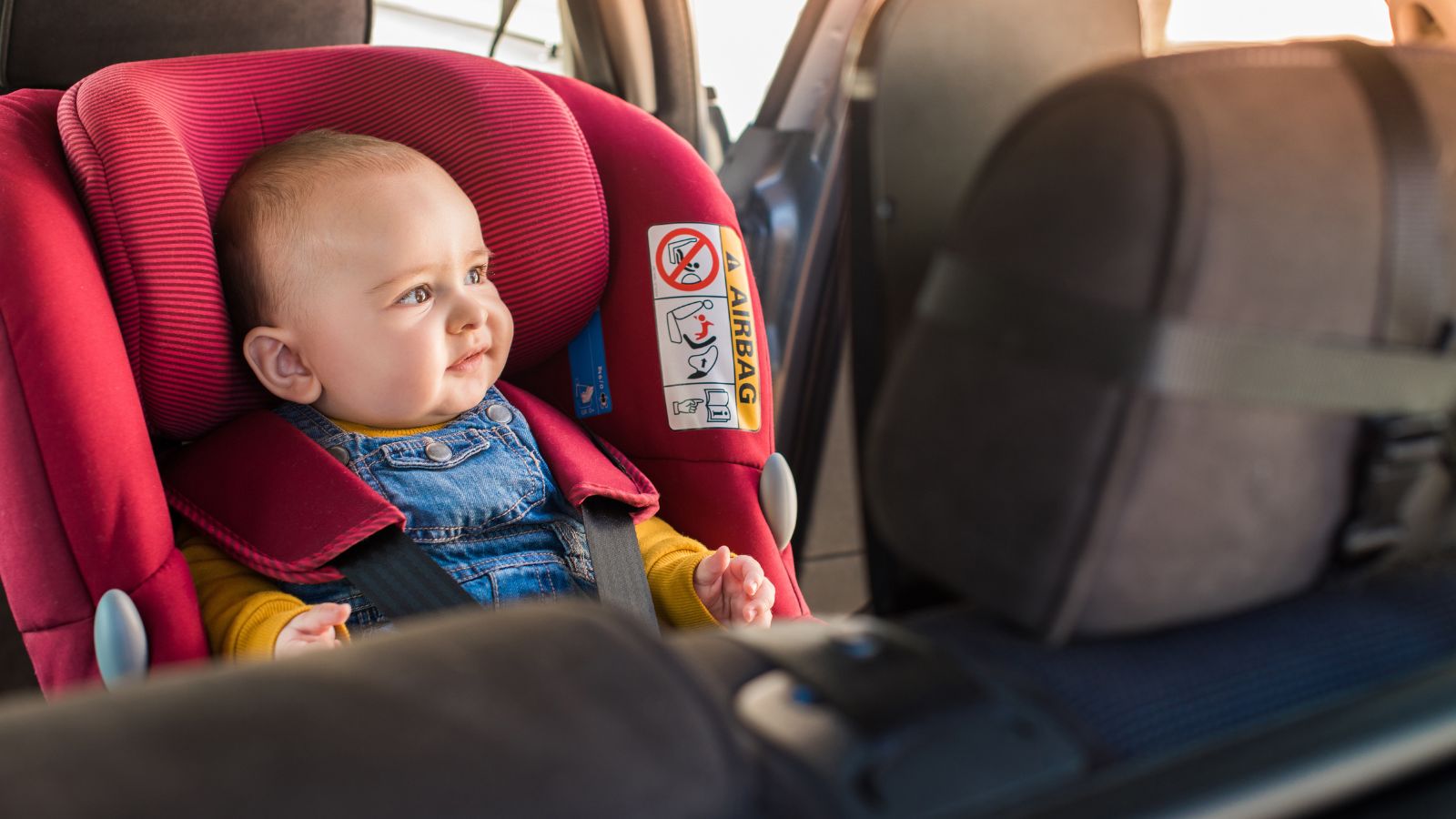
Child seats and extra driver fees can feel small until they apply every day of the rental. Families who fly with toddlers may not want to carry bulky car seats through the airport, so renting one at the counter is tempting. Extra driver fees can also arise when both parents plan to share driving during a long road trip. Some loyalty programs, provinces, corporate rates, or spouse rules may reduce certain charges, but families should not assume that all drivers or seats are included.
The fee becomes more noticeable on longer trips. A daily child-seat charge for seven days can approach the cost of buying a basic travel seat, while an extra driver charge may punish families trying to drive safely in shifts. The surprise is not that the service costs money; it is that the fee is attached to practical family needs. Road-trip budgets should include the people and equipment required to use the vehicle safely.
Toll Roads and Cashless Billing
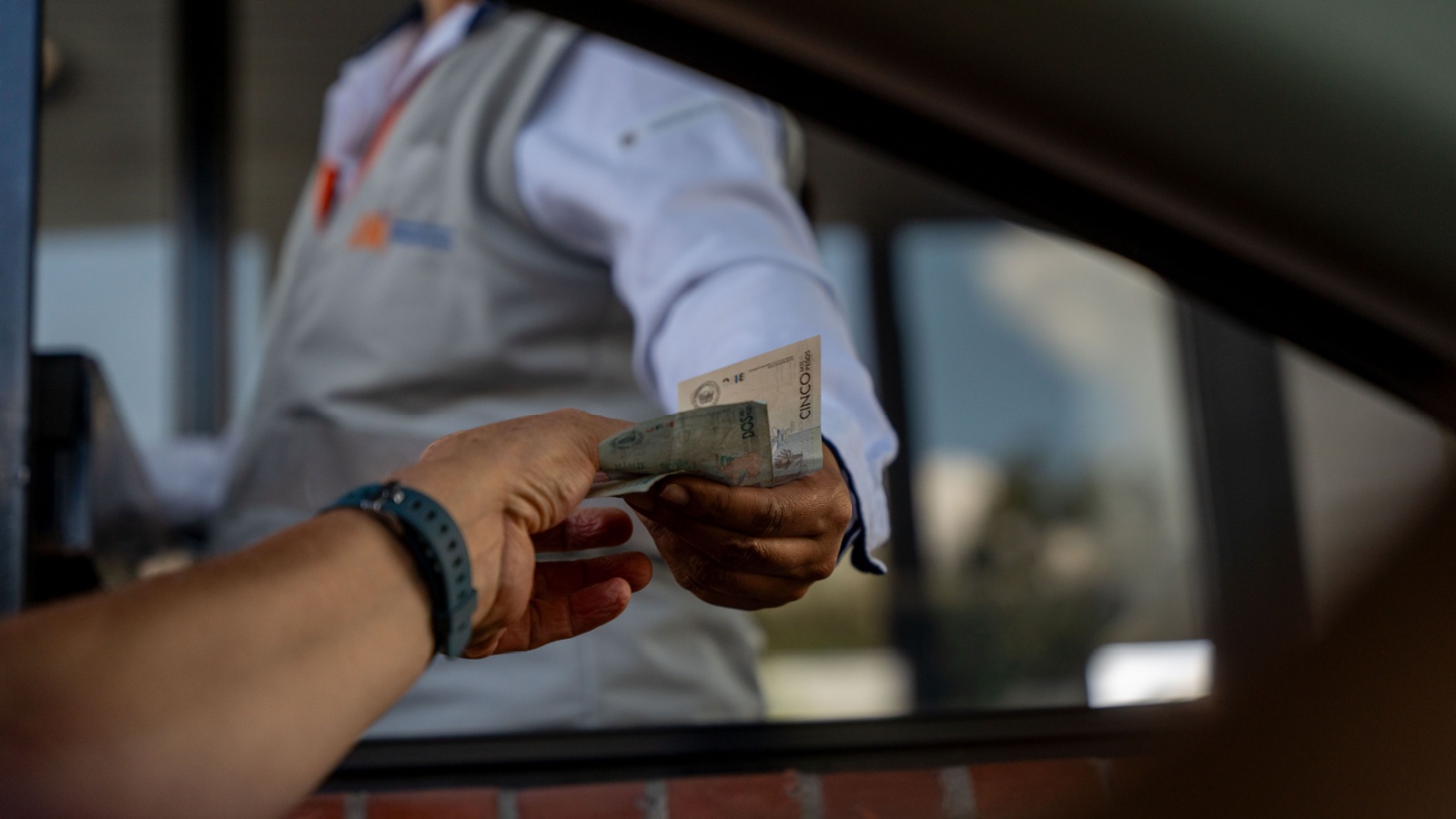
Toll roads can catch visiting families because charges may arrive after the trip. Ontario’s 407 ETR uses time-of-day and zone-based light-vehicle toll rates, with 2026 rates listed in cents per kilometre across multiple zones. Rental-car toll programs may add administrative fees on top of the toll itself, depending on the rental company and payment method. A family using the 407 to avoid traffic on the way to a hotel, tournament, or airport may not know the total immediately.
The trade-off can still be worthwhile. Avoiding gridlock with tired children has real value. But cashless tolling means the price is easy to underestimate in the moment, especially when a navigation app chooses the fastest route. A few short toll segments can become several billed items. Families renting cars in the Greater Toronto Area should decide in advance whether time savings justify toll costs and whether the rental agreement adds processing fees.
Mobile Roaming and Travel Data Fees

Mobile roaming remains one of the most common “small daily fee” problems. The CRTC notes that providers must notify customers when roaming internationally and cannot charge more than $100 for roaming in a billing cycle unless the customer explicitly agrees to pay more. The Government of Canada also warns that phones, tablets, and computers can use data abroad even when travellers are not actively using them.
For families, the issue is multiplied by devices. Parents may have two phones, teenagers may have their own lines, and tablets may connect for maps, messaging, games, or streaming. A daily roaming pass can be convenient, but four devices over a week can add a surprising amount. Accidental roaming near borders or during cruise-port stops can also create confusion. Downloaded maps, eSIMs, local SIMs, Wi-Fi calling settings, and data limits should be discussed before departure.
Parks Canada Reservations, Camping, and Shuttle Fees

Parks Canada is offering free admission from June 19 to September 7, 2026, along with a 25% discount on camping and overnight stays during the Canada Strong Pass period. That helps families, but it does not make every park-related cost disappear. Parks Canada’s Banff fee page, for example, lists reservation fees for certain shuttle bookings, with online and phone reservation charges, and paid shuttle fares for Lake Louise, Moraine Lake, and Alpine Start services.
The surprise comes from the word “free.” A family may assume that national park travel will cost nothing during the promotion, then discover that camping, shuttles, reservations, firewood, parking logistics, or private tours still affect the budget. In high-demand parks, reservations can be as important as admission. A family visiting Banff, Jasper, or other popular destinations should separate admission savings from the operational costs of actually moving, staying, and accessing key sites.
Foreign Transaction and Currency Conversion Fees

Foreign transaction fees can show up after the trip, not during booking. Many Canadian credit cards charge a percentage on purchases made in foreign currency, often layered onto the exchange rate set by the card network. Dynamic currency conversion can make this more confusing when a terminal abroad offers to charge in Canadian dollars. The Canadian-dollar option may feel safer, but it can come with a less favourable exchange rate.
Families encounter this fee in ordinary moments: snacks at an airport, museum tickets, ride-hailing, hotel deposits, pharmacy stops, and souvenir purchases. A 2.5% foreign transaction fee may not sound dramatic on one meal, but it grows across a week of spending. The best approach is to use a card with favourable foreign-currency terms where possible and choose the local currency when prompted abroad. The key is not avoiding every fee, but avoiding surprise math after returning home.
Cruise Gratuities, Port Charges, and Onboard Service Fees

Cruises marketed to Canadian families can appear simple because lodging, transportation, and meals are bundled together. The final bill is often less simple. Cruise fares commonly separate taxes, fees, and port expenses from the base fare, and many cruise lines add automatic gratuities or daily service charges per passenger. Families may also pay extra for Wi-Fi, specialty dining, shore excursions, drink packages, arcade play, photos, and transportation to the port.
The family impact is substantial because cruise pricing is highly person-based. A daily service charge that looks modest for one traveller becomes larger across two adults and two children over seven nights. Port charges can also vary by itinerary, making one sailing more expensive than another even when the cabin price looks similar. Families should compare the full cruise invoice, not just the advertised cabin fare, and budget onboard spending before the ship leaves the dock.
19 Things Canadians Don’t Realize the CRA Can See About Their Online Income

Earning money online feels simple and informal for many Canadians. Freelancing, selling products, and digital services often start as side projects. The problem appears at tax time. Many people underestimate how much information the CRA can access. Online platforms, banks, and payment processors create detailed records automatically. These records do not disappear once money hits an account. Small gaps in reporting add up quickly.
Here are 19 things Canadians don’t realize the CRA can see about their online income.
