Canadian grocery receipts can look reasonable item by item, then quietly turn punishing by the time a cart is full. The sticker price often gets the attention, but the smaller number on the shelf tag—the cost per gram, litre, sheet, diaper, capsule, or wash—is where the real comparison happens.
For families buying school snacks, pantry staples, cleaning products, baby supplies, and pet food, package size can blur value fast. A “family size” box is not always cheaper, a sale tag is not always a deal, and a familiar brand can shrink while the price stays steady. These 19 everyday purchases are worth checking by unit price before they land in the cart.
Cereal and Granola Boxes
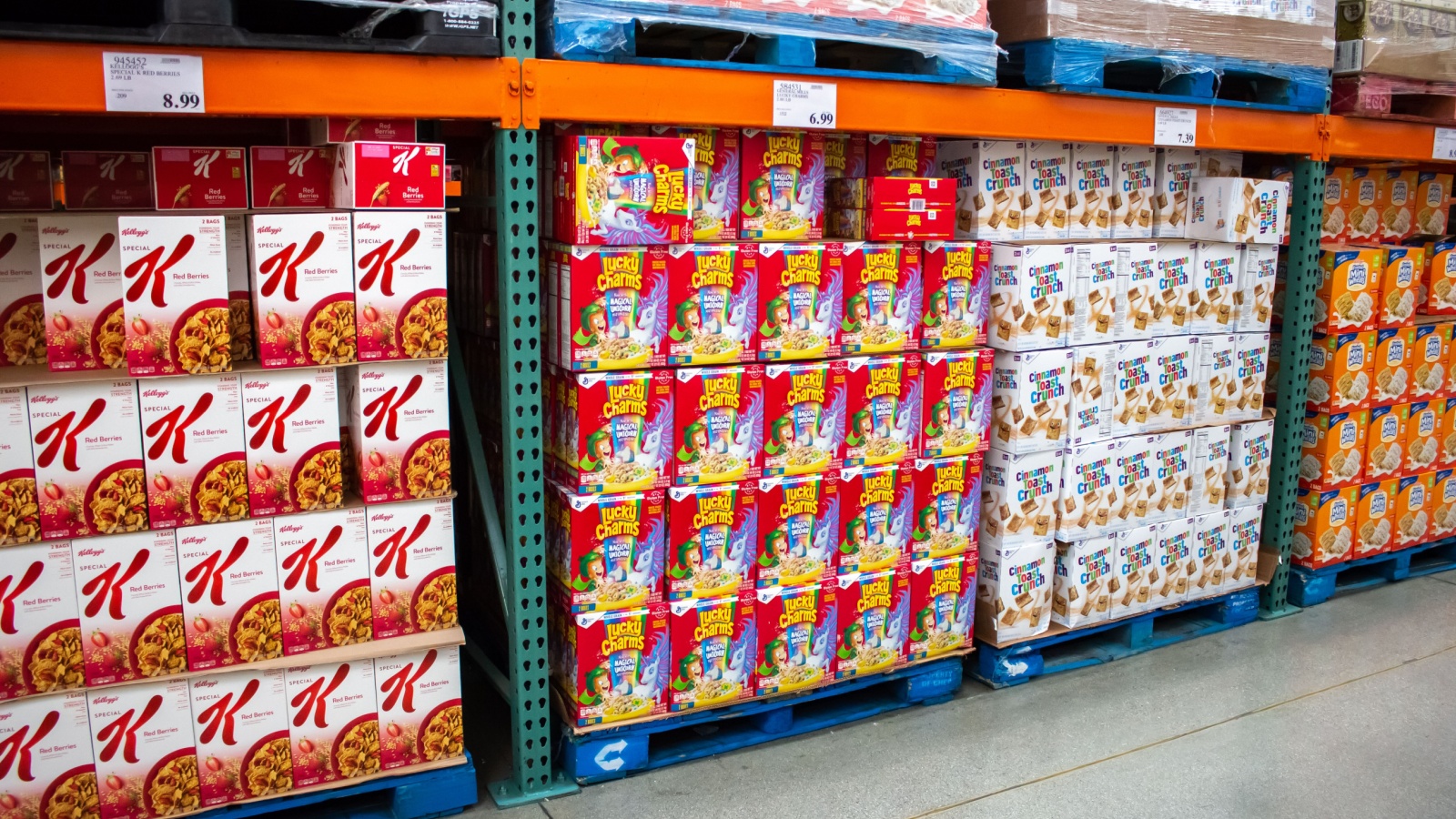
Cereal is one of the easiest products to buy on autopilot because families often stick with the box children already like. The problem is that cereal shelves are packed with different box heights, weights, “jumbo” formats, and promotional tags that make the front-of-package price hard to interpret. A $4.99 box can be a better deal than a $3.99 box if it contains substantially more grams, while a taller package may simply be filled with more air and less cereal than expected.
Granola makes the comparison even trickier because premium versions often come in smaller bags or boxes. A family grabbing a maple almond granola for weekday breakfasts might see a sale sticker and assume it beats the store brand. The unit price can reveal the opposite. Since cereal and grain-based breakfast foods are common repeat purchases, even a small difference per 100 grams can add up over a school year, especially in homes where one box disappears before the weekend.
Ground Coffee and Coffee Pods
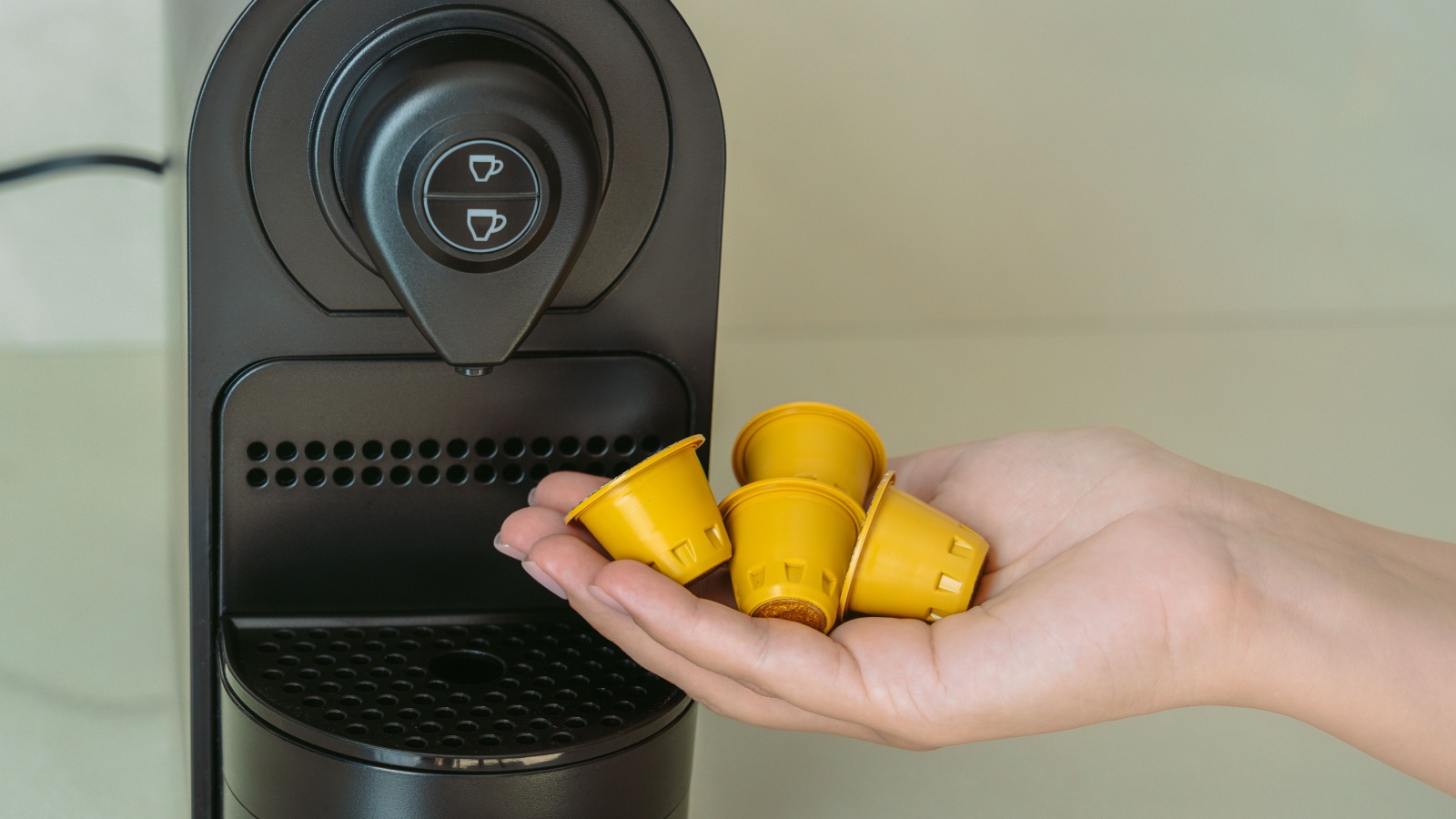
Coffee is a classic unit-price trap because shoppers compare bags, tins, and pods that are not measured the same way in everyday thinking. Ground coffee is usually easiest to compare by price per 100 grams, while pods invite a different calculation: cost per cup. A large bag may look expensive at the shelf, yet produce far more servings than a small premium roast. Meanwhile, single-serve pods can hide a much higher cost behind a modest-looking box price.
For families with two adults drinking coffee daily, the difference becomes visible quickly. A 340-gram bag on sale, a 907-gram warehouse bag, and a 30-count pod box may all feel like reasonable choices, but they represent very different weekly costs. Unit pricing helps separate convenience from value. It does not mean every household should abandon pods or favourite blends; it simply clarifies whether the premium is intentional or accidental.
Diapers and Baby Wipes

Diapers are sold in packs that can make comparison unusually frustrating. Newborn, size 3, size 5, overnight, training, and “club pack” versions often contain different counts, even within the same brand family. A box with a higher sticker price may be cheaper per diaper, but that is not guaranteed. Parents under time pressure can easily grab the pack with the boldest sale tag and miss that another size or format costs less per change.
Baby wipes deserve the same scrutiny. A multi-pack can look generous, but wipe counts vary widely, and thicker or specialty wipes may reduce the number of sheets per package. For families changing diapers many times a day, a few cents per diaper or wipe can become a noticeable monthly difference. The practical comparison is not just box versus box; it is cost per diaper, cost per wipe, and whether the size will actually be used before the baby outgrows it.
Laundry Detergent
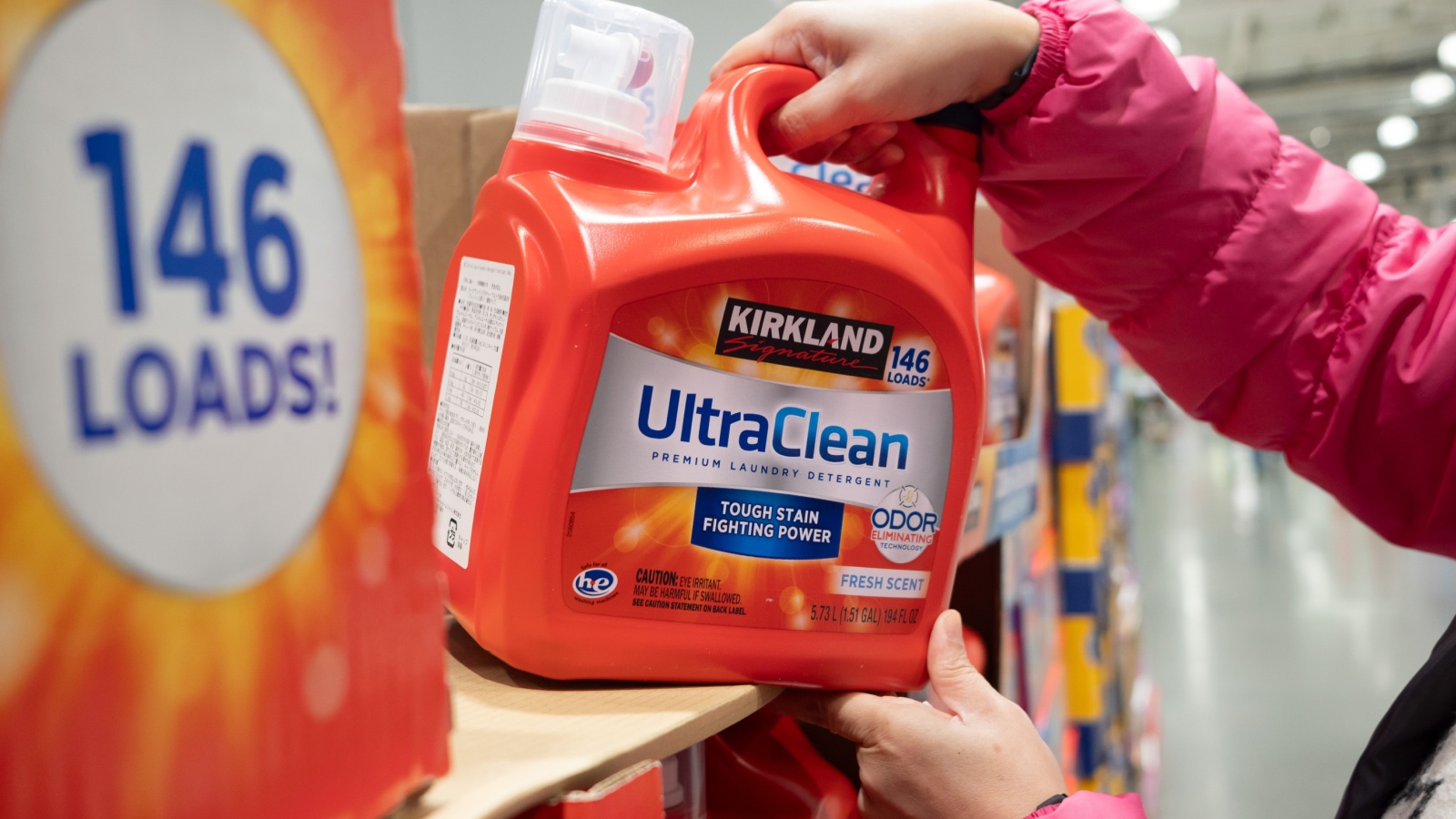
Laundry detergent looks simple until the labels start competing: litres, loads, concentrated formulas, pods, eco-refills, cold-water versions, and scent boosters. A large jug may seem like the obvious bargain, but the better comparison is usually price per wash load. Concentrated detergent can look smaller while delivering the same or more loads, and pods can carry a convenience premium that is not obvious from the package price alone.
Families with children, uniforms, towels, sports gear, and winter layers often run laundry several times a week. That turns detergent into a high-frequency household expense rather than an occasional purchase. A $2 difference on the shelf may not matter much once, but a higher cost per load repeated every week can quietly inflate the cleaning budget. Unit pricing also helps avoid overbuying bulky bottles simply because they appear more economical.
Toilet Paper and Paper Towels
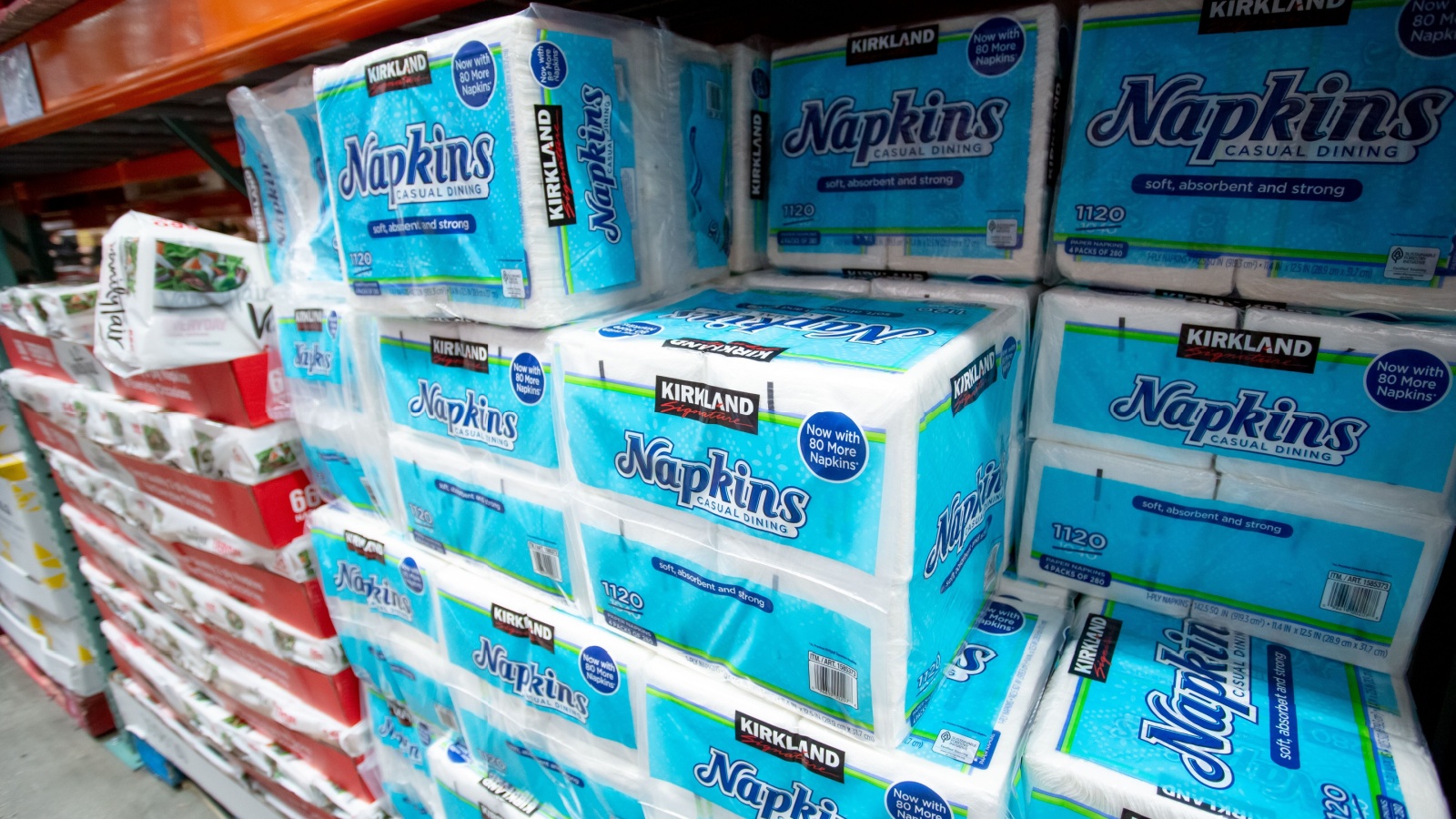
Paper products are notorious for confusing comparisons because brands use terms such as double roll, mega roll, triple roll, select-a-size, and ultra-soft. The package price rarely tells the full story. A cheaper pack may contain fewer sheets, smaller sheets, or fewer square metres of paper. With toilet paper, comparing cost per sheet or square metre is often more useful than comparing roll count alone.
Paper towels create a similar challenge. A “six equals twelve” message can distract from the actual sheet count, and select-a-size rolls may last longer in one household but not in another. A family cleaning lunch spills, pet messes, and kitchen counters can go through paper products quickly. Unit pricing brings the decision back to measurable value. It also helps determine when reusable cloths make sense for some jobs, saving paper towels for the messes that truly need them.
Cheese Blocks, Slices, and Shredded Cheese
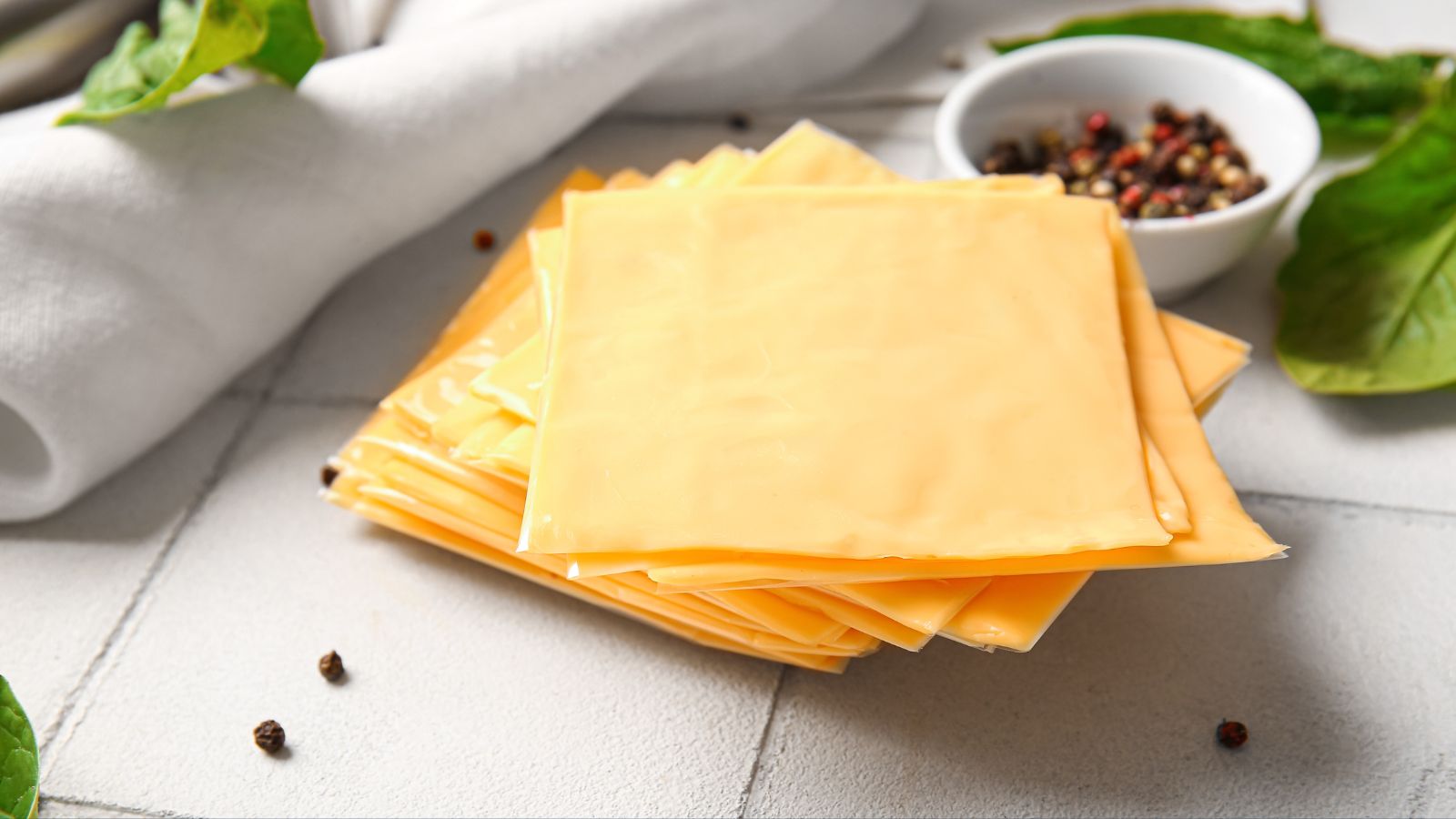
Cheese is one of those refrigerator staples where format can cost more than flavour. Blocks, slices, snack sticks, and shredded bags all serve different needs, but they should not be treated as equal bargains. Pre-shredded cheese often costs more per 100 grams than a block because convenience is built into the price. Slices can be handy for lunches, yet the unit price may be higher than cutting from a block at home.
For Canadian families packing sandwiches, making pasta bakes, or adding cheese to breakfasts, this difference matters. A block on sale may stretch across several meals, while single-serve portions can disappear fast in lunch boxes. Unit pricing does not make convenience wrong; it makes the trade-off visible. A busy household might still buy slices for school mornings, but comparing the cost per 100 grams can prevent paying premium prices for every cheese purchase.
Yogurt Tubs, Cups, and Drinkables
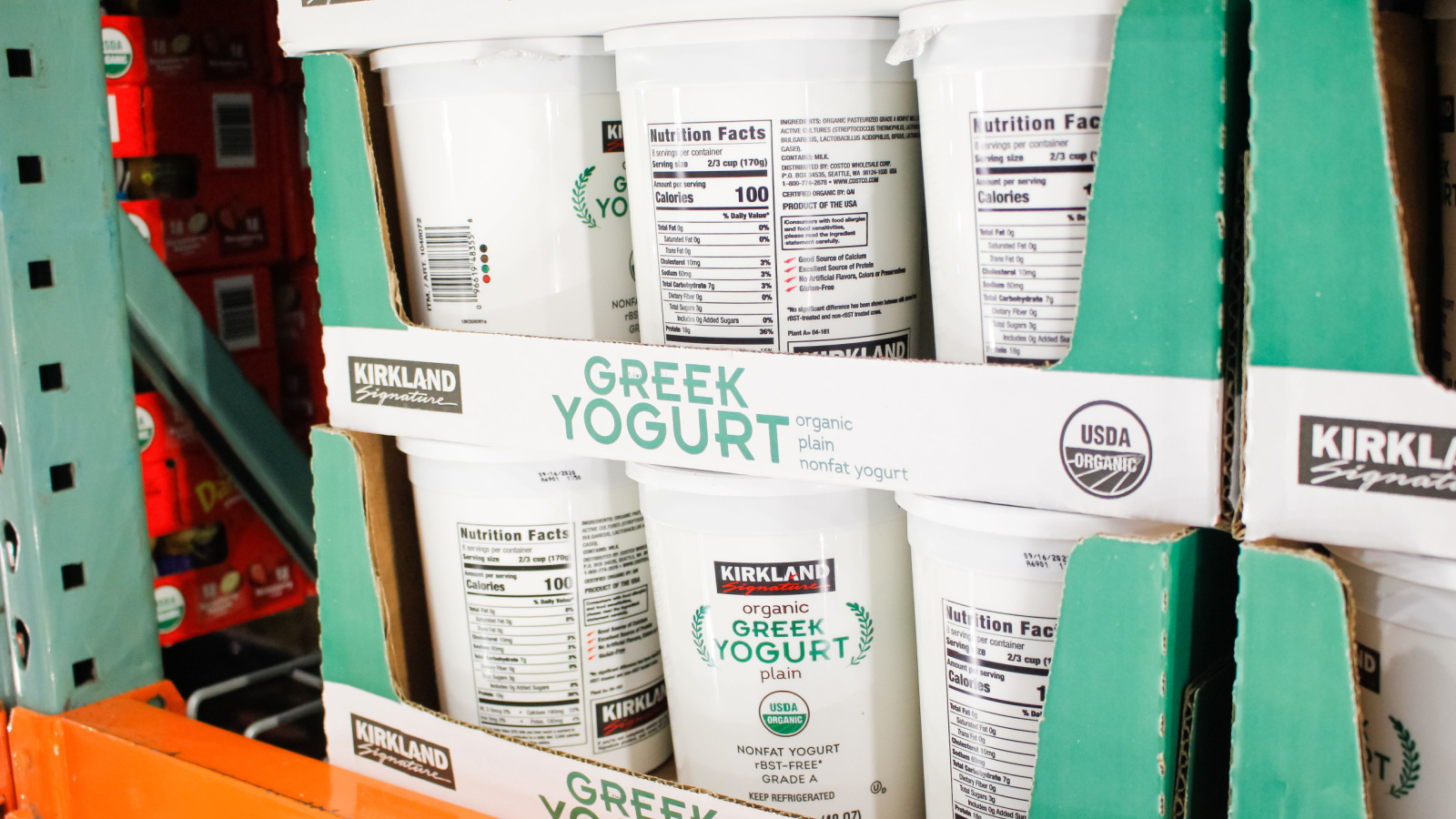
Yogurt shelves are designed around convenience and variety, not easy math. Large tubs, individual cups, squeeze tubes, high-protein formats, and drinkable bottles may all sit near each other, but their unit prices can vary sharply. A family buying yogurt for breakfasts and lunches might save by using a tub for home servings and reserving single-serve cups for days when convenience matters most.
The comparison becomes more important when flavours, toppings, and added features enter the mix. A multipack with candy-style mix-ins can cost far more per 100 grams than plain or vanilla yogurt, even before considering nutrition preferences. Parents may still choose the version children will actually eat, but unit pricing helps distinguish between an occasional lunch-box treat and a default weekly purchase. Over time, rotating between tubs and portable formats can keep both waste and cost under better control.
Juice Boxes and Bottled Drinks

Juice boxes, flavoured waters, and small bottled drinks often seem inexpensive because each package is small. The unit price tells a different story. A multi-pack of small cartons may cost much more per litre than a larger bottle of juice or a frozen concentrate. The convenience of ready-to-pack portions can be useful for school lunches, sports practices, and road trips, but it is rarely free.
For families, the key is deciding when individual packaging is worth the premium. A parent buying juice boxes every week for lunches may find that a refillable bottle and a larger carton reduce the cost per serving. The same thinking applies to sparkling water cans, sports drinks, and shelf-stable milk boxes. Comparing per litre keeps the decision clear, especially when bright packaging and “two for” promotions make small drinks look cheaper than they really are.
Pasta, Rice, and Dry Pantry Staples
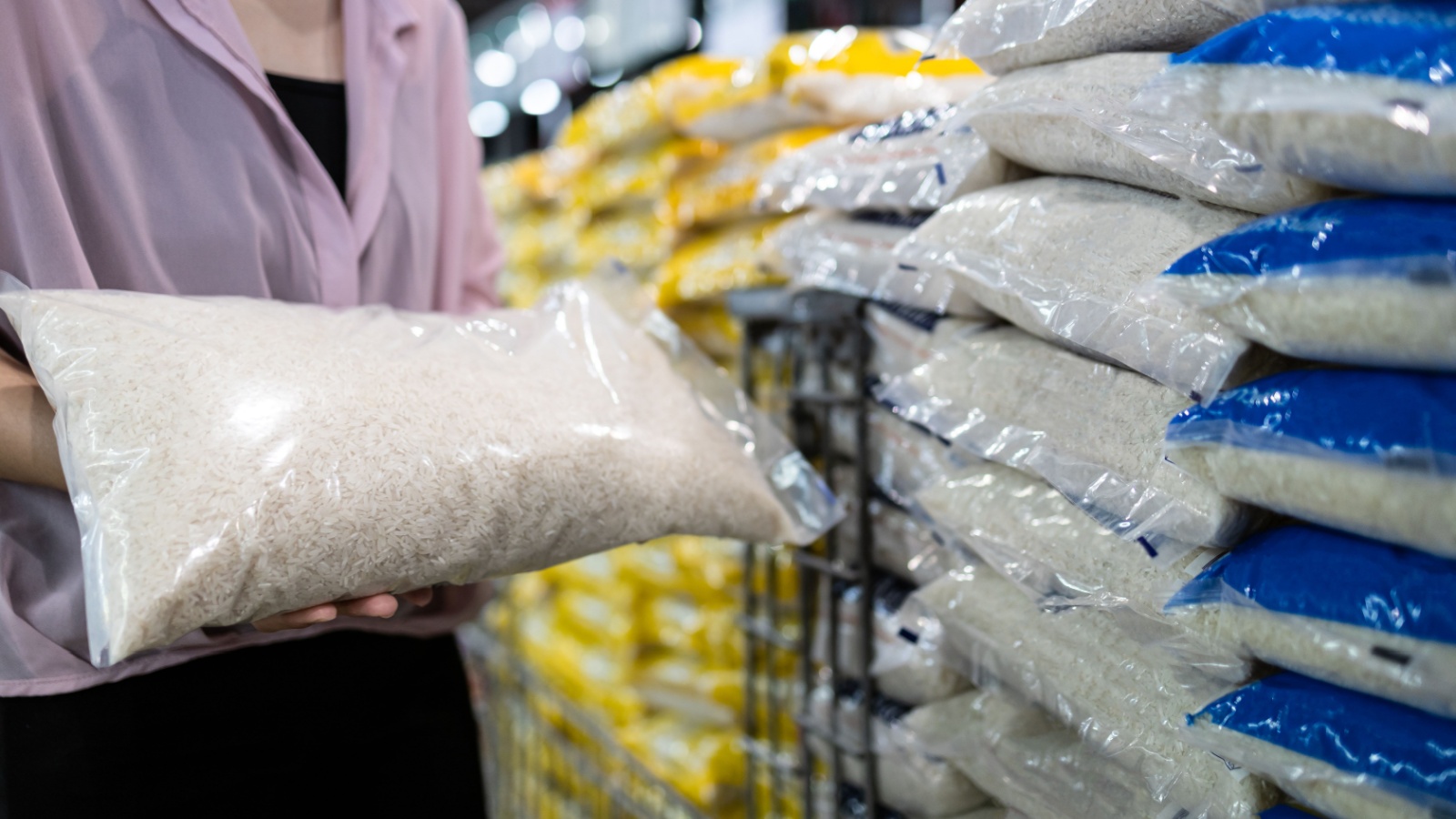
Pasta, rice, oats, flour, and dry beans are exactly the products where unit pricing can work in a family’s favour. These items often store well, appear in many meals, and come in several package sizes. A small bag may be useful for trying a new product, but regular purchases should be compared by kilogram. The biggest bag is not always the best deal, especially when a mid-size package is on sale.
The practical issue is pantry reality. A family may buy a large sack of rice because the price per kilogram is low, then struggle with storage or food waste if it is not used often. Unit pricing should be paired with household habits. If pasta night happens weekly, buying larger formats during sales can make sense. If chickpeas are used once a month, a smaller bag or canned option might be more realistic, even if the unit price is higher.
Canned Beans, Tomatoes, and Soup
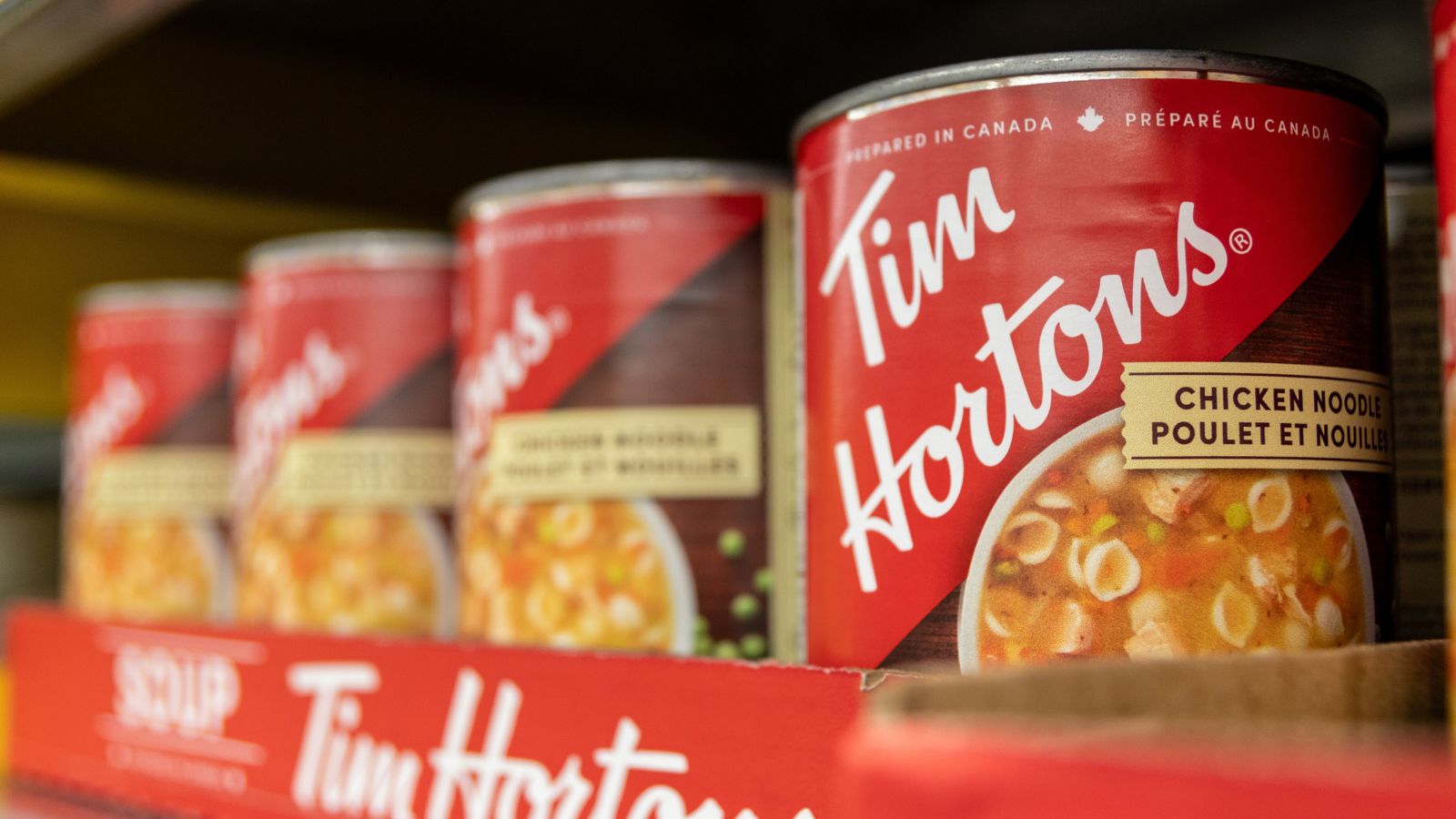
Canned goods look straightforward, but the unit price can vary by can size, brand, multipack, and whether the product is condensed, ready-to-serve, organic, or low-sodium. A family buying canned tomatoes for chili, pasta sauce, and soups may find that a larger can costs less per millilitre than two smaller ones. For beans, comparing drained weight can be helpful when available because liquid takes up part of the can.
Soup is especially tricky because condensed and ready-to-serve versions are not equivalent. A smaller can of condensed soup may produce more servings once water or milk is added, while a ready-to-heat carton may cost more for convenience. Unit pricing does not replace meal planning, but it improves it. Families that keep canned staples for quick dinners can save by identifying which formats are genuinely economical and which simply look cheap because the package is small.
Meat and Poultry Family Packs
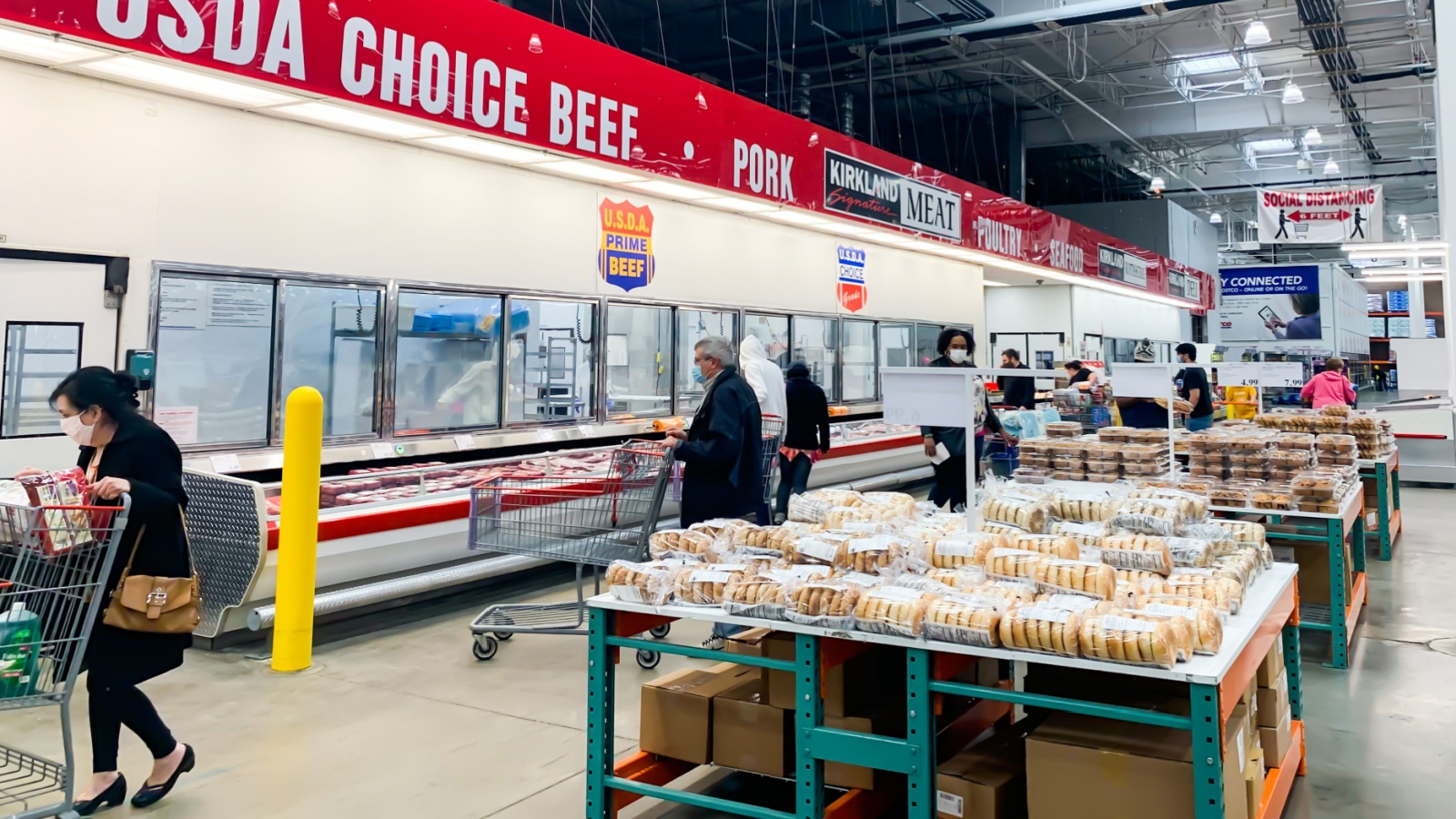
Meat and poultry are among the most important items to compare by unit price because the shelf sticker can be misleading. A family pack of chicken thighs may show a higher total price than a smaller tray, but the price per kilogram may be lower. On the other hand, marinated, pre-cut, or seasoned meat can cost more per kilogram because labour and packaging are included.
The best value also depends on how much of the product will be eaten. Bone-in cuts may be cheaper per kilogram than boneless cuts, but bones affect edible yield. Lean ground meat, regular ground meat, whole chickens, and portioned breasts all require different thinking. A family making several meals from one bulk tray may benefit from freezing portions at home. Without comparing the unit price, though, it is easy to mistake a large package for a good deal simply because it looks like a stock-up item.
Fresh Produce Bags and Clamshells
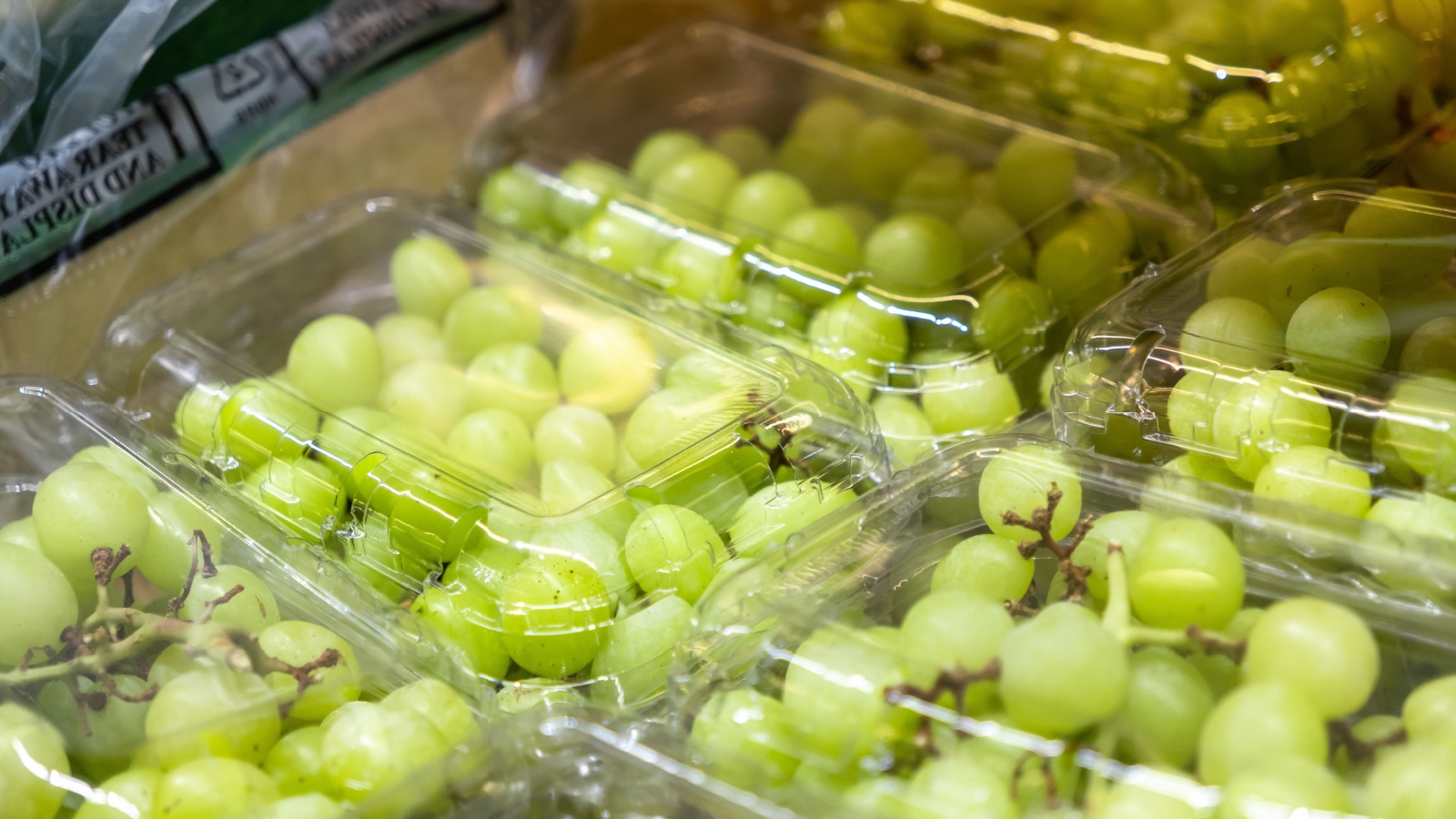
Fresh produce can be deceptive because it is sold by the pound, kilogram, bag, bunch, clamshell, or individual piece. A bag of apples may look cheaper than loose apples, but the unit price and quality matter. If several pieces are bruised or too small for lunches, the apparent savings can disappear. The same applies to berries in clamshells, mini cucumbers, salad kits, and pre-cut fruit.
Families often buy produce with good intentions, then lose money through spoilage. Unit pricing should be paired with realistic use. A larger bag of carrots may be cheaper per kilogram, but not if half becomes limp in the crisper. Pre-cut fruit can cost much more per kilogram than whole fruit, yet it may reduce waste for a busy household that actually eats it. The better question is not only “Which is cheaper?” but “Which will be finished?”
Frozen Vegetables and Frozen Fruit
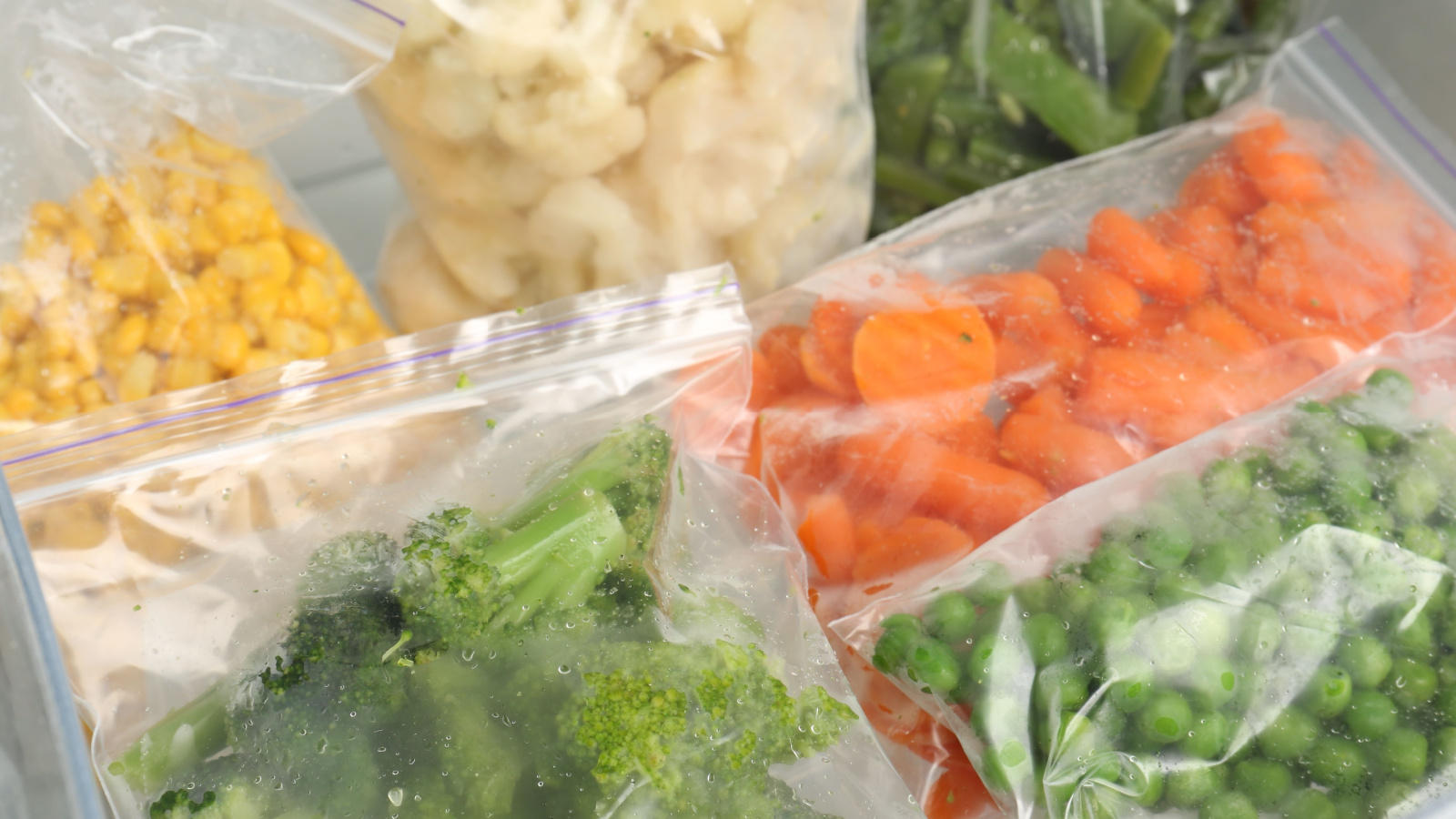
Frozen vegetables and fruit can be excellent value, especially when fresh prices rise or seasonal quality varies. Still, unit pricing matters because bag sizes differ and premium blends can cost much more per kilogram than basic peas, corn, spinach, or mixed vegetables. A smoothie blend with mango and berries may be convenient, but a family might pay less by combining separate bags of frozen fruit.
These products are useful for reducing waste because they last longer than fresh produce, but that does not automatically make every bag a bargain. Steam-in-bag packaging, sauces, seasoning, and brand names can lift the unit price. A parent preparing weeknight stir-fries or school-morning smoothies may benefit from keeping frozen staples on hand, but comparing price per kilogram helps decide when a specialty blend is worth it and when a plain bulk bag will do the same job.
Chips, Crackers, and Snack Multipacks
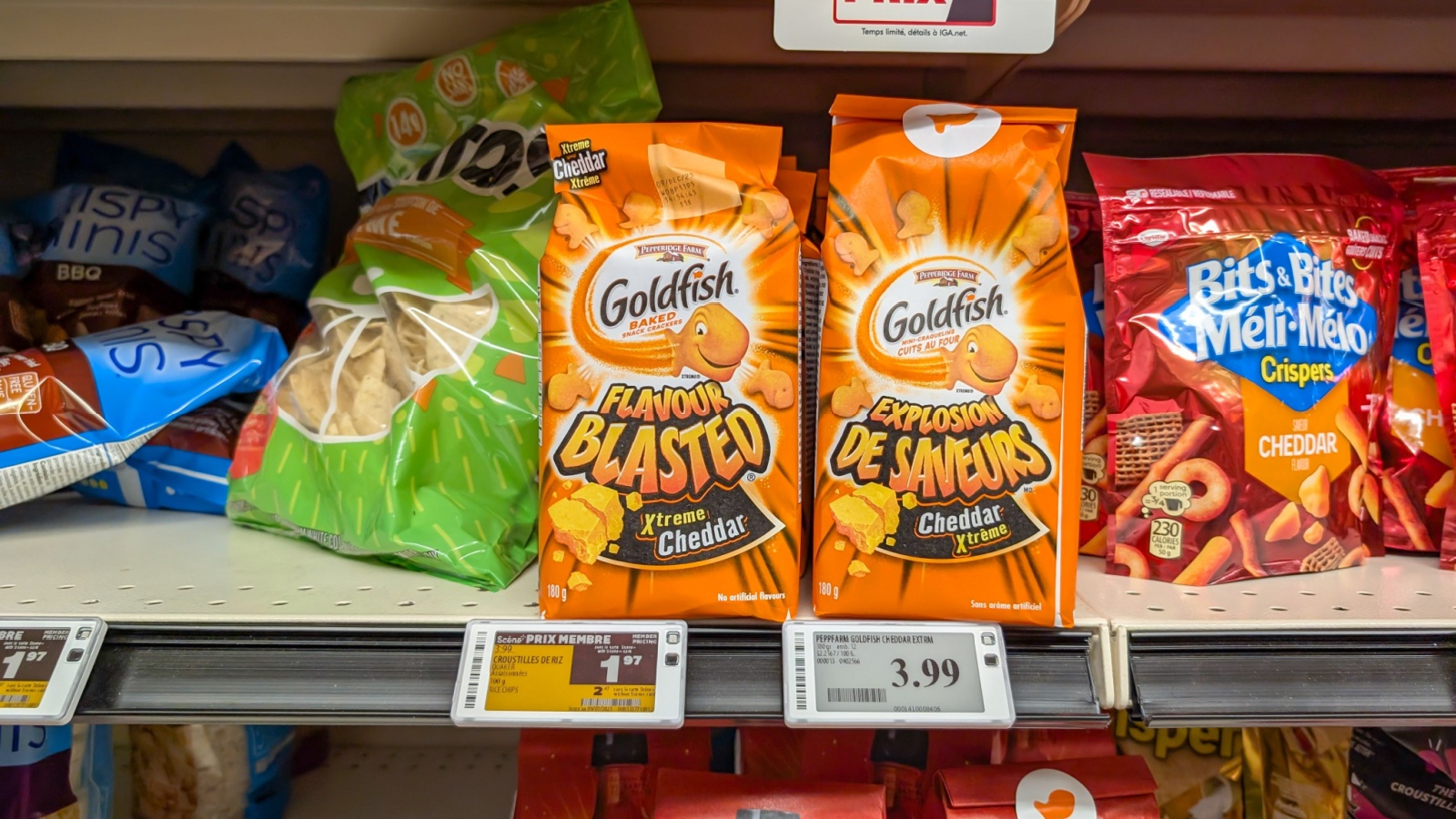
Snack aisles are filled with packages that create the feeling of value: party size, family size, lunch packs, variety packs, and limited-time flavours. The unit price often tells a more sober story. A large bag of chips may cost less per 100 grams than individual snack bags, while a multipack may cost more because portioning and packaging are included. Shrinking package sizes can make the comparison even harder.
For families packing lunches, snack portions can be practical because they reduce morning work and help control servings. But buying them every week can be expensive compared with portioning crackers, pretzels, or popcorn into reusable containers. Unit pricing gives families a way to choose deliberately. The occasional variety pack for a busy week is different from paying a packaging premium month after month without realizing how much the smaller bags cost per gram.
Baby Formula and Toddler Drinks

Baby formula is a sensitive purchase because families prioritize safety, availability, and what a child tolerates. Still, when there are medically appropriate choices available, unit pricing can help compare powder tubs, ready-to-feed bottles, and liquid concentrate. Ready-to-feed products are convenient, especially for newborns or travel, but they commonly cost more per prepared serving than powder.
The comparison should always respect health guidance and a child’s needs. Some families cannot simply switch brands or formats, and shortages can limit options. But where choices exist, looking at cost per 100 grams of powder or per prepared millilitre can prevent unnecessary overspending. Toddler drinks and specialty nutritional beverages deserve the same caution. A familiar label or larger tub may not be the best value, and the most economical option is only useful if it matches professional feeding advice and the family’s actual routine.
Pet Food and Cat Litter
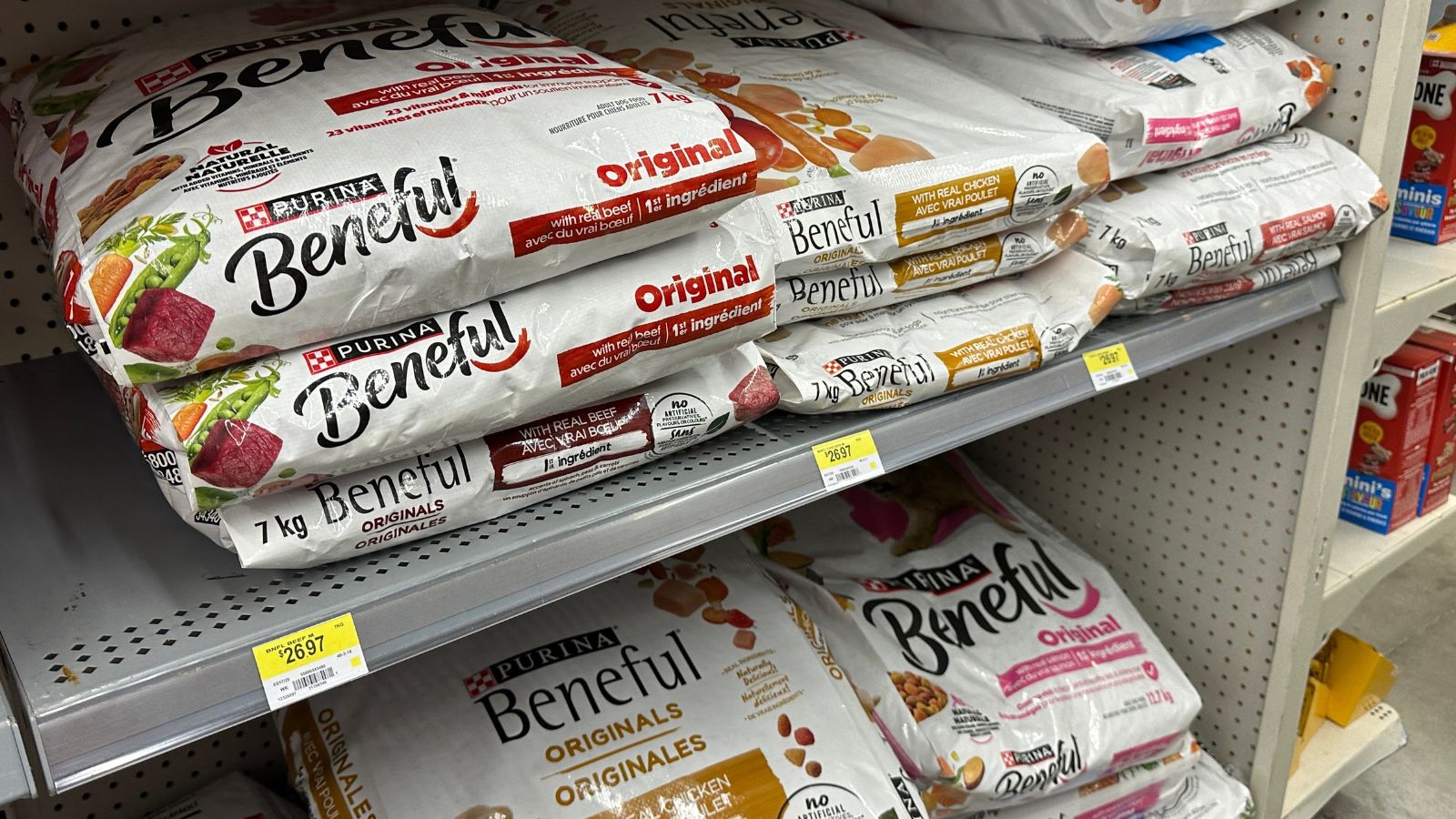
Pet food is another category where package size can disguise the real cost. A small bag of kibble may be easier to carry, while a larger bag may cost less per kilogram. Wet food adds another layer because cans, trays, and pouches vary in grams and serving size. Families with dogs or multiple cats may notice that a few cents per serving becomes significant over a month.
Cat litter should also be compared by kilogram or litre, depending on the label. Lightweight formulas can make the bag easier to lift but harder to compare directly with traditional clay litter. Clumping strength, odour control, and how often the box is changed all affect value. Unit pricing gives a starting point, not the full answer. A cheaper litter that needs replacing twice as often may not save money, while a premium food should still be measured against how many days the bag actually lasts.
Shampoo, Conditioner, and Body Wash

Personal-care products are full of size illusions. A tall bottle may hold less than a shorter, wider one, and a salon-style label may draw attention away from the millilitres. Shampoo, conditioner, body wash, and hand soap should be compared by price per 100 millilitres or litre. Family households can go through these products quickly, especially with teenagers, sports, and frequent showers.
The biggest bottle is not always the best buy. A pump bottle may encourage heavier use, while concentrated formulas can last longer than expected. Refill pouches may reduce packaging and sometimes lower the unit price, but not always. A family buying a trusted brand can still compare formats within that brand: regular bottle, value size, refill, or multi-pack. The goal is not to eliminate preferred products; it is to avoid paying more simply because the packaging looks larger or the sale sign looks urgent.
Dish Soap, Dishwasher Tabs, and Cleaning Sprays
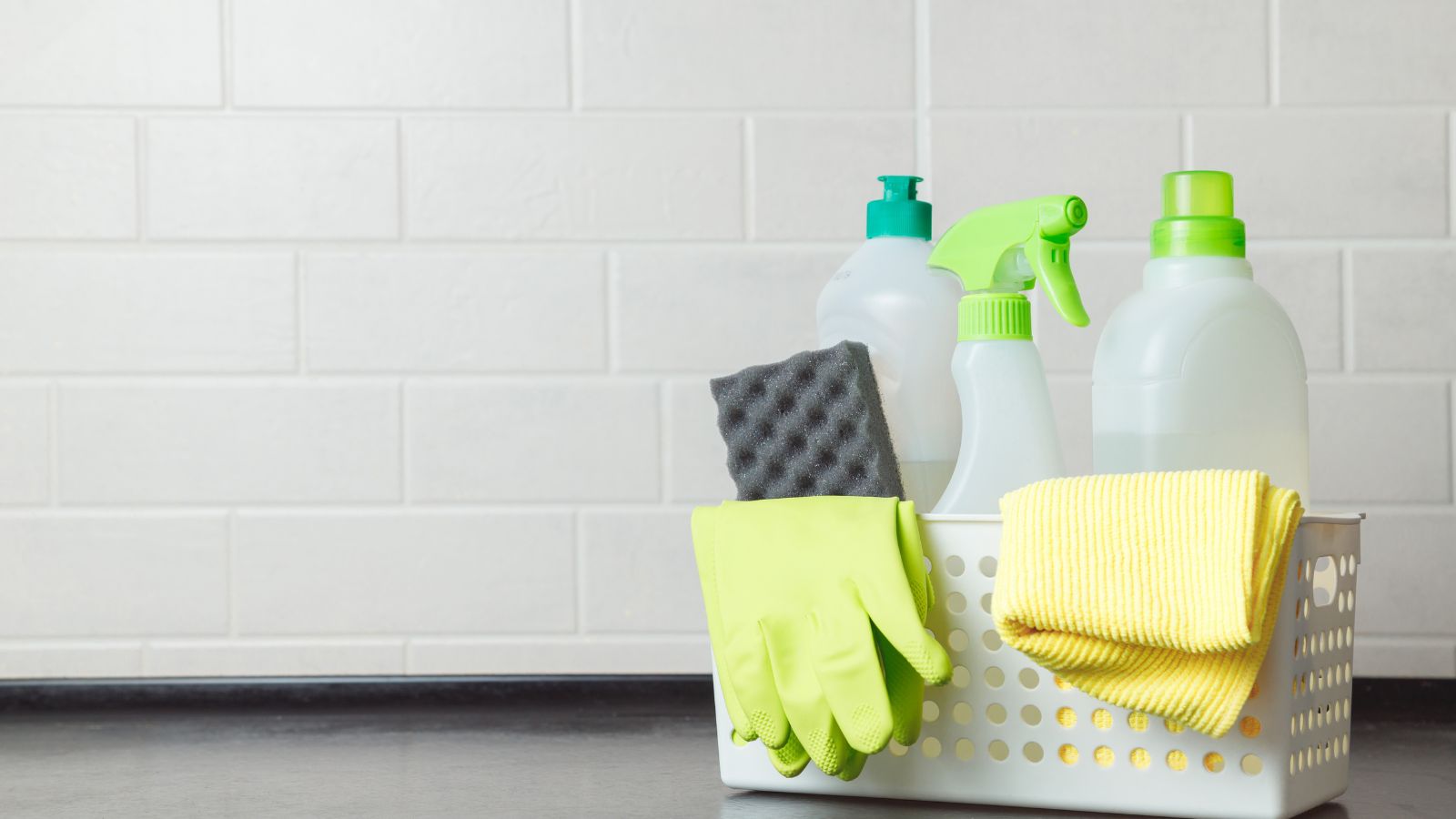
Cleaning products often hide value behind different measurements. Dish soap is best compared by millilitre, dishwasher tabs by count or wash, and sprays by volume. A large bottle of dish soap may be a bargain, but dishwasher tabs can vary widely in cost per cycle depending on pack size, brand, and whether they include rinse-aid-style features. Families running a dishwasher daily should treat tabs like a recurring household bill.
Cleaning sprays add another complication because ready-to-use bottles compete with concentrates and refill formats. A starter bottle may seem affordable, while the refill or concentrate may be cheaper per use. The reverse can happen when a sale makes the ready-to-use bottle unexpectedly competitive. Unit pricing helps families decide whether the premium is for convenience, scent, brand confidence, or actual cleaning value. For a home with frequent spills, packed lunches, and weekend chores, those differences can become meaningful.
Over-the-Counter Medicines and First-Aid Basics

Over-the-counter medicines, bandages, and basic first-aid supplies should not be bought only by front-of-package price. Pain relievers, allergy tablets, antacids, and cough drops often come in different counts and strengths, so the better comparison may be cost per tablet, capsule, lozenge, or dose. Families should also compare active ingredients when appropriate, since store brands can sometimes offer the same medicinal ingredient at a lower unit cost.
This is one category where unit price should never override suitability. Dosage, age restrictions, allergies, and advice from a pharmacist or health professional matter more than saving a few dollars. Still, when two appropriate products are comparable, the unit price can prevent overspending on a small box bought in a hurry. A medicine cabinet stocked thoughtfully before cold season often costs less than repeated emergency purchases from the nearest shelf.
Bottled Water and Household Beverages

Bottled water, sparkling water, iced tea, and shelf-stable beverages can look inexpensive because the pack price is familiar. The unit price often reveals a substantial gap between single bottles, multipacks, cans, and larger containers. A case of small bottles may be convenient for sports or emergencies, but a refillable bottle from the tap is usually far cheaper for daily use where safe drinking water is available.
Families often buy beverages for convenience rather than necessity, especially during summer activities, school events, or road trips. Unit pricing helps separate those occasions from routine spending. A 12-pack of sparkling water, a two-litre bottle, and a small checkout cooler drink may all satisfy the same craving, but their cost per litre can be dramatically different. When grocery prices are already rising, beverage habits are one of the simplest places to find recurring savings without changing core meals.
19 Things Canadians Don’t Realize the CRA Can See About Their Online Income

Earning money online feels simple and informal for many Canadians. Freelancing, selling products, and digital services often start as side projects. The problem appears at tax time. Many people underestimate how much information the CRA can access. Online platforms, banks, and payment processors create detailed records automatically. These records do not disappear once money hits an account. Small gaps in reporting add up quickly.
Here are 19 things Canadians don’t realize the CRA can see about their online income.
