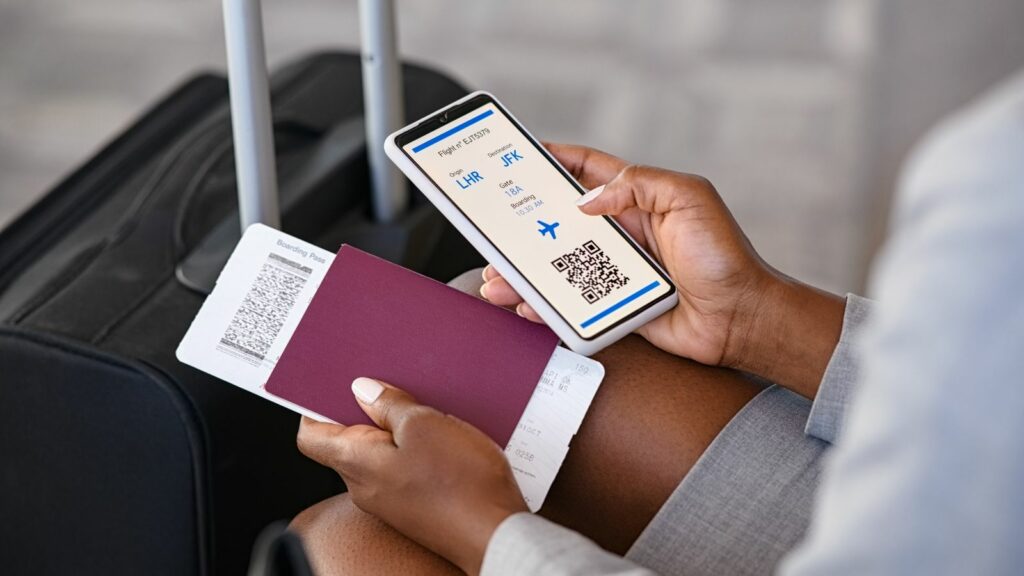
Air travel in 2026 is becoming less about simply showing up with a passport and more about managing digital forms, tighter timing, shifting border systems, and smarter packing. For Canadians, even familiar routes can now involve new authorizations, app-based declarations, biometric checks, or destination-specific health and document rules. These 14 travel habits reflect the practical adjustments that can reduce stress before a flight, especially during busy periods, family trips, and international connections.
Checking Passport Validity Before Booking
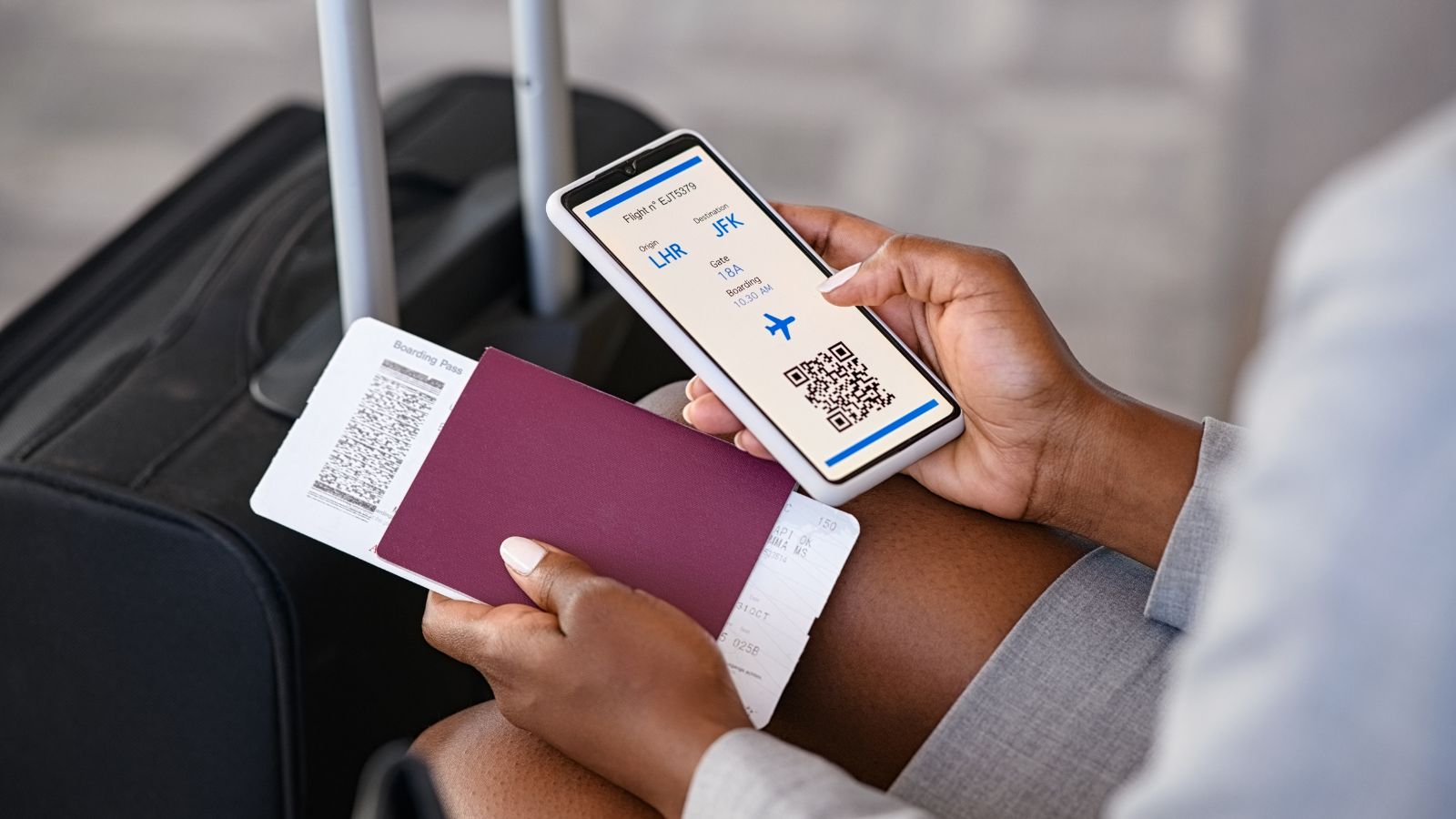
A valid passport is no longer something travellers can safely check at the last minute. Many destinations set their own validity rules, and some require a passport to remain valid for months after the planned departure date. A Canadian flying to visit relatives in the Philippines, for example, may discover that the country requires a regular Canadian passport to be valid for at least six months beyond the expected departure date.
The smarter 2026 habit is to check passport validity before booking flights, hotels, or tours. Passport renewal timing also matters because standard Canadian processing can take 10 to 20 business days depending on how and where the application is submitted, not including mailing time. That gap can turn a good airfare into a costly mistake if documents are not ready.
Treating Travel Authorizations Like Tickets

For many trips, the boarding pass is no longer the only digital permission that matters. The United Kingdom now uses an Electronic Travel Authorisation system for many visitors, including Canadians travelling for short stays or transiting in certain cases. Europe’s ETIAS system is also expected to affect visa-exempt travellers once it begins operating, making pre-trip authorization checks a normal part of planning.
A useful habit is to create a “permission checklist” beside the flight itinerary: passport, visa, ETA, ETIAS, transit rules, and return requirements. This is especially important for travellers with long layovers, dual citizenship, or multi-country trips. One missing authorization can cause a denied boarding problem before the journey even begins, long before an immigration officer at the destination has a chance to review the case.
Using Official Government Sites First

Online travel forms have become a target for confusion and overcharging. Many legitimate-looking websites offer help with visas or authorizations, but official government sites often charge less and provide the most reliable instructions. The U.K. ETA, for instance, is handled through the U.K. government system, while Canada’s own eTA for eligible visitors costs CAN$7 through the official Canadian site.
The habit Canadians may need in 2026 is simple: search for the government source before entering passport details or payment information. This applies to travel authorizations, customs declarations, passport renewals, and destination advisories. A family planning a European trip should be especially cautious once ETIAS begins, because unofficial sites often appear before official information in search results and may add unnecessary service fees.
Saving Digital Copies Without Relying Only on the Cloud

Airports increasingly run on phones, but phones still fail at inconvenient moments. Batteries die, roaming plans glitch, apps log users out, and airport Wi-Fi can be crowded. A traveller who has a passport scan, booking reference, hotel address, insurance certificate, and travel authorization saved offline has a much easier time recovering from a technical hiccup.
The stronger habit is to keep essential documents in three places: the airline app, an offline phone folder, and a printed backup for border or airline staff. This is not about resisting digital travel; it is about building redundancy. As mobile-first travel grows, the passenger who can produce documents without searching through email at the check-in counter will often move faster and with fewer tense moments.
Checking Airport Timing by Route, Not by Habit

Old airport timing rules are becoming less reliable. A domestic flight, a U.S.-bound flight with preclearance, and a long-haul international departure can all create very different airport experiences. Toronto Pearson advises a general rule of 90 minutes for domestic travel and three to four hours for international flights, while Vancouver recommends at least two hours for domestic flights and three hours for U.S. and international departures.
The better 2026 habit is to check the airport, airline, and route-specific advice before leaving home. Travellers should also check security wait times, flight status, and peak travel windows. Arriving far too early can create unnecessary crowding, but arriving based on a memory from five years ago can be worse. The goal is not panic; it is route-aware planning.
Watching Security Rules Before Packing Liquids and Electronics
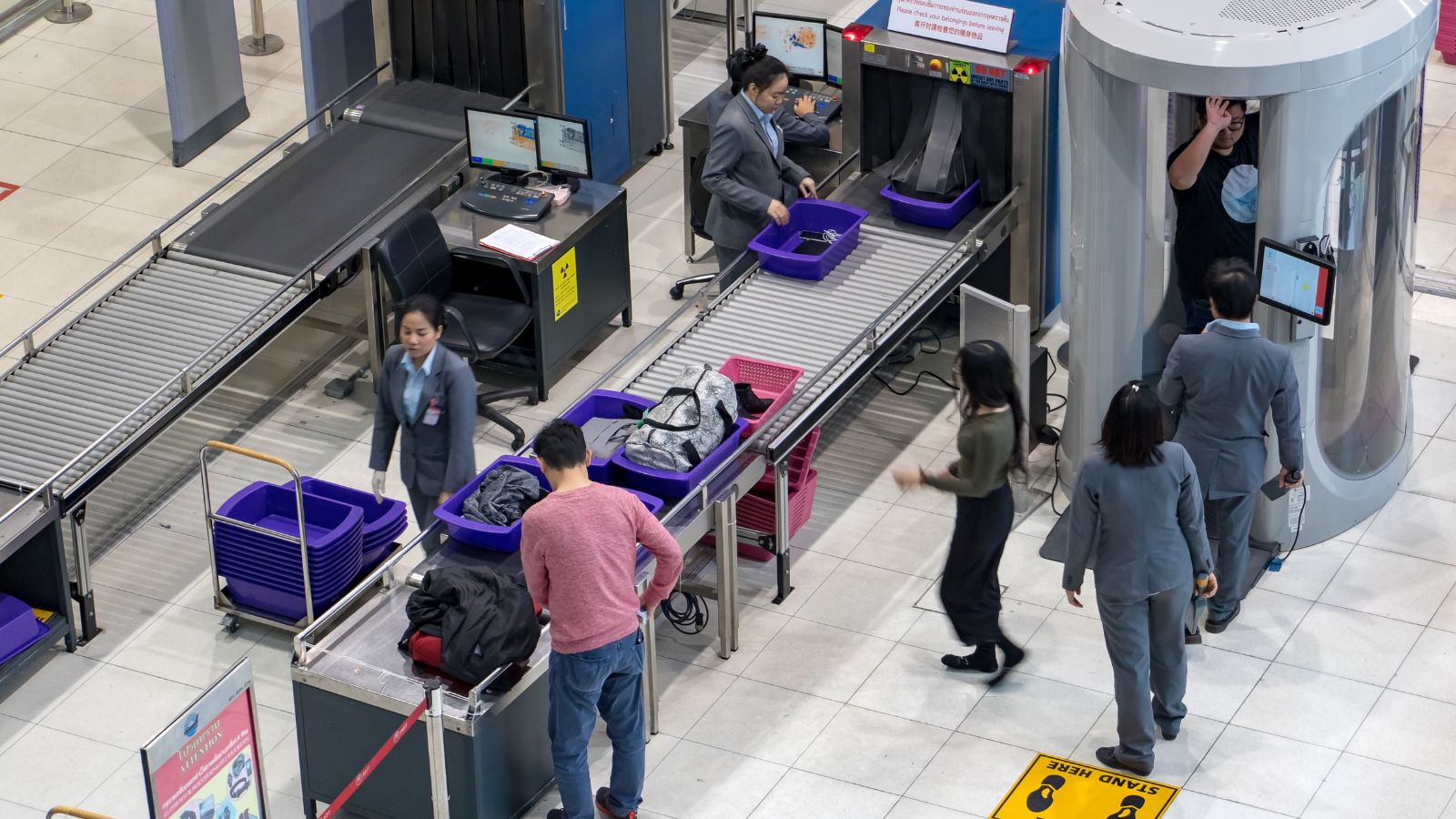
Security screening is changing unevenly across airports and checkpoints. Some Canadian screening lines with newer CT X-ray technology may allow travellers to keep permitted liquids and electronics inside bags, while other lanes may still require laptops, tablets, and liquids to be removed. The basic Canadian carry-on liquid rule still matters: containers must generally be 100 ml or less and fit inside a one-litre clear resealable bag.
This makes the pre-flight packing habit more important than ever. Travellers should pack liquids and electronics as if they may need to remove them quickly, even if newer equipment is available. A sunscreen bottle, snow globe, or oversized toiletry can still cause delays. Families should place medications and baby supplies where they can be explained easily to screening officers, rather than buried under clothing.
Building a Smarter Carry-On Strategy
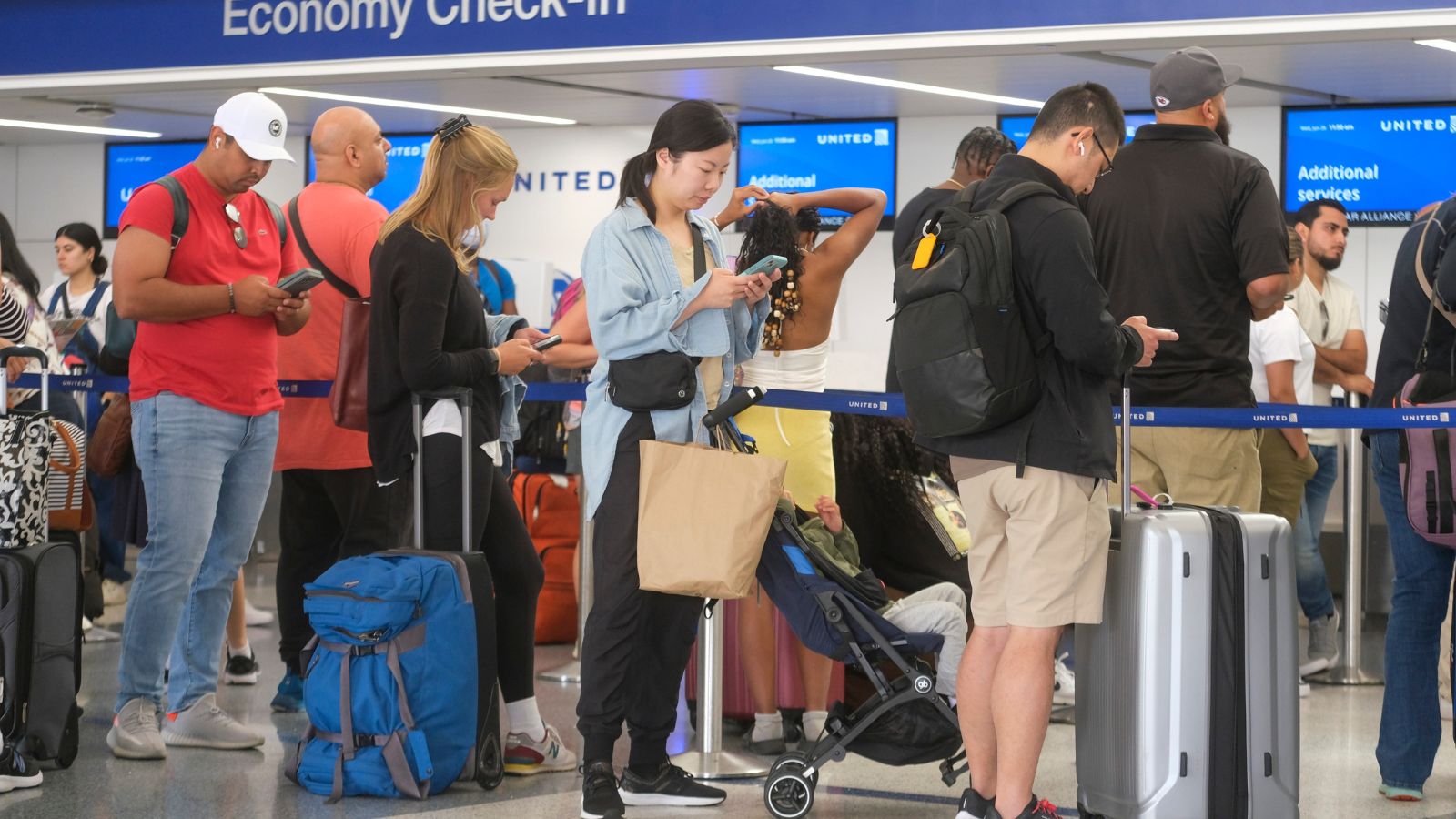
Carry-on space has become one of the most contested parts of air travel. Airlines publish size limits for standard bags and personal items, and gate agents may check oversized luggage when flights are full. A carry-on that worked on one aircraft can become a problem on another, especially with smaller regional planes or basic fares that limit what can be brought onboard.
A practical 2026 habit is to pack a “survival layer” inside the personal item: medication, chargers, one change of clothes, glasses, essential documents, and valuables. If the larger carry-on is gate-checked, the most important items stay close. This habit is especially useful during winter delays, tight connections, or family travel, when a missing bag can turn a manageable disruption into a long evening at the airport.
Tracking Checked Bags Proactively

Baggage tracking is becoming more visible to passengers. Airlines and airports increasingly use app notifications, digital tags, and scanning updates to show when a bag is checked in, loaded, transferred, or delivered. IATA’s passenger research found strong interest in real-time luggage tracking, showing that travellers increasingly expect bag visibility rather than waiting at a carousel with no information.
The habit is to photograph the bag, save the baggage receipt, and monitor tracking from check-in onward. A bright strap or distinctive tag can help at the carousel, but digital proof helps when filing a delayed-bag report. Some travellers also use personal tracking devices, though those should be used responsibly and in line with airline rules. The key is treating baggage information like a document, not a disposable sticker.
Preparing for Biometric and Digital Identity Checks

Biometric travel is moving from novelty to normal. More passengers are using facial recognition or digital identity systems at airports, and industry surveys show rising satisfaction among those who have used biometric processing. For Canadians, this does not mean passports disappear, but it does mean airport flows may increasingly involve cameras, kiosks, eGates, and identity-matching steps.
The smart habit is to understand where biometrics are optional, where they are part of border processing, and how personal data is handled. Travellers who are uncomfortable should read airport or government notices before the trip rather than deciding in line. Those who use biometrics should still keep a passport and boarding pass ready. The fastest digital process can still pause if a name, document, or image does not match cleanly.
Completing Arrival Declarations Before Landing
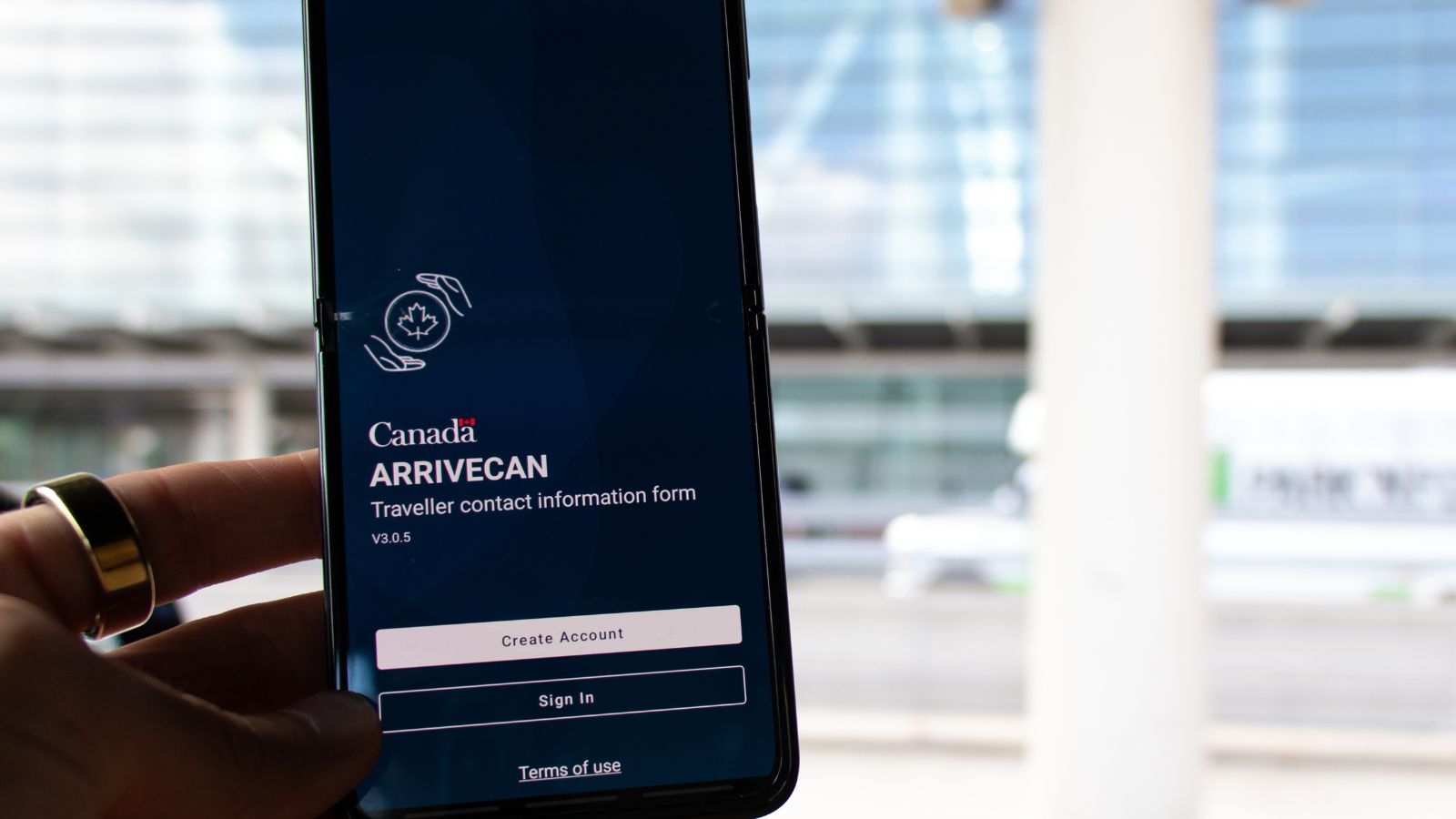
Returning to Canada can be smoother when customs information is handled in advance. The Advance Declaration feature in ArriveCAN lets eligible travellers submit customs and immigration information up to 72 hours before arrival at participating Canadian airports. That can reduce time spent at primary inspection kiosks or eGates, particularly after long international flights.
The useful habit is to complete arrival forms while still at the hotel, airport lounge, or gate, rather than after landing when everyone is tired and searching for Wi-Fi. Families can also review purchases, gifts, food items, and currency before reaching the customs hall. A clear declaration does not guarantee no questions, but it helps keep the arrival process organized and reduces the chance of rushed mistakes.
Keeping Receipts for Delays, Cancellations, and Bags
Air travel disruptions are easier to manage when records are organized. Canada’s Air Passenger Protection Regulations set rules for treatment, rebooking, refunds, and compensation in certain delay, cancellation, denied boarding, and baggage situations. Compensation can depend on whether the issue was within the airline’s control, how late the passenger arrived, and when the airline informed them.
The habit for 2026 is to save proof as the disruption unfolds: boarding passes, delay notices, app screenshots, meal receipts, hotel bills, baggage reports, and written airline messages. A traveller who calmly documents expenses at the time is better prepared to file a claim later. This is not about assuming every delay will pay out; it is about avoiding a common problem where a valid claim becomes difficult because the evidence disappeared.
Checking Health Notices and Insurance Details Earlier
Health preparation is no longer just for remote expeditions. The Public Health Agency of Canada posts travel health notices about risks abroad, and Global Affairs Canada links travel planning with destination advisories, medical access, and insurance considerations. Large events, outbreaks, extreme weather, and regional instability can all affect ordinary vacation plans.
A better habit is to check travel health notices and insurance coverage before the final payment deadline, not the night before departure. Travellers should confirm emergency medical coverage, trip interruption rules, medication supply limits, and whether planned activities are excluded. A weekend sun trip, a cruise, and a backpacking route can carry very different risk profiles. The paperwork is dull until it becomes the most important document in the bag.
Registering Trips When the Destination Is Unstable or Crowded
Registration of Canadians Abroad is a free Government of Canada service that allows officials to send emergency information during natural disasters, civil unrest, or personal emergencies at home. It can be especially useful during hurricane season, major sporting events, regional conflict, or trips to areas where conditions change quickly.
The habit is not necessary for every short hop, but it is increasingly sensible for longer or higher-risk travel. A Canadian attending a major event abroad, travelling through a region with active advisories, or staying somewhere with limited communications may benefit from direct updates. Registration does not replace judgment, insurance, or local awareness, but it adds another channel of official information when normal travel routines break down.
Preparing Family Travel Documents Before Airport Day
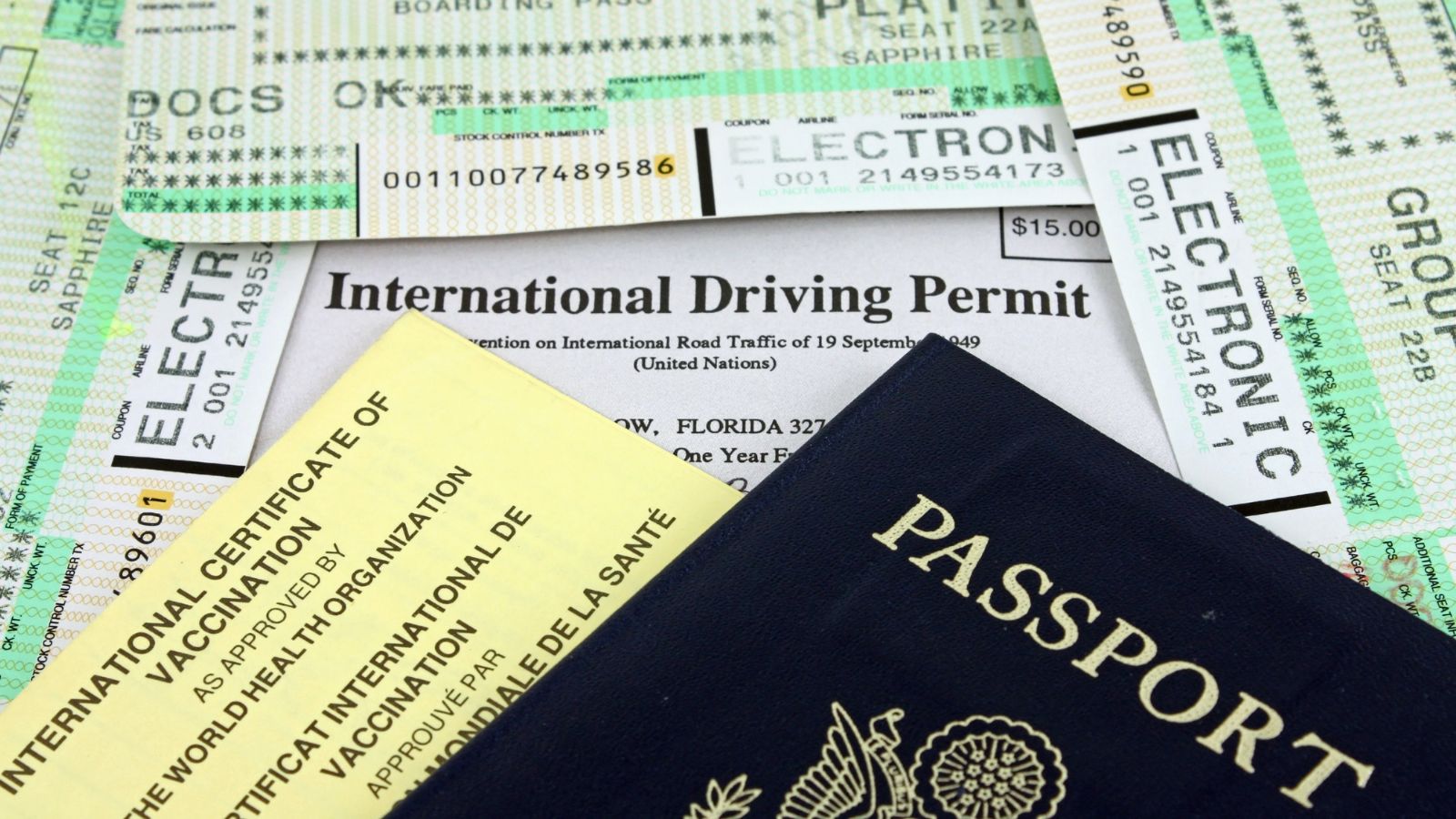
Family travel can be slowed by documents that adults do not think about until check-in. The Government of Canada recommends that children travelling outside Canada without one or both parents or legal guardians carry a signed consent letter. Additional documents, such as a birth certificate copy or information about the non-travelling parent, may also be relevant depending on the situation.
The 2026 habit is to treat family paperwork as part of the packing list, not a legal afterthought. Blended families, school trips, grandparents travelling with children, and one-parent vacations can all attract extra questions because border officers are trained to protect children. A clear consent letter, contact information, and organized identification can turn a potentially stressful exchange into a routine document check.
Planning Connections Around Border Technology and Crowds
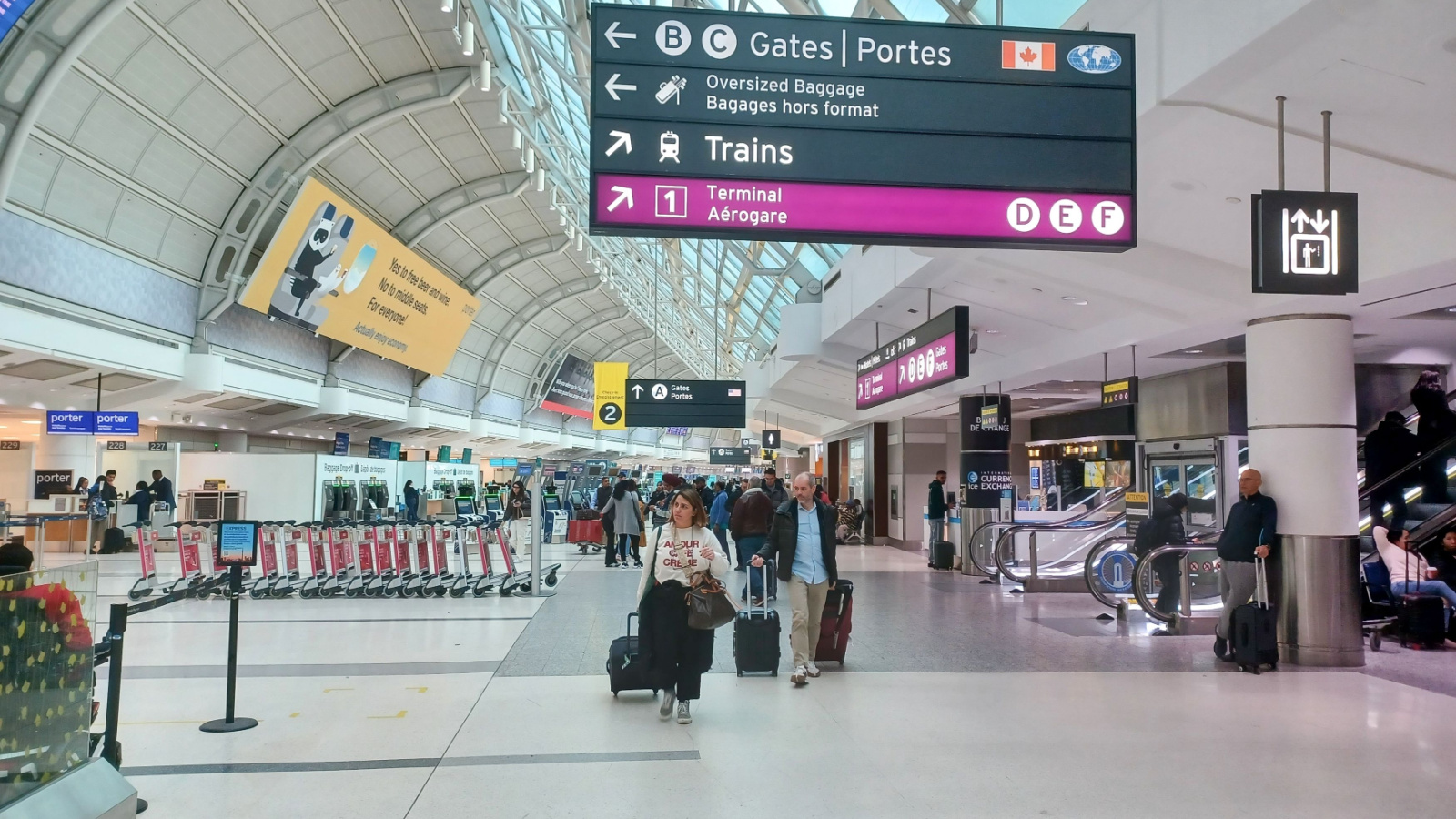
International connections are becoming harder to judge by flight time alone. The European Entry/Exit System registers non-EU nationals at borders, and new digital border processes can add steps for first-time travellers, families, or people with tight onward flights. Airports and border systems may also experience uneven rollout periods, where one terminal moves quickly and another develops long queues.
A safer habit is to build connections around real border friction, not just airline minimums. That means avoiding very tight self-transfers, allowing more time for first entry into Europe or the U.K., and checking whether luggage must be collected and rechecked. A connection that looks efficient on a booking site can feel unrealistic after a delayed arrival, biometric registration, a terminal change, and a second security screening.
19 Things Canadians Don’t Realize the CRA Can See About Their Online Income

Earning money online feels simple and informal for many Canadians. Freelancing, selling products, and digital services often start as side projects. The problem appears at tax time. Many people underestimate how much information the CRA can access. Online platforms, banks, and payment processors create detailed records automatically. These records do not disappear once money hits an account. Small gaps in reporting add up quickly.
Here are 19 things Canadians don’t realize the CRA can see about their online income.
