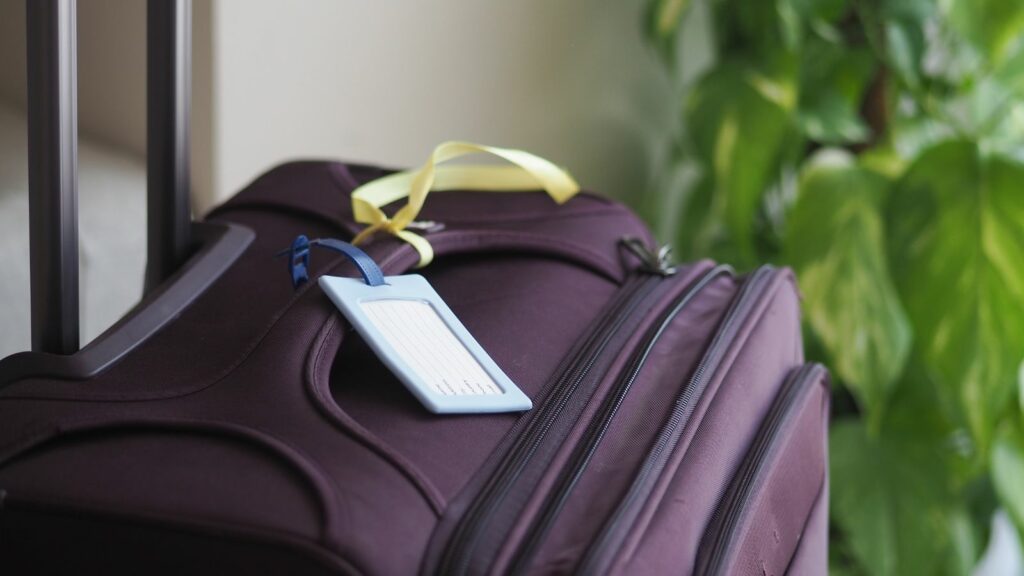
Airports make checked baggage feel routine, but a suitcase can become a small logistical gamble the moment it disappears behind the belt. For Canadian travellers, the smartest packing decisions often happen before the bag is zipped, weighed, tagged, and handed over. A few minutes of preparation can reduce the risk of extra fees, security delays, lost essentials, customs headaches, and difficult claims if something goes wrong.
These 15 practical checks cover what belongs in carry-on, what should be documented, what rules deserve a second look, and what details can make a delayed or damaged bag far easier to resolve.
Check the Airline’s Current Bag Cut-Off Times
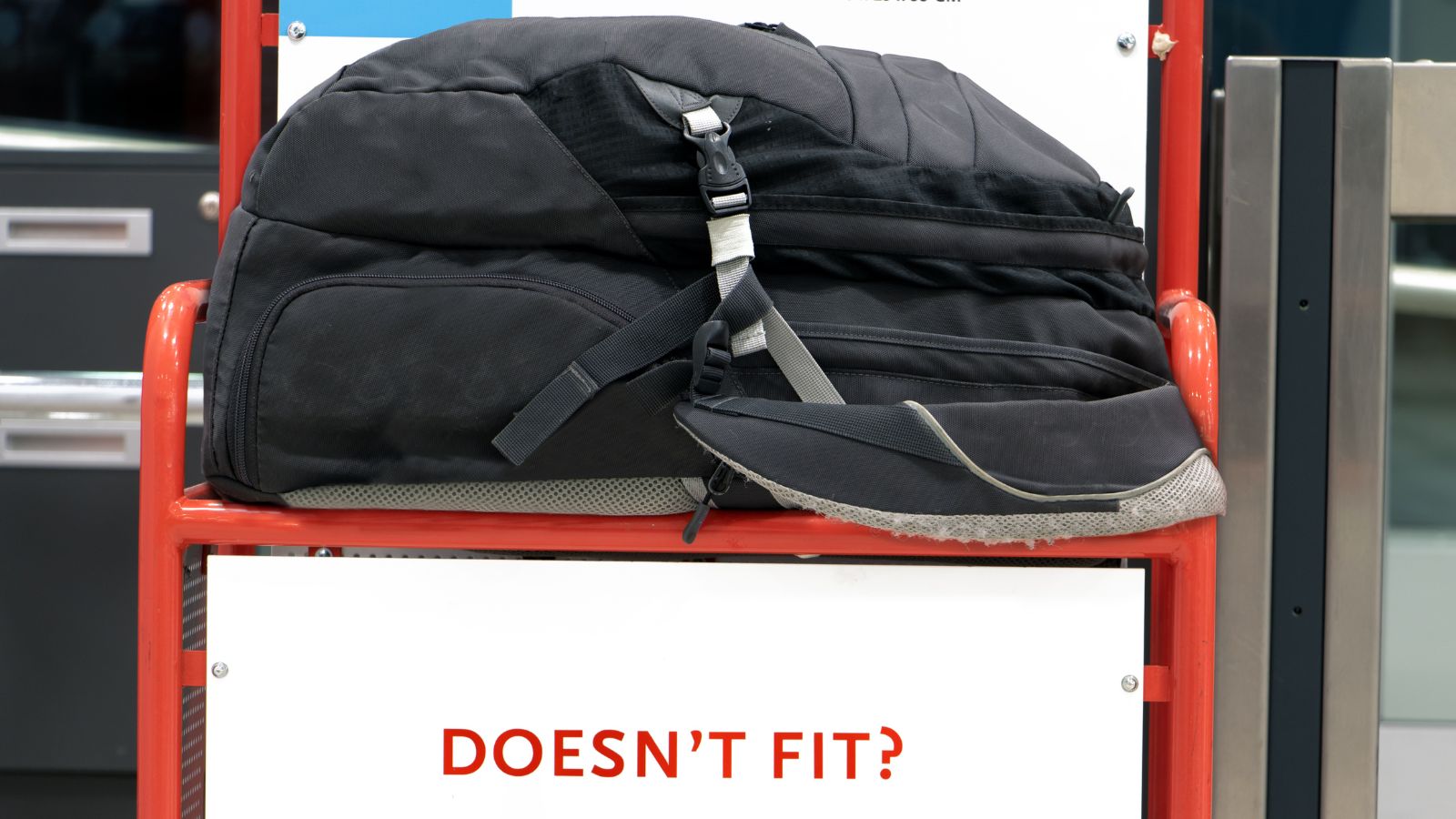
Checked baggage deadlines are not always as forgiving as travellers assume. Canadian airlines may close bag drop before the general boarding cutoff, and the timing can vary between domestic, U.S., and international flights. Air Canada, for example, lists different check-in and baggage deadlines depending on destination, while WestJet has separate cut-off rules for domestic and international routes. A family arriving “just under the wire” may technically be on time for security but too late to check a suitcase.
The safer habit is to check the airline’s own deadline before leaving for the airport, not just the departure time on the boarding pass. This matters even more during school breaks, long weekends, winter weather, or flights involving U.S. pre-clearance. One extra checked bag can also slow the process, especially when kiosks, payment terminals, or oversized-bag counters are involved. A traveller who builds in time for bag drop avoids turning a manageable queue into a missed-flight problem.
Weigh the Bag Before Leaving Home
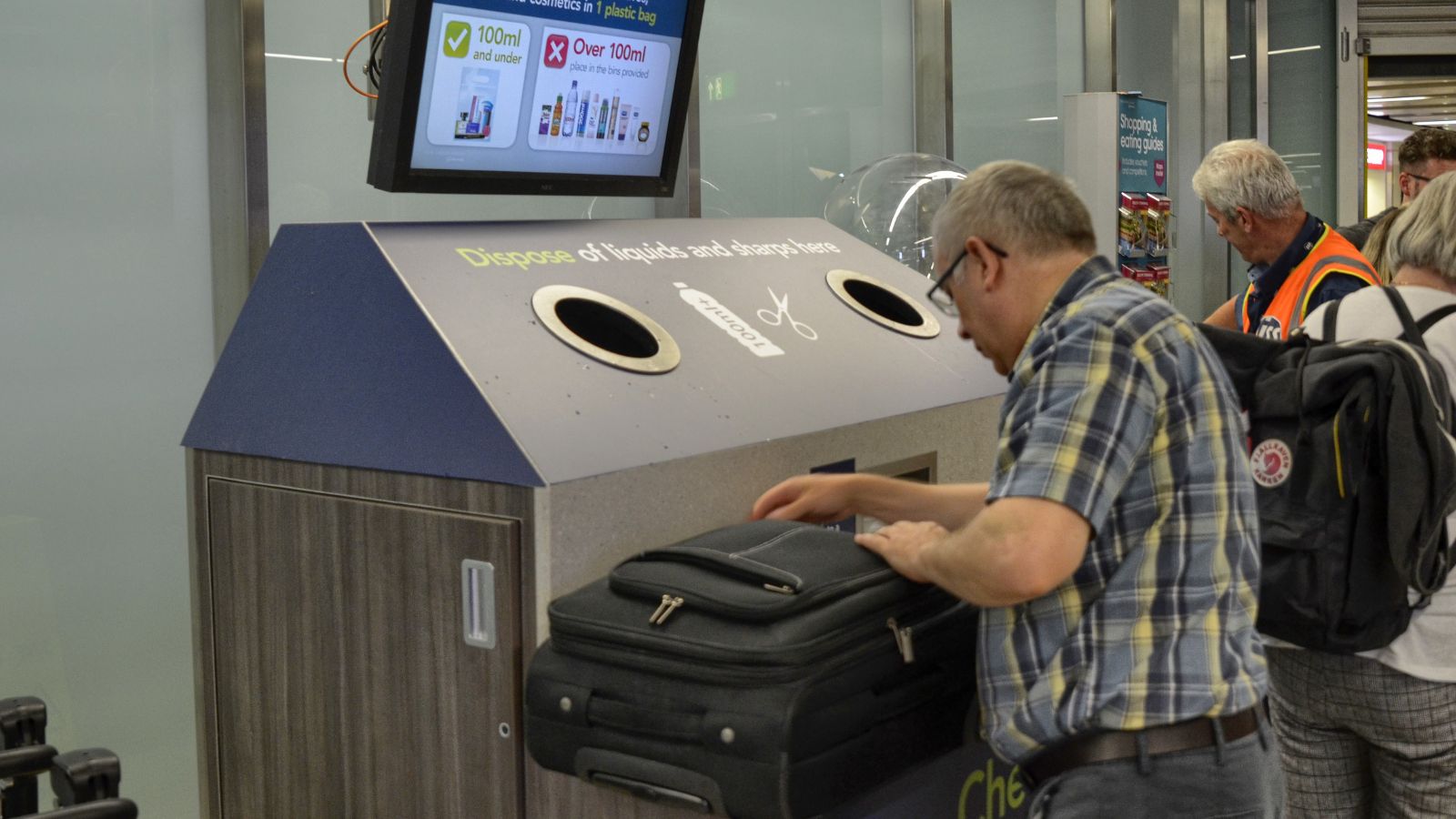
The most common checked-bag limit on many Canadian economy fares is around 23 kilograms, or 50 pounds, with oversize and overweight fees applying when a bag exceeds the allowance. WestJet lists checked baggage limits by total dimensions and weight, and Air Canada directs passengers to verify the allowance attached to their fare, route, cabin, and status. That means the same suitcase may be fine on one itinerary and expensive on another.
A small luggage scale can prevent an awkward airport-floor repack beside the check-in counter. Winter boots, books, gifts, and toiletries add weight quickly, and a hard-shell suitcase can already be heavier before anything goes inside. Travellers bringing souvenirs home should also leave space and weight allowance for the return trip. A bag that weighed 21 kilograms leaving Toronto can easily cross the limit after a few purchases abroad.
Photograph the Bag From Several Angles
Photo Credit: Shutterstock
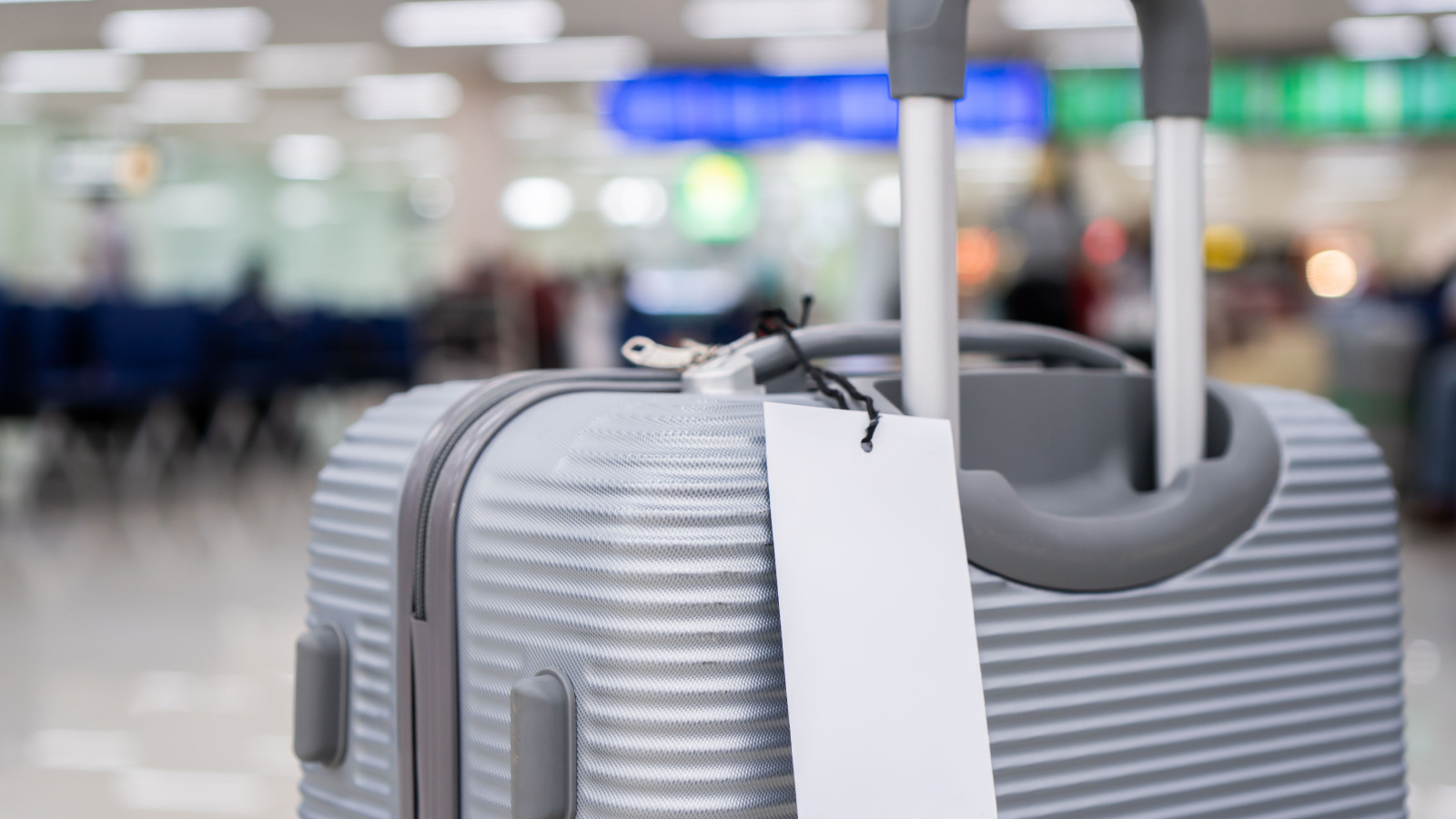
A checked suitcase is easier to describe when there is a clear photo of it on the phone. Colour alone is often not enough. Airport baggage rooms are full of black, navy, grey, and burgundy suitcases with similar wheels and handles. A photo showing the brand, size, tag, ribbon, scuff marks, stickers, or unusual zipper pulls can help airline staff identify the bag faster if it is delayed.
This small step also helps with damage claims. If a suitcase comes off the carousel with a cracked shell, missing wheel, broken handle, or torn seam, a pre-flight photo can show its condition before the airline accepted it. The photo does not need to be artistic. A quick front, back, side, and baggage-tag image at the airport can provide useful evidence. For families checking several bags, photographing each one separately avoids confusion later.
Remove Old Airline Tags and Barcodes
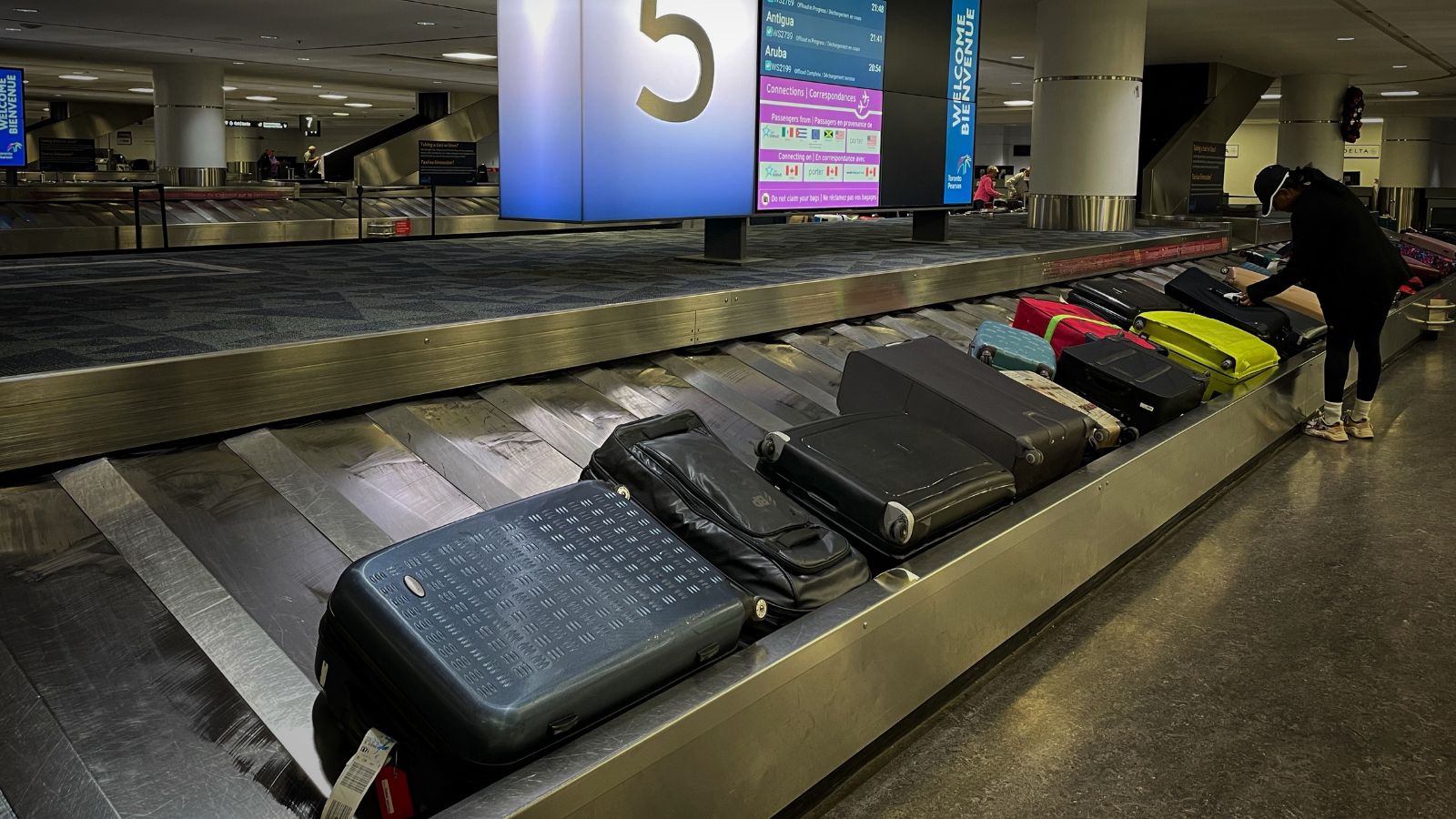
Old baggage tags can confuse automated sorting systems and human handlers. The newest tag should be the only visible routing instruction on the bag. A suitcase that still has a barcode from a previous trip may look harmless, but baggage systems rely on scannable information moving quickly through belts, tubs, and transfer points. Extra stickers and dangling tags only add clutter.
Before leaving home, travellers should strip off old paper loops, barcode stickers, priority tags, cruise tags, and destination labels. This is especially important for people who travel often for work or use the same suitcase for multiple trips in a season. The cleanest bag is one with a current airline tag, a sturdy personal luggage tag, and no outdated routing information. It is a simple housekeeping step, but it can reduce avoidable confusion at the worst possible moment.
Put Essential Medication in Carry-On

Prescription medication should not disappear with a delayed suitcase. Checked bags can be misrouted, held during connections, or delivered days later, even when the overall mishandling rate has improved in recent years. A traveller who lands without daily medication, medical devices, contact lenses, or specialist supplies may face unnecessary stress, especially in a destination where replacements require a doctor, pharmacy translation, or insurance approval.
The better rule is to keep essential medication in carry-on, ideally in original labelled packaging when possible. This applies to pills, inhalers, injectables, glucose supplies, EpiPens, and time-sensitive items. A short medical note can also help when carrying unusual supplies or larger quantities. The checked bag can hold backup clothing and ordinary toiletries, but health essentials belong where the traveller can reach them throughout the trip.
Keep Lithium Batteries and Power Banks Out of Checked Bags

Lithium batteries deserve careful attention before a bag is checked. Canadian aviation guidance tells travellers to keep lithium batteries, power banks, e-cigarettes, and many battery-powered devices in carry-on baggage rather than checked luggage. The reason is safety: if a battery overheats, smokes, or catches fire in the cabin, crew can respond much faster than if the problem occurs in the cargo hold.
This rule often surprises people because power banks feel like ordinary accessories. Camera batteries, laptop battery packs, drone batteries, portable chargers, and spare rechargeable batteries can all create problems if packed incorrectly. Some airlines also set limits by watt-hour rating and may require terminals to be protected from short circuits. Before zipping the checked bag, travellers should do a “battery sweep” through side pockets, toiletry pouches, camera cases, and tech organizers.
Pack a One-Day Emergency Kit in the Cabin
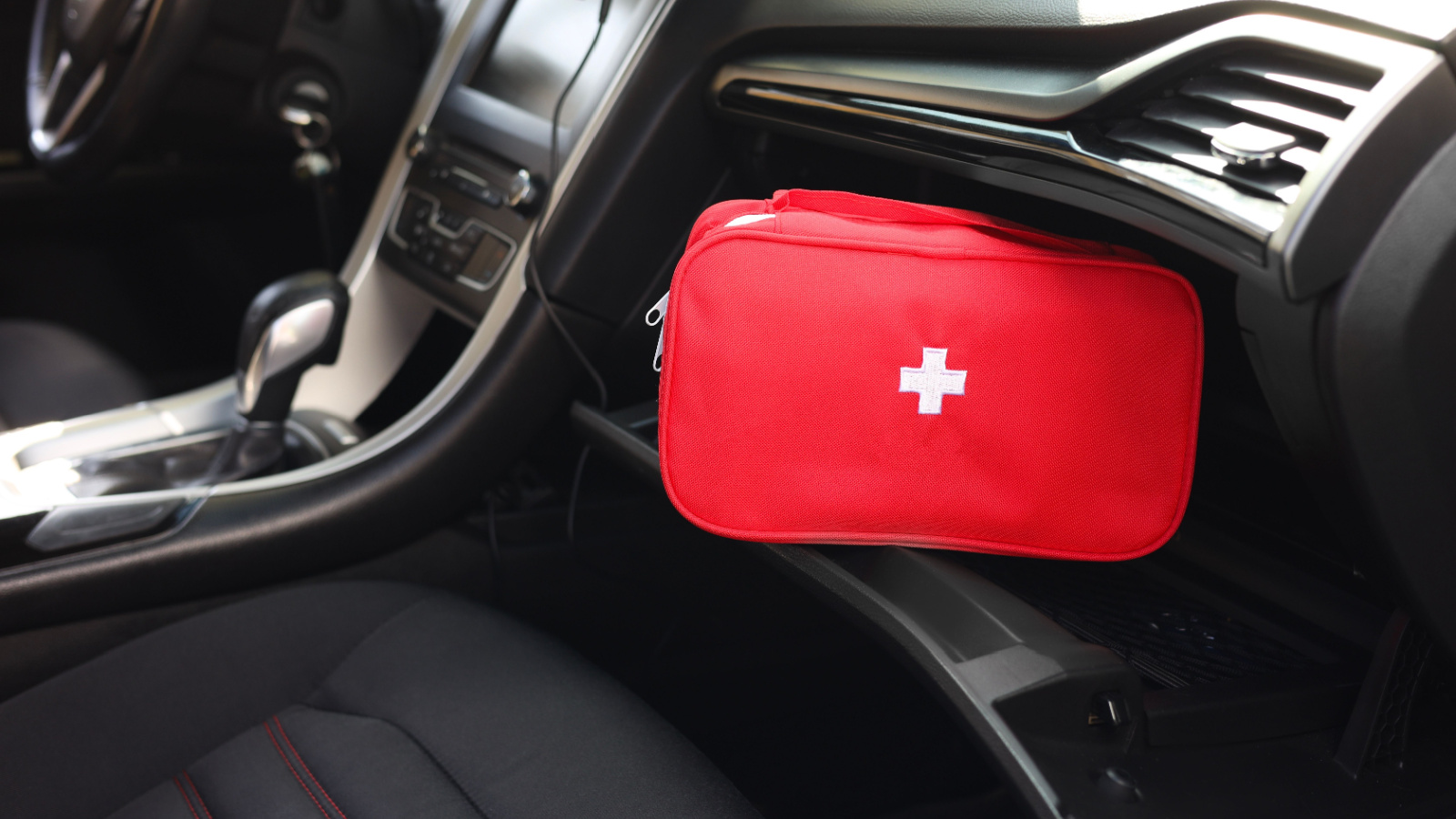
A checked bag does not have to be permanently lost to cause trouble. Even a 24-hour delay can be frustrating if the suitcase contains every clean shirt, charger, medication, and toiletry. SITA’s baggage reporting has shown that many mishandled bags are recovered quickly, but “quickly” can still mean after the first meeting, wedding dinner, cruise departure, or overnight hotel stay.
A carry-on emergency kit should be simple: one change of clothing, basic toiletries within liquid limits, medication, glasses or contacts, chargers, travel documents, and anything needed for the first night. For beach trips, a swimsuit may be worth carrying onboard; for winter travel, gloves and a warm layer can matter more. The point is not to duplicate the whole suitcase. It is to make the first day survivable if the bag takes a different route.
Review CATSA’s Item Rules Before Packing Odd Objects
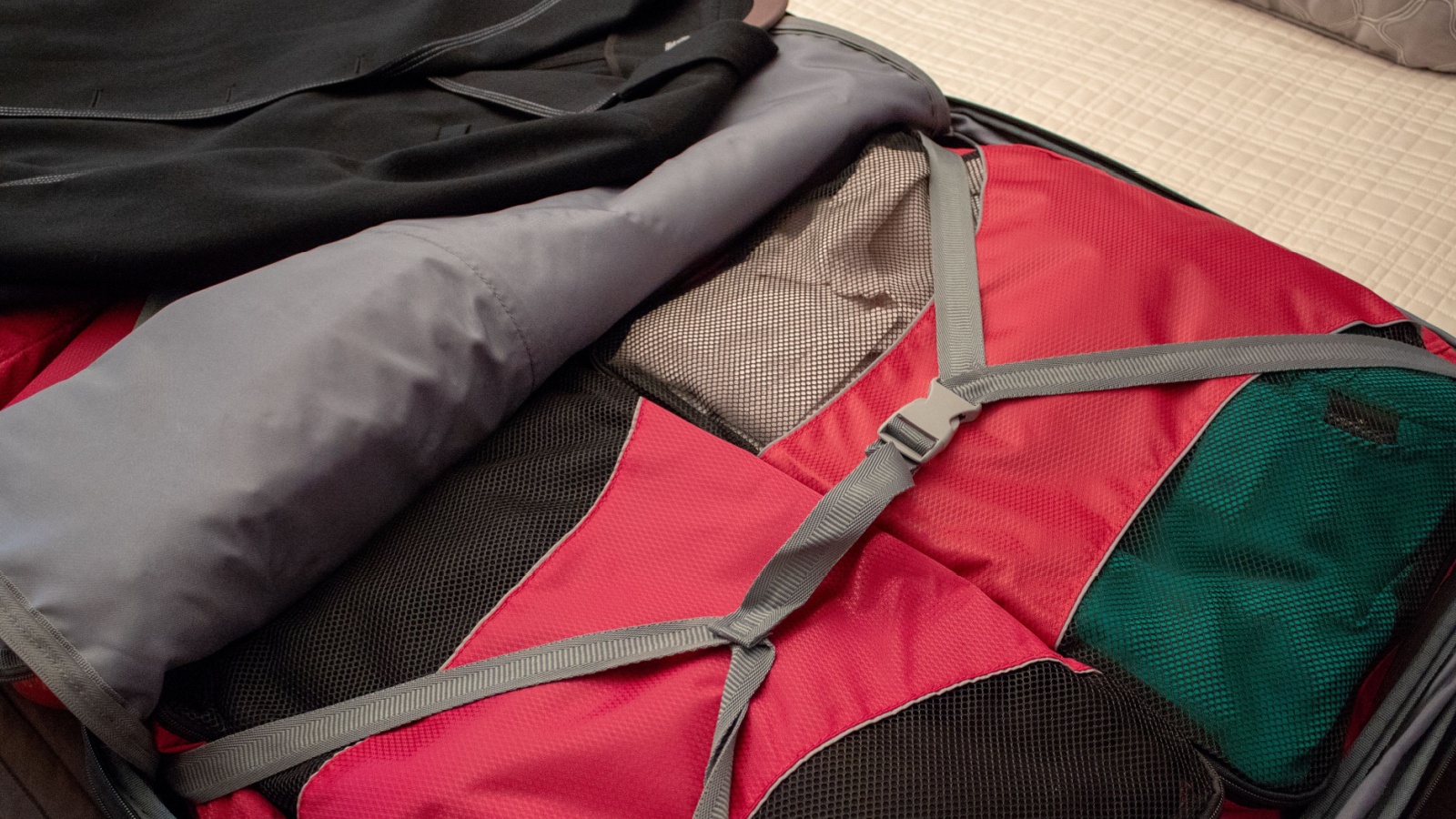
Many packing problems involve items that travellers do not think of as security issues. CATSA maintains a searchable “What can I bring?” tool that explains whether specific items belong in carry-on, checked baggage, or neither. Sharp objects, tools, sporting equipment, aerosols, gels, and specialty household items can have different rules depending on size, blade length, destination, and safety classification.
This is especially useful for travellers returning with gifts or travelling for hobbies. A snow globe, multi-tool, camping stove part, chef’s knife, hockey equipment, or specialty grooming item may be allowed, restricted, or better placed in checked luggage. The final decision rests with screening officers, so guessing is not ideal. Checking before packing can prevent confiscations, repacking delays, or the uncomfortable discovery that a favourite item cannot travel as planned.
Avoid Packing Valuables in Checked Luggage

Checked luggage is not the right place for passports, cash, jewellery, laptops, heirlooms, house keys, irreplaceable documents, or expensive electronics. Airlines may compensate for lost or damaged baggage within legal limits, but that does not mean every item is fully recoverable or easy to prove. A delayed suitcase containing clothing is inconvenient; a delayed suitcase containing a passport or work laptop can derail an entire trip.
The practical approach is to divide belongings by consequence, not convenience. Items needed for identity, payment, work, health, or sentimental reasons should stay with the traveller. Checked baggage is better suited to replaceable clothing, shoes, nonessential toiletries, and durable items. This is also where travel insurance details matter. Some policies exclude valuables in checked luggage or cap reimbursement by category, so packing decisions should match the coverage.
Use a Durable Luggage Tag With Private Contact Details
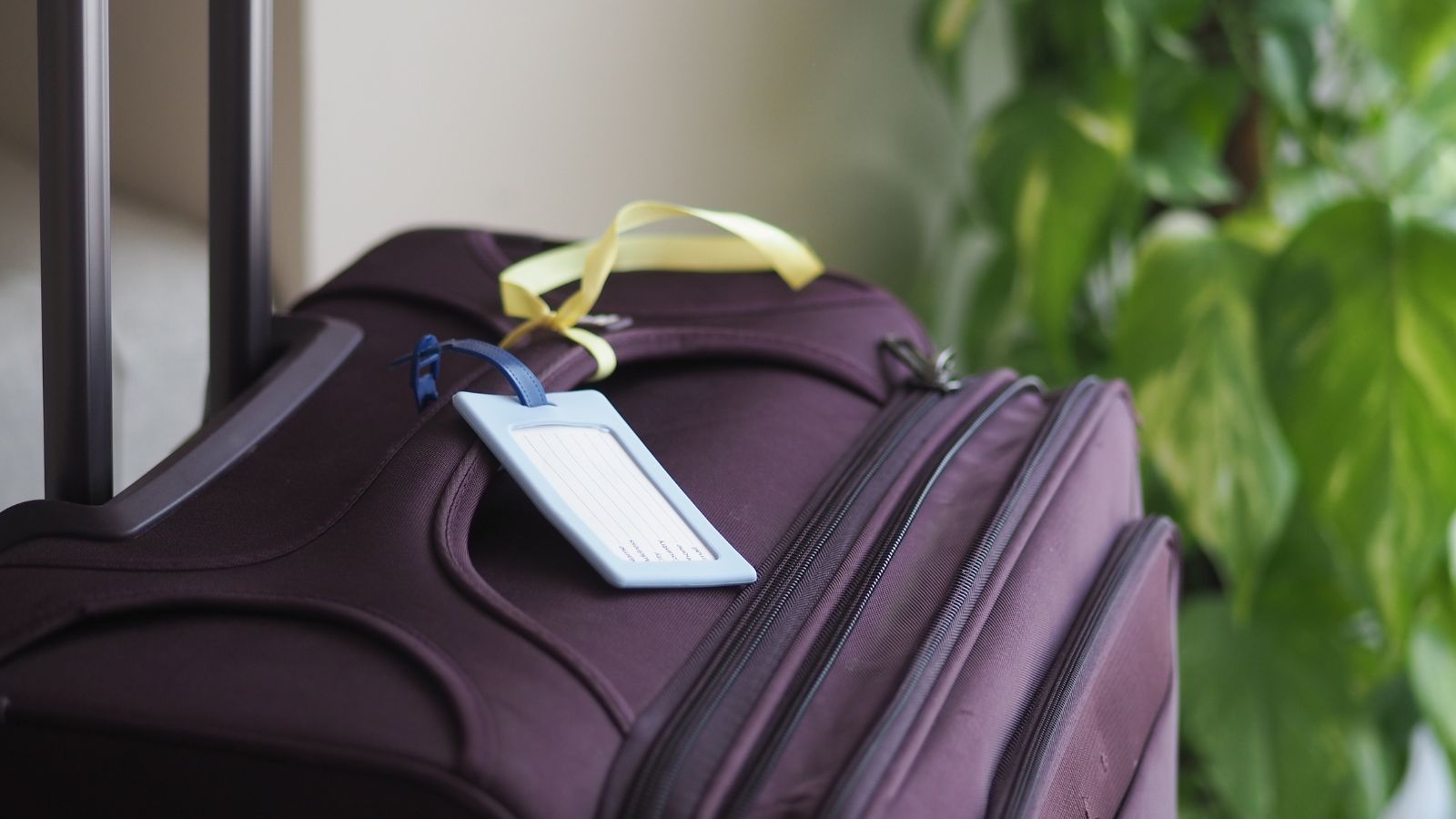
A luggage tag should help the airline reach the owner without broadcasting too much personal information. A name, phone number, and email address are usually more useful than a full home address visible to everyone in the airport. Some travellers place the detailed itinerary inside the suitcase instead, so airline staff can identify the owner even if the outside tag tears off.
The tag itself matters. Paper tags can rip, elastic loops can snap, and novelty tags can break during handling. A sturdier tag with a covered information panel is less likely to fail. It also helps to put a second contact sheet inside the bag near the top. If the outside tag and airline tag are both damaged, an internal label can be the clue that gets the suitcase home.
Add a Tracker, But Do Not Rely on It Alone
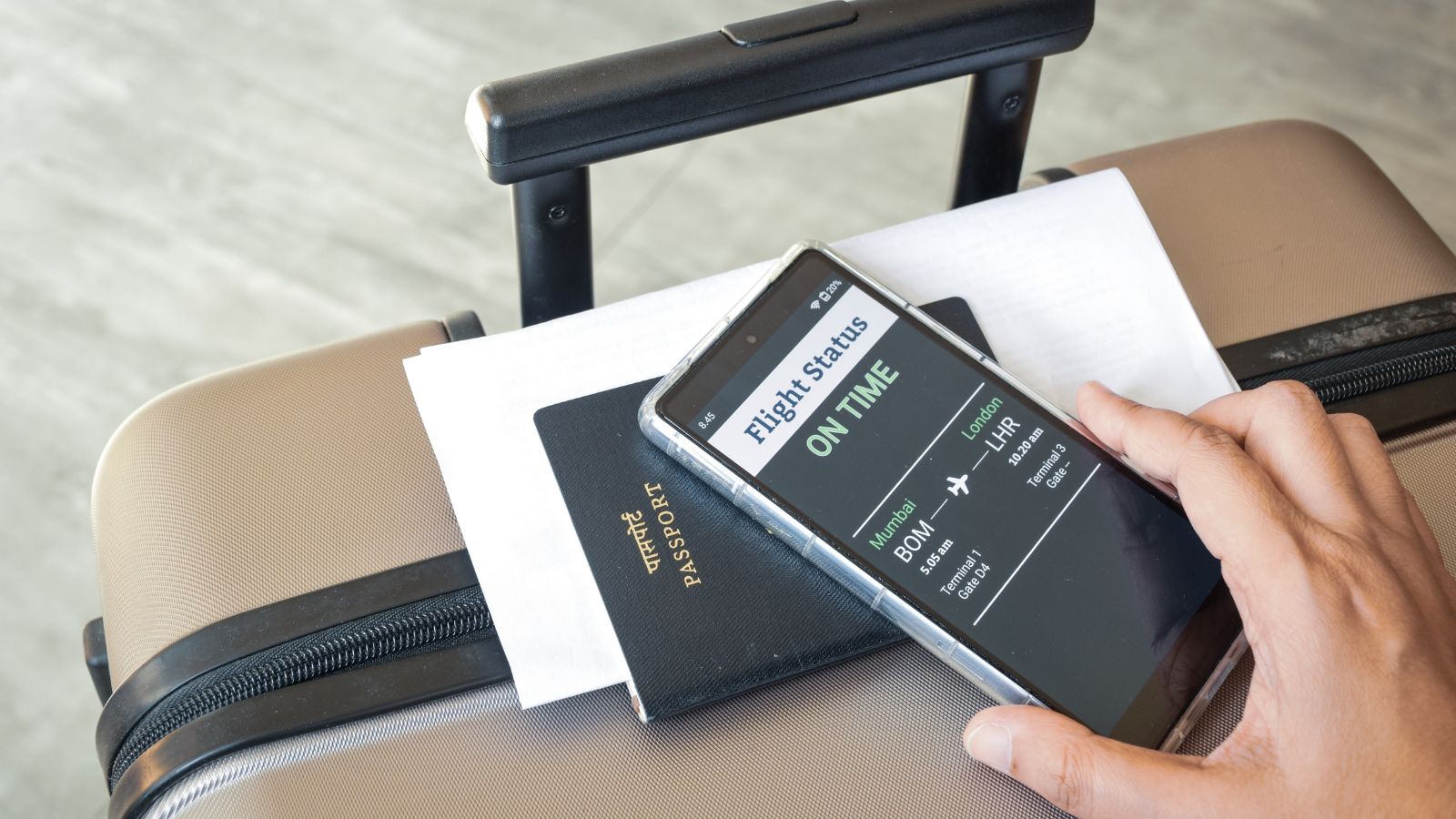
Bluetooth luggage trackers have made checked baggage feel less mysterious. They can help travellers see whether a bag is still at the departure airport, near a connection point, or somewhere inside the arrival terminal. IATA’s baggage-tracking framework also emphasizes tracking bags at key points in the journey, including handover, aircraft loading, transfers, and return to the passenger.
Still, a tracker is not a replacement for an airline claim. It may show an approximate location, but it cannot force delivery, access secure baggage areas, or confirm legal responsibility. Travellers should keep the baggage receipt, file a report before leaving the airport if the bag is missing, and share tracker information politely if it may help staff search. The tracker is a useful clue, not the whole solution.
Keep the Baggage Receipt Until the Trip Is Over
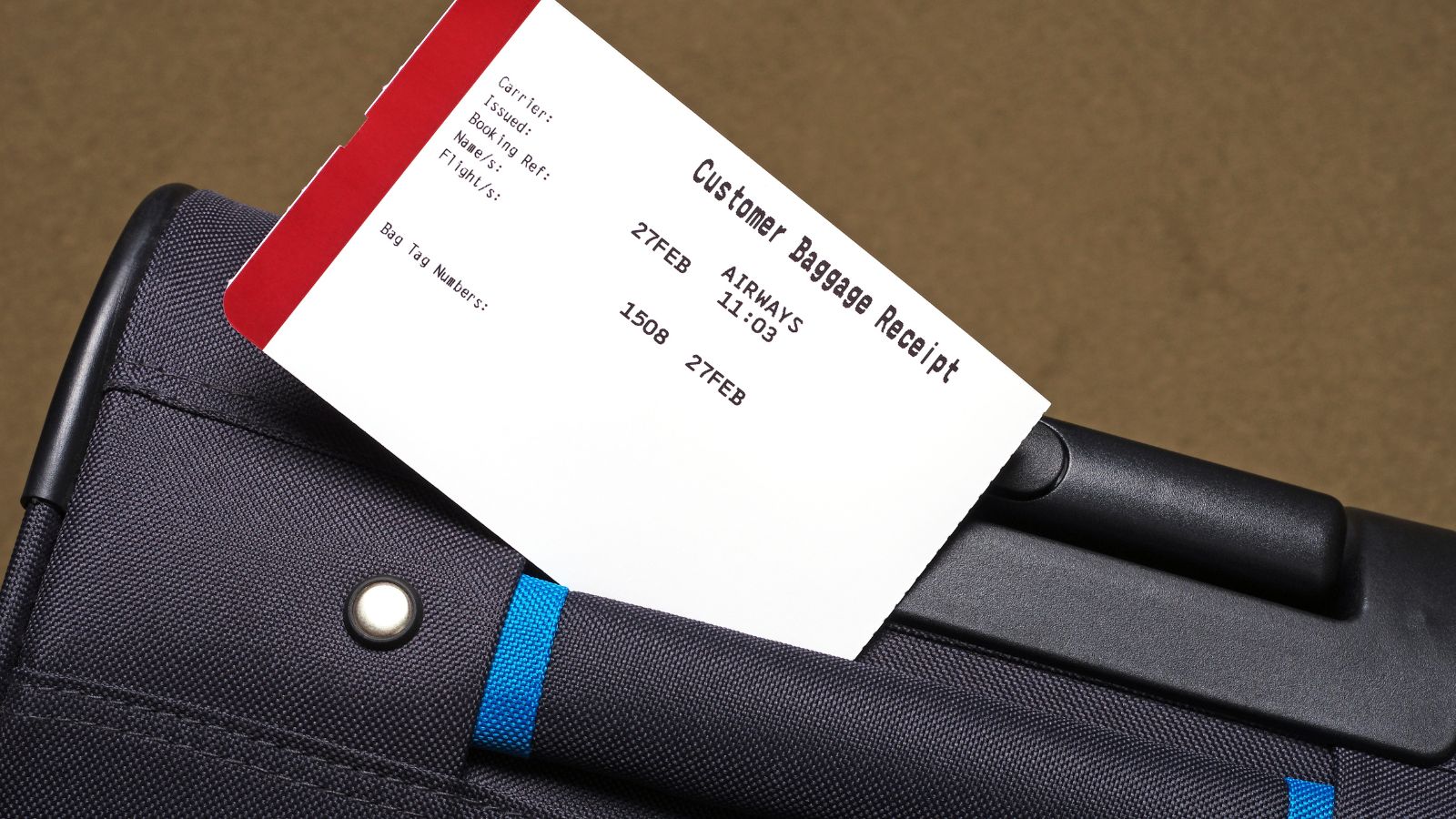
The small baggage receipt printed at check-in is easy to lose, especially when it is stuck to the back of a boarding pass or handed over with several other documents. Yet it is one of the most important pieces of evidence if a bag is delayed, lost, or damaged. It links the traveller, flight, destination, and checked item in the airline’s system.
A good habit is to photograph the receipt immediately, then keep the paper copy until the bag is safely returned and inspected. This is useful after connections, gate changes, rebookings, or airline disruptions. If a claim is needed, staff may ask for the bag tag number, flight details, and proof that the airline accepted the item. A missing receipt can turn a straightforward report into a slower reconstruction of what happened.
Know the Claim Deadlines Before Something Goes Wrong
Baggage problems come with deadlines. Canadian air passenger guidance explains that damaged baggage claims must be filed within a short window after receiving the bag, and international delayed-baggage claims have a 21-day deadline after the bag is received. Bags not returned within 21 days are generally treated as lost under international baggage rules. These timelines matter because waiting too long can weaken or eliminate a claim.
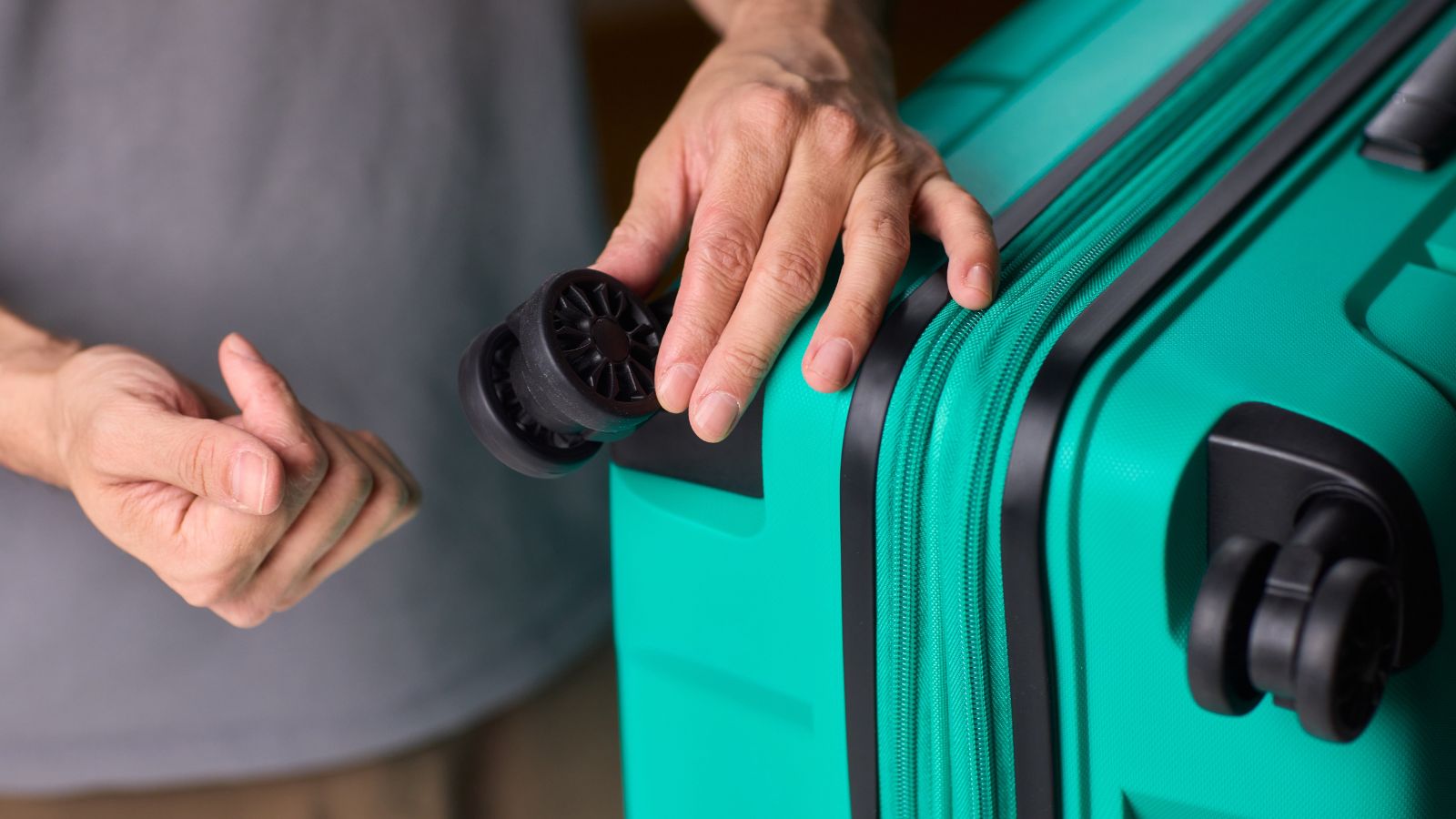
Travellers should inspect checked bags before leaving the airport whenever possible. A cracked wheel or torn handle is easier to report at the baggage desk than days later from home. For delayed baggage, keep receipts for reasonable essentials, such as toiletries or basic clothing, and submit them according to the airline’s process. A calm, documented claim is usually stronger than a frustrated complaint with missing dates and receipts.
Separate Customs Receipts and High-Value Proof
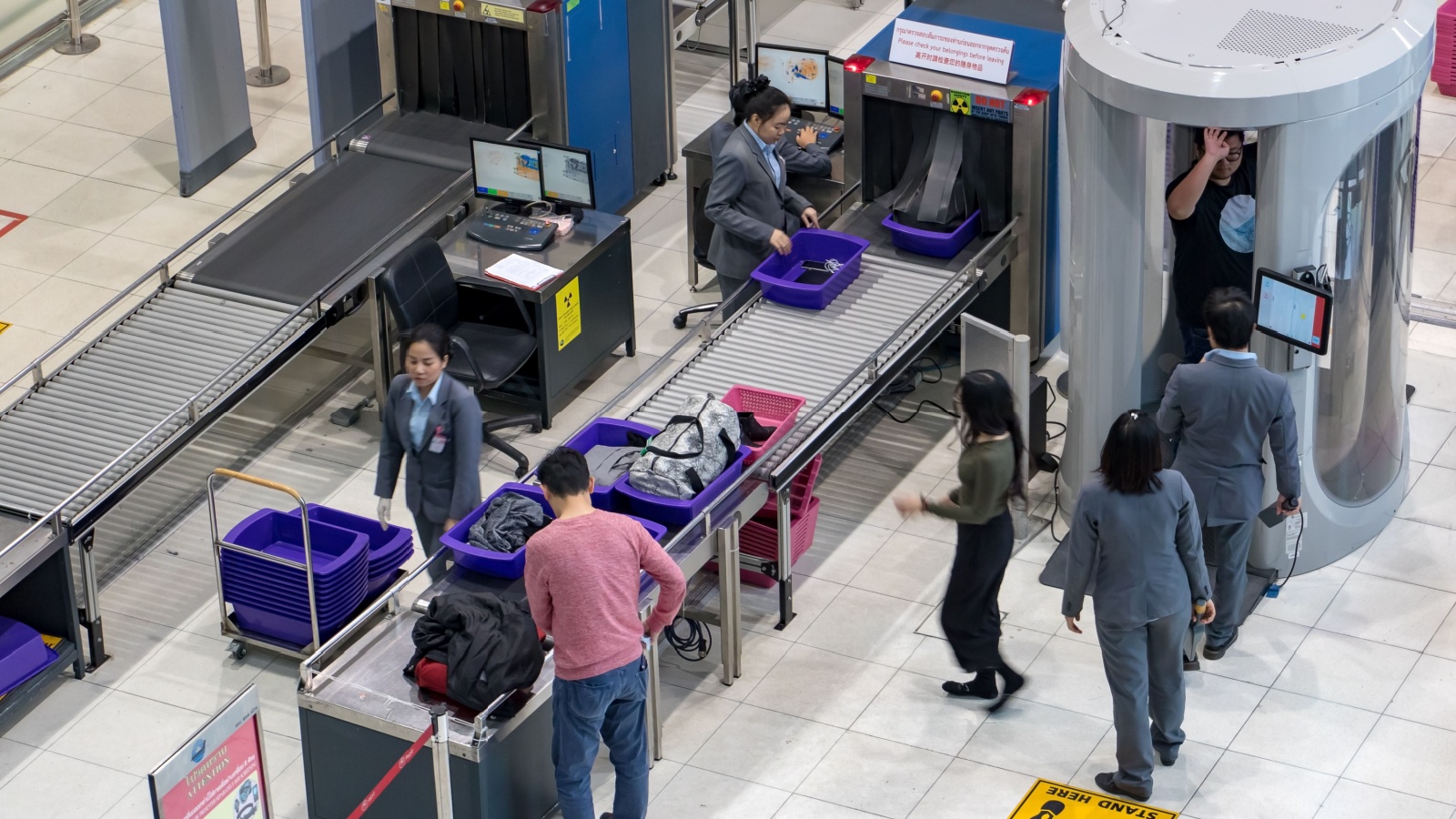
Canadian residents returning from abroad must declare goods they are bringing back into Canada, and receipts can make that process smoother. Gifts, clothing, electronics, alcohol, tobacco, and luxury items can raise questions depending on value, quantity, and length of absence. CBSA guidance also reminds travellers that personal exemptions and restrictions apply, and false declarations can lead to penalties or seizure.
Before checking a bag, travellers should keep purchase receipts, warranty cards, and proof of pre-owned valuables in carry-on or a digital folder, not buried in the suitcase. This is especially helpful for cameras, watches, jewellery, designer bags, or electronics taken from Canada and brought back. A border conversation is easier when documentation is accessible. The goal is not to overcomplicate packing, but to avoid rummaging through a checked bag after a long flight.
Check Cannabis and Restricted Goods Before International Travel

Cannabis is legal in Canada, but it cannot legally cross the Canadian border. Government travel guidance is clear that taking cannabis into or out of Canada is illegal, including edible cannabis, extracts, topicals, and CBD products. This can surprise travellers who assume legality at home makes it safe to pack. International flights require a different mindset because border rules apply even before the destination’s local laws are considered.
The safest move is to remove cannabis products from all luggage before any international trip, including checked bags. Travellers should also review rules for prescription drugs, controlled substances, alcohol, food, plants, and animal products. A suitcase packed casually after a domestic weekend can become a serious problem on a cross-border itinerary. When in doubt, leave restricted goods at home and verify official guidance before packing.
19 Things Canadians Don’t Realize the CRA Can See About Their Online Income

Earning money online feels simple and informal for many Canadians. Freelancing, selling products, and digital services often start as side projects. The problem appears at tax time. Many people underestimate how much information the CRA can access. Online platforms, banks, and payment processors create detailed records automatically. These records do not disappear once money hits an account. Small gaps in reporting add up quickly.
Here are 19 things Canadians don’t realize the CRA can see about their online income.
