
Travel paperwork rarely causes excitement, but it can decide whether a long-planned family trip starts smoothly or stalls at a counter. In 2026, Canadian families face a mix of familiar document checks and newer travel authorization systems, especially for destinations such as the United Kingdom, Europe, and the United States. Children, blended families, dual citizens, permanent residents, and travellers with health-related entry requirements may all need more than a quick passport glance.
These 16 travel documents deserve a careful recheck before departure. A small mismatch, expired card, missing consent letter, or overlooked digital authorization can turn an ordinary airport morning into an expensive scramble.
Passport Expiry Dates

A Canadian passport may look fine at first glance, especially when the expiry date is still months away. That can be misleading. Many destinations expect a passport to remain valid beyond the planned return date, and some airlines check that before allowing boarding. A family leaving for a March break trip may discover that one child’s passport expires in July, which sounds safe until the destination requires extra validity after arrival or departure.
This is especially important when a trip includes multiple countries. A passport that works for one destination may not satisfy another country’s entry rules during a connection or cruise stop. Families should check every passport against the strictest rule on the itinerary, not just the final destination. One overlooked date can create a chain reaction: cancelled flights, rebooking fees, missed hotel nights, and a disappointed child who packed days earlier.
Children’s Passports
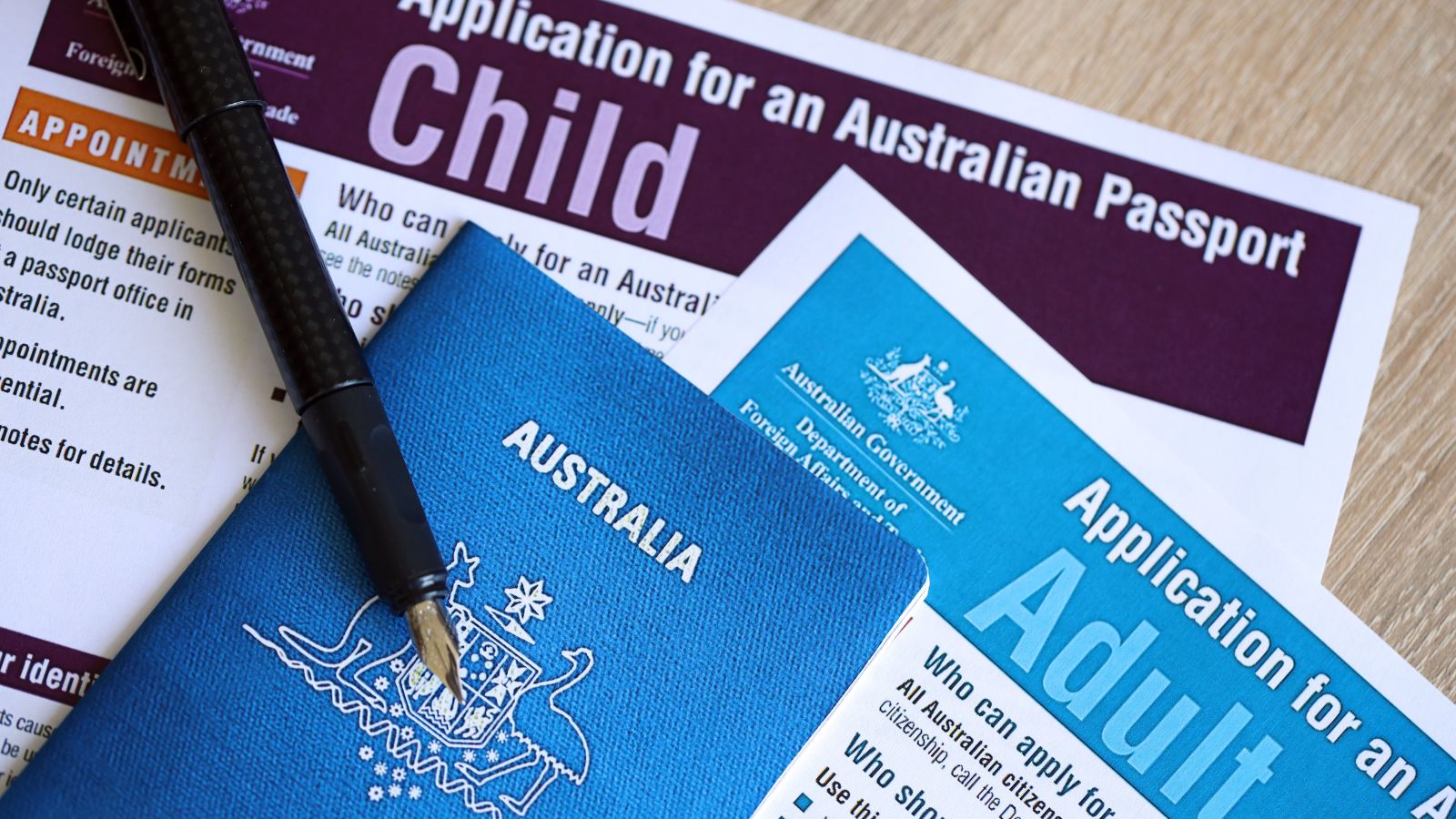
Children’s passports deserve their own review because they do not work exactly like adult renewals. In Canada, a child passport is valid for a maximum of five years, and it remains valid until its expiry date even if the child turns 16 before then. Once it expires, however, families cannot simply renew it the same way an adult passport may be renewed. A new child passport application is required until the child is eligible for an adult passport.
This catches families off guard because children change quickly. A passport photo from four years earlier can look surprisingly different from the child standing at the counter, even when the document is still valid. Border officers and airline staff are used to children growing, but families should still ensure the passport is undamaged, readable, and consistent with the child’s current identity details. For families with several children, creating a passport expiry chart can prevent one sibling’s document from becoming the weak link.
Names on Tickets and Passports
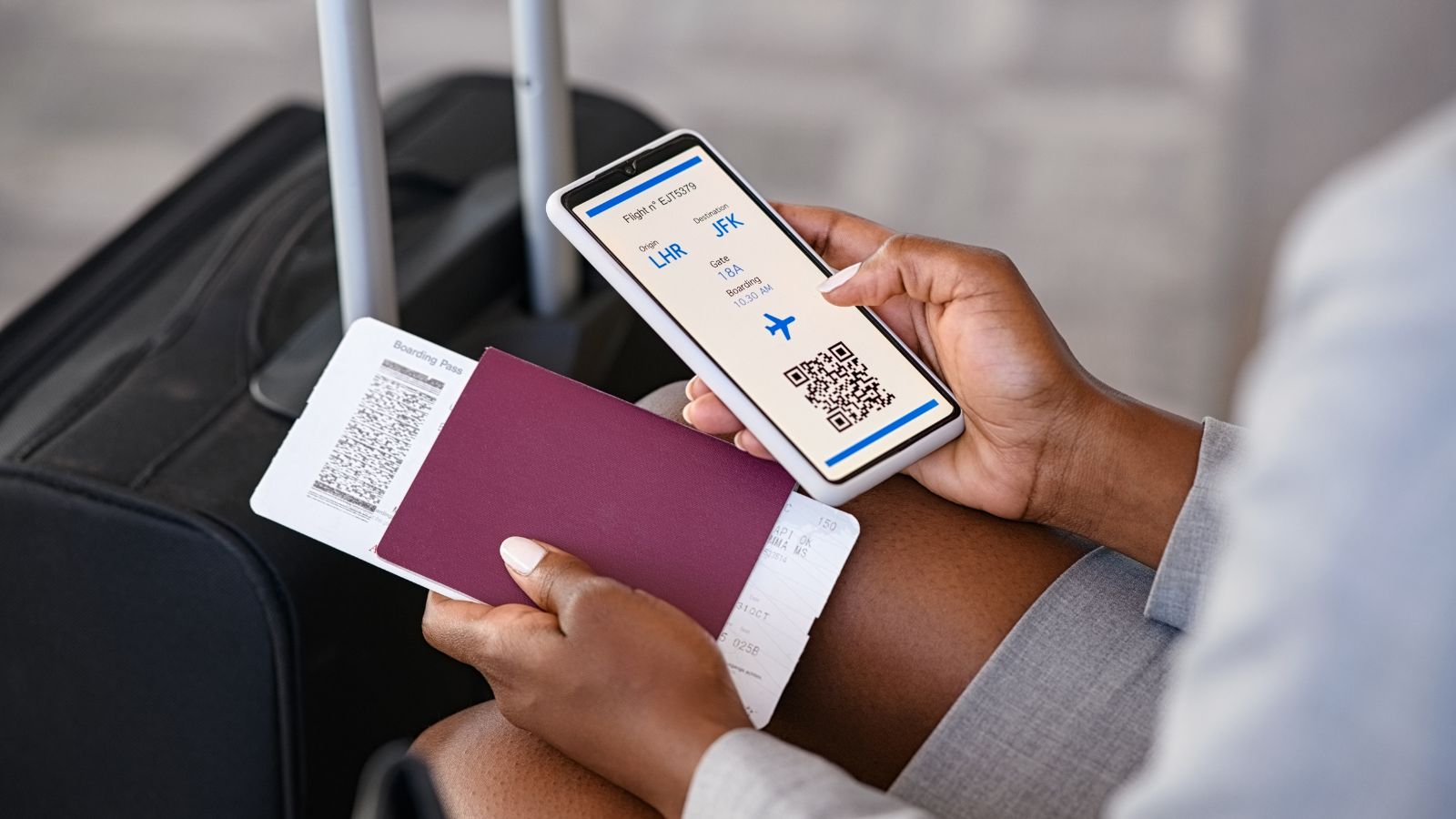
A tiny spelling difference can create a large travel problem. Airline tickets, passports, visas, and travel authorizations generally need to match the traveller’s legal name. A missing middle name may not always cause trouble, but a reversed surname, outdated married name, or typo in a child’s name can slow down check-in or lead to denied boarding. The risk rises when bookings are made quickly through third-party platforms.
Families with hyphenated surnames, accented characters, recent legal name changes, or multiple citizenship documents should be especially careful. A parent may use one surname at work, another on loyalty accounts, and a different legal name on a passport. Children may also have names recorded slightly differently on school, medical, and travel records. Before a 2026 trip, every traveller’s name should be checked across the passport, ticket, frequent-flyer profile, visa, ETA, and insurance certificate. The best time to find a mismatch is before payment deadlines and airline correction fees become part of the trip budget.
Consent Letter for Children Travelling Abroad

A consent letter is one of the most commonly overlooked family travel documents. Canadian guidance recommends carrying one when a child travels outside Canada alone, with only one parent, with relatives, with friends, or with a group. It is a written statement showing that the child has permission to travel from the parent or guardian who is not accompanying them. Border officials may ask for it because child protection concerns are taken seriously.
The letter becomes even more important for divorced, separated, blended, or shared-custody families. A parent taking a child to Florida, Mexico, Europe, or Asia may have no issue at all, but the absence of a consent letter can still invite extra questions. A notarized letter can help support authenticity. It should include clear travel dates, destination details, contact information, and the child’s information. For grandparents taking children on a “special trip,” this document can be just as important as the passport.
Custody Orders, Divorce Papers, and Guardianship Documents

Family circumstances can affect travel paperwork in ways that are not obvious during booking. Canadian travel guidance notes that children may need additional legal documents depending on the situation, including divorce papers, custody orders or agreements, and, in some cases, a death certificate for a parent. These documents help explain who has authority to travel with the child and whether another person’s permission may be required.
The human side is often complicated. A parent may assume an old custody agreement is irrelevant because travel has happened before without questions. Another family may rely on verbal permission, only to face a border officer who needs written proof. Travelling with copies rather than originals may be practical, but the documents should be complete, readable, and consistent with the consent letter. Families should also check whether the destination country has its own child-travel rules. What feels routine at home can become sensitive at an international border.
Visas and Electronic Travel Authorizations

Passports are only one layer of entry permission. Some destinations require Canadian travellers to obtain a visa or electronic travel authorization before departure. These requirements can depend on nationality, destination, reason for travel, transit points, and length of stay. A family heading to one country for a vacation may need nothing beyond a passport, while a similar trip with a different connection can require extra documentation.
Airlines may check visa and authorization status before boarding because carriers can face penalties for transporting passengers who lack required entry documents. That means a missing authorization can stop a trip before the family reaches immigration abroad. Families should avoid relying on old travel memories, since rules change. A destination that felt simple in 2019 may have new systems in 2026. Each traveller, including children, should be checked individually because age, citizenship, and passport type can matter.
UK Electronic Travel Authorisation

The United Kingdom has added a major document check for many visitors. Canadian travellers who do not need a visa usually need a UK Electronic Travel Authorisation for tourism, visiting family, certain business activities, or transit-related travel. The authorization is linked to the passport used in the application, so a passport renewal can affect the validity of the authorization. Families travelling through London, even briefly, should pay close attention.
The cost may seem small compared with flights and hotels, but the timing matters. A family flying from Toronto to another European destination through Heathrow may not think of the UK as part of the trip. Yet travel authorization rules can apply to transit depending on the circumstances. Each eligible traveller needs their own authorization, including children. Families should apply through official channels and watch for look-alike websites that charge more. In 2026, this is one of the easiest documents to miss because it is digital, quiet, and not physically tucked into a passport wallet.
European ETIAS Planning

Europe is another area where families should recheck requirements before a 2026 trip. The European Union has said ETIAS, the European Travel Information and Authorisation System, is expected to begin operations in the last quarter of 2026. Canadian guidance notes that once it is in place, Canadians will need ETIAS authorization before entering Schengen-area countries for short stays of up to 90 days in any 180-day period.
The key detail is timing. Families travelling early in 2026 may face different requirements than those travelling later in the year. A summer trip to France may not involve the same pre-travel step as a winter holiday market trip to Germany or Austria. ETIAS is not a traditional visa, but it still needs to be treated as a travel document. Families should monitor official updates instead of assuming the launch date from old posts or travel forums. For large family trips, every eligible traveller’s authorization should be tracked separately.
EU Entry/Exit System Readiness

The EU Entry/Exit System is not a document families apply for in the same way as a visa, but it changes how passports are processed at many European borders. The system is designed to register non-EU nationals when they enter and exit participating European countries. It uses passport information and biometric data, replacing the old reliance on manual passport stamps in many cases.
For families, the practical issue is time and organization. Children, seniors, and nervous travellers may need more patience at border kiosks or counters. Passports should be in good condition, and families should be ready to explain travel dates, accommodation, onward plans, and the purpose of the visit. A parent juggling luggage, strollers, and tired children may not want to search through email for hotel details at that moment. Keeping printed or offline copies of key itinerary documents can make a digital border process feel less chaotic.
U.S. Land and Sea Entry Documents
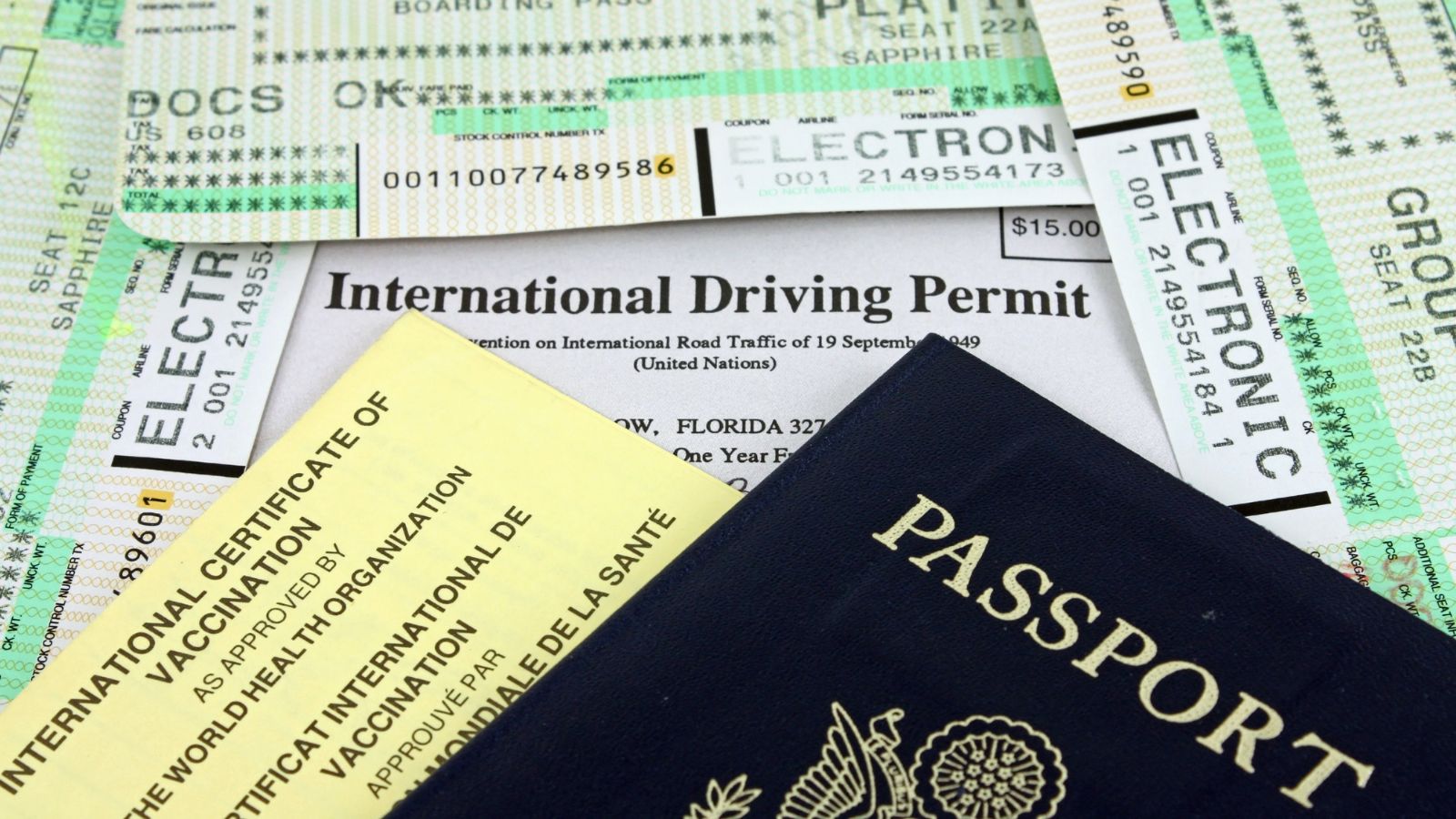
For Canadian families visiting the United States, the rules can differ by mode of travel. Canadian citizens aged 16 and older entering the United States by land or water may use specific approved documents, such as a valid passport, Trusted Traveler Program card, enhanced driver’s licence or enhanced identification card where available, or a Secure Certificate of Indian Status. Air travel is stricter, and a passport is the standard document families usually rely on.
Road trips are where assumptions often appear. A family may cross the border every summer and forget that a child has aged into a different document category, or that an enhanced driver’s licence program is not available everywhere. Cruise travel can add another layer because itineraries may include multiple ports and emergency flight scenarios. Even when an alternate document is accepted at a land crossing, a passport remains the most flexible option if plans change suddenly and a flight home becomes necessary.
NEXUS Cards
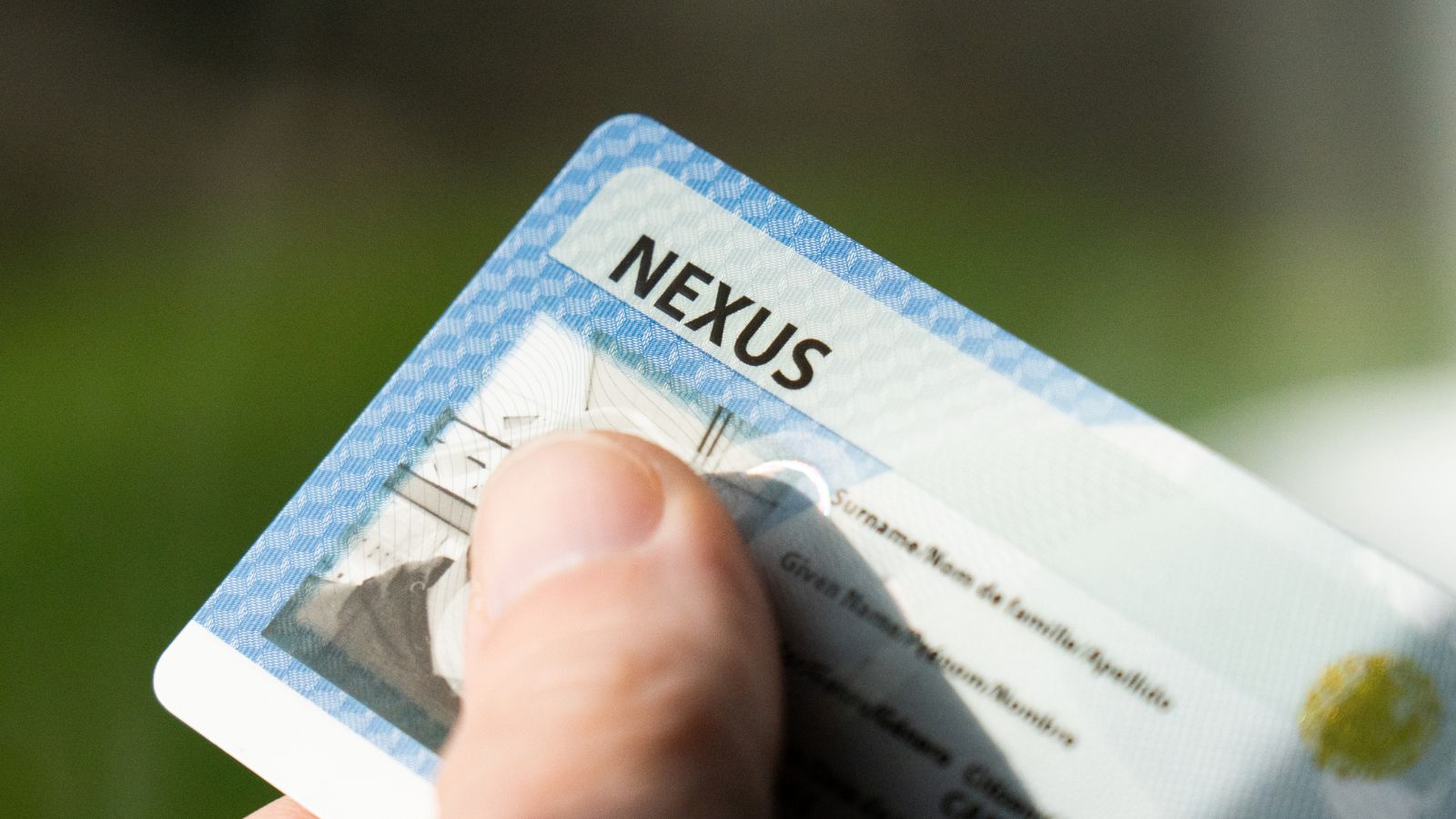
NEXUS can make border travel smoother, but it still needs review before a family trip. The card must be valid, and each traveller using NEXUS generally needs their own membership. Families sometimes assume a child can pass through with a parent’s trusted-traveller status, but border programs usually treat each person separately. A single expired child card can disrupt the lane choice for the whole group.
There are also custody-related considerations. Canadian border guidance notes that when travelling with children through NEXUS, shared-custody situations may require the child’s NEXUS card, appropriate custody documents, and a permission letter from the absent parent or guardian. That makes NEXUS less of a standalone shortcut and more of a document bundle. Before departure, families should check card expiry dates, passport links, custody paperwork, and whether every traveller is eligible for the lane being used. The best border lane is the one the whole family can use confidently.
Permanent Resident Cards

Not every Canadian family trip involves only Canadian citizens. Permanent residents of Canada may need a valid permanent resident card to return to Canada on a commercial carrier. A family may include one Canadian citizen parent, one permanent resident parent, and children with different statuses. If the permanent resident card expires while abroad, the return trip can become complicated.
This issue often appears in families that focus heavily on destination entry rules but forget the return-to-Canada step. A permanent resident card is not the same as a passport, and it does not replace destination requirements. It proves status for return travel to Canada. Families should check expiry dates well before departure, especially for long visits abroad, trips during school breaks, or emergencies involving relatives overseas. A card sitting safely in a drawer is not useful if its expiry date has already passed.
Dual Citizenship Documents
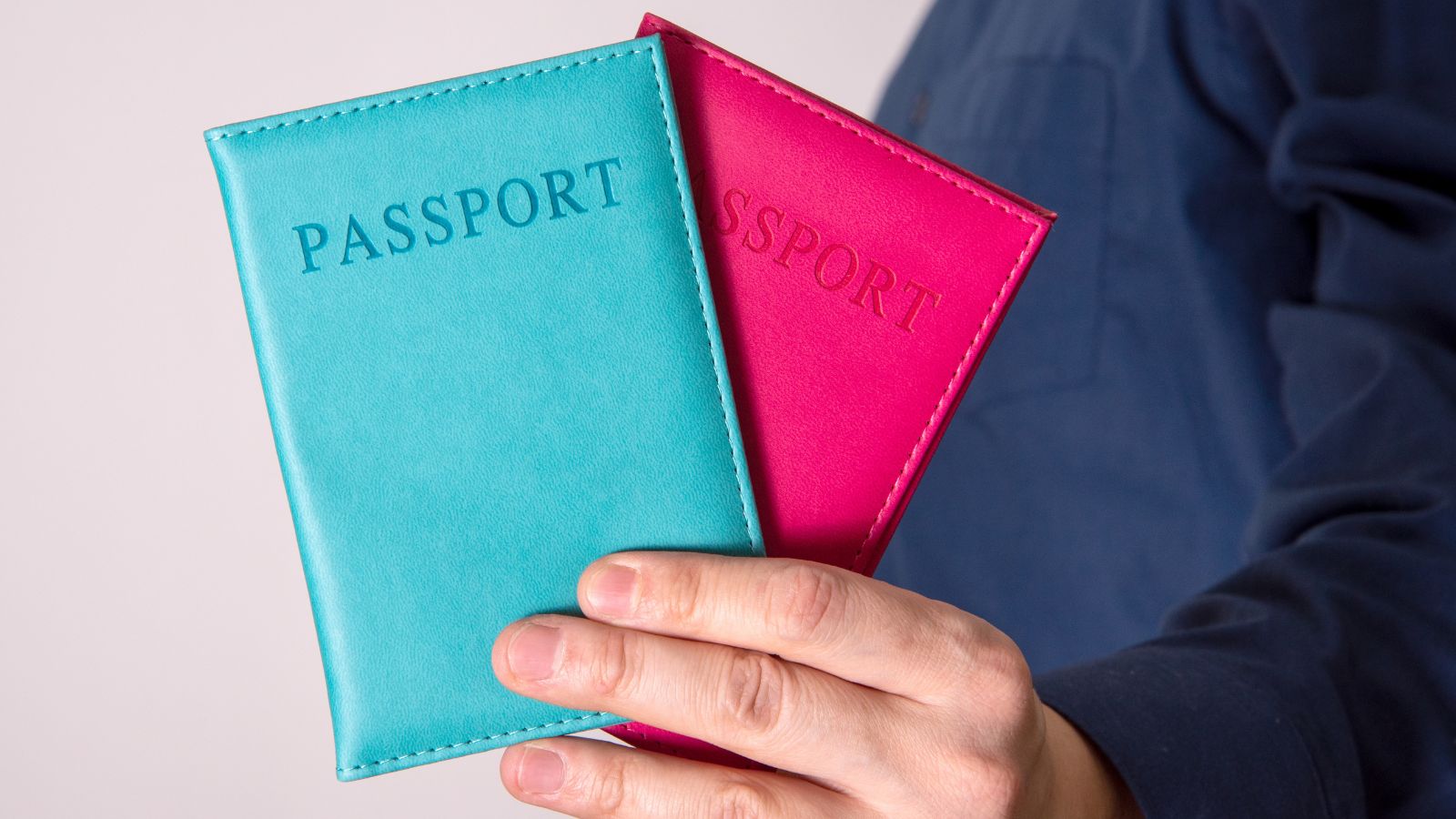
Dual citizenship can simplify some parts of life and complicate travel paperwork. Canadian guidance states that dual Canadian citizens need a valid Canadian passport to board a flight to Canada. A citizenship certificate or another proof of citizenship is not a substitute for air travel back to Canada. This matters for children born abroad, families with one Canadian parent, and travellers who regularly use another country’s passport.
The tricky part is that a traveller may legally hold two passports but still need to use the correct one at the correct stage. A family may enter another country using that country’s passport, then need the Canadian passport for the flight home. Children who are dual citizens may also need proof of citizenship before they can obtain a Canadian passport. Families should not leave this check until a few weeks before travel. Citizenship paperwork can move more slowly than vacation planning, and airline counters are not the place to discover that the wrong document is in hand.
Vaccination Certificates
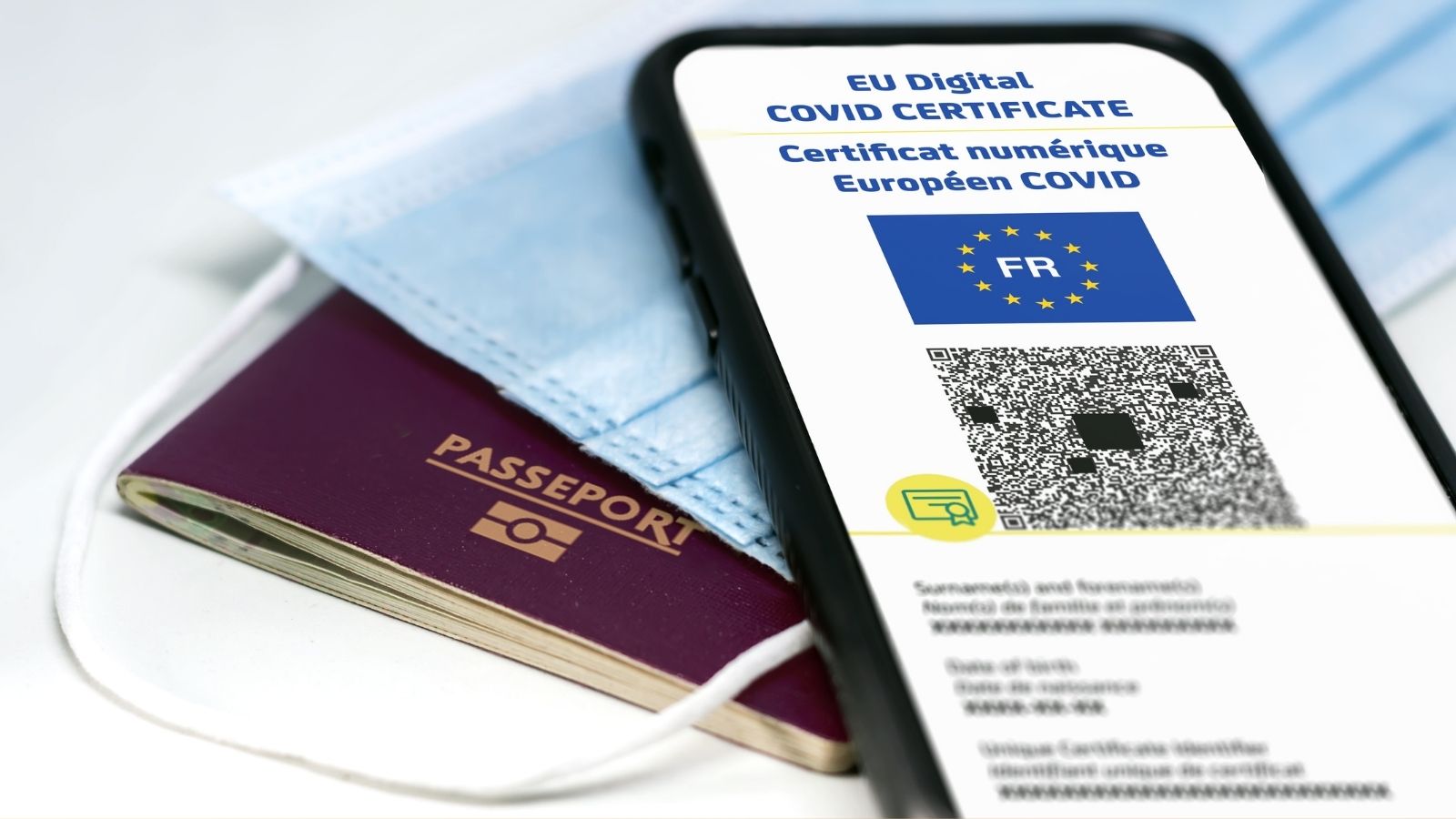
Some destinations require proof of vaccination for certain diseases, especially yellow fever, depending on the country visited or transited. Canadian travel health guidance says proof of yellow fever vaccination must be documented on an International Certificate of Vaccination or Prophylaxis, and travellers must carry the original certificate while travelling. The vaccine certificate is not just a medical record; in some cases, it functions like an entry document.
This can surprise families travelling to or through parts of Africa or South America, or those whose itineraries include a country with yellow fever risk before another destination. The certificate also has timing rules, so last-minute vaccination may not solve the issue immediately. Families should consult a travel health clinic early, especially when children, pregnant travellers, older relatives, or people with medical conditions are involved. A neatly packed passport is not enough if the health document required at the border is sitting at home.
Travel Insurance Certificates
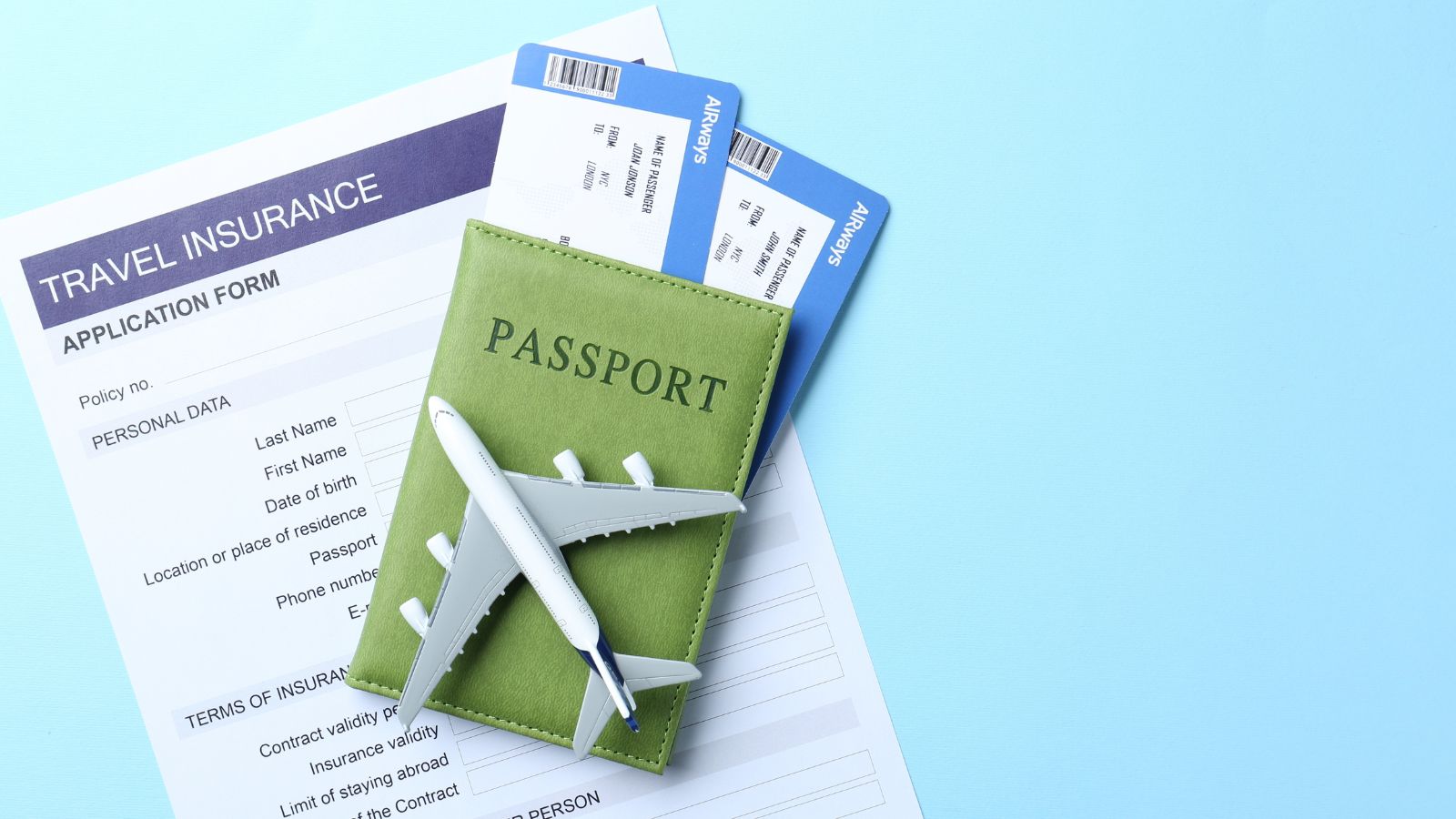
Travel insurance is not usually an entry document in the same universal way as a passport, but it can become essential paperwork during a family trip. Some destinations, tour operators, schools, cruises, and organized programs may request proof of coverage. Even when it is not mandatory, carrying the insurance certificate and emergency assistance number can save time when a child develops an ear infection abroad or a parent needs care after a fall.
Families should review names, birthdates, policy dates, destination coverage, exclusions, and emergency contact instructions. A policy bought for “worldwide” travel may still exclude certain activities, regions, or pre-existing conditions unless declared properly. For 2026 trips involving sports tournaments, cruises, adventure excursions, or older relatives, the certificate should match the real itinerary. A digital copy is useful, but an offline version matters when hospital Wi-Fi is unreliable or a phone battery dies at the worst possible moment.
Copies of Key Documents and Emergency Contacts

Copies do not replace original travel documents, but they can make a crisis easier to manage. Families should keep secure copies of passports, visas, authorizations, consent letters, custody documents, insurance certificates, vaccination records, and emergency contacts. If a bag is stolen or a passport is lost abroad, having document numbers and issue details can help when contacting Canadian consular officials or local authorities.
The goal is not to carry a bulky binder everywhere. A practical system might include one printed backup stored separately from the originals, plus encrypted digital copies accessible offline. Families should also leave a trusted contact at home with essential itinerary and document information. The most organized travellers are not expecting trouble; they are reducing the damage if trouble appears. For families moving through airports, hotels, taxis, border counters, and crowded attractions, document backups can turn a frightening disruption into a solvable problem.
19 Things Canadians Don’t Realize the CRA Can See About Their Online Income

Earning money online feels simple and informal for many Canadians. Freelancing, selling products, and digital services often start as side projects. The problem appears at tax time. Many people underestimate how much information the CRA can access. Online platforms, banks, and payment processors create detailed records automatically. These records do not disappear once money hits an account. Small gaps in reporting add up quickly.
Here are 19 things Canadians don’t realize the CRA can see about their online income.
