Airline pricing has become less about one fare and more about the full chain of choices that happens before boarding. A ticket can look reasonable at first glance, then grow through bags, seats, changes, airport services, and rules buried inside fare types. For Canadian travellers, the difference between a cheap flight and an expensive one often appears after the booking page has already done its work.
These 14 airline fee traps show where costs commonly enter the trip, why they are easy to miss, and how ordinary travel decisions can turn into added charges. The goal is not to avoid every extra, but to understand which ones are predictable before the suitcase leaves home.
Basic Fares That No Longer Feel Basic
The lowest fare on the screen can be tempting because it makes every other option look overpriced. The trap is that a “basic” fare may remove features many travellers still assume are standard, such as a full carry-on bag, flexible seat choice, or easy changes. On some Canadian routes, major airlines now separate the personal item from the overhead-bin carry-on, which means a weekend bag can become an added cost rather than part of the ticket.
A traveller booking Toronto to Vancouver for a quick visit may think the cheapest fare wins until the packing begins. If the fare only includes a personal item, the price of adding baggage can erase much of the original savings. The smarter comparison is not fare versus fare, but complete trip cost versus complete trip cost, including bags both ways.
Personal Item Rules That Are Smaller Than Expected
A “free personal item” sounds generous until the measurements come into play. Airlines usually expect it to fit under the seat, which can mean a purse, laptop bag, small backpack, or compact tote rather than a stuffed duffel. Ultra-low-cost carriers often enforce these limits closely because baggage add-ons are part of the business model. Even a soft bag can be challenged if it bulges past the sizing frame.
This catches travellers who pack for a short trip assuming a backpack will pass without trouble. A personal item filled with shoes, toiletries, electronics, and a change of clothes can quickly become too large. The fee trap appears at the airport, where the traveller has less time, less leverage, and fewer cheaper options than during online booking. Measuring the bag at home can prevent a surprisingly expensive argument at the gate.
Checked Bag Fees That Apply Each Way
Many travellers mentally price a checked bag once, then forget the charge usually applies per direction. A $45 or $55 bag fee can become $90 or $110 on a round trip before taxes or higher airport charges are considered. On trips with multiple passengers, the number grows quickly. A family of four checking one bag each can add hundreds of dollars to a fare that originally looked like a bargain.
This is especially important for domestic and transborder travel, where checked baggage is often not included in lower economy fare types. A suitcase packed for a wedding, ski weekend, or summer cabin trip may be unavoidable. The fee is not necessarily unfair, but it is predictable. The trap is treating the displayed fare as the trip price instead of building the baggage cost into the decision from the beginning.
Second Bags, Heavy Bags, and Oversize Surprises

The first checked bag gets most of the attention, but the second bag and overweight charges can be far more painful. Airlines commonly set weight and size limits, and bags above those limits can trigger additional charges. Sports gear, winter clothing, tools, and gifts can push luggage over the threshold without the traveller realizing it. A suitcase that seems only slightly heavy at home may become expensive at the counter.
Canadian travellers are particularly vulnerable on seasonal trips. A winter escape can involve boots and coats on the outbound journey, then souvenirs on the return. A student flying home with books or electronics may face the same problem. A simple luggage scale can be worth more than its price after one avoided overweight fee. The key is remembering that a paid checked bag is not unlimited space.
Seat Selection That Turns Comfort Into a Line Item
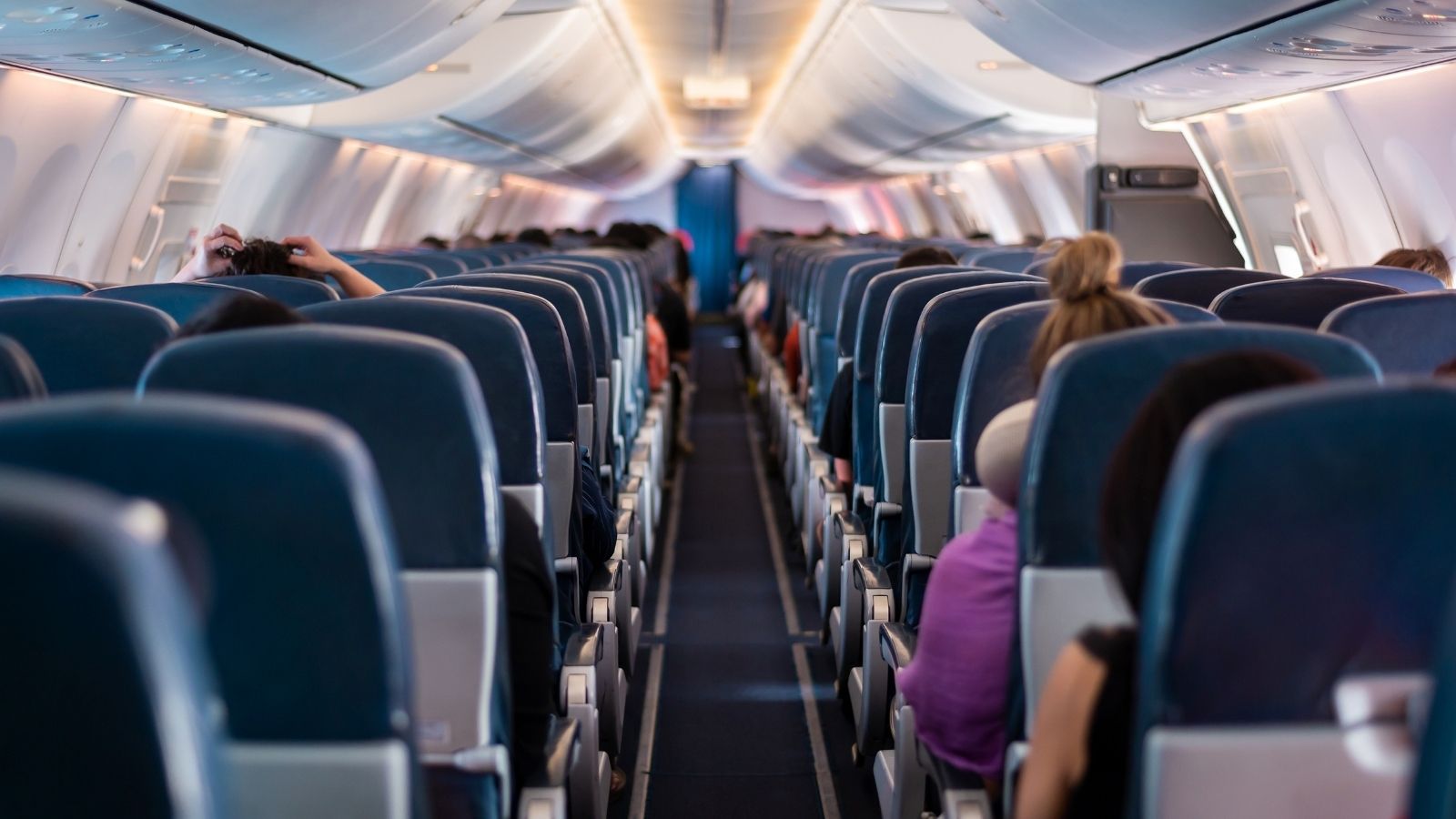
Seat selection has become one of the most familiar airline extras. A traveller who wants a window, aisle, extra legroom, or simply seats together may be asked to pay before check-in. Some fares still assign seats for free at check-in, but changing the assignment can cost extra. This can feel frustrating because the seat is already part of the plane, yet the choice of which seat can be priced separately.
The human side is easy to picture: two friends book together for a long flight and assume they will sit side by side. At check-in, one gets a middle seat several rows away. Paying suddenly feels less optional, especially on a six-hour trip. Seat fees are not only about luxury; they often monetize certainty. Travellers who care about location should compare seat costs before deciding that the cheapest fare is truly cheaper.
Family Seating Confusion
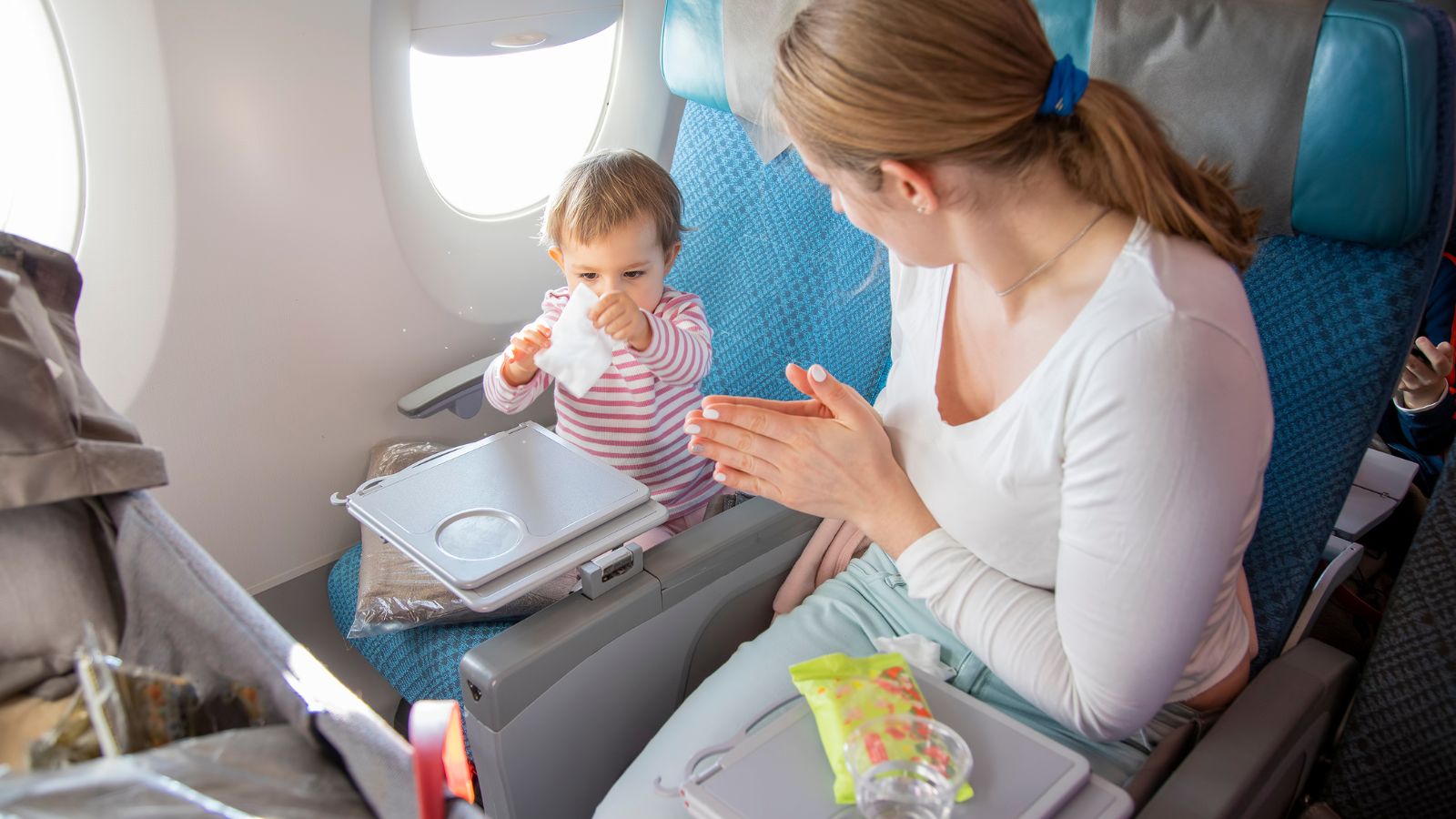
Parents often worry about being separated from young children, and Canadian rules require airlines to help seat children under 14 near a parent, guardian, or tutor at no extra charge, with proximity depending on the child’s age. The trap is assuming this equals free custom seat selection for the whole family. It generally does not. Airlines may assign nearby standard seats, but preferred seats or self-selected changes can still carry fees.
A parent travelling with two children may be relieved to know the airline must work to keep the family close. Still, that does not guarantee ideal rows, window seats, or everyone grouped exactly as preferred. If a family wants specific seats, extra legroom, or a particular side of the aircraft, charges may appear. The rule protects basic proximity, not every seating preference. Understanding that difference can prevent both anxiety and surprise costs.
Airport Service Fees That Punish Last-Minute Fixes
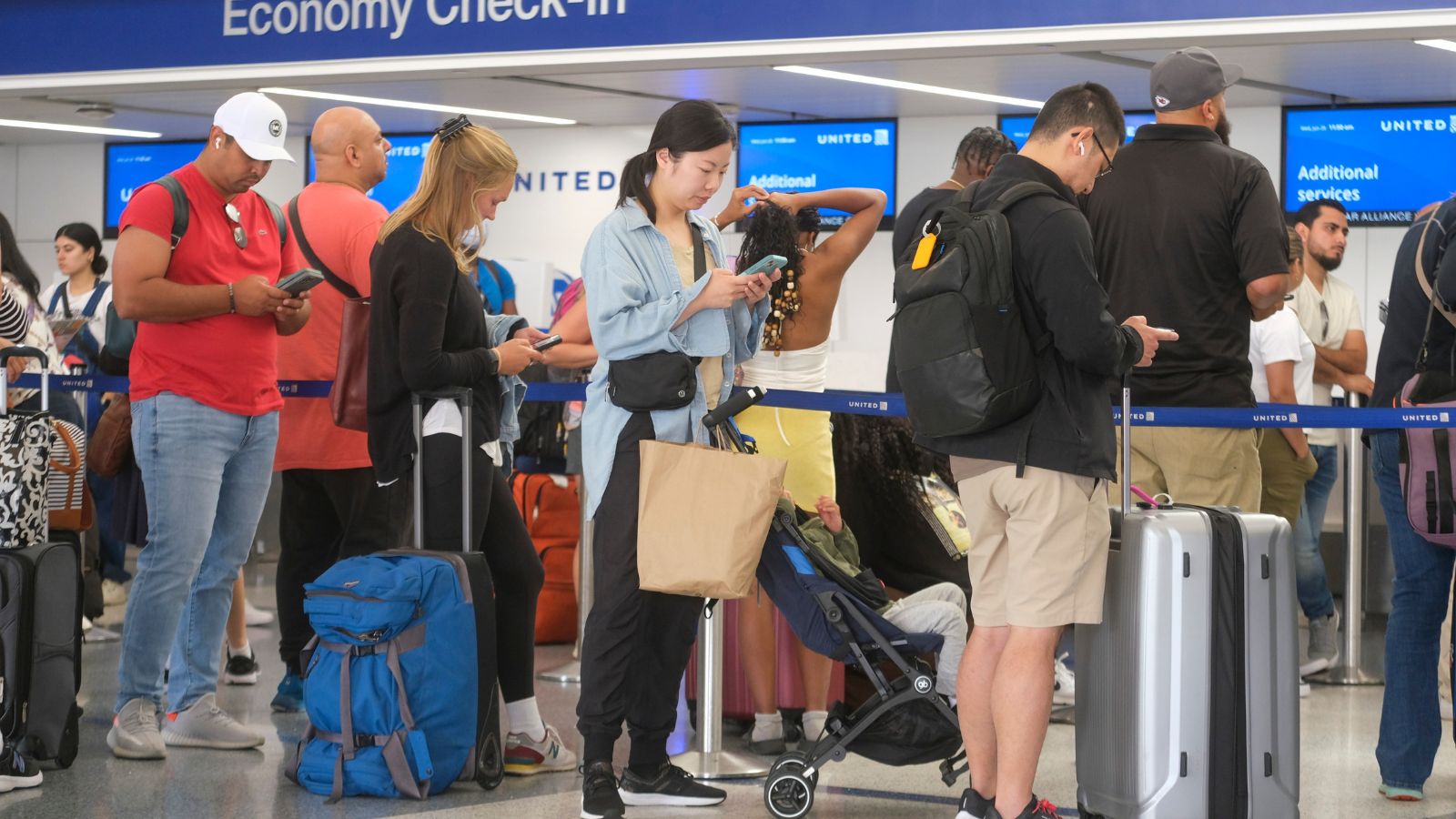
Some airlines charge more when a traveller waits until the airport to solve problems that could have been handled online. This can include adding bags, printing documents, changing services, or checking in at the counter on certain fare types. Ultra-low-cost models often use lower base fares and higher airport service charges to encourage passengers to manage the booking themselves before arrival.
This fee trap usually hits people who are already stressed. A phone battery dies, a boarding pass does not load, or a traveller assumes counter help is included the way it used to be. Suddenly, a small administrative task becomes a paid service. The practical lesson is simple: check in online, download the boarding pass, confirm baggage, and save screenshots before leaving for the airport. Convenience is cheapest before the terminal.
Change Fees and Fare Restrictions

A cheap fare can become expensive when plans change. Some low-priced tickets allow no changes, while others allow changes only with a fee or fare difference. Even when an airline advertises “no change fee” for some fare classes, the new flight may cost more, and the traveller may still pay the difference. A flexible ticket can look expensive upfront but may be cheaper for uncertain plans.
This matters for work trips, family emergencies, medical appointments, and winter travel. A snowstorm in Calgary or a delayed meeting in Ottawa can make the original flight impractical. Travellers sometimes discover that the least expensive ticket has locked them into a narrow set of options. The trap is not only the fee itself, but the loss of control. For trips with moving parts, flexibility has a real dollar value.
Cancellation Credits That Are Not the Same as Cash
A cancelled trip does not always mean money returns to the original payment card. Depending on the fare and circumstances, the traveller may receive a credit, voucher, or partial refund instead. Credits may have conditions, expiry rules, or limitations on who can use them. That can be useful for frequent flyers, but less helpful for someone who rarely travels or booked only because of a specific event.
The distinction becomes clear when a concert, cruise, or family gathering is cancelled. The airline credit may preserve some value, but it does not pay the hotel deposit or replace cash needed for another expense. Canadian passenger protection rules can require refunds in certain disruption situations, yet voluntary cancellations under restrictive fares are a different issue. The trap is assuming “cancel” always means “refund.” The fare rules decide much of the outcome.
Third-Party Booking Add-Ons

Online travel agencies and comparison sites can be useful, but they may add another layer of fees, bundles, service charges, or insurance prompts. Sometimes the airline’s own rules are difficult enough; adding a middleman can make changes, refunds, and baggage purchases more complicated. A fare may look cheaper on a third-party page, but the final cost can shift once extras and support limitations are included.
A traveller might save a few dollars at checkout, then face a maze when a schedule change happens. The airline may direct the customer back to the booking site, while the booking site may have its own processing rules. This does not mean third-party booking is always bad. It means the total value should include service clarity. When the trip is complex, direct booking can sometimes be worth more than a small headline discount.
Bundles That Look Like Savings but Need Scrutiny

Airlines often offer bundles that combine bags, seat selection, boarding perks, flexibility, or loyalty benefits. These can be worthwhile when the traveller genuinely needs most of the included features. The trap appears when the bundle is framed as the obvious upgrade, even though only one item inside it is useful. Paying for a package can feel efficient while quietly adding services that would never have been purchased separately.
Consider a traveller who only needs one checked bag but is offered a bundle with seat choice and priority boarding. The price may look reasonable next to buying each item separately, yet still exceed the cost of the single needed bag. Bundles work best when matched against a written list of actual needs. Without that list, the checkout page can turn convenience into overspending through a polished sense of urgency.
Partner Airlines and Codeshare Fine Print
A ticket sold by one airline may include flights operated by another. That can affect baggage rules, seat selection, check-in procedures, and where fees are paid. Travellers may see a familiar Canadian airline name at booking, then discover part of the trip follows a partner airline’s policies. On international itineraries, baggage allowances can also vary by route, fare type, and operating carrier.
This can surprise travellers connecting through the United States, Europe, or Asia. The first flight may be straightforward, while the second has different cabin baggage expectations or seat fees. It is especially important when separate tickets are involved, because baggage may not transfer the same way and missed connections can become more complicated. The fee trap is assuming one logo on the receipt means one consistent set of rules from departure to arrival.
Delayed, Damaged, or Lost Baggage Claims
Baggage fees feel especially frustrating when the suitcase does not arrive as promised. Canadian rules and international conventions can provide rights and reimbursement paths, but deadlines matter. Claims for damaged baggage and delayed baggage must be made within specific time limits, especially on international travel. Missing the claim window can weaken the traveller’s ability to recover costs for necessities or damage.
A passenger landing in Halifax without a checked bag before a wedding may need clothing, toiletries, or basic supplies. Those expenses should be documented with receipts, not estimated from memory later. The same applies to damage noticed after pickup. Taking photos at the carousel and filing promptly can make the difference between a smooth claim and a denied one. The fee trap is paying to check a bag, then losing reimbursement because the paperwork came too late.
Liquids and Souvenirs That Force a Checked Bag
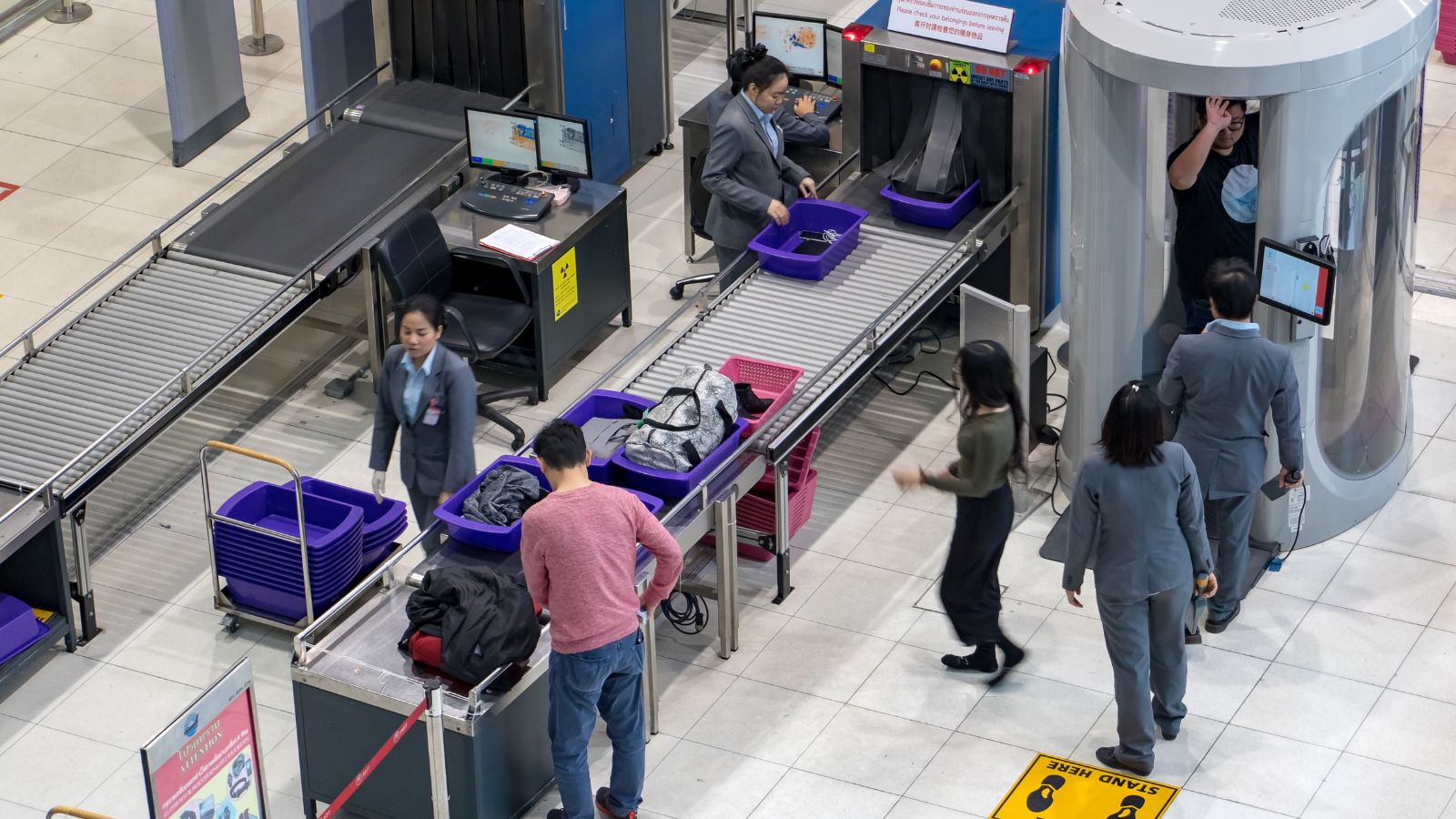
Security rules can turn ordinary items into baggage costs. Liquids, aerosols, and gels in carry-on baggage are limited by container size, and larger bottles generally need to go in checked luggage unless they fall under specific exemptions. Travellers returning with maple syrup, skincare products, sauces, snow globes, or duty-free items from a connecting trip may discover that the item cannot simply ride in a carry-on.
The problem often appears on the way home, after money has already been spent. A traveller buys local products as gifts, then reaches security with containers too large for carry-on rules. The options may be surrendering the item, mailing it, or paying to check a bag. None feels good. Packing liquid-heavy purchases in checked luggage from the start, or buying smaller compliant containers, can prevent souvenirs from becoming surprise travel expenses.
19 Things Canadians Don’t Realize the CRA Can See About Their Online Income

Earning money online feels simple and informal for many Canadians. Freelancing, selling products, and digital services often start as side projects. The problem appears at tax time. Many people underestimate how much information the CRA can access. Online platforms, banks, and payment processors create detailed records automatically. These records do not disappear once money hits an account. Small gaps in reporting add up quickly.
Here are 19 things Canadians don’t realize the CRA can see about their online income.
