Canadian grocery aisles have a way of making old favourites feel strangely unfamiliar. A bag looks the same from across the aisle, a box still fits in the same cupboard, and the price tag may not shout anything unusual. Yet the amount inside can tell a different story.
This piece covers 23 Canadian snacks and pantry items that often seem smaller than they used to, reflecting the broader pattern known as shrinkflation. Statistics Canada has confirmed that many eligible grocery products tracked for the Consumer Price Index experienced quantity reductions from 2021 to 2023, making the feeling at the checkout more than imagination. For households already watching food budgets closely, the real clue is often not the front-of-package design but the unit price, grams, millilitres, and serving count.
Potato Chips
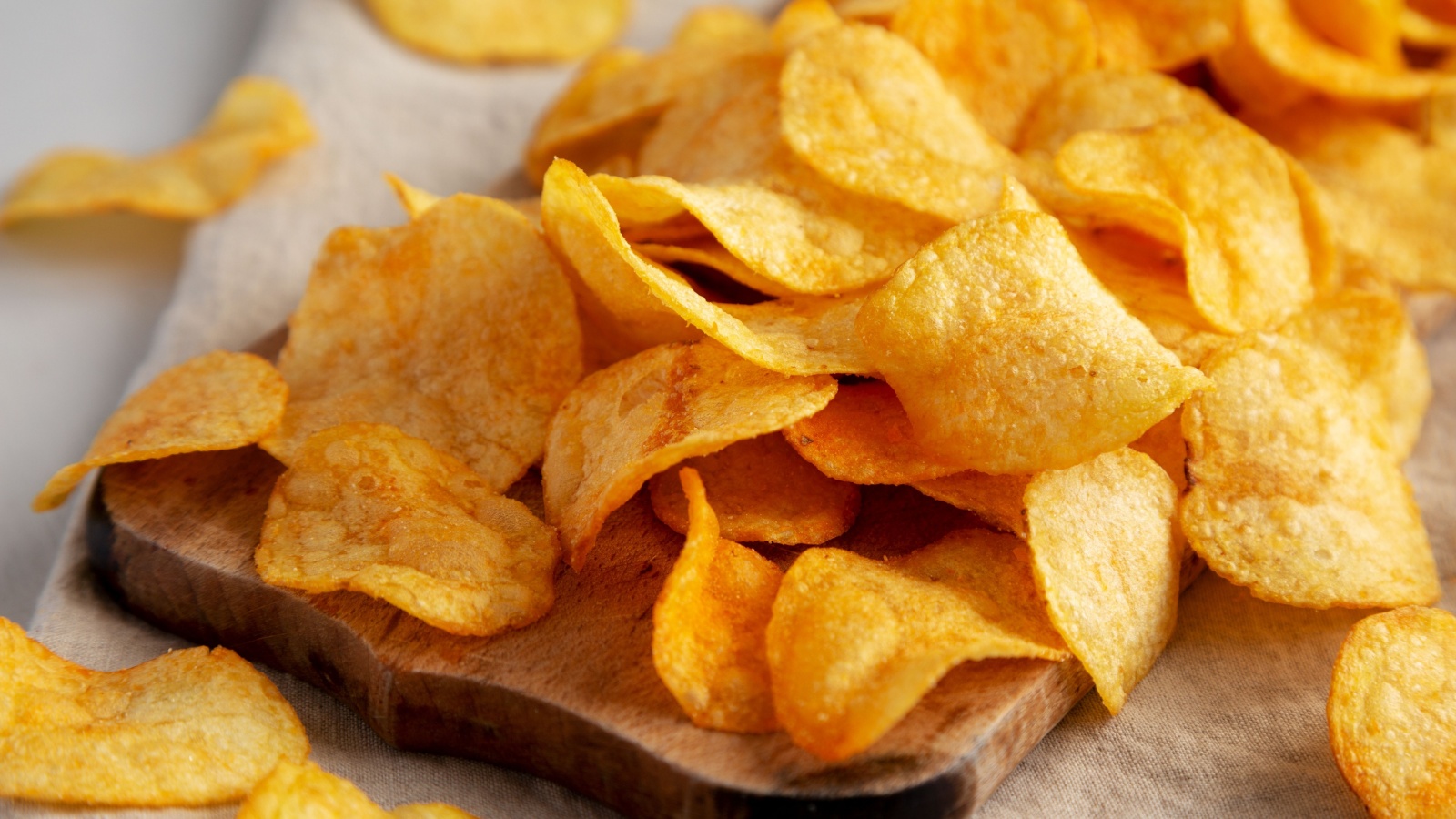
Potato chips are one of the easiest places to notice the “same bag, less snack” feeling. The packaging still takes up plenty of shelf space because air protects fragile chips from crushing, but the printed weight is what matters. Canadian shoppers often compare today’s party-size or family-size bags with older memories of heavier formats, only to find fewer grams inside than expected.
This category is especially vulnerable because chips depend on several cost-sensitive inputs: potatoes, cooking oil, seasonings, packaging, transportation, and retail promotions. Even a modest reduction in grams can raise the price per 100 grams without changing the familiar shelf price. It also changes how far the bag goes at a gathering. A family that once opened one bag for movie night may now find the bowl empty faster, even when the purchase looks unchanged.
Tortilla Chips
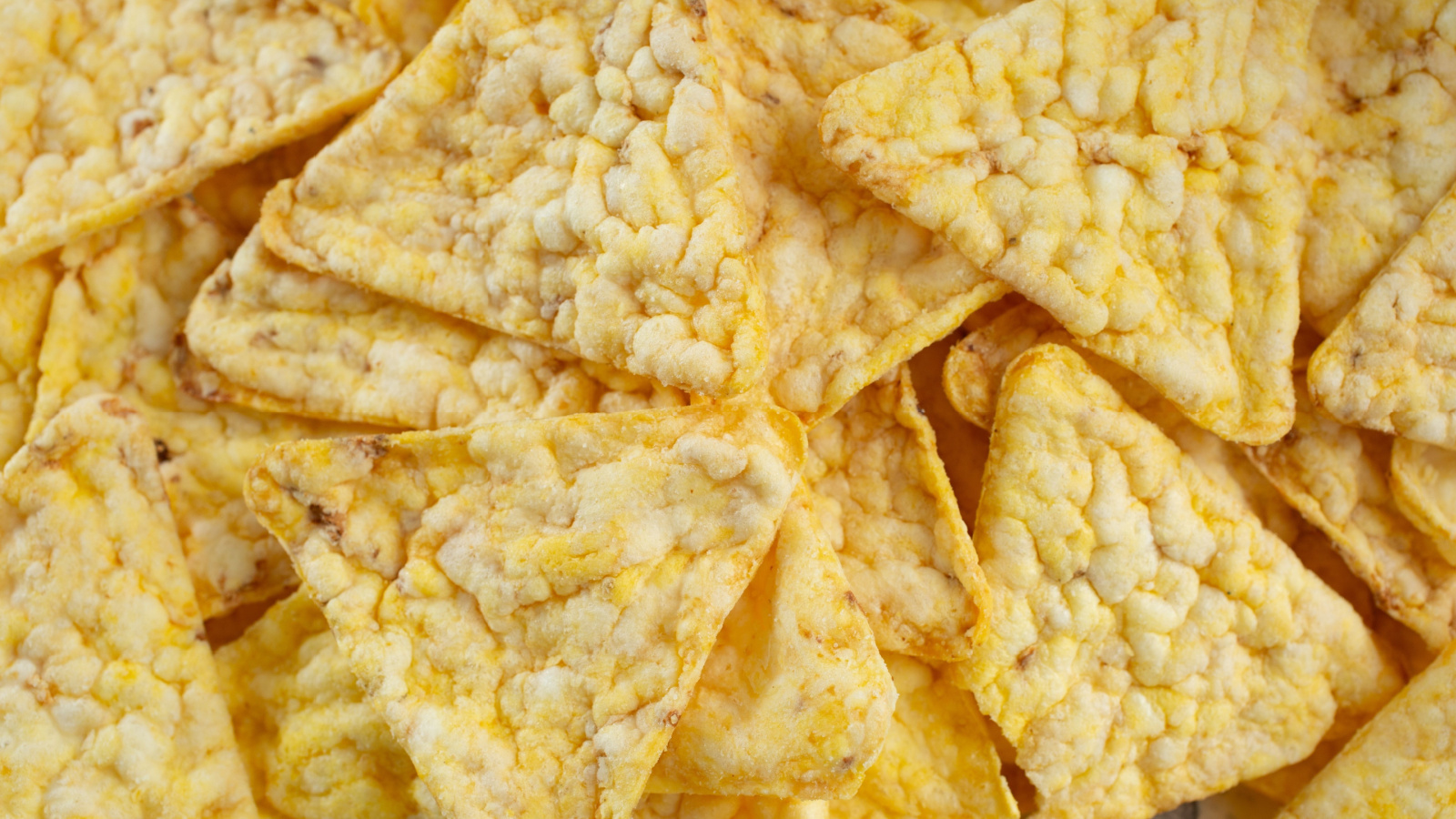
Tortilla chips can create a similar surprise, especially because the bags often look generous. The shape of the product requires room, and large packages can make a reduced net weight less obvious at first glance. Shoppers may only notice when the salsa outlasts the chips or when a “sharing” bag feels closer to a two-person snack than a party staple.
Corn-based snacks also sit in a competitive aisle where brands fight to keep headline prices appealing. Instead of pushing a visible price jump, a company may trim the bag by a small amount and rely on the familiar design to keep the change quiet. The difference can feel minor on a single purchase, but it adds up for households that regularly buy chips for lunches, sports nights, or casual entertaining.
Crackers
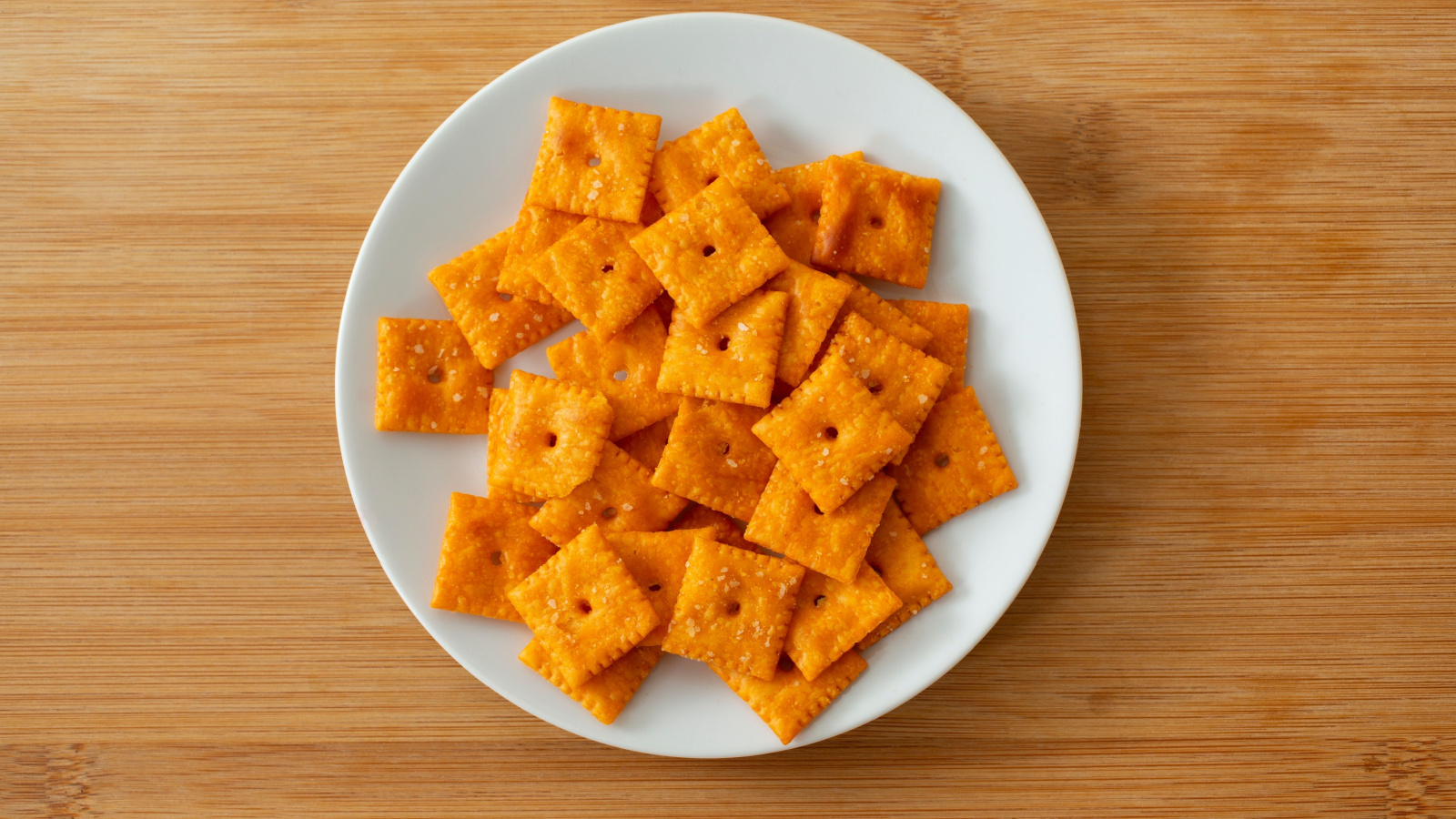
Crackers are pantry staples that often shrink in quieter ways than chips. The box may remain the same height, but the sleeves inside may contain fewer crackers, thinner crackers, or more empty space. Because crackers are often bought for school lunches, soup nights, cheese boards, and quick snacks, the change becomes noticeable when a box runs out sooner than expected.
This is also a category where shoppers may compare by habit rather than by weight. A familiar brand can feel like a safe purchase, especially when it goes on sale. But the best comparison is the unit price per 100 grams, not the box price. A smaller cracker box can still appear like a bargain if the sale tag is bright enough. For families, that can mean buying more boxes over the month without realizing the pantry is turning over faster.
Cookies
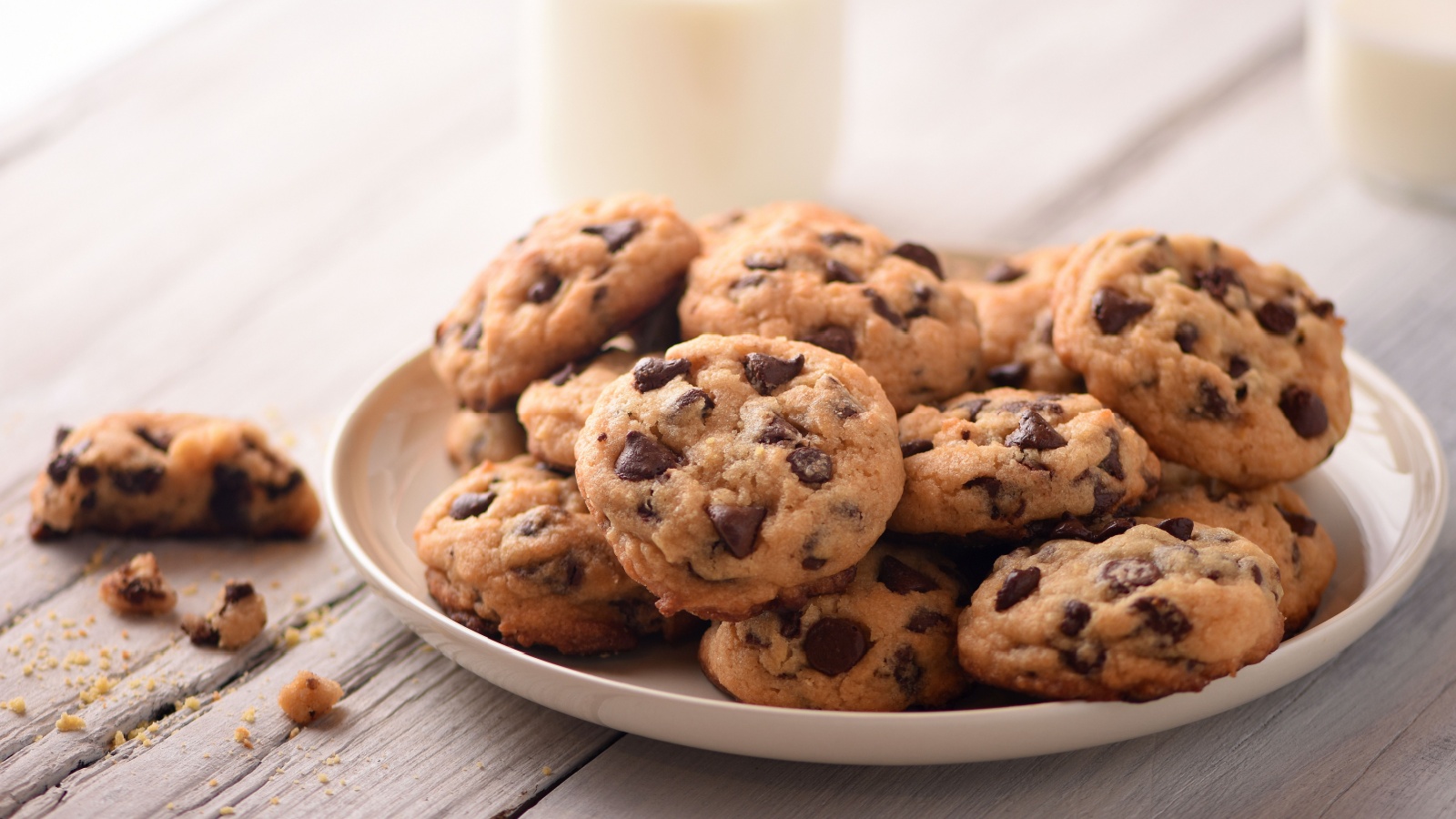
Cookies can shrink through package weight, cookie count, or the size of each cookie. A tray that once felt full may now have deeper spacing, fewer rows, or smaller pieces arranged to preserve the same visual rhythm. Since cookies are often impulse purchases or comfort buys, shoppers may be less likely to inspect the grams until the package is already open.
This category also benefits from strong brand memory. Many Canadians grew up with specific sandwich cookies, chocolate chip cookies, or maple-flavoured treats, so the package triggers nostalgia before math. That emotional familiarity can make downsizing harder to spot. The practical clue is how many lunch portions or after-dinner servings a package provides. When the “usual” box no longer lasts the usual number of days, the shrink may be hiding in plain sight.
Chocolate Bars
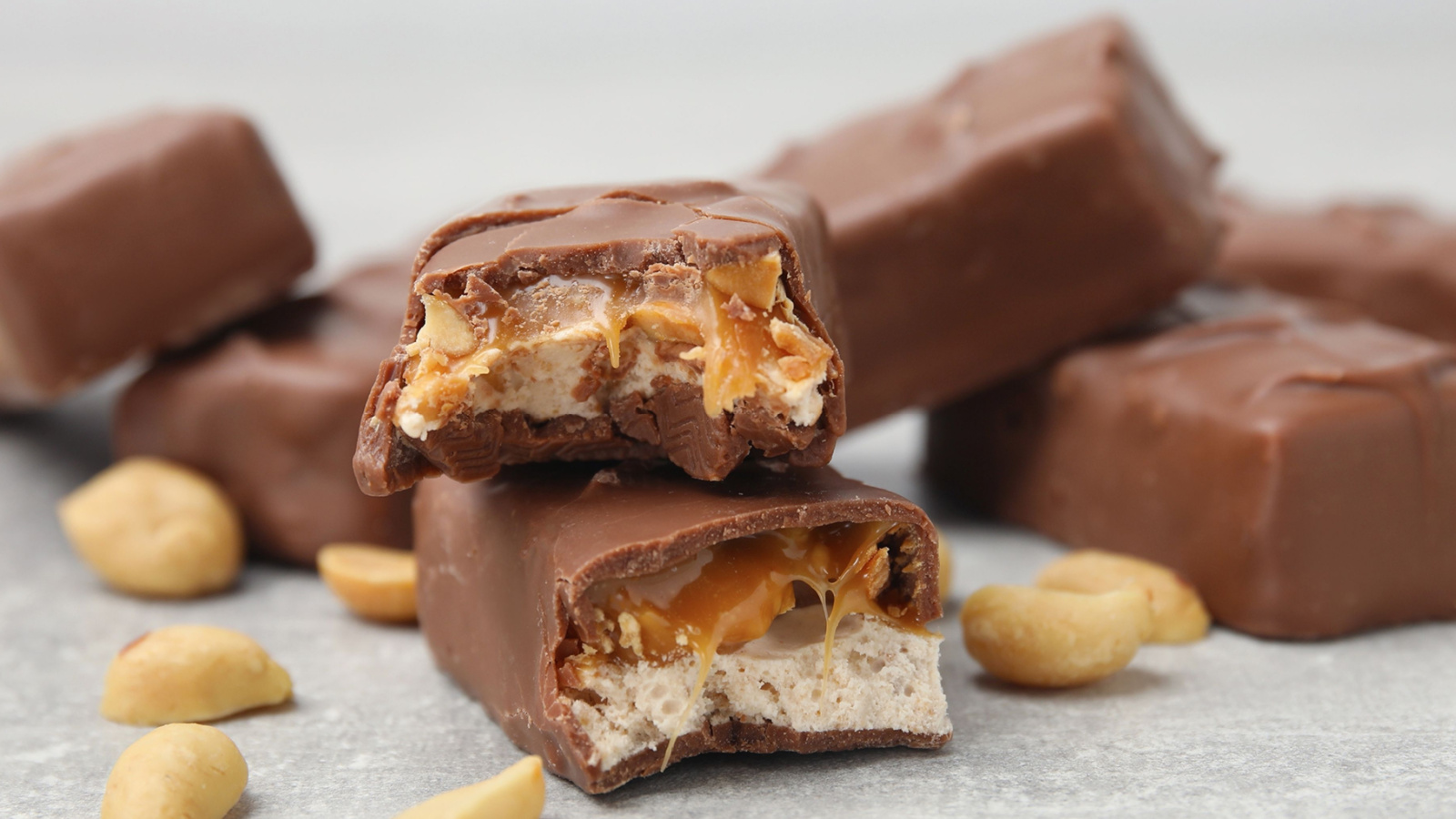
Chocolate bars have long been associated with shrinkflation because a few grams can disappear without dramatically changing the wrapper. A bar can become slightly shorter, thinner, or divided differently while still looking like the same treat at the checkout. The change is easier to miss when the item is bought quickly at a convenience store, gas station, or checkout lane.
Chocolate is also exposed to global ingredient pressure, especially cocoa. When cocoa prices rise, manufacturers may respond with higher prices, smaller portions, reformulated products, or a mix of all three. For consumers, the result can feel like a double hit: a treat that costs more while delivering less. Multi-packs can be even trickier, because the box may advertise the number of bars while each individual piece quietly becomes smaller.
Granola Bars

Granola bars are especially sensitive because they are sold by count as much as by weight. A box may still contain five, six, or eight bars, but each bar can become lighter. For parents packing lunches or commuters grabbing breakfast on the way out, the difference appears when the bar feels less filling than it used to.
Canadian tax rules also make small packaged snack formats worth watching. The Canada Revenue Agency treats certain cereal and muffin bars differently depending on whether they are sold individually or in boxes below specific quantities, while many snack foods are taxable. That does not mean every smaller box changes tax status, but it shows how package count and serving format matter in Canada. The safest habit is to compare both the number of bars and the total grams before assuming two boxes are equivalent.
Breakfast Cereal
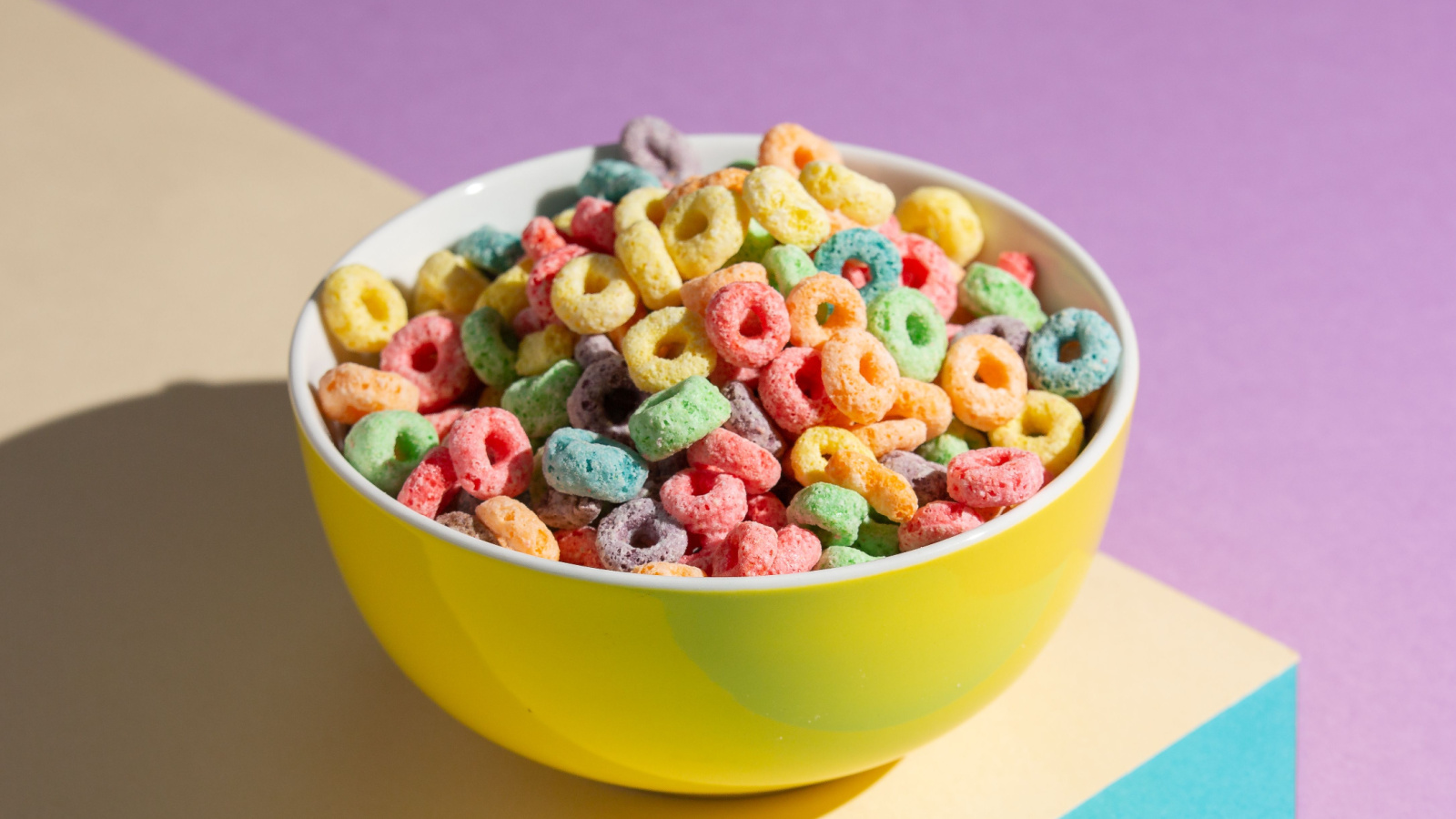
Breakfast cereal boxes can be deceptive because cardboard dimensions do not always reflect the amount inside. A tall box can contain a smaller bag, a lower fill line, or lighter flakes. Families may notice the change when a box that once lasted through the school week now runs out before Friday, even when breakfast routines have not changed.
Cereal also depends heavily on grains, sugar, packaging, and freight costs, all of which can pressure manufacturers. Because cereal has frequent promotions, shoppers may focus on the sale price and miss the reduced weight. Comparing price per 100 grams is especially useful here, since two boxes with similar shelf prices can have very different amounts inside. In a pantry, cereal shrinkflation often shows up not as one shocking moment, but as a steady need to restock more often.
Instant Oatmeal Packets
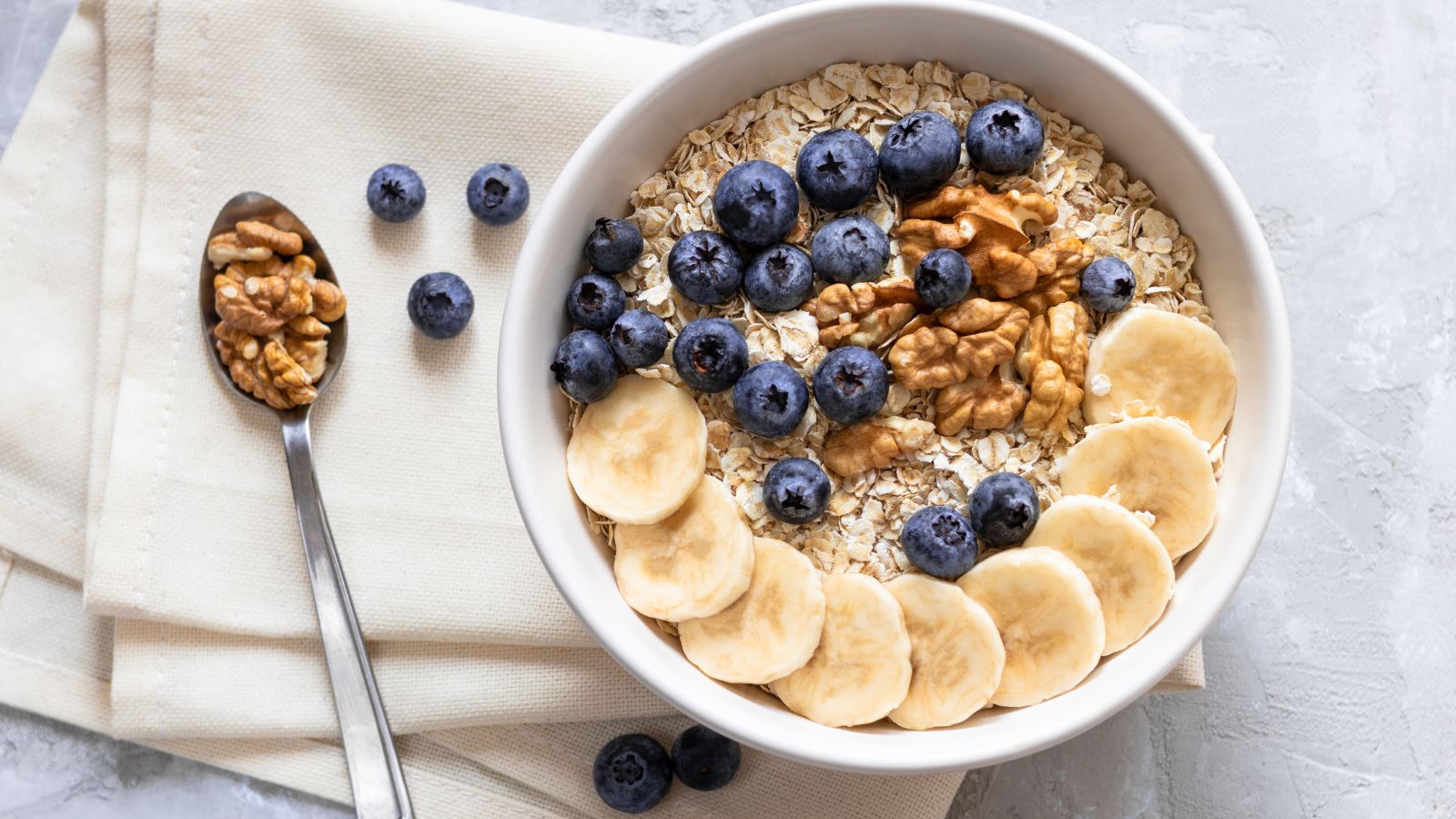
Instant oatmeal is another product where the outer box can stay familiar while the serving size changes. The packet count may remain steady, but the grams per pouch are what determine whether breakfast feels satisfying. A smaller pouch can mean thinner oatmeal, fewer add-ins, or the need for a second packet.
This matters because oatmeal is often seen as a budget-friendly pantry item. Shoppers may choose flavoured packets for convenience, especially for children, students, or workplace breakfasts. If the per-packet portion shrinks while the box price stays stable, the value proposition changes. Plain large-format oats may suddenly be cheaper per serving, even when they require a little more preparation. The smaller packet is not always a bad choice, but it deserves to be judged by weight rather than convenience alone.
Peanut Butter
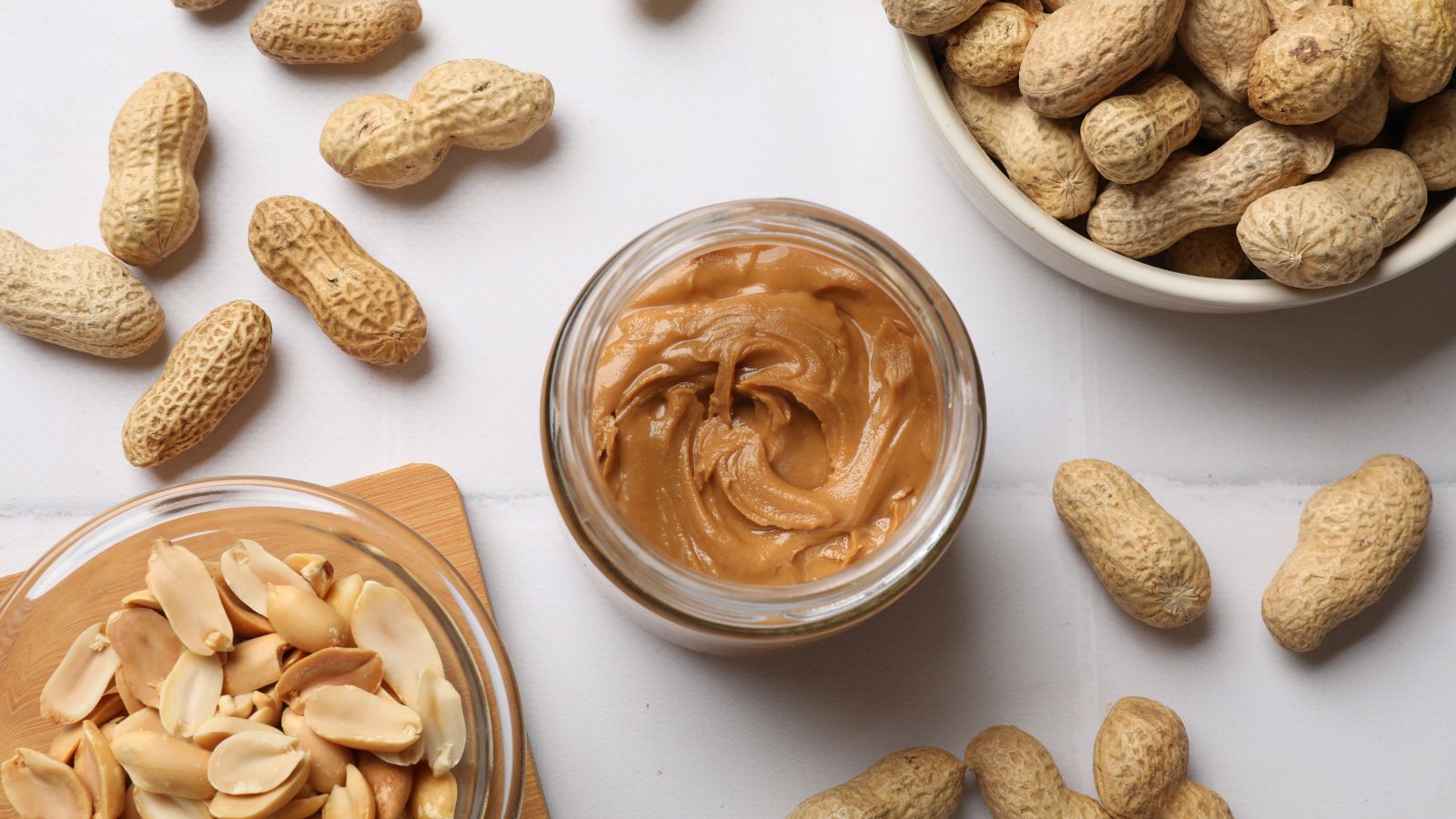
Peanut butter jars can appear almost identical even when the contents change. A jar may keep the same general shape, lid size, and label design while shifting the net weight. Because peanut butter is dense, a reduction of several dozen grams may not be obvious until the jar empties earlier than expected.
This pantry staple is important because it functions as both snack and meal support. It goes into toast, sandwiches, baking, smoothies, sauces, and late-night spoonfuls. When the jar shrinks, the effect touches several parts of a household’s food routine. Peanut prices, oils, processing, glass or plastic packaging, and shipping can all affect costs. For shoppers comparing brands, the unit price per kilogram is more revealing than jar size, especially when “family” or “value” labels create a bigger-is-better impression.
Jam and Fruit Spreads
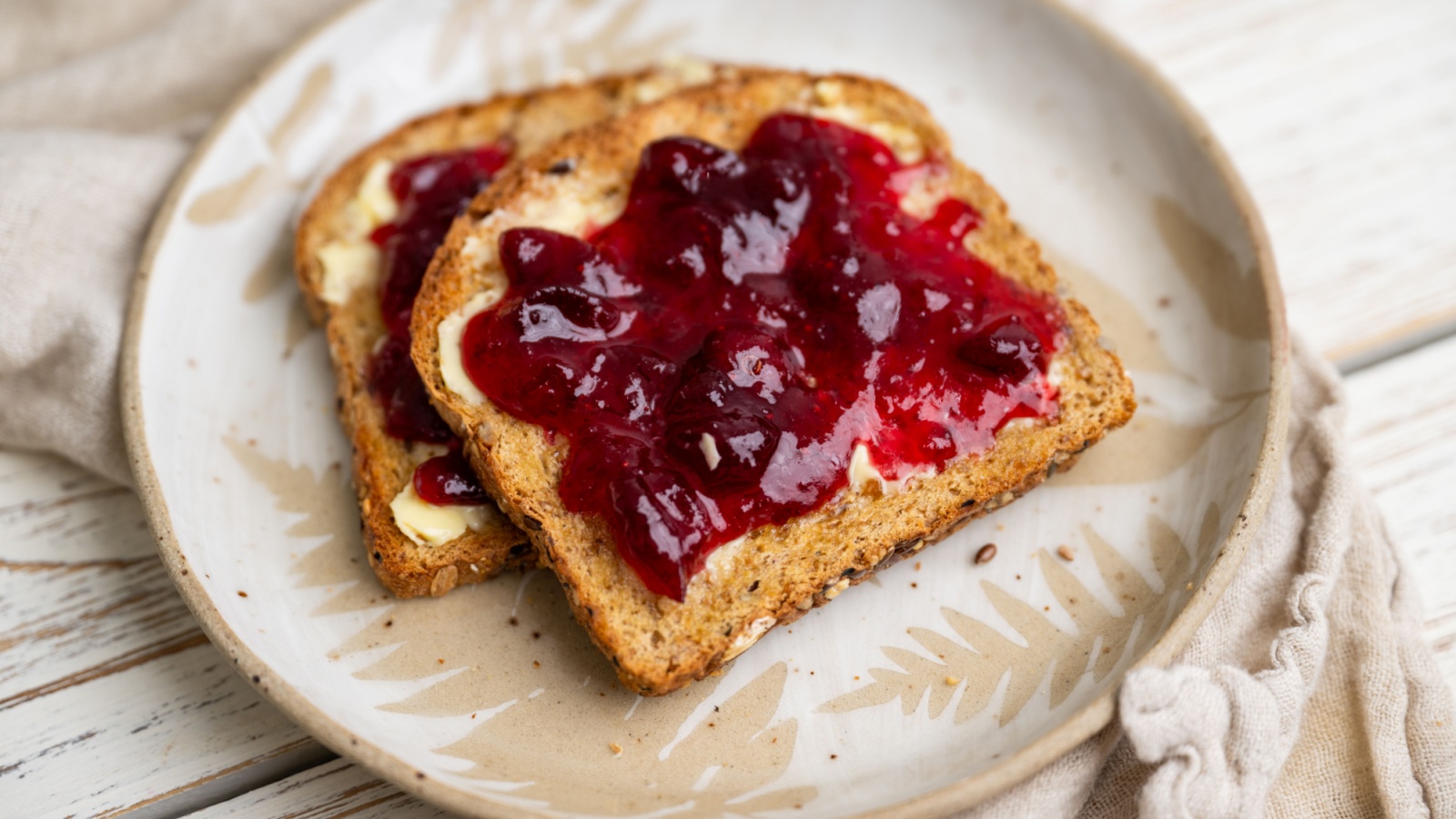
Jam jars and fruit spreads can shrink subtly because the container shape does much of the persuasion. A wide lid, curved glass, or tall label can make a jar look substantial. The net weight, however, may tell a different story. A smaller jar can disappear quickly in homes where toast, yogurt, oatmeal, and baking all draw from the same pantry shelf.
Fruit spreads also face ingredient pressures from fruit crops, sugar, glass, labels, and transportation. Premium versions with less sugar or more fruit may already come in smaller jars, making comparisons more complicated. A shopper may think one brand is expensive because the jar looks smaller, while another may be quietly worse value per 100 millilitres or grams. This is a category where unit pricing helps separate real value from packaging design.
Pasta
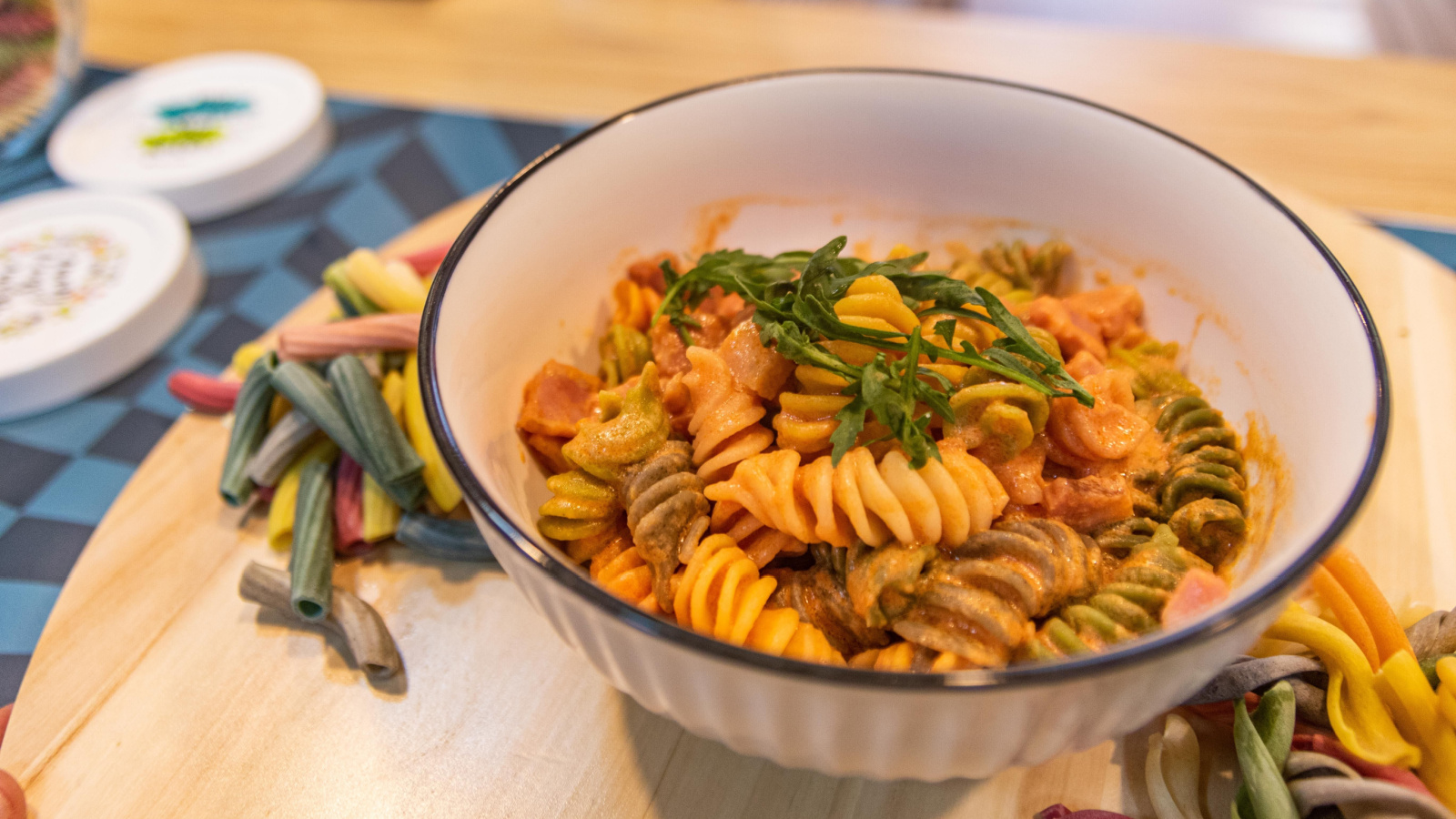
Pasta is often remembered in round numbers, especially the old habit of thinking in 900-gram or one-kilogram bags and boxes. When packages move to smaller weights, the change can disrupt meal planning. A box that once fed a family dinner with leftovers may now require opening a second package or adding more sauce, vegetables, or protein to stretch the meal.
Pasta shrinkage feels particularly frustrating because it is considered a budget anchor. It sits in the pantry for quick dinners and bulk meals, so even small changes can affect weekly planning. The product itself is dry, shelf-stable, and easy to compare, which makes the unit price especially powerful. Shoppers who only look at the front price may miss that two similar boxes can differ significantly in grams.
Rice Mixes
Flavoured rice mixes, side-dish pouches, and quick-cook pantry packets are easy targets for subtle downsizing. They are often sold as a convenience item rather than a basic grain, so the package may emphasize flavour, speed, or serving suggestions more than total weight. A pouch that once made a generous side may now need extra vegetables or plain rice added to satisfy the same table.
These products also carry costs beyond the grain itself: seasoning blends, dehydrated ingredients, foil or plastic pouches, and branded packaging. Shrinking the amount inside can preserve the shelf price while protecting margins. For consumers, the key is to check whether the stated number of servings still matches real life. A package that says it serves four may feel closer to two or three when served with a typical Canadian weeknight dinner.
Macaroni and Cheese
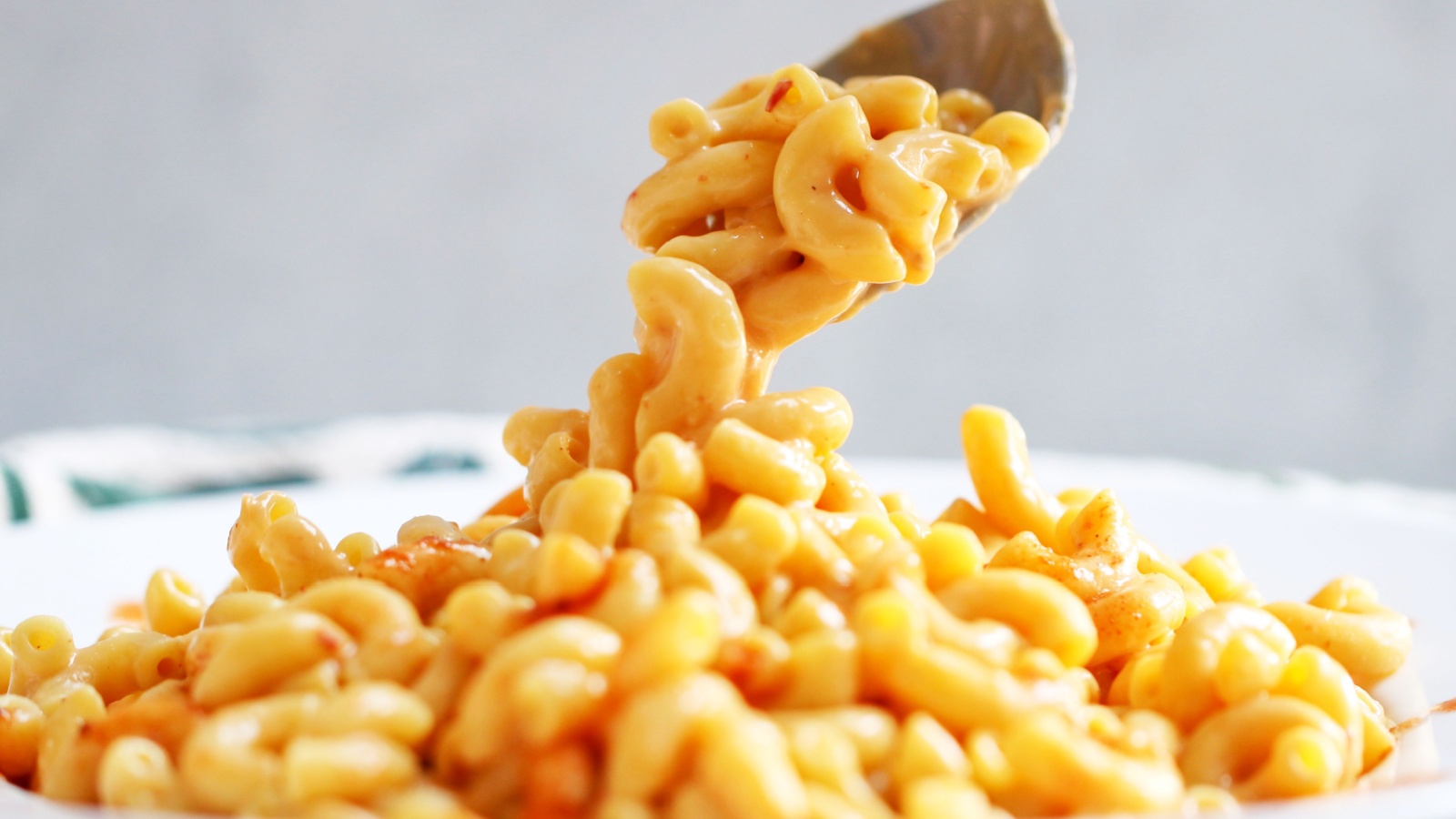
Boxed macaroni and cheese is a classic pantry comfort food, and that familiarity can make downsizing feel personal. The box shape may stay close to what shoppers remember, while the pasta weight or sauce packet size changes. The difference becomes obvious when the pot looks a little emptier or when a single box no longer stretches as far for children, students, or quick lunches.
This category is also strongly price-sensitive. Many households buy it because it is fast, inexpensive, and predictable. If the box shrinks while the price remains similar, the product quietly moves away from its old role as a reliable low-cost meal. The true comparison should include grams, servings, and whether the prepared portion still meets expectations. Sometimes the better value is a larger multi-pack; other times it is a store brand with a higher net weight.
Canned Soup
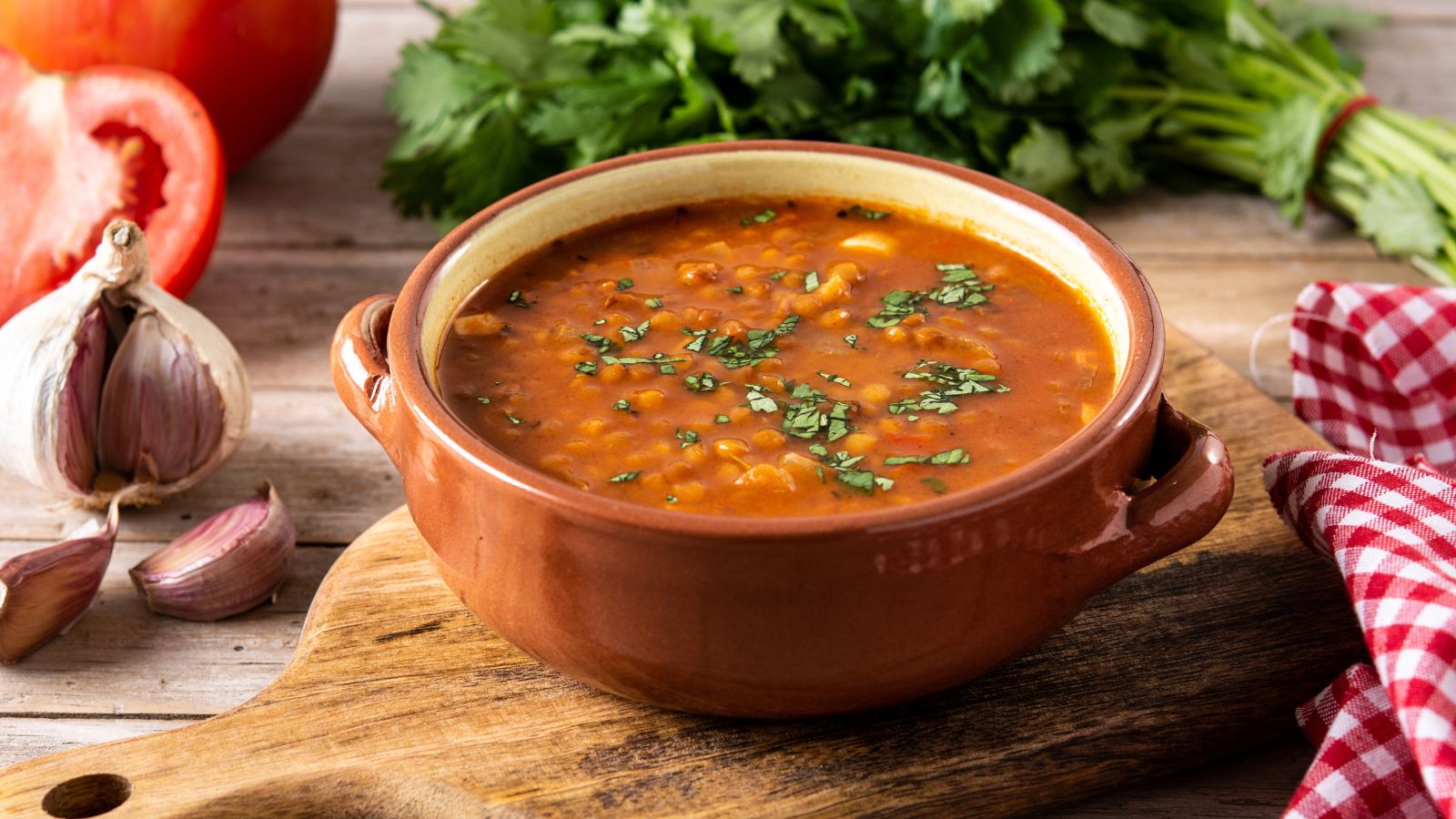
Canned soup can feel smaller even when the can itself appears familiar. Some changes happen through net weight, while others are felt through texture: more broth, fewer vegetables, or less chunky filling. That second pattern is closer to skimpflation, but it creates the same household reaction: the product does not feel as substantial as it once did.
Soup is a pantry item Canadians often keep for sick days, office lunches, storms, and quick dinners. When a can no longer feels like a full meal, people may add crackers, toast, rice, noodles, or leftovers. That raises the real cost of the meal even if the can price looks stable. Comparing millilitres helps, but shoppers should also watch protein, fibre, sodium, and ingredient order when the issue is not just size but substance.
Canned Tuna
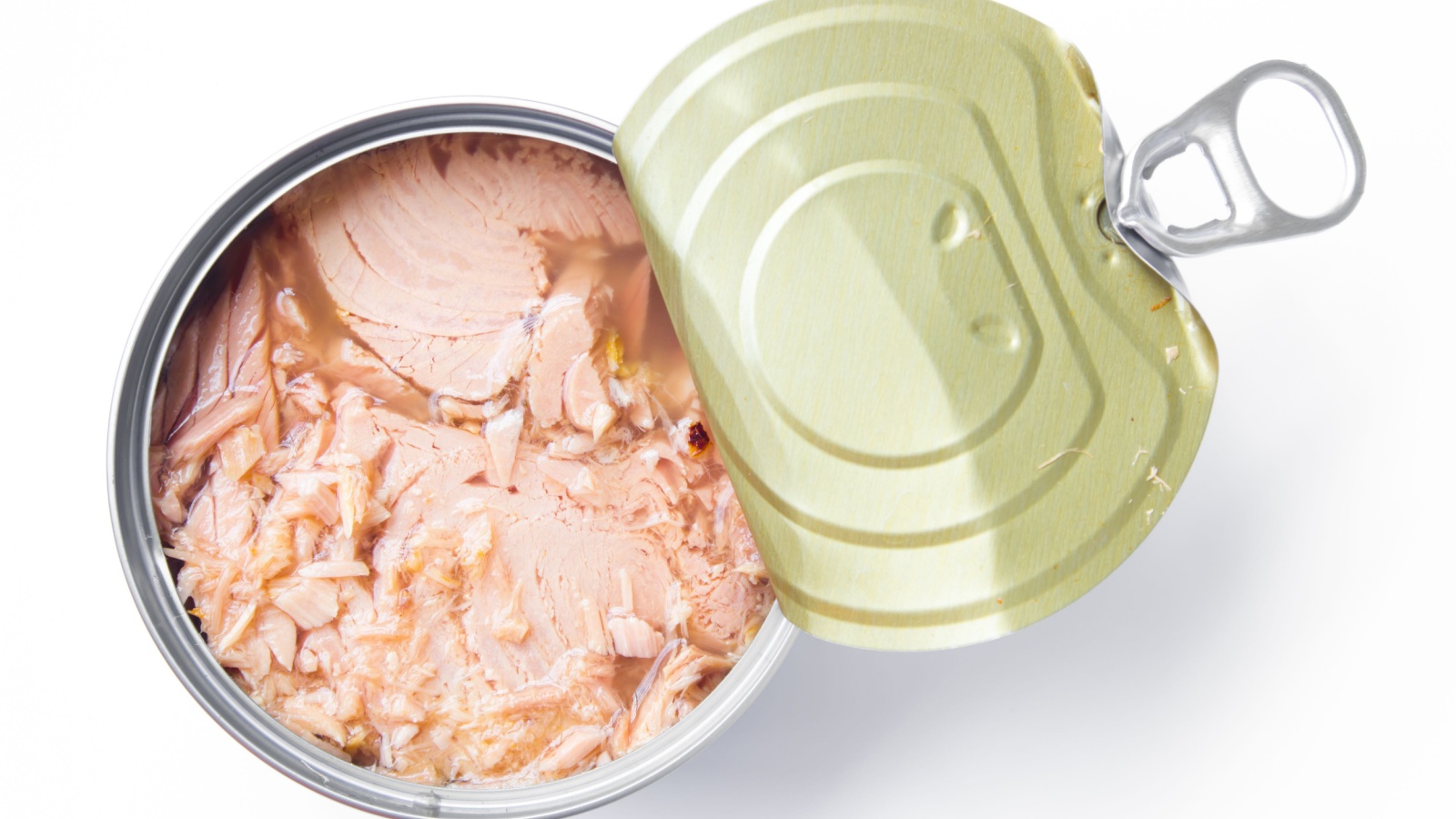
Canned tuna is one of the pantry items where drained weight matters as much as the total can size. A can may list a familiar net weight, but the amount of fish after liquid is drained can determine how many sandwiches, salads, or casseroles it actually makes. Smaller cans or lower drained weights are especially noticeable for households that use tuna as an affordable protein.
The category is influenced by seafood supply, labour, fuel, metal cans, and global trade. Because tuna is often bought on promotion, shoppers may stock up without comparing formats. A multi-pack may look like a good deal, but a lower per-can weight can change the math. The most practical comparison is cost per gram of drained fish, not simply the number of cans in the sleeve.
Canned Beans
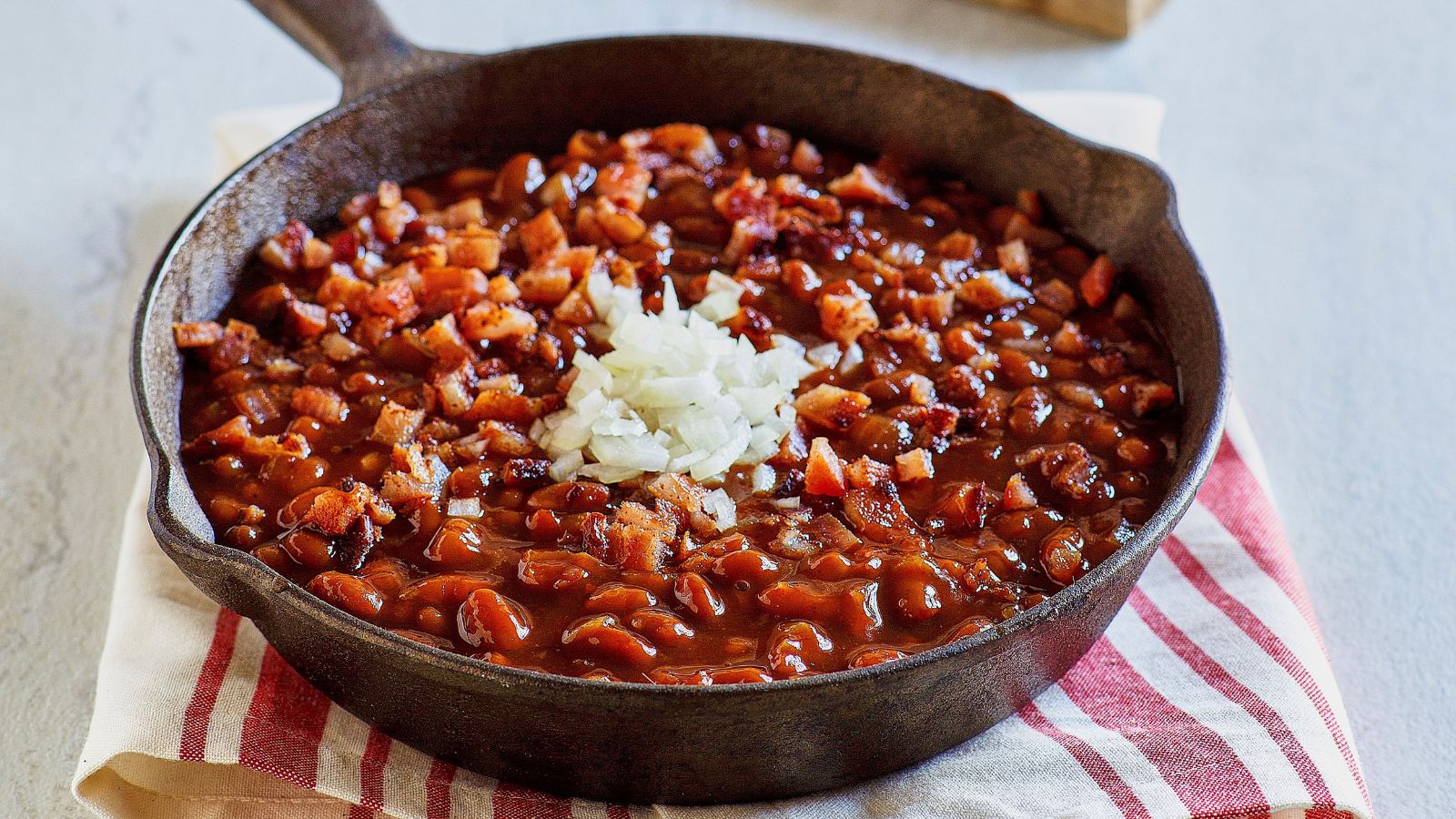
Canned beans are another pantry staple where the label deserves a closer look. The can size may seem standard, but the balance of beans to liquid affects how much usable food ends up in the recipe. If a can contains less drained product than expected, chili, tacos, salads, and soups may need a second can to reach the same volume.
Beans are widely viewed as a budget-friendly source of fibre and plant protein, which makes shrinkflation in this category especially irritating. A few missing grams may not matter in one meal, but regular buyers feel it over time. Dry beans can still offer strong value for people with time to soak and cook them. For everyone else, comparing drained weight and unit price helps reveal which cans truly deliver the most food.
Peanut and Nut Mixes
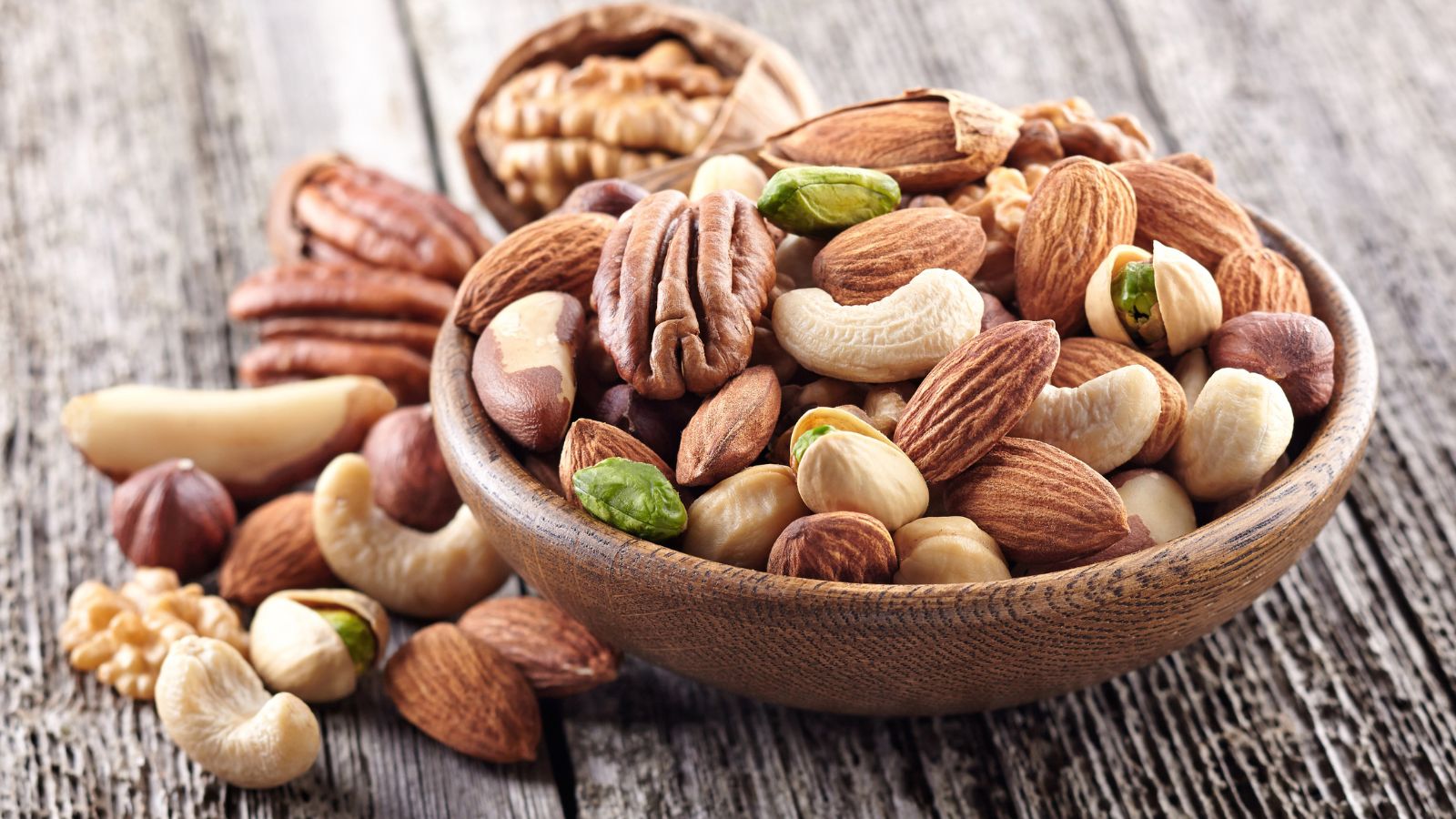
Nut mixes often come in containers that look premium, sturdy, and giftable. That packaging can hide smaller quantities, especially when jars have thick bottoms, curved sides, or large lids. Since nuts are calorie-dense and expensive, a reduction in grams can be financially meaningful even if the container looks almost unchanged.
This category is exposed to crop conditions, import costs, exchange rates, roasting, seasoning, and packaging. Mixed nuts can also shift value through composition, with more peanuts and fewer pricier nuts such as cashews, almonds, or pistachios. That means shoppers should watch both size and ingredient order. A smaller container is one issue; a blend that quietly leans harder on cheaper components is another. The best value check combines weight, price per 100 grams, and the actual mix inside.
Trail Mix
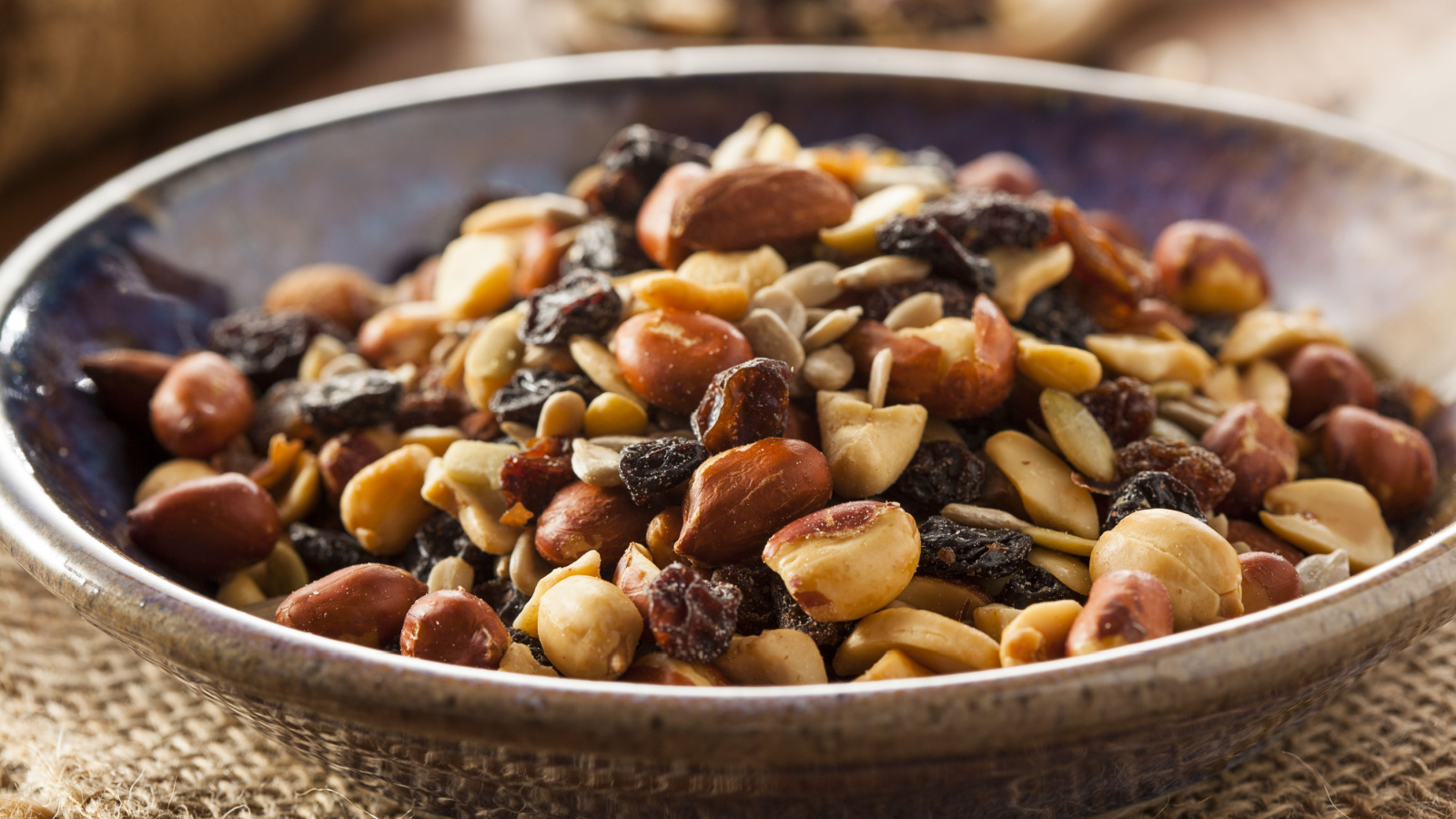
Trail mix can seem smaller because the bags are often designed for portability and outdoor imagery rather than clear pantry value. A resealable pouch may look convenient and substantial, but the grams inside can be modest. For hikers, commuters, students, and parents, the difference appears when a bag meant for several snacks disappears after only a few handfuls.
The composition also matters. Trail mix can include nuts, dried fruit, seeds, chocolate, pretzels, cereal pieces, or candy-coated bits. If pricier ingredients decline and cheaper fillers rise, the package may feel less satisfying even before weight is considered. Consumers sometimes pay for the health halo of trail mix without checking sugar, sodium, or ingredient balance. In this aisle, shrinkflation and skimpflation can overlap, making the back label more useful than the mountain scene on the front.
Popcorn
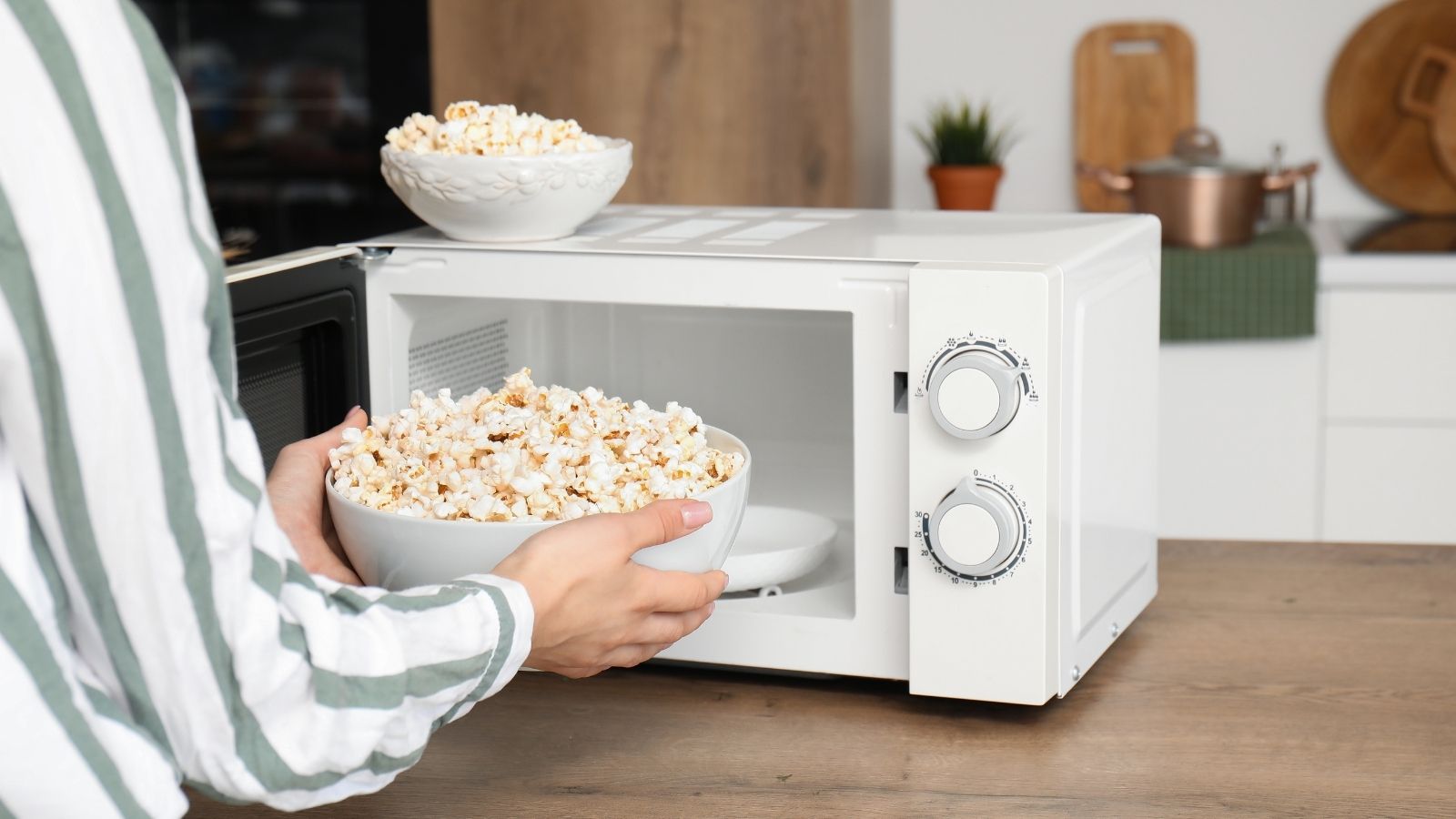
Popcorn can shrink in both ready-to-eat bags and microwave boxes. Ready-to-eat popcorn bags are bulky by nature, so a reduced weight can be hard to judge by sight. Microwave popcorn may keep the same number of packets while each packet changes size, affecting how full the bowl gets after popping.
Popcorn has a reputation as a relatively inexpensive snack, which makes downsizing easier to miss. Shoppers may assume it remains a good deal compared with chips, especially when the bag is large. But flavoured, pre-popped versions include costs for oil, seasoning, packaging, and branding, and their unit prices can climb quickly. For microwave formats, comparing grams per bag is more useful than counting envelopes. For ready-to-eat versions, the price per 100 grams tells the clearer story.
Baking Chocolate Chips
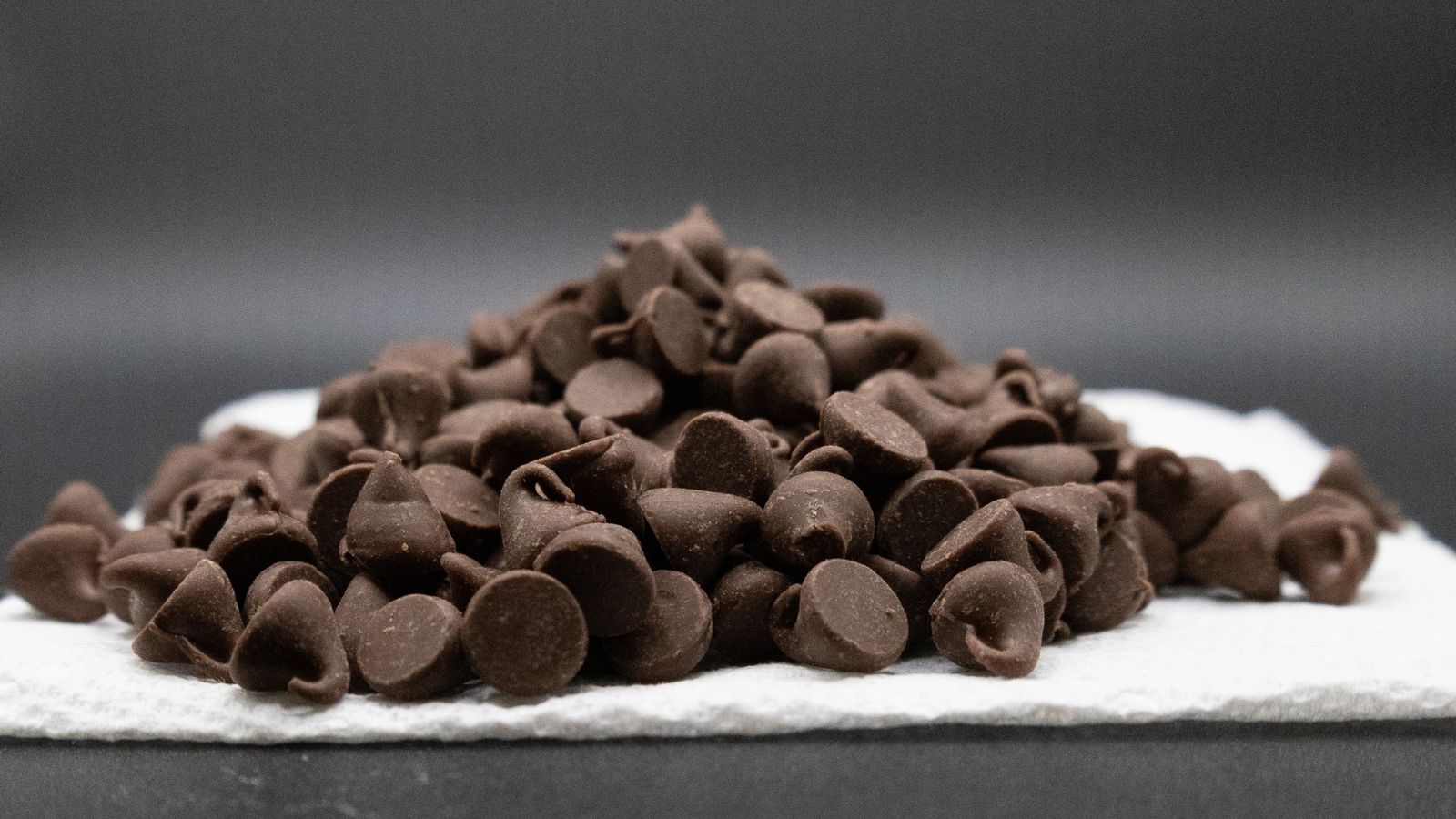
Chocolate chips are a pantry item where smaller bags can disrupt recipes. Many older recipes assume a standard amount, and a package that contains fewer grams may leave a batch of cookies less chocolatey unless an extra bag is opened. The change is easy to miss because baking chips are often bought ahead of holidays or school events, not every week.
Ingredient pressure is a major factor here, particularly when cocoa costs rise. Manufacturers may reduce package size, raise prices, adjust formulations, or promote smaller premium formats. For home bakers, the issue is practical rather than emotional: recipes are measured in cups or grams, and the bag needs to match. A smaller package can turn one recipe into a leftover fragment, forcing a second purchase. Checking grams before baking season can prevent an annoying mid-recipe discovery.
Flour
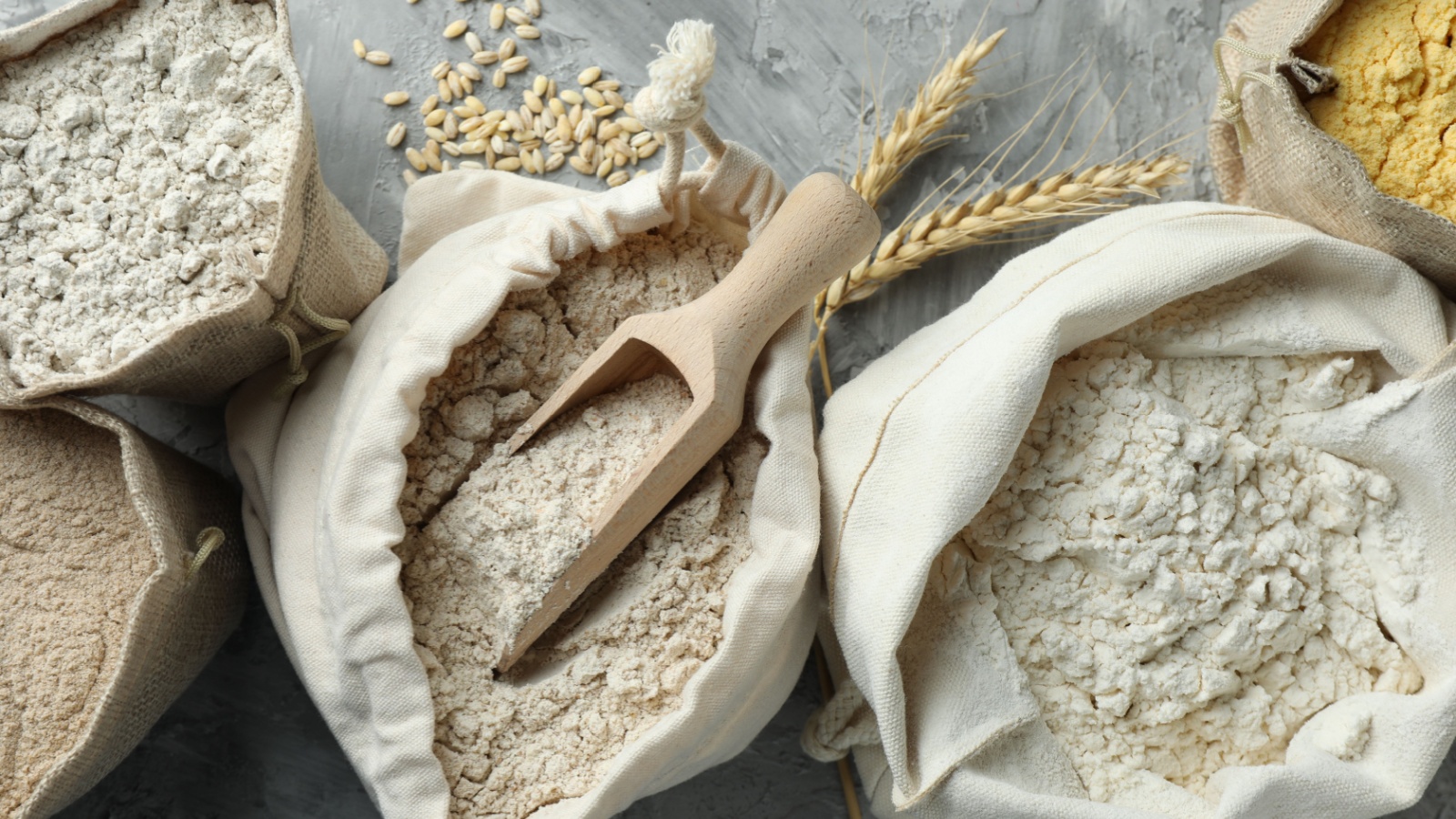
Flour is less flashy than snacks, but it matters because it anchors home baking. A bag that shifts downward in weight can affect families that bake bread, cookies, pizza dough, bannock, pancakes, or holiday treats. Since flour bags are often large and similar-looking, size changes can slip by unless shoppers compare kilograms.
This category also shows how shrinkflation is not limited to treats. Staple pantry goods can be affected by crop conditions, milling costs, paper packaging, fuel, and distribution. A smaller bag may still look like a basic grocery purchase, but the cost per kilogram is what determines value. For households that bake often, even a modest size reduction changes how many batches a bag can produce. Bulk formats may help, but only when storage space and freshness are manageable.
Sugar

Sugar bags can also feel smaller than memory suggests, especially for people who grew up seeing larger pantry formats at home. White sugar, brown sugar, icing sugar, and specialty sugars are often purchased for baking rather than daily use, so changes may only become obvious during holidays or batch cooking. A bag that once lasted through several recipes may now run short.
Sugar is a simple product, which makes the unit price especially revealing. Unlike highly branded snacks, there are fewer flavour cues to distract from weight and price. Still, packaging design and promotions can make one bag look comparable to another even when the kilograms differ. For Canadian households that bake seasonally, the practical move is to check the recipe list against the bag size before assuming the usual purchase will cover the same amount of baking.
Coffee
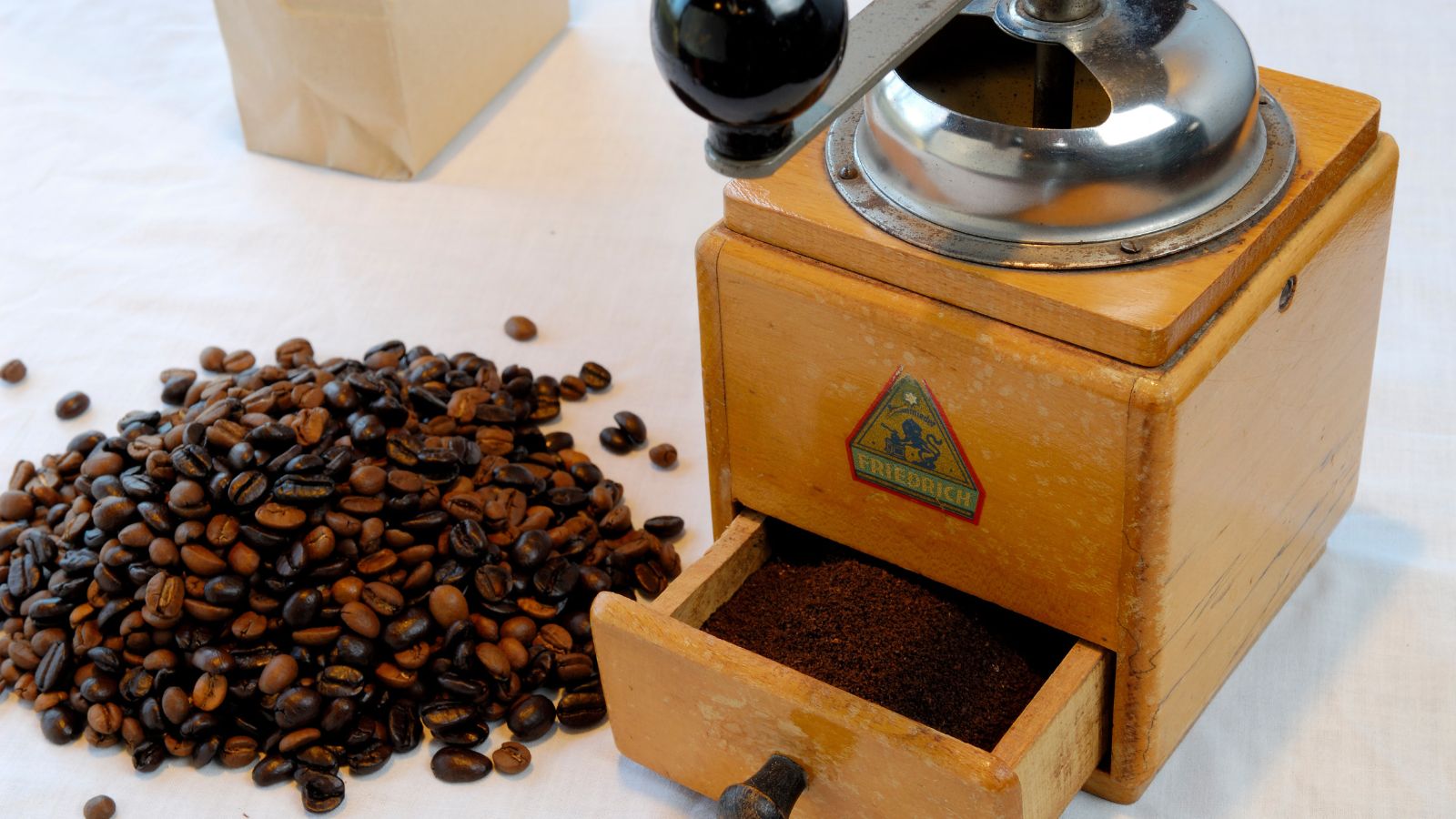
Coffee is one of the clearest pantry examples because package weights vary widely. Ground coffee and whole-bean bags may appear similar on the shelf, but one may contain 300 grams, another 340 grams, and another 454 grams. A familiar-looking bag can quietly move away from the old one-pound mental benchmark while keeping a premium price.
Coffee is also exposed to global commodity prices, weather risks, exchange rates, shipping, roasting, and packaging costs. Because many Canadians buy coffee by brand loyalty, roast preference, or sale price, the net weight can be overlooked. The shrink becomes obvious when the bag produces fewer pots or when a household restocks sooner than expected. Comparing price per 100 grams is essential, especially when “club size,” “value size,” and boutique packaging all sit in the same aisle.
19 Things Canadians Don’t Realize the CRA Can See About Their Online Income

Earning money online feels simple and informal for many Canadians. Freelancing, selling products, and digital services often start as side projects. The problem appears at tax time. Many people underestimate how much information the CRA can access. Online platforms, banks, and payment processors create detailed records automatically. These records do not disappear once money hits an account. Small gaps in reporting add up quickly.
Here are 19 things Canadians don’t realize the CRA can see about their online income.
