Canadian wallets are crowded with points cards, store apps, fuel rewards, grocery accounts, pharmacy programs, and retail memberships that promise savings in exchange for attention, data, and repeat visits. Renewal can feel automatic, especially when a cashier mentions expiring points or an app flashes a limited-time bonus.
Before another loyalty card or store app earns a permanent place on a phone or key ring, it is worth pausing for a closer look. These 20 checks focus on real value, privacy, fees, redemption limits, account security, and everyday usefulness. A program that once saved money may no longer match a household’s shopping habits, while a quiet change in terms can turn “free rewards” into another way to overspend.
Check Whether the Rewards Still Match Real Spending
A loyalty program only works when it rewards purchases that already make sense. Many Canadians sign up because of a welcome offer, then keep renewing out of habit even after shopping patterns change. A grocery app may have been useful during a commuting routine, while a mall store card may lose value once online comparison shopping becomes the norm. The first test is simple: review the last three to six months of actual purchases and compare them with the rewards earned.
This matters because loyalty programs are designed to encourage repeat spending, not neutral savings. A household that spends $40 extra to earn $2 in points has not come out ahead. A useful renewal check is to divide the dollar value of rewards by the spending required to earn them. If the return is tiny, inconsistent, or limited to categories no longer used, the program may be more of a marketing nudge than a financial tool.
Read the Expiry Rules Before Assuming Points Are Safe

Points can feel like cash, but they are not always protected like cash. Some Canadian rules restrict expiry based only on time, yet programs may still include conditions around inactivity, account closure, bonus points, promotional credits, or changes to redemption categories. A member who checks an app once a year may discover that “active” means earning or redeeming points, not simply logging in.
The practical issue is that expiry rules often sit deep in the terms rather than on the home screen. Before renewing, check whether points expire after a period of no earning or redemption, whether the company sends advance notice, and whether expired points can be reinstated. A family saving points for holiday groceries or back-to-school purchases should be especially cautious. A program that requires constant activity may quietly pressure people to make purchases just to preserve rewards.
Compare the Earn Rate With the Redemption Rate

A flashy earn rate can hide a weak redemption value. “Earn 10 points per dollar” sounds generous until the redemption chart shows that thousands of points equal only a few dollars. The meaningful question is not how many points appear after checkout, but what those points buy. A program with fewer points and a clearer dollar value may be easier to evaluate than one with big numbers and shifting redemption tiers.
Before renewing, calculate a rough return on ordinary spending. If $500 in purchases produces $5 in usable value, the return is about one per cent. That may still be worthwhile if prices are competitive, but it is not enough to justify buying items at higher prices. A useful example is the household that collects points at a pharmacy but pays more for basics than at a supermarket or warehouse store. Points should reduce costs, not disguise them.
Watch for App-Only Deals That Exclude Cardholders
Many loyalty programs have moved from plastic cards to mobile apps, and the best offers may now require digital activation. That shift can leave some members with fewer benefits if they still use a physical card, avoid push notifications, or do not want another app tracking behaviour. Renewal should include a check of whether the program still works without the app and whether important offers require clicking “load” before shopping.
This is a common frustration at checkout. A shopper may see a shelf tag promising a member price, only to learn that the deal applied only after activation in the app. For busy families, that can turn savings into another errand. If the app requires regular offer loading, location access, or personalized recommendations to deliver meaningful value, the program may be less convenient than it appears. A simple card should not become a homework assignment.
Review What Personal Data the Program Collects

Loyalty cards and store apps often collect more than a name and phone number. Purchase histories, preferred locations, device identifiers, browsing behaviour, payment connections, and offer interactions can become part of a customer profile. In Canada, private-sector privacy rules generally require meaningful consent for collecting, using, and disclosing personal information, but consumers still need to understand what they are agreeing to.
Before renewing, open the privacy policy and look for plain answers. What data is collected? Is purchase history linked to identity? Is data shared with affiliates, advertisers, analytics providers, or other partners? Can marketing be turned off without losing membership? A person buying baby formula, medication, pet food, or specialty dietary items may not think of a loyalty account as sensitive, but repeated purchases can reveal personal patterns. The value of points should be weighed against that data trail.
Check Whether Location Tracking Is Necessary

Store apps sometimes request location access to show nearby offers, pickup availability, gas stations, or in-store features. That can be useful, but it is not always necessary for basic rewards. A renewal is a good time to check phone permissions and ask whether the app truly needs location access “always,” only while in use, or not at all. The difference matters because background access can create a more detailed picture of routines.
A practical example is a shopper who installed a store app for weekly coupons and later forgot it had location permission. The app may still function with reduced permissions, especially if postal-code-based flyers or manually selected stores are available. Canadians who travel between provinces or shop near work and home should also check whether location-based pricing or offers change by store. Convenience is useful, but a rewards app should not receive more access than the benefit justifies.
Look for Fees, Paid Tiers, or Subscription Add-Ons

Some loyalty programs remain free, while others now include paid tiers, delivery subscriptions, premium rewards, or credit-card-linked upgrades. These offers can be worthwhile for frequent users, but renewal should involve a hard break-even calculation. A $99 annual membership needs to produce more than $99 in real, usable benefits, not theoretical savings that require perfect timing or extra purchases.
The risk is that paid loyalty feels cheaper than it is because the cost is separated from each shopping trip. A grocery delivery plan may save fees for a household that orders weekly, but it may be wasteful for someone who uses it only during storms or holidays. Similarly, a retail “plus” tier may offer bonus points that apply mostly to categories rarely bought. Before renewing any paid version, compare last year’s actual use with the membership cost and the value of benefits redeemed.
Examine Whether Member Prices Are Truly Competitive

Member-only prices can create urgency, but they are not always the lowest available price. A product marked down for loyalty members may still cost more than the regular price at a competitor. This is especially relevant in groceries, pharmacy items, household goods, pet supplies, and apparel, where Canadians often see rotating promotions across several retailers. A good loyalty program should work alongside price comparison, not replace it.
Before renewing, test a few common purchases. Compare the member price with flyers, online marketplaces, warehouse clubs, discount banners, and local independent stores. The goal is not to chase every nickel, but to avoid assuming that a loyalty discount equals a bargain. A familiar example is buying toiletries at a drugstore during a points event, only to find the same items cheaper elsewhere. Points can soften the difference, but they rarely erase a consistently higher shelf price.
Check Whether Bonus Offers Require Overspending
Bonus-point events are powerful because they turn ordinary errands into a game. Spend $75, get 10,000 points. Buy three, get extra rewards. Load five offers and unlock a bonus. These promotions can be useful when they match a planned list, but they can also push shoppers past their budget. Renewal should include a look at whether the program has changed buying behaviour in a helpful or costly direction.
A useful check is to review receipts from major bonus events. Were the purchases needed, used, and competitively priced? Or did the offer lead to extra snacks, duplicate household goods, or items bought only to reach a threshold? For families managing high grocery and household costs, the best loyalty reward is often the one that fits a prewritten list. If bonus structures routinely encourage spending more than planned, the program may be earning loyalty at the household’s expense.
Confirm Whether Rewards Can Be Used on Everyday Essentials
A points balance looks valuable only if it can be redeemed for items people actually need. Some programs restrict redemptions on prescriptions, tobacco, alcohol, lottery products, gift cards, delivery fees, taxes, third-party marketplace items, or certain services. Others reserve the best value for travel, branded merchandise, or promotional windows. Before renewing, check the exclusions carefully.
This is especially important for Canadians who collect rewards at grocery, pharmacy, gas, or department-store chains. A family may expect points to lower a routine bill, but discover that the program’s rules block redemption on key purchases. Another common issue is minimum redemption thresholds, such as needing a set amount before any discount applies. A program that turns everyday spending into flexible savings is usually more useful than one that forces members into narrow redemption options.
Review Account Security and Login Options
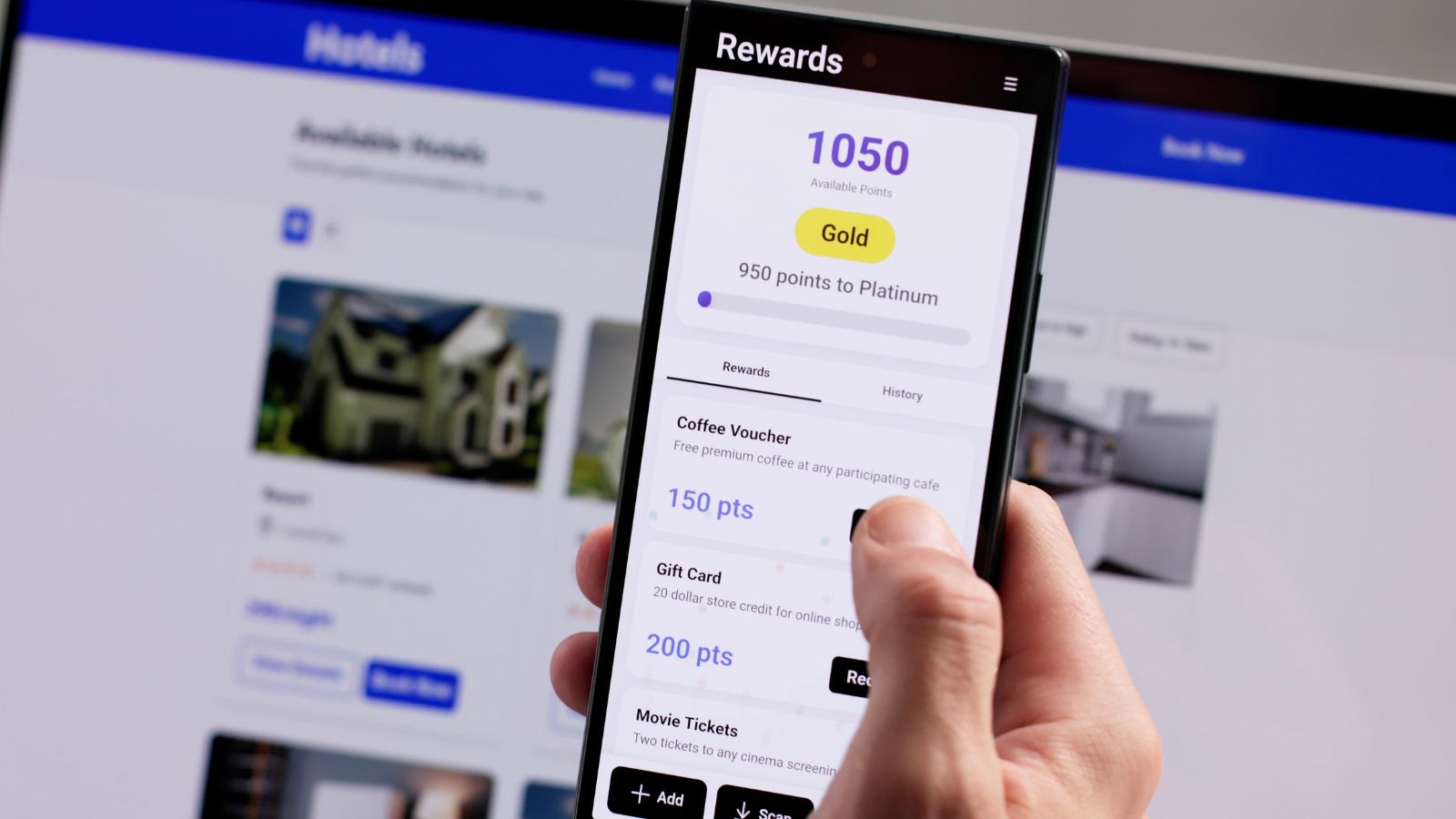
Loyalty accounts can be targets because points often have cash-like value. A stolen account may be used to redeem rewards quickly, change contact details, or link to a payment method. Renewal should include basic security housekeeping: update the password, remove old devices, check recovery email addresses, and enable multi-factor authentication when available. If the account uses the same password as other shopping sites, it deserves immediate attention.
Security also includes watching for phishing. Loyalty programs often send promotional emails, bonus offers, and urgent expiry notices, which can make fake messages harder to spot. A cautious member should avoid clicking unexpected links and instead open the app or official website directly. Points may seem minor compared with a bank account, but they can represent months of shopping. A program that offers weak account controls deserves closer scrutiny before renewal.
Check Whether the Program Links to a Credit Card

Some store loyalty programs become more valuable when paired with a branded credit card, but that does not automatically make them a good fit. A card may offer higher earn rates, financing offers, or exclusive events, while also bringing interest charges, annual fees, hard credit checks, and the temptation to carry a balance. Rewards can quickly lose their value if interest is paid.
Before renewing a loyalty card or app tied to a credit product, separate the two decisions. The store program may be useful even if the credit card is not. Review the annual fee, interest rate, insurance add-ons, foreign transaction fees, and whether rewards are locked to one retailer. A person who pays in full every month may benefit from a strong earn rate. Someone carrying a balance is usually better served by lowering interest costs than chasing points.
Check How Easy It Is to Leave

A trustworthy program should make it reasonably clear how to close an account, delete unnecessary data, unsubscribe from marketing, and redeem or transfer remaining rewards. Renewal is the moment to look for the exit, not after frustration builds. If leaving requires a phone call during limited hours, navigating confusing forms, or forfeiting a large balance without clear notice, that is a warning sign.
This check is not only about convenience. It reveals how much control the customer has. Some programs allow marketing opt-outs while keeping rewards active. Others blur account closure with loss of points, app access, or purchase history. A consumer who no longer shops at a retailer should not have to maintain an account indefinitely just to avoid losing track of personal information. A renewal should feel voluntary, not like a trap with a points balance attached.
Look for Recent Changes to Partners or Redemption Options
Loyalty programs depend heavily on partner networks. Grocery chains, gas stations, airlines, hotels, cinemas, pharmacies, and online marketplaces can join, leave, or change their earning rates. A program that once worked across several weekly errands may become less useful if a key partner disappears or redemption options shrink. Before renewing, check recent notices, emails, app updates, and program news.
This matters because loyalty value often comes from stacking habits. Someone may earn points on gas, groceries, and pharmacy purchases, then redeem them during holidays. If one major partner leaves, the math changes. A travel-focused member may also care about airline or hotel availability, blackout dates, taxes, and booking fees. Renewal should be based on the program as it works now, not the version remembered from two years ago.
Test Whether the App Still Works Well

A loyalty app that crashes, drains battery, loads slowly at checkout, or buries offers behind too many screens can cost time and patience. For some Canadians, the problem is not the rewards structure but the digital experience. A store app may require updates before checkout, log users out without warning, or fail when mobile service is weak inside a large store. Those small failures can turn a discount into a lineup delay.
Before renewing, check recent app reviews, permissions, storage use, and whether the app supports digital cards in a phone wallet. Also test whether receipts, offers, points balances, and customer service links are easy to find. A household juggling groceries, kids, and a busy checkout does not need a rewards system that works only under perfect conditions. A good loyalty app should reduce friction, not create another screen to manage.
Check Whether Personalized Offers Are Actually Useful

Personalized offers can be helpful when they reflect normal purchases, but they can also become repetitive, irrelevant, or designed to steer spending. A shopper who regularly buys coffee may appreciate a targeted discount. A parent who once bought a seasonal item may not need months of related prompts. Renewal should include a review of whether personalization saves money or simply fills the app with distractions.
The most useful programs make repeat purchases cheaper without requiring major behaviour changes. If offers mostly apply to premium sizes, unfamiliar brands, or categories outside normal needs, they may not be worth much. There is also a privacy dimension: personalized deals usually rely on purchase history and behavioural data. If the recommendations are not improving the shopping experience, the trade-off may be poor. A program should know enough to be useful, not so much that it feels intrusive.
Watch for Household Sharing Rules

Many Canadians manage loyalty accounts as households, especially for groceries, fuel, pharmacy, and travel. Renewal should include checking whether points can be pooled, whether family members can redeem from the same balance, and what happens after separation, death, account inactivity, or a change in phone number. These details may seem remote until a large points balance is involved.
A common example is one partner collecting most of the points while another does much of the shopping. If only one phone number, email, or app login controls redemption, the household may face inconvenience or conflict later. Some programs allow authorized users or family pooling; others treat accounts as individual. Before renewing, clarify who can earn, who can redeem, and how identity is verified at checkout. Loyalty value should not depend on one person always being present.
Review Marketing Settings and Notification Pressure

Store apps are built to stay visible. Push notifications, texts, emails, app badges, and “last chance” alerts can create a steady pressure to open, browse, and buy. Renewal should include a marketing-settings audit. Many programs allow members to reduce promotional messages while keeping account access, though the controls may be split between email preferences, phone settings, and in-app permissions.
The issue is not simply annoyance. Frequent alerts can change shopping behaviour by making deals feel urgent even when nothing is needed. A person saving for a large expense may find that daily promotions weaken discipline. Turning off push notifications while keeping receipt emails or security alerts can restore balance. A loyalty program should support planned spending. If its main effect is to make a retailer harder to ignore, renewal deserves a second look.
Check Whether Customer Service Can Fix Missing Points

Missing points are common enough that renewal should include checking the correction process. Some programs require a receipt, transaction number, card scan, or claim within a short deadline. Others make it hard to reach support or require several business days to investigate. If points are a meaningful reason to shop at a retailer, the company should offer a clear way to correct errors.
A practical test is to search the app or website for “missing points” before renewing. Can claims be filed online? Is there a deadline? Are bonus offers handled differently from base points? A shopper who buys during a major event may be disappointed if a loaded offer does not apply and the appeal window closes quickly. The more complicated the promotion, the more important the support process becomes. Rewards should not depend on fighting for every credit.
Compare the Program With Simpler Cash Savings

The final check is the most important: would direct savings be better? A loyalty program may offer points, tiers, badges, birthday gifts, free delivery, or early access, but many households would benefit more from lower prices, a cash-back card, a price-matching routine, or shopping less often. Renewal should compare the program with simpler alternatives that do not require tracking balances or reading changing terms.
This is not an argument against loyalty programs. The best ones can reduce costs when they fit real habits, offer clear redemption value, protect personal information, and avoid pressuring members into unnecessary spending. But a weak program can make savings feel busier than they are. Before renewing, Canadians should ask whether the card or app earns its place. If the answer requires too many exceptions, the cleanest reward may be deleting it.
19 Things Canadians Don’t Realize the CRA Can See About Their Online Income

Earning money online feels simple and informal for many Canadians. Freelancing, selling products, and digital services often start as side projects. The problem appears at tax time. Many people underestimate how much information the CRA can access. Online platforms, banks, and payment processors create detailed records automatically. These records do not disappear once money hits an account. Small gaps in reporting add up quickly.
Here are 19 things Canadians don’t realize the CRA can see about their online income.
