Road-trip season can turn an ordinary vehicle problem into a vacation-changing headache. Long highway stretches, summer heat, heavier loads, mountain grades and hours away from a familiar repair shop can expose weaknesses that short daily drives never reveal. For Canadian drivers, preparation also means accounting for enormous distances, rapidly changing weather and routes where fuel, charging or roadside services may be widely spaced.
A careful pre-trip inspection does not require rebuilding the vehicle from the ground up. It means catching the small issues most likely to become expensive, inconvenient or unsafe once the kilometres start piling up. These 21 checks cover the vehicle itself, emergency preparation, passenger safety and trip planning, giving drivers a practical way to reduce unpleasant surprises before the first suitcase reaches the trunk.
Tire Pressure, Tread and Visible Damage
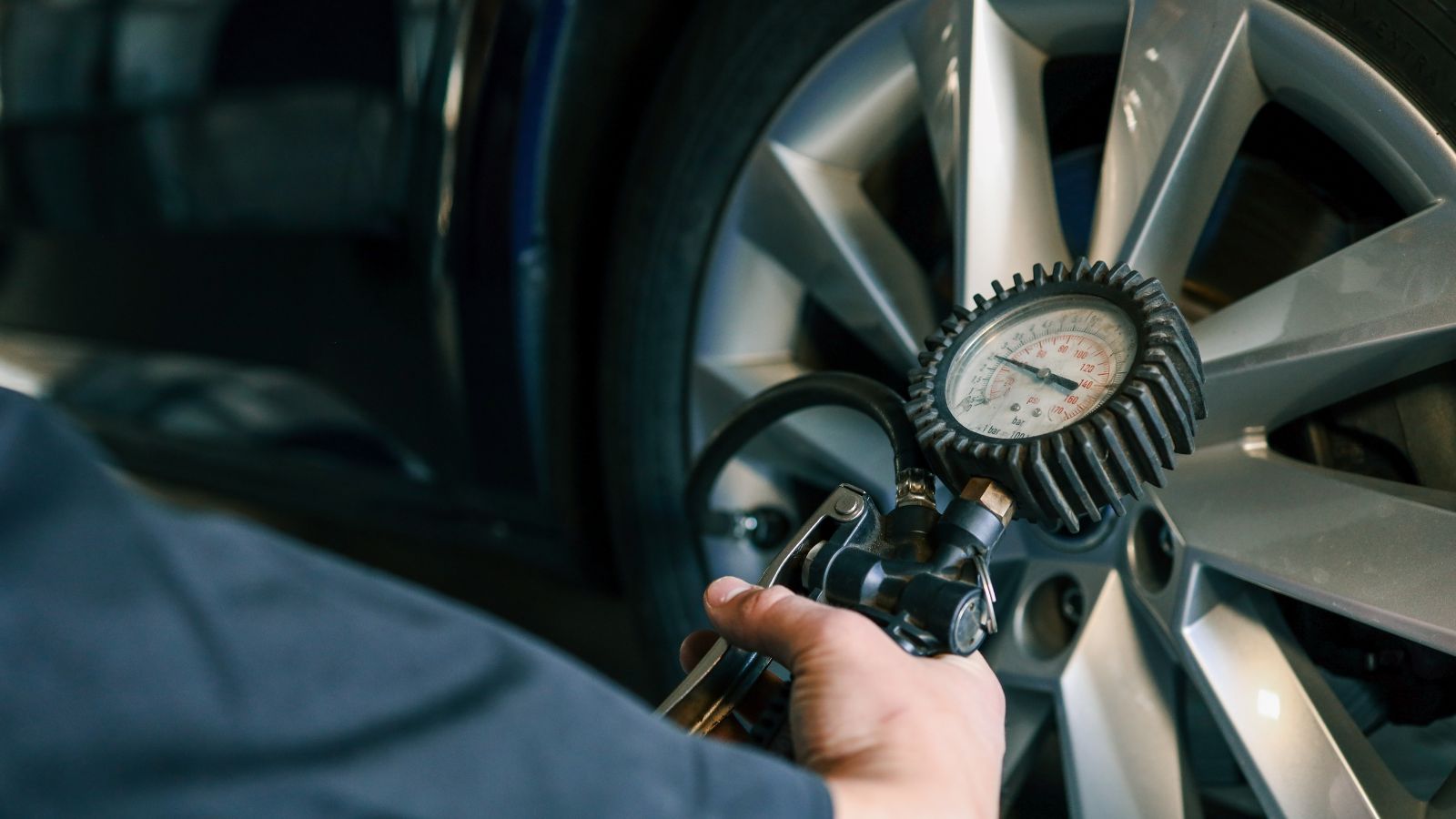
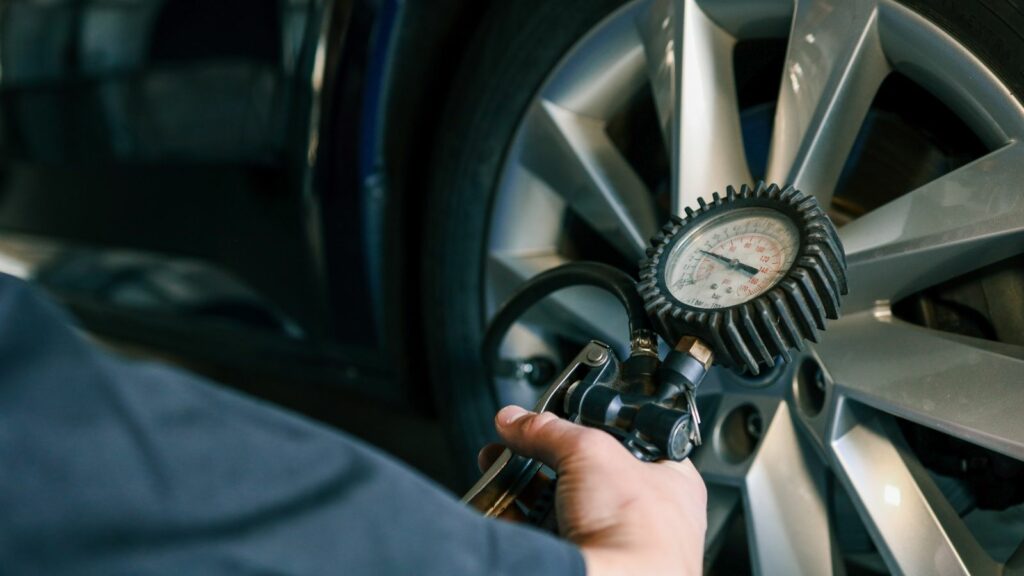
Tires deserve more than a quick kick before a long drive. Pressure should be checked against the vehicle manufacturer’s recommended specification, normally found on the driver’s-door placard or in the owner’s manual. Transport Canada warns that underinflation increases rolling resistance, accelerates tread wear and raises fuel consumption. Its tire guidance notes that operating with a tire underinflated by 56 kPa, or 8 psi, can shorten tire life by approximately 15,000 kilometres and increase fuel consumption by about four per cent. Pressure is best assessed when tires are cold rather than immediately after highway driving.
A road-trip inspection should also include the tread and sidewalls. Drivers can look for cuts, cracking, bulges, embedded objects and uneven wear rather than assuming adequate air pressure means the tire is healthy. A worn or damaged tire that survives weeks of short commuting may behave very differently after several hours at highway speed with passengers and luggage aboard. Any questionable bulge, exposed material or unexplained pressure loss deserves professional attention before departure.
The Spare Tire, Jack and Flat-Tire Equipment
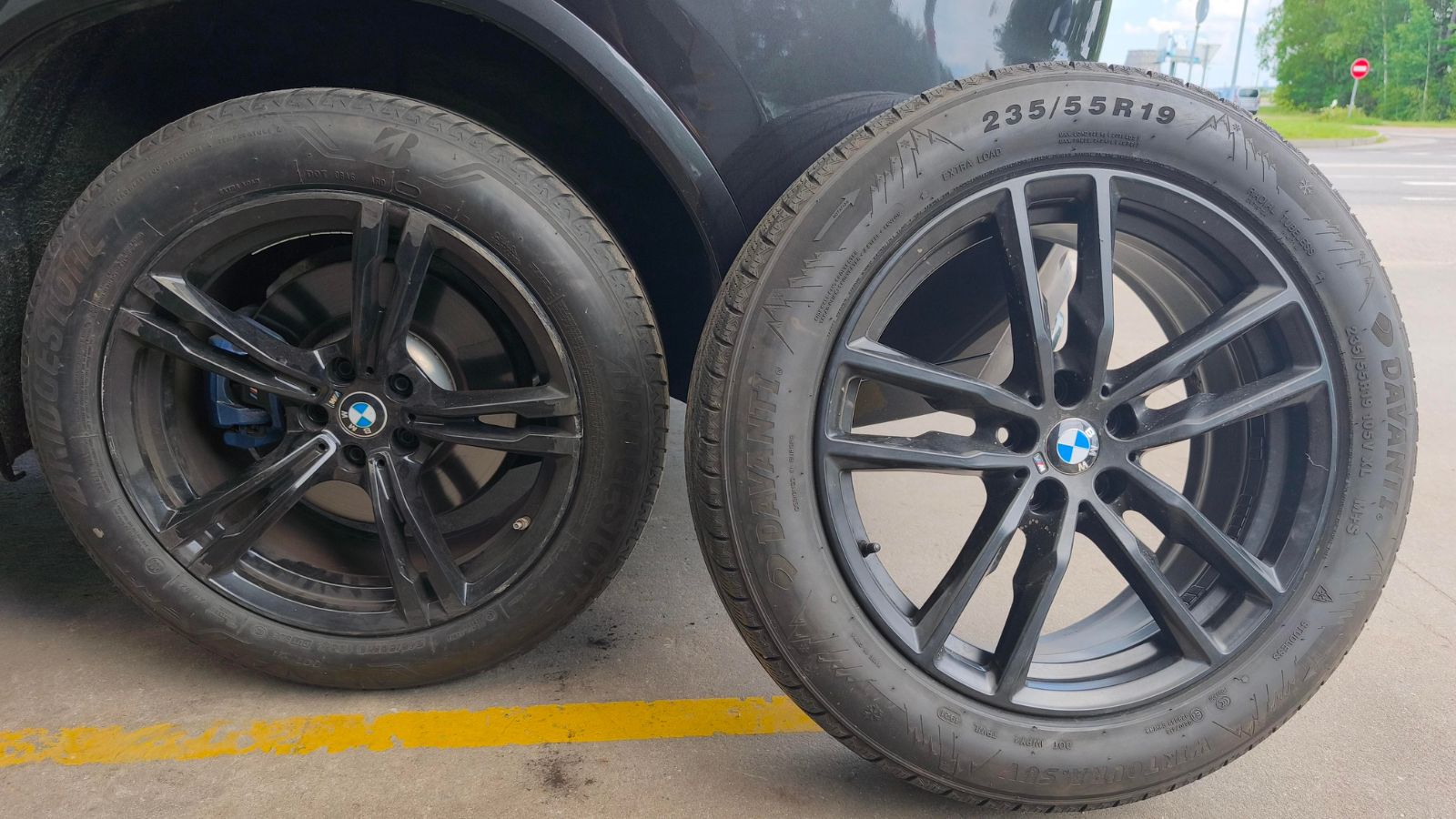
The spare tire is easy to forget because it can sit untouched for years, sometimes hidden beneath a cargo floor or underneath the vehicle. Before travelling, drivers should confirm whether their vehicle actually carries a spare. Some newer models rely instead on an inflator, sealant kit or other temporary mobility system. If a spare is present, its pressure and condition should be checked along with the jack, wheel wrench and any special locking-wheel-nut key. Discovering that the key is sitting in a garage drawer is particularly frustrating when the vehicle is hundreds of kilometres from home.
This check matters even for drivers with roadside assistance. CAA Atlantic’s current roadside terms, for example, state that technicians can replace a flat tire when an inflated, mounted spare or emergency tire is available; when no usable spare is available, towing may be required instead. Drivers using a repair kit should also look for expiry dates or manufacturer instructions. A few minutes spent locating the equipment beforehand can turn a roadside flat from a major logistical problem into a manageable interruption.
Brakes That Feel or Sound Different

A long trip is not the time to investigate a brake pedal that suddenly feels different. Transport Canada recommends paying attention to symptoms including pulling while braking, unusual pedal feel, squealing or grinding. Those signs do not automatically identify a specific failed component, but they are enough to justify an inspection. Brake pads, rotors, fluid, calipers and related hardware all operate as part of a system, so guessing at the cause based solely on sound can miss the real issue.
Road-trip conditions can also demand more from that system than a normal commute. A vehicle carrying several passengers and a packed trunk may spend hours at highway speeds and then encounter steep descents, congested tourist towns or repeated stop-and-go traffic. A minor vibration that seems tolerable on the trip to work becomes much less reassuring halfway down a mountain grade. Drivers who notice grinding, a spongy pedal, vibration, warning lights or a tendency for the vehicle to pull should have the brakes assessed before adding hundreds or thousands of kilometres.
Engine Oil Level and Service Schedule
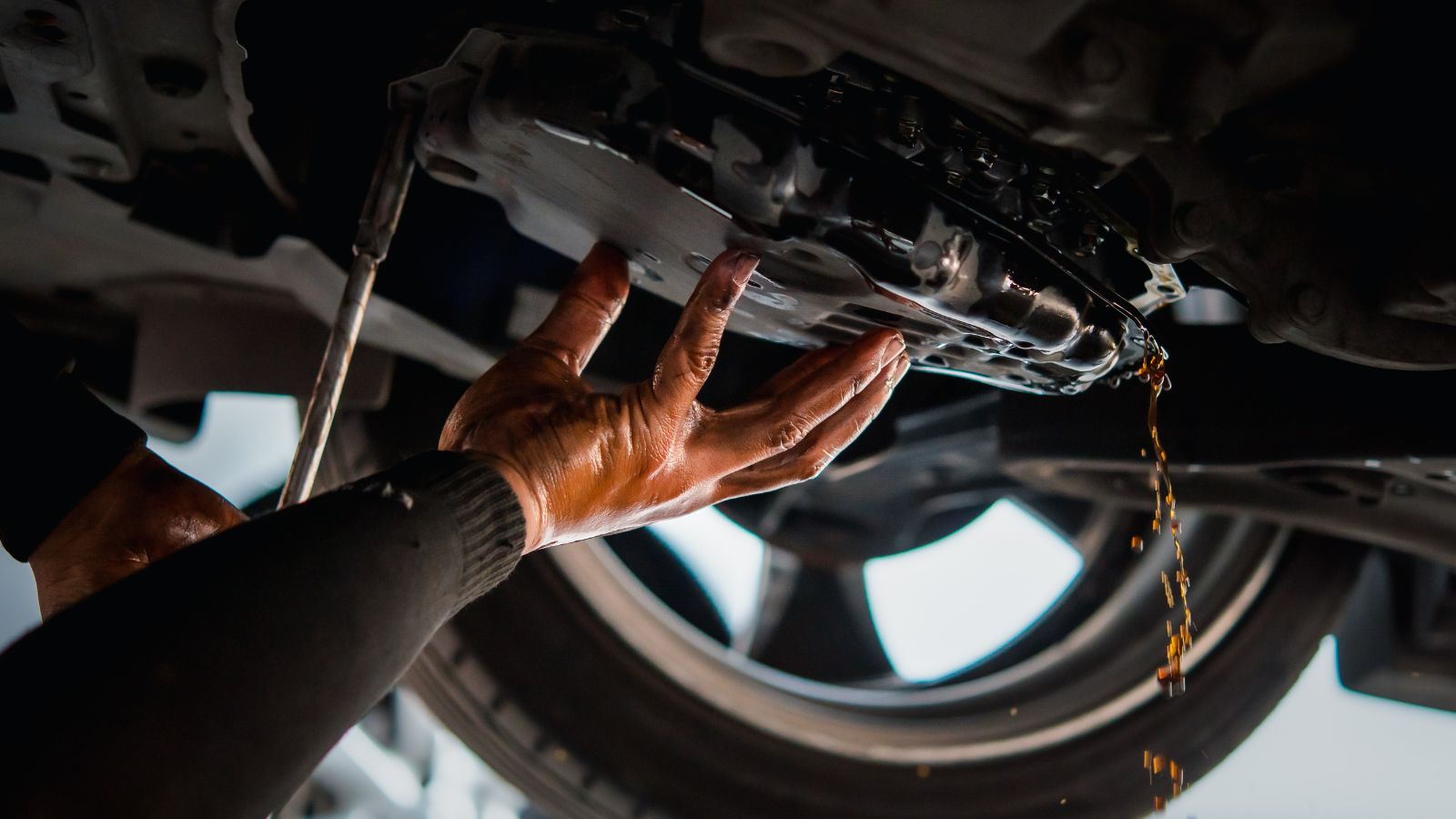
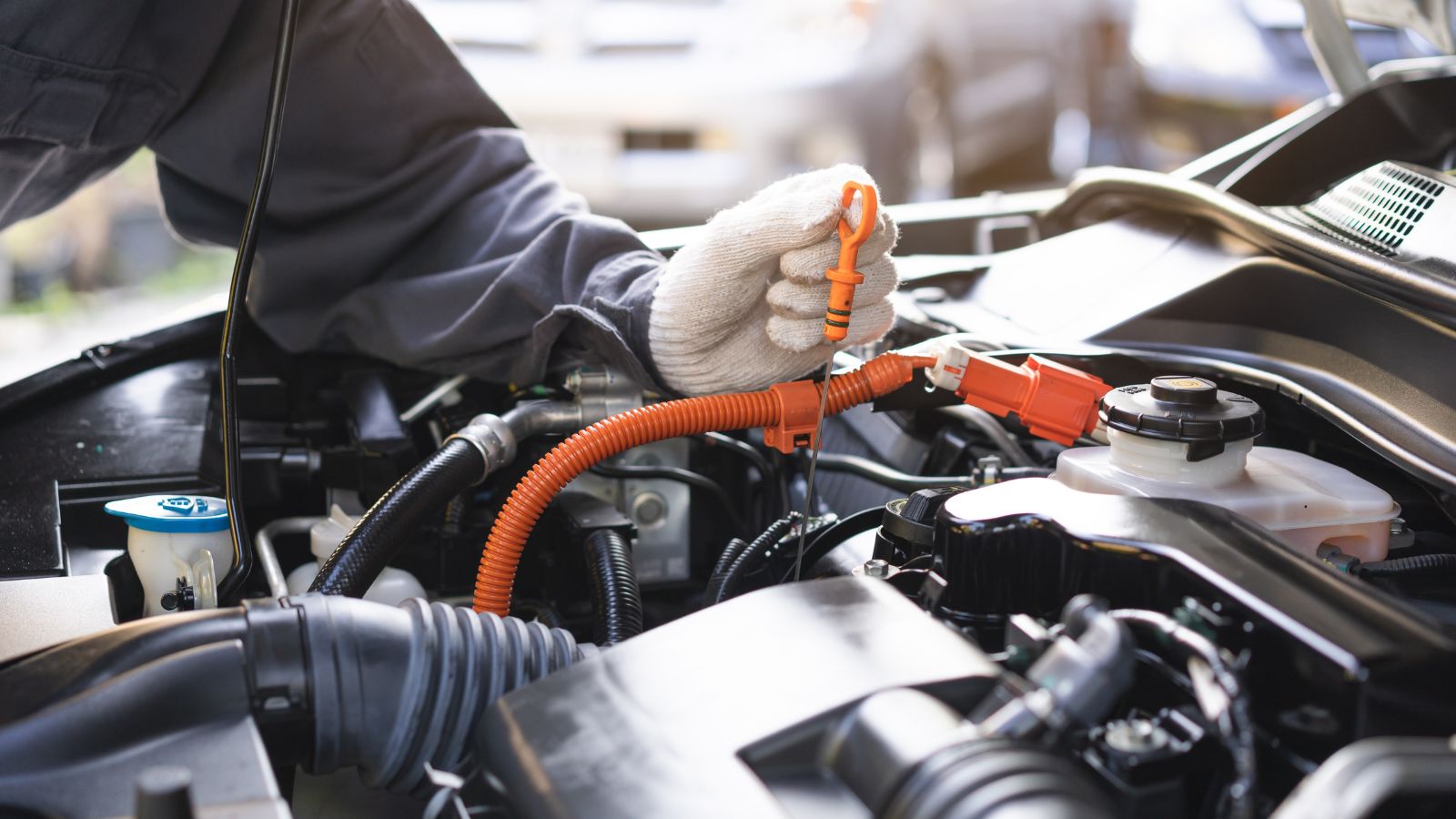
Engine oil is one of the least glamorous road-trip checks, but neglecting it can produce some of the most expensive consequences. The oil level should be checked according to the procedure specified for the vehicle, since manufacturers can differ on the correct method. Drivers should also look at the maintenance reminder or service records rather than assuming an oil change is unnecessary simply because the vehicle feels normal. CAA recommends following the oil-change schedule in the owner’s manual and notes that neglected oil can contribute to poor performance and severe engine damage.
A long trip may also be a reason to complete scheduled maintenance slightly before departure rather than planning to deal with it midway through the vacation. That is particularly practical when the trip will add several thousand kilometres. Drivers should use the oil specification required by the manufacturer rather than choosing a grade based on habit or what another vehicle used. An oil warning light, evidence of a significant leak or a level that repeatedly drops deserves diagnosis. Adding oil can restore the level, but it does not explain why the oil disappeared.
Coolant and the Cooling System
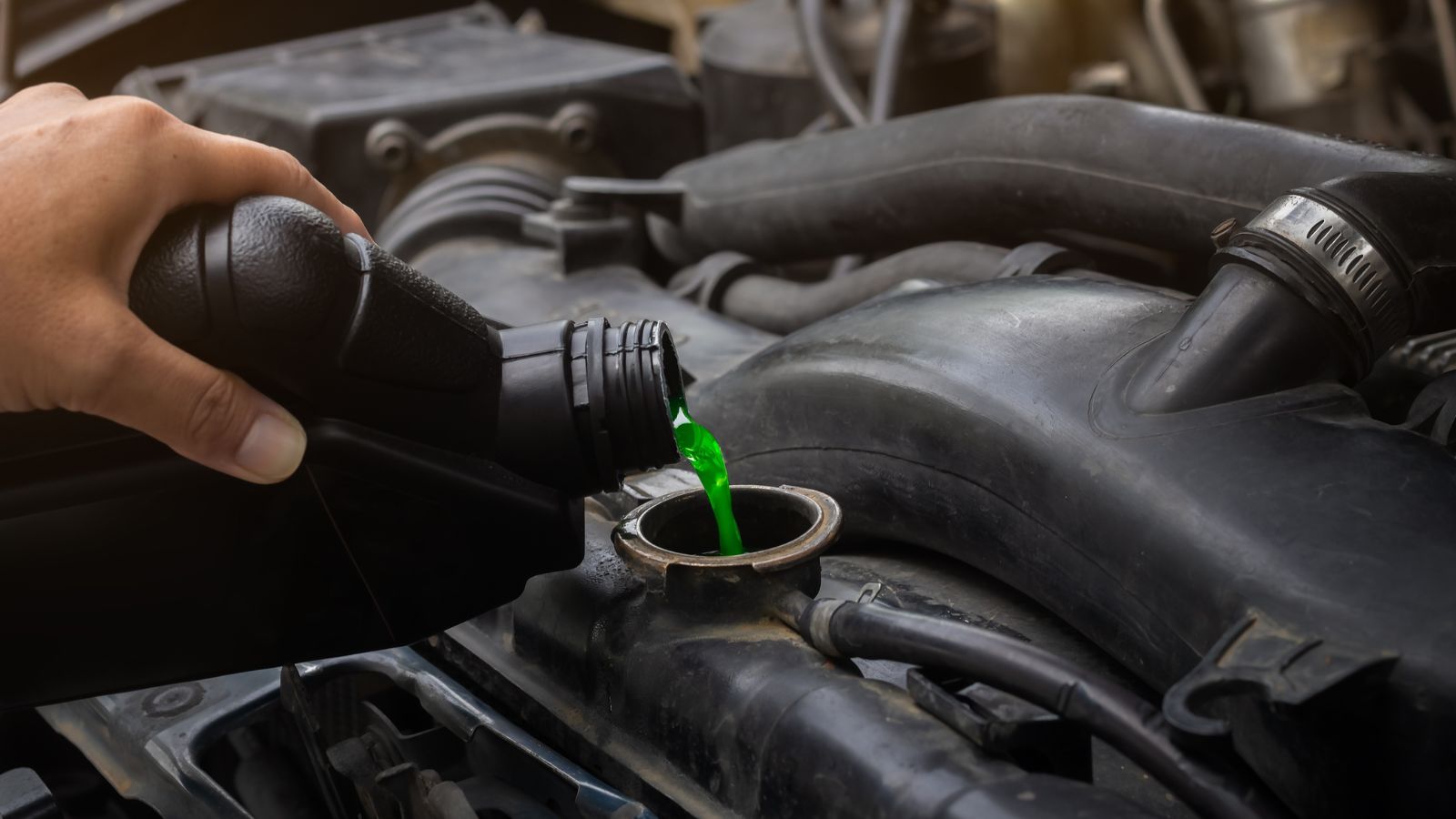
Canadian summers can produce genuine heat, and road trips frequently combine high temperatures with long climbs, slow traffic and heavy loads. That makes the cooling system worth checking before departure. With the engine cold, drivers can inspect the coolant reservoir according to the owner’s manual and look around the vehicle for evidence of leakage. Coolant type also matters, so topping up should follow manufacturer specifications rather than relying on the assumption that every antifreeze product is interchangeable.
CAA’s 2026 summer-maintenance guidance notes that high ambient temperatures place additional demands on the cooling system and recommends maintaining appropriate coolant and engine-oil levels. Temperature gauges and dashboard warnings should never be dismissed simply because the vehicle still seems to be running normally. A temperature warning, steam, a sudden coolant smell or evidence of overheating can signal a problem requiring immediate attention. For a family headed across the Prairies, through interior British Columbia or into remote cottage country, resolving a suspicious cooling-system issue at home is considerably easier than finding a suitable repair facility after the engine overheats.
Battery Health and Terminal Condition
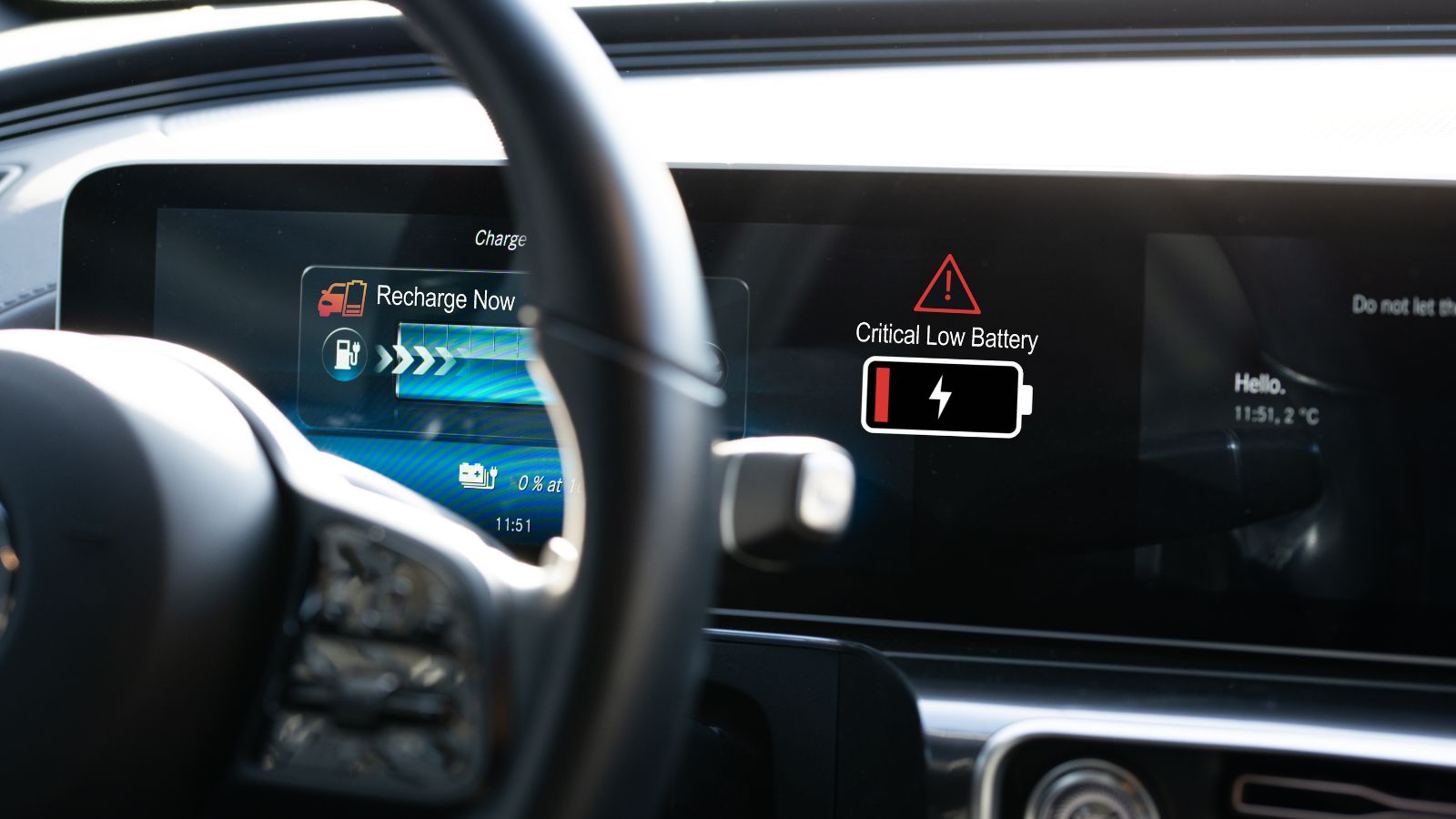
Battery trouble is often associated with bitter Canadian winters, but summer does not give the electrical system a free pass. CAA notes that high temperatures can also take a toll on batteries and recommends inspecting terminals for looseness and corrosion while considering a battery test before a major trip. Slow cranking, dim lights during starting, electrical warnings or an aging battery with a history of needing boosts are good reasons to investigate rather than hope the problem disappears.
The practical issue is not merely whether the vehicle starts in the driveway on departure morning. Road trips involve repeated starts at hotels, restaurants, trailheads and fuel stops, sometimes far from a large community. They also bring greater use of phone chargers, entertainment systems and other electrical accessories. Drivers should confirm that terminals are secure and watch for obvious battery damage such as swelling or leakage. A professional test can provide more useful information than visual inspection alone. Replacing a clearly failing battery before vacation is usually far simpler than reorganizing an itinerary around a vehicle that will not restart at a remote stop.
Wiper Blades and Washer Fluid
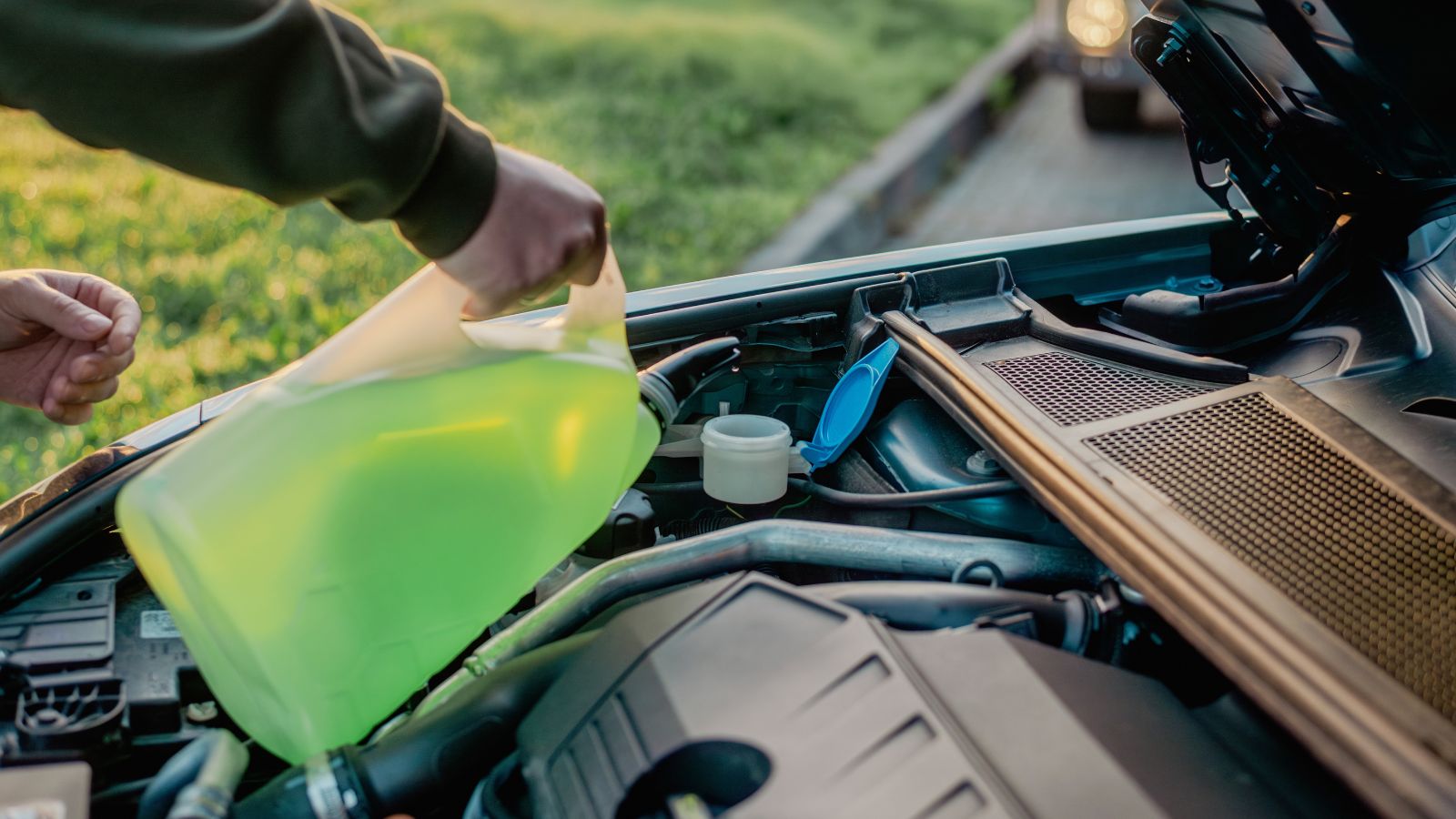
A windshield that looks perfectly clear in the driveway can become difficult to see through after ten minutes of heavy rain or an afternoon of insects on the highway. Drivers should inspect the front wiper blades for cracking, tearing, hardening or streaking and test the washers before leaving. Vehicles equipped with rear wipers deserve the same attention. Washer-fluid level should also be checked, with a formula appropriate for the expected temperatures along the route.
This is more than a convenience issue. Canada’s Motor Vehicle Safety Regulations contain standards for windshield wiping and washing systems because maintaining forward visibility is fundamental to safe operation. CAA likewise recommends replacing damaged wiper blades rather than waiting until poor weather exposes the problem. Road trips create unusually varied conditions: sunshine may turn into a thunderstorm within an hour, while dusty construction zones can coat glass quickly. Carrying additional washer fluid can be especially useful on long routes. If the washer pump runs but nothing reaches the windshield, diagnosing a blocked nozzle, empty reservoir or system failure before departure is preferable to discovering it during a downpour.
Headlights, Brake Lights and Turn Signals

Drivers often notice a failed headlight quickly but can go days without realizing that a rear brake light or turn signal is not functioning properly. Before a road trip, it is worth checking low beams, high beams, tail lamps, brake lamps, turn signals and hazard flashers. A second person can make the process easy, although reflected light from a garage door or window can also help identify whether rear lamps are working.
Transport Canada has repeatedly emphasized the importance of vehicle lighting for both seeing and being seen. It has specifically warned about so-called “phantom vehicles,” where drivers see illuminated dashboard instruments and mistakenly believe their exterior lights are operating. Road trips make lighting particularly important because an itinerary that begins in daylight can easily stretch past sunset or into heavy rain. Drivers should also make sure headlamp lenses are reasonably clean and that lights are not obviously misaligned. A functioning lighting system helps communicate braking and turning intentions to everyone else on the road, something that becomes increasingly important when traffic is dense and unfamiliar highways require last-minute navigation decisions.
Steering, Suspension and Wheel Alignment
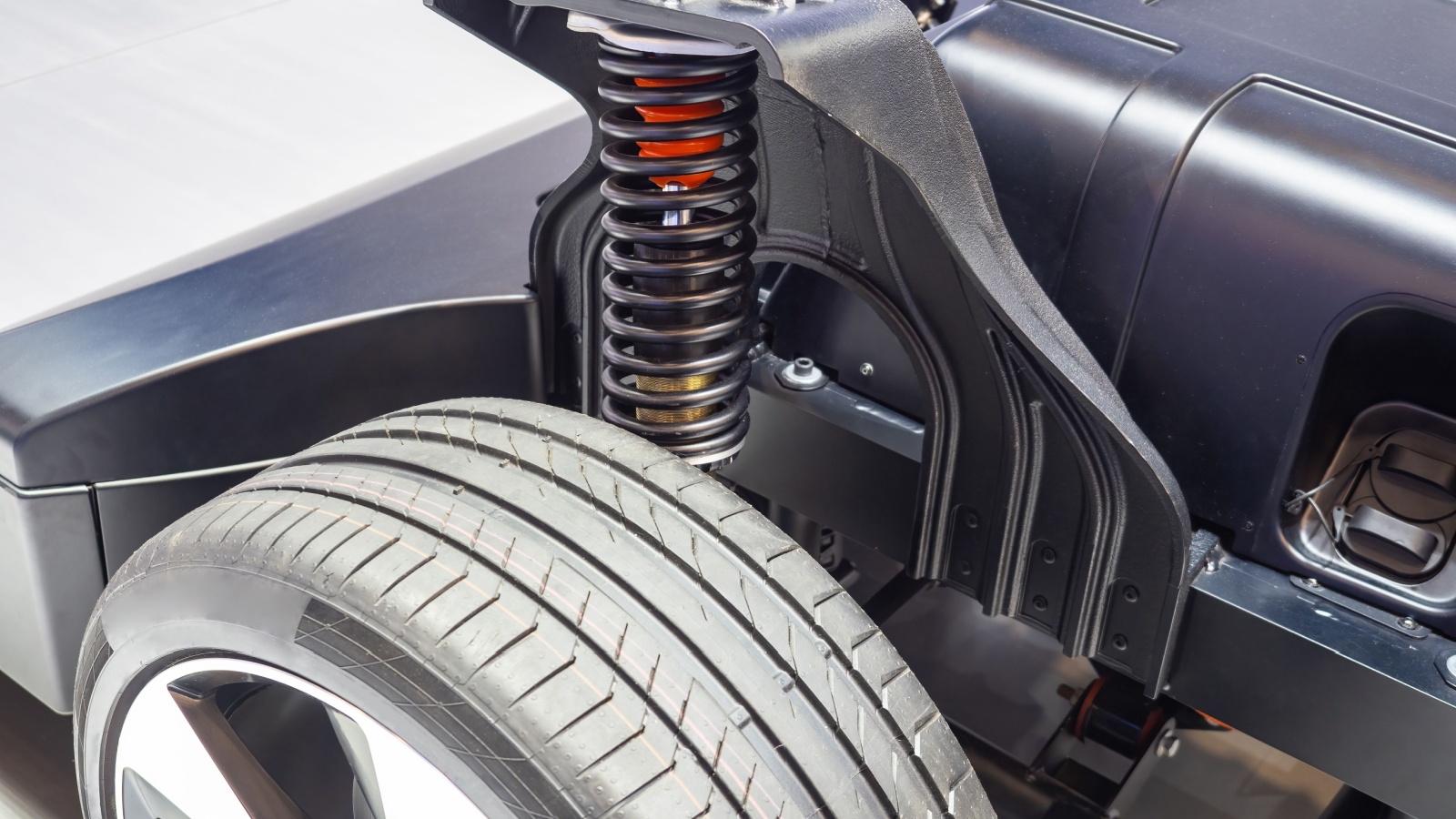
Canadian winter roads can leave a springtime reminder in the form of potholes, broken pavement and alignment problems. Alberta Motor Association guidance recommends paying attention to suspension and wheel alignment after rough-road exposure, especially when something begins to feel unusual. Warning signs may include a vehicle that consistently pulls, an off-centre steering wheel, unusual vibration or uneven tire wear. These symptoms can have several causes, making professional inspection useful when the change is persistent.
Alignment and suspension problems are particularly easy to postpone because the vehicle may still drive. A road trip changes the calculation. Hundreds of highway kilometres can magnify irregular tire wear, while loose or worn suspension components can make the vehicle less pleasant and predictable to control. Drivers can start by inspecting tires for uneven wear and thinking about whether the steering behaviour has changed recently. Anyone who remembers hitting a severe pothole or curb during winter has another reason to take a closer look. Correcting a genuine problem before the trip also avoids spending vacation time hunting for an unfamiliar alignment or suspension shop.
Belts, Hoses and Scheduled Under-Hood Maintenance
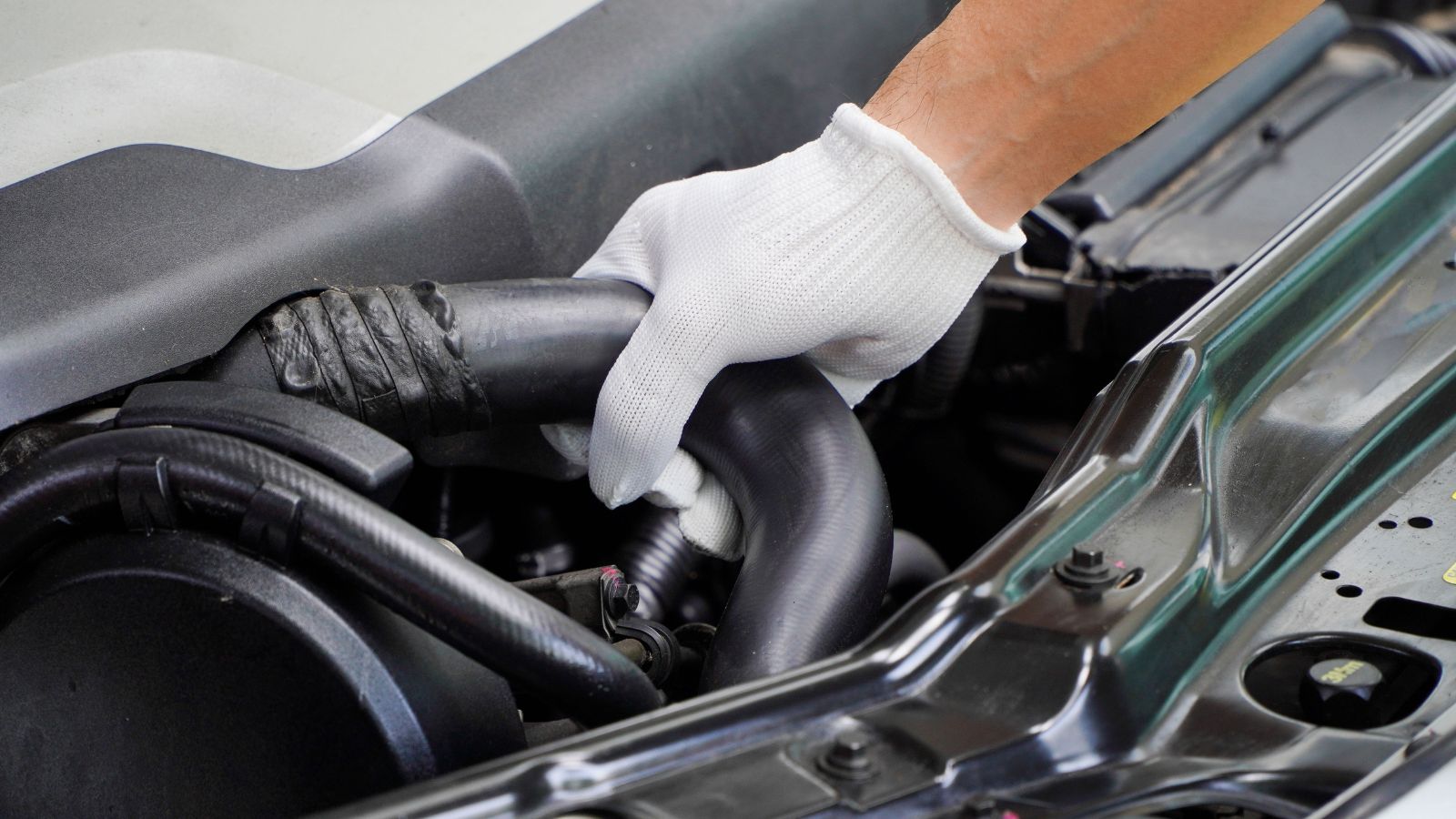
Not every important component has a dashboard warning dedicated to it. Belts and hoses can deteriorate gradually, which is why the owner’s maintenance schedule remains important even when a vehicle appears to be running well. Alberta Motor Association’s current spring-maintenance guidance advises following the manufacturer’s schedule for items such as belts and other engine-related service. Drivers who are comfortable looking under the hood can watch for obvious cracking, fraying, leakage or visibly deteriorated rubber, while uncertain findings should be left to a qualified technician.
The consequences of a failure depend on the vehicle. On many engines, accessory belts are involved in operating critical components such as the alternator or water pump, while cooling-system hoses carry hot fluid under pressure. That makes preventive attention particularly valuable before a long-distance drive. An older vehicle approaching a scheduled belt replacement or showing signs of coolant seepage deserves more attention than one with recently serviced components. The goal is not to replace parts unnecessarily but to identify maintenance already due and finish it before a minor weakness becomes a roadside breakdown.
Windshield, Mirrors and Overall Visibility

Road-trip preparation should include the surfaces the driver depends on to understand what is happening around the vehicle. The windshield should be cleaned inside as well as outside, because haze on the interior can become surprisingly distracting when sunlight strikes at a low angle. Mirrors should be clean, properly adjusted and secure. Drivers should also look for chips, cracks or damage in the areas used for forward vision rather than assuming a defect is harmless because it has been present for months.
Transport Canada’s vehicle standards treat glazing, mirrors, rear visibility, wiping and defogging as safety-related systems. That broader perspective matters because clear vision depends on several components working together. A small chip may warrant professional evaluation before a long drive, particularly if the route includes rough roads or large temperature changes. Vehicles with cameras or sensors mounted near the windshield may also have manufacturer-specific service requirements after glass replacement. A clear windshield and correctly positioned mirrors will never be the most exciting part of vacation preparation, but they are among the few vehicle features a driver relies on virtually every second the car is moving.
Air Conditioning, Defogging and Cabin Airflow
Air conditioning often gets treated as a luxury until it stops working during a long summer drive. Before road-trip season, drivers should test whether the system produces consistent cooling and whether the fan works through its normal range of settings. Alberta Motor Association notes that warm air from an A/C system can stem from problems such as refrigerant leakage, compressor failure, a clogged filter or a blower issue. A system that has noticeably weakened since the previous summer is worth investigating before the hottest travel days arrive.
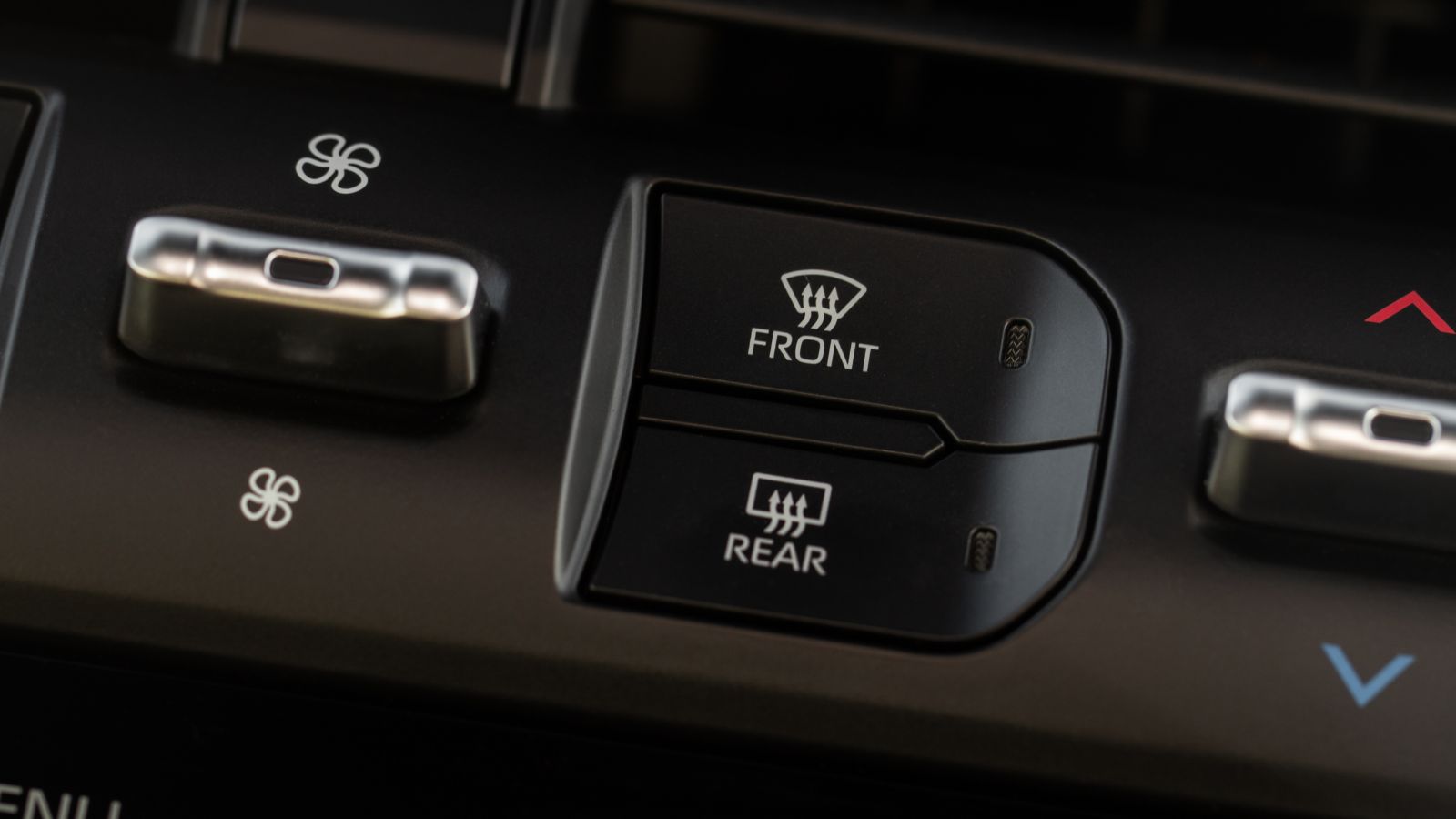
Visibility is another reason to check the climate-control system. Canada’s vehicle standards include windshield defrosting and defogging requirements, and drivers may need those functions even during summer when humid air causes glass to fog rapidly. Testing the front defogger and, where fitted, rear defroster takes only a moment. Families travelling with several passengers can also place greater demand on cabin ventilation. A failing blower or climate-control system discovered at the start of a multi-day trip can turn otherwise manageable heat and humidity into a significant distraction, making pre-trip testing a small task with a large comfort payoff.
Outstanding Vehicle Safety Recalls
A road trip is a good reason to check whether a vehicle has an unresolved safety recall. Transport Canada maintains recall information covering vehicles, tires and child car seats and directs owners to VIN-based recall resources. The vehicle identification number can normally be found on the dashboard near the windshield, on vehicle documents or on manufacturer labels. Because a recall may involve a problem that has not yet produced any obvious symptom, waiting for the vehicle to “act up” is not a reliable strategy.
Drivers should check the Transport Canada recall database and, where available, the manufacturer’s own VIN lookup. If an outstanding campaign appears, the manufacturer or dealer can confirm whether the specific vehicle requires corrective work and explain the next steps. This is particularly useful for older vehicles that have changed owners, since contact information in a manufacturer’s database may not always reflect the current household. The check takes little time and can uncover issues involving components a normal visual inspection would never reveal. Tires and child restraints travelling with the family can be checked for recalls as well.
Fuel Range or EV Charging Plans
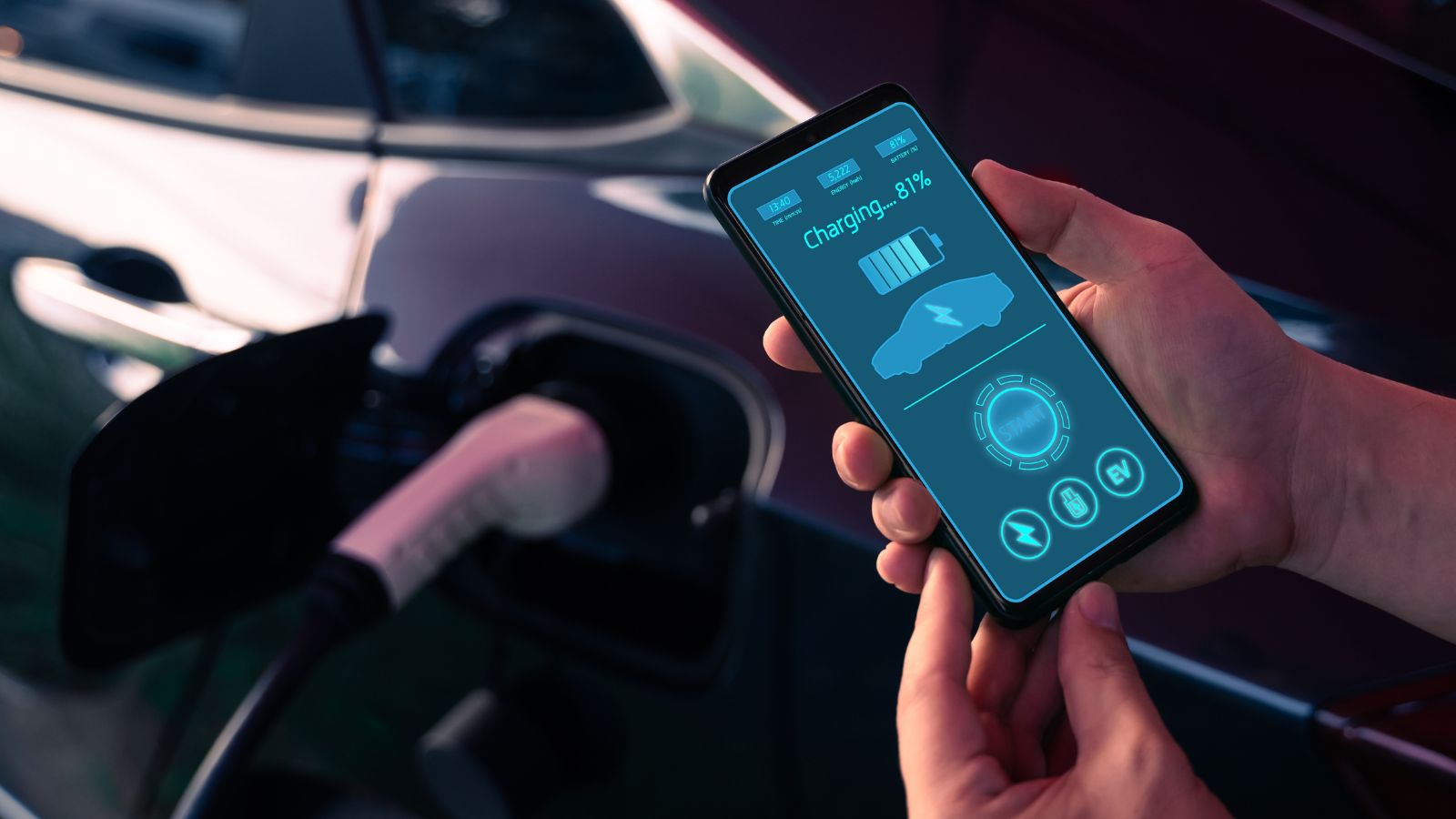
A full tank or battery at departure is only the beginning of a sensible energy plan. Drivers travelling through unfamiliar parts of Canada should identify where they expect to refuel or recharge, particularly when the route passes through rural or remote areas. For electric-vehicle drivers, Natural Resources Canada provides an Electric Charging and Alternative Fuelling Stations Locator specifically to help travellers find charging and alternative-fuel stations. Planning several realistic stops reduces dependence on finding a suitable station at the exact moment energy runs low.
EV drivers can also benefit from identifying backup charging locations rather than building an itinerary around a single charger. Charging speed, vehicle compatibility and access arrangements can differ, so checking the vehicle’s navigation system and charging-network information before leaving can prevent unnecessary detours. Gasoline and diesel drivers face a simpler task but should still consider station spacing on less-travelled routes. Towing, heavy cargo, terrain and driving conditions can change real-world energy consumption. A trip plan with a reasonable reserve provides more flexibility when a planned stop is closed, occupied, out of service or simply farther away than expected.
Driver’s Licence, Registration and Insurance Coverage

Mechanical preparation will not help much if essential documentation has expired. Before departure, drivers should check the validity of their driver’s licence and vehicle registration and make sure acceptable proof of insurance is available. The Government of Canada states that driving without automobile insurance is illegal in Canada, while licensing, registration and many driving requirements are administered provincially or territorially. That makes it important to follow the rules that apply in the vehicle’s home jurisdiction and anywhere else the trip will pass through.
The insurance policy itself deserves a quick review as well. The Financial Consumer Agency of Canada explains that policies differ in what they cover and notes that additional drivers can affect coverage arrangements. If several adults will share driving duties, the policy should be checked rather than assumptions made. Drivers may also want to know whether their coverage includes roadside assistance, rental transportation or other benefits after a collision or breakdown. Keeping insurer contact information accessible can save considerable stress if an incident occurs hundreds of kilometres from home.
A Properly Stocked Emergency Car Kit
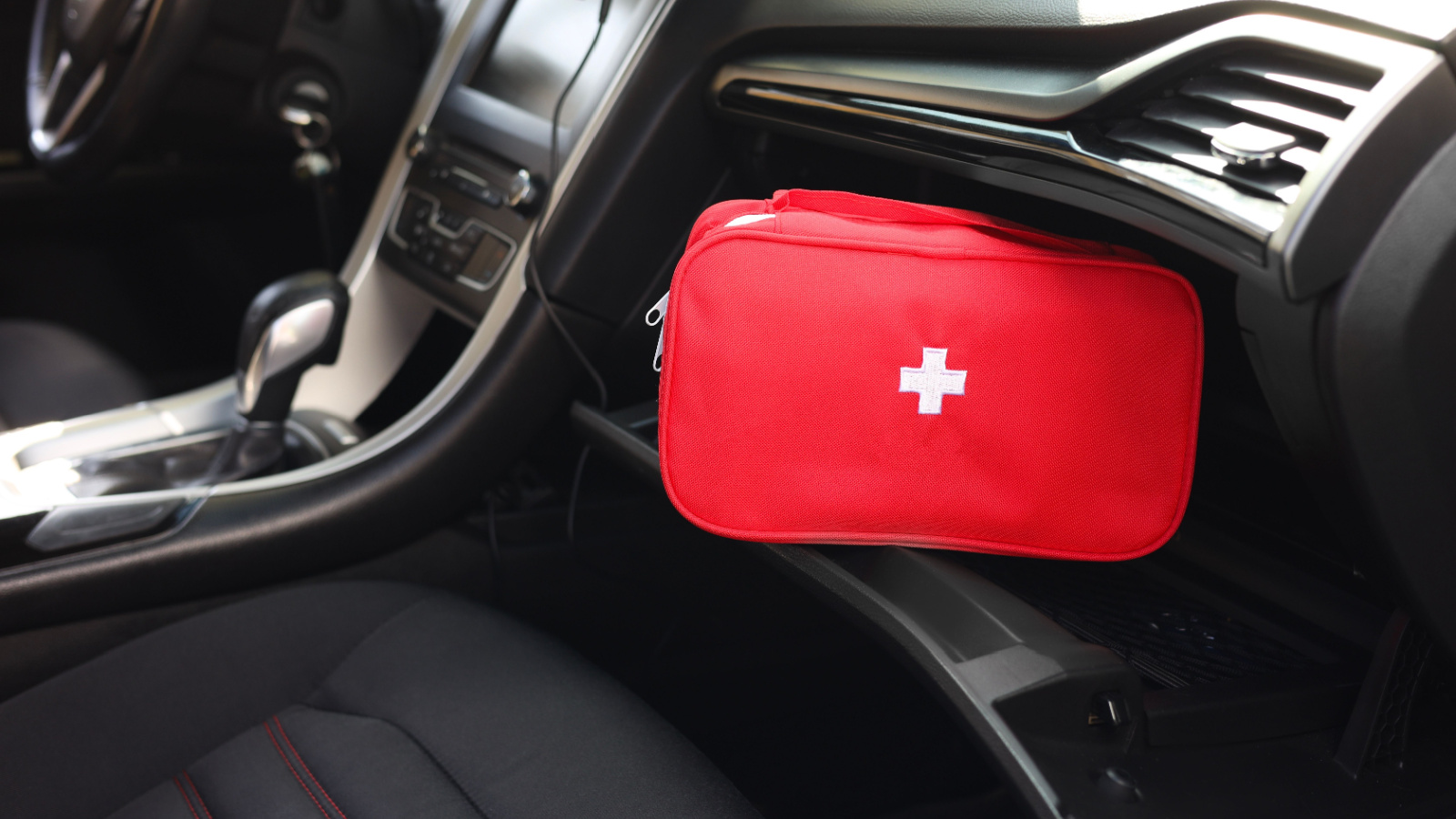
An emergency kit tends to remain invisible until the exact moment it becomes important. The federal Get Prepared program recommends keeping a car kit containing items such as a first-aid kit, flashlight, warning equipment, jumper cables, tow rope and other emergency supplies. Before road-trip season, drivers should actually open the kit rather than assume everything purchased years ago is still usable. Batteries can discharge, food can expire, water containers can leak and equipment may have migrated into the garage.
Summer travel calls for practical additions based on the route and passengers. Drinking water, phone-charging capability, basic food, necessary personal medication and an accessible flashlight can be valuable during an unexpected delay. Remote travel may justify more preparation than a drive between major cities. The kit should also be stored where it can be reached without unloading an entire vehicle. A warning triangle buried beneath camping gear is far less useful after a roadside breakdown. The federal guidance emphasizes keeping emergency supplies organized and accessible, which is a simple principle that applies in every season.
Child Seats, Boosters and Passenger Restraints

Families travelling with children should give car seats and boosters their own pre-trip check. Transport Canada states that properly installing the appropriate child restraint is central to keeping children safe and provides guidance covering rear-facing seats, forward-facing seats, boosters and seat belts. Drivers should review both the child-seat instructions and the vehicle owner’s manual, because installation details vary among vehicles and restraint models. Transport Canada also advises consumers to look for the National Safety Mark on seats intended for use in Canada.
A road trip is an especially good time to recheck a restraint that has remained installed for months. Children grow, harness settings change and seats can be loosened when luggage or passengers are moved around. Families can also check whether the seat has been recalled and whether any manufacturer limits or expiry information need attention. The same preparation should extend to every passenger: seat belts should be accessible rather than trapped behind luggage, and seating positions should not be compromised by cargo. A comfortable setup encourages everyone to remain properly restrained throughout a long day of driving.
Cargo Weight, Roof Racks and Loose Gear

The luggage may fit, but that does not automatically mean it is loaded well. Drivers should check the vehicle’s payload information and the limits of any roof rack, cargo box or accessory carrier rather than judging capacity by available space alone. Transport Canada has warned in its passenger-van guidance that roof cargo affects vehicle loading and recommends keeping heavier items inside rather than unnecessarily raising the vehicle’s centre of gravity. Provincial rules can also require loads to be secured so they cannot escape, shift or interfere with vehicle operation.
Inside the vehicle, heavy loose objects should not be left where they can move freely during hard braking or a collision. Outside, bikes, kayaks, camping gear and rooftop containers deserve a final physical check after straps and fasteners are tightened. CAA also notes that roof racks and other external carriers add aerodynamic drag and can increase energy consumption. A heavily loaded road-trip vehicle will naturally feel different from an empty commuter car, so staying within manufacturer limits matters. Packing carefully improves organization, but its more important purpose is keeping the vehicle stable and preventing luggage from becoming a hazard.
Trailer Hitch, Wiring, Tires and Towing Limits
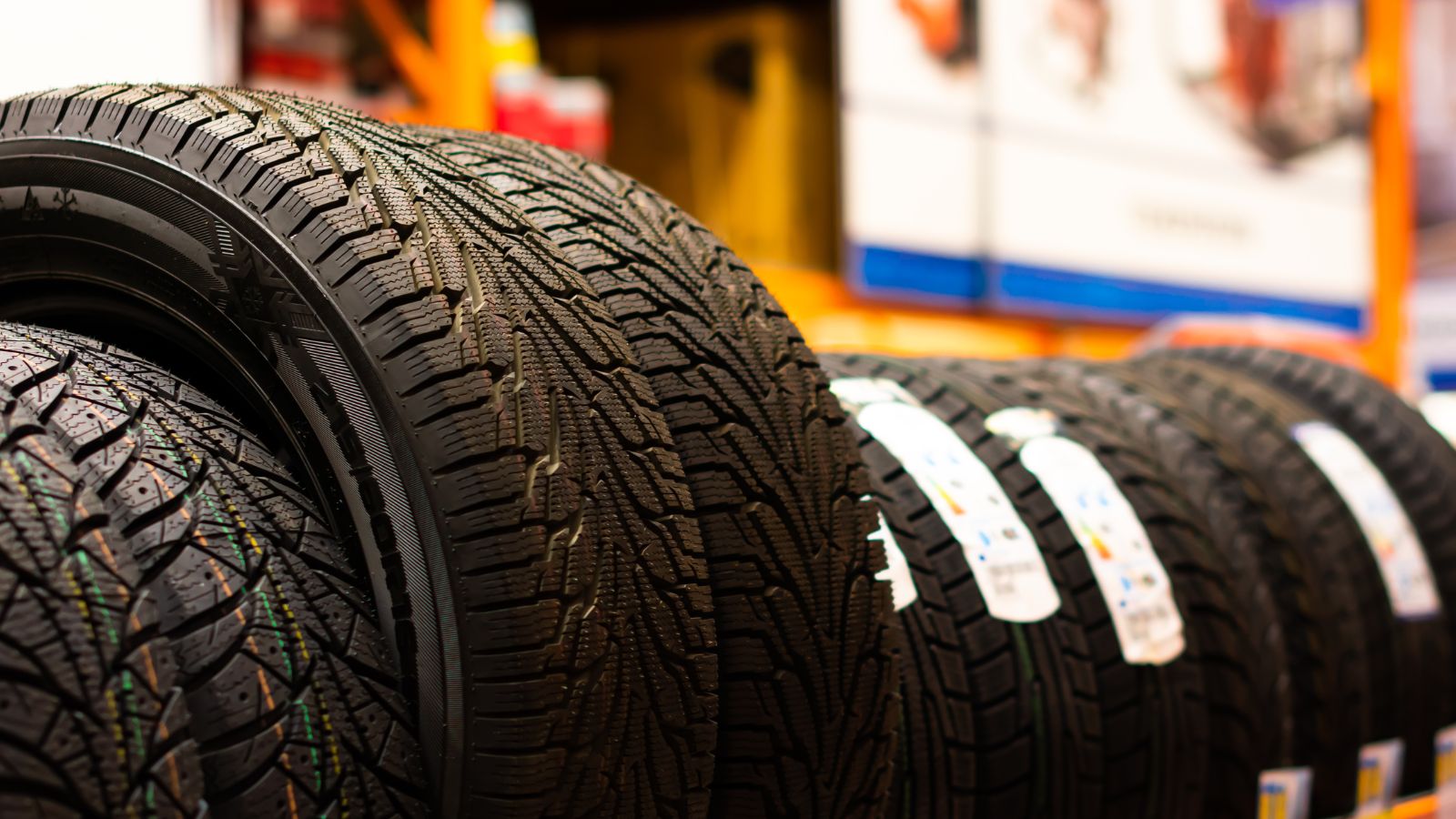
Drivers towing a boat, camper or utility trailer have an additional vehicle system to inspect. The first step is confirming the tow vehicle’s rated capacity and the trailer’s loaded weight rather than relying on the empty weight printed in an advertisement. The hitch, coupler, safety chains, electrical connection and trailer lights should all be checked before departure. Trailer tires deserve the same attention as the tow vehicle’s tires, including inflation, tread and visible deterioration.
Rules governing trailer brakes, licensing and allowable weights vary among Canadian provinces, making local requirements important. Ontario’s official driver’s handbook, for example, includes specific towing and trailer-brake requirements, while British Columbia has its own licence and recreational-trailer rules. Drivers crossing provincial boundaries should therefore confirm what applies to their particular combination. Manufacturer limits remain important regardless of jurisdiction. A trailer that was manageable on a short local trip may behave differently when fully loaded for vacation, facing crosswinds or climbing mountain highways. Checking everything while parked at home is far easier than diagnosing unstable towing behaviour at speed.
Road Conditions, Construction and Alternate Routes

A road that was clear when the hotel was booked may look very different on departure morning. Transport Canada recommends checking road and weather conditions before travelling and notes that many provinces and territories operate 511 traveller-information services or related apps. These systems can provide information about construction, incidents, closures, weather and highway conditions. Checking shortly before departure is especially useful because conditions can change faster than a printed itinerary.
Drivers should also have an alternate route in mind when travelling through areas with limited highway options. Navigation apps are convenient, but downloading maps or recording key stops can provide a backup in areas with poor mobile coverage. Fuel or charging stops, rest areas and realistic driving times should be part of the route rather than afterthoughts. A major detour is much easier to handle with extra fuel and daylight than late in the evening on a nearly empty tank. Trip planning cannot eliminate delays, but it can prevent a routine closure or weather event from becoming an unnecessarily stressful scramble.
Driver Fatigue and the Plan for Rest Stops

The final check is not under the hood. Long-distance driving demands sustained attention, and fatigue can gradually reduce performance before a driver recognizes how tired they have become. Transport Canada road-safety material cites an international consensus estimate that fatigue contributes to roughly 15 to 20 per cent of road collisions. Warning signs can include frequent yawning, slow blinking, difficulty maintaining speed, late braking or moments when the driver realizes the last few kilometres are difficult to remember.
Drivers should begin a long trip properly rested and plan breaks rather than treating stops as evidence that the schedule is slipping. Transport Canada recommends regular rest stops and warns that driver-monitoring technology does not replace an attentive, rested driver. Where possible, sharing driving with another qualified person can reduce the pressure to continue when tired. Medication labels also deserve attention if a product can cause drowsiness. The safest itinerary is one that allows enough time to stop when concentration fades instead of forcing another hour behind the wheel simply because a hotel reservation or attraction is waiting.
16 Costco Canada Habits That Could Be Costing Shoppers More Than They Save

The Executive Membership can feel like an obvious upgrade because the 2% annual reward sounds straightforward. For households that spend heavily at Costco Canada, the extra fee may be easy to justify. But the habit becomes costly when shoppers upgrade first and calculate later. A Gold Star Membership costs less, while Executive costs more and only pays off if eligible annual spending is high enough to offset the difference.
16 Costco Canada Habits That Could Be Costing Shoppers More Than They Save
