
The first hard freeze has a habit of exposing all the small jobs that seemed easy to postpone in September. A forgotten garden hose can contribute to frozen plumbing, a weak car battery can fail on the first truly cold morning, and leaves packed into an eavestrough can become part of a much bigger winter drainage problem. Canadian winters also bring risks that go beyond inconvenience, including carbon monoxide exposure, power outages and dangerous driving conditions.
The good news is that many cold-weather problems can be reduced with relatively simple preparation. These 17 tasks cover the home, vehicle, yard and emergency supplies that Canadians often overlook before temperatures begin settling below freezing.
Disconnect Garden Hoses and Protect Outdoor Faucets
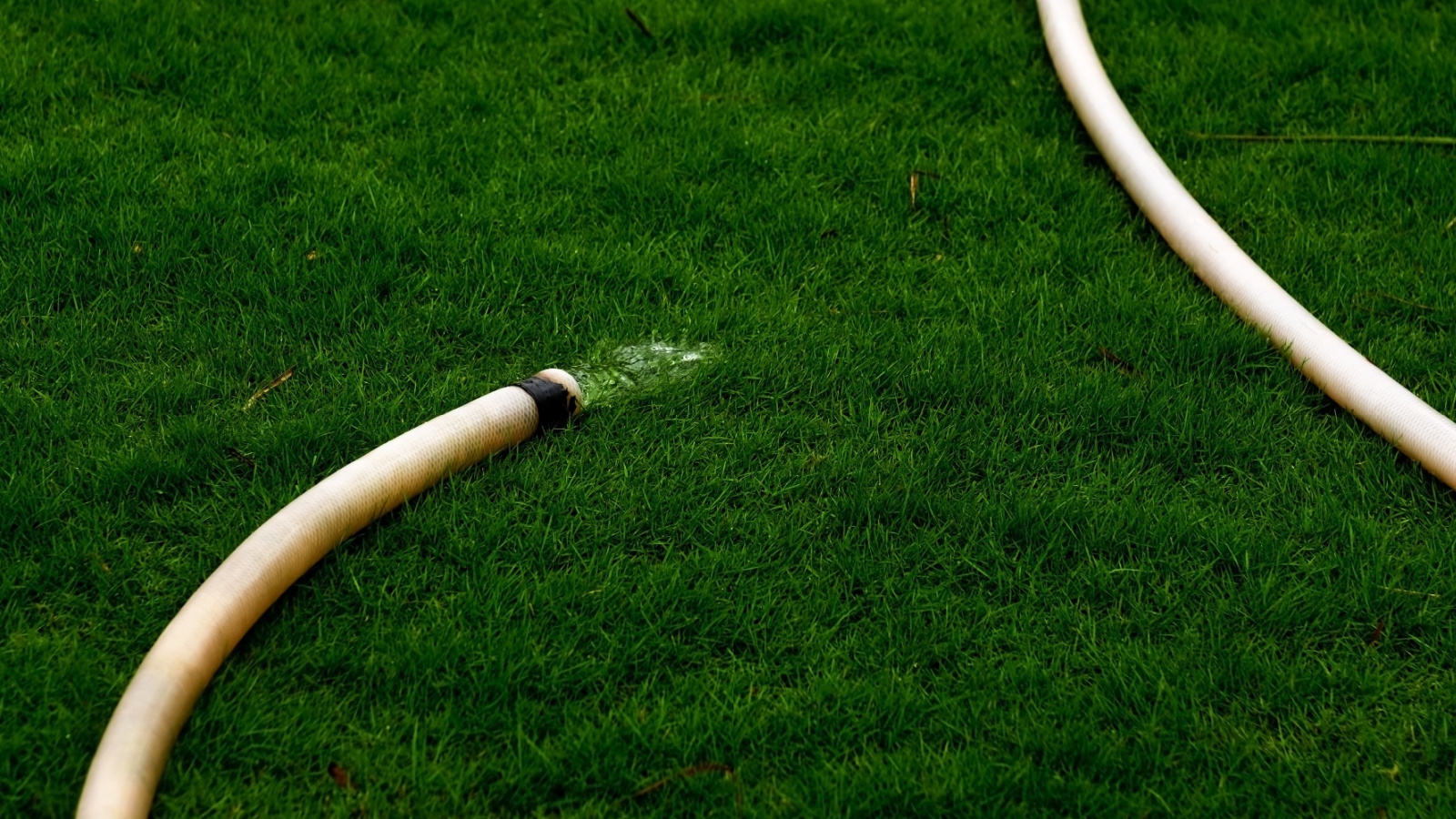
A garden hose left attached to an outdoor faucet looks harmless after the final lawn watering, but it is one of those small oversights that can become expensive once temperatures fall. Water remaining in a hose or exterior plumbing can freeze and expand. The City of London, Ontario, specifically advises residents to disconnect hoses and winterize outdoor faucets, warning that freeze damage can affect the faucet and may contribute to burst plumbing. For a conventional outdoor tap, that generally means shutting off its interior water supply where applicable, opening the exterior faucet to drain the remaining water and leaving the hose disconnected.
The mistake is easy to understand because the hose may still be needed during a warm spell in October or November. Then one freezing night arrives earlier than expected. A useful fall routine is to coil and store every hose as soon as regular watering ends, while also checking whether exterior faucets are frost-free models. This simple task is far easier to handle on a mild afternoon than during the first morning of frozen ground and icy fittings.
Insulate Pipes That Sit in Vulnerable Areas
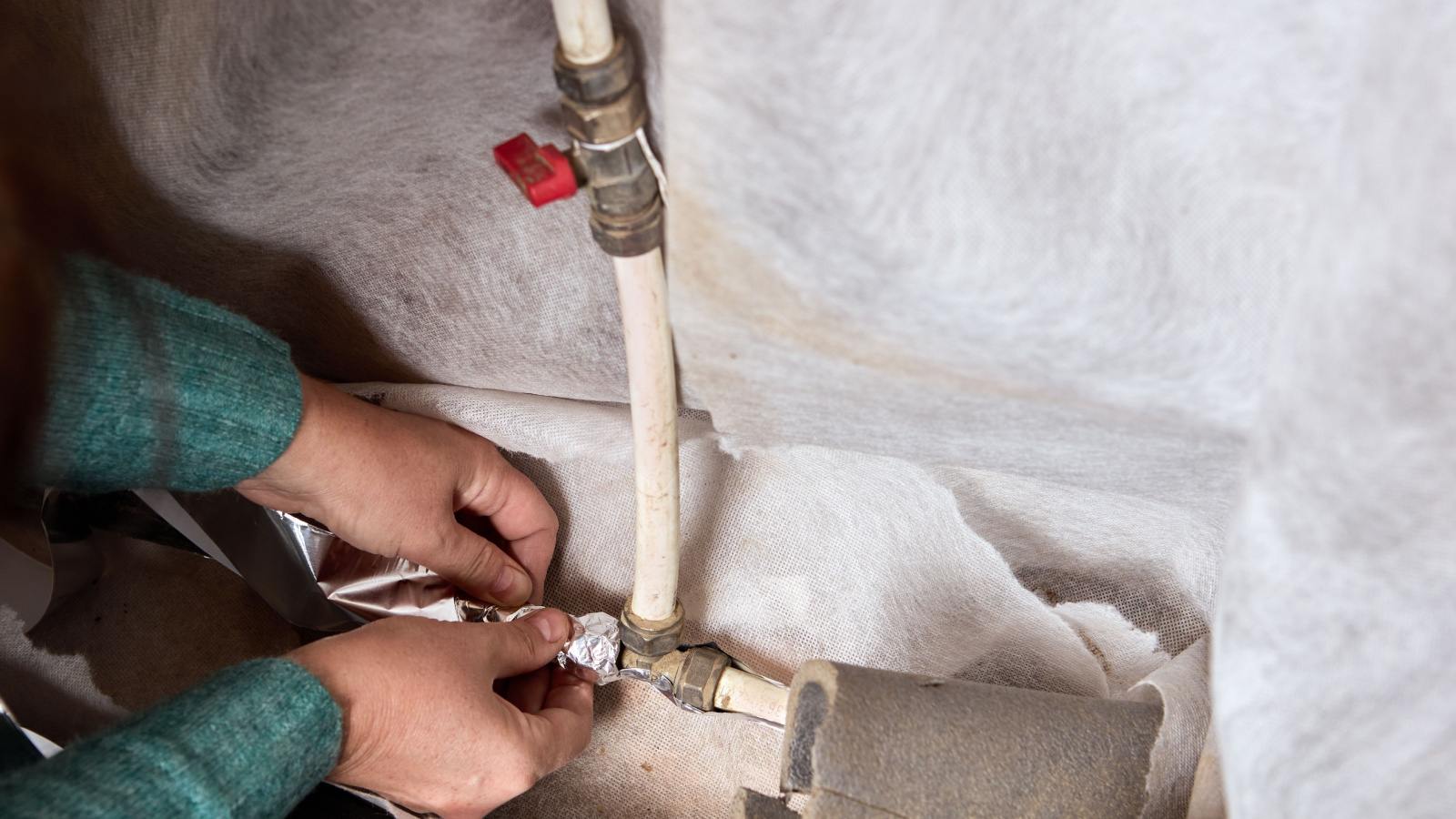
Not every frozen pipe is located beside an outdoor faucet. Plumbing running through crawl spaces, unheated basements, garages and areas close to exterior walls can also be vulnerable when cold air reaches it. Insurance Bureau of Canada recommends fitting exposed pipes with insulation sleeves or wrapping as part of winter preparation. It also advises homeowners to know where plumbing shut-off valves are located, because being able to stop the water quickly can limit damage if a pipe freezes and bursts.
Fall is a good time to look at plumbing that is normally ignored. A basement renovation may have left a section of pipe close to an exterior wall, or a draft may be entering around a utility penetration. Those details can become more important during an extended cold snap. Insulation alone is not a guarantee against freezing, especially in severely cold or poorly heated spaces, but identifying exposed plumbing before winter makes it possible to address obvious weaknesses while access is still easy. Knowing the location of the main water shutoff is equally valuable preparation.
Give the Furnace Its Pre-Winter Check
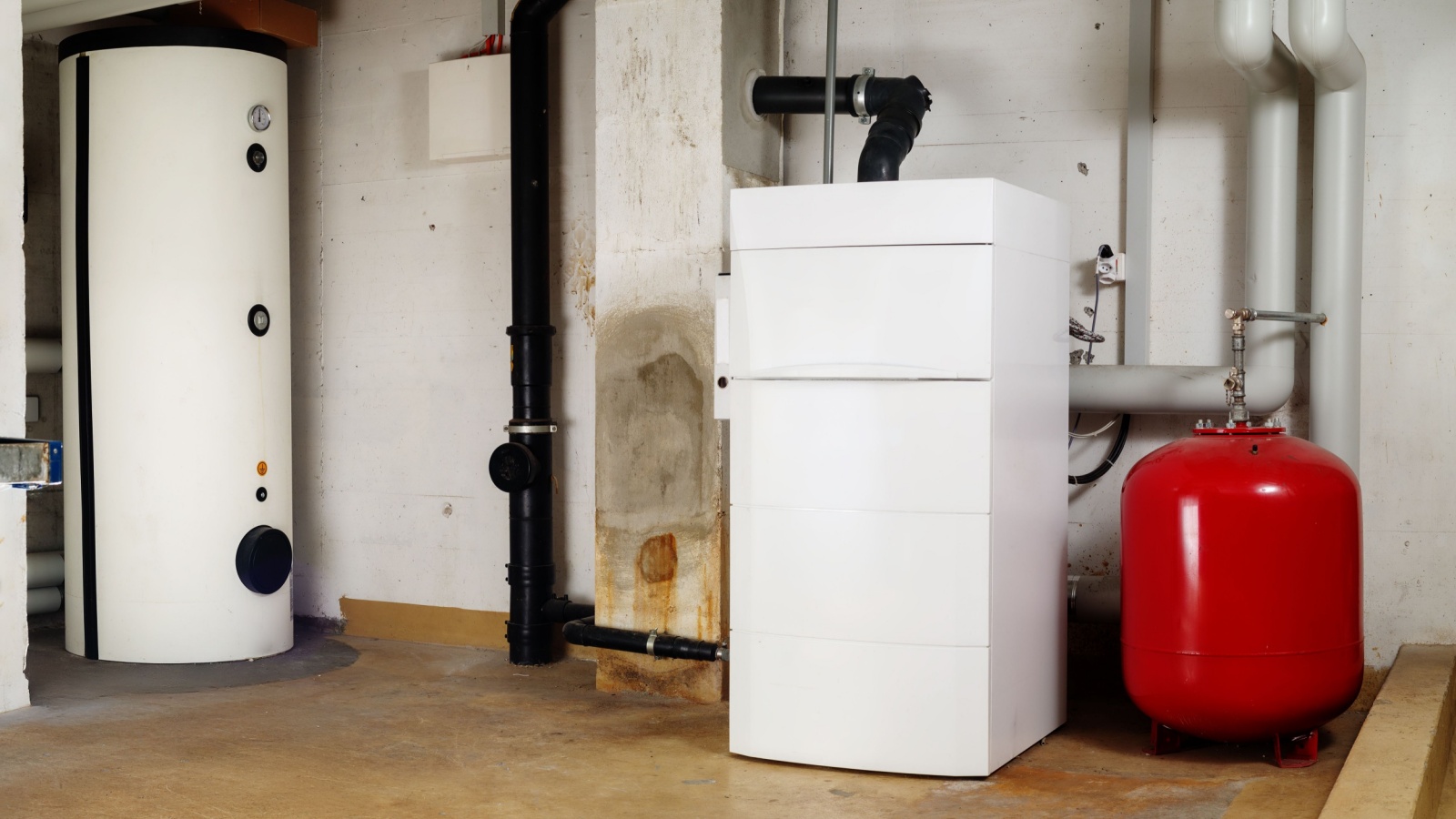
Heating systems often go months without being asked to do serious work, which makes the first cold stretch a poor time to discover a maintenance problem. Natural Resources Canada recommends annual pre-season HVAC checkups and says fall is the appropriate time to have heating equipment checked. Depending on the system, a professional inspection can include electrical connections, controls, combustion components, gas or oil connections and other items affecting safe, efficient operation.
Filters deserve attention too. Natural Resources Canada advises inspecting, cleaning or replacing furnace and heat-pump filters regularly according to the equipment manufacturer’s directions. A dirty filter can restrict airflow, make equipment work harder and raise energy consumption. This is the classic household job that can disappear from memory because the filter sits out of sight for months. Putting a new filter in at the beginning of heating season also creates an easy reference point for future maintenance. For households with fuel-burning equipment, professional maintenance has an additional safety dimension because properly functioning systems help reduce the risk of combustion problems and carbon monoxide entering living spaces.
Test Smoke and Carbon Monoxide Alarms
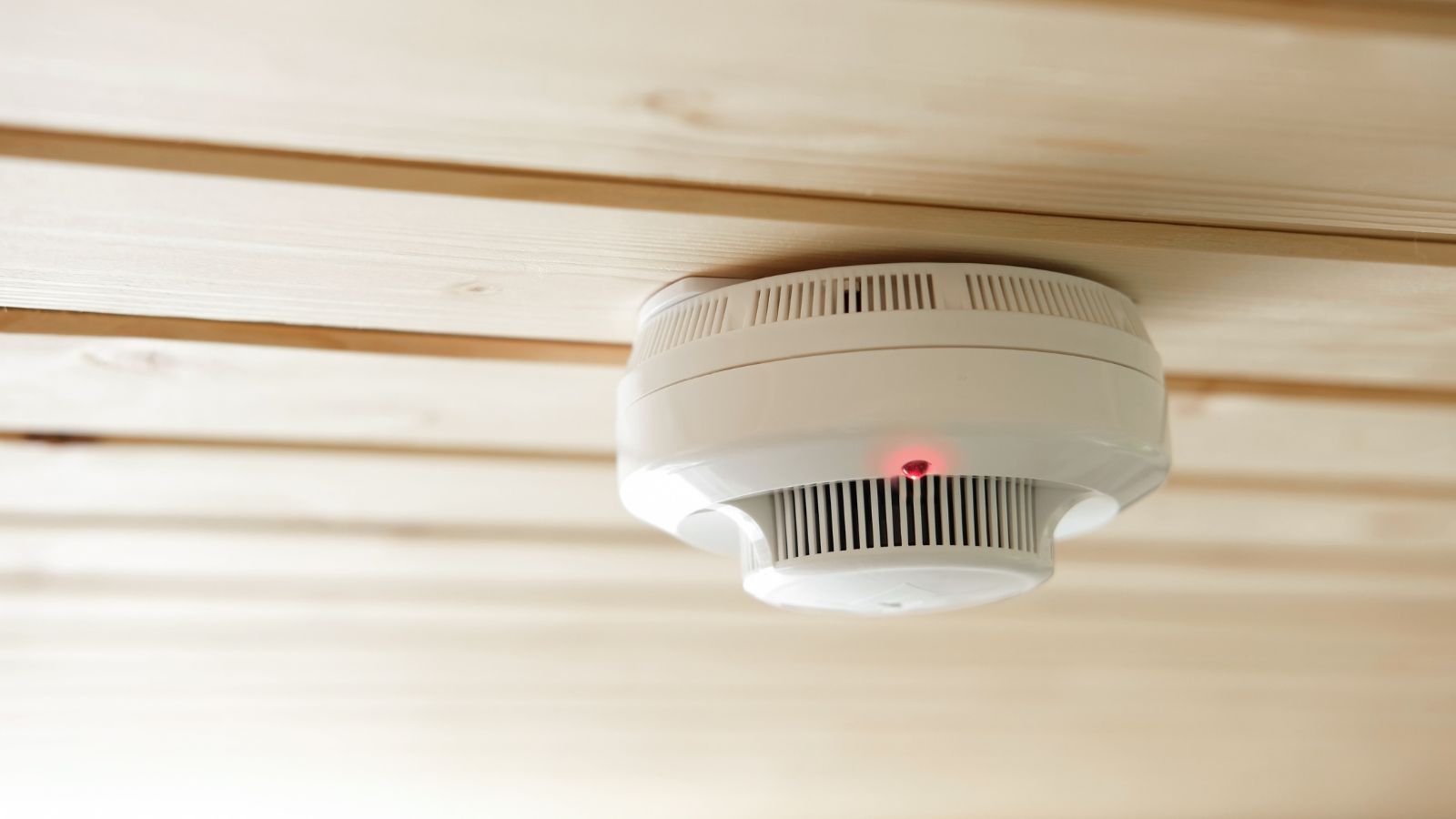
Fall preparation should include devices people hope never to hear. Health Canada recommends testing smoke alarms every month and replacing them according to the manufacturer’s instructions. Carbon monoxide alarms should also be tested regularly, with batteries and the alarm itself replaced according to manufacturer guidance. These checks become particularly important as furnaces, fireplaces and other fuel-burning equipment return to regular service.
Cold weather changes the way a household operates. Windows stay closed, heating equipment runs more often and fireplaces or supplemental heaters may be used again after months of inactivity. Carbon monoxide is particularly dangerous because it cannot be seen or smelled. Health Canada advises maintaining fuel-burning appliances and having them professionally inspected at least annually or according to manufacturer instructions. A useful pre-freeze routine is therefore broader than simply pressing an alarm’s test button: check its age, examine the battery instructions and make sure alarms have not been removed, covered or forgotten after renovations. A functioning alarm is a small device with an unusually important winter job.
Seal the Drafts Around Doors and Windows
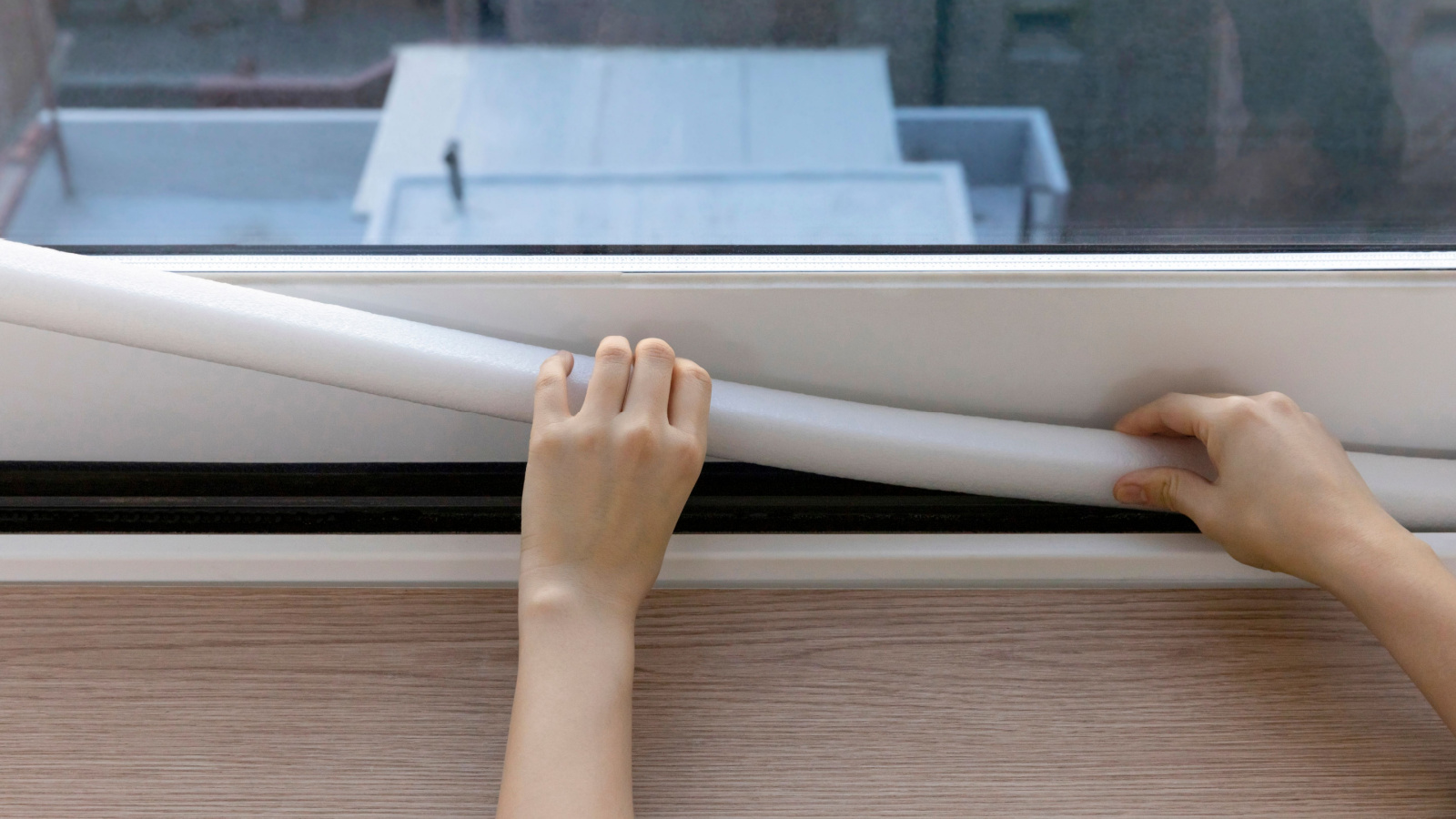
A cold draft around a door may feel like a comfort problem, but uncontrolled air leakage also makes a home harder to heat. Natural Resources Canada recommends air sealing and weatherstripping around windows and doors where leakage is occurring. Weatherstripping is designed to create a tighter seal between moving parts such as a door and frame or an operable window sash, helping limit unwanted air infiltration.
These leaks are often easiest to find during fall because the temperature difference between indoors and outdoors starts becoming noticeable. Worn door sweeps, cracked caulking and compressed weatherstripping can all reveal themselves as a thin stream of cold air. Some homeowners do not notice the problem until furniture near a window suddenly feels much colder in November. Addressing obvious gaps before freezing weather arrives can improve comfort without requiring a major renovation. Natural Resources Canada also notes that preventive heating-system maintenance and reducing unwanted heat loss can help a home operate more efficiently. The key is to treat drafts as something worth investigating rather than an unavoidable part of living in an older Canadian house.
Clear the Eavestroughs Before Leaves Freeze in Place
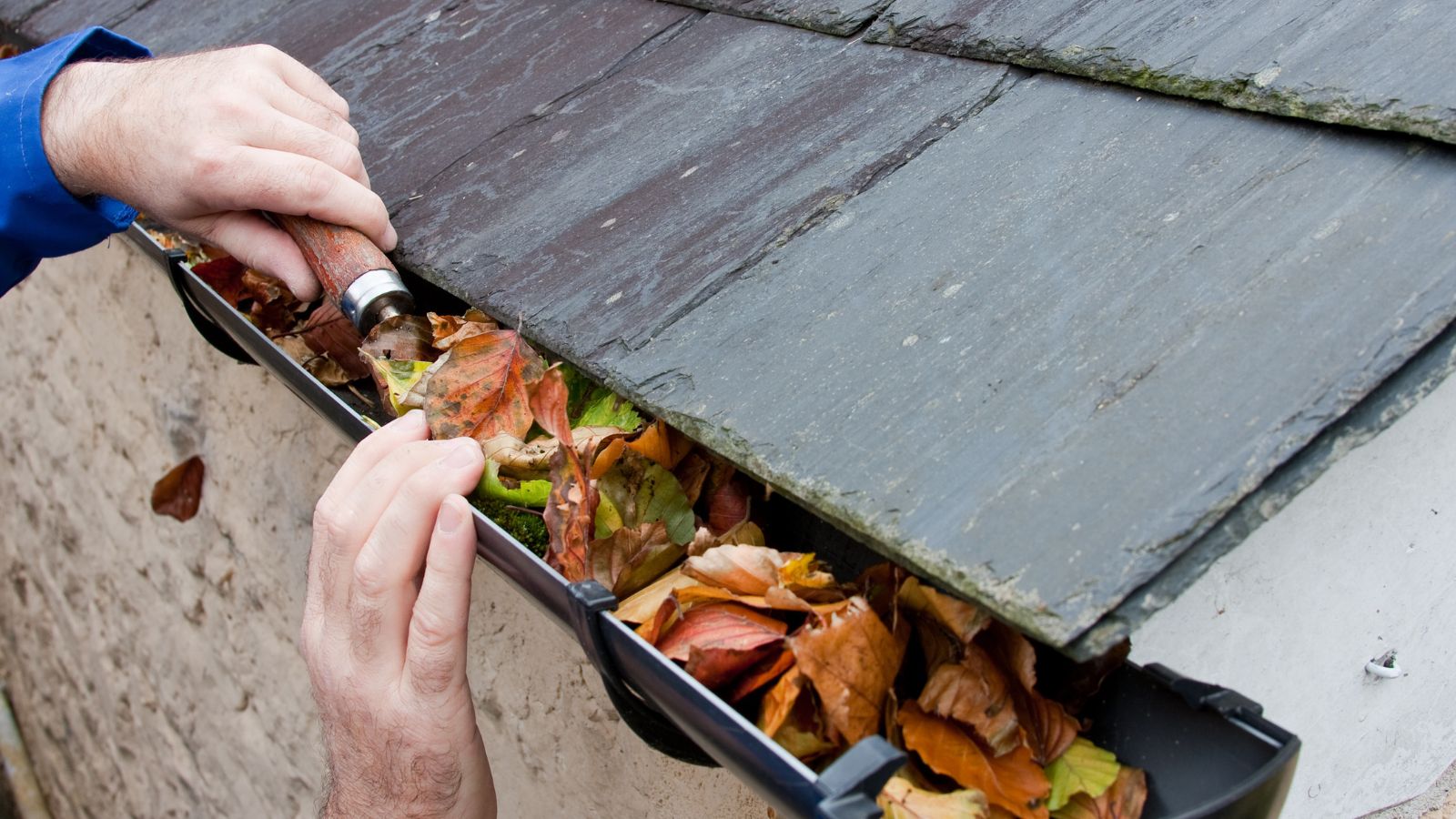
Autumn leaves look harmless until they fill an eavestrough and become frozen into a dense blockage. Insurance Bureau of Canada recommends clearing debris from eavestroughs and checking roofs and attics for conditions that can contribute to winter problems. Blocked roof drainage can interfere with the movement of melting snow and water, particularly during the freeze-thaw cycles common in many Canadian communities.
Ice dams are one reason this matters. They can form when snow melts on a warmer section of roof, travels toward a colder edge and refreezes. IBC notes that debris-filled eavestroughs can contribute to drainage problems and recommends regular roof maintenance, adequate attic insulation and ventilation, and keeping eavestroughs clear. A homeowner may not notice a clogged section from the ground until a line of oversized icicles appears later in winter. Fall is therefore the more forgiving time to remove leaves and inspect visible roof drainage. Where heights, roof slope or ice make access unsafe, the inspection and cleaning should be left to a professional rather than attempted after winter conditions arrive.
Look Over the Roof and Attic Before Snow Covers the Evidence
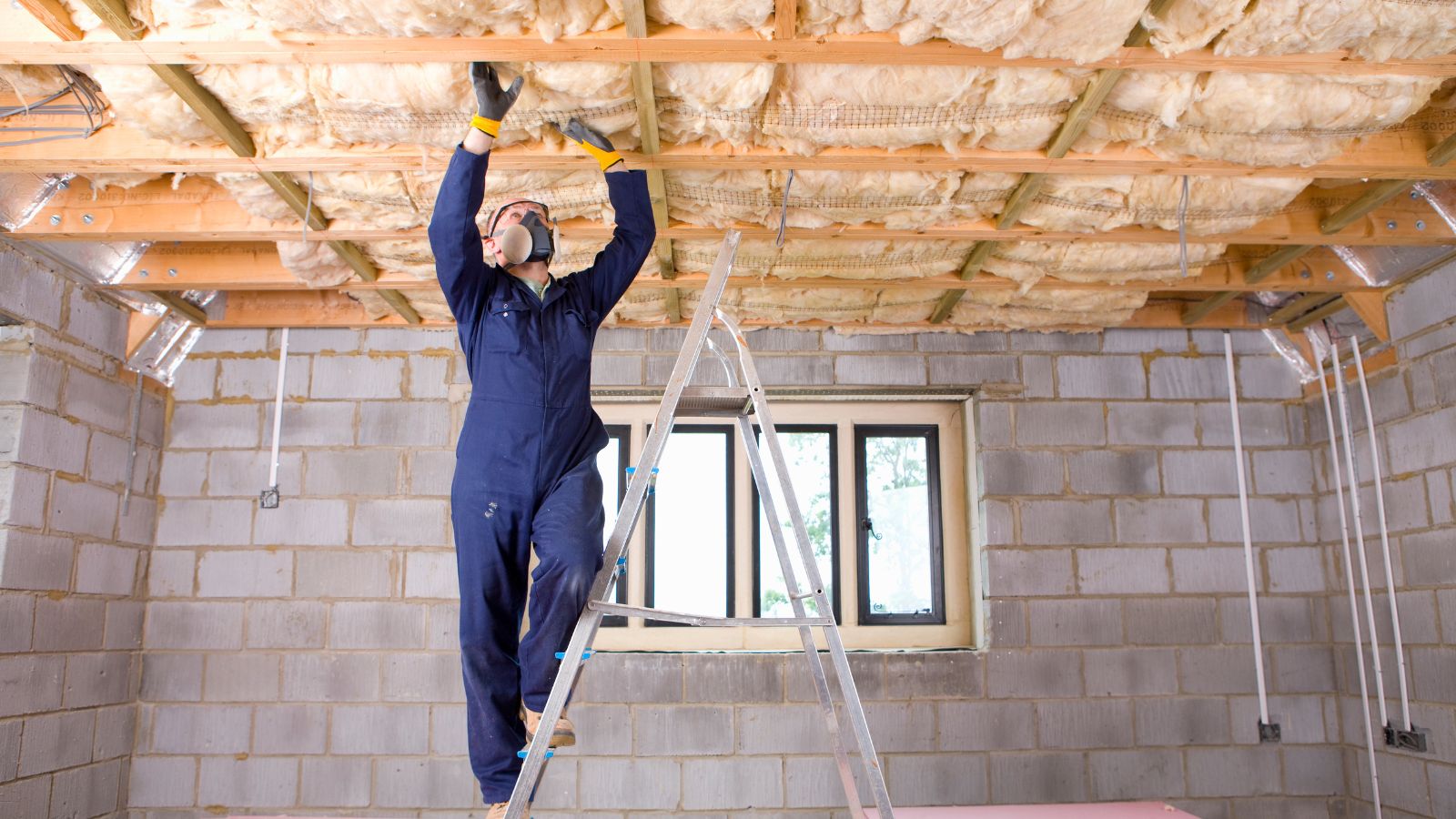
A roof can hide a surprising amount once several centimetres of snow settle over it. Before that happens, winter-preparation guidance from Insurance Bureau of Canada recommends checking the roof and inspecting the attic for warning signs such as frost accumulation. Problems with attic insulation and ventilation can contribute to uneven roof temperatures and increase the conditions under which ice dams develop.
Fall also provides a chance to spot missing or visibly damaged roofing materials, deteriorated flashing or other concerns while the surface is still exposed. Not every imperfection requires an emergency repair, but knowing a problem exists before snow and ice arrive is considerably better than finding it through a ceiling stain in January. Inside the attic, unexpected moisture, frost or obvious air leakage can indicate issues worth professional attention. Canadian homes face repeated cycles of snowfall, warming and refreezing throughout winter, which makes roof drainage and temperature management particularly important. A short inspection before freeze-up can provide a useful baseline and give homeowners time to arrange qualified help before conditions make roof work much more difficult.
Put Winter Tires On Before the Snowstorm Rush
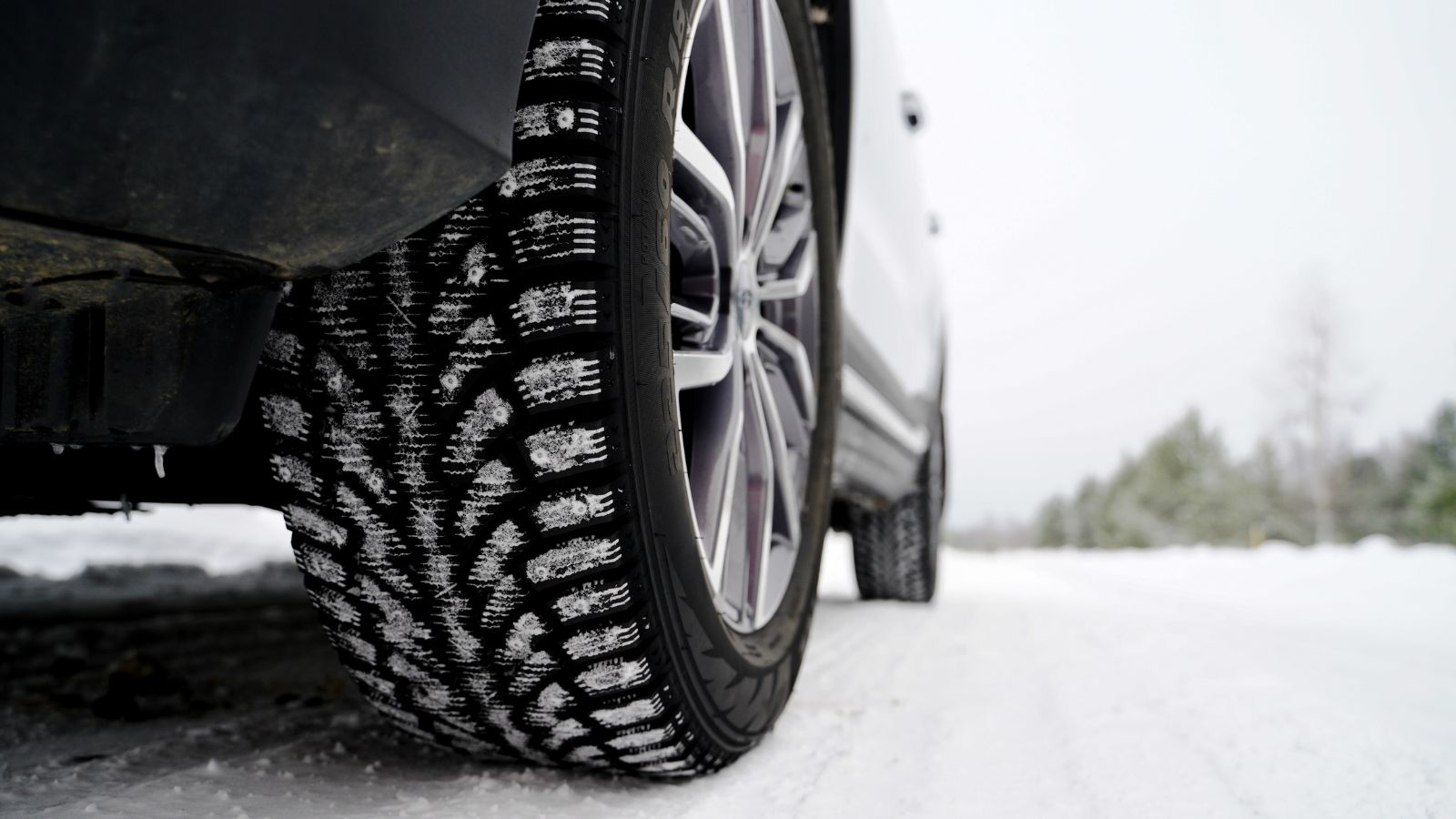
Waiting for the first major snowfall is one of the easiest ways to turn a routine tire change into a scramble for an appointment. Transport Canada says all-season and summer tires begin losing elasticity below about 7°C, reducing traction, while winter tires are designed to retain flexibility at much lower temperatures. The agency also recommends fitting winter tires on all four wheels to help maintain vehicle stability and control.
That makes temperature a more useful reminder than the first visible snowbank. Cold pavement, freezing rain and early-morning frost can arrive before a dramatic winter storm. Drivers who wait until the forecast suddenly calls for 15 centimetres of snow often discover that everyone else has had the same idea. Transport Canada advises looking for the three-peaked mountain and snowflake symbol, which identifies tires meeting specified snow-traction performance requirements. Tread condition also matters because traction decreases as tires wear. The practical lesson is simple: scheduling the seasonal change when daytime temperatures are consistently approaching the cold-weather range is generally more sensible than using the first major storm as the reminder.
Check Tire Pressure — Including the Spare
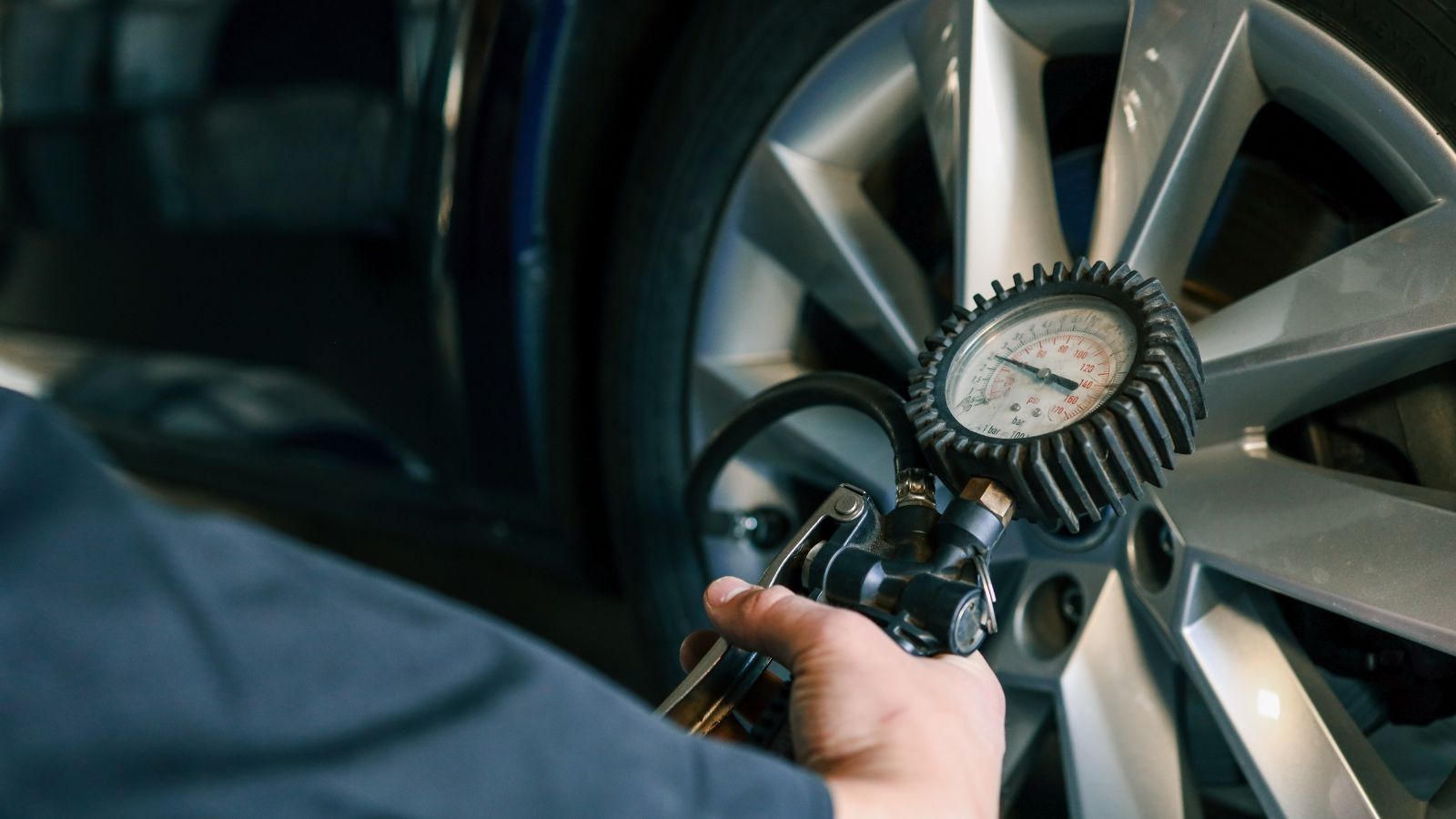
Even a fresh set of winter tires needs the correct inflation pressure. Transport Canada notes that tire pressure falls as air temperatures drop, by roughly 1 psi for every 5°C decrease. That means tires that were correctly inflated during warm early-autumn weather can become noticeably underinflated after a substantial seasonal temperature change.
Pressure should be checked when tires are cold and set according to the vehicle manufacturer’s specification, usually found on a label on the driver’s door or door frame rather than simply using the maximum figure printed on the tire. Transport Canada also recommends checking the spare. That detail is easy to overlook because the spare may remain untouched for years, right up until the day it is urgently needed on the shoulder of a cold highway. Regular pressure checks remain important throughout winter because temperatures continue moving up and down. Proper inflation affects tire performance, handling and wear, making a pressure gauge one of the simplest pieces of cold-weather vehicle equipment. The first freezing week of autumn is a useful reminder to begin that winter checking routine.
Have the Car Battery Tested Before a Frigid Morning Does It
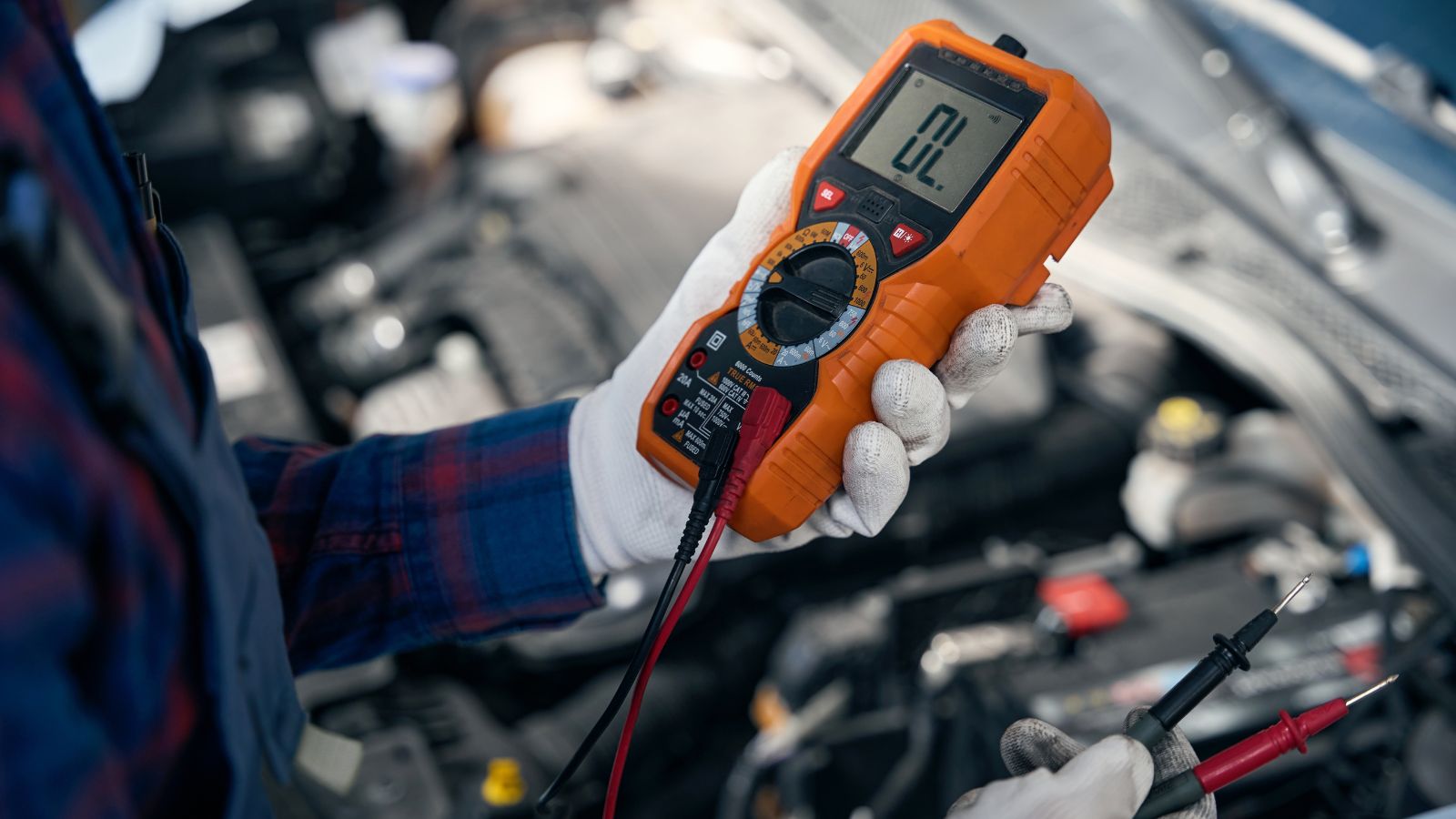
A marginal battery can give almost no warning during mild weather. Then the temperature drops and the starter suddenly struggles. CAA notes that vehicle batteries work harder in cold conditions and advises giving the battery attention as part of a winter vehicle check. Batteries in roughly the three-to-five-year age range can become increasingly vulnerable, although actual life varies with the battery, vehicle, climate and use.
Visible corrosion, swelling, leakage or increasingly slow engine cranking are reasons to investigate rather than hope the problem disappears. A battery test can provide a much clearer picture of condition before the first severe cold snap. This matters because being stranded in a driveway is inconvenient, but a no-start situation in a remote parking lot or after a winter storm can become a safety problem. Modern vehicles also place substantial electrical demands on their batteries, from heated seats and blowers to lights and defrosters. Fall is therefore a sensible time to have the charging and starting system checked, especially when the battery has several winters behind it or the vehicle has already shown signs of weak starting performance.
Check Coolant, Washer Fluid, Wipers and the Defroster
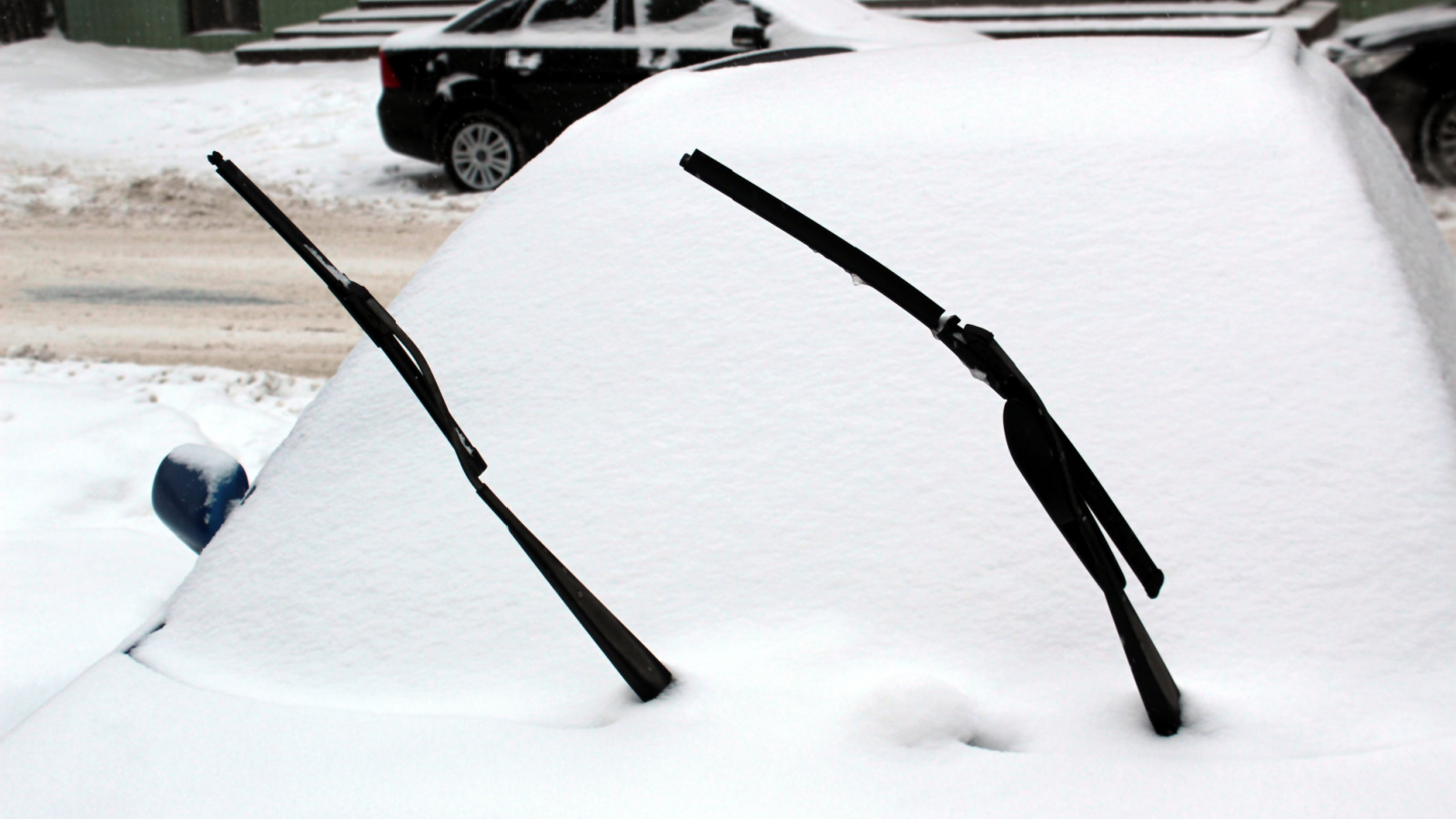
Winter visibility can deteriorate remarkably quickly when road spray, salt and slush begin coating the windshield. Canadian winter-driving guidance recommends topping up winter-rated windshield washer fluid and replacing wiper blades that streak or fail to clear the glass properly. Government winter guidance has specifically recommended washer fluid suitable for very low temperatures, while CAA advises keeping extra winter fluid in the vehicle during the season.
The cooling system deserves its own check as well. CAA recommends checking coolant or antifreeze strength and level along with radiator hoses, belts, the heater and defroster. Coolant requirements vary by manufacturer, so the vehicle manual and proper service specifications matter more than generic rules. The human side of this job often appears during the first messy commute: the driver pulls the washer control, gets a weak spray or nothing at all, and realizes the summer fluid or worn blades should have been dealt with weeks earlier. Testing the heater and defroster before freezing weather also ensures the systems used to clear fog and frost are functioning before they become essential for visibility.
Build a Real Winter Emergency Kit for the Car
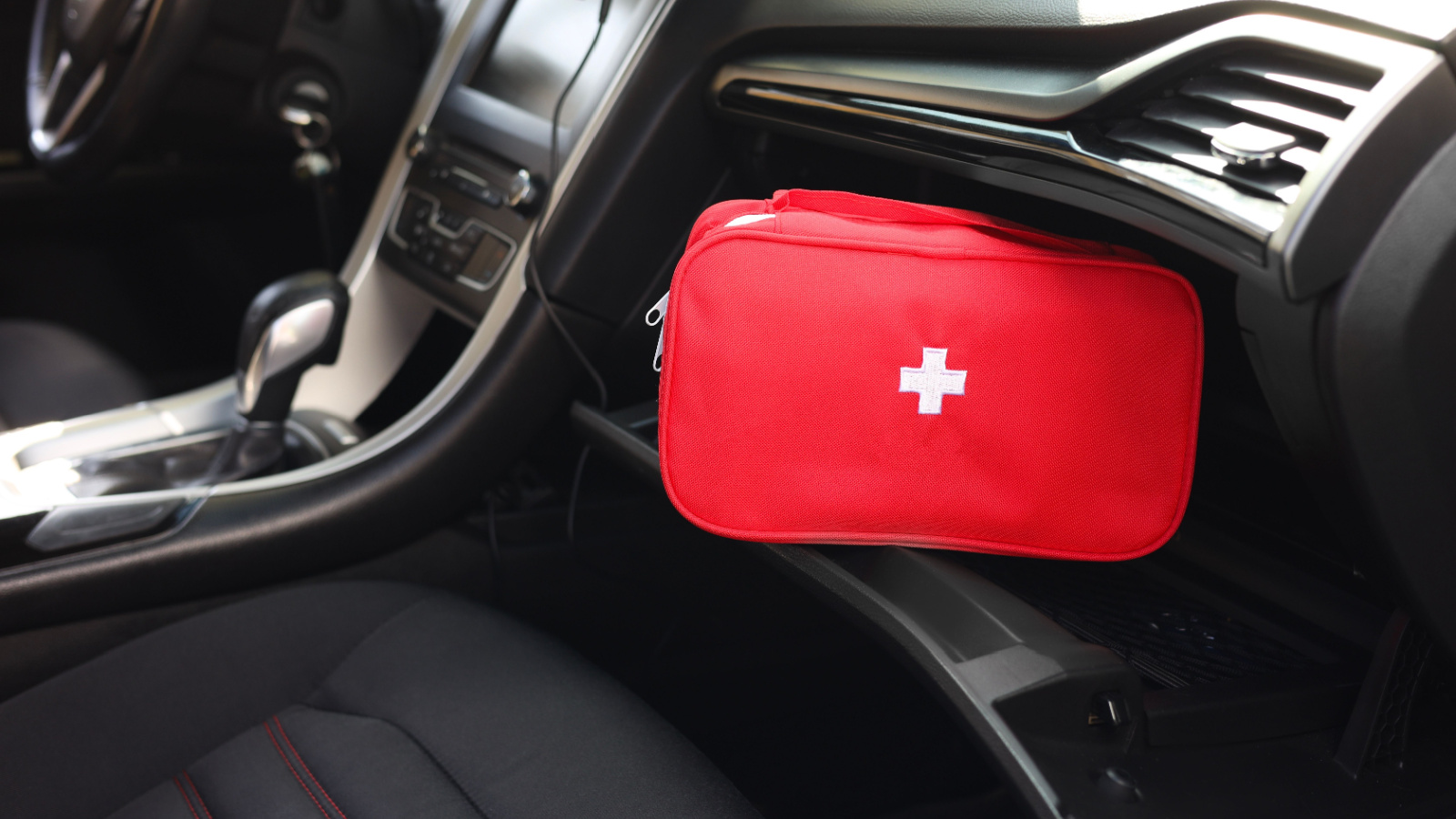
A trunk containing one old blanket and a snow brush does not quite qualify as winter emergency preparation. The federal government’s emergency-car-kit guidance recommends supplies including non-perishable food, water in containers that will tolerate freezing, blankets, extra clothing, a first-aid kit, shovel, scraper, snow brush, flashlight, whistle, booster cables and traction material such as sand or non-clumping cat litter.
Transport Canada also recommends carrying items such as reflective warning devices, extra washer fluid, gloves, warm footwear and other supplies appropriate for winter travel. The purpose is not to turn every vehicle into a mobile survival shelter; it is to make an unexpected delay more manageable. A routine highway trip can become very different after a collision closes the road, a snow squall reduces visibility or a vehicle becomes stuck. The kit should also evolve as circumstances change. Families travelling with children, people using medication and those regularly driving through rural or remote areas may need additional supplies. Early fall is a convenient time to replace expired food, depleted batteries and missing items before the kit is actually needed.
Clean the Chimney Before Fireplace Season Begins
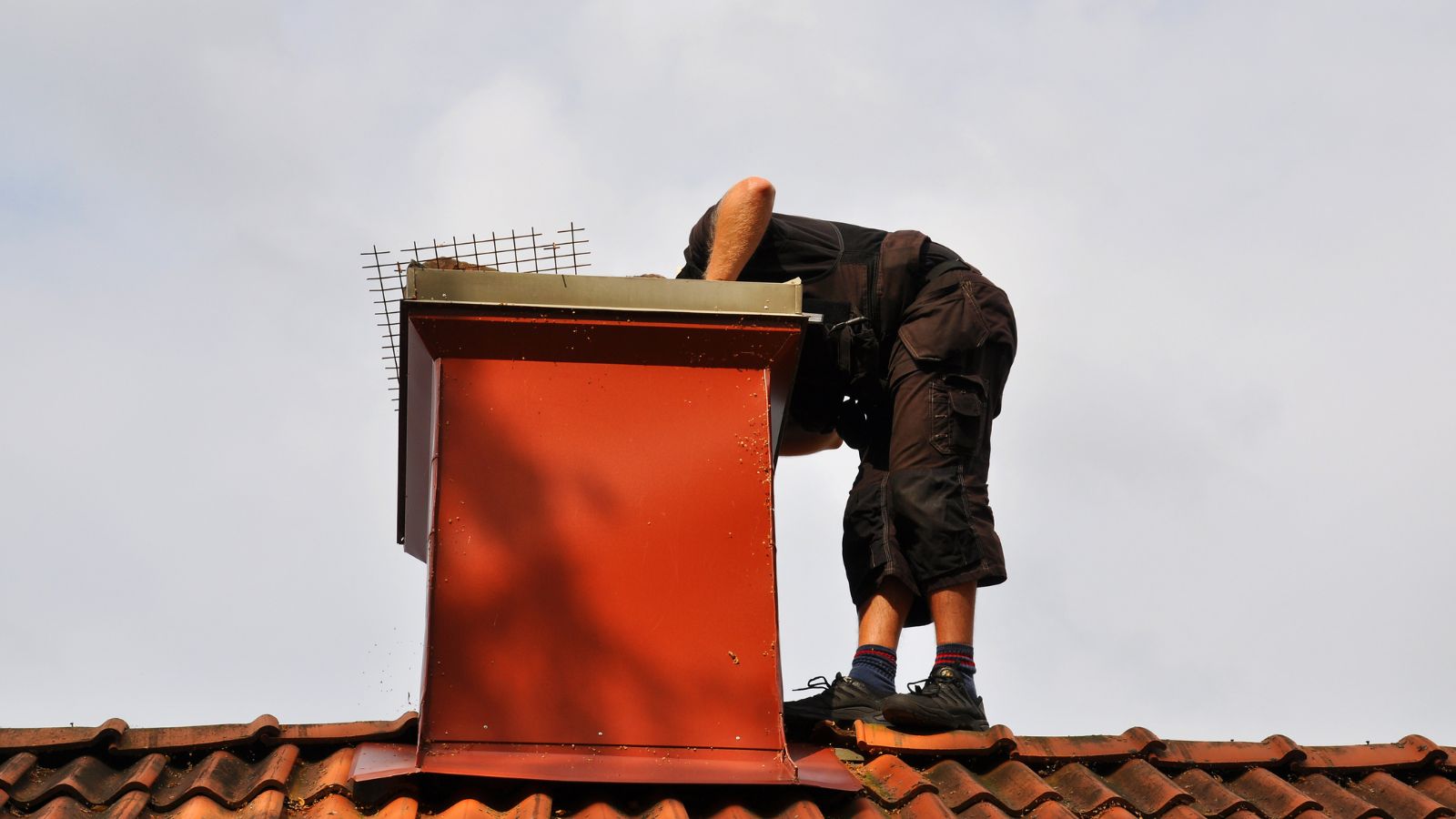
The first chilly evening often sends people straight toward a fireplace or wood stove that has been largely ignored since spring. Health Canada advises owners of wood-burning fireplaces to have chimneys cleaned every year, while its wood-smoke guidance recommends regular chimney and flue cleaning and professional inspection of wood stoves. Ontario fire-safety guidance similarly recommends annual inspection and cleaning of heating systems, vents and chimneys by qualified technicians.
Creosote and other combustible deposits can accumulate in chimneys, creating a potential fire hazard if maintenance is neglected. Equipment can also develop damaged components, deteriorated seals or venting problems while sitting unused. This is why the ideal time to think about chimney maintenance is before the first fire is lit, not after smoke begins behaving strangely in the living room. Properly seasoned, dry wood is also recommended because it burns more effectively than wet material and can help reduce excessive smoke and creosote accumulation. For households relying on wood heat during power outages, a clean and properly maintained system is especially important before severe winter weather begins.
Put the Shovel, Salt and Snowblower Within Reach
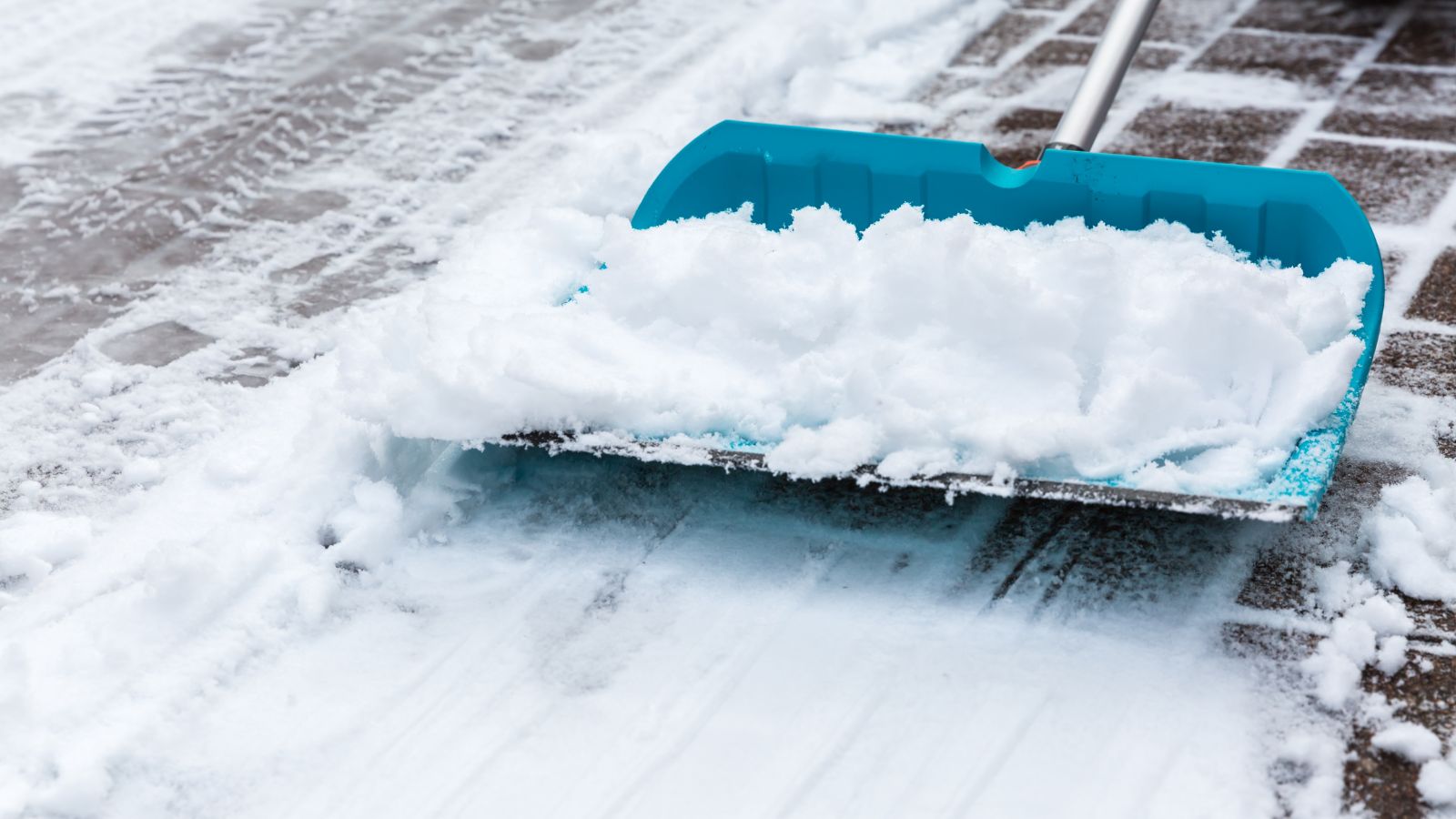
Winter equipment sometimes gets stored so thoroughly in spring that nobody can find it when the first overnight snowfall arrives. Federal winter-storm guidance recommends having shovels, salt and snow-removal supplies in an easily accessible place. Insurance Bureau of Canada likewise advises using appropriate snow and ice control measures to keep walking surfaces safer during winter.
Snowblower owners have another job before the machine is needed. The Canadian Centre for Occupational Health and Safety recommends following the manufacturer’s maintenance instructions, checking that the machine is in good working order and inspecting items such as fuel, oil and tire condition where applicable. It also stresses never using hands to clear a clogged chute and starting gasoline-powered machines outdoors rather than in a garage or shed because of carbon monoxide danger. An early inspection provides time to deal with stale fuel, a missing shear pin, a damaged belt or a dead electric-start battery before the driveway disappears under snow. Storing the shovel and ice-control supplies near an accessible entrance completes the job.
Protect Tender Plants Before the Forecast Hits Zero
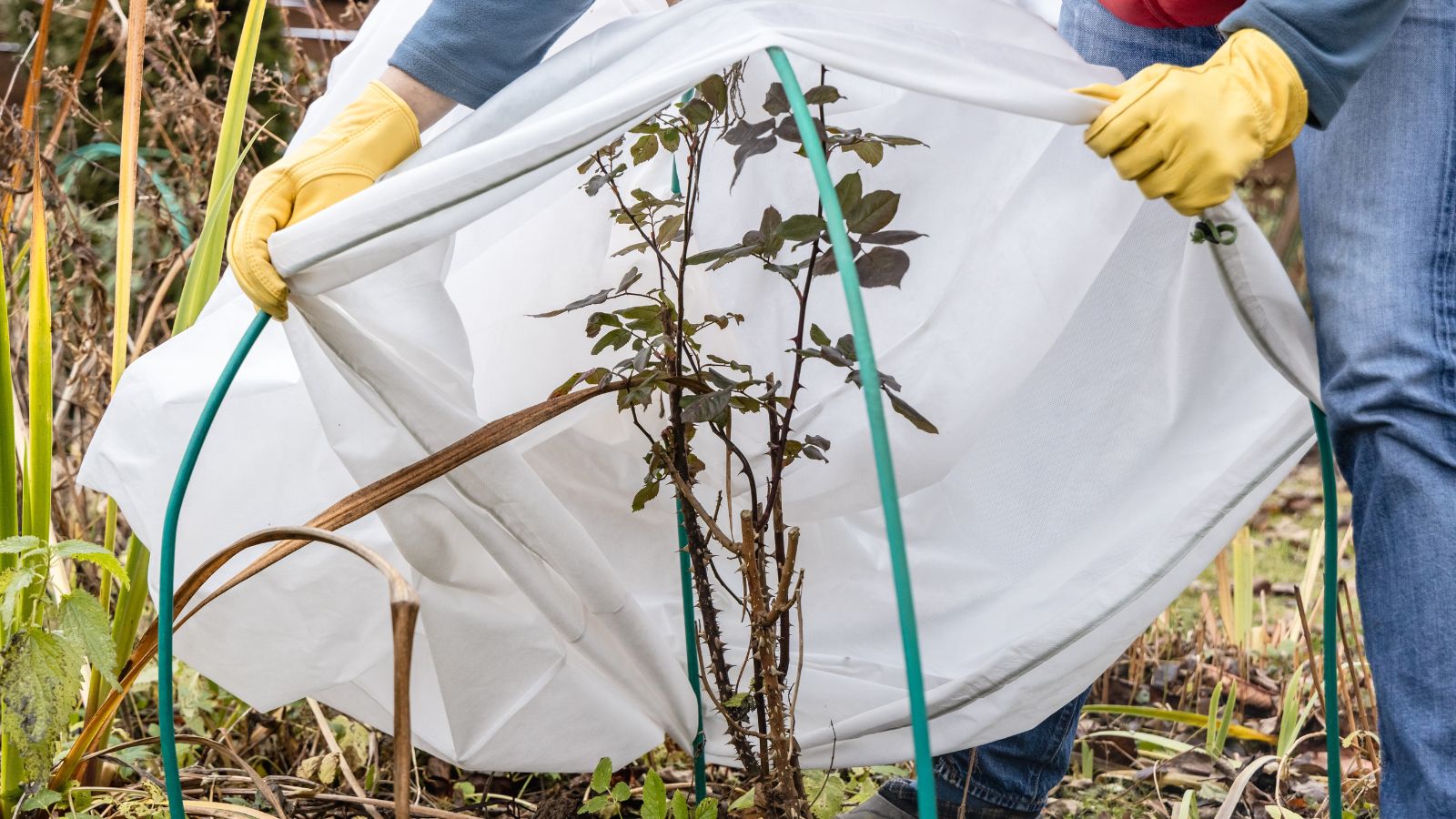
Gardeners sometimes gain several pleasant autumn weeks after summer ends, which makes the first frost surprisingly easy to underestimate. University of Saskatchewan gardening guidance notes that many warm-season vegetables cannot tolerate temperatures below freezing and recommends protecting vulnerable plants when frost threatens. Frost cloth, row cover and mulch can provide protection from minor frosts, depending on the plant and conditions.
Not every plant needs rescuing. Cool-season crops are generally better able to handle light frost than warm-season plants, while tender container plants can often be moved into a protected location. That makes a little triage worthwhile before the first freezing night. Tomatoes still carrying fruit, herbs in pots and valued tender plants deserve attention first; hardy perennials may need little immediate intervention. Gardeners hoping to extend the harvest can cover susceptible plants before temperatures drop and remove temporary protection when appropriate. The key is to check local forecasts rather than relying on a traditional calendar date. Canada’s first frost varies enormously by region and even by individual property, especially where elevation, open exposure or low-lying ground changes overnight temperatures.
Secure Loose Outdoor Items and Deal With Risky Branches
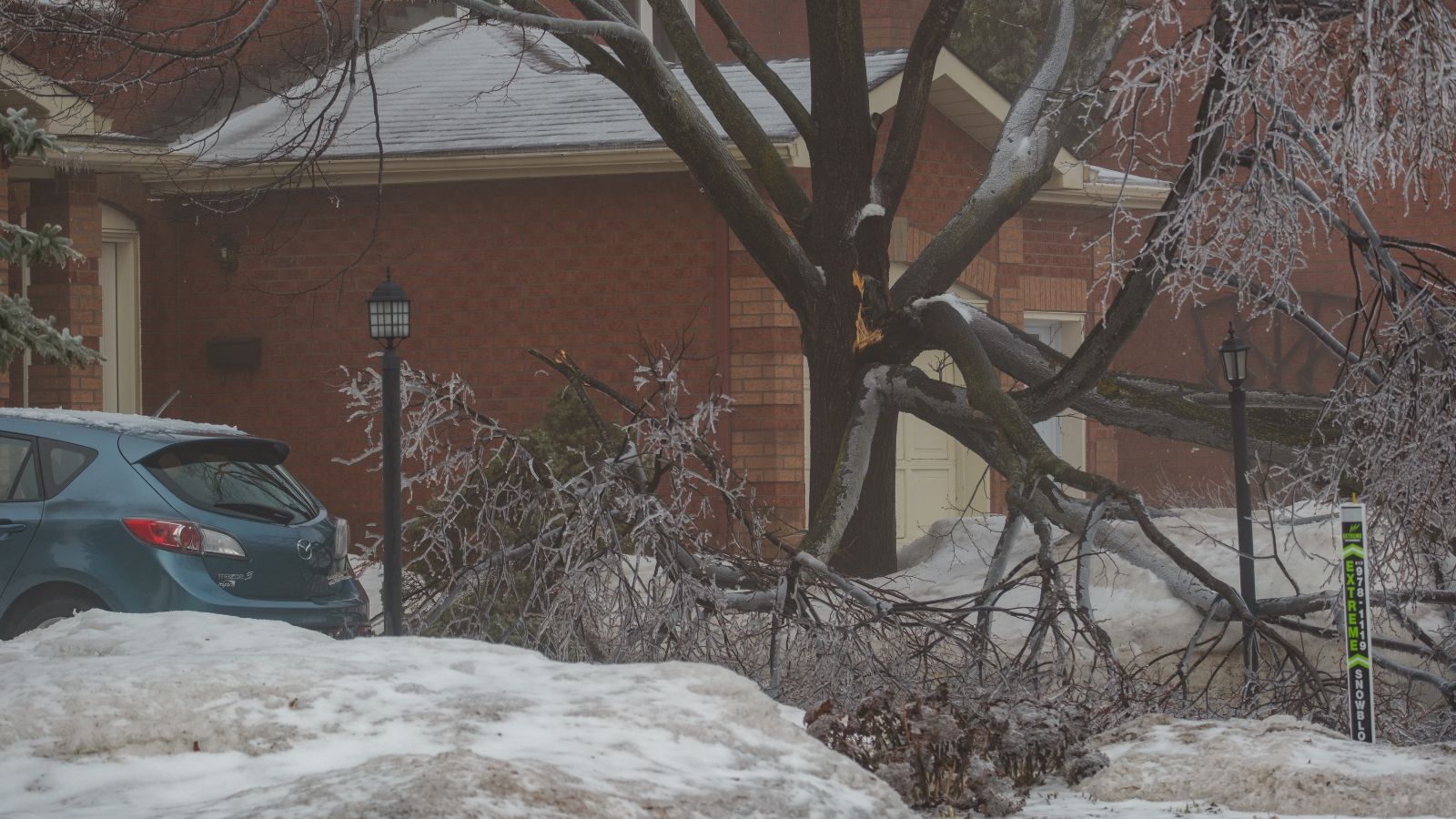
Patio season can end gradually, leaving chairs, umbrellas, planters and other objects scattered around a yard long after regular outdoor use has stopped. Insurance Bureau of Canada recommends protecting or moving property that may be damaged by snow, ice or wind and securing outdoor objects that could become hazards in severe weather. It also recommends trimming branches close to homes and vehicles.
The work is easier before frozen soil, snow and ice make everything heavier and more awkward. An unstable patio umbrella can become a wind-driven object, while a damaged or overhanging branch may become more troublesome when loaded with wet snow or ice. Large or hazardous tree work should be handled by a qualified professional rather than attempted with a ladder and saw in deteriorating weather. Smaller preparation can include storing light furniture, securing garbage or recycling containers, putting away seasonal decorations and moving vulnerable items away from roof drip lines. The goal is not to empty the entire yard; it is to remove obvious hazards before winter adds weight, wind and slippery footing to jobs that were simple in autumn.
Refresh the Household’s 72-Hour Emergency Supplies
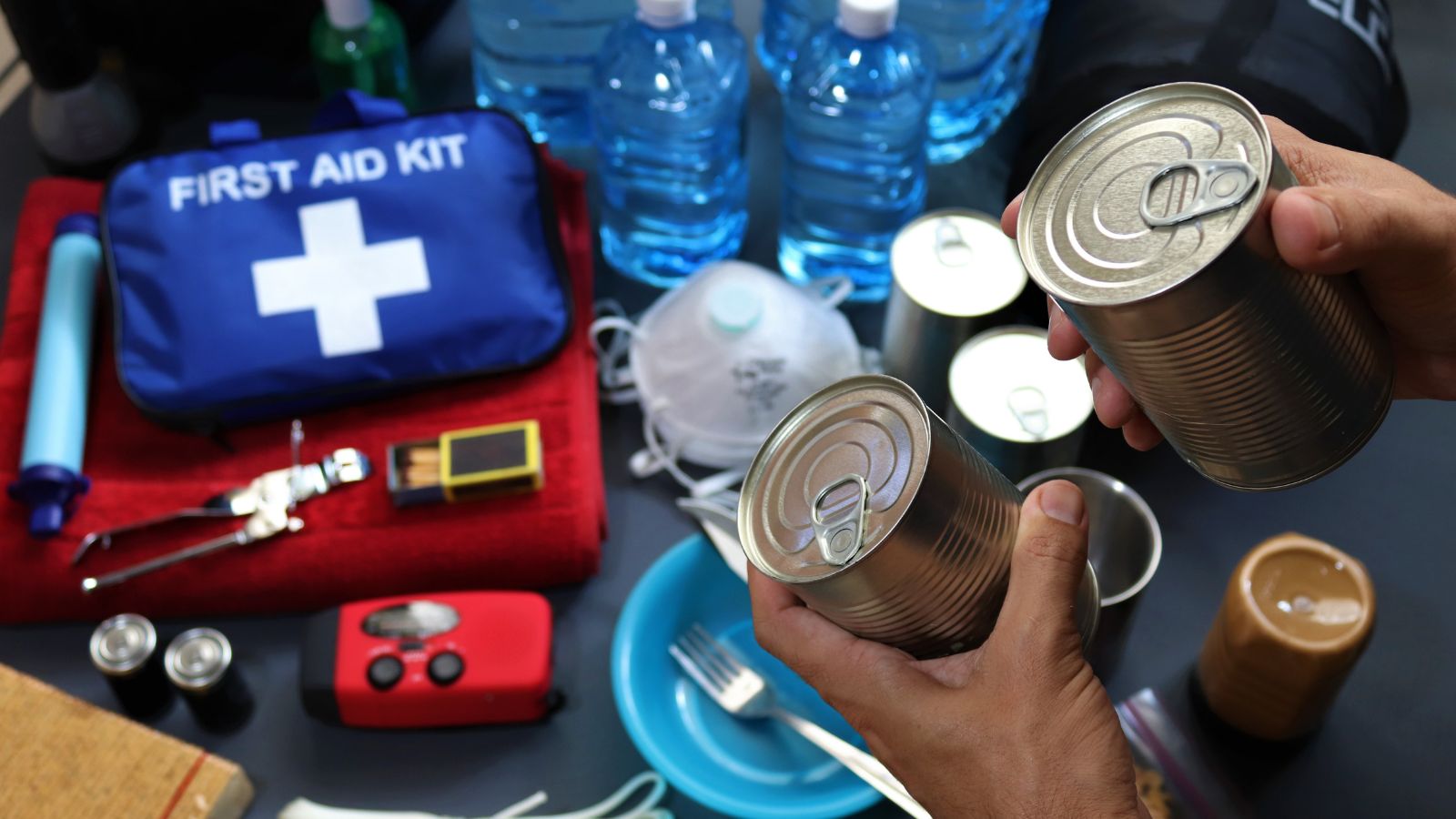
Winter preparation tends to focus on snow tires and furnaces, but a power outage can quickly turn household basics into essential supplies. The Government of Canada recommends preparing to be self-sufficient for at least 72 hours during an emergency. Suggested supplies include water, non-perishable food, flashlights, a battery-powered or wind-up radio, extra batteries, first-aid materials, warm clothing, medications and ways to charge essential electronics.
The start of cold season is also a useful time to check expiration dates and replace items used during the year. Federal guidance specifically suggests using seasonal time changes as reminders to update emergency kits and swap in appropriate fall and winter supplies. Power-outage preparation should include accessible flashlights, power banks and a household communication plan. Fuel-burning generators, barbecues and camping equipment should never be used indoors or in enclosed spaces because of carbon monoxide danger. A kit does not have to be elaborate or expensive to be useful. The important part is knowing where it is, keeping it current and ensuring household members can find essential supplies when the lights go out.
16 Costco Canada Habits That Could Be Costing Shoppers More Than They Save

The Executive Membership can feel like an obvious upgrade because the 2% annual reward sounds straightforward. For households that spend heavily at Costco Canada, the extra fee may be easy to justify. But the habit becomes costly when shoppers upgrade first and calculate later. A Gold Star Membership costs less, while Executive costs more and only pays off if eligible annual spending is high enough to offset the difference.
16 Costco Canada Habits That Could Be Costing Shoppers More Than They Save
