Airport counters, border kiosks, rental-car desks, and hotel lobbies all have a way of turning small oversights into expensive delays. For Canadian travellers, the most frustrating problems often come from rules that felt obvious only after a boarding pass was rejected, a bag was searched, or a border officer asked one more question.
These 13 travel rules cover the details Canadians often remember too late: passport validity, entry permissions, declarations, security screening, medication limits, children’s documents, cannabis restrictions, and passenger rights. Each one can seem minor during trip planning, but missing even one can affect boarding, insurance coverage, border clearance, or the final cost of getting home.
Passport Validity Is Not Just About the Expiry Date
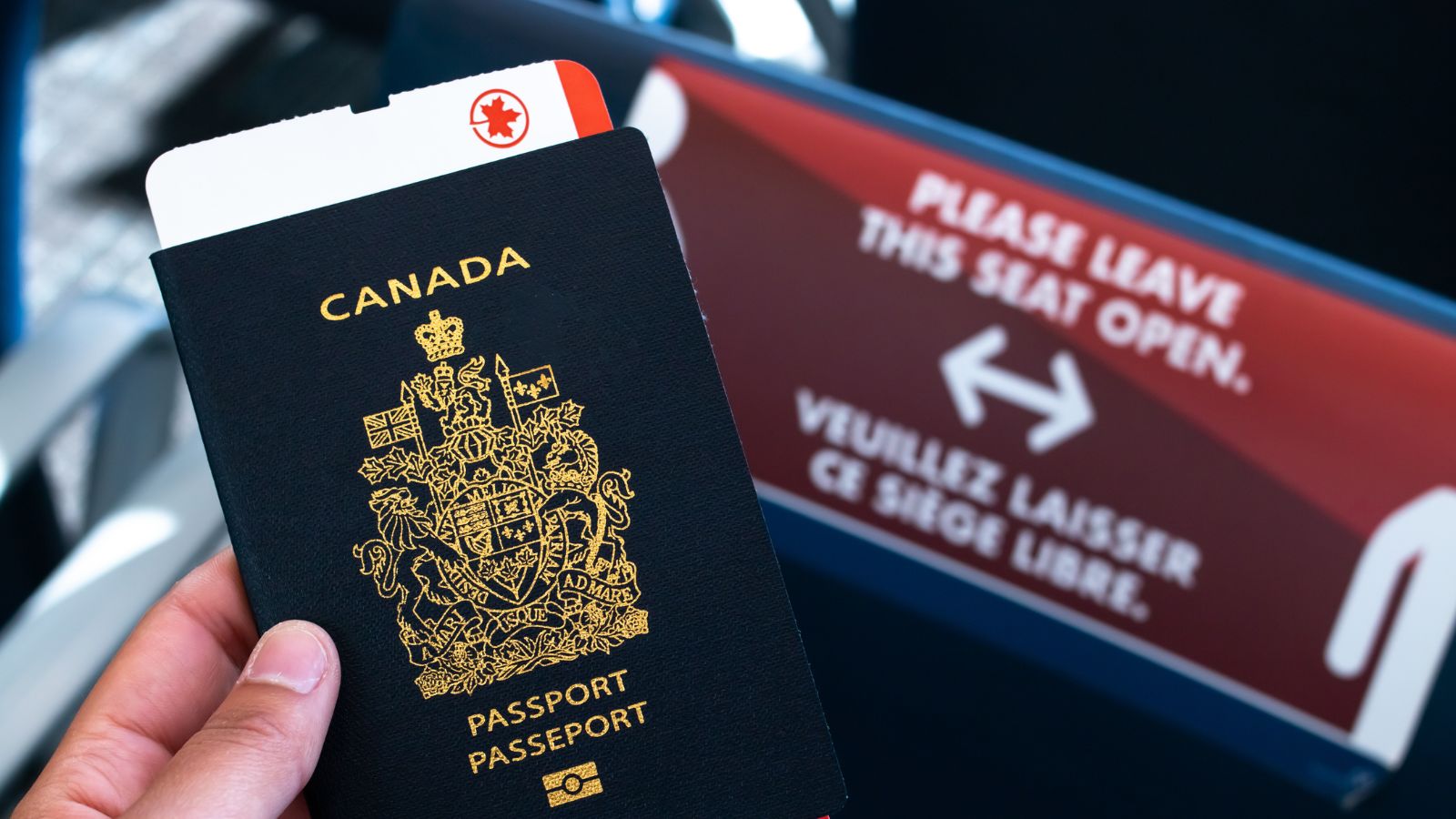
Many Canadians assume a passport is usable until the printed expiry date, but destination rules can be stricter than that. Some countries require a passport to remain valid for months after the planned departure date, even when the trip itself is short. Europe’s Schengen area, for example, generally requires Canadian passports to be valid for at least three months after the planned departure date.
This catches travellers who book a spring break or summer trip with a passport that still has a few weeks left. The document may be legally valid in Canada but still fail a foreign entry requirement. Airlines can deny boarding when documents do not meet destination rules because they may be responsible for returning inadmissible passengers. A passport renewal delay can then turn a bargain fare into a lost vacation.
Entry Authorizations Can Apply Even During Transit

A visa-free destination does not always mean paperwork-free travel. Canadians may still need electronic travel authorizations, arrival forms, tourist cards, or transit permissions depending on the country and route. The rule becomes especially easy to miss when a traveller is only changing planes, because some airports treat transit passengers as subject to entry documentation checks.
A common example is a family booking the cheapest fare without noticing that the connection passes through a country with separate authorization rules. Even if the final destination is relaxed, the connecting airport may not be. Airlines usually check document compliance before departure, which means the mistake may surface at the check-in counter rather than overseas. The safest habit is to check every country on the itinerary, including layovers.
Ticket Names Must Match Travel Identification
A nickname, missing middle name, hyphen error, or post-marriage surname mismatch can become more than a cosmetic booking issue. Canadian aviation guidance stresses that the name on travel identification must match the name on the ticket and boarding pass. Airlines also commonly require the passport name to match the reservation for international travel.
This rule often hurts when tickets are bought quickly during a sale or through a group booking. A traveller named “Michael” may casually book as “Mike,” or a surname may be entered without the accent, hyphen, or full legal spelling shown on the passport. Some corrections are simple; others can involve fees, reissued tickets, or airline refusal if the discrepancy is significant. Checking names before payment is far easier than pleading at the counter.
Children May Need Consent Letters

When a child travels outside Canada with only one parent, a relative, a school group, or another adult, border officials may ask for proof that the trip is authorized. Canada recommends carrying a consent letter signed by the parent or guardian who is not travelling. The original signed letter is generally recommended because it reduces doubts about authenticity.
This rule can feel unnecessary until a family is already at the airport. A divorced parent taking a child to Florida, a grandparent leading a holiday visit, or a coach travelling with a youth team may all face extra questions. The letter does not replace custody documents or passports, but it can help show that the child is not travelling without permission. For separated families, careful preparation can prevent an emotional and costly delay.
Europe’s 90-Day Rule Is Easier to Break Than It Looks

Canadians can generally visit Schengen area countries without a visa for up to 90 days in any 180-day period, but the counting method is what causes trouble. The limit is not reset by a quick weekend outside the zone if the traveller returns within the same rolling 180-day window. Previous days can still count.
This matters for retirees wintering in Europe, digital nomads, frequent business travellers, and families stitching together several trips. Someone may spend six weeks in Portugal, return to Canada briefly, then assume another two-month stay in France is automatically fine. It may not be. Entry and exit records, passport stamps, and digital border systems can expose overstays. Penalties can include fines, future entry problems, or being questioned at departure.
Travel Insurance Should Be Bought Before Trouble Starts
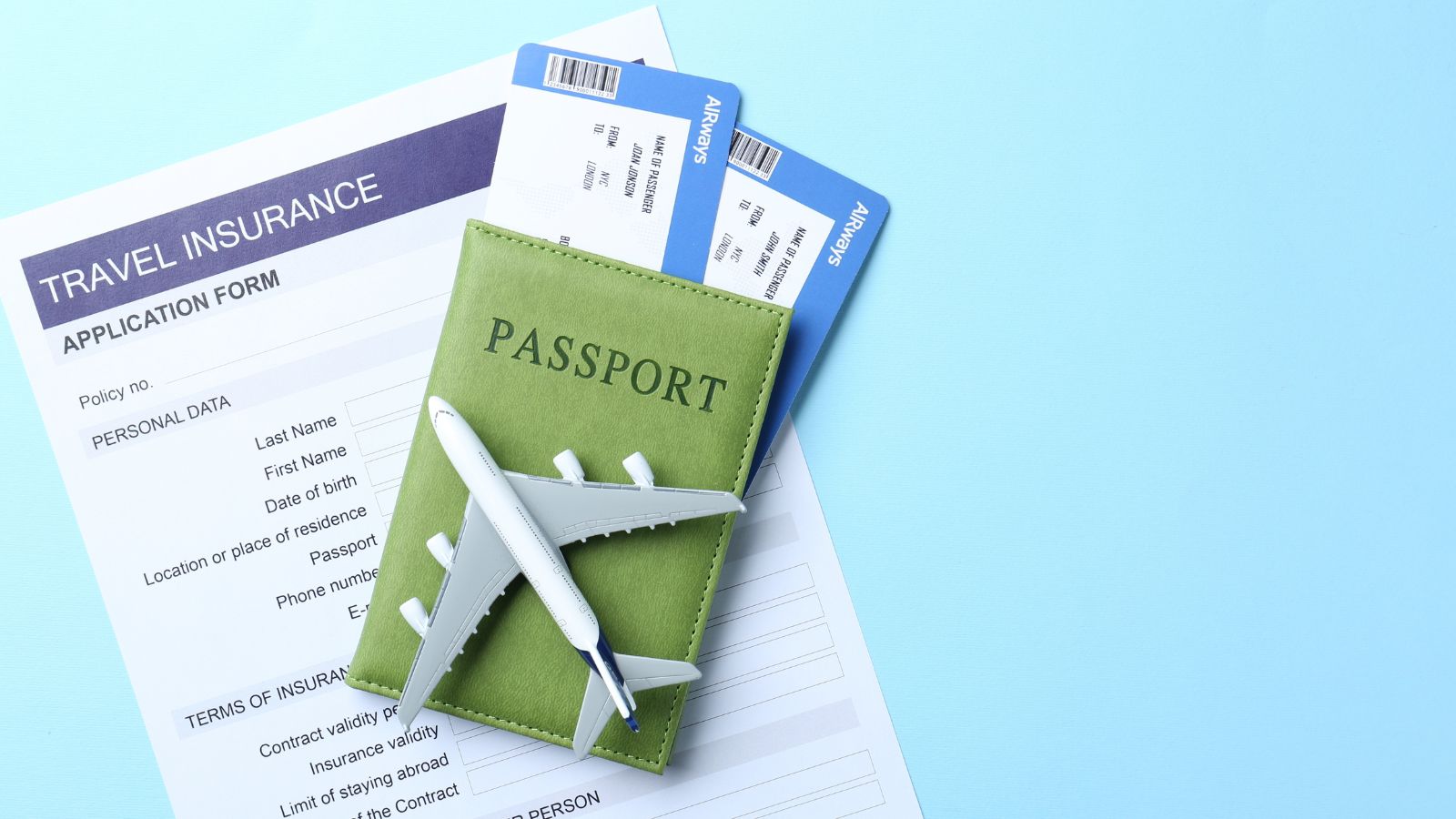
Many Canadians know travel insurance is useful, but some wait until weather, illness, or a family emergency is already developing. That can be too late. Government travel advice warns that provincial or territorial health plans may cover none or only a small part of medical costs abroad, and foreign hospitals may require payment immediately.
The timing matters because insurance usually protects against unexpected events, not problems already known when coverage is purchased. A traveller who buys insurance after a storm is named, after symptoms begin, or after a government advisory changes may discover exclusions. Medical evacuation can cost far beyond a normal vacation budget. Insurance is not just a checkbox; it is a rule about timing, disclosure, and understanding what is actually covered.
Purchases Must Be Declared When Returning to Canada
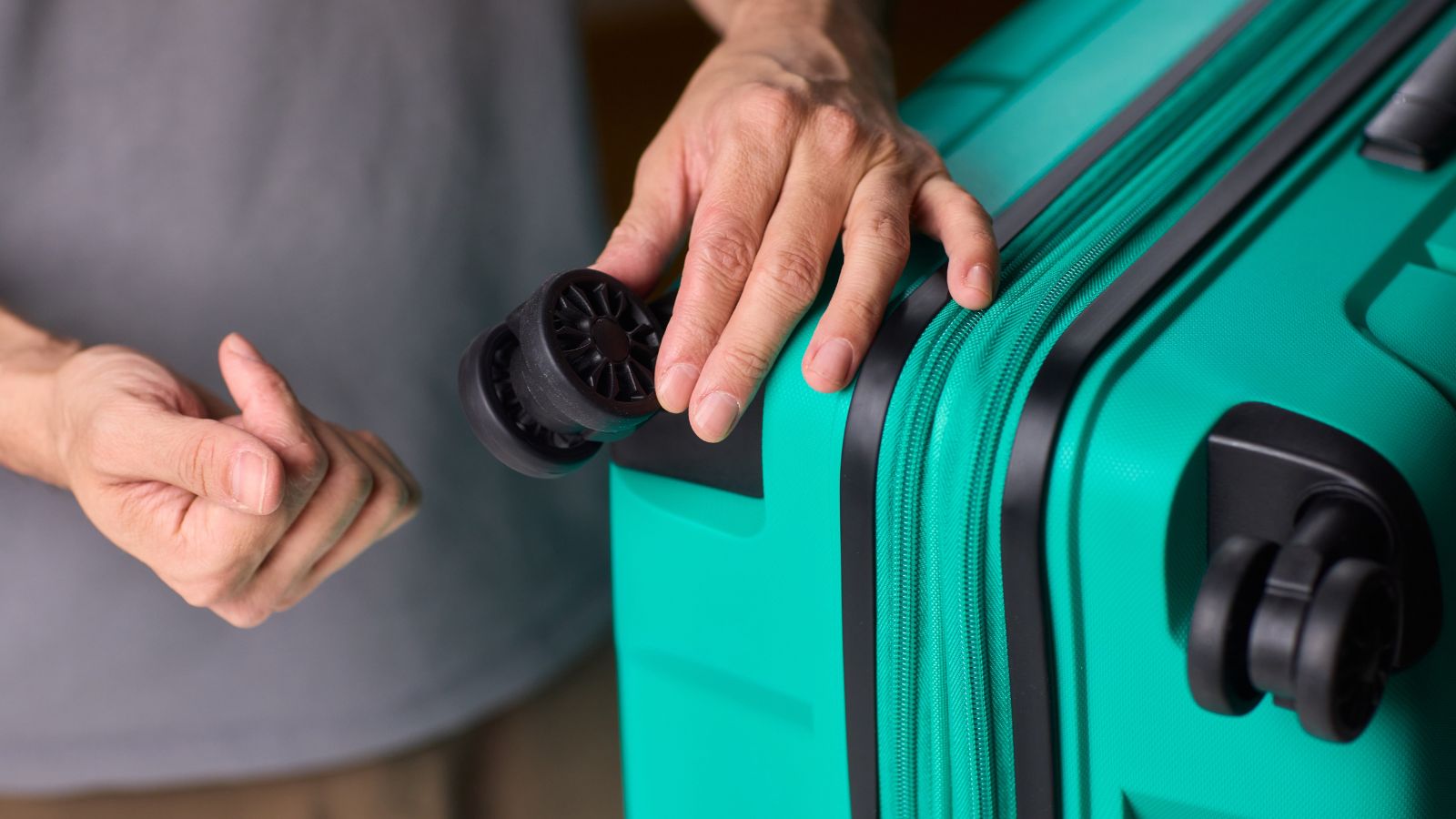
Souvenirs, outlet deals, duty-free items, gifts, and online purchases picked up abroad must be reported when returning to Canada. CBSA tells travellers they must inform the border agency about goods obtained outside Canada. Personal exemptions may apply depending on trip length, but declaring comes first.
This rule is often forgotten after a quick U.S. shopping run or a vacation where purchases are scattered among suitcases. A traveller may remember the designer bag but forget a watch, electronics, alcohol, or gifts for relatives. Border officers can ask for receipts, and undeclared goods can lead to duties, taxes, penalties, or seizure. The practical fix is simple: keep receipts together and estimate honestly before reaching the kiosk or officer.
Food, Plants, Animals, and Wood Souvenirs Need Extra Care

Food is one of the easiest border mistakes because it feels harmless. A sandwich, fruit, cheese, seeds, meat snack, wooden ornament, or handmade plant product may seem like a personal item, yet Canada restricts or prohibits many food, plant, and animal products because they can carry pests, diseases, or invasive species.
The rule is not only about commercial shipments. A traveller returning with specialty sausage, a mango from a hotel breakfast, or untreated wooden decor from a market can still face questions. CBSA specifically reminds travellers to declare food, plants, animals, and related products. Declaring an item does not automatically mean it will be confiscated, but failing to declare can turn a small snack into a border problem. When uncertain, declare it and let officers decide.
Cannabis and CBD Cannot Cross the Border

Cannabis legalization in Canada did not make cannabis travel legal. It remains illegal to take cannabis across the Canadian border when entering or leaving the country. That includes edibles, extracts, topicals, and products containing CBD. The rule also applies even when travelling to or from a place where cannabis is legal.
This is one of the most misunderstood Canadian travel rules because legality at home feels like permission everywhere. A traveller may pack CBD gummies for sleep, a topical cream for pain, or a small amount of cannabis bought legally in Canada, assuming it is no different from toiletries. At the border, it is different. Medical use does not automatically solve the issue. The safest rule is blunt: do not pack cannabis products for international travel.
Medication Rules Depend on the Destination

Prescription and over-the-counter medications that are legal in Canada may be restricted, controlled, or banned elsewhere. Canada advises travellers to check whether medications are allowed at the destination and to be cautious with drugs purchased abroad. Controlled substances have additional rules when entering or leaving Canada, including declaration requirements.
This catches people carrying ADHD medication, opioid pain medication, sleep aids, injectable drugs, or large quantities for long trips. Pills moved into unlabelled organizers can also create confusion at security or customs. Carrying medication in original labelled packaging, bringing a prescription copy, and checking embassy or government guidance can prevent trouble. A medicine cabinet that seems ordinary in Toronto or Calgary may be treated very differently in Tokyo, Dubai, Singapore, or another destination.
Liquids Still Need the 100 ml Rule in Carry-On Bags

The liquids rule remains one of the most familiar airport rules and still one of the most commonly forgotten. At Canadian airport screening, liquids, gels, aerosols, non-solid food, and many personal items in carry-on baggage must generally be in containers of 100 ml or 100 g or less, and those containers must fit in one clear resealable bag of no more than one litre.
The problem is that container size matters, not how much product is left inside. A nearly empty 150 ml bottle can still be rejected. Travellers often lose sunscreen, perfume, moisturizer, hot sauce, maple syrup, or specialty food because they packed it in carry-on luggage instead of checked baggage. Medical and baby-related exceptions exist, but regular toiletries should be planned before reaching the security bins.
Power Banks and Spare Lithium Batteries Belong in Carry-On Bags
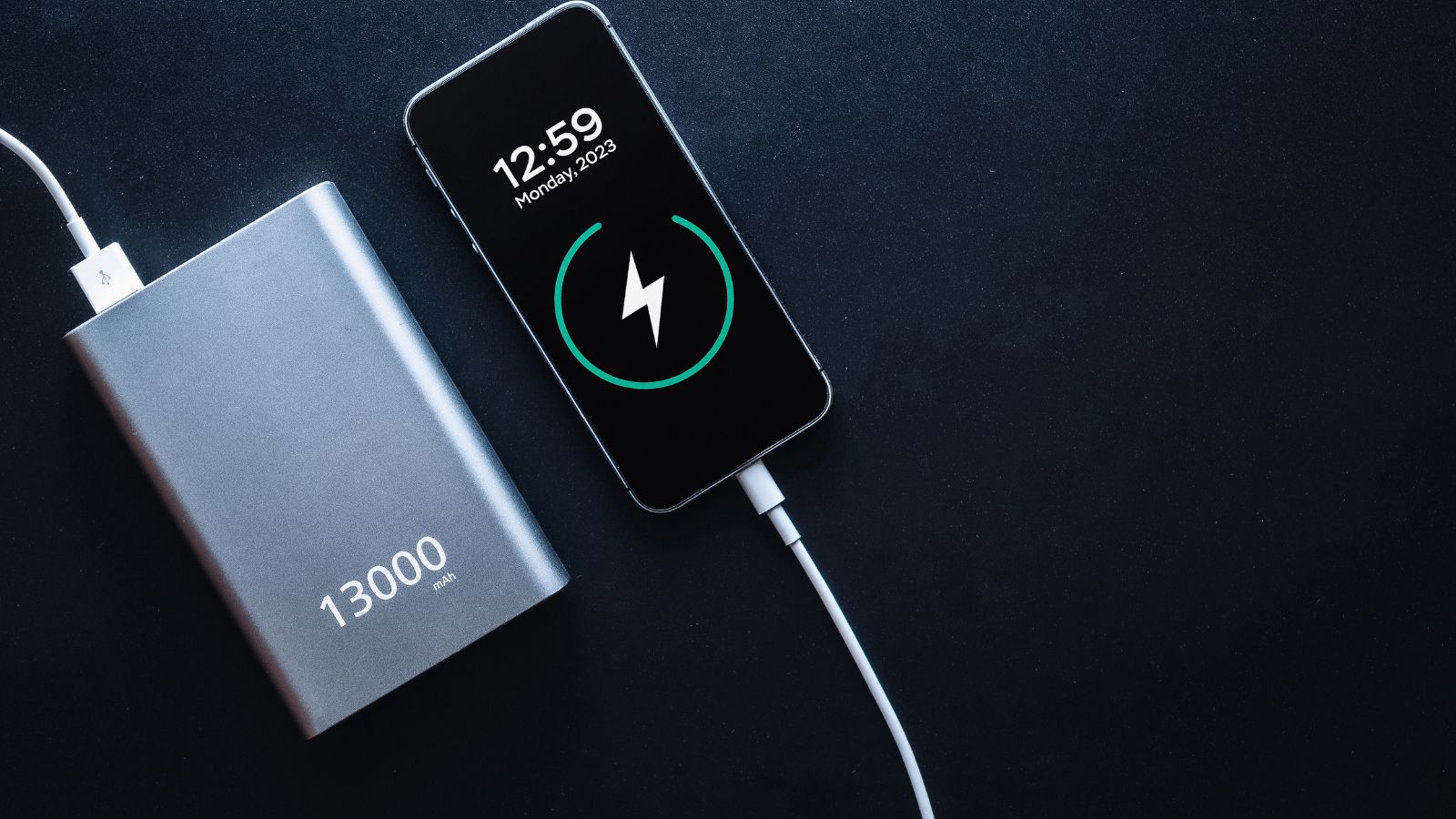
Portable chargers feel like harmless travel essentials, but lithium batteries are treated carefully because of fire risk. CATSA advises travellers to pack power banks, e-cigarettes, and other lithium battery-powered devices in carry-on baggage rather than checked baggage. Transport Canada has also warned that lithium batteries should be kept with passengers, not buried in checked luggage.
This rule often matters when a carry-on is gate-checked. A passenger may forget a power bank in the front pocket, hand the bag over, and only realize the issue after boarding starts. Spare batteries should be protected from short circuits, and airline-specific limits may apply based on watt-hours or device type. The safest routine is to keep chargers, battery packs, cameras, laptops, and spare batteries in a personal item that stays in the cabin.
Passenger Rights Have Deadlines Attached

Canadian air passenger rules can help travellers after delays, cancellations, denied boarding, or baggage problems, but rights are easier to use when deadlines are known. For baggage, claims can be time-sensitive: damaged baggage claims generally must be filed within seven days, while delayed baggage on international flights must be claimed within 21 days after receiving the bag.
This is where exhaustion works against travellers. After a long flight, many people accept a vague promise at the baggage desk, leave without documentation, or wait too long to gather receipts for replacement items. Delay compensation rules also depend on factors such as airline size, length of arrival delay, and whether the cause was within the airline’s control. The rule to remember is practical: report problems immediately, keep receipts, and put claims in writing.
19 Things Canadians Don’t Realize the CRA Can See About Their Online Income

Earning money online feels simple and informal for many Canadians. Freelancing, selling products, and digital services often start as side projects. The problem appears at tax time. Many people underestimate how much information the CRA can access. Online platforms, banks, and payment processors create detailed records automatically. These records do not disappear once money hits an account. Small gaps in reporting add up quickly.
Here are 19 things Canadians don’t realize the CRA can see about their online income.
