
Canada’s housing conversation has been dominated for years by the pressure of Toronto and Vancouver prices, but a different story is gaining ground. Buyers are looking harder at cities where homes still feel within reach, local economies offer room to build a life, and the math does not immediately collapse under the weight of a mortgage payment.
These 18 Canadian cities stand out because affordability is no longer just a side benefit. It is becoming the main reason buyers are paying attention, whether they are first-time purchasers, remote workers, families leaving larger markets, or investors looking for steadier value.
Fredericton, New Brunswick

Fredericton has become one of Canada’s clearest examples of affordability meeting momentum. Its benchmark price remains far below the national benchmark, yet the city has still posted strong multi-year price growth. That combination is rare: buyers are not only finding a lower entry point, but also a market that has been building equity rather than sitting still.
The appeal is not limited to the price tag. Fredericton offers the lifestyle markers that often matter after the purchase closes: universities, government jobs, a growing tech presence, and trail systems along the St. John River. For a household priced out of Ontario or British Columbia, the city can feel less like a compromise and more like a reset.
St. John’s, Newfoundland and Labrador
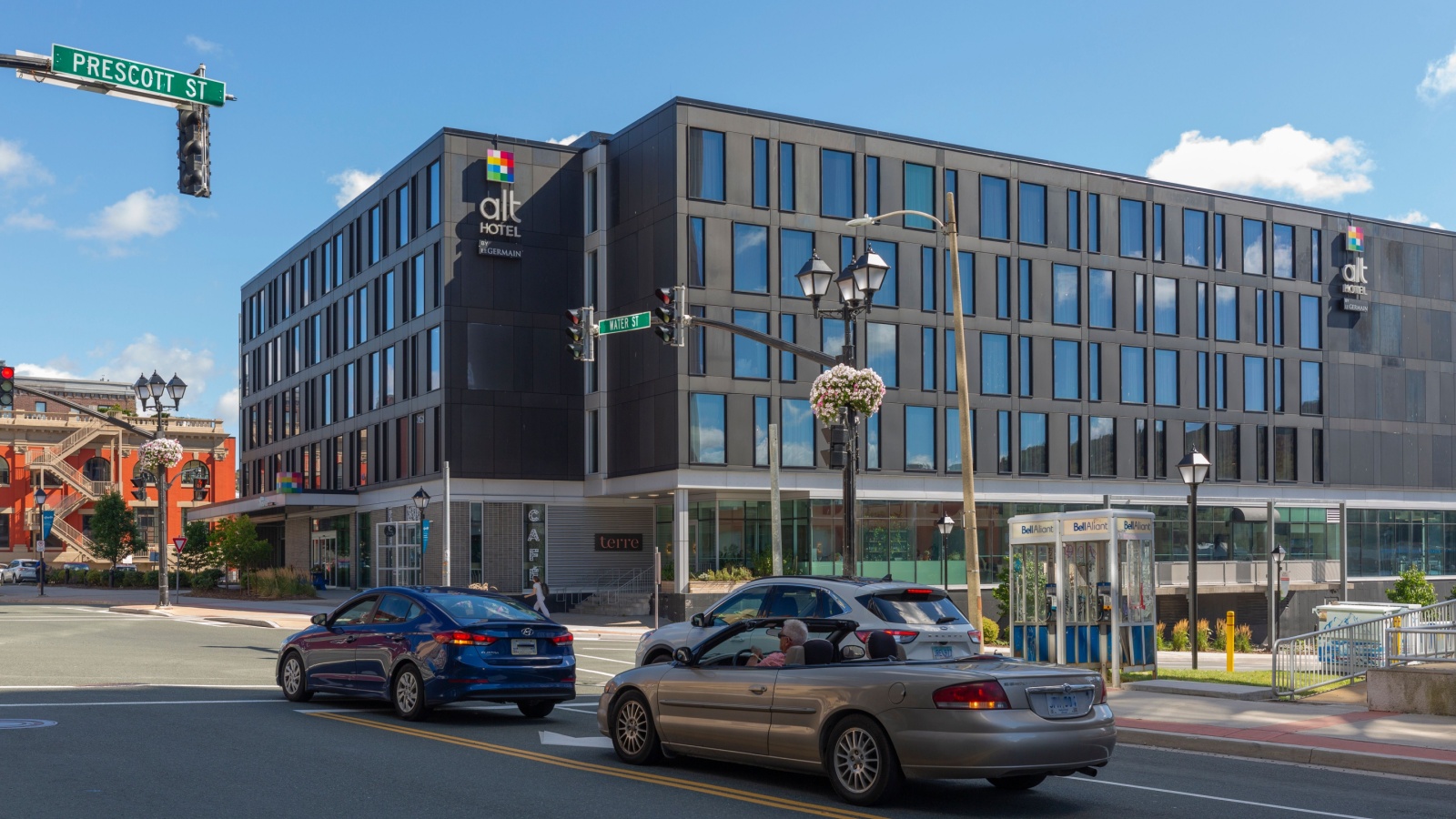
St. John’s is attracting attention because it offers a coastal capital-city lifestyle at a price that still looks modest compared with most major Canadian markets. Its benchmark price has climbed meaningfully since 2020, but it remains well below the national benchmark, giving buyers a mix of relative affordability and evidence of sustained demand.
The city’s housing story is also shaped by limited supply. That can make the search competitive, especially for well-kept starter homes, but it also explains why buyers continue to watch St. John’s closely. A family moving from a larger market may find detached homes, ocean air, and a strong sense of place at a price that would barely cover a condo elsewhere.
Edmonton, Alberta

Edmonton stands out because it offers big-city infrastructure without the same housing cost shock found in Canada’s largest urban centres. Its benchmark price is far below the national benchmark, while local incomes compare favourably with several more expensive cities. That gap is one reason buyers seeking space, jobs, and amenities increasingly view Edmonton as a practical alternative.
The city also benefits from a wide housing mix. Buyers can compare condos, townhomes, older detached homes, and newer suburban builds without immediately leaving the metropolitan area. Edmonton’s draw is especially strong for people who want the employment depth of a large city but still want a mortgage that leaves room for savings, commuting costs, and family expenses.
Saint John, New Brunswick

Saint John remains one of the most affordable urban housing markets in the country, and that affordability is pulling in buyers who once overlooked the city. Its benchmark price is roughly half the national benchmark, while its multi-year growth shows that value-focused demand has not disappeared. For many buyers, Saint John is affordable without feeling stagnant.
The city’s working waterfront, historic architecture, and improving neighbourhoods give it a distinct identity. A buyer walking through older central districts can still find character homes at prices that would be difficult to imagine in larger markets. That lower entry point is especially important for first-time buyers who want ownership without stretching into the kind of debt that defines pricier cities.
Calgary, Alberta

Calgary is not the cheapest city on this list, but affordability is relative, and Calgary still offers a powerful value argument. Its benchmark price remains below the national benchmark, while incomes are among the strongest in the country. That makes the city attractive to buyers who want a major labour market, airport access, and a large-city lifestyle without Toronto or Vancouver pricing.
The city’s appeal is reinforced by economic migration. Alberta has continued to draw people looking for jobs, lower taxes, and more housing choice. In Calgary, that demand has lifted competition in some segments, but the market still offers detached and semi-detached options that feel attainable compared with Canada’s most expensive metros.
Saskatoon, Saskatchewan

Saskatoon has become a favourite among buyers looking for a city with a strong local economy, universities, hospitals, and a housing market that still feels grounded. Its benchmark price is far below the national benchmark, while recent growth signals that buyers are recognizing the value. For many households, Saskatoon offers room to buy without sacrificing urban amenities.
The city’s riverfront, neighbourhood variety, and role as an economic hub for Saskatchewan add to its appeal. Buyers who want more than a bedroom community often see Saskatoon as a place where affordability comes with culture, services, and career options. In a national market where many starter homes feel out of reach, that balance matters.
Regina, Saskatchewan

Regina’s affordability is one of its strongest selling points. Its benchmark price sits well below the national benchmark, and local after-tax income levels compare favourably with many higher-priced markets. That creates a practical advantage for buyers who want to enter the market without relying on extreme down payments or unusually high household income.
The city also offers predictability. Regina may not draw the same national attention as Calgary or Halifax, but that quieter profile can work in buyers’ favour. Government, insurance, agriculture, and resource-linked employment support the local economy, while the housing market still offers detached homes, bungalows, and family-friendly neighbourhoods at prices that feel increasingly rare in Canada.
Greater Moncton, New Brunswick

Greater Moncton has become one of Atlantic Canada’s most watched affordability markets. Its benchmark price remains far below the national benchmark, yet the region has posted very strong five-year price growth. That pattern shows why buyers are arriving: Moncton still looks affordable from a national perspective, but the bargain is no longer going unnoticed.
The city’s bilingual workforce, transportation links, and role as a regional service hub all add to the pull. Buyers coming from Ontario often find that Moncton offers a lower housing cost while still providing shopping, schools, health services, and employment options. The result is a market where affordability is not just about cheap housing, but about everyday livability.
Halifax, Nova Scotia

Halifax is more expensive than many Atlantic Canadian markets, but it remains attractive because it offers a major-city coastal lifestyle at a lower price than Toronto or Vancouver. Its benchmark price sits below the national benchmark, and the city has benefited from strong population growth, universities, public-sector jobs, and a growing technology sector.
For buyers, Halifax often represents a middle ground. It is not the lowest-cost option in the region, yet it provides a depth of services and employment that smaller cities cannot always match. A family relocating from a pricier metro may still face competition, but the idea of owning near the ocean, with urban amenities close by, continues to draw interest.
Winnipeg, Manitoba

Winnipeg’s affordability story is built on scale. It is a major Canadian city with universities, hospitals, arts institutions, professional sports, and diverse neighbourhoods, yet its benchmark price remains far below the national benchmark. That gives buyers a rare chance to access large-city life without the price levels seen in southern Ontario or British Columbia.
The city also offers a broad housing ladder. Buyers can start with condos, move into modest detached homes, or look at older character properties in established neighbourhoods. Winters are part of the calculation, but so is the lower cost of ownership. For many households, Winnipeg’s value lies in having urban choice without giving up long-term financial breathing room.
Sault Ste. Marie, Ontario
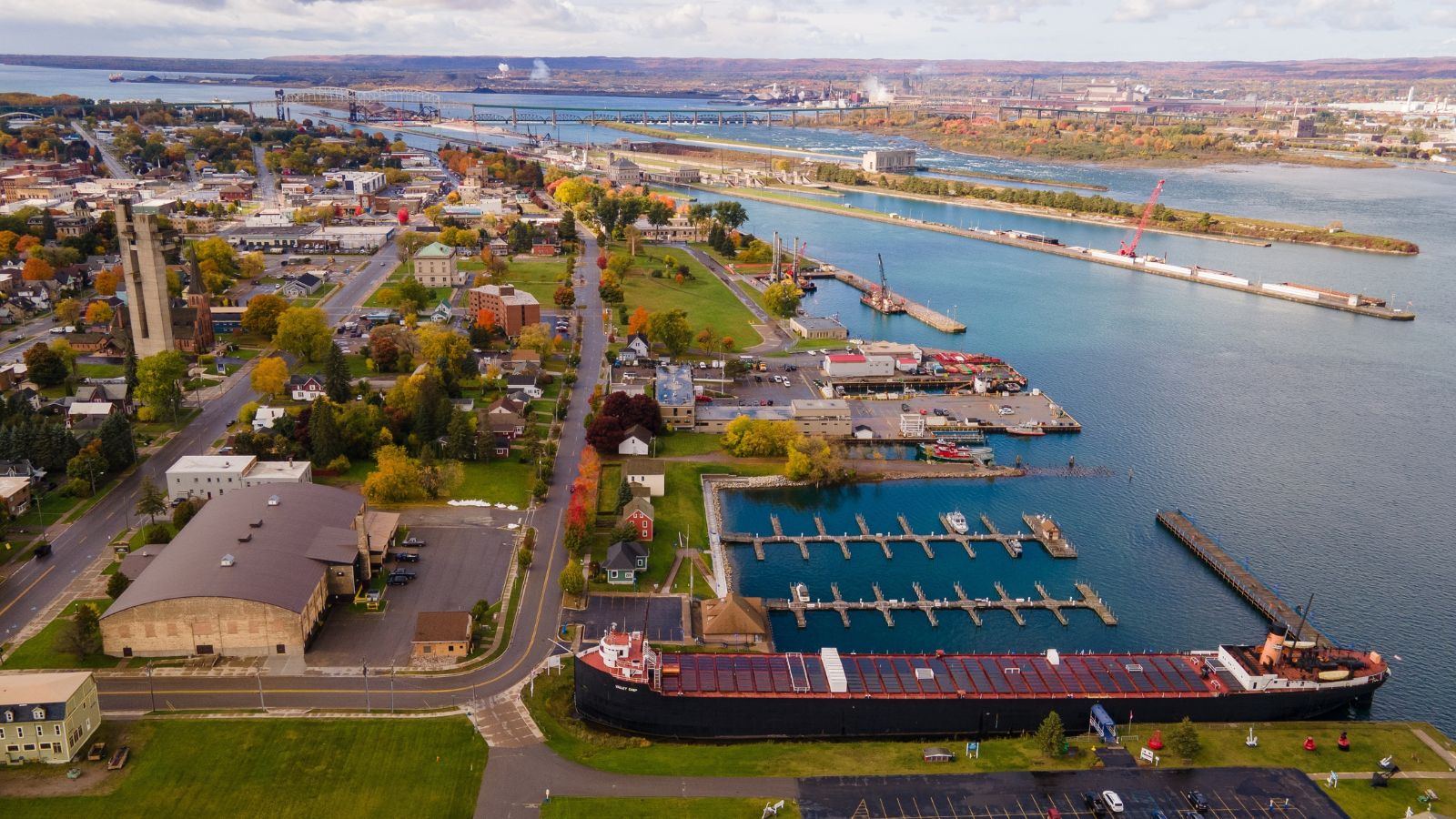
Sault Ste. Marie is drawing attention from buyers who want Ontario ownership without Greater Toronto Area pricing. Its benchmark price is among the lowest in the national ranking, sitting far below the national benchmark. That makes it one of the few Ontario cities where detached ownership can still look realistic for households with moderate incomes.
The city’s northern setting is part of its identity. Access to Lake Superior, outdoor recreation, and a slower pace create an appeal that goes beyond price. For remote or hybrid workers, Sault Ste. Marie can offer a lower-cost base with more space. For local buyers, affordability is especially important because it keeps ownership from becoming a distant goal.
North Bay, Ontario
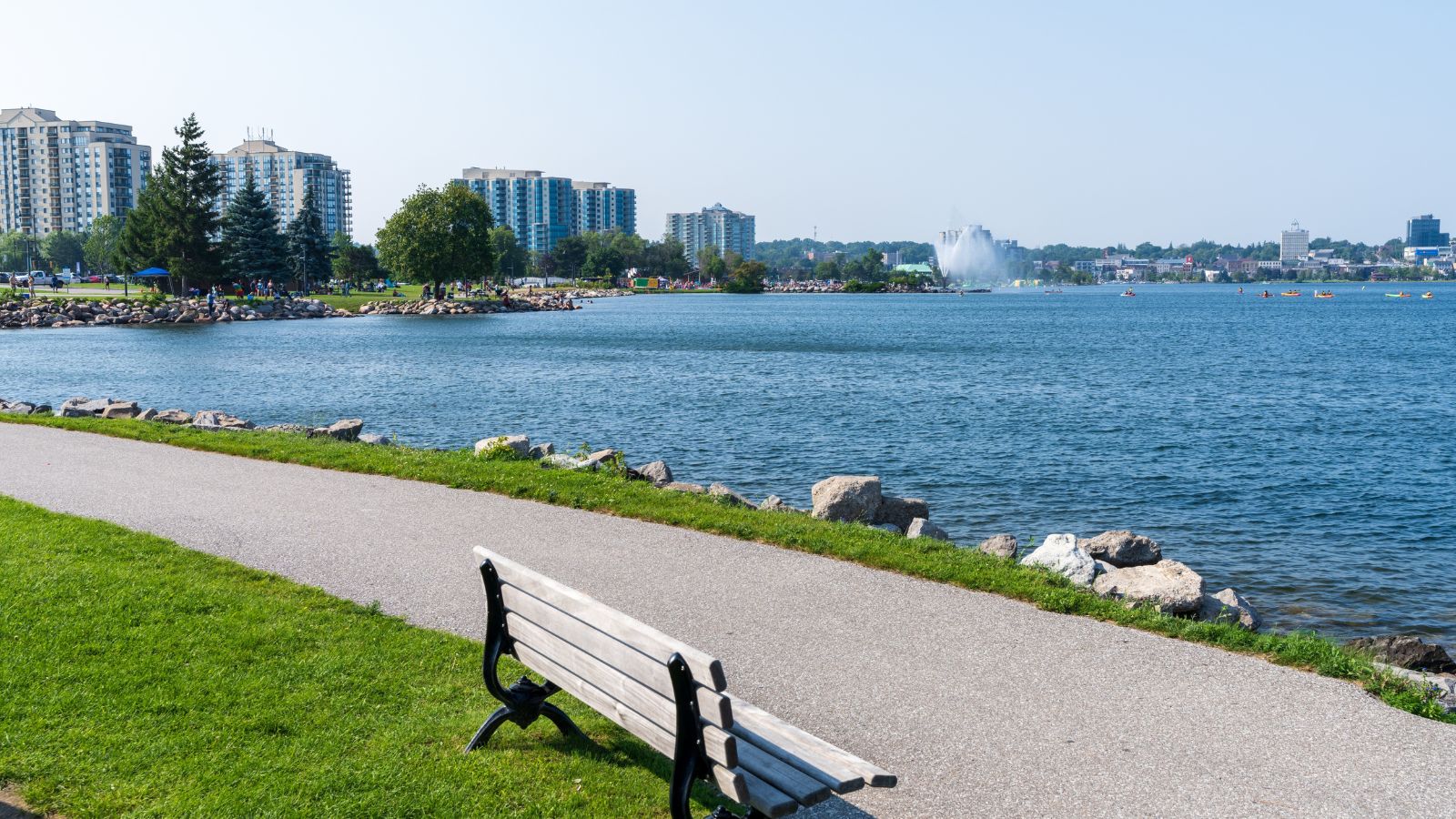
North Bay offers the kind of Ontario affordability that has become harder to find. Its benchmark price remains well below the national benchmark, while recent growth suggests buyers are not ignoring the city. It sits between lakefront lifestyle, northern access, and reasonable proximity to larger Ontario centres, giving it a practical edge.
The buyer profile is varied. Some are locals trying to avoid being priced out, while others are coming from southern Ontario in search of a smaller mortgage and more space. North Bay’s appeal is not only the home price; it is also the chance to live near water, trails, and community services without competing in the overheated conditions that defined many Ontario markets earlier in the decade.
Greater Sudbury, Ontario

Greater Sudbury is becoming more visible as buyers search for value in Ontario’s larger northern centres. Its benchmark price remains below the national benchmark, and the city offers a substantial employment base tied to mining, health care, education, and public services. That makes it more than a low-cost housing market; it is a regional economy with staying power.
The city’s geography also matters. Sudbury offers lakes, outdoor space, and neighbourhoods that can feel spacious compared with southern Ontario. Buyers who once focused only on commuter towns are increasingly considering whether a larger northern city offers a better long-term fit. For households seeking ownership, Sudbury’s balance of jobs, space, and relative affordability is a serious draw.
Thunder Bay, Ontario
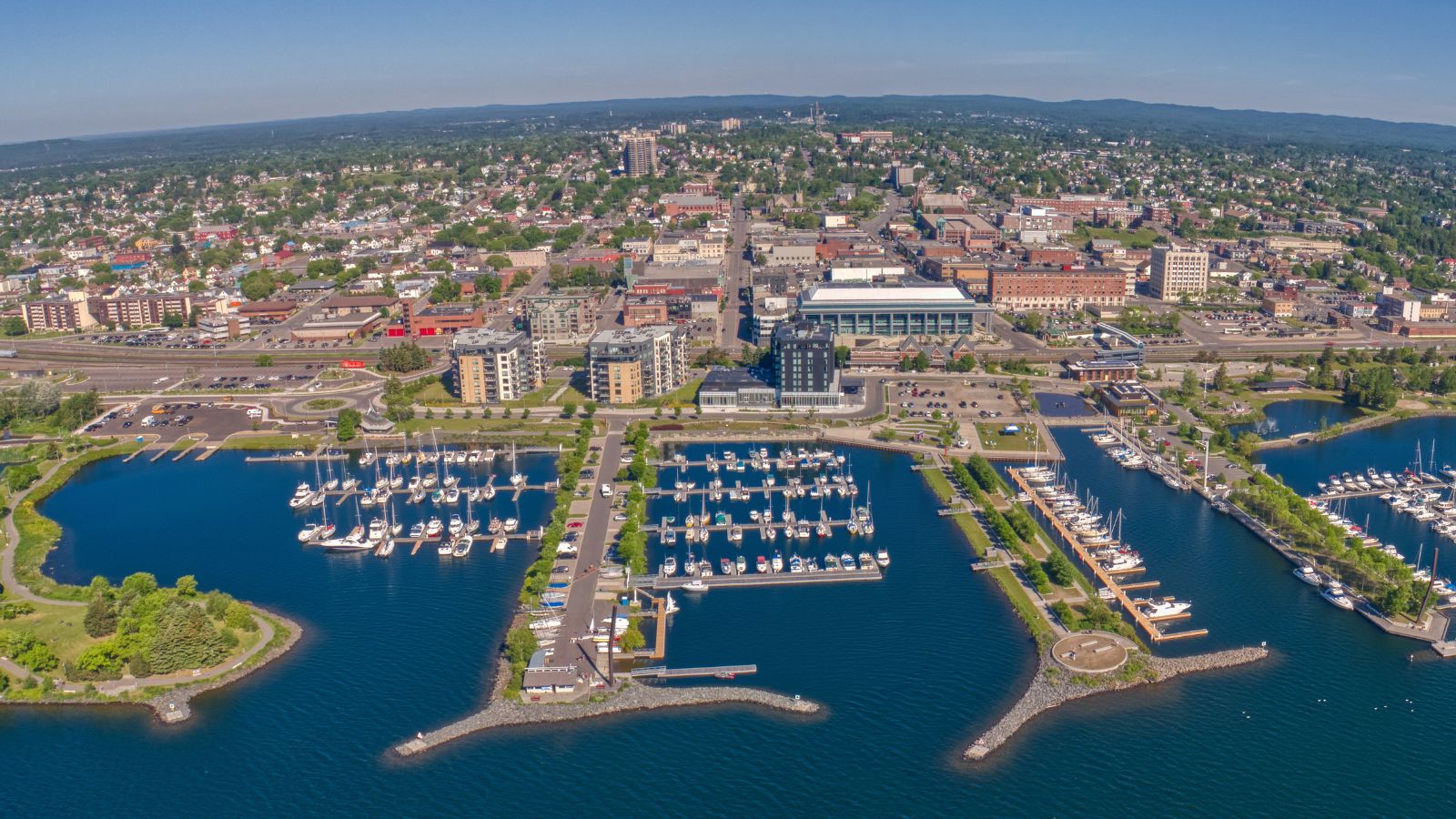
Thunder Bay has moved from quiet affordability story to one of the country’s hottest smaller markets. Recent data showed strong year-over-year price growth, with average prices still far below the national average. That tells a clear story: buyers are willing to move quickly when a market offers both lower entry costs and signs of rising demand.
The city’s appeal is rooted in more than numbers. Thunder Bay offers Lake Superior scenery, regional health and education institutions, and a lower-density lifestyle. Buyers priced out of southern Ontario may see it as a place where detached homes, yards, and nature are still within reach. The challenge is that popularity can narrow the window for bargain hunters.
Trois-Rivières, Quebec

Trois-Rivières has become one of Quebec’s most compelling affordability markets. Its recent price growth has been among the strongest in Canada, yet average prices remain far below the levels seen in Greater Montreal, Toronto, or Vancouver. That combination has made the city especially attractive to buyers looking for value before it disappears.
Its location between Montreal and Quebec City adds to the logic. Buyers can access a historic urban setting, a university presence, and a lower cost base while staying connected to larger economic corridors. As more people compare monthly payments across Quebec markets, Trois-Rivières stands out as a city where affordability is still visible, but demand is clearly catching up.
Quebec City, Quebec
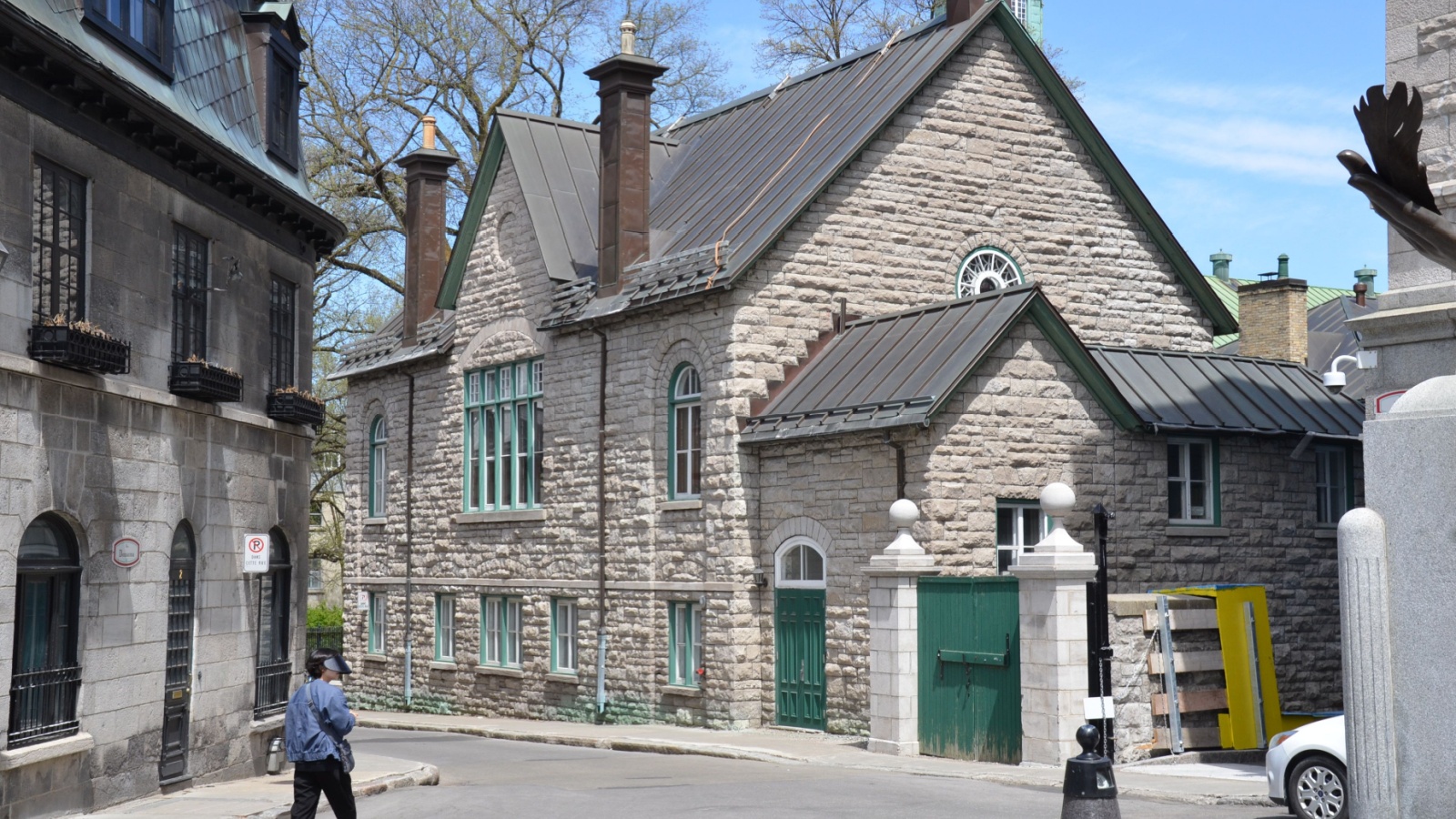
Quebec City offers a rare mix of culture, stability, and comparatively moderate home prices. Its average home price remains far below Canada’s most expensive metros, while recent data shows the market continuing to post resilient annual growth. For buyers seeking long-term value, that balance can be more attractive than chasing a cheaper but less established market.
The city’s strengths are easy to understand: public-sector employment, universities, tourism, health care, and a strong neighbourhood identity. It also offers a European-style urban feel that many Canadian cities cannot replicate. For buyers who can work in French or are already tied to Quebec, Quebec City can feel like a high-quality market that still leaves room in the budget.
Windsor, Ontario

Windsor’s affordability is increasingly important because it offers southern Ontario access without Greater Toronto prices. Recent local market data shows prices have pulled back from prior levels, and that shift has improved the value proposition for buyers who had been waiting for a calmer entry point. For some households, Windsor is one of Ontario’s few realistic ownership options.
The city’s border location adds another layer. Automotive employment, cross-border connections, and proximity to Detroit give Windsor a distinct economic profile. Buyers may still need to be careful about neighbourhood, commute, and property condition, but the overall math is compelling. Compared with much of southern Ontario, Windsor can offer a house, a yard, and a manageable mortgage.
London, Ontario

London is attracting buyers because its market has cooled enough to make value comparisons more interesting again. Recent data showed the London-St. Thomas market below prior-year pricing, while still offering a large regional economy, major hospitals, Western University, Fanshawe College, and strong services. That gives buyers a city with depth rather than just a cheaper address.
The affordability story is relative, not absolute. London is not inexpensive in the way Regina or Sault Ste. Marie can be, but it is far less daunting than the GTA for many households. Buyers who want southern Ontario access, good schools, health care, and employment options may see London as a practical compromise between price and opportunity.
19 Things Canadians Don’t Realize the CRA Can See About Their Online Income

Earning money online feels simple and informal for many Canadians. Freelancing, selling products, and digital services often start as side projects. The problem appears at tax time. Many people underestimate how much information the CRA can access. Online platforms, banks, and payment processors create detailed records automatically. These records do not disappear once money hits an account. Small gaps in reporting add up quickly.
Here are 19 things Canadians don’t realize the CRA can see about their online income.
