
Canadian cities rarely become expensive overnight. The warning signs usually appear first in rents, construction costs, tax bills, transit budgets, population shifts, and the quiet arrival of new money chasing limited space. By the time grocery stores, cafés, parking lots, and detached homes all feel pricier at once, the change has often been building for years.
Here are 15 signs a Canadian city could become much more expensive in 2026. Some are obvious, like rising rents and home prices. Others are subtler, such as stalled housing starts, new infrastructure costs, shrinking rental turnover, or a wave of higher-income newcomers reshaping local demand.
Rental Listings Disappear Faster Than New Units Arrive

A city’s rental market often gives the earliest warning that costs are about to rise. When available apartments get snapped up quickly, landlords gain more pricing power, especially in neighbourhoods close to jobs, colleges, hospitals, and transit. Even if national rent growth cools, individual cities can still tighten quickly when local demand outruns new supply. A vacancy rate below a healthy range can make tenants compete harder for ordinary units, not just luxury apartments.
This pressure is especially noticeable when newly completed rentals are absorbed almost immediately. A new building may briefly add choice, but if applications flood in before the paint dries, it signals deeper scarcity. In practical terms, a renter who once had time to compare five apartments may suddenly feel forced to apply the same day. That urgency can spread across the market, lifting rents for older walk-ups, basement suites, and suburban units that used to be more affordable.
Home Prices Fall Briefly, Then Inventory Starts Vanishing

A short dip in home prices can make a city look more affordable, but the real signal is what happens next. If listings start disappearing while buyers return, the cheaper window may close quickly. In cities where sellers held back during uncertainty, even a modest increase in demand can tighten supply. That creates a familiar pattern: buyers wait for bargains, then discover that the best-priced homes have already sold.
This matters because Canadian housing markets are highly local. A national slowdown does not prevent a specific city from heating up if employment is stable, migration resumes, or borrowing conditions improve. A city with months of unsold inventory may remain balanced. A city where entry-level houses, townhomes, and family-sized condos begin moving faster can become expensive before headline statistics catch up. The first warning is often fewer realistic choices, not a dramatic price spike.
Construction Costs Keep Rising Even When Demand Cools

A city can become more expensive even when buyers and renters seem cautious. If construction costs keep rising, developers may delay projects, raise asking prices, or build fewer affordable units. Materials, labour, financing, insurance, permitting delays, and code requirements all feed into the final cost of new housing. When those costs rise faster than incomes, affordability can deteriorate even in a slower market.
This is one reason “more supply” is not always quick relief. A project approved in 2026 may have been priced using older assumptions, then face higher expenses before completion. Builders often respond by targeting higher-end buyers or renters because those projects are easier to finance. For residents, the visible sign is a skyline full of cranes that still fails to produce affordable homes. New buildings appear, but the rents or purchase prices land far above what average households expected.
Property Taxes Rise to Cover Municipal Budget Gaps

Property tax increases are one of the clearest signs that the local cost base is shifting. Cities must pay for policing, fire services, libraries, roads, parks, transit, snow clearing, water systems, and debt servicing. When inflation, labour agreements, population growth, and infrastructure repairs push budgets higher, the bill often lands on homeowners and, indirectly, renters. Landlords may not be able to pass on every increase immediately, but rising ownership costs eventually influence rents.
The key sign is not just one tax hike. It is a pattern of recurring increases paired with warnings about service cuts or infrastructure backlogs. A homeowner may focus on the annual percentage increase, while a renter may notice the effect later through higher asking rents or reduced maintenance. Cities with limited commercial tax bases can feel this pressure more sharply because residential taxpayers carry more of the burden.
Transit Fares, Parking Fees, and User Charges Start Climbing
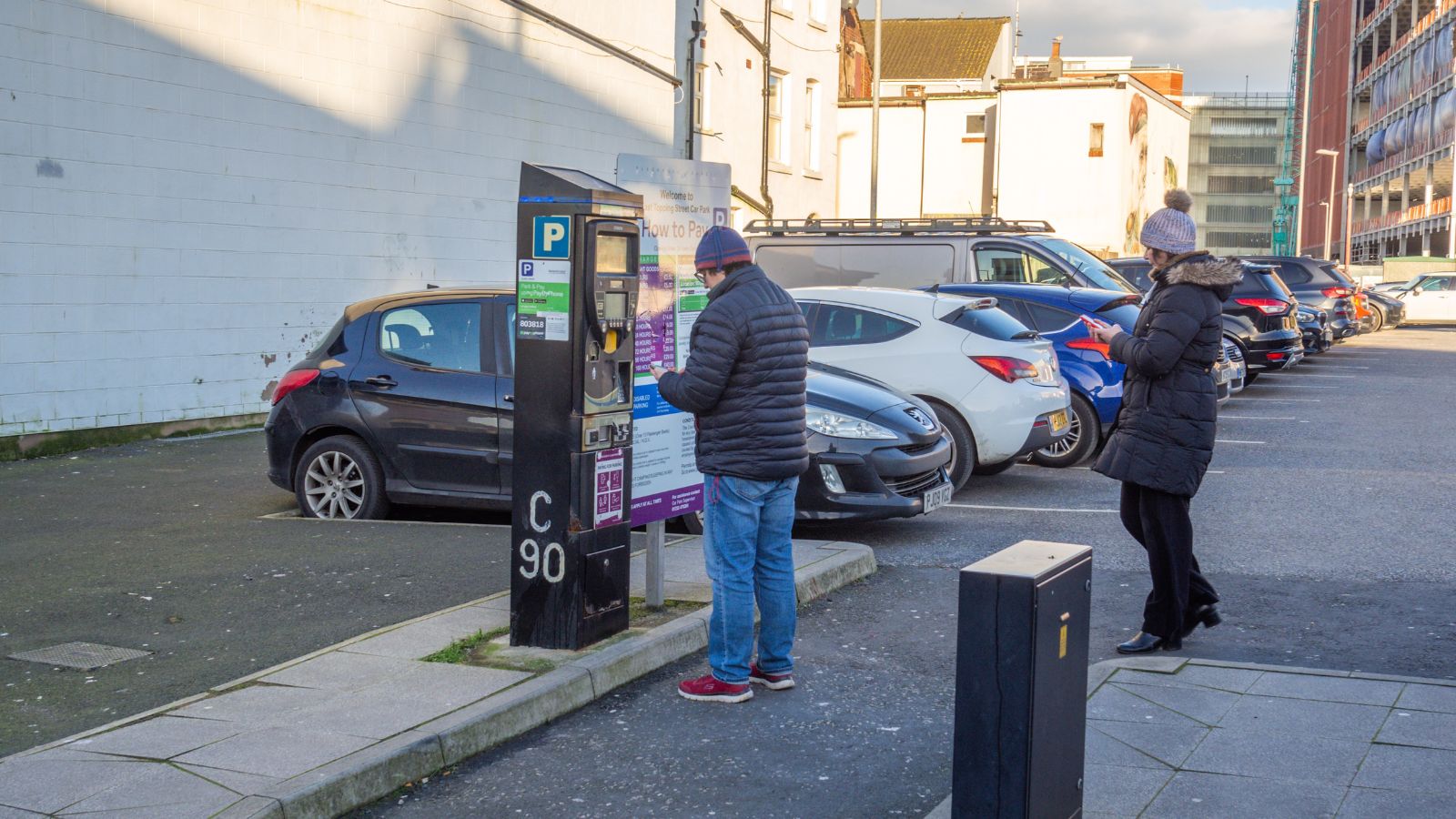
When a city becomes more expensive, the increase often shows up in daily movement before it appears in housing statistics. Transit fares, parking permits, street parking, recreation fees, garbage tags, and development-related charges can all rise as municipalities search for revenue. These costs may look small individually, but they change the monthly budget for commuters, students, seniors, and families with multiple routines across town.
Transit is especially important because affordable mobility helps offset high housing costs. If cheaper neighbourhoods also require higher commuting expenses, residents may not save as much by moving farther out. A city where transit fares are frozen may offer some relief, but one where fare increases and parking costs rise together can become harder to navigate. The warning sign is a growing sense that simply getting around town now comes with more fees than it used to.
Population Growth Shifts Toward Already Tight Neighbourhoods

Population growth does not have to be explosive to raise costs. Even slower national growth can strain specific cities if newcomers concentrate in neighbourhoods near universities, hospitals, logistics hubs, public-sector offices, or tech corridors. A city may look stable overall while a few districts become far more competitive. The result is uneven affordability: older residents may still remember cheap rents, while new arrivals face a very different market.
The strongest signal is growth landing where housing supply cannot adjust quickly. Established neighbourhoods with limited vacant land, slow rezoning, or strong resistance to density can absorb new demand only through higher prices. A growing student population, more temporary workers, or an expanding health-care workforce can all create sudden pressure on smaller units. When local population gains cluster around limited rental stock, prices can rise even if the broader city appears calm.
New Employers Arrive Before Housing Does

A major employer can improve a city’s economy while also making it more expensive. New hospitals, battery plants, logistics centres, government offices, film studios, and tech expansions bring jobs and confidence. They also bring workers who need places to live. If the housing pipeline is thin, wages from new employment can quickly bid up rents and home prices around the job centre.
This change often begins quietly. A few more relocation searches appear, short-term rentals fill with incoming staff, and real estate agents start marketing neighbourhoods as “close to the new facility.” Local restaurants and service businesses may benefit, but lower-income residents can feel squeezed. The warning sign is a city celebrating major investment while approving too few homes for the workforce that investment attracts. Prosperity can raise living standards, but without housing supply, it also raises the cost of staying.
Older Rentals Start Turning Over at Much Higher Prices

A city can look affordable on paper because many long-term tenants still pay older rents. The problem appears when those units turn over. Once a tenant leaves, a landlord may be able to reset the asking rent much closer to current market levels, depending on provincial rules and local demand. That gap between occupied rents and advertised rents reveals how expensive the city is becoming for anyone who has to move.
This creates a divided rental market. Long-term tenants may be protected from the full force of price increases, while newcomers, separated couples, students, and workers changing jobs face much higher costs. A neighbourhood can feel stable until several older buildings change hands, renovate, or relist units at sharply higher prices. The warning sign is not only rising average rent; it is the widening difference between what existing residents pay and what new renters must accept.
Condo Presales Slow, Threatening the Future Housing Pipeline

When condo presales weaken, the effect may not be obvious right away. Existing projects may still be under construction, so cranes remain visible and completions continue. But developers often need presales to finance new ownership housing. If buyers step back because prices are too high, interest rates remain uncertain, or investors retreat, future projects can be postponed or cancelled. That can create a supply gap a few years later.
This is especially important in expensive cities where condos are a major source of new housing. A slowdown in presales can mean fewer entry-level ownership options later, pushing more households into rentals. It can also reduce construction jobs and limit the city’s ability to absorb population growth. The warning sign is a market that appears oversupplied today but underbuilt tomorrow. If the pipeline dries up, affordability can worsen just as demand returns.
Infrastructure Repairs Become Impossible to Ignore

A city with aging pipes, roads, bridges, sewers, recreation centres, and transit assets eventually has to pay for them. Delayed repairs may keep taxes lower for a while, but the bill grows in the background. When councils begin warning about infrastructure deficits, asset management plans, water-main failures, or bridge rehabilitation, residents should pay attention. These costs rarely disappear; they are usually funded through taxes, utility rates, debt, or service reductions.
Infrastructure pressure can make a city more expensive without making it feel more luxurious. Residents may pay more just to maintain what already exists. That can be frustrating because higher bills do not always come with visible improvements. A repaired sewer line or upgraded water plant is essential, but it does not feel like a new amenity. The warning sign is a city shifting from optional upgrades to unavoidable catch-up spending.
Downtown Revitalization Starts Attracting Higher-End Spending
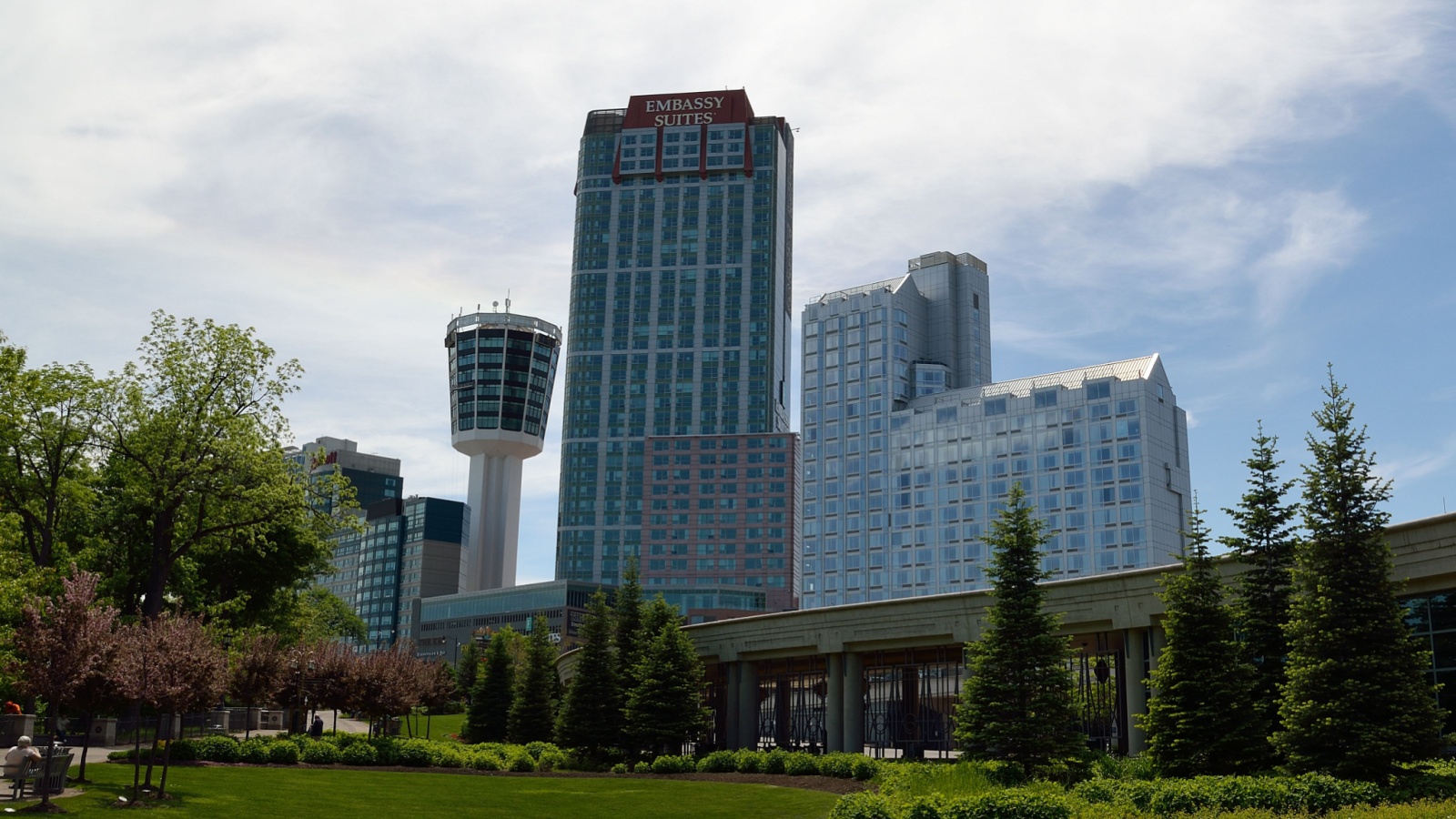
A struggling downtown can become expensive quickly once reinvestment takes hold. New arenas, convention districts, university campuses, boutique hotels, office conversions, and public-realm upgrades can change the economics of nearby blocks. At first, the shift may feel positive: cleaner sidewalks, busier restaurants, safer evenings, and more foot traffic. Then rents rise for both residents and small businesses.
This process is not automatically negative. Many Canadian downtowns need investment, housing, and activity after years of retail vacancies or office weakness. The affordability risk appears when revitalization produces more upscale demand than mixed-income supply. A former bargain district can suddenly attract investors, short-term rental operators, and higher-income renters seeking walkable amenities. The warning sign is when local coffee shops, older diners, and modest apartments begin being replaced by premium concepts faster than new affordable options appear.
Insurance, Climate, and Disaster Costs Feed Into Housing

Climate-related costs are becoming harder for cities to ignore. Flooding, wildfire smoke, extreme heat, hail, and stormwater damage can raise insurance premiums and municipal spending. Even cities far from dramatic disasters may face higher costs for drainage upgrades, cooling centres, tree maintenance, road repairs, and emergency preparedness. Those costs eventually influence property owners, renters, and taxpayers.
The expensive-city signal appears when climate adaptation moves from planning documents into bills. Condo fees may rise because building insurance is more expensive. Homeowners may pay more for coverage or upgrades. Municipalities may invest in flood protection, wildfire mitigation, or stormwater systems. Renters may not see the insurance invoice, but they can feel the result through higher operating costs. A city exposed to climate risk can become pricier simply because maintaining safety and resilience costs more than it used to.
Student and Short-Term Rental Demand Crowds the Same Units

In many Canadian cities, students, short-term visitors, temporary workers, and new residents compete for similar small apartments. When colleges or universities expand enrolment, tourism rebounds, or furnished rentals become more profitable, the same one-bedroom and studio units can attract multiple types of demand. That competition can push up prices in areas that once served as affordable entry points.
The pressure is most visible near campuses, hospitals, downtown entertainment districts, and transit hubs. A landlord choosing between a long-term tenant, a furnished monthly rental, and a higher-paying short-term arrangement may favour flexibility if rules allow it. Local governments can regulate short-term rentals, but enforcement and market response vary. The warning sign is a shrinking supply of ordinary, unfurnished, year-long rentals in precisely the places where students and service workers most need them.
Wages Rise, but Not as Fast as Local Essentials

Higher wages can help residents absorb costs, but they can also mask a deeper affordability problem. A city may boast stronger pay in construction, health care, energy, technology, or public services while essentials rise even faster. Housing, insurance, utilities, groceries, child care, and transportation can consume the gains. When a raise only preserves last year’s lifestyle, the city is becoming more expensive in practical terms.
The clearest signal is household trade-offs. Families stay in smaller homes longer. Workers commute farther. Young adults delay moving out. Seniors cut discretionary spending to manage fixed housing costs. Local businesses may struggle to recruit because pay that once looked competitive no longer covers rent. A city with rising wages can still lose affordability if the cost of basic participation rises faster than ordinary incomes.
Suburbs Stop Being the Cheap Alternative
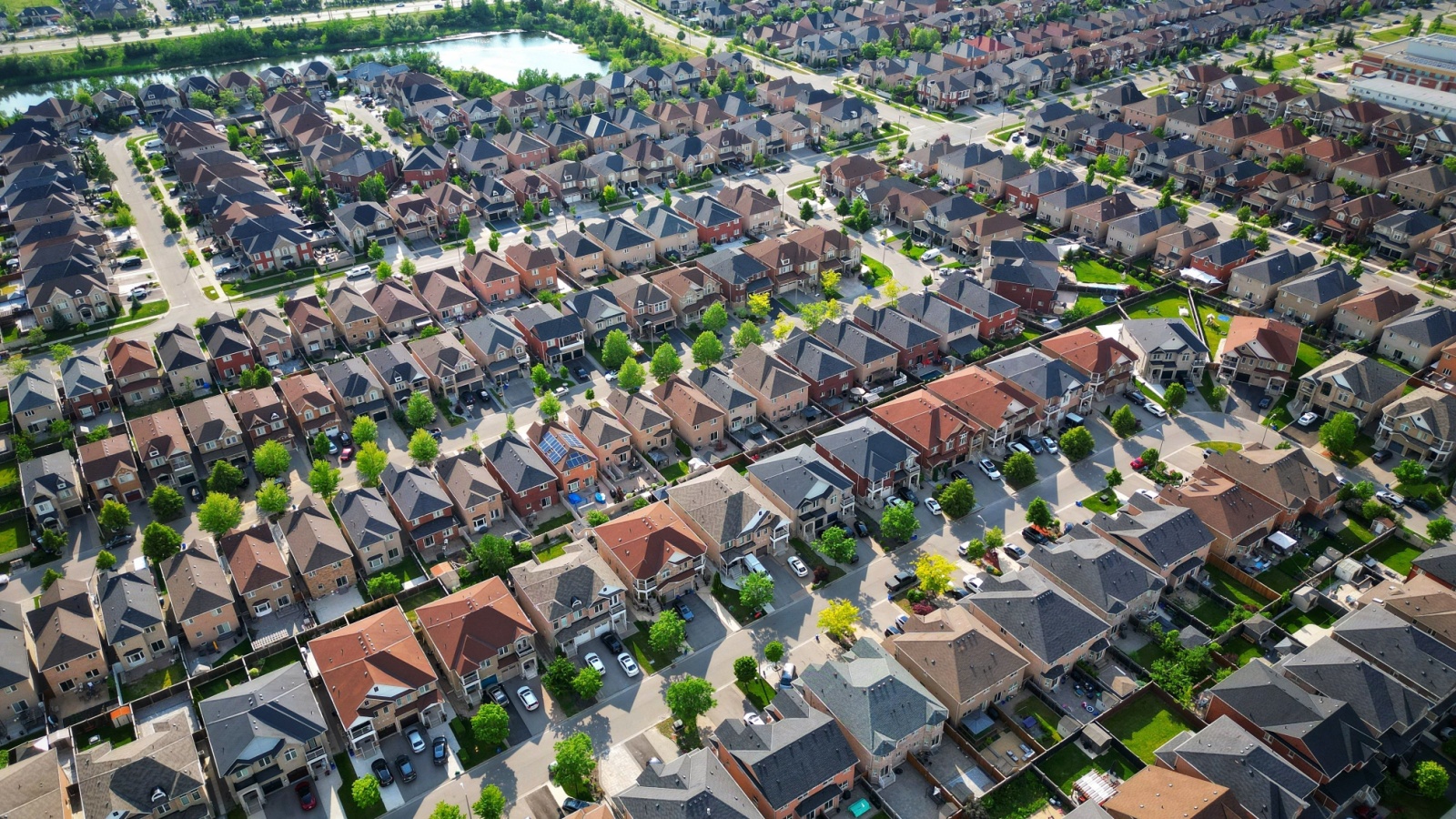
For years, moving farther from the urban core was a common affordability strategy. That changes when suburban and exurban areas become expensive too. As buyers and renters search beyond central neighbourhoods, demand spreads to smaller municipalities, commuter towns, and outer suburbs. Prices can rise quickly in places with limited rental supply, fewer apartments, and infrastructure designed for slower growth.
The hidden cost is that suburban affordability depends on transportation. A cheaper home may come with higher fuel costs, vehicle maintenance, parking, tolls, or longer commute times. If transit is limited, households may need a second car. The warning sign is when outer communities begin seeing big-city pressures without big-city services. Once the affordable edge disappears, the entire regional market feels more expensive, not just the downtown core.
Local Leaders Start Talking About “Revenue Tools”

When councils begin discussing new revenue tools, it often means the city’s existing financial model is under strain. These tools may include higher development charges, vacant-home taxes, parking levies, land-transfer taxes, stormwater fees, accommodation taxes, or special infrastructure charges. Some are designed to shift costs away from property taxes. Others are meant to fund housing, transit, or climate work.
The affordability impact depends on design. A vacant-home tax may push empty units back into use, while higher development charges can raise debate about whether new housing becomes more expensive to build. A hotel tax may be less visible to residents, while a stormwater fee can show up directly on bills. The warning sign is not the existence of one tool; it is the growing menu of charges needed to keep the city functioning. That usually means the cost of urban life is being repriced.
19 Things Canadians Don’t Realize the CRA Can See About Their Online Income

Earning money online feels simple and informal for many Canadians. Freelancing, selling products, and digital services often start as side projects. The problem appears at tax time. Many people underestimate how much information the CRA can access. Online platforms, banks, and payment processors create detailed records automatically. These records do not disappear once money hits an account. Small gaps in reporting add up quickly.
Here are 19 things Canadians don’t realize the CRA can see about their online income.
