Canadian grocery carts used to have a few dependable anchors: bread, milk, eggs, potatoes, coffee, paper towels, dish soap, and other basics that made a weekly shop feel manageable. That sense of reliability has been shaken. Even when headline inflation cools, everyday shelf prices can still feel stubbornly high because households buy these items again and again.
Across 18 Canadian household staples, the pressure is not always dramatic at the checkout line. Sometimes it shows up as smaller packages, fewer sales, higher unit prices, or a quiet switch from name brands to private labels. Together, these familiar items reveal how much the definition of “cheap” has changed inside Canadian homes.
Bread
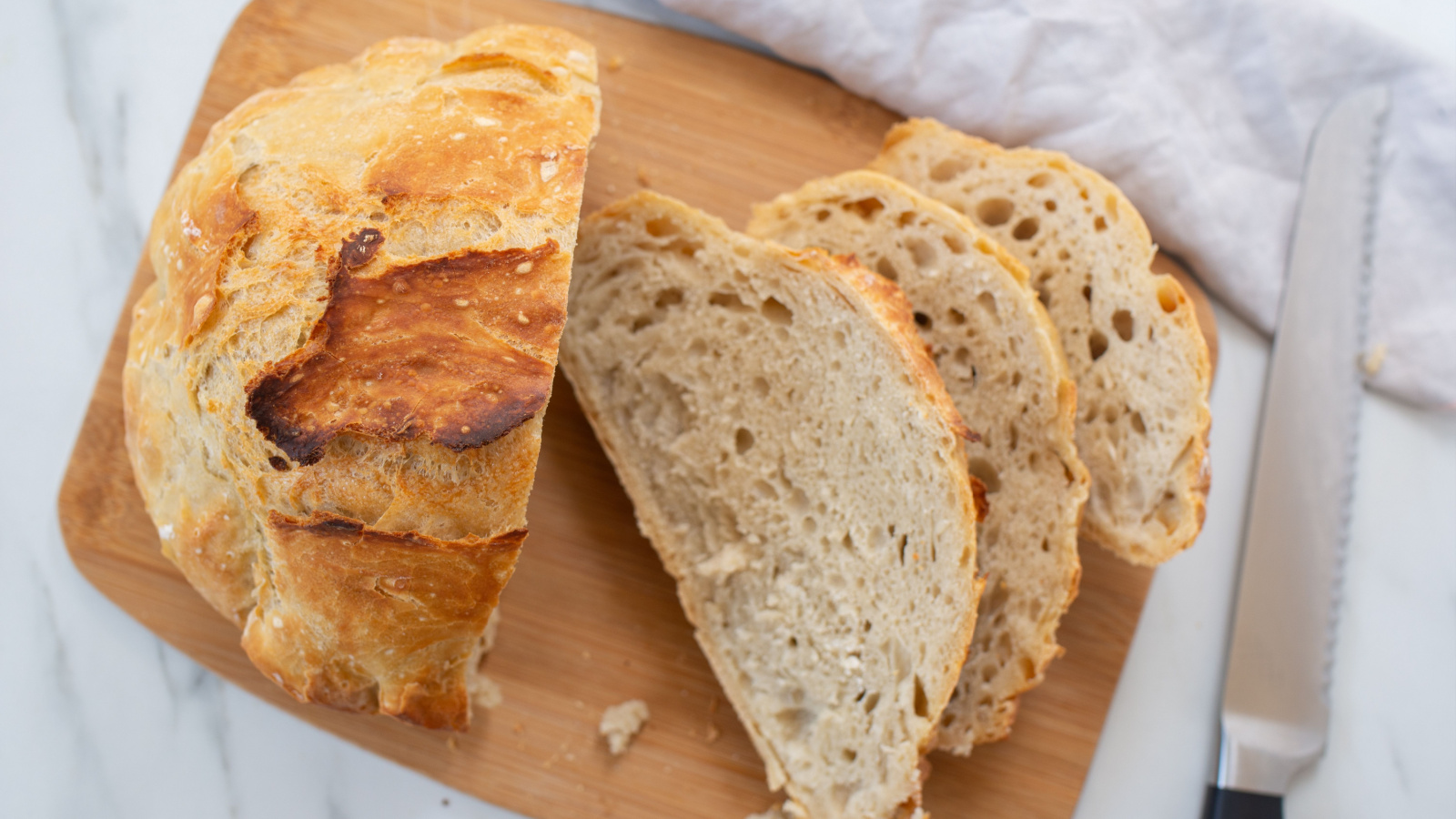
Bread remains one of the most visible household staples because it sits at the centre of so many meals: toast before school, sandwiches for work, grilled cheese on a busy night, or a loaf tossed into the cart without much thought. That casual habit is harder to maintain when a basic loaf no longer feels like a low-cost filler. Families that once grabbed two loaves without checking the shelf tag are more likely to compare sizes, scan for discount stickers, or switch brands.
The sticker shock is not only about wheat. Baking, packaging, labour, transportation, and retail overhead all shape the final price. Bread also tends to expose shrinkflation quickly because shoppers notice when slices look smaller or a loaf disappears faster. A product built on simplicity has become a reminder that even the most ordinary pantry item can be pulled upward by costs far beyond the bakery aisle.
Milk
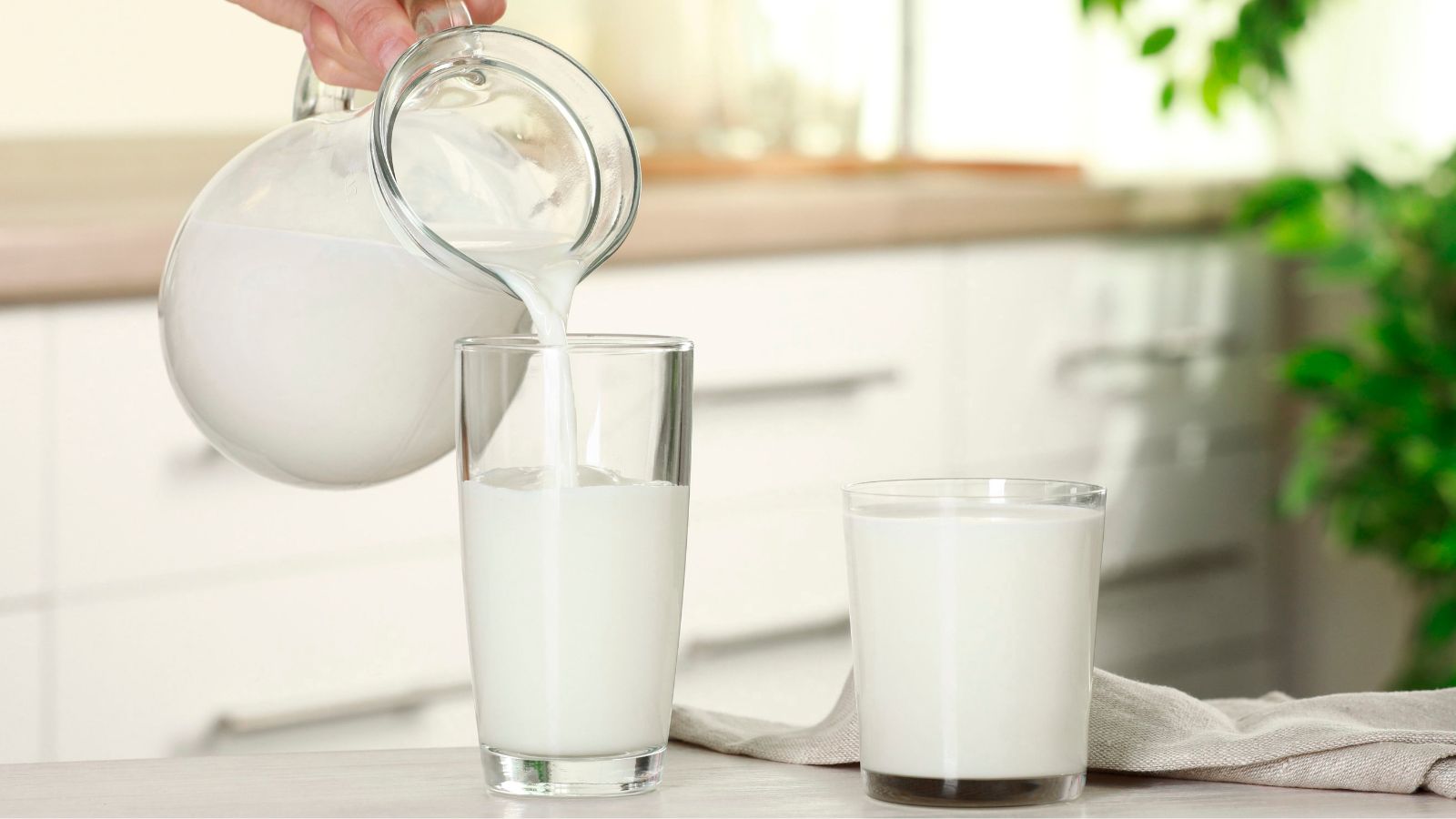
Milk has long carried a reputation as a protected, predictable staple in Canada, partly because supply management keeps domestic dairy production more stable than many imported foods. Yet predictable does not always mean cheap. A four-litre bag or jug can still feel expensive when it is bought week after week, especially in households with children, cereal habits, baking routines, or regular coffee drinkers.
The human effect is subtle but constant. A parent making lunches may notice that milk has become something to ration rather than assume. Some households stretch cartons by buying only when needed, switching to smaller formats, or choosing plant-based alternatives only when they are on promotion. Milk still feels essential, but it no longer carries the same psychological comfort of being a basic item that barely affects the bill.
Eggs
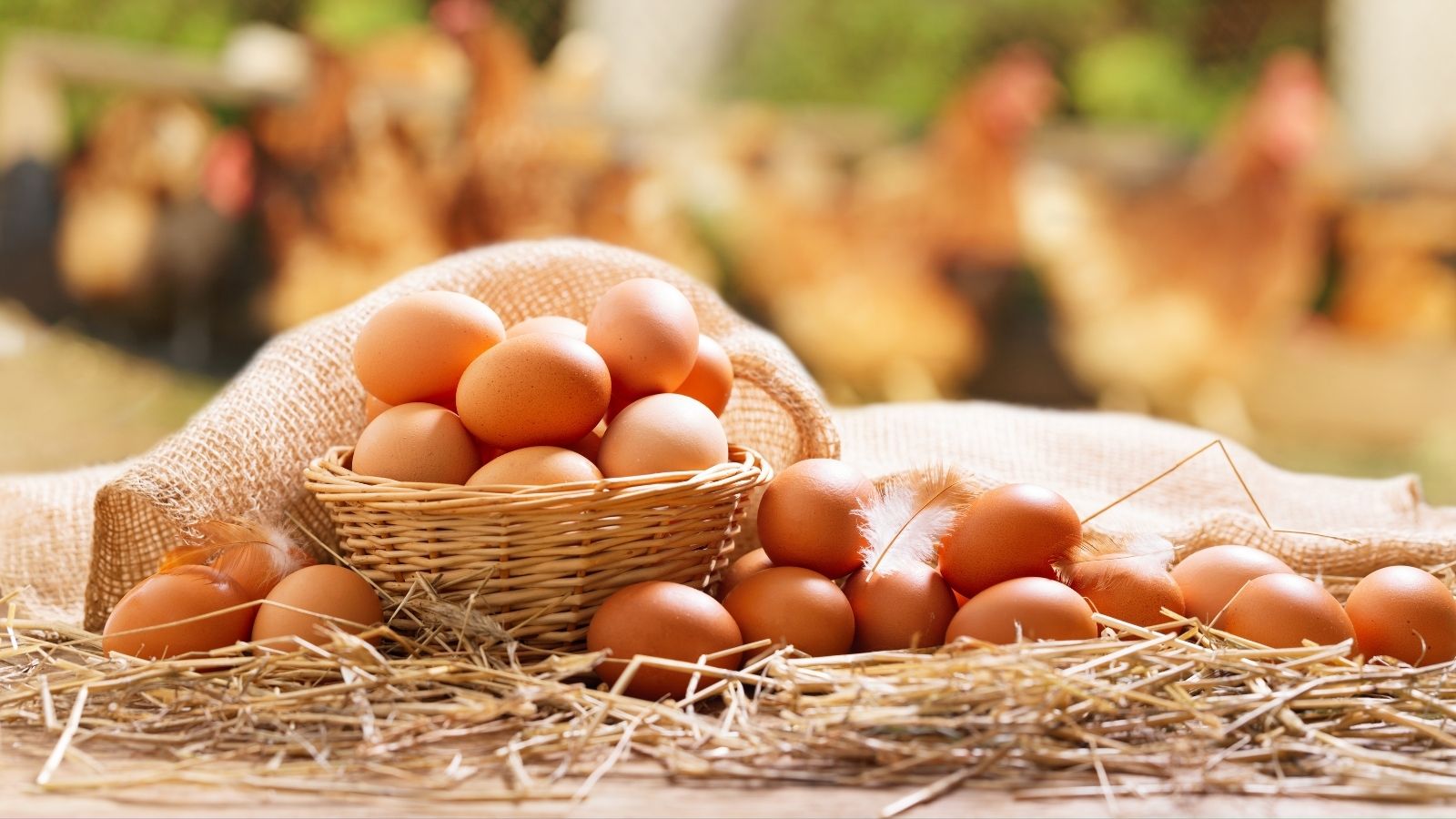
Eggs used to be the classic answer to affordable protein. They worked for breakfast, baking, quick dinners, and lunchbox snacks, giving households flexibility without a large meat purchase. That reputation has weakened as cartons have become more closely watched. Even when eggs remain cheaper than many proteins on a per-serving basis, the shelf price can feel high compared with what many Canadians remember paying just a few years ago.
Egg prices are especially noticeable because they are easy to compare. A dozen is a dozen, and shoppers remember when the same size carton felt like a minor purchase. Feed costs, farm inputs, disease risks in poultry markets, transportation, and retail pricing all influence what reaches the dairy case. The result is a staple that still offers value, but no longer feels like the effortless bargain it once was.
Butter

Butter has become one of the clearest examples of a staple moving from ordinary to carefully considered. It is not usually bought in huge quantities, but it shows up everywhere: toast, baking, sauces, holiday cooking, school snacks, and weekend pancakes. When a pound of butter feels expensive, the effect spreads into the price of homemade comfort food as much as the grocery bill itself.
Many Canadians now treat butter like a stock-up item, buying multiples only when it drops in price. Others mix in margarine, cooking oil, or store-brand alternatives depending on the use. The change is emotional as well as financial. Butter used to feel like a basic fridge item. Now it can feel like something to save for baking, company, or recipes where the flavour truly matters.
Coffee

Coffee has moved from small daily comfort to one of the most obvious household price shocks. A tin, bag, or box of pods can disappear quickly in homes where two adults drink it daily, and replacing it now feels less automatic. Even people who gave up café purchases to save money have found that brewing at home is not as cheap as it used to be.
The pressure comes from a global chain. Coffee depends on growing conditions in major producing countries, shipping, currency movements, packaging, and roasting costs. Weather problems in coffee-growing regions can move prices far from Canadian kitchens before shoppers ever see the result. For many households, the morning cup still stays in the routine, but the brand, format, and frequency of sale-hunting have changed.
Ground Beef
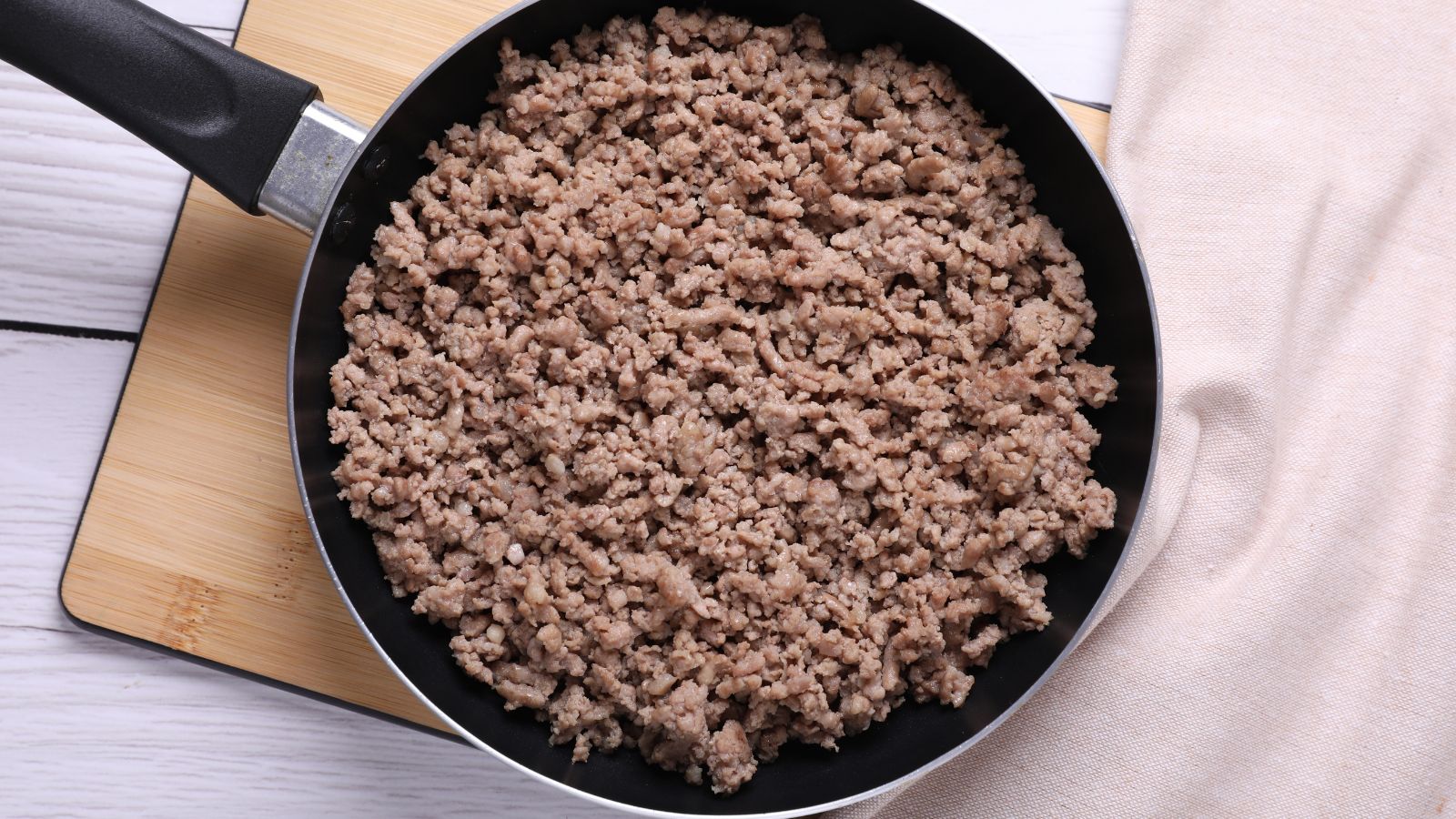
Ground beef was once the dependable base for affordable dinners: chili, tacos, pasta sauce, burgers, meatloaf, and shepherd’s pie. It remains versatile, but the price can now make a simple meal feel less simple. A family-size pack that used to support several dinners may require more planning, stretching with beans or lentils, or waiting for a flyer deal.
Beef prices are tied to cattle supply, feed costs, processing, transportation, and cross-border market conditions. When cattle inventories are tight, the pressure reaches shoppers through cuts that used to feel accessible, including ground beef. The familiar “cheap protein” label has become less convincing. Many households still buy it, but more often as a planned purchase rather than a casual default.
Chicken
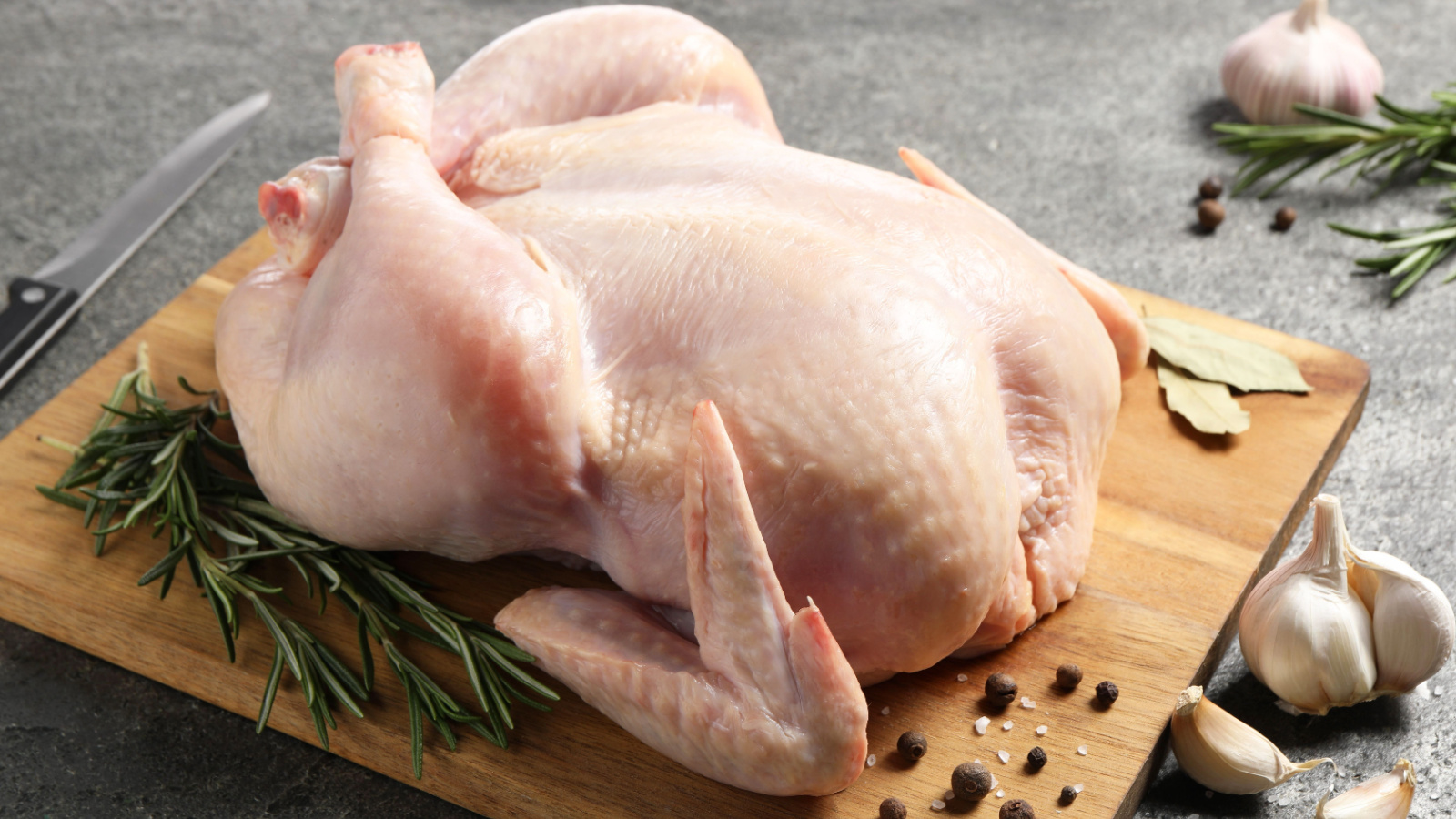
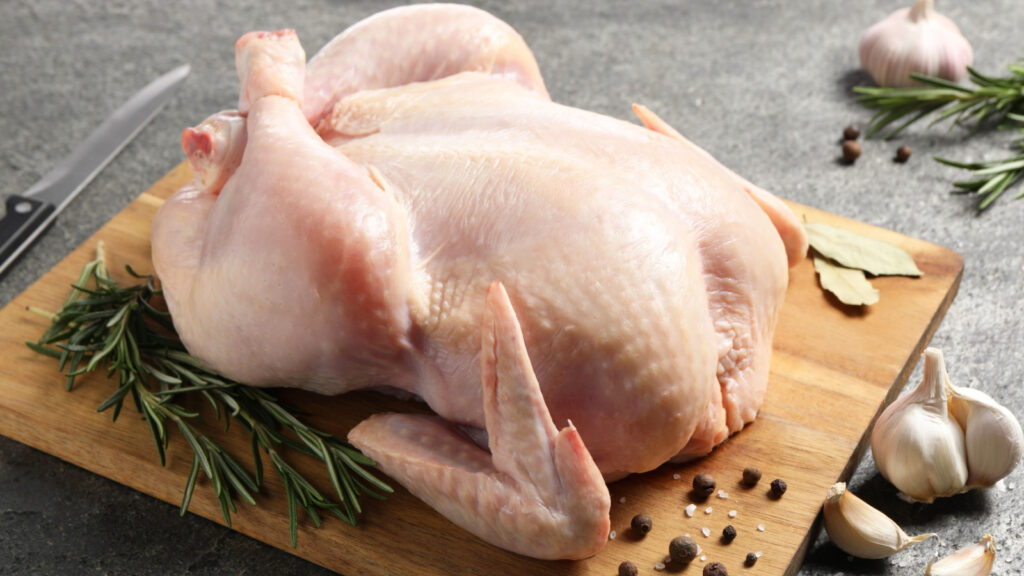
Chicken still competes strongly with beef and pork in many Canadian kitchens, but it has also lost some of its budget-friendly shine. Boneless, skinless breasts can feel particularly pricey, while family packs of thighs, drumsticks, or whole chickens are increasingly judged by unit price. The old assumption that chicken is always the economical protein no longer holds as neatly.
The change affects weekly routines. A household that once built several meals around chicken breasts may now choose mixed cuts, frozen boxes, or rotating proteins. Prepared chicken products can be even trickier, because breading, seasoning, packaging, and convenience all add cost. Chicken remains practical and familiar, but the best value often requires more comparison than shoppers expected from such a standard grocery item.
Fresh Vegetables
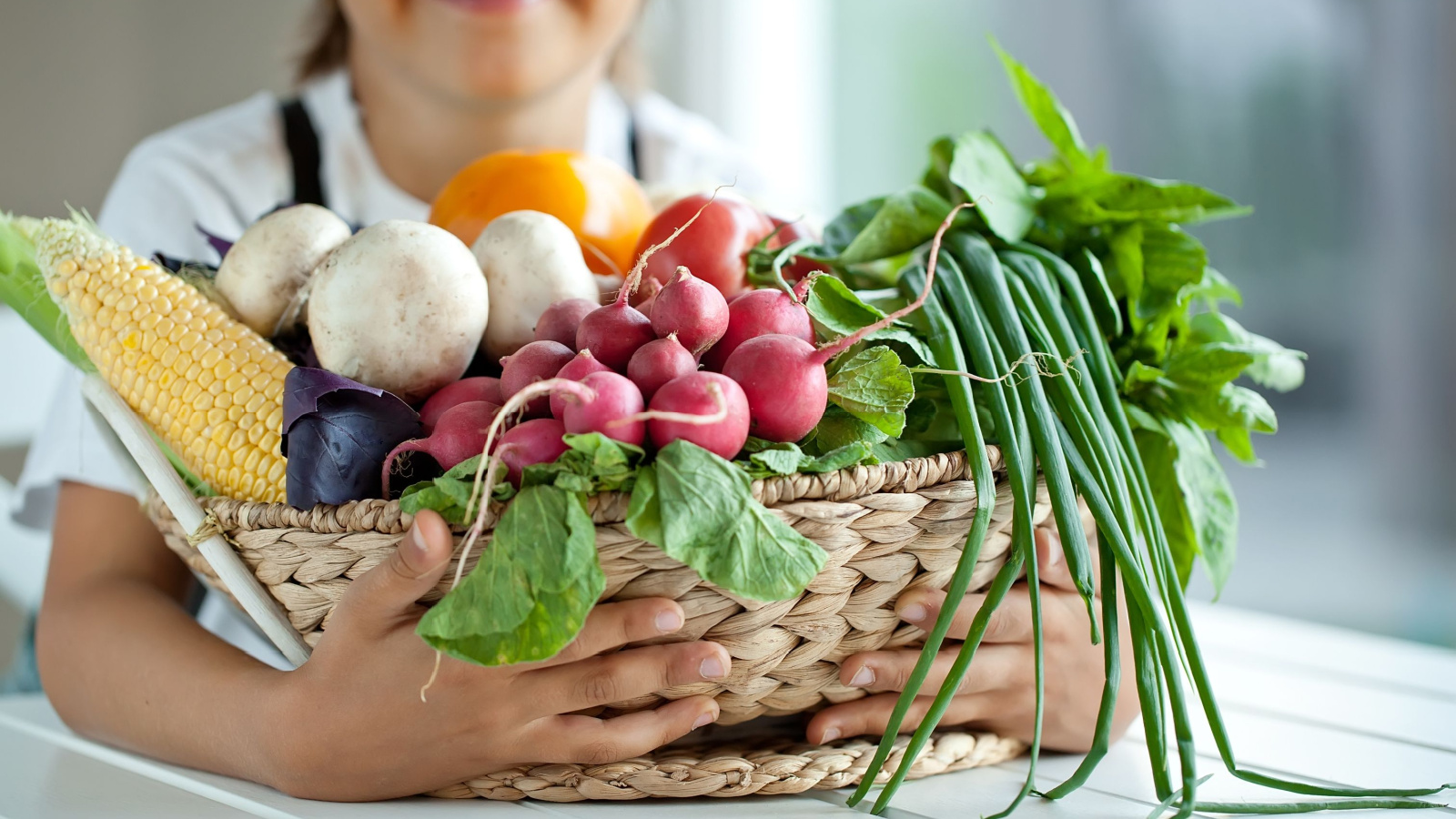
Fresh vegetables are where many households feel the tension between health goals and price reality. Cucumbers, peppers, lettuce, celery, broccoli, and leafy greens can shift sharply depending on season, weather, imports, and supply conditions. A cart meant to look balanced can become expensive quickly when several produce items are priced above expectations at the same time.
The result is a different kind of compromise. Shoppers may swap fresh for frozen, build meals around cheaper root vegetables, or buy only what will be used immediately to avoid waste. Vegetables remain essential, but their unpredictability changes behaviour. A salad that once felt like a cheap side dish can suddenly look like a premium choice, especially outside peak Canadian growing seasons.
Fresh Fruit
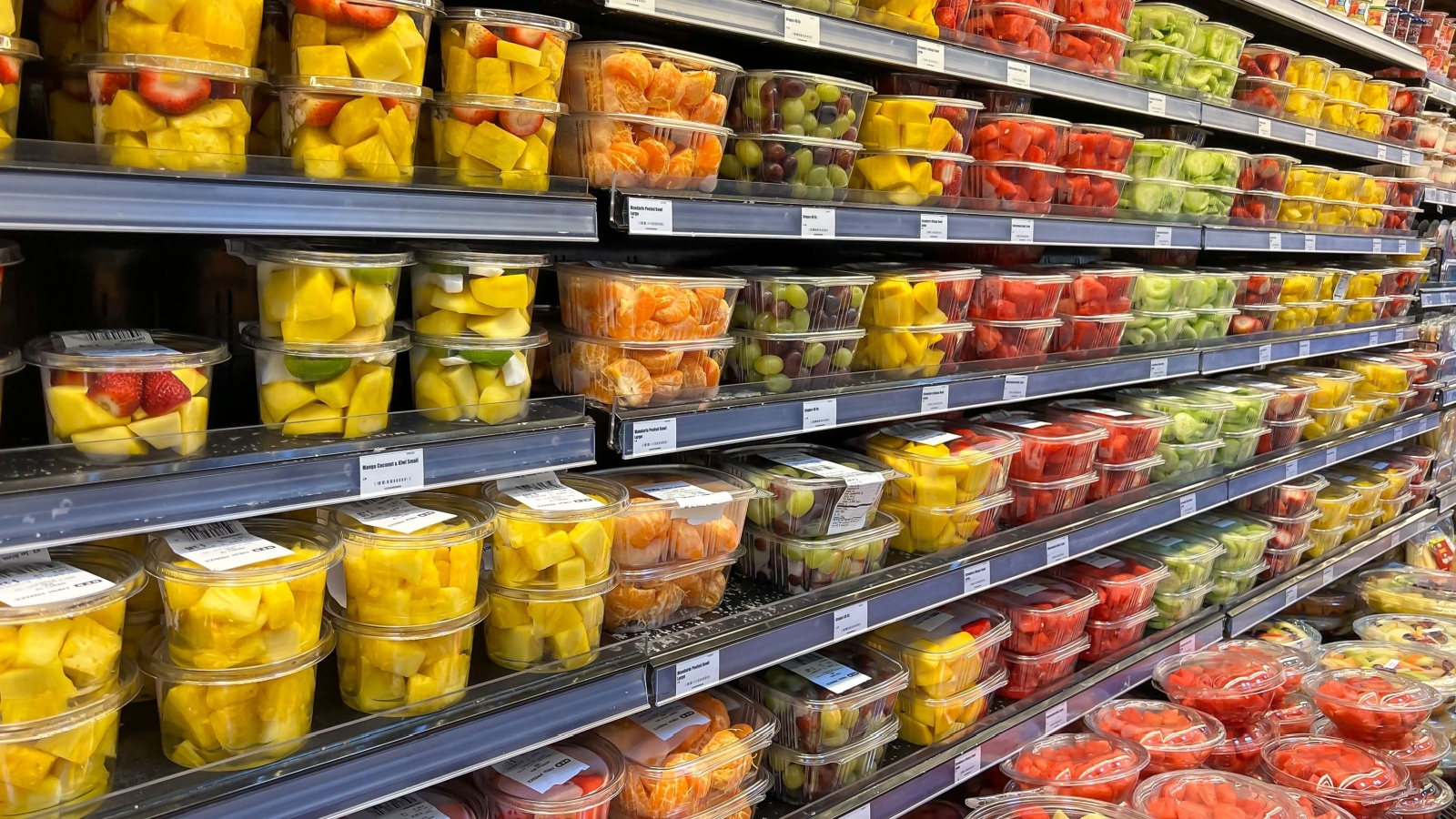
Fresh fruit has also become less of an automatic add-on. Apples, bananas, oranges, berries, grapes, and melon carry very different price patterns, but the combined effect is clear: filling a fruit bowl can cost more than expected. Imported fruit is especially exposed to weather events, disease, exchange rates, transportation costs, and trade disruptions.
Families often notice this most in lunch routines. A few pieces of fruit per person per day adds up fast, and berries can vanish from a fridge almost as soon as they arrive. Some households respond by buying frozen fruit for smoothies, choosing apples more often, or treating berries as a sale-only purchase. Fruit still feels wholesome and everyday, but not always inexpensive.
Potatoes
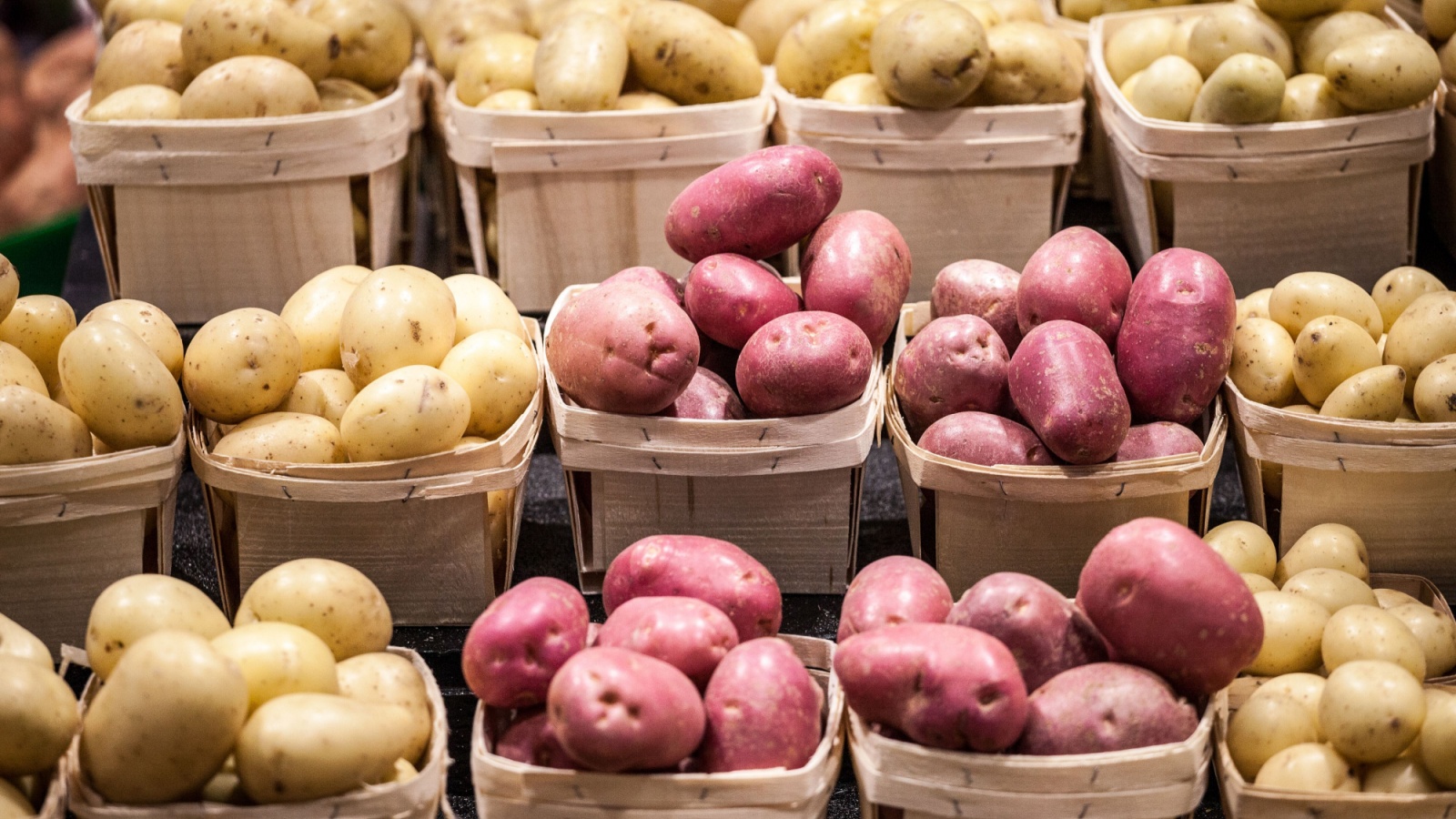
Potatoes still have a reputation as one of the great budget foods, and they often remain cheaper per serving than many prepared sides. Yet even potatoes no longer feel immune from price pressure. A bag of russets, yellow potatoes, or baby potatoes can vary widely depending on harvest conditions, storage, transportation, and store promotions.
The shift is noticeable because potatoes used to be the dependable fallback when other groceries felt expensive. They could stretch a meal, feed a crowd, and work across breakfast, lunch, and dinner. Now shoppers may look more carefully at bag size, quality, and waste. Sprouting or bruised potatoes are more frustrating when the bag costs more, turning a humble staple into another item that requires attention.
Rice and Pasta
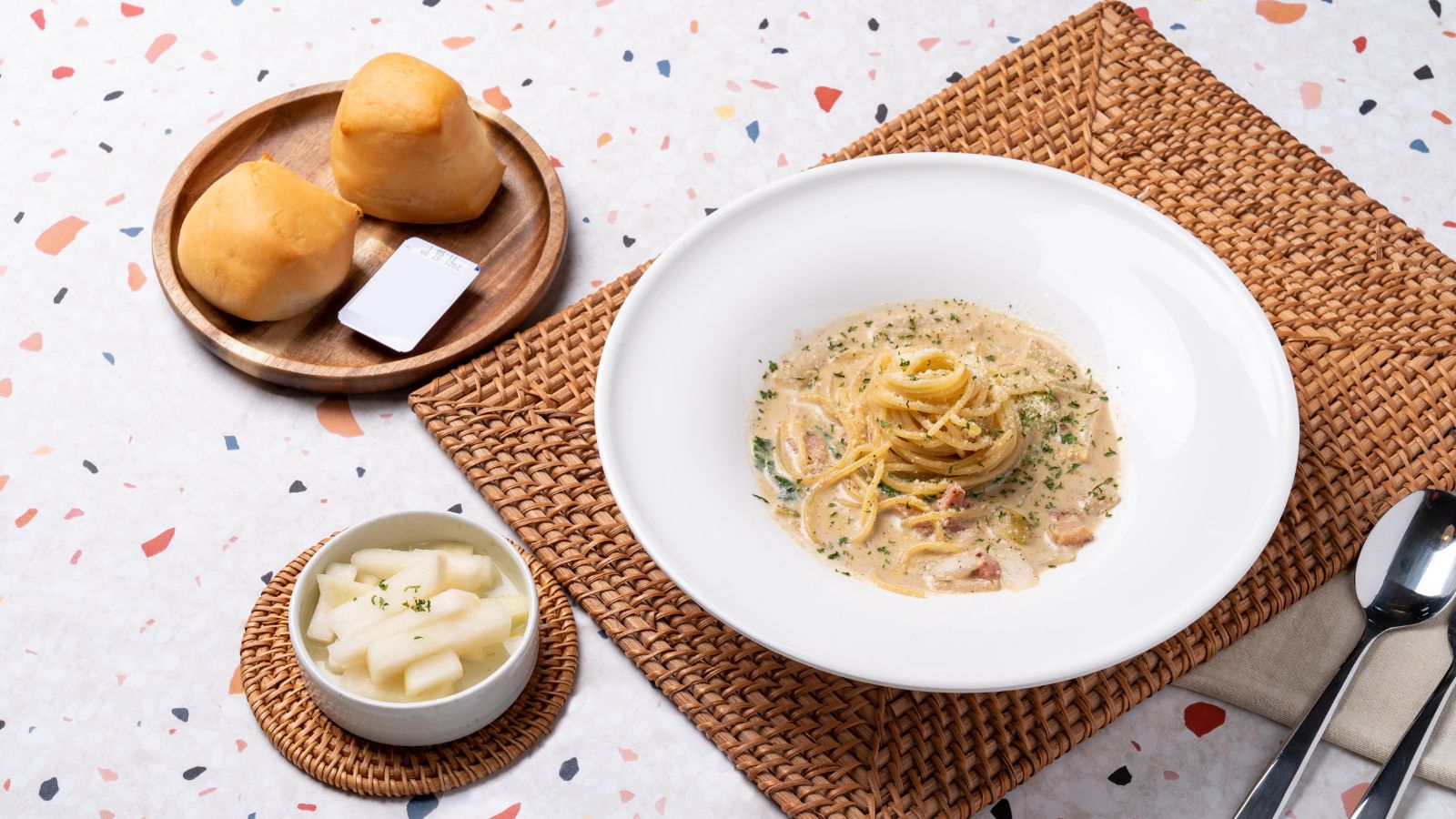
Rice and pasta remain among the most practical pantry staples, but they are not as invisible on the bill as they once were. Boxes of pasta, bags of rice, noodles, and specialty grains have all become more carefully compared by unit price. Even when the cost per serving is still relatively low, the shelf price can surprise households used to treating these items as cheap backup meals.
The change matters because rice and pasta often absorb pressure from other categories. When meat and produce are expensive, families lean harder on starches to stretch dinners. But if the base of the meal also costs more, the savings feel thinner. Store brands, bulk bags, and simple shapes increasingly win over premium cuts, imported varieties, or convenience pouches.
Cooking Oil

Cooking oil has become one of those quiet pantry shocks that people notice only when the bottle runs out. Canola, vegetable, olive, and avocado oils sit at very different price points, but all can make home cooking feel more expensive. The jump is especially clear for households that fry, roast, bake, or prepare most meals from scratch.
Oil prices reflect crop conditions, global commodity markets, processing, packaging, and transportation. Olive oil, in particular, has faced international supply pressure tied to poor harvests in key producing regions. For Canadian households, the result is a new kind of caution: using less, watching for sales, or reserving pricier oils for finishing rather than everyday cooking. A basic splash in the pan no longer feels quite so basic.
Canned Tomatoes and Beans
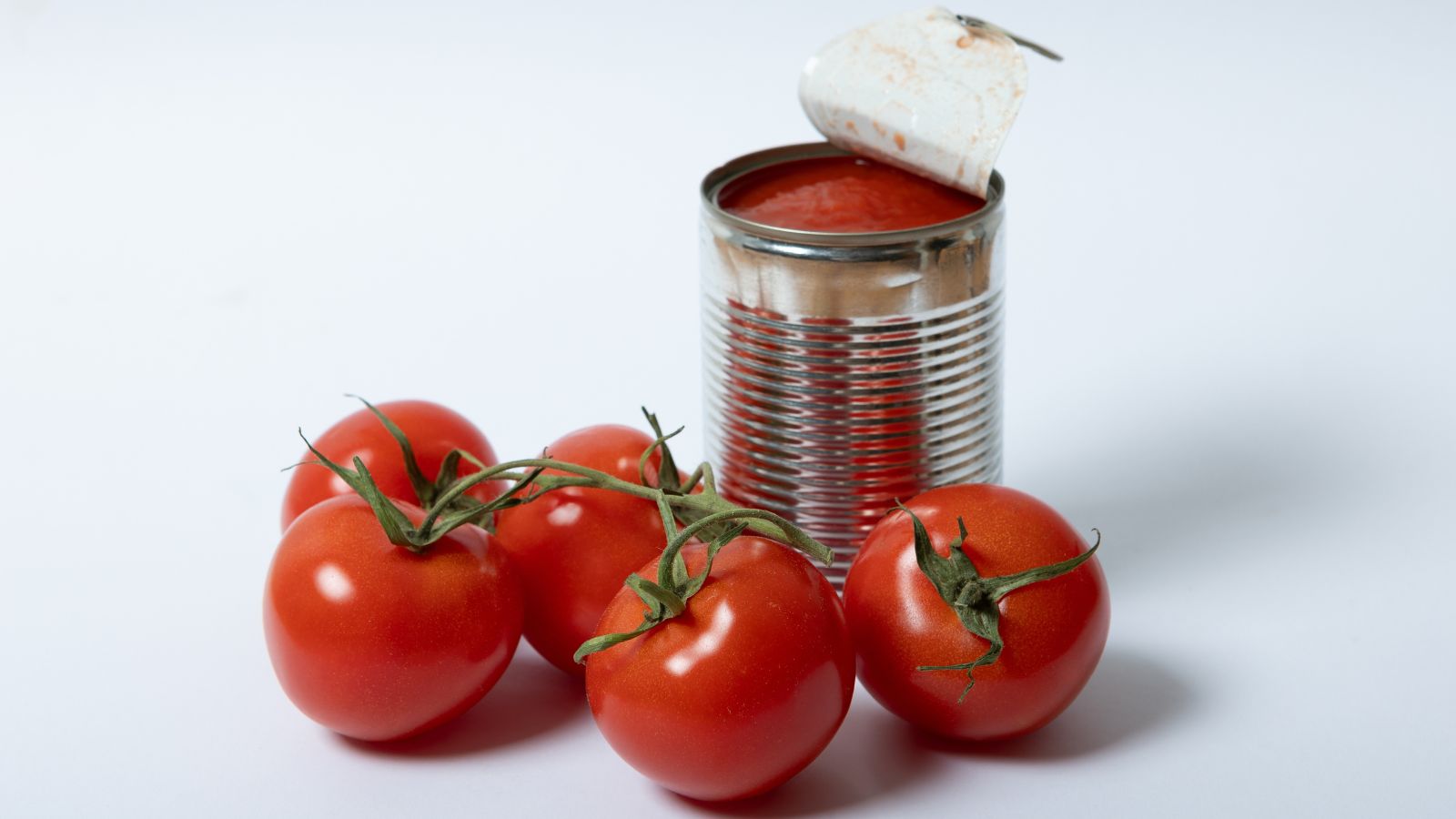
Canned tomatoes, beans, chickpeas, lentils, and soups used to be the backbone of cheap pantry cooking. They still provide convenience and shelf stability, but the cost advantage has narrowed. A few cans tossed into a cart can now add up quickly, especially when recipes call for multiple tins at once.
These items are affected by metal packaging, transportation, crop yields, processing costs, and retailer pricing. They also show how inflation changes habits in small ways. Shoppers may switch to dried beans, buy cases when on sale, or choose larger cans to lower the unit cost. Pantry staples remain useful, but the days of treating canned goods as almost negligible purchases feel increasingly distant.
Toilet Paper

Toilet paper is not optional, which makes its price feel especially annoying. It is also difficult to compare because package sizes, roll counts, sheet counts, ply, and “mega roll” labels can make value hard to judge. A package may look familiar while containing fewer sheets or costing more per roll than shoppers realize.
The household impact is practical. People buy it because they must, often in larger packs to avoid running out, so the upfront cost can be uncomfortable. Paper products depend on pulp, energy, packaging, transportation, and manufacturing costs. Even when sales return, many shoppers have learned to check unit pricing more closely. Toilet paper has become a symbol of how even the least glamorous household basics can feel expensive.
Paper Towels
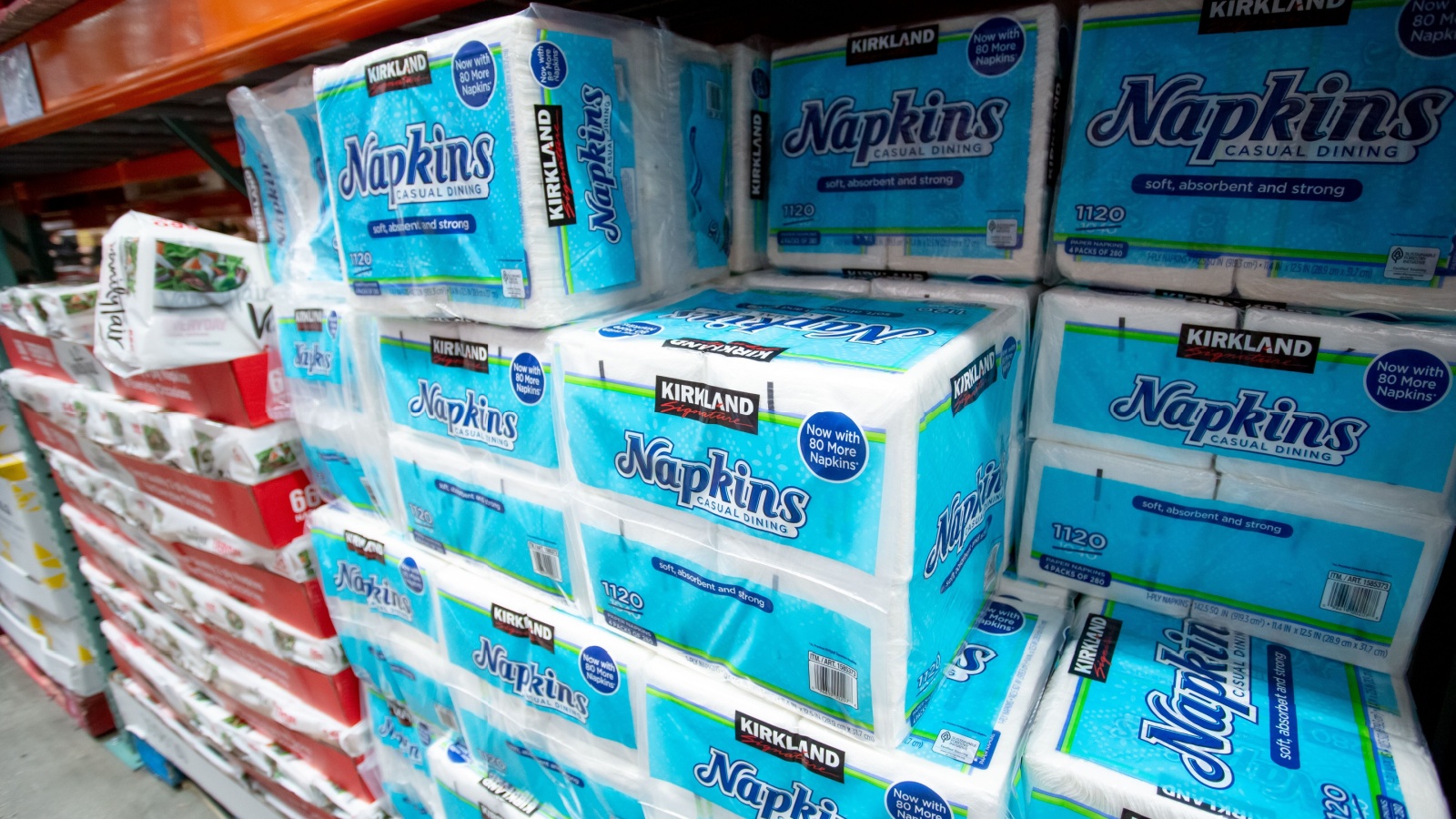
Paper towels have shifted from casual convenience to a more deliberate purchase. They are used for spills, cleaning, cooking, packed lunches, pet messes, and quick wipe-downs, but the price of a multi-pack can make reusable cloths look more appealing. Many households now reserve paper towels for the messes that truly need them.
Part of the frustration is that paper towels disappear quickly. A family may bring home a large pack and still run through it faster than expected, especially with children, pets, or frequent cooking. Like toilet paper, paper towels are tied to pulp, manufacturing, packaging, and freight costs. What used to feel like a cheap helper around the kitchen can now seem like a recurring expense worth managing.
Laundry Detergent
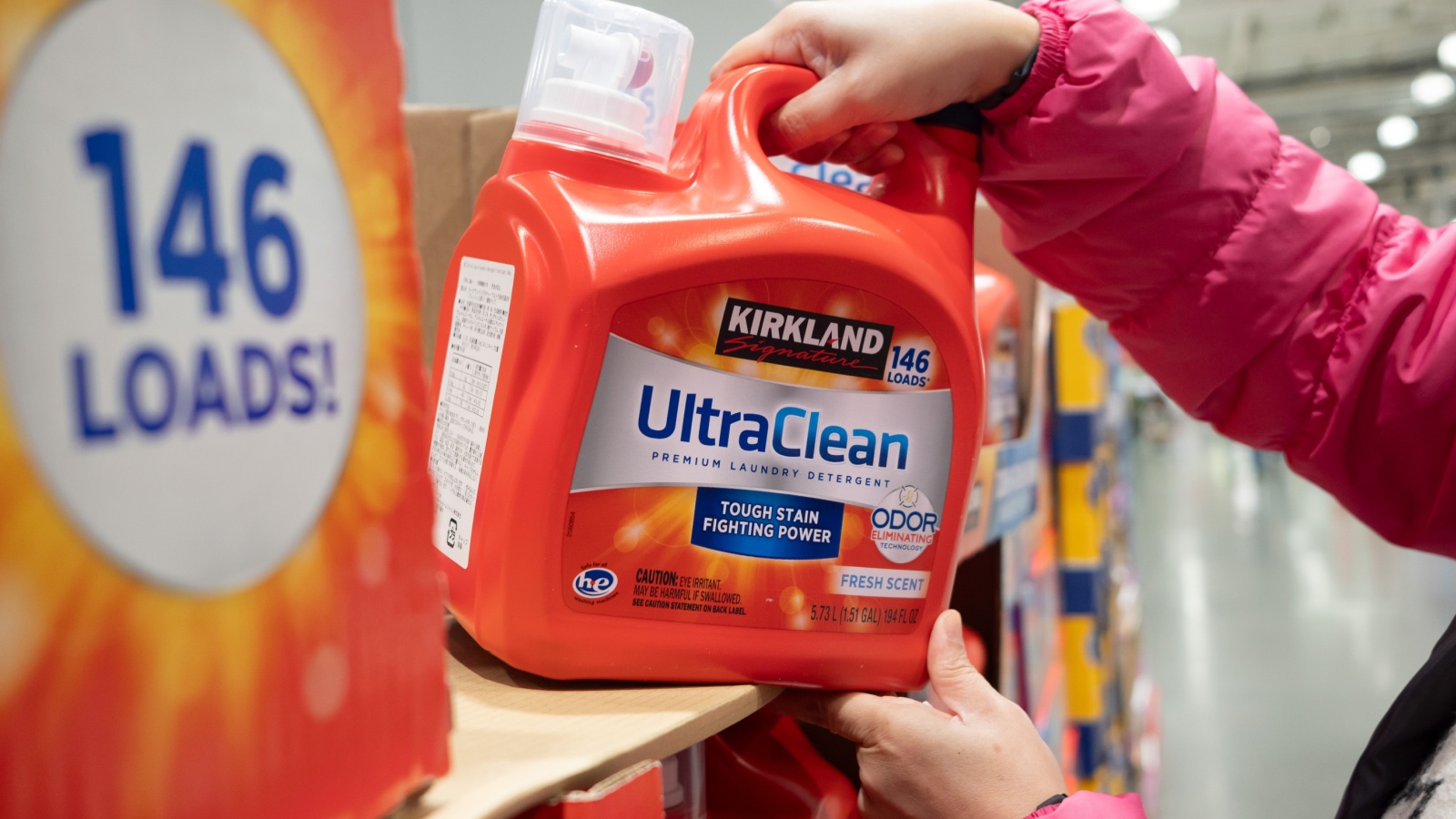
Laundry detergent is another staple that hides its cost inside routine. Clothes, towels, bedding, school uniforms, sports gear, and workwear keep the machine running, and detergent disappears steadily in the background. The price of large jugs, pods, or concentrated formulas can be startling when restocking day arrives.
The category also makes comparison difficult. Loads per container, concentration, scent boosters, pods, cold-water formulas, and brand claims all affect perceived value. Some households respond by measuring more carefully, switching to store brands, or waiting for warehouse promotions. Laundry itself is non-negotiable, but detergent has become a product where shoppers increasingly calculate rather than grab the familiar bottle.
Dish Soap and Dishwasher Detergent
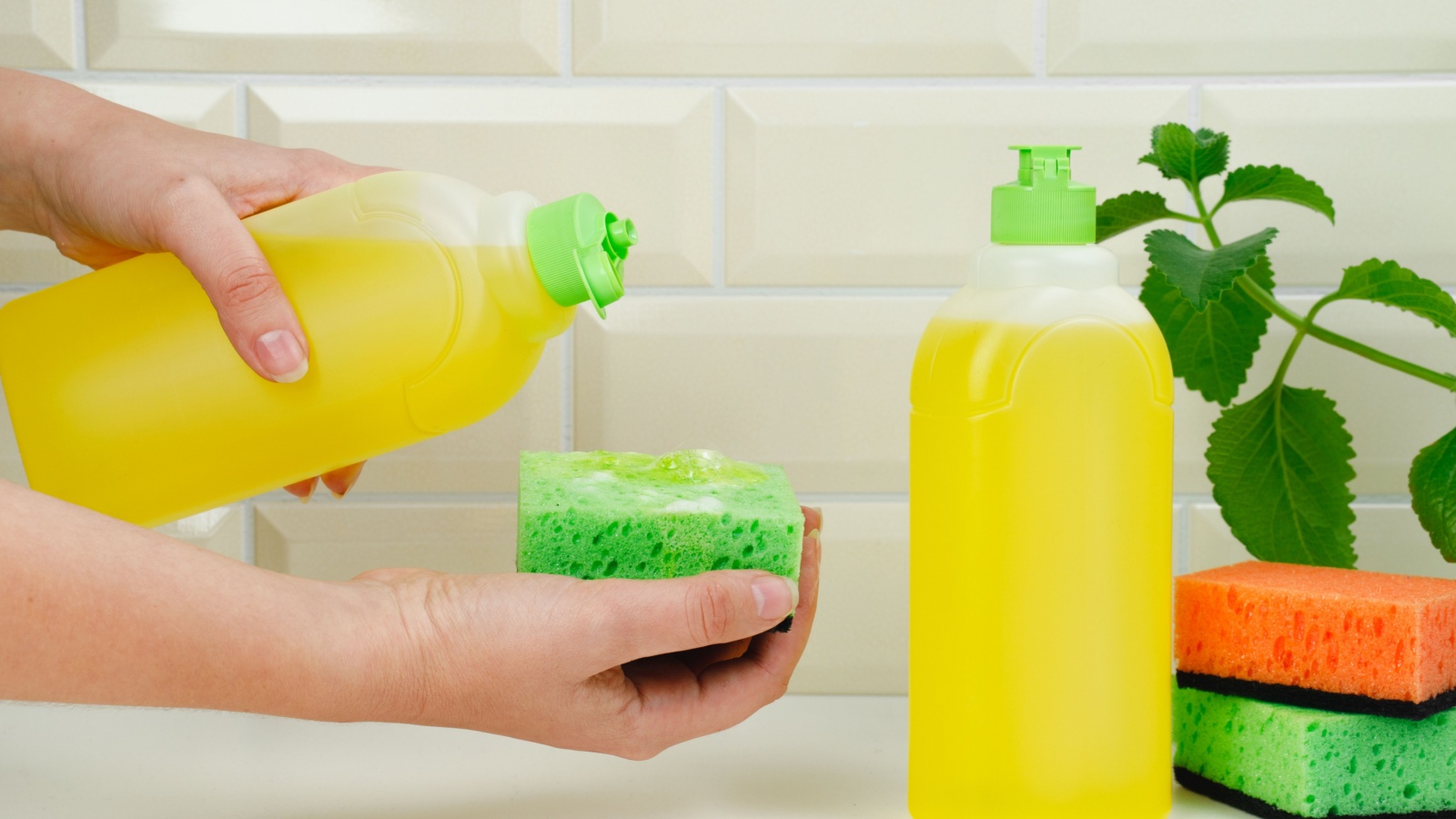
Dish soap and dishwasher detergent rarely draw attention until the kitchen runs out. Then the replacement cost can feel surprisingly high, especially for households that cook often. A bottle of dish soap, a tub of pods, rinse aid, and sponges can turn cleanup into its own mini category of household spending.
The shift is tied partly to convenience. Dishwasher pods are easy, but the cost per load can be higher than powders or gels. Handwashing soap can also vary widely by brand, size, and concentration. Many families now think more carefully about when to run the dishwasher, how full it is, and whether premium formats are worth it. Clean dishes remain basic; the supplies required to get them clean no longer feel as cheap.
Shampoo, Soap, and Toothpaste

Personal care staples used to be easy drugstore purchases, but shampoo, soap, toothpaste, deodorant, and body wash have become more expensive in many household budgets. The category is tricky because it blends necessity with marketing. A basic product may sit beside premium formulas, sensitive-skin versions, refill packs, and “clinical” claims, making the shelf feel crowded and costly.
These items are also used by every member of the household, so small increases multiply. A family may go through toothpaste, soap, and shampoo faster than expected, especially when teenagers are involved. Shoppers often respond by buying larger formats, choosing private labels, or waiting for loyalty-point offers. Cleanliness remains non-negotiable, but the bathroom cabinet is no longer a place where everything feels inexpensive.
Diapers and Baby Wipes
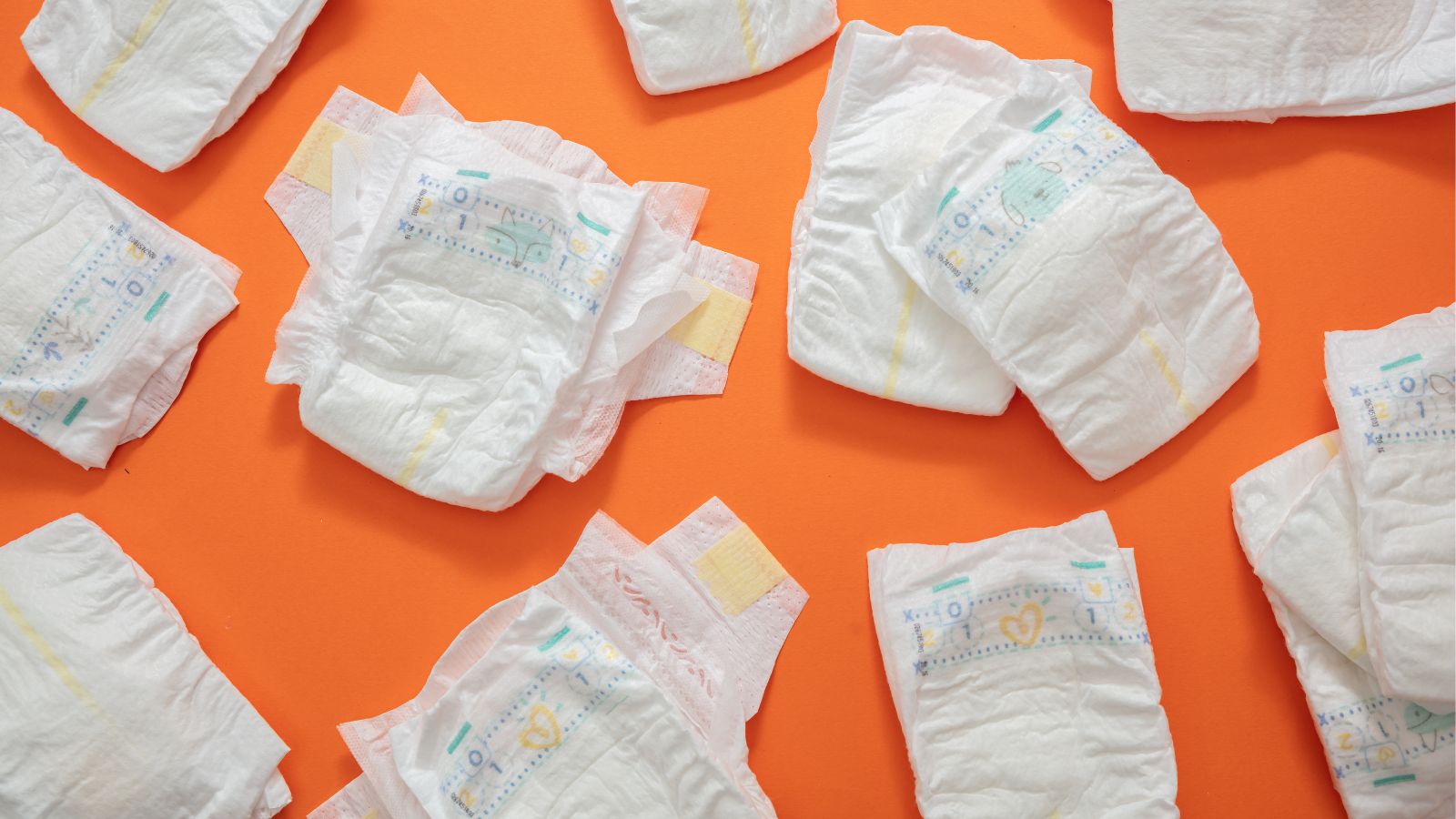
Diapers and baby wipes are among the most stressful household staples because the need is constant and immediate. Babies do not wait for sales, and parents can go through large quantities every week. Even small increases per diaper matter when multiplied across months or years, especially for families already paying for formula, childcare, clothing, and medical basics.
The category also leaves little room for compromise. Fit, absorbency, skin sensitivity, and overnight performance matter, so the cheapest option may not always work. Parents may use subscriptions, warehouse packs, coupons, or loyalty programs to manage costs, but the burden remains heavy. Diapers and wipes show how household inflation is not only about food; it also affects the essential routines that keep a family functioning.
Pet Food
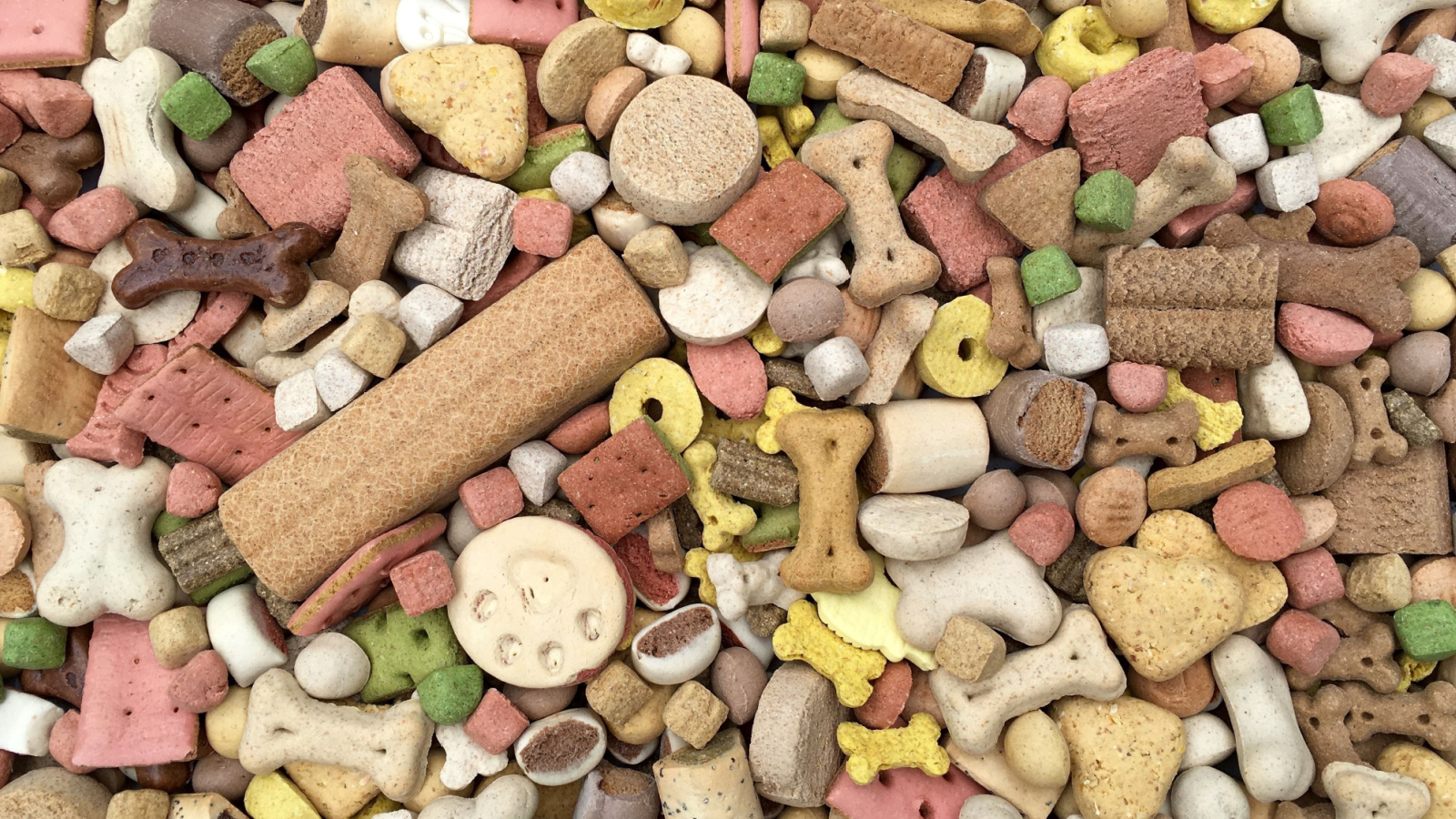
Pet food has become a major household staple for millions of Canadians who treat animals as part of the family. Dry food, wet food, litter, treats, and special diets can create a bill that feels closer to a grocery category than an occasional pet expense. Even when headline pet-food inflation eases, many owners still compare current prices with what they remember paying before the major run-up earlier in the decade.
The emotional pressure is different from ordinary shopping. People may switch brands for themselves before changing a pet’s food, especially if the animal has allergies, digestive issues, or age-related needs. Larger bags can offer better value, but they require more cash upfront. Pet food proves that household staples are not limited to human pantries; the family budget often includes paws, whiskers, and very little flexibility.
19 Things Canadians Don’t Realize the CRA Can See About Their Online Income

Earning money online feels simple and informal for many Canadians. Freelancing, selling products, and digital services often start as side projects. The problem appears at tax time. Many people underestimate how much information the CRA can access. Online platforms, banks, and payment processors create detailed records automatically. These records do not disappear once money hits an account. Small gaps in reporting add up quickly.
Here are 19 things Canadians don’t realize the CRA can see about their online income.
