Retail struggles once felt predictable: small shops, niche boutiques, or chains that failed to keep up with online shopping. Lately, the names under pressure have been much bigger and more familiar. From department stores and bookstores to fashion labels, toy shops, home retailers, and beauty chains, Canada has watched trusted brands shrink, restructure, leave the country, or fight for survival.
These 16 retail names stand out because they were not obscure players. Many were mall anchors, holiday traditions, wedding stops, downtown fixtures, or brands tied to Canadian identity. Their struggles show how quickly rent, debt, inflation, changing habits, weak discretionary spending, e-commerce competition, and post-pandemic shopping shifts can reshape even the most recognizable storefronts.
Hudson’s Bay

Hudson’s Bay was not just another department store. It was one of the most familiar names in Canadian retail, tied to malls, downtown flagships, striped blankets, and a corporate history reaching back to 1670. That made its collapse feel larger than a standard business failure. When the company entered creditor protection in 2025, many shoppers were stunned that such an old institution could be pushed so close to the end.
The struggle became even more dramatic when liquidation plans expanded across the chain. Hudson’s Bay’s challenges reflected several pressures at once: weaker downtown traffic, heavy obligations, softer discretionary spending, and a department-store model that had already been under strain for years. For employees, mall landlords, and longtime shoppers, the story landed as a reminder that heritage alone cannot protect a retailer when the economics no longer work.
Saks Fifth Avenue Canada

Saks Fifth Avenue arrived in Canada with luxury ambition, polished displays, and the expectation that major urban malls could support a higher-end department-store experience. Its presence was tied closely to Hudson’s Bay’s Canadian operations, which made its fate vulnerable when the wider HBC structure began to unravel. For Canadians who saw Saks as a sign that domestic retail was becoming more cosmopolitan, the reversal felt abrupt.
The Canadian Saks locations did not struggle in isolation. They were caught in a broader department-store crisis involving expensive leases, changing luxury shopping patterns, and the financial pressure facing HBC. When liquidation proceedings affected Saks Fifth Avenue and Saks Off 5th locations in Canada, it showed that even premium banners were not immune. Luxury retail may have stronger margins, but it still depends on traffic, confidence, and a stable parent company.
Saks Off 5th
Saks Off 5th seemed built for a tougher consumer environment. Off-price retail usually benefits when shoppers become more value-conscious, and Canadians had become increasingly careful about discretionary purchases. That is why its Canadian trouble surprised people. A banner associated with designer discounts should, in theory, have been well positioned in a market where full-price fashion felt harder to justify.
Instead, Saks Off 5th was pulled into the same HBC restructuring and liquidation process that affected the broader Canadian operation. Its situation highlighted a key retail lesson: a promising format can still suffer when it is tied to a struggling corporate structure, costly stores, and weak overall economics. Bargain-hunting remains popular, but that does not guarantee survival when leases, inventory, financing, and parent-company debt become too heavy.
The Body Shop Canada
The Body Shop had a rare place in Canadian malls. It was known not only for body butters and fragrances, but also for ethical sourcing, activism, cruelty-free messaging, and a distinctive scent that made its stores instantly recognizable. For decades, it felt like one of those beauty chains that would always have a place, especially as shoppers became more interested in values-based brands.
Its 2024 restructuring challenged that assumption. The Canadian business filed under insolvency proceedings, moved to close 33 stores, and paused e-commerce operations while dealing with financial trouble linked partly to its global parent’s collapse. The shock was not just that stores were closing, but that a brand once seen as ahead of its time had become vulnerable in a crowded beauty market filled with Sephora, drugstore competitors, online direct-to-consumer brands, and social-media-driven product cycles.
Frank And Oak
Frank And Oak once looked like a model for the future of Canadian fashion retail. It had a Montreal identity, clean basics, sustainability messaging, and a digitally fluent style that appealed to urban shoppers who wanted something more modern than old mall chains. Its stores felt curated rather than crowded, and its brand story suggested the company understood where fashion was heading.
That made its 2025 restructuring feel especially jarring. The company faced court-supervised proceedings, heavy debt, and plans to close most of its Canadian stores while seeking a buyer. The decline showed how difficult it is for mid-market apparel brands to stay profitable when customer acquisition costs rise, rents remain high, and shoppers become more selective. Frank And Oak’s problem was not a lack of recognition; it was the challenge of turning recognition into sustainable retail economics.
Mastermind Toys

Mastermind Toys occupied a warm space in many Canadian households. It was the place parents and grandparents visited for birthday gifts, educational games, puzzles, science kits, and holiday shopping that felt more thoughtful than a quick big-box run. Its stores had a community feel, especially in suburbs where toy choices were often dominated by larger chains or online marketplaces.
The company’s creditor-protection filing in 2023 surprised many because the toy category still had emotional pull. But Mastermind had been operating in a difficult environment marked by high costs, competition from Amazon and big-box retailers, and the challenge of managing seasonal inventory. Its plan involved closing stores while pursuing a sale. For shoppers, the struggle showed how even beloved specialty stores can be squeezed when convenience, price comparison, and scale become decisive.
Indigo
Indigo remains Canada’s dominant bookstore chain, which is exactly why its difficult period drew attention. For many Canadians, Indigo was more than a place to buy books; it was a café stop, a gift shop, a children’s browsing destination, and a reliable anchor in shopping centres. Its large stores helped make book retail feel experiential at a time when online selling was supposed to weaken physical browsing.
The company’s troubles included sales pressure, leadership turmoil, a ransomware attack that disrupted operations, and a move toward privatization after a difficult stretch. Books are a low-margin business, and Indigo’s expansion into gifts, home goods, wellness, and lifestyle items did not eliminate the pressure from Amazon or changing mall habits. Its struggle was not a disappearance story, but it did show that even a category leader can face a complicated turnaround.
Roots
Roots has long carried a deeply Canadian image: cabin weekends, salt-and-pepper sweats, leather bags, Olympic nostalgia, and casual clothing with national identity baked in. That familiarity makes any sign of pressure feel personal. The company has posted stronger recent results, but it has also been through difficult periods, including weaker revenue stretches, U.S. subsidiary troubles, and a strategic review that raised questions about ownership and direction.
The Roots story is more nuanced than a collapse. It reflects the challenge of modernizing a heritage apparel brand without losing the emotional attachment that made it popular. Shoppers may love the logo, but they also compare prices, fabrics, fits, and alternatives more aggressively than before. For a brand built on comfort and nostalgia, the hard part is convincing customers that the product still feels essential rather than merely familiar.
Canada Goose
Canada Goose became one of the most visible Canadian luxury brands in the world, turning parkas into status symbols and making “Made in Canada” part of its premium appeal. For years, its jackets appeared to defy normal outerwear pricing, especially in cold cities where the product had both practical and social value. That success made later pressure on sales, margins, and investor confidence stand out.
Its recent struggles have involved softer demand in key markets, margin pressure, higher marketing costs, restructuring, and sensitivity to luxury spending cycles. Canada Goose is not a traditional mall retailer in the same way as a department store, but it faces the same consumer reality: expensive discretionary purchases are easier to delay. When a $1,000-plus parka becomes a maybe rather than a must-have, even a globally recognized Canadian name has to adjust quickly.
Nordstrom Canada
Nordstrom’s arrival in Canada was supposed to raise the bar for department-store shopping. Its reputation for service, curated fashion, and upscale merchandising made the brand seem like a serious competitor in major malls. Its Canadian stores felt polished and confident, especially in cities where shoppers were already familiar with the U.S. chain through travel or cross-border shopping.
The exit came less than a decade after Nordstrom opened its first Canadian store. In 2023, the company announced it would wind down all Canadian operations, close six Nordstrom stores and seven Nordstrom Rack locations, and cut about 2,500 jobs. The reason was blunt: the company did not see a realistic path to profitability in Canada. That decision exposed how difficult international expansion can be, even for a respected retailer with deep experience and strong brand recognition.
Bed Bath & Beyond Canada

Bed Bath & Beyond was once the home-setup default. Students, newlyweds, condo owners, and families went there for towels, cookware, bedding, storage bins, bathroom organizers, and those famous coupons that made browsing feel like a small victory. Its Canadian stores were familiar enough that many shoppers assumed the chain would always be part of the home-goods landscape.
The Canadian division’s 2023 creditor-protection process ended that sense of permanence. The company moved to wind down operations and liquidate stores after years of unprofitability and a lack of financial support from the U.S. parent. The collapse showed how vulnerable big-box specialty retail had become. When customers can compare prices instantly and buy basics from Amazon, Costco, Walmart, or Canadian Tire, a once-dominant category specialist can lose its reason to be.
Buybuy Baby Canada
Buybuy Baby seemed to serve one of the most dependable retail categories: new parents preparing for a child. Cribs, strollers, car seats, monitors, bottles, and nursery furniture are not casual purchases, and many families still want to see major baby products in person before buying. That should have given the chain a useful advantage over purely online rivals.
Instead, Buybuy Baby Canada was swept into the same wind-down that hit Bed Bath & Beyond Canada. The Canadian operation included 11 Buybuy Baby stores, all affected by the broader restructuring and liquidation. Its struggle showed that even need-based retail can be fragile when tied to a weak parent company. Parents still needed the products, but the chain’s cost structure, financing problems, and competitive pressure made the business difficult to sustain.
Bad Boy Furniture
Bad Boy Furniture had a loud, memorable identity. Its advertising, family-business story, and “nooobody” slogan made it especially recognizable in Ontario. For decades, the company sold appliances, mattresses, and furniture to households making big-ticket purchases. That kind of brand awareness can create the impression of stability, even when the underlying business is under strain.
The shock came when Bad Boy filed a notice of intention under the Bankruptcy and Insolvency Act in 2023. Customers became worried about deposits and undelivered orders, which turned the story from a corporate restructuring into a household-budget problem. Furniture retail is sensitive to interest rates, housing activity, and consumer confidence. When people delay moving, renovating, or replacing appliances, retailers that depend on large purchases can feel the slowdown quickly.
David’s Bridal Canada

David’s Bridal carried emotional weight because it served milestone shopping. Wedding dresses, bridesmaid gowns, prom looks, and alterations are tied to dates that cannot easily move. For many Canadian brides, the chain offered a recognizable, accessible alternative to independent boutiques, with a wide range of sizes and price points under one roof.
The company’s 2023 bankruptcy filing in the United States, recognized through Canadian proceedings, made customers nervous because bridal retail depends heavily on trust. A dress order is not like a casual purchase; delays or uncertainty can affect an entire event. David’s Bridal survived through a sale and restructuring, but its struggle revealed how even occasion-based retailers face pressure from changing wedding budgets, online options, used-dress marketplaces, and a customer base that wants both affordability and personalization.
Reitmans

Reitmans has been a quiet constant in Canadian apparel. It served women looking for workwear, basics, plus-size options, and mall-accessible fashion without luxury pricing. Its long history made it feel dependable, especially in smaller communities where national apparel choices were limited. That familiarity made its 2020 creditor-protection filing feel like a major warning about the vulnerability of legacy fashion chains.
The company’s restructuring was tied to pandemic shutdowns, but the deeper challenge was broader: apparel retail was already changing. Mall traffic had weakened, online competition had intensified, and mid-priced clothing chains were being squeezed between fast fashion, discount retailers, and premium brands. Reitmans continued after restructuring, but its difficult period remains a reminder that longevity can buy time, not immunity.
Le Château
Le Château once dominated a very specific part of Canadian fashion culture: prom dresses, going-out clothes, office looks, and occasion wear with a dramatic edge. Its stores were fixtures in malls, and for many shoppers, the brand was tied to first jobs, first parties, graduations, and outfits that felt more daring than everyday basics. Its decline therefore carried a nostalgic sting.
The company filed for creditor protection in 2020 and moved to liquidate its stores before later returning online under new ownership. The struggle reflected changing tastes, weaker mall traffic, and the harsh economics of selling occasion-heavy fashion during a period when events were disrupted. Le Château’s comeback as a brand did not erase the loss of its physical-store era, which had been part of the Canadian mall experience for decades.
Stokes
Stokes was not flashy, but it was deeply familiar. The kitchenware and home-goods retailer occupied malls across the country with cookware, dishes, small appliances, seasonal tableware, and gift-friendly housewares. It was the kind of store people wandered into while shopping for weddings, holidays, dorm rooms, or a replacement pan. That everyday usefulness made its restructuring feel unexpected.
In 2024, Stokes obtained creditor protection and began a restructuring plan that included closing less profitable stores while keeping stronger locations, particularly in Quebec and Ontario. Its difficulties reflected the pressure on mid-sized specialty retailers: competition from big-box stores, online marketplaces, dollar stores, warehouse clubs, and home-goods chains with broader scale. Stokes still had a recognizable niche, but recognition alone could not protect every location from weak traffic and thin margins.
MEC
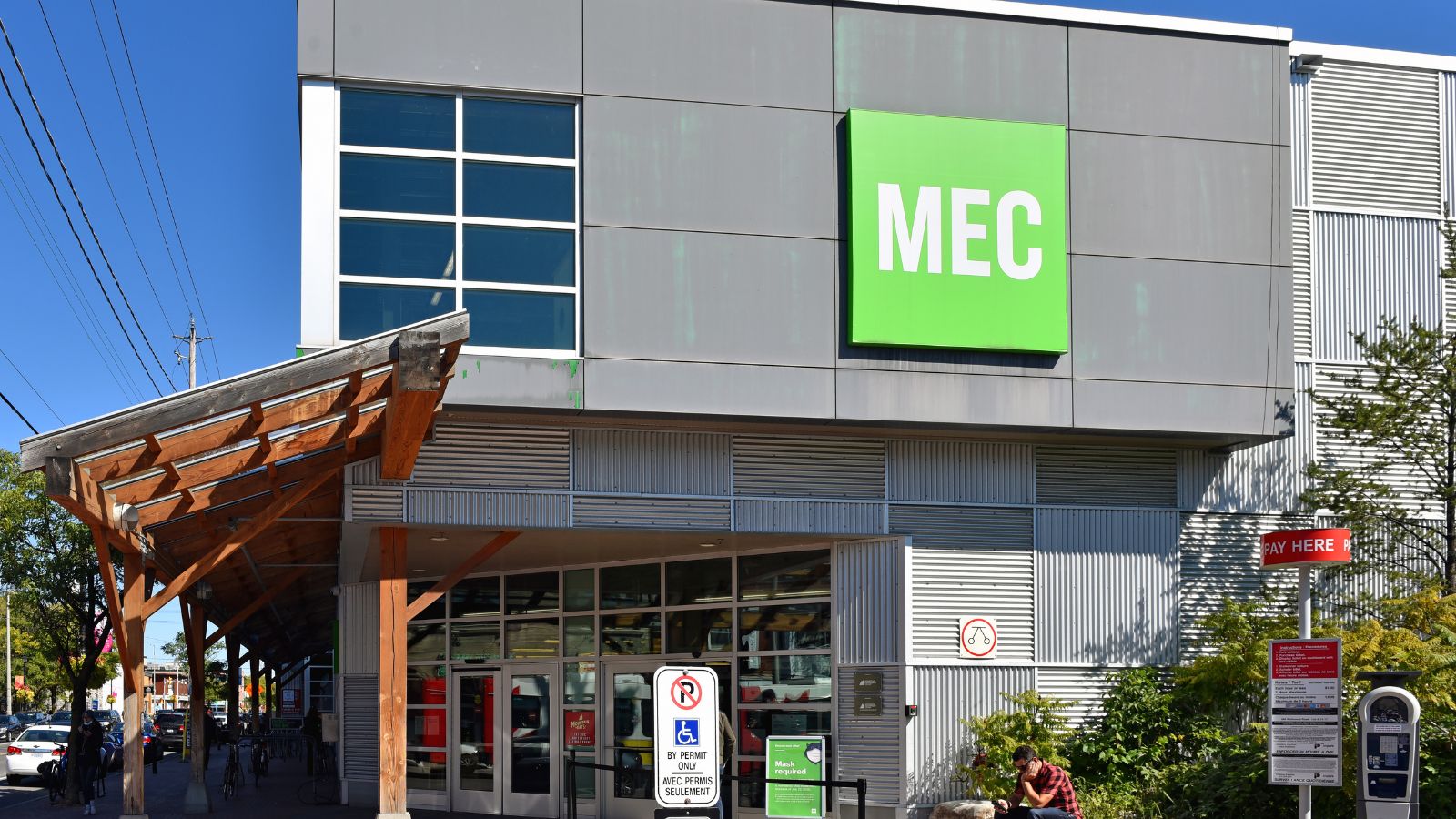
MEC’s struggle hit differently because it was not only a retailer; it was a co-operative with millions of members and a reputation built around outdoor culture, environmental values, and practical gear. For hikers, climbers, cyclists, campers, and urban commuters, the MEC membership card felt like a small piece of Canadian outdoor identity. Many people did not expect the co-op model itself to unravel.
In 2020, Mountain Equipment Co-op’s assets were sold through a court-supervised process to a private investment firm, ending the original co-operative retail structure. The business continued under the MEC name, but the ownership change sparked frustration among members who felt the sale happened without the democratic involvement they expected. MEC’s struggle showed that values-driven loyalty is powerful, but it still has to coexist with inventory costs, expansion decisions, debt, and changing retail habits.
19 Things Canadians Don’t Realize the CRA Can See About Their Online Income

Earning money online feels simple and informal for many Canadians. Freelancing, selling products, and digital services often start as side projects. The problem appears at tax time. Many people underestimate how much information the CRA can access. Online platforms, banks, and payment processors create detailed records automatically. These records do not disappear once money hits an account. Small gaps in reporting add up quickly.
Here are 19 things Canadians don’t realize the CRA can see about their online income.
