
Prices have a way of becoming personal in Canada. A grocery run, a gas fill-up, a mailed birthday card, or a quick coffee can suddenly feel like a small reminder of how much daily life has changed. The shift is not only about major expenses such as rent or vehicles; it also shows up in ordinary purchases that used to feel almost automatic.
These 20 everyday items capture the costs Canadians often remember as being far lower, from pantry staples and household basics to transportation, telecom, and small treats. Some increases come from global commodity markets, some from labour and supply-chain pressures, and others from housing, fuel, or service costs working their way through the economy. Together, they show why even routine spending can feel heavier than it once did.
Bread

Bread remains one of the clearest examples of a small purchase that feels bigger than it used to. For many households, it is not a luxury or an occasional treat; it is the base of lunches, toast, sandwiches, school snacks, and quick dinners. That makes even a modest price increase feel noticeable. A loaf that once seemed easy to toss into the cart now competes with other rising staples, especially when families buy several each week.
The pressure on bread prices is tied to more than wheat alone. Milling, packaging, transportation, store labour, and energy all feed into the shelf price. Canadian grocery inflation has also remained a recurring concern, with food prices rising more quickly than many household incomes in recent years. The result is a basic item that still looks humble on the shelf but no longer feels quite as cheap at checkout.
Eggs
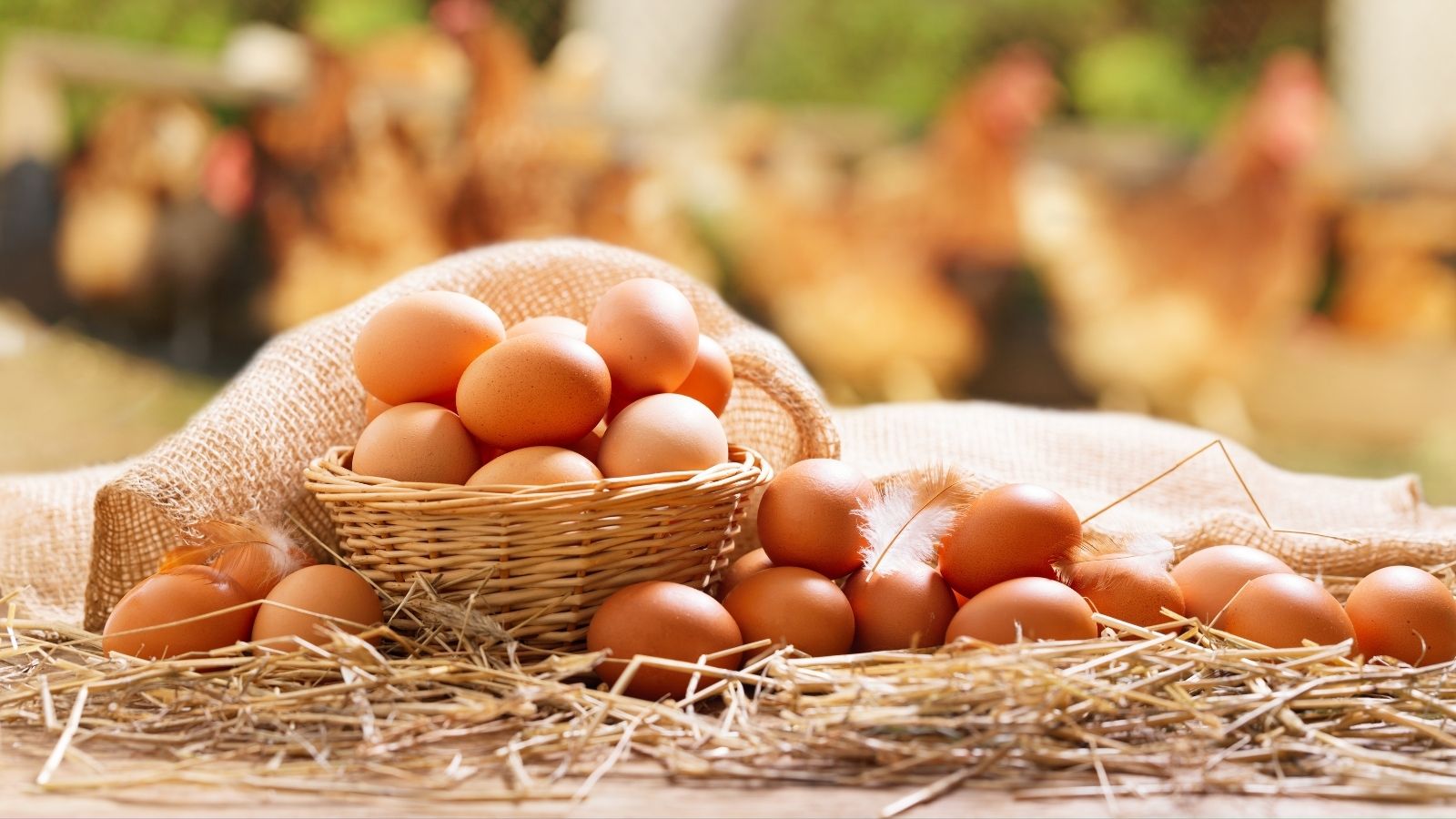
Eggs used to be the dependable answer to a low-cost meal: breakfast, baking, fried rice, sandwiches, or a quick dinner when the fridge looked thin. That reputation has become harder to maintain. Canadians have seen egg prices move sharply at times, and even when they settle, the new shelf price can remain higher than what shoppers remember from only a few years ago.
Part of the frustration is that eggs are purchased often and used in so many ways. A family that bakes, packs lunches, or cooks breakfast at home can go through a carton quickly. Supply disruptions, feed costs, transportation expenses, and broader grocery inflation all contribute to the sense that eggs have shifted from “cheap protein” to a watched purchase. It is one of those items where memory is reinforced every time the carton is opened.
Butter

Butter has become a small but telling symbol of grocery sticker shock. It sits in the fridge, goes into baking, spreads on toast, finishes vegetables, and shows up in holiday recipes. When its price rises, the impact is felt not just in one meal but across many home routines. Canadians who remember stocking up during sales may now find themselves waiting for promotions or choosing smaller quantities.
Dairy prices are shaped by production costs, processing, transportation, and Canada’s supply-managed system, but the consumer experience is simpler: the block costs more than it used to. Butter is especially noticeable because it is often bought in standard sizes, making price changes easy to compare from memory. A few dollars more per block can turn baking, meal prep, and comfort-food cooking into a more expensive habit than expected.
Milk

Milk is one of the household items Canadians notice because it is bought repeatedly, especially in homes with children, coffee drinkers, cereal eaters, or frequent bakers. Unlike occasional splurges, milk returns to the shopping list every week or even more often. That frequency makes shoppers highly sensitive to changes, even when the price increase looks modest on a single jug or carton.
The cost of milk reflects farm, processing, packaging, refrigeration, and transport expenses. Those layers matter because dairy products require cold-chain handling from production through retail. For many households, milk also acts as a benchmark: when the price of something so ordinary rises, it reinforces the feeling that the entire grocery basket has become less forgiving. It is not just the price itself; it is the loss of the old expectation that milk was a predictable staple.
Coffee

Coffee has moved from a simple morning routine to a line item many Canadians actively monitor. The increase is visible in two places at once: bags or tins at the grocery store and cups bought from cafés or drive-throughs. A home brewer may notice the price of beans or ground coffee, while commuters may notice that a small daily purchase now adds up quickly over a month.
Global coffee prices are sensitive to weather, crop conditions, shipping, currency movements, and demand. Canada imports coffee, so international pressures can show up directly on shelves and menus. The emotional side is just as strong. Coffee is not always considered a luxury; for many people, it is part of getting through the workday. That makes higher prices feel less like a lifestyle choice and more like another unavoidable daily squeeze.
Cereal

Cereal used to carry a strong image as an easy, affordable breakfast. For families, it was the backup plan on rushed school mornings and the snack that could stretch between grocery trips. Now, many shoppers notice that boxes seem expensive for the amount inside, especially when name brands are not on sale. Shrinkflation concerns have added to the frustration, with consumers feeling they may be paying more for less.
The cost pressure behind cereal includes grains, sugar, packaging, marketing, transportation, and retail margins. It also sits inside the broader category of processed grocery items, where multiple ingredients and packaging layers can amplify inflation. The result is a product that still feels familiar and simple, but no longer always feels economical. Many Canadians now compare unit prices, buy larger formats, or switch brands to bring breakfast costs back under control.
Ground Beef

Ground beef has long been associated with practical meals: burgers, tacos, pasta sauce, chili, casseroles, and shepherd’s pie. That everyday role makes higher prices especially noticeable. A package that once anchored several dinners can now take a bigger share of the grocery budget, particularly for families trying to plan protein-heavy meals without overspending.
Meat prices are affected by feed costs, processing capacity, labour, transportation, and livestock supply. Beef can be particularly sensitive because cattle production is slower to adjust than some other food categories. When meat inflation rises, households often respond by stretching portions, buying on sale, choosing larger freezer packs, or substituting chicken, pork, beans, or lentils. Ground beef still feels like a basic ingredient, but its price increasingly makes it feel like something that needs strategy.
Chicken

Chicken has often been treated as the practical middle ground: less expensive than many beef cuts, versatile enough for meal prep, and familiar across cuisines. Yet many Canadians now find that boneless breasts, thighs, wings, and whole birds are no longer the bargain they remember. The difference becomes especially clear when planning multiple meals or feeding a larger household.
Poultry pricing reflects feed, processing, transportation, packaging, and refrigeration costs. Demand also matters because chicken remains a go-to protein for consumers trying to manage food budgets. That demand can keep prices firm even when shoppers are looking for relief. The practical impact is visible in kitchens across Canada: more comparison shopping, more freezer planning, and more attention to sales. Chicken remains ordinary, but it no longer always feels inexpensive.
Fresh Fruit

Fresh fruit is one of the grocery categories where Canadians often feel caught between health goals and cost. Apples, berries, grapes, oranges, and bananas are everyday items, especially for families packing lunches or trying to keep quick snacks at home. But prices can swing widely, and imported fruit can become noticeably more expensive when weather, transport, exchange rates, or seasonal supply are unfavourable.
The frustration is that fruit is both perishable and frequently purchased. A container of berries can disappear in a day, and a bag of apples may not last the week. Food-price pressures also make consumers more selective, choosing seasonal options, frozen fruit, or sale items instead of favourites. For many households, the old habit of casually adding fruit to the cart has become a more deliberate calculation.
Fresh Vegetables

Fresh vegetables have become another everyday category where shoppers feel price changes immediately. Lettuce, tomatoes, cucumbers, peppers, carrots, and onions are basic ingredients, but several can fluctuate sharply depending on season, region, weather, greenhouse costs, and import conditions. A salad that once felt like a low-cost side can become surprisingly expensive when multiple fresh items rise at the same time.
Vegetable prices are also affected by fuel and transportation, because many products travel long distances before reaching Canadian stores. In winter and early spring, dependence on imported or greenhouse-grown produce can make prices feel even less predictable. Households may respond by buying frozen vegetables, choosing hardier staples, or planning meals around weekly discounts. The result is a subtle shift: healthy everyday cooking can feel more expensive before anything fancy reaches the plate.
Potato Chips

Potato chips are not essential in the same way as milk or bread, but they are exactly the kind of small treat Canadians remember as cheaper. The price shock often comes from two directions: higher shelf prices and bags that seem lighter than expected. A snack for movie night, a barbecue, or a lunchbox can suddenly feel like a minor splurge rather than an easy add-on.
Chips reflect the rising cost of potatoes, cooking oils, packaging, labour, freight, and retail distribution. Because they are frequently promoted, shoppers also become trained to wait for sales, making regular prices feel even more jarring. The emotional reaction is strong because chips used to occupy the “cheap indulgence” category. When even casual snacks feel pricey, consumers notice how far inflation has spread beyond obvious necessities.
Cooking Oil

Cooking oil has become a quiet budget pressure because it lasts long enough to be forgotten, then feels expensive when replaced. Canola, vegetable, olive, and specialty oils all play different roles in Canadian kitchens, from frying and roasting to salad dressings and baking. When prices rise, the increase can feel sudden because the purchase is less frequent than milk or bread but often larger at checkout.
Oil prices are influenced by crop conditions, global commodity markets, transportation, processing, and packaging. Olive oil, in particular, has faced international supply pressures in recent years, while common vegetable oils are tied to agricultural input costs. Households may stretch bottles longer, switch formats, or reserve pricier oils for finishing rather than daily cooking. The change is subtle but real: even basic meal preparation carries higher background costs.
Toilet Paper

Toilet paper is the kind of item people rarely think about until the price jumps. It is essential, bought repeatedly, and often purchased in large packs that make increases immediately visible. Canadians may remember when stocking up during a sale felt like a household win; now, even sale prices can look close to what regular prices used to be.
The cost of toilet paper reflects pulp, paper manufacturing, packaging, transportation, and retail logistics. Because it is bulky, moving it through supply chains is not cheap. Consumers also face package-size confusion, with rolls marketed by different sheet counts and formats that make price comparisons harder. That is why many shoppers now check unit pricing more carefully. The product has not changed much in purpose, but buying it has become a more calculated household decision.
Laundry Detergent

Laundry detergent is another household basic that can produce sticker shock because the bottle or box is not bought every week. When it runs out, the replacement price can feel much higher than remembered. Families with children, uniforms, work clothes, sports gear, or shared laundry facilities notice the increase most, because laundry is not optional and frequency can be hard to reduce.
Detergent prices reflect chemicals, packaging, shipping, water content, branding, and retailer promotions. Concentrated formulas and pod formats can also make comparisons tricky because the shelf price, load count, and actual use per wash do not always line up neatly. Many Canadians now wait for discounts, buy warehouse sizes, or switch between brands. The broader feeling is familiar: even keeping clothes clean has become part of the affordability conversation.
Diapers

Diapers are one of the most stressful everyday price increases because they are essential for a specific stage of life and consumed quickly. Parents and caregivers cannot simply delay the purchase when prices rise. A baby may go through many diapers a day, which means small increases per unit become meaningful over weeks and months.
The price of diapers reflects pulp, absorbent materials, plastics, packaging, freight, and manufacturing costs. Families also face size changes as children grow, making bulk buying less straightforward than it seems. For households already managing formula, childcare, rent, and transportation, diapers can become a symbol of how expensive early parenting has become. Many parents compare subscription prices, warehouse packs, coupons, and store brands, but the underlying reality remains: this once-routine baby item now weighs heavily on monthly budgets.
Gasoline

Gasoline is one of the most visible everyday costs because prices are posted in huge numbers on street corners. Canadians who drive to work, school, daycare, appointments, or grocery stores do not need a spreadsheet to notice when a fill-up costs more. Fuel prices also shape how expensive life feels outside major cities, where transit options may be limited and distances are longer.
Gas prices are influenced by crude oil markets, refining margins, taxes, regional supply, currency shifts, and global disruptions. The effect spreads beyond drivers, too, because fuel costs influence shipping, food distribution, delivery fees, and service calls. A higher pump price can therefore show up in multiple parts of the household budget. Few items connect global events to daily life as directly as the cost of filling a tank.
Car Insurance

Car insurance is not a shelf item, but it is an everyday cost for many Canadians because it affects the monthly budget like rent, groceries, or utilities. Premium increases can feel especially frustrating when a driver’s personal habits have not changed. A clean record does not always protect against broader market forces, including repair costs, vehicle theft, injury claims, parts prices, and the growing expense of technology-packed vehicles.
Modern cars are more complex to fix, with sensors, cameras, advanced driver-assistance systems, and specialized parts built into bumpers, mirrors, windshields, and panels. That can raise claim costs even after minor collisions. Insurance also varies significantly by province, city, vehicle, and driver profile, which adds to the confusion. For many households, the complaint is simple: the same driveway and commute can cost more to insure than they used to.
Rent

Rent may be the biggest item on this list, but it still qualifies as an everyday cost because it shapes almost every other spending decision. Many Canadians remember when rent took a smaller share of paycheques, especially in cities where vacancy was tighter and new leases reset at much higher market rates. Even renters with stable homes can feel the pressure when friends, children, or relatives try to move.
The rise in rent reflects supply shortages, population growth, higher financing costs, construction constraints, and turnover pricing. When a unit changes tenants, it can often be repriced far above what the previous occupant paid, depending on local rules and market conditions. This creates a sharp divide between staying put and moving. Rent has become more than a housing cost; it is the monthly expense that determines whether other everyday items feel affordable at all.
Cellphone Plans

Cellphone plans are one of the modern bills Canadians often compare with disbelief. The phone itself may be financed, leased, or bought outright, while the service plan adds another recurring cost. Data needs have grown as people use phones for work, banking, maps, school messages, entertainment, health appointments, and two-factor authentication. What once felt optional now behaves like infrastructure.
Canada’s telecom market has long drawn attention because affordability, competition, and network investment are closely watched by regulators and consumers. Prices can vary by carrier, region, promotion, device subsidy, and plan structure, which makes comparisons difficult. Some consumers find better deals by switching, using bring-your-own-device plans, or watching promotional windows. Still, the monthly cellphone bill remains one of those costs that many Canadians swear used to feel simpler and cheaper.
Internet Service

Home internet has shifted from convenience to necessity. Remote work, streaming, school portals, government services, banking, telehealth, smart devices, and video calls all depend on a reliable connection. That makes the bill harder to cut, even when households feel squeezed. Canadians may remember slower, cheaper plans, but modern usage often pushes families toward faster and more expensive packages.
Internet pricing is shaped by infrastructure investment, wholesale access rules, network maintenance, competition, and rising household demand for bandwidth. The CRTC continues to monitor affordability and market competition, while consumers navigate promotions, modem fees, contracts, and speed tiers. The frustration is not only the price but the feeling of dependence. When internet service becomes essential for work, school, and daily administration, even a modest increase feels like another unavoidable utility.
Postage Stamps

Postage stamps are a small item, but their price changes stand out because many Canadians remember buying them for far less. Mailing birthday cards, documents, invitations, holiday greetings, or forms may happen less often than before, yet the price of a single domestic stamp can still surprise people at the counter. It is one of those purchases where memory stretches back years.
Canada Post raised domestic letter rates in 2025, including both single stamps and stamps bought in booklets, coils, or panes. The increase reflected the financial pressure of maintaining a national delivery network while letter volumes have declined. That context may explain the change, but it does not erase the consumer reaction. A stamp remains physically tiny, so a higher price can feel disproportionate, especially when mailing a simple envelope.
Fast-Food Meals

Fast food used to be the affordable backup: a quick burger, fries, coffee, breakfast sandwich, or drive-through dinner when cooking was not realistic. Many Canadians now find that a basic combo can cost close to what a casual sit-down meal once did. The change is especially noticeable for families, where a “quick stop” can turn into a sizable bill.
Restaurant prices reflect food ingredients, wages, rent, utilities, packaging, delivery platforms, franchise fees, and fuel-related transport costs. Fast food also relies heavily on convenience, so consumers compare today’s price not only with grocery costs but with memories of value menus and loose change meals. When the cheapest option no longer feels cheap, the psychology changes. A once-automatic convenience purchase becomes something households weigh against cooking at home.
19 Things Canadians Don’t Realize the CRA Can See About Their Online Income

Earning money online feels simple and informal for many Canadians. Freelancing, selling products, and digital services often start as side projects. The problem appears at tax time. Many people underestimate how much information the CRA can access. Online platforms, banks, and payment processors create detailed records automatically. These records do not disappear once money hits an account. Small gaps in reporting add up quickly.
Here are 19 things Canadians don’t realize the CRA can see about their online income.
