
Sun protection advice has become widely available, yet many myths still influence daily habits. In Canada, long winters and mild spring weather often create a false sense of safety about ultraviolet exposure. People tend to rely on outdated beliefs, social media tips, or convenience instead of science. Dermatologists frequently warn that small misconceptions can lead to significant long-term damage. Ultraviolet rays remain present in all seasons and weather conditions, even when the sun feels weak. Because skin damage accumulates gradually, these misunderstandings matter more than people realize. Here are 17 SPF myths Canadians still believe in 2026 and why derms cringe.
Sunscreen Is Only Needed in Summer

Many Canadians associate sun protection only with hot weather. However, ultraviolet radiation is present year-round. Snow can reflect sunlight and increase exposure during winter and early spring. Outdoor activities such as skiing or walking still carry risk. Skin damage accumulates even without visible sunburn. Daily sunscreen helps prevent premature aging and pigmentation. Lightweight formulas now make year-round use comfortable. Applying SPF should be part of morning routines regardless of the season. Areas like the face and hands remain exposed most often. Temperature does not determine UV intensity alone. Clear cold days can still produce significant exposure. Limiting protection to summer leaves skin vulnerable for months. Consistent use throughout the year offers the most reliable defense against long-term damage.
Cloudy Days Do Not Require SPF

Overcast skies may reduce visible brightness but not harmful rays. Ultraviolet radiation can penetrate clouds effectively. Canadians often skip sunscreen when the sunlight feels weak. This creates unnoticed cumulative exposure. UVA rays, which contribute to aging, remain present year-round. Outdoor time during cloudy conditions still affects the skin. Reflection from surfaces such as water increases intensity. Daily SPF provides protection regardless of the weather. Modern formulas feel lightweight and invisible. Applying sunscreen becomes easier when treated as a routine. Even brief errands can contribute to exposure over time. Waiting for sunny days to apply SPF is unreliable. Protection should depend on daylight, not perceived heat. Consistent use helps maintain skin health during unpredictable spring weather conditions.
Darker Skin Tones Do Not Need Sunscreen

Melanin offers some natural protection but not complete immunity. Canadians with deeper skin tones may burn less easily. However, ultraviolet damage still occurs beneath the surface. Hyperpigmentation can worsen without sun protection. Skin cancers, though less common, are often detected later. Daily SPF helps maintain even skin tone. Lightweight formulas reduce concerns about residue. Protection also supports long-term skin health. Sun exposure contributes to premature aging in all skin types. Areas such as the lips and eyes remain vulnerable. Education about inclusive skincare is improving awareness. Dermatologists recommend sunscreen for everyone, regardless of complexion. Relying solely on natural pigmentation is insufficient. Consistent protection benefits all skin tones throughout the year.
Makeup with SPF Is Enough Protection

Many cosmetic products include sun protection claims. However, the amount applied is usually insufficient. Foundation is rarely layered thickly enough to reach labeled SPF levels. Coverage may also be uneven across the face. Reapplication throughout the day is uncommon with makeup. Dedicated sunscreen provides more reliable protection. Applying it before cosmetics creates a proper base layer. Powder SPF products offer only limited reinforcement. Canadians who rely solely on makeup remain vulnerable to exposure. Sweat and oil can reduce effectiveness over time. Touch-ups rarely restore full protection. Combining sunscreen with cosmetics yields better results. Treating makeup SPF as supplemental rather than primary protection improves overall safety. A separate sunscreen remains essential for daily use.
One Morning Application Lasts All Day

Sunscreen effectiveness decreases over time. Canadians often apply it once and assume full-day protection. Sweat, oil, and physical contact gradually remove product. Ultraviolet exposure also breaks down active ingredients. Reapplication every few hours maintains effectiveness. Outdoor activities require more frequent coverage. Even indoor settings may involve exposure near windows. Lightweight formulas make reapplication easier than before. Stick or spray options offer convenience during the day. Neglecting additional applications leaves skin exposed later. Morning routines provide only temporary protection. Treating sunscreen as a one-time step reduces its benefit significantly. Consistent reapplication ensures continuous defense against harmful radiation. Building this habit improves long-term skin health and reduces damage risk.
Higher SPF Means You Can Stay Out Longer
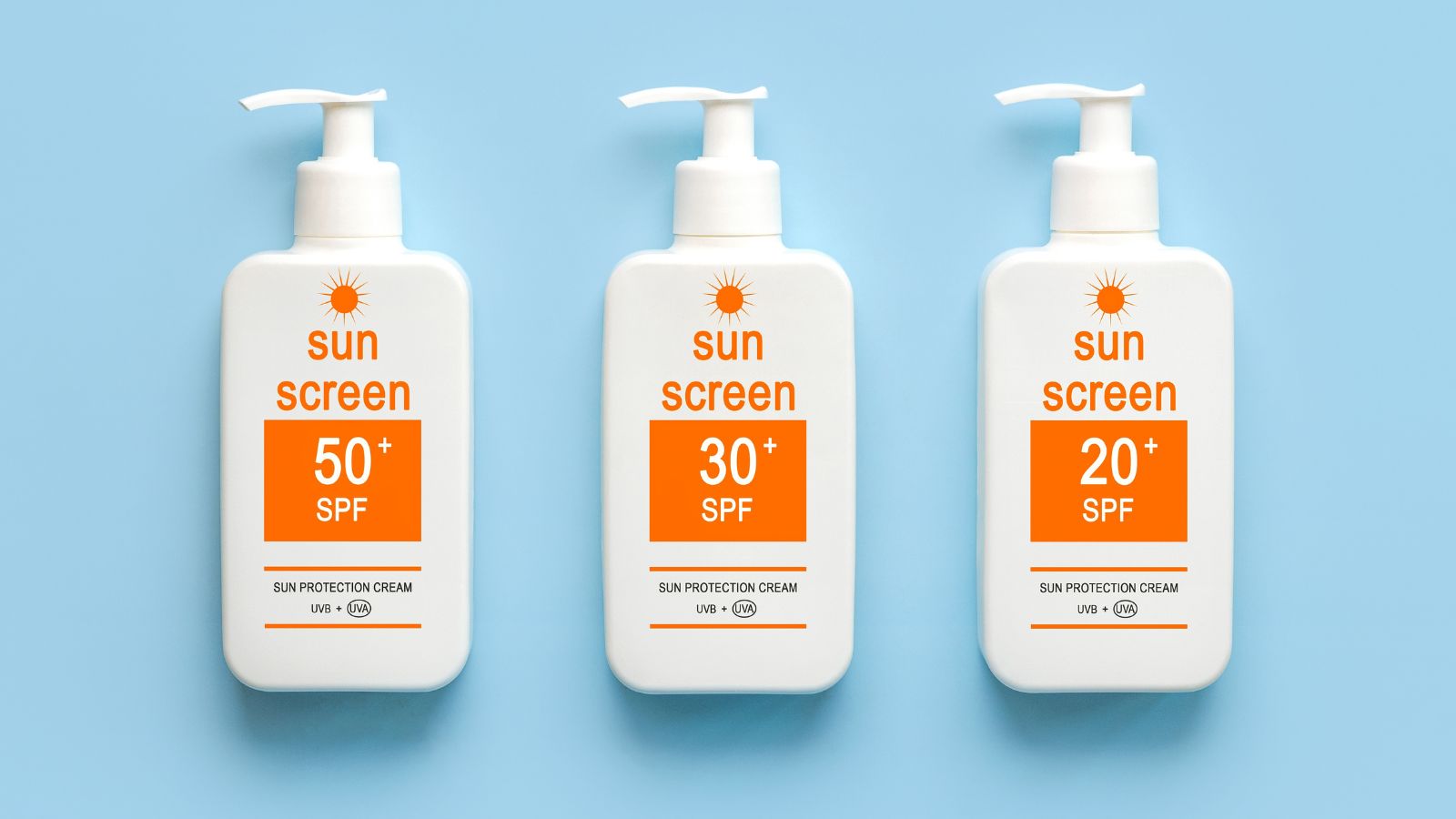
SPF numbers indicate the protection level, not unlimited exposure time. Higher values block slightly more ultraviolet radiation. However, no sunscreen provides complete protection. Canadians may stay outdoors longer than intended with high SPF products. Sweat and friction still reduce effectiveness. Reapplication remains necessary regardless of the number. Broad-spectrum protection matters more than extremely high SPF alone. Shade and protective clothing provide additional safety. Relying solely on sunscreen encourages overexposure. Skin damage accumulates gradually even without burning. Balanced sun safety includes multiple strategies. Understanding SPF limitations prevents false confidence. Using high SPF responsibly improves protection but does not eliminate risk. Time in direct sunlight should still be moderated carefully.
Waterproof Sunscreen Never Needs Reapplication
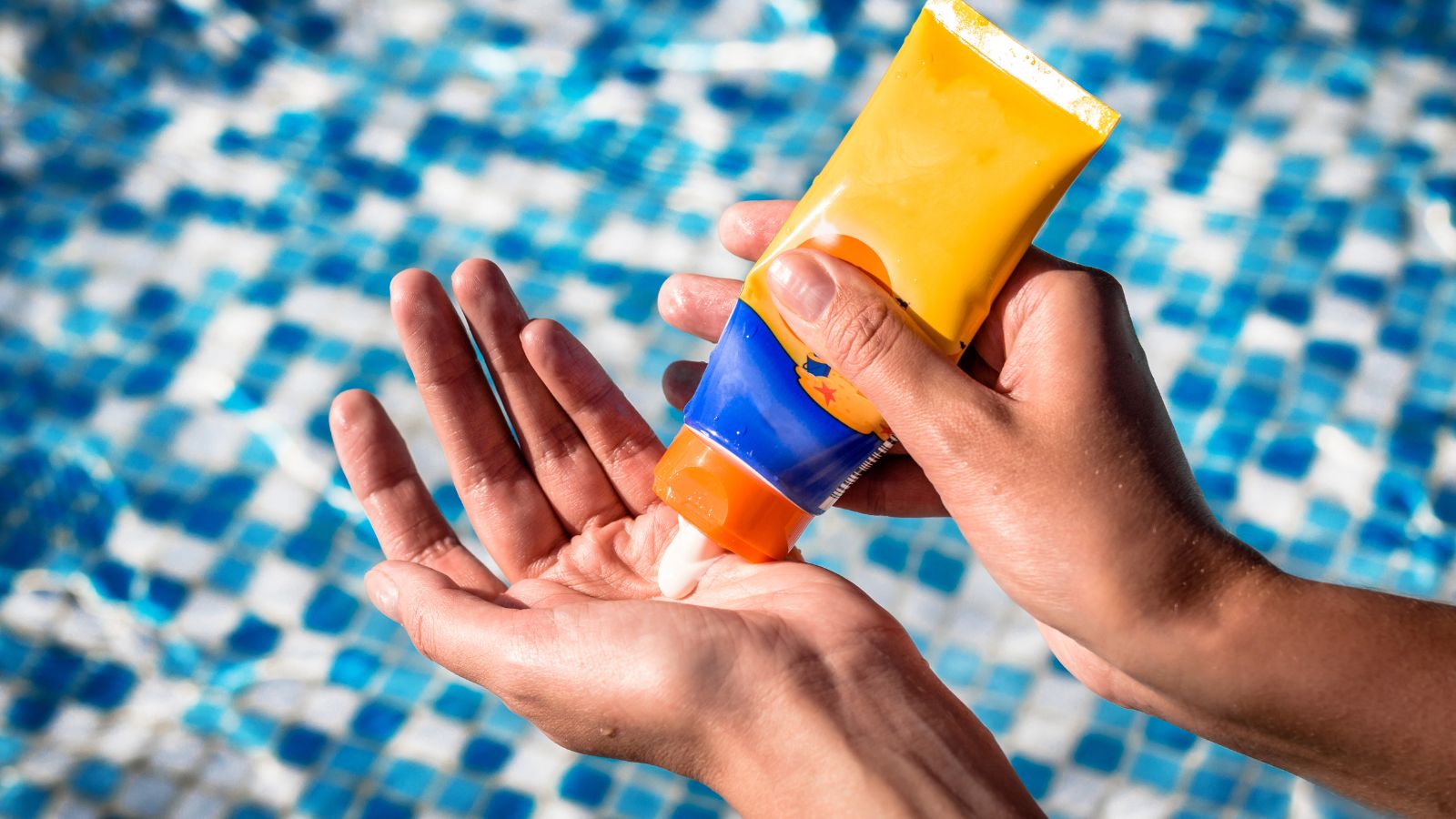
Water-resistant formulas maintain protection during moisture exposure for limited periods. Canadians often assume these products last indefinitely. Labels usually indicate effectiveness for a specific time frame. Swimming, sweating, or towel drying reduces coverage. Reapplication restores protective layers. Waterproof does not mean permanent adherence. Skin movement also affects distribution. Even light perspiration can compromise effectiveness. Applying a generous amount initially improves results. Monitoring exposure duration helps determine when to reapply. Combining sunscreen with physical barriers increases protection. Relying on water resistance alone is insufficient. Regular renewal remains essential for outdoor activities. Understanding product limitations prevents accidental overexposure during swimming or sports.
Sunscreen Blocks Vitamin D Completely
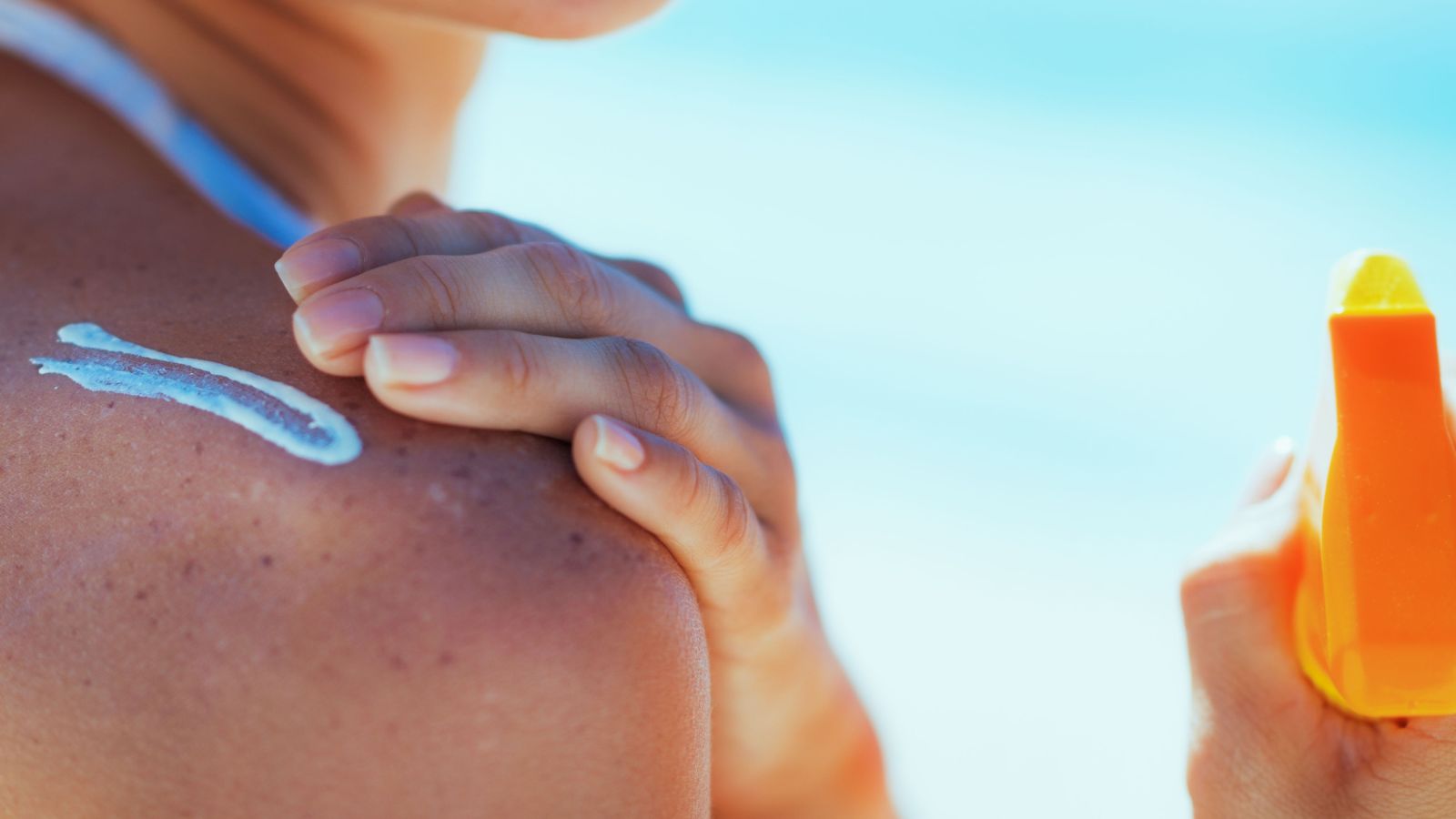
Concerns about vitamin D deficiency sometimes discourage sunscreen use. In practice, no product blocks ultraviolet radiation entirely. Small amounts of exposure still occur. Dietary sources and supplements provide reliable alternatives. Canadians often receive limited sunlight during winter, regardless. Balanced protection reduces skin cancer risk while maintaining health. Short incidental exposure is usually sufficient for vitamin D production. Overexposure offers no additional benefit. Dermatologists generally support consistent sunscreen use. Medical advice can address deficiency concerns individually. Prioritizing skin protection does not eliminate vitamin D availability. Combining safe sun habits with nutrition maintains overall well-being. Avoiding sunscreen due to this myth exposes skin to preventable damage.
Indoor Workers Do Not Need SPF

Ultraviolet radiation can pass through standard window glass. Canadians who spend most of their time indoors still receive exposure. UVA rays contribute to aging and pigmentation changes. Workspaces near windows increase risk. Driving also adds cumulative exposure. Artificial lighting does not replace sunlight but may not eliminate risk. Daily sunscreen protects exposed areas consistently. Applying it as part of a morning routine simplifies compliance. Indoor lifestyles do not guarantee safety from radiation. Skin on hands and face remains particularly vulnerable. Regular use helps prevent uneven tone and fine lines. Treating sunscreen as outdoor-only protection overlooks these factors. Continuous daily coverage supports long-term skin health regardless of occupation.
Natural or Mineral Products Do Not Expire

All skincare products have a limited shelf life. Canadians may assume mineral sunscreens remain stable indefinitely. Active ingredients degrade over time. Separation, odor changes, or texture shifts indicate reduced effectiveness. Using expired products compromises protection. Storage conditions also influence stability. Heat and sunlight accelerate deterioration. Checking packaging dates helps ensure safety. Even unopened products can lose potency eventually. Fresh sunscreen performs more reliably. Applying old formulas creates false security. Replacing products annually is often recommended. Mineral or natural labeling does not prevent degradation. Monitoring expiration supports consistent protection and avoids unnecessary exposure risks.
Spray Sunscreen Provides Full Coverage Automatically
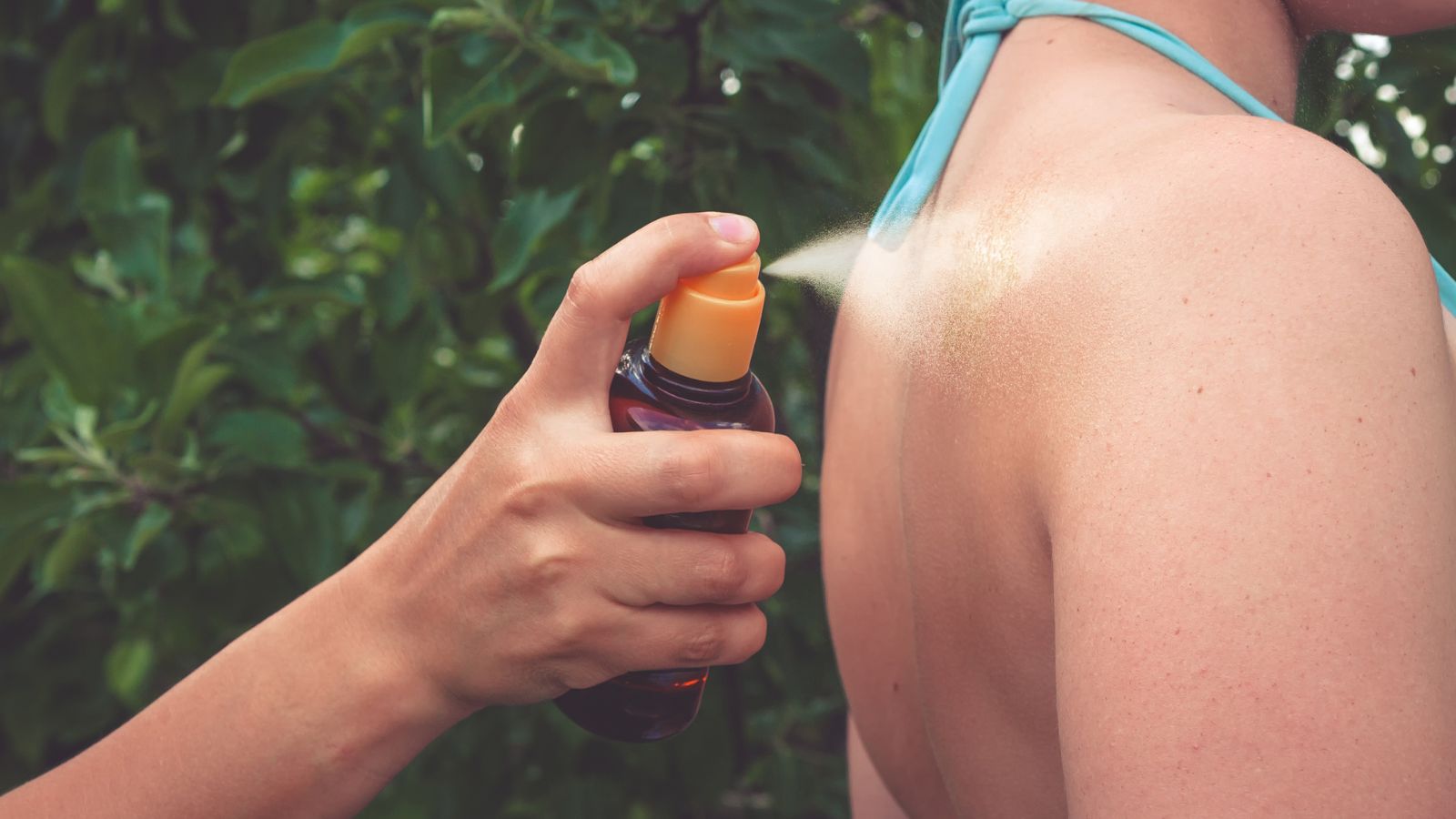
Spray formulas offer convenience but require careful application. Canadians may apply too little product unknowingly. Wind can disperse spray before reaching the skin. Uneven coverage leaves gaps vulnerable to sunlight. Rubbing the product in improves distribution. Multiple passes are often necessary for effectiveness. Sprays are useful for hard-to-reach areas. However, they should not replace a thorough application. Inhalation concerns also exist during use. Applying outdoors or in well-ventilated areas is safer. Monitoring skin appearance helps confirm coverage. Combining spray with lotion ensures more reliable protection. Convenience should not compromise effectiveness. Proper technique determines whether spray sunscreen performs as intended.
SPF in Moisturizer Replaces Dedicated Sunscreen
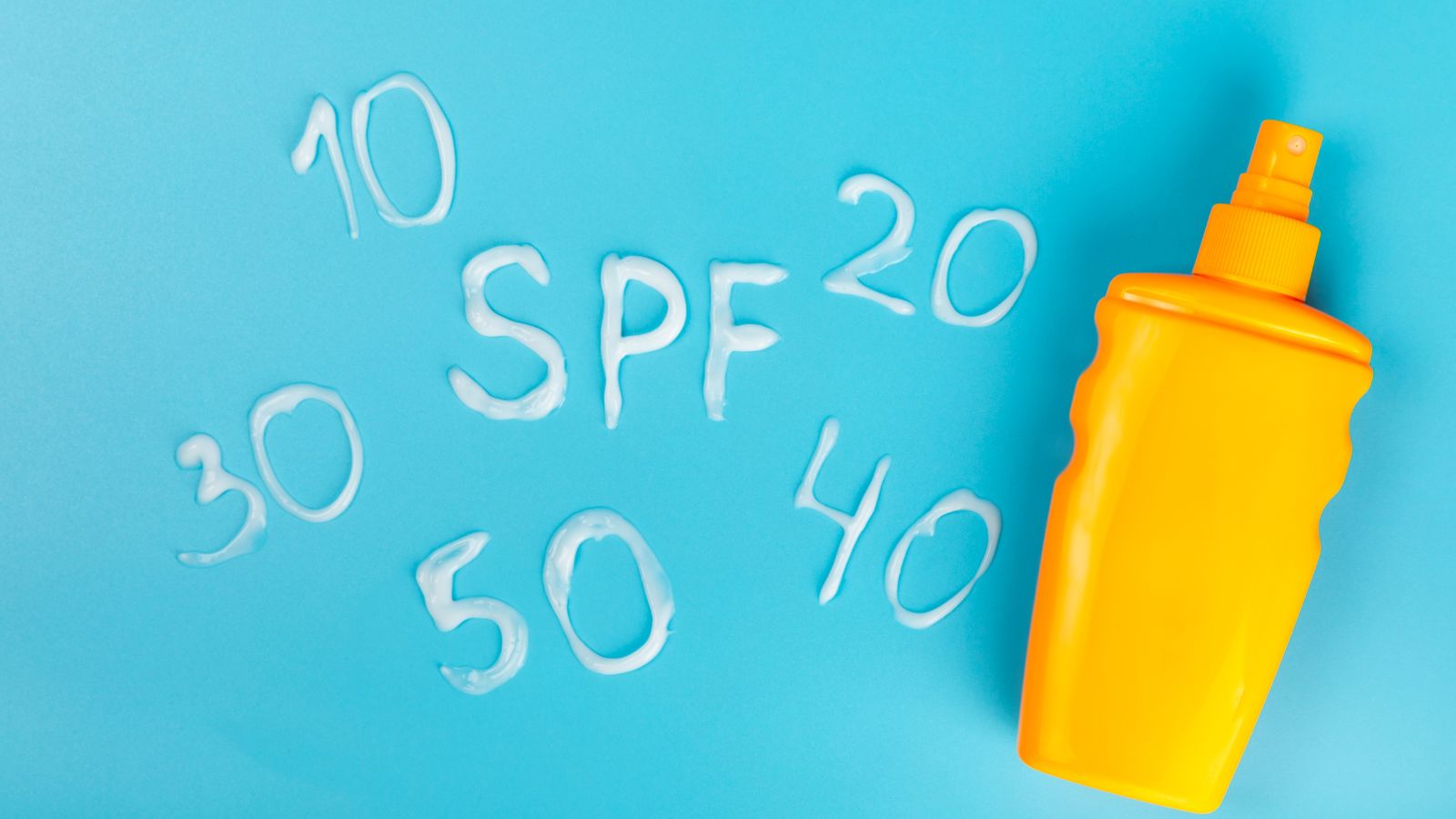
Moisturizers with SPF provide some protection but may be insufficient alone. Canadians often apply smaller amounts than recommended. Full coverage requires a generous layer. Dedicated sunscreens are formulated specifically for UV defense. Moisturizers focus primarily on hydration. Reapplication of moisturizer during the day is uncommon. Sweat and oil reduce effectiveness over time. Combining both products enhances results. Applying sunscreen over moisturizer ensures adequate protection. Treating SPF moisturizers as supplementary reduces risk. Lightweight sunscreen options now feel comfortable for daily wear. Relying solely on combined products may leave skin partially exposed. Separate sunscreen remains the more dependable choice.
You Only Need Sunscreen at the Beach

Beach environments intensify sunlight due to reflection from water and sand. However, everyday activities also involve exposure. Canadians walking, driving, or gardening receive cumulative radiation. Urban environments provide less reflection but still carry risk. Daily routines contribute to long-term damage. Sunscreen should be part of regular skincare, not vacation-only use. Brief outdoor errands add up over time. Hands, face, and neck remain exposed most frequently. Protection during routine activities prevents uneven aging. Treating sunscreen as situational reduces effectiveness. Consistency offers better long-term results. Sun safety extends beyond leisure settings. Regular use supports healthier skin throughout the year.
Tanning Without Burning Is Safe

A tan indicates skin damage rather than protection. Canadians may believe gradual darkening is harmless. Ultraviolet exposure triggers melanin production as defense. This process reflects injury to skin cells. Long-term consequences include aging and cancer risk. Sunscreen reduces both burning and tanning. Protective clothing further limits exposure. Indoor tanning carries similar risks. No safe level of intentional tanning exists. Even mild color change signals DNA damage. Preventive measures maintain natural skin tone. Avoiding deliberate tanning supports overall skin health. Education about these risks continues to improve awareness. Choosing protection over tanning preserves skin integrity long term.
Lip Balm Does Not Need SPF
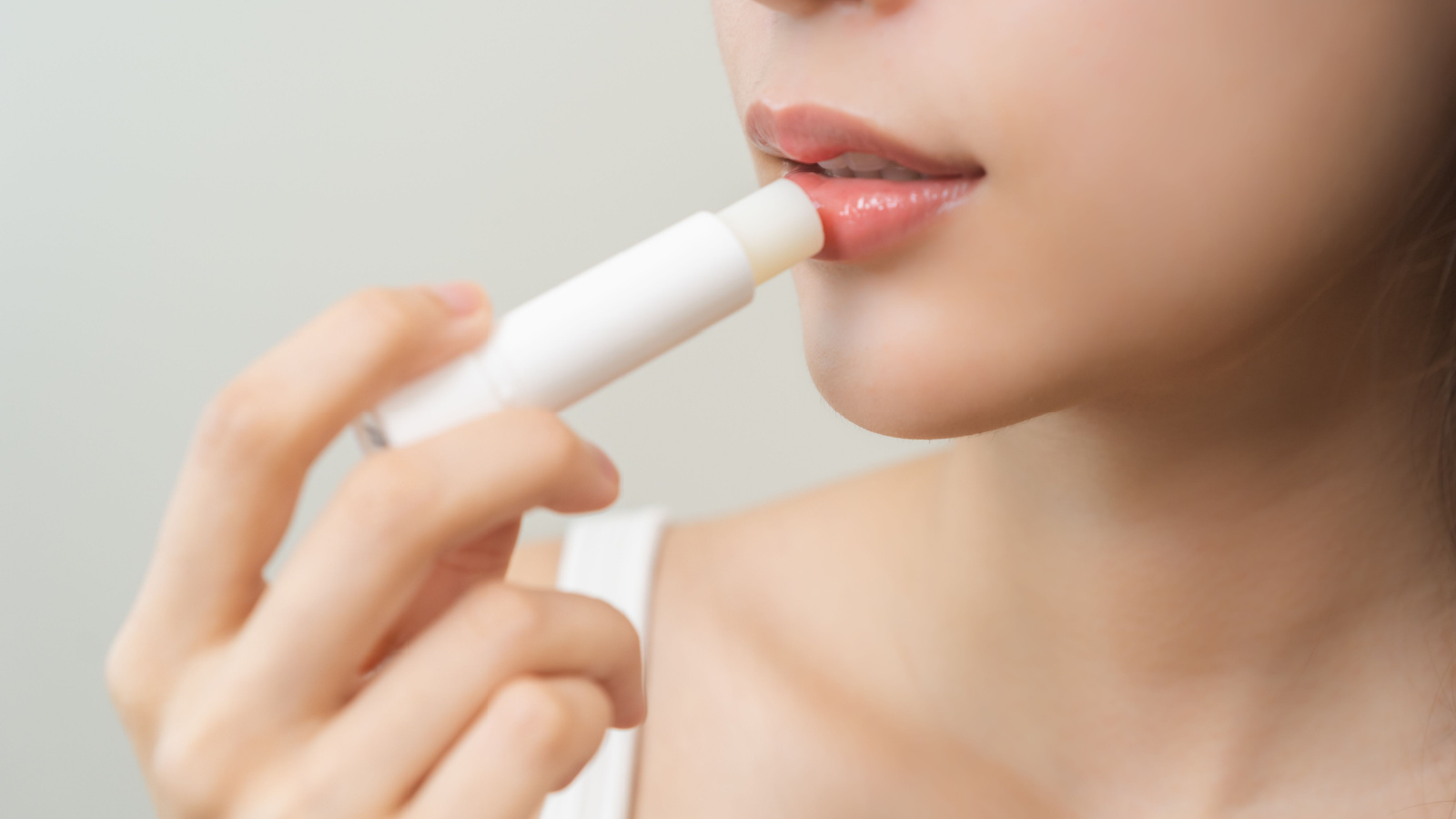
Lips lack melanin and oil glands, making them highly vulnerable. Canadians often forget sun protection for this area. UV exposure can cause dryness, cracking, and long-term damage. Skin cancers may develop on the lips as well. SPF lip balms provide necessary defense. Frequent reapplication is important due to eating and drinking. Clear formulas make daily use convenient. Outdoor activities increase exposure significantly. Lip protection complements facial sunscreen. Neglecting this step leaves a sensitive area unprotected. Choosing nourishing formulas improves comfort. Keeping a balm accessible encourages regular use. Lip SPF should be considered essential rather than optional.
Sunscreen Causes Breakouts for Everyone

Some individuals experience acne from certain formulas. However, many modern sunscreens are non-comedogenic. Canadians may avoid SPF entirely due to past reactions. Gel or mineral options often suit sensitive skin better. Patch testing helps identify compatible products. Breakouts may result from inadequate cleansing as well. Removing sunscreen thoroughly at night prevents buildup. Lightweight textures reduce pore congestion. Consulting dermatologists can guide selection. Avoiding sunscreen entirely increases long-term risk. Finding a suitable formula usually resolves concerns. Skincare advances have improved tolerability significantly. Personalization rather than avoidance offers the best outcome for acne-prone skin.
Old Sunscreen Works Just as Well

Using leftover sunscreen from previous years is common. Canadians may keep partially used bottles for convenience. Active ingredients degrade over time, reducing protection. Heat exposure accelerates this process. Expired products may separate or change color. Even if appearance seems normal, effectiveness can decline. Applying degraded sunscreen creates false confidence. Fresh products provide reliable coverage. Checking expiration dates prevents this mistake. Proper storage extends shelf life, but not indefinitely. Replacing sunscreen annually is a safe practice. Investing in new products protects against avoidable damage. Reliable protection depends on product integrity, not just application habits.
22 Groceries to Grab Now—Before another Price Shock Hits Canada

Food prices in Canada have been steadily climbing, and another spike could make your grocery bill feel like a mortgage payment. According to Statistics Canada, food inflation remains about 3.7% higher than last year, with essentials like bread, dairy, and fresh produce leading the surge. Some items are expected to rise even further due to transportation costs, droughts, and import tariffs. Here are 22 groceries to grab now before another price shock hits Canada.
22 Groceries to Grab Now—Before another Price Shock Hits Canada
