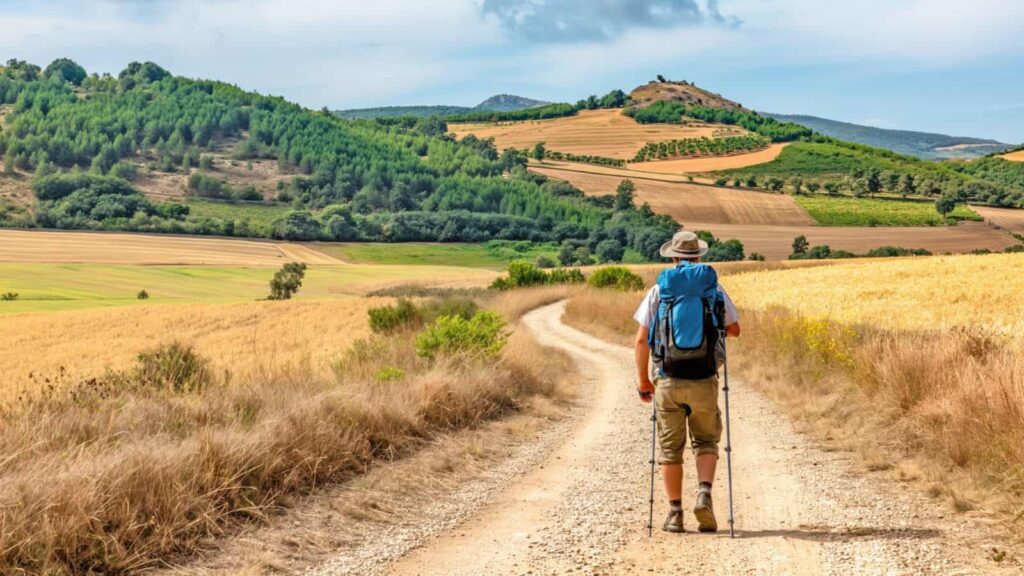
March in Canada sits between winter and spring, when sidewalks are clearing but temperatures still fluctuate. Walking becomes one of the easiest ways to get outside without committing to intense workouts. Many people return to daily strolls to boost mood, rebuild stamina, and enjoy longer daylight hours. Social media trends have also made walking feel purposeful rather than routine. Instead of fast transformations, the focus is on consistency and fresh air. Routes, timing, and even outfits adapt to unpredictable conditions. Here are 18 walking trends Canadians are doing in March that feel like the “hot girl walk,” but Canadian.
Layered Outfit Walks for Cold Mornings
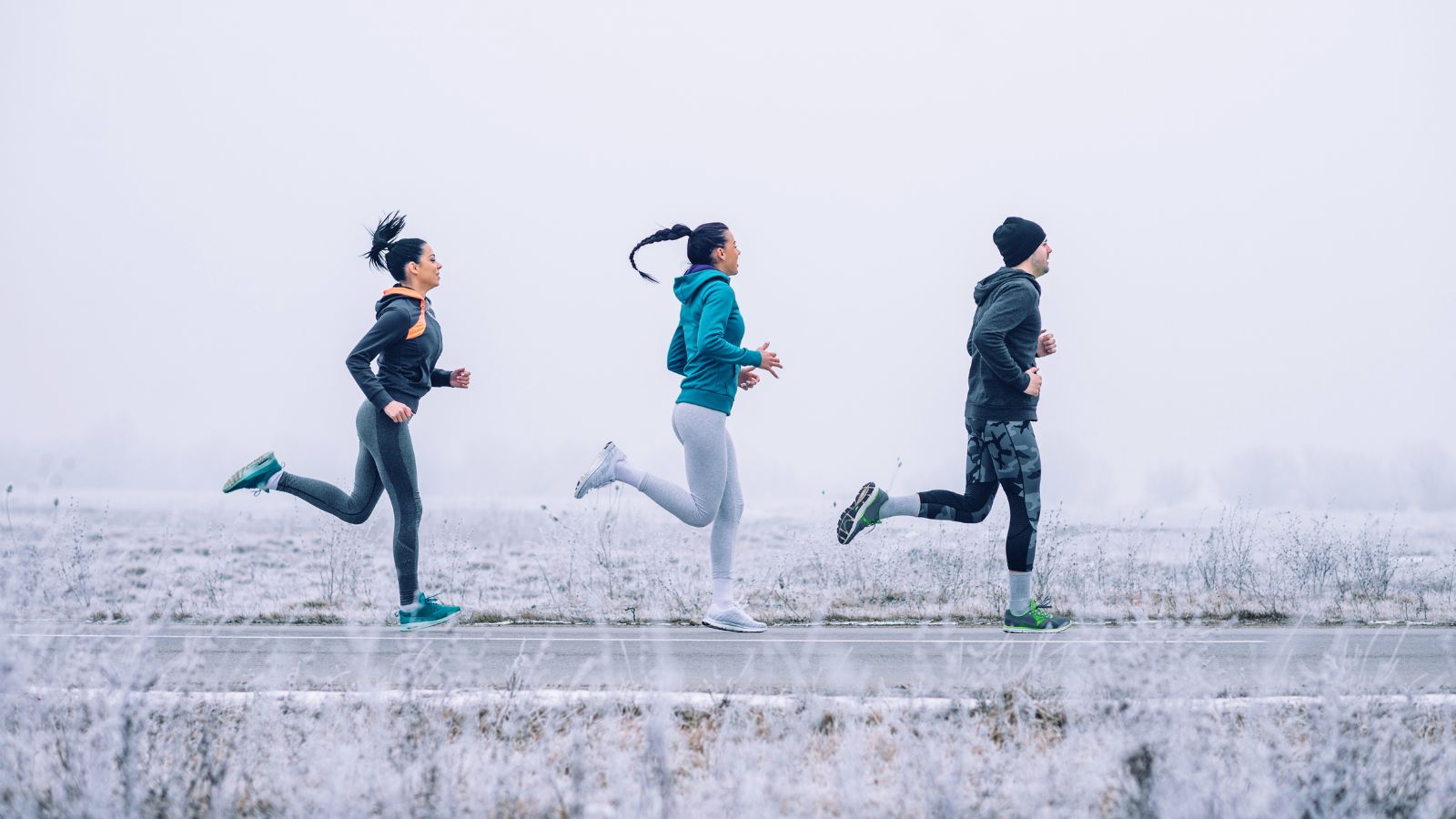
March mornings in Canada often remain chilly despite signs of spring. Walkers rely on layered clothing to stay comfortable. Lightweight base layers trap warmth without overheating later. Jackets that can be unzipped or removed are especially useful. Gloves and hats may still be necessary early in the day. As the sun rises, layers can be adjusted easily. Breathable fabrics prevent sweat buildup during faster walks. Canadians often carry a small backpack for extra items. Proper footwear remains important due to wet surfaces. Dressing in layers encourages people to walk despite low temperatures. This approach extends outdoor activity into transitional weather. Layered outfit walks help maintain consistency until conditions become reliably warm later in spring.
Snow-Free Sidewalk Route Mapping
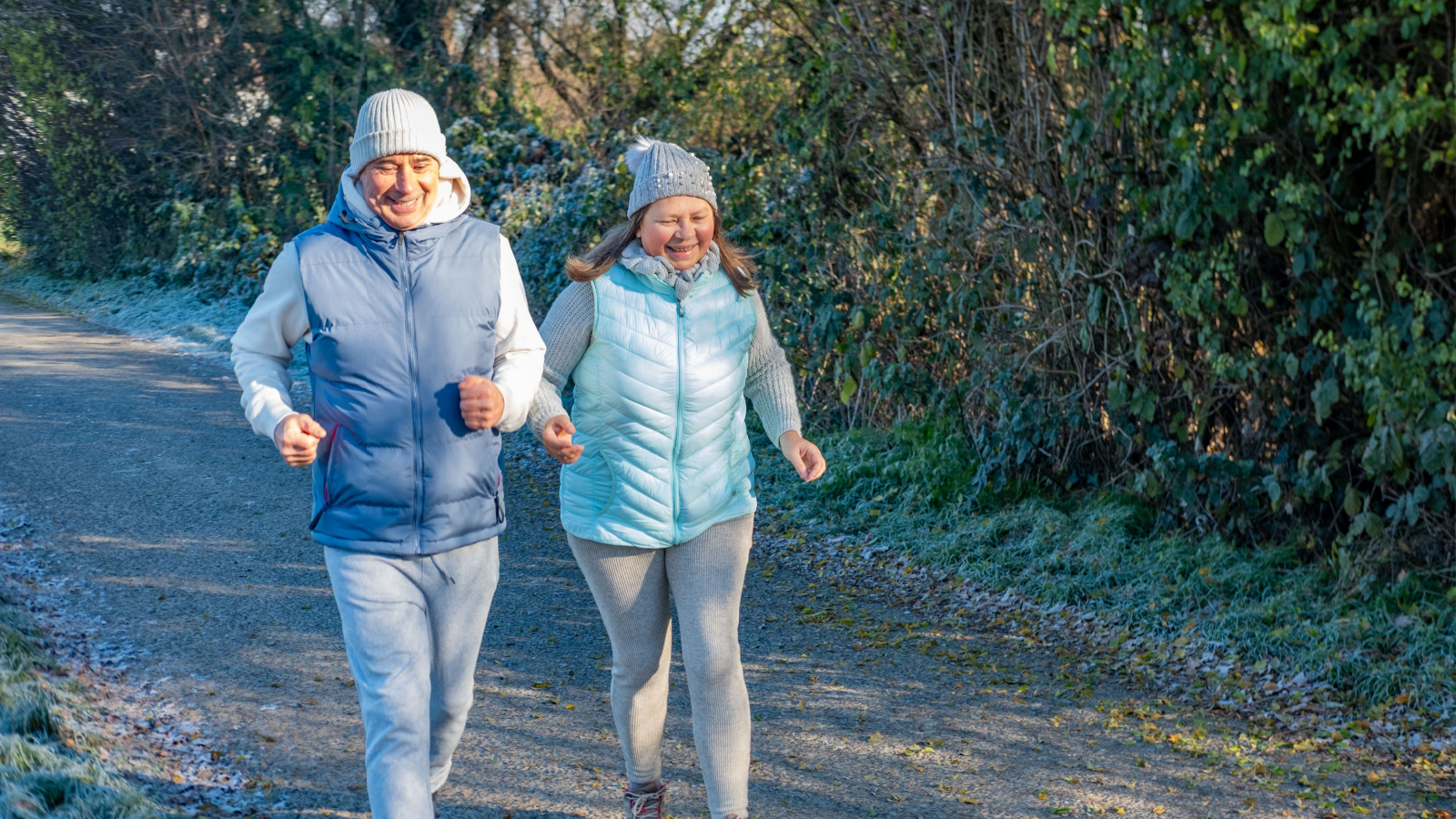
Melting snow creates uneven walking conditions in many areas. Canadians often plan routes that are already clear and dry. Local knowledge helps identify streets maintained earlier than others. Navigation apps can assist with route planning. Avoiding icy patches reduces fall risk. Many prefer sun exposed sidewalks that melt faster. Community updates sometimes share safe walking paths. This planning makes walks more enjoyable and efficient. Detours may add distance but improve safety. Some choose routes near parks or main roads for maintenance priority. Gradual improvement in conditions expands available paths. Route mapping supports consistency during unpredictable weather. It allows walkers to maintain routines without waiting for full snow clearance.
Step-Tracking Challenges with Friends

Friendly competition motivates many Canadians to stay active in March. Step counting apps make participation simple. Friends compare daily totals and encourage each other. Challenges often include small rewards or goals. Walking more throughout the day becomes intentional. Participants may take extra laps or short walks to increase numbers. Social accountability improves consistency. Remote friends can join regardless of location. Leaderboards create a sense of achievement. Some workplaces organize group challenges as well. Tracking progress visually reinforces habits. Even modest increases in activity produce benefits. Step challenges transform ordinary movement into a shared activity. This approach helps people rebuild fitness after winter inactivity while maintaining social connection.
Sunrise Walks as Days Get Longer

Earlier daylight encourages morning walks before daily responsibilities begin. Canadians notice significant changes in sunrise times during March. Quiet streets provide a calm environment. Morning air often feels crisp and refreshing. Walking early can improve mood for the rest of the day. Safety increases as visibility improves. Some walkers enjoy watching seasonal changes unfold. Birds and wildlife become more active at dawn. Sunrise walks also support consistent routines. Completing exercise early reduces the chance of skipping it later. Proper lighting gear may still be necessary in early weeks. Gradual warming makes mornings more comfortable. These walks symbolize the transition from winter darkness to longer spring days.
Coffee Walks Instead of Sitting Indoors

Rather than staying inside cafés, many Canadians take their drinks outdoors. Holding a warm beverage makes cooler temperatures more tolerable. Coffee walks combine socializing with physical activity. Short strolls replace sedentary meetings. Disposable cups are easier to carry during movement. Some people walk alone while listening to music. The habit fits easily into busy schedules. Fresh air enhances alertness compared to indoor settings. Walking after purchasing coffee encourages spontaneous exercise. Routes often loop back to starting points. This trend requires minimal planning or equipment. Coffee walks provide a simple way to increase daily movement. They are especially appealing during transitional weather when indoor time has felt excessive.
Mall Walking Comebacks

Indoor walking spaces remain useful during unpredictable March weather. Shopping malls provide flat, climate-controlled environments. Canadians return to this option when sidewalks are unsafe. Early morning hours are often quieter. Long corridors allow continuous walking without interruption. Benches offer rest points if needed. Mall walking suits older adults and beginners. It eliminates concerns about ice or rain. Some facilities open doors before stores begin operating. Security presence adds a sense of safety. Many walkers track laps to measure distance. This activity requires no special gear beyond comfortable shoes. Mall walking offers a reliable alternative until outdoor conditions fully improve in spring.
Park Loop Power Walks
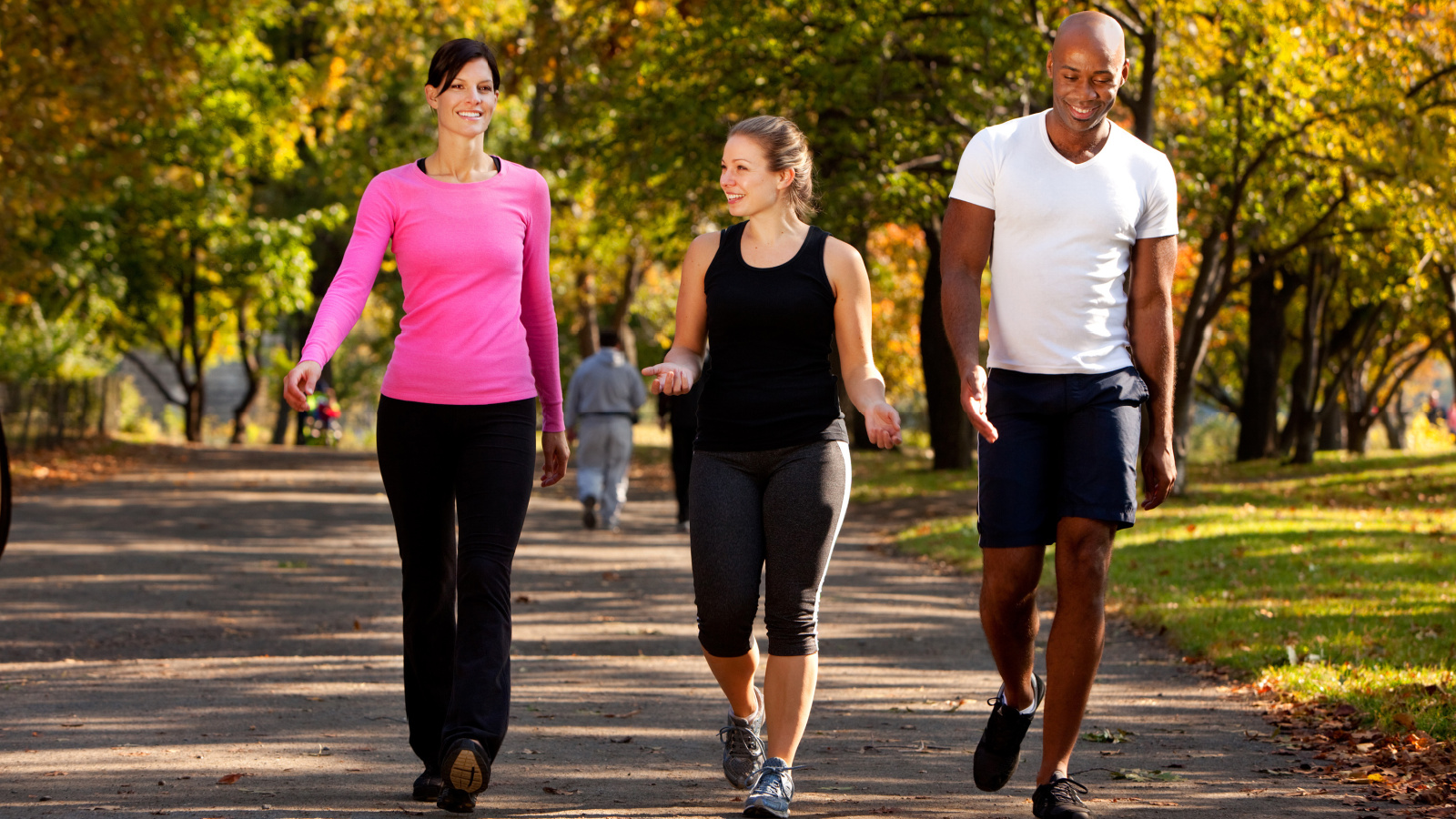
Cleared park paths attract walkers seeking open space and scenery. Loop routes allow continuous movement without navigation concerns. Canadians often repeat circuits to reach desired distances. Power walking increases intensity without running. Arm movement and faster pace raise heart rate. Parks provide a break from traffic noise. Benches and rest areas support flexible workouts. Many people walk with companions for motivation. Spring conditions gradually make parks more accessible. Visibility improves as snow recedes. Some parks include marked distances for tracking progress. Loop paths simplify planning and time management. Park power walks offer effective cardiovascular exercise while enjoying natural surroundings during early spring.
Walking Meetings Outdoors

Professionals increasingly replace indoor meetings with walking discussions. Canadians appreciate combining work tasks with physical activity. Outdoor conversations can feel more relaxed and productive. Fresh air helps maintain alertness. Routes near offices are commonly used. Participants often choose moderate pace to allow conversation. Walking meetings reduce prolonged sitting. Not all discussions suit this format, but many do. Weather conditions influence scheduling decisions. Comfortable footwear becomes important for workplace attire. Some teams adopt this practice regularly. It promotes both health and efficiency. Short sessions can replace traditional conference room time. Walking meetings reflect a broader shift toward integrating movement into daily routines.
Dog Walking as Daily Cardio
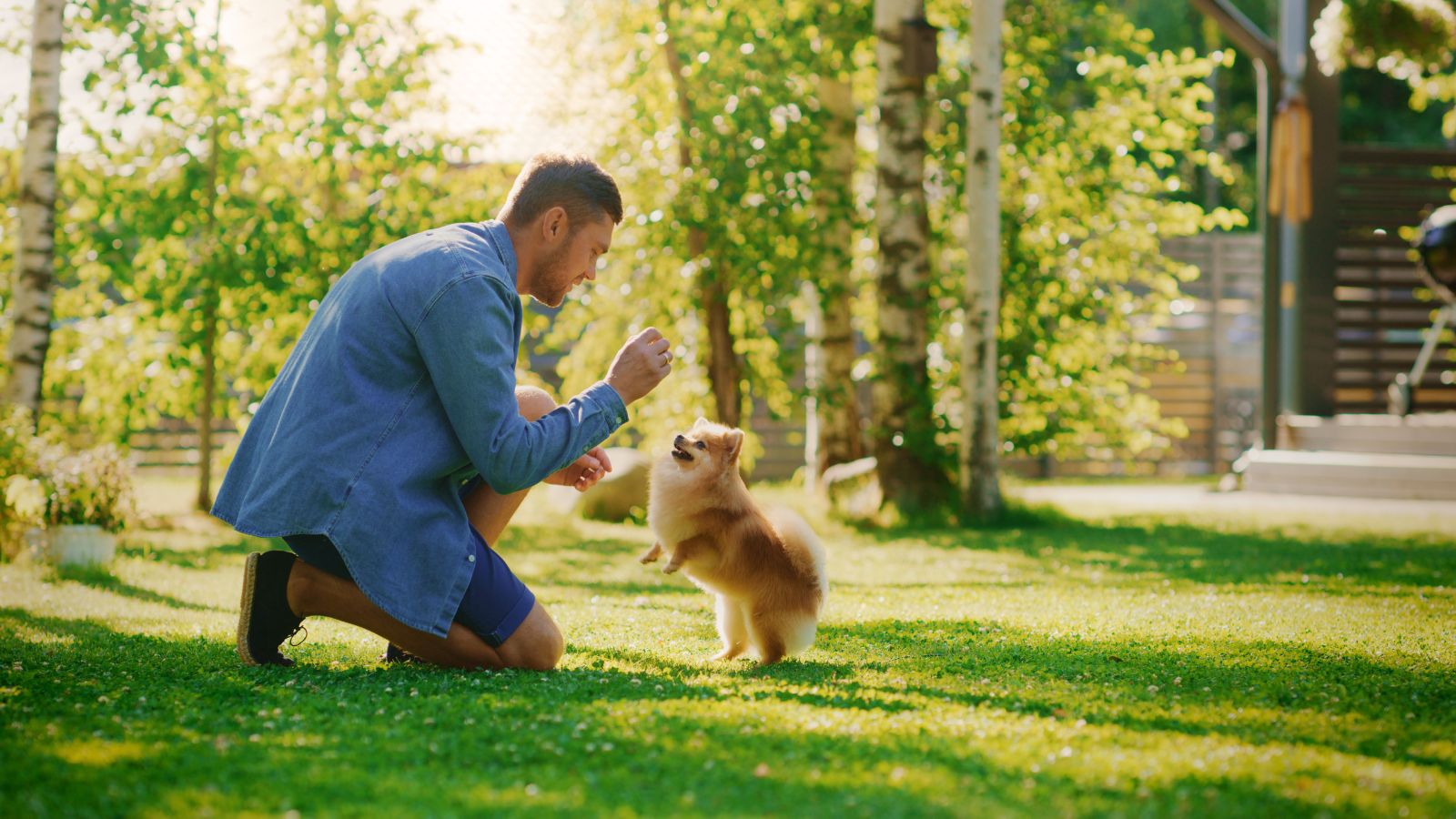
Pet owners already have built in motivation to walk regularly. Dogs require exercise regardless of weather conditions. Canadians often increase distance as temperatures improve. Brisk walking benefits both owner and pet. Morning and evening outings are common. Proper leashes and reflective gear enhance safety. Dog parks provide opportunities for off leash activity. Social interaction with other owners adds enjoyment. Walking routines become structured around pet needs. This consistency supports cardiovascular health. Even shorter walks contribute to activity goals. Pets often encourage movement on days when motivation is low. Dog walking transforms routine care into meaningful daily exercise during the transition into spring.
Podcast or Audiobook Walks

Audio content makes walking more engaging for many Canadians. Podcasts and audiobooks provide entertainment and learning simultaneously. Long episodes encourage extended walks. Headphones allow immersion in the content. Solo walkers often prefer this distraction. It reduces boredom on repetitive routes. Volume should remain low enough for environmental awareness. Educational topics make the time feel productive. Fiction can provide mental escape from routine. Walking becomes associated with enjoyable listening. This habit supports consistency over time. Some people reserve favorite shows exclusively for walks. Podcast walks transform exercise into a pleasant daily ritual. The combination of movement and storytelling appeals during the gradual return to outdoor activity.
Scenic Waterfront Walks
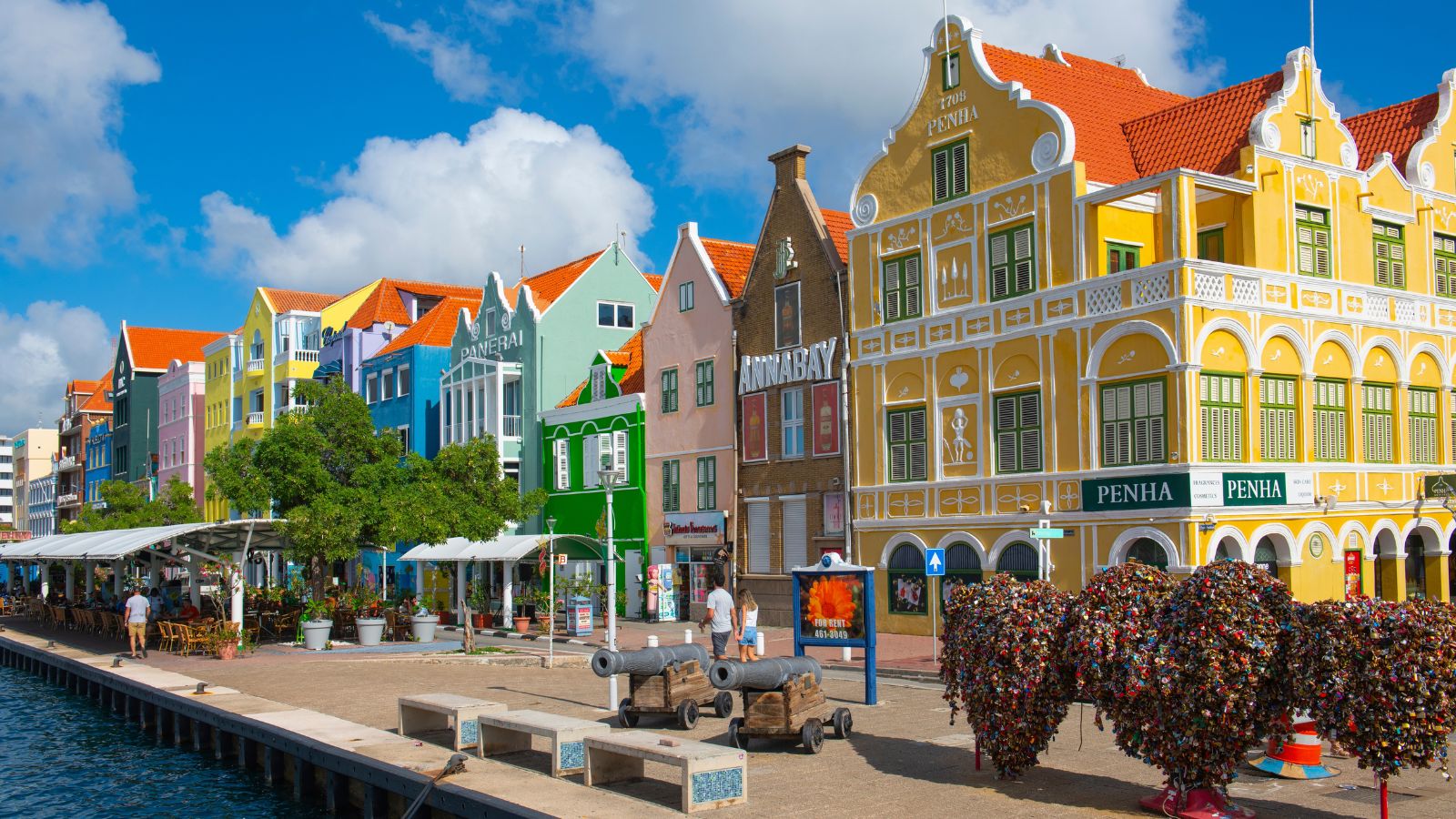
Rivers, lakes, and coastal paths draw large numbers once ice recedes. Canadians appreciate the visual appeal of open water. Flat terrain makes these routes accessible to most fitness levels. Fresh breezes enhance the sense of renewal. Many cities maintain waterfront promenades year round. Benches and viewpoints encourage leisurely pacing. Photographers often choose these locations as well. Walking near water can feel calming. Sunlight reflections create bright surroundings. Safety precautions may be needed near slippery surfaces. Popular routes can become crowded on warm days. Scenic walks combine exercise with recreation. Waterfront paths symbolize the arrival of spring across many Canadian communities.
Nordic Walking with Poles
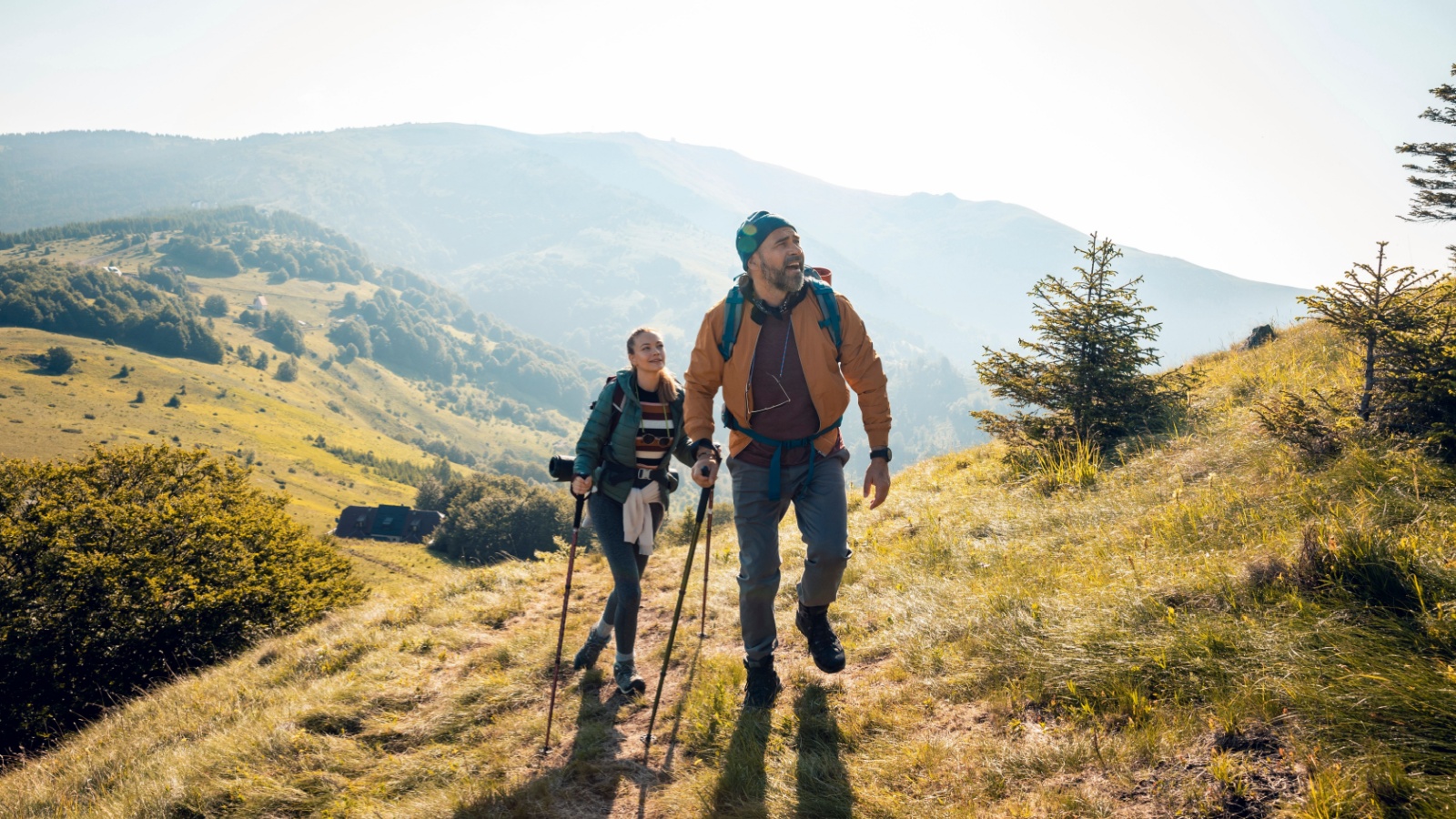
Nordic walking uses specialized poles to engage upper body muscles. Canadians adopt this technique for added intensity. The motion resembles cross country skiing movements. Poles improve stability on uneven terrain. This makes walking safer during thaw conditions. Arm involvement increases calorie expenditure. Many beginners learn through instructional videos. Equipment is lightweight and portable. Proper technique prevents shoulder strain. Nordic walking suits various fitness levels. It can be done in parks or neighborhoods. The activity feels dynamic compared to regular walking. Participants often report improved posture. This method offers a full body workout while maintaining low impact characteristics during early spring.
Errand Walks to Replace Short Drives

Short trips become opportunities for physical activity as conditions improve. Canadians increasingly walk to nearby shops or services. This reduces reliance on vehicles for brief distances. Carrying reusable bags adds light resistance. Planning errands efficiently saves time. Walking also eliminates parking concerns. Many urban neighborhoods support this approach. Weather appropriate clothing remains essential. Errand walks integrate exercise into daily routines. They feel productive rather than recreational. Regular practice accumulates significant activity. Some combine errands with social visits. Environmental benefits provide additional motivation. This trend reflects a shift toward practical movement rather than structured workouts. Walking for transportation helps maintain consistent activity levels throughout spring.
Evening Walks After Work
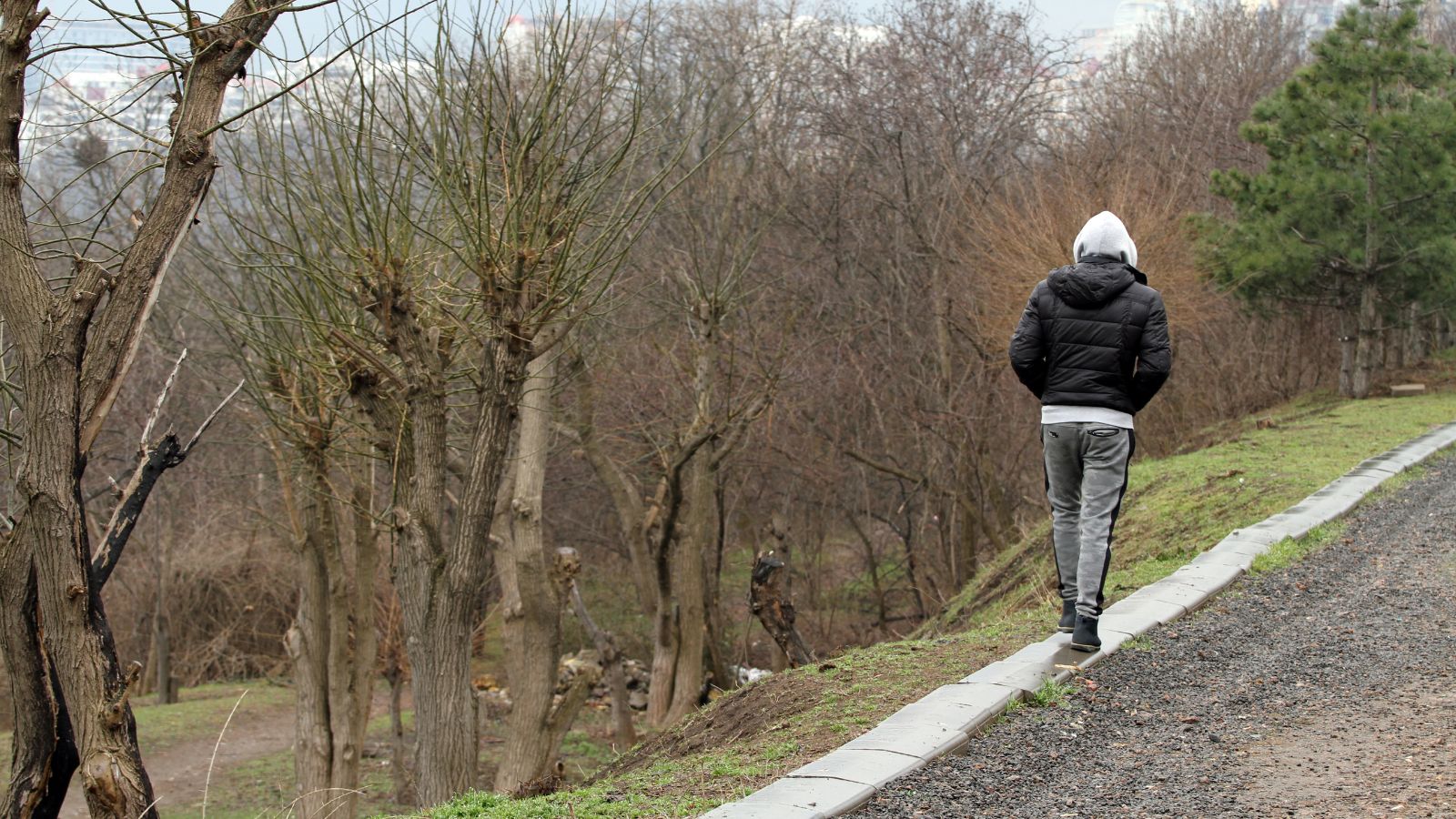
Longer daylight hours make post work walks feasible again. Canadians use this time to decompress after busy days. Walking outdoors helps transition from work mode to personal time. Cooler evening temperatures can feel comfortable. Neighborhood routes provide convenience. Some walk with family members or neighbors. Reflective clothing improves visibility as dusk approaches. Evening movement may improve sleep quality. Many find it easier to maintain routine at this time. Parks and trails often remain active until sunset. Safety awareness remains important in less populated areas. Evening walks offer a simple way to incorporate exercise without disrupting schedules during the spring season.
Walking Groups for Safety and Motivation
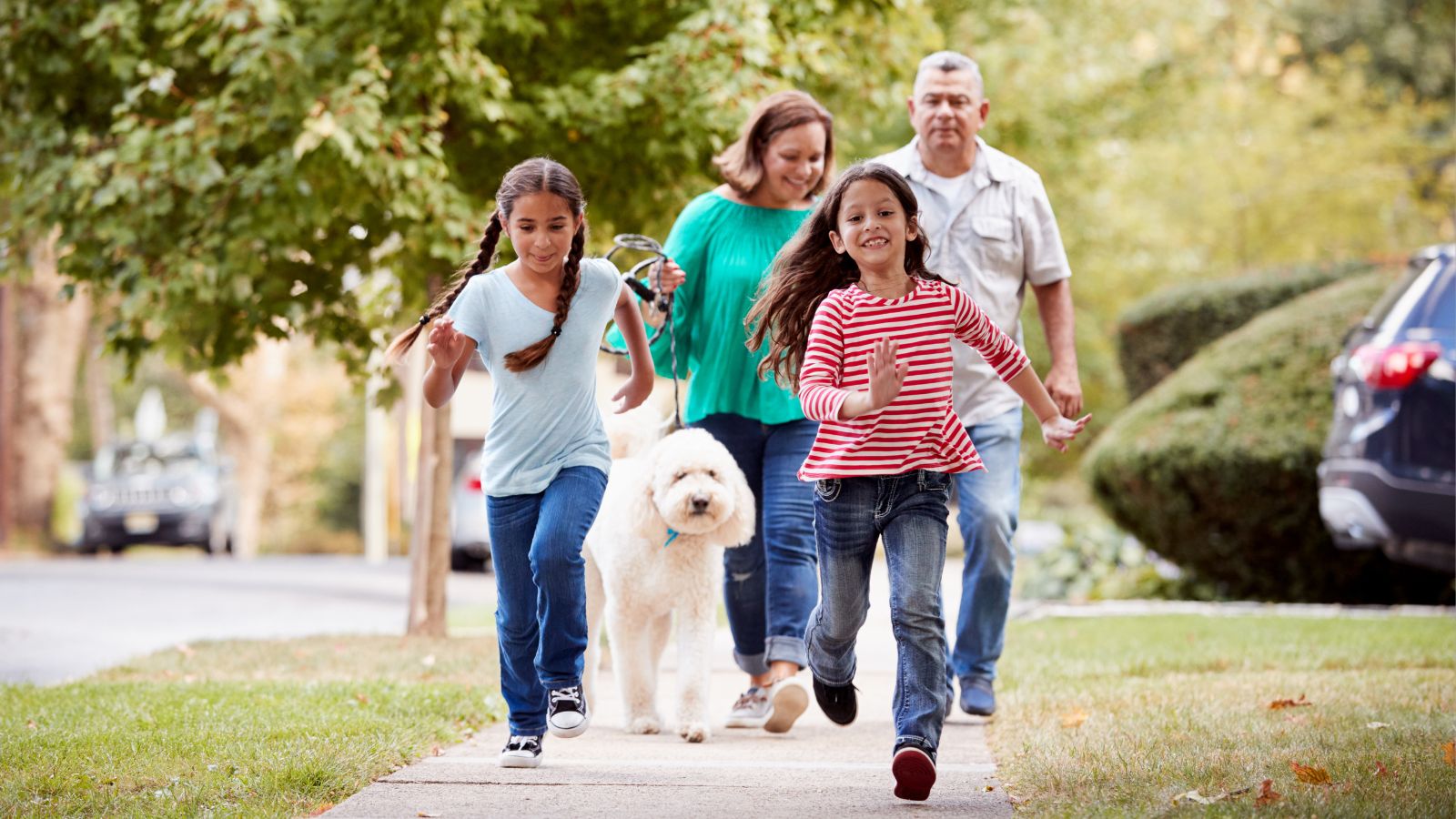
Group walking provides both social connection and safety. Canadians join organized meetups or informal neighborhood groups. Walking with others encourages regular attendance. Conversation makes time pass quickly. Safety improves, especially during early mornings or evenings. Mixed ability groups adjust pace as needed. Some organizations schedule weekly events. New participants often feel welcome. Shared goals strengthen commitment. Weather conditions rarely deter established groups. Members support each other through seasonal transitions. Group walks also reduce feelings of isolation. This approach combines physical activity with community engagement. Walking groups remain a popular option for maintaining motivation throughout March.
Mindful Slow Walks for Stress Relief
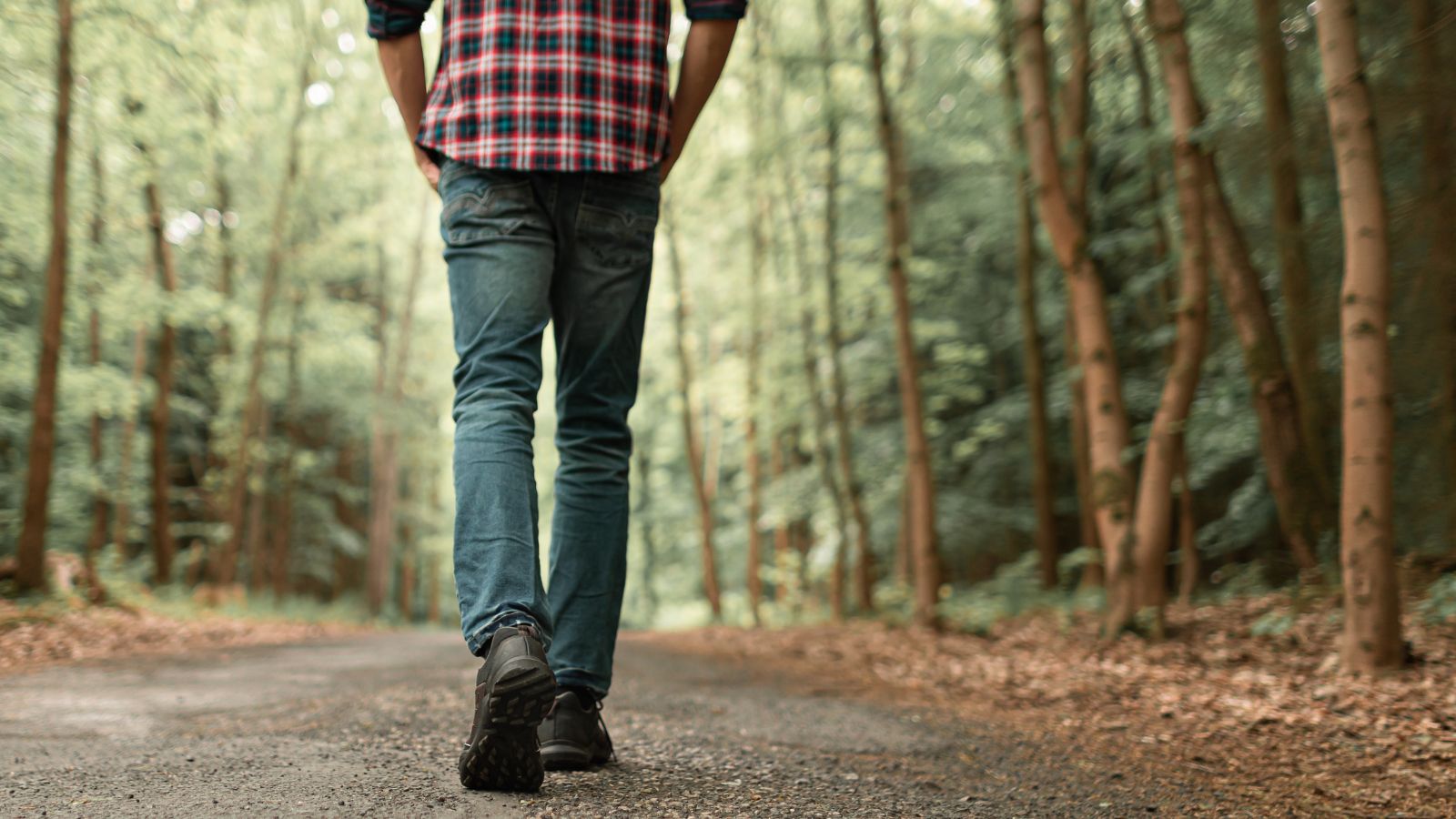
Not all walks focus on speed or distance. Some Canadians practice slow walking to reduce stress. Attention shifts to breathing and surroundings. This approach resembles moving meditation. Natural environments enhance the calming effect. Participants often avoid distractions such as phones. Gentle pacing suits all fitness levels. The goal is relaxation rather than exertion. Many people report improved mood afterward. Short sessions can be effective. Mindful walking may complement therapy or wellness programs. It encourages presence rather than productivity. This trend reflects growing awareness of mental health benefits of movement. Slow walks provide restoration during the transition from winter to spring.
Hill Walks for Extra Intensity
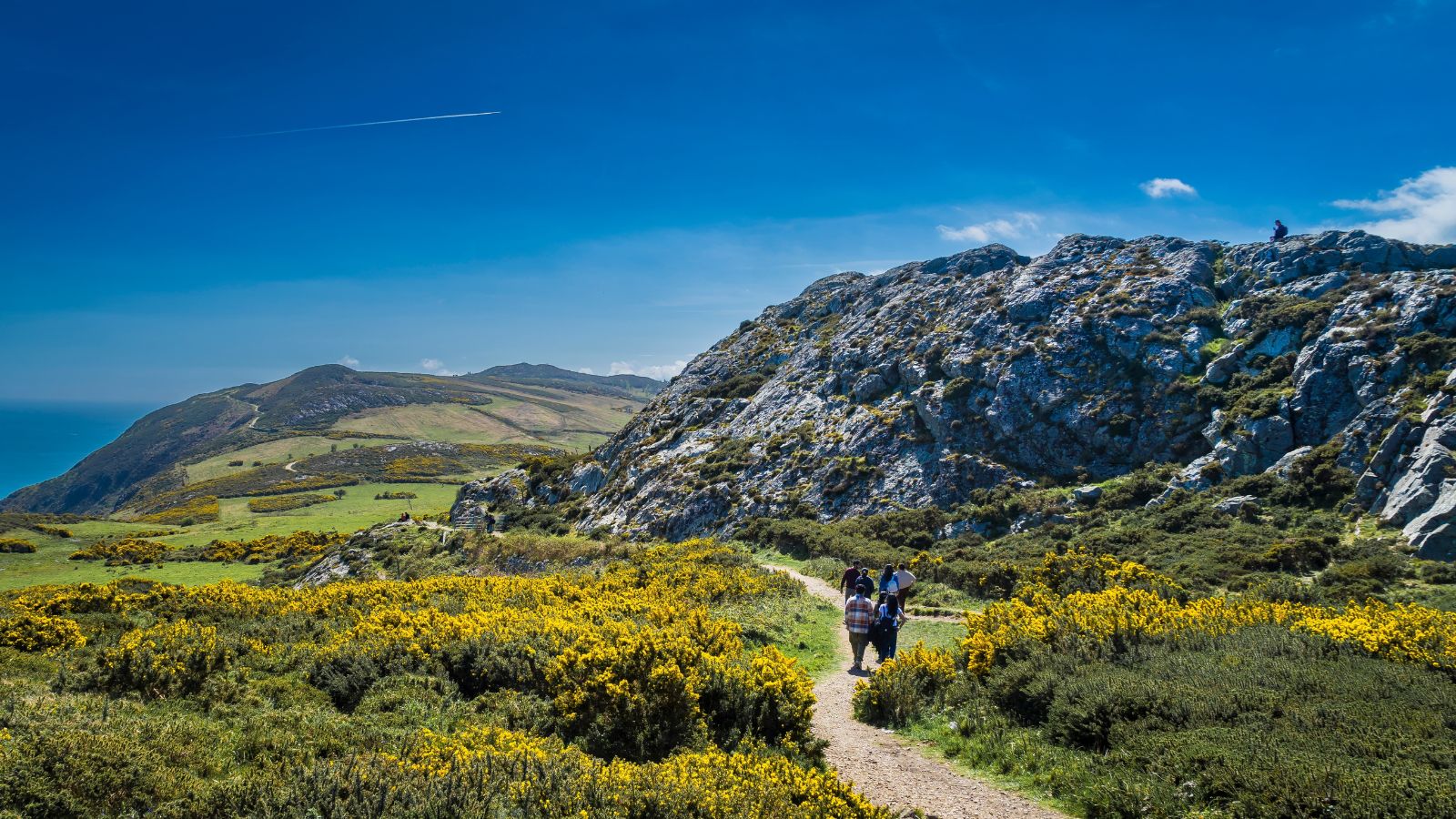
Inclines increase effort without requiring faster speed. Canadians seek hilly routes to boost cardiovascular challenge. Walking uphill strengthens leg muscles and endurance. Descending carefully reduces joint strain. Short hill intervals can be repeated for training effect. Urban areas often provide natural elevation changes. Parks with slopes are especially popular. Proper footwear improves traction on wet surfaces. Hill walking burns more calories than flat routes. Beginners start with gentle inclines. Progression occurs as fitness improves. Many combine hills with regular walking loops. This approach adds variety and challenge without running. Hill walks prepare individuals for more demanding summer activities such as hiking.
Weekend Nature Trail Walks

Weekends provide time for longer excursions beyond neighborhoods. Canadians travel to nearby forests or conservation areas. Nature trails offer varied terrain and scenery. Walking here feels more like recreation than exercise. Proper planning includes checking trail conditions. Waterproof footwear may be necessary during thaw periods. Carrying snacks and water supports longer outings. Wildlife awareness is important in remote areas. Families often participate together. Photography opportunities enhance enjoyment. Trail walking builds endurance gradually. Many people use weekends to compensate for sedentary weekdays. Nature walks provide a refreshing escape from urban environments. This tradition signals the full return of outdoor life in spring.
22 Groceries to Grab Now—Before another Price Shock Hits Canada

Food prices in Canada have been steadily climbing, and another spike could make your grocery bill feel like a mortgage payment. According to Statistics Canada, food inflation remains about 3.7% higher than last year, with essentials like bread, dairy, and fresh produce leading the surge. Some items are expected to rise even further due to transportation costs, droughts, and import tariffs. Here are 22 groceries to grab now before another price shock hits Canada.
22 Groceries to Grab Now—Before another Price Shock Hits Canada
