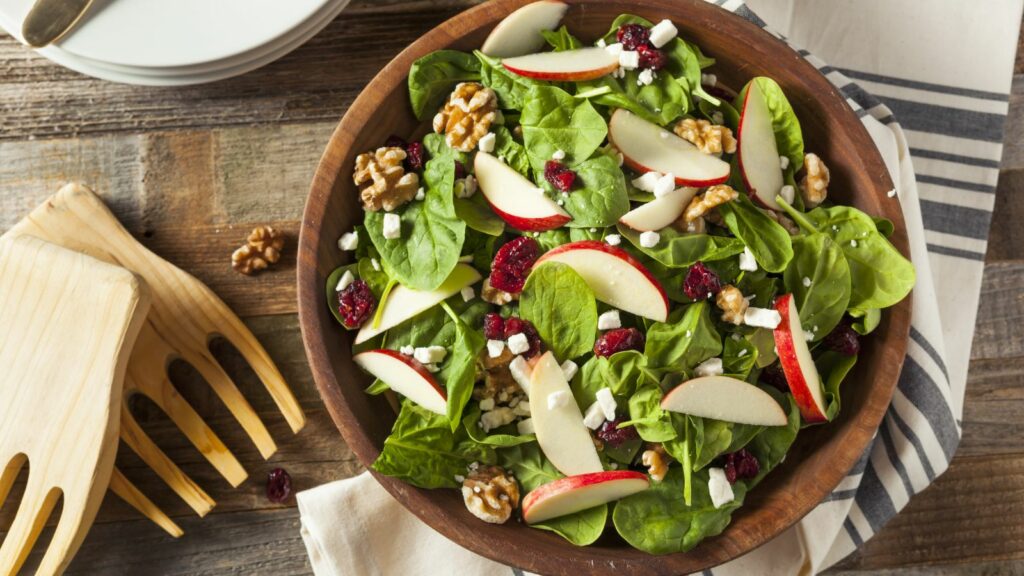
Spring in Canada brings a noticeable shift in how people want to eat. Heavy winter meals start to feel excessive, while fresh produce becomes more available and affordable. Salads move from being a side dish to a satisfying main option. Many now include grains, proteins, and bold dressings that keep them filling. This change reflects both seasonal produce cycles and a desire for lighter meals. Salads also offer hydration, fiber, and essential nutrients that support overall health. Canadians are no longer settling for bland bowls of lettuce. Here are 22 spring salad trends Canadians are actually excited about, yes, really.
Protein-Packed Main Course Salads
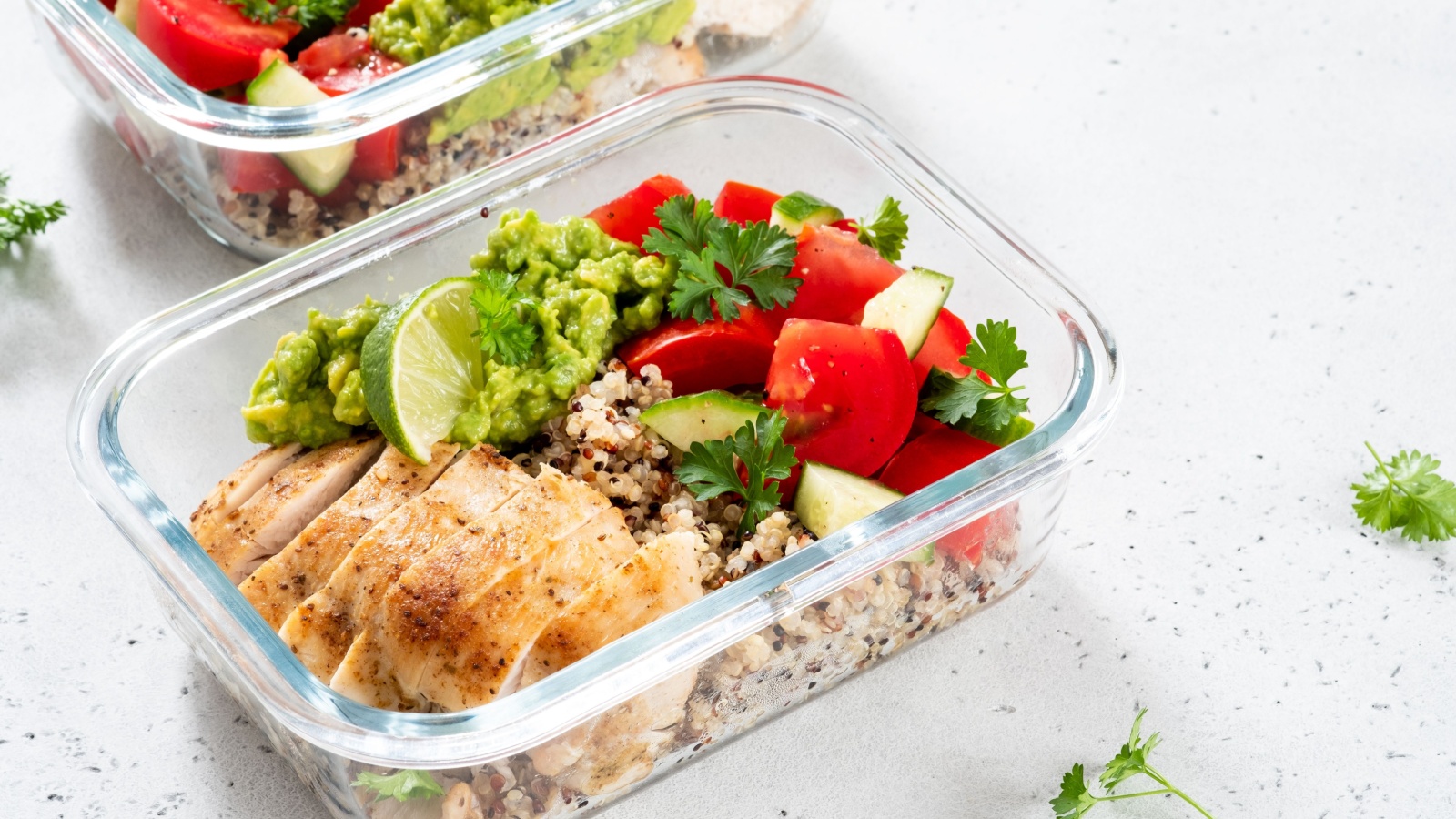
Salads are increasingly replacing traditional hot meals in spring. Canadians look for options that feel filling without heaviness. Adding protein transforms a side dish into a main course. Common choices include chicken, fish, eggs, tofu, or beans. Protein helps maintain energy and satiety. Balanced portions prevent overeating later. These salads often include grains or nuts for extra substance. Meal-sized bowls reduce the need for additional dishes. Preparation can be done in advance for convenience. High protein content supports active lifestyles. Flavorful dressings prevent the meal from feeling bland. Main course salads offer a lighter alternative to winter comfort foods while still meeting nutritional needs during warmer months.
Warm Grain and Roasted Vegetable Salads
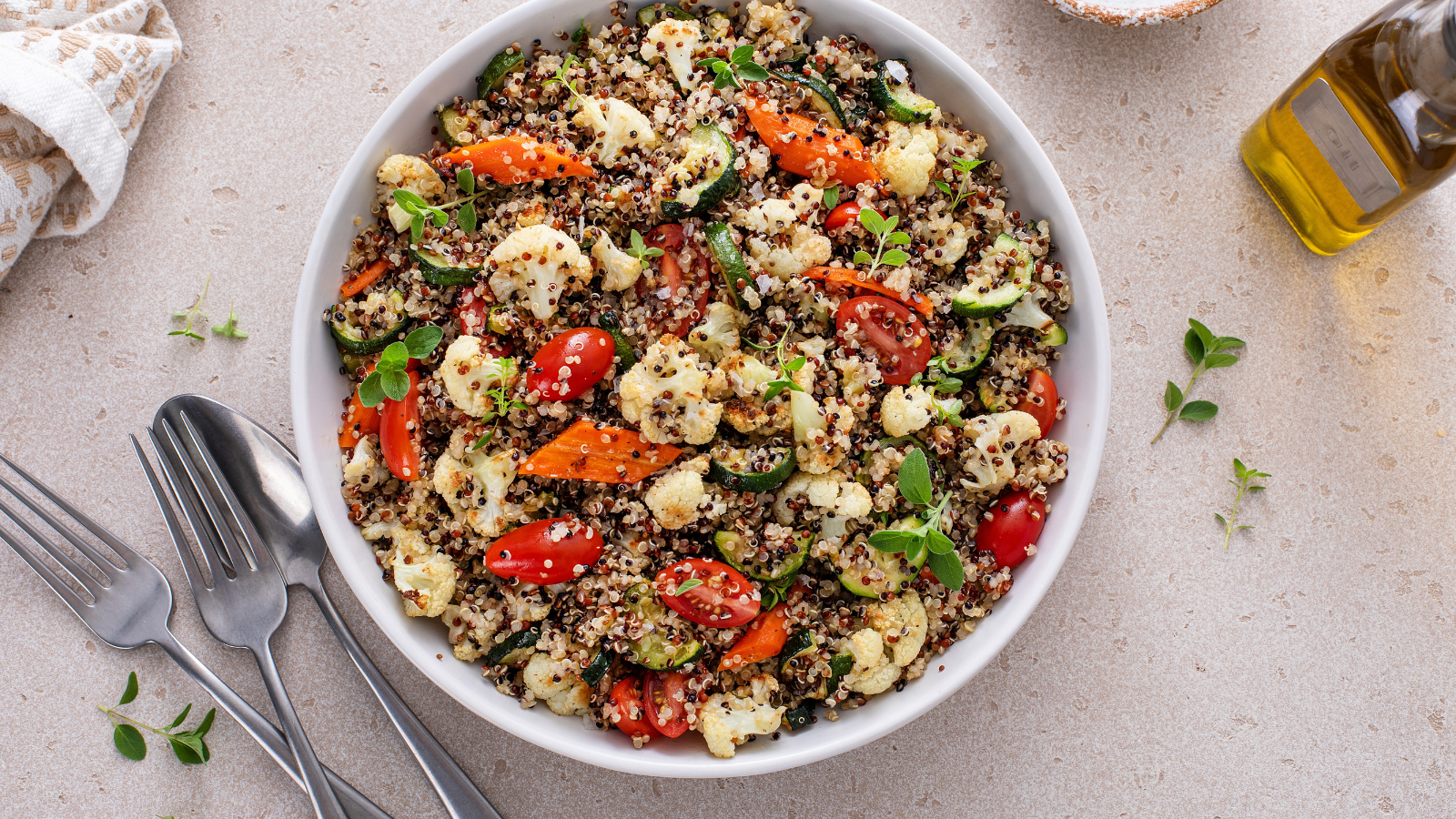
Warm salads bridge the gap between winter and summer eating. Canadians often combine cooked grains with roasted vegetables. Quinoa, barley, or rice provide a hearty base. Roasting enhances sweetness and texture. Serving the mixture warm keeps the meal comforting. Fresh greens can be added afterwards for contrast. Light dressings complement the flavors without heaviness. These salads work well for both lunch and dinner. They can be prepared in batches and reheated. Seasonal produce keeps costs manageable. The combination offers fiber, vitamins, and sustained energy. Warm grain salads feel satisfying without relying on heavy sauces. This trend suits transitional spring weather perfectly.
Citrus-Based Fresh Salads
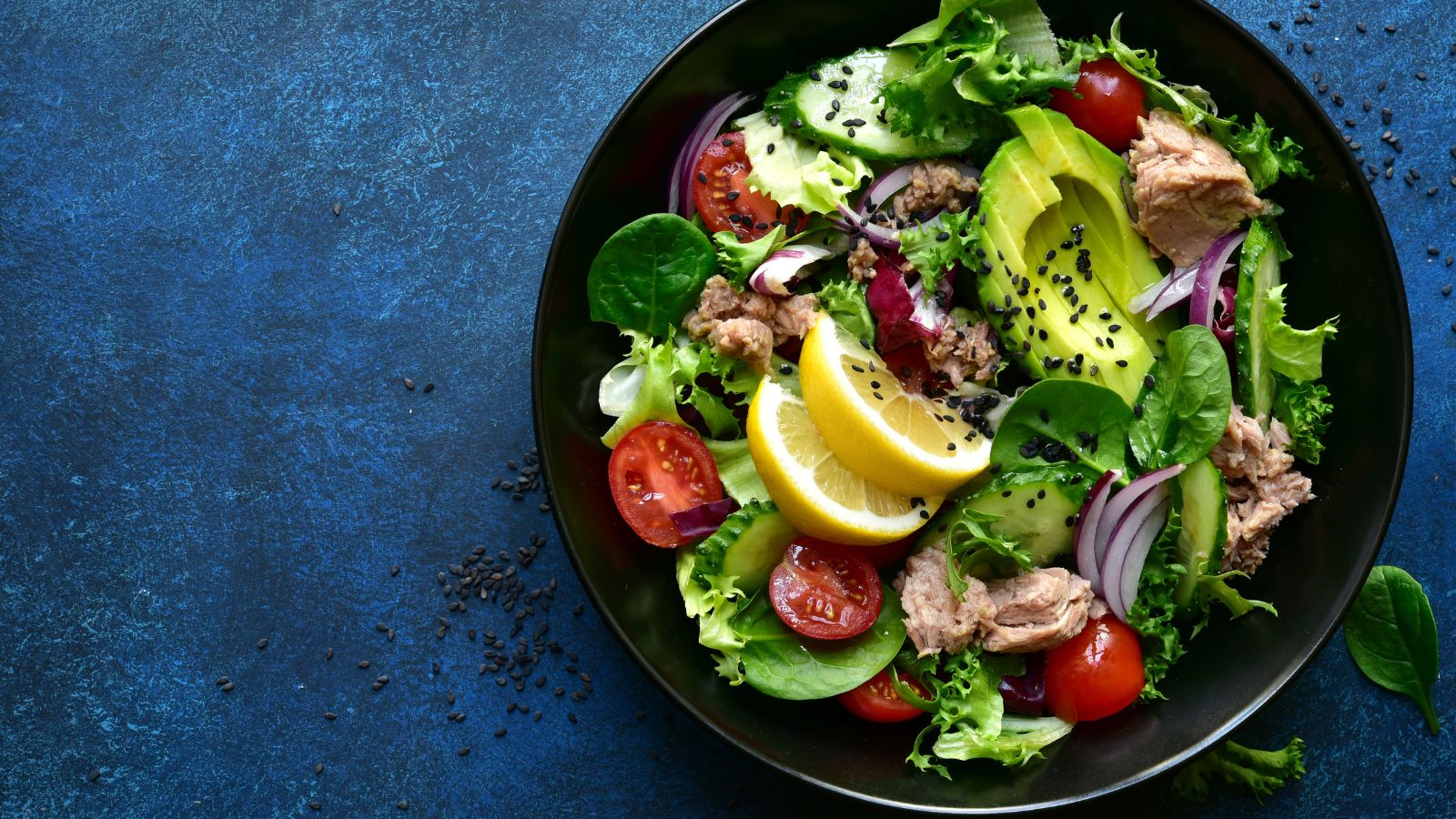
Citrus flavors bring brightness after months of heavy dishes. Canadians incorporate oranges, grapefruits, or lemon dressings into salads. The acidity enhances freshness and reduces the need for creamy sauces. Citrus segments add moisture and natural sweetness. These salads often include leafy greens and nuts. Light vinaigrettes complement the fruit flavors. Citrus also helps balance richer ingredients like cheese. The result feels refreshing and energizing. Vitamin C content provides additional health benefits. Preparation requires minimal cooking. These salads pair well with grilled proteins. Citrus-based dishes reflect the shift toward lighter eating as temperatures rise in spring across Canada.
Crunchy Cabbage and Slaw Bowls
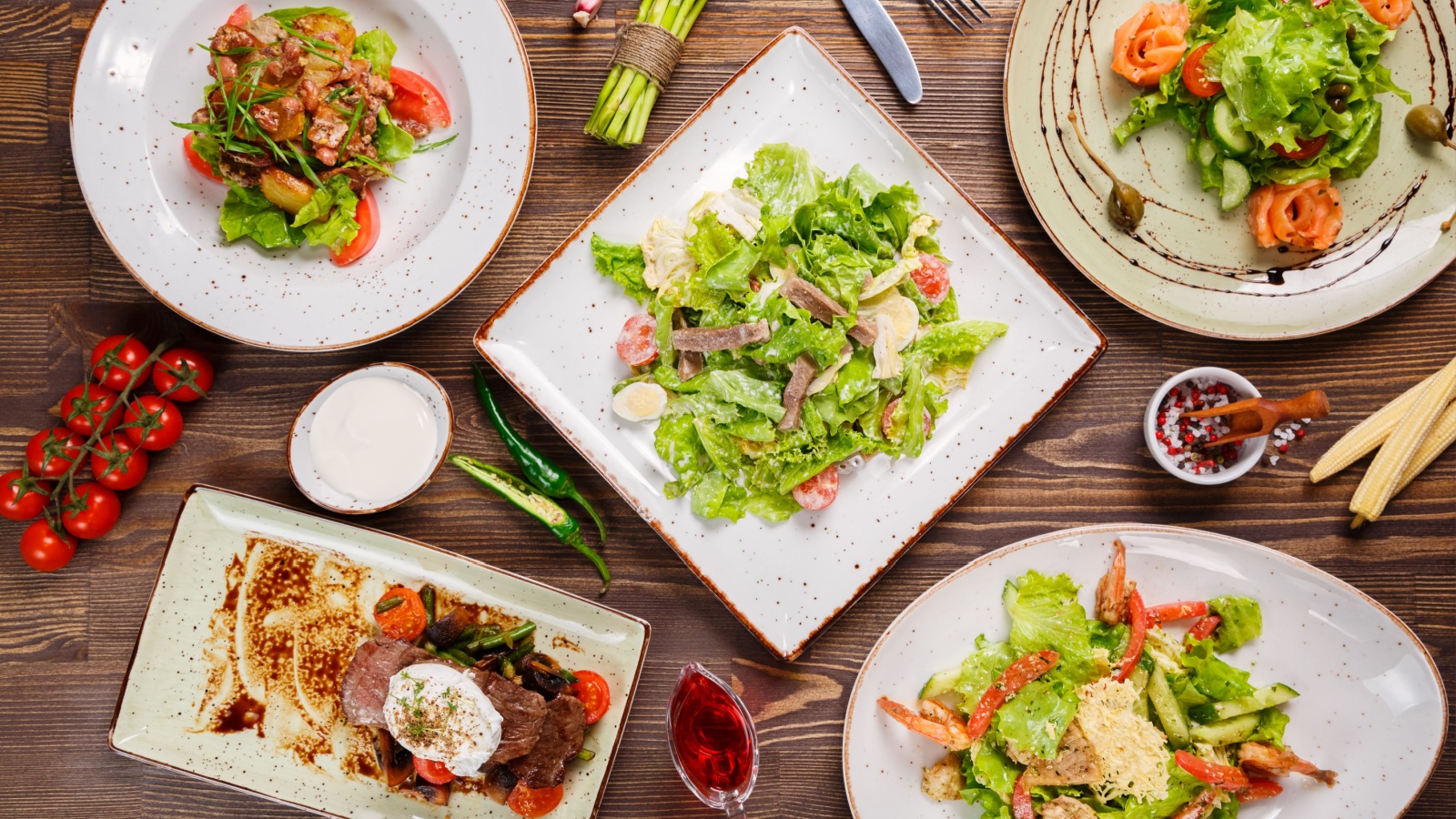
Cabbage salads remain popular due to their durability and texture. Canadians appreciate how well these ingredients store. Crunchy slaws resist wilting longer than leafy greens. Shredded cabbage provides fiber and volume. Carrots and seeds often add color and nutrition. Light dressings keep the dish from feeling heavy. These bowls travel well for lunches. Preparation in advance saves time. Slaw salads can be customized with protein additions. The crisp texture feels satisfying to eat. Seasonal vegetables keep costs low. Cabbage-based bowls offer a practical option for busy schedules. Their resilience makes them ideal for meal prep during unpredictable spring conditions.
Spring Greens with Soft Herbs
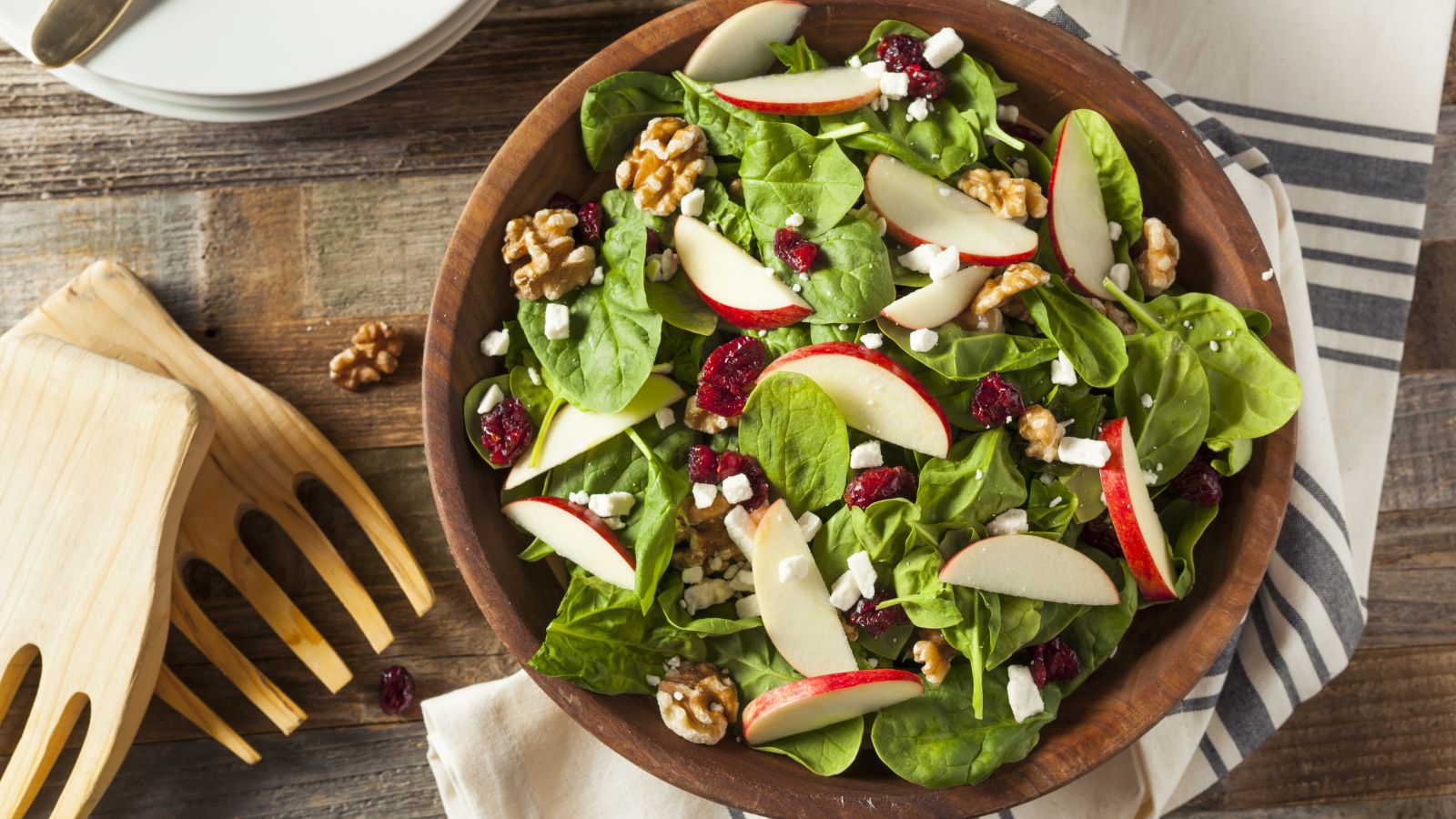
Tender greens return to markets as the weather improves. Canadians combine spinach, arugula, or mixed leaves with fresh herbs. Herbs such as parsley or dill enhance flavor naturally. This reduces reliance on heavy dressings. Soft greens require gentle handling to prevent bruising. Simple toppings allow the flavors to stand out. Light oils and citrus are common additions. These salads feel delicate and seasonal. Preparation is quick with minimal chopping. Fresh herbs provide antioxidants and aroma. The result looks vibrant and appetizing. Spring greens reflect the availability of new produce. This trend celebrates freshness after months of limited options during winter.
High-Protein Chickpea Salads
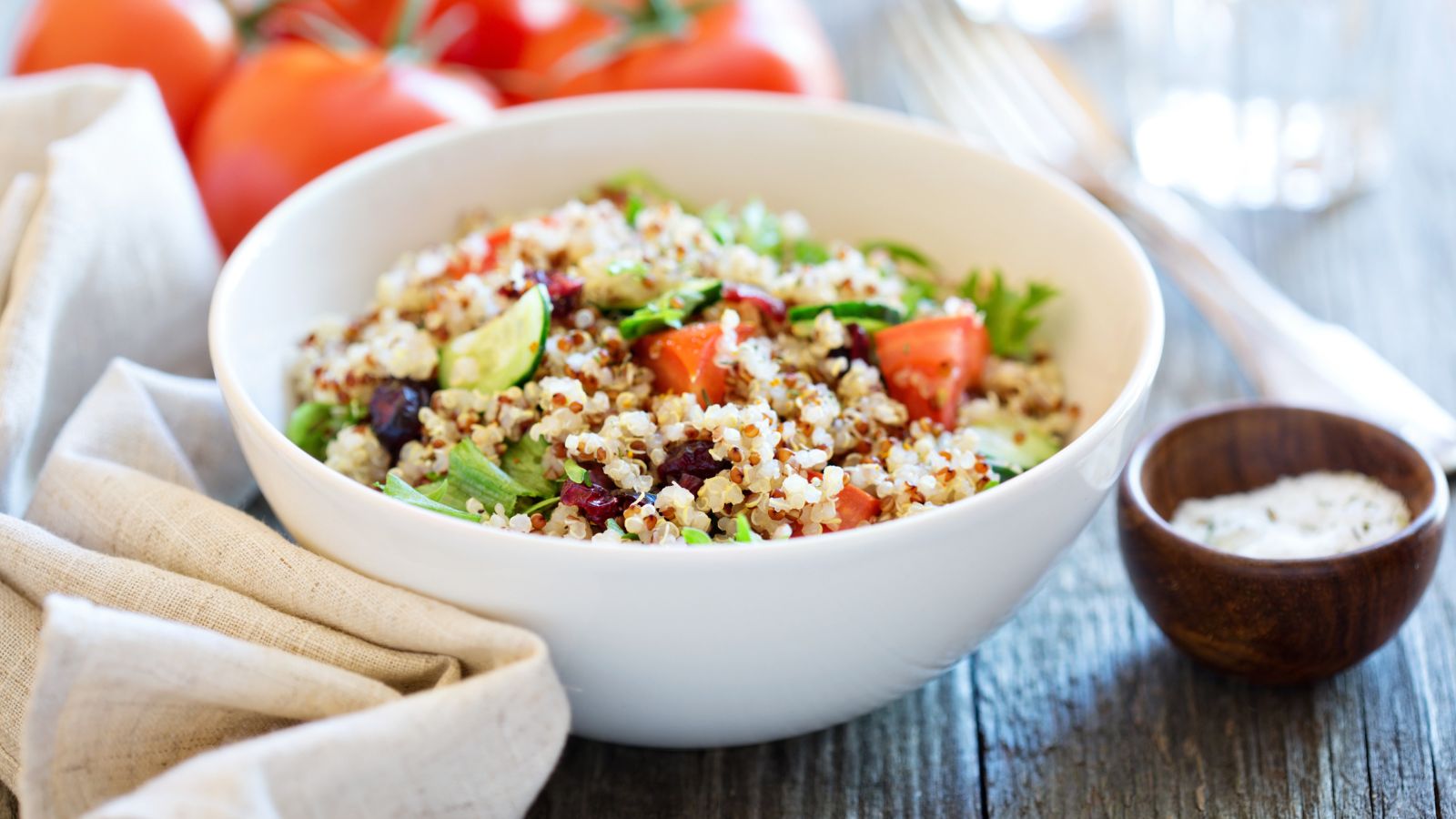
Chickpeas offer affordable plant-based protein. Canadians use them as a base for hearty salads. Their firm texture holds up well during storage. Vegetables and herbs add freshness and variety. Light dressings prevent heaviness. Chickpea salads require no cooking when using canned beans. Rinsing reduces sodium content. These dishes suit vegetarian and vegan diets. Protein and fiber promote fullness. They travel easily for work or school. Preparation in large batches saves time. Flavor improves as ingredients marinate. Chickpea salads provide balanced nutrition at low cost. This makes them especially appealing during spring when lighter meals are preferred.
Asian-Inspired Sesame Salads
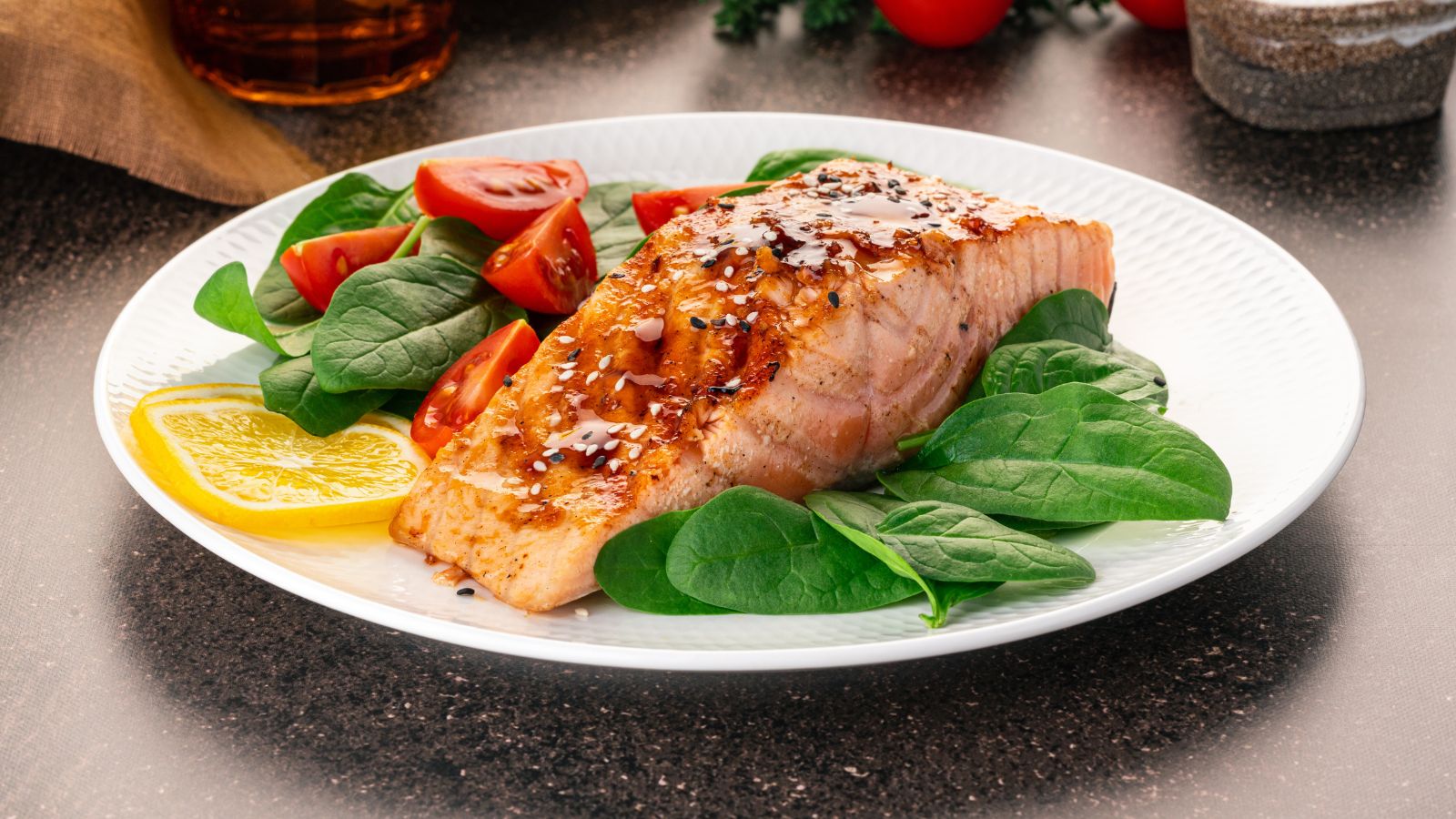
Sesame flavors introduce a savory dimension to salads. Canadians often include ingredients such as cabbage, carrots, or noodles. Soy sauce or sesame oil creates a distinctive taste. Toasted seeds add crunch and aroma. Light sweeteners balance the dressing. These salads may include tofu or chicken for protein. Preparation can be done in advance. The flavors intensify after refrigeration. Sesame salads offer variety compared to traditional options. They pair well with grilled dishes. Moderate seasoning keeps sodium intake reasonable. Asian inspired bowls reflect growing culinary diversity. This style provides both freshness and bold flavor for spring meals.
Mediterranean-Style Salad Bowls
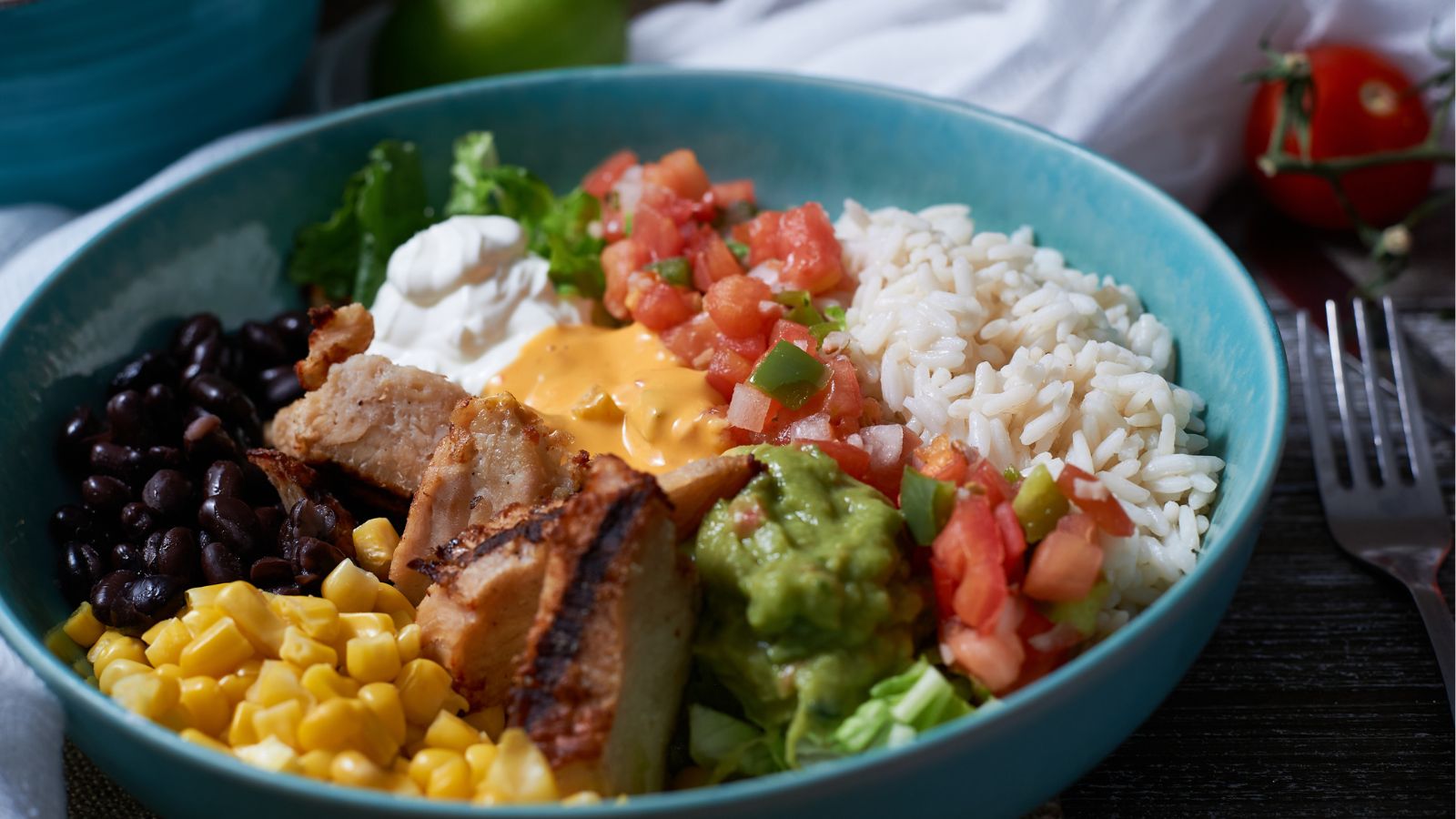
Mediterranean flavors remain popular for their balance and freshness. Canadians combine tomatoes, cucumbers, olives, and cheese. Olive oil and herbs form the base dressing. Whole grains or beans often add substance. These ingredients provide healthy fats and fiber. Preparation requires minimal cooking. Mediterranean salads suit both vegetarian and omnivorous diets. The flavors feel bright yet satisfying. Many components store well separately. This allows flexible assembly throughout the week. The diet pattern is associated with heart health benefits. Mediterranean bowls offer a nutritious alternative to heavier meals. Their versatility keeps them relevant during the spring transition.
Fruit and Greens Combinations
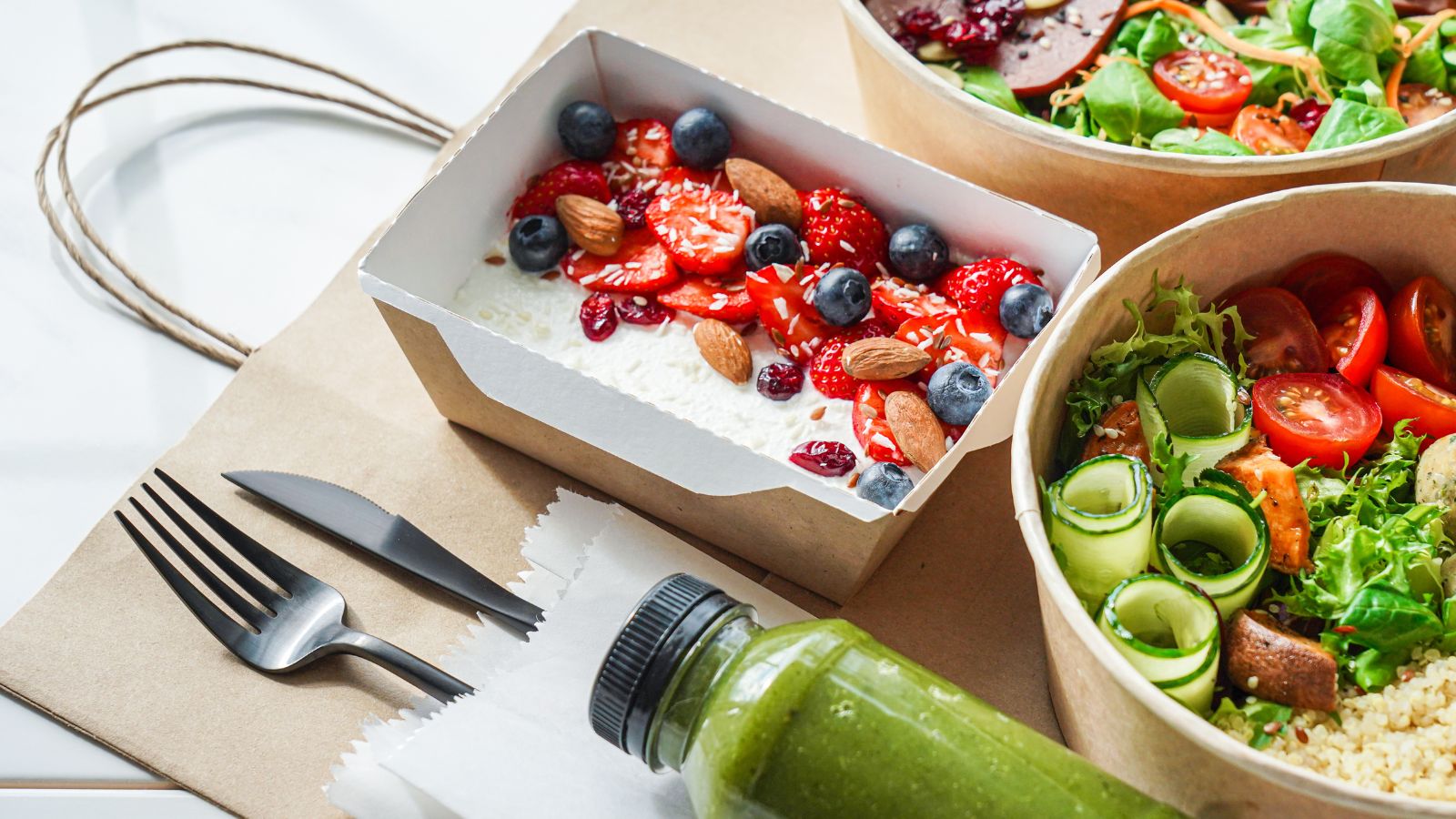
Adding fruit to salads introduces sweetness and moisture. Canadians pair berries, apples, or pears with leafy greens. Nuts or seeds often provide contrast. Light dressings prevent overwhelming the fruit flavor. These combinations feel refreshing in warmer weather. Seasonal produce enhances affordability. Fruit also increases vitamin intake. Cheese or protein additions create balance. Texture variation keeps the meal interesting. Preparation requires little effort beyond slicing. These salads appeal to those seeking lighter options. The natural sweetness reduces reliance on sugary dressings. Fruit and greens bowls reflect the seasonal availability of fresh produce during spring across Canada.
Pasta-Inspired Cold Salads
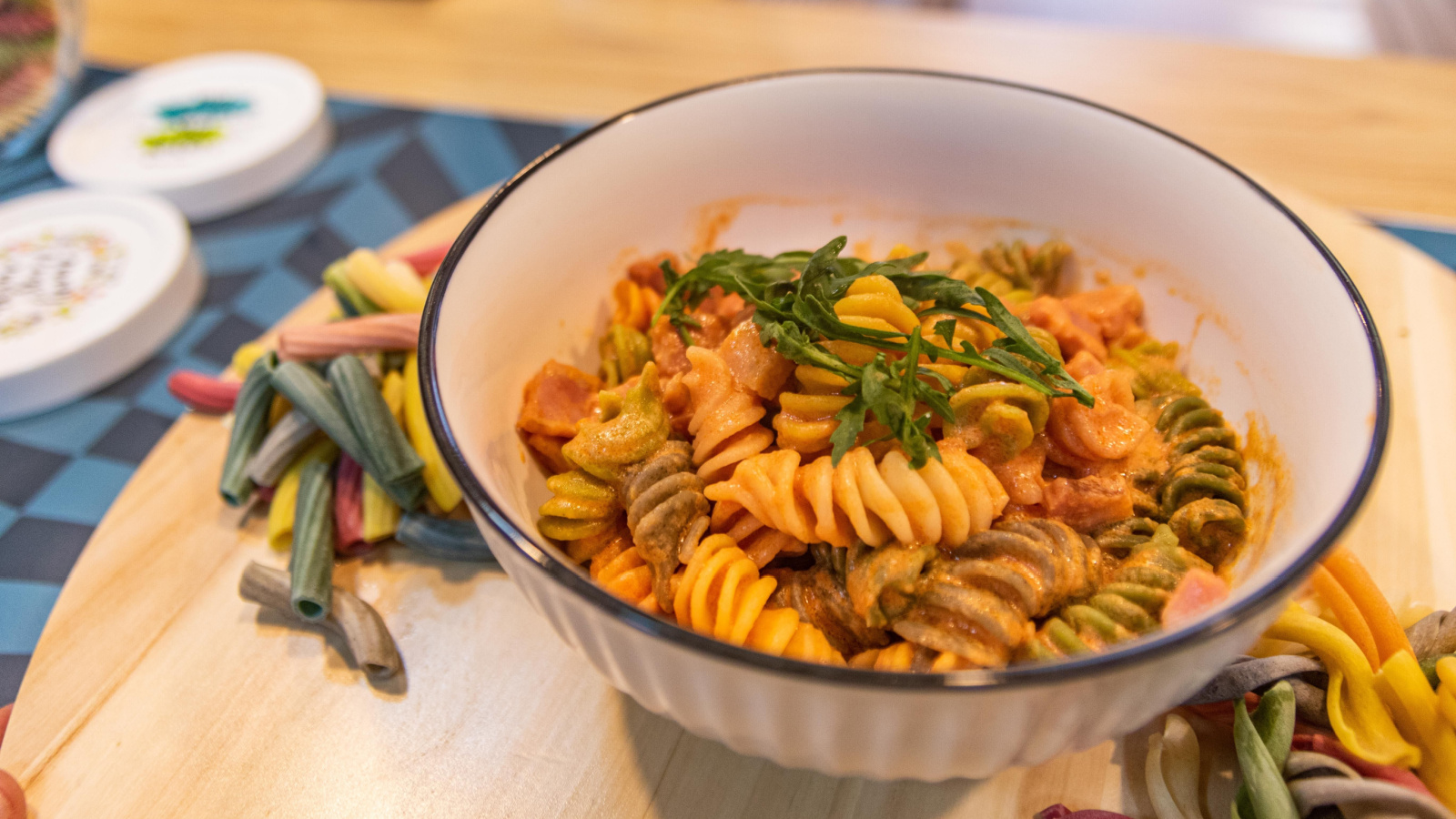
Cold pasta salads return as outdoor activities increase. Canadians prefer lighter versions with vegetables and herbs. Whole-grain pasta adds nutritional value. Small shapes hold dressing effectively. Proteins such as beans or chicken increase satiety. These salads travel well for picnics or work. Preparation in advance allows flavors to blend. Refrigeration keeps them safe for several days. Portion control is straightforward. Light vinaigrettes prevent heaviness. Pasta salads bridge the gap between comfort food and fresh eating. They remain familiar while adapting to seasonal preferences. This trend offers convenience without sacrificing taste during the spring months.
Pickled Vegetable Additions
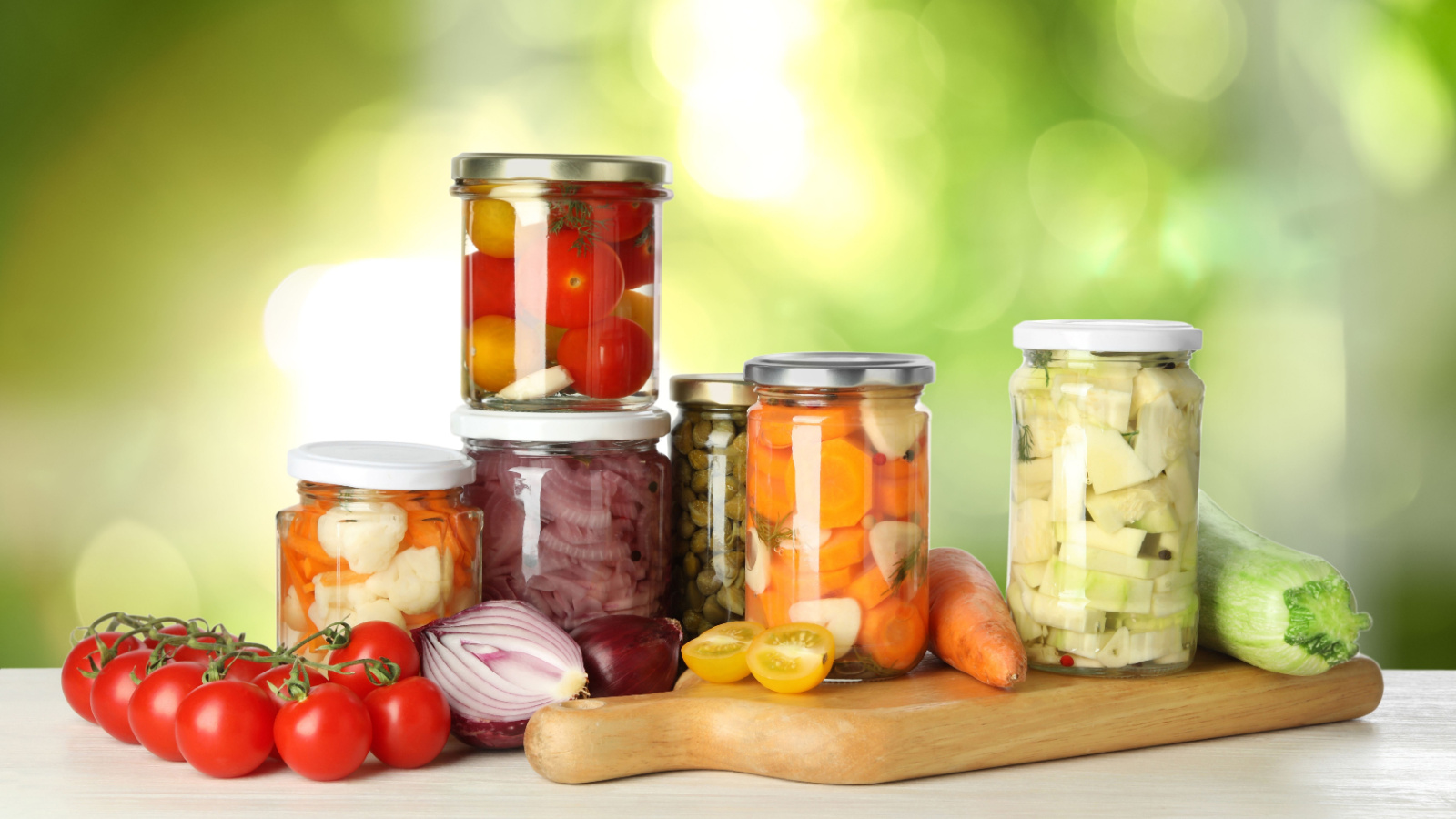
Pickled ingredients add tang and complexity to salads. Canadians use cucumbers, onions, or radishes for contrast. The acidity enhances other flavors. Small quantities create a significant impact. Pickled vegetables also improve shelf life. They require no additional cooking. These additions balance richer components such as cheese or grains. Crunchy texture enhances satisfaction. Homemade versions allow control over salt levels. Store-bought options offer convenience. Pickled elements provide variety without extra calories. This trend reflects interest in bold flavors. Tangy accents make salads more exciting during the transition to lighter spring meals.
Creamy Yogurt-Based Dressings

Yogurt dressings offer creaminess without heavy fat content. Canadians use plain yogurt as a base for sauces. Herbs and spices create flavor variations. This approach reduces reliance on mayonnaise. Yogurt provides protein and probiotics. The texture coats ingredients evenly. These dressings pair well with vegetables and grains. Preparation is quick with simple mixing. Refrigeration maintains freshness for several days. Adjusting thickness is easy with added liquid. Yogurt sauces feel lighter than traditional creamy dressings. They suit both vegetarian and meat-based salads. This trend supports healthier eating while preserving satisfying texture during spring.
Avocado-Loaded Salads
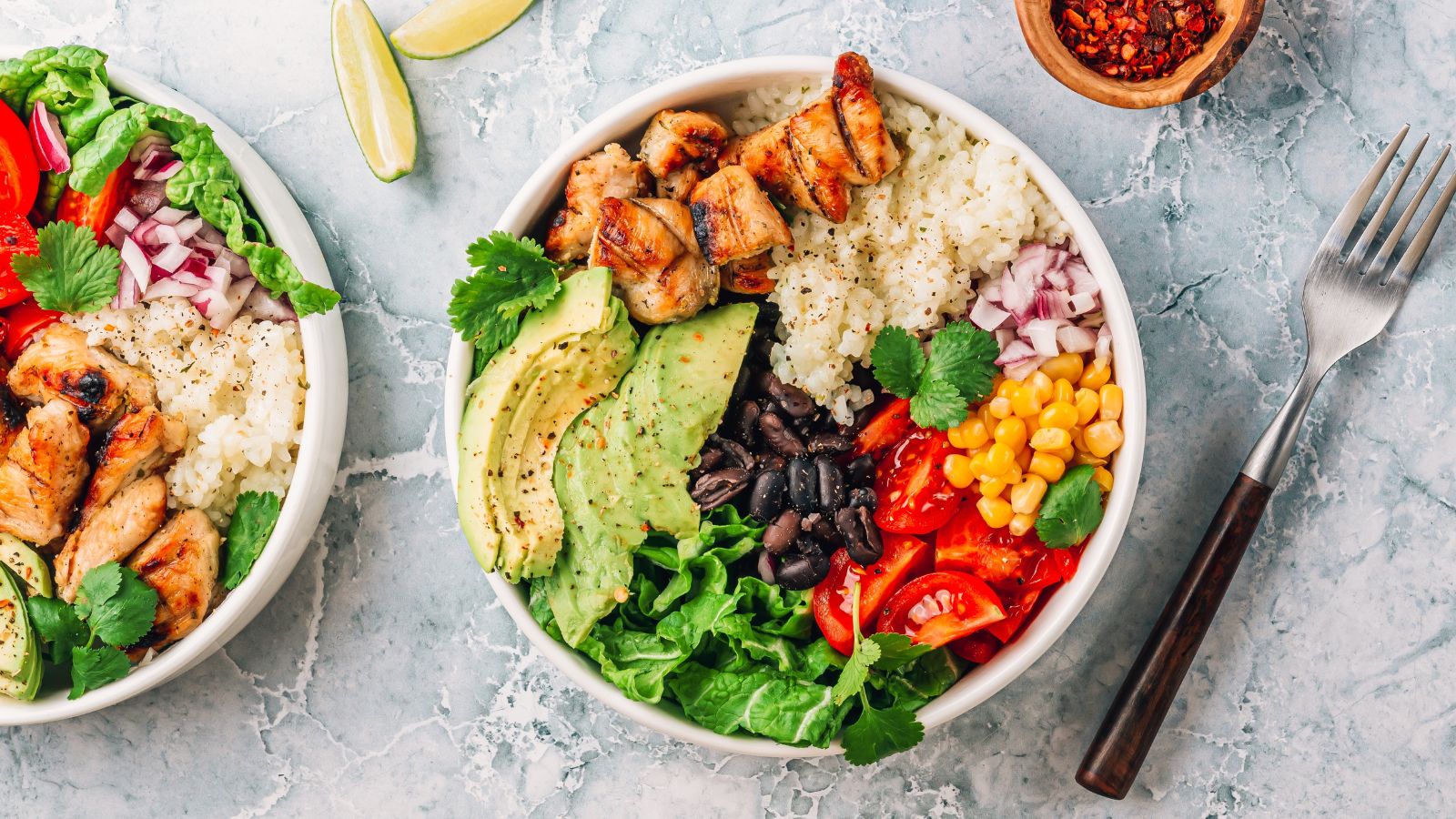
Avocado adds richness and healthy fats to salads. Canadians include it for both flavor and texture. The creamy consistency contrasts with crunchy vegetables. Avocado also increases satiety. It pairs well with citrus or herbs. Preparation requires slicing shortly before serving. This prevents browning. The fruit contributes potassium and fiber. Avocado salads often include protein sources as well. These bowls feel indulgent without heaviness. Moderation is important due to calorie density. Seasonal availability influences cost. Avocado remains a popular addition despite price fluctuations. Its versatility keeps it central to many spring salad combinations.
Nut and Seed Topping Boosts
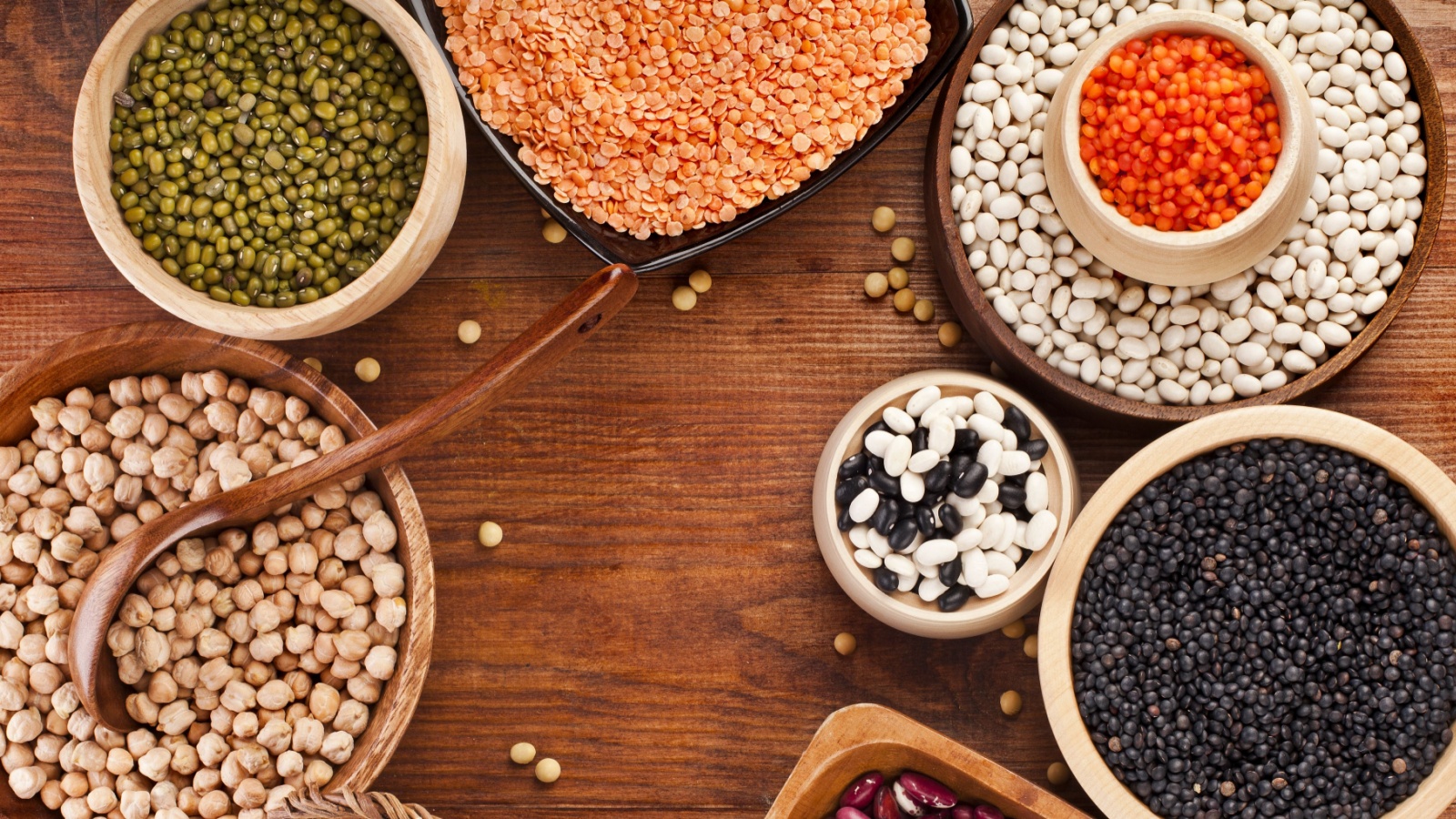
Crunchy toppings improve both flavor and nutrition. Canadians sprinkle almonds, sunflower seeds, or pumpkin seeds over salads. These additions provide healthy fats and protein. Small quantities create satisfying texture. Nuts also increase calorie density for more filling meals. Roasted varieties enhance flavor. Seeds suit those with nut allergies. Toppings can be stored separately to maintain crispness. Preparation requires minimal effort. Variety prevents monotony across meals. Nutrient content includes minerals and fiber. Nut and seed boosts transform simple salads into balanced dishes. This trend supports energy needs during more active spring lifestyles.
Quinoa Power Salads
Quinoa remains popular due to its nutritional profile. Canadians use it as a base for hearty salads. The grain provides protein and fiber. Cooking large batches saves time. Quinoa absorbs dressings well. Vegetables and herbs add freshness. These salads store effectively for several days. Gluten-free properties suit diverse diets. Preparation is straightforward with basic equipment. Quinoa pairs with both plant and animal proteins. The texture feels light yet satisfying. This versatility makes it suitable for lunch or dinner. Power salads offer sustained energy during busy spring schedules.
Simple Tomato and Cucumber Mixes
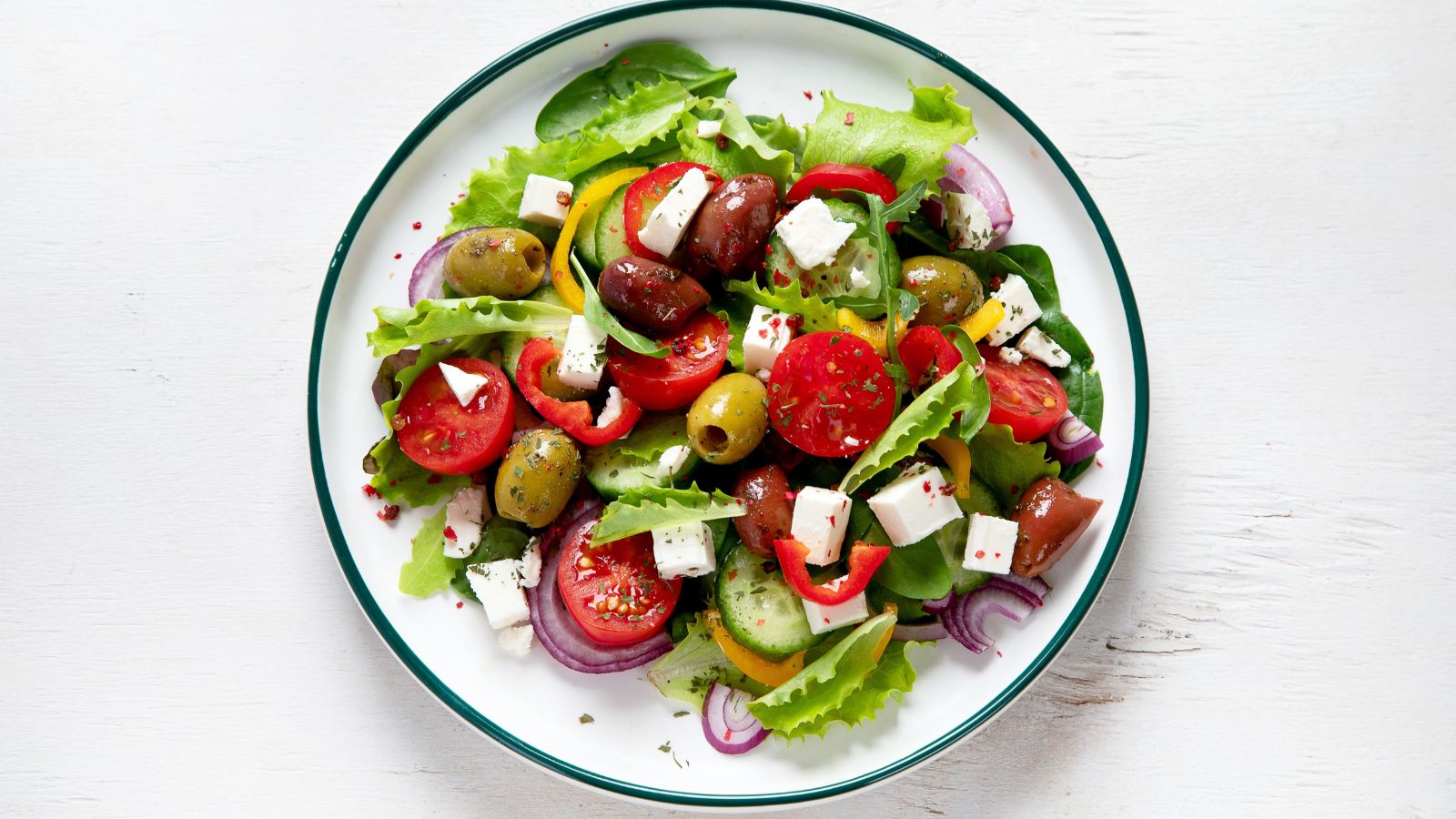
Classic combinations remain relevant for their simplicity. Canadians often prepare tomato and cucumber salads with light seasoning. Olive oil and vinegar enhance natural flavors. Minimal ingredients keep preparation quick. These salads feel hydrating due to high water content. Fresh herbs may be added for aroma. The dish pairs well with many main courses. Seasonal produce improves taste and affordability. No cooking is required. Storage time is shorter due to moisture release. Serving soon after preparation preserves texture. This simple mix reflects the appeal of uncomplicated foods during warmer months in Canada.
Lentil and Bean Salad Bowls
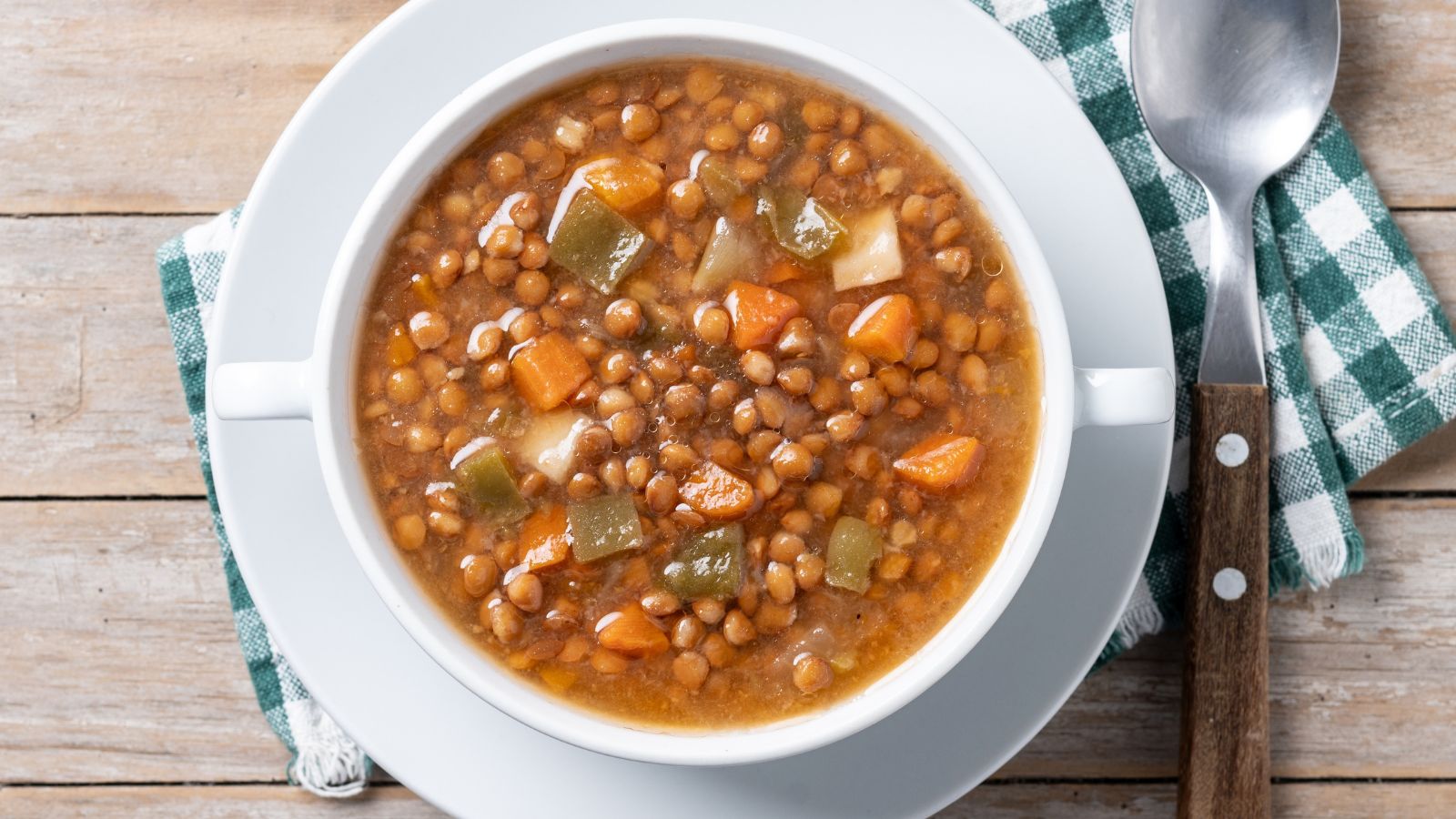
Legumes provide affordable nutrition and satiety. Canadians combine lentils or beans with vegetables and herbs. These salads offer plant-based protein and fiber. Cooking in bulk reduces preparation time later. Light dressings prevent heaviness. Legumes hold flavor well after refrigeration. This makes them suitable for meal prep. Balanced nutrients support sustained energy. Variations can include grains or greens. These bowls appeal to vegetarian diets. Cost-effectiveness increases popularity. Lentil and bean salads provide filling meals without relying on meat. This trend aligns with interest in economical, lighter eating during spring.
Egg-Topped Salad Plates
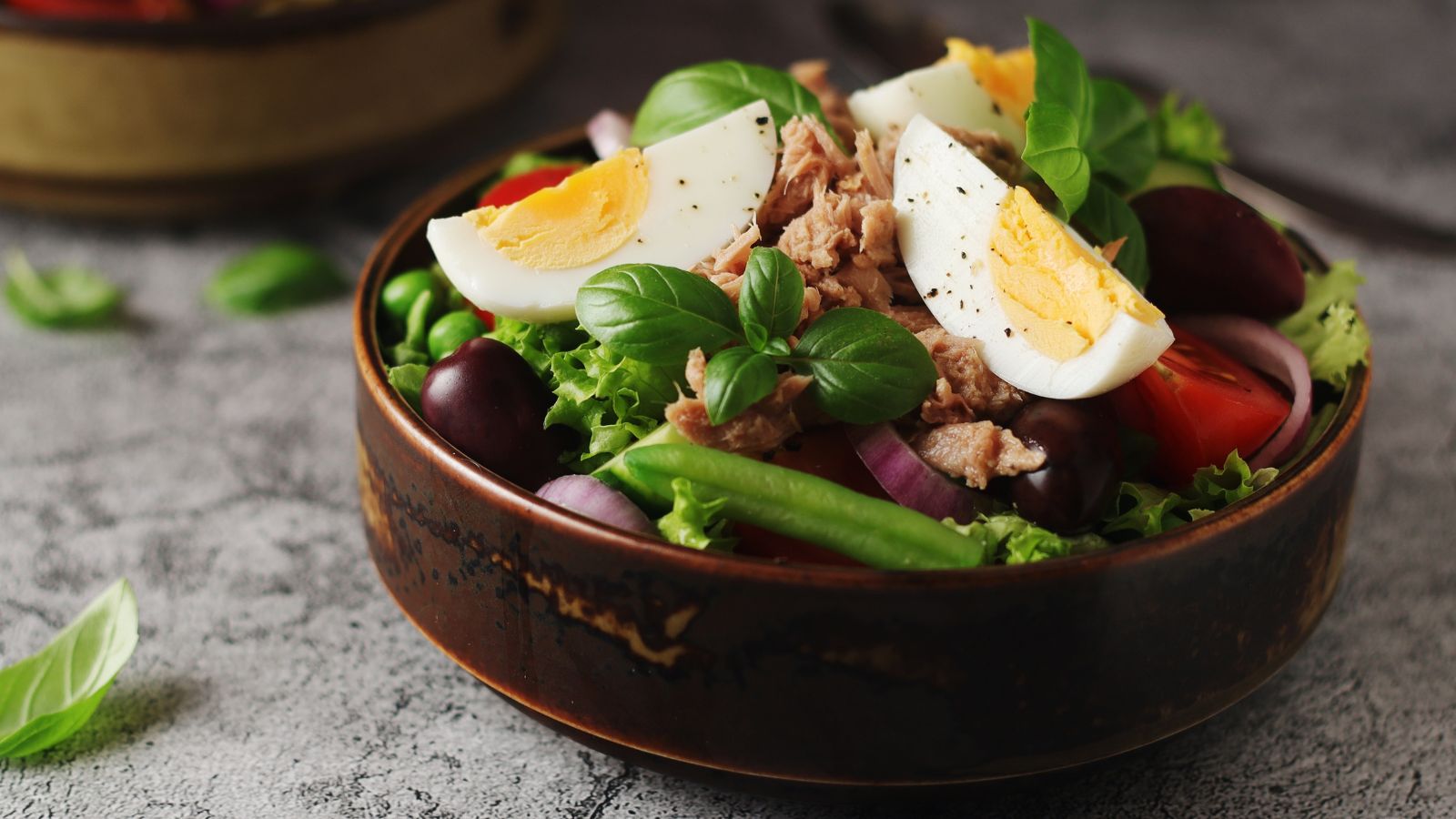
Eggs add protein and richness to otherwise light salads. Canadians often use boiled or poached eggs. The yolk creates a natural sauce when broken. Eggs are widely available and affordable. They complement both vegetables and grains. Preparation can be done in advance. Protein content supports satiety and muscle maintenance. Eggs also provide vitamins and minerals. Combining them with greens creates balanced meals. This approach suits quick lunches or dinners. Moderate seasoning enhances flavor. Egg-topped salads offer a familiar, comforting option that still feels lighter than traditional hot dishes during spring.
Dairy-Free Plant-Based Salads
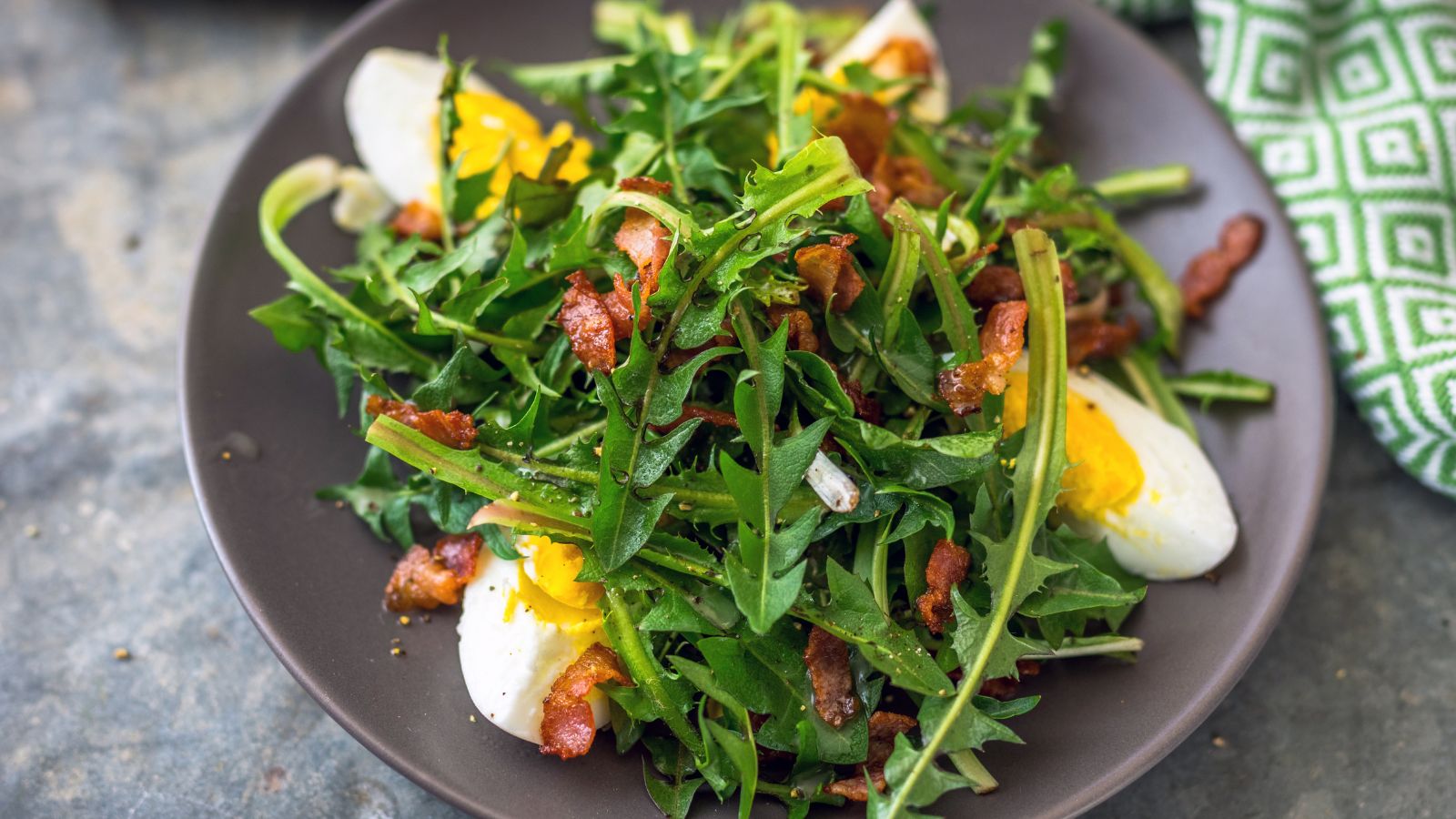
Plant-based eating continues to gain attention. Canadians are exploring dairy-free salad options. Ingredients such as beans, nuts, and vegetables replace cheese. Plant-based dressings use oils or tahini. These salads suit lactose-intolerant individuals. Environmental concerns also influence choices. Preparation requires no special equipment. Nutrient diversity supports overall health. Balanced combinations provide adequate protein. Variety prevents dietary boredom. Plant-based meals often feel lighter yet filling. Seasonal produce enhances flavor naturally. Dairy-free salads align with broader trends toward sustainable eating during spring.
Charred Vegetable Salads
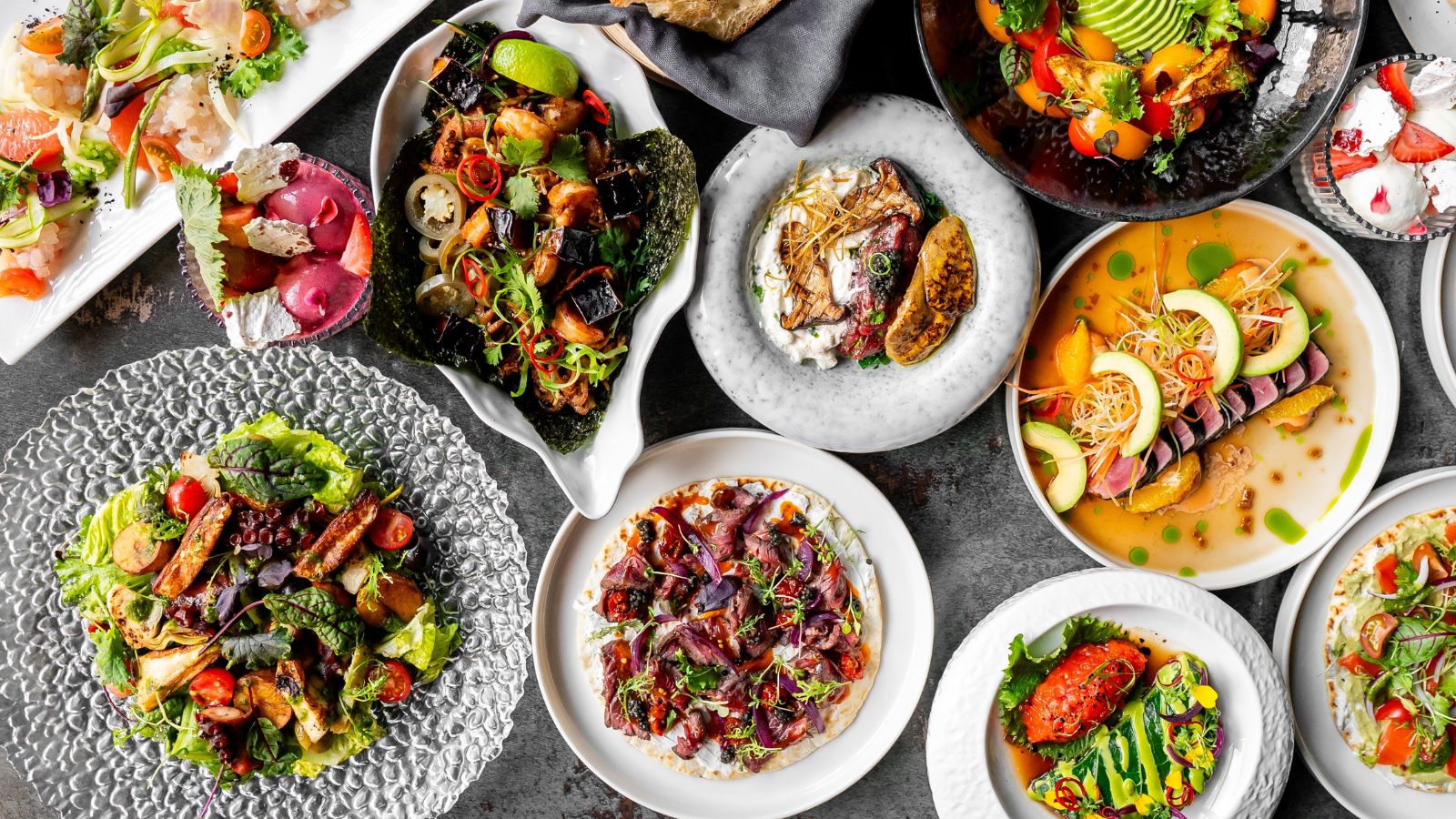
Grilling or charring vegetables adds depth of flavor. Canadians use this technique for outdoor cooking. Slight smokiness contrasts with fresh ingredients. Vegetables such as peppers or zucchini work well. Warm components can be combined with greens. Light dressings balance the intensity. Charred vegetables retain nutrients while improving taste. Preparation requires minimal seasoning. These salads bridge cooked and raw elements. Outdoor grilling also adds social enjoyment. Leftovers can be stored effectively for later meals. Charred vegetable salads provide variety beyond traditional cold dishes during spring.
Low-Carb Lettuce-Free Bowls
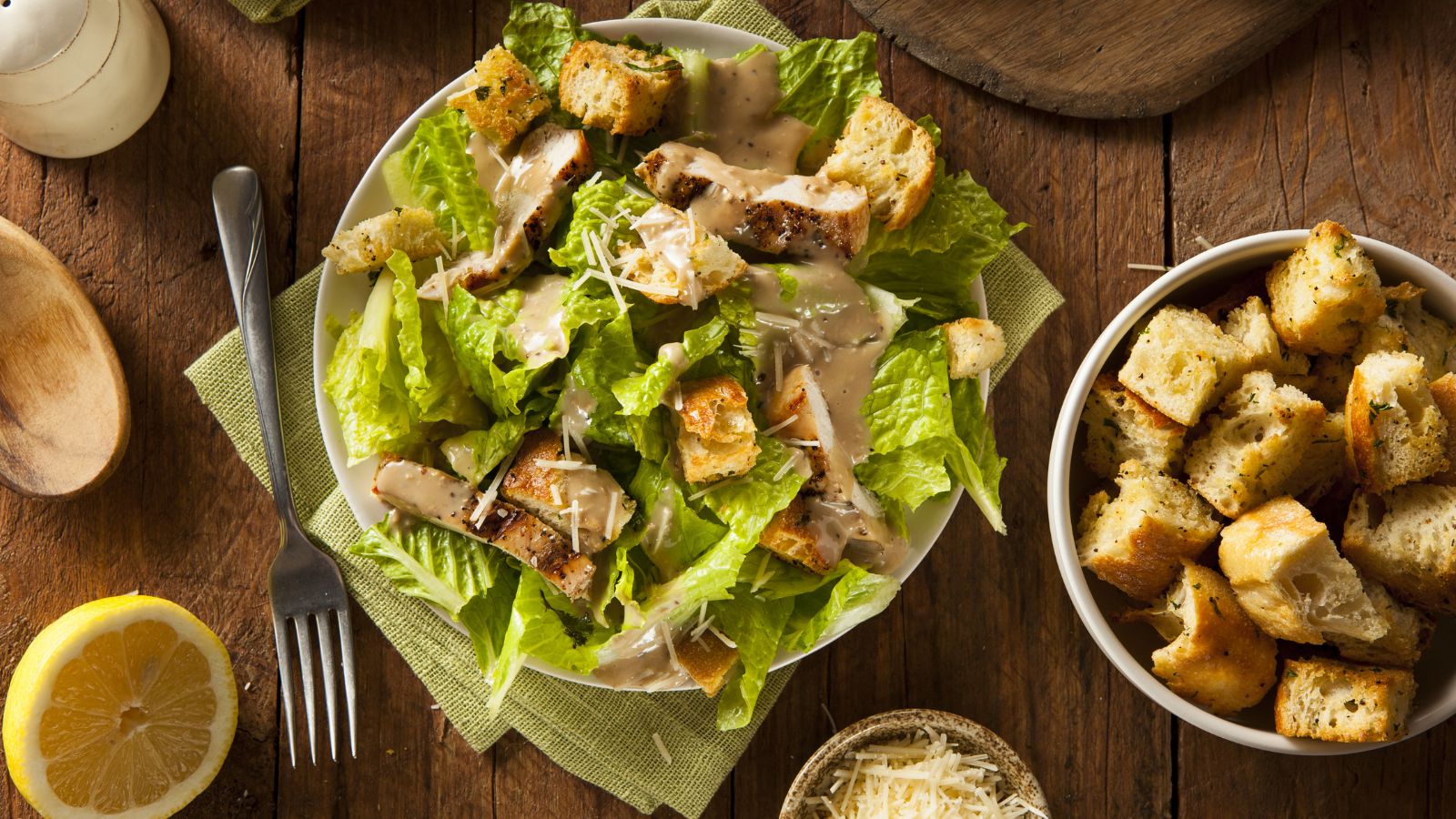
Some Canadians reduce carbohydrate intake for personal reasons. Lettuce free bowls use vegetables or proteins as the base. Cauliflower rice or roasted vegetables are common substitutes. These meals feel substantial without grains. Preparation often involves cooking components ahead. Flavorful dressings prevent blandness. Low-carb options may support specific dietary goals. Nutrient density remains important. Combining healthy fats and protein improves satiety. These bowls suit individuals seeking alternatives to traditional salads. Variety comes from changing ingredients. Lettuce free dishes demonstrate the flexibility of salad concepts in modern meal planning.
Meal-Prep Friendly Layered Salads
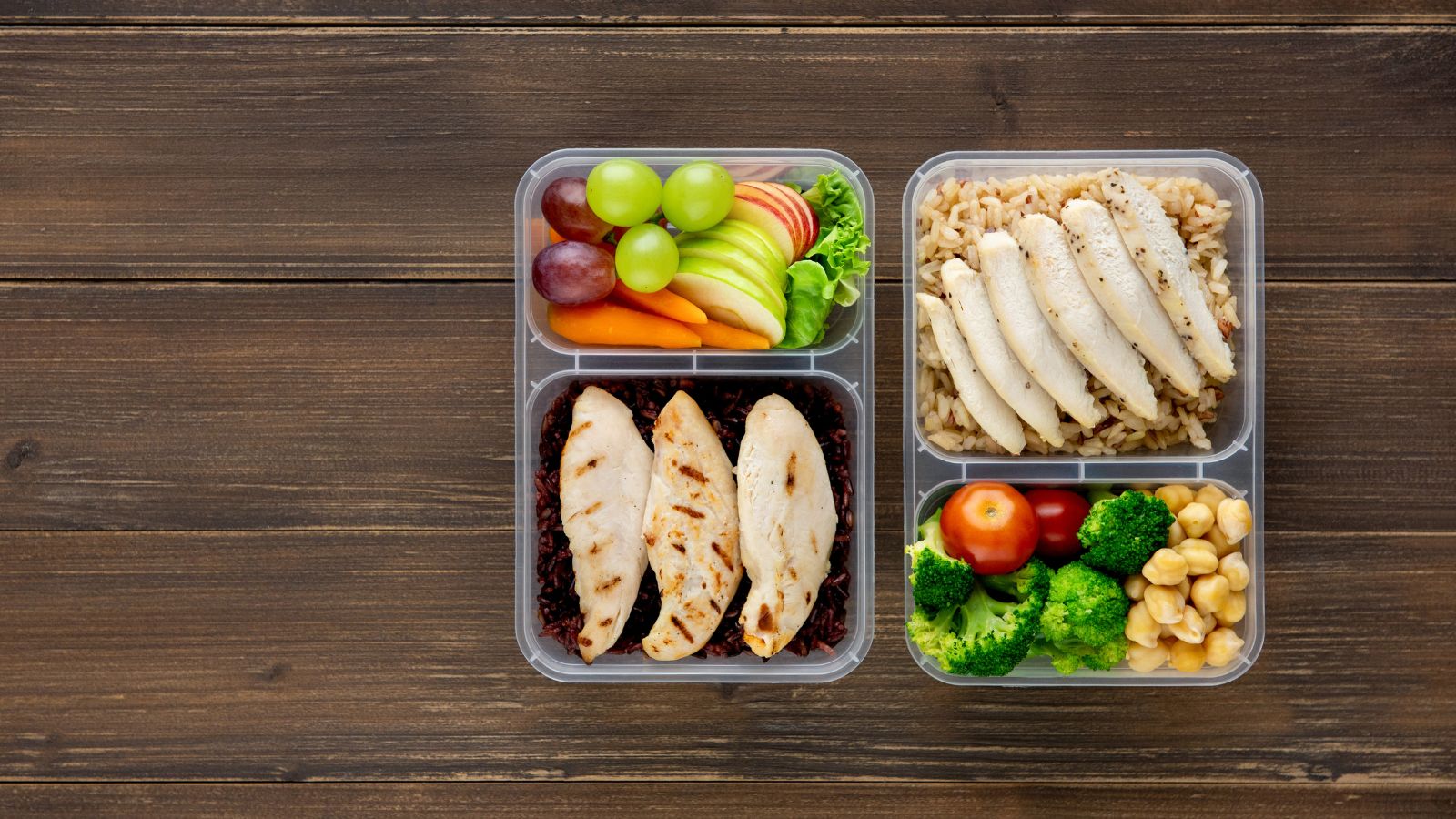
Layered salads are designed for advanced preparation. Canadians assemble ingredients in containers to maintain freshness. Dressing is separated or placed at the bottom. Heavier components protect delicate greens. This structure prevents sogginess during storage. Multiple portions can be prepared simultaneously. Transparent containers allow easy identification. These salads travel well for work or school. Balanced nutrition comes from varied layers. Mixing occurs just before eating. Portion control becomes straightforward. Layered salads save time during busy weeks. Their durability makes them ideal for spring schedules when outdoor activities increase.
22 Groceries to Grab Now—Before another Price Shock Hits Canada
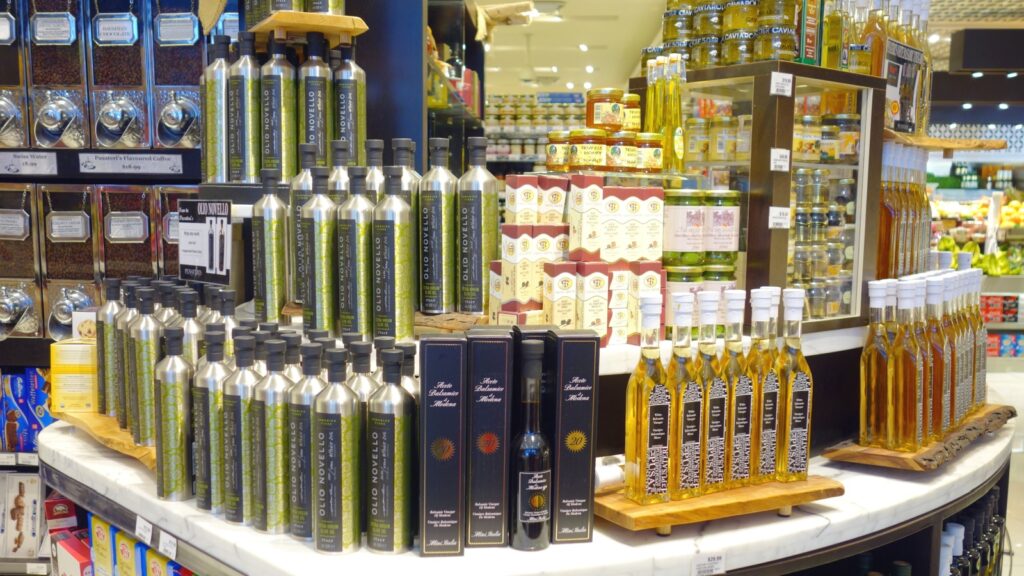
Food prices in Canada have been steadily climbing, and another spike could make your grocery bill feel like a mortgage payment. According to Statistics Canada, food inflation remains about 3.7% higher than last year, with essentials like bread, dairy, and fresh produce leading the surge. Some items are expected to rise even further due to transportation costs, droughts, and import tariffs. Here are 22 groceries to grab now before another price shock hits Canada.
22 Groceries to Grab Now—Before another Price Shock Hits Canada
