
Canadian consumers often blame inflation, supply chains, and global factors for rising prices, but everyday shopping behaviour also plays a direct role. Experts suggest that certain habits, repeated across millions of shoppers, quietly influence how retailers price products and structure promotions. These behaviours increase demand pressure, distort pricing signals, and encourage strategies that push costs higher over time. Here are 17 Canadian shopping habits that are making prices worse (according to experts)
Panic Buying During Sales
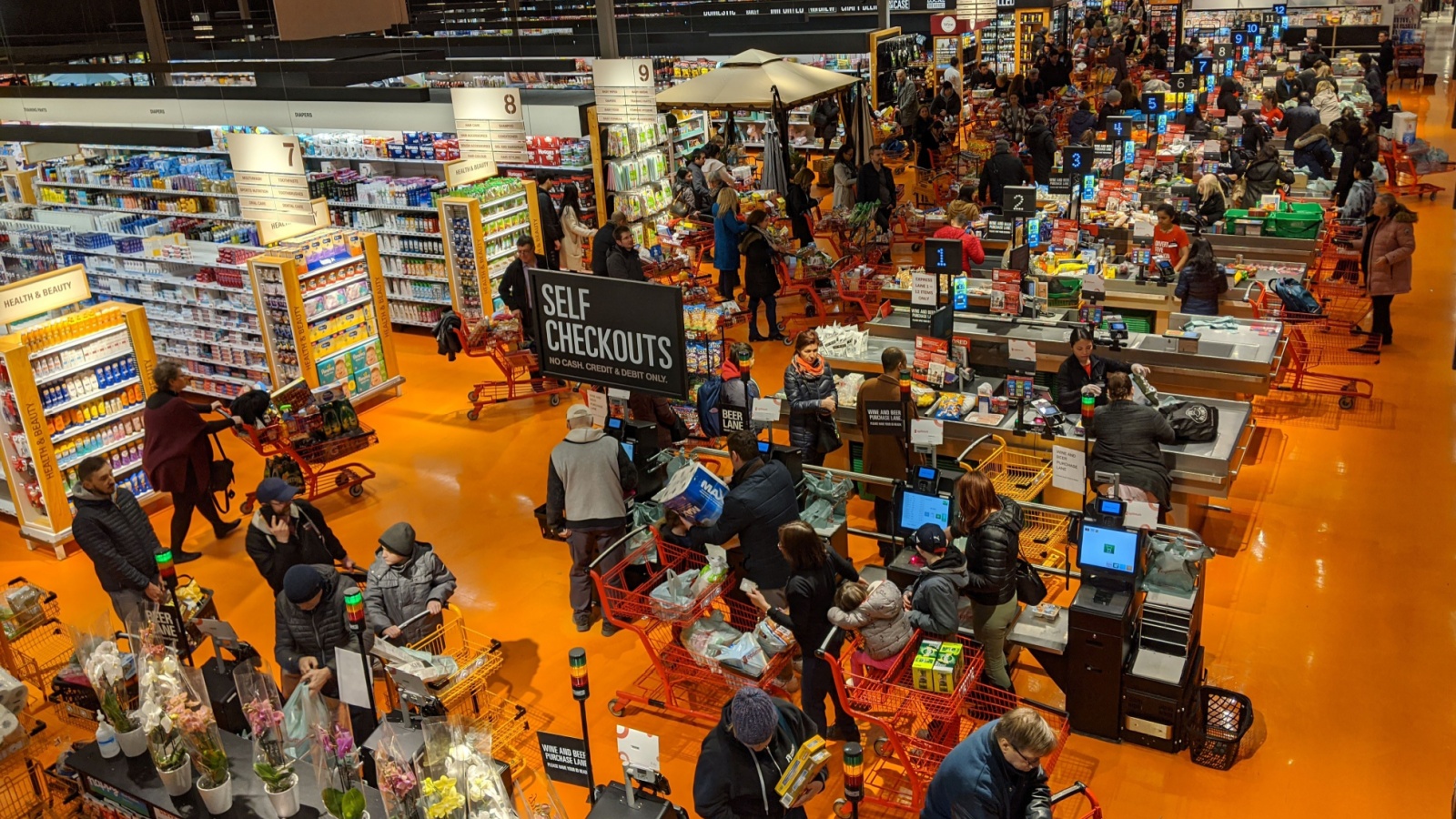
Panic buying during sales events continues to influence pricing patterns across Canadian retail markets. When shoppers rush to purchase large quantities of discounted items, it creates sudden spikes in demand that retailers closely monitor. These spikes often signal strong consumer willingness to pay, even outside promotional periods. As a result, retailers maintain higher base prices and rely on short-term discounts to drive traffic. Canadians often believe they are saving money during these events, but overbuying frequently leads to waste or unnecessary storage.
Chasing “Limited-Time” Deals

Chasing limited-time deals is a habit that directly supports pricing strategies based on urgency rather than value. Canadian retailers frequently rotate promotions to create the impression of scarcity, even when discounts return regularly. When shoppers respond immediately to these offers, it reinforces the effectiveness of this tactic. Retailers are then encouraged to maintain higher regular prices while relying on temporary deals to drive sales. Canadians often assume that waiting will result in missing out, but most promotions follow predictable cycles. This behaviour increases demand during short windows, allowing retailers to control purchasing patterns.
Ignoring Unit Pricing

Ignoring unit pricing remains one of the most common habits that leads to higher spending and distorted pricing signals. Many Canadians focus on total price or packaging size without evaluating the cost per unit, which provides a more accurate measure of value. Retailers often design packaging and shelf placement to highlight larger items that appear economical but may carry higher per-unit costs. When shoppers consistently choose these options, it signals acceptance of higher pricing structures. This reduces pressure on retailers to offer better value at the unit level.
Prioritizing Convenience Purchases

Convenience purchases continue to drive higher prices across the Canadian grocery and retail sectors. Items such as pre-cut produce, ready-to-eat meals, and single-serve packaging are priced higher due to added processing and labour costs. When demand for these products increases, retailers expand these offerings and maintain elevated price points. Canadians often choose convenience to save time, but this behaviour signals strong demand for higher-margin products. Over time, this shifts inventory toward convenience-focused items and reduces emphasis on lower-cost alternatives.
Sticking to Brands Without Comparing

Brand loyalty without comparison limits competition and supports higher pricing across Canadian markets. Many shoppers repeatedly purchase familiar brands without evaluating alternatives, which reduces pressure on companies to adjust pricing. Retailers rely on this behaviour to maintain premium positioning for well-known products. When consumers do not explore store brands or competing options, price differences remain unchallenged. Experts highlight that occasional comparison shopping can reveal significant savings without sacrificing quality.
Overbuying Perishables on Sale

Overbuying perishable items during sales is a common habit that leads to waste and influences pricing patterns. Canadians often purchase large quantities of dairy, produce, or fresh goods when prices drop, assuming it results in savings. However, unused items frequently spoil, offsetting any financial benefit. This behaviour creates temporary demand spikes that retailers interpret as sustained interest, which can justify higher pricing. Increased waste also contributes to supply inefficiencies, affecting overall cost structures. Experts recommend purchasing perishables based on realistic consumption rather than promotional pricing.
Shopping Too Frequently Without Planning

Frequent shopping trips without planning increase exposure to impulse purchases and pricing tactics. Canadians who visit stores multiple times a week encounter more promotions, displays, and limited-time offers, which influence buying behaviour. This repeated exposure increases the likelihood of unplanned spending and higher overall costs. Retailers benefit from increased traffic and adjust pricing strategies to encourage quick decisions. Experts suggest consolidating shopping trips and using lists to reduce impulse buying.
Avoiding Store Brands Without Trying Them

Avoiding store brands without evaluating their quality contributes to higher prices across Canadian grocery stores. Many consumers assume that national brands offer better value, even when store brands have improved significantly in recent years. This perception allows premium brands to maintain higher pricing without strong competition. Retailers invest in store-brand quality, but adoption depends on consumer willingness to try alternatives. Avoiding store brands may feel like a safe choice, but it limits competition and supports higher price levels.
Reacting to Flash Sales Instantly

Reacting immediately to flash sales reinforces urgency-based pricing strategies across Canadian retail environments. These promotions are designed to trigger quick decisions, often without giving shoppers time to evaluate need or value. Canadians who respond instantly contribute to demand spikes that validate these tactics. Retailers continue to use flash sales because they drive rapid sales volume and increase average spending. Many flash deals return in a similar form, making immediate action unnecessary.
Buying in Bulk Without Real Need

Buying in bulk is often seen as a smart way to save money, but it can actually contribute to higher prices when done without genuine need. Canadians frequently purchase large quantities during warehouse trips or sales events, even when consumption does not justify the volume. This behaviour increases short-term demand, which retailers interpret as strong ongoing interest in bulk formats. As a result, bulk pricing does not always deliver true savings, and in some cases, per-unit costs remain high. Over time, consistent bulk buying signals that consumers are willing to spend more upfront, which supports higher pricing structures.
Ignoring Loyalty Program Trade-Offs

Loyalty programs are designed to reward repeat customers, but many Canadians overlook the trade-offs involved. Retailers often use these programs to track purchasing behaviour and adjust pricing strategies accordingly. While points and discounts provide short-term benefits, they can also encourage shoppers to remain within a single store or brand ecosystem. This reduces comparison shopping and limits competitive pressure on pricing. Canadians may end up paying more overall while focusing on accumulating rewards.
Falling for “Premium” Product Positioning

Premium product positioning plays a significant role in shaping consumer behaviour and pricing. Canadians are often drawn to products labeled as organic, artisanal, or high-quality, even when the differences are minimal. Retailers use packaging, placement, and branding to justify higher prices, which consumers accept based on perceived value. When demand for premium products increases, retailers expand these offerings and maintain elevated price points. This shifts overall pricing upward across categories.
Shopping Without Comparing Across Stores

Shopping at a single store without comparing prices across different retailers limits competition and contributes to higher prices. Canadians often choose convenience over comparison, especially when time is limited. This behaviour reduces pressure on retailers to offer competitive pricing, as they rely on consistent customer traffic. Price differences between stores can be significant, particularly for staple items. While convenience remains important, balancing it with comparison helps maintain more competitive pricing across the market.
Trusting Sale Labels Without Verification

Sale labels often create the impression of savings, but not all discounts represent true value. Canadians frequently rely on signage without verifying whether the price is genuinely lower than usual. Retailers may adjust regular prices before applying discounts, creating the appearance of a deal without meaningful savings. This behaviour reinforces pricing strategies that rely on perception rather than actual value. Canadians who verify deals contribute to more transparent pricing practices. Blind trust in sale labels allows retailers to maintain higher margins while appearing competitive.
Choosing Smaller Pack Sizes for Convenience

Smaller pack sizes are often chosen for convenience, but they typically carry higher per-unit costs. Canadians may prefer these options due to ease of use or storage, but the pricing reflects added packaging and handling expenses. When demand for smaller packs increases, retailers expand these formats and maintain higher margins. This contributes to overall price increases across categories. Experts recommend evaluating unit pricing to determine whether convenience justifies the cost. Choosing larger sizes when practical can reduce spending and signal demand for better value.
Buying Trending Products Without Need

Social media and marketing trends influence purchasing behaviour, leading Canadians to buy products they may not actually need. Trending items often carry higher prices due to increased demand and perceived popularity. Retailers capitalize on this by maintaining elevated pricing while interest remains high. Canadians who follow trends closely may spend more without evaluating long-term value. Experts suggest focusing on practical needs rather than popularity when making purchasing decisions. This reduces unnecessary spending and limits demand-driven price increases.
Delaying Purchases Until Urgent

Delaying purchases until they become urgent often leads Canadians to pay higher prices. When items are needed immediately, there is less time to compare options or wait for discounts. Retailers benefit from this urgency, as consumers are more likely to accept higher prices for convenience. This behaviour reinforces pricing strategies that rely on last-minute demand. Canadians who anticipate needs and buy strategically can avoid paying premium prices. Over time, reduced urgency-based purchasing helps stabilize demand and supports more consistent pricing.
19 Things Canadians Don’t Realize the CRA Can See About Their Online Income

Earning money online feels simple and informal for many Canadians. Freelancing, selling products, and digital services often start as side projects. The problem appears at tax time. Many people underestimate how much information the CRA can access. Online platforms, banks, and payment processors create detailed records automatically. These records do not disappear once money hits an account. Small gaps in reporting add up quickly.
Here are 19 things Canadians don’t realize the CRA can see about their online income.
