Summer airport travel has a way of turning small habits into expensive problems. A forgotten baggage rule, a last-minute parking decision, or a casual approach to documents can add stress before the trip even begins. Canadian travellers are also moving through airports during a period of high demand, with major terminals balancing fuller flights, security screening, customs processing, and tighter airline cost structures.
These 10 airport habits can quietly cost time, money, or both. Some are familiar mistakes, such as arriving too late or overpacking liquids. Others have become more important as airlines adjust baggage rules, airports push digital tools, and border processes reward advance preparation.
Cutting Arrival Time Too Close
Arriving “just in time” can feel efficient until one slow-moving line changes the entire morning. Summer flights often cluster around early departures, long weekends, cruise connections, and family travel periods, which means check-in counters, bag drops, parking entrances, and security checkpoints can all become pressure points at the same time. Even when screening wait times are reasonable overall, a traveller who arrives late has little room for a kiosk issue, oversized bag check, or a family ahead in line repacking liquids.
The cost is not only emotional. Missed check-in or baggage-drop deadlines can mean rebooking fees, lost hotel nights, unused event tickets, or the need to buy a replacement flight at peak-season prices. Airlines publish different recommended arrival windows, and those windows matter most when travelling with checked bags, pets, mobility equipment, or international documents. The better summer habit is to treat airport arrival as part of the itinerary, not a flexible suggestion.
Waiting Until the Airport to Check In
Airport check-in still works, but relying on it as the default can waste valuable time. Online and mobile check-in usually open 24 hours before departure on major Canadian carriers, allowing travellers to confirm details, receive a boarding pass, review baggage rules, and catch seat or document issues before reaching the terminal. A person discovering a name mismatch or passport problem at the airport has far fewer options than someone who notices it the night before.
There is also a practical line-management benefit. Travellers who check in before arriving can often head straight to bag drop or security if they have only carry-on luggage. That difference can matter on a summer morning when a terminal is full of vacation groups, sports teams, and first-time flyers. The habit of “doing it at the airport” may seem harmless, but it can turn a routine departure into a race against cutoff times.
Packing Liquids Like the Rules Are Flexible

Sunscreen, maple syrup, bug spray, lotion, perfume, and contact lens solution can all become expensive casualties at security. Canadian screening rules still limit liquids, aerosols, and gels in carry-on baggage to containers of 100 ml or less, and those containers must fit in a single clear, resealable 1-litre bag. The rule applies to the container size, not just the amount left inside, which catches many travellers with half-used full-size bottles.
The time cost comes when bags are pulled aside for inspection and passengers have to decide what to surrender, repack, or check. The money cost is obvious at the other end, where replacing sunscreen or toiletries in a resort town can be surprisingly pricey. A more reliable habit is to pack full-size liquids in checked luggage, use clearly labelled travel containers, and keep the liquids bag ready before reaching the bin area.
Treating Carry-On Bags as a Free-for-All
Carry-on strategy has become more complicated as airlines adjust fare rules and cabin baggage allowances. Some basic fares may not include the same carry-on privileges passengers once assumed, and gate agents can enforce size, weight, or fare restrictions more strictly on full flights. A roller bag that worked on one trip may trigger a fee or forced check on another, especially when the aircraft is smaller or overhead bins are already crowded.
This habit can cost money quickly. Paying for a bag at the airport or gate is often more expensive than adding it earlier online, and a forced checked bag can also delay arrival if the traveller planned to leave the airport immediately. Families are especially vulnerable because several “small” bags can become a pile of backpacks, beach totes, and duty-free purchases. Checking fare conditions before packing is now a real money-saving step, not fine print.
Ignoring Checked-Bag Fees Until the Counter
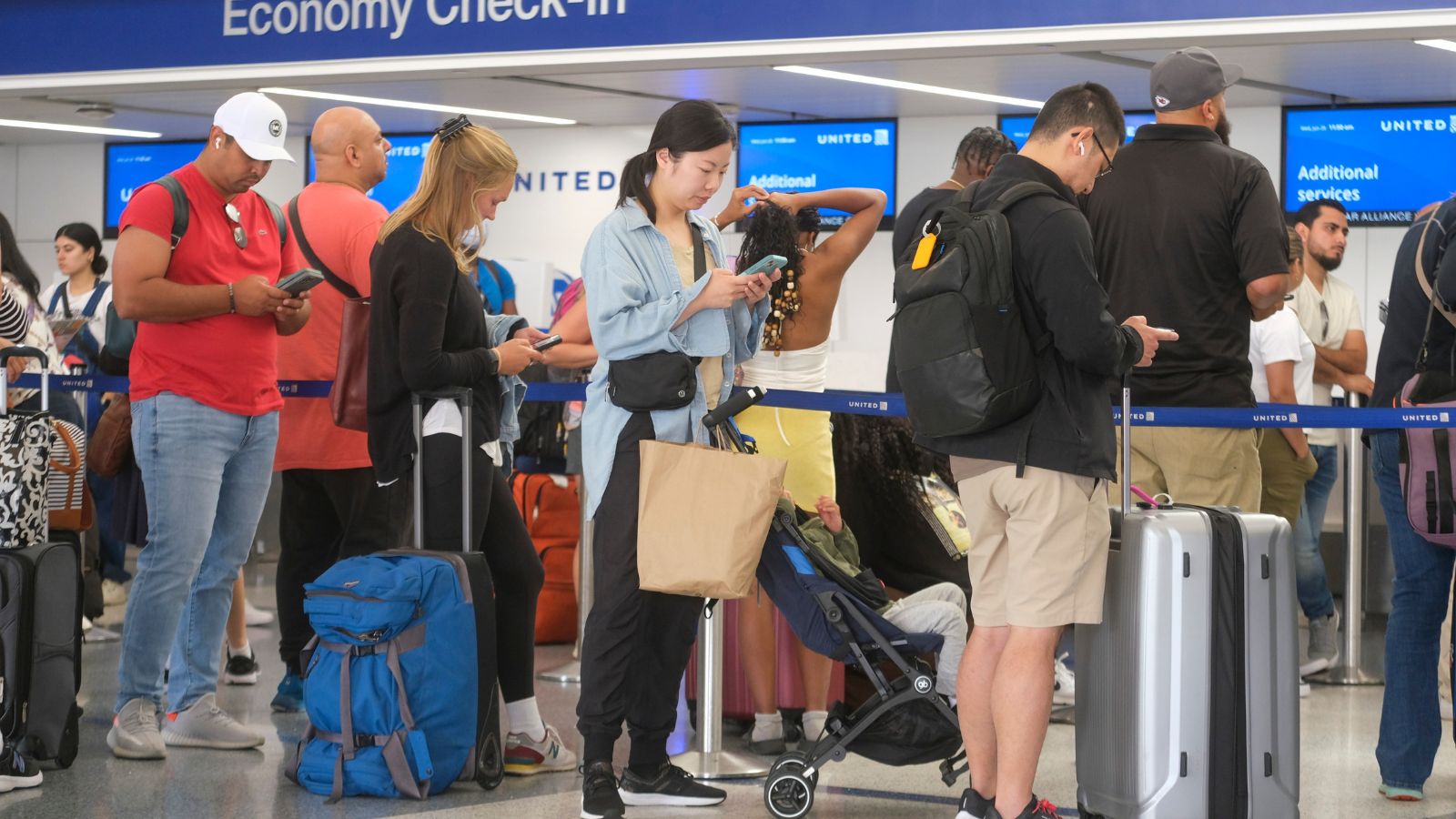
Checked-bag fees can feel abstract during booking, especially when the base fare looks attractive. The problem appears at the airport, where the final cost of a vacation bag becomes unavoidable. Canadian travellers flying basic or lower-tier fares can face significant first- and second-bag fees, and the price can rise further when payment happens at check-in or at the airport rather than in advance. Oversized or overweight luggage can add another layer of expense.
The habit is common because people pack for the trip they imagine, not the fare they bought. A family heading to Europe with souvenirs, formal clothes, and beach gear may discover that the “cheap” fare was only cheap before bags entered the equation. Weighing luggage at home, prepaying where possible, and comparing fare bundles can prevent a counter surprise. Sometimes the slightly higher fare is cheaper once baggage is included.
Skipping Advance Declaration on the Way Home

Many Canadian travellers still think of ArriveCAN as a pandemic-era requirement and ignore it entirely. That can mean missing the Advance Declaration feature, which allows eligible travellers arriving by air at participating Canadian airports to submit customs and immigration information before landing. It is optional, but for people returning from summer trips, it can reduce the amount of typing and decision-making at kiosks or eGates after a long flight.
The savings are measured in time, not glamour. A family returning with tired children, connecting passengers trying to catch a domestic flight, or travellers arriving alongside multiple wide-body aircraft may benefit from having the declaration completed before touchdown. The key is accuracy; the declaration still needs to be truthful, and receipts for purchases should be easy to access. Treating arrival paperwork as something to handle only after landing can make the final airport stretch longer than necessary.
Forgetting Passport and Entry Rules Until Departure Week

A passport that is valid for travel is not always valid enough for a destination’s entry rules. Some countries require a passport to remain valid for months beyond the planned return date, and visa or electronic travel authorization requirements can vary by destination, citizenship, and transit point. Canadian travellers with dual citizenship also need to be careful about which passport they use when flying back to Canada.
This habit can be one of the most expensive because it may stop the trip before boarding. Emergency document appointments, rushed courier services, cancelled hotel bookings, and non-refundable tours can all follow from a simple assumption that “not expired” means “good to go.” The wiser approach is to check official destination requirements before buying non-refundable travel, then check again closer to departure. Summer plans are easier to protect when documents are treated as a budget item, not an afterthought.
Booking Tight Connections Without a Buffer

A connection that meets the airline’s minimum connection time can still feel risky in real life. Minimums are designed around formal routing rules, but they do not guarantee a relaxed transfer during summer congestion, weather delays, long walks, terminal changes, customs processing, or gate-checked bags. A 55-minute connection may look fine on a booking screen and feel completely different when the first flight parks late at a remote gate.
The money risk appears when a missed connection causes an overnight stay, a lost prepaid tour, or a complicated rebooking. Passenger protection rules may apply in some disruption scenarios, but they do not remove the stress or instantly replace every lost hour. Travellers with children, checked bags, mobility needs, or separate tickets should be especially cautious. Leaving a wider buffer may make the itinerary look less efficient, but it can be cheaper than trying to rescue a broken travel day.
Paying Peak Airport Parking Prices by Default
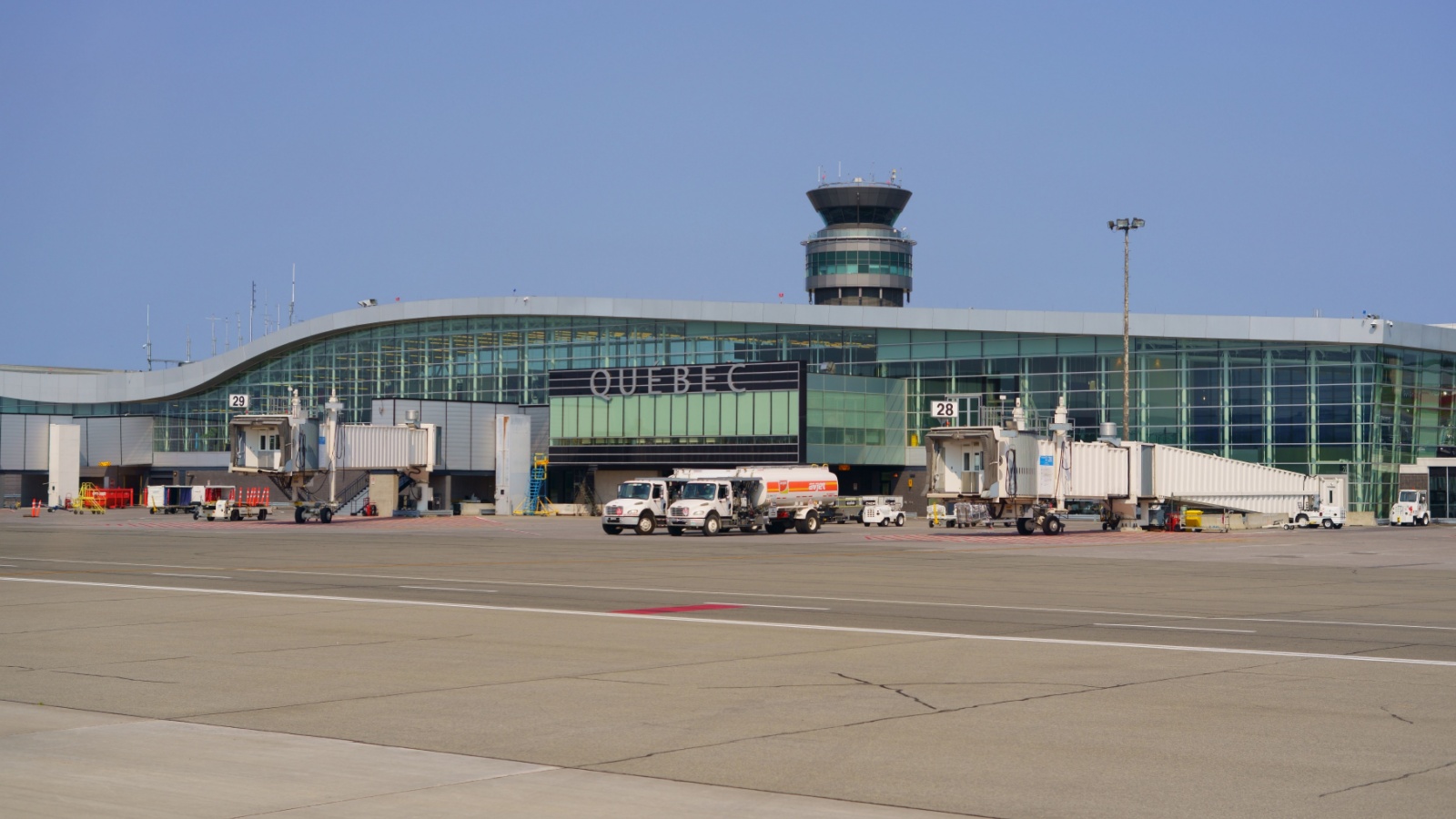
Driving to the airport can feel like the simplest choice until the parking bill arrives. Major Canadian airports publish daily and weekly parking rates that vary by proximity, reservation status, and lot type. A traveller who pulls into the most convenient garage without checking alternatives may pay far more than someone who reserves a value lot, uses a shuttle option, takes transit, or arranges a drop-off. Summer demand can also make close-in parking less predictable.
The cost grows quickly on week-long trips. A daily maximum that seems manageable for one night can become a major add-on for a family vacation, especially when combined with fuel, tolls, and terminal food. The better habit is to price transportation at the same time as flights. Comparing airport lots, off-site options, transit, rideshare, and hotel park-and-fly packages can turn parking from a surprise expense into a planned line item.
Waiting Until the Terminal to Figure Out Food, Gates, and Layout

Some travellers arrive hungry, unfamiliar with the terminal, and unsure where they need to go. That combination can lead to rushed restaurant purchases, wrong-terminal walks, missed boarding announcements, or unnecessary backtracking through crowded concourses. Large airports such as Toronto Pearson, Vancouver, Montréal-Trudeau, Calgary, and others can involve long walking times, separate domestic, transborder, and international areas, and different services after security.
The financial cost may be small in each moment but adds up. Buying meals for a family at airport prices because no one ate beforehand, replacing forgotten chargers after security, or choosing the first available lounge or restaurant can turn waiting time into spending time. Checking terminal maps, gate areas, restaurant options, and flight status before leaving home makes the airport feel less like a maze. Summer travel rewards people who prepare for the terminal, not just the destination.
Forgetting to Document Delays, Bags, and Extra Costs
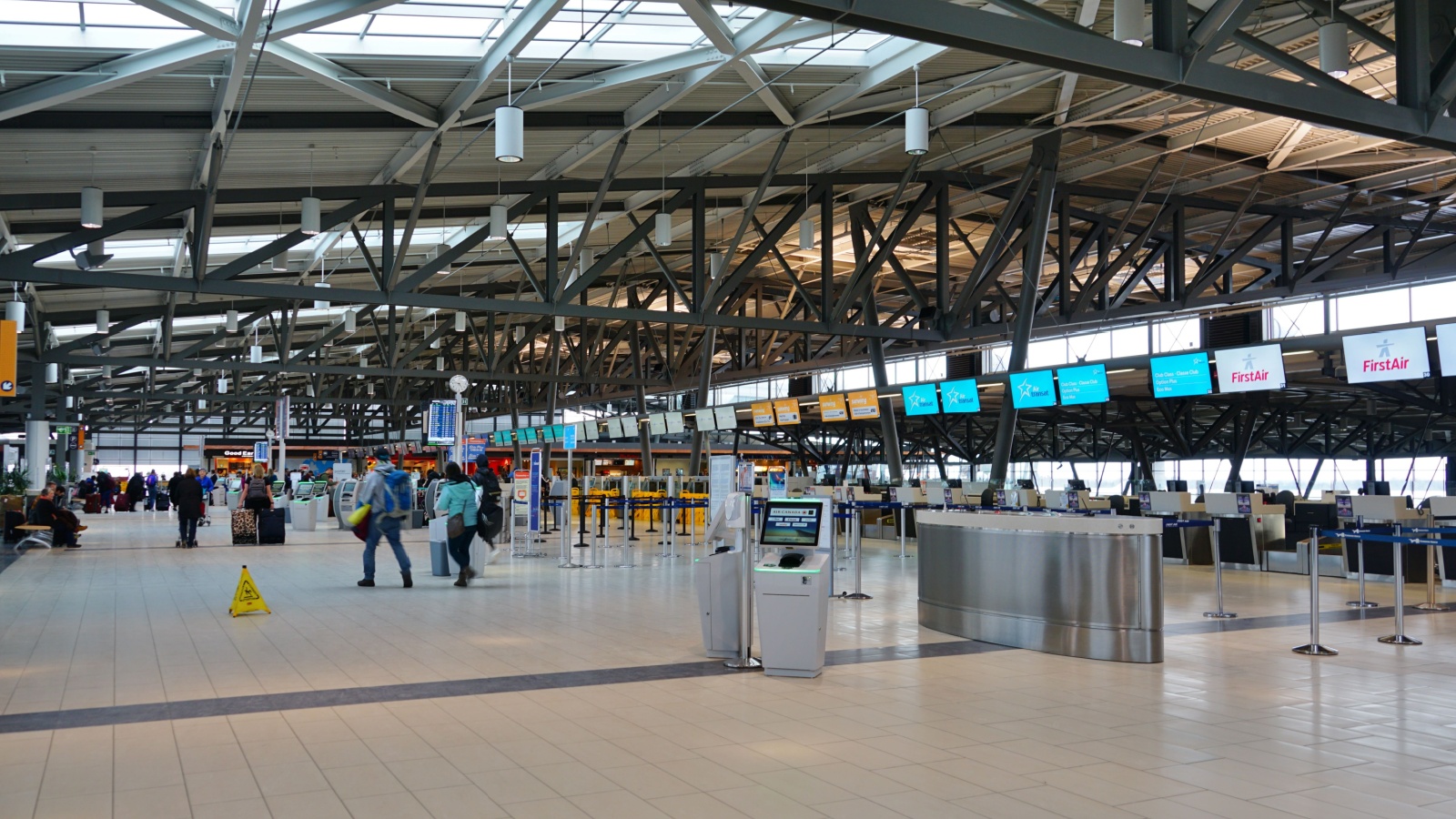
When travel goes wrong, many people focus only on getting out of the airport. That is understandable, but it can weaken a later claim for delayed bags, damaged luggage, cancellations, or eligible expenses. Boarding passes, baggage tags, receipts, airline messages, hotel invoices, meal costs, and screenshots of delay notices can all become useful. Without them, travellers may struggle to show what happened and what they spent.
Canada’s air passenger protection framework includes rules around delays, cancellations, denied boarding, and baggage issues, but a successful complaint or reimbursement request often depends on details. The habit of throwing away tags or ignoring written confirmations can cost real money after the fact. A practical summer routine is to photograph baggage tags, save airline notifications, keep receipts, and report baggage problems before leaving the airport. Documentation does not fix a bad travel day, but it can protect the traveller’s options afterward.
19 Things Canadians Don’t Realize the CRA Can See About Their Online Income

Earning money online feels simple and informal for many Canadians. Freelancing, selling products, and digital services often start as side projects. The problem appears at tax time. Many people underestimate how much information the CRA can access. Online platforms, banks, and payment processors create detailed records automatically. These records do not disappear once money hits an account. Small gaps in reporting add up quickly.
Here are 19 things Canadians don’t realize the CRA can see about their online income.
